In short
Episode Summary: Breaking the Rules of Growth - Archie Abrams of Shopify
Overview In this episode of Lenny's Podcast, Archie Abrams, VP of Product and Head of Growth at Shopify, discusses Shopify's unconventional approaches to growth, including banning KPIs, optimizing for churn, prioritizing intuition, and building toward a 100-year vision. Archie shares insights on Shopify’s unique strategies, team structures, and lessons learned from integrating sales into a product-led model.
Key Discussion Points
Shopify's Unique Growth Strategy
- Optimizing for Churn: Shopify aims to lower barriers to entrepreneurship, understanding that while many businesses fail, the successful ones significantly contribute to Shopify's revenue. This approach is likened to an angel investment model where a few successes offset many failures.
- Metrics and Long-term Focus: Instead of short-term metrics, Shopify focuses on long-term GMV (Gross Merchandise Value) and cohort value over several years. They use long-term holdouts in experiments to truly understand the impact over time.
- Banning KPIs in Core Product Teams: The core product teams at Shopify operate without traditional metrics or KPIs, instead focusing on intuition and building towards a long-term vision. This allows for more creative and risk-taking behavior.
Team Structure and Experimentation
- Growth Team Structure: The growth team is divided into Growth R&D, Growth Marketing, and a unique integration of Customer Support within growth. Each has specific focuses, such as onboarding, internal tooling, and enhancing customer success.
- Experimentation and Cohort Analysis: Shopify continuously monitors experiments over long periods to determine their true impact, often finding that initial gains do not translate to long-term growth.
- Product and Growth Collaboration: Despite differing approaches, growth and core product teams collaborate closely to ensure both short-term and long-term objectives are met without compromising product quality.
Integration of Sales and Product-led Growth
- Sales and Marketing Dynamics: Shopify has evolved to include a sales motion, which involves integrating sales strategies with its existing product-led growth model. This means creating hyper journeys where customers can choose between self-service and sales-assisted paths.
- Adjusting LTV and Attribution Models: The integration of sales requires adjustments in lifetime value calculations and attribution models to accurately reflect sales contributions.
Additional Insights
- No CMO Structure: Marketing is distributed across the organization, aligning closely with specific business goals. This is facilitated by strong leadership from Shopify's founders, ensuring brand cohesion without a centralized CMO.
- Power of Discounting: Drawing from Archie's experience at Udemy, discounting is highlighted as a powerful tool to drive growth by lowering perceived barriers and creating urgency.
Key Takeaways
- *Long-Term Vision*: Shopify’s approach emphasizes thinking decades ahead, shaping product decisions and growth strategies around a century-long vision.
- *Metrics Flexibility*: By reducing dependency on short-term metrics, Shopify fosters innovation and adapts its strategies based on long-term results.
- *Integration of Intuition*: Emphasizing intuition and taste in decision-making allows Shopify to maintain a high bar for quality and creativity.
- *Sales and Product Synergy*: Successfully integrating sales into a traditionally product-led organization requires careful adjustment of metrics and collaborative strategy development.
Practical Applications
- Companies considering reducing dependency on short-term metrics can look to Shopify's model for inspiration, ensuring there is a strong foundational vision and leadership.
- For businesses integrating sales, understanding customer journeys and adjusting attribution models are critical for accurate performance measurement.
- Organizations can explore distributed marketing functions to enhance alignment with specific business goals, especially when strong brand leadership is present.
Conclusion Archie Abrams offers a deep dive into Shopify's innovative growth strategies, highlighting the benefits and challenges of an unconventional approach. This episode provides valuable insights into aligning product decisions with a long-term vision and the importance of balancing intuition with data-driven strategies.
Written by AI. May contain mistakes. Listen to the episode to check what was said.
Transcript
Automatic transcript. May contain errors.0:00When you have teams naturally break up the world into different funnel stages or different points in the jury, it gets very seductive to just look at my part of the funnel and what's my conversion rate through that part of the funnel. Right, and then the team starts to optimize for that conversion rate as they're Norstar, but in practice, it's actually almost always easier to just make it harder to do the thing right before your step in the funnel to increase your conversion rate. Instead of I'm trying to convert a bunch of people, I just want more people to get activated. And then once you start thinking that way, you realize actually the best way to get more people to get to a step is just get more people in the door in the first place.
0:40Now, we always hear your conversion rate, but it may actually give you more people on the outside.
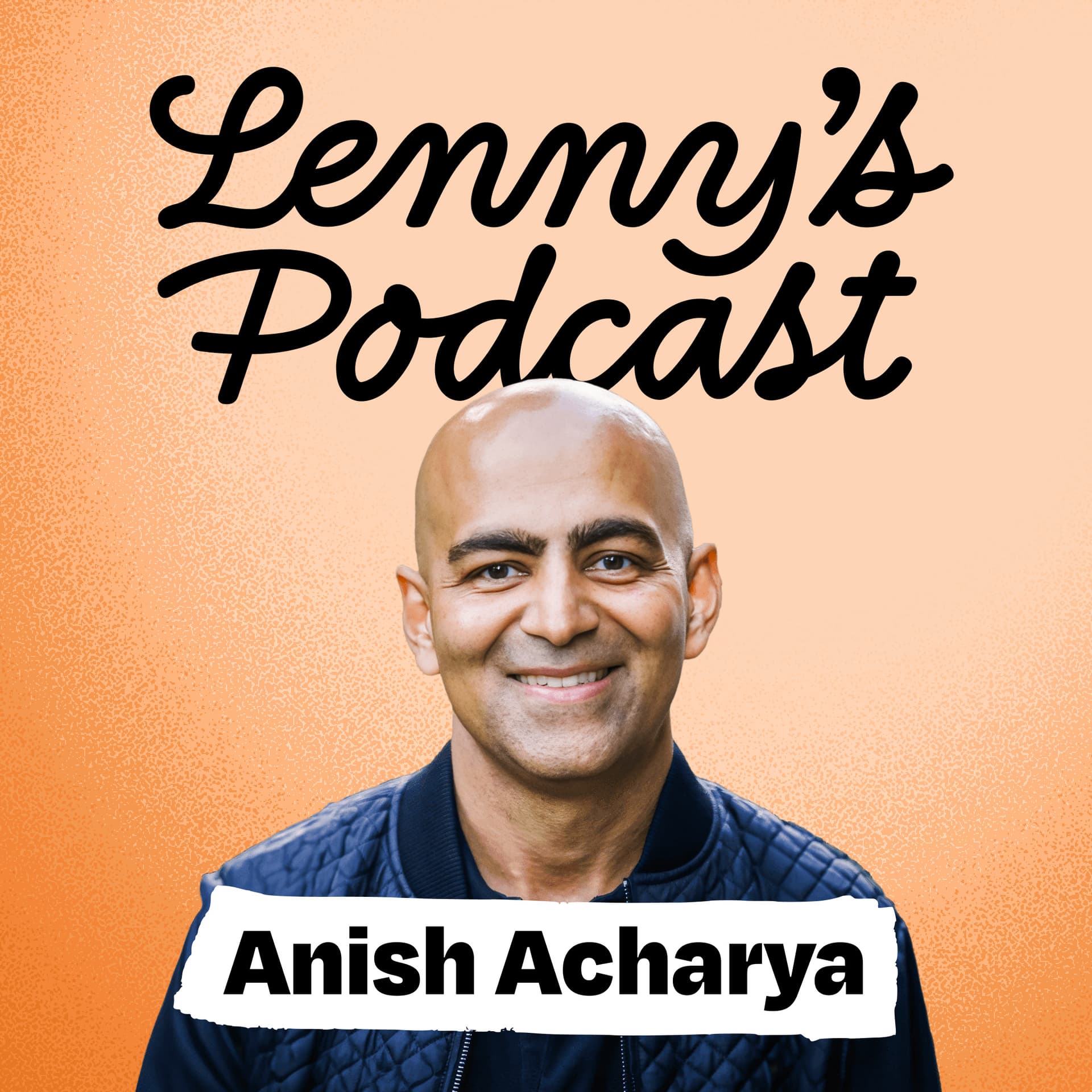
0:48Today, my guest is Archie Abrams. Archie is VPF product and head of growth at Shopify, where he leads an org of over 600 people across product, design, engineering, data, ops, and growth marketing. Shopify is both an incredibly unique and also an incredibly successful business, and they do things very differently. And as a result, there's a lot that we can learn from how they approach building product and driving growth. Some examples include their priorities and product roadmap are driven by a 100 -year vision that comes from Toby, the CEO, and the core product teams don't have metrics or KPIs.
1:23They're essentially banned. And instead, decisions are made based on taste and intuition and building towards this long -term vision. Also, the growth team optimizes for a turn, which is unlike any other company I've ever come across. And once you hear why this will make a lot of sense, also they keep long -term holdouts for every experiment they run. And they automatically look at the impact these experiments have had on the business a year later, two years later, and three years later, and then revisit these decisions down the road. And in our conversation, we dig into all of this, plus how Shopify organizes the growth team, how they run experiments, how the growth team collaborates with the product team, how they measure impact, plus Archie shares a bunch of very specific and interesting examples of changes that have driven growth for the business.
2:09And so much more, this is such a fascinating conversation. And I know this will give you a lot to think about in terms of how you run and organize your own product and growth teams. If you enjoy this podcast, don't forget to subscribe and follow it in your favorite podcasting app or YouTube. It's the best way to avoid missing future episodes and it helps the podcast tremendously. With that, I bring you Archie Abrams.
2:34Archie, thank you so much for being here and welcome to the podcast. Thanks, Lenny, excited to be here. Okay, so what I want to do with our time together is to basically do kind of a living archaeology of how Shopify grows and what you specifically have learned about growing a company like Shopify into this just juggernaut of a business that it's turned into. To give people a little bit of a sense of just like how large Shopify has gotten, so this may be surprising them about the scale of this company at this point, could you share some stats that about the scale of the business at this point?
3:09Yeah, absolutely. So overall, we're about 10 % of e -commerce in the United States. So basically, if you're not buying an Amazon or Walmart, you're probably buying on a Shopify powered store. Behind the scenes globally, we did about 235 billion in GMV in 2023, which is roughly the size of the economy of Finland. So we got a big, big economy and big impact after from Shopify. Wow. I think interestingly with Shopify, it's kind of this behind the scenes tool, and so I imagine many people have no idea they're using Shopify a lot of time and they're buying stuff online. And I think some of these numbers kind of creep up on people just how large a company like Shopify has gotten 100%.
3:55This episode is brought to you by Explo, a game changer for customer facing analytics and data reporting. Are your users craving more dashboards, reports, and analytics within your product? Are you tired of trying to build it yourself? As a product leader, you probably have these requests in your roadmap, but the struggle to prioritize them is real. Building analytics from scratch can be time -consuming, expensive, and a really challenging process. Enter Explo. Explo is a fully white labeled embedded analytics solution designed entirely with your user in mind. Getting started is easy. Explo can exit any relational database warehouse, and with its low -code functionality, you can build and style dashboards in minutes.
4:38Once you're ready, simply embed the dashboard or report into your application with a tiny code snippet. The best part, your end users can use Explo's AI features for their own report and dashboard generation, eliminating customer data requests for your support team. Build and embed a fully white labeled analytics experience in days. Try for free at explo .co slash Lenny. That's exp .pl .co slash Lenny. This episode is brought to you by Dovetail, the AI First Customer Insights Hub for all teams. Dovetail has always been the go -to tool for teams who want to find insights and customer calls, user interviews, or documents.
5:20Now they've stepped it up with the release of Dovetail 3 .0. That's three new products and a ton of AI features that make it faster and easier than ever before to truly get at the heart of what your customers want. You can get a real -time pull some what your customers are thinking with Dovetail's automated feedback analysis platform, channels, or pull summaries and insights from every customer interaction your team has ever had with their AI chatbot ask Dovetail. You can even recruit from over three million participants directly in Dovetail. All this is just the tip of the iceberg. Dovetail wants to give everyone in their organization instant access to their customers at any time.
5:58From roadmaps, discovery, to strategy sessions, and more, it's never been easier to make customer centric decisions. The good news is Lenny's listeners can try Dovetail's pro plan along with their newest products and features free for 30 days. Just go to dovetail .com slash Lenny. I want to start with something that I think is most unique from what I've heard and I think there's going to be a lot of really unique approaches to how you all think about growth. One of the most interesting things I've heard is that how you think about churn and retention? To most companies, the most important thing is to increase retention, reduce churn.
6:38My understanding is you guys are kind of the opposite. You don't think tons of that churn, you almost optimize for churn. Talk about that. How does that work? The way we think about churns really go back to Shopify as a kind of our mission and what we want to do, which is to increase the amount of entrepreneurship on the internet. As a business, we want to make it as easy as possible to get started with your online store, with your business. Most businesses do ultimately fail. To the way we look at it is, can we lower the barriers to getting started and get as many people in the door trying their hand at entrepreneurship?
7:20If we do that, again, many of those businesses, many of those folks will maybe on their first attempt not be as successful, but we're going to have a set of merchants who go on to become extremely big businesses, the all -birts of the world, figs, etc. In the way the Shopify business model works is, we do charge a subscription, but most of our revenue comes from payments, which is tied directly to a merchant's success. So in a given cohort of merchants, a lot of people start. Some of those people on their first attempt is on leadership, might not succeed, but the folks who do go on to be successful will kind of make that entire cohort of merchants who started, something that makes Shopify as a business extremely successful.
8:04That's why we lower the barriers to get started and help folks grow and those winners make the whole thing work. I love that. So kind of what I'm hearing is it's not that you don't want people to stick around. You don't want people. It's not that you don't want people to succeed. It's that you're not optimizing every new shop for sticking around long -term. It's basically make it as easy as possible for people to try it, and all you need is a few big wins for it to all work out. Correct. And that's really kind of a different insight that most SaaS companies that, you know, they get a comfort or a customer, they really never want that person to leave.
8:40And we want to lower that barriers to get started and be successful. One of the main reasons companies focus so much on churn and retention is because it costs them a lot of money to drive new customers and users. I imagine there's an almost unimplied. It's really cheap for you all to find new customers because of maybe the brand and where to mount. Is that true? I think that definitely has some dynamics. I think the bigger factor is the monetization model. For most SaaS companies, they're making from a subscription, right? They're, you know, 29 bucks a month is the only way that they're going to really monetize.
9:11Whereas our business works, you have a folks who are paying a subscription. But as folks get bigger because we're monetizing on that GMV that that merchant is producing the revenue the merchant is producing in the form of payments and other services. It allows us to grow with the merchant in that really successful merchants. Make the whole system work well. Got it. So basically your net dollar retention or net revenue retention is just absurd for the winners. And it makes up for all the losers. Sleshtenal users. People that have tried to build an online. Yes, try try and haven't been for a successful.
9:46And you can think of the other parallel is, you know, an angel investing, right? Most of angel investments are not going to work out. But the couple that do make that entire investment. Got a portfolio successful. With retention, not being the primary goal and the metric you guys focus on optimizing, how do you know if you're doing well? Is it some number of these winners have to come out of recorder every year? How do you think about progress and achieving and success basically for growth? This way is thinking about a cohort of users we acquire in a given time periods a quarter. And then over the next year, two years, three years, four years, five years, how much GMV have those merchants produced in total?
10:32Not on a per merchant basis. That's but in total, did that cohort generate GMV? And if they generate GMV, that will translate into revenue and gross profit and all of those things that we can then use to reinvest in growing business. So it's really looking at the total value. But on that GMV basis and GMV is a power law based metric. And so it's really that power law that drives the success of each cohort. Again, going back to investing. Same thing there. Each vintage from a fund. How much did that return kind of it's a fund that is really driven by the few if you really successful outliers? So this back to the question that sounds like a very long feedback loop.
11:12And I don't know what I do with that information if five years from now. Oh, okay. That was a really good idea we did five years ago. Correct. Come on on that because it touches on something you said about how metrics aren't actually a driver. You all think it's Shopify. So take that wherever you want to go. Yeah. So it's interesting. I think we Shopify, we got a very purposely set up different parts of the org to think on very different time horizons and with very different ways of thinking about how to build product and the like very different than a lot of companies that typically have maybe one kind of unified.
11:45There's one North Star that the entire company is rallying around. And so there's three major product groups that Shopify. There's core product which is basically building the hundred year, the right things for commerce 100 years from now. There is merchant services which is building things like payments, shipping, kind of the tools that entrepreneurs need to be successful with them were kind of shorter or medium term horizon. And then growth is really thinking about kind of that end to end customer journey. How can we bring folks on and make sure that's successful? And then from a metric standpoint, we do have some obviously some leading indicators and growth that we're looking at on a given experiment or what have you.
12:27But the key in what we try to instrument in our experimentation is the ability to really look at long term effects of experiments. So we constantly will relook at an experiment a year later, see that the way the GMV curve for the distribution was different than we might have originally thought. Now actually change what we do with from that previous experiment. And so there's a lot of long term monitoring of experiments over these very long time horizons to both inform what those input metrics are. More importantly, hold ourselves accountable to do we actually move what we cared about, which is that long term GMV in the right way.
13:12Wow. Okay, I want to spend more time here. So you the way you're describing it is the way the business operates is you think what is our 100 year plan? How do we think where does this need to be in 100 years? And with that, it allows you to run these long hold out kind of hold out experiments to see is something we're doing impacting the business broadly. And and because you think so long term, you can take a year or two or three to see if there's an impact and then make adjustments versus, you know, I'm having to drive a certain metric every quarter of a year. Correct. And I mean on growth, we're definitely in the, you know, we want to drive metrics on a short term basis.
13:51So we can do that. Obviously. But we have the luxury and just the way kind of Toby kind of thinks about the world and the way we operate to really think about these long term effects and make sure that we're holding ourselves accountable with these long term holdouts and a constantly refining the input metrics that we're using and getting a lot smarter about that. But because we take that long horizon, it allows us to be better in the short term and you just get a lot smarter and a lot of counter intuitive things. And I would encourage everyone if you can look at some of the experiments that you thought were your biggest winners.
14:24Look at the down tree metrics for a year, two years on that experiment. And I'll bet you'd be surprised how many times the metric is different than what you thought it would be after a year. Because where people just make a call at a certain point in time, here's the time limit. Here's I love this because there's very few people have experiences running a long term experiment. And so this is a really interesting insight that you're sharing that I guess how often do you find this to be true in your long term holdouts or things end up being very different down downstream? I think there's quite two things that have been very common.
15:03And I would say in quite a few cases, you get a short, you get a lift on the metric upfront, a more short term metric, number of people who become a paying shop or number of people make their first show and shopifies. And then you look a year later, and there's actually no incremental lift on GMV from that cohort. And so I think it like actually trains a lot of us in growth or looking at the short term metrics. Like a lot of the time it is actually more pull forward effect, then you fully, fully realize or an incremental user that's just really not worth that much. So that's one. And then two, the so it's a fixed size goes away.
15:41There are cases where the experiment has flipped the other way. And then there are cases, these are the most interesting ones where you realize that you uncovered a pocket of merchants that are actually extremely valuable entrepreneurs who go on to be successful, that you missed in your, your kind of normal short term, measurement techniques. And so kind of all across the board, we see that, but actually the most common is, it actually isn't a long term lift from a lot of things that you might think of the short term R. Is there an example that makes like a bucket of what you mean when you say there's like a pocket of valuable merchants?
16:22Yeah, I think a lot of this has to do with, we call monetary friction. Right. So one of the hardest things to do with the business is when you're getting started, is you might not have any revenue coming in. Right. And and you're kind of bootstrapping, which in Shopify's case might be 39 bucks a month, but it's still, it's a real expense. And so typically when you can lower the barriers to monetary friction in some form, that could be all sorts of monetary friction early, the common belief is that we'll usually get lower quality folks coming in the door because usually discounts are associated with lower quality.
17:03If you think about in a business case, if I give you a little less, little monetary boost and reduce that monetary friction, I can actually causally change your ability to become successful. Because I've given you a little bit more time to try that idea a little bit longer. I've given you that opportunity to move your business over to Shopify. And so often in those types of experiments, you see that you've basically unlocked a class of people who might have given up without that monetary, which is an monetary friction. Interesting. And giving them time to actually make it work. To make it work.
17:39Okay. So just roughly do you give a sense of how often you find no effect after a year that you saw early impact just to ballpark? That's right. It's in the 30 to 40 percent. Right. Okay. I think you're tearing the heart out of so many growth people right now. And nobody wants to hear this. That works on growth. Where you're saying potentially a third of the experiments they're running today that are showing lift probably don't have that same, don't have any impact down the road. Yes. Unfortunately, I think that's brutal. I'm more commonly like to believe. Yes. And that's going to, nobody wants to hear this.
18:18Except, except people that you know, you should want to hear this because if you want to build the business that grows and continues to grow, it's better to learn that now. Yeah. Okay. So for people that can't run whole long, whole that experiments, I guess is there anything that you find is a good early indicator that that might be the case? Because most people don't have time to sit around and wait a year, two or three. They're not thinking a hundred years. I mean, I think end of the day that is going to be the most effective and you actually learn the most. I think it is, though even in shorter term horizons, really being as specific as you can be about what are the early signs of success in your product?
19:03In making sure you instrument those and in making sure particularly kind of up funnel experiments, you are actually looking at those, the further downstream metrics to make sure you have some understanding of what's moving down. So as deep as you can go in the funnel for as long as you can wait, do that. And if you can't, you know what I would say, still, you should just bet on if something is showing lift up funnel, still ship it. And it's probably not going to hurt you. But don't overestimate the amount of impact that this is having. So it's finally like two things here is like, don't like my recommendation, folks, is don't think, oh my goodness, I have to wait all this time.
19:42Is that, is your, if you didn't move the upper, the short term impact, you're not going to have the long term lift. So still ship if it's short term lift. Just be reasonable that if you can do measure it longer term, you'll get better at identifying what things are that are really impactful. Got it. And so you're, so it may be positive initially, but often neutral rarely is it neutral initially and then positive down the road. We've seen, we've seen, there are some, there's some cases of that, but it's rarely, I've seen neutral be positive, but I haven't seen negative. Got it. Okay. So that's not, oh, resulted positive.
20:17Got it. Okay. So that's, so that's reassuring. It's not, you're not harming the business. You're not into business. But you're probably getting a lot more credit than you deserve as a growth team shipping things that are likely, likely, likely. And there's, there's also just like trade -offs to like moving on, you know, and on balance, this should, you're probably doing good things if you continue to ship things that are showing positive. Right. 100%. Okay. This is awesome. Okay. For people that want to run long -term, hold out experiments, I imagine you've built your own experimentation system internally.
20:50Yeah, we have. Yeah. And is it basically hold out 10 % say it was some percentage of users from seeing the new changes that how your purchase are different? We have a project that, two things, we have two layers of holdouts. So one is the two, like more of the holdouts of like every change in a quarter hold out 5 % across the board. Second is for changes that only affect new merchants. What we'll do is we'll take that group of folks that's called 50, 50 split and then run that for, you know, a few weeks. And then what we're doing, we're going to look at the long -term effects, is we'll actually ship the winner to 100%.
21:26But we're looking at the cohort of folks who was assigned to the experiment. We're going back and looking at those people who were assigned a year later. So it allows us to still ship, get stuff out, but we've kind of held the experiment in a way that allows us to see those those long -term effects just for the cohort that was exposed. Not only works if you're doing on new users for existing, it's a one more complicated. That's okay. And then in our experimentation tools, all experimenters are paying that three months, six months, nine months, 12 months, with here the updated results. So you can't really get hide from, what are these really resulting over a longer term horizon?
22:10Sir, tool emails, everyone that's involved in the experiment, like here's what this cohort is doing now. Correct. I love that. Okay, that's awesome. It's interesting to use kind of these cohort curves for GMV. And is that the core metric you look at to see? There's a few GMV, obviously gross profit, but GMV is kind of like the key, key determinative of long -term success. So it's interesting. Most people use cohort retention curves. You're using cohort because you don't look at retention. You're looking at for GMV over time. So that's really interesting. GMV over time, which correlates and profits.
22:46Better. And there's a retention and profit. And then really the absolute number of merchants who are on the platform and then reach a certain GMV. Got. Okay. I'm going to not keep falling in the path because there's as we can go on and on. While we're in the topic of just experiments and what you've done, I'm curious if there's just any examples of big wins that your team has shipped that might inspire people as they're thinking about launching experiments. I know there's probably some trade secrets stuff you don't want competitors to know. And I know this is particular to Shopify and a platform in commerce.
23:20But I guess is there anything that would be worth sharing of like, oh, here's a huge win that maybe we didn't expect. Going back, there's always a lot of value in thinking through kind of monetary friction. As I mentioned, like that's always going to be something to explore trial dynamics, different types of incentives. All those things are very kind of impactful. I would say on things that are maybe more practical and for everyone, there is an enormous amount. And we do see these with long -term effects, but just the nuts and bolts of sign up, collecting the right information. And you usually want to collect more information than most people think you do in your sign -up flow.
24:01If you can leverage that to personalize the guidance, and this is the first SaaS product, the guidance that someone can get when they onboarded to Shopify. So whether you're coming on, Shopify is a very diverse product in person selling, online selling, different channels. There's the nuts and bolts of get more information from folks, build trust in there, give them right amount of guidance when they come on in a personalized way. And that may sound like, okay, that's kind of obvious. But the amount of impact by just nailing those flows has never ceased to amaze me in setting up that person for long -term success.
24:40So, that amount of friction, and it's just really good onboarding, personalization, a well of opportunities there. I love that onboarding comes up every time I ask anyone where they've seen ongoing success and opportunities, particularly in actually surprisingly driving retention. It's interesting that it's not what you look at, but turns out that's one of the biggest levers for increasing retention. Interesting that even for a company who doesn't look at retention, that's a big opportunity. Yes, it really is setting people up for it. In Shopify's case, I think the big thing about all of our metrics is what we get very nervous about is the easiest way to increase retention is always to constrict the funnel stage one above the retention metric you're trying to optimize for.
Read the full transcript
25:27The simplest way to increase my sign -up to activate it thing is just make it harder to sign up. That's in both that will always happen. It's when you have teams on that kind of local conversion rates, you get all these weird team incentives. They're optimizing to basically make it harder to do the step before them. And because we focus on that long -term GMV number of merchants who are successful, orienting every team to think about the total number of people, not the rate, but the total number of people who got to the end of their kind of part of the journey is a very powerful way to incentivize people to do the right thing in terms of getting people set up versus do the, I'm going to constrict the funnel set right before me to make my local conversion rate look better, which is the bayonet my existence, but it's not something I see a lot of teams.
26:27Emplicially or explicitly do when they get too focused on rates as a way to get out the world. What a power. What a power. What a lever. I definitely want to chat a little bit more about metrics. Now you have a really interesting take that's kind of built on what you're just talking about, but first of all, you mentioned this term monetary friction as one of the levers that you've seen success with. Can you just describe what that actually means? Totally. It thinks like trial dynamics, trial length, trial amount. It means incentives. What is in your product? What do people value and need in order to be successful?
27:04In drop -by -scase, that might be like apps, credits, or things like that, but those are the two forms of monetary friction we talk about. Then of course, actual price point. But that's what the kind of larger bucket monetary friction is. Let's follow this thread of metrics. You're big on absolute numbers. You've been talking about this already versus percentages and ratios. Talk about that and how you encourage your teams to think about metrics. I think one of the things that I think have is particularly a large in a shop -by -score store, it's about 600 folks. When you have teams naturally break up the world into different funnel stages or different points in the journey, it gets very seductive to look at my part of the funnel and what's my conversion rate through that part of the funnel?
27:51The team starts to optimize for that conversion rate as they're north star over a longer time period. I'm going to try to move my conversion rate from 10 to 12 percent or what have you. But in practice, talk about it's actually almost always easier to just make it harder to do the thing right before your step in the funnel to increase your conversion rate. If I make it harder to sign up, it's going to be very easy to increase sign up to activated rate because I just have fewer people and the people who made it through our higher tent. I see teams get really stuck like I'm trying to optimize conversion rate, but they just make it harder to do the previous thing.
28:33Versus everyone is thinking about absolute number of people who made it through their quote stage of the funnel. Instead of I'm trying to convert a bunch of people, a conversion rate, I just want more people to get activated. Once you start thinking that way, you realize actually the best way to get more people to get to a step. Sometimes, and often, it's just get more people in the door in the first place. Make it easier to sign up or reduce friction the opposite. That will always hurt your conversion rate, but it may actually give you more people on the outside. A lot of teams, if you have very nervous, their attention rate went down, their LTV went down, oh my goodness, this is going to affect our ability to pay.
29:18No, your CAC also went down by probably more. Now you have the ability to likely spend more. And you have more people through the door getting to each point in the activation or the immersion journeys. When I'm hearing essentially teams are gold, not on increase, lift this conversion step by some percentage. It drives some incremental absolute number of new merchants. Merchants. Exactly. This is a good segue to, I want to hear how you structure your team at Shopify. What's the structure? What are the different teams and what do they focus on? And what are the functions within each team? We have two big groups within growth.
30:02So one is we call growth R &D. This might be traditionally, consider product design, engineering, data, your traditional product teams. Then we have growth marketing, which in Shopify's case is paid acquisition, media buying, affiliate marketing, email, content and SEO.
30:24That's what we call growth products. This is basically everything from landing pages, sign up, onboarding, monetization, trial, incentives, all the way through to home feed, our engagement to basically get more merchants again, necessarily to retain, but to keep giving entrepreneurship a try to become bigger and bigger businesses. That's growth product, kind of the full lifecycle there. Second is what we call our enable pillar. And this pillar is building tools for both growth and the rest of Shopify. So things like experimentation platform, our communication platform, our business intelligence tooling that powers a lot of what we're doing, our more tech work to support our growth marketing team.
31:14And then our third bucket, which is maybe a little different from most growth teams is actually our customer support groups, it's within growth. Because we want to think about customer support as part of this merchant journey of coming on giving entrepreneurship a try all the way through to here's the support I need as in becoming a multi -billion dollar business on Shopify. So those are the three big growth product buckets and then within growth marketing, the more traditional channel setup paid, all the different channels online offline SEO, email, and affiliates. Super cool. Okay, so within growth, I'm just going to summarize, which is shared, which is awesome.
31:55So there's kind of three big buckets. One is growth product, which essentially is like onboarding. It feels like it's like the top of funnel, get people in, okay, so growth marketing feels like that's super top funnel brings super top funnel. Yeah, correct. So growth marketing, drive people to Shopify .com, then growth within our need team, growth product takes that user and tries to get them to activated, enable helps. It feels like that's like internal tooling and ways to make the teams internally more efficient. Correct growth and outside growth. Awesome. Okay, and then the customer support team, that's really interesting.
32:33So there's a customer support product team that helps new merchants be successful. And does that include like actual customer support agents, is that like within that team? That's not we build a tooling to make those support advisors, kind of superheroes. And then on the help center of our AI stuff, to make kind of a great customer experience for people who are just engaging in a self serve. So it's the tooling and the experience for merchants. Okay, so with these teams, is there anything you can share about just like how you think about metrics, such goals for these different buckets? We don't need to get too deeply, but just does everyone basically have like an absolute new merchants goal or is it a little different?
33:18So yeah, so you know, at the highest level, we think about that that total cohort value, right? We bring in a set of merchants in a given year. How much GMV, how much that set of merchants worth over the next three, four years to Shopify, right? And that's the most important thing that we want to focus on. And then that of course, the for efficiency standpoint, that of course, meeting our payback, our rails and all that. So that's kind of like the macro growth perspective, cohort value, over kind of cost and payback. So that's the macro point of view. And then within growth marketing, each channel operates with certain guard rails around their LGBT cacks.
34:00Same thing for content SEO, that operates with kind of a guard rail model for each piece of content, how much is that going to come back and down the line. For growth products, it's a also a combination of total GP incremental cohort value that's produced from those those teams, right? So everything is basically going to be measured on from from an experiment, ideally measured over a very long time period. What was the incremental cohort value lift that this this generated? And that's how we think about it kind of measure the impact of each of those those sub teams along the way. Each of those have a specific part of the final they play with, but because they're measured in absolutes, and they really think about that absolute value, we don't get caught into like, did your conversion rate over the course of this year go up or down?
34:51It's kind of irrelevant. What was the sum of the impact over a long period on that total cohort value that we're trying to produce from perform merchants? And the way you come up with this goal, I imagine is you forecast of where things would go organically. And then like, here's the lift we want to see from the work the steam does the score to this year. Correct. And and then we're going to measure against for each experiment that actually get to where we yeah, we expect that lift to be. And those experiments again are those all long term hold that experiments where you look way to year or some you we call we call the experiment after three weeks, but in all cases, you still watch the group is held we watch them and that's where that ping comes back every experiment is watching that ping comes back three six months, 12 months to re look at was is actually successful.
35:42Okay. So that creates the loop of shipping value quickly, but making sure we're holding ourselves accountable to did this actually produce result over a long period or did it actually just have this neutral effect. It's like oh, then we could learn from that and get better. This episode is brought to you by Dovetail, the AI first customer insights hub for all teams. Dovetail has always been the go to tool for teams who want to find insights and customer calls, user interviews or documents. Now they've stepped it up with the release of Dovetail 3 .0. That's three new products and a ton of AI features that make it faster and easier than ever before to truly get at the heart of what your customers want.
36:25You can get a real time pull some what your customers are thinking with dovetails automated feedback analysis platform channels or pull summaries and insights from every customer interaction your team has ever had with their AI chatbot asked Dovetail. You can even recruit from over three million participants directly in Dovetail. All this is just the tip of the iceberg. Dovetail wants to give everyone in their organization instant access to their customers at any time from roadmaps discovery to strategy sessions and more. It's never been easier to make customer centric decisions. The good news is Lenny's listeners can try Dovetail's pro plan along with their newest products and features free for 30 days.
37:05Just go to Dovetail .com slash Lenny. So maybe just dig into this again because it's so interesting. Basically product team ship stuff they run an experiment, they see impact, say it's 5 % lift on something. Ha ha ha. You did it in great work, performance review, up your exceeds, you're doing great, this team's killing it. And then a year later, he realized, oh, that didn't last. How often do you find like a team that is shipping wins looks back and ends up seeing like, oh, that wasn't actually as successful as I know you said, like maybe it's like a third of the time. The third. Yeah. Yeah. Okay.
37:40So it's still like roughly. Yeah. And it's great learning. And that's what we take it is like, wow, okay, now we really uncovered something. It's like such a successful discovery. Wow. Okay, we thought this thing. But now we now we learned it actually wasn't as true as we thought. Cool. What can we take from that and be smarter at next time? So we don't just double down on the wrong, the wrong things. It's so interesting. And again, and you mentioned most of the reason this is the case when something doesn't show lift down the road is it's pulling forward success that would have been seen later on its own if you had not even shipped this thing.
38:14Awesome. Is there an example by any chance that comes to mind if something like that? That's just like, wow, that was a big win. And then like, oh, I see, we just pulled forward some some revenue from the future. Yeah. So I think one one good example is something around payment failure notifications. So one of the things that a lot of teams have or see is what called Dunning effects where somebody might have a payment not go through a credit card that doesn't go through. So we did a bunch of experimentation around, hey, how can we alert people that their credit card is failed? Their payment attempt failed.
38:46And at the typical kind of growth win usually produces a lot of short term and back. And that's what we saw here. We were doing much better alerting, reminding people, sending them a million emails about it. Cool. We got some pretty major lift. You look back six, 12 months. There was really no long term left. And why is that? Is there's really a little bit of a selection bias there that people who were letting that that payment fail probably weren't actually that dedicated to this entrepreneurship craft. They may have updated their credit card, but they still really weren't in it. And so that was a good example of a bunch of this stuff around kind of payments, even quote, preventing churn where you look, like it's six, 12, 18 months on a GMV metric.
39:34Not a lot of lift over that long term horizon. I love this example. I could see so many people having run experiments like this. And like, oh, we found such a huge win. It seems killing. It would a great idea. Of course, this makes sense. And then turns out it's nothing long term. Yeah. Which is great because we were spending, you know, we were going to spend a lot of time kind of, okay, what else can we do here? It's like, no, actually, bigger, fresh to fry in a lot of other areas. So just it helps the team just feel really good that their work is really the things that are good. Another one that went the other way, which is really interesting was in our online store, and this might be the use shop if I get sections and blocks that come, come pre -configured.
40:26And so we tested, okay, if you give you a pre -configured block of like, you should have an image up top, then a text banner, and then a collage with your products, that should help folks understand what to do when they're building the online store. It actually had no lift in people converting to a paying merchant. However, when we looked longer term on that six months later, it had a pretty massive impact on the number of people who are selling and producing GMV. And why is that? Because it didn't likely really influence anyone to buy Shopify or pay for Shopify. But the people who who used it created better stores that were higher converting.
41:11And so they got early sales. They actually converted one of their visitors, and they got momentum, and they stuck with entrepreneurship a little bit longer. And we saw that in that opposite way. And so this is an example of that neutral. So we tend to ship neutral. It's like, it could be positive. And so let's like, let it go. If we have good intuition about it, and it will turn. So we've seen a bunch of these things go in very different directions. This is so fascinating. I didn't realize that you ship neutral experiments. That's an interesting insight. And so it's like, if you feel good about it, and it's neutral, you ship it.
41:45In our culture of the kind of like AM kind of AM heavy, if intuition is right, but this probably is helping merchants, why do we start with that the original control is better for the neutral? Let's start with like, whoa, we have shipped if we were blank slate. And if it's neutral, actually neither is better. So let's just pick the one we feel better about and ship that. Makes so much sense. Oh man. Okay. So let's talk about this a little bit more. So this AM heavy concept, this idea of thinking a hundred years out. Can you just share more about just that insight and that philosophy? I know it sounds like it comes from Toby of how he likes to think about the business.
42:18Totally. This all comes in as all Toby of really making sure shop lies so oriented around. We are here to build a hundred year company. And so the decisions we're going to make are really oriented towards the long term success of merchants of Shopify embedded in all of our principles are make the best product in the world. Make money to do more of one. Never reverse principles two and three and every kind of executive meeting every town hall. That slide comes up. It's like you've got a shop like you've seen that slide 10 ,000 times, but it's an important reminder like jobs to build the best product for merchants over the long period of time.
42:59And then all of the metrics and kind of the make money part of it secondary to that. So we care about that that long term piece. It ties a little bit to that that original conversation about kind of entrepreneurs and being the core of like why we just want more people to start businesses and go it's very seductive, I think in kind of most companies, including in shop fives, we want to we can support large enterprise businesses today, right? Big brands who want to get off a outdated solution and come over to Shopify. It's very easy to just say, oh, that's very concrete. There's an existing business.
43:36We want to have them come join Shopify. And in a short term, it feels really good. It brings a lot of revenue right away. But if you're thinking about the long term 100 years now, guess what all of the big brands of today be out of business in many of them will be out of business in 30, 40, 50 years. The real success of Shopify is getting every business to start with us and go with the making that type of investment and being so focused on that entrepreneur segment and making it easier is how we build kind of a very, very long term oriented company.
44:15So just back to, hey, we can't chase kind of the short term, even more concrete things. Is there an example that comes to mind where you did that where something short term looked like, oh, we should definitely do this. But we're thinking long term, we're thinking 100 years out. So we're going to approach it this way. It's kind of very much just imbued in the culture. It's almost everything kind of feels that way. And I'll give like practically speaking every six weeks, we all the kind of R &D group leads we get together and we sit with Toby and each other and review every single project across the company.
44:52Every six weeks, every single R &D pulled the dashboard and look at it. And in that conversation, so much of the conversation is about both the technical how, how are we building this in a way that allows for Shopify to have optionality in the technical decisions that we are making. And I think for Toby, one of the things I've learned in this over is that the how the technical architecture determines strategy and a technology company, even more than the kind of what and who we're building for. If you build the right kind of technical how and set yourself up to have a platform that can be adaptable, flexible, that is incredibly valuable over the long term.
45:38It means we will sometimes take longer to ship a feature. It means we will not chase kind of certain deals or what have you. But we're going to kind of make that at investment. And it comes through in all of our reviews and just how we got to do our work together. Wow, that is really unique. I've not heard of that where the how usually it's the opposite. Let's not worry about how we're going to build this thing. It's why are we building this thing. And then when are we building it and not just like the architecture is the key is the most important thing. Yeah, though. I mean, it's like in the last one, we had a it was great.
46:12We had a 30 minute discussion about we are how to build CST importers for people coming over from different platforms. And it was all about using open source library, doing it internally. We're doing it in the core code base and we're building a separate first party app to do it. It was incredible detail. This is what's amazing about Toby, the technical detail of how we're going to do this was incredibly important to get right to kind of set up this type of structure. In most companies would be, okay, what you're going to make it easier for people to migrate their data over cool. Right. Team go figure out the how.
46:46And the team does figure out how we work on it with kind of Toby in the details because the how is so important to how we build for the future. That's fascinating. And usually it's how do we do this as quick as possible. Because CVS importing is not a core differentiator. It'll just build something good enough. We'll ship it. We'll move on. Totally. To the opposite. That is fascinating. What's also really interesting about this is I think about Brian Chesky at Airbnb where I worked for a while and his so one, he also had this idea of the 100 year vision and thinking for the future way out in 100 years.
47:17But interestingly, his sense is a designer. He had a very different focus. So Toby, he was an engineer. He still codes. When I can see on Twitter, he's still going to be like, so I could see why his brain goes there and why he's really strong in the how. Brian in the other hand is very focused on experience and making sure the design is amazing. And the app is exactly what he wants it to feel like. You know, it's very like experience oriented. So it's interesting that founders, these founders lean into the thing that they're strong at and understand deeply and that ideally connects with the way this business specifically wins and grows.
47:53And it makes sense. A platform I could see in my engineering would be so essential to get right travel hospitality consumer app. I could see why design is so important. 100 % fascinating. One more tidbit that I heard about how you all think about this is metrics and you mentioned before we started recording that a lot of the company doesn't actually have metrics that drive with a build, especially within a core business. Which I think which surprised a lot of people. Most people are like every team needs a metric in a KPI and this is how we measure progress. And this is how we know if they're doing well.
48:27Talking about just how that works, how companies, how mostly companies does not have a metric. Yeah. It's funny. We ran it against KPI's or basically band as a in OKR's or band and all that. So you know, we, it's a certainly like in, you know, in growth, you have the metrics, but they take a different form. And then in court, it, it truly is, do we have conviction that this is the right technical foundation to build a feature of commerce? And that is built through certainly looking at data. So it's not that teams are not looking at data and using it as a piece of their puzzle, but it's not the overriding.
49:04And when we go to ship a feature in court, it's not like a team is held accountable for this metric over this six months. It's much more, do we ship the right thing and we're going to kind of get at that through a variety of lenses. Could be some of that, could be data, qualitative, just our own kind of product sense of what's good or not. And so that, you know, I think the, the, the upside of that is I think we tend to ship things in court and that are incredibly, um, port -facing, and it will take more risk. I think that to acknowledge some of the, the downside of it though is sometimes conversations get extremely subjective about what is the right thing to do.
49:46And so that, that requires kind of a the right way of, of having kind of good discussions, kind of openness from all leaders and from teams to debate those things, but it does result in some squishiness, which again, as it's pros and cons, the kind of taste is kind of what drives a lot of nowhere, shipping in court. Yeah, I'm glad you're touching that. I was going to say, okay, everyone would love this idea of just building things that we think are awesome. It's going to be great, but then you build a whole org with teams and people building stuff. How does one know if they're building things that are good and helping versus not and you're pointing out there are pros and cons to that.
50:24The pros is we're not optimizing for some short -term wins and driving some poor metric. The con is you might ship stuff that like there's a lot of subjectivity and people may not agree and it's a lot of kind of squishy stuff. Yeah, totally. Glenn, who's a head of core product, I mean, one of the things that's so impressive about glenic of that core team is they go incredibly deep into every single release that is shipped. And so you have, do you have a central kind of eye on the quality and how it all fits together? And so that I think helps make sure there's a consistent kind of bar for taste.
51:06That's glenic. A bunch of folks Toby, obviously, that kind of can enforce that. So it creates objective, but it's objective in the sense that it's kind of a small number of people who really hold what that that bar is and needs to be. I think if it's just subjective, but just ship what we want without kind of a couple of people really holding that that quality and that taste bar, that's where things go really sideways. Awesome. That's exactly what I was going to ask is who who's the ultimate decider of tasting and what is good. And so it sounds like basically Toby above and then he's kind of deputized glen and relies on him to make a lot of these final calls.
51:44Yes. And then yeah, okay. And then I imagine glen has some folks that he kind of deputizes to make smaller decisions along the way. Or not. Yes. Or he's very involved in everything. Yeah, and I think I think this is the fun thing about Shopify. Literally, like we have our own internal project management system that's been kind of crafted just for Shopify and every share. Is that called, by the way? It's got like a cool name right? GSD. GSD. Yeah. Get your stuff. Something. Yeah. Okay. Yeah. Yeah. That's what I remember. So get shit done. And every project, you got a core project, you have a merge service, you got a growth project.
52:18And the expectation is that the group leads every single project that goes out has a few minute video with figmas and everything and everything that shipped needs to be okay to so approved by the group. There's nothing that can ship without that okay to approval. And that okay to approve last to be glen car over myself for different groups. And so that is kind of how the everything is reviewed now. Of course, there's great amazing teams that do amazing work. But it is kind of that that's how the system works. And okay to specifically mean someone above reviews it or all you this whole team everyone looks at.
52:56No, just so glen reviews the core stuff. Got it. Just call over. We use the MS. Okay. Two. So it's interesting. It's basically glen is founder mode and not as a founder where he's involved in all the details. Yes. Yes. Has final say. So this is a really cool example of founder mode, but not as a founder and correct. And the way you guys operate. And I imagine sometimes Toby discrees with glen and then they talk about it and things get earned out. Totally. And that's how we come together every six weeks. Kind of everyone in person to review every project so we can hash out those disagreements. Go to all the core projects, all the Merch service projects, all the growth projects.
53:33And it's a great form to say, Hey, here's where we disagree really on how and the the tactics of what's happening. It's and we can flag those things have good debates about whether it might be misalignment. Amazing. What a what a unique way of working. I'm so fascinated by all this. So what I'm hearing essentially within core glen and his team come up with here's we're going to build the next quarter. You guys have a twice a year releases. Is that right? Or is it every season? Yeah. So big kind of additions twice a year. Obviously continually shipping, but we got to package them twice a year and a big bang.
54:04Yeah. Big launch. Yep. I've seen those. Okay. So he's like, here's what we're going to do in the next release. We're just going to build this because we think this is right. And we're not driving a specific goal building for a hundred years in the future. Let's just build it. And basically you build it. He's like, this is great. Not great. Iterate until it's this good. And then ship and great. Okay. This is great. Okay. So then there's that that team and then there's your team, which is like drive some freaking numbers, drive growth, hit these goals. How do you collaborate across these two teams with give a model for how you work together?
54:38Because these feel like very different ways of working. Yeah. Honestly, it's been one of the things I'm very proud of. Like we built a really great partnership with the last three and a half years because it's intentionally meant to be almost at odds. And that's like part of the structure of how you want to work. But it comes from I think a place of respect on both sides. I don't say for anyone. It's okay. Here's the growth is going to do. We're going to do it in a way that's that is high quality. That is shipping really good stuff for merchants. We're probably going to approach it in a faster way.
55:11We might disagree on things, but we're going to have reasonable paths to kind of handle that conflict. And so there's no magic bullet. It wasn't like these are the surfaces that growth can touch. These are not. It's like you can go anywhere in the product. But let's go figure out how to work together to figure out that quality bar to understand when you're going to be different on it on the quality bar to get something out to learn and just building trust along the way that we're actually going to chip high quality things when we shift it to 100 % and move. And so a lot of great work on the team to make that those relationships really strong.
55:47Got it. So basically you guys are like, uh, moving this button over here is going to drive so much growth. And then Williams like, no, this is not acceptable. We don't want the button here. This looks terrible. Everyone's going to hate it. So it's that's the healthy tension. Like I'm describing the data come back. Yeah. Yeah. Totally. And it's like, okay, so how we're going to have we're going to work to figure this out? And you might be, hey, we're going to move the button. Hey, let's run that was run the test. Let's see the short term left. You know, we're going to monitor it long term. You know, when we ship it, it's going to be high quality, like high quality polished.
56:15Okay, then you trust us to like make those those trade offs. And I, I wish I had a better answer of like, it's very human, right? And it's very that trust that's very, uh, this very important. Any of these, I think growth with other teams is like, there's no replacement for that's the human trust. And then following through on commitments of, no, we're actually going to make this thing really good. Is there an example of that that comes to mind where you had something that was you thought was going to drive meaningful growth? You showed it to Glenn. He's like, no, I'm about this. And then either you iterated or you just like forget it.
56:50But this isn't right for the platform, even that's going to drive some meaningful growth. The place that we we often come back to is, and this is with, you know, I think Toby is great. Toby and Glenn is on wizards. So wizarding carousels, yeah, on boarding carousels. Some way that basically has folks get set up by not using the actual product. And so we've, oh, we've always kind of danced around. We have very specific no wizard principle. But I think that sometimes the tension is, wizards do serve a can serve a purpose in certain circumstances. And so we've, but we've avoided doing that. But we've always worked to try to make the principles of a little wizard does really well, which is it, it simplifies the product into something that allows people to have a lower bar to try to work with core to bring that into the actual experience itself.
57:52So the example of that experiment I mentioned to you of giving pre -filled sections in the online store editor, you could have solved that in a wizardy way of like enter a few things and we're going to generate these sections for you. Instead, we actually took those pre -generated things based on what you know about you, inputted into the actual product experience itself. So it tried to get at some of the principles or what a wizard can do well without avoiding the wizard principle without creating actual wizard. So that's been some of the like, how do we work together to get the intent of what the growth idea has been a way that's consistent with the way we want to build in core?
58:34Got it. And I get why you think about this a lot because you talked about one of the biggest levers is on -boarding and helping more people get to activated. And so I get to see why you spend a lot of time thinking about how do we help more people succeed there? Yes. I want to ask your insight on this idea that people might be listening to this and feeling like, oh, we need to build a team that just builds great product and is not constrained by metrics and driving growth short -term, thinking long -term, thinking 100 years. Like this is inspiring. I think to a lot of companies because the sounds great.
59:08What do you think it takes to make something like that work? Because in a bad case, this team just sits around and builds whatever they want and the rest of the company's like, got down the sucks. I have to show success in metrics and moving a metric in this team over there just build beautiful things. Is it like you need a founder like Toby that purrattises this and values it and has a really good taste and intuition? Like what do you think are important elements of something like that? Of this approach working at a company based on what you've seen? I think it needs to have a very opinionated founder or set of people who are driving what good looks like.
59:47I think if it is, and I think Shopify, you know, a few years ago, before maybe sometimes drifted into the mode of we are just going to build stuff and each kind of team is just going to build stuff not really accountable for it. And that is a very, very bad state to end up. So I think you either have to use my sense as metrics as accountability, which is the most common kind of way to drive accountability and focus or extremely strong founder or set of folks who have extremely strong opinions on what good is and what taste is. If you have one of those two, you can make it work. But the worst case is let's just go build a bunch of cool stuff, kind of a haphazard way that I don't think would work.
1:00:30Yeah, this is great. So either you need metrics to tell you you're doing the right thing or really correct and good taste in your founder. Correct. Cool. I think that's a really good way of saying, and like I imagine every founder is going to think, oh, that's me. I have this. I can do this. I think it's rare in real life. Like it's rare that you're like a tape your brain, Jessica or Elon. Yeah, users. It's hard. Yeah, it's hard to internalize that, but I think that's the reality. So most people will be more successful building things that are driving metrics they can track in an experiment. Yes.
1:01:08Awesome. This is very fascinating. I'm so happy we're spending so much time with this. Okay. There's a few other random things I'm going to touch on. One is sales. So historically Shopify has been very product -like growth, very organic. Go check it out, sign up, shop a store, start a store, grow. And you guys have layered on sales and a sales motion that's an increasing part of your business. What have you learned about your team, the growth team working with sales and making that a successful relationship? Yeah. No, it has been great over the last couple of years as built out. The sales already be that it's added a full new kind of motion to Shopify.
1:01:44It's Shopify's product better. It can serve the biggest companies in the world. It's like the natural evolution. Well, let's do that for people to grow up on Shopify and to be the biggest companies, but we're also going to take folks. Another fact will bring them over. For growth in sales, I think the biggest learning from the R &D side at least has been the scale is very different with sales. It's really hard to use as much quantitative data to make growth, to make some of those decisions. A lot of it has been building, but for qualitative insights, working with works and success, sales about the challenges they're facing and onboarding a large customer.
1:02:30So how do we build import tools that work for them? How do we make sure they have the right guidance in the product for a very different set of use cases? A lot of it has been like very much empathy building with sales about what that merchant journey looks like and quite frankly challenging ourselves to think differently. It's going to one thing. And then second, we kind of built two very distinct funnels for a little bit. There's like a sales father. You come in and you contact us, that's it. There's no mention of self -service. There's no this. There's just like drive N2Ls. Then there's the self -service thing.
1:03:03There's no mention of sales anywhere. And so one of the last thing the year, last you've been really doing is how to create these hyper journeys, where there is, we should have forced to merchant. The choose, do you want to talk to sales? You want to do self -service. We should give them the options, whatever path that they want to go on. And so a lot of it has been building into the self -service journey over to sales and then from sales into self -service. That's broken a lot of metrics in the business. That's broken a lot of ways people have thought about their jobs. And so there's been a lot of cultural resetting and just getting smarter from a metric standpoint about how do we measure this thing of hyper journey?
1:03:44They came into a self -service. They went over to sales. How do we value each of those components in the process? And transparent, it's like we're still getting better at, but it's really important to get there. Is there an example of something that broke that would be illustrative of what you're describing? Yeah, yeah. So, maybe that breaks is, you drive someone to an ad over to self -service. We typically look at only the self -service, LTV, of that person. But what if they come in, they sign up via self -service and then they go talk to sales? They get changed to a sales driven merchant, which means that value of that merchant, which is usually actually quite large, does not get associated back to that ad campaign.
1:04:34Oh, guess what? That means you would probably reduce investment on that ad campaign because you weren't valuing that. Because our system had two different models for calculating LTV. Sales driven one and a self -service one. Uh -oh. We're going to make sub -optimal investment decisions now by kind of moving things around. Even though it's the right thing to do. So a lot of us in rebuilding the instrumentation, how we do LTV modeling, how we do attribution, how we do incrementality testing across each of those different types of outcomes, because it was not kind of a intuitive thing for us, originally because we built all these systems with a much more silo view.
1:05:16Yeah, basically attribution gets a lot more complicated. Are you going in like a multi -touch attribution direction, or is there something even more clever? You know, my, my frant is I am a, uh, multi -touch attribution has its place. I think ideally, what we want to get through is, what we really care about is incrementality. And so incrementality is kind of the gold standards. If we were less like, you know, attribution measures like, how do you assign value to a given touch point, right? Click a view, et cetera, but it doesn't tell you causally what drove something, right? That's where incrementality tells you incrementality test is basically don't show ads on meta for certain sub -repeatble, show it to the other set, see what the lift is in the outcome.
1:06:03And so a lot of what we're doing is trying to get a lot, is continuing to get even more sophisticated and incrementality measurement for not just self -service outcomes, but for self -service outcomes that then drive to sales for sales specific outcomes. And as soon as we have that kind of incrementality at the channel level, we can get a lot more sophisticated in terms of our, our bidding, budgeting and all that. But that's really the key, the key thing we want to get to. There's certain topics that alone can be their own podcast conversation to just dive deep into the stuff when I'm going to stop myself and I'll go further down that track.
1:06:42Let me touch in a couple more things before we, before I let you go. One is marketing. So we talked about sales, marketing. You guys don't have a CMO. There's no Shopify CMO instead. You embed marketing leads within the org for folks that are trying to grapple with that. Should we hire CMO? Should we do something else? What have you learned about maybe the benefits and also maybe some downsides of approaching it the way you guys have approached it? The benefit is, so there's growth marketing. He sits in in growth. There is revenue marketing because it's over closer to sales. There's a brand team under Harley who does amazing work, our president.
1:07:18There's marketing embedded in core and PMM, sit with product managers there. There's shop marketing on a consumer side. So it's marketing is truly everywhere in the org. I think the benefit of it is its closest to the primary kind of goal that those marketers are trying to do. They sit with growth so we can focus on kind of that self -service motion. Harley is an amazing communicator. So brand sits with with him. So he can be, he can have a lot of influence over that. I think it sits with the people with most relevant outcomes or driving, which is great because it was just move faster with less kind of coordination.
1:07:58I think only works because Toby Harley have such amazing intuition on what the brand is needs to be and all of that. That's some of what the CMO does of kind of creating the cohesive story of Shopify is kind of held in their heads and they kind of, they have to pen on that. And so that allows then that piece that CMO's job to not be as important as Shopify. But the other pieces are obviously critical, but they can be now closer to the action in where they're kind of going to drive the most most impact. The downside is things are sometimes very messy. Right. So that's the yeah, it's another example where the founder can their background and interest and skills can impact significantly the way the work is structured and who you hire and don't hire.
1:08:49Okay. One last question, totally different topic, discounting. So you worked at UDME for a long time and for my understanding, discounting was one of the key reasons UDME succeeded in one of the big differentiators. I'm curious what you learned about discounting, the power of discounting as a growth lover. Yeah. So UDME is a very, this is an online marketplace for online courses. So come on, of course. And I think what was happening in, you know, I started over there 2012, wish was people work, what is this online course thing? I don't really understand what it is. I don't understand what the value is and what I'm going to pay.
1:09:30And so what discounting is a really powerful effect on is it can signal value with a high list price, but then bring something down to an affordable price. And let me see, Mike, of course, that's obvious. But in online courses, what was important is the list price would be high at 100 bucks. It was associated with like a college course, but what people really value this thing as was a book. And so you could signal very high signal quality through price, which is very murky at that point in online learning, signal value through price discounted to 10 bucks, or that was the typical UDME deal. And then so 99 % off, 90 % off, we might see like fire sales, but it changed the value and willingness to pay.
1:10:17And then it tapped into the fact that and still is education is very aspirational. And so what a lot of people missed in that in education is yes, we want people to actually take the course. But that's actually, in many cases, not the job to be done, that there's an emotional job that's even more important, which is I'm feeling like I'm making progress in my educational journey. And just the act of purchasing, of course, or the act of buying a book is progress. And so if you can make it very enticing, very high value thing, cheap urgency, you can let people make that emotional journey by the act of purchasing, which is not allowed us to actually have very good retention, is you could keep coming back to that emotional job over and over again, which just kind of with urgency allowed us to do.
1:11:10Amazing. Well, with that, we reached our very exciting lightning rounds. Archie, are you ready? I'm ready. First question, what are two or three books that you recommended most to other people? So one, I love to go back to like marketers who wrote in like 1920s. And so one that I love is scientific advertising by Claude Hopkins. So it's basically one of the first kind of direct marketers that came out. And you got to innovate on some of the concepts of coffee writing and just how you like sell a product around can't make this product, can't sell the product, you tell the product will help the customer achieve their goals.
1:11:49And so it's really fun. I find it really fun to go back in time. There's a lot of really good first principle stinking that I think we've actually lost in more modern stuff where it's like personalization band, it's optimization, all this stuff. First like, no, like what? How do you actually write and sell things really effectively? So scientific advertising is a great book. It's just like the name alone, it sounds really cool, especially for someone in your shoes that feels like the perfect book for your role. And I think there's so much wisdom in just like the thing someone figured out many years ago about what convinced people to buy something is still true and people overcomplicate it and just going back to the original is often really useful.
1:12:27So I am in the perfect mile about the Chase for a sub four minute mile by Roger Bannister and a few other folks is just a wonderful as a runner. It's a really fun book to read about. Kind of perseverance, how these folks really got all competed to get to that that really amazing goal of a bunch of four minutes in a mile. Awesome. Do you have a favorite recent movie or TV show you really enjoyed? You know, I went back in time and I watched for the first time actually the entire season or all the episodes of the Sopranos, which was quite quite fun. I highly recommend I did that in the wire in the last like six months.
1:13:13It's a lot of watching. It's a lot of watching. You'll work out in the morning on my elliptical or bike. So it's a nice, it's a nice, that's a smart work as a show. That's a good motivator to just work out as I'm going to watch the next episode. The wire is like, it's like hour long episodes and five seasons times 20, I think it's 22 episodes for a season rate. Yeah. It's a lot of watching. But I did that once and I was like, I've got a lot, we got a lot of episodes to watch. But incredible. Okay. It's funny. You should say the Sopranos. I feel like a number of people recently told me they're watching the full Sopranos again.
1:13:48It's like a trend recently for some reason. Oh, interesting. Anyway, do you have a favorite product? Do you recently discovered they really love? So the AI Music Creator, my kids and I, I'm the least musical person in the world. It's been amazing. My kids and I will create songs together about our days about what's going on. So it's just been been really fun to go to have a musical experience for non -musical person and had that creative experience for them. And it's been really awesome. Do you as soon as insane? I think it's soon at AI folks want to check it out. It's just like such a fun party trick too, just to write a song on the spot about something that you're thinking about.
1:14:24Awesome. Two more questions. The other favorite live motto that you often come back to find now full and work in life. Yeah. I think I'm back to the plan as the plan until it's not. And it's basically like, we have a plan. It's the plan as our best was commit to it. But acknowledge might change and we'll do with it that. But the combination of like we have a plan, stay focused on that with also the acknowledgement that you need to be flexible and try to combine those two sometimes contradictory things of focus plan with. We got to be able to react in an effective way. It reminds me of strong opinions loosely held as a concept.
1:15:07Totally. Awesome. Okay. Final question. So ask your wife what to ask you when you came on this podcast. And she suggested that ask you about your late father who had a lot of impact on your leadership style. So here's my question. Just what did you learn from your dad that impacts the way you work today? Yeah. He wanted to add a lot is like a father and he was an entrepreneur in technology. And I think one of the things that I so appreciate about his leadership style was the empathy and curiosity and kindness that he showed and everything. And I hope in some of the stories that of him, it's like no matter who anyone was, like curious, I guess love to engage and learn from it.
1:15:54And I hope that's the thing I try to take inspiration from is like just be with everyone kind and learn from everyone you're with it around. So it's like I think about a lot. That super resonates. He sounds like a wonderful human. As are you, Archie, this was wonderful. We touched on so much. We covered so much. I feel like we could go on for many more hours. Maybe we'll do around two as you learn more things at your time with Shopify. Two final questions. Working folks find you online if they want to potentially reach out or follow the stuff you're up to and how can listeners be useful to you?
1:16:30Yeah. So not super on social media, but on LinkedIn, check me out. Yeah. Send me a message. And then yeah, if folks are hiring a bunch of folks, growth marketers, PMs, engineers, data folks, UXers, you're going to work at Shopify and growth or other parts, fully remote. So we'd love to have great people join. Awesome. And that last point, I think I just highlight one of the few remaining fully remote tech companies that is not returning to work. We're turning through the office. Office. Which work? Yes. Yes. Amazing. And sounds like basically you're hiring across all functions. All functions. So perfect.
1:17:14Archie, thank you so much for being here. Thank you, Lay. It's fun. Bye, everyone. Thank you so much for listening. If you found this valuable, you can subscribe to the show on Apple podcasts, Spotify or your favorite podcast app. Also, please consider giving us a rating or leaving a review as that really helps other listeners find the podcast. You can find all past episodes or learn more about the show at Lenny's podcast .com. See you in the next episode.
From the publisher
Archie Abrams is the VP of Product and Head of Growth at Shopify, where he leads a 600+ person growth org across product, design, engineering, data, ops, and growth marketing. Shopify powers over 10% of e-commerce in the United States, with $235 billion in GMV in 2023 (roughly the size of Finland’s economy). He previously led Consumer product and growth at Lyft and was at Udemy for 8 years as SVP of Product having joined the company when it was 10 people. In our conversation, we discuss:
• Why Shopify optimizes for churn
• Why the core product team doesn’t use metrics-based goals
• Why they keep multi-year experiment holdouts
• How they structure their growth team
• The benefits of not having a CMO
• Lessons learned about integrating sales into a product-led growth model
• The power of discounting as a growth lever
• Much more
—
Brought to you by:
• Explo—Embed customer-facing analytics in your product
• Dovetail—The customer insights hub for product teams
—
Find the transcript at: https://www.lennysnewsletter.com/p/shopifys-growth-archie-abrams
—
Where to find Archie Abrams:
• X: https://x.com/archieabrams
• LinkedIn: https://www.linkedin.com/in/archie-abrams-b6aa8b6/
—
Where to find Lenny:
• Newsletter: https://www.lennysnewsletter.com
• X: https://twitter.com/lennysan
• LinkedIn: https://www.linkedin.com/in/lennyrachitsky/
—
In this episode, we cover:
(00:00) Archie’s background
(02:30) Shopify’s impressive growth
(06:17) Shopify’s unique approach to churn and retention
(08:43) Monetization model and success metrics
(11:08) Long-term experimentation and metrics
(23:00) Examples of big wins that Archie’s team has shipped
(26:42) Monetary friction
(27:14) Metrics
(29:47) Shopify’s growth team structure
(33:03) Goal setting and forecasting
(37:10) Examples of long-term results within Shopify
(41:36) Shipping neutral experiments
(42:05) Building a hundred-year company
(48:04) Why Shopify doesn’t use KPIs
(51:30) Shopify’s “Get s**t done” framework
(54:30) Cross-team collaboration
(58:48) The importance of an opinionated founder
(01:01:12) Growth and sales integration
(01:06:42) Shopify’s marketing structure
(01:08:49) Insights on discounting from Udemy
(01:11:09) Lightning round
—
Referenced:
• Shopify: https://www.shopify.com/
• Tobias Lütke on LinkedIn: https://www.linkedin.com/in/tobiaslutke
• Gross Merchandise Value: Calculation and Best Practices: https://www.shopify.com/retail/gross-merchandise-value
• Brian Chesky’s new playbook: https://www.lennysnewsletter.com/p/brian-cheskys-contrarian-approach
• Glen Coates on LinkedIn: https://www.linkedin.com/in/glcoates
• Harley Finkelstein on LinkedIn: https://www.linkedin.com/in/harleyf
• Udemy: https://www.udemy.com/
• Scientific Advertising: https://www.amazon.com/Scientific-Advertising-Original-Claude-Hopkins/dp/1640954252
• Four-Minute Mile: https://www.amazon.com/Four-Minute-Mile-Roger-Bannister/dp/1493038753/
• The Sopranos on HBO: https://www.hbo.com/the-sopranos
• Suno: https://suno.com/
—
Production and marketing by https://penname.co/. For inquiries about sponsoring the podcast, email podcast@lennyrachitsky.com.
—
Lenny may be an investor in the companies discussed.
Get full access to Lenny's Newsletter at www.lennysnewsletter.com/subscribe