In short
Anthropic’s growth surge and how Claude became the fastest-growing AI product, driven by activation improvements, “success disaster” firefighting, and increasingly automated growth experimentation.
Guests
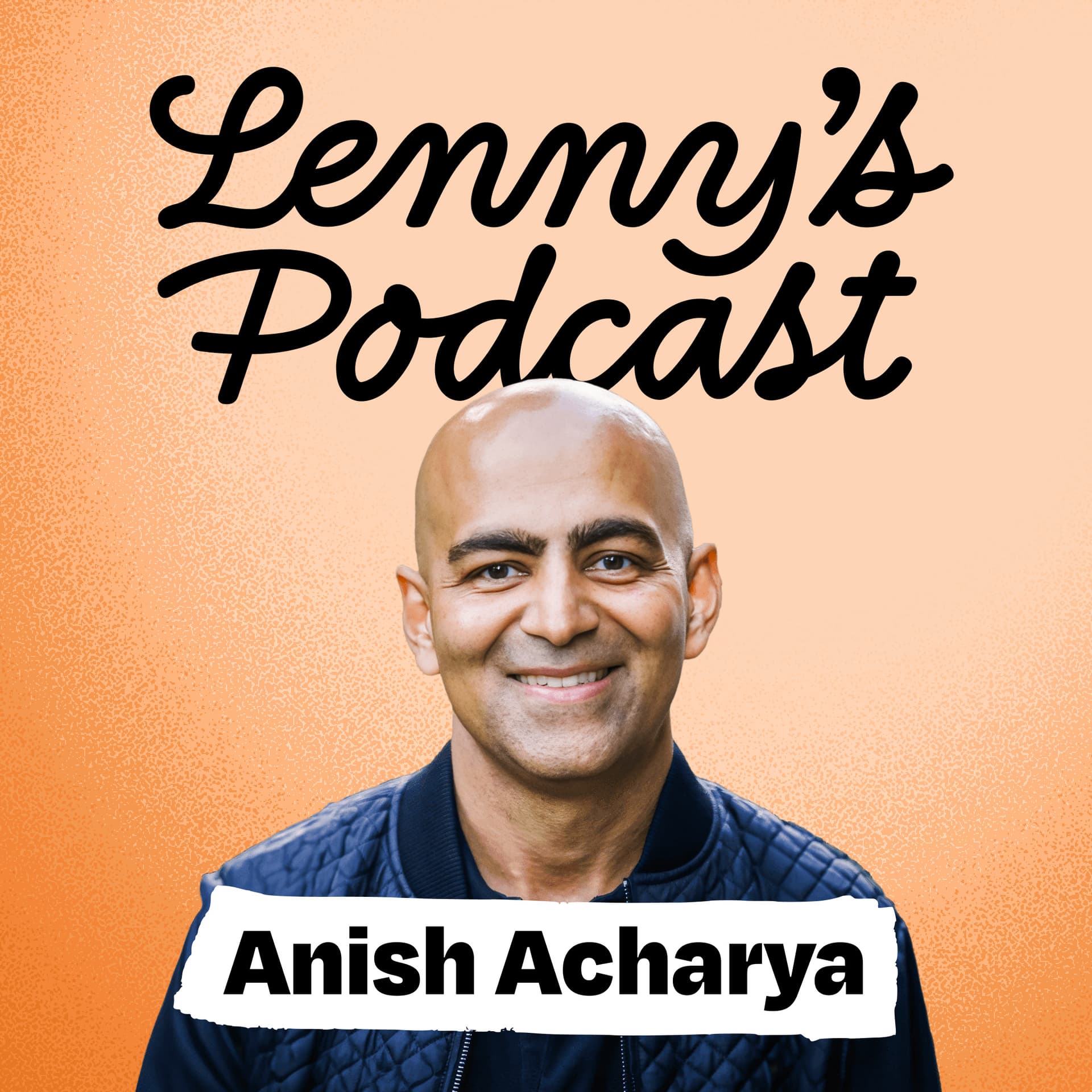
Amol Avasare (spelled “Amol Evasari” in the transcript), Head of Growth at Anthropic. Background: previously led growth at Mercury and Masterclass; also a founder and an investment banker. Personal detail: suffered a severe brain injury and spent nine months relearning how to walk and work while managing constant nausea. He got the Anthropic role by cold-emailing Mike Krieger (Chief Product Officer).
Key claims
- Anthropic grew from about $1B ARR at the start of 2025 to over $19B ARR in ~14 months, with revenue doubling in recent months and ~10x year-over-year growth.
- Growth at Anthropic is company-wide: research, inference/compute, and product teams (e.g., Claude Code, GoToMarket) are major drivers.
- Activation (“day zero/day one”) is critical in AI because capability overhang makes it hard to keep onboarding aligned with rapidly improving models.
- Growth work is ~70% handling “success disasters” (scaling problems) and ~30% proactive growth experiments.
- They’re building “CASH” (Claude Accelerate Sustainable Hypergrowth) to automate parts of growth experimentation; human stakeholder alignment remains hard.
Notable examples
- “Importing memory from ChatGPT” to improve Claude’s cold start and new-user experience.
- Onboarding philosophy: add “good friction” to understand user interests and recommend the right features; remove annoying friction.
- Mercury example: a quarter spent improving onboarding quality (not metrics) boosted onboarding completion.
Written by AI. May contain mistakes. Listen to the episode to check what was said.
Chapters
Tap a time to open that second in VOThe Unorthodox Path to Anthropic
3:44 to 7:13
Discover how Amol Avasare landed his role at Anthropic through a cold email.
“And the last number I've seen is you guys are at 19 billion ARR, which just to put a couple pieces of context here, one is that's from one to$19 billion in 14 months.”
Leading Growth at Anthropic
8:24 to 13:13
Amol shares insights on leading growth efforts and the challenges faced.
“to be leading growth inside of Anthropic right now, the most by far fastest growing company in history.”
Innovative Growth Tactics in AI
13:14 to 14:08
Explore clever strategies used by Anthropic to enhance user activation.
“growth work where it's like more proactive.”
Challenges of AI Activation
14:08 to 17:49
Learn about the critical importance of user activation in AI products and strategies to improve it.
“I was thinking about what can we do to improve the cold start problem and improve the new user experience.”
Onboarding for Better Activation
17:50 to 20:36
Discover how onboarding improvements at Mercury led to increased user activation and retention.
“of the user that allows you to then recommend them to the right feature or product and not being shy about adding friction to do that, I think is probably like the single biggest thing that's important here.”
Friction in User Onboarding
20:37 to 23:21
Understand the balance of friction in onboarding flows and its impact on user understanding and engagement.
“some of the things that we've done in the onboarding flow is basically like we ask users questions around who they are, what their interest areas are.”
Growth Strategies at Anthropic
23:22 to 27:48
Explore the structure and strategies of the growth organization at Anthropic for maximizing impact.
“But I think this is like something that like most growth practitioners deeply understand.”
Future Product Value in AI
27:49 to 28:02
Learn how exponential growth in AI capabilities is reshaping market value and product offerings.
“You basically just keep unlocking new markets that where the value of those markets significantly dwarfs what the value of the previous markets were.”
Unlocking New Markets in AI
28:02 to 29:50
Learn how AI is driving exponential product value and market growth.
“And like agentic coding is a great example.”
The Importance of Larger Bets
29:51 to 31:06
Discover why AI companies should focus on larger product bets instead of incremental improvements.
“And so that's why we still do all the small optimizations.”
Show all 45 chapters
Growth Team Structure and Focus
31:07 to 33:15
Understand how to structure growth teams for multiple AI products and their challenges.
“I think if you're building a product where it's not necessarily an AI first product, and you have some AI features that are on the side, but it's not the core of your value, I don't know that I would operate this way.”
Automating Growth Processes
33:16 to 34:30
Explore the potential for automating growth experiments using AI capabilities.
“And also the tie-ins to cross-functional partners is really, really important.”
Evaluating AI in Growth Strategies
34:31 to 36:28
Learn how to assess AI's performance in various stages of product development.
“And it's like, it's called Cache, which is Claude Accelerate Sustainable Hiker Growth.”
The Future of Project Management and AI
36:29 to 37:56
Discuss the continuing need for human involvement in project management despite AI advancements.
“And it's like you can push it, press play with it.”
Shifting Roles in Product Development
37:57 to 42:00
Analyze how roles in PM, engineering, and design are evolving with AI's rise.
“We had a difficult meeting a couple of weeks ago.”
The Evolving Role of PMs in Tech Teams
42:00 to 44:34
Explore how the roles of product managers and engineers are changing with the rise of AI tools.
“And so that's like an interesting thing.”
Delegating Responsibilities: Engineers as Mini PMs
45:00 to 47:29
Understanding the practice of empowering engineers to take on PM responsibilities.
“So that's one is I think we are going to be hiring a number of PMs.”
Balancing Shipping and Strategic Oversight
47:29 to 49:45
Insights on when PMs should code versus guiding engineering teams.
“Or it's engineers that can PM, essentially.”
The Role of Prototyping in Product Development
49:45 to 51:54
The importance of rapid prototyping and minimizing bureaucracy in product teams.
“I think that's true in certain circumstances.”
Streamlining Communication and Project Kickoffs
51:54 to 56:01
Best practices for effective communication and project initiation in tech.
“And as a growth team, again, you do have a decent amount of these smaller things that you do.”
Identifying Misalignment with AI Tools
56:01 to 57:02
Learn how AI tools can identify misalignment in projects and enhance team communication.
“And so you can think about in that shipping context, it's a similar thing where Claude can basically be looking at what's happening across the company and say, you're thinking about shipping this thing.”
AI's Role in Product Management
58:10 to 1:00:44
Explore how AI can support product management tasks and improve productivity.
“I feel like there's this like, what are the jobs of a product manager?”
Enhancing Team Coordination with AI
1:00:44 to 1:02:51
Understand how AI can facilitate better coordination within teams and streamline admin tasks.
“Now you're just looking at across more data sources.”
AI as a Coaching Tool in Management
1:02:51 to 1:05:46
Learn how to leverage AI for feedback and coaching in management practices.
“So I basically, um, you know, one of my manager, Ami Vora was, I think a podcast guest of yours, right?”
Anthropic's Focus and Growth Strategy
1:05:46 to 1:10:01
Discover how Anthropic's focus on specific areas has driven their growth in the AI space.
“people use, like all these notes from conversations and discussions are really key to this working.”
The Evolution of Claude and Anthropic's Journey
1:10:01 to 1:11:28
Learn how Anthropic's Claude evolved in the AI landscape and the reasons for its late launch.
“And, um, I think that that's also just related to like how history played out.”
Balancing AI Growth with Safety
1:11:28 to 1:13:27
Explore the balance between growth and AI safety at Anthropic and the company's unique structure.
“Almost uniformly, everyone's like, this is the strongest leadership team out of any of those companies.”
The Importance of Safety in AI Growth
1:13:27 to 1:17:17
Understand how prioritizing safety leads to sustainable growth and brand integrity.
“and you can optimize for public benefits.”
Thriving in the AI Future: Skills for Success
1:17:17 to 1:19:48
Discover essential skills and mindsets to thrive in an AI-driven job market.
“that I think is going to help us in the long run.”
Anthropic's Unique Culture and Mission
1:19:48 to 1:23:47
Gain insights into the culture at Anthropic that fuels its mission-driven approach in AI.
“I think the same thing is true for PMs where it's like, okay, now, you know, in this ratio, if the design is really stressed and you're a PM who can design, you are also a unicorn now.”
Mission-Driven Culture at Anthropic
1:24:00 to 1:26:00
Learn about Anthropic's unique mission-driven culture and its impact on employee engagement.
Open Communication and Transparency
1:26:00 to 1:28:00
Discover how open communication fosters a trusting work environment at Anthropic.
Talent Density and Expertise
1:28:00 to 1:30:00
Explore the high talent density at Anthropic and its significance for innovation.
“And we also think about that as it's a way to scale your beliefs and views across an org as it grows quickly, right?”
The Importance of Internal Knowledge Sharing
1:30:00 to 1:32:40
Understand how internal knowledge sharing supports organizational learning and growth.
“And so more and more, these types of things of, OK, how does the growth team think about this?”
Addressing AI Risks and Responsibilities
1:32:40 to 1:35:00
Discuss the importance of acknowledging AI risks and Anthropic's approach to mitigating them.
“go at this and try to build it the right way versus just stay out of it and just hope that nothing that happens.”
Learning from Career Failures
1:35:00 to 1:38:00
Gain insights from personal stories of failure and the lessons learned along the way.
“And if you stay in the game and you're like commercially, you're doing great.”
The Long Game of Career Growth
1:38:00 to 1:39:00
Learn how failures can lead to unexpected successes in your career.
“And it's just really hard to see that in the moment when you're looking at a point in time, it's much easier to to like draw the line looking back.”
Overcoming a Traumatic Brain Injury
1:39:00 to 1:41:00
Discover the challenges and lessons learned from a traumatic brain injury.
“And the pitch was essentially how a traumatic brain injury made me a better product manager.”
Mindfulness and Managing Stress
1:41:00 to 1:44:30
Understand the importance of mindfulness and breaks in a high-pressure job.
“Overall, I feel like it's one of the best things that could have happened to me.”
Freedom Through Constraints
1:44:30 to 1:45:40
Explore how constraints can foster personal and professional growth.
“staying in this game at this level of intensity is just keep your head.”
Finding Happiness Beyond Expectations
1:45:40 to 1:46:50
Learn how to achieve contentment without relying on external outcomes.
“Or are you going to accept the situation and, and like not let that affect you emotionally?”
Book Recommendations for Growth
1:46:50 to 1:47:20
Get book recommendations that can enhance your emotional and professional life.
“And we'll link to the post if folks want to read this.”
Lightning Round: Quick Insights
1:47:20 to 1:51:20
Hear quick personal insights and favorites from the guest.
Job Opportunities at Anthropic
1:51:20 to 1:52:00
Discover job opportunities and how to connect with the guest.
“So that's probably the one that comes to mind.”
Final Thoughts and Call for Feedback
1:52:00 to 1:52:21
Learn about the importance of feedback and team recruitment in AI development.
Transcript
Automatic transcript. May contain errors.0:00Lenny Rachitsky:A lot of companies claim to be the fastest growing companies of all time. Anthropic actually is. You guys were at a billion ARR at the start of 2025. The last number I've seen is 19 billion ARR. That's one to$19 billion in 14 months.
0:14Amol Avasare:Historically, we were very much the smallest, least well-funded player in this space. We didn't have the free cash flow or the distribution of a meta or Google. We didn't have the first mover advantage of an open AI. It's a complete miracle that we've gotten to the stage that we have. Give us just a glimpse of what it's like to be leading growth inside of Anthropics. The hardest job I've had in my life to come into Anthropics, you need to understand that 50, 60, 70 % of how you operate in the past just throw it out the door.
0:41Lenny Rachitsky:One of the cleverest growth moves you all made was this idea of importing memory from ChatGPT.
0:47Amol Avasare:Activation is a really big challenge in AI. We are starting to look at how do we automate growth. Our growth platform team is driving this effort called CASH, which is Clawed Accelerate Sustainable Hypergrowth. How can we use Clawed to automate growth experimentation? And it's delivering results. You're basically living in the future. We always talk about the exponential. The product value that we will deliver in two years time is probably like a thousand X what it is today. The funniest thing is I've noticed internally linear charts are just not cool. Everything is log linear. Just show me a log linear scale.
1:22Lenny Rachitsky:Today, my guest is Amol Evasari. Amol is head of growth at Anthropic, which is on the most unprecedented growth run in history. In the past 14 months, they grew from$1 billion to over$19 billion in annual recurring revenue. Just in the past few months, their revenue doubled. They've been growing 10x year over year. This is unheard of at this scale. By the time this episode comes out their revenue will be even higher. To put this scale in perspective, companies like Atlassian and Palantir and Snowflake, which have been around for 15 to 20 years, each do something like 4.5 to 6 billion in ARR. Anthropic is adding this much ARR every few months.
2:04Lenny Rachitsky:And if that isn't interesting enough to you, Amol, who leads growth at Anthropic, is an incredible human. He previously led growth at Mercury and Masterclass. Before that, he was a founder and an investment banker. And most interestingly, something that most people don't know about him is that Amol suffered a severe brain injury. He had to spend nine months relearning how to walk and work and just not be nauseous all the time. He shared this story in a guest post in my newsletter a number of years ago. We actually chatted about this during the conversation. These are my favorite kind of conversations because Amol and his team are living in the future and he's come to tell us where things are heading and what's going to change.
2:41Lenny Rachitsky:And in this episode, Amol shares an unprecedented look at how a company like Anthropik operates and grows, including how they think about growth, what parts of the job they've automated, the future of the product and growth roles, how a mole got the job in the first place by cold emailing Mike Krieger, and so much more. A mole is wonderful, and just try to count the number of times that he blew my mind during this conversation. Before we get into it, don't forget to check out Lenny's Product Pass.com for an incredible set of deals available exclusively to Lenny's newsletter subscribers. With that, I bring you Amol Evasari.
3:42Lenny Rachitsky:ARR at the start of 2025, then hit something like 4 billion mid 2025, then 9 billion ARR at the end of 2025. And the last number I've seen is you guys are at 19 billion ARR, which just to put a couple pieces of context here, one is that's from one to$19 billion in 14 months. I have so many questions. first of all the story of how you actually landed this role is really interesting talk about how you
4:13Amol Avasare:how you got this role yeah it's a little unorthodox so it's funny when i when i did my onboarding they they walk through what percentage of the cohort came through referrals what percentage came through applying on the website what percentage came through uh sourcing and i was on none of those and i was like okay this is interesting and basically the the way that i got to Anthropic was that I was actually a user of Claude and I was using a lot. I was like, man, these guys, like great product, great company, but they really like obviously don't have a growth team. And what I did was I just sent Mike Krieger a cold email.
4:51Amol Avasare:He was a chief product officer. I sent him a cold email saying like, hey, love what you guys do. Love the product. I think you guys badly need a growth team. Want to chat? And I didn't expect he would respond. And, you know, responds and says hey yeah i'm interested let's let's talk and it's funny i didn't know i mean i wouldn't have known they were not hiring for a growth team there were no growth pm roles listed but they were just at that time starting to think about hiring a growth team so it was very good timing but yeah one one spoke to spoke to mike and and one thing led to another he said i'm the only pm that he's hired from from cold email and i i feel very lucky that he decided to respond to my email.
5:30Lenny Rachitsky:I did not know the story. That is another absurd fact. Clearly, you're good at cold email. What did you do in this cold email to get his attention?
5:40Amol Avasare:I would say I've basically perfected cold email over the years. When I was a founder, I had to get really, really good at this. I sent a lot of cold emails out and just honed the subject line, the message, and the tone. And so basically I have in the subject line, the first thing is like from a conversion standpoint, someone sees the email, they need to click on it. And so I have a copy that I've tested that is like very, very high open rate.
6:09Lenny Rachitsky:And so wait, what is this copy? Or is this a secret?
6:12Amol Avasare:It's a secret. I think we'll keep it.
6:14Lenny Rachitsky:We'll keep some secret.
6:17Amol Avasare:So that's one getting into open. I think the second is then the tactics of you need to understand, like, where are people getting outreach? And if you if everyone's getting outreach in one area and then you reach out to them there, then then you're not going to get as high of a response rate. So you can think about like LinkedIn, you can think about like work email. These are things that everyone is emailing. So there's there's ways to get people's personal emails out there. And so like that's one thing that I did. And so, OK, I've got this personal email. I know the copy that works. And then it's just keeping it very short on here's who I am.
6:46Amol Avasare:Here's why I'd be a good fit and we should chat. And these things typically don't work. and then you should always follow up a few times. I think my rule of thumb is like, if I really care about it, I should just keep reaching out to them until they tell me like, please stop. And so I would have kept doing that, but he responded the first time.
7:03Lenny Rachitsky:It makes sense that a talented growth person would be very good at cold email and getting people's attention. So that's almost like an interview step as just, did I want to read this email? This episode is brought to you by our season's presenting sponsor, WorkOS. What do OpenAI, Anthropic, Cursor, Vercel, Replit, Sierra, Clay, and hundreds of other winning companies all have in common, they are all powered by WorkOS. If you're building a product for the enterprise, you've felt the pain of integrating single sign-on, SCIM, RBAC, audit logs, and other features required by large companies. WorkOS turns those deal blockers into drop-in APIs with a modern developer platform built specifically for B2B SaaS.
7:44Lenny Rachitsky:Literally every startup that I'm an investor that starts to expand upmarket ends up working with WorkOS. And that's because they are the best. Whether you are a seed stage startup trying to land your first enterprise customer or a unicorn expanding globally, WorkOS is the fastest path to becoming enterprise ready and unblocking growth. It's essentially Stripe for enterprise features. Visit workos.com to get started or just hit up their Slack where they have actual engineers waiting to answer your questions. WorkOS allows you to build faster with delightful APIs, comprehensive docs, and a smooth developer experience.
8:18Lenny Rachitsky:Go to workos.com to make your app enterprise ready today. Okay, so give us just like a glimpse of what it's like to be leading growth inside of Anthropic right now, the most by far fastest growing company in history. Just what is it like?
8:35Amol Avasare:Yeah, I'd say it's very much a company-wide effort, right? So like, yes, we are the growth team. We have done great. I think we've driven a lot of impact. But honestly, man, we can't claim too much credit for the success of the company. We as Anthropic are really a model company and an intelligence company first and foremost. And so the lion's share of what has driven our success is our research team. We have, I think, the best research team in the world. We have great teams on inference and compute. And then there's many other teams like Claude Code, GoToMarket, etc., who I think deserve much more credit than us.
9:12Amol Avasare:I think just zooming out, going to some of what you said earlier, that the growth trajectory has just been insane. That 10x year on year revenue growth trend has been there since the beginning. I think 2023 was 0 to 100 mil. 2024 was 100 to 1. Last year was 1 to roughly 10. And then like I look back to when I joined in 2024. Revenue was in the hundreds of millions. And just that trajectory to the end of 2024 and 2025, like week two of when I joined, we're going into 2025 revenue planning and we have these like base case and aggressive case scenarios and daria is pushing the aggressive case scenario and people are freaking out being like how the hell are we going to hit that and daria's like i think we can actually go much higher than that and i'm coming in like this this place is crazy like there's absolutely no way um and and and that happened right and and and then you get to the end of 2025 and it's like okay law of large numbers there's going to be a pretty big slowdown here based on you know your baseline rate of 10 billion how are you going to keep growing at this rate and like it just like has not slowed down and any of those numbers are public the the 19 billion number you quoted is from the end of feb so that is also out of date um and it's at look it's absolutely insane like the funniest thing is something that i've noticed internally is like linear charts are just like not cool like no one cares about linear charts everything is log linear so show me a log linear scale and that's that's kind of a scale we think and i think overall we're just you know really hanging on by the seat of our pants.
10:41Amol Avasare:So we're trying to manage the growth and do the best that we can for our users.
10:46Lenny Rachitsky:I was talking to somebody at Anthropic about you. And they said that basically anytime they want something to grow, they ask you to help and it works. So you talked about just like things are magical and amazing and they like Claude and all the tools you all built are amazing innately. And that's a big part of the reason they grow. I think many people listening to this will be like, what do you even do a mole with like a magical micro god that just can do anything for you? Why do we need a growth person? What do you even do? Talk about just the stuff that you focus on and maybe like a couple of the wins that your team has shipped that has helped accelerate growth.
11:20Amol Avasare:I would say like they're not fully wrong, right? Like we're very, very lucky to have the best models in the world. We're very lucky to have products like Cloud Code and Co-Work. It certainly makes life a lot easier. Having said that, I would say this is like the hardest job I've had in my life. and that's, you know, having been a founder, having been an investment banker and other things like that. It's tough. And if I look at what do we do as a growth team here, I think it's ultimately it's the same categories of things that you would think about at a normal company. So we care about acquisition, how are we getting more people in the door, the intent of the people coming through the door.
11:58Amol Avasare:We care about activation, the signup flow, funneling people to the right products, making them successful. You know, we care about things like monetization free to paid conversion, pricing and packaging, all of that stuff, the categories of work is the same. I think then probably the big differences is I would say that roughly 70 % of what I spend my time on is what we internally refer to as success disasters. And that is where things have gone so well that other things are breaking now. And I think anyone who's worked at companies that have gone through rapid growth uh you think like facebook or uber or doodash early on like they understand this viscerally where scaling this much just brings a lot of challenges so if you think about each of those categories on acquisition on activation on monetization there's just a ton of firefighting jumping from like one urgent thing to another and it's often like extremely painful and and like it's funny because you look at all the charts all the charts to like green, like fully up into the right.
13:00Amol Avasare:And everyone's just like, it's, it can be quite tough emotionally still. And so you need to sort of step back and just realize like, we're very lucky to have these problems. But that's sort of 70 % of my time, I'd say is just these like firefighting of success disasters. And I think the 30 % remaining is just much more standard bread and butter growth work where it's like more proactive. So you think about, okay, if we have limited resources, which, which are the products, we have many different products, which are the products do We want to put some juice behind what is our long-term pricing and packaging look like, especially given that the technology is changing a lot and behavior and engagement trends are shifting.
13:36Amol Avasare:And then, you know, things like we have a lot of new products coming up, like, okay, you ship co-work. Now what? Like, when is the right time that we should lean in as a growth team to start optimizing the core adoption funnel for co-work? So it's probably 70%, just crazy firefighting, 30 % more bread and butter stuff.
13:53Lenny Rachitsky:Okay. I'm going to dig into a lot of that stuff. One of the cleverest growth moves you all made recently was this idea of importing memory from ChatGPT, where you just made it really easy and kind of jumped on this trend of people getting really excited about Anthropic. Is there anything you could share about the behind the scenes story of that feature?
14:11Amol Avasare:I was thinking about what can we do to improve the cold start problem and improve the new user experience. I think that activation is a really big challenge in AI. And so, you know, that's like one example of something that we shipped that was very specific to a moment in time. But ultimately, if you zoom out, it's like, okay, how do you really make it easier for people who are signing up to have Claude understand who they are and understand how Claude can help them and get them to the right place?
14:43Lenny Rachitsky:I want to follow that thread, activation. there's something that comes up a ton when I talk to people leading driving growth on AI products it's just like like there are so much stuff trying to get your attention these days for people to get to a place where they okay wow this is really going to be something I want to keep using it it proves to be really hard and it's also just unreliable sometimes it's not going to be magical it's AI it's a non-deterministic I guess one is just like uh how important is focusing on activation, getting people to that aha moment with AI products? And two, what are some things you've learned about how to do that well with Cloud or AI in general?
15:18Amol Avasare:Yeah, it's a good question. I think that activation, it's critical, right? And defining that as like early activation, call it day zero, day one product experience. I think that historically anyone who's been in growth or been in product understands that that's usually one of the highest levers that you have to actually even increase like longer term retention and i think that that the importance of that has just gotten exponentially higher now zooming out i feel like one of the biggest problems in the industry is capability overhang where the models are just getting better so quickly and and it the real challenge is on the product side of how do we start to um diffuse those benefits to to to people where even internally like there's there's new models coming internally and you're sitting that you're so busy and and when it when you when a new model is available you you need to like really carve out time to be like what what can this do how do i need to update my priors and and if you think about more broadly for most people you may have a model that is like yeah you may have agi or some you know model that can do all sorts of crazy things but if if people's instinct is to come there and be like hey what's the weather in sf then you know they're not going to get the the most out of of the product and and so i think that it's it's it's tough because the model capabilities are rising so much so like if i if i think about okay back when we had i don't know say like opus 4 at that there's a series of things the model can do at that point and opus 4.5 unlocked a whole bunch of new things you think about okay we sit there we've got this new model opus 4 the time to then go and run a bunch of tests figure out okay there's the capabilities from this new model what are the right on ramps to to guide people to those features you know you're on you're on tests you get the learnings you then ship a new flow by then you may already have the next model which unlocks newer capabilities that makes all these learnings irrelevant right so like it's actually just like a really difficult problem to to stay on top of i think that many of the same things same old trends in in in growth and activation remain i think accurate where to me it's like ultimately the some of the highest leverage is from finding the right product or the right feature for the right user and i think that one learning you've seen this time and time again across companies actually like the right friction helps and and adding more friction usually works if you do it the right way i think that's something i've consistently seen that we've seen here as well.
17:48Amol Avasare:So to me, I think it's really being able to identify what are the characteristics of the user that allows you to then recommend them to the right feature or product and not being shy about adding friction to do that, I think is probably like the single biggest thing that's important here.
18:05Lenny Rachitsky:When I asked Ben Mann, one of the co-founders, former podcast guest, what to ask you about, and this is what he highlighted is your experience, especially at Mercury, redoing onboarding and making it magical. And basically, he's in the same place as you of just how important it is for people to understand what the AI tool is capable of to help people decide to use it and stick with it. Is there an example of something you changed in onboarding that helped significantly improve activation?
18:33Amol Avasare:Yeah, it's a great, great question. And I like that he brings up Mercury. I talk about their product a lot. So I've worked on the growth team at Mercury. I think it's a fantastic product it's something many people use and the reason they use it is because the better
18:45Lenny Rachitsky:banking experience than yeah i'm a i'm a very happy customer just to put that out there i'd
18:49Amol Avasare:love it great product highly recommend it they have personal banking everyone should go go and use it right they just launched that i i and and and so i think that the interesting thing about mercury is like the core value is that it's a better experience right that's the reason you use it you're not getting like better other things it's just it's a better product experience and so So that ethos is very, very deeply held within the company. It comes from a number of the founders. And I think that we had a big push one quarter when I was there on the onboarding flow. So onboarding flows for banking institutions and regulated entities are extremely complex.
19:27Amol Avasare:Like the amount of time I've spent on the difference between like a registered agent address and a legal address and a physical address, like these things are very, very complex. And we basically looked at the onboarding flow and we were like, okay, we've invested so much in quality in the rest of the product, but we haven't really done it here. And this is the first experience that people have. And so we said, forget metrics, forget growth, forget everything else. As the growth team on conversion, we're going to spend a whole quarter fixing quality in this flow. And so that's all we do. Forget the metrics.
20:00Amol Avasare:We're just going to make this as good of an experience as we can and fix all these. like you go back from one field to the other field and adding in your beneficial ownership details. And it actually ended out being like, and probably until I joined here, like the single most impactful quarter that I've ever had as a growth DM in terms of the impact that it had. And so we saw a significant uplift from basically our onboarding started to completion from just focusing on quality. And so that to me is like a broader learning around quality drives growth that I think I've tried to bring to Anthropic.
20:35Amol Avasare:I think for us at Anthropic, some of the things that we've done in the onboarding flow is basically like we ask users questions around who they are, what their interest areas are. And we then use that to recommend different products and features. And like a number of people look at the flow and they're like, you have so much friction. It's such a long flow. And I'm like, we have the data. We're kind of happy with how that's performing.
Read the full transcript
20:57Lenny Rachitsky:What is your kind of a philosophy on friction, good friction versus bad friction?
21:01Amol Avasare:I've just seen time and time again at every job I've been in in growth that adding friction and adding the right steps leads to higher conversion and higher funnel completion. So you want to get rid of, especially if you have high volume, you should test the majority of this and just learn and see, like, does this apply to your business as well? But you want to get rid of annoying friction that doesn't add value. but the the like i think the most simple understanding people have is like just get just just just solve time to value cut all the steps and just get them into the product and and like that doesn't work most times like i think if you if you're if you've really thoroughly tested your flows i look at the companies i've been at masterclass if you go through masterclass's purchase flow right now you will go through all these steps in this this quiz when you land on when you're trying to buy and it's like, you're like, I came here to buy and it's taking me through all these questions.
22:01Amol Avasare:What are you here for, et cetera? I think it's easy to look at that and be like, why do they have this? This is like a terrible thing. Just cut it all. And it's like, no, like that's been thoroughly tested. And actually that was like a significant revenue driver because it helps users feel that the product is for them by understanding what their interests are and then recommending the content and classes there. One of the growth PMs on our team left to join Calm, calm.com the meditation app if you go to calm's uh you know their landing page and you go through their purchase flow their login flow you'll see a quiz it's like not not a not a coincidence that at mercury we also tested i think um i think you might post it on twitter like we broke out some steps in onboarding and just having one screen if you have like five or six different form inputs and you often break that into two screens and reduce the cognitive load to people that that that is something that performs well.
22:54Amol Avasare:We added steps into the flow there that that actually performed well. Same at Anthropix. So I think that the takeaway to me is like cut friction when it doesn't add to the experience of helping a user understand why the product is for them. But if you can help users understand a product, why product is for them and like how to use it and what's most relevant to them and it's going to add friction, don't shy away from it. Test it, confirm that it works for you. But I think this is like something that like most growth practitioners deeply understand.
23:28Lenny Rachitsky:And for them is really important there. What you described is adding friction to better understand who they are so that you know how to recommend the right thing for them.
23:38Amol Avasare:Correct. Yes. And like that, that like done right, that just it just flows through. Right. So it helps you with activation, but then it helps you with lifecycle. You know more about those users and why they're here. and like most sophisticated businesses, you can then, even if someone drops off, you can do like lookalike targeting and you can get them at the ad layer as well. So that initial piece of how you understand who the user is, it's just like it's a juice that just keeps on giving if you then use it right for the down funnel.
24:05Lenny Rachitsky:Everyone's about to go do a bunch of teardowns of clods onboarding, masterclass onboarding, mercury onboarding. Kind of as a tangent, I was at this PM dinner recently and I was asking all the PMs, how has your role as a PM changed most with AI? Like where is AI most impacted what you do? And one of the PM's answer that is actually doing competitive analysis, doing a bunch of like teardowns of what other people are doing for pricing pages and onboarding. So it's easy to do now. Just, hey, hey, co-work. I don't know, would you co-work for this or Claude? What would you use for that? Okay, this is good.
24:37Lenny Rachitsky:Help people pick which tool to use. If you want to go do a bunch of teardowns of other competitors' onboarding flows, what would you use?
24:43Amol Avasare:You can use co-work for this, right? Right. So be a co-work with the Chrome extension. So if you task co-work with the Chrome extension, go and look for these flows and show me, give me a view of what's working, what's not. That's definitely something that that co-work can do.
24:58Lenny Rachitsky:Cool. I think I imagine that's one of the challenges is like you have all these tools now and just which ones for me. By the way, the Chrome extension, I use it all the time. That's amazing. I want to drill a little bit further into the growth org. There's this whole meme on Twitter the other day of just like you have one growth marketer driving all growth at Anthropic. and it's like, okay, that's crazy. How many growth people are there? What's kind of the rough org structure of the growth team? We're roughly maybe 40 people now.
25:24Amol Avasare:And so we are, I think, structured very much like a traditional growth team in that we have sort of horizontals of growth platform and monetization who think about the sphere of growth across the entirety of our products. And then we have more sort of audience-focused growth pods. You can think about B2B growth. You can think about code code growth, knowledge worker growth, API growth. So really these audiences to keep a narrow focus, which is the thing you have to do when you have so many different products. And then these horizontals that sort of think about things across the board.
26:05Lenny Rachitsky:And is it across a team of engineers, designers, PMs? What's kind
26:09Amol Avasare:of like this functions within this growth org yeah it's it's engineers designers pms data um i think that overall the shape of the org is quite similar to i'd say a traditional um growth team probably the things that are maybe different is that we i think that we index a lot more towards larger swings as opposed to smaller optimizations like if i think about a traditional growth team I would have probably done maybe 60-70 % of my time on small to medium bets, 20-30 % on larger swings. And I think that for us, we flip it a lot. We do much more the other way where it's 70-30 or more like 50-50 rather than indexing towards smaller bets.
27:02Amol Avasare:That's probably one of the biggest changes, I think.
27:06Lenny Rachitsky:Just to highlight that, what's interesting there is at the scale you guys are at, like a 1 % win is massive in the scheme of things. So it's interesting that even at the scale you're at, you're not focusing on these micro optimizations.
27:19Amol Avasare:It is easy. Like you could easily focus on these small optimizations and then you tally them up at the end of the quarter. And you're like, look how much Jim Tappie made. And like you could do that.
27:26Lenny Rachitsky:Another billion.
27:27Amol Avasare:Yeah, but the thing is, we've been tracking at 10x year on year, and that's the thing that we keep in mind. I think it ultimately comes down to our fixation of this company about the exponential. I think if you look at anyone who's talking from Anthropic about basically anything, we always talk about the exponential. Like it's effectively as model capabilities continue to grow on an exponential and the tools around them enable a better job of diffusing that into useful use cases. You basically just keep unlocking new markets that where the value of those markets significantly dwarfs what the value of the previous markets were.
28:10Amol Avasare:And like agentic coding is a great example. Like it didn't exist, you know, a year, a year and a half ago. And then now just the value of agentic coding is bigger than the like previous market AI coding use. And so I think that is like the core thing here, which is that the future product value is an order of magnitude higher than it is today. And I think about, I don't know, like a normal business, like a number of companies that I've maybe mentioned or like a trading app or like a grocery delivery product. like there are many of these like the leading companies are great businesses but if i think about what is the product value that the a company like a standard like call it a grocery delivery app like what is the product value you get as an end user today versus two years from now i look at it as like again two years from now even if you're you're shipping all these new products as an end user the value you get from that product maybe goes up like 30 to 50 percent if the company's done a really good job of shipping new features it's not exponential though and and and so if i think about okay you're here today in two years you're going to have 30 to 50 percent more product value then as a growth team the like relative differential of the product value two years from now relative to today i can actually capture like a decent percentage of that with the small to medium optimizations that typically have higher conviction as opposed to like larger bets but for anthropic it it's not really that way where where the because of the exponential and and our products being like very very very the the product value coming from ai the um the the product value that we will deliver in two years time is probably like a thousand x 100 to a thousand x what it is today and so if i think about that and it's like there's so much value on offer, you need to shift more towards, okay, we need to take larger bets and we need to not sort of miss the forest for the trees.
30:10Amol Avasare:And so that's why we still do all the small optimizations. It really matters. And like no one else is going to do some of these things. And so we need to do it. The compounding value is not immaterial, but we do take on much larger core product type of swings as well. So you mentioned that the Chrome extension, like that is now the thing that underpins a number of use cases on co-work and and uh and code code as well and that's something that the growth team built that's like a very like ai-filled product that is like a very research heavy product but we we were just bullish on it we had an engineer who was very bullish on it and we were just like hey no one else is doing it we're gonna do it and and so that's the sort of thing that i wouldn't have done at another company oh wow that's i did not know that so the takeaway
30:56Lenny Rachitsky:one takeaway here is like you know there's like stuff to extract from your advice that is like only true at anthropic and then there's what can other companies learn from this experience that you've had so one is is your sense that if you're working in ai shift more of the pie chart towards bigger bets because in the future the opportunity is so large you want to get find those as soon as possible versus micro optimize to be more specific there it's i would
31:27Amol Avasare:say that it's if the primary value that your product delivers is underpinned by ai as as a central element of it then i think you should operate this way so i don't know companies like lovable cursor you know all these like great businesses that are like it's as the exponential rises their their value crops are also going to continue to rise significantly like if if you're building a product where it's like it's an AI first product, then I would definitely operate in this way. I think if you're building a product where it's not necessarily an AI first product, and you have some AI features that are on the side, but it's not the core of your value, I don't know that I would operate this way.
32:08Amol Avasare:It would depend on how is the rest of the product all staffed and how is the growth all staffed in relation to that.
32:14Lenny Rachitsky:Okay, awesome. And then in terms of the way you're structured, I thought that was really interesting. It's like a combination of different sorts of things. So there's like the API growth, there's cloud code growth, but then there's also like personas, like a vertical of like knowledge workers and B2B. Is that intentional? Like some specific bets and one just kind of like broad market opportunity?
32:34Amol Avasare:When you have like one product, it's easier to have a growth team that's more like purely on the funnel, right? It's like you have the conversion, you have activation, you have monetization. But as you start to get into having multiple products i think that's harder because if you do that then you know if you just have like one activation team for example but then you have code code you have co-work you have all the other things they're very different audiences and and and they're very different sets of cross-functional stakeholders internally so we're kind of looking at what what is the thing and all structures are like not perfect and they're like right for a point in time but we're looking for what is the structure that allows us to have as much focus like focus is a really big thing and on audience and problems.
33:18Amol Avasare:And also the tie-ins to cross-functional partners is really, really important. Like the folks in our Cloud Code growth team, like they work extremely closely with Kat and Boris and the others on that team. And so that tie-in is really important as well.
33:33Lenny Rachitsky:So you've done growth at a lot of different companies, a lot of basically, let's call it traditional growth before Anthropic. How else is growth as a function and as a skill set changing with the rise of AI, AI products, AI startups.
33:46Amol Avasare:I think if your core product value is very backed by AI, then it is shifting where you're skewing more towards larger bets as opposed to smaller, medium experiments. I think in other things, it may be a big thing related to this that I think will accelerate this, which I am really interested to see how it will play out, is we are starting to look at how do we automate growth, which I think is like a really interesting area. So our growth platform team, we're very lucky. We have like Alexei Komisarok who teaches growth engineering at Reforge and he's just like the guy on the team. And so he is driving this effort.
34:31Amol Avasare:The name is, it's a little cringy. I didn't come up with it. And it's like, it's called Cache, which is Claude Accelerate Sustainable Hiker Growth. I did not come up with that. But really, it's an effort to look at how can we use Cloud to automate growth experimentation. And it is still very, very small. It's still very, very early. We kicked it off only, I think, a couple of months ago. I think before Opus 4.5, it wasn't really possible. We were just not seeing the results. And more recently with Opus 4.6, we're like, okay, this is headed in the right direction. And so this, I think, will happen more and more across the industry where basically, if you think about, okay, I think this can happen all across product, but growth teams in particular, because there's this whole body of work that is very small optimizations, I think are just more inherently suited to tackle this earlier.
35:27Amol Avasare:uh i think if you think about like the the life cycle of shipping there's this sort of four parts to it one is is um identifying opportunities like how good is clawed at actually identifying opportunities based on different trends based on um previous trends that clawed has seen in the past second is then building the actual feature and and getting it ready to ship um third is is testing and ensuring that it meets your quality bar and your brand bar. And then fourth is then once you've actually shipped the thing, analyzing the data, gathering the learnings. If you think about that as like the loop of, okay, these are four things that you can eval and hill climb in each of these areas and understand how good is a model doing for you there.
36:13Amol Avasare:And we basically think about it in that four ways. and we are scoring how good is Claude doing in each of those areas. And so we've been testing this at pretty small scale right now. It's been a lot of copy changes and some very minor UI tweaks. It's delivering results, right? And it's like you can push it, press play with it. It ultimately prints money where I'd say that the win rate is like, I would expect a senior PM to do better. I would say this is like a junior PM, like two, three years in. And I would say this is like the win rate that I would expect from a junior PM. But it's not quite at the senior PM level.
36:54Amol Avasare:Although I think like you look at the exponential, this wasn't available at all a couple of months ago. So it's getting better rapidly. And I think that it's going to change where you'll be able to do this for larger and larger types of experiments. But then, you know, you think about the largest types of experiments. I mentioned the four pieces around identifying opportunities, building, testing, and shipping. The one I didn't mention there, Lenny, is cross-functional stakeholder management. There's still a need for human brains. Yes, there it is. And I think that that one is going to mean that, in my eyes, the work of PMs is not going away, actually, anytime soon.
37:40Amol Avasare:And that piece, especially for larger projects, Like you don't need to do as much of it for smaller stuff, right? You can skip it. But for larger stuff, that piece is not going away.
37:51Lenny Rachitsky:Until the other stakeholders are their own little agents running around.
37:54Amol Avasare:I think that's right. I think that would be the point where it would change. It's funny. We had a difficult meeting a couple of weeks ago. And me and our head of design, Joel, we were debriefing afterwards. And he pings me. He's just like, Amol, we will have AGI. And it will still be impossible to get six people in a room to get to a line. and I'm like yeah I think that's I can see that that's a like what's the harder alignment problem
38:19Lenny Rachitsky:oh okay this is so interesting and this is exactly where I feel like things are going so just to be clear what you shared here there's basically this tool that comes up with experiments to run to help grow Claude and all the tools so it comes up with idea somebody looks at them proves cool let's do these things build it ships it tests the results see how it's doing and then it comes back like here's things that are working is that roughly right
38:47Amol Avasare:it's roughly right and like we right now we have human in the loop approving but like the amount of time i kind of think about scaling this way of just like week on week are things getting better in each of the areas are people spending less time on each of the areas are the results getting better into the areas and as long as like week on week that's getting better then you're like okay this whole initiative is like scaling um and and so that that's roughly right but you can think about it as i think a lot of this can be automated where human review is not needed so we care a lot about brand right so that is something that we we do look at right now we don't want to be shipping something that goes against the brand um but then you know you can have a skill that a skill that that contains your brand guidelines and very clear yet do's and don'ts on brand.
39:36Amol Avasare:And so all of these types of like accompaniments, I think are going to get better. The model is going to get better at understanding how to use them. And so over time, I think that the need to like human review this really, really decreases significantly.
39:49Lenny Rachitsky:Yeah, and you could always unship it if it's like, oh yeah, that was actually not a great idea. And that's such a good point that we, like we think we need people to do these things forever. And it turns out, okay, hey, a skill could do this really well. Here's our brand guidelines. Here's our vision. Here's our mission. Here's our goals. Here's what matters to us. Okay, so let's not ship that thing. So the reason I think this is so interesting, this is like I've just been watching the expansion of AI, doing more of the product development process, in this case, the growth process of just, okay, it went from helping you write code to like writing all your code to reviewing your code.
40:21Lenny Rachitsky:Now it feels like, what are the other ends of this, the two ends around this? It's kind of going from the middle out. the top of that is coming up with what to do. And then there's like the alignment stuff still very hard. And then on the other end, it's reviewing the code and then shipping it and then get distribution is that's like a whole other thing I want to talk to you about. So what I'm hearing here, and this is exactly what I thought was going to start happening is AI is now getting really good at telling us what to do, not just taking our orders and building it. And it feels like the growth version of this is where it starts because it's so much simpler, Not that growth is easy, but just like it's data driven, there's this loop that you talk about.
40:59Lenny Rachitsky:So I think this is such an interesting sign of things to come across just generally product. Yeah, that's right. Just putting that out there. Okay, so something that I'm constantly thinking about along these lines is just the future of product PM engineering, how those roles shift over time based on the stuff we're talking about. How are you working together as a triad? and where do you see these roles going? What's most going to change, do you think, across these three roles?
41:28Amol Avasare:This is like something that we talk about and think about frequently and the picture changes rapidly. So sometimes when things break, execution like the bottlenecks break, historically in the past, it's like, okay, now you need to hire more engineers, you need to hire more designers, et cetera. And it's more just like a life cycle thing of like where is the life cycle of your team and that specific pod to identify where the bottleneck is. But now when things break, you need to still look at it of like, OK, is it like the actual ratio or is there also underlying technological shifts that are also causing this to break?
42:01Amol Avasare:And so that's like an interesting thing. I think that smaller companies, like if I'm like a 15 or 20 person company, I'm like the only PM there working with some designers and engineers. I think in the smaller companies, you'll see probably like the biggest blend where like the PM will be doing all sorts of, they'll be, you know, designing, shipping, etc. I think you just have extreme bifurcation. You know, larger organizations, more scaled organizations, I think the jury is still very much out. Like you speak to people even internally here and different people in different teams have different views of like, okay, how much are these roles coming together versus how much are these roles going to be separate?
42:41Amol Avasare:I think that it's not to say like even the PMs, like number of PMs are shipping and themselves shipping and pushing PRs, et cetera. But if I look at, okay, across what I'm seeing, I think that it's clear that while PMs and designers are getting more leverage from AI, engineering is getting the most leverage right now. I look at tools like Cloud Code and the amount of leverage engineers are getting from them is higher than I think the amount of leverage that designers and PMs are getting from them today. Now, this is rapidly also changing, but that to me is my view today. And so if you think about, okay, a default team, which is say five engineers, one designer, one PM with code code, that five engineers is like two to three X, right?
43:34Amol Avasare:And the PMs and designers have also increased that now they're managing what is effectively a much larger group of engineers. And so even though like the head count and the org structure hasn't changed, you're now you're now just dealing with a situation of maybe 15 to 20 engineers in the old world one and a half to two pms and like maybe one and a half to two designers and so we're seeing that that's putting like a lot of strain on on pm and design and it's it's not everywhere like i look at teams like claude code and i think that or because their product is so technical like it's probably like just the the right thing where you the the pms are like all basically engineers themselves anyway um but but you know we had a product like a pm lead on site the other week and we were all just like talking about this way across the world we're feeling this where pm and design is just squeezed it's just absolutely squeezed and we're like is the is the right thing here we just need to actually hire like a ton more more pms and and that that could it could actually be where we we we land you know on growth how i think about it is like one we are hiring a number of growth pms We desperately need people who are very, very good.
44:45Amol Avasare:And we are hiring. So if you are excited by what we're doing and you know growth, please feel free to apply. We'd love to chat.
44:57Lenny Rachitsky:Maybe craft an amazing cold email to you.
45:00Amol Avasare:Yeah, yeah, yeah. Feel free to craft that email. So that's one is I think we are going to be hiring a number of PMs. But then the second thing that we do is we very much hire product-minded engineers. I think this has always been the best thing to do in growth. Like you always want to have the engineers coming up with ideas, et cetera. And so we, especially people who can really like step in as mini PMs if people are, if the PM is absent. And so we're like basically more formally leveraging that right now because we are so stretched. So the frame that we have is that if a project is two weeks of engineering time or less, then the engineer is on the hook to effectively be the PM for that.
45:48Amol Avasare:And so that means things like talking to security, talking to legal, talking to cross-functional stakeholders. And the engineer is very much driving that. The PM will get looped in and they'll advise if needed. And if something is like wildly going off track, then they'll step in. but they're much more in an advisory capacity versus execution. If a project is more than two engineering weeks, then the default is that the PM should continue to be on the hook for making that go well. They still delegate more to Eng, but they're like squarely accountable. It's not like fully clean cut. It's like use your head.
46:22Amol Avasare:Like if this is a one week thing, but it's extremely controversial, like the PM should probably still drive it. But that I think is like the approach that I expect more companies will start to do, which is just deputize the engineers to be mini PMs. Now, not everyone can do it, right? So the PMs, the engineers who are more product minded, suddenly their value goes up significantly, like an order of magnitude. And then I think we will probably still be hiring a lot of PMs.
46:52Lenny Rachitsky:There is so much interesting stuff I want to follow up on here. Okay, so one is this idea of two weeks. Just briefly, I always joke as a PM, you can go on vacation and be away for like a couple weeks from your team and things are going to be all right. Like, well, you know, there's like a momentum, there's a plan, people keep operating. And it feels like that's kind of this rule of thumb you use of just, okay, if it's a two-week project, you'll be all right without a PM, you can handle it. I love that those two connect. Okay, the other here is so interesting. So you're saying here that because engineers are so accelerated, and this all makes sense, PMs in design are kind of just like, Like, holy shit, it's hard to keep up with the space of engineering.
47:28Lenny Rachitsky:And what you're saying is you need more and more PMs to keep up. That's one route. Or it's engineers that can PM, essentially. Which is so funny. It's just like, okay, great news for product managers until more of the PME stuff can be done by AI. But that's a really interesting trend. I don't know. Is there anything else there? Just like, oh, wow, we actually may need more PMs. The ratio of more PMs to our engineers might be the future.
47:51Amol Avasare:Yeah, I think this is like, It just really depends on the industry, the size of company. Any company where you're building something that's much more developer-focused, you're going to rely on the engineers a lot more. Earlier companies, you don't have as much of this cross-functional coordination, stakeholder alignment nonsense that you need all these plans for, so you can get by with less. But then as a company scales, and if I think about, okay now you have this ratio where maybe the the 1 pm became 2 pms from like productivity that the like five engineers became like 20 engineers that one designer maybe became like three designers if you think about like what is the best use of time for that pm i think this is like a really interesting thing of like how much should pms be actually shipping things themselves versus everything else i think like in the in the world where you're like limited on engineering the PM should definitely be shipping things.
48:52Amol Avasare:I think in today's world, it's a good way to like get an understanding of the tools, which is really important. So the PM should be shipping for that reason. But if I'm one PM or two PMs and there's 20 engineers, I think about what is the incremental value I can add with my time? And is it actually shipping like the 21st PM feature? Or is it saying, how am I getting a little bit better are guiding the team on what the right opportunities are. And so that's where I think like in this world, you may have all these engineers who are like mini PMs and the better that happens, like that's like where I would love to be doing more of.
49:30Amol Avasare:But still like that, if you then get a really good PM who can come in and can like improve that, the like why and the what and why and the what particularly by like 5%, that is like such a high leverage hire.
49:44Lenny Rachitsky:This is such an interesting insight you're making it's like so counter to how a lot of people are thinking pm is evolving like what i'm hearing here is because pms are so behind because engineers are just getting so much done there's like many people here okay you need to be prototyping you need to be shipping prs as a pm what you're saying which i completely agree with is your time is much better spent helping pm basically and helping the engineers uh become better pms themselves and and the leverage there is a lot higher than you spending time coding, shipping PRs in most cases.
50:16Amol Avasare:I think that's true in certain circumstances. I think that as a smaller company, I don't know that that's the case. In a smaller company where it's all hands on deck, I think you probably need to be shipping. I think if you're in a company where budgets are very tight and engineers are very tight and you're not able to just hire because money's unlimited, then you need to do what is needed to accelerate the impact your team's going to have, right? So there's going to be a number of cases where, like, as a PM, the right thing to do is to be like, screw it, I am shipping, and, like, I am going the whole way.
50:51Amol Avasare:But I'm talking here more about the, like, larger companies, more scaled businesses. Yeah, if you have 20 engineers, is it the highest use leverage of your time to ship an extra feature or figure out, how do I up-level everything that we're doing, get the user insights better, etc.
51:13Lenny Rachitsky:Yeah. And I think there's also an element of shipping to learn, building a prototype so that you can have a better opinion. Like a lot of people talk about just, I'm just going to try three things, see how it goes, and that'll help inform the roadmap. This is now the PRD is look at it instead of talking about it. So there's a lot of value there still.
51:29Amol Avasare:That's very true. I think that's a great point. So even for me now, where we've got a number of PMs, we've got many engineers. There are certain times when I'm like, I want to articulate the idea I have in my head. It's just better for me to prototype it and show it. So I think that is really important. And then we are very scrappy. So we're like a big company by name, valuation, but we're extremely scrappy. And just the focus internally, just minimize bureaucracy and just like just go and so probably 70 70 percent maybe 60 70 80 percent of what we what we ship does not have a prd i'm like averse to prds i think i just like i just like hate documentation i'm just like go go go just like cut cut cut the blockers um 20 30 percent of stuff where it's like it's important it's really important to get right like the documentation should be really good and like that people should spend a lot of time on it but by and large i think prds are just outdated at this point and and um you can just kick things off with a good team without without needing to to
52:33Lenny Rachitsky:do that sort of thing say more about that what do you do to help make sure because people can build so fast or spend a lot of time going in the wrong direction ship things that are not what you're asking how do you kick off a project and clarify here's what we're doing is it just a conversation
52:46Amol Avasare:or is there anything beyond that it really depends on the size of it and this kind of goes back to like the two-week thing so the why we have that two-week thing it's more like a how do we have some filter to say, if we're investing heavily into something, we should apply more thinking behind it versus if it's a smaller set of investments, just go for it. And as a growth team, again, you do have a decent amount of these smaller things that you do. So for very small changes, you know, like, oh, there's a thing coming. We need to have an upsell for it. What is the thing we're doing? Like, this is just on Slack, right?
53:20Amol Avasare:This is just purely on Slack. It's just messages back and forth. And I think it also depends on having a good caliber of engineer in there. But engineers can understand like, hey, I know you said this, but what about that for the audience? And so we're lucky we have good product-minded engineers in that sense. But all these smaller things are very much just on Slack, back and forth. And that's what you do. For the larger things, I think I very firmly believe in a proper kickoff. So we still do just there's so much going on at this place. No one's got time. No one knows what's going on. And so doing it cross-flung from kickoff, get legal, get safeguards, get everyone in the room and just be like, this is all a plan to do.
54:03Amol Avasare:What do you care about? What do you care about? What do you care about? Like that 30 minute meeting for larger things is just, I think, still so important to just streamline all the mess that may happen later if you don't do that work early on.
54:17Lenny Rachitsky:what's your approach to crafting that prd in those cases is it like ramble into clod is it do you have a template even in those cases there are times i don't craft the pid like because we're just
54:27Amol Avasare:everything's moving so quickly right so there's still some of those cases where i just set up the meeting and then like five minutes before i'll put it into code work like here you know some of my thoughts what credit like here are the things that i need to think about spin up like a basic doc and and we use it to talk other times i won't even have a doc but if if i am creating a prd um i have basically skill like a skill that that i view they've created um and then there's projects with all the previous prds in there uh and then i will it is pretty simple like it has the format down so i'll just say here are the things i care about here's the why here's the problem and flesh out the key considerations, flesh out the cross-functional stakeholders, those types of things.
55:12Amol Avasare:But again, my default is like if I can avoid the doc and if we can just jump to action, then that's what we should do. And increasingly just jump to prototyping the thing.
55:24Lenny Rachitsky:Yeah. And that's where I think it'll get so interesting once we can automate more of that. Just like your assistant talking to the legal assistant, just like ironing out all these little, you know, what's important to you, what's important to them.
55:35Amol Avasare:Yes, and it's coming. And I think the legal team has done like good enablement around this. Like we work in versions of like, how do you, you can think about like, how can you mimic what someone might say and like set up, you know, like a court, right? So there's, there's things like that, that I think that we have now. And then as Claude gets more and more context and gets better at passing long context, I think these are things that Claude will just get better at knowing. I think one of the things, Lenny, is like a slight tangent, but one of the, I think, most effective ways I use Quod or the most interesting ways I use Quod is, which I see a number of people doing internally is to help you identify misalignment.
56:17Amol Avasare:this is like I think something that I found really really helpful so with co-work you have the slack mcp and you and you can you can tell co-work you can tell co-work to say basically look across slack you know the projects that I'm working on these are the things that are top of mind go and find me areas of potential misalignment right now and it does a really really good job so this is something that I have scheduled runs every week called like looking at things and coming back to me and saying like, hey, I think these things you should be aware of. And so you can think about in that shipping context, it's a similar thing where Claude can basically be looking at what's happening across the company and say, you're thinking about shipping this thing.
56:57Amol Avasare:Here's who you need to talk to. Here's what you need to keep in mind. That is so cool.
57:01Lenny Rachitsky:I am so excited to tell you about this season's supporting sponsor, Vanta. Vanta helps over 15 ,000 companies like Cursor, Ramp, Duolingo, Snowflake, and Atlassian earn and prove trust with their customers. Teams are building and shipping products faster than ever thanks to AI. But as a result, the amount of risk being introduced into your product and your business is higher than it's ever been. Every security leader that I talk to is feeling the increasing weight of protecting their organization, their business, and not to mention their customer data. Because things are moving so fast, they are constantly reacting, having to guess at priorities, and having to make do with outdated solutions.
57:43Lenny Rachitsky:Vanta automates compliance and risk management with over 35 security and privacy frameworks, including SOC 2, ISO 27001, and HIPAA. This helps companies get compliant fast and stay compliant. More than ever before, trust has the power to make or break your business. Learn more at vanta.com slash Lenny. And as a listener of this podcast, you get$1 ,000 off Vanta. That's Vanta.com slash Lenny.
58:10Amol Avasare:I feel like there's this like, what are the jobs of a product manager?
58:13Lenny Rachitsky:And then how are they slowly going to be supported slash done by AI? So there's this misalignment, just like fine misalignment. And then maybe one day it'll be like align people initially. You talked about this cash automation for growing, like how do I grow this product? That's starting to happen. Another that I use myself when I'm building stuff is just asking, how do I make this product better? How do I make this a better user experience? And asking the AI to just give me a bunch of ideas and they're actually really good. So it's interesting how these little pieces are starting to be put into place to do more and more of this role.
58:46Lenny Rachitsky:I'm curious what other automations you have and your team have that are effective. What I love about these conversations is you're basically living in the future. You're working in like the most bleeding edge company with the most talented people with the most cutting edge tools. And you can like see where things are going and start to actually live in the future, build things that nobody else has even thought about or can do. I'm curious just what else is working, what else your team has done to help save you time, be more productive.
59:17Amol Avasare:We use it pretty extensively across the board, right? So there's a standard PM stuff like writing docs, brainstorming, looking at data. For data, I personally have like a coworker runs on a schedule and looks at sort of 20, 25 different charts every morning. And then, so when I come in the morning, there's just so many charts, so many products to track. Cowork will tell me, okay, here are the things that you should pay attention to. here's like what is concerning and here are just some like interesting insights and it sends you
59:46Lenny Rachitsky:the update in slack or how does what's kind of the workflow i it for me it just shows it comes
59:50Amol Avasare:up in co-op right so co-op has a schedule in the desktop app you yeah in the desktop app you can have a scheduled task that you create and so i have a bunch of hex links that it will go and and look at um it uses the the chrome extension if for some things and it uses mcp for for other things and and and then it'll just give me a summary and then i i know like i still there's a few charts that i just like to look at because i just like i'm a numbers guy i just like charts so like all open to the right too so yeah i'm just like i like to see the chart uh uh but then there's there's like a long tail of things and even the medium tower it's like you don't have time to look at it every day that if claude is is proactively looking at it and you start to feel good over time of okay it's like the the false positive rate is going down the like false negative rate is going down of the things that code brings to you um then you just get a little bit more
1:00:44Lenny Rachitsky:confidence and peace of mind there this touches on an idea i've always had that teams will have is a strategy bot which just imagine an agent that's just constantly watching metrics the market the roadmap what's working it's not and just like camel here's what i think we should do now here's the pivot we should take here's where we're gonna win like it feels like we're very close to that
1:01:08Amol Avasare:i think we're close i think we'll get there later this year um to like the point where that's very very effective that's my my gut i think that that level of like proactivity and getting looking across a bunch of context and distilling insights i think is it's it's it's like you know the the The thing I mentioned earlier, Lenny, about the alignment piece, like that's like a version of it, right? Now you're just looking at across more data sources. This is something that I use. So I talked about like some of the standard PM stuff, you know, brainstorming, data, UXR. There's a lot of like admin stuff.
1:01:42Amol Avasare:I just hate like life admin and like paperwork. I just hate it. And so I get called to book my meeting rooms. I get in book meeting rooms. Claude archives, sort of my email first pass it, clearing out my inbox. I don't do any of my reimbursements and expenses. Claude will go to Benapas and file the reimbursements. He'll go to Brex and file the expenses. So all of that side of things, I'm just like, just hand it to co-work, just get rid of it. And then the stuff that's quite interesting, I think, is like the manager lens, where I talked about alignment is one thing. So I look also across my direct reports, like Claude can look into what have they done this week.
1:02:22Amol Avasare:You look at sort of our team goals and OKRs, look at the transcripts from our discussions and understand, I can basically ask, well, like, what are the key takeaways and observations I should keep in mind? And like, what feedback do you think I should give them? And that's something that is like, again, you can just set that up weekly. The quality is like hit or miss right now. It's like it's decent on something. Sometimes you're like, holy shit, like, I am so glad that I caught this. And that's very, very helpful. And then I do that for myself. as well. So I basically, um, you know, one of my manager, Ami Vora was, I think a podcast guest of yours, right?
1:03:00Amol Avasare:So I say, Hey, based on what you know of Ami, both publicly, she's written extensively about product and then internally, and then our discussions, what, what is everything, based on everything that I've done or not done this week, what feedback do you have for me as Ami? And like, I get that every week, right? So like a lot of these things can already be done today. I think that as the models improve, I think it's just like the accuracy and the signal of these things is going to continue to improve rapidly.
1:03:31Lenny Rachitsky:I don't think you realize just how much awesomeness you're sharing here. This is just like every one of these is like, what? Okay, so this Ami example. So you have one-on-ones with her. you're you ask you is this so do you ask claude co-work to go through all of her writing to basically build like a model of her and you ask what should i be doing differently based on what
1:03:56Amol Avasare:you know about ami is that is that yeah effectively there's a number of ways you can do this i think with if someone has um a public profile where they've written extensively it's it's helpful because you can claude can just get all that information otherwise you can have a project or you can have a skill. But increasingly, Claude is better at just understanding because you can tell Claude, like, look on co-work. You can say, using the Slack MCP, look at everything that this person has said in the last week, et cetera. And based on that, like, what are their top priorities? What are priorities my manager has based on how they're spending their time that I don't know?
1:04:33Amol Avasare:And so all of this layer of stuff, which is like the, I think about it as like soft coaching. I think that that is like unlocked in my opinion already. I think it's just that you're like working with a coach who's like kind of like drunk at times, not drunk, but like, you know, like sometimes like says something, you're like, why would you bring that up? Like, that's clearly wrong. But other times you're like, wow, like that has, there's like one of the guys, Scott, who leads our enterprise team. I think he, there was a few cases where it's like, he found like major areas of misalignment that would have caused teams to sort of spin their wheels significantly or do overlapping work.
1:05:13Amol Avasare:And you think about that, the impact of that, like your shipping in this world is a bigger companies is going to be constrained at often by all the cross-functional coordination, right? And I think we're now starting to see at this cross-functional coordination layer, some of that work AI is really being able to be used to reduce that toil. And I think that six months ago, that wasn't possible. And I'm like, shit, like six months from now, what is going to be possible there?
1:05:45Lenny Rachitsky:Oh, man. And I think the fact that all this data is there, Slack, there's Granola or whatever people use, like all these notes from conversations and discussions are really key to this working. Yes. So for someone that wants to do something like this, how do you set this up? What's kind of the steps?
1:06:01Amol Avasare:Yeah, you go on to Cowork, download the desktop app on Cowork. connect the Slack MCP. That's where you need to, depending on how big the organization is, you may need to get sort of team or enterprise admin permissions to, you know, someone with those permissions to enable that. But once you have the Slack MCP connected and on COVID, you just ask Claude. That's it. Amazing.
1:06:27Lenny Rachitsky:Okay. I'm going to go in a kind of a different direction. I want to talk about the focus that Anthropic has had over the years. So if you look at the numbers that you're all putting up. What's really incredible about it is the focus that you all have had. And I think this is the reason that has worked out so well. There's a certain competitor in the market that is realizing they should have done this and are starting to shift to a similar approach. As an external observer, it feels like Anthropic has been very good at doing very few things, but going super deep. So B2B, for example, just going deep on B2B and then going really deep on coding use cases, Cloud Code being an example.
1:07:08Lenny Rachitsky:And it's worked out really well. Where, who's been driving that focus? Who has helped keep that focus from the beginning?
1:07:16Amol Avasare:Yeah, I mean, I think it's a foundational part of the company. I think it's been there from the very, very early days. And it really comes from leadership. And I think they've just done a phenomenal job of distilling that. I think that, you know, I saw this doc come up recently. I don't know where it was shared. It was something that Ben Mann is one of our founders that you had on the podcast had written. It's dated in 2021, I think a few months after they started the company. And it was like, here's why we should just focus on AI coding. And this is like, you know, this is like five years ago.
1:07:52Amol Avasare:This is long before anyone knew what the actual market opportunities were around this and um i think this is just like a deep focus that we have had internally from the start on the importance of coding and and b2b um you know it's a it's a i think there's like two lenses to right it's like maybe a view of okay that this is gonna be commercially beneficial to tackle and then also the the side of it around accelerating research so i'd say it's a pretty mainstream view now i've now heard people from various labs talking about the this the the importance of coding to accelerate research but that has just been like a very firm view that we have been laser focused on internally of okay if you have the best models that's going to accelerate your researchers and that's going to accelerate the research loop and i think that's something that like dario has has seen very clearly for a number of years so i would say that that's probably one of a lot i think a lot comes from dario i think a lot comes from from leadership and and just our dna i think the second though is is probably just like necessity where if you're if you're um you know it's now changed like we're the more well-known company raise lots of money blah blah blah but you know historically we were very much like the smallest least well-funded player in this space like in many ways it's a complete miracle that i think we've like gotten to the stage that we have like we we didn't have the free cash flow or the distribution of a meta or google we didn't have the first mover advantage of an open ai and so like what do you do right i think there's um i think there's like this broader principle i have just around life of like the the freedom through constraints that when you when you have a bunch of constraints applied on you whether that's in personal life or or or at work i think that that that can just it can bring a lot of freedom because it just frees up all this excess choice.
1:09:44Amol Avasare:You're like, okay, like this is, this is clearly the path. And I think for us, it's like, okay, you're not, you don't have a ton of funding. You're a small player. You don't have distribution. You just have to, to really pick a very narrow focus. And even for a very generalizable technology to, to maximize your chances of getting to escape velocity. And, um, I think that that's also just related to like how history played out. Right. So it was well before my time, but Anthropic had a version of Claude. We had a chatbot before ChatGPT was launched. And we had ultimately chosen not to launch it for safety reasons.
1:10:19Amol Avasare:I think the team didn't want to kick off effectively an AI global arms race. And ChatGPT launched and they got insane traction, right? And that just naturally sort of pulled them towards consumer. There's another world where if Anthropic had launched Claude first, like maybe be the other way around even with all that focus stuff so it's a who knows it's it's
1:10:39Lenny Rachitsky:hard it's always hard to say looking back at some of these things wow i didn't know that i think also people just don't realize how far behind anthropic was like right now it's like of course they're amazing but like i just remember when people are talking about anthropic we were raising money i was like there's no way they're going to compete with open ai at this point it's like so over just like they're so far ahead and it shows the power of focus and just uh i guess i don't know all the things y 'all did like it it is absurd how far y 'all have come and how successful and how things
1:11:12Amol Avasare:have changed so quickly yeah and i i would say i i very much agree i think a lot of that like we i think a lot of that comes down to our leadership team we have a number of people who've worked at like call it like the best companies you know in the world big very senior people and i think Almost uniformly, everyone's like, this is the strongest leadership team out of any of those companies. And so I think a lot comes from them. And then we're just very lucky to have incredible people. I think that helps a lot as well.
1:11:40Lenny Rachitsky:On the coding piece, just to make sure that part is clear, I never thought about this, that the reason that the bet was so deep on coding is not just that's a huge TAM, but it's that this is a feedback loop that will accelerate us further and further. So if we get the best at coding, coding will help us do research, it'll help us build better models, and it'll accelerate faster and faster.
1:12:01Amol Avasare:Yeah, that's correct. And this is something I checked. Dario has talked about this publicly, so I am fine to find that.
1:12:07Lenny Rachitsky:Like, okay, it makes sense. The safety piece is really interesting. So I want to spend a little time here. So famously, Anthropic, I think the official name of Anthropic is Anthropic, an AI safety research company. As a growth person, there's this balance, I imagine you strike between growing and the mission being don't grow at all costs. Our goal is AI safety and alignment. How do you balance those two things? How does that impact your job?
1:12:36Amol Avasare:Look, I think it's something we take very, very seriously. And it's the whole reason the company exists. And if you think about it, it's all the way from, it's why they left to start the company. It's deep in our corporate structure itself. So historically, everyone raising money is like, go create a Delaware C Corp. And that's like the structure you do. And with a corporation, you have a fiduciary duty to maximize returns for shareholders, maximize shareholder value. And from the beginning, they went a different way. where we went to and created a public benefit corporation, PBC, which allows you to legally say that maximizing shareholder value is not the overarching umbrella goal of this company and you can optimize for public benefits.
1:13:30Amol Avasare:So really, I think it starts from there and it ladders down from there. For us, our purpose, our mission ultimately is to make sure that the transition to powerful AI goes well and is net beneficial for humanity. You know, we, I think internally, like we are like very excited. And I think honestly, there's a lot of like very, very optimistic about where this can go. But we also understand what the risks are. And so for us, that top line objective of this just like, this needs to go well for humanity. This just needs to go well for humanity. that is something that we are happy to take a significant commercial hit for and and we've done that time and time again right so like we have a you know like it back then okay you had clawed but you don't want to release it because you're like there's these safety risks and so there's time and time again that i've seen we've been happy to take that hit and it's it's actually worked out well for us in other ways from like a growth lens you know i i look at it as like growth teams can often push the boundaries of what is like good user x ux etc because they're trying to very very uh much like eke out metrics at times when i think about if a controversial test is is bought to me i sort of look at it as like this there's two types of tests that are controversial one is when that test is so controversial that you just should not run the thing because the results don't matter because you would not ship it for a combination of uh you know brand and sort of customer friendliness and values and then the second is where it's like it's controversial like i don't like it i certainly don't love it but it's it's like it's not like a red line and so you're like you know if someone comes to you with conviction and is like i have a really good hypothesis around this and you're like i don't love it but like you can run the test and see what impact it has and if it's like if it's like a high level of like cringe or ick then i want to see a high level of return for the result for that i kind of think about everything in like what is it is it in one or is it in two and for every company that one and two is is different um i think for us the ai safety is like very much in in one i think that it's like yeah that's why we exist like yeah it's fine we're just not gonna not gonna do this thing i think and there's other things that fall into two where your heightened sensitivity, but we can try it and see what happens.
1:15:59Amol Avasare:I think zooming out though, Lenny, one of the biggest mistakes I feel like I see growth teams make and particularly just like hardcore growth practitioners is just trying to squeeze every last dollar. It's just like, I think this is like a general principle also in life. Like if you're a founder raising money, you're just trying to squeeze that last dollar. You don't want to do that because you want people to come back next time as well is my view. And I think in growth, I think it's really important that you usually need to be okay leaving money on the table. And that's a core principle for us as a growth team where we are very comfortable foregoing metric impact in order to prioritize safety, in order to protect our brand, in order to hold a high quality bar and to maintain a great user experience.
1:16:44Amol Avasare:And if you like look beyond the short term and like, OK, what are the numbers for this quarter? And you zoom out and you think about what are the very best products out there? You realize this is how they all operate. And that's actually the thing that's going to drive more growth long term as well. And so I think that that actually ties back to safety, where as the risks get higher and the stakes get higher, I think the fact that we are taking a stance and safety is like critical to what we do is actually going to become a significant. a significant competitive advantage for us that I think is going to help us in the long run.
1:17:19Lenny Rachitsky:Yeah, as you share all this, clearly it's working. Anthropica is killing it. I love when someone doing something, someone approaching a problem that way, it actually works out. It's the same way I think about with my newsletter. There's so much more I can do to grow it. My philosophy is just focused on creating good content. nothing else, like all these micro-optimizations are not going to matter in the end. It'll grow through people sharing it if it's useful to them. So in a very small scale, I have similar philosophy. One of the things that people are probably thinking about as we talk, so, you know, we joke about like AI replacing parts of jobs here and there.
1:17:57Lenny Rachitsky:Like, you know, it is pretty scary to a lot of people just like, what is the future of my job? Will I have a job? How do I stay relevant in this future? So for, there's a couple of questions here. One is just like, for folks that want to thrive in this approaching AI future as a PM, as a growth person, do you have any advice, things that they should be doing right now? To me, a couple of things come up.
1:18:21Amol Avasare:Like one thing that everyone says is like, use the tools. You need to be on top of the tools. I think you need to be using code code. You need to be using code work and understanding just each model release. What is the new things you can do with this? How can you apply this to your job? It'll work well in some things. it'll work terribly in other things and then one model launch later it's like oh shit that other thing worked but if you didn't go back to try it you would not have known and now many months have passed and you didn't know that that was possible and so i think that that being on top of the tools is really important both for improving your own productivity but also for getting product sense around ai products which i think is just going to become increasingly important i think then zooming out beyond that I kind of look at it as like just leaning into where you have a competitive advantage and an unfair unfair advantage and so to me it's like if you know there are some people some PMs who are really good at like craft for example and there's others who you throw them into a situation with all these stakeholders who have all these strong opinions and you know there's no way they're going to mediate this and they come out and it's like everyone's kind of swimming in the right direction and so if you think about like what is the major skill set that you have where you spike in the that can be tied to delivering driving impact for a company in a product role I would just double down on that and like almost like forget the weaknesses just what can you do to be become like the best person at that thing because that's that's like very very valuable and I think that ties to the notion of just leaning into being interdisciplinary so going back to some of what we mentioned earlier on where it's like okay in this world of engineers are mini PMs that the engineer who is like highly product minded is a unicorn, is an absolute unicorn.
1:20:08Amol Avasare:I think the same thing is true for PMs where it's like, okay, now, you know, in this ratio, if the design is really stressed and you're a PM who can design, you are also a unicorn now. Like the chances of a company letting you go has gone down dramatically because you are now just so much more more useful and so i think that is just like really really important i think if i look at what's benefited me it's probably a version of this like i think that for me it came from a founder background so like the mix of the the founder background the the like finance i was an investment banker so like the finance background and numbers and then sales like i was i almost became an account exec instead of going into product i was right on the edge of should i go into sales of product and i think like a combination of those along with with growth is probably what's led to like there are certain areas and situations where i can just have outsized impact to other people and and so understanding what that is for you is is really important i look at our financial services product um you know we've launched like cord for sheets called for excel they're kind of like tank the market by the way everyone annoying crew i know um but like the guy running that nick lynn like he came from investment banking he came from private equity and it says such a competitive advantage where he's building that product and he's like i know this i know this like he's like built for this and so i think just understanding what what are those interdisciplinary areas you can lean into to to make yourself more um just like higher higher higher impact is is really important and then the last one is just being adaptable anyone who you who is trying to just keep applying old playbooks i think you're going to make life a lot harder for yourself so one of the biggest things you come into anthropic is you need to understand that probably yeah 50 60 70 percent of how you operate in the past just throw it out the door it's it's not going to be relevant and if you try to stick to that you're going to have a lot of friction and it's not going to be helpful so just being adaptable and understanding okay the job's changed this way i'm gonna go that way is is i think like it's it's so
1:22:15Lenny Rachitsky:it's so important that is awesome advice it matches a lot of what jenny shared when she came on the podcast the design design leader on claude and clowork and all these things of just like like the idea of going deep becoming the best or one of the best at a very specific thing and that not every company will need and you don't need all 10 but just going deep and on something i forget with how she described it or again andreessen said the same thing just like I think we called it a sideways E instead of just like T-shaped of one thing. If you could have a couple of things you're really, really good at, there's a lot of power to that.
1:22:50Lenny Rachitsky:Oh man. Okay. Before I get into something that I think will blow a lot of people's minds about how we actually met and kind of a big part of your journey, let me just ask you this. Is there anything else about Anthropic that might be worth sharing, might be worth talking about?
1:23:09Amol Avasare:The thing that maybe comes to mind is just our culture and the people that we have here. I really think it's our secret sauce. I think it's the thing that is the most defensible, the thing that no one else is going to be able to replicate. And I don't think it's an accident. Leadership has really invested in this a lot. And Daniel and Dario, they really believe in this a lot. And I think they've just created a very special culture. So I would say that, you know, this is like truly a mission driven company. And I was not 100 % sure of that when I joined. Like I was like, I think that this is an exciting company.
1:23:49Amol Avasare:I like very much agree with their principles, but I didn't know anyone at the company. I didn't have any references on what it was like inside. So I was a little skeptical when I joined. I'm like, at least they're talking about it. But like, I don't know. Are they serious about this? And then I came in very early. I was like oh oh shit okay like they they are maybe they're even more serious about this in they talk externally and so it's just like the it's it's a mission-driven company where people viscerally viscerally understand both the upsides and the downsides of the technology and therefore understand the the the divergent ranges of how this may go for humanity and and how different of a future that could be and i think like when you understand that of how different this could be as a future for all of us and like our children and our grandchildren etc i think it it leads to a lot of passion for what we do and um it just leads to a lot of belief in in what we're doing and so i kind of look at every other job i've had in the past there's some degree of people at the company who are just checked out where it's like you know i'm here i i'm sick of this but i don't have a better option or i'm getting paid too much to leave etc that is just like not the case here i have not met a single person i'm saying a single person who's checked out everyone is putting everything they have on the table everyone is is pouring it out and like leaving nothing behind and and is just fully fully in it and so i think that leads to like this releases energy that is just like very very hard to to describe i think you have that energy you have that mission driven nature and then it's it's such an open culture so leadership is very very transparent with us on things we uh slack is like a it's a it's a whole maze there's so many things that play out on slack we're very open everyone has these notebook channels where you kind of have like your own like twitter feed in a way where you're just talking about your thoughts about things and so you can go and like join the slack channel the notebook channels of people on research and all these other areas and like you'll you can learn whatever you want and and you can spend so much time like getting lost in that as well but that that openness where we even encourage like people can just argue with dario there was an all hands yeah he said something where someone didn't agree and then and the person goes onto dario's notebook channel and just says like hey i didn't appreciate how you said this and this and that and then it sparked a whole big debate um but like that sort of thing where like it's encouraged like go to leadership and disagree with them challenge them publicly and like that i think that just leads to a level of trust and all of that together i think it just means that we have this very very deep sense of togetherness that um man i have just like never i've never experienced anything like it and and then you get to the talent right that i think that is the thing where the talent density is like i feel like i'm playing for like real madrid at times i look around i'm like oh man i'm playing for madrid or it's like you just like have the best people in the world i think it's most i think it's most the case on research we have like the very very best researchers in the world but even you look on on like product we have amy vora like she is phenomenal we have mike krieger you're like okay casually started instagram he's here um you know on growth we have john egan who is my engineering counterpart he's like the og in growth engineering he's he's he's he's great we have alexei so like guy who teaches growth engineering at reforge he's just like another dude on the team um and all of that i think is just very special they met my favorite here is like in the linear a couple of months ago we had our on-site company-wide on-site and in october and i'm walking around i see this guy he's just walking around eating popcorn by himself i go up to him and i'm like you're jeff right and he's like i am and i'm like you are literally the u.s ambassador to my country australia and you're just an employee here i'm like this is insane i'm like talking to our prime ministers of our country and all these things and it's just the the talent combined with that culture i think is just this secret source that uh is is is the reason that i think we are as successful as we are this notebook channel is
1:28:09Lenny Rachitsky:so interesting just like as a tactical thing so the idea there is dario just shares it's like a little twitter like internal twitter feed where folks just share what they're thinking about and what their what their priorities are and things like that yeah that's basically it where it's
1:28:23Amol Avasare:it's an internal feed where it's not just dario everyone has one and you basically you share your internal thoughts it's a way to like keep people updated on things on what's working it's a way where people share provocative things, I think from like a leadership level. And we also think about that as it's a way to scale your beliefs and views across an org as it grows quickly, right? So like if you're not adding a lot of people in the organization, you need to think about, okay, what are the like behaviors that we want to model? What are the principles that are top of mind to us? And if you think about like, yeah, you can have a bunch of these meetings where you talk about it.
1:29:01Amol Avasare:You can model that behavior. are but if you have a channel which is like here's my top of mind and you you say these things right like if i have a post which i did the other week of like this is the importance of being comfortable leaving money on the table now all the new engineers on growth who've joined have seen that and they're like oh okay this is like different to to what we had we've known before right so i think it's like good for the openness but it's also good as a leader of how you can scale your views as an organization to like get people more up to speed on the way that things are done which is I think really important to like avoid that drift which when you have so many new people signing up that drift can lead to a lot of drift in strategy and sort of perception so it just helps
1:29:44Lenny Rachitsky:run a run a tightest ship in that way and more importantly it's data for the agents everyone's got running to help them work with all these humans yes that is that is very very correct
1:29:54Amol Avasare:Like it is something that goes to Claude. You know that there are certain documents in onboarding where it's like the HR team has written before editing anything on this document, please check with this person because this is a document that Claude references as like a key thing. Right. And so more and more, these types of things of, OK, how does the growth team think about this? How does safeguards think about this? You're arming Claude with that context to get better and better at helping in the future.
1:30:20Lenny Rachitsky:That's interesting. It feels like that's something that every company is going to have to start doing is just sharing their thoughts in a structured way so that all these agents that we've all got running have what they need to know. Another interesting side note here is just Slack. OK, so like there's all this talk of SaaS tools being replaced by AI and you guys use Slack. I think there was this famous tweet of you guys still use Workday and all these tools, all these SaaS tools. Everyone's like, what? Like they're all going to be vibe coded out of existence. the fact that you all, at the cutting edge of what could be built with code, still use Slack and all these other tools.
1:30:51Lenny Rachitsky:To me, that's a good sign that maybe SaaS companies will be all right in the future. I don't know if you have anything there to share.
1:30:58Amol Avasare:Yeah, I think it's a really complicated picture, right? There's a number of things that we just build internally ourselves. As time goes on, the ability for Claude to do that better increases. and at the same time like we use Figma a ton we use Slack a ton we use Workday uh we use a lot of these products and I don't see that changing in the immediate future and um and so yeah I think like this there's probably some truth to some of this I think the other parts are like it's overblown and many of these products they're like the customers of ours we we value them a lot as customers and we use their products very very heavily and I don't see that changing and you
1:31:37Lenny Rachitsky:have better things to do? Like, I don't know who's going to spend time building a slack at that? Like that is not where value is going to accrue. And I think it also helps you see how much how sophisticated these things are. They're not just like, you know, like there's been teams thinking about these problems for a long time. Anyway, that's a whole other tangent. Just coming back to the values thing. I just want to highlight something here that's really important. A lot of people criticize Anthropic for talking about the dangers to humanity, throwing out all these numbers about jobs going away, just creating all this fear.
1:32:09Lenny Rachitsky:But like, and people think it's, oh, we're trying to raise money or we got to get people's attention or we just, yeah, we're just trying to like create headlines. But everything I've ever seen internally is always just, this is what we believe in. We want people to know what it might be coming. Even if it isn't bad, we want people to understand here's what might happen and we are trying to avoid it. And you might say, why does And why is Anthropic even building AI if it's so dangerous? And, you know, the understanding Ben shared is just like, we think it's better that we go at this and try to build it the right way versus just stay out of it and just hope that nothing that happens.
1:32:48Amol Avasare:Yeah, I think three things that come to mind there. First is, I go back to something I said earlier, which is that we very much think about things from an exponential lens. And if you are thinking about things from a linear lens, you'll see the world very, very differently, right? because you look at where we are today and you're like, okay, but like how much better can it be in two, three years? I think if you're looking at it from an exponential lens and you understand how exponentials work, then you just realize that like a lot of this stuff is actually going to be happening sooner than people think if you're looking at it from a linear lens.
1:33:21Amol Avasare:And then if you understand that there could be upsides and downsides and the range of outcomes here, you need to like I think we very much like need to be talking about the downsides so we can avoid them and push towards the upsides I think most people at the company are optimists we're very optimistic about the future I think it's just we understand the risk is like it is not a guarantee that we we end up in a good place and not enough people are talking about the risks I think in productive ways um and and who have the know the know-how of the risks I think there's people who may talk about the risks but are not in the game and so they don't actually know fully like they're not like surgical on what the specific risks are but we're in the game we understand what's happening and so that's one piece i think the second is like i think we actually believe in this stuff more strongly than we we say externally so like it is just such a key part of how we think internally that sometimes like we we just like re you know like reword your statements because it's like people might just think we're being like too over the top but internally that's how we think And what we're putting out is a softer version of that at times.
1:34:28Amol Avasare:And then I think the third piece is going to what Ben said, where we think a lot about driving the race to the top. And so it's like, if you're not in the game and you're shouting from the sidelines, no one cares. It's just the reality of how the world works. Like no one really cares. If you're in the game and you're a leading player and what you're doing is working, you can influence people in who are also in the game to take the right actions. And so that is like the core of it. Like if we just pack up and go home, you have no influence on this thing. And if you stay in the game and you're like commercially, you're doing great.
1:35:04Amol Avasare:And then you have ways to influence the that. OK, these are the principles and put that into the conversation and make more people sort of believe in those things.
1:35:12Lenny Rachitsky:I could talk to you forever, Amal. But two more questions just to round out the conversation and touch on some stuff that I've hinted at a number of times. One is I want to take us actually to failure corner because someone listening to this may be like, all right, look at this guy. Just worked at all these amazing companies, cold email, the CPO at Anthropik, got a job, joined this rocket ship. It's all been up and to the right, just killing it constantly. What's a story from your career where things didn't work out when you failed? And what did you learn from that experience? I have a couple.
1:35:46Amol Avasare:I think it's very much not that way. I feel like it was a lot of squiggly lines to get here. The biggest I'd say is just, you know, founding a company, raising a bunch of money, having employees and then having to shut it down and tell your investors that you've lost the money and that you had a vision of what you're going to do and that it's not going to happen. And so that I think is probably the biggest one. You know, we spent three years on it. It was not like, oh, we tried something part-time. And it was like, no, we went for it. We had spent three years, raised a couple of mil. We had maybe seven to ten employees at our biggest.
1:36:24Amol Avasare:And it was something that we really believed in. It was around mental health and how you can quantify mental health to help understand or get early predictors of things like generalized anxiety, major depression. So it's stuff that we really, really believed in. But ultimately, in our early 20s, we had no idea what we were doing at the time. and many things I did differently. But that was just a very, very, very painful process. I think the good thing was like we kept our investors in the loop the whole time. So 20 founders who are struggling out there, like send those monthly investor updates.
1:37:01Amol Avasare:It's really easy to send those when things are great. It's really hard to send those. Like when things are bad, you just bat it down and you sit down and send an update to your investors about why everything you talked about last month like did not go to plan. But it's just the right thing to do. and it keeps people in the loop and it avoids surprises. But it's still so tough when you're then calling up the investors to be like, hey, we're shutting down or making that decision. Everyone had believed in you. And it becomes such a big part of the identity. It's very, very tough. So, man, that was just brutal.
1:37:31Amol Avasare:Like, it's brutal. And it took me, I think, like a number of years to truly get over. I think that it's a tough thing. But you get so much from that experience that is hard to see in the moment. And I think without doing that, I would not have gone into this. I was not a PM before. I didn't have any of these skills. I'd never worked on products. I didn't know how to cold email really. And so it was through that job that I learned a ton of the skills that made this career path viable for me. And it's just really hard to see that in the moment when you're looking at a point in time, it's much easier to to like draw the line looking back.
1:38:07Amol Avasare:But I think that would be my my takeaway is just keep in mind that it's a long game. And some of those things, I'm so grateful for that experience. Now, I'm so grateful that it failed and went that way. Actually, it's very painful because it wouldn't have led to what I'm doing now. And so it's just it's a tough thing. But the positives can come from it.
1:38:25Lenny Rachitsky:What I love about this is a lot of people have these times in their career where they're like, it's all over. Like I'm such a I failed in such a big way and my reputation screwed and people were counting on me. And now they see I'm an imposter. I never knew what I was doing after all. Now they finally see. And just seeing that. And this was three years. I'm looking at your LinkedIn. You had seven employees, something like that. And and then it's like masterclass, Mercury, Anthropic. I think it's inspiring to hear a story like that and know that you can have a big failure like that and things can work out.
1:38:58Lenny Rachitsky:That is not the end. okay so at 2023 i was uh i was gonna go on pat leave because uh my wife's pregnant and i was just like wait what do i do with the newsletter i need to take some time off that would be really nice to take a month or two off and so my plan was okay i'm gonna do a bunch of guest posts where people line up i put out a call for guest posts people apply uh i pick a few and then i kind of slot them in ahead of time so i could take time off so i put out this call hey who once I wrote a guest post for my newsletter, I got 500 plus applications. One of those applications was from you.
1:39:34Lenny Rachitsky:And the pitch was essentially how a traumatic brain injury made me a better product manager. And I still remember reading the first draft you sent me and I was just like, holy shit, this story is incredible. It's just like, like you feel such feelings. And it was just so tactically interesting and useful. Like, oh, wow, this is actually going to make me a better product manager. share the story of this of the the brain injury that you went through and just the journey that you went on there because this is going to blow people's minds it was the toughest time in my life
1:40:06Amol Avasare:it made shutting down a company being like oh that was nothing actually just funny how perspective works that way uh back in uh early 2022 i had a traumatic brain injury so i'd done mma for many years i'd done muay thai which is a type of martial arts for many years never had a problem and just it's just like the one of the things that happens like the wrong session the wrong it's just a normal day of sparring nothing crazy you get the wrong hit to the head in the wrong way and uh my whole life changed and and basically i spent nine months i was off work for nine months the first couple of months were brutal it took me roughly half a year till i was comfortable walking again it was very very difficult the first two three months beyond just showering and going to the bathroom my wife did everything for me like including like texting my friends I would listen to music for maybe like 20 seconds and feel like I needed to vomit I couldn't look at screens at all and it was a very very long recovery it was not clear to me that I would ever work again for a while actually and it was like we even discussed my wife like what would we do in that case etc and we had we had to think even on on those those levels and through a lot of pushing and and and really working through myself and and you have to just slowly increase your tolerance to things it's a brutal process uh but you need to slowly expose yourself to different things and just get better and better at each little thing actively work on that don't push it too far otherwise you have a big setback i basically got to the point then where over nine months and then after that returned to work and and then it slowly got better and the part lenny you don't know is you know we in mid 2023 we posted that newsletter and a month later i got re-injured actually and because and when you have a brain injury until you're 100 % healed your your risk of another concussion or brain injury is elevated when you're 100 % healed your your risk falls down to that of a non-concussed population but until that time and like even you're like 95 % healed you're not 100 healed and it was just an innocuous sort of in in everyday life getting off a plane a bag sort of hit me on the head type thing and um and i was off work for two months when i like one month into joining mercury like one month in i'm like sorry guys i need to peace out for three months and and that then it was a very very long recovery from that and i'm actually still not 100 healed so i'm like i'm like mostly good but i have times when i have like dizziness and headaches and other things that I need to work around.
1:42:44Overall, I feel like it's one of
1:42:46Amol Avasare:the best things that could have happened to me. And I think that keeping that mindset helps. And there's a point when you can like, take that too far when you're that view is devoid is detached from reality. But I think it's just made me so much better and effective, more effective as a person. A lot of the same habits, like I don't drink alcohol, I don't drink caffeine, I have to do a bunch of these things for my physical health, I just have to do them. So I keep doing them. I take breaks this is like a really big one you might think even a place like anthropic like how do you survive in this way it's like even on the craziest days lenny between the start of the day and lunch and between lunch and the end of the day i take a short break um even on the craziest days with like model launches etc i'm lucky we have like a meditation area in the office that i'll go to and uh and then the whole the whole side of things around meditation that i talked about in in that post.
1:43:36Amol Avasare:I think both you and I have done a retreat at Spirit Rock and doing a meditation retreat changed my life. And it's something that I do at least once a year now. I have one coming up relatively soon as well. And just I think all of that has helped with better managing the physical side of it because this job is very taxing. And then emotionally having a little bit of space to what happens. Like you have sort of awareness on one side, you have the reality on the other side and reality is crazy here man like reality is insane like there's so much happening every day there's so much noise it's it's mind-blowing and so that relationship between awareness and reality that's where you have choice that you you sort of learn from from deep meditation on on how to to shift that and apply your choice there i think that that is the thing that has helped me significantly with just keeping a more level head um being a lot of staying in this game at this level of intensity is just keep your head.
1:44:36Amol Avasare:Just don't lose your head in like the crazy times. And I think all of that that I've gone through has like helped me do this without resorting to like unhealthy coping mechanisms. Wow.
1:44:49Lenny Rachitsky:Amal, you're such an inspiration in so many ways. Just like there's so many reasons that you would not have been successful and things would not have worked out. And there's so many lessons to learn from just the stories you've shared in the journey you've been on to help people overcome challenges they're having like if you can like come back from an insane was it like a kick to the head is that what happened is that it was a it was a kick to the head that's correct yes just like feeling like you may not be able to walk like not want being able to listen to music uh to just like leading growth at the fastest growing company in history there's also just like a lesson here of constraints again you mentioned this idea of just like the power of constraints like you're forced to take breaks you're forced to go meditate like in a way that's really helpful and it's like a lesson for us all
1:45:33Amol Avasare:this is actually really good for us all yeah i think that freedom through constraints is is like one of the big takeaways i've had during that time and it because if you have these constraints you're forced to adapt and it creates you it gives you in a business setting you have to focus more in a personal setting and like if the constraint is i can't do anything and i'm injured i don't know what's going to happen i don't know i'm going to get better you have two choices you're Like one, are you going to let that, are you just going to resist and like fight with reality and, and let, and really suffer from that?
1:46:03Amol Avasare:Or are you going to accept the situation and, and like not let that affect you emotionally? And it's not to say like, I did everything, man. I was like every single thing I could do diet, I was like, I'm on it. Every action I can take, I'm on it. But then you have a choice of, are you going to let the impact of that define your happiness or not? And, and I think that that's the thing when you, when you, when the impacts maybe are not coming, you have to then adapt to, okay, what do I want my happiness to be? And one of the meditation teachers said, like the true freedom in life is learning how to be content when you don't get what you want.
1:46:34Amol Avasare:And it's not to say you shouldn't do something when you don't get what you want. But I think that that takeaway of just, can you be content and like not have your happiness rely on getting something? I think it's a challenge. I'm not perfect at it, but I think it's probably one of the biggest takeaways from that whole thing.
1:46:50Lenny Rachitsky:Incredible. And we'll link to the post if folks want to read this. Before we get to our very exciting lightning round, is there anything else you wanted to share or should we just jump right in? I think we can jump in. We covered a lot of ground. Okay, here we go. I've got five questions for you. First question, what are two or three books you recommend most to other people?
1:47:09Amol Avasare:Probably ties to a lot of what I just talked about. I think a lot about meditation and my emotional state. That's what I spend most of my time thinking and like reading and researching and working on outside of work. so my recommendations very related to that the first is a book called joy of living uh by a buddhist monk his name is yongi mingya ring poche um it's just really about how you can start to think about your life experience in a different way and uh and and you and have tactics of what to do to kind of change just how you think about things this is one where like i've recommended to people um it's not like yeah it recommends a lot of people and they they've really really enjoyed it i think another one is awareness by anthony de mello which is a kind of similar thing but from a different angle those two i consistently recommend to people and then the third one is more relevant to product in many ways is thinking in bets by annie duke i think just being able to break down a situation when someone's like i don't know it'll get done in time okay like can you put a number to that like what what percentage likelihood is it those types of things i think are just so tactically helpful in in product favorite recent movie or tv show i think movie is probably marty supreme it's one of the only ones i watched recently i thought it was great i thought it was just insane absolutely insane movie it was ridiculous but but i loved it uh tv show i have not watched tv in a while i think it's probably the the olympics would be the one
1:48:36Lenny Rachitsky:if that if that counts is there a product that you love just like i don't know when you discovered recently or just one you have in your life that's like oh this is very cool people might want to
1:48:44Amol Avasare:know about it yeah so i this is a funny one i was in japan last week and uh i was on this sitting in this hotel and i i should really love the pillow that i had in this hotel it was very random i've just had at times had like neck and upper trap pain and and sometimes i've been frustrated with my pillow because i sometimes sleep facing up sometimes sideways and like the height's not quite right and i was just like this pillow is just great and basically this pillow is like it kind of it's full of beads and so you can like naturally shift the height of the pillow while you you're sleeping like even like unconsciously without thinking and and so i like looked at the tag i was like what is this i ordered it to invite amazon japan and i brought it back with me on the plane and so i have the name here it's it's called the maruhachi shinsui maruhachi pro pillow and you can only get it in japan but they ship to the u.s no affiliation and i think that has changed my life in like the last week that is an awesome pick
1:49:44Lenny Rachitsky:uh do you have a favorite life motto that you often come back to in worker in life
1:49:47Amol Avasare:main one i'd say is just she'll be right this is a this is a very common aussie saying it's like she will be right she'll be right it's a common aussie saying when we're faced with like a tough difficult situation um you're kind of like dismissing the severity of it in a way by saying like, yeah, it'll be fine. And I think that that's just like such a good metaphor. It's such a good like tactic in many, many cases. And then I think the other one is just like sometimes in life, you just have to go for it. And that is something that this guy Eros Resmini, who is the CMO of Discord, who is a very close advisor to me as a founder, he would push me on this.
1:50:23Amol Avasare:And that was something that he would often say is just like, just go for it. And I think that that's it's a very helpful thing of you can sit there thinking should i do this should i not and sometimes in
1:50:32Lenny Rachitsky:life you just have to go for it i love the combo of those two uh just sometimes just go for it and she'll be right so good okay final question okay so i'm curious uh used to be into martial arts that didn't go great uh do you have a new hobby that you uh find yourself loving do you make time
1:50:50Amol Avasare:for hobbies i think i'm just like quite tight on time for hobbies i would say i think it's largely just like work and have my body function and then like you know take care of the most important relationships around me i think maybe the the one hobby i'd say is just i'm really into sports and i've gotten more into sports at football in particular i'm watching watching certainly not playing i my wife's from michigan and and she took me to a game at the big house and it just changed my life from then on i was like i'm a wolverines fan and uh big wolverines fan, big 49ers fan. I just love football.
1:51:26Amol Avasare:So that's probably the one that comes to mind.
1:51:29Lenny Rachitsky:Amal, this was incredible on so many levels. I am so thankful that you made time for this, considering how much you got going on. Where can folks find you online, say they want to apply for a job maybe on your team? Where can they find that? And how can listeners be useful to you?
1:51:42Amol Avasare:You can find me on my LinkedIn. It's just Amal Ivasare. I'm boring. That's it. You can look online to apply on our jobs page as it rolls across growth engineering growth product growth design we are looking for great people on on the growth team so please come and join us and i think being being helpful to to me is just two things trying our products giving us feedback giving us harsh feedback in particular on what can be better and then please send uh great people our way we are looking for the best of the best to join the team and uh we would we would love to to hear from anyone you know of as well who could be for one of our roles.
1:52:19Lenny Rachitsky:Dream job for so many people. Amol, thank you so much for being here. Thanks, Lenny. Bye, everyone. Thank you so much for listening. If you found this valuable, you can subscribe to the show on Apple Podcasts, Spotify, or your favorite podcast app. Also, please consider giving us a rating or leaving a review, as that really helps other listeners find the podcast. You can find all past episodes or learn more about the show at lennyspodcast.com. See you in the next episode!
From the publisher
Amol Avasare is Head of Growth at Anthropic, which is going through the most unprecedented growth trajectory in history—scaling from $1 billion to over $19 billion in ARR in just 14 months. Previously, Amol worked on the growth teams at Mercury and MasterClass. Before that he was a founder, and he cold emailed his way into the Anthropic role when no job listing existed. Most remarkably, he overcame a traumatic brain injury from a Muay Thai match that meant he couldn't work for nearly a year.
In our in-depth discussion, Amol shares:
1. How Amol landed his role by cold emailing Anthropic’s CPO Mike Krieger
2. How Anthropic is automating growth experiments with Claude (their internal tool called “CASH”)
3. Why the ratio of PMs to engineers might need to flip (more PMs than engineers) as AI makes engineers exponentially more productive
4. Why activation is the single highest-leverage growth problem in AI
5. Why Anthropic indexes 70/30 toward big bets (the opposite of most growth teams)
6. How he uses Cowork to detect team misalignment in Slack
7. How the company’s focus on AI coding created a research flywheel that accelerated their models
—
Brought to you by:
WorkOS—Modern identity platform for B2B SaaS, free up to 1 million MAUs
Vanta—Automate compliance, manage risk, and accelerate trust with AI
—
Episode transcript: https://www.lennysnewsletter.com/p/anthropics-1b-to-19b-growth-run
—
Archive of all Lenny's Podcast transcripts: https://www.dropbox.com/scl/fo/yxi4s2w998p1gvtpu4193/AMdNPR8AOw0lMklwtnC0TrQ?rlkey=j06x0nipoti519e0xgm23zsn9&st=ahz0fj11&dl=0
—
Where to find Amol Avasare:
• X: https://x.com/TheAmolAvasare
• LinkedIn: https://www.linkedin.com/in/amolavasare
—
Where to find Lenny:
• Newsletter: https://www.lennysnewsletter.com
• X: https://twitter.com/lennysan
• LinkedIn: https://www.linkedin.com/in/lennyrachitsky/
—
In this episode, we cover:
(00:00) Introduction to Amol and Anthropic’s growth
(03:15) The story of cold emailing Mike Krieger to get the job
(08:28) What it’s like leading growth at the fastest-growing company ever
(10:46) What the growth team actually does at Anthropic
(12:16) The concept of “success disasters”
(13:55) Why activation is the biggest challenge in AI products
(18:05) Improving Mercury’s onboarding experience
(20:57) The importance of adding the right kind of friction
(25:10) Anthropic’s org structure
(27:06) Why Anthropic focuses on big bets over micro-optimizations
(33:34) Automating growth experiments with Claude (CASH)
(38:20) How AI is starting to identify what experiments to run
(41:07) The future of PM, engineering, and design roles
(47:19) Why you might need more PMs as engineers get more productive
(51:13) How Amol uses AI to prototype ideas and skip PRDs
(58:10) Amol’s morning routine: AI analyzes 20 to 25 charts automatically
(1:03:31) Getting coaching from an AI version of your manager
(1:06:27) How Anthropic’s focus on coding and B2B drove their success
(1:12:10) Balancing growth with AI safety as a core mission
(1:18:09) Advice for thriving in an AI-first future
(1:22:53) Anthropic’s culture and the “notebook channels” on Slack
(1:35:12) Failure corner: Shutting down his startup after raising money
(1:38:25) The traumatic brain injury that changed everything
(1:46:49) Lightning round
—
References: https://www.lennysnewsletter.com/p/anthropics-1b-to-19b-growth-run
—
Production and marketing by https://penname.co/. For inquiries about sponsoring the podcast, email podcast@lennyrachitsky.com.
—
Lenny may be an investor in the companies discussed.
To hear more, visit www.lennysnewsletter.com