
In short
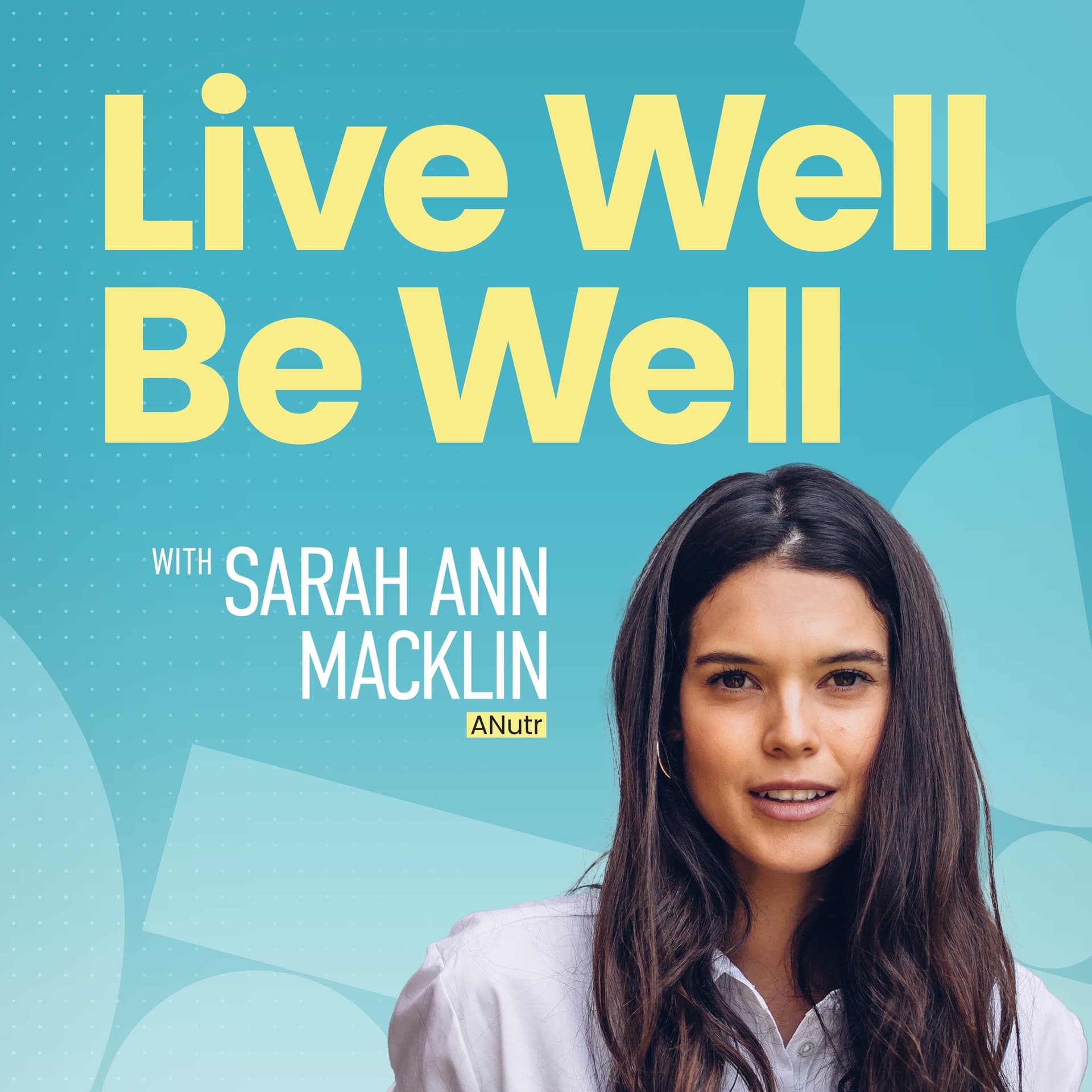
Podcast Episode Notes: Live Well Be Well with Sarah Ann Macklin
Episode Title
Alain De Botton: Can Radical Honesty Save Your Relationship?
Episode Description In this episode, Sarah Ann Macklin engages in a conversation with philosopher Alain De Botton about fostering communication in relationships, particularly around difficult emotions. They discuss the importance of creating a safe space for dialogue, self-understanding as a precursor to effective communication, and the nuances of navigating emotional complexities in romantic partnerships.
---
Key Themes and Concepts
- Therapeutic Atmosphere in Relationships
- Definition: A safe environment where both partners can express difficult feelings without fear of judgment.
- Importance: This atmosphere allows for honest discussions on jealousy, insecurities, and other sensitive topics.
- The Role of Self-Understanding
- Key Argument: Before couples can communicate effectively, individuals must first understand their own emotions.
- Consequences of Misunderstanding: Failure to recognize and articulate personal feelings can lead to significant damage in relationships.
- Communication Techniques
- "I Feel" Language:
- Encourages partners to express their feelings from a personal perspective rather than making accusatory statements.
- Recognizes that both partners can have valid but differing feelings about the same situation.
- Examining Relationships
- Couples Therapy:
- Represents the commitment to examine and understand each other’s feelings.
- Not all couples therapy is effective, but the underlying principle of self-examination is crucial.
- Handling Conflict
- Going to Bed on an Argument:
- Counterintuitive advice suggesting it may be beneficial to take a break from conflict, allowing for clearer thinking after emotions have cooled.
- Communication Urgency:
- Importance of addressing issues promptly rather than allowing resentment to build up.
- Digital Communication Challenges
- Role of Technology:
- Discusses the adverse effects of platforms like WhatsApp on relationships, particularly for those with anxious or avoidant attachment styles.
- Emphasizes establishing clear communication rules regarding technology to avoid misunderstandings.
---
Key Takeaways
- Radical Honesty: Embracing difficult truths in a gentle manner can strengthen relationships rather than weaken them.
- Dual Realities: Acknowledge and validate that each partner's perspective is legitimate, even if they differ.
- Communication as a Skill: Ongoing learning and practice are required to communicate effectively, especially in emotionally charged situations.
- Awareness of Attachment Styles: Understanding your and your partner’s attachment styles can enhance communication and reduce anxiety in relationships.
---
Conclusion In this insightful conversation, Alain De Botton and Sarah Ann Macklin explore the complexities of love and communication. The episode emphasizes the importance of self-awareness, a supportive dialogue environment, and the need for clarity in emotional exchanges to nurture healthy, enduring relationships.
For more insights, listen to the full episode [here](https://podcasts.apple.com/gb/podcast/why-compatibility-is-overrated-alain-de-bottons/id1508380100?i=1000747978857) or watch it on [YouTube](https://youtu.be/eTbA81qNYt4).
---
Follow Sarah Ann Macklin
- Instagram: [@sarahannmacklin](https://www.instagram.com/sarahannmacklin/)
- Newsletter: [Substack](https://sarahannmacklin.substack.com/)
- Website: [sarahannmacklin.com](https://sarahannmacklin.com)
---
This episode serves as a valuable resource for anyone looking to improve their relationship dynamics through better communication and emotional understanding.
Written by AI. May contain mistakes. Listen to the episode to check what was said.
Chapters
Tap a time to open that second in VOCreating a Therapeutic Atmosphere in Relationships
0:45 to 2:43
Discussion on fostering a safe environment for honest communication between partners.
“That's like, wow, you really trust your partner because you're able to get that kind of message across.”
Understanding Self to Improve Communication
2:43 to 4:08
Exploring the importance of self-awareness in expressing feelings to partners.
“So people can do serious damage by not understanding themselves properly in time.”
The Importance of Acknowledging Different Realities
4:08 to 5:03
Highlighting the significance of recognizing multiple perspectives in a relationship.
“The number one thing that helps couples is to keep in mind that in one couple, there can be two realities.”
Navigating Arguments and Modern Communication
5:03 to 6:28
Insights on handling disagreements and the impact of technology on relationship dynamics.
“That's when relationships make progress.”
Transcript
Automatic transcript. May contain errors.0:01Sarah Ann Macklin:This is a Be Well Moment, the most replayed moments from my latest conversation. It's a glimpse into the wider episode, which you can find linked in the show notes below. Because sometimes one small moment is enough to reconnect to living well and being well.
0:22Sarah Ann Macklin:What is the advice that you would want to distill in me or pass to me?
0:26Alain de Botton:I think you have to have a therapeutic atmosphere within a couple. And what I mean by therapeutic atmosphere is an atmosphere whereby you can safely, both of you, acknowledge how peculiar and demanding and wobbly and not optimal you both are. And that that can be done safely. someone can go i felt a bit jealous then or i've been been secure or i've wanted to push you away i don't even know why i i love you but actually i kind of hate you at the moment or whatever it is these difficult truths can be aired safely um the sexiest thing you can do in a couple is be come as close as possible to the truth in a way that's gentle and kind even difficult truths that you can reconnect around those things as i say it could be really difficult material i i I slightly fancy somebody at work and I'd love you to know that because I love you and I don't know what to do with this feeling.
1:21Alain de Botton:That is not disloyalty. That is the beginning of ultra loyalty. That's like, wow, you really trust your partner because you're able to get that kind of message across. Or, you know, I really love you, but I kind of want you to be a bit more distant from me because I'm feeling a bit engulfed. Wow. If you can say that to someone and say it in a way they'll understand with enough love. That's the kind of dialogue that keeps relationships going. So when they say communication, what we really mean is a certain way of communicating at depth around difficult material with love and tenderness.
1:54Sarah Ann Macklin:To me also, that has to emulate you understanding yourself to communicate that.
1:59Alain de Botton:Absolutely. If you're a mess who doesn't understand that you're angry or lustful or needing space or needing proximity, etc., you can't begin to tell the other person. And I think I want to berate bits of the audience, bits of ourselves, bits of me. You know, people will say something like, well, I was really angry. I just didn't know. And I didn't tell you want to go. Oh my goodness. That's not a good, that's not a good look. It's like, try and get in touch with your feelings. You have to get in touch with your feelings because as you say, if you're not in touch with your feelings, you can't communicate those feelings.
2:29Alain de Botton:And then it's a double mess. I think the biggest messes in relationships are when someone goes through an experience and they go, oh, I, I'm so sorry. I couldn't tell you what I was going through because I didn't know. And you think, oh my goodness, you were acting blind. And I then had to pick up all the pieces. So people can do serious damage by not understanding themselves properly in time.
2:50Sarah Ann Macklin:Do you think couples therapy is an important part to integrate into a relationship or not?
2:58Alain de Botton:What couples therapy means is really important. There are actual couples therapists who are no good, there are actual couples who probably don't have enough time or enough money, etc. So let's keep aside the actual couples therapy. It's more what couples therapy symbolises, which is an examined relationship, a relationship where two sides are quite committed to hearing how the other side feels without quashing it. The worst thing that couples do is to deny each other their reality. So someone will go, you've been angry and it's because of your mother. and the other person goes, well, A, I don't think it's, you know, I don't think I'm angry and I don't think it's got anything to do with my mother.
3:38Alain de Botton:And then suddenly you're in a conflict. If someone goes, I feel that you're angry and I feel it might have something to do with your mother, then we're talking, which is why therapists bang on about saying I feel. Always locate your vision of what's happening in the couple in yourself, in your own experience. Do not give a meta-analysis. That way the other person can have their own truth. So you go, I feel that you're angry. Another person goes, well, I feel that you are actually depressed, or whatever it is. And there can be two realities. The number one thing that helps couples is to keep in mind that in one couple, there can be two realities.
4:15Alain de Botton:That just because you see it very strongly this way, it might look different through somebody else's eyes. It sounds basic. it's one of the most major pieces of moral education, if you like, where you're able to understand that other people exist and other people have a legitimate viewpoint. And it's dazzling. You kind of think, hang on, what? We were sharing the same apartment. Like, I know what's going on. No, no, no. Because in somebody else's mind, it looked very different. And to be able to just give that person room. How did it feel for you? I've told you how it felt for me. How did that feel for you?
4:47Alain de Botton:Oh, well, for me, I just thought that you were mocking me. And the other one goes, Because I hear that you think I was mocking you. The way I felt was I felt you were crushing me. And you think, okay, both things are true. Both things are totally true. And then you make progress. And then you make love. And it becomes really exciting. That's when relationships make progress.
5:07Sarah Ann Macklin:I asked a friend the other day who's been married for 10 years, what's your greatest piece of advice so far into a marriage? And they said something that quite surprised me. they said actually go to bed on an argument because when you wake up you're actually disentangled from those emotions and you can think a little bit more clearly
5:30Alain de Botton:i like counterintuitive advice so just on that basis i love that argument i'm look um maybe i mean look what i don't like in arguments is when people say i don't want to talk to you about this you know and and freeze someone out and it could be a night or it could be day you know people who go, I can't address this because I'm too busy, etc. Get to the table as quickly as possible and start communicating as quickly as possible and communicate with yourself and then communicate with the other person. I think all those methods of prevarication, you know, and look, one of the big nightmares, we have to say, we talked about phones, WhatsApp.
6:07Alain de Botton:WhatsApp is the cancer of modern relationships where it's made to make people feel anxious. You look at your phone, where's the message from the person that I was expecting to hear from. Or, oh my God, I've received 12 messages and now I'm flooded, I'm overwhelmed. So if you're anxiously attached or voidantly attached, that WhatsApp's going to drive you nuts. And so there needs to be early on in any couple conversation, how are we going to handle this medium? Because it has the capacity to drive us mad, to aggravate all attachment issues.
6:34Sarah Ann Macklin:Thank you for listening to this Be Well Moment. If it resonated, the full conversation is linked in the show notes. And I hope it gave you a small pause to take a moment for you and to reconnect to living well and being well. If you loved it, please do leave a review, follow the show or share this maybe with someone you love.
From the publisher
How can couples talk about hard feelings without hurting each other? This clip explores building a therapeutic atmosphere where jealousy, mixed feelings, and the need for space can be shared gently. Here, I’m discussing why self-understanding must come before communication, how “I feel” language respects two realities, and what an examined relationship means beyond formal therapy. We also consider going to bed on an argument, avoiding freeze-outs by returning to the table quickly, and setting WhatsApp rules to avoid aggravating anxious or avoidant attachment.
Alain De Button in conversation with Sarah Ann
Listen to the full episode here.
Watch the full episode on YouTube here.
***
This episode is sponsored by:
NOWATCH: The compassionate health tracker
Connecting body and mind with unique stress recovery insights so you can live fully today15% off with code LWBW15 at https://nowatch.com/
Mojo: the app for expert-led courses in better sex.Learn from world-class sex therapists and relationship experts with courses tailored to your needs.15% off with code LiveWell15 at mymojo.com/livewellbewell
***
The Great British Veg OutHow to support your gut, energy, and hormones by eating more — not less.
👉 https://sarahmacklin.substack.com/p/the-great-british-veg-outReset Your HealthIf your body feels off after stress, travel, or burnout — this is where to start.
👉 https://sarahmacklin.substack.com/s/reset-your-health-in-30-days👉 Practical beats perfect.Here’s a free 5-recipe PDF I use to support energy and stress during busy weeks.https://sarahannmacklin.com/5_free_recipes👉 If this resonates, you can join the thousands who readThe Compassionate Cure each week.https://sarahmacklin.substack.com/
***
Let’s be friends!
📷 Instagram: https://www.instagram.com/sarahannmacklin/📹 Subscribe: http://www.youtube.com/@livewellbewellsarah
🐦 Twitter: https://x.com/SarahAnnMacklin
📱 TikTok: https://www.tiktok.com/@livewellbewellpodcast💌 Newsletter: https://sarahmacklin.substack.com/

