
In short
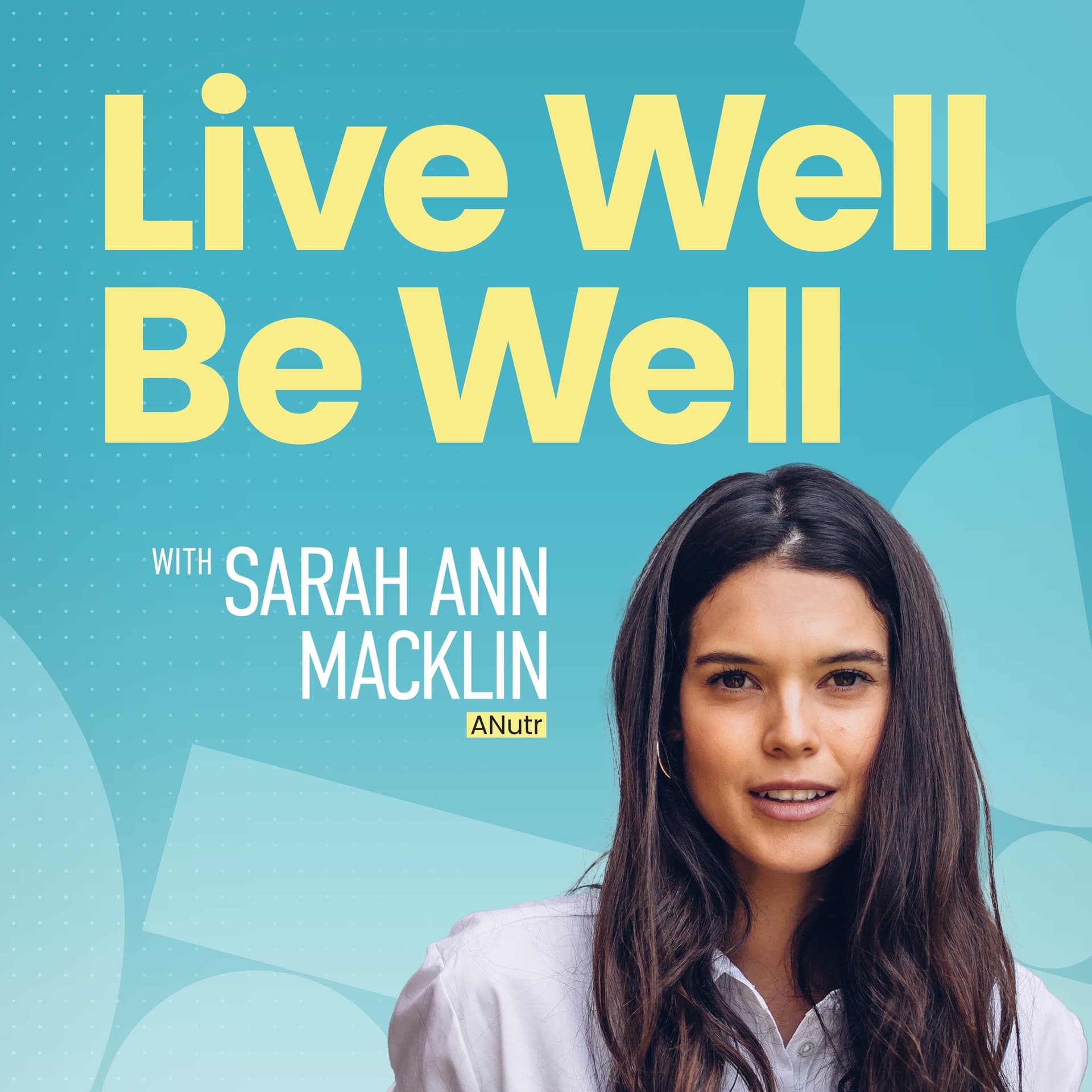
Podcast Notes: Live Well Be Well with Sarah Ann Macklin
Episode Title
Estrogen vs. Progesterone: Why Women Need Both for Brain Protection
Guest: Sarah Hill Host: Sarah Ann Macklin Listen to the full episode: [YouTube](https://youtu.be/tNoDNnpSkdA) | [Apple Podcasts](https://podcasts.apple.com/gb/podcast/why-women-feel-like-two-different-people-every-month/id1508380100?i=1000746963052)
---
Episode Overview
In this episode, Sarah Hill discusses the impact of estrogen and progesterone on women's brains, especially throughout their menstrual cycles. The conversation highlights the significance of understanding hormonal changes and their effects on mood, sleep, decision-making, and brain health.
Key Topics Discussed
- Understanding Hormonal Phases:
- Women often feel like two different people across their menstrual cycles.
- Recognizing the shifts in hormones can help in understanding these feelings as purposeful changes.
- Each phase of the cycle serves an important function, with wisdom to be gleaned from both estrogen and progesterone.
- The Luteal Phase:
- Termed the "dark side" of the cycle due to its lack of discussion in typical health conversations.
- Associated with symptoms like lower energy, increased emotional sensitivity, and the need for more rest.
- Despite being the second primary sex hormone, progesterone receives less attention compared to estrogen.
- The Role of Progesterone:
- Often misunderstood, progesterone is crucial for brain health and not just for reproductive functions.
- It has neuroprotective effects, helping to prevent brain damage from excessive excitability, especially in cases of concussions.
- Current medical practices often prescribe progesterone only for women with a uterus, limiting its recognition as a vital brain-protective hormone.
- Neuroprotection and Alzheimer's Disease:
- Studies are beginning to explore estrogen's role in neuroprotection against Alzheimer’s, but progesterone remains under-researched.
- The episode raises the question of whether progesterone could also offer protective benefits for women, particularly concerning cognitive health in relation to their cycles.
Key Takeaways
- Trusting Your Body: Recognizing the wisdom in hormonal shifts can enhance decision-making and self-trust.
- Importance of Dialogue: The need for more discussions around the luteal phase and progesterone to empower women's health understanding.
- Broader Implications: Understanding the protective roles of both hormones can lead to better health strategies for women, particularly as they enter perimenopause and beyond.
---
Additional Resources
- NOWATCH: Compassionate health tracker offering insights on stress recovery. [15% off with code LWBW15](https://nowatch.com/)
- Mojo App: Expert-led courses on sexual health. [15% off with code LiveWell15](http://mymojo.com/livewellbewell)
- Newsletter: The Compassionate Cure for weekly health tips. [Subscribe here](https://sarahmacklin.substack.com/)
Conclusion
This episode of Live Well Be Well emphasizes the importance of understanding the complexities of women’s hormonal health and encourages a more holistic view of how hormones influence not just physical health, but mental and cognitive wellbeing as well.
Follow Sarah Ann Macklin:
- [Instagram](https://www.instagram.com/sarahannmacklin/)
- [YouTube](http://www.youtube.com/@livewellbewellsarah)
- [Twitter](https://x.com/SarahAnnMacklin)
- [TikTok](https://www.tiktok.com/@livewellbewellpodcast)
---
This markdown file captures the essence of the podcast episode, summarizing the key discussions and highlighting significant points for a comprehensive understanding of the topics covered.
Written by AI. May contain mistakes. Listen to the episode to check what was said.
Chapters
Tap a time to open that second in VOUnderstanding Hormonal Phases
0:22 to 1:46
Discussion on the different phases of the menstrual cycle and their effects on women's intuition and decision-making.
“I actually wanted to start this like whole conversation with something that maybe I I resonate with a lot, but also a lot of women in my life say this, that they feel two different sets of people across the month.”
The Dark Side of the Cycle
1:46 to 3:02
Exploration of the luteal phase and the importance of progesterone in women's health.
“Now you have focused a lot on the second phase, which is the luteal phase, which you also called the dark side of the cycle.”
Progesterone's Neuroprotective Role
3:02 to 5:48
Insights into how progesterone protects the brain and its significance beyond reproductive health.
“They're not told why they have the experiences that they have.”
Transcript
Automatic transcript. May contain errors.0:01Sarah Hill:This is a Be Well Moment, the most replayed moments from my latest conversation. It's a glimpse into the wider episode, which you can find linked in the show notes below. Because sometimes one small moment is enough to reconnect to living well and being well.
0:22Sarah Hill:I actually wanted to start this like whole conversation with something that maybe I I resonate with a lot, but also a lot of women in my life say this, that they feel two different sets of people across the month. And I then think, well, you know, we want to try and trust our decisions as women. I think we're quite intuitive as women. How do we learn to trust ourselves when the internal narrative shifts a lot between the month?
0:45Sarah Ann Macklin:I mean, I think that it's like having two wise advisors, you know, and so that there's wisdom to be gleaned from each. And that, you know, when we actually recognize that there is wisdom in each of these phases of the cycle and that as we shift between one, you know, one phase of the cycle to the other phase of the cycle and as our hormones change, that this does change our brain, you know, and because of that, of course, we're going to feel a little bit different. And when we understand that this is happening on purpose, right, and that these shifts that we have have a really important set of functions within our body and like lean into really trusting the way that we're experiencing the world during these times I think that we can sit back and really treat these two halves as being like two trusted advisors and thinking about you know looking at things from multiple perspectives I think it makes us better decision makers
1:39Sarah Hill:yeah I love that I think women should be making more decisions anyway yeah the world will be a better place. So you mentioned there about two different phases of the cycle. Now you have focused a lot on the second phase, which is the luteal phase, which you also called the dark side of the cycle. Yes. Quite mysterious.
1:56Sarah Ann Macklin:I know. Well, you know, the reason I called the dark side of the cycle or the dark half of the cycle is because nobody talks about it, you know? And so it's like, there's all, you know, and if you look on social media or you listen to podcasts, there's a lot of talk about estrogen, a lot of talk about ovulation, a lot of talk about fertility, and it's all about what's happening in the fertile phase of the cycle. And there's no discussion about what happens in the second half. Like people don't think about progesterone as being an important hormone when it's our second primary sex hormone. And it's just as important as estrogen, just in terms of shaping the way that our body and brains respond to everything.
2:36Sarah Ann Macklin:And so it's like dark in that a lot of women kind of feel bad during this time, right? We tend to have less energy. We tend to be sleepier. We tend to have more sort of emotional sensitivity. And it's also not discussed. And so like women are like, okay, I understand myself. And there's estrogen and, you know, infertility and sexual desire. And I feel all these things. And then, you know, boom. And then there's nothing. They're told nothing about what happens in the second half of the cycle. They're not told why they have the experiences that they have. And they're also not told that progesterone is an important hormone.
3:09Sarah Ann Macklin:And, you know, one of the things that's been so eye-opening for me is, you know, so I'm a scientist. I've been a research scientist for 25 years now. And so, you know, whenever I've approached hormones, it's always been sort of as a research question in terms of the way that they influence the brain and then the way that they influence motivational states and behavior. I'm not a physician. And so when I talk to physicians and understand like the way that they treat women's sex hormones, and especially when I'm talking to physicians that treat women who are going into the menopausal transition and paramenopause, a lot of them, when they're giving women hormone therapy, only will give them progesterone if they have a uterus.
3:53Sarah Ann Macklin:with the idea that the only function that progesterone serves is thinning the lining of the endometrium. And to me, that's just like totally crazy that, you know, that we think that estrogen does all these things for the brain and it's, you know, neuroprotective and then progesterone only affects the uterus. I mean, it's just simply not true. And so, you know, just to highlight one of the reasons that I really focus on the luteal phase and progesterone is progesterone is neuroprotective. It has these really beautiful anti-excitotoxic effects in the brain, which just means that it prevents the brain from getting so excited that it actually can create damage within the brain, like brain damage from being overly excited.
4:39Sarah Ann Macklin:And so just to give an example, somebody who has a concussion or has some sort of a traumatic brain injury, one of the first medications that they give people is progesterone. And they do this because it slows down firing in the brain and can prevent it from over firing and actually harming itself from too much excitability. Because too much, I mean, it's like everything poison is always all about the dose. And, you know, having a lot of, you know, having your brain firing makes you feel smart and on top of things. And estrogen does this and it makes us feel like yes, yes, yes. But too much of that isn't a good thing, right?
5:14Sarah Ann Macklin:It's all about having the balance and giving the brain an opportunity to slow down. And so that way it doesn't create problems for itself. And, you know, when you look at the way that hormones are being explored for being protective against things like Alzheimer's disease, they're starting to really understand the role of estrogen and being protective there. Nobody's even looking at progesterone, even though it has, you know, they've been using it for traumatic, like to protect the brain and traumatic brain injury for years. but nobody's ever thought like hey you know this might also be really important like in terms of neuroprotection for a woman with a cycle and then exploring that as a potential mechanism for protection against Alzheimer's disease.
6:07Sarah Hill:Thank you for listening to this Be Well Moment. If it resonated the full conversation is linked in the show notes and I hope it gave you a small pause to take a moment for you and to reconnect to living well and being well. If you loved it, please do leave a review, follow the show or share this maybe with someone you love.
From the publisher
FULL podcast here: https://youtu.be/tNoDNnpSkdA
Do you feel like two different people across your cycle? Understanding the brain effects of estrogen and progesterone can help you trust both advisors within you. This clip explores the often overlooked luteal phase, why progesterone matters for mood, sleep, and decision making, and how it's used after concussion to protect the brain. We also touch on perimenopause care and why progesterone isn't just for the uterus, plus emerging questions about neuroprotection and Alzheimer's. Watch the
Sarah Hill in conversation with Sarah Ann
Listen to the full episode here.
Watch the full episode on YouTube here.
***
This episode is sponsored by:NOWATCH: The compassionate health trackerConnecting body and mind with unique stress recovery insights so you can live fully today15% off with code LWBW15 at https://nowatch.com/
Mojo: the app for expert-led courses in better sex.Learn from world-class sex therapists and relationship experts with courses tailored to your needs.15% off with code LiveWell15 at mymojo.com/livewellbewell
***
The Great British Veg OutHow to support your gut, energy, and hormones by eating more — not less.
👉 https://sarahmacklin.substack.com/p/the-great-british-veg-outReset Your HealthIf your body feels off after stress, travel, or burnout — this is where to start.
👉 https://sarahmacklin.substack.com/s/reset-your-health-in-30-days
👉 Practical beats perfect.Here’s a free 5-recipe PDF I use to support energy and stress during busy weeks.https://sarahannmacklin.com/5_free_recipes
👉 If this resonates, you can join the thousands who readThe Compassionate Cure each week.https://sarahmacklin.substack.com/
***
Let’s be friends!
📷 Instagram: https://www.instagram.com/sarahannmacklin/📹 Subscribe: http://www.youtube.com/@livewellbewellsarah
🐦 Twitter: https://x.com/SarahAnnMacklin
📱 TikTok: https://www.tiktok.com/@livewellbewellpodcast💌 Newsletter: https://sarahmacklin.substack.com/

