

 Ask ChatGPT

In short
Ben West, a UK mental health campaigner, discusses protecting young people from suicide by improving school culture, teacher training, early conversations at home, and addressing harmful online suicide forums.
Guest background
Ben West lost his younger brother Sam to suicide in January 2018, shortly after Sam was diagnosed with clinical depression at 15. Ben describes being traumatized and later driven by guilt, including believing he “killed Sam,” and then turning that into a seven-year campaign focused on system change.
Key claims
Schools must prioritize social-emotional learning, not just academics; teacher training in mental health is largely missing in UK initial teacher education; increased awareness hasn’t yet been matched by system capacity (e.g., CAMHS waiting lists); suicide is often a symptom of unhealthy community conditions (connection, purpose, structure); parents should reduce guilt and focus on barriers to communication.
Notable examples
Sam’s NHS CAMHS waiting list delay (no NHS treatment before his death); online suicide forums that encourage methods and can be accessed via VPN despite UK removal; conversation strategies like talking in the car/walk and asking permission to avoid power dynamics.
Written by AI. May contain mistakes.
Chapters
0:03
Introducing Ben West: A Mental Health Advocate
Zoe introduces guest Ben West, highlighting his mission to educate about mental health.
“dentist and you don't know where to start?”
2:58
Introducing Ben West: A Mental Health Advocate
Zoe introduces guest Ben West, highlighting his mission to educate about mental health.
“Hello and welcome to Tuesday's episode of the podcast.”
4:10
A Day in the Life of Ben West
Ben shares about his busy schedule and ongoing mental health initiatives.
“So today has been spent a little bit of packing doing I'm notorious for leaving.”
5:42
Ben's Journey: From Personal Loss to Advocacy
Ben recounts his personal loss and how it led to his mental health advocacy work.
“Yeah, you've got your finger in lots of different pies, which is so exciting.”
9:34
Understanding Sam's Struggles: A Deeper Look
Ben discusses the complexities surrounding his brother Sam's mental health challenges.
14:00
Understanding the Pressure of School and Mental Health
Explore the pressures faced by students regarding mental health and education.
“You know, I love the analogy of if you think back to a hospital, what a hospital looked like 100 years ago and what a hospital looked like now, you wouldn't recognize it.”
23:08
Ben's Journey of Grief and Advocacy
Hear Ben share his personal story of loss and his commitment to mental health advocacy.
“So at what point then, Ben, did you, because obviously recovering from losing a brother, I imagine that, you know, and you're 17 years old.”
28:00
Understanding Mental Health Challenges
Exploration of the personal motivations and societal issues surrounding mental health.
“And so it was, that was another aspect of it.”
43:53
Personal Struggles with Eating Disorders
Discussion about personal experiences with eating disorders and parental concerns.
“It was probably 22, 23 when it really took grip.”
45:45
The Importance of Understanding Child Mental Health
Exploring the complexities of child mental health and parental guilt.
“And my rule is, I have in my life now, is if I haven't intended to hurt someone, I'm not allowed to feel guilty about it.”
Show all 15 chapters
47:18
Navigating Dark Corners of the Internet
Discussion about harmful online forums and their impact on mental health.
“You briefly touched on it at the beginning of the chat around online safety and these forums, which, you know, you said were kind of shocking.”
50:06
Encouraging Healthy Technology Use
Advice on how to manage children's technology use and the importance of communication.
54:40
Leading with Vulnerability in Conversations
Advice on how to normalize discussions around mental health through vulnerability.
56:00
Leading with Vulnerability in Families and Treatment
Learn how leading with vulnerability can transform family dynamics around mental health treatment.
“It's a family issue that we're all dealing with.”
59:00
Reflections on the Conversation with Ben
Discover the importance of open discussions about mental health in social settings.

Ask about this episode
Get the gist, explore an idea or ask about something said.
 Claude
On Made by Mammas: The Podcast, what are the key points of this episode?
Searching your listeningTranscript
Automatic transcript. May contain errors.
0:00This episode is sponsored by ZocDoc. Have you been putting off a doctor's appointment or need a dentist and you don't know where to start? We've definitely been there and that's why we use ZocDoc. Actually over the holidays Michael had a dental emergency and seemingly every office was closed but we hopped onto ZocDoc, found an in-network dentist, had great reviews, saw real-time appointments available which was key, it was on New Year's Day, and booked an appointment in just minutes. It took so much of the stress out of the already stressful situation. ZocDoc makes it easy to search and compare over 250 ,000 local in-network providers across more than 200 specialties.
0:43So you can find the right doctor or dentist and book instantly. Taking care of your health just got easier. Download the ZocDoc app today and book that appointment on your to-do list. That's Z-O-C-D-O-C. ZocDoc.
1:26find therapy on your time. The therapist you want takes your insurance on Grow. Grow accepts over 125 insurance plans. Sessions average$21 with insurance and some pay as little as$0 depending on their plan. Visit growtherapy.com slash ACAST today to get started. That's growtherapy.com slash ACAST. growtherapy.com slash ACAST. Availability and coverage vary by state and insurance plan.
1:59So before I introduce today's guest, I do need to give you a trigger warning. In this podcast, we do discuss suicide quite a lot. So if this conversation isn't for you, please switch off and maybe at a later date, you'll feel ready to have a listen.
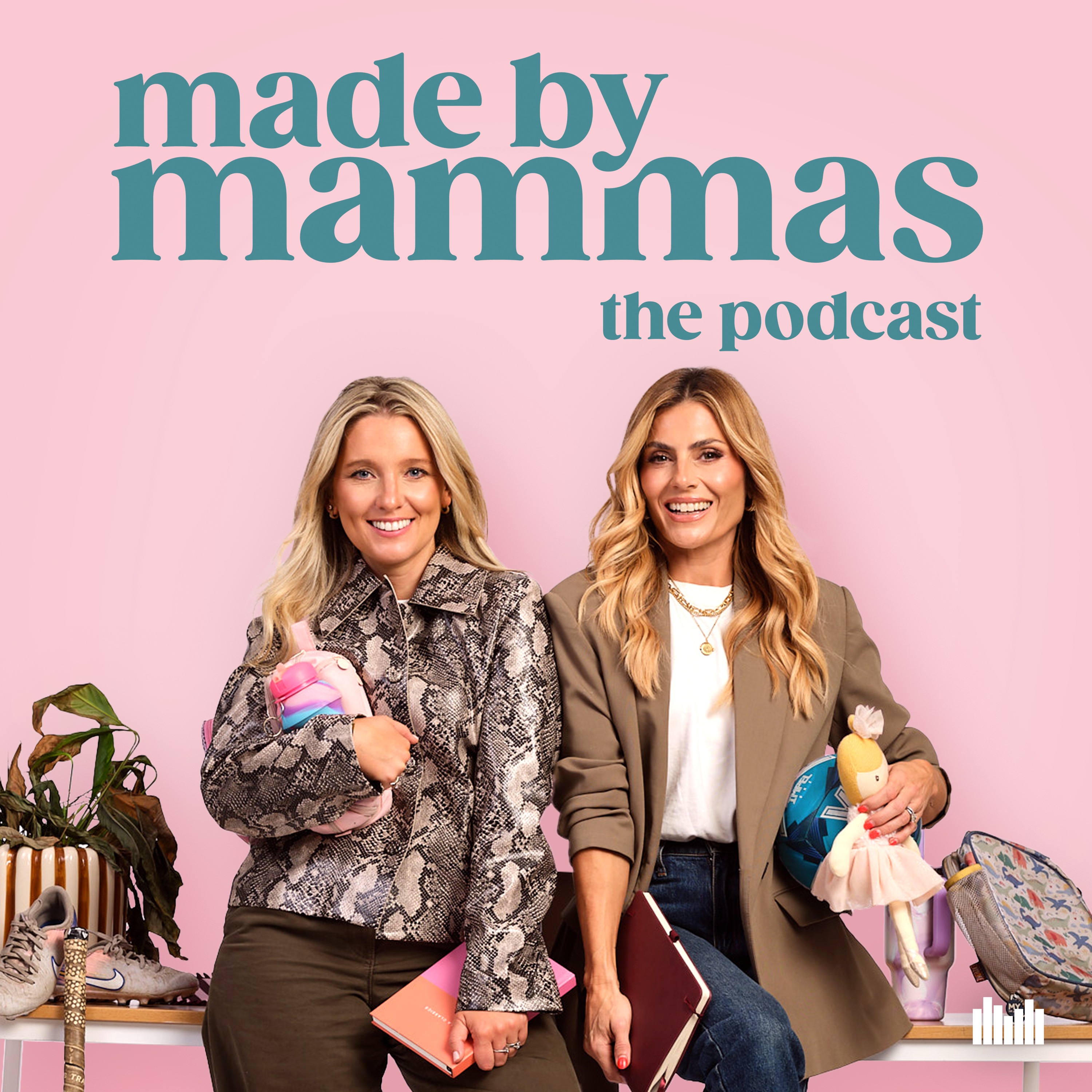
2:20Hello and welcome to Made by Mamas, the podcast. I'm Zoe Hardman. And I'm Georgia Dayton. And this is your parenting safe space where no conversation is off limits. With five kids between G and I, we have seen a lot. We really have. Each week we'll be joined by some famous faces and experts and we'll chat about the brands and products that have saved us along the way. In short, we're the parenting podcast for you. Before we get started, hit subscribe or follow so you're the first to know when each episode lands. And they're on Tuesdays and Fridays. And it really helps if you leave a rating and a review.
2:52You can also find us on Instagram. We're on at Made by Mummies. But for now, George, should we get into it? Hello and welcome to Tuesday's episode of the podcast. A solo episode for me today because Georgia is away in Florida on holiday. So I'm taking it by myself. Stick around for this conversation. This is somebody who I've been following on Instagram and following in the press for a really long time. He has been on a mission to educate us all around mental health, young people's mental health, you know, your neighbor's mental health, your own mental health, how we can change things in school.
3:29He's been lobbying Parliament. He has been a mental health ambassador, I guess, doesn't even do it justice because he's been campaigning tirelessly for the last seven years after losing his brother, Sam, to suicide. I really wanted to get him on the podcast today to talk about how we can protect our young people how we can look out for the signs and also how we can have more understanding of what we can do to have those conversations before it's too late to break the taboos down around mental health and to really give it the platform that it deserves I am so so thrilled to be welcoming on the podcast today Ben West hi Zoe thank you for having me I've also been looking forward to this chat all day as well I was saying that um before we press record I interviewed Mariah Carey today and this is the conversation that I've been looking forward to that is what a moment in my life to be be be Mariah Carey I'll bring out my Christmas song this year how about that please do um Georgia normally asks a question around how your day's been so far so just tell me give us a little glimpse into what a day in Ben West's life looks like today today's been a today all over the place So I'm actually heading to Brecon this weekend with a group of friends from school, which will be really nice because once you leave school, it's very rare to get all of you in one place at the same time.
4:49So today has been spent a little bit of packing doing I'm notorious for leaving. It's the last minute as well. So I've been really proactive and gone. I'm going to get my stuff together, get the walking boots out of the cupboard. I haven't touched for about a year. And then that's been interwoven with I've had meetings. I mean, my job is essentially meeting with so many different people. So today I've been talking to people about online suicide forums, which was very interesting, quite alarming, actually, what's going on in that space. So that was all about the Online Safety Act, talking about neurodiversity in schools, meeting about eating disorder treatment in the NHS and the move towards family centered treatment, which is really exciting because there's a lot of really good news stories happening in the treatment world for that.
5:40So it's been all over the place today. Yeah, you've got your finger in lots of different pies, which is so exciting. I'm going to talk to you. I've got so many questions I want to ask you today. I guess for people listening that may not know you and your story, can you just tell us a little bit about who you are and the kind of story that led you to today? Yeah, absolutely. So it's slightly strange being introduced still on podcasts as a mental health campaigner because it's just so not what I expected to happen with my life. When I was growing up, I was completely set on joining the armed forces.
6:15I wanted to fly helicopters in the army. That was my plan. That was what was going to happen. So I was studying towards a degree in or I was about to, I was applying to uni to study aerospace engineering. Then I was going to the army and that was going to be it. So the fact that I'm sitting here talking about mental health and this is my full time job is it still takes a bit of getting used to because it's not something I expected. And really, that's because when I was growing up, no one had ever talked to me about mental health before. It just never happened. I mean, no one had explained mental health or depression or any of this stuff to me.
6:55and then um when we were at school my my younger brother sam was diagnosed with clinical depression okay when he was 15 and i was 17 so i was in year 13 last year of school when he was diagnosed sam was just before his gcse he was diagnosed with with clinical depression which is you know for people that don't know that's sort of the severe end of depression i didn't know that i didn't know what depression was and then very suddenly in january 2018 so three months after he was diagnosed nosed um sam took his own life and died um where i'm recording this at my family home and it was all the most horrifically horrifically traumatic evening for all of us um me and my mum found him it was just the most horrific experience it's taken me many many many years to to go through therapy and sort of recover from my own trauma bear in mind i was only i was only i was still a child at the time as well um and I guess the overwhelming feeling in the weeks and months after Sam died was that shouldn't have happened and the more I learned about what happened to Sam over those few months the more I felt that really really didn't need to happen and that made me incredibly angry and incredibly sad and so I decided that actually I was going to try and do something to make sure that we learned lessons from what happened to Sam and what happened didn't couldn't happen to anyone else and we learned those lessons and made those changes and so the last seven years like you say I've been working to try and implement the changes that would have helped Sam so in improving access to treatment improving access to support improving culture in schools improving the training that teachers get improving all of these things and sort of going back through what happened to sam and taking each lesson individually and then in my work then trying to use the influence i've got i've i've grown to actually start trying to make those changes in those various areas um and obviously it's fair it you know it probably goes out saying that i just i just absolutely love this job i just love what i do i get so much fulfillment from it i know that we've saved lives um because of some of the work we've already done and that just it just means the world it just means so much but given how badly this story started and how utterly traumatizing that was to know that we can do something differently for other people and we are doing something differently for other people is a a really deeply meaningful thing and so it's it's an absolute joy to be on a podcast and be introduced as a mental health campaigner because it's my life it is what I will do for the rest of my life I mean firstly I don't even know how you start to piece your life together after a tragedy like that but for you to turn your life around after losing your brother and to be doing so much good is is quite remarkable and there's you know going back to my intro you know all the things that you've done and all the awards that you've received of course hearing what you're doing you deserve all of them how do you start trying to figure out what happened to your brother and I guess we you know people listening to this podcast we're all parents we've all got young kids that is every parent's worst nightmare so what was going on with sam at the time it's a good question um i guess from my point of view you start piecing it together by talking to the people that were involved um so very early on so sam was basically what happened was he was secluded he was sort of withdrawing himself from life in 2017 so it was just very noticeable that he was becoming very sensitive socially uh didn't feel maybe he likely fitted in withdrew himself a lot threw himself he was very creative so threw him very deeply into those passions in what turned out to be quite an obsessive way um and and actually he did talk to my mum about it and had that conversation they went to the gp the gp was very helpful got the diagnosis with clinical depression um and then he was referred to nhs cam so the child and adolescent mental health service sat on a waiting list um and and and actually didn't get to the front of the waiting list until a week after he died so he never received any nhs treatment but we we put him on to as a family obviously we're quite fortunate we managed to get private therapy for him so he went to the priory for um private treatment and and so very very soon after sam died we were invited in to talk to the psychiatrist that ran this uh unit he sort of i don't really remember it much it was only a couple weeks after sam died so my brain was all over the place but it was sort of those conversations start talking to those people you start mapping out a little bit about what was going on yeah um and then obviously talking to my mom who was very involved in his care you start understanding you know what happened uh what happened and what was going on and then you talk to sam's teachers and you talk to my teachers and you realize what did work and didn't work for them.
12:04And you start to slowly just build this picture of what's going on for Sam. And then you start talking to my friends and Sam's friends and the other people in school. And you realize that actually Sam was part of a much bigger group of people than he realized that were also struggling with their own stuff. And so it's talking to those people, you start to understand what can be different. Do you think there was a trigger? like you said that he became quite withdrawn do you think there was something that happened to him at school something that you know you you didn't know about at the time or do you think it just happened gradually over the months this is a really good question it's a really it's a really i i'd love to tell you the answer i and my i really would love to have like a one trigger moment of like this traumatic thing happened and then he developed depression because it would make everything so much easier to understand but i guess the more you look into this and the more you look into what happened sam you realize that actually you know it was just a whole bunch of different factors that all yeah it was sort of a perfect storm um that just came together you know we can only retrospectively look at what might have triggered it which was possibly and and i'm you know as a family has spoken we're pretty certain there was underlying neurodiversity that was undiagnosed with sort of autism, things like that.
13:25There were a lot of sort of signs now that we look back and go, that could have fitted into a diagnosis. And I've spoken to clinical psychologist friends who have sort of, you can never diagnose someone that's not in front of you, but agree that those are sort of signs that someone might have autism. Got you, okay. There were things like that that were just maybe not picked up on. Obviously, Sam was 15 years old when he was diagnosed with depression. he was 15 years old when he died we've all been 15 it's not a particularly fun time yeah it's not it's not the easiest time socially it's not the easiest time in terms of knowing what you want to do with your life you know at school you're about to do your GCSEs there's enormous amount of pressure that comes along with that there's also the enormous amount of pressure in terms of you're suddenly expected to know a little bit about what you want to be doing with your life so it's the same time at school you're doing your GCSEs but school's also saying to you you need to be thinking about work experience and that's a very daunting thing to tell people so it's not just you know crack on with your exams it's also what are you what are you going to do in your life and i didn't know what that was at 15 there suddenly becomes a lot of pressure doesn't there from going from quite a young person who is you know cared for by your parents and it's a bit kind of free and easy and you're doing kind of what you want when you want and suddenly i think that is a turning point 15 especially in young young men i think you know from from the conversations that we have they tend you tend to see the switch at that age whereas i think with girls you know they go through puberty maybe a bit earlier so things you know i've got 12 year old and things are happening for her now whereas i think men it happens a little bit later and that might have contributed you know and i also would you say that the school let's talk about the school and how he was at school and i guess what came out afterwards because i know that's been a big part of your campaigning is really trying to educate schools around mental health just talk me through that I think every school has the problem where historically they haven't been set up to be particularly interested in emotional well-being.
15:22You know, I love the analogy of if you think back to a hospital, what a hospital looked like 100 years ago and what a hospital looked like now, you wouldn't recognize it. And if you were a nurse in 1920, you have no idea how to do your job in a modern hospital. all if you looked at a school in 1920 and a school now they're pretty much the same like fundamentally there's a lot of similarities and if you were a teacher in 1920 you could probably get away with doing so doing some stuff in schools now it just hasn't changed at all and there's still this mindset in a lot of schools which is it's there to teach and obviously that's what school is there for but you've got to understand and we've got to sort of understand that schools have a much, much bigger role to play in a child's life than just maths, English, geography, history, Spanish, French, right?
16:10It's a place to emotionally grow. And we know in the data, schools that are good at social emotional learning, you know, improve life outcomes for children, health outcomes for children. So it's absolutely clear that prioritizing the emotional side of school is really, really important. I just don't think enough people prioritize that in their schools um and i know from from my school experience you know i didn't hear i didn't know anything about mental health no and i just think that's such a shame i would have could you imagine if i'd had a lesson in how to talk to someone that you're worried about or what is depression if i'd had that conversation and had done in a meaningful way you know i could have i could have picked sam up from school one day and i've had the tools to have had that conversation and that would have made the biggest difference with his treatment knowing that he's not alone and that he's not weird and he's not being judged if I could have brought that up but I didn't know how to do that um you know I just thought he'd been diagnosed with a cold like I just that's that's the level of such a lack of understanding around it through no fault of your own through no fault of any of our of our owns you know it's like you said it's just not inbuilt the same can be kind of picked apart with all the practical stuff that you don't learn at school you know Myling Class wrote that amazing book on how to teach your kids on how to do life.
17:32And I wonder if that is through their own lack of education around it or the inability with funds. And actually, are the teachers, because I think teachers do the best job in the world, but do they have the skills? They're not given those skills. They're not being paid to do those skills. It's just a circle that keeps going round and round and round, right? Yeah, we very, very, very quickly have sort of exploded the mental health awareness space. And actually, we haven't. Psychology as a field is very young compared to other sciences. Mental health has only really been talked about in a serious way for three or four decades.
18:12It's not like we've taken a huge leap in terms of how everyone knows the word mental health now. Everyone hears about it. But I think we forget that system change and stigma and these stereotypes and prejudice is deep rooted. It's really deep rooted. And so just because we're starting to talk more about mental health doesn't necessarily mean that systems are immediately going to go, oh, brilliant. We should change the education system and we should change the health system. And I think one of the big problems we're seeing now and the reason we've got so many people on waiting lists for cams and we've got an enormous mental health crisis that we're in is just that the systems aren't aren't coping with the increased awareness.
18:57Right. Increased awareness is not a good, a bad, not a bad thing. It's a good thing. But the systems take long, long, a long, long time to change. Education system needs change. Health system needs change to really start focusing on the emotional side of health. and that's not happened um and you mentioned teacher training that's that's obviously been really like the the thorn in my side for seven years and really my my my project that i've been putting i put most of my work into um which is that you know people will be shocked to know that to become a teacher in the uk you don't have to receive any training on mental health at all you don't have to know anything about mental health at all um and that was true when sam died um i found that out because i talked to my teacher and we realized that actually there was this massive lack of education amongst teachers at the same time the government was announcing that they wanted to put one mental health lead in every school i just remember looking at that after sam died and going what's one person going to do in a school of a thousand kids it's just and that was expensive training they were handing out as well so i very quickly realized um that actually if we were going to do this meaningfully it had to be broad it had to be broad knowledge that every teacher picked up and what a better opportunity to do that than as part of teacher training um so that formed the sort of start of my campaigning was going to become a teacher surely that should be in the teaching training curriculum yeah of course
20:24we'll be right back after this short break
20:30this episode is sponsored by ZocDoc have you been putting off a doctor's appointment or need a dentist and you don't know where to start we've definitely been there and that's why we use ZocDoc actually over the holidays Michael had a dental emergency and seemingly every office was closed but we hopped onto ZocDoc found an in-network dentist had great reviews saw real time appointments available, which was key. It was on New Year's Day and booked an appointment in just minutes. It took so much of the stress out of the already stressful situation. ZocDoc makes it easy to search and compare over 250 ,000 local in-network providers across more than 200 specialties.
21:14So you can find the right doctor or dentist and book instantly. Taking care of your health just got easier, download the ZocDoc app today and book that appointment on your to-do list. That's Z-O-C-D-O-C. ZocDoc. Summer's supposed to be the easy season. So why are so many people quietly Googling a therapist between summer Fridays? Because more daylight doesn't fix the hard stuff. Sometimes it just turns the volume up. Grow does therapy differently. Grow connects you with thousands of high-quality licensed therapists across the U.S., offering both virtual and in-person sessions nights and weekends.
21:52There are no subscriptions, no long-term commitments. You just pay per session. Grow helps you find therapy on your time. The therapist you want takes your insurance on Grow. Grow accepts over 125 insurance plans. Sessions average$21 with insurance, and some pay as little as$0, depending on their plan. Visit growtherapy.com slash ACAST today to get started. That's growtherapy.com slash ACAST. growtherapy.com slash ACAST. Availability and coverage vary by state and insurance plan. Thumbtack presents Uncertainty Strikes. I was surrounded. The aisle and the options were closing in. There were paint rollers, satin and matte finish, angle brushes, and natural bristles.
22:39There were too many choices. What if I never got my living room painted? What if I couldn't figure out what type of paint to use? What if I just used Thumbtack? I can hire a top-rated pro that knows everything about interior paint, easily compare prices, and read reviews. Thumbtack knows homes. Download the app today.
23:06Welcome back to this episode of Made by Mamas. Now, where were we? So at what point then, Ben, did you, because obviously recovering from losing a brother, I imagine that, you know, and you're 17 years old. How do you then start thinking, right, what am I going to do for Sam? What's going to be his legacy? Because he can't just die for nothing. It's a good question. I can't really pinpoint exactly when or why.
23:32I guess even when it comes to reasons, one reason was that I wanted something fun to do myself. um i wanted something positive i was 17 i was about to do my a levels so my life at that point was grief trauma or revision and uh none of that's none of that's particularly nice so i was desperate for something extra something else to do um and so this fit you know doing uh we we started a mental health event trying to get our school talking more about mental health and then obviously the petition and and the teacher training that felt like a positive thing yeah but But then on a sort of deeper level, I suffered enormously with guilt.
24:13Did you? As anyone that loses someone from suicide will understand, I hugely, hugely felt like, I mean, I'll be honest, I was absolutely convinced that I'd killed Sam, like it was my fault. Oh, Ben. And to the point where I didn't tell anyone that because I thought that I would be arrested for manslaughter. And that just gives you an insight into how traumatized and tired my brain was. We had obviously an unexplained death gets a police investigation. So we had police around all the time doing police statements and things like that. And I guess it was that. Because you didn't, in your mind, you felt that you hadn't saved him.
24:57Was that where that came from? It came from the sort of revolving door of I had this opportunity to say something, talk to him, why didn't I, you know, that guilt. But also, sadly, you know, anyone that lives with someone with a mental illness or a mental health condition will know this. We sometimes rose tinted, we look at this through rose tinted glass a little bit. Living with someone with these issues is absolutely exhausting and it's really, really difficult. and it is we get we get frustrated and it's really not nice like it's not you know it's very difficult sometimes to to have these difficult conversations and sure and be supportive all the time and and sam was i really found it frustrating that sam was never like he was my friend growing up and suddenly he was sitting at the dinner table head down staring his plate not talking and i find that i found that quite rude and i found that quite um annoying and so on the on the night that he died we had dinner and he was his quiet self and I just sort of shouted after him as he was leaving um and said you know f off or whatever and that was the last thing I said um as he left and it was only about it was three weeks later that I remembered that conversation and suddenly honestly it was like this house of cards felt down I went that's why that's why he did it and oh the crippling guilt that you get when you suddenly realize that i mean it's a it's a feeling that you no one will ever you can you can never understand and then i was like well i can't tell anyone because i'll be done for manslaughter yeah um and obviously now looking back and i've gone through lots and lots of brilliant treatment and and and i've worked with an amazing psychologist you realize that actually i was 17 sam was my brother he was annoying me what said what brother doesn't tell the brother to f off occasionally and you sort of offset that guilt and go it was just our relationship you know and and also to understand suicide is that no one that that takes her own life is thinking as rationally as going I didn't like what he said I'm going to do this so um but anyway and and so to come back to your question that was a big driver I think for yeah me going into the campaigning was to right a wrong and was to go I I genuinely at one point absolutely hated who I was and I was like I've got to try and do something now to to remind me and show the world that I'm an okay person and sort of right that wrong.
27:25Obviously, I know now that that's completely misplaced. Of course it is, but it takes a period of work, a body of work to go through that, to come to that realisation. It's a very, I mean, it's incredibly brave doesn't really do it justice. I don't think that staring in the mirror, looking back at yourself and going, I've got to do the work otherwise this is going to eat me up. And it destroys you, doesn't it? The guilt destroys you. Yeah, horrific. and I have to and talking to other people you realize how common this is and there was a moment where I was just like and I remember saying this to a few people that were that were being honest about what they were going through I was like I can't do this again and I think I was quite emotional when they were talking to me as well and I was like I just I'm not I wouldn't survive being I wouldn't survive doing this again and so actually a big part of what I wanted to do initially was trying to get my friends and people around me talking more openly because I I just I I would have said to people, I was like, I wouldn't survive doing this again.
28:25And so it was, that was another aspect of it. So it was all the, all these factors sort of came together. I went, something has to change and I'm going to be the one to try and push this forward because it is so bad. So the campaigning then kind of, it became day-to-day, your day-to-day job. I mean, you've been doing it for the last seven years. I know it's such a big piece of work to try and unpick and, you know, to really start making a difference but you have done and what did you find you know we we touched briefly on the school situation um what did you find when you were delving deeper into it and what have you managed to change in the last seven years in that space okay so I found that there is a lot of there's a lot of medicalizing when it comes to mental health there's a lot of going well it's the NHS's job to solve these issues and and so it's a lot of concentrating support into into small places um professional support and that's great I mean obviously with serious mental illness it is a medical um you know it needs medical intervention it needs professionals it needs the NHS but the vast vast majority of people even even people that develop serious mental illnesses they don't start in a place that needs a medical intervention they start in a place that needs a human intervention and unfortunately what we've done is we've created the mental health crisis which is a health crisis and forgotten that actually the at the start of that crisis is a people crisis and so it's about culture in schools and it's about improving how we talk to each other and it's improving access to society and community it's about access to green spaces it's all these other stuff and so i think there's a real tendency to um to see it as a health problem and and respond to that by going we need medications we need to invest in antidepressants and antidepressants save people's lives every day but there's a tendency to just see that as the fix and see cbt and psychotherapy and psychology and nhs support as the solution to the mental health crisis and And I just, I'm a big, big believer that, yes, that is absolutely crucial to this, but we've got to do the groundwork at the absolute foundation stage of what we want to be as a society.
30:46And I know that sounds really profound and a little bit soppy, but we've got to decide what do we want out of being part of this country, about being part of the human race. It's like it's it's that fundamental because there's there's a really good psychological theory around suicide, which is that it's actually all to do. It's just a symptom of a of an unhealthy community. And that's so interesting. You mean everything else around everything else around that person is feeding into that person's mental health and making it better? Yeah, 100 percent. So it's more of a symptom of if we imagine ourselves as a as a wider community for a second and take the individual out, then it's only a psychological theory.
31:30It's not being proved, but there would be four types of suicide. One and I can't remember all four, but one of those types is the fact that there is this lack of social connection. There's a lack of social meaning, a lack of structure, purpose. and one of the other types is there's too much structure which is why you see the suicide rate increase when there's a financial crisis and when there's a financial boom. People don't forget about the other side which actually when everything is going well the suicide rate can actually increase as well. So it's when society is not functioning properly you start to see that rate climb and that's interesting.
32:09I mean it's only a theory but it's interesting. It points to society as a thing not performing its job properly by giving people purpose and making people feel connected um i mean how many if you went out now and talked to people how many people feel proud to be part of their community how many people feel like a sense of neighbor neighborhood even how many people like feel like they belong to their country belong to their village town city whatever it's it's a dangerous situation we're in i think um in terms of that and i know that sounds really like i can hear myself speaking now i'm going some where zoe found this guy from now i love it i love it because connection is key connection is human nature it's what we're all for me it's what we're all here for on this planet is for connection and when the connection is broken or the connection isn't there or the connection is lost that's when we feel isolated that's when we feel lonely that's when we can't feel the joy in my experience that's why i love connecting with humans conversations and meeting new people because that's what that's what makes me feel whole and i think yeah i think especially our young people you know there's so much talk around screens and gaming and that isolation of shutting the door and stuff and i think yeah that's a fear isn't it because once the door's shut and they're not in our sphere what can happen and then your head your your mind starts going about what what that what that's what is happening for that person But it's all about community.
33:36And so this is my point is that we need to, I think, obviously, we need to invest in health care and we need to be looking at emerging medicines and we need to be looking at sort of the health care aspect of mental health because there's an enormous amount of people. And I work for an NHS trust. There's an enormous amount of people who are, I think, vastly more unwell than the general population believe could ever be possible. um there's a very very very a lot of very very unwell people in in this country and around the world that are desperate for um a new treatment that is not because current treatments aren't working but before we get to that stage there's work we can do to sort of stop that from happening and that is training teachers it's improving the knowledge and skills of everyone that includes parents it includes teachers it includes um coaches for for football clubs and rugby club clubs It's just surrounding people with the skills.
34:30And what is mental health skills at the end of the day, except if not just talking skills? Like I teach mental health first aid. And essentially all it is, other than learning a little bit about some common conditions, it's just how can we have a better conversation with people? You know, how can you be a good active listener? It's not rocket science. And so I think that's really what needs to happen is we just need to be much, much better at building communities and having difficult, good conversations with people that make people feel heard and listened to and respected and seen. and if we can get those bottom building blocks done right then we prevent people from getting worse we can sign signpost people earlier to nhs services and then when people get to the nhs services they're in a much much better place to actually receive treatment because we know that actually if you can get there earlier then then these all of these treatments work much much better so it's a sort of so i comment this very much from a let's get the foundation right before yes yeah before doing all the big announcements and the and the big you know uh things that look good and they're cutting the ribbon events let's do the really boring quiet stuff that no one cares about and for me that's been teacher training no one cares about the initial training initial training and early careers framework i've had to work so hard for seven years to get the public and people interested in this issue because it's not it's not you know it's not going to get you a headline anyway it's not going to get you an interview on a big tv show because it doesn't really matter it's a framework but it matters in terms of it's the first step yeah that has been missing for 10-15 years we've tried to run a little bit before we can walk and so that was really important for me was i don't go and just do something that's going to get loads of headlines it's what what really needs to change and this framework the early career the initiative training early careers framework just wasn't very good um and still isn't to be honest we've mental health now on it but it's not which is amazing congratulations which is amazing it's a good win it's a good win but it's still not on it in a way that i'm happy with so we we still got work to do there but it's it's about doing those boring things um and it's it's sometimes difficult to do boring things because it's boring but it's really important not if it's saving not if it's saving lives it's not you know and and like you said i think for us you know our kids spend so much time at school they spend the rest of it with us so that's that's that's in our control how do we talk to our young people about their mental health you know how do we do it if that door's being slammed how do we do it if they're not having the conversations with us and what what would be your advice to anybody listening to this who may be worried about their young person in their in their home yeah i mean i think it's it's it's a really difficult one you've got to understand as well that this is usually those conversations get pushed back by the young person or the person you're talking to um because there's there's a barrier for them to have that conversation so i i never i you know i we all know young people they're they're much smarter than people give them credit for i think when you're if you're let's say you're worried about someone the first thing i always do before you know having a conversation about a difficult thing starts long long long way before you actually go and talk to them you've got to do the groundwork so the exercise i always do if i want to talk to someone is go away and get a piece of paper and just write down what the barriers are for them talking to you and that might be you might have no idea it might just be the fact that is a really awkward conversation because it's an awkward subject right that's natural i mean i'd find that awkward uh someone asking me about you know difficult things but it could be for instance if someone's um struggling with their eating and might have an eating disorder it might be losing control a big element of of this is having some level of control over their lives yeah sure so and then if you can understand someone's barrier why might they not want to have a conversation why might they not want to invite you into their room why might it be a slammed slammed door or an argument because arguments are just a way of of sort of that stress and anxious and they're coming out um if you understand there's barriers then you can do the work to understand how you can sort of offset that and work around it um so then for example i would say if it's awkwardness let's choose the environment let's make sure it's yeah i mean my favorite place to have a conversation is in the car because you can have the radio on down low there's background noise you're not looking at each other you're looking straight ahead or it's on a walk because you're looking at other stuff and it's much much more inviting to have that conversation if it's an issue with control and you might be like let's say for instance someone's been sectioned before a you know big thing that I talk when I talk to people that have had experience of the mental health service there's a huge amount of fear of being put back in or taken back to hospital and sort of have control taken away from them You know, people that have been in the mental health service, there's a lot of fear about being taken back.
39:41So they'll want to keep that control. So let's say that's the situation. We just immediately lay the groundwork by going, we don't have to do anything at all. Like, I just want you to know before we have this conversation, I'm not going to do anything without your permission. And you are going to lead this. But this is what I've noticed. And I'm really concerned about that. And so that creates a much, much better way of starting a conversation than just going in cold and going, why did you, you know, why have you failed this example? Your attendance has been really bad recently. Why? What's going on?
40:15That's threatening. That's coming at it with a power dynamic. Right. You're coming at it from an authority point of view. But if you're to go, well, I'm not going to do anything without you letting me or, you know, and you have all the power in this conversation. I'm just really concerned. And I just want to make sure you're OK. That's a much, and you, and you're doing it in the car because you know it's less awkward. And it's not going to make it easy because these conversations are never easy, but it does start to give you the tools to, to understand that it's not just people not wanting to have the conversation.
40:46There are barriers that are sort of unspoken barriers that are stopping people from, from allowing that conversation to happen. Um, so that's just something I do when, when I'm talking to people. It's great advice. It's really great advice. We'll be right back after this short break.
41:31great reviews, saw real-time appointments available, which was key. It was on New Year's Day and booked an appointment in just minutes. It took so much of the stress out of the already stressful situation. ZocDoc makes it easy to search and compare over 250 ,000 local in-network providers across more than 200 specialties. So you can find the right doctor or dentist and book instantly. Taking care of your health just got easier. Download the ZocDoc app today and book that appointment on your to-do list. That's Z-O-C-D-O-C. ZocDoc. Summer's supposed to be the easy season. So why are so many people quietly Googling a therapist between summer Fridays?
42:14Because more daylight doesn't fix the hard stuff. Sometimes it just turns the volume up. Grow does therapy differently. Grow connects you with thousands of high-quality, licensed therapists across the U.S., offering both virtual and in-person sessions, nights and weekends. There are no subscriptions, no long-term commitments. You just pay per session. Grow helps you find therapy on your time. The therapist you want takes your insurance on Grow. Grow accepts over 125 insurance plans. Sessions average$21 with insurance and some pay as little as$0 depending on their plan. Visit growtherapy.com slash ACAST today to get started.
42:55That's growtherapy.com slash ACAST. growtherapy.com slash ACAST. Availability and coverage vary by state and insurance plan. Hey, it's your ceiling vent, so I'm dripping. Could be the rain, could It'd be the upstairs bathroom. Yikes. You could hire the guy your neighbor recommended, but I'm pretty sure that's just his cousin. Do we know if he's licensed, or does he just own a ladder? Listen to your home. Go with Thumbtack. Upload a photo or voice note, and we'll diagnose your project and match you with the right pro for the job. Thumbtack. We know homes. Hire the right pro today.
43:44Welcome back to this episode of Made by Mamas. Now, where were we? Actually, I was having a conversation with my mum because I had a terrible eating disorder in my 20s. It hit me quite late, actually. It was probably 22, 23 when it really took grip. And I remember her taking me to Paris and we were sitting down having some food. Or she was having some food and I was pushing it around my plate. And I remember just her going, you know, I'm so worried about you and why are you not eating and you need to keep eating. And I remember thinking, this is... But she didn't know. She had no idea how to talk to me about it.
44:12she tried her hardest you know she's my mother she wanted me to get better but i just felt so penned in and so attacked i was like this is the worst thing that you could possibly be doing and there's so much more educate and even her now you know her realization of how she handled it because she just didn't have the tools you know she said we just weren't having conversations like that 20 20 odd years ago just wasn't there so it's so it's so interesting and i think it's so brilliant because we're just going to be so much more armed to be able to deal with these things now with our kids because it's just every parent's worst night there isn't it it's horrifying to even think about and if we know the schools are helping as well there we've got a double prong attack as it were yeah you know seems like there's a bit more safety a hundred percent and and also i think the really important thing to know is that it's not and i don't think this gets talked about enough it's not a mark against you as a parent if your child is struggling with their mental health and that's not talked about enough because my poor my poor parents took so much of that guilt themselves and i've said this to to them before and i say this to other parents who have lost children suicide or have children that suffer it's like yeah it feels like it can't not be partly your fault but actually there are this child does not exist just as a child to two parents there's an entire world of things going on for them and and any one of those different factors can be causing these issues yeah i mean obviously you know the family situation and the home life and and that relationship with parents is a hugely important thing in the development of a child but it's not to say that that causes any issues or that that's not an issue that can be solved so i think just and i know it's easy for me so i'm not a parent but trying to let go a little bit of some of that guilt as someone that has felt incredibly guilty um for something that wasn't what i've you know anything i've done wrong let go of that guilt and also when you look at ace's adverse childhood experiences and you look at trauma early childhood trauma and and trauma in childhood and things that go wrong and even situations where people develop mental health conditions because of family situations very very often it's not because anyone did anything wrong no it's not anyone's fault and No one went out of their way intentionally to cause these things.
46:33And my rule is, I have in my life now, is if I haven't intended to hurt someone, I'm not allowed to feel guilty about it. It's a rule that me and my therapist came up with. It's a great rule. If you don't, because guilt and shame are good emotions if you've done something wrong and you've done that thing wrong intending to hurt someone. If you haven't done it intentionally, then it's not guilt and shame. It's, oops, that was silly. I'm going to, let's try and rectify that situation. so I think that's an important thing to say as well because I know there's a lot of there'll be people listening to this that I imagine have feelings of guilt and what have I done wrong that's led to this and I just I just think it's it's an important thing to say which is that it doesn't mean you should hold on to any guilt or shame for anything that might have happened we don't choose to do this to people um you know it's it's it's sort of the nature of being human beings is we make mistakes and get things wrong so I think that's a really important thing yeah Yeah, it's a lovely message.
47:28I wanted to talk to you. You briefly touched on it at the beginning of the chat around online safety and these forums, which, you know, you said were kind of shocking. I know lots of people listening will want to kind of try and understand that so we can look out for it. And what are they? This is where we get into a sort of dark area of the online space, which is that there are some really not very nice parts of the internet, as I'm sure people are aware of. I think there's a tendency to think of the bad side of phones and social media being TikTok, screen time. I'm a big, big advocate for screens aren't bad.
48:13it's what happens on the screen that's bad you know I work with kids that that the only people they see the only interaction they have with people is because of the screen actually for them screens are incredibly important and and helpful um which is why you know I think it goes a little bit beyond just screens um but there are really bad things that are available um so there is there are suicide forums is the meeting I had this morning and the conversation I had this morning um that basically i mean at the very worst they encourage suicide um and we'll we'll tell you how to do it and and encourage you to do it at the very least it's a sort of place where people talk about their experiences and feel a sense of community but quite a dysfunctional sense of community those those exist i mean i've read them i've been on those sites um there is very difficult as a rationally thinking person to read this and go this is you know it's very it feels very uncomfortable to be there um you know is this just on the normal internet this isn't on the dark web or anything like that so there's there's some very famous well obviously i'm not going to say the name here but there are some very famous ones uh famous that are very popular that have been quite heavily reported on the news that have been linked to to deaths um they are since the online safety act has come in the big one um that's available they've they've stopped access to the uk but you know you can get what's called a vpn don't know if people know what a vpn is but essentially it just makes your computer computer look like it's coming from a different country yes it's very very easy it took me 30 seconds this morning to to get into this site it's banned in the uk uh well not banned in the uk but it's been removed from the uk so those those are some of the the bad parts of of the of the internet that that are bad and those are do exist that you know there are people that will sell you what you need to take your own life i mean there's some very very bad people out there that are sort of that i think maybe think they're doing a good thing um but it's very very misjudged um and and have led to people people dying on these sites so the thing that's absolutely terrifying yeah it's awful and to actually see it because i know sam accessed all of this stuff you know we saw his search history and and he was looking at all of this stuff and and it is very very difficult to find as you might expect to find how to take your own life because it cut it flags that as a as a conversation that was a search term that will flag not giving you that information so so it's quite difficult to find those those articles so they exist in these in these uh forums in these sort of dark corners of the internet um so so anyway that's the conversation i had this morning and and just one of those things that that we should be aware of i guess from my point of view though when it comes to online safety especially from a parent's point of view i just think i think there's a real tendency and i can i can totally understand why this tendency why this feeling comes there's a tendency to sort of go i don't want my child to have a phone or to be online at all yeah i completely understand that yeah so i completely really i genuinely completely understand that but i just worry and i know this might bring up feelings in people when i say this i just worry that will have the opposite effect of what people want it to have and i do understand why you put two and two together and you go phones are bad take them away and that's going to solve things but what that doesn't do is is give people that emotion the ability to deal with these things um and i think a much better way of doing this is to be curious and to slowly introduce phones to someone I mean so I've I work with a researcher who spends his entire career researching harms of phones and screen time and apps and gaming and I asked him one of the questions I asked him when I when I met him was do your children have phones and he said yes but they they start with a phone with a camera then they have a phone with a camera with a calculator and then slowly building it from I think it was from the age of five he first gave them to it so he's like then we're learning how the phone works together and learning that experience together um and I think that's if sort of in the future that's where I'd like to get to is where you sort of it's an experience where you know it's a bit like having a car you know it's your parents that that maybe take you for your first lesson or or or you know or sort of support you through that experience and that's how i'd like it to be is that this sort of you know child looking at parent going oh this is really good what would you do in this situation um obviously that's difficult because technology is changing so fast but if you can get that relationship yeah and then building the confidence around the phone so it's not just all or nothing it's this is a phone you're going to have this for the rest of your life it's how we use it what's out there having those conversations and not sort of hiding away from it because I think that's when the issues come in right if you're kind of blinkered to what your child is looking at if you're freaking out and seeing everything as harm and fear because that's kind of what we're being fed at the moment which is slightly which is slightly worrying I know that I definitely have views all the time going on going is it a good thing you know should they be looking at that you know it's just a minefield so I really like that analogy and I think if we can get behind it and maybe just keep those open conversations going on with our young people as well about what they're looking at and the risks and you know what's that 100 % yeah and use the stuff they're using if they're on TikTok download TikTok if they're on Roblox download Roblox yeah if they're watching Twitch streamers download Twitch and watch Twitch streamers right just to sort of learn the how that those platforms work and I know that's probably really really boring watching Minecraft streamers on Twitch is not particularly fun I know I know but it's like if you can be on those platforms at least then you understand how they work because i know that there's a lot of arguments can happen when there's a sort of clash of understanding so i don't know dinner's happening and they're on they're playing a game and it's like you know you need to turn off now but actually if you had a bit of understanding how that works it's like it's not quite how it works and actually you can get punished for leaving a game early and stuff like that and if you to use that game yourself you'd sort of understand advice really good advice i just even if it's a horrible experience and you have to force yourself to like google how to use app right just be on whatever app they are on um obviously difficult sometimes to find out what they're on but just sort of like explore what's popular what's going on um with those children download them it's really good advice thank you i i really want to just finish this podcast on obviously you've been through something so horrific and i imagine the learnings over the last seven years you know i just i can't even begin to understand what you've been through all the information that you've retained what would be your overriding piece of advice to anybody listening that has is concerned about their child or concerned about somebody in their life how would you would you kind of I don't know a takeaway for them I guess a good question let me think for a second about that yeah that's I think if really if I'm thinking back to what I would have done what I've liked to have done with with Sam which is that we've got to people talk about normalizing mental health all the time and i i've been in so many rooms where someone's gone we should normalize this conversation uh particularly when i work for companies we should we want to normalize the mental health conversation our company and then everyone sort of sits in silence and doesn't say anything and you're like yeah no what you're saying is that you want people that are struggling to talk but you're not offering anything um the best the people that do it well in terms of families but also in terms of companies in terms of communities are the people that lead with vulnerability um and that's what i try and do with my work with companies is sort of get ceos and execs to sort of lead with a bit of vulnerability and that's what i would say is the first part of my ex my answer to this question is don't expect the people that are unwell to talk to you if you're not also being vulnerable yourself yeah we've all been in the room like when you've had a difficult conversation you've shared something how quickly people come up to you and share you know bad things that have happened to them that that happens because we've built we've knocked down that barrier so be the be the vulnerable one is what i'd say and then the second second part of that is once you've been that vulnerable one you've sort of you've you've set that precedent and that and that atmosphere's changed slightly just have it front and center what i mean me and my mom spoke about this and what we wish we'd done is had sam's obviously with his permission had his treatment plan and his action plan on the fridge um and i just wish that we'd done that because it just becomes so normal It just doesn't become this like behind the scenes thing.
57:21It becomes we're dealing with this. It's a family issue that we're all dealing with. And this is on the fridge as normal. And it just the way it was kept sort of to himself and my mom was like it just made it exaggerated that feeling like he had to keep it secret somehow. I would have loved to have just had it on the fridge and just gone. And it was just there. And we didn't have to talk about it. He just knows it's there. Everyone can see it. Right. Then it's not then it's not shied away from. then it's not to move then it's then it's just like a list you know that you have when you go to the supermarket it's it's on you know let's normalize it normalize it which means talking first being the vulnerable one first leading with vulnerability and then actually normalizing it and putting on the fridge like a shopping list obviously with their permission and that might take a bit of persuading but that i would have loved for that to happen and right at the beginning of this podcast i said something to be hopeful for is this this family aspect of treatment that's coming to the nhs the the maudsley nhs trust in london brilliant at treating eating disorders and developing those really good at now bringing the family into the treatment room and the result honestly the results of that are so so good and so i'm like if we were to just if you're struggling if you've got someone struggling your family make it a family issue to deal with um and try and normalize that in the family so it's not this really strange thing that everyone's going through even in a friend group just try and normalize that as much as you can so that is so much harder than me saying on a podcast i know i appreciate that but i wish we'd done that and i know my mum thinks that would have been a good idea it's just normalizing it and being vulnerable first ben wow i mean i could literally sit here and talk to you for the rest of the evening thank you so much for giving us this hour it's been an absolute joy keep doing what you're doing we um we are just so honored that you took the time out for us today and i know that you would have helped loads of people so and sam would be so proud of you oh thank you zoe i appreciate that yeah likewise thank you ben
59:23the biggest biggest thank you to ben for coming on the podcast today actually to be honest with you one of my favorite ever conversations because for me having those subjects out loud and discussed around the dinner table with your mates with your kids that is the way that we combat the mental health crisis here in the UK. So I'm really, really hoping that you took some amazing tips from today's podcast. As always, we'd love you to write, review, subscribe and give our podcast a follow. And if you do have any suggestions for any further guests or anything that you'd like to discuss in this podcast, please, please, please let me know.
59:56We're on at Made by Mamas and we'll be back on Friday.
1:00:10I was surrounded. The aisle and the options were closing in. There were paint rollers, satin and matte finish, angle brushes and natural bristles. There were too many choices. What if I never got my living room painted? What if I couldn't figure out what type of paint to use? What if I just used Thumbtack? I can hire a top rated pro that knows everything about interior paint, easily compare prices and read reviews. Thumbtack knows homes. Download the app today. Do you keep hearing podcast ads like this one, for example, but always wonder how you actually get involved with them for your own brand or organization?
1:00:45Well, it's easier than you think. We're Acast, and we give you the platform to do it all yourself. Browse thousands of popular podcasts, choose the shows that match your perfect audience, set your budget and launch. And if you want a hand, our podcast specialists are there to help you launch with confidence. This is podcast advertising without barriers. Get started at acast.com slash advertise.
From the publisher
This week, Zoe is joined by mental health campaigner Ben West for an incredibly moving and important conversation.
Ben opens up about the heartbreaking loss of his brother Sam to suicide, the guilt and grief that followed and why it inspired him to dedicate himself to campaigning for better mental health awareness and support.
Listen by clicking ‘Play’, subscribe or follow on Apple Podcasts, Spotify and Acast, and please do rate and review to help others find the podcast.
Find a new episode every Tuesday & Friday and in the meantime check out Made By Mammas on Instagram: @madebymammas.
Made By Mammas® is an Audio Always production.
Hosted on Acast. See acast.com/privacy for more information.
More from Made by Mammas: The Podcast
All episodes
We use cookies.They keep VO running smoothly and help us improve it. Privacy policy