

 Ask ChatGPT

- Podcasts
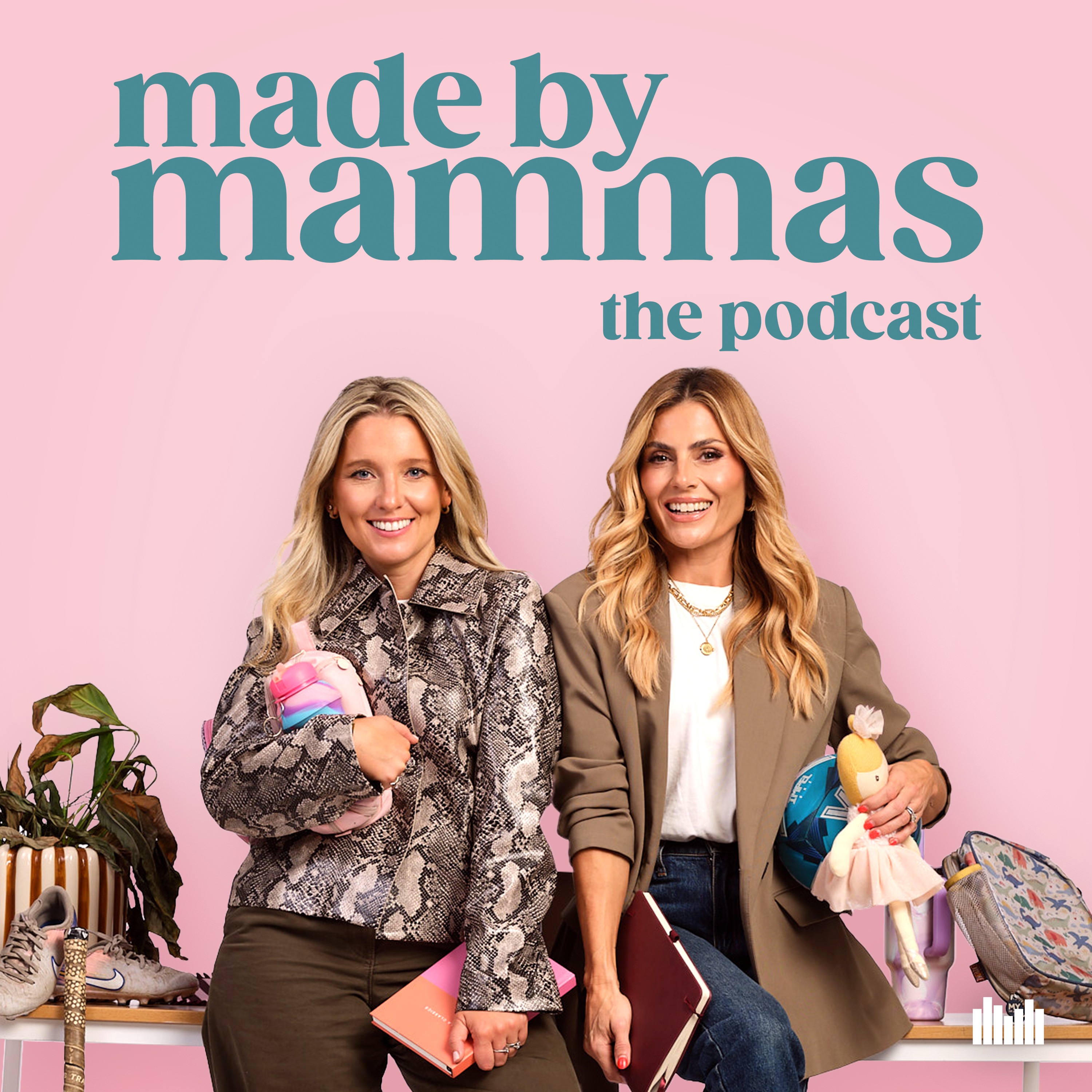
- Made by Mammas: The Podcast
- Dr Alex George on Improving Boys' Mental Health
In short
Hosts: Zoe Hardman & Georgia Dayton
Description
This podcast dives into the world of motherhood, discussing products, brands, and personal experiences related to parenting. Each episode features conversations with experts or famous personalities on topics concerning motherhood and parenting.
Guest
Dr. Alex George, physician, TV personality, and youth mental health ambassador.
Written by AI. May contain mistakes.

Ask about this episode
Get the gist, explore an idea or ask about something said.
 Claude
On Made by Mammas: The Podcast, what are the key points of this episode?
Searching your listeningTranscript
Automatic transcript. May contain errors.
0:00Hello and welcome to Made by Mum as the podcast. I'm Zoe Hardman and I'm Georgia Dayton and this is your parenting safe space where no conversation is off limits with five kids between G and I we have seen a lot we really have each week we'll be joined by some famous faces and experts and we'll chat about the brands and products that have saved us along the way in short we're the parenting podcast for you before we get started hit subscribe or follow so you're the first to know when each episode lands and they're on Tuesdays and Fridays and it really helps if you leave a rating and a review You can also find us on Instagram.
0:34We're on at Made by Mummies. But for now, George, should we get into it? Hi. Hello. I feel like I can't really see you. I don't know if my mic's positioned in a different way. I'm looking around the corner. I thought you'd start this podcast by clapping. Clapping? Yeah. What? Okay. I've done all my Christmas shopping. No, you haven't. I fucking have. Oh, my God. 1st of December. Wow. I am done. You're actually fully done. Yeah. That is unbelievable. I know. Wow. I'm not. It took me two days. Yeah. And juggling all the other stuff that I was doing. But I've completed it. I got it all done by the end of Black Friday.
1:11Oh my gosh. I know. Bearing in mind, I don't have to buy for other relatives. Okay. As in like, I've done my mother-in-law, sister-in-law, but my mum and Tim and everyone, they said don't bother with presents issue. Okay. But I've done all the kids and everyone else that needed to do. That is really good. It's a very nice feeling. That is a very nice feeling. I'm not in that situation. what i've done a lot like i have done a lot but i have a lot of people to buy for like a lot do they do they need presents though well yeah what's that yeah we do we do different things we're doing this thing this year we do with in my side of family for the adults we do a secret santa so you buy one present for 50 pounds for one person um and then we do which we haven't said the price of yet you know where you do a secret santa and it's a table present it goes into the middle and you each pick out a number so like there's is there 17 of us I don't know there's quite a lot of us and number one opens the present right like pass the parcel yeah so they open the present and they're like oh it's a Jo Malone candle and they hold on to it then number two opens their present and they get to decide if they steal number one's present what a great idea or if they keep their own so we're doing that this year please put a dildo on the table just really sort of throw one into the mix.
2:30And pretend it was someone else. The Crave. Actually, I think they're anonymous. So that would be quite funny. Because it will come around the neck. It will be around the necklace. Yeah, yeah, yeah. Well, someone will probably just think it's the necklace. Until they get it home. Yeah. So, yeah, that was my weekend. But also the elf's back. Oh, don't. Seriously. Luna opened the door this morning. She went, he's back. Oh, God. But do you know what? Like, Gigi didn't go to sleep because she's so excited by the elf. I think she's more excited about the elf than Christmas. She loves it. So Kit is completely freaked out about the fact that there's somebody creeping around the house at night.
3:09He hates the thought of it. Like if I say, oh, maybe the elf will come upstairs. He goes, no, mummy, no, no. You have to keep the elf downstairs because he doesn't like the thought of anybody. Which is true, right? Yeah. What a weird thing to think as a child. It's like my kids with Santa. They don't want him coming in their room. Like they literally don't. They don't want it. but the elf Gigi's all over like it's so it's but why have we started this because bloody America made us I know because now I feel like I mean everyone's like oh you don't have to do it and I'm like no but you kind of do like they're at the age where they go to school and they talk to their friends about it and if you haven't got one like it feels sad for them so we had hidden the elf in the top drawer yeah of the in the laundry in the dobi and luna had made like a little bed for him this was like a couple of days ago yeah and then when i opened the drawer last night obviously to make sure that the elf was going to be back the elf had gone right and luna went oh don't worry about it it's fine because um he's obviously just gone somewhere to like because he's going to come back tonight right and i was like no but where is the elf and she goes it doesn't matter because the elf will just come tonight and i was like genuinely luna where have you put the elf and she was like it's not my problem it's gonna be fine do you think she's having you on do you think she's like i'm gonna hide it and see what happens well yeah i found it upstairs in isla's room yeah yeah but she she was going to just let it roll i was like saying to dozen i was like you've got to go out and get an elf he was like it's nine o 'clock i've got so many elves because of this because i think i did it four years in a row lost the elf then amazon next day ordered one yeah and then obviously another one arrives and then you find the old one but i do only put two out now i don't two yeah girl and a boy oh god no yeah i mean sucker yeah i know seriously one day they'll find all of them and they'll be like huh and all the books that you didn't have special powers yeah yeah um but obviously we do it to give our kids joy it's the magic and joy is what it's all about it is it's about the magic that's kind of why we do everything in life is for our kids and their overall happiness which leads us very nicely on to today's guest somebody who is a huge huge advocate in the mental health space especially in young people he very sadly lost his brother five years ago to suicide he has been you know podcasting writing I mean he's such an all-round thoroughly lovely human yeah and he's very open about his own mental health as well and his struggles and a really good role model I feel for kids me too as well um especially boys yeah um i really enjoyed this chat and me george who are we chatting to we're chatting to dr alex george well it's safe to say both george and i are incredibly excited about today's conversation mental health advocate author podcaster youth mental health ambassador known for being honest compassionate um dr alex oh i've just I've come too early.
6:15Today's guest has made it his mission to make wellbeing accessible for everyone. And he's become one of the most recognisable voices in mental health today. Please welcome Dr. Alex to the podcast. Thank you so much. Hey, how are you? To see you guys. I'm really well, thank you. Yeah, excited for Christmas this year. I've got my wonderful Christmas tree, as you can see. I'd like to say homegrown, but it wasn't. But it was collected and decorated by moi. So I'm quite happy with that. how do you feel about Christmas Alex are you are you Scrooge or are you literally the the special Santa elf every day I've always loved Christmas growing up I think in my my kind of house at home it was like a big part of um of the year I guess my mum and dad like kind of loved it especially my mum really my dad kind of like played along with the whole thing my mum was very much the driving force of uh the Christmas experience I saw I saw a TikTok the other day it was quite funny it was saying like when you're an adult you realize that the spirit of Christmas wasn't Santa is actually just your mum so it's like yeah that is how we feel right now Alex and do you know what being Santa is quite a lot yeah it's an extra job being a full-time mum everything else you're doing but also just adding Santa Claus in the mix is just for a bit of fun but um yeah no I do like Christmas it's become more of a like bittersweet as I've got oh as I'm older now because you know you have the situations many people do have where they kind of got the empty chair on Christmas Day you know that kind of feeling and uh yeah my brother passed away five years ago now so it's not necessarily recent but each christmas i guess you're just a lot more aware of of that person being missing so it's not the easiest time but that doesn't mean i don't still enjoy it like i love christmas i love the spirit of christmas do you celebrate your brother on christmas day um yeah i guess i i think i don't know if celebrates the word i guess i try and like remember our Christmases and things like that um but over the years I think it's been some years is okay but last Christmas was quite difficult my mental health wasn't that good last Christmas I think I was kind of um finding things quite quite difficult on the whole and so I think all that compounded over that Christmas time but I think this year I'm much more looking forward to it um definitely much better um like mental health state I guess and so I'm more looking forward to the whole experience and yeah definitely we'll try and uh celebrate a little bit more uh light a candle for him that kind of stuff um we're trying to talk about a little bit as a family you know yeah of course now this is a slightly different interview for us I guess because we're normally talking to parents and you know we'll normally have a laugh and a joke about you know what it's like being a parent and stuff but this I guess you're not a parent but you know a lot about kids and their mental health and wellbeing.
8:56And so I guess we would love to chat to you about that and help our listeners, you know, cope. Because I do think, I don't know about you Zoe, but I don't think my parents, when I was growing up, thought about my mental health. No. Or considering, was it? It wasn't a word. That sounds so harsh, doesn't it? They didn't think about my mental health. No, but we didn't think about our mental health. No. I didn't think about it. No, but here we are as parents of, you know, various different ages and actually it's one of the things that we think about the most more than anything so do you want to just give us a little insight into you know you you know you've been doing a lot of work public work and helping families and children just give us a little insight into what you've been doing and what you've learned I guess yeah well I guess you know I came to medicine so working in the hospital from an angle of wanting to work in A &E the kind of physical health side of things didn't really go to med school thinking about mental health at all and I'd agree it was definitely not something I learned about at home and I don't think I learned a huge amount about it at med school to be honest when I started kind of working in the hospital and especially working in A &E the thing that surprised me wasn't necessarily the kind of the car accidents or the injuries the or the heart attacks it was how much mental illness you see and I think over the years particularly through the pandemic I think it's become transparent that we have this view that you know physical health is the kind of priority to kind of look after it gets most the funding most the research we have this view that mental illness is something to kind of be ashamed of mental health is only something that happens to some people and it's seen as quite a passive experience I think a lot of the time I'll talk about that in terms of what I mean and I guess with what happened with my brother you know he died by by suicide five years ago and so I guess when that that kind of thing happens it would really you kind of get consumed by the grief or you try and use it and that's when I started campaigning um I went and kind of banged on the door of 10 Downing Street and somehow that door opened mostly because there's millions of followers who are supporting that um movement and so they asked me to be um a mental health ambassador um it was a new it was a role wasn't it wasn't like an open position it was created because i was so noisy i think and well they said you can volunteer in this space yeah i don't know yeah i guess um i guess they didn't have too much choice because people were really at that time i think it was a collective movement in the country that people were just kind of sick of this kind of status quo um so i kind of the last four years have been volunteering in that role um lots of my work has been focused on um support schools so um helped get funding towards mental health support teams at schools and show how important that the school system is it's a place for not only mental health support but building good mental fitness um and then outside of that helped develop um early support hubs which is um in a pilot phase at the moment which is walk-in support for um children to 25 year olds which is really important because so much of the support out there now requires huge waiting times or seeing a gpu who has very little time to speak to you and what we know is that a significant number of causes for people's struggles relate to um things like loneliness lack of connection bullying at school um uh social media challenges um you know the the pressure on the kind of um um the health side of things outside of school like there's so much stuff that contributes that actually other settings a better place to support and that's why these hubs i think would be very very important so you know from there like and over the years i've just developed this belief that actually mental health is something everyone has illness is a part of an experience for some people but everyone has mental health just like everyone has physical health and just like you can go to the gym to build your physical fitness you can do that for your mental health as well i think in the past it was thought of as a very passive experience but it isn't you know we were given um a hand of cards some of those cards are genetics some of our cards are where we're born the family we're born into some people are very lucky some people are born into very difficult situations and what it comes down to is like right depending on your cards how do I play these cards to improve my experience of life um and I think that's quite important so even if you've you know like me probably inherited some genetics that's not so helpful had some difficult things happen like many people have it's now like well do I give up with these or do I now learn to like play the cards I have to still try and you know build that mental fitness and live as happily as possible I guess.
13:29So do you think there are definitely things that our young people can be doing to improve their mental health because you know we as george has said we've got kids of various different ages and at the moment it's all you know sports clubs and you know taking them to their swimming lessons and we're very much focused on keeping them active making sure they're eating the right food but when do we ever really sit down with them and ask them you know like how how are you we normally get i normally get a one word from my seven-year-old boy yep fine you're like but did you have a great day at school can't remember and you're like okay well that's as far as our mental health chat's going so what sort of tips and advice do you have for people listening around that if they're kind of getting the one word answers because it's difficult isn't it well in fairness even the fact you're doing that is a is a big part of the start like they're doing that each day just like being just normalizing that conversation even if you're not being met with the kind of most positive um kind of open response it's still kind of teaching a thing of like it's just normal to ask this it's asking each day and eventually um that kind of i think does have an effect over time um yeah so in terms of like bringing children up and thinking about this I mean I yes it is important it does of course have a huge impact on on the way children grow up and see the world I mean I wrote a better day which I was very proud of did you know very well many parents responded to that because it kind of gives them some of the tools they could give their children to help in difficult times but it's also about building tools in you know the good the good times if you like I like the analogy of you know the best time to learn to swim is not while drowning it's a good time to learn to swim when you're when you're very much like in a safe setting and a good in a good position and that's why building mental fitness is important for people that feel good as those if not more important than those that are struggling and I wrote happy habits because I genuinely believe that lots of these tools are not overly complex but can produce a big result and an example I'd give of something if you look at it from perhaps the negative side of view of things which i think shows how much these slight inputs or um how these things can actually play out to make a big difference over times if you look at men's mental health so um you know a boy and a girl's brain you know when you scan a boy and a girl's brain when they're born very very young is virtually not different at all the only real structural difference between a man and a woman's brain is the size so men's brains are about 10 percent bigger but that's just proportional to the size of their bodies that makes sense it's just a proportionality when you take account for that the man and woman's brain is not very different at all but what happens over time and in life and if you scan and there has maybe many studies doing this if you scan a man and woman's brain and decades later they start looking differently and behaving differently but that if you think about it well hang on we started out with the same we start out with the same brain basically how has it ended up so different well that's so interesting everyone's brain actually does what is actually really interesting is if you line up 50 people men and women everyone's brains will look different so it's very important to say that that that everyone does look different based on their experience but what is clear and i think is important for people to understand with the men's health space is that men are not just unable to speak they're not creatures that are not able to display emotion we weren't born with this kind of like um inability to you know grow up and be able to like ask for help or you know communicate that is something that's been cultured so um as as you grow up you know you're very quickly as a young boy told man up come on toughen up and all these things and and and if you add role modeling societal expectations and the shaping that happens you end up in a situation where you know people you know many men just cannot ask for help they'd rather you know suffer in silence than they would get help but that's not because they are men that's because we've trained them that way we've literally very effectively trained them to be that way but they don't have to be you can very much and many cultures show this and there's many countries like finland for example is a good example of this where you're just not seeing that difference now as much because because men and women are boys and girls are brought up in a way that right emotional literacy is a powerful thing learning about how you feel um allows you to make better judgments and act and control of your emotions is a powerful thing and then you build upon that like this mental fitness side of things and all of a sudden you build resilience and that's what I think most parents I've spoken to over the years with the work that I did in that kind of role said exactly as you started actually or hinted at is that the biggest thing parents worry about that I've heard is they want their kids to be happy and healthy yeah you summarise two words I'd say happy and healthy was the two words I'd pull together that they want we'll be right back after this short break
18:07Welcome back to this episode of Made by Mamas. Now, where were we? My son is nine and this time last year, he had a panic attack during a swimming gala. I've spoken about it on the podcast before. And, you know, we were like, OK, my husband managed to sort of talk him around, calm him down. He got back in the pool, carried on. Right. then and he then had another panic attack about two months ago before a cross-country race he couldn't breathe he said he thought he was going to die um and he's it's out of his sort of personality like he's not very dramatic he's it was when he's very stoic that's how i describe it so about two after this second um like thing that happened we actually looked for some help because because we were like, you know, you read so much about boys in particular, you know, where that goes, like the anxiety and all that kind of, where does that go?
19:05What does that sort of lead to? And so we found a mindset coach and he has been talking to her once a week and he's only had three sessions, maybe four actually, it might be the fourth. And I cannot tell you what a difference it has made. like we're in a privileged position where we can pay for that I didn't have to go to the doctor you know we just sort it out and we did it and each week I get um like a an email from her after their session telling me what they've spoken about so we went into it wanting it to be about you know managing it you know when he gets nervous and like what to do with that and you know all that kind of stuff because that was our main concern but actually as the weeks have gone on they've been speaking about friendship they've been speaking about he did a personality test last week and he's talking about you know his strengths his weaknesses and like I cannot like I think we you know this at this time of year we're talking about you know buying stuff for our kids and all this kind of stuff it's the best money we've ever invested in him ever like forget about the football coaching forget about the you know all of that uh it is something that I have seriously noticed such a big change to give what a wonderful gift to give axel yeah but it's because it's breaking it is breaking the mold like you said alex that us as a society have been ingraining in our young men you have to look at our fathers for example exactly to know exactly what they what they were like because they had no other option we have such a beautiful opportunity here to do something different with our with our young boys definitely and i think i think the words we use matter i really want people to stop saying men can't talk or men don't speak men open up because all you're doing is creating self-fulfilling prophecy so we need to say and say men can talk about the mental health men are strong and emotional men uh men can open up of course men can cry men like say that men can do things don't like say that we can't it's really important i think if you do that with them that's amazing that you've done that because um you know that growing up will be a huge thing and and kind of like this is what i talk about a lot it's like if you know if we're stood right to you know in a field right now and i've got a compass and i'm going to try and direct us to a field 20 miles away we're out on a real stomp if i get that compass direction three degrees out by the time we walk 20 miles we're a long way away from where we should be right so there's small differences those small little things might not seem very much when you walk a few yards but when you start going over time and with like and the journey of life i guess where you end up is just so so different so for him to be kind of growing up with an awareness of example emotional literacy is important i'm sure that'll be something they'll be working on you know 95 of adults don't have basic emotional literacy they cannot most adults are not able to use words to explain how they feel in any moment it's quite a interesting one because we're not taught it we're not taught it's a language we're not taught but it's so it's such an odd thing because your emotions have an impact on every single area of your life there is no part of your life that is not affected by emotions your relationships your health your work your decision your sleeping uh what you eat even is impacted by emotions how you feel so it's it's not something we're taught and i think there's often this idea that if we teach emotional literacy at school then we'll create weak children but actually the evidence is completely to the opposite i mean you know a question we could ask you know look at the world leaders at the moment if our world leaders had good emotional literacy emotional intelligence would we have as many wars going on at the moment i think probably not so we certainly wouldn't if we you know if you think about it from that angle to the extreme extent but even just the children children are able to yeah even just a little bit of it for them just a little bit of emotional intelligence but if you're able to go right in this moment i feel um i've got a swimming gala coming up in this moment what i am feeling is nervousness and anxiety what i'm going to do with that feeling is taking action my action is going to be box breathing for two minutes before I do this event focusing in channeling this nervous energy into uh into excited adrenaline I'm going to label this emotion with excitement I'm going to channel that with my breathing and to smash this race that's very different to going oh my god there's something in my body oh my god oh my god oh my god I'm gonna have a panic attack and then you have a panic attack right so that that is that is giving someone the tools to understand this is what I feel and this is the action you need to take rather than you know being at home for example with a partner feeling this huge frustration in your body and all of a sudden you're arguing about something when actually if you'd have gone oh actually I'm feeling a bit tired frustrated at the moment what I need to do is probably go out for a walk for 10 minutes I'm going to come calmly back and we're going to discuss this thing in the right way you can see the impact in in people's lives and I think just giving is the greatest gift is to give children these tools and and a lot of the things i talk about in happy habits is about those kind of fundamental aspects of what i believe if i'm honest the book shouldn't exist it should be in the education system but the fact is the stuff isn't there you know using nature using exercise understanding food to get understanding how you build habits for example all of these things are fundamentally simple tools that if kids know understand the science to understand why to use it how to use it i genuinely think not just reduces illness and the risk of mental illness but also builds what we want is resilience and opportunity to enjoy life because it's an odd thing um to me and it's baffled me over the years that we build health care upon the premise of treating the sick which to me is a good thing as a doctor we should treat sick people but is our goal in health care just to not be sick shouldn't we build good health and that's the thing that we need to i think as a society step back on it's like 100 % so we just throw treatments at illness or do we build populations of healthy people what do you want to do you should do both i'm not saying do one or the other but like should we not should our goal not to build be building children who are happy and healthy and enjoy life this is grassroots stuff this comes down to grassroots stuff which i've been banging on about forever that we cannot you cannot change society unless you start from the kids the kids are the kids of the future but you know what i mean like if it's not there and it's not as cool as michael jackson
25:27but it's true and it has to start in schools alex i completely agree and at home yeah why do you think people think that by talking about like naming emotions we're going to raise weak children like where do you think that comes from because i know that i haven't told any of the like my pet like parents at school or anything oh axel's got a mindset coach because i know that sounds really really wanky. No. But I do. I know that the sort of, do you know what I mean? Well, the perception is wanky. Yeah, I know the perception. I know exactly. Oh, God, here. You know, like, I know. But why are people like that?
26:01Like, why do we think that it's going to make someone weak? You're feeding into that, though, Barnard. Because if you go back to it, like, the labels and words have mattered in the past in a negative way. I mean, if you look, well, put it like this, I mean, for the top of government all the way across the different health parts I've seen, you know, when I was in that role, how much stigma there still is around mental health we've made a huge amount of progress but I think you have to look at the institutional level of stigma um you know up until 1961 which is not very long ago my dad was born in 1958 up until 1961 it was illegal to take your own life so that's the word committed where the word committed suicide comes from you commit arson you commit murder all these different things committed suicide came from that kind of it was a crime but i still hear tops of government and different people who are actually in this area still saying committed suicide there's no shame against the people because it's been it's been implanted within them but it shows how ingrained it is that we just feel weird about the topic people don't feel as positive about it i mean if you google and you go on google and you stick in physical health you get pictures of people running in the park and joe works and that kind of thing If you search mental health, it's generally mental illness, sadness, crying, grayscale photos.
27:13There is this kind of bias towards negativity. And I think that's so much what I'm trying to do is to get people to see that actually this thing is actually a really positive thing to work on. You know, it's like I had this discussion before that, you know, people were like, oh, my God, we can't teach kids about sexual education and all this kind of stuff because they're going to start having more sex and catching more STIs. Oh, I know. when we taught them about like condoms and sex did they have more no they like teenagers were doing whatever they're doing but we were able to give them safety and education and we saw you know birth rates going down and and um things like stis dropping of course it's beneficial to educate about all forms of health including sexual health and and i think when you look at the kind of um the worries around this i think people are just afraid that if we talk about it if we say the words mental health or start talking to kids about god forbid like sadness or depression then they're going to get depressed but the evidence and the science shows that's not only not true but the opposite is true so if you actually teach about these things you empower kids you give them the kind of the tools you help build a resilience not weakness it's completely the opposite and i'd say to people like if you think that has the old system worked like the way that we use this oh god it's so true has that been successful for us you know did that work i mean we lose i think it's 600 000 men die every year by suicide right so is it working what we were doing or is it time to change and i think that's that's my feeling probably let's give something else a go you know do you know what though i i i do think though we have got a big job ahead of us that we're george and i fully committed us to this end with our boys i think there's something inherently ingrained but also the role watching my husband with our son is very different to how he responds to our daughters and you know there's still that like laddie element to it which I really like and I don't want to take that away but what we're trying to do also is to say to Kit he will hold on to stuff so tightly something happens at school he won't share it he'll take days and days of me saying I know something's happened are you okay and eventually we get the tears the tears always come first the shame i don't want to talk to you get out leave me alone and then suddenly here it comes whereas my girls i'll be like how was your day tell me what happened oh i had to fight with you know and it's straight away and then we can talk about it so what what can we do why why is it that much harder does it does it have to come from the male there's very small messaging constantly that tells boys you should behave like this and girls should behave like that there was a social experiment done where and they had i can't remember the numbers like 40 50 parents in one room and they had the children in the other room and basically they were showing each the children different toys that were kind of like gendered toys and saying like would you feel okay playing this what would your parents think what would your dad think and they were showing like the girls and the boys and they interviewed the kind of the husbands next door the partners the men um what do you you know would you mind if your child played with a doll or whatever and most of them were like no not at all that's absolutely fine I wouldn't know and I think they would they would no I don't mind either and then when they went back and you looked at the kind of footage and interview all most or significant number of the boys were like yeah I wouldn't play with that dad disapproved so then it's like it shows there's so much messaging that comes through subliminally like in ways that we don't necessarily realize that also happens outside in society um situations well I think you know if you look at children if you look at boys and girls four or five years old um even younger maybe three or four years old they're not very different they kind of play with whatever they they hug they cry they hold hands and then something happens the age of five or six where suddenly you tell boys like oh no this is how boys should be boys don't play with those toys and boys do this and boys don't wear tutus girls it's like girls do this and girls sit together and girls talk together and so then that's where the split happens and it's just fascinating how it plays out but one of the tricks you could use if you're asking like what do you do i mean one of the things that i would say it's been very i've been teaching this for a good number of years i think it's very useful this can be used in work settings as well not only in the family but is using the traffic light system and you can sit down every dinner time and do this just i advise giving a go um just really sticking at it each night for a period of time until it gets into the rhythm and then maybe do it weekly but basically you sit down at the dinner table and if you take the nuclear family example so you and your husbands you've got your children on the table and go around and say whether you feel red amber or green so it's obvious red is bad amber is okay green is good and you attach a sentence or so as to why you feel that way and there's a few reasons that this is really powerful one is that it breaks down the hierarchical um parent child pressures in the family where you don't like it's hard like the dad doesn't want to show any sadness or weakness or whatever kind of breaks and levels very well so everyone goes around and if dad goes oh do you know what i feel red today because actually haven't got to the gym work's been crazy stressful i actually didn't sleep well last night but do you know what i'm going to do is make sure tomorrow i do get to the gym i'm going to have an early night and i'll feel better you're teaching um children not only to open up and how to like vocalize what they feel but you're also attaching meanings you're saying like i feel bad because of this and i'm going to do this to fix it and so that's a brilliant way to kind of role model for children around the table it teaches them remember we were saying about swimming in the good days it teaches them how to swim in the good days um and then also the other part of that is amazing is that you catch things early because what we know is that generally people struggle for a long time before they get help or whatever um happens because people just don't i mean you know i think the average time for a diagnosis for ocd is like a decade for example because people keep it so hidden so instead of that if you think you sit around the dinner table and you do the traffic light system which will take what maybe three minutes to do how long does it take to do that three minutes um what builds up is that you build the skill set but also you can recognize problems early so if for example you know excel's like oh yeah gosh i feel red today and the next day i'm still read and read the next day all of a sudden the family comes together and goes oh right let's rally around this person and get you better like what's going on this person needs focus and attention so i think i'd really recommend giving that a go and it can feel a bit awkward and weird at first but give it three or four days of doing it becomes so normalized and eventually it'll just be so quick and so easy and then when you go up and say like oh hey how are you feeling today you read amber green at random town god i feel red today because and then all of a sudden we don't have to have the holding back and then the tears you know the tears can come obviously it's great to cry but it's not holding back and that's because you've practiced the skill set i love that i'm gonna definitely give that a go i love the modeling as well because i my my son idolizes my husband like he thinks he's like the best thing ever god knows why does he know him love you james love you but he does and i think if he saw him you know talking about how he feels and what he's going to do about it.
34:03He would listen way more than if I did it. You know, like, and probably my daughter would listen to me more. We're like a walking cliche, but it's just how it goes. Because I find my son will talk to me when we're laying in bed, like every night I get into bed with him. I mean, guys, I don't know how much longer he's going to want to do that, but I'll get into bed and we'll talk for 10 minutes. Like, that's it. And then I leave. But that's the only time that I get anything. thing but i think it would be good to bring it to the tech yeah bring it to the table a bit more give it a try it's it's a people have come back and said it's like a bit huge most most good interventions are simple ones because complex stuff is just not going to be something you can keep up most families will need to sit down and have dinner every day or most days and it's just an easy opportunity to use something everyone understands traffic lights and even a young age a child will learn very early but you teach them so early about crossing the road don't you see understand red, amber and green.
34:58It just means from a very young age you can teach them. And if you started doing that from three or four years old, I mean, they just would never develop any awkwardness around it. It just would always be normal. It's like, OK, of course, this is standard, this is normal. We'll be right back after this short break.
35:15Welcome back to this episode of Made by Mamas. Now, where were we? Could I ask you both some advice on something that happened a couple of days ago with regards to this father-son kind of macho-y sort of role play thing that they do with each other. So my husband is an ex-rugby player, Alex. He's a typical rugby lad, loves to tear up historically. He's an amazing father, but he's the archetypal kind of like used to shut up his emotions, never say anything. Obviously 10 years with me, he's literally a blubbering mess now, which is brilliant. But with Kit the other day, there was a situation in the playground when one of Kit's mates was getting picked on and Kit told me and he said, I went straight in there and I backed my mate up.
35:55and I said oh what did you do and he goes I put this push this kid to the ground because he's a bully and I stepped in for my friend and I was like okay anyway Doz walks in and he said uh well what's this was there a tear up at school today and Kit went well actually someone's being mean to one of my friends and he went so what did you go did you go wading in what did you do put a bit of muscle about did you chuck something and I said can we just try and hold space for this in a different way anyway as the days went on I just heard this repetitive conversation from Doz to Kit going, what's going to happen today at school?
36:25You're going to go in there and is there going to be another tear up? Is there? And I just thought, I didn't understand what he was doing. Kit said to me in private, I don't like it when things get too physical. But in front of his dad, he couldn't say that. So I said, actually, Kit told me that he doesn't like it when things get too physical. And Dozzle was like, why not? It was like he'd have fronted him. So I don't know. I know that he doesn't want him to lose his, firstly, his like boisterous boys stuff. His anger. he thinks anger's good to channel it but at the same time I don't know if it's like it makes me feel slightly uncomfortable what's your thoughts yeah I mean if it makes you feel uncomfortable then I guess that's that tells you a lot doesn't it your gut instinct tells you what you what you feel about something yeah I mean like I wouldn't judge a situation too harshly I mean I grew up in Wales where rugby was a big thing it was kind of like you know rugby culture was was a big thing but I think it's also recognizing and this is the important thing like there's parts of masculinity that good but also there's parts that we want to like look at and question and i think probably um using anger and sport can be very helpful but i think you know when you cup it coming to like physical you know confrontation and stuff like when you're an adult you get in very much big trouble for those sorts of things so i think it's trying to learn to manage the emotions and like like uh voice them a different way and i think you know if you're starting to say look i don't want to be physical i think that's that's really positive and it's something to lean into there and be like okay well how would you like to de-escalate a situation or discuss it or like how do we deal with these situations because ultimately it's like in the playground it like rolls out it's like a practice ground for life isn't it because you're going to have arguments with people okay as adults we generally don't push and shove each other but you're going to have situations in the workplace where you've got confrontation there's arguments and it's like how do you escalate that yes we learn it like with a and e for example we were always taught that like the higher the energy that someone brings so for example if someone's really angry they're either drunk and angry you need to like lower your energy so your voice slows down you you go quieter you slow things down because when you match people they raise and it keep it keeps going up and up and that's that's the problem with those things so I think it is looking at masculinity it goes what bits of masculinity you want to keep and then what bits do we want to channel differently and you know it's not to judge it's not to judge anyone but I think we are taught as men that this is how we should be and you've got to be strong and you know if you're challenged in any way you've got to meet that with fire and actually a lot of the time that's not no it's not necessarily very helpful and also I don't know if you grew up with this narrative but certainly like grandparents and stuff I hear a lot old boys sort out their problems so much easier than women oh no they because one little fight and it's over and then they're friends whereas you know girls it's bitchy bitchy bitchy and uh and like I was fed that narrative growing up and then like we're coming into being a parent of a boy and a girl I'm like oh god girls are a nightmare they're just bitchy bitchy bitchy but actually I look at my daughter she's six and I I mean, I do take the mickey, not in front of her, but when her friends come round, you know, they're always falling out and they'll be like, when she did this, it made me feel like this.
39:24And they're very, you know, like, you know, dramatic. But actually I look at it and I think, wow, at six, like to actually just sort of say it, like, you know, when you took that from me, I felt really sad and I don't want you to do it again. It's actually really good. Like it's actually good. whereas the boys don't do that like and we used to think that was a good thing but now i look at it and i think no it's really not like it's not good because nothing is solved over a punch like generally what is solved nothing absolutely not i mean i think that a lot of it is that that um most men's emotions are previously just inward or displayed in anger therefore it wasn't you don't see it as much because yeah they say oh there's a big argument in the playground and there's quietness but it doesn't mean the thing's solved or that that boy doesn't feel sad or doesn't feel laughed out or whatever it might be I think it's just more silent and people find silence or the lack of external expression of emotion much more comfortable than a boy crying and being like I'm really sad because I actually had this argument with my friend and you know the silence is sometimes seen as like a positive thing but that's what happens you get like taught to be quiet or be angry and I think that's that's true if you think about like kind of um if you look at football for example it's very normal for a coach to be really angry like if the yeah if you're a Liverpool fan at the moment the manager is obviously very angry because they're losing all the time and you know uh you know this anger is kind of completely acceptable but if the coach started crying on the touchline it'd be headline news it would be like viral clips but you know emotion is emotion like you know sadness happiness grief and all these things are just emotions they're just a different display of an energy and the problem is is when you trap an energy it has to come out somewhere which is where things like panic attacks can happen or you know suppressed emotion can cause things like depression in the long run because you can't just push down this feeling that's what i started this conversation talking about like why i do kind of what i do and i think that kind of grief point like if you know i i was working really hard and trying to channel it but also at home i was kind of also trying to suppress it for a while you know that's why i stopped drinking three years ago because i think i was trying to use alcohol to kind of numb pain and it doesn't it doesn't work you can't you can't suppress something like that it's like learning how to express it is exactly what you said your daughter going I feel like you did this and I feel this way means you're communicating you're letting out how you feel and then you're able to take an action and move forward but when you just keep quiet you're just like I'm so annoyed you stole that toy and you just keep quiet it just eats you up doesn't it give me back the barbie
42:00it is hard i think it's got and i have to chat myself quite a lot because i've very much not got this perfect in my life but i have to kind of i'm aware of what i've been trained to be like and therefore i have to react to that and and to make sure i do things differently to how i did and i think that's the thing about um you know we can all learn to be different we can all develop new habits but it's it's it's it's obviously easier to develop the right ones are younger because i like this idea of like you know get this dump of snow in the mountain the first mountaineers climbing will create a path and then once you've created that path you can just follow the same route right and and all of a sudden that becomes the normal way to behave and do things to change your way of being if you said i actually don't want to take this path anymore you have to go off-piste and going off-piste is a bit scary it takes time you've got to push through the snow it takes time to build the new tracks but eventually as the snow falls the old path gets covered up and you've got the new way so it is possible to create change men don't have just because you've were brought up and you spent 30 years being a certain way it doesn't mean you can't change it just means you have to stop doing things reactively and habitually you have to do things in a conscious rather than a subconscious way and that because that's what happens you're forming a habit or behavior there's a conscious decision or hopefully some sort of conscious decision to do something you do it for long enough you keep motivated and disciplined at it it becomes an unconscious habit and reaction it's like when you wake up in the morning you generally don't think about brushing your teeth you get up walk to the sink and you brush your teeth and you start your day but when you started you had there was a lot that went into training your kids to brush their teeth but as adults it's just a habitual thing and i think that's what we have to realize is that what are the habits in our life that benefits us okay we'll keep those going but what are the things that are working against us one of the unhelpful habits yeah Alex um we could chat to you all day I'm only sad we haven't got another hour two hours with you to keep you but we can't so um we want to just get your best piece of advice that you would deliver to any parent listening to this podcast that's maybe worried about their kids mental health or also just wants to help them out when they're swimming yeah or get interesting to good like habits I guess yeah I think um please do see the power of mental fitness it's something that I think has changed my life i can think it can change many people's lives and for children i think it is generally the greatest gift you can give them because you can't control very much in the world you can't control the challenges they'll face the ups or the downs but you can give them tools to help not just go through and deal with difficult times but to prosper in the good times as well you know to have the ability and capacity for joy and i think that's a that's a beautiful gift and for any parent that's got children uh struggling you know i i think there's always hope for a better day there's it's family coming together it's conversation it's community it's um you know support that that gets you through and and you know I've I've seen many people going through difficult times and getting better there is there is always hope um but yeah try and build as I say when when the days are good and you learn to swim build that good you know front crawl build the skill set in the swimming pool so that when things are difficult you're better placed amazing and any like resources or you know where can we find your book just for people to go and look at?
45:05Sure. So Happy Habits is in kind of all bookstores on Amazon and so on. So do check that out. If you've got, basically, if you want to build kind of the knowledge and habits and the fitness size and the Happy Habits is there, I wrote A Better Day for children that are going through a difficult time as well. So that's kind of two sides of the coin, I guess. But get them all available. I love that. Get them both for Christmas. Come on, everyone. Dr. Alex, thank you so much for coming on the podcast. Yay! Thank you. Thanks so much for having me. Take care. such a legend oh i love him really good and i just think it's like it really highlights how much we still got to do because there's so much you can do at home right as one person whoever you know you are listening to this you can do all these things but ultimately like it's about all the other people in their lives as well singing from the same hymn sheet because it's really difficult if you know you've got people around you who don't have the same i guess their feelings around it I loved his suggestion for the dining room table.
46:03Oh, brilliant. And, you know, the traffic light system. I'm going to definitely do that. Yeah, we will as well because I think it's actually really important not only just to ask your kids how they are and want them to open up but to do it yourself. How do they feel as well. Yeah, but do it yourself because that's all learned behaviour, isn't it? So, yeah, it was brilliant. Really good. Thanks to Dr Alex for coming on the podcast today and to you guys for listening. As always, we'd love you to rate, review, subscribe and please give our podcast a follow so you don't miss an episode. Yeah, and if you've got any feedback on this episode or guests you'd like to hear from, then drop us a DM on Instagram.
46:36We're on at Made by Mamas and we'll be back on Friday.
From the publisher
Today Zoe & Georgia are joined by physician, TV Personality and Youth Mental Health Ambassador Dr Alex George!
Championing well-being and mental health, particularly in today's young men and boys, Dr Alex George shares his vast knowledge and insight into what we can all do today to help make the world our kids grow up in a little bit better.
Buy his books A Better Day and Happy Habits now!
Find a new episode every Tuesday & Friday and in the meantime check out Made By Mammas on Instagram: @madebymammas.
Made By Mammas® is an Audio Always production.
Hosted on Acast. See acast.com/privacy for more information.
More from Made by Mammas: The Podcast
All episodes
We use cookies.They keep VO running smoothly and help us improve it. Privacy policy