
 Ask ChatGPT

- Podcasts
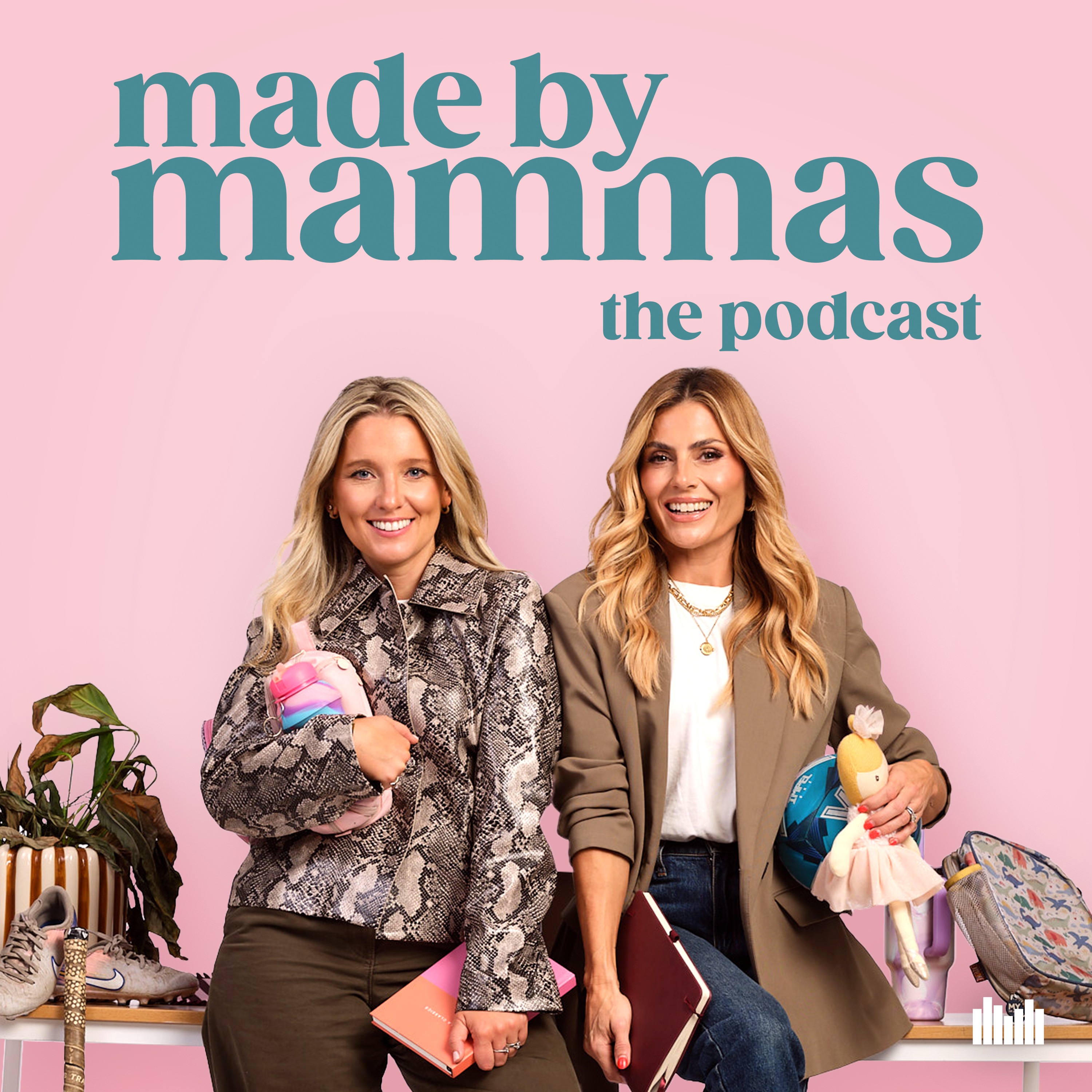
- Made by Mammas: The Podcast
- Friday Q&A: Will I Poo Myself & Other Birthing Questions with The Modern Midwife
Made by Mammas: The Podcast23 Oct 2026 · 33m · 12 chapters
Friday Q&A: Will I Poo Myself & Other Birthing Questions with The Modern Midwife
In short
Listener Q&A with midwife “The Modern Midwife” Mary Louise about common birthing fears and medical choices, including pooing during labour, epidurals (risks/downsides and why more people get them), and why inductions are increasing; also addresses preventing fear after traumatic birth and maternal choice around elective C-sections, plus age-appropriate education about periods.
Guests
Mary Louise (The Modern Midwife), UK-qualified midwife for ~14–15 years; delivered internationally; wrote three books; focuses online on free, reliable maternity information amid staffing/funding issues. Hosts: Zoe Hardman and Georgia Dayton (Made by Mamas).
Key claims
~80% of women poo/open their bowels in labour; midwives don’t mind and often see it as a sign labour is progressing. Epidurals commonly cause blood-pressure drops; rare but serious next-day headache can be hard with a newborn. More epidurals are used, linked to more inductions. Inductions may be driven by convenience, maternal request, or risk-aversion/suing fears, potentially intervening earlier than necessary. Traumatic birth fear can be managed via debriefs/support and a control-focused birth plan; elective C-sections can be appropriate for maternal choice/mental wellbeing.
Notable examples
Covering “five epidurals failed” as rare (often anatomy/movement). Explaining induction hormones: synthetic oxytocin doesn’t cross the blood-brain barrier; natural oxytocin peaks in spontaneous labour. Discussing a pessary-based induction for overdue pregnancies. Mentioning a rare extreme case of a girl committing suicide after starting her period without understanding it. New book: The Modern Midwife’s Guide to Birthing Your Baby (out Oct 8).
Written by AI. May contain mistakes.
Chapters
1:41
Mary's Experience as a Midwife
Mary shares insights on her journey and confidence as a midwife.
“Actually better than ever after having my third baby.”
2:30
Listeners' Questions Begin
Hosts introduce the listener questions segment about birthing.
“I gave my husband the baby last night and I was like walking around doing this.”
3:15
Epidurals and Their Challenges
Discussion on why epidurals can fail during labor, including anatomy.
“I think everyone wants to quiz and find out what's going on.”
4:40
Mary's Background and Career
Mary discusses her background as a midwife and her early career challenges.
7:03
Discussing Poo During Labor
The hosts and Mary talk about the common concern of pooping during labor.
“Okay, so we'll go back to the questions now.”
9:00
Risks and Downsides of Epidurals
Mary outlines the risks associated with epidurals and the importance of informed choices.
“So we always have to balance both sides.”
11:14
Increase in Inductions and Epidurals
Discussion about the rise in epidurals due to increasing inductions.
“It is, it is a good idea to have a birth plan.”
13:21
Implications of Induction Practices
Exploration of the factors influencing the rise in induction practices.
14:00
Understanding Induction and Its Implications
Explore the complexities of labor induction, including risks and physiological impacts.
“And an induction can kind of be an easy way out of that.”
19:51
Navigating Trauma from Previous Births
Discuss strategies for managing fears from traumatic births and planning for a new pregnancy.
“So speak to your care providers, explain how you're feeling, ask for support.”

Ask about this episode
Get the gist, explore an idea or ask about something said.
 Claude
On Made by Mammas: The Podcast, what are the key points of this episode?
Searching your listeningTranscript
Automatic transcript. May contain errors.
0:00Help I Sexed My Boss is the podcast where manners meets mayhem. I'm William Hanson. I'm Jordan North. And together we take on the hilarious challenges of modern life. William's the arbiter of etiquette. And Jordan's the chaotic yin to my perfectly polished yang. So if you want laugh out loud stories and brutally honest moments, then you'll love Help I Sexed My Boss. Watch and listen every Tuesday and Friday. On YouTube and wherever you get your podcasts. Just search Sexted. Be warned, it's a bit rude.
0:32Hello and welcome to Made by Mamas, the podcast. I'm Zoe Hardman. And I'm Georgia Dayton. And this is your parenting safe space where no conversation is off limits. With five kids between G and I, we have seen a lot. We really have. Each week we'll be joined by some famous faces and experts and we'll chat about the brands and products that have saved us along the way. In short, we're the parenting podcast for you. Before we get started, hit subscribe or follow so you're the first to know when each episode lands. And they're on Tuesdays and Fridays. And it really helps if you leave a rating and a review.
1:04You can also find us on Instagram. We're on at Made by Mamas. But for now, George, should we get into it? Joining us on the podcast, we think for the second time, but I think maybe potentially a couple of years ago, we were just chatting and maybe she was due to come on. I think the last time she did come on was 2021 and I had a poorly daughter and it was all... It's just funny, like going back and looking at messages between us and the ups and downs of having to juggle parenting and work and everything. We are talking to a midwife today and you might know her online as the modern midwife. It's Mary Louise.
1:41How are you? Hello, I'm good. Thank you. Actually better than ever after having my third baby. It seems so much easier third time around because I'm just so much more confident. confident and even though I was you know I've been a midwife for a long time it's all I've ever done in my adult life um this baby this experience with this baby is different I'm just completely trusting myself and way more relaxed about everything oh I'm just setting the scene for anyone who can't see this but um Mary is um she's got a little 10 week old baby on her chest and I I can see like rocking side to side, which does take me back so much.
2:22So, you know, we're all figuring it out and making it work. Definitely. I think the rocking as well. You just continue doing that. I was watching my husband. I gave my husband the baby last night and I was like walking around doing this. And I'm like, he was like, are you losing it, Marie? Because you're walking around rocking. I was like, I know. I'm just so used to doing that all day, every day. it is funny actually how you you do stand there kind of swaying sometimes I do I ended up doing it with my dog like I got a puppy last year he's a year old now not a third child they say don't they furred baby is a fur baby or an actual baby and actually both Zoe and I have done fur babies and I like Stan swaying with him which is pretty pathetic actually of me but um no it's cute I bet He loves it.
3:10Anyway, I thought we would get some listeners' questions in. Whenever we ask anybody kind of medical to come on the podcast, we get an influx of messages. I think everyone wants to quiz and find out what's going on. And so, yeah, I think we'll just start by getting on with the listeners' questions, if that's all right with you. Of course. um someone here has put oh why would five epidurals fail so it's a really good question um it depends on a few things um mainly what's going on with your anatomy and your back sometimes women can have like a slightly different um spine shape and that is not always known until they have something like an epidural and it can also be down to movement and mum potentially moving around because when you're in pain you naturally move around I've seen lots of women that you know the anaesthetist will be trying to cite the epidural and mum's really trying to keep still but when you're in pain it can be you know near impossible and whilst around these circumstances anaesthetists practice really safely and they avoid anything when mum's moving but naturally there can be some movement and also it can be down to the anaesthetist's practice as well but more often than not it's it's actually the anatomy of the woman that can make it really difficult to cite the epidural and therefore for it to for it to work well but I would say it's very rare for it to fail five times I haven't seen that before I've seen a few times but I haven't seen up to five before just before actually we go on to more listeners questions I think I haven't I'm just assuming everybody knows who you are and knows your background because we've had you on the podcast before but do you want to just give us a little bit how many babies have you delivered how long have you been a midwife you know what is your background no of course yeah no it's hard when you know someone a bit you just you know yeah you just assume I know I'm just like getting carried away yeah no it's fine um so yeah I'm known as the modern midwife online I've been a midwife a qualified midwife now for it's either 14 or 15 years I've lost count um but yeah I qualified as one of the youngest midwives in the UK at the time because I finished my degree when I was just 20 um and then I got my qualification so I landed in a pool of midwives that were the youngest midwives in the UK and I was really proud of that because it was something I had to really fight to become educated to become a midwife and to get that qualification I was told that I was too young I didn't have any children I didn't have any life experience so if anyone wants a change of career or if anyone is younger listening to the podcast just go with what you know is right for you and I'm so glad that I followed what I wanted to do and wasn't deterred or misled by other people telling me that's not you know that's not within your reach if you think something is within your reach it's down to you to to go for it and not be yeah not be swayed off path so yeah I qualified all those years ago I have practiced midwifery internationally I've written three books now this is my third book that is out was out just two weeks ago and every time I write a book I have a baby so I said to Penguin I'm not writing any more books because I'm not getting pregnant again I start writing I'm like oh this is so amazing oh god isn't it so great oh I love it so much and now I'm like yeah go on let's have another one so we're not doing that again um and yeah I'm I spend a lot of time um online and on social media and supporting parents to make informed choices because it's no kind of secret that um we have some issues in maternity care and services and funding and staffing issues um so it's really important that parents have sources of information that are also free and reliable to come to so that's what I um I mainly sort of focus on at the moment.
7:05Yeah, fine. Okay, so we'll go back to the questions now. Someone here has put, be honest, how common is it to poo during labour? And do midwives actually not care? Yeah, so great question. There was a recent survey into this because it is one of the top concerns that pregnant women have is pooing in labour. Really? Yeah, yeah, it's really high up on there alongside pain is poo so which is understandable because you know in our culture we've been brought up so we have to be feminine and girly and keep those kinds of things quiet and behind the scenes and whatever else um so when it comes to pooing in labor i will be honest with you around about 80 percent of women do open their valves or have a poo um usually when the baby's head is coming down through the pelvis and that is for a number of reasons first of all again it's down to your anatomy anything that's in the rectum if you've got a head that's coming down through with not much space it will naturally push out anything that is that is sitting there and that tends to be poo the other thing is that when you're pushing as well if you have if you do need a poo and you're pushing you're probably going to have a poo um so midwives really i couldn't tell you how let how little we care about this kind of thing we see everything we see smell and deal with everything there is to deal with and we do not care one bit pooing is a total normal part of being a human um and it's often a normal part and healthy part of birth so when we see a poo I actually get excited by poo so if I see a poo I'm like oh good that means that you know we're going to see a baby soon and I'll often tell the mum I won't necessarily say you've pooed so I think you can have a baby soon but I'll say oh there's some really lovely signs that we're going to meet your baby soon you're doing so well and it's a really positive thing for us midwives to see we do not care a lot of the time um when women have pooed I will quickly grab an inco if they're not in the water I'll quickly grab an inco sheet and just and just hide it and cover it very quickly and sometimes they don't even know that they have I was gonna say that do most people like because if you asked me did I I'd be like no but then maybe I did because I don't have any recollection of it yeah and that's the other thing that's a really good point you've made actually a lot of women don't recall or care after they've had their baby at the time it seems like this big deal and when you think about pooing in front of people you think about oh everyone's watching you have a poo they're not there's lots going on you're in labor you're having a baby that's the focus not you pooing and whether or not you poo is you know it doesn't matter and a lot of the time like you you may or may not have done and you don't care after don't really know yet um someone's put this is actually on epidurals again I'm due in six weeks and I'm so confused about epidurals are there downsides nobody really talks about yes great question so as with anything um and as with any kind of intervention that we provide on the body, especially when it comes to women and their babies, there are always going to be risks and benefits.
10:17So we always have to balance both sides. In terms of risk, I have actually written about this extensively in my book because this is not talked about enough, I don't think. And the risks aren't discussed enough. And it's not to scare women. It's that you can make a truly informed choice. So there are things that can happen like you may have a drop in blood pressure and that's really common when you have an epidural so we kind of counterbalance that by putting up IV fluids but that is kind of I guess one of the the most common but there are a lot of other things that can happen that are less common but it's really important that you know something else that can happen is you can get a pretty bad headache the next day and I've forgotten the statistic on it now but again it is rare but it's really important that you understand that because having a banging headache when you've got a tiny newborn to look after can be really difficult for women and I've seen women really you know in a lot of pain after they've had their baby and a couple of them have said to me had I known this I would not have had the epidural so it is important for you to know these things ahead of time and look and look into it but the NHS on their website if you want to have a look they will list some of those for you and also as I say I have written about this extensively as well and I run through everything and all of the data and all of the risks that I've associated with it that being said if you understand all of that and you're in labor and your plan is to not have an epidural but you've been in labor for like a few days and you're absolutely exhausted it's not to say please don't write anything off and be like I would never have because even with all of the knowledge I have and everything that I've seen in midwifery, I actually wouldn't say a hundred percent, I would never have X, Y, and Z because it's really important to make the decision depending on how you feel.
12:09It is, it is a good idea to have a birth plan. I'm a massive advocate for birth plans, but as things unfold and change, your thoughts may change. And if you say I'm a hundred percent not doing that, and then you get round to it and you do do it, it can add an extra layer of stress in an already stressful situation that you then beat yourself up about and feel guilty about. Yeah, I get that. Are more people or less people having epidurals now? More people, definitely. More people. Interesting. That's so, because I thought maybe it was the other way around because of like, there's more information out there and then people are like, you know, reading more about the risks and all of that kind of stuff, but there's more people having them now.
12:47Yeah. So we have an induction epidemic. We have, inductions are more common than they've ever been before and some some hospitals weigh more than others so we've seen induction of labor climb dramatically in the last few years and alongside induction often comes an epidural if you're having this synthetic oxytocin so that's like the hormone drip into into your vein um you know some some midwives and doctors will even say if you're going to have that it's better you'd have an epidural first before we even start the hormone drip because it can make things more painful um so where we're seeing so many inductions we're now seeing more epidurals sit alongside that interesting why do you think we're seeing more inductions oh so it's a tricky question uh many many it's multifactorial like a lot of this stuff in medicine but first of all it can be to do with um the current climate so sometimes planning induction of labors can be more effective for hospital units because they know that they're going to have x amount of women in at x a certain time so sometimes it can be convenience sometimes it can be maternal request and sometimes it can be because we're risk avert because we are so scared of being become being sued that actually we will say oh okay well let's get the baby out let's induce you because we're really you know we're really risk avert and we don't we don't want anything to happen but sometimes in doing so we are potentially causing more harm because we're intervening earlier than is truly clinically necessary.
14:27Interesting. And an induction can kind of be an easy way out of that. Oh, we're, you know, we don't really know the other side of what might happen. Let's just induce. Okay. And women are having babies later on. So a lot of doctors will recommend that if you are over a certain age, that they induce so it there's so many different factors at play there yeah do you know what I didn't actually know anything about induction until I was induced with my first I wasn't induced the second time but with my first I was and I don't think I knew I don't think I knew anything about it but I just went with it and actually it was all fine like it wasn't dramatic or you know anything like that but now I hear about like you say the planned inductions where it's like you go and you have an epidural and an induction at the same time I have to be honest if my midwife had said to me back then you can do that I would have been like yeah okay that's that sounds good to me um exactly and that's it we have maternal requests women women do sometimes want to book in for an induction for themselves for their own peace of mind to help manage their own anxiety of not knowing when they're going to go into labor and all of the kind of like concerns around that if you have other children and you want to have an element of control over your labor it's perfectly understandable as to why you would want to plan that and you'd want to know and have some control over that yeah um that said it's really important to weigh everything up as well because there's a real intricate hormonal um kind of dance as I explain it that happens between mum and baby and basically what happens is the baby's lungs release um certain steroids and hormones to demonstrate that they are ready to be born and then mum's body picks up on that and mum's you know body um kind of communicates back and that's we believe that that is one of the reasons that labour starts naturally so if we're intervening and we're preventing that process what are we potentially doing within all of that if we if we aren't waiting for the baby to tell us that the baby's ready to be born that you know it may or may not call it may or may not matter we don't we're not 100 % sure of that yet um and then the other thing as well is oxytocin so synthetic oxytocin doesn't cross the blood brain barrier so whereas the synthetic oxytocin is what the drip one yes yeah yeah so in order so in order for your body to have contractions you need oxytocin so synthetic is the one that you'd be given um into your vein um as part of the induction and then you have oxytocin that your body naturally releases so as part of the induction the oxytocin that we give you does not cross the blood brain barrier so you don't get those surges of natural oxytocin and oxytocin is also supportive of bonding as well so when a woman goes into labor naturally we see her oxytocin massively peaks and climbs we see that with each contraction and that does cross the blood brain barrier as i say which can be helpful now you know mums are also who are being induced have really high levels of natural oxytocin too so whether or not these big peaks that we see for the contractions in labor that started spontaneously impact bonding or not is again part of the unknown so it's just good to understand everything that happens from a physiological point of view if you go into labor spontaneously or if you have that medically induced and how that may or may not impact your body your baby your bonding all of those kinds Right.
18:03It's a lot to think about. It is. Yeah. I mean, don't. Like, I think I went in a bit blind. It's what I don't think I had the induction on the drip. I think I had a pessary. What's that? Yeah. So that's like the very earlier points of induction. And that's usually used for women that are overdue and don't have. Well, naturally, you can have complications and have the pessary. But the most common is you're overdue. That's the most common reason that we induce women anyway. and if you just need the pessary that's a really good sign that your body was already close to going into labor anyway right okay all the way down the road of the sin the iv oxytocin that's showing signs that perhaps your body wasn't ready because it hasn't responded to the earlier hormones and the earlier drugs that are localized around the cervix to get the cervix to yeah i literally didn't know any of that but that that is why i had the pessary yeah that's That is really interesting.
19:01Because, yeah, because I think when people ask you, like friends who are pregnant and they'll be like, oh, well, what did you do? And you're kind of like, well, I think I had this, but I'm not sure. And I think it was all all right. Yeah, it's good to actually know. We'll be right back after this short break.
19:23Help, I, Sex and My Boss is the podcast where manners meets mayhem. I'm William Hanson. I'm Jordan North. And together we take on the hilarious challenges of modern life. William's the arbiter of etiquette. And Jordan's the chaotic yin to my perfectly polished yang. So if you want laugh out loud stories and brutally honest moments, then you'll love Help I Sexed My Boss. Watch and listen every Tuesday and Friday. On YouTube and wherever you get your podcasts. Just search Sexted. Be warned, it's a bit rude.
19:57welcome back to this episode of made by mommas now where were we someone here has put my first birth was really traumatic and i'm pregnant again how do i stop the fear of it happening again and taking over this pregnancy oh it's so difficult and it's become sadly it's become more and more common now traumatic births so to answer your question directly the best thing for you to do is speak to your care providers about how you're feeling as a result of your birth and there are different avenues that you can take you can have a birth debrief for the previous birth or you might not want to open that can of worms so to speak for some women it's actually more detrimental to talk about the previous trauma for some women it's a positive thing for them to talk about the trauma and for them to be able to feel like they can overcome that.
20:45So speak to your care providers, explain how you're feeling, ask for support. There are dedicated teams and midwives that are specialists that can help you navigate this pregnancy so you feel safe, informed, and so that you have a really good birth plan. That's my other top tip is to make sure that you have a birth plan with all of the different options so that you sit in the driver's seat and that you feel more in control because we know that birth trauma and feelings of lack of control are intertwined so often it's not even I've looked after lots of women where they've had on paper they've had a straightforward birth but they're really traumatized by it and that is because they felt out of control and they felt that things were done to them they felt that they didn't give consent and so the most important thing for you in this birth is to feel as though you're in control and you're making the decisions and know that you are perfectly capable of that.
21:38A lot of women doubt themselves. You do know what's best for you. You do know what you want deep down. It's just having the confidence to sometimes verbalise that and stick to it. And there are lots of options for you, ranging from home birth to elective cesarean section. Whatever it is you want that you feel is going to put you in control is what's important here. If you have someone come to you who had a really traumatic birth um maybe they wanted to have a vaginal birth to begin with or you know and something went wrong and then they come the second time and there's no like medical reason why they would have a c-section but they say I don't want that to happen to me again I want an elective c-section would that be that would be reason I mean yeah reason enough to have that yes absolutely um there is a rationale as we would say for you to have an elective c-section definitely and that should be discussed with you women that are really traumatized an elective section should be discussed with them as well and it's definitely a reason for you to go and have the surgery that being said it's not always what women want I've looked yeah yeah I've looked after women who have had really traumatic cesarean sections and then said well I really want a vaginal birth you know so it but absolutely you're right women can decide what kind of birth they want and they can ask for it yeah yeah because I think there was always this sort of narrative that you had to come up with some sort of reason why you would have an elective c-section you know like you you had to have a medical reason or uh you know there had to be something and I know friends who'd be like well I've got a history of high blood pressure so I'm going to go in and I'm going to say I want one because of this and it was obviously like just loose like clutching at straws like but that's what they wanted and they felt like they were going to be refused um do you see that a lot like people coming in like only one because of this yes so we changed things I don't remember the year that that was I say we I had nothing to do with it but the um the the policies and recommendations changed around that and we now advocate for maternal choice cesarean sections um but years ago that was not advocated for so you did need a medical reason to have a c-section because it wasn't really recognized the impact that that would have on women's emotional well-being um whereas now we are far better at recognizing the importance of mental health and emotional well-being and supporting women to go into motherhood feeling empowered and feeling like they made the right choice for them um that has a massive impact on not only the mum but on her the bond that she has with her baby and then therefore the baby and her onward motherhood journey so it is really important for women to make these choices at the end of the day it's their body and their baby and I really do not believe that anyone should be forced into any kind of birth that they that they don't want to have yeah exactly yeah I think it's such you know what is so interesting and like even in like my immediate friendship group you know people I've got friends who like are living in the Middle East and Asia and all you know different places and we've all got very different like opinions and also experiences like my friend who lived who lives in Singapore she would never I don't know if it would even be a consideration to have a vaginal birth like it's not the done thing everyone has a c-section but whether that you know whether that's good or not I don't know but it's more the mental side of that whereas you know one of the friends my friends who lives in the UK is like oh my god I just feel really bad I'm gonna have to have a c-section because of this this isn't it it's that part it's not actually the process it's the connotations that come with doing that and depending on where you live like for one friend who lives in Singapore she's like oh yeah I'm having a c-section like that's what you know it's completely normal it's what everyone does I don't know why I would even explain it or you know give I wouldn't give any other reason compared to a friend who's like I'm gonna have to have one because of this this is and I feel like they have to have some sort of reason behind doing it and the only difference we've all you know we've been brought up in the same country and we've done that it's only just literally where they live right now that has had the impact on them yeah it's crazy I see exactly the same thing especially with the Middle East as well and I find that so interesting that just like you say just purely where you live can have such an impact on what is culturally and society like normal in your the society that you're living in yeah but I think what that demonstrates is the lack of education that we have from school age about these things because we can be so quickly influenced when we're very advanced into our lives as becoming mums that then where we live at that time can have that level of impact and I think it's because we you know we don't think about these things earlier on and we don't think about them because we're not taught in school so I've been saying for years why are we not making part pregnancy and birth part of the curriculum because I educate my daughter she's she's sick she fully understands about pregnancy she understands the physiology of birth all of this stuff does she yeah that's incredible she understands all about she understands period she understands why we have periods she understands what's normal for a period what's not normal for a period and I think like that that information should be available to all young girls and also to boys so that they can support female health and you know every month we have a period and we go through these hormonal cycles whether or not you have a baby and for so many years women have been left in the dark not understanding why they feel certain ways at certain times not understanding that you know how to navigate morning sickness if they do become pregnant for example all of this is like locked away and hidden and it's then you become pregnant and you've got all of this stuff to learn I just don't I don't think it's right and like I say then it plays out in situations where you're you know you're in your 30s or whatever you move to a different country like oh right well that's the norm because that's the norm here because you don't you don't know about all the other options that exist so yeah it's just in that your small sort of community that it yeah you decide what's normal what's your line with your daughter about periods because my daughter's seven so like similar age and I I you know I still have a period every month I I'm very open about it like I just you know they might walk into the bathroom or I might be in the bath and they might see or whatever and I've always up until now with both like my son and my daughter been like oh when mummy doesn't have a baby in her tummy this is what happens like not really any more than that but they're like oh yeah like they know what it is they know it happens every month what what do you say because I I find it really difficult with especially with my daughter because I don't want to scare her because blood is scary like to kids isn't it especially like oh my god you're bleeding and I'm like oh no it's not painful but actually I think to myself it actually can be and then I don't want to be like oh it's this amazing thing that your body does it's so exciting because it is but it also is shit at the same time yeah like it's it's both of those things and I don't want my daughter to be like petrified of getting her period because I've said oh my god after you get it then you're going to get it every month for like forever and then it's really painful and you're going to feel really sad and you might get spots and I don't want to put that on her but equally don't want her to not be prepared 100 % I totally empathize and I mean I guess I'm no expert in you know like child psychology and how to explain these kinds of things so I've just gone by my own knowledge and just yeah that was your yeah the same as you but I do say something very similar I do tell her that it's sore and it can be uncomfortable but there are certain things that you can do to help yourself with it like I for example I will always have like a hot water bottle I find that that does actually really help with my period pains so then I will explain to her you know there are certain things that you can do to help and like you know mommy is a bit moody before I have like I explain all of those things but it's very much age appropriate I'm probably not doing anything that's any different to what you're doing is just allowing her to understand my experience of my period and what it therefore might be like for her and that also this is all very normal so it is normal to bleed every month because I read a study that a certain percentage of girls do not understand periods and bleeding and when they see bleeding for the first time they're terrified by their own period because they've never been told that that is normal um and there was one case years ago that where a girl committed suicide because she started her period she didn't understand what it was and she thought she was dying and she was so scared she committed suicide wow because that's the extreme i didn't the thing is you you know i don't know if you get this from school but like they'll beginning of each turn, they'll kind of, especially in like PSHE, or I don't know what they call it, but they'll be like, oh, you know, we're covering changing body and this, this, and this.
30:48And then you almost in your mind, like, oh, okay. They've, you know, they've covered periods. And then you were like, oh, they already know about it. But actually, you know what kids are like, they could be like that half an hour, they're like staring out of the window or that half an hour, they're actually like writing a note to their friend, or they actually might have missed that bit. Like that you know that girl may have just might have had the class in school that one session hour whatever it was yeah or missed it or been off sick or any of these things so I think like we would with anything else right we have home that you know they bring their maths home they bring their English home they bring their reading home it's just having those conversations and now when I see that kind of thing come up I do delve a little bit so that there is no confusion you know yeah exactly exactly and you know your child better than anyone else and what they're capable of understanding what they're not capable of understanding so you know kind of like how far you can educate them appropriate for their age and you know their particular brain and for me personally my daughter is very curious and actually she quite likes gruesome stuff more gruesome she was like in my placenta I had a home birth and I gave birth in front of my children and they loved it they loved all of I got pictures of them like exploring the placenta not with their bare hands I was like that's too far yeah but they were looking at the placenta they were fascinated by the whole thing and yeah and also my daughter was really fascinated by my bleeding afterwards she wanted to have a look every day and you know it did get to the point where I was like okay you know it's not really necessary for you to check my bleeding every day darling but yeah yes it is ongoing it is fine and I'm fine but she loved the whole thing so the more she loved it the more I talked to her about it but some children aren't you know other children might not be like that or just don't want to know and they might not be ready to know and then when they're 10 you can re-approach the conversation you know it's fluid yeah no I love that I think that's what we've got time for we've you know we we've covered quite a lot I think we're all right but thank you so much for coming on again just for anyone who missed the name of your new book when is it out what you know where can we get it thank you so it was out on the 8th of October birth okay it's called the modern midwife's guide to birthing your baby and I have written about so this is my third book and I've written about birth in the first book but this is the most up-to-date version given the latest data and statistics that we talked about like induction for example epidural for example um and really how to navigate making choices about your birth that will have a direct impact on both you and your baby okay amazing anyone listening who's got a mate who's about to give birth i'm sure it's a very good present as well um thank you so much um and yeah catch up soon i'm sure yeah thanks so much for having me
33:45help i sexed my boss is the podcast where manners meets mayhem i'm william hanson i'm jordan north and together we take on the hilarious challenges of modern life williams the arbiter of And Jordan's the chaotic yin to my perfectly polished yang. So if you want laugh out loud stories and brutally honest moments, then you'll love Help I Sexted My Boss. Watch and listen every Tuesday and Friday. On YouTube and wherever you get your podcasts. Just search Sexted. Be warned, it's a bit rude.
From the publisher
On today's episode, Georgia has the help of The Modern Midwife to answer your questions, that everyone wants to ask and almost nobody says out loud: will I poo myself during labour? She explains what really happens in the birthing room, why midwives have seen it all before, and how to feel more prepared and less anxious about the big day.
Whether you’re expecting your first or you just want to know what nobody told you last time, this one’s for you.
Got a question for a future Q&A? Send it our way. We’d love to hear from you.
You can buy The Modern Midwife's Guide To Birthing Your Baby new book today!
Find a new episode every Tuesday & Friday and in the meantime check out Made By Mammas on Instagram: @madebymammas.
Made By Mammas® is an Audio Always production.
Hosted on Acast. See acast.com/privacy for more information.
More from Made by Mammas: The Podcast
All episodes
We use cookies.They keep VO running smoothly and help us improve it. Privacy policy