
 Ask ChatGPT

- Podcasts
- Made by Mammas: The Podcast
- Jade Lloyd On Battling Postpartum Psychosis
Made by Mammas: The Podcast6 Oct 2026 · 47m · 15 chapters

Jade Lloyd On Battling Postpartum Psychosis
In short
Maternal mental health awareness focused on postpartum psychosis—how it can start with anxiety/insomnia, the difficulty of getting help, what psychosis can look like (intrusive thoughts, loss of reality, hallucinations), and recovery via sleep, medication, and mother-and-baby unit care.
Key claims
early warning signs were missed/treated as “baby blues” or “postnatal depression,” including dismissive responses at the 6-week check and health visitor visits; sleep deprivation and hormonal/traumatic delivery factors can contribute; postpartum psychosis can involve suicidal thoughts and fears of harming the baby without intent; knowledge and peer support can improve outcomes.
Notable examples
Jade’s intrusive thoughts about accidentally harming her baby; a night episode where she believed she was John Legend and was singing uncontrollably; being admitted and later sectioned, unable to leave voluntarily; recovery milestones like recognizing herself in the mirror and beach walks.
Guests
Jade Lloyd, postpartum psychosis survivor and maternal mental health advocate/Action on Postpartum Psychosis regional rep; Tracy (Jade’s mother), who describes Jade’s childlike behavior during the crisis.
Written by AI. May contain mistakes.
Chapters
0:00
Setting the Stage for a Difficult Topic
The hosts introduce the episode's focus on postpartum psychosis.
“When it comes to managing money, forget the hype and look at results.”
2:08
Setting the Stage for a Difficult Topic
The hosts introduce the episode's focus on postpartum psychosis.
“Hello and welcome to Tuesday's episode, the podcast, George.”
3:21
Introducing Jade Lloyd
Meet Jade Lloyd, a maternal mental health advocate sharing her story.
“She wants to bang the drum as loudly as possible so that more mothers aren't failed.”
3:54
Jade's Journey to Motherhood
Jade shares her experience of pregnancy and the onset of postpartum psychosis.
“I panic bought this I love it, where's it from?”
6:00
Navigating Mental Health Challenges
Jade discusses her struggles with anxiety and the challenges of seeking help.
“And I did the usual, like, hypnobirthing.”
11:39
The Impact of Seeking Help
Jade reflects on the difficulties of obtaining support and the importance of awareness.
14:01
Navigating Mental Health as a New Mother
Learn about the challenges new mothers face in seeking help for mental health issues.
18:23
Understanding Therapy and Its Impact
Explore the subtle yet significant benefits of therapy in everyday life.
“Therapy's biggest impact doesn't show up in some dramatic breakthrough.”
19:38
Experiencing Postpartum Psychosis
Hear a firsthand account of psychosis symptoms and their effects on motherhood.
“Welcome back to this episode of Made by Mamas.”
28:06
Jade's Experience with Postpartum Psychosis
Jade shares her deeply personal experience with postpartum psychosis, detailing her thoughts and emotions during her struggles.
“But by the morning, I don't know how she managed to be lucid at all because she hardly had any sleep.”
Show all 15 chapters
37:42
The Impact of Sectioning on Jade and Her Family
Jade and her family discuss the difficult emotions surrounding her sectioning and the process of her recovery.
“Mod.com is changing the way people battle excessive fatigue.”
38:38
The Impact of Sectioning on Jade and Her Family
Jade and her family discuss the difficult emotions surrounding her sectioning and the process of her recovery.
“Welcome back to this episode of Made by Mamas.”
42:00
Understanding Postpartum Psychosis
Learn about postpartum psychosis, its triggers, and Jade's experience.
“Because I always remember having a conversation with my psychiatrist when I came out of the, so after the two weeks and I was still in there for a couple of weeks.”
46:05
Systemic Failures and Support for Mothers
Explore the systemic issues faced by new mothers and the support available.
“Why are we not giving people that, you know, I don't want to scare monger people by telling my story.”
50:30
Sharing Stories and Recovery
Discover how sharing experiences can aid recovery and reduce isolation.

Ask about this episode
Get the gist, explore an idea or ask about something said.
 Claude
On Made by Mammas: The Podcast, what are the key points of this episode?
Searching your listeningTranscript
Automatic transcript. May contain errors.
0:00When it comes to managing money, forget the hype and look at results. Bill has a trillion dollars of secure payments powering our BillPay tools. Instead of just moving money, Bill is powering the financial operations of nearly half a million customers. So stop the guesswork and start scaling with the proven choice. Ready to talk with an expert? Visit bill.com slash proven to get started. And grab a$150 gift card as a thank you. Terms and conditions apply. See offer page for details. Mod.com is changing the way people battle excessive fatigue. Ever hit a wall in the middle of the day and a third coffee just doesn't do it anymore?
0:39Here's what's actually happening. Coffee only briefly blocks adenosine, the chemical that tires you out. When it stops working, your system is flooded and you crash. Modafinil is a prescription treatment that works in a completely different way. Modafino works by stimulating multiple receptors in the brain associated with wakefulness, including dopamine, serotonin, norepinephrine, histamine, glutamate, and orexin. It's a more complete solution that gives you 10 to 12 hours of steady focus and energy. To learn more, go to mod.com. Fill out your intake form, meet with a licensed provider, and if approved, ModAlert ships straight to your door.
1:21Go to mod.com to get started. That's M-O-D dot com
1:30Hello and welcome to Made by Mamas, the podcast. I'm Zoe Hardman. And I'm Georgia Dayton. And this is your parenting safe space where no conversation is off limits. With five kids between G and I, we have seen a lot. We really have. Each week we'll be joined by some famous faces and experts and we'll chat about the brands and products that have saved us along the way. In short, we're the parenting podcast for you. Before we get started, hit subscribe or follow so you're the first to know when each episode lands. And they're on Tuesdays and Fridays. And it really helps if you leave a rating and a review.
2:03You can also find us on Instagram. We're on at Made by Mummers. But for now, George, should we get into it? Hello and welcome to Tuesday's episode, the podcast, George. It's going to be a good one today. It is going to be a good one. I think normally we have quite an upbeat chat around this time. But we have actually just come out of the interview that we did. and don't feel that upbeat. It was quite a difficult one. So, you know, anyone listening, if you don't feel like you can take on a difficult conversation right now, then maybe save it for later. Yeah, and I think me and George are so very aware about mental health, especially in mothers.
2:42We are very, very passionate about it. We decided this week because World Mental Health Day is at the end of this week that we would give you two episodes around maternal mental health, and mental health in general today's episode focuses on postpartum psychosis and well we had someone very very brave sitting opposite us today uh telling us her story she's been on this morning she's got a really strong instagram really speaking about it in a um we both just said that she's incredibly warm and incredibly kind but she's not she's not turned it into her life story she is telling her story if that makes sense yeah in a really pragmatic and informative way to help others.
3:22She wants to bang the drum as loudly as possible so that more mothers aren't failed. Yeah, absolutely. I think we just hand it over now. We are chatting to the incredible Jade Lloyd. Hello and welcome to Tuesday's episode of the podcast. It is Mental Health Awareness Day this week and so we wanted to have a chat around maternal mental health. We're a parenting podcast and joining us today, someone in this space, a maternal mental health advocate, Jade Lloyd. Yay, Jade Jade's in the house Jade looking very chic I panic bought this I love it, where's it from? It's from Next Love it I love that I ran in yesterday Just before it closed It's a very grown, I love the boat It's like a little Next girl How was your journey up here from Dorset?
4:14Yeah, it was good Mum's here, mum's in the house as well the house yeah how has your morning been we always like to ask our guests have you had a chilled one have you had a crazy one it wasn't too bad actually my husband was actually at home doing the school run which was nice so I didn't really have to worry about Penelope yeah so I just focused on getting ready it's a joy when that happens isn't it I actually was watching Real Housewives of which one I'm actually watching the ultimate girls trip oh I haven't seen it I haven't seen that of which so it's like it brings all of them together oh I saw that you had panthea on yeah yeah it brings all of the American ones um together and then they go this one was like a 20 and 20th anniversary special and they were like going around America it was um it had like Luan from oh right yeah okay yeah so all the OGs basically yeah Vicky from Orange County I'm like yeah i dipped in and out so i only know like little bits in fact more like scenes that i've watched but i'm a diehard i'm a diehard fan i love that just a nice chill morning watching um loads of crazy women screaming at each other really calms your nervous system jane for those people listening to the podcast who don't know about you just give us an insight into you know why you're here today and why you've kind of had this moment of speaking about your experience?
5:42Yeah, so I had my daughter in December 2020 and then four months later I was diagnosed with postpartum psychosis and then I was admitted to a mother and baby unit and sectioned for a month and then yeah, it's been a journey. How old is Penelope now? She will be six in December. Okay, I mean that's quite an intro to the podcast I think Georgia and I saw you on this morning and thought we really wanted to sit down with you we've only had somebody on the podcast and we have one person on the podcast who's come on to talk about postpartum psychosis but obviously because of the Lindsay Clancy trial that's going on in the states at the moment we really wanted to try and get an insight into you know how and why and you know so just start start from the beginning when you fell pregnant with Penelope yeah so um my pregnancy was really like looking back it was quite picture perfect it It was, you know, usual morning sickness, but nothing major.
6:39Didn't have any complications. And I did the usual, like, hypnobirthing. And I was like, I'm going to have an at-home water bath. And this is going to be really serene. And it ended up that she was measuring big. So I had to be induced. And then it just kind of went downhill from there. So it was nearly three-day labor. and with like every intervention and then she ended up being delivered in theater with fontooth and forceps yeah um and I I remember having her and just being like oh my goodness like this was not what I'd planned and I felt like everything had just been like ripped from beneath me and I was so I was trying not to feel sad but I felt really sad and then she also from the forceps had a um a black eye and a graze to her cheek yeah and I I remember calling my mom or my mom well I was crying in the bathroom after I got home and I had a I begged to be let home early and I had a catheter and it was just it was just horrendous and I remember crying in the bathroom and my husband was like do you need me to call your mom and my mum came around and she I just said to her like I just feel like I've failed Penelope like I've every time I looked at her because of the greys as well I was like that it felt like it was my fault and now on reflection I know it wasn't yeah um and then yeah like just kind of the first few weeks I was very much like in the newborn bubble it was COVID as well we just gone into lockdown so we couldn't really see anybody which was nice in a way because we got to soak up everything yeah but I was very teary and I just put it down to baby blues and I think you do just yeah and I guess you probably heard that that might happen and you know you probably prepared for maybe feeling a bit low like yeah people sort of talk about don't know yeah yeah and then it just I'd suffered with anxiety in the past but then the anxiety was getting worse and I think it was harder for for myself and others to spot the signs because firstly I wasn't really seeing anybody um and we just I don't know I feel like we just didn't really know a lot like my mum had she's had previous like struggles with postnatal depression so we were aware that that was a possibility my sister had had it um but I do think at the beginning I was almost in a bit of denial like I didn't want to admit that I was struggling but I did at my six-week check after speaking to my mum we she came with me she couldn't come in because it was COVID yeah and we decided like okay you need to say something like ask for help and I did and what did you say um I said I'm feeling really anxious and I don't feel right is there anybody that I can speak to and um she just she didn't even look at me she just was typing on her computer and just went that's one for your health visitor I think firstly she actually asked why oh my god don't and I was like um I was kind of hoping you would be able to help with that and I remember that feeling and I'm sure people can relate like if when you're actually admitting that you are struggling yeah it was like it was like this pot that was building and I was like oh my god right just say it just say it and then I said it and I didn't get anything back and I remember coming out and mum asking how it went and I just said like it just felt like I was fobbed off yeah but I'm the type of person I don't really like to make it you know a fuss or anything so I was like okay well I'll just you know I will message my health visitor and see what she says uh so I did and the health visitor came and I explained that I wasn't feeling okay and I asked if there was anyone I could speak to and she just said like oh you know the NHS is really stretched at the moment so oh my god if you can afford private um and was kind of like to our house yeah um then I would go private and I was like oh okay um and I remember feeling like real guilt like I shouldn't have asked for help um oh god and so I did start looking for private I contacted someone I'd previously worked with and then I started looking for like a postnatal therapist uh but I remember just feeling so lost because I was like I don't actually know what's going on yeah I don't actually really know how I'm feeling right now and then um we I think I had a call no I I then experienced my first suicidal thought so I my husband and I after a we'd done this um online like photo shoot like for like a newborn photo shoot and I was like trying everything to like be perfect you know everything that I'd seen on social media of like how motherhood looks like and my husband and I had a bit of a tiff and I ended up saying like I just need to I need to get out of the house and we live in a little village and I started walking and I remember just being like there's a train line over there and I was just like I'm I just want to like I just I just don't want to be here anymore like I feel like everyone would be better off without me and then I just was like like I've never experienced anything like that before so I was really lucky that I had a friend who I knew I could phone and she kind of talked me out of it and you know just said like you know calm me down I went back home and I remember thinking like no I need I need help so I contacted I don't actually know if I told my mum I had a suicidal thought but she said you know contact um it's like our uh NHS like counseling service so I filled out the form they contacted me a few days later and I explained how I was feeling I was suicidal and I was a new mum and she said um okay so asked if I had private therapy booked in and I said I did which was probably a mistake because then she said oh because you have friends and family support and you've got private therapy booked in we can't help you oh god and I was like oh my god so that's the third time you've reached out and you've had that response to to actually come out and say you need help and then to have to keep trying and keep getting knocked back it was yeah it was really tough and I do when I talk about you know the struggles that I had of getting help I'm never wanting to like bash the NHS that's not what you're doing it's just it's it was just my experience and that's why I'm so passionate about raising the awareness now because I think you know knowledge is power so if if health professionals know what signs to look out for then and just by hearing my story means that they can spot something sooner I think it can make such a difference but there's something tied up in a new mother going to say to somebody who is in a position of being able to help them yeah I need some help and that person not intentionally but saying essentially when you're a new mum yeah no you don't like what do you expect you'll be all right yeah and you know the six-week check people talk about that six-week check where they don't actually get a check there's no check that's gone on it's well you know oh off you go you're ready to have sex now off you go and then you walk out the door just going fuck and we have to reframe that and we have to talk about that moment because if you have had the courage at that point even the dark thoughts were coming in to say I need help and someone says that doesn't say I'm there to do what you need you can't find comfort in your skin it gets worse and worse and worse it's hard to ask and it makes it worse when you've asked for help and someone goes oh not not for me yeah I can't do anything get on with it I know and it like it doesn't validate your feelings no and then so there's always a point where I was like am I not that bad right I'm clearly not that bad and I remember before having Penelope someone saying you know when the health visitor comes around if you are struggling don't try and put makeup on and make it seem like you're not okay so I remember when the I told my health visitor I'm still not like I'm still struggling at this point I wasn't really sleeping and um she came over and I remember thinking right don't do your makeup I had wet hair I was dressed in like you know comfy clothes yeah I was like I couldn't look more disheveled if I tried so maybe this will get through to them and again I said to her like you know I've now been having suicidal thoughts and I'm really not okay like is this postnatal depression because this feels awful and she basically in the not all at once but in the conversation the gist of it was she was like you just need a glass of wine some chocolate in a bar and what yeah i can laugh about it now sorry i do laugh about my situation no i get no i know because it's like it's so bad that it yeah i get it you that you i'm like now i'm reflection i'm like i just told you i was suicidal you're telling me to have a glass of wine and get into a body of water.
16:35It's a bit. Yes, that's, yeah, there's that side of it as well. Yeah. Take some pills at the same time. Yeah, I know. Just top yourself off. Wow. Yeah. I remember doing it all. And then the next day I was like, still feel bad. Still didn't work. We'll be right back after this short break.
16:54When it comes to managing money, forget the hype and look at results. Bill has a trillion dollars of secure payments powering our BillPay tools. Instead of just moving money, Bill is powering the financial operations of nearly half a million customers. So stop the guesswork and start scaling with the proven choice. Ready to talk with an expert? Visit bill.com slash proven to get started and grab a$150 gift card as a thank you. Terms and conditions apply. See offer page for details. Mod.com is changing the way people battle excessive fatigue. Ever hit a wall in the middle of the day? and a third coffee just doesn't do it anymore?
17:33Here's what's actually happening. Coffee only briefly blocks adenosine, the chemical that tires you out. When it stops working, your system is flooded and you crash. Modafinil is a prescription treatment that works in a completely different way. Modafinil works by stimulating multiple receptors in the brain associated with wakefulness, including dopamine, serotonin, norepinephrine, histamine, glutamate, and orexin. It's a more complete solution that gives you 10 to 12 hours of steady focus and energy. To learn more, go to mod.com. Fill out your intake form, meet with a licensed provider, and if approved, Mod Alert ships straight to your door.
18:16Go to mod.com to get started. That's mod.com. Therapy's biggest impact doesn't show up in some dramatic breakthrough. It shows up in the smallest moments. You bite your tongue instead of escalating. You put your phone down instead of firing off that text. You say what you actually mean instead of what would hurt someone else the most. Nobody applauds those moments, but they quietly change your life. That's what growing feels like. And that's exactly what Grow Therapy is here for. Grow is therapy that works, covered by insurance. Sessions average$21 with insurance and some pay as little as$0 depending on their plan.
18:57There are no subscriptions, no long-term commitments. You just pay per session. Grow connects you with thousands of high-quality licensed therapists across the U.S. offering both virtual and in-person sessions nights and weekends. You can search by what matters, like insurance, specialty, identity, or availability. and you can book a therapy session in minutes and begin in as little as two days, not the national 48-day average. See if you could pay as little as$0 for therapy in seconds at growtherapy.com slash ACAST. That's growtherapy.com slash ACAST. growtherapy.com slash ACAST. Availability and coverage vary by state and insurance plan.
19:46Welcome back to this episode of Made by Mamas. Now, where were we? So how old is Penelope at this point? She was, I think she was about three months. And was the not sleeping as a result of being up with the baby? Or was the not sleeping because your mind wouldn't switch off? It was not switching off. Not switching off. So dark, intrusive thoughts getting worse and worse and worse. Where were we getting to on the thought patterns in terms of consistent suicidal thoughts? It was more about harm coming to Penelope. Okay, talk us through that. It was like, I just had this fear that something was going, like she was going to be hurt.
20:25And I was worried who could do that. And in particular, I started then fixating on like, could I hurt her? And it was, that was when I was like, oh my God. And I remember changing her and thinking, oh, my God, like, there is, like, nothing stopping me of hurting her in any way. And, like, she's so vulnerable. And I'm, like, I'm in control of that. Like, she can't do anything to stop me. And I was just like, that is terrifying. Like, that's awful. So can I just ask, and it is quite a big question, so apologies. but were you thinking I not not want to hurt her but if I chose to hurt her I could yeah her kill yeah yes okay yeah yes and yeah and would that be through is in terms of what I'm trying to understand is like an accident could happen to her like I remember when Luna I left Luna on the bed with these pillows and she just like she died she just dived off and she had her head against the floor and but and so what I'm trying to say is like if I left her there and she rolled off that could injure her or it could be me that does the injury yeah it was more than like yes that does the injury wow yeah and you were worried you were gonna do that yeah because I was like and I just couldn't get my head around the fact that people could do that and then I was thinking like now I know and I've been diagnosed with OCD with intrusive thoughts so for me the way my brain works is I'll have an entries of thought and then I'm like why the fuck did I have that and then I fixate on it because I'm like oh my god I'm such a bad person like why did that thought come into my head I can't rationalize with it and at that time then being sleep deprived and having a newborn that's reliant and it was just it was so intense and you know it it got to the point as well that I'd be feeding her and I'd be like oh my god like you know I can't feed her anymore because this is like this is too close like this isn't right this doesn't feel right and it it just it just kept spiraling and I think because I was having those thoughts and I didn't feel like I could say them out loud I was really struggling with that and then it was just the sleep was just yes out the window so were you sort of talking to your husband about not feeling right but not going into the actual thoughts so he didn't really know the thoughts you were having no no he just thought i had postnatal depression and i because we'd done nct he was like oh you know i was aware that that was a possibility and i thought god this is this isn't this is a bit worse than what they said it was but as well it was almost like we didn't really know what was happening so we were kind of just head down this must be parenthood yes and um I didn't want to tell him what was really going on because I was worried that it was going to freak him out yes um because it was freaking me out and I didn't want to really tell professionals exactly what was happening because I was worried just going to get taken away yeah um yeah so it was that was the really difficult were you talking to anybody was it anybody that you shared with so this is just all internalized in your mind round and round and round when was your first episode of psychosis so it was um it was after it was about two weeks after I'd spoken to my doctor and been put on antidepressants and from that kind of two-week period I definitely now on reflection it was when the mania started kicking in and it was like losing sense of reality um but the first like actual psychotic episode was in the middle of the night but that was when it was clear I was in psychosis so um I was feeding Penelope in our bed went to put her in her next to me crib but had left her in the bed next to me, turned over to hug my husband.
24:32And then he was like, where's Penelope? And I just had this complete out-of-body experience where I just flung myself back, partially rolled onto Penelope and then shot up immediately. It was literally like that. And then I started, I don't remember this, but Tom said, I started uncontrollably laughing, got out of bed and then started singing John Legend, Ordinary People. And I was actually like, I remember the hallucination. I was on stage. I was John Legend. Wow. Everyone was chanting my name. And it was like this most euphoric moment. And Tom was like, Jade, what are you doing? Why are you singing?
25:14And apparently I was like, well, because I'm happy and I love you. And then he phoned my mum and was like, it's like she's having some sort of psychotic episode. In the middle of the night. In the middle of the night. And then I remember when he goes, when he said the psychotic episode, I snapped out of it, looked at him. I saw pure terror in his eyes and I was like, what's just happened? What has just happened? But then as quickly as I came out of it, I went back in. So it carried on? I was in and out of psychosis for two weeks. Oh my God. So he phoned your mum and then what happened? So he was still with you at this point and you're going in and out of psychosis?
25:53Yeah, so mum and my stepdad arrived and then he kept me, like he, you know, planned with my parents for me to stay in the spare room with my mum. And I thought I'd slept, but my mum was like, no, you did not. Well, mum's here. I wish we could get you on the mic. So you thought... You thought you were asleep. What was your mum... Yeah, sorry. Yeah, so mum just said that I was kind of, she said, mum explains it, like I reverted back to being her child, like her baby, not baby, but her child. I think I was just kind of in my own little world, but then I would have moments where I'd remember that I'd rolled on Penelope and then I thought I'd killed her.
26:35So then I'd panic, try and get into the main bedroom where Tom and Penelope was. And Tom would be like, no, no, Jade, go back to bed. and then I would panic because I but then believed that I had killed her and he was you know trying to sort everything out get everything into place so that she could get taken away and and everything like that oh my god that must have been absolutely terrifying so what do you remember well first two questions how long were you going into these bouts of psychosis for and then how long were you lucid for um mum you probably have a better so we've got tracy um jade's mum is here so i just wanted to ask tracy because we've managed to get a mic over to you what that night was like for you in terms of how long jade was in psychosis for and how long you know when she came around was she lucid what was she saying can you remember she definitely wasn't herself I'd previously spoke to Jade about thinking she had postnatal depression and that hadn't gone well so we didn't speak for about a week did we Jade and so I was aware that she wasn't right having been through it myself I could see the signs yeah but then um that night that we got called we just went straight away over and and she was just childlike it was just like she was probably five six year old again and we were just chatting and she was just telling me about things and then she'd revert to I think I I've killed you know that's why Tom's not letting me in I've killed Penelope and I went you haven't Jade you you know kept reassuring her and then um she tried to get into the room and Tom was saying you know Tracy keep her out because I just want to keep Penelope not safe but asleep yeah yeah yeah And it's been quite some time, but she was like it quite a lot.
28:53But by the morning, I don't know how she managed to be lucid at all because she hardly had any sleep. Really? Yeah. But that was the day that we had to keep on the doctors. Yeah. and um can you remember any of that Jade yeah Jade pick us up from the morning so you had that night and then well then what then what do you do I I remember they put me in front of um the TV and they just kept trying to get me to sit still but I would just I just kept getting up and they're trying to get they were like right put on the Kardashians because she loves it but I couldn't even watch that because I kept thinking then everything had a hidden message so it was like they were they knew what the thoughts were in my head and they were making you know subliminal subliminal I can't even say it subliminal yeah um and it just everything felt so intense but I would have moments where I'd come around and my husband said it was like you would you would be like what's going on and then he said then it you would I knew when you were in psychosis because your eyes would glaze over but um yeah so he said like this is the really hard thing is with psychosis is you can one second like literally a matter of seconds you can be there as you know jade and then the next minute you're not there you're in a completely different reality and you're hearing other things or whatever um and then i i just remember kind of hearing the discussions of my family talking about you know on the phone to the doctors and then I had the perinatal team come out and assess me and at that moment that moment I went mute so I just stopped talking but I would sing quite a lot and I think it was a way of processing so I think mum remembers that that I would when Penelope would cry it would really distress me so then I would sing to try and calm myself down um and I couldn't listen to the song for ages but it was the Jesse Ware song um remember where you are I know it's beautiful isn't it yeah but that was a way of calming my nerves and it was like when I needed to feed Penelope like you know my mum would or my stepdad would play the song for me so that I could zone out and focus on what I was doing because I was refusing to feed her were you breastfeeding at the time yeah yeah and I managed to breastfeed and continue breastfeeding wow yeah that's incredible yeah and I and I wouldn't have been able to do that if it wasn't for the support in the mother and baby unit and it was yeah so take yeah just take us so the perinatal team came out and then what happens on that day so they then realized like okay she needs to be admitted to a mother and baby unit so she asked me if I was would happily voluntarily go there and I agreed I thought I was going on holiday because again it was COVID so I hadn't been anywhere and they were like okay you need to pack your suitcase so I was you know I was buzzing I was like we're off to the Bahamas baby um and so I happily you know got in the car I was really distressed and I was smells were really heightened and um mum just sat next to me in the car on the way there just kind of calming my nerves but then as I could see the signs for Bournemouth I was I then became distressed and I started saying like crying and saying I've made it all up like I'm okay I'm okay like I've I've just made it up and that was like a common theme when I was in there as well like I just convinced myself I made it up and that I was like doing it for attention but obviously I wasn't um and that was the hard part in recovery as well I still felt that way um but yeah so I was admitted and Penelope's with you Penelope's with me yeah and they you know they took me in it was I did try and run away like to begin with and the hardest part was when my family had to leave because I was just like oh my god this is oh my god this is real like I remember looking at my mum in the um in the hallway and she just like looked at me and I just thought like oh my god what's going on like I don't want you to go please don't go and I could tell that like mum was finding that hard as well and like now on reflection I'm like god I just couldn't even imagine having to do that because you want to she knew that my family knew that that was the right place but you don't want to leave your child or your wife and I kept saying to my husband like please don't leave me and he had to lie on the bed with me and wait until I fell asleep before he could leave and then he phoned my best friend when he got home and just like completely broke down and you know that's just how can you get your head around that like for him it was like am I ever going to get my wife back is she ever going to be okay is she um and they did like reassure reassure them that like she will get her back it's just we need we need to like get her better here like she's in the best place and that evening they did have to phone Tom and say you know we we do need to section her because she's not safe like at right now she could leave if she wanted to and I was planning on leaving like yeah the amount of times that it was like Jade's packed her bags and tried to leave and wow in your lucid mind or were you in psychosis when you I think I'm not sure to be honest I think that that those two weeks is a blur and I think as well like the way that I describe it is like being drunk yes it's kind of going in and out of being drunk it's like getting drunk waking up some like when you come out of the episode waking up hungover you've got the anxiety like did I just do that but then you like you're drunk again yeah and when when you get sectioned what's the difference between admitting you know admitting yourself to a mother and baby unit and being sectioned so when you voluntarily go you can basically decide.
35:36With the agreement of the staff, you can decide to leave. But if you're sectioned, you cannot leave the unit. So it's the closest thing to being in prison. Yeah. We'll be right back after this short break.
36:04We're not just moving money. We're powering financial workflows for half a million customers. That's a level of expertise you just can't fake. Ready to talk with an expert? Visit bill.com slash proven to get started and grab a$150 gift card as a thank you. Terms and conditions apply. See offer page for details. Therapy's biggest impact doesn't show up in some dramatic breakthrough. It shows up in the smallest moments. You bite your tongue instead of escalating. You put your phone down instead of firing off that text. You say what you actually mean instead of what would hurt someone else the most.
36:39Nobody applauds those moments, but they quietly change your life. That's what growing feels like. And that's exactly what Grow Therapy is here for. Grow is therapy that works, covered by insurance. Sessions average$21 with insurance, and some pay as little as$0 depending on their plan. There are no subscriptions, no long-term commitments. you just pay per session. Grow connects you with thousands of high-quality licensed therapists across the U.S., offering both virtual and in-person sessions, nights and weekends. You can search by what matters, like insurance, specialty, identity, or availability.
37:16And you can book a therapy session in minutes and begin in as little as two days, not the national 48-day average. See if you could pay as little as$0 for therapy in seconds at growtherapy.com slash ACAST. That's growtherapy.com slash ACAST. growtherapy.com slash ACAST. Availability and coverage vary by state and insurance plan. Mod.com is changing the way people battle excessive fatigue. Ever hit a wall in the middle of the day and a third coffee just doesn't do it anymore? Here's what's actually happening. Coffee only briefly blocks adenosine, the chemical that tires you out. When it stops working, your system is flooded and you crash.
38:03Modafinil is a prescription treatment that works in a completely different way. Modafinil works by stimulating multiple receptors in the brain associated with wakefulness, including dopamine, serotonin, norepinephrine, histamine, glutamate, and orexin. It's a more complete solution that gives you 10 to 12 hours of steady focus and energy. To learn more, go to mod.com. Fill out your intake form, meet with a licensed provider, and if approved, Mod Alert ships straight to your door. Go to mod.com to get started. That's M-O-D dot com.
38:46Welcome back to this episode of Made by Mamas. Now, where were we? Tracy how did that feel for you when they said that she needed to be sectioned did that feel like was that a relief or was did that was that quite hard um yeah because we were worried because she was you know a long way from home she wouldn't have known where she was and at least if she was sectioned she wasn't going to be able to leave voluntarily so um yeah I mean that day that we left her because we were in covid she had to be isolated in a room on her own um so all i did i could just remember um tom and ian her stepdad just just looking on and the nurse that stayed with Jade most of the time, he really loved her and was smiling.
39:53So that as a mum made me feel she's happy. Now I've got to take out all of the clothes and put them so that Jade knows where everything is. So it feels, it wasn't home, but so it felt homely for her. But walking away and us leaving there, we left Tom with her and Ian and I went. And yeah, he was visibly really upset. And Jade rang me several times after being in there a while, checking that Tom didn't make her go there. He wasn't trying to keep her away. Yeah. you know and I had to keep reassuring her no Tom's just looking out for you we're all looking out for you so you know yeah I got abandoned did you yeah was that the overriding emotion I felt like no one knew what to do with me so they just put me in the unit which now I know that's like was the best place yeah I generally don't believe I'd be here if I wasn't admitted but that kind of overriding feeling of just being left on my own so you were sectioned meaning you couldn't leave now at that point is the door locked yeah you're kept in a room yeah so the door was my actual door to my room wasn't locked yeah but like the entrance to the building was locked right um which is always locked for anybody like you have to have permission to leave but I I just I couldn't like you can go for a walk and things but I wasn't even allowed to leave the premises okay um yeah and how are they working on getting you better what does that process look like so it was just medication and sleep so I remember being in my bed and I was just like you know just really just not with it and I because I was set I was sectioned but I was also on a one-to-one like which they call I think a level three where you have to have someone with you at all times in case you take your own life yeah yeah and like for the safety of the baby as well because their goal is to keep you and the baby together and help you still maintain that bond and I remember her sat at the end of my bed and I was like am I allowed to sleep and she was like yeah and I go is that why I'm here and she went yeah and I was like oh thank you and then I remember going to sleep but I wouldn't ever sleep for really long periods of time because I think it was just my brain just wouldn't fully switch off but then they I think they over time increased my medication and then they couldn't wake me up because I was really heavily sedated but yeah it It was purely, it was the priority was to get me caught up on sleep because the prior going into the unit, I was functioning on about less than 10 hours sleep.
43:01Right. For over the week, a week. Whoa, over a week. Can that trigger psychosis? Yeah, I think so. Because I always remember having a conversation with my psychiatrist when I came out of the, so after the two weeks and I was still in there for a couple of weeks. so it was a lot of talking and I said like why has this happened to me and she said the thing is with postpartum psychosis we don't actually know exactly what it is but it can be a combination of things so she said sleep deprivation and you are like severely sleep deprived and it can be genetics it can it's the hormones and traumatic deliveries and so that was but I think the sleep deprivation was probably possibly the thing yeah do you remember when you started to feel better and could you tell in yourself that you were starting like to almost break through yeah yeah I think the pinnacle moment was when I looked in the mirror for the first time after the two weeks and I was in the bathroom and I was like I remember looking at myself and I was like oh my god because I was no because I was really gone and because I hadn't really been eating and I probably just looked quite gray and just like a shell of myself um and I think that was the moment that I was like okay something's happened yeah I couldn't quite understand what had happened a lot of the time I had to keep asking like why am I here and what's going on and um and then I mean the staff are incredible and like eventually I could leave and go they would take me on a walk and we were close to the beach so we would walk down to the beach together and like those were the moments that I started then feeling like okay like I'm come coming out of this and but it was I was then really depressed so I was still having those like low moods and everything's heightened in psychosis so everything like sounds and smells were still really like strong and so I was really jumpy and that was really overwhelming in itself so it was I remember feel I think I even said it to someone it was like having to relearn life all over again remember like getting my phone back and seeing my phone and it looked really clear and it was just little things like that and ordering a five guys and being like oh my god this is so nice crinkle chips please five guys now jade did the system initially fail you yeah do you feel do you feel that yeah i do um but i say that in like the most kindest way because i don't they didn't intentionally fail me i think it just comes down to lack of knowledge yeah like I don't think I speak to health professionals now and there's some that don't know what postpartum psychosis is right okay what yeah yeah that's crazy isn't it yeah so yeah I'm so shocked by that gosh not know not knowing it or not knowing the signs or and and that's maybe a generous answer isn't it because are we as a society not giving new mothers enough time and space at the beginning you you only have to take the pelvic health care in the UK you know in France they get mandatory what is it six weeks something like that where they they get a physiotherapist just to work on their pelvic floor a pelvic floor specialist so that you don't have incontinence for the rest of your life whereas you know we're at the six-week check they don't check us and they say and hey look again it's not me digging anyone out here but we need to have these conversations so that this doesn't happen to another mother yeah we need to do better and yeah we do since so I work really closely with the charity action on postpartum psychosis which are incredible they've got peer support and I do so I'm a regional rep for them and I go around to health professionals and give a talk so it's like it's just to tell my story so that they can use that going forward but when I was doing my training with them they said that some midwifery courses don't even have a section on mental health and you're like what we're talking statistically you know there's a high percentage of mums that experience a maternal mental illness and the leading cause of death in new mums in the first year is suicide what is it oh I didn't know that and they don't even cover it no like why are we not Why are we not talking about this?
47:54Why are we not giving people that, you know, I don't want to scare monger people by telling my story. It's, for me, it was when I came out of the unit, I remember going on, I think it was like TikTok or Instagram, looking for people and there was no one talking about it. And I just felt so alone being like, I don't have anyone to talk to. No one gets it. It's hard. Talking about it and helping other people helped your recovery. Massively. Yeah. So I've been talking about it openly for about two years. And my husband said it was when I started talking about it, he was like, I started to see like the brightness back in your eyes.
48:32And I think when people message me saying that it's helped them, I don't think they realize like how much it's helped me. because by them sharing their story with me it then makes me feel less alone and it's just kind of coming together like everyone coming together and just not feeling isolated and just normalizing that motherhood is really hard and throw a mental illness in the mix as well it's like what's debilitating yeah you just are you worried that if you had more children that it would happen again and is that statistically can that happen yeah so it's a 50 50 chance right okay it would happen again so it's my husband and I I always like I'm we're like 98 sure we won't have another but that's really difficult and that's like a really hard decision that I'm still not um happy with I guess like I made peace with it yeah no I know it's like there's an element of grief of course it is it's hard when penelope asks for her sibling and the other day she said it's just one more mummy and i was like oh i know and i say to her you know mummy's brain just gets really poorly after i have a baby and there would be a chance i'd have to go to hospital and and yeah i think it's it's hard it's it's really hard because i know i would have support but you can't you kind of you can't stop a train no exactly not at full speed um what is your message to mothers who are listening to this podcast that maybe not going through a similar you know the same thing but a similar experience and need help I think it's just it's that classic thing like don't be afraid to ask for help and that it's it doesn't mean you're failing I think it makes you a stronger person to ask and like don't give up I think that's something that I like I just advocate for yourself and don't take no for an answer like you know yourself yeah keep banging the drum yeah and just before we wrap up we normally ask about products but I think it might be useful to ask about things that actually helped you so if anyone listening has got a friend who might need help what could they do to help their friend any resources or yeah so um if it's you know even if it's depression or anything like that there's an incredible charity called pandas and they do a whatsapp stuff like whatsapp chat that you can reach out to um i think it's just physically being like if you have a friend that's struggling it's physically being there as a support um and guiding them in the right direction obviously if you think that it's postpartum psychosis um there's action on postpartum psychosis charity their website's really good with information about what signs and symptoms and then if you are really worried about somebody's mental health it's really important to call 999 if you think that there's immediate danger um yeah I just talk like talking yeah no no that's great yeah that's brilliant um well I think I speak for everybody in the room but also everybody listening um thank you for your bravery and thank you for banging the drum so loudly and we're so happy it's it's had the best ending keep doing what you're doing and thank you tracy
52:06she's amazing wasn't she she was and it was actually really nice to have her mum here as well her mum wasn't supposed to come on she was sat out of the studio but we thought it would be important to kind of hear from her as well because you know yes absolutely jade's story but you when you know when you take a step back and you think about the whole family her husband her mum her stepdad all of them on that day I think that was the thing that really struck me I can't imagine leaving my daughter and granddaughter and walking away and knowing that that's the best place but equally goes against everything that would feel natural it just must be the most yeah wrenching horrific I think you know you can tell both Georgia and I've been quite moved by today's conversation and it was a big one to go there um to go there but really important conversation yeah definitely thank you to tracy and of course to the gorgeous jade and for you guys uh for listening if you do know anybody that needs help anybody in your circle of friends extended group please please please don't not ask the question and don't not do anything because sometimes saying to that person one phone call can help save a life exactly and i think this is one of those episodes that we would really encourage you to share yes um because this is the one of those conversations that we absolutely all need to hear whether you know you're a mother you're a father you're just you're you're a friend you're anybody needs to hear this conversation because we all need to know that it happens and the realities of it um so please do share the episode well done partner great chat uh thank you so much for listening to today's podcast as always we'd love you to rate review subscribe and please give our podcast a follow yeah and if you've got any feedback on this episode or guests you'd like to hear from drop us a dm on instagram we're on at Made by Mamas, and we'll be back on Friday.
54:00With almost half a million customers and over a trillion dollars of secure payments, Bill isn't new to intelligent finance. It's the proven way to simplify Bill Pay and maximize cash flow. Want to learn more? Visit bill.com slash proven for a special offer. Blood donation is now more inclusive. More LGBTQ plus individuals are able to donate blood with the American Red Cross due to FDA guidelines that eliminate eligibility questions based on sexual orientation. The Red Cross celebrates this historic change and welcomes those who may be newly eligible to donate blood. There's a place for everyone in the mission of the Red Cross, including you.
54:40The Red Cross is committed to achieving a blood donation process that treats all potential donors with equality and respect while maintaining the safety of the blood supply. Join us and help save lives. To learn more and make your appointment to donate blood, visit redcrossblood.org. That's redcrossblood.org. Our children's big feelings don't wait for a good time to show up. They turn up at bedtime, on the walk to school, or right in the middle of an ordinary afternoon. I'm Evie Pickerel, and my podcast, Evie Asks, is here to help. With gentle stories, mindful breathing, and positive affirmations, each episode helps children process their emotions and feel safe and supported.
55:26Whether they need help calming down for bedtime, finding confidence for school, all handling those really big feelings. Listen to Evie Asks wherever you get your podcasts. Oh, and you can watch on YouTube too.
From the publisher
**Trigger Warning** In today's episode we discuss suicide openly and frankly. Please do come back or listen to another episode if you feel this will be too much for you right now.
This episode is part of our World Mental Health Day series.
We speak with mental health advocate Jade Lloyd who developed postpartum psychosis, a rare but serious mental illness that can start suddenly after giving birth.
Jade talks openly about what happened to her, how isolating it felt, and why she's now speaking out so other mums don't have to go through it alone. She tells us that, shockingly, suicide is the leading cause of death in new mums in the first year! (Source: Tommy's)
We also hear from Jade's mum, Tracey, who shares what it was like to watch her daughter go through it, getting her sectioned and supporting her through recovery.
Jade Recommends:
Action on Postpartum Psychosis
Find a new episode every Tuesday & Friday and in the meantime check out Made By Mammas on Instagram: @madebymammas.
Made By Mammas® is an Audio Always production.
Hosted on Acast. See acast.com/privacy for more information.
More from Made by Mammas: The Podcast
All episodes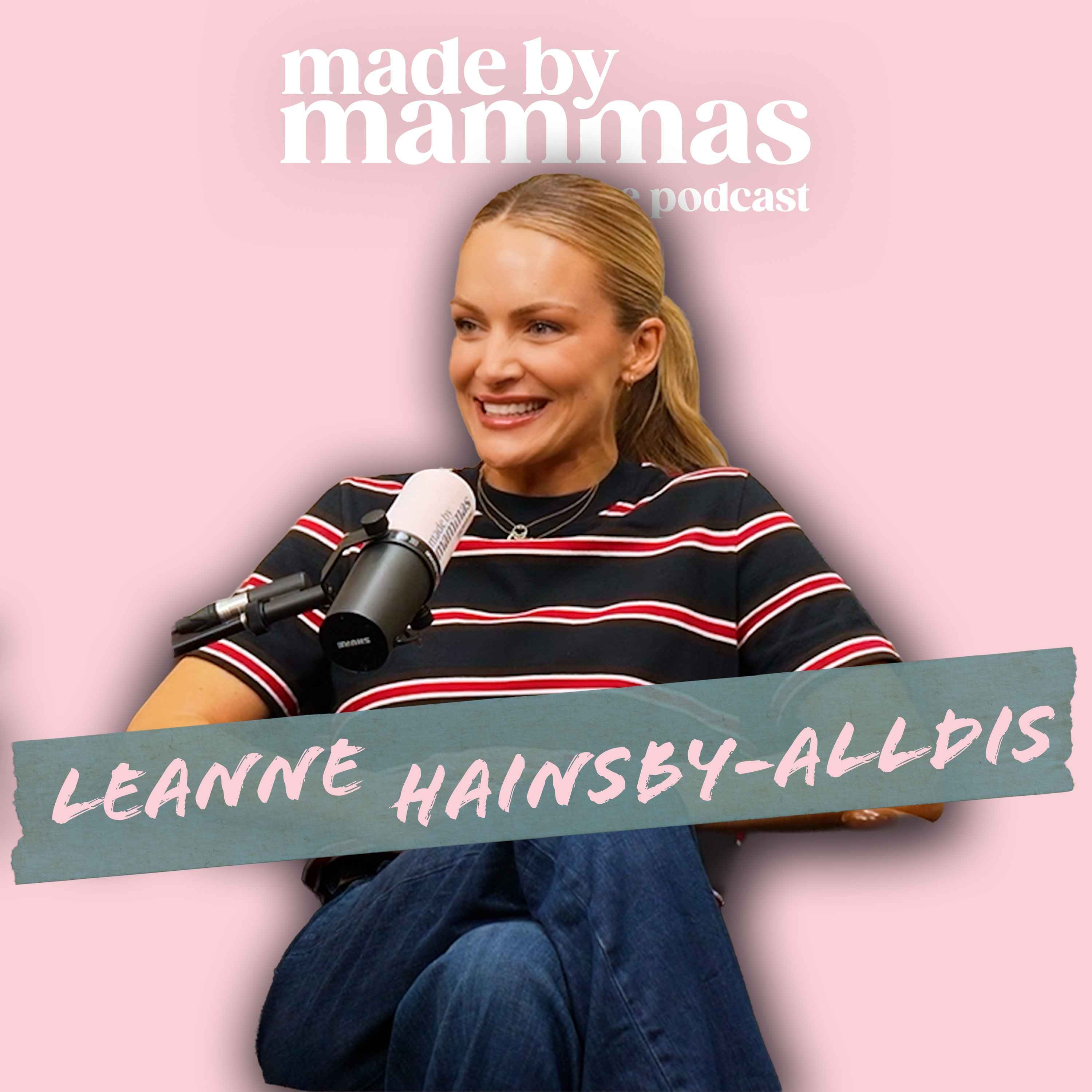

We use cookies.They keep VO running smoothly and help us improve it. Privacy policy