
In short
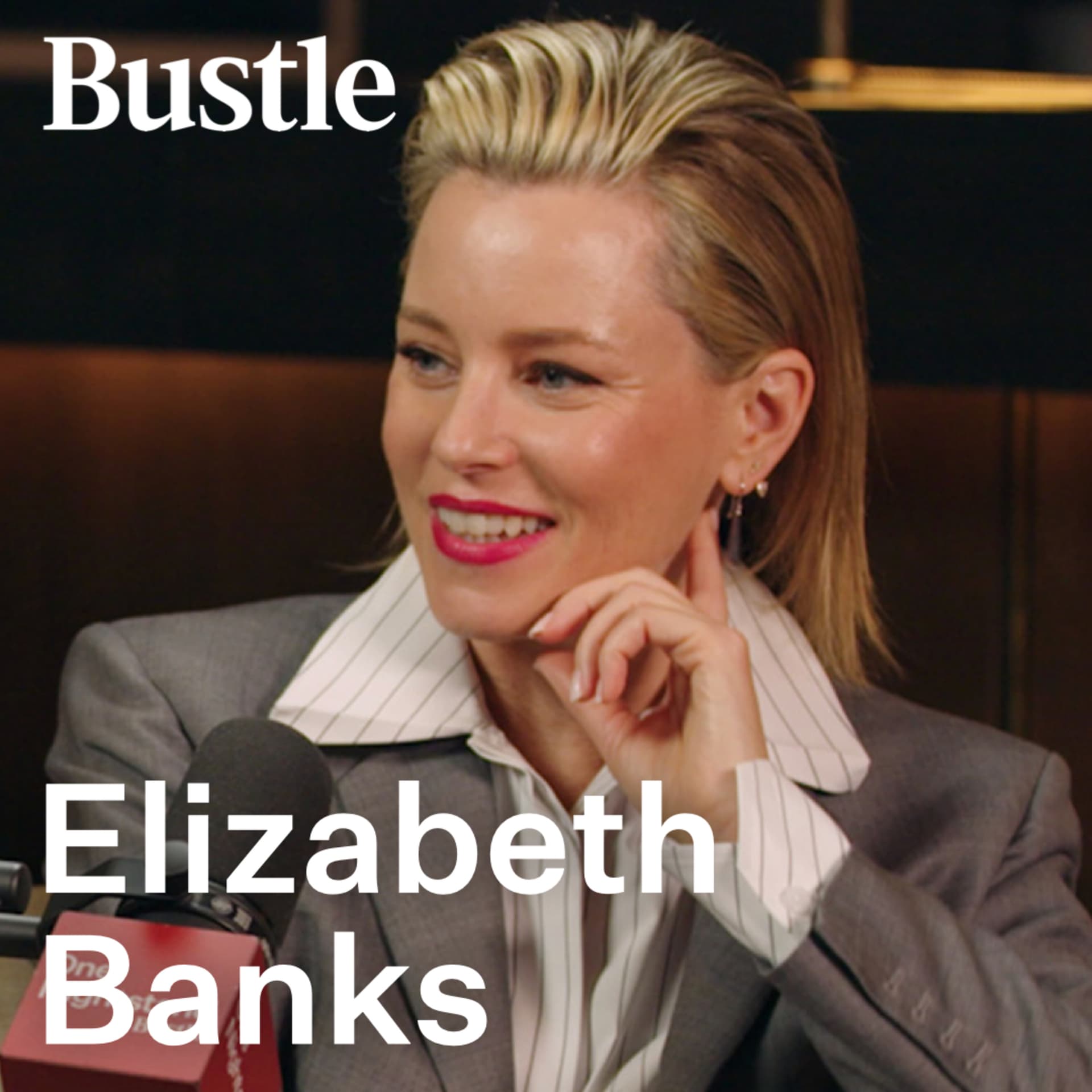
Elizabeth Banks discusses reading and storytelling, parenting and trauma, and her acting/directing work, using specific books and projects as touchstones (J.D. Salinger’s Nine Stories; J.D. Salinger’s Catcher in the Rye; Cormac McCarthy’s The Road; Suzanne Collins’ The Hunger Games; Colson Whitehead’s The Underground Railroad; Anita Diamant’s The Red Tent; plus her TV/film work including The Miniature Wife and the Hunger Games films).
Guest backgrounds
Elizabeth Banks is an actor/director/producer known for roles including Effie Trinket in The Hunger Games and for directing Pitch Perfect 2. She grew up a big reader, studied history at university, and has children (ages 13 and 15 mentioned). She also describes her family’s religious background: raised Catholic, now Jewish at home.
Key claims
Reading helps understand repression, masculinity, and adult inner lives; therapy-talk can become avoidance; parenting requires not “visiting” trauma on kids; caregiving and resilience are central even in bleak stories; women’s insecurity and motherhood pressures shape identity; religion can be valued for ritual and community while critically examining power.
Notable examples
A Perfect Day for Banana Fish (trauma/child bond), The Road’s father-child caregiving, Effie’s arc from Capital collaborator to revolutionary, The Underground Railroad’s magical realism making history accessible, The Red Tent’s women-centered Bible retelling and critique of Catholicism’s lack of women leadership.
Written by AI. May contain mistakes. Listen to the episode to check what was said.
Chapters
Tap a time to open that second in VOIntroduction of Elizabeth Banks
0:30 to 0:44
Elizabeth Banks is welcomed to the podcast and shares her reading journey.
“You know, she gets turned by the events of it.”
Elizabeth Banks on Reading as a Child
0:44 to 3:56
Banks discusses her childhood love for reading and the types of books that influenced her.
“I remember starting as a kid, I want to say fourth, fifth grade.”
Impact of Family on Reading and Writing
3:56 to 6:33
Banks reflects on her mother's reading habits and its impact on her children.
“Salinger's characters are all sort of steeped in that sense of post-war Americana that is so important also to feminism.”
Connection to Salinger's Work
6:33 to 7:54
Exploring the themes in J.D. Salinger's 'Nine Stories' and its impact on identity.
“And so I got a sense of what of the trauma that that must have been mostly from researching what happened, not from personal stories he told me.”
Exploring Masculinity and Trauma in Literature
7:54 to 11:03
Discussion on masculinity, trauma in post-war America, and the significance of Salinger's characters.
“know everything, that they're super, right?”
Parenting and Avoiding Trauma
11:03 to 13:25
Banks discusses the challenges of parenting and how past traumas affect relationships.
“And I think that plays out in, you know, and then you come to find out my husband, last played by Matthew McFadden, was not well loved, you know, by his father.”
Motherhood and Career Pressures
13:25 to 14:02
Banks shares insights on the pressures of motherhood and balancing career aspirations.
“But motherhood is – there's real pressure in motherhood and in, like, you know, sacrifice.”
Sibling Dynamics and Family Roles
14:02 to 15:00
Explore the dynamics within sibling relationships and parental roles.
“And I have a baby brother, prince of the family.”
Understanding Trauma in Modern Contexts
15:01 to 17:11
Discuss the collective trauma experienced through social issues and individual experiences.
The Struggles of Modern Parenting
17:12 to 19:10
Examine the complexities of parenting in today’s world compared to past generations.
“I want them to watch TV, but not too much TV.”
Show all 27 chapters
The Impact of Cormac McCarthy's 'The Road'
19:11 to 21:11
Delve into the themes and emotional depth of 'The Road' by Cormac McCarthy.
“And, you know, despite The Hunger Games, which I love and adore and obviously have a real kinship with, the post-apocalyptic world building thing that I think is popular in so much fiction.”
Generational Hope and Future Challenges
21:45 to 23:28
Discuss the hope in younger generations to tackle societal issues.
“You know, that there will be they'll go on and they'll hopefully figure out climate change and income inequality.”
Creative Processes and Inspirations
23:29 to 25:55
Explore the creative process and the importance of capturing inspiration.
“Like, you know, I'll just start talking to myself and, you know, getting it written down and think, well, I'll edit this later.”
The Hunger Games and Its Cultural Impact
25:56 to 28:00
Discuss the significance of 'The Hunger Games' and its character arcs.
“And I remember I read the first one right away when it came out.”
Character Evolution in The Hunger Games
28:00 to 29:19
Explore the character arc of Effie and her transition to a revolutionary figure.
“Snow of um really of the capital yeah and the fascism in the capital and so I thought how juicy You know, it's just so juicy.”
The Next Generation and New Casting Choices
29:20 to 30:04
Discuss the excitement and significance of casting Elle Fanning in the new prequel.
“Have your kids watched the Hunger Games?”
Behind-the-Scenes of Filming
30:05 to 33:00
Insights into the filming process, challenges faced, and the importance of props.
“Well, honestly, in the movies, we got to do so much more.”
The Unique Challenges of Acting on Green Screen
33:01 to 35:16
Understanding the complexities and vulnerabilities of acting in a green screen environment.
“that is literally across a stage, imagining the entire world, the carpet I'm standing on, the walls next to me, the table, the dollhouse, whatever, because I'm on a green screen.”
Reflections on The Underground Railroad
35:17 to 38:20
Discuss the impact and significance of 'The Underground Railroad' as a literary device.
“And what's fascinating is the Underground Railroad, which obviously was a real thing, and Harriet Tubman.”
Exploring African-American History
39:21 to 42:00
The importance of African-American history in education and its representation.
“I think I read it and then went to Savannah not long after on a trip, and I went to the first African Baptist church where they have the, like, hidden panel, like, where people used to hide in the floors and stuff.”
Exploring Resilience and American History
42:00 to 44:30
Discussion on the themes of resilience in storytelling and the importance of understanding history.
“there's so much feeling in it and it's so relatable and these characters are so heroic and what they're going, you know, it's just, and it's a story of resilience and survival and it's the American experience.”
The Impact of Religion on Identity
44:30 to 48:20
Elizabeth Banks reflects on her religious journey and the influence of organized religion on her identity.
“So I grew up Catholic and now I have a Jewish home.”
Women’s Perspectives in Biblical Narratives
48:20 to 55:50
Discussion on the representation of women in the Bible and the feminist perspective in religion.
“potential backstory of like what women's lives were in this time period, in this, I don't know.”
Critical Thinking and Religion
55:50 to 56:00
Elizabeth shares her critical thinking approach towards religious teachings and narratives.
“You know, like, I remember being nine years old and we were studying China.”
Childhood Reflections on Religion and Culture
56:00 to 57:02
Elizabeth Banks shares a childhood moment of questioning the inclusion of diverse cultures in religious narratives.
“And when you open the encyclopedia and you go to the chapter on China, the very top just gives you like the landmass and, you know, the major religions and the boop-a-doo.”
Faith in Humanity and Community
58:01 to 59:17
A discussion about the importance of community and faith in people, drawing on personal experiences.
“And your mom was probably with her friends later like, oh my god, she's been grilling me.”
Building Female Communities and Literary Connections
59:18 to 1:01:24
Elizabeth talks about her strong female friendships and their shared love for reading.
“question just because the red tent is so much about female communities I was curious who are you're like within your industry and within Hollywood, do you have a gang of girls that are like your community?”
Transcript
Automatic transcript. May contain errors.0:01It's deck days at Lowe's and the savings are stacked right now. Pros get 15 % off all in-stock composite decking from top brands like Trex, TimberTech and Decorators. Plus, get a free DeWalt 20 volt max 5 amp hour battery when you buy a select DeWalt tool. The deck's stacked in your favor with brands pros trust. Our best lineup is here at Lowe's. Valid through 422 while supplies last. Selection varies by location. By the end, she's like a revolutionary. You know, she gets turned by the events of it. And I wish more of us were becoming revolutionaries. Yeah. Effie is the model, guys. She's the model.
0:43Well, Elizabeth Banks, welcome to One Night Stand. Thank you for having me. No, I'm thrilled to have you here. Have you always been a big reader? I have been a big reader, yeah. I remember starting as a kid, I want to say fourth, fifth grade. There was a chart on the wall. you would get a little star or like a sticker, you know, next to your name for how many books you read. Oh, I love that. And I wanted to win that. I know. I was the same. I was definitely activated by a kind of reward complex and competitiveness. I mean, I love disappearing into books anyway. And, you know, you have to remember when I was growing up, we didn't have, there weren't Kindles and phones and all of that.
1:22So everything was in your hand. And so it was I did a lot. I played a lot of games and a lot of board games and I did a lot of puzzles and I read a lot. And so I've carried that through to my adulthood. Yeah. What type of books did you like reading as a kid? I think as a kid, I loved more fantasy, like A Wrinkle in Time. I loved relating to young people, young heroines or heroes, you know, on quests. I always thought that, you know, there was this book, Island of the Blue Dolphins, that by Scott O'Dell that I loved as a young person, like, you know, kid on an island. It's sort of, nowadays it would be Life of Pi or something, you know?
2:06Like that vibe I just thought was so cool and special. And yeah, I just - I love that. I was always into more like boarding school. I don't know why, like these, I suppose like Harry Potter in a way, but those types of stories. But yeah, the fantasy ones were great. Well, I also read the dirt, you know, the ones we weren't really allowed to read, like Flowers in the Attic, the B.C. Andrews series. I remember being like scandalized by B.C. Andrews, but loving it. Did you used to go to the library to pick stuff up or would you get like... We did go to the library, yes. The Berkshire Athenaeum, as it was called in my town up in Massachusetts.
2:45And my mother is a huge reader and she loved, there was a used bookstore. you could buy a book for a dollar and she would just devour books and novels. And so I think also I really learned it from her. Are your kids readers? My kids are decent readers, but I will say it's a struggle. It's hard. It is. Yeah. It's a really different vibe. I keep actually trying to tell my kids if you only read what they assign in school, you're not going to be a great reader. You're not going to be a great communicator. You're not going to do as well in English. You're not going to have as big of a vocabulary. You're not going to understand like poetry and, you know, poeticism about life.
3:26And so I've been encouraging them more and more. And what's great is my kids are now 13, 15. And so we can actually read a lot of the same things. So one of the reasons I picked nine stories is because my son just read Catcher in the Rye. And I love Holden Caulfield. and I loved that story again a hero a hero you know coming to New York City on the train the adventure of it I think my kids can really relate to that they love coming to New York and they get to take the subway by themselves and like go around you know and going to Central Park and seeing the places where Holden Caulfield was I think it's really cool and exciting for them to be really put it into their real life is so cool but Holden Caulfield for like me and especially as I got older as an older woman it's like J.D.
4:13Salinger's voice is I think very important in Americana but Nine Stories had characters that really spoke to me yeah you know whereas Holden Caulfield spoke to me a little maybe less yeah I know what you mean well maybe let's start with Nine Stories then by Salinger tell me what you love about his collection you know I haven't I haven't actually read it in a long time but I you know I when I was reading sort of American classics I think of like John Updike or like Run Rabbit and Run and Nine Stories to me just evoked so much imagery of American repression in the 50s especially for women I have like a visual of like of one of the characters sitting in like a window I want to say it's in like Connecticut or something you know I grew up in Massachusetts in the northeast I feel like J.D.
5:06Salinger's characters are all sort of steeped in that sense of post-war Americana that is so important also to feminism. And I also think J.D. Salinger's presentation of masculinity is really interesting. Yeah. Whereas Updike is like, they're such dudes. J.D. Salinger's men are a little softer. They're more complex. They're more vulnerable. more vulnerable. They're more open in a way, but they also, you get the sense that that's a struggle, you know, that the struggle of like being open. So I just think what he says about masculinity in America, especially the trauma in post-war America in the fifties, as we were rebuilding and what that looks like and how to put together like a perfect family and how it's never perfect there's always so much going on under the surface and that's what I love about his storytelling I always think that's because my dad's father was in fought in World War II obviously like British and he was in North Africa and he died before I was born and I'd say to my dad also as I got older and I became more curious because I studied history at university I'd be like tell me what did he say about it he was like never wanted to talk about it that's right yeah and I was like no no but you must have like asked some questions at some point and he was like My father fought in Vietnam and did not speak about it for 20 something years.
6:34That's crazy, isn't it? And interestingly, it was when I don't think he even realized this, but you could Google like his ship and you could see like the USS Boston in the he was in the Navy, my father, and you could see what happened when what the battles were, et cetera, et cetera. And so I got a sense of what of the trauma that that must have been mostly from researching what happened, not from personal stories he told me. And then as he was older and, you know, has gotten more open and I think has really come more to terms with it. I think it just was something he didn't want it to infect our very young lives when we were kids.
7:19and I think it was something he struggled with you know for a long time that's I mean that's one of the themes I thought when I was reading many of these stories in nine stories is that the way that children are kind of this anchor to this like before world for these men who have been like broken a little bit and especially in A Perfect Day for Banana Fish that relationship with the little girl I know I think also what's interesting is when you're a young reader and you start to read about these parents, these adults, it opens your eyes to the fact that adults don't know everything, that they're super, right?
7:55It's like we put our parents on pedestals. We have no understanding of their inner life. We don't understand their world. And I think for me, so even reading Catcher in the Rise, young person, it's about a young person. It's about, you know, it's about somebody losing their innocence, right? And the innocence in this, there's it's gone you know it's gone yeah these people are dealing with stuff and I think and they're still having to parent and they're still having I don't know there's just something um it's that repression of feeling yeah that I find very moving as people are the stoicism of it yeah very moving I also I loved the um the first episode of the miniature wife because I feel like now we're in this moment where we all talk about our feelings a lot more but you also see in that first episode in the first few scenes like how actually people have almost learned the language of therapy as a kind of defense to be like well I'm doing this now I'm you know I'm considering my feelings and I'm processing and it's like no you just erected a whole nother set of barriers around yourself totally I like to say like these are two characters who are avoiding their problems by doing all the like textbook things you do.
9:09Exactly. To quote work through your problems, but it's just another level of avoidance. That's exactly it. And the characters in The Miniature Wife, this married couple, long time married couple, clearly it's not working for them. And, you know, they've gone from a partnership into a competition. And, you know, I think we all can relate to like keeping that tally. If you're married, there's always the like, Like, well, I did this and you did this and I'm doing drop off and you're doing dishes and I'm doing money. I work. And you're like, you can't be in a competition. It's got to be a partnership if it's meant to be healthy.
9:44And this couple has clearly fallen out of partnership. And I mean, they're both narcissists and they're both very problematic. But the real thing that's going on is they're just avoiding having any real conversation about what is happening to them. And the crisis of being shrunk is the thing that actually, because that becomes so immediately you have to deal with it. It has to be dealt with. The circumstances, you cannot avoid it. No. It's life or death all of a sudden. And so that crisis actually brings out first all of their worst qualities, but then all of their best qualities. And so I really, I'm excited for people to be seeing that.
10:24I read the short story that it's based on and it's so fun and trippy and weird. But also all from the man's perspective, the husband's perspective. So everything, all of Lindy's sort of life and backstory and all of that was sort of created by the showrunners. Yeah. Jennifer Ames and Steve Turner, who did an amazing job. And it was a great collaboration to sort of figure out who these people are. But I also love the tone. The tone is, you know, it takes an absurdist look at very real feelings that people have of being made, you know, to feel small in a relationship. I think we all have been in a power dynamic, whether it's in a loving relationship or at work or with a boss or with a parent.
11:07you know the other thing that's going on I think nine stories speaks to this too is like parenting you you really shouldn't you can't visit your traumas on your kids right you know I play a woman who wrote an incredible Pulitzer Prize winning novel about her childhood with a I see mother who was very hard, you know, hard to feel validated by, hard to feel loved by. And I think that plays out in, you know, and then you come to find out my husband, last played by Matthew McFadden, was not well loved, you know, by his father. I gave no validation to his dreams and didn't really understand him. And so we're just two people trying to like find the love of our parents and not pass down uh their bad behavior to our own daughter you know and like what how do we be the best versions of ourselves for our daughter Lulu who I think also has the best and worst of us in her and so I found that to be an amazing angle in the story you know a layer in the story I also love that thing for women of when they have something big or a big success early in the career like that sort of feeling that it can give of like waiting for the other shoe to drop that so whereas I feel like a man sort of more typically will just be like well that's proof yeah started for life now whereas I just feel like every other woman I know would be like well that must I must have got lucky that one time I got lucky you that insecurity creeps in you know I also think when you have a big I remember when I directed Pitch perfect too and it opened to this biggest opening of a musical and this and that and the whole thing and and I thought well that's I'll never do anything that big again that won't you know and and that can paralyze you right or you can just be like keep going I don't you know I happy to have it and it's maybe it maybe I won't do anything else but do I still think something to say I also think motherhood for women, there's parenting, and I really try to talk about parenting because I think it's really important not to distinguish so that we can create a more equal society.
13:29But motherhood is – there's real pressure in motherhood and in, like, you know, sacrifice. Nobody can blame you if your child isn't doing well, right, that you don't take on your children's, you know. I don't know. You just want to – I think she gets a little lost in this notion of, like, well, I had a job, but now my job is taking care of my child. and that's a really big job and I have to be really good at it and so what is the balancing act and I think it allows her to sort of put aside um something that she's again scared of yeah you know yeah totally fearful of failure yeah and it's also hard mothers and daughters like the gen like it is it's yeah it's hard I'm one of three girls and like we all yeah the the dynamics between mother and father, it's different.
14:25I'm one of three girls too. Oh, are you in the order? I'm the oldest. Okay. And I have a baby brother, prince of the family. Oh, interesting. Do you identify as an eldest daughter? A hundred percent. Oh really? All of the tropes are true. Amazing. I sort of share, I have like an Irish twin and my younger sister, Sarah. And so I think we can sort of co-do it, you know, but we definitely feel the pressure of - Yeah. No, I know what I'm saying. caregiving and and figuring it out and yeah I don't think my father still has bought himself a plane ticket in 25 years really yeah yeah I don't he wouldn't know how to work Expedia interesting it's just like I'd like to visit we're like okay we'll arrange everything yeah because why he's completely capable I know but that's what we do isn't it do we just arrange it all yeah get it done it's interesting you see that even in the um for Esme with love and squalor that story the the esme is the sort of older sister to this boy and like both their parents are dead and i don't know you can already see she's falling into that trope of having to like look after everyone yeah yeah smooth the edges of the world 100 yeah it's a lot also i feel like esme as a name is so popular all of a sudden yes and i was reminded like oh no jd salinger had esme yeah certainly this is 51 52 53 yeah 53 yeah yeah no it's brilliant i loved i loved reading them and I love the restraint in the writing like it's so like punches you in the gut this is what I mean by stoicism I think you're that's the other word I was looking for but yeah it's restraint in that sense of there was so much collective trauma and I think we're all dealing with it right now so much I mean I like to remind people like a million people died in COVID yeah fuck yeah a million people died in covid and we are all just like like we're we're so deep in this we're being traumatized i mean did you see that clip that was going viral on twitter because it was from a news show like business news channel where they were saying talking about trump's statement that an entire civilization was going to disappear and they were like and the host was like so a statement like that do you is that an upsell for the market or a downsell for the market and everyone was like what is happening what are we talking like sometimes every now and then it's sort of hitching between the eyes and you're like imagine every child in tehran who thought they were gonna be bombed last night i know to whatever it was two months ago i don't know when this will air but this is right after that statement came out and that like you know i i was a child of the 80s we feared nuclear war we thought we had to get under our desks and like practice and now we have we're traumatizing children with shooter drills like we are not taking care of kids what are we doing as a society as humanity is just we're our obligation to the next generation just feels like it has fallen by the wayside I don't understand what we're doing to young people and simultaneously I feel like parenting is so hard I don't have kids but I'm 37 so loads of my friends do and both my sisters do and I have to say my friends who have kids do not make me want them because it just seems so like I don't know like I mean obviously they love their children but I feel like the sort of not competition but the sort of pressure to be doing it right there's all this material now about what good parenting is and the pitfalls whereas I feel like we were just like shoved out and it was like get outside don't die see you at five yeah I take very little advice parenting advice yeah from well from anyone who doesn't have like adult children who are not in jail and not drug addicts and are doing it like are well adjusted and uh contributing to humanity you know what I mean so like anyone who's like got like a seven-year-old is like I'm like you didn't you don't your children are going to change everything's going to be different we get them through puberty get them through you know high school we can talk when they're 27.
18:20I agree agree I completely agree I think that's there because otherwise it just It just makes it seem like, I just feel like my friends are sort of caught between being like, I want them to know how to use technology, but not too much screen time. I want them to watch TV, but not too much TV. I want them to, I'm like, oh my God, it sounds awful. Yeah, I do think it's important to, I really think that life is actually so much, we've complicated it. We have, I agree. It's actually very simple. It's like, go outside, see the sunshine. Touch grass. Touch grass, be in nature. Take a walk, call your grandmother.
18:49Exactly. Feel love. Yeah. Have a tradition, have a Friday night supper. Yeah. Like cook together. Exactly. The basics. Watch a proper movie, not like the... Just sit together, be with your friends. Yeah. Try to be with them in real life. That's hard though. Yeah, it's true. Next, I thought we could talk about The Road by Cormac McCarthy. Speaking of parenting. Yeah, literally the most traumatic version of parenting going. Tell me why you love this book. You know, I'm not a huge sci-fi person. And I'm not. And, you know, despite The Hunger Games, which I love and adore and obviously have a real kinship with, the post-apocalyptic world building thing that I think is popular in so much fiction.
19:35What I love about what Cormac McCarthy did in The Road is so it's post-apocalyptic. There's a little sense of sci-fi, like futurism, like when is it? Where is it? Is it in the past? Is it in the future? I think it's a little hard to even pin down, but there's this sense of the post-apocalyptic world and what it looks like. And at the end of the day, what we're talking about, the simplicity of just caregiving and humanity and like what, you know, survival. And when you get to the moment in that book when you realize that it's just a father trying to be the best parent, I found it so devastating.
20:14Yeah. I think I've never cried harder and I cry I am an easy cry easy cry I cry at every book I read these days um the road took my breath away yeah it just knocked my socks off yeah the simplicity of having a coca-cola yeah and the dialogue the way it's just like it's so short but you know Just so concise. And also the sense of, again, there's a huge trauma happening. And this father is just protecting their child as best they can from the trauma and the danger with the simplest acts of love and care, but also passing down survival skills. And I just, it's, I think it's one of the greatest books ever written.
21:13Yeah. It's also the child is really caring for the adult in the sense of like with his moral kind of character in the sense of like, you really feel that the kid is sort of reminding the father of like the before. And like the before. And also I say this you know you were just bringing up parenting and tomorrow morning is knocking stock your fridge now how about a creamy mocha frappuccino drink or a sweet vanilla smooth caramel maybe or white chocolate mocha whichever you choose delicious coffee awaits find starbucks frappuccino drinks wherever you buy your groceries i think that the young people are the only thing giving me any sense of hope.
21:52Yeah. Yeah. You know, that there will be they'll go on and they'll hopefully figure out climate change and income inequality. And, you know, I don't know. They're they're seeing it so full on, like what works and what doesn't work and and what they're native to. the online world, AI, shooter drills, like they don't remember the world before these things. They don't know what it used to be like. And so I guess they're just building a whole new version of this. And, you know, I, the Artemis II mission has also been very moving to me in the past week. And I think is sort of the best of humanity and science and, and, and caregiving and just these people that are like out in the world looking you know looking at us looking at humanity from this whole other vantage point and i it's just reminds me of you know that that feels like what that's the feeling of what's happening in that book despite all the danger surrounding them all the time in that book because it's the worst of humanity and the best of humanity yeah all in one story so true and that and like yeah what what are you going to decide to do who are you going to decide to be yeah when the shit hits the fan who are you yeah and what are you passing on yeah and that's why i just think there's there's actually so much hope in the book i agree with that yeah i think there's so much hope and so much sort of belief that it's kind of worth keeping going yes yeah and that there's some there are there's there are caregivers yeah he has to get his childhood yeah he wrote the book in six weeks which I think is sort of crazy do you ever create like that when you're working on creative projects do you ever like go through really intense bursts yes do you interesting I find actually it's the only way that I work because um well yes and no I love a deadline yeah me too I need the pressure of the deadline I need a I need a deadline um but But I also find that there are just, there are periods where I feel intensely and things come to me and I'm just like, you know, I'm going to, look, I also think our technology makes it easier now.
24:13Like I'll just start doing voice notes. Like, you know, I'll just start talking to myself and, you know, getting it written down and think, well, I'll edit this later. But like there's some feeling or there's something that's hit me or there's something that's made me feel like there's a story I want to tell or something I want to do. And it just like I feel very fertile and then it will fade, you know, or life gets busy or something takes over. So I find that when I am feeling creative, I actually have to pay attention and do it right then and there. Because I'll tell myself, like, I'll think of something in the shower.
24:52I'll think of something at night when I'm going to sleep and I'll think, da, da, da. And then the next morning or two hours later, it's gone. It's gone. I know. It's terrifying though, isn't it? It's left me. So I feel like when it strikes me, I actually really do need to write it down. And then do you carve out time for yourself to really go deep on it when you can? If I need to. Okay, yeah. Because I'm also someone who gets to, as an actor, be in someone else's world with their words and their story. Yeah. And it's very distracting. So when I don't have that to do is when I feel like, oh, I need to create my own things.
25:33That's why I like directing. Directing is such a big project. It's so much problem solving and storytelling and what's going to support the story and who's going to come along for the ride and what collaborators do I bring along. And I love making that village that's going to all, who's all their creative juices then feed my creative juices and then all their questions feed into, like oh I need to actually have answers for this yeah okay what what do I want to say and how it focuses me in a really intense fun way as a storyteller yeah that's awesome well you mentioned the Hunger Games and I know that came out around a similar time as uh The Road and actually when I was googling the two together lots of people have sort of compared them I guess because it was this kind of post and actually when I was rereading some of The Road in preparation for this I opened towards the end and the boy was talking to his father and he was like well the odds are not in their favor and the dad was like the aunt aren't in their favor he's like yeah they're not in their favor and I was like whoa this is too surreal that is surreal I don't know if Suzanne was thinking like I don't know that's wild did you read all the books in preparation for the movies or were you did you just the Hunger Games yeah so the Hunger Games I actually read very early there's another series The Maze Runner yes I also really love my husband and I were looking for film rights to some of those like YA books.
26:56And we read The Hunger Games. And I remember I read the first one right away when it came out. I don't remember. I think because I was reading, I had read Maze Runner and thought, well, I'm so into this world and I want to find another one. And I devoured The Hunger Games and immediately looked for the rights and they were already sold. Yeah. Yeah. Nina Jacobson, who's the producer of them, had the rights in. And I thought, okay, oh, well, but I, God, I love these books. And then, so when The Hunger Games was being developed as a series, a film series, not even a series. They didn't know it would be more than one, you know, more than the first one.
27:44I was so immediately on that because I just loved the world and I loved Katniss and I and I loved Effie I knew I I saw a whole larger world for Effie um I saw her whole backstory and you know in the Hunger Games Effie is the villain she's the representative besides Snow of um really of the capital yeah and the fascism in the capital and so I thought how juicy You know, it's just so juicy. And then when then when you read Catching Fire and Mockingjay, it's so. I think Effie, for me, is one of the characters that has the greatest arc that I've ever played, because obviously she's she props up this fascist regime that she benefits from.
28:38and it's not until she realizes who, you know, really comes to care for and see how unfair it is when they want to pull Katniss and Peeta into the games again. Like, that's not the deal here and it's not supposed to be like this. And now she's like, wait a minute, hold on. I think in Catching Fire when she's like, I want to be part of this team and you really see her struggling and then by the end, And she's like a revolutionary. You know, she gets turned by the events of it. And I think that's, I wish more of us were becoming revolutionaries. Effie is the model, guys. She's the model. I don't understand the 53 % of white ladies that didn't vote for Kamala.
29:23Yeah, I mean, yeah. What were you thinking? Have your kids watched the Hunger Games? Yeah, they have. And did they like it? They do. They loved it. That's so fun. I know. Yeah, that's such a treat. I mean, not that they'll really tell me, but they like that they really like them. Yeah. Is it weird having someone else step into those shoes now with Elle fanning and the thing? Or is it really exciting? No, it's not weird at all. I mean, I think if you're going to tell their story young, it makes perfect sense. And I think she's perfect. And you know what's great is the fans, I think, really helped.
29:58They wanted her. And she really is the right. I think she's so delightful. and she has the exact energy and and what's great is again I think she'll play that wide-eyed idealism of like like being taken along by snow and the ride and like how like I'm really interested to see how that all yeah plays out because um she's a she was a true believer yeah were there any so you said you imagine the whole backstory for Effie and everything was there anything that you weren't able to do in the movies that you wanted to? Well, honestly, in the movies, we got to do so much more. Yeah, yeah. Because Effie's barely in Mockingjay.
30:40Totally. And what was so special is I was getting the call from the producers to say, you know, fans love her and we really love what you've been doing with her and we want her to have more to do in Mockingjay in the films. And so I was it's very gratifying when you can like really bring something to a character that then people relate to and want to see more of. And it was really exciting. Love that. Did you keep anything crazy from the wardrobe of that set? I do have a couple. You know, it was a lot of what Trish Somerville did in the second half of the series, especially in Catching Fires. It was all Alexander McQueen and like the butterfly dress.
31:25and so much of the costuming there. And so I have some Alexander McQueen shoes. I mean, the butterfly dress is like in the Met Museum. Wow, yeah. It's like... That's crazy. So crazy. Yeah. But that's amazing. And I bet you there must have been some fun props on the miniature wife as well with everything being so funny sized. Well, the miniature wife, my husband likes to say I was the least mentally prepared for that job than any other job because I really didn't understand it being six inches tall, how much I was going to be on a green screen and separated and isolated from Matthew and the rest of the characters in the series.
32:07And what's interesting is, look, the characters in the show are this married couple who have really, they're very isolated from each other. They're not in a partnership. They're not, they're kind of drifting apart. They're really, they're holding on by a thread when you first meet them. They're really on there headed for divorce and shrinking the isolation that that is in the series, but also physically for me, I was so isolated on a green screen. It was the most vulnerable I've ever felt as an actor because you're in a huge room, all green, alone, having to imagine, which is, by the way, the job of actors is imagining the circumstances and how you would react to them.
32:52But like imagining the whole world, my husband being there, no one's there. I'm looking at a tennis ball 150 feet away from me on a camera that is literally across a stage, imagining the entire world, the carpet I'm standing on, the walls next to me, the table, the dollhouse, whatever, because I'm on a green screen. I am not surrounded by any reality. And then there's a cat or there's a bird or there's, you know, these things I would just be interacting with. So when the prop department could give me actual things to use, it was such a huge relief and help because suddenly the things that I was having to imagine actually became much more real for me.
33:39So it was so helpful. So they, they made everything from a 30 foot tall toilet plunger. Oh my God. Wild. They made toothpaste. They made, um, uh, an entire thing of, um, floss that then I use as rope and that they brought in that, you know, was totally real that literally you know how floss like wax floss like the wax like flakes off like it flakes off all over me i mean they really made it real they made uh two they made um a chanel lipstick that was fabulous they made a giant my favorite actually the the crew's favorite was they made me a giant a fiji water bottle that we could all stand inside of so it looks like we're like inside a water bottle which is really fun to shoot to play around with um the coffee mug i'm sitting in a giant coffee mug and holding a miniature version of the same exact coffee mug and he carries me around in it and so to actually be able to sit in the mug was really fun and special you do a lot of like quite physical kind of comedy and reactions and stuff that must have been so physical i was on wires half the time and so much stunt work because everything is big and dangerous you know I'm standing on a a table and when well six inch tall person looks over the table it's you know it's a 50 foot drop equivalent you know and so yeah it was really physically demanding and wild you mentioned Matthew and as we're talking about books are you have you watched his Pride and Prejudice where he plays Mr.
35:14Darcy of course he's my Mr. Darcy he's my Mr. Darcy too and I've watched them all yeah I watched the tv show colin firth loved and and i love colin firth yeah i'm excited for the new one that they're making jack i think that's going to be incredible um matthew told me this is telling a total tale that is not my story to tell but i thought it was so sweet he and colin wrote to jack to say like welcome to the party you're the new version so sweet that's so sweet they're such gentlemen um yeah I mean you know it's just so romantic and gorgeous isn't it yeah it's so good and the so and I think now it's sort of because we've seen like Matthew played these other types of characters that are so different it almost makes the sort of Mr.
36:05Darcy of it all feel even more unusual like I don't know as in I don't know I just think it's um it's such a fun movie it's one of my like favorite re-watches oh i've never turn it if you if you're flipping around and it happens to be on on at first you're watching it non-stop and i'm and i devoured on social media too exactly the hand touch touch as he puts her into the carriage goodness i know so good all right well we have two more books to talk about okay let's do go for the underground railroad which whoof and another incredible book absolutely incredible i think it should be required reading yeah i agree I didn't know what I was getting into when I started it.
36:45And what's fascinating is the Underground Railroad, which obviously was a real thing, and Harriet Tubman. And like, you know, I found that the Underground Railroad as a literary device that pulls you through the timeline of slavery and Jim Crow and just everything that's happened to African-Americans in our culture. and then just the different stories that were being told and all of the trauma. Yeah. And it's so relatable. But then there's this sort of fantastical, magical realism that gives the whole notion of it like the resilience of the people that come through and their humanity and their dignity and all of it is just so beautifully woven together by this literary device and I just it's just magical and it's you're learning so much um it's fictionalized but also there's so obviously so much reality in what he's talking about and there's so much tragedy in it and so much hope.
38:20I get so many headaches every month. It could be chronic migraine, 15 or more headache days a month, each lasting four hours or more. Botox, autobotulinum toxin A, prevents headaches in adults with chronic migraine. It's not for those who have 14 or fewer headache days a month. Prescription Botox is injected by your doctor. Effects of Botox may spread hours to weeks after injection, causing serious symptoms. Allerge your doctor right away as difficulty swallowing, speaking, breathing, eye problems, or muscle weakness can be signs of a life-threatening condition. Patients with these conditions before injection are at highest risk.
Read the full transcript
38:51Side effects may include allergic reactions, neck and injection site pain, fatigue, and headache. Allergic reactions can include rash, welts, asthma symptoms, and dizziness. Don't receive Botox if there's a skin infection. Tell your doctor your medical history, muscle or nerve conditions, including ALS Lou Gehrig's disease, myasthenia gravis or Lambert-Eaton syndrome, and medications, including botulinum toxins, as these may increase the risk of serious side effects. Why wait? Ask your doctor. Visit BotoxChronicMigraine.com or call 1-800-44-BOTOX to learn more. Yeah, absolutely. I think I read it and then went to Savannah not long after on a trip, and I went to the first African Baptist church where they have the, like, hidden panel, like, where people used to hide in the floors and stuff.
39:33It's so... And I just thought, God, what an incredible thing to have written a piece of fiction that now makes going and diving into the history so much, not more compelling because it's obviously compelling, but just sort of, I don't know, I feel like it will have unlocked people to. That's what I think. I think because it's sort of fiction, there's a way to it's more it's a little more weirdly accessible because it's got this sort of sense of magical realism in it through the timeline. And it makes that history a little more accessible. I just had an incredible tour of the Smithsonian's African-American History and Culture Museum in Washington, D.C.
40:17And so I was thinking about this, but I think that's partly why I picked it. Because it was, you know, that's obviously that history, history, history. and I think I don't know there was just there was just something about it you read so much about World War II and about the Nazis and about there's so much incredible literature and I just felt like this is one of the great tales of our American history of the African American experience in America Yeah. And someone said to me that when Europeans come to America to go to university, they don't read, they don't, they're his, they know World War II and they know World War, they know 20th century history because they lived it in Europe even more than we did.
41:16The war was fought in their soil. They're seeing it from their, you know, they're getting, they're getting the Soviet side of it and they're getting, you know, the Cold War and the whole thing. When they come here to learn history, they want African-American history because that's what they don't know. That's what they're not learning. That's what's specific to American history. And so any notion that we would sanitize it or whitewash it or not teach it, which is a trend in education right now especially in red states is mind-blowing to me like we need to understand this absolutely and what's so great about what calls in my head it was like there's so much feeling in it and it's so relatable and these characters are so heroic and what they're going, you know, it's just, and it's a story of resilience and survival and it's the American experience.
42:19It is, I completely agree. Going to the West and like going to the city and like what, you know, just like, I just found everything about it inspiring. It's incredible. And you're so right about the like history that we have the same issue in the UK, but with Empire, where like, I think about some of the stuff we learned when we were younger and I'm like - Like colonialism. Yeah, yeah. Because obviously when we were younger, they talked so much about how Britain had once ruled the world in this like great way and now it's like I don't I you know I'm not sure that was quite uh the triumph that the 1990s British education system wanted it to be you know but it is that it's that reckoning that we all have to do right of sort of examining and I was when I was in the UK a few weeks ago I was seeing a friend who her family is Lebanese and we were talking about um you know the different like the way everything's playing out at the moment and like global politics and she was talking about some stuff to do with the british empire that i didn't know about and she's like you know why do we never learn no one none of us ever learn about this at school you just don't know like it was never on the curriculums but god we did world war ii endlessly but nothing yeah and it is a it's a real thing i never i didn't know about the tulsa massacre yeah till five years ago yeah you know it's there's just so much um to know and I just feel like it's it's every American's responsibility to understand the history of America and and um so this book while it's you know historical fiction I just felt like it's it puts you um emotionally in a place to just really have some deeper understanding yeah and I think understand the the sort of mentality of like where we how we are where we are and it also centers um really interesting uh heroes yeah totally you know which I think is a is a better way to learn about things like this I agree it's such an incredible book um I haven't actually seen the adaptation I need to like carve out time to watch it same yeah I think because I was so enamored with the book and I don't know I'm always afraid it's not gonna I know I feel exactly the same that's why I whenever there's a quick adaptation after something I always get a bit nervous that being said it's Barry Jenkins so it's gonna be amazing I don't know I haven't found time to yeah yeah but no I love it so much and I think the the Cora Mabel like mother relationship in it is so good as well oh yeah well your final book is The Red Tent by Anita Diamond.
44:52Tell me about your love of this book. So I grew up Catholic and now I have a Jewish home. So I'm somebody who religion has always been in my life. You know, I find it to be an incredible connector across all of humanity. We obviously need rituals. Yeah. We obviously need a sense of community. And I think as I was put, you know, deciding with my husband to raise children and create a family, I find that organized religion is an incredible tool for families and for to create sort of, you know, traditions and things that, you know, like you want. And also to talk about the big questions of life and why are we here and who are we and what is death and all of it.
45:50So, but for me, Christianity, big religion as a woman, as a feminist whose mother, you know, came through the 70s and was very Catholic, went all the way through Catholic school her whole life. And I think at some point it was like, hmm, reading this book was one of the few times that I have seen women centered in religion in the sense of like, well, what would this story be of these women from the Bible be? Like, what were their lives? And, you know, I also studied Latin for six years. And when you study Latin, you read all the classics. Yeah, yeah. But you also, you study that time period when we were deciding that Christianity was going to replace, monotheism was going to replace polytheism.
46:45And why? And when you study that, it's not because they really loved Jesus. It was about power and control and money and, you know, politics. and, you know, Pontius Pilate and what was happening and the crucifixion. You know, we just came through Easter season. And so I'm somebody who has always approached religion from a more practical, pragmatic. Like I love, I love that I can go into a church anywhere in the world and I understand what the ritual is of the mass. I love that connection to other Christians. And I love now when I have Seder dinner that I'm connected and my children are connected to a 5 ,000 year history of Judaism.
47:34I think that's incredible as humans to feel our connections to our ancestors through these rituals, repeated rituals. But I also think it's really important to look at the Bible and understand it was translated hundreds of times by different people with different agendas. Because when I read, you know, the Aeneid in Latin, and then you see the different English and you read all the different ways it was translated and all the different. Oh, and this word was this, but then this was this. You start to go like, oh, there was always there's always filters and agendas. And so for me, what Anita did with The Red Tent, and I have spoken to her personally about it, I was able to talk to her about this book, was she just so powerfully brought to mind a potential backstory of like what women's lives were in this time period, in this, I don't know.
48:37There was just a way for me to see myself in religion. And I'd never really felt that. And also just the caregiving of these women for each other, the community, the sense of community in the red tent, you know. And also the absolute fear that men have of women, menstruating women, you know, and like motherhood and mothers. and like I just loved everything every theme of that book yeah like was fire for me I just felt like wow it's so powerful what she did she basically said like yeah I see what you were doing but like now I'm gonna imagine something for the women yeah and it's it is that community that's so striking the relationship between the wives and the children and the like shared mother has and the sort of and takes a village it really does and the way that their brothers and fathers betray them and they find that I mean it's it's incredible it's incredible growing up Catholic part of the reason why Catholicism didn't really stick for me I suppose is how I would say it was I never saw myself in it there are no women in leadership in Catholicism and I mean I think Pope Leo is real cool but you know I also was like you can't you have to talk through all these different layers of men to speak to God.
50:03Like, what does that, what does that tell a young girl? Yeah. You know, there's, there were altar boys. There was no place for girls. Sister Mary Jo was like married to Jesus. Like, like she didn't have any version of my life that I could see having. And then of course there's all the shame and the, you know, so much shame for women and girls and, and so much repression and, and I just didn't feel it spoke to my lived reality. Um, and the person that I was, and I felt like I'm a good person and you're telling me like, Ooh, my, my carnal thoughts when I have all of these hormones rushing through my body are like bad or shameful.
50:50And I thought, I just don't think that's right. I just know I'm a good person and And, oh, you know, well, if you don't go to church, you're going to hell. I'm like, really? Yeah, exactly. I don't know. I'm sick that day. Yeah. Like, you know, I'm trying to play sports and I'm trying to be a well-rounded person. You know, it just was like, it didn't quite align with what I saw for my life. Yeah. And reading this book, I felt like, oh, it just opened up a whole other world for me. Have you found that better within Judaism in terms of a place for women? in terms of, well, look, there are, so let me just say, there's extremism in every religion.
51:28Yeah. So, and there's power in every, there's power structures in every religion and women lose in most of them. Yeah. You know, it's, it's a struggle. So I have found that I take the, what works for me and for my family and the history of it. And I just do it. I just have critical thinking. Yeah, good for you. Just critical thinking about it all. I think it's all fascinating. I think it, it, we can't dismiss 2 ,000 year old stories that are, feel relevant to people right now. But Torah, you know, there's the Talmud, like it's constantly being interpreted. And rabbi means teacher. So it's not that they know, they just have studied longer and that's why we give them respect it's not because they're closer to god necessarily they just have more experience with the text and with the readings and whatever so there's something about like oh it's something you can aspire towards yeah um versus like it's something you can't ever yeah have that closer relationship because you you know you're not in the priesthood or whatever.
52:43So Judaism for me is really, you know, there's, you don't, you, you're not a good person because it's going to get you into heaven. You're not making a transactional deal. You're a good person because we don't know what's next. And so this might be the only life we have and you better be good while you're here on earth right now to the people around you. You better do your best, you know, and, and contribute. I think that there's, so there's a sense for me and Judaism that made a little more, I don't know, it's just closer to my value system. Were there any like sort of, I mean, my parents met at church.
53:21We were going a lot when I was younger. Me and my sisters don't go. And then my parents were pretty like amenable to us not going when we're young. I was just like, it doesn't do it for me. And my dad was like, yeah, fine. But were your parents receptive to you saying, I don't think Catholicism is for me? Or was it sensitive. I had a conversation about being confirmed with my mom who said, well, you just don't know what your future holds. And you know what you might meet someone and want to get married in the church and to be better if you're confirmed. And I think it's so funny and ironic that then I met a Jew and married a Jew and was married by a rabbi.
53:58You know, So she, I remember thinking my mother was confirmed. She wants it for me. It connects me to her. And in the same way now that when my sons had their bar mitzvahs, I knew it connected them to their father and their grandfather and their great grandfather. And it keeps a line of it's something that we shared. So I share it with my mother and my aunts and my grandmother in being confirmed in the Catholic Church. And so I took pride in it in that regard. You know, it wasn't – the words doing it was – I didn't mean it. Do you know what I mean? But I also did in a way. So I think, again, that's, you know, it's like – I don't think I needed to be saved as a baby.
54:57I don't think I've been saved. I don't understand what that means. Yeah. I think Jesus was a rad motherfucker. Like, what a dude. Like, yes. Yeah. Whatever he was doing, I'm down. What a guy, you know? But then his story was told by like four dudes a few hundred years later. Like, what? We don't know. Come on. Were these really his words? Like, what was really going on, you know? So I love it as a history. And I like when you match up the, you know, Islam and Judaism and Christianity. And you start lining that all up with kings and queens and monarchies and Alexander the Great. And then you go like, wait a minute.
55:48Yeah. China? Asia was happening. What? What were they doing? You know, like, I remember being nine years old and we were studying China. And this was back when we had encyclopedias. Oh, I loved an encyclopedia. OK, babe, there was no Wikipedia. We were in the encyclopedia. And when you open the encyclopedia and you go to the chapter on China, the very top just gives you like the landmass and, you know, the major religions and the boop-a-doo. and like it gives you just sort of like some high points and then you get into like the history and the dynasties and all that. And you look at their history and I was like, whoa, this is way longer than 2 ,000 years.
56:30And then there were not a lot of Catholics and there were going to be a billion people. And I went to my mother and I said, mom, you're telling me that, are you telling me that there are no Chinese people in heaven because they have not accepted Jesus as their savior? Are you telling me there's just no, none of these Chinese people get to go to heaven? That doesn't make any sense to me. Wow. That was me critically thinking as a nine-year-old. I was already like, this seems way sus. K-pop Demon Hunters, Saja Boys Breakfast Meal, and Huntrix Meal have just dropped at McDonald's. They're calling this a battle for the fans.
57:10What do you say to that, Rumi? It's not a battle. So glad the Saja Boys could take breakfast and give our meal the rest of the day. It is an honor to share. No, it's our honor. It is our larger honor. No, really. Stop. You can really feel the respect in this battle. Pick a meal to pick a side. Ba-da-ba-ba-ba. And participate in McDonald's while supplies last. Stitch Fix. Shopping is hard. Let's talk about it. I don't have time to shop for clothes. I have to buy everything in three sizes to find one that fits. They know me at the post office. Workout wear is my only wear. Stitch Fix makes shopping easy.
57:46Just show your size, style and budget and your stylist sends personalized looks right to your door. No subscription required plus free shipping and returns. Oh wow, that was easy. Stitch Fix, online personal styling for everyone. Take your style quiz today at stitchfix.com. And your mom was probably with her friends later like, oh my god, she's been grilling me. Oh no. Uh oh. But it's fun, I love kids like that. What am I supposed to say? Yeah, but good questions. Good questions, man. Start questioning it. And just have a little, look, have faith. Yes. But have it in your fellow humans. Have it in compassion.
58:22Have faith in the goodness of people. Have faith in community. I mean, truly, if I have a religion, it's civic. I have a civic religion. I remember being in Yankee Stadium after 9-11 and having a moment of silence. I could cry thinking about it right now. You could hear a pin drop in that stadium. And to me, a baseball stadium in a moment like that is church. That's church. That's the temple where no matter who you are, we were Americans together. we have a constitution which says we're created equal which says we should have we have rights we are one that means more to me than the Bible yeah I love that yeah well last question just because the red tent is so much about female communities I was curious who are you're like within your industry and within Hollywood, do you have a gang of girls that are like your community?
59:37I love my lady friends so much. And I'm so held together by them. I think the red tent was also really, it was like, build your village. You know, I love to say like, I'm an auntie to so many kids that I'm not related to. I'm also an auntie to my actual nieces and nephews. Of course, but I really take pride in being an auntie to my best friend's children. And they hold me together through so much because, you know, we can't do it by ourselves. And honestly, they're also, they're my reading friends. Oh, fun. So this is fun to be, you know, talking about what's in my name. So much of these, we read together, you know.
1:00:24We were just talking about all the books we're reading right now. I took a group of my women friends on a retreat around my birthday. I've been trying to make it more of a tradition. We're going away with my girlfriends. And we all talked about, we literally created like a big Google, you know, spreadsheet of the books we've been reading. And it's gotten me back into reading again. And now we're all, you know, talking about our favorite books in our little group chat. Oh, I love that. And you've recently read The Correspondent. We read The Correspondent. We read the, they're reading The Wren, The Wren, which I just picked up.
1:01:01We read The Vegetarian. We're reading Heart, The Lover. Great. These are all great, by the way. The Correspondent. Oh, I loved it. Reminding me of another great old broad who I loved, Olive Kittredge. Oh, yeah. Love. Love. So I'm really, I'm very much enjoying my bookshelf right now. Good. And Girl Gangs. Girl Gangs and bookshelves. Best things in life. Yeah. Well, thank you so much, Elizabeth. This was wonderful and I loved reading all your books and thank you for doing this. Thank you.
From the publisher
In One Nightstand, celebrity readers and writers join us at The Blond in 11 Howard to discuss their favorite books. In this episode, Charlotte Owen sits down with the hysterical Elizabeth Banks to talk about her endless love of Salinger and Colson Whitehead, why she thinks the world needs more Effie Trinkets, and if Matthew Macfadyen is her Mr. Darcy.
Elizabeth Banks’s One Nightstand picks:
Nine Stories by J. D. Salinger.
The Red Tent by Anita Diamant.
The Road by Cormac McCarthy.
The Underground Railroad by Colson Whitehead.
The full first season of The Miniature Wife starring Elizabeth Banks and Matthew Macfadyen is streaming now.
Credits
Director of Photography: Marshall Stief
Assistant Camera: Jasmine Velez
Producer: Aubree Lennon
Asst. Producer: Mila Grgas
Editor: James Koroni