
In short
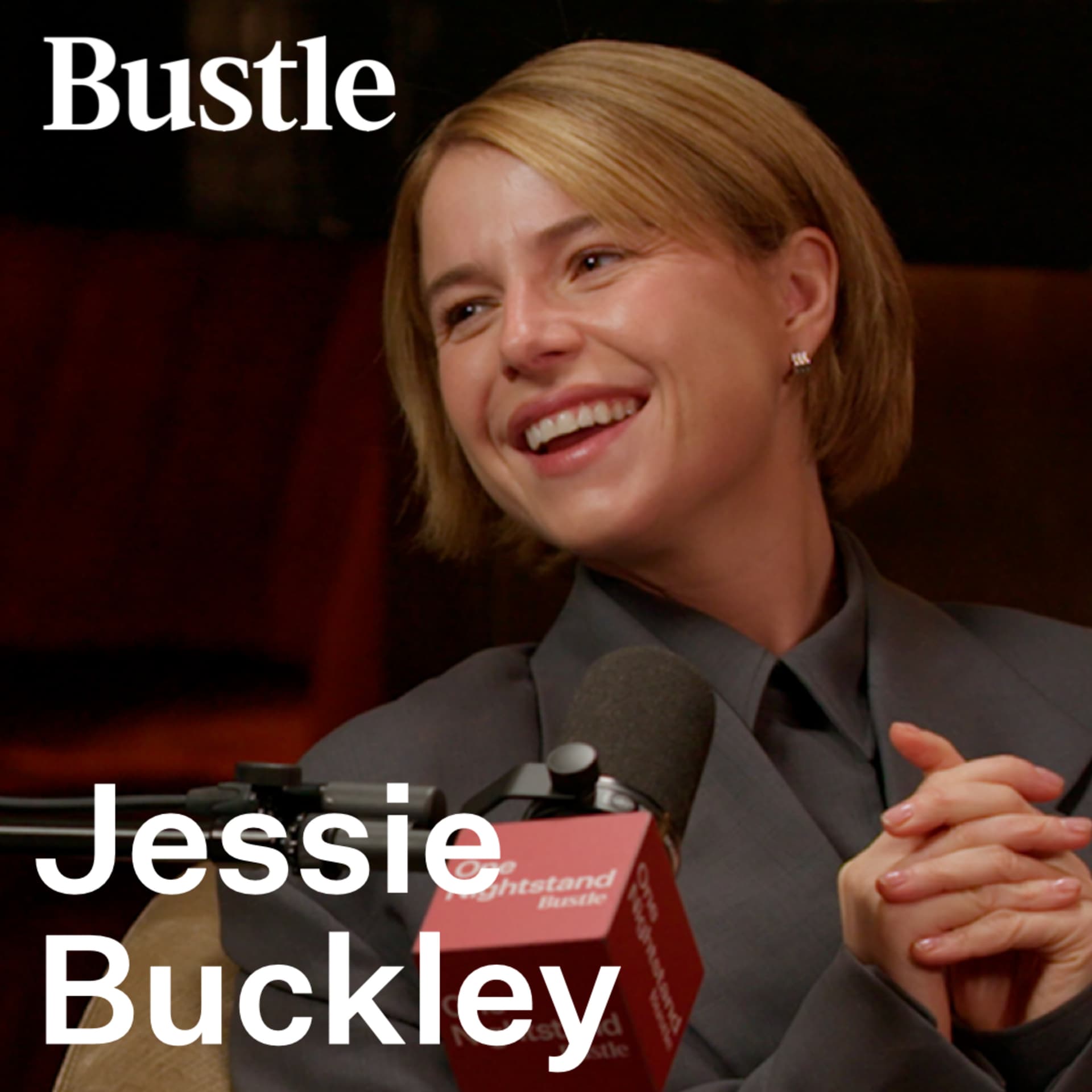
Jessie Buckley discusses reading and writing as creative fuel, and her approach to acting—especially in Shakespeare and in film projects like Hamlet (as Agnes) and The Bride—through themes of grief, love, control, dreams, and “shadow” work.
Guest backgrounds
Jessie Buckley is an actor and writer known for stage and screen work. She references working with directors Kenneth Branagh and Maggie Gyllenhaal, and acting alongside Judi Dench. She also collaborates with a dream coach (Kim Gilliam) and keeps a dream journal.
Key claims
She says Shakespeare’s language is “endless” and that she prefers meeting characters “as strangers” rather than researching them linearly. She describes Chloe Zhao’s directing as somatic, feeling-driven, and sometimes scene elements are dropped if they don’t “vibrate.” She frames Agnes’s grief as a geography she learns to control until overwhelmed by mortality, and argues love involves letting go. She says stagnation can be a creativity block or a signal to get curious rather than fight.
Notable examples
Shakespeare summer workshop at 17; Winter’s Tale with Judi Dench (off-book by week one); Hamlet preparation via a Tudor book and Maggie Gyllenhaal’s guidance; Herefordshire/Wales filming; The Bride’s “monsters” love story and Joni Mitchell lyric; dream work turning dreams into Agnes’s language; Frankenstein as grief/loneliness-driven creation.
Written by AI. May contain mistakes. Listen to the episode to check what was said.
Chapters
Tap a time to open that second in VOJessie's Relationship with Reading
0:31 to 0:52
Jessie Buckley shares her evolving relationship with reading and the influence of her father's poetry.
“And for a limited time, college students get the best of both worlds.”
Jessie's Relationship with Reading
1:11 to 4:00
Jessie Buckley shares her evolving relationship with reading and the influence of her father's poetry.
The Impact of Shakespeare
4:00 to 6:12
Jessie discusses how Shakespeare influenced her as an actress and the depth of his works.
“I haven't read it at all, but I feel like he was.”
Preparation for The Winter's Tale
6:12 to 8:07
Jessie describes the preparation process for her role in The Winter's Tale alongside Judi Dench.
“I mean, I used to like, I also just wanted to learn so much from her.”
Exploring Hamlet's Adaptation
8:07 to 10:10
Discussion about the adaptation of Hamlet and the relationship dynamics within the story.
“And obviously I dipped in and out of Hamlet a little bit.”
Evolving Perspectives on Love in Shakespeare
10:10 to 14:00
Jessie reflects on her changing views of love portrayed in Shakespeare's works over time.
“I think for in I mean, that relationship was so extraordinary to play and interesting to.”
Exploring Dilemmas in Storytelling
14:00 to 14:49
Learn how personal dilemmas influence storytelling and character development.
The Art of Intuition in Filmmaking
15:21 to 16:48
Explore how instinct and intuition shape character portrayal in film.
“I want to get as far out of my head as possible.”
Rehearsing for Authenticity
16:48 to 19:37
Understand the rehearsal process and its impact on portraying emotions.
“And so I think when we were rehearsing, she was really tuning into what was being what was the kind of present vibration between us.”
Navigating Grief Through Performance
19:37 to 24:29
Discuss how grief influences character development and storytelling.
Show all 28 chapters
Mary Shelley and the Concept of Creation
24:29 to 28:02
Examine how Mary Shelley's writing reflects themes of grief and creation.
“preface this mortality and even within the births you know like i'm only meant to have two children at my death but you know yeah and then when they when it happens she just gets swallowed she can't and is so lost.”
Reflections on Mary Shelley and Frankenstein
28:02 to 29:44
Explore the emotional depth of Mary Shelley's writing and its connection to personal experiences.
The Complexity of Creation in Shelley's Work
29:44 to 31:38
Discuss the themes of control and creation in Mary Shelley's writing.
“think I could go back again and again and again and I'm like oh my god you meant this like And some thread of where you are in your life becomes so resonant to what they've written in that book.”
Filming The Bride: A New Interpretation
31:38 to 34:05
Insights into the creative process and character development in filming The Bride.
“I mean, it's such an incredible life story.”
Accent Work and Character Preparation
34:05 to 36:29
Understanding the challenges and strategies in mastering accents for roles.
“very well, she has a lot to say, but it's also a new language, you know, And Maggie is somebody who is creating a new language within film, within herself.”
Dreams and Creative Stagnation
36:29 to 40:06
Explore the influence of dreams on creativity and the experience of stagnation in artistic careers.
“Tell me about how you discovered it and what you love about it.”
Dreams and Creative Stagnation
41:10 to 41:45
Explore the influence of dreams on creativity and the experience of stagnation in artistic careers.
“you have to kind of i don't know marvel television's wonder man an eight episode series now streaming on disney plus a superhero remake not exactly what we'd expect from an oscar-winning director.”
Dreams and Creative Stagnation
41:47 to 42:14
Explore the influence of dreams on creativity and the experience of stagnation in artistic careers.
“You know those friends who support your preference for podcasts over music on road trips?”
Navigating Creative Stagnation
42:14 to 43:32
Explore how to handle creative blocks and the importance of curiosity.
The Role of Dreams in Creativity
43:32 to 45:45
Discuss how dreams influence creative processes and character development.
“I mean, do you dream very different things?”
Using Dreams for Character Development
45:45 to 48:31
Learn about incorporating dreams into character work and storytelling.
“Ask you to go like basically drop down into the world of the dream and inhabit your point of view within that dream.”
The Pressure of Rap Gifts
48:31 to 50:48
Reflect on the expectations and pressures of giving thoughtful gifts.
“I didn't even realize, but I'd made this amazing book of her world.”
Challenging Traditional Narratives
50:48 to 53:16
Examine how stories shape our identities and challenge patriarchal narratives.
Exploring the Shadow Self
53:16 to 55:13
Delve into the concept of the shadow self and its role in personal growth.
“But I really, I just thought it was such an amazing book.”
The Utility of Masks in Acting
55:13 to 56:05
Discuss the use of masks in acting and its impact on performance.
Exploring Masks and Authenticity
56:05 to 1:08:22
Jessie Buckley discusses the concept of masks in acting and life, revealing her journey towards authenticity.
Exploring Masks and Authenticity
1:08:23 to 1:08:43
Jessie Buckley discusses the concept of masks in acting and life, revealing her journey towards authenticity.
“From personalized pieces to must-have favorites made for the summer.”
Exploring Masks and Authenticity
1:08:46 to 1:09:00
Jessie Buckley discusses the concept of masks in acting and life, revealing her journey towards authenticity.
“Grab that boho look for that rooftop dinner, those sandals that can keep up with you, and hang some string lights to give your patio a glow up.”
Transcript
Automatic transcript. May contain errors.0:00Plan B is a backup birth control option that's there for you when things don't go according to plan. It specifically works after unprotected sex and before pregnancy occurs by temporarily delaying ovulation. Plan B is available nationwide at all major retailers and through delivery apps like DoorDash. No ID, prescription or age requirement. It's the number one OBGYN recommended brand of emergency contraception and it won't impact your future fertility. That's Freedom the B. Use as directed. Study and play. Come together on a Windows 11 PC. And for a limited time, college students get the best of both worlds.
0:40Get the Unreal College Deal. Everything you need to study and play with select Windows 11 PCs. Eligible students get a year of Microsoft 365 Premium and a year of Xbox Game Pass Ultimate with a custom color Xbox wireless controller. Learn more at windows.com slash student offer. While supplies last, ends June 30th. Terms at aka.ms slash college PC. Jim Carrey is like a huge part of my childhood where he goes we all wear masks, Metaparkly speaking.
1:10Well Jessie Buckley, welcome to One Night Stand. Thanks for having me. Thrilled to have you here. Have you always been a big reader? No. Yeah. I mean yes and no. I think I like, my dad writes poetry and I think it wasn't that we were like given books but I think we kind of made our own stories when we were growing up and I don't have like memories of me as a kid sitting down reading like non-stop um and I probably have moments where I devour books you know like where I can have a pocket of time where I'm like I just want to read all the time and then I'll have a kind of plague of books yeah is that right or desert of books yeah you'll have like you'll get like binge and famine kind of vibes yeah a plague yeah plague of Virginia Woolf flying down on it um and I love reading now um but it's like sometimes I'm like you know sometimes a book can just hit you and you just can't let go and sometimes I struggle with it and I'm like I need to finish this but I love and I love it but it's annoying me and um yeah it's almost I get a sense of bereavement sometimes when something finishes I'll be like but where do I go now like what do I do I have fun I have like a fun kind of tentacles of of I don't know where my words are coming from today this is dangerous I'm like on night feeds with a small baby at the moment so it's okay it's okay we're going to do fine are you sleeping much um who cares yeah sleep yeah in little blocks that's what I'm managing it in my mind but um I have like friends who offer like from different parts of my life and in different countries and they're like my international book club and like I'd be like oh what are you reading or somebody will send me a book saying you must read this and I and then my girlfriends at home will always have like a little yeah so that's how I get my books that's a good way to get them I love getting reading people's recommendations because you feel like you learn something about them too yeah I mean that's what you're doing I know truly I'm like right detective time we're off um well I thought we'll just start we're gonna go right in there with the complete works of Shakespeare to start tell me about why you chose that as one of your favorites i guess i have not read them all yeah well i mean who i mean i was like i got it out and i was like christ i'm not gonna be getting through this one but when they told me that you read all the books i was like if she has read the complete works of shakespeare you were like time to give this bitch a challenge yeah like she can do whatever she wants it's like going to the gym she can do whatever she wants for the rest of her life no no no um I haven't read it at all, but I feel like he was.
4:08He is kind of the reason I I mean, I think for a lot of actors that I recognized how powerful words on their own can be. And before I knew him and I thought I needed like a vessel of music to fill the space of what I wanted to express in my life. and then I did Shakespeare when I was I went to like a Shakespeare summer workshop for four weeks when I was 17 and it changed everything wow and I was like oh my god words can hold so much and I feel like I would always want him by my like nightstand because I feel like there is it's endless you know no matter how many times you would do one play you'd be able to explore something more like the depth of what exists even just a word is
5:07eternal and so um yeah I'll dip in and out of him yeah no I was reading the sonnets at the back when I when I got delivered it and I was like oh like because I was like I studied a lot of the plays at school and stuff like that but um it's it is amazing how you see completely different things when you go back and read something after like especially with Shakespeare like I remember having certain reactions to things and now as an adult going back I feel completely different things yeah I mean I was incredibly intimidated about him I still am yeah in school when at school especially I think the way I couldn't really learn I wasn't very good at school and I found like linearly learning yeah horrendous yeah for me I was not good at it um and I found it intimidating difficult in school but then when I actually started doing it and being part of it and seeing people like Judi Dench do it and like you just see the it's epic yeah the landscape of it's epic and I like being a little bit scared of it oh totally yeah like when you did say that The Winter's Tale with Judi Dench and stuff what does prep look like for that like when you all arrive at on the first day do you like sit down and do like a table read like how does it well that was like it was Kenneth Branagh's kind of theater company and he was doing a season of Shakespeare plays in the Garrick theater and I was probably about 23 or 24 and Judi Dench has been like yeah I remember what when I was about 15 just I would watch her on repeat yeah sing Send and the clowns and it was at the Royal Albert Hall and I think she just lost her husband and I remember just and all she was doing was sitting down and singing and anyway she's the don as we say yes the dench yes the dench the best to ever do it and on week one day one we all had to be off book before we even got to rehearsals and one of the most thrilling things I ever saw was at the end of the first week rehearsals watching kenneth brannett and judy dench in their absolute raw state do shakespeare together it wasn't it hadn't been fully formed it had you know we were it hadn't been directed we were just doing a kind of blind first run and because they have it in their like bloodstream this language to see them do it with such rawness i'll never ever ever forget it it was probably my favorite performance yeah of that because it was like scary and and incredible to see them do it and because they love each other as well um so that was week one wow that's amazing i can't believe they have you have to be off book like that's yeah pressure at 23 were you nervous or were you just yeah i'd be like down in the wine on my way nervous.
8:04I mean, I used to like, I also just wanted to learn so much from her. Yeah. That like every night when she was playing, she was playing Paulina and I go down and Winter's Tale was one of it was the first Shakespeare I ever did when I did this four week Shakespeare course that kind of kind of changed my life. And I played Paulina in that. But I used to run down every night when she was doing her big Paulina moment and sit in the wings and it was like if I didn't watch it I was scared I would curse myself for the rest of the of the night and the run so it became part of a ritual to go down and see see her do it amazing with um in terms of like prep for Hamlet obviously did you dig into a lot of like Shakespeare's other writing to try and prepare or were you more just working off the script or I thought about it yeah yeah that counts I like bought how to be a Tudor book oh I like read a page 10 pages of it yeah got the sorted yeah and I asked Maggie I was like where did you start like pulling the threads of this and she talked about King John and um and And so I kind of looked into it, but I didn't feel.
9:29And obviously I dipped in and out of Hamlet a little bit. Yeah. Well, I didn't feel like it was necessary. I think I how I work, I like even with these giant archetypal, you know, cultural figures like Shakespeare or Frankenstein. I don't want or when I you know, you do Romeo and Juliet. You can't really. I can't go in with a pre I want to meet them as strangers and like see them on the street like somebody that I fancy the pants off oh and think oh I got to I want to ask you for a cup of tea yeah and then get to know them like that and then I yeah I want to meet them like I've never known anything about them but then in doing Hamna of course Maggie so brilliantly has I don't know consciously or unconsciously sown in his great heroines yeah and his great love stories and the tragedies and yeah the kind of embryo of what his plays contains and maybe as an imaginative tool to think about who he was in his personal life and who the woman might have been beside him in that and to also I guess take back you know what is known of Agnes or what has been written of Agnes like a lot of female characters in history is um that she you know it's her her name is tarnished oh for sure my second second best bed or whatever yeah yeah and nobody knows who she is and I don't believe he could have written those heroines if he hadn't known a woman who is incredibly brilliant powerful interesting complex love full of love and life um yeah with um oh god I don't know I start so many questions okay with um the with Hamlet and the adaptation I was interested it was interesting to me that the movie didn't sort of nod to Shakespeare maybe playing away when he was in London in the way that the book does was that intentional did you guys decide to sort of leave that out or i think it was part of our subtext like yeah i think i mean with the jewelry and with that i sort of felt that yeah i think there was part definitely i i felt it was part of our story in a way but um you gotta leave something for an audience to have their own imagination about what that is Totally.
12:07I think for in I mean, that relationship was so extraordinary to play and interesting to. In in creating it with Paul, it is like I think what is kind of modern and. I mean, that's such a stupid thing to say, but like what is so strong about their relationship is that she kind of recognizes that. actually to love somebody is to let somebody go and that there's something bigger than us totally and to have the kind of foresight to see the greatness and the you know the landscape that lives within him and that it needs something bigger I think is a very powerful way to love somebody I completely agree I completely agree because I I know exactly what you mean and it felt like that in the book as well that she was sort of like giving him this longer leash in a way not that marriage should ever be a leash but like to sort of find what he needed to find to make the art that he was gonna make yeah yeah I mean I think that's quite a human experience yeah totally I don't want to be on a leash no who does my husband to be on leash definitely not I know but it is it's sort of like it's a um yeah it's it's it's the kind of thing that I think when you're like in when I think about reading these plays and stuff when I was a teenager I did have very different ideas about like what like sort of what love would look like in the sense of like and it is a very I think the portrayal of the marriage and Hamlet is a very like evolved type of marriage in that way yeah it's full of life it's complex yeah like it's um i think the idea of love is never the experience of living it and i think in all of his plays like you know romeo and julia the greatest love story it's a comp there's a dilemma you know it's not it's not a fantasy it's it begins with dilemma and you choose to live within that dilemma yeah because it's the risk to not live like that is worse yeah no I completely get that where do you I read that um Steven Spielberg when he was talking about um your director Chloe talking about how every decision she makes as a filmmaker comes from her feelings and not her thoughts which I thought was so interesting because I really struggle with that I'm definitely more of a thinker than a feeler and I wondered where you place yourself on that kind of scale that's the sound of zero sugar 200 milligrams of caffeine and the power to burn body fat storm energy for life storm energy blend helps boost metabolism which in combination with exercise and a healthy diet helps burn fat this product alone does not produce weight loss individual results may vary so good so good so good new markdowns up to 70 off are at nordstrom rack stores now stock up and stay big on shoes tops dresses accessories and more must-haves for summer.
15:09Join the Nordiclub to unlock exclusive discounts, shop new arrivals first and more. Plus, buy online and pick up at your favorite rack store for free. Great brands, great prices. That's why you rack. Oh, I don't want to be my head at all. I really. I want to get as far out of my head as possible. I think the more I work, the more I want to just, and the more I live, I want to be more in my body and live in the mystery of it all and be take your hand you know have intention but with the lightest of touch and to be in an unconscious state and I feel like my when I can work I don't have that's what like any projected idea I never would project an idea of what a character is on top of them I prefer to get to know them like by spiraling like bringing for a cup of coffee you know like in in it becomes an unconscious curiosity about somebody rather than I think this person is this yeah and I and Chloe's way of working is is so somatically engaged and unconsciously curious that you're actually discovering them as you're living oh wow with them and in them and as a community yeah so it's so alive and I think she's only curious about you being present does does that mean that the script evolves when you're like yeah yeah yeah oh wow I mean while you're doing it yeah yeah gosh and so how did you and Paul like rehearse for those for your scenes together and stuff were you just like evolving and feeling out where you think the moments would go as well as yeah we I mean we did a rehearsal week but it was like kind of more about connection and I guess seeing each other and then when we get into these scenes I don't know like I guess when it was some Chloe if something didn't serve like a vibration or an essence of a scene she let go of it and so often she might think okay we're going to shoot it over there and this is going to be how the camera tracks and these are the lines and then And we get there the next day and she's like, no, this doesn't I can't I don't feel it.
17:27And so I think when we were rehearsing, she was really tuning into what was being what was the kind of present vibration between us. Yeah. And yeah, sometimes I mean, sets are always kind of. You're in conversation with so many things, not just the person you're opposite, like camera. and I always like to have the space to discover it before it's set up in a way but also you don't want to cook it too much because then you I also don't want to get there before we roll yeah that's what I've heard people saying about with the intimacy coordinators as well is that there's like it they can be brilliant and that they're valuable in so many ways and then sometimes it I can't I think it was Florence Pugh talking about she's like I've had some great experiences and then others where it's almost like made it feel more wooden or rigid or controlled I would say I think Maggie Gyllenhaal has been a great person with intimacy coordinators she will always say you go you know whoever you have to have an intimate scene with tell them what you're comfortable with what you're not comfortable with and state it declare it yeah and um sometimes intimacy coordinators can be you know it can be a choreography so it's and you're working with a camera and there might be like movement so it can be useful yeah to like but I hate anything that's like and then do this yeah I can't it's like trying to learn like I can't when they're like controlled things I I need to be able to like breathe in it yeah um i imagine it'd be very hard to be in your body if you're like and now put your mouth there like i don't know it's just sort of and you know you you create trust with the person you're working with yeah and a respect and i've been very lucky to work with people who i've had that situation with of respect and and you know intimate scenes are part of telling a story so you choose how you're going to tell the story together yeah and that is your job yeah yeah is to tell that story as humanely as possible and um I mean most of the time they're like there is absolutely no they're so I think you're kind of bumbling being like you do it and you're like you all right yeah I'm all right yeah you're all right yeah yeah we haven't for lunch you know it's like not sexy at all yeah but then sometimes yeah you can you wanted to crackle yes you wanted to be possible it's telling love or passion or desire and those things are important in stories I loved the um at the scene I was really excited to see how you guys did the apple crate scene because I loved that from the book like read it was just such a beautiful way of capturing the sort of like I mean on Maggie's part with the book with that I don't know I just thought it was so brilliant shaking of the apples and them kind of watching like the apples almost became humans watching and then the hawk and I mean Maggie is an extraordinary writer oh and a poet and like the fluidity in her language in all of her books like marriage portrait like all that they're so I love reading her language yeah I think she's I am I am I am um she's a poor yeah she's incredible I feel so embarrassed because when I first read Hamlet I think I must have just been in like a bad space and I couldn't lock in on it I just couldn't I had to put it down after like 100 pages and um I went to the Academy Museum gala not this year last year and I was at a table with Joe Alwyn and I was like oh what have you been working on he's like I've just done Hamlet I was like oh I couldn't get into that book and he was like it's brilliant and I was like I'm sorry like now I feel I reread it like a couple of months ago and I was like fuck it's so good why could I not get into it but it's funny isn't it the way you're like definitely happens all the time yeah yeah yeah but he was very sweet he was great in it as well that was funny I loved the like brother sister dynamic oh I know he's very sweet it's very sweet um did you guys like so you filmed in Herefordshire right like a lot of in Wales yes on the border yes it's one of my favorite parts of the UK my mom's family so I'm not far from that did you guys go out and like did you socialize to try and like build that chemistry as well or were you guys pretty locked not really I mean yeah it wasn't like a very social story no it's so true you're like oh yeah they put us up in a hotel like on a roundabout and it was like a kind of huge conference complex and it was our first week of filming and I remember being on the 10th floor and my room had like kind of bars across it and I was like oh no I can't stay here and I found like a tiny shepherd's hut in the middle of nowhere right by a forest and I was like guys I'm gonna have to move and my driver was driving me up he was like are you gonna be okay here I was like absolutely this is like totally my happy so I stayed there on my on my own that's so lovely because in that part of the world you need to be in that you need to be in the nature and it was also like I could walk to set I was I was I was so happy I feel like we talked about that one a lot but one other question I did have just because I when I watched Hamna I mean I think because everyone talked about the movie so much in all the reviews I read everyone was talking about grief but and obviously it is about grief but I thought it was almost more about love and about like how love manifests but I also thought it was really interesting how your Agnes is really fighting with control in a way because she's really like taking that vision she has of her future and like trying to do everything she can to wrestle where she's ended up into that I mean did you think about like the I mean I was just sort of wondering whether that whether you guys ever spoke about the sort of control elements and whether that felt good or bad or yeah that's such a good question I think that's definitely true and I think Agnes has kind of found a geography and and learned to navigate grief in her life from the very beginning Yeah, the trees, the void from the death of her mother from such a young age that when we find her in the woods, you know, this has become a place where she can actually control grief, where she's learned to create her own language and story around grief in this woods, where she returns to be beside her mother, you know, and to be beside that void where we find her right at the beginning.
24:01Like it's both a place of birth and death, that place. And that's what I felt when I imagined it was that her mother was so, you know, from these woods. I mean, in the book, she comes out of these woods. Literally. So, yeah, I think. She maybe thought she had some kind of control over mortality. Yes. Until you're faced with the unfathomable. Yes. reality of losing a child in your child and um and you see her constantly trying like kind of preface this mortality and even within the births you know like i'm only meant to have two children at my death but you know yeah and then when they when it happens she just gets swallowed she can't and is so lost.
24:53And in a way, I guess that's her. What's so amazing is like part of her defensive part of her survival has been to create this geography of grief before this moment and my experience of playing her and being lost until she is back in community, which can hold that grief with her in the globe is the next chapter is like the story becomes about communal recognition and the human recognition of grief and how we need we are maybe in an unspoken conversation with each other all the time about that and it's too hard to hold on your own just walking around and why we need stories and we need cinema and we all go on these pilgrimages to these places probably unconsciously to try and hold bits of ourselves that we can't navigate anymore yeah I was really struck I mean one of your other books that you've chosen um Frankenstein by Mary Shelley when I was preparing for the interview I sort of because I read it again as a teenager and so I was going back in but then I didn't realize that how much grief was a part of her writing process with that book and I was reading some of her diary entries and this uh like her dreaming of that her little baby has come to life again only it's cold and she rubs it before the fire but it awakens she finds no baby and i was thinking god that's that almost that scene from hamlet that but it kind of goes the other way obviously with the twin at this when they're born yeah the baby but it's i did i had no idea that grief was such a big part of that no i didn't and i think it when i went to shoot the bride i it became such a like um you know the act of creation is so part of frankenstein yeah and it really struck me when I read the book and also when I kind of was reading about Mary Shelley that she definitely was creating she trying to create something that was born out of the kind of broken bits of her and like the babies that she'd lost and that she couldn't and that fact that she'd lost a mother and that she kind of couldn't house her own creation and And she was almost in my mind, she'd made the monster out of that.
27:17And then you're faced with this creation of your of your brokenness. Yes. And it's almost too much for the creator that she locks it into the attic. And then that. That creates this epic revenge born from loneliness. Exactly. And the cycle of that. And at the core of her book is about loneliness. you know how we try to control loneliness yeah I love that line in one of Mary's diary entries because I felt like it perfectly sends up Anya's after Hamlet dies which is I no longer enjoy but I love yeah which I think is really like I sort of felt that and you can feel that in Frankenstein as well in a way what did she say that again she said I no longer enjoy but I love yeah what do you think that means I think like she's sort of like I no longer get pleasure because I think she's you know her husband it was shortly after I think her husband had died and she wrote somewhere else that she was my thoughts always come back to the same point I was a mother and I am so no longer that's sort of like I can't enjoy like eating a nice dinner in the same way but I continue to pour love into the I think she had one child who survived to adulthood like into the what's left yeah you're gonna make me cry I'm sorry I know Mary Shelley get away
28:40it's too early i know i'm sorry i'm sorry but it's so beautiful isn't it i was like i had to write it down um but tell me about when you first read frankenstein
28:53um probably around the time maggie um kind of sent me her script for the bride yeah uh and also i'd read um oh god i'm gonna forget her name now she's like one of my favorite oh god um what's did you know orange is not the only fruit oh yes um jeanette wincherson oh yes yes she's one of my favorite authors and i'd read frank kistein yeah a few years ago and i just thought it was so fun and interesting culturally and but I had never read Frankenstein and yeah I mean I'm embarrassed when you don't read kind of significant books like that so late in life but I loved it I could all these things is I feel like they're by my bedside because I actually think I could go back again and again and again and I'm like oh my god you meant this like And some thread of where you are in your life becomes so resonant to what they've written in that book.
30:03And whatever's happening culturally. And I love that. Like that feels like, I mean, it's no surprise there are such significant books because of the, it's, yeah, the depth of it is endless. yeah and these like eternal feelings in a way where like you sort of that you relate to them with like hundreds of years on really and I think that's what I felt reading bits of Frankenstein again I was like oh yeah I remember and you sort of remember when you first read it and also just like you know what a fascinating time like Byron and Shelley and you know like all of these kind of humongous poetic giants and they're all complete weirdos yes exactly and they're all like swimming around the lakes in geneva and she just comes up with this ghost story around around a fire one um and again you know it's there's something i think there's something like a little bit she's created a story about a male creator and you know the the Frankenstein the doctor but she's you know there's something hidden a little bit about Mary Shelley I feel like she hasn't she's created like created like another a bit like Hamlet I guess like there's there's uh something removed a little bit from her because it's too painful yes for her to put herself at the epicenter of it in a way i get it yeah totally and again it also feels like goes back to that element of control as well like she's writing some like when you think about what she was going through and all the things that she couldn't control the book then almost itself feels like such an expression of like maybe i could make like make these things but oh i can't control them forever kind of thing yeah and she also like the lineage where like mary she was like Mary Wollstonecraft.
31:58I know, I know. I mean, it's such an incredible life story. Truly. Have you ever read any of her other books? I haven't, no. I haven't either. No, I've got some of her mom's books at home, but no, I haven't read others of hers really, but I should. I mean, tell me about filming The Bride. What was that like? Oh, it was really fun. It was fun? Where did you shoot it? I shot it here in New York. Oh, fun. Yeah, yeah, for three, four months. Was it after Hamnet? Had you already shot? No, no, it was before Hamnet. Was it? Interesting. Because I thought maybe you'd have taken some of the, like, threw into the, but no.
32:34No, it was the, yeah, I, two weeks, I finished bride and then I had two weeks off and went straight into Hamnet. Oh, bloody hell. I hope you took a big vacation after. I arrived into Hamnet with bleached eyebrows and bleached blonde hair. And everyone was like, there was like meetings about my eyebrow. Luckily, they grew, you know, they grew back. yeah that's so funny meetings about your eyebrows yeah no it was amazing uh and I you know I'd worked with Maggie before and she's just such a brilliant brilliant woman yeah and I'm so thrilled like she wrote she's like some of my favorite female writers you know the kind of she's wants the full story yeah and isn't afraid of the complexities and and the edges of what it is in her experience and what my experience and I think a lot of our experiences as a woman is you know she wants it all to be alive it's not about appealing you know it's about the complexities of humanity and how we are in ourselves and in relation with each other and I I think, you know, this the bride is it's a love story.
33:51About between two monsters and what is deemed monstrous. And in any previous iteration of the bride, the bride has never had a voice. She's born to be a mate, but she doesn't have anything. She never says anything. And in our version, Maggie has given her very well, she has a lot to say, but it's also a new language, you know, And Maggie is somebody who is creating a new language within film, within herself. And when I first read the script, there was so much of it. I was like, I have no idea what's going on. But I feel electrocuted, like I feel woken up. Yeah. And I think when you get that possibility to discover.
34:42and they kind of when you have the reaction of a feeling but an unknowability about it that's so yummy totally and to work with Christian was incredible we had a great time it was so alive it was so disobedient in what way we're playing monsters it's about the too muchness of life Yeah. And and the thing that Maggie, you know, at the kind of core of of their love is she kept quoting Joni Mitchell's I could drink a case of you and still be on my feet. And how these two monsters can that is how much can you how much can you contain of me? Oh, I love that. If you really want to be in a relationship with me.
35:35that's a very interesting question isn't it I mean wow yeah interesting no leash no no leash we're anti-leash we do no leashes here no leashes well and Maggie had her own husband and brother on set as well was it a long shoot it was pretty long it was definitely the it was definitely the kind of biggest kind of filmic space I've stepped into and um I think we probably shot for about 12 weeks oh wow yeah 13 weeks amazing um but there was dancing in it and there was I mean it was great fun fun at New York for 12 weeks that's fun as well I had the best oh I bet and um do you how do how do you manage all the accent work going from like a project like that and then into Hamnet or something like that do you find that easy I don't find it easy no I have to work at her yeah really hard yeah and I think I don't want to be conscious of it at all and a bit like accents for me is like music you know you have to get it and it's rhythmic and so a lot of the time I just like end up looking like a mad woman walking along the street saying my lines in the accents that I'm doing or getting my husband to test me on my lines and if he's looking at me like you sound insane then I know I've got a bit more work to do yeah oh did you and Paul ever slip back into speak did you speak in Irish in between takes or did you both stay in English we we did we did yeah we slipped back into England I mean I live in England now so I don't feel too it's kind of I can tune myself into quite easily um I think we had intentions that we would say in the accent and then we just didn't yeah but bride i did bride i did because it was a quite a hybrid situation yeah that's interesting i mean it sounds so fun though like a big sort of anarchic 12-week production in new york yeah well one of your other books which i loved and which i couldn't find in print anywhere so i had to buy off a random lady in texas is the paintings of Peter Berkhauser.
37:51It's an incredible book. Tell me about how you discovered it and what you love about it. A friend of mine called Kim Gilliam, who is a dream coach and works with your dreams, introduced me to it. And I had never really kind of been conscious of my dreams until about 10 years ago when I started writing down my dreams. and I now work with my dreams quite a lot when I film. But yeah, I love dreams. And I guess it's changed how I work in that. It feels like such an interesting, pure place to work from. And this book is about a painter who basically starts. He becomes curious about Carl Jung and about the unconscious and dreams.
38:44And he kind of starts notating his dreams for and starts painting from that place and creating from that place. And it's a kind of arc of a life of his unconscious in this book. Yeah. And while he was paint, this book also is Marie Louise von France, who is this kind of prodigy of Carl Jung's and worked with Carl Jung. and I think worked this I think this artist also was seeing young at the time he was painting this book and the book kind of is a interpretation of his dreams yeah and and the kind of trajectory of them and what as he got to know his shadows more within his dreams and and started painting his shadows what it was revealing about the his consciousness but also collective unconscious in the world that he was living in yeah I think one of the things I found interesting when I was reading it is that both Jung and Burkhauser they talk about going through a period of spiritual stagnation and then almost like the dreams helping them like come out the other side or tapping into their dreams do you ever feel like in your career you've gone through a period like that where you felt a bit like stagnated or had to push through definitely really interesting um well actually those things are the i've i've now find them interesting i mean there's different sometimes i have uh like when you get very tired yeah and um like when i was doing cabaret i i just hit a like physical and emotional wall and it wasn't safe you know it felt stagnated like I could the well was dry and it was a really scary place to be in because I was still performing and I ended up like losing my voice I wasn't sleeping you know I was in this kind of I guess yeah a dark well and there was nothing left in there and you know you give a lot like when you go on these you sometimes give a lot and it does dry up and it was a really good lesson that you have to kind of i don't know marvel television's wonder man an eight episode series now streaming on disney plus a superhero remake not exactly what we'd expect from an oscar-winning director.
41:23Action! Simon Williams, audition for Wonder Man. I'm going to need you to sign this. Assuming you don't have superpowers. I'll never work again if anyone found out. My lips are sealed. Marvel Television's Wonder Man. All eight episodes now streaming. Only on Disney+. This episode is brought to you by State Farm. You know those friends who support your preference for podcasts over music on road trips? that's the energy state farm brings to insurance with over 19 000 local agents they help you find the coverage that fits your needs so you can spend less time worrying about insurance and more time enjoying the ride download the state farm app or go online at statefarm.com like a good neighbor state farm is there
42:14like if you don't take care of the bits you know or be conscious of where you're going night after night it's not great it's not good for anything like it does dry up um and then it becomes dead end yeah uh so yeah that's one way of it becoming stagnant and where you hit a wall and actually your creativity gets blocked when you get that into that place yeah sometimes other times when that stagnation happens even while you're working on set or whatever and you you're in a scene you're like oh this just doesn't I can't get the flow of this right this feels I'm not in it like I'm not and sometimes I feel like that uncomfortable stagnation means that there's something that's trying to come through that you just you have to like sit in the uncomfortability of it totally and actually get really really curious about it yeah and actually it does shift you just have to sit in it yeah that makes total sense and not fight it if you start fighting it then it becomes all you see is just the fight yeah um i don't know if i answered that question No, no, you did.
43:31I mean, it's just, it's interesting. I mean, do you dream very different things? Like, one thing I thought was struck by reading this book, I was like, God, my dreams are boring. Like, this guy's dreams are like, so like, theatrical and dramatic. They're like mini movies. And mine are just like, you're late handing in your essay again. Like, same recurring dream. I bet if you started asking yourself for a dream, if you start being conscious of them, you'd probably, I bet you would. Do you think? Yeah. So are yours now very varied? like when you track them or yeah i mean i don't track them all the time like yeah at the moment i i have a four month old so i'm waking up every two hours yeah so my dreams are not like you know coming thick and fast right now yeah um like when i was filming hamna i was really being like my dreams became her language wow and i was doing a journal and working from my dreams as a way of kind of accessing her and scenes and finding a kind of language for her and dreams is the language of metaphors you know and actually was so i find it so helpful to work like that because it creates an abstract place for me to fill a space and fill and on you know the my unconscious world can live in in in a scene in a way um but yeah some of them i feel like sometimes i have like like such huge dreams that I'm like I mean this is my life yeah like you know you wake up and you're crying and totally you're like whoa and then um sometimes I don't dream for weeks you know but then you'll get like a little snippet and I think they've definitely I can definitely feel them evolving yes in in myself as I now I'm conscious of them did you dream differently while you were pregnant uh yeah I definitely had dreams while I was pregnant yeah being pregnant yeah they were really great oh that's so sweet well some of them were scary but yeah it's kind of yeah interesting and do you so when you work with a coach and I I read that it was very important to the work of hamlet that a lot you were talking about dreams and i think chloe's quite into it as well right yeah yeah do you is there a process or is it just that you do note down when you wake up like is there like a method or is it more just that you try to recall and then um i find it really hard to talk about this because i feel like everybody's probably got their own personal way of working with it but for me I try and like if I wake up in the middle of the night I like record it on my phone or like wake up in the morning and write them down and then with Kim if you when you work on them she'll like kind of meditate you down into a sleepy kind of state and you start retelling her the.
46:40This the the dream and then she'll. Ask you to go like basically drop down into the world of the dream and inhabit your point of view within that dream. But then there might be these wild. Kind of. Like what you call it like a leap of the imagination where she'll ask you to embody the people or the objects that you see within your dream. So if you're looking at if like a candle with a flame, she'll be like, OK, in a wild act of the imagination. Now you are the candle and the flame. And what do you want Jesse to know in this moment that she doesn't know that she needs to know? Oh, wow. And so but you're kind of just free thinking.
47:27Yeah. And I love that. And because you're kind of in a woot like a meditative state, you're just chatting away to yourself. Oh, I love that. But then sometimes these like pings of revelation come through and then you go, oh, this is what I need to. This is it. This is the crux of what I need to explore. That's so interesting. Or why I'm here. Why, you know, even a film is a dream. Like a story is a dream. Yeah. Frankenstein's a dream. Yeah. And I guess that you can get into kind of a, like if I used to fever write, that's what I used to call it. fever writing in my journal because I come out and then of the dream and then without even stopping I just put pen to paper and just keep and write from that place oh amazing yeah do you ever read pages back or is it kind of once the process is done you leave them I have done um actually and Hamlet was so like there's been so much creative stuff that can come out beyond the film so like We made this book called Even as a Shadow, Even as a Dream, which is a mix of my writing at the end.
48:34I had on Hamlet, I'd made this. I didn't even realize, but I'd made this amazing book of her world. And it was full of writing and also like drawings and. I don't know. Bits of matchsticks, just a kind of and I got a got a printed copy made in Agnes's bound leather for Chloe and for Paul as rap gives. And then from that, we Chloe said, I want to make a book like. Yeah, which was an amalgamation of like the photography that was taken on on the set by this photographer Agatha and Chloe and Chloe curated it and bits of my writing. Yeah, so I guess they come the bits of the book of the journal come through in that.
49:22Yeah, that's amazing. This is unrelated, but I've always wondered this. Just you mentioned it made me think about rap gifts. Does that feel like a pressure ever? Oh, I feel so much pressure. Right? I hate celebrities talking about it. Oh, like actors or talent. And I think, fucking hell, if at the end of a job I had to like. Oh my God, and also you're exhausted. And you're like, I don't have time to go and get things. And if somebody gives me another t-shirt or a cup, I'm probably going to like eat it. Because I can't wear another hoodie that says like Hamnet 2024. or something like that um but the pressure to come up with some like meaningful thoughtful light oh gosh i fail most of the time i mean that's why a good handwritten note i think is always good i think a good one actually at the end of women talking sarah paulie did a great thing and it introduced me to janet winterson actually but she got she chose three books that she felt each of us was like good like would relate to yeah so she gave me two Jeanette Winterson and don't let's go to the dogs tonight I think another that other book um and I didn't read them for ages and then I read Jeanette Winterson I was like oh my god oh I love that that is a good rap gift it's really good but yeah the pressure oh I don't think I could manage it um well I love that book so much and there was so much that because I get quite scared of going deep like in the sense of and I've felt this a little bit with Hamnet when with with Agnes's and when I was reading some of the other books like I definitely tried to glide along at the surface sometimes because I'm like I just don't have the like bandwidth to go in deep but the dream stuff I was like maybe that's a way in it's also interesting yeah but sometimes I'm like I don't want to know too much about myself I'd rather know less uh are you quite comfortable with like going oh no I want to go down you want to go down let's go further oh i see i have such fear of that i feel i'm gonna end up like yeah walking into the river with stones in my pockets but oh my god we always know where her walking stick is yeah i'll come and fish you out we're gonna be raging the new york library after this by the way um well one of the other books that i loved was um cassandra speaks by elizabeth lesser tell me about that isn't it great it is really great i listened to a lot of it i thought it was really cool um fran mcdorman sent me that book and it was one of those books i mean obviously if she sends you a book you're going to read yeah you're like but it was one of those books that really changed woke me up again and it's a book that i gave as gifts to my female friends my sisters my mom and i think because i grew up in Ireland and I grew up like in a Catholic Ireland I went to convent school for like five years um I guess it made me question the stories that we the book kind of woke me up because it made me question the stories that I have inherited in my life that maybe are not maybe that isn't my story maybe that's just the story of a time and actually the you know the opening story of Adam and Eve and actually that the inherited story that I've always just taken as verbatim of that Eve is kind of the first sinner because she chose to take the apple off the tree and and how much that has kind of followed around and been unhelpful yes to us women yeah what if that's not our story and what if actually the story that had been written was one about how hungry eve was to have knowledge yeah curiosity and and wanting yeah that and how what how brilliant it could have been if that was the first ever story of what that act was not of her being the first sinner yeah and kind of the tarnishing of purity totally and so women as the great first adventurers yeah yeah yeah um and it also made me i remember reading a chapter of it about like the language that we probably it made me think about how how you can become how you must become conscious of the language that you use day to day like the language of war and how we can just say things without even recognizing the repercussions of what that is yeah in the river of just being humans you know in words are so powerful and and how to become mindful about that.
54:00But I really, I just thought it was such an amazing book. And really, it's not dense like that. I think it just, I found it really woke me up of like, oh my God. And it gave me the autonomy to like take back a story that maybe repressed me and make it my own. yeah was there a particular reason Frances sent it to you or just randomly she's probably trying to do the same yeah yeah I guess it you know as storytellers we have a job and I I feel like there has I've been on a journey with the women I've played and the stories I've told to kind of touch the shadow bits the bits of yeah of the of women that aren't allowed up very often the like the shadow self chapter is so good yeah and i and when you get to put that back into the world it's really exciting and agnes was like a kind of culmination of all of that journey in some way yeah i love that description of the shadow i think it's robert bligh who said the shadow is the bag we drag behind us in which we stuff everything we don't want to be or think we shouldn't be yeah and i was like oh yeah there's a lot of shit in my bag and i feel like for most of us i've had times where i've lost i mean even the physical i've like sometimes i've said to sometimes being behind your own shadow is easier like but only for a moment yeah yeah then it is the bag that you carry around with you and um becomes heavy yeah i know what you mean though do you mean i said i sometimes find masking helpful like in the sense of like being able to hide a little bit in a moment but um is that what you mean by that or as in like going behind the shadow or i guess so yeah it's interesting because like i watched the penguin the other day oh yeah colin farrow thing and and also christian on frankenstein you know had a lot of prosthetics and is in a mask and a lot of i guess when you act there is a sort of a mask of or there's somebody else that you're stepping into and Christian and Colin are so extraordinary because they somehow wearing a mask allows them the kind of freedom to let the shadow exist and when and they're such incredible actors that you can like the mask become so part of them like it's you don't see you don't see an object in a person they meld it like you absolutely can it actually integrates the shadow the mask yeah in the when it's a physical thing like that um so it's interesting it is it's so interesting yeah my other friend very close friend who I'm all whenever I'm in London I go and see and we go walking around Hampstead Heath and she's always telling me to like take off my masks and I'm like but sometimes I feel like they're useful I don't I know like there was I think that that's a bit I'm gonna give her that explanation next time that quote in the mask of Jim Jim Carrey is like a huge part of my childhood where he goes we all wear masks metaphorically speaking oh my gosh Jim you were right so true so true um well I actually wrote down that paul mescal was said about you in one of his interviews that you have no fear in how you're perceived it goes she has no fear in terms of how she's perceived which i think is incredible is that just i mean does that feel true of you on screen and off or um i don't know if that's true of course i of course i like worry yeah how you're perceived i i think i don't that's yeah maybe more about being seen i i think i i don't i don't want to wear a mask actually no when i work and i don't the older i get them i don't want to wear a mask either and i think i'm trying to get braver to like be seen yes but i find being seen very intense and scary I think I try it you know I'm also realized if you do want to be seen you have to kind of show yourself yeah and um so it's not that I don't care I guess I'm just trying to walk towards the fire of it instead of like turn away from it I don't do that all the time no um and I think it's you know as women there's a lot of ideas of what you're how you're what's it kind of and men as well like what is the successful appealing version of what of an idea of what you're meant to be in in the world and yes that's uh I'd hate it I know it's always made me feel shit yeah and like I think the more I get to know myself uh I actually feel like the braver I am to show myself and be seen and so I don't really it's not about not caring about that I care because I actually want it to be like real yeah no I get I can I I get that and it feels radical to be in to like like you say walk towards the fire is exactly how I think about it too it feels scary but worth it yeah your final book is Good Morning Midnight by Jean Rhys which is amazing I'd never read that before and it was I loved it so much it's so good it's so good it's so so good um I couldn't put it down but tell me what you love about it oh god I love so much about it I um well firstly I love her Jean Rhys is such a like unspoken hero and she's it was like this little pint of a woman who I read a kind of autobiography about her and she used to kind of have a glass of champagne and a glass of whiskey in both hands in either hand.
1:00:17And she was this tiny kind of vagabond spirit. But that all the Gertrude Stein, Hemingway, all of them were like, she's the one like she is. She sees she's the one of our time. She actually is a genius. And she just never got a break. And she became this kind of I mean, wide Sargasso sees probably her most famous novel. and then she's written all these amazing other kind of yeah small novellas that are I mean good morning midnight you can feel the kind of you can feel the the hope yes in it and it's so beautiful because and the the depression in it but like the absolute hope and it starts with I might have got this wrong but it's like the the fact that this woman is trying to find the life that she believes she's meant to be wearing but she can never find the right fit for it and she's trying on all these hats yeah and she's trying to find the room the room in the hotel that she's meant to be in but she can't afford it and the love that she's meant to be like fitting but she can't find that either and um and there's also like this kind of split person like she's in a conversation with her unconscious in it in a kind of fleabag way oh it's so just so amazing it's so funny it's so funny it's so funny and those moments of like that dialogue like did I say all this of course I didn't I didn't even think it I loved that line so much because like when you're going back through stuff oh it's just so good yeah yeah and I just I feel like I just want more and more people to know her because she's was this mighty tiny like her writing's incredible yeah and there's so much heart and there's a lot of grief in that as well with the baby and and it's um yeah you know what i like good bit good dose of grief on a monday morning but no I mean it is incredible and they're like the I I love books that are able to really take you into so accurately describing what it feels like to be going through some kind of a mental health crisis which parts of this feel like but then the levity that you have in these flashes because that to me is the most accurate experience of like being in the shit like it's not just like you moping around feeling morose you're like sometimes buzzing around like a fly being like I'm gonna do that I'm gonna do that and then like other times you're like crumbling and then you're like suddenly you're on an expedition to four different bars with a random guy yeah who might be a gigolo like she reminds one of my other favorite writers is Richard Brottigan have you ever read his books he's wrote this one of my favorite books is his book called Sombrero Fallout and it's about yeah the kind of liminal desperation space you know of hope and tragedy that live right beside each other and how we're all just trying to survive right and we all have these fantasy dreams that we keep going on these expeditions towards but it's just like you get interrupted by life yes and they are interrupted by life is yeah such a good way of putting it yeah you one of the i i mean because i when i my first being british obviously i remember watching you in 2008 on the which is is that is that sort of weird when you think about your career journey and the different sort of like because you know you say you sort of end up in these spaces but I thought it was so amazing that after doing that and obviously finishing second and then you I think you you went back you went back to drama school right which tell me about that decision yeah I I look back at that time with so much like you are such a brave girl yes I kind of objectively like I don't think I'd have the courage to do that now, but I just.
1:04:12I had that kind of. I want to be part of telling stories and be part of a world that told stories, and I didn't have any. Boundaries with it, you know, if somebody was like, open up a door, go through that door, I'd be like, oh, yeah, what's in there? Yeah. And sometimes it was super dangerous and I would fall off the edge of the cliff. And but it was a really like I was 17. I moved to London. Yeah, I did so many odd things around that time. And I think I always wanted to go. And study. Yeah, I guess why I came to London in the first place was try and go and train to do musical theatre, but I didn't get in and I ended up doing this audition for I do anything that weekend as practice for my next drama school audition um but I think there is a part of going back to Radha at that time as well because I had moved over to London when I was so young when I was 17 and I was in this kind of you know adult public space very quickly um and having to like be a grown-up and pay rent and pay tax I was like huh yeah what I'm only 17 yeah um and I also had a lot to learn and I wanted to go back to a place where I could be with people my own age read plays watch films yeah you know mess up in private go to the pub on a Friday night and like you know snog somebody yes as one should and as one should on a Friday yeah um and just be my own age I think and and just yeah learn yeah and I guess get to know what I wanted to say in a world that I love being part of and I was always want to be part of and I think when you're a young actress there's so much of you that feels so excited to be even inside the door of it that yeah you are um yeah I hadn't really educated my point of view yeah I'm still doing that I feel like I'm only really recognizing what what I can say yeah that's amazing though yeah I think that's so cool to go are you still in touch with anyone from i'd do anything or does it just feel like such a long time ago now i do rachel tucker every now and then we like a message and um yeah it was such a it makes me laugh because i can't i can hardly believe it happened in my life and if somebody said from so many points in my life if somebody said that you're going to do this when you're 17 and then when you're like 35 36 you're going to be like in New York making the bride like making film yeah I mean never in a million years thought I would make a film like that was just not even part of my I mean that was so exotic yeah growing up like you don't make films from Kerry like no I know yeah theater is way more or making music was yes way more potential but um I've never expected anything and I am so I love all of it I love how I love all the doors I've ended up walking through the people that I've met along the way and I think if I can just stay being curious and a bit raw and disobedient I'll be okay I think that's a brilliant note to end on I mean that is the best way to move through the world for sure oh one last question is that the curls that you had then is that your natural hair texture um probably it's probably very dead now interesting mine's died as well but my Bryce my hair so he's like laughing and he's like oh yeah they're dead he's like those fuckers have long left we killed those babies well thank you so much for coming on it's such a joy to meet you you too thank you oh fun I enjoyed that
1:08:22Pandora jewelry brings the sparkle to your summer. Now with even better prices. Enjoy up to 50 % off select styles. From personalized pieces to must-have favorites made for the summer. Timeless designs that shine with you through every moment. Wherever the summer takes you. Shop in-store or online. Now through July 5th. Terms and conditions apply. Visit pandora.net for details. Spring just slid into your DMs. Grab that boho look for that rooftop dinner, those sandals that can keep up with you, and hang some string lights to give your patio a glow up. Spring's calling. Ross, work your magic.
From the publisher
In One Nightstand, celebrity readers and writers join us at The Blond in 11 Howard to discuss their favorite books. On this episode, Hamnet star Jessie Buckley delights with tales of playing monsters alongside Christian Bale in Maggie Gyllenhaal's The Bride!, the origins of her love of Shakespeare, and a plea for more people to read Jean Rhys.
Jessie Buckley's One Nightstand picks:
Good Morning Midnight by Jean Rhys.
Frankenstein by Mary Shelley.
Cassandra Speaks by Elizabeth Lesser.
Windows on Eternity: The Paintings of Peter Birkhäuser.
Jessie Buckley stars with Paul Mescal in Chloé Zhao’s Hamnet in theaters now. Her next film The Bride! hits theaters in March 2026.
Credits
Director/Director of Photography: Marshall Steif
Assistant Camera: Jasmine Velez
Post Supervisor: Delia Kelly
Post Production Manager: Mateo Delgadillo
Editor: James Koroni
Producer: Aubree Lennon