
In short
Penn Badgley discusses reading as a core skill, his spiritual/religious worldview (Baha’i faith), parenting and education choices, and how culture debates (especially online) distort empathy and understanding. He also shares book recommendations and critiques of “Joe Goldberg”-type literary tastes.
Guest background
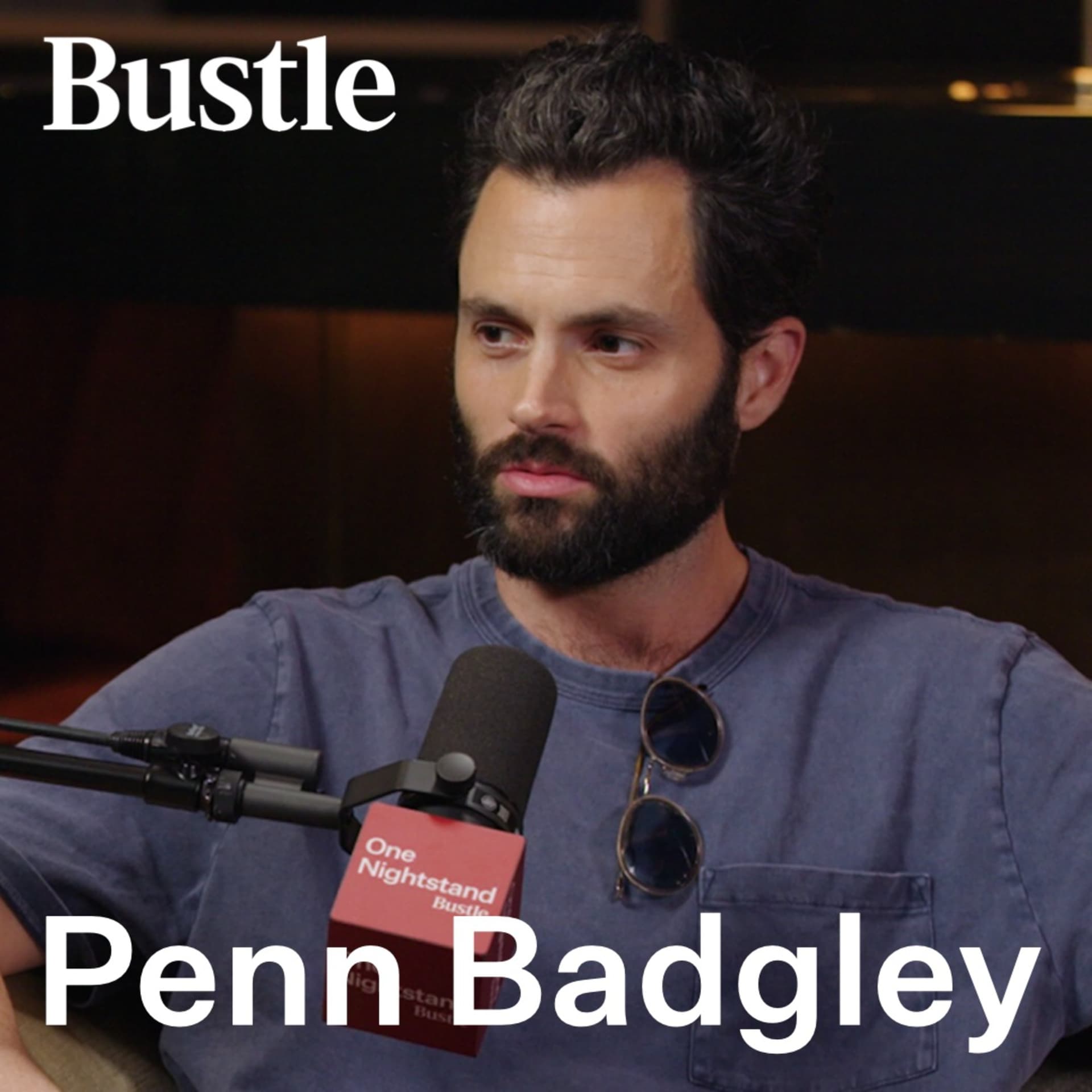
Penn Badgley is an actor and author; he’s known for playing Joe Goldberg on the TV series “You.” He describes his early life in rural Washington after leaving school, where reading and music became his main connection. He is sober for about 11 years and practices the Baha’i faith, emphasizing independent investigation of truth and non-proselytizing.
Key claims
Reading comprehension is central to acting; ambiguous divine texts require repeated “pouring over.” Online discourse and comment sections resemble protest behavior more than real-life collaboration. Mental health/illness labels can be limiting without a spiritual/soul framework; science helps but shouldn’t erase consciousness and spirituality.
Notable examples
“Calvin and Hobbes” (Bill Watterson’s natural-world art and philosophical humor), “The Hidden Words” (Baha’u’llah; Persian vs Arabic nuance; “rose garden” metaphor), James Baldwin’s “The Fire Next Time,” and Vonnegut’s “Galapagos” (humans-as-seals; big-brain critique). He also criticizes certain “white guy” literary worldviews as shallow or performative.
Written by AI. May contain mistakes. Listen to the episode to check what was said.
Chapters
Tap a time to open that second in VOThe Impact of Reading
0:28 to 0:48
Penn shares how reading influenced his life and acting career.
“From personalized pieces to must-have favorites made for the summer.”
The Impact of Reading
1:15 to 2:14
Penn shares how reading influenced his life and acting career.
“You've chosen some great books, and we also have your brilliant book here as well to talk about.”
Understanding Ambiguity in Text
2:14 to 3:19
Discussion on how to deal with ambiguous texts and trust intuition.
“I think it's almost like 95 % reading comprehension to me.”
Calvin and Hobbes' Influence
3:19 to 4:35
Penn reflects on his love for Calvin and Hobbes and its artistic depth.
“I feel like when I was at university as well, the professors really used to value people making an eccentric random choice sometimes as well.”
Parenting Lessons from Comics
4:35 to 7:20
Insights on parenting from the dynamics depicted in Calvin and Hobbes.
“But my five-year-old just happened to, he picked it up, and I read some of it to him.”
Education Perspectives
7:20 to 9:30
Penn discusses his approach to education for his children and its challenges.
“I like the one where Calvin's playing and they're like, oh, look, he's building things.”
Pandemic's Impact on Education
9:30 to 11:20
Exploration of how the pandemic affected educational experiences.
“But this like always on testing in America that like every grade you get like contributes to your for like the four years you're at high school.”
Love for The Hidden Words
11:20 to 14:00
Penn shares his admiration for Baha'u'llah’s work and its meanings.
“and that's, you know, I don't even think we have enough perspective on that.”
The Depth of Rumi's Poetry
14:00 to 15:06
Exploration of Rumi's poetry and its spiritual implications.
“I loved Rumi's poetry a lot in my early and mid-20s.”
Cultivating a Spiritual Garden
15:06 to 16:18
Discussion on the metaphor of a rose garden and spiritual cultivation.
“And that fragrance too, the fragrance of a rose is actually quite subtle.”
Show all 32 chapters
Parenting and Religious Upbringing
16:18 to 18:25
Insights on raising children in faith and the importance of personal discovery.
“In some ways, it's very modern and futuristic.”
The Principles of Baha'i Faith
18:25 to 19:51
Exploration of the principles and practices of the Baha'i faith.
“You know, proselytizing is prohibited in our faith.”
Sharing Faith with Children
19:51 to 21:01
The importance of introducing spirituality to children authentically.
“share this with my children only because it's like, look, this is the most valuable resource, infinitely more so than anything else I've encountered.”
Reflections on Faith and Literature
21:01 to 21:45
Discussion on the intersection of faith and literature, focusing on Baldwin.
Cultural Contributions and Race
21:45 to 23:31
Insights on the impact of race and culture in America, emphasizing equality.
“Okay, bro, where do you think it came from?”
Understanding Genius and Simplicity
23:31 to 26:14
Discussion on the nature of genius and the simplicity in complex ideas.
“We all have the, I think, equal capacity for perception depending on our experience.”
The Essence of Love
26:14 to 26:50
Exploring the challenges of love in the context of societal issues.
“And that's kind of the essence of all of this.”
Cultural Development and Leadership
26:50 to 28:00
Reflections on cultural behavior and the parallels with child development.
“You know, it's like that's all the things we're looking at as the human race right now in confronting its greatest inadequacies and misunderstandings and miscommunications and difficulties.”
The Nature of Online Discourse
28:00 to 29:12
Discussion on the peculiarities of online interactions and their impact on real-life behavior.
“I think it's encouraging that you rarely have these kind of interactions when you're in real life.”
Protests and Real Life Behavior
29:12 to 30:54
Examining the behaviors displayed during protests and their correlation to online interactions.
“which, you know, nobody is constantly at a protest.”
Suffering and Self-Awareness
30:54 to 31:59
Exploration of suffering as a means to achieve self-awareness and personal growth.
“It's like this man lives in a world that is just falling apart in every conceivable way.”
Mental Health and Spirituality
31:59 to 33:54
Discussion on the concepts of mental health, illness, and the role of spirituality.
“James Bolden wrote that people who cannot suffer can never grow up.”
The Limitations of Scientific Views
33:54 to 36:16
Critique of the scientific worldview regarding consciousness and its implications on mental health.
“They actually need to go together because they check each other in healthy ways.”
Personal Experiences with Mental Illness
36:16 to 38:06
Reflecting on personal experiences and societal views surrounding mental illness and its complexities.
The Role of Literature and Humor
38:06 to 42:00
Discussion about literature, particularly Vonnegut, and the importance of humor in addressing serious subjects.
“I mean, look, I also, I have close family members who have profound mental illness, and I've dealt with it.”
Reflections on War and Literature
42:00 to 44:06
Discussing the impact of war on literature and cultural cynicism.
“And then this view of humanity actually came, this very cynical view of humanity on top of our materialism and consumerism and industrialism and white supremacy.”
Reflections on War and Literature
45:02 to 45:24
Discussing the impact of war on literature and cultural cynicism.
“And for a limited time, college students get the best of both worlds.”
Critique of Literary Tropes
45:32 to 48:22
Exploring the limitations of classic literature and its male protagonists.
“It's so arrogant and thinks that it incorporates the whole worldview and human behavior.”
Writing Through Personal Experiences
48:24 to 54:10
Discussing the challenges and insights in writing a personal essay collection.
“I actually, I literally, it was a cold, cold winter.”
Growth and Masculinity in Youth
54:12 to 56:01
Reflecting on the struggles of growing up and the pressures of masculinity.
“Yeah, one thing that I did leave out of the book in a sense that I wanted to explore way more, but I was like, hmm, it's almost like a, it's not for here and right now.”
Exploring Masculinity and Personal Struggles
56:01 to 1:00:07
The conversation delves into masculinity, personal experiences, and societal pressures surrounding gender and relationships.
“And, you know, because then I could have become my personality.”
Exploring Masculinity and Personal Struggles
1:00:10 to 1:00:28
The conversation delves into masculinity, personal experiences, and societal pressures surrounding gender and relationships.
“It can help you with practically anything on the web, like restoring a vintage motorcycle from a 50-page restoration block, or finally break down that long article you've had open for weeks.”
Transcript
Automatic transcript. May contain errors.0:00Your summer runs just got a boost of energy in Lululemon's Shake It Out shorts. Made in our ultra breezy lightweight swift fabric, the Shake It Out shorts have a flowy, layered hem and a comfy built-in liner. These shorts keep you locked in for miles with distraction-free storage and a waistband that doesn't budge. They might just be the shortcut to your summer goals. Shop the Shake It Out shorts now at lululemon.com.
0:27Pandora jewelry brings the sparkle to your summer. Now with even better prices. Enjoy up to 50 % off select styles. From personalized pieces to must-have favorites made for the summer. Timeless designs that shine with you through every moment. Wherever the summer takes you. Shop in-store or online. Now through July 6th. Terms and conditions apply. Visit Pandora.net for details. This is why I don't like Joe Goldberg. He loves that nutshell. Oh, exactly. And thinks it's the world, and it's like, that's why you murder people. I wrote down all the books that Joe Goldberg has seen. I don't like any of them.
1:02You don't? Oh, I can't read any of them. That's what I was going to ask you. The Unbearable Lightness of Being? Yeah. Bruh!
1:11Well, Penn Badgley, welcome to One Night Stand. Thank you. Thank you for having me. No, we're so thrilled to have you here. You've chosen some great books, and we also have your brilliant book here as well to talk about. Yeah, let's put that one on top. Have you always been a big reader? Yeah, yeah. The first year I stopped formal schooling at least for a time, and it began this pattern of like never really returning to school fully, was my fourth grade year. Oh, wow. My parents had to move from one side of the country to another completely. It seemed and felt random and sudden, and we moved to the middle of nowhere, Like our driveway was two tire tracks up a mountain, really.
1:53And like our neighbors were about a mile away. We were in the sticks of Washington State. And it was beautiful, but I was completely alone, only child, didn't have an outlet. Summer. This is when I started acting. And because of the strange sort of non-schooling situation I would be kind of in and out of, reading music were some primary form of connection. To me, my approach as an actor, to be honest, is... I think it's almost like 95 % reading comprehension to me. If I'm at my worst, it means I'm being lazy, but if I'm at my best, it really is just take the words off the page and understand what you're saying.
2:31All the other stuff the wardrobe does for you, the editing does for you, really, if you were just present with the words, which is to say reading, you've memorized them, of course, at this point, but it's reading comprehension to me. What do you do when you come up against something that feels ambiguous or you're not sure? Do you trust your gut? Well, as a reader, I love to kind of pour over something. Yeah. For instance, this, The Hidden Words by Baha 'u'llah, that anything that feels of truly divine origin to me can never be fully understood. It has infinite meaning and depth. So therefore, you can pour over it over and over and over and over and over.
3:05And that's actually what I do with that book. As an actor, well, at some point you have to perform it. So at that point, you just let your misunderstanding just be honest with how you feel, actually. And it will seem like a good choice. Yeah. I feel like when I was at university as well, the professors really used to value people making an eccentric random choice sometimes as well. So I feel like you can't be wrong. Well, you can, but mostly... At university, I feel like you can be wrong. As an actor, if you believe what you're saying, you might not be able to be wrong. The best version of that is like if you're really honest about how you feel which might even be like I don't really love this line You know, but you're in the full thing you're in the scene you're present with your scene partner It actually might just seem like and be an interesting choice.
3:54Yeah I love that. We're gonna start the bottom of this gigantic pile here because we have a very big Item which is the complete Calvin and Hobbes Tell me about your love of this. Well, I was reminded of it. It's so deep and far back but very foundational that I had forgotten about it completely until a few nights ago. So you guys, you guys acted quick getting this, finding this. We move fast. So I've had this stack, like some earlier edition of it, but I've had this stack. I must, I've probably had it for 20 years, 25 years. I think, I think that my mom might've gotten it for me as like a birthday present when I was 16, 17, you know, something.
4:37But my five-year-old just happened to, he picked it up, and I read some of it to him. And I was just like awash with all of these sense memories. And I think in particular, Bill Watterson's art, his depiction of the natural world. So like Calvin and Hobbes are these very irreverent characters. They're deeply philosophical. One of them's not real. But they live in a world of their irreverent imagination. and philosophy and it's a very funny comic. It's tight. You know, you get maybe four frames or six frames and it's something is communicated and that's a real knack. That's a real special skill that I don't know where else it's ever exercised.
5:24Like that's a very, it's like a poem, a haiku. Yes. So there's Calvin and Hobbes and their whole thing. But then the way that Bill Watterson paints the natural world around them is stunning. It's like, it's really gorgeous. gorgeous so there's so even without the words and the themes you feel that interesting um the creative tension between their comic ness and the deep beauty of like the way he paints trees and mountains like what these vistas these like these like like you know these old american vistas and they just used to be like in the newspaper yeah like we can just like what a lovely really so did you read them as a kid then so when you say a sense memory so you would read them in the newspaper yeah like every week yeah I mean you know I can recall in Virginia when I was like five and six probably doing it and then I think by the time I was a bit older eight nine that's when you could like get some of the books yeah so not this fully but you know you'd have yeah and I definitely had a lot of the books and it was a great comfort you know Calvin is uh he's really he's brilliant calvin technically speaking he's brilliant and he's like cutely sweetly antagonistic with his parents and they're actually really tender with him yes they're very tender even though they're also like this fucking child like you know and that's actually now as a parent of a five-year-old um you know my stepson who is 16 i met him when he was five so not having gotten zero to five.
7:00I didn't see that kind of... those early years are really significant in understanding a five-year-old. Now that I have seen that, I'm like, oh, this man, I don't know, he must have had children. There's something he really understands about both parenthood and childhood. Yeah, for sure. And I think the sort of facetiousness of... I like the one where Calvin's playing and they're like, oh, look, he's building things. Maybe he's going to be an architect. And then at the side, it's him like destroying worlds. Yeah, it's so good. It's so funny. Did you identify with Calvin as a kid, do you think?
7:38I must have. I don't remember. I think I really identified with both of them. Yeah. Definitely both of them. I loved Hobbes. I remember I had a stuffed animal of Hobbes. I mean, they never made a stuffed Hobbes, but I had a tiger that happened to look closely enough to Hobbes, and I really loved him. In your book Crushmore, you sort of write about how your education, your path to education, you sort of don't regret it. It's sort of like, you know, I think you have this lovely line where you talk about how you made you are sort of like making the best of the opportunities. And that when the alternative was staying where you were, it was best to move.
8:13Do you sort of with your own children? Do you have a sort of different perspective on education with them? Are you like pretty liberal about what are you more like? Well, great example. our 16 year old we tried to move out of the city for like a year and a half after the pandemic we really wanted our then 13 14 um to go to high school out of the out of new york city new york high schools are you know that's a thing yeah it's a thing we went to the the the little town where we had been living during the pandemic and that's the only house we own is there we we love that town we're going to go back there someday maybe when the oldest graduates yeah because raising kids in New York City is we've done it with the first one and you know he's a he's a he's a Brooklyn born and raised kid and he really wanted to come back so he's in a he's in a serious private school here like yeah and that really works for him it's the right kind of stimulation and I actually feel good about it I don't think it's for everybody it is intense but but I have to say again he's thriving yeah in that um he he needed that and kind of wanted that the little ones the five-year-old right now we have him in a kind of a hybrid homeschooling vibe he's not in kindergarten yet because it's like we don't need to be teaching these kids as much as we try to teach our reading and math comprehension is going down because we actually start too early and everybody's too like yeah you sometimes hear parents in like park slope brooklyn talk about their kids and like in the park and it's just like god bless them all seriously i know we're all trying our best but like the neuroses oh my god anxiety it's like can we let these children be children and the answer is actually no because we don't know how to play because there's something happening where like so I never lost my love for education because I wasn't a part of the educational system yeah it's not the teachers I mean maybe it is some of them if they're underpaid and overworked and exhausted and becoming miserable but like it's not it's the system yeah you know it's not the people so i'm i'm all for finding alternatives for the time but i am pro-education i'm not like you know like let them just no exactly go into the woods yeah it's also i think me and my i'm one of three girls i'm the middle and we all went to different secondary schools which is like 11 to 18 in the uk and i think that they sort of like suited each of us in different ways and i think you do have to like find the right fit for the child in question but i Do you think these American, so in the UK, you have exams when you're 16 and then again at 17 and 18.
10:43But this like always on testing in America that like every grade you get like contributes to your for like the four years you're at high school. It's serious pressure. It's brutal. It's serious pressure. You've got like no time to have like an off moment. Yeah, yeah, yeah. Which what 14 to 18 year old doesn't have an off moment. Yeah, and actually, so the reason that our 16-year-old really wanted to get into that is because his middle school was the pandemic. So he didn't have, it was kind of like, now there's nothing. And so he lost this seriously formative, well, he didn't lose the formative time, but his formative time was spent.
11:18Yeah. In fact, the very period of life we're really looking at, our first, it was in the pandemic. and that's, you know, I don't even think we have enough perspective on that. We don't. And it's the kind of thing they're going to talk to us about when they're older and be like. Yeah. Yeah. Yeah. Oh, yeah. I mean, yeah. What a time. Yes. I just moved to New York. I moved a month before the pandemic and was like, yeah, it was rough. Rough. I mean, everyone had a rough time, but that was really rough. No, but that's really intense. I was like living in this little one bedroom apartment on my own.
11:49So you didn't have any friends? I mean, but you wouldn't be able to see them anyway. No, but like I couldn't see any friends and I hadn't really made that many friends and no one was like taking on new people at that point. So, and I couldn't, because of my visa rules, if I left the country, I couldn't come back in. Good Lord. Don't recommend it. But you know, what doesn't kill you makes you stronger. Yeah. Well, on the theme of getting stronger, your second book, The Hidden Words, it's, I mean, tell me about your love for that book. Let me just crack it open real quick. Let's see what I open it to.
12:17This is my relationship to this book. So when I first got it, so to be clear, it's written by Baha 'u'llah, who's the founder of the Baha 'i faith. The Hidden Words is meant to be a distillation of the truth of all past religions. There's two books within it. One is in Persian and one is in Arabic. They have different characters. As I understand it, the Persian language has this sweetness to it. Arabic has this sort of deep comprehension to it. So I've always tended a bit more towards the Arabic personally. There's something about them that the mysticism is also like rigorously rational, whereas like the Persian might have this more bewildering mysticism to it.
13:05So, you know, there's, I think the bridge to this for me was Rumi. Yeah. The Barks, the Coleman-Barks translations of Rumi, but there's a lot to be said about the Coleman-Barks translations that is positive and then also could be maybe constructive criticism in that what Coleman-Barks has done and what most Western interpretations of Rumi have done is like removed his devout Muslim life.
13:32They've removed the Islamic devotion from Rumi's poetry because they don't understand it, and I think they largely misinterpret it. There's this idea of Sufism that it's like beyond the laws of the Quran. Some Sufis actually did believe that Rumi was not one of those. He was devout. Interesting. He was by the book and also deeply mystical. And so he was a great balance, I think, of a truly religious person. I loved Rumi's poetry a lot in my early and mid-20s. And it would get me to be able to really comprehend this. Because you could think, yeah, it sounds beautiful. I don't know what that means.
14:15Yeah. And you'd be right. Because you don't and you need to spend time with it. Yeah, exactly You know, you really need to spend time with it I mean the idea that the first call of the beloved capital B meaning we'll say in short God but that unknowable Source from which we come and which we return So if this is the first call Oh mystic nightingale, so that's a reference to then us So we are in some capacity. We are a mystic nightingale. This is the soul as I understand it abide not but in the rose garden of the spirit so then it's saying you know to me it's like remember that life is spiritual the rose garden abide not but in the rose garden of the spirit and what is a rose garden it's a number of things it's fragrant um it has to be cultivated gardens are gardens have to be meticulously kept in order to remain a garden you know what are the things that is required in a rose garden what are the complementary plants and conditions of the soils that a rose garden flourishes you know all that kind of stuff like really let's think about this and to live there it really would mean that you have to become a gardener you know and that you're you're cultivating this this and you would have to you could only do it out of love yeah and your relationship to the rose would become a deep one you'd have to understand it you'd have to understand it in a lot of ways you would have to become very knowledgeable.
15:41And that fragrance too, the fragrance of a rose is actually quite subtle. Yeah, totally. But it's a really, really, really sweet and subtle fragrance. So that's the way I spend time with this document. Yeah, when I was reading through, I found myself, it was like a comprehension test. I was like, okay. It just washes over you sometimes. Exactly. But I find it easier to read it rather than hear it with stuff like that. I agree. It's very hard. If you hear me saying it, it's like, no, no, no, you need to take your time. Yeah, and almost visually anchor the words a bit. In your book, Crushmore, your two co-hosts on your podcast, Sophie and Nava, they write a lot about growing up within the faith and how there were moments where they sometimes felt like, ooh, and then other moments where on the whole, they're obviously thrilled.
16:36and you know how do you feel about it as a father are you do you sort of like give you are you giving your children the chance to like react to on their own terms or is that something you might read with your kid it's it's both of those things it's also other things it's you know having not grown up in anything close to a religious household and and the way i practice religion is not the baha 'i faith as an organized religion is that doesn't practice in the way that people commonly think of or understand religion. That's one of the great appeals of it. In some ways, it's very modern and futuristic.
17:09Some would say it feels, in other ways, conservative and archaic, and it's just, it's many things. The reason I adopted it, apart from, and always secondary to, that essential, like, falling in love with the words of Baha 'u'llah and then being like, well, this is a completely unparalleled elixir and medium and I love this and so there's a framework really for there's a the the Baha 'i faith has a has a modern framework for action which the individual can can connect their own spiritual transformation to the transformation of the community and the world around them I would have died for that kind of information and resource as a as a what we call junior youth middle schoolers like 11 to 15 as a high schooler as a child I would have oh my god that's what I was looking for I couldn't have articulated that of course but that's what I was looking for that level of identity at the level of the soul so being that I know that it's an incredibly valuable resource that nobody else is going to offer them out like explicitly so that's what I do I offer it to them learning how to do that in a really authentic way in a really selfless way which is a problem of religion's past.
18:28You know, proselytizing is prohibited in our faith. As is, you know, you have to, the first principle is independent investigation of truth and reality, and that you have to declare your faith as a Baha 'u'llah yourself. You can't technically grow up a Baha 'i. You're not a Baha 'i simply because you grew up in a Baha 'i household. You have to be 15 at least. You have to be of the age of spiritual maturity to declare your faith in Baha 'u'llah and mean it, and then you follow the laws. There's fasting, there's obligatory prayer every day. No drinking, you know? Oh really? So you've been sober since?
19:00Yeah, I've been sober for about 11 years. Lots of things like that. An interesting one is non-involvement in political affairs, but being deeply invested and engaged in the well-being, contributing to the well-being of the society you're a part of. So, you know, it's like we do vote, but it's interesting, our relationship to politics, you know, and especially in countries where the Baha 'i faith is like having, it's really contributing to the transformation of culture in like certain villages and localities around the world. That has, that non-involvement in politics has shown to be an extremely wise and valuable principle.
19:38Here, I think people are like, well, what do you mean everything is politics? How are you going to do anything meaningful? And I understand that. And so I'm learning about that and trying to understand how it manifests differently in a country like ours at a political time like ours. It's really, really interesting. So, you know, I'm trying to share this with my children only because it's like, look, this is the most valuable resource, infinitely more so than anything else I've encountered. So I'm going to share it with you. I pray with them. You know, my five-year-old asks me to say, he doesn't love to say prayers on his own, but he like will ask me to pray.
20:09And I sing my prayers a lot. So he'll, you know, in the morning wakes up at five o 'clock, I clockwork every day, you know, sometimes 455 often. 455 to 457 I find is really common I'm like wow every day every day with anything with a four on the front it's just not appropriate I'm like too early and he'll like want me to say the long obligatory prayer the long obligatory prayer takes about 11 minutes to say at a at a clip that's such a beautiful echo of I think Nava's essay in your collection where she talks about her memory of lying in bed with her mother when she was singing prayers that's right yeah it's lovely I was my parents met at church and we went to church a lot until I was about 10 but I remember when I was maybe six or seven saying like so you guys believe in God and my mom being like yeah my dad being like no he's like but I just he's like I think it brings out the good in people and I was like oh okay and so I never felt pressured to necessarily believe anything which I think is a nice like balance when you're a kid like yes so you pray every day and you would maybe are these prayers technically or they they're they're they're they're hidden words they're um they're hidden in plain sight they are they have the quality of prayers okay they definitely have the quality of prayers like i i will sit with one and like a prayer and uh yeah so they're so they're they're not not prayers they're almost like affirmations as well and in some degree of like being like i want to be this is how i want to move through the world yeah definitely um well your third book also has a lot about religion and I mean the fire next time by James Baldwin he really goes through a reckoning with his faith in this book but tell me about your love of this book so this one I really haven't read in a long time so it's like it's it's at this point it's become in memory possibly something that it is not if I was to read it again yeah so I want to be clear about that there are other works of James just James anything that he's said or or written and I'm just like, he was a genius.
22:10Truly. I've always valued the artistic and cultural contributions of black Americans, African Americans, and I want to be clear, not in a way, I think white American culture, and actually British American culture, has of course a tendency to fetishize black art in a way where it's like, you know, the way that a lot of white musicians love gospel music for the chord progressions and the harmonies, but they're like, yeah, but that God stuff. Yeah, yeah, yeah. Okay, bro, where do you think it came from? We're all human. We're all truly equal and the same at some deep, deep, deep level. What you have in the case of our community in America, there is a group of people who have been subjected to the harshest reality of our social system.
23:03And so therefore, constant and involuntary confrontation with and experience of that on a moment-to-moment daily basis would naturally engender any group of people with insights into the way the social system works. To me, it's very simple. It's very straightforward in that sense. It's like, let's not fetishize or venerate or degrade. We're all human beings. We all have the, I think, equal capacity for perception depending on our experience. This man, a queer black man, has then therefore had an experience, which is, you know, so he has his genius and his insights and his unique qualities. And then he also has been given this involuntary aspect of his experience, which then also gives him insights.
23:54So he just has that really special mix of things. And I've always, whether it's black music or black thought, those have always been the artists. When I first was becoming Baha 'i, I thought of Baha 'u'llah as a black or brown revolutionary. I started to think of all the prophets of God that way. These are the people who somehow speak... I would love to say, there's a white artist who really touched me. I don't I happen to not have that I happen to just not have it and I'm like please do it please come move me the same way but there's an interesting limitation that's the strange the strangeness of whiteness I can't remember the particulars about the book which really excited me because I read it so long ago but that's the market left and then more recently what I've read of his is like his interviews.
24:52I have this book of his called The Last Interview, which I might have been my other offering here. You know, that one I'm more familiar with. But he's just, you know, he just, he was the first thinker who introduced the idea to me, this idea, people who believe they are white. He's the first person who introduced the notion that race is truly not a real thing. It's a social construct. We, of course, treat it like it's in our DNA. We treat it as though it's like it's immutable. It's like, yeah, but it's a completely social experience, which then, of course, makes it real. but um the idea that race is a social construct was not something that people said back then yeah it's not something that even when i read it people said but it but he introduced the concept in a way if you say race is a social construct it's like okay yeah what does that mean yeah he said it in a way where it's like from the heart oh totally and everything is crisp it's so like take a complex idea and he's able to just like distill it into one sentence yes and that's genius I don't remember who said it Many people have said it Genius is to take something complex and render it simple And he does that He does that over and over and over again It's like every line It's like my god It's like a punch to the gut every time It's just so assured Without being in any way Pushy It's crazy It really is If I could move through the world thinking about things like that i'd be like it's so yeah it's it's incredible he said something that um if he didn't say it with his cadence you could almost it could almost be used in a really like superficial way but he said you know love has never really been a popular movement yeah like true ooh, love has never been popular or easy.
26:47And that's kind of the essence of all of this. You know, it's like that's all the things we're looking at as the human race right now in confronting its greatest inadequacies and misunderstandings and miscommunications and difficulties. Like, we have not actually tried love. You know, everybody wants to act like, oh, we've tried the patience and the love. It's like, since when? No, exactly. We've been warring for a long time. We've given war a shot. Truly. Why don't we try, you know? And of course, there's reasons. It's very hard. And parenting, I think you learn. I think what I've learned as a parent, having with my stepson not gone through zero to five and now going through zero to five, I'm like, oh, we just behave at a cultural and social level like toddlers.
27:33Yeah. Interesting. And it's okay in a toddler. Yeah. and I understand that maybe culturally we're at that level of development so I can't get mad at us the same way you can't get mad at a toddler for being a toddler no you know but like our our world leaders behave like at best toddlers yeah I also I also wrote down this line people are not terribly anxious to be equal but they like love the idea of being superior and I was like that is extremely true because we like like you say we like to think we're committed to certain values and it's like well but you always want a house bigger than that part you know I mean it's sort of yeah whatever reflection of discourse that like being online is like if it's the comments or if it's people talk about twitter anymore x or whatever i don't go on there but it whatever that is even though it's not really real it's something yeah and it is a discourse of some kind and all that is is people just being like no actually you're wrong about that no actually there's something you haven't perceived in that actually no actually you're wrong about that no you're actually stupid it's like my god guys it's a youtube short of a of a man doing a backflip oh and now we're talking about politics yeah what the fuck is wrong with you people are insane like on social it's terrifying and it's i mean i i know obviously in your industry there's a pressure to like on talent to have followings and audiences and it's the same in our business as well and it's I find it revolting.
29:02I think it's encouraging that you rarely have these kind of interactions when you're in real life. Yeah. Rarely. And then what's interesting too is that I think what's developing in like sort of protest and activist, that subset of culture, which, you know, nobody is constantly at a protest. But I think what we see in protests, unfortunately, is like the equally rare manifestation of that kind of behavior. It's like somebody going to a protest is geared up to be in a political mindset. Yeah. So, and they're saying something that then any interaction they're going to have there is a response to that thought.
29:50And I'm actually not judging it. I'm just saying that's what it is. is like, so then what you have in protests, which is then filmed and then captured, and then it's like, it's a little bit evidence of like, see, the way we behave online is the way we behave in real life. And it's like, actually, that's the way people behave at protests. Yes, yeah. And so it's the way we behave in the comments section, and that's the way we behave at protests. That's such a small portion of life. It's part of life, I'm not going to deny it, and it's part of human behavior, but it's not the way we actually behave when we're like in line with each other at the grocery store driving.
30:25Interestingly, there's a lot of like healthy social, I don't know, obedience or like just collaboration that we have that we completely overlook, completely overlook. And we just keep finding all the ways that we're dividing. And it's like, we are, and it's, it's, it's insidious, and it's needs to be addressed. And it's not like both sides are equally wrong or right. It's like, there's a, there's a whole thing there. And there's like real injustices that need to be addressed and they're egregious and let's do that and at the same time there's this this thing of love you know it's like impatience and um people actually have it more than they give themselves and others credit for because otherwise we otherwise we would have been such social unrest like you couldn't have you seen bow is afraid no it's an ari aster film so it's um a treacherous mental experience, but it's starring Joaquin Phoenix, and from what I understand, Ari Aster has just taken that and made it real.
31:23It's like this man lives in a world that is just falling apart in every conceivable way. Like the social contract is just... I mean, it's crazy. It's actually literally almost, it's incoherent. Wow. It's incoherent, and that's what I think people... People talk about the world like it's that. Yes. The world has not become that. We're sort of judging the state of our civilization based on our absolute worst. Yeah, yeah, yeah. Like headlines and comments. It's like, okay, yes, that is part of it. And there's some atrocious stuff happening. And there's also collaboration and integration happening.
31:58And I think it's actually our duty to recognize that and be like, all right, so what is working so we can do more of that? Yeah, it's hard to. I know. James Bolden wrote that people who cannot suffer can never grow up. They can never discover who they are. And I thought that was a really interesting idea in the context of your essay collection because I do feel like so many of your essays are about the different challenges that you and your co-hosts went through and how, you know, suffering is a conduit to, like, better self-awareness. Do you agree with that kind of principle? Yeah, I think it's tricky.
32:30The only way to accept that suffering has a purpose has to be in a spiritual context. I don't know how someone would tolerate it otherwise. Suffering is one of the things that unites us. It's not the only thing, but it is one of the things. Everybody's suffering. Right. And some recognition of that can be really poignant. Yeah, I agree. And I think that the sort of, I read it as a kind of like, we all have hardships. And obviously some people's hardships are much worse than others and that you can sort of grow and learn from them. Does your spirituality change the way you think about mental health?
33:04That's an interesting question. Mental health and mental illness are terms that the more I encounter them, that I don't think help communicate the truth of what's happening. Like a while back, the terms like white privilege, toxic masculinity, accountability, these are helpful when they first come into the cultural lexicon to help us name something that we weren't naming before. Mental health and mental illness does that too, but then I think the terms become limiting once you've sort of understood enough of that and you need to understand more. When we say mental health, I mean, it's an honest question.
Read the full transcript
33:44Like, what do we mean? I'm not an anti-science person at all. I'm profoundly, like, I mean, one of the principles of the Baha 'i faith is the essential unity of science and religion. They actually need to go together because they check each other in healthy ways. and of course I mean true religion and the case of which we hardly see on the planet now but the predominant scientific view which is a completely philosophical belief with no evidence go figure is that there is no God or rather there's no need for the account of God anyway even if God does exist that's a famous quote from Stephen Hawking that God has rendered irrelevant through the scientific method and the discovery of the entire physical universe and there being nothing else.
34:29Okay, it's a fair perspective. What it does is that it then assumes that consciousness arises simply from a certain organization of matter, that consciousness is ultimately nothing more than computation, which does mean necessarily that AI will surpass us and become more human, which I just don't believe is a possibility. So that's an irrelevant concern and fear to me. One of the assumptions that underwrites this scientific worldview, but it's a philosophical worldview, that of course there is no God, consciousness arises from matter, is that eventually we'll understand the human brain and the human consciousness entirely, simply through a process of computation.
35:08And therefore, you know, all of these mental disorders can be understood in that way eventually. It's very, it's definitive. It's ultimately very narrow and limiting. It doesn't account for so much of the human experience. I agree. At all. Yeah. You know, and I think it's actually contributing to what we call mental illness.
35:33Inadvertently, of course, sort of with good intentions. So I think, you know, when we talk about mental health and mental illness, it's like we're in one of our most spiritually ignorant phases of humanity. We're just going through a transition.
35:50I think without incorporating, you know, recognition of the soul, our truly incredible origin as divinely created beings who need to have a relationship with our creator, otherwise we're like petulant children. I feel like what we call mental health cannot be had without that. If that's true, and let's even treat it as a hypothesis here, if that's true then it has to be recognized for us to encounter reality and health so that's a pretty strong hypothesis the other one is okay if it's not true let's discard it as a perspective uh but we're real fucked up yeah and i and and we don't have answers for it right now so i don't know i mean there's a long answer because it's it's it's hard to address but it's tricky i was at a wedding in sicily a few weeks ago and i was talking to a guy who was at my table and i can't but we were like clearly a few drinks deep because we were talking about university or something and i wasn't very well when i was at university and had like very poor mental health crisis and was like talking about stuff that i didn't want to do now because of stuff that had gone wrong then he was like it's just so crazy because he's from a very scientific background he was like that wasn't a lesson that was teaching you anything you just had a chemical deficiency right and i was like whoa i've never thought of it that way like and and there's definitely some truth i know what he means there was just a chemical deficiency but there were also like environmental lessons I think I don't know but it's uh can I ask I mean did you feel as though you had learned from it yes definitely so did you feel in that moment that you were being sort of told that that lesson wasn't true perhaps yeah well because I think he was just saying that you don't need to write off these things that you think of as being like factors that contributed to something it could just be that you that had nothing to do with it you were just in a chemical yeah well that's where science is a great help because true scientific exploration and inquiry and it does let us know all right let's not create superstitious meaning yes connection between things that have no connection meaning i'm all for that yeah definitely and then there's some aspect to human consciousness that we just that we are just completely ignorant of which will help us understand what we call mental health and mental illness.
38:07I mean, look, I also, I have close family members who have profound mental illness, and I've dealt with it. And there's a book called No One Cares About Crazy People by Ron Powers. I haven't even finished the book, but I remember starting it and being like, wow, this, I feel real seen and held right now. Because I think it's really easy to just refer to these things until you encounter them. Yeah, it's mental health, mental illness. Until you deal with someone who's really struggling and you realize that there's a complex convergence of so many factors. And it's like, it's social, it's personal, it's, sure, maybe it's genetic.
38:42But when we talk about genetics this way, we talk about chemicals and genetics contributing to all these, we're, I think sometimes we don't realize, but we're getting dangerously close back to like some kind of eugenicist theory where it's like everything is genetic and it's like. And like predestined. Yeah, and it's like religious. Yeah. And who is doing it most but white men. Yeah. In robes, my friend. you are a priest son you know I mean most of the world is actually spiritual and religious most of the world which is not white and not western is religious and so what do we think they're all fucking stupid guess who always thought that the white priests you're rallying against you know like come on it's white supremacy still we're still fighting white supremacy it's true well your fourth book Galapagos by Kahn are we only on the fourth book I'm sorry no no this is the fourth one so it's the last one Oh, it's the last one, yeah.
39:33Yeah. Tell me about your love of this book. Oh, this one, you know, it belongs on the list. It's the one I have the dimmest memory of because I read it at 16, loved it. I mean, I remember in the beginning, I don't think this is a spoiler, yeah, it's right in the beginning. The narrator is a human from the future when humans have turned into seals. Yeah. Right? And I remember being like, all right, Vonnegut. Vonnegut was my favorite author from probably 15 to like 25. Oh, I love that, yeah. There are other books of his that I loved, but somehow Galapagos is like, it's really part of the formative years.
40:05I just remember it being, I think Kilgore Trout is in that one the most. Kilgore Trout, the sort of like, what do you call him? He's like the, he's almost like this alter ego of Vonnegut that appears throughout some of his, most of his novels. And so it's just the craziest one. Yeah. From what I recall, it's the craziest Vonnegut novel. It's Vonnegut being like, I've already done everything else. Like this is just, and it addresses the strangeness of human evolution. Totally. Consciousness. It actually kind of gets that in some ways from a very different kind of conceptual take, the stuff we're talking about.
40:42Yeah, it 100 % does. And I thought that was a bit of a through line because it talks about the big brain and how they're no damn good. That's right. And like the big brain, which I thought was really interesting and how like all the knots we've got ourselves in and all the crisis is because of our big brains that we're just convinced know the answers. Yeah, yeah, yeah, not using our hearts enough. Yeah. Which we're going to unlock more of our big brains. We can actually properly use our big brain. Yeah. It's also funny. I mean, do you like reading funny books? I love, yeah. To me, I mean, humor is essential.
41:10Right. I feel like Baldwin has some humor in there. I mean, he's a very funny person. I can't remember if The Fire Next Time has humor in it, in that one particular. But humor is essential. In fact, all the stuff that we've been talking about, it's like it can be rendered dry and meaningless and kind of like it needs to have humor um yeah super super important that's why i love calvin and hobbes yeah i mean it's it's calvin and hobbes is like the forerunner to all this because it was both like serious philosophical spiritual and the thing that united all those was the was the humor and vonnegut is really just a grown-up version of that it really is and it's so um dry and funny and interesting and when I was researching him after I was interested to see that in during world war ii he'd been trapped in dresden when they were bombing oh that's right he was actually there he was there because he writes about it obviously so much later yeah and he was like trapped in a sort of meat cellar or something it was like wow crazy that's wild it's because I I'm only familiar so much with dresden because where I'm from in England Birmingham is really close to Coventry which was the city that they that they demolished both cities in like vengeance against each other so that was the like medieval british city they destroyed and dresden was the medieval and i always remember my grandmother saying she could see the glow from like 30 miles away in birmingham from the destruction so i but i thought that was interesting because i think when you go through something like that it's hard to just think how you can move through the world like yeah yeah he well he's one of those he's a boomer writer he writes about the war a lot and you know i think about that with my parents like you know they're they were the first generation right after these two great wars that made the whole world be like, hmm, we are capable of worse destruction than we thought possible.
42:59And then this view of humanity actually came, this very cynical view of humanity on top of our materialism and consumerism and industrialism and white supremacy. Like you then layer on this like confirming awful event of the two world wars. And you have a lot of like, yeah, a lot of cynicism, a lot of cultural cynicism that's bound up in like dry humor and so I think if my memory of Vonnegut is that he meets the reader there but then doesn't have a sense he's very hopeful and jovial he has this like uh totally bubbling sort of hope and love in his writing that that other writers for instance when you read other great literary giants who you know from the 40s and 50s on white men who I think are more cynical and don't have hope yeah like i can't i have no tolerance for them so i come i come from that class i can say fuck them yeah don't like them yeah don't like them at all yeah you know uh the cynicism totally of white literacy eczema is unpredictable but you can flare less with epglyss a once monthly treatment for moderate to severe eczema after an initial four month or longer dosing phase about four in ten people taking epglyss achieved itch relief and clear or almost clear skin at 16 And most of those people maintain skin that's still more clear at one year with monthly dosing.
44:46your doctor if you have new or worsening eye problems. You should not receive a live vaccine when treated with EBCLIS. Before starting EBCLIS, tell your doctor if you have a parasitic infection. Ask your doctor about EBCLIS and visit ebglis.lily.com or call 1-800-LILY-RX or 1-800-545-5979. Study and play. Come together on a Windows 11 PC. And for a limited time, college students get the best of both worlds. Get the Unreal College Deal. Everything you need to study and play with select Windows 11 PCs. Eligible students get a year of Microsoft 365 Premium and a year of Xbox Game Pass Ultimate with a custom color Xbox wireless controller.
45:24Learn more at windows.com slash student offer. While supplies last, ends June 30th. Terms at aka.ms slash college pc. Fuck it. Yeah. Oh, so hard. It's so arrogant and thinks that it incorporates the whole worldview and human behavior. It understands so little. And it is whiteness in a nutshell. Yeah. And it's a tiny nutshell. and then it's like but we are the world of books it's like fuck you guys this is why I don't like Joe Goldberg Joe Goldberg doesn't understand this you know totally he loves that nutshell and thinks it's the world and it's like that's why you murder people literally I wrote down all the books that Joe Goldberg I don't like any of them you don't that's what I was gonna ask you yeah can't can't tolerate him the unbearable likeness of being yeah
46:11but it's like all the like on the road crime and punishment like can't stand any of them interesting tried them can't stand them they're immature white men yeah can't stand them interesting so like they think they see they're all holden caulfield yeah they're all you know grappling with some trauma they can barely recognize from their childhood i'm sorry that's so interesting and what about so i've got dan humphrey's books as well which i thought was really just like the cute trite embodiment of that exactly it's kind Kind of, it's the catcher in the rye. He doesn't realize how inside he is. So he's got to write a book called Inside.
46:47It's all there. It's true. I mean, it was This Side of Paradise by Scott Fitzgerald, Post Office, Bukowski. The Secret History, Donna Tartt, which I thought was funny. A Moveable Feast, The Picture of Dorian Gray. All of them. I'm sorry. God bless you, but can't stand you. Interesting. All of them. But so many of your characters have had such strong book through lines, haven't they? Yeah, they have. It's quite interesting. um but I guess there's we did a big story a couple of years ago that was like the horniest thing a guy can do is read because so many men were posting like on their Instagram stories about books they were reading in this very like performative way just so then they get the girls and they were like talk they would talk about it after they were like yeah I mean I get so many dms or like girls would go up to them in coffee shops and be like oh so you're reading this book because it's seen as like a sign of like if it's a good book you're like oh yeah to me I see it actually in the bookstore with a child, I realized like, you know, bookstores aren't any better than like the For You page or like Netflix Home.
47:49It's full of a bunch of nonsense. Oh, totally. And if you let the child just read what they want to read, it's like, actually, that's contains some really troubling assumptions in it. Yeah. That's right. It's right. Yeah, white guy. Yeah. And I shouldn't, you know, I shouldn't. It's not about actual race here, but it is about like a set of experiences. Yeah. And assumptions, assumptions of a worldview, you know, totally. And how much you've accepted and how much you've rejected and how much you've actually explored for yourself. And one thing I did like about the Vonnegut reading it in 2025, so much of it felt like oddly like AI, like reflective of so many of the fears we have now.
48:25And also there was this one line that I wrote down that I thought was funny where it was like, Peru would never have ordered an attack on the boat if the nature cruise of the century had gone ahead as planned with a shipload of celebrities. And I was like, right. When did you write that? the 80s yeah and I was like that's oddly accurate to now as well yeah which is it is sort of it's interesting isn't it tell me about like why you wanted to write this essay collection as well your own collection because it's I it was a contractual obligation I mean it became one once I signed it we were approached at first and then we thought okay let's make a real effort here let's go out to all the publishers and we'll write something yeah or can we write something I was a hobbyist writer always Nava had been a published writer like as a researcher and writer within the UN an organization there Sophie had not written and did not see herself as a writer but we were like okay I think we can do this I was nervous about the deadline because I had to shoot the last season of my show and I was like this is going to be really tough I don't know that I have time for this if it was up to just me maybe I would pass but okay okay okay okay I think I think we can do it well and behold we did um and it was a pretty deeply moving experience and I mean I learned a lot just as a writer I mean I had to like I mean nothing like being in the trenches of a deadline yeah yeah and I have a I have a great work ethic when I'm on set I mean I'm very professional can work kind of like ceaselessly um for long long long hours, months on end, years on end, really.
50:07This is the kind of work I hadn't done. Highly mental, you know. I gained 20 pounds in the, I did. I've since lost it, but I did. I actually, I literally, it was a cold, cold winter. My wife then got pregnant with twins. Yeah. Tough symptoms in her first trimester. She was so nauseous. And our childcare had fallen out for our five-year-old. And so I was like, wow, this is like a tough convergence of many things. And so I, yeah. Was that, I mean, was that hard for you? Because you write about your feelings about your body as a child in this essay collection. Or did you feel distanced from it as an adult?
50:48I definitely feel, I mean, it's there. What I was also doing, I was like getting my dad's strength. I was doing, with my five-year-old in the morning, I was getting enough time for like a set of push-ups, pull-ups, and squats. So I was gaining muscle and fat and just eating a bunch. And it was cold. It was the winter. And then I'd sit all day. And I remember my hips getting, like literally one of the things that was happening every day, I'd be like, oh, my, this muscle right here was just like I'm sitting all day trying to finish this thing when I'm not like holding a child or like, you know. It was just kind of as things need to be sometimes.
51:26It was arduous. there was no other way for me to get through it if it had been, if I'd had time to stop and be like, what do I want to write? I wouldn't have finished it I wouldn't have had the like, I was just like I don't even know right now I have to, yeah, I'm like, that happens yes, yes, let's do more of that elongate this one really dive into it, stretch it out I can do that and then I learned how to tell a story it's brilliant And I loved all the, I mean, your insight about your years growing up in LA and your chapter about your first girlfriend. And I thought it was so beautifully moving and really such a lovely way to remember her.
52:08And then, like you say, there were these brilliantly funny sections with the sort of Millennium Dance Center and everything. I thought it was, it was so. Yeah. I mean, God, what is it about that time? Still don't know. Yeah. I don't know about it. Still don't know. Did your mom help you remember all that stuff or did you just have it there on tap? I asked her a few things. I asked her timeline things, especially with the essay about my first girlfriend because my mom was very close to her. There were so many tragic events of her life that I actually left out, ways we were bound up that were...
52:40It was such a tough, formative relationship to have. And I knew it at the time. We both knew it, I thought. Whether you have a spiritual outlook or not, there was a relief in her death. life can be hard well look regardless of what happens after death life is harder than death death is hard for the ones who are left behind yeah for sure you know it's not hard for the person who's dead yeah except maybe Hitler yeah I don't know is that true yeah I think it's true so like she and I in her death experienced relief that is that is strange and mysterious but so poignant and bittersweet. Her life, my introduction to love and romance and relationships at such a young age, first was my parents, which is...
53:31I mean, you write about that so beautifully. And I was reserved there, too. You know, there was a lot more. And my parents, you know, they actually did the best they could, but they had what they had. But that first relationship, it was such a burdened... It had such a burdened quality to it that I knew it was like leaving a mark on us. And so much so that when we got older, it was almost like there's going to be some point where I have to have a reckoning with this. I don't know when it is. And this story was maybe part of that. I knew, the first, the only story I knew I was going to tell when we signed up to do this book, I was like, well, there's going to be something in there about her and us.
54:16There's got to be. Otherwise, it's like... and then I turned 20. Yeah. No, but I mean, it's so moving, and, like, the detail, I mean, even the bit with your parents where your mom shouts at you for talking to the dog, like, very, just, I mean, it's so, it's such a beautiful anecdote that really captures, like, the way you were trying to work out what kind of man you wanted to be, in a way, and, like, how you wanted to talk to people, and you see that, and that detail of you arriving in the parking lot after breaking up with Kira, and, you know, and you're sort of sat there crying, You know, oh God, it's all the teenage feels, man.
54:52Yeah, one thing that I did leave out of the book in a sense that I wanted to explore way more, but I was like, hmm, it's almost like a, it's not for here and right now. It has to be figured out in a different way. 15 to 25, which I spend less time in, and I think this probably is the case for, you know, men, women, all people, but what a boy is going through, I think that's when you risk losing the human, the full conscious human you might have become from like 12, 13, 14. Yes. And then you're in danger of being like, I'm going to perform everything I think a man is meant to be. Exactly. And sometimes that will become my personality and the truth of who I am if it's confirmed enough.
55:28Mm-hmm. You know? And that is where, you know, what I didn't quite feel I had the time and space for was like, some of my worst transgressions were from like 15 to 25, where I was trying that on. Yeah. and I still like kind of shudder when I think of you know just and there's a lot of most of them are just little things like little things I would have said completely perform yeah completely performing what it what it seems to be to be a successful man you know it's like it usually would have been something about women it's something about it's something it felt so completely unnatural and hollow and untrue to say but like needed to say it because otherwise I'd be like well then it's clear that I'm not having sex with a bunch of women right now isn't it yeah you You know, and it's like, thank God that never felt right.
56:16Thank God it wasn't confirmed. And, you know, because then I could have become my personality. I think that's how it happens. I mean, well, you've got that line that I wrote down, like, adopting the traits of masculinity that seem like healthy armor to a boy but become something closer to a prison. Yeah. That is that kind of idea of like those. Again, name a world leader who is not in that prison. Yeah, truly. Name him. well we need the book of your 15 to 25 I think that's got to be next yeah sure let's see how this one does I'm signing you up for a book deal again but um I would read it because I think that's like I look back on that as being the hardest period of my life 15 to 25 and like a lot of that centered around dating and men and like as women are awful yeah it's when we it's you know it's that it's that thing of gender and sexuality that we're all kind of contending with right now and trying to understand as part of our identity but I think that's where it's like we're all performing yes that yeah no one's ever been allowed to just be who they are no and you know really no like even so I mean what I one thing I say in the essay about my girlfriend and what I realized sort of in the years since our relationship and then especially contending with her death and how real her suffering had been because it was insurmountable actually in the end.
57:37I mean, she died from alcoholism, which is to say you drank yourself to death, which I don't know what could be said about that other than like your, your sadness overtook you. I mean, I'm sorry. It's just like, that's what that is. Um, and I say that having, you know, she's not the only person I know like that. Like that's, you know, I'm not saying it just like some kind of calloused, theoretical thing here. I really could feel in her death how much we had not known each other until that moment because of how much our interactions were based on these completely, like, just the pressure to be like a boyfriend and girlfriend dynamic.
58:19And then you were like, force by your friends at the start. They were like, wake up! Which I think is, most people have that. Most kids have that. It's like you're nervous to do those things, but then you start performing through it, and then they're like, how was it? You're like, oh, it was great. Yeah. Well, it's also because you guys were like mini adults, because you were working. You were like supporting families as well. And like, oh, I mean, to go through the kind of rejection that child actors have to go through at that age while they're also like working and laboring for their family.
58:46I mean, I'm like, it's no wonder. I mean, brutal. Yeah. I mean, how many more pop stars do we have to see, write books and do documentaries where it's like, oh they're all dying yeah I know either inside or outwardly what would you if you had a final question if one of your kids wanted to become an actor or a musician would you be like not until you're 21 I would say I would say make the decision as an adult study and experiment and have fun with it now cherish it now because you will actually if it becomes a profession that's when you can't experiment with it anymore it's so true unless you become amongst the extra extra extra exceptional elite who get to make experimental films and live off of it.
59:25Yeah. If you want to, okay, fine. If you think you are Paul Thomas Anderson and Christian Bale, my son, you can do it now. Yeah. You know, otherwise you should, you should have all that fun now. Yeah, that's great advice. You know? We'll leave it on that note, but thank you so much, Penn. This was a great chat. I enjoyed it. Yeah, thank you. Pleasure. Good energy in. Ah, good energy out.
59:59Storm, zero sugar, 200 milligrams of caffeine, and immunity support. Storm, energy for life. This episode is brought to you by Google Chrome. You think you know a browser, but Gemini and Chrome? That's new. It can help you with practically anything on the web, like restoring a vintage motorcycle from a 50-page restoration block, or finally break down that long article you've had open for weeks. Gemini and Chrome is here for it. Ready to make anything online make sense? There's no place like Chrome. Check responses set up required, compatibility and availability varies 18+.
From the publisher
In One Nightstand, celebrity readers and writers join us at The Blond in 11 Howard to discuss their favorite books. In this episode, Charlotte Owen chats with Netflix’s hottest killer, Penn Badley, about his love of James Baldwin, what he really thinks of Joe Goldberg’s reading list, and how he’s handling being a father to three boys under 5.
Penn Badley ’s One Nightstand picks:
The Fire Next Time by James Baldwin
The Complete Calvin and Hobbes by Bill Watterson
The Hidden Words by Baháʼu'lláh
Galapagos by Kurt Vonnegut
Crushmore: Essays on Love, Loss, and Coming-of-Age by Penn Badgley, Sophie Ansari, and Nava Kavelin
Penn’s book ‘Crushmore’ is on sale now.
Credits
Director/Director of Photography: Marshall Steif
Assistant Camera: Konstantin Yelisevich
Post Supervisor: Delia Kelly
Post-Production Manager: Mateo Delgadillo
Editor: James Koroni
Producer: Aubree Lennon