
In short
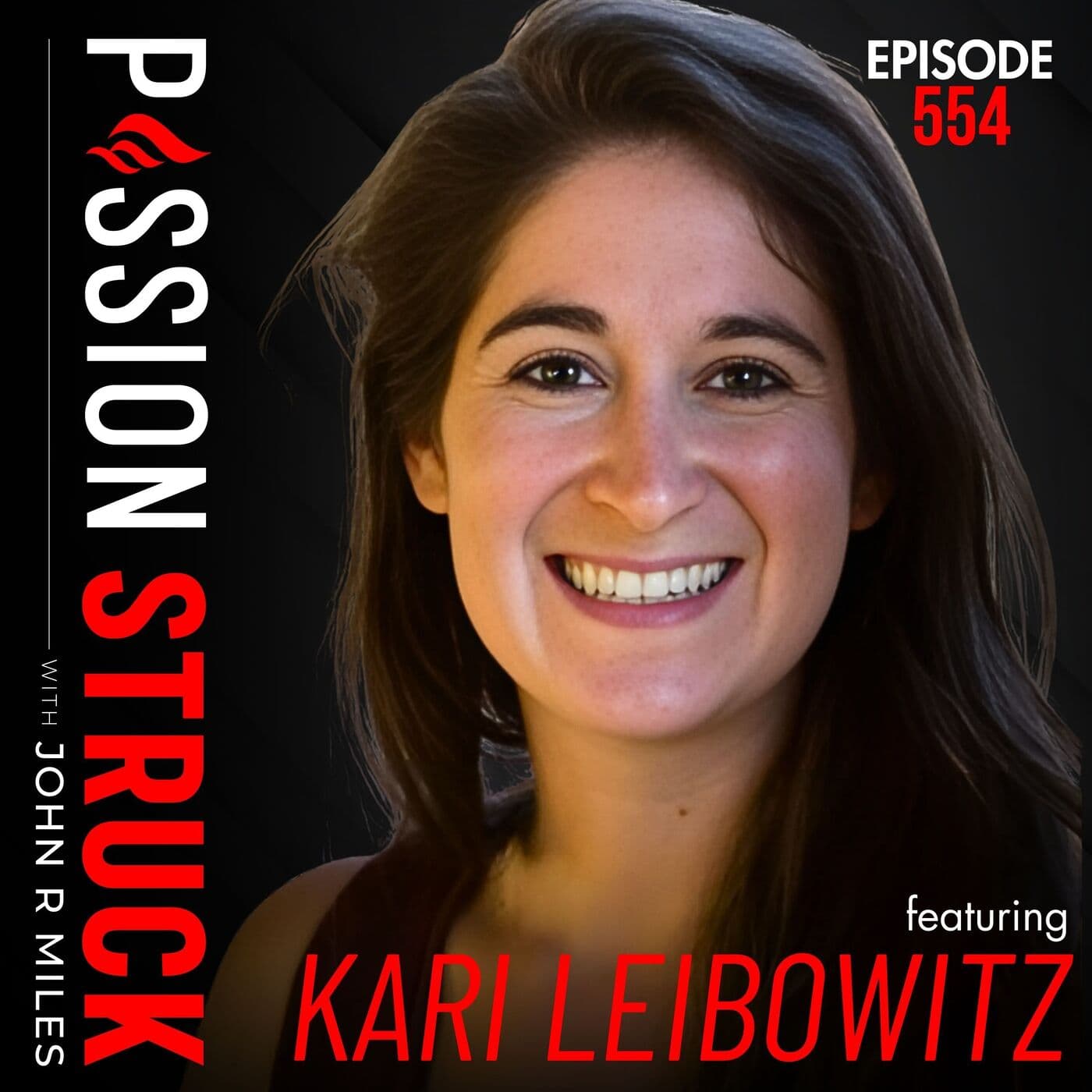
Passion Struck Podcast Episode Summary: Kari Leibowitz on How to Overcome the Winter Blues | EP 554
Podcast Overview Title: Passion Struck with John R. Miles Episode Title: Kari Leibowitz on How to Overcome the Winter Blues Host: John R. Miles Guest: Dr. Kari Leibowitz, Stanford-trained health psychologist and mindset science expert Release Date: 2025 (First episode of the year)
Podcast Description
The *Passion Struck* podcast focuses on human flourishing, personal growth, and intentional living. Each episode features in-depth interviews with experts and inspiring individuals, offering actionable insights for listeners.
Episode Description In this episode, John R. Miles interviews Dr. Kari Leibowitz about her research on thriving during winter and overcoming Seasonal Affective Disorder (S.A.D.). Dr. Leibowitz shares insights from her upcoming book *How to Winter,* emphasizing strategies for building resilience and joy during the cold, dark months.
Key Themes and Concepts
- Mindset and Well-Being
- Positive Mindset: Dr. Leibowitz discusses how a positive mindset influences physical and mental health.
- Mindset Science: Evidence-based techniques for embracing winter and enhancing resilience are highlighted.
- Cultural Insights
- Arctic Lessons: Dr. Leibowitz's experiences living above the Arctic Circle provided her with profound lessons on joy and connection during harsh winters.
- Coziness Across Cultures: Various cultures have unique terms for coziness (e.g., Danish "hygge"), emphasizing warmth, comfort, and connection during winter.
- Practical Strategies
- Intentional Preparation: Small actions like wearing appropriate clothing and creating cozy environments can help individuals embrace winter and combat S.A.D.
- Rest and Reflection: The importance of rest, slowing down, and intentional choices for resilience is emphasized.
- Distinguishing Mental Health Issues
- Understanding S.A.D.: Dr. Leibowitz clarifies that S.A.D. is a subtype of clinical depression, which requires specific symptoms and impairment for diagnosis.
- Natural Seasonal Changes: Acknowledges the normal fluctuations in energy levels during winter without pathologizing them.
Key Takeaways
- Embrace the Season: Acknowledging and adapting to seasonal changes can lead to a more fulfilling winter experience.
- Mindful Practices: Engaging in rituals and practices that foster coziness and connection can enhance emotional well-being.
- Rest as Vital: Reframing rest as essential rather than a luxury can combat feelings of guilt and improve overall health.
- Opportunity in Challenges: Viewing challenges, including winter, as opportunities for growth can shift one's perspective and enhance resilience.
Discussion Highlights
- Intimacy in Darkness: The connection fostered by shared warmth during cold, dark seasons can deepen relationships.
- Cultural Adaptations: Observations from Arctic cultures demonstrate the importance of adapting behaviors and routines to align with seasonal changes.
- Meta-Awareness: Practicing awareness of thoughts and feelings allows individuals to better manage their responses to seasonal transitions.
Conclusion Dr. Kari Leibowitz's insights offer valuable tools for navigating winter's challenges and cultivating a thriving mindset. Emphasizing intention, connection, and adaptability, she encourages listeners to find joy and resilience during the darker months.
Call to Action Listeners are prompted to reflect on their "wintertime mindset" and consider how they can embrace challenges with curiosity and intention. The episode encourages sharing insights with others who may benefit from Dr. Leibowitz's wisdom.
---
For more information about the episode, visit the [Passion Struck website](https://passionstruck.com/dr-kari-leibowitz-overcome-the-winter-blues/).
Written by AI. May contain mistakes. Listen to the episode to check what was said.
Transcript
Automatic transcript. May contain errors.0:00Coming up next on Passion Struck. There's an intimacy in the darkness and an intimacy to being warm when it is cold that I think can really foster connection. I think conversations can deepen and it's a sense of being closer together because who do you do that with? Who are you with in the warmth and the light when outside it's cold and dark? Those are usually people you feel very close to. Welcome to Passion Struck. Hi, I'm your host, John R. Miles, and on the show, we decipher the secrets, tips, and guidance of the world's most inspiring people and turn their wisdom into practical advice for you and those around you.
0:44Our mission is to help you unlock the power of intentionality so that you can become the best version of yourself. If you're new to the show, I offer advice and answer listener questions on Fridays. We have long-form interviews the rest of the week with guests ranging from astronauts to authors, CEOs, creators, innovators, scientists, military leaders, visionaries, and athletes. Now, let's go out there and become PassionStruck. Welcome to episode 554 of the PassionStruck podcast and the very first episode of 2025. As we begin a brand new year, I want to take a moment to reflect on what this time represents, a chance for renewal, growth, and setting intentions for the journey ahead.
1:29Whether you're a longtime listener or joining us for the first time, I am so grateful to have you here as part of this incredible community focused on living with purpose, passion, and bold intentionality. If you're new to the podcast, welcome. With over 550 episodes designed to help inspire transformation, we've curated episode starter packs to help you dive right in. Whether your focus is leadership, mental health, or personal mastery, you can find them on Spotify or at passionstruck.com slash starter packs. And if you're looking to take these lessons even further, sign up for my live intentionally newsletter at passionstruck.com.
2:04It's packed with weekly insights, challenges, exercises, and tools to keep you inspired. And as we start this new year, let's reflect on the empowering conversation from earlier this week with Shira Gill. Shira's insights on simplifying our lives and creating systems that align with our values provided the perfect blueprint for starting 2025 with clarity and intention. If you've missed it, I encourage you to go back and listen. It's a practical guide to cutting through the noise and focusing on what truly matters. Today, I am thrilled to welcome Dr. Keri Lebowitz to the show. Keri is a Stanford-trained health psychologist, Fulbright scholar, and leading expert in mindset science.
2:42Her groundbreaking research examines how our mindset profoundly influences our health, well-being, and ability to navigate challenges. Carrie's book, How to Winter, Harness Your Mindset to Thrive on Cold, Dark, or Difficult Days, is a transformative guide to finding joy and meaning during life's toughest seasons, both literal and metaphorical. Her work is rooted in her time living above the Arctic Circle, where she studied how people flourish during the polar night, a two-month period without sunlight. By cultivating what she calls a wintertime mindset, people, even in the harshest conditions, found ways to experience joy, connection, and resilience.
3:17In today's episode, we'll explore how mindset science can transform not just how we experience winter, but how we approach life's most challenging seasons. We'll go into the surprising lessons Carrie learned from living in the Arctic and how they apply to building a more intentional, restorative life. She explains why rest and slowing down are not just indulgences, but essential practices for growth and renewal. We also discuss the role of intention and small deliberate choices in fostering resilience and finding meaning in difficult times. Lastly, we discuss how Carrie's work at Stanford's Mind and Body Lab and her experiences with the Dalai Lama have shaped her understanding of human potential and what it means to thrive.
3:56As we step into this new year, Carrie's insights can be more timely. Whether you're preparing for the literal challenges of winter or navigating a metaphorical winter in your life, this episode will give you the tools and perspective to find light in the darkness and strength in the struggle. And don't forget, you can watch this interview on my YouTube channels, John R. Miles and Passion Struck Clips, where you'll find the full conversation as well as highlights to share with others. Let's start 2025 with purpose and resilience as we dive into this empowering conversation with Dr. Keri Liebowitz.
4:27Thank you for choosing Passion Struck and choosing me to be your host and guide on your journey to creating an intentional life. Now, let that journey begin.
4:40Hey, PassionStruck family. I am so excited today to bring on Dr. Keri Leibowitz to the PassionStruck podcast. Welcome, Keri. Thanks so much for having me. I've been excited for this conversation ever since Dave introduced us, and I love the title of your book, How to Winter, Harness Your Mindset to Thrive on Cold, Dark, or Difficult days. Congratulations on it being selected as a next big idea club must read. Thanks so much. Yeah, I was really excited to get that endorsement because they read a lot of great social science and behavioral science books. Well, they do, especially given who the curators are.
5:21Before we go into the book, I want to go a little bit into your background. I knew you grew up in New Jersey. What was life like for you growing up as a kid? So I grew up at the Jersey Shore in Asbury Park, which is a Bruce Springsteen country. They're actually, they're filming the Bruce Springsteen biopic there these days. And it's a beach town. It's a summer town. And so I lived in a place where summer was king. And especially as a kid, when you have summer break, Like that's what you're waiting all year for. And winter is really the time of year that you just have to get through to get to the good season.
6:01And this was so ingrained in the culture around me that I just thought it was fact, right? Winter is a bummer. Summer is great. And in the winter, you're going to be cold. You're going to struggle getting up in the morning for school. That was really hard for me in the darkness. I just felt like I was shivering for months. And all the things that we like to do, going to the beach, going to the boardwalk, going to concerts, getting ice cream, those were all sort of summer activities. So I really grew up with this bias that I think is common in a lot of the U.S., definitely in New Jersey, where I was from, against winter.
6:40Well, it's interesting. I remember growing up as a kid in Pennsylvania, and I always loved fall. those days where you'd go out in the morning and it'd probably be in the mid 50s and you could see your breath and it was so crisp and then you'd come home in the afternoon and it'd be in the 70s and you were wanting to do anything you could with that jacket that you wore earlier in the day but I do have to say looking back the winters could definitely be long periods of time now Luckily, I love playing hockey. So that for me was a really fun part of that season that I look forward to was getting to ice skate because all our rinks were outside in Pennsylvania.
7:26But it is a long stretch. And I remember it being just gloomy outside. And besides that, you were just hoping for snow days. Yeah, and I think you bring up a really good point is I'll talk about this more later. But I think people who have things they like to do in the winter, like playing hockey or winter sports, tend to really enjoy the season because that's an opportunity there. And actually growing up by the Jersey Shore, because you're on the Atlantic, it doesn't stay below freezing that often. So every once in a while, some of the lakes would freeze over. But I think it's unlike in Pennsylvania when you're more inland, you can't really count on that every year.
8:08And so really that climate difference of being somewhere below freezing where things freeze, you can ice skate, you can play hockey, maybe you get more snow, can make a big difference in what activities there are to enjoy in the winter. For sure. And I always talk to people in Denver who say, I can't stand living in Denver, and I would be in hog heaven getting to ski all the time. Totally, yeah. So you have a really interesting background. Your work has taken you from studying Tabishan mind-body sciences into India researching at the Stanford Mind and Body Lab. How, for you, have these diverse cultural and academic experiences shaped your understanding of how our mindset impacts our health and resilience?
8:57Yeah. I mean, I've always been interested in understanding how other cultures perceive what it means to be a good life. And I studied contemplative science and compassion meditation with Tibetan monks and nuns in India when I was an undergrad. And that really opened my eyes to not only how much our subjective experience creates our reality, but also the ways that we can exert more influence over our subjective experience than perhaps we realize that we're not just passive observers like a video camera taking in what's happening around us. We're constantly selectively attending to things, interpreting those things, and making meaning out of our experiences and the things we see in the world.
9:51And so I really became fascinated in this idea of how can we use this to help people? How can we use this to help people thrive, live more meaningful lives, overcome challenges? And that was what I really spent my time in graduate school studying when I was part of the Stanford Mind and Body Lab, which is led by Dr. Alia Crum, who really studies how our mindsets influence our health performance and well-being and there i was really introduced to a way of using western science to rigorously measure and understand the impact of our subjective experience our mindsets our beliefs and how that is shaping our day-to-day feelings emotions health well-being and how by intervening on these mindsets and these subjective interpretations, we can help people be happier and healthier and perform better and thrive.
10:53Yeah, this is all really at the epicenter of my podcast. People tend to think of it as a self-improvement podcast, but it's all actually an alternative health podcast because I'm really looking at how our intentional behavior changes drive not only our physical and emotional health, but our relationship health, career health, spiritual health, emotional health, et cetera. And mind and body are intertwined with this, of course. Well, Kerry, as I was doing the background research on you, before you ended up going to Stanford, you did your undergraduate work at Emory Great School in Atlanta. And while you were there, you had the privilege of organizing His Holiness the Dalai Lama's visit, which must have been an extraordinary experience.
11:42You're now maybe the 10th person I've met who's had an audience with His Holiness. And the Dalai Lama often speaks about this intersection we've been alluding to here between science and spirituality. And I remember, I'm not sure if you know who Dave Vago is. He's a neuroscientist, used to work out of Vanderbilt. But I remember talking to him and the Dalai Lama actually gave him a calling. And it's interesting when I have heard people who have met him, he has given callings to different people. But for David, it was he wanted to meet with them because his work around meta-awareness and consciousness and mindfulness, he thought was very important.
12:32And so he called upon him to help address human suffering. And I was wondering when you met with him, did he have a mission for you? Well, I really felt like I was already part of one of the mandates that he had given. So my mentor at Emory is named Geshe Lobsang Tenzin Negi. And Geshe Lobsang was a Tibetan monk for many years, and now he runs the Center for Compassion and Altruism Research and Education at Emory, which has a lot of different components. Some of it is training people in compassion meditation and bringing compassion meditation to Western communities. Some of it is a new curriculum they're developing on social, emotional, and ethical learning.
13:16And another branch, which I was involved with, was called the Emory Tibet Science Initiative. And this goal was really to marry contemplative Buddhist knowledge and their rigorous tradition of the science of the mind with Western science. And so this organization at Emory was formed to facilitate cross-cultural knowledge and research and understanding between these two groups. So as part of this, there were professors from the U.S. who were brought to India to teach Western science, physics and neuroscience and biology to Tibetan monks and nuns. And we also were bringing contemplative practice meditation to Emory and other places in the West.
14:06And I was working on a summer study abroad program where we brought Emory students and other American students to study in India and to learn about Tibetan Buddhism and culture and medicine and science and meditation to really facilitate these kinds of cross-cultural exchanges. And you've seen over the last decades, I think really in part largely to His Holiness the Dalai Lama's vision and leadership in wanting to bring these traditions together. There are so many scientists who have been given this calling to use their research to further these goals. And now we have monks and nuns, some of whom are my friends from my time at Emory and in India, who are well versed in Western science and can bring these traditions together.
15:01And I think it's really powerful because I think Western science has a really good model for empirically testing questions objectively and really understanding and measuring things objectively over and over again. but this idea of taking a scientific approach to your own mind and your own consciousness and your own internal experience is something that the Tibetan Buddhist tradition has a lot of experience with and a lot of knowledge of how to do that systematically and rigorously and so certainly my audiences with his holiness and my time studying Tibetan Buddhism have really informed the work that I'm doing now.
15:47And it was just such a great job to be a part of organizing his visit to Emory and leading these students abroad in India and playing a small role in the mission of what the team at Emory is building under sort of the guidance and supervision and insight of His Holiness and spearheaded by Geshe Lobsang Tenzin Nagy, who is really putting together a bunch of these programs at Emory. Well, thank you so much for sharing that. And it's interesting that the Buddha once described the mind as a wild horse. In the Eightfold Path, one of the things that I have been trying to immerse myself more into is practicing right effort.
16:29Because people often ask me, we have these beliefs about ourselves that get in our way. And I call it, We're often our own visionary arsonist, but this right effort is really about clearing our minds of negative, unhelpful thoughts. How have you saw things like this and science come together? Well, I think this idea of how do we do that, right? What does it look like to clear our minds of unhelpful or harmful thoughts? How can we help put people on different paths? And I think that meditation is certainly one way to do that. It's a really a way of training your mind. And these mindfulness practices give you that meta awareness, that moment of noticing when you're in a thought that is unhelpful or destructive, or noticing when you're in a pattern that is maladaptive.
17:28And I think testing some of these strategies empirically, not just meditation, but other interventions as well that can help people notice and understand and harness their thoughts. It helps, I think, legitimize these practices in Western culture. It helps give people something to go on. It also gives us a way of directing our energy and attention, right? So say you were going to implement something in schools or with your students or with your kids or with yourself, right? You would want to do something that is impactful. And I think using science to test these things can help us really understand both what their impact is, how big their impact is, and the mechanisms by which these things work.
18:17And one thing that I was also taught that the Buddha said that I really think about in my work is that the Buddha said, you shouldn't take my teachings just because I said them, you should go out and examine them for yourself. Like it's a piece of gold, right? Like you don't just believe it's gold because I hand it to you. You would do some tests. You would make sure that it's actually real gold. And that's something that I really aspire to do with my work is I want to have the research. I want to have the data to show you, oh, yeah, we know that these practices improve your positive emotions or improve your health or improve your well-being.
18:52But you know what? Go out and try them, because if they don't work for you, if they don't fit in your life, if they don't feel true for you, then that's not the right strategy for you. And so I think this idea of marrying, okay, here's what science says is helpful on average with you have to find what works for you by trying things in your own life with sort of an open-minded experimental attitude is something I really like to do when I'm giving people strategies or tips for how to change their mindset or how to embrace winter or whatever it is. I really want to say that these things aren't one size fits all and different people are going to find different practices that work for them.
19:36It's interesting. When I first heard that term meta-awareness, the person who I was talking to, I asked them, what is it? And they said, it's being aware of your awareness. And I said, what the heck is that? but it really is self-awareness focused on how do you process your own consciousness it's like how do you think about what you're thinking about which is saying totally and i think it's really easy for us to go along and just be lost in our thoughts or not realize that we have mindsets that are impacting us and it's only with that meta awareness that we can start seeing oh yeah actually these thoughts are just that they're thoughts, right?
20:22They're not necessarily an objective view of the world. They're not an unbiased view of the world. And so I can examine them and maybe intervene on them if I want to. Absolutely. And I love something about you. One of the things I love about you is that you do quote unquote me search, which is really getting out of the classroom environment and taking this into practical real life experience. So we're going to talk more about that. But since we brought up mindset a couple of times, in your writing and in your workshops and in your speaking engagements, you really explore the practical applications of mindset science.
21:05Was there a pivotal moment or experience that made you realize how much the power of mindset helps people thrive? Well, I think it was meeting my mentor, Dr. Alia Crum at Stanford, who is really a mindset pioneer in the vein of Carol Dweck, who I also had the opportunity to work with at Stanford, who was very well known for her work on growth and fixed mindsets. And what Ali Crum has done is really expand a lot of this work into health domains, marrying the decades of research we have on things like placebo effects, right? You take a placebo, a sugar pill, and patients get better. Well, what's happening there?
21:44It's not that the sugar in the sugar pill has some healing properties. It's things happening in our psychology, in our expectations, in our environment, and interactions with other people, and in our mindset. And so really trying to quantify how does that help our health and well-being how does that impact our health and well-being and especially coming off of my background in the meditation world and in contemplative science it was really compelling to me to have a different way to think about our subjective experience and intervene on our subjective experience because i think meditation is a really powerful tool and I would love it if everyone meditated, but it's not for everyone, right?
22:33So for whatever reason, some people are never going to be into that practice. Maybe it's not useful for them. Maybe they can't find the time. Maybe it's hard to commit to that practice. And so the question is, how can we take some of the things that we know from the mindfulness world, from the meditation world, and harness them in different places? So for example, some of my research has been in understanding mindsets in healthcare and training healthcare providers to recognize patient mindsets and try to have conversations with patients that help them adopt more useful mindsets. And certainly many doctors don't have time to do an in-depth meditation training with their patients to help them see their chronic illnesses differently, but maybe they can have these other short conversations that are going to intervene on mindsets and instill more adaptive mindsets.
23:25And so I was really inspired by the work that Ali Crum was doing in the Standard Mind and Body Lab. And I saw just a lot of potential there for harnessing a lot of these principles in new and exciting ways. Well, thank you for sharing that. And I'm just going to point the listeners to if you want to learn more about Carol Dweck's work, I haven't been fortunate enough to have Carol on the podcast, but I've had Edward Brasino, David Yeager, and Mary Murphy on the show, who are all students of Carol's and go into different aspects of it in their work. And you can tune into those episodes if you want to learn more about developing a growth mindset.
24:09So, Carrie, in your book, How to Winter, getting back to it, you describe mindset as a self-fulfilling prophecy. And your book really focuses on preparing and experiencing winter with intention. How, when you're thinking about preparing for winter, do small preparatory behaviors, like setting out clothes, blankets, or stocking up on tea, or reshuffling your wardrobe, relate to the broader philosophy of being intentional about how we approach things that may cause us discomfort? I think so many people just let winter happen to them, right? I think this is what our culture really encourages us to do, right?
24:57We live by the calendar or the schedule or our routines and not by the seasons in nature or the cycles of light and dark in a year. And so So one thing that these activities do is they bring that mindfulness. They bring in that awareness that it's going to be winter. It's going to get cold. It's going to get dark. And these actions help us take a little bit of agency over something that we can't control, right? We can't control the weather. We can't control what time the sun rises or sets, but we can control how prepared we are to meet those challenges, right? Whether we have the right clothing to go out when it's cold, the right accessories at home to feel comfortable, the right lighting to help welcome in the darkness during the darkest days of the year.
25:46And so I think it starts tuning us into the opportunities of the season. So when these little behaviors or rituals become things we look forward to. Every year on the first cold day, I make my favorite pot of soup or when it starts setting, the sun starts setting really early, I make myself a cup of tea in the afternoon to enjoy. they're small fluffy feeling things but they really help us reclaim a time of year that I think a lot of people experience as dreary and depressing as actually an opportunity for little moments of comfort and pleasure and I think it's the same as what you were talking about of loving winter or looking forward to a winter when you were growing up because you played hockey because that was a special thing you only did during the winter that you looked forward to.
26:43And so what a lot of these things are asking us to do is to make ourselves comfortable and start orienting to, okay, what are the things we can look forward to in winter that can help us enjoy this season? And then I think it's also to go a little bit wider with it, it can help us meet other things proactively, right? So there are going to be other challenging seasons of life, right? Maybe you have a big transition coming up in your work or your home life. Maybe you are going to have surgery and you're going to need to recover. Maybe you're pregnant and about to give birth. And if you do these things that can help you prepare, you can feel a little bit more ready to meet these challenges.
27:30You're facing them ahead on. These are what we call active coping strategies. So rather than denying or avoiding or doing other unrelated behaviors, just scrolling on your phone or disengaging or being in denial, they help us move towards these challenges and then can actually provide us a little comfort during a dark or difficult time. Yeah, thank you for sharing that. And one of the things going back to the me search is you have studied cultures that thrive in extreme winters, countries like Norway, Denmark, Sweden, Japan, which some people might not think gets that cold, but having been there 20 something times, I can tell you it gets darn cold.
28:16What specific practices or philosophies for you stood out and did you see commonalities across those countries? Well, I'm extremely jealous that you've been to Japan 20 something times because it was one of my favorite places that I went when I was researching the book. This all really started for me when I spent a year living in the Arctic in northern Norway in a city called Tromsø. And Tromsø is so far north that they experience two months of what's known as the polar night each year. So that's a two month period where the sun rises and then never comes above the horizon. And so it's very dark.
28:55It's a very long winter. It's a very cold winter. And what I observed in Tromso, I've seen in other places around the world that winter well. One of the main things I see is a willingness to adapt to the season in some way. So again, this comes back to the idea that sort of living by our modern conveniences and calendars and routines, I think, can delude us into thinking that we don't need to change our behavior in the winter, but then all of a sudden we're surprised that we're really tired during the darkest time of the year, or we have little motivation or energy, or don't feel like socializing in the same way after the holidays in January.
Read the full transcript
29:35And so I think acknowledging that it is healthy and adaptive and useful to change with the seasons is really powerful. So this might be doing some of these behaviors that we've talked about, making sure you're wearing appropriate clothing for the cold or lighting candles when it gets dark out or eating different foods. It might also mean trying to find ways to slow down a little bit and rest more, right? Even if you live somewhere like Tampa, where it doesn't get that cold in the winter, it's still going to get darker and you might still feel those effects on your energy. So are there ways that you can get a little bit more sleep or get a little bit more rest?
30:17You can take longer showers. You can linger over your morning coffee. You can switch your workouts so that they're a little bit slower, more based on flexibility or strength training than like really in high intensity cardio. Maybe you socialize differently. Maybe instead of doing big summery barbecues, beach picnics, you're doing more inviting one or two people over for dinner or meeting for a coffee for an hour. And I think however you adapt to the season, this idea that you're going to change your behavior in some way, how you rest, how you socialize, how you move your body, how you spend time outdoors, what you eat, that those are going to have a seasonal pattern to them, I think is one thing that people who really embrace winter do very naturally.
31:13And this was something I saw in Northern Norway because the difference in seasons is so extreme that they go from the midnight sun, 24 hours of full sunlight in the summer to 24 hours of the polar night where the sun doesn't rise above the horizon in the winter. It's obvious that you would change your behavior with the seasons. And so I think the rest of us living at other latitudes where maybe the seasonal change isn't so extreme can learn from these extreme places and say yeah it's still useful for me to adapt to this yearly cycle of light and dark in some way it's funny because down here in florida this time of year is my favorite because the temperatures actually remind me of that experience i told you about when i was a kid.
32:01In the fall, yeah. You wake up and it's in the 50s or 60s and then it warms up and then you get a cool evening as well. But it also is nice that it does get cold enough that you start introducing foods that you typically don't eat here during the summer months. Soups and stews and we're making a roast tonight. So things that you typically don't think about when it's 90 degrees out. I've met people who love to bake bread and like they can't bake it in the summer because it just makes their house too hot. So winter is bread baking season. I think this is a big thing in Japan where the seasonal food culture is so strong that they're really changing what they eat with the seasons, with what's in season.
32:47Hot sake is only for winter and cold sake is only for summer and things like that. And I think it helps you be in tune with the cycles of nature. And then it gives you things to look forward to. You look forward to roast season and soup season because it's limited. You don't do it year round. Absolutely. Although I think we're getting too much pumpkin these days. But I hear you. So in all these different countries that you've explored, Canada, we can throw that in there as well. Many cultures have specific terms for creating coziness and connection. How do these practices, these terms, et cetera, et cetera, not only foster warmth, but maybe also foster a deeper sense of belonging and significance in our lives?
33:43Yeah. So I think this idea of coziness, for me, it's really a sense of psychological safety. So some of the listeners might be familiar with the Danish word, which is the translated as coziness. Lots of different cultures have their own words. So in Norway, it's kushlig. In the Netherlands, the Dutch word is gzelig, which is like more of a communal coziness. It's more social. But I think there's a feeling of being at ease. The difference between going to a dinner party where you feel like everyone is judging you a little bit and you're not sure if you're doing it right and you go home and you're like oh my god like why did I say that thing I sounded so dumb versus going to a dinner party where everyone is warm and welcoming and non-judgmental and you feel really at ease with everyone I think this idea of coziness is it's a little bit of a freedom from striving.
34:47I think it's a sense of being able to just be. So Nate Wicking, who wrote the little book of hygge, often talks about hygge as you're at a ski lodge with your friends and it's snowing outdoors and you spend the whole day on the slopes and then you come in and you're hanging out by the fire and drinking wine or hot chocolate or whatever, right? It's this idea, there's nowhere else I need to be, there's nothing else I need to do. I can just be at ease and at peace. And I think that's really what belonging is about, right? It's that sense of ease that is social and communal, but it's very relaxing and it's very nurturing.
35:31And I think winter can be a time to foster that. I think the reason that a lot of this conversation about coziness and belonging makes sense for the winter is because there's something about it being dark and cold outside and being inside where it's warm with cozy lighting that is very intimate, right? There's an intimacy in the darkness and an intimacy to being warm when it is cold that I think can really foster connection. I think conversations can deepen and it's a sense of being closer together because who do you do that with? Who are you with in the warmth and the light when outside it's cold and dark?
36:20Those are usually people you feel very close to. That's where I was going to go with it is I think sometimes during the summer months, etc we find ourselves more on the go go go go go even in early fall and late spring it's the same thing we've got all kinds of outdoor activities that are going on etc but to me the winter months when I remember it was a lot of time as a family unit really spending time and having more robust conversations and for me it makes me think about Halloween and Thanksgiving and Christmas and other get togethers that are part of this more winter season that really foster this ability to have those more meaningful dialogues, which to me, bring more belongingness or a sense of meaning to your life.
37:14Totally. I think slowing down really makes space for that. And I think We so often see winter as the absence of these other things, the absence of the things that fill our days during the go-go season. But to me, what I have observed in a lot of winter loving places is that people see this as a relief, as a break, as a respite that sort of helps them recover from the go-go of spring, summer, and fall. and that this slowing down, connecting intimately, maybe going inward, connecting with yourself a little bit more, making a little bit more time for, yeah, contemplation or solo activities or artistic pursuits really is restorative and that the sort of darkness of this time of year really facilitates that.
38:12So speaking of this slowing down, you really argue that winter offers a unique opportunity for rest and restoration. But let's face it, many people struggle with guilt in the performance culture that we're in with rest and leisure. It's very difficult, especially for perfectionists to do so. How can we begin to reframe these as vital intentional behaviors that contribute to our overall well-being? Well, I want to acknowledge sort of two barriers to this kind of rest, right? So some are circumstantial, right? Maybe you work in a job that doesn't allow you an opportunity to rest, Maybe you're a hospital worker.
39:00Maybe you're a service worker and the holidays are really crazy. Maybe you have caregiving responsibilities. You have little kids at home who are not slowing down just because it's dark out and cold out, or you're caregiving for an elderly parent or someone else who is sick. I think those are very real barriers to rest. And then I think the other flip side of that is the people who could rest. But like you said, there's these feelings of guilt, or there's a real moralization, I think, of busyness and not resting and persevering. And I think that the antidote to at least one of these, if not both of these, is really to reframe rest as vital.
39:49It's really vital to the whole process. And I think if you look at the natural world, you can see that, right? What looks like a dormant time in nature is actually utterly necessary for the growth of spring. And one of the things I really liked researching for the book were about plants that have a certain number of chill hour requirements in order to bloom. So a lot of the stone fruits we love in the summer, things like cherries and peaches and apricots, if they don't have enough time spent in the cold in the winter, they can't bloom properly in the spring. And I think about rest like this, that if you don't have that downtime, then it's actually harder to do the things that you need to do at other times of year.
40:38The other thing I really think that is helpful for overcoming guilt about rest is thinking about guilt-free rest as a vital life skill that we all will need to practice. So I think it's a fact of life that we will all encounter seasons that force us to slow down. We'll be sick. We'll be recovering from surgery or burnout. We'll be grieving. Maybe we'll be recovering from childbirth. We'll maybe have other losses in our lives that force us, whether we like it or not, to slow down. And I think that can be really hard for people who have never practiced that before. But if you practice that each winter and you take each winter as an opportunity to slow down and embrace rest and be okay with feeling more tired and giving into your body's tiredness and nurturing it appropriately, then I think that can really prepare us for these other challenges and make it a little bit easier when we do need to slow down.
41:43Now, for the people who have these other circumstantial obstacles to rest, I think it's really helpful to try to reframe rest in different ways, right? So maybe you can't get a lot more sleep. Maybe that's not possible for you at this time in your life. But you can find rest in other ways, right? You can stretch a little bit in the morning or before bed. You can take a slightly longer shower. You can pause and close your eyes and breathe for two minutes in between different components of your day. You can free yourself to rest in other ways as well. You can say, I'm not going to respond to text messages or emails after a certain time of night.
42:26I'm going to give myself a mental break from some of these things. So I think these ideas of experimenting with different kinds of rest and different ways of resting can be a really powerful antidote both to actual schedules that are really crammed full and to these feelings of guilt that sort of tell us that we shouldn't be resting when rest is a fundamental human thing. If you don't get mad at yourself for needing oxygen or to needing to use the bathroom, then it doesn't also make any sense to get mad at yourself when you need rest, right? This is a fundamental part of being a living being. All living beings need rest.
43:11Well, thank you for sharing that. And I think it's an important thing for listeners to understand, myself included, who have a tendency to constantly be active and not rest enough. I'm sure my fiance would attest to that. Another thing I wanted to explore with you is that oftentimes people see winter as a sign of failure. People see it as a time of feeling depressed or forlorn. How do we distinguish between natural fluctuations in energy and something more serious like seasonal affective disorder? This is a really important question. So I think there's a lot of misunderstanding out there about seasonal affective disorder.
43:57So as it's currently defined, seasonal affective disorder is a subtype of clinical depression. So that means in order to have seasonal affective disorder, you have to first meet the threshold for clinical depression before you can be diagnosed with seasonal affective disorder. And the reason I think that's important to internalize is because I think a lot of people have the view that is less serious than clinical depression, that it's a lower threshold when that's actually not the case. And I think a lot of this comes from the way seasonal affective disorder was originally described and diagnosed.
44:37So it was originally described and diagnosed using a tool called the SPAC, which is the Seasonal Pattern Assessment Questionnaire, which basically measured people's fluctuations between seasons. So what time of year do you sleep the most, eat the most, have the least motivation, socialize the most? What time of year do you feel the best? And what this scale did was it said, okay, if you have too much seasonal fluctuation, then you might have seasonal affective disorder. And people who live in these really extreme winters, like in northern Norway where I was living, don't really have that perspective.
45:16It's not really reasonable to think that you wouldn't fluctuate and change with the seasons. And so modern thinking has really shifted to say, okay, it really has to be first clinical depression. So it has to have a lot of symptoms of depression, things like a huge lack of motivation or energy, feelings of guilt or worthlessness, suicidal ideation, large rapid change in weight loss or gain. these symptoms have to be sustained for at least two weeks and critically it really has to impair with impair your daily functioning so that maybe that means you can't meet your job responsibilities maybe that means you can't take care of yourself you can't shower you can't get out of bed maybe it means you can't take care of your other caregiving responsibilities like taking care of pets or kids and if that's you definitely that's a sign to talk to a health professional talk to your doctor, talk to a therapist.
46:14But I think a lot of people have a much milder version of that where they feel more tired in the winter. Maybe they feel less motivated. Maybe they feel less social. Maybe they're sleeping more. And the only sort of available lens in our culture to really interpret those feelings is to say, oh, something's wrong with me. I must have seasonal affective disorder, I must have winter depression. When in fact, that's a really natural response to the changing daylight and the changing temperature that we experience in winter. And so the discussions around seasonal affective disorder were meant to warn people and help people be on the lookout for a potential mental health episode.
47:01But I think what they've done is given everyone a top of mind explanation for if they feel a little bit more tired or a little bit less motivated in the winter, thinking that they have a full-blown seasonal affective disorder, when really what it is, it's just a normal response to the seasons that doesn't need to be pathologized. And so I think if it's not so severe that it's interfering with daily functioning, it's a lot more adaptive to look at this and say, okay, where can I get more rest? Where can I cut back? How can I meet myself where I'm at without pathologizing what is a pretty normal response to the darkest time of the year?
47:46Yeah, and thank you for sharing that, because I do think it's important to cover that point in detail, because it is something that I think is top of mind to a lot of people during this time of year. So Scandinavians have a saying, there's no such thing as bad weather, only bad clothing. What does that mindset teach us about not only overcoming winter, but about overcoming perceived limitations? I really grew up with this belief that you can't enjoy yourself outside if it's cold or dark or rainy. And I really internalized that until I had to spend the year in Norway and it was very clear that if you didn't go outside ever when it was cold or dark or rainy you'd be stuck in your house for several months every year and so I think this expression is really about fortifying yourself against the elements and not letting perceived bad weather stop you and this is something that I challenge my students to do or I challenge participants in my workshops to do is to dress up, really bundle up for the weather, for the cold or the rain or whatever it is, and go outside for a walk in bad weather, in cold weather, in the rain, in the snow.
49:06Of course, be safe about it. If it's a blizzard, maybe not. But most winter weather, you actually can bundle up and go outside and enjoy. And when my students do this and come back and reflect on it, their reflections almost always follow the same pattern of them being like, I didn't want to do this. I almost bailed. I thought it was going to be terrible. Then I did it. I got outside. I started moving. Actually, it was nice. And then I was feeling good. And then I noticed that the sound of the rain is really beautiful, or the city was really quiet, or nature looks really different at this time of year.
49:42And then you know what, I did it again the next day. And I think it's really about overturning some of our preconceptions and these narratives that we fall into about what we can or can't do and trying to, yeah, gear up and then really be open to the experience of what it's like and really be open to having some of our assumptions be overturned. And watching people go through this experience and be surprised by it is it's a really powerful practice that I think leads you to ask, okay, what else could I do? What else have I been telling myself that I can't enjoy that actually maybe I just need to gear up a little bit and go out and face and I might have a really good time.
50:30Thank you so much for sharing that. Carrie, for those who are like me and they don't experience harsh winters and they're tuning into this episode, how can they apply the lessons from your book in their lives still, especially during difficult or transitional periods? Totally. So I think even if you don't experience a really harsh winter, unless you live really on the equator or in Hawaii, you're going to experience these seasonal fluctuations in darkness. And so I think really working with the darkness is a very powerful practice, right? So it's almost a cliche to be like, light some candles in winter and you won't be depressed.
51:08And obviously, it's not quite that simple, but really, lighting candles with the intention of welcoming the darkness, of embracing the darkness, of creating a cozy atmosphere that is only possible when the sun is setting earlier, that really changes the meaning of darkness. And so really at its heart, all of these strategies for embracing winter, all of the sort of components of cultivating a positive wintertime mindset are about asking yourself, what are the opportunities here? What is better at this time of year? And you can ask yourself that wherever you live. If you live somewhere that is really hot in the summer, then there might be a lot of things that are actually better at this time of year.
51:56And so I think that is really the key transformative question that when you're faced with a challenge, when you're faced with difficulty, asking yourself, what is the opportunity here? It doesn't mean you have to like the thing that's happening to you. It doesn't mean you have to be grateful for it. But we're all going to experience things outside of our control that we wish were not happening. And meeting them with, okay, what's the opportunity here? Are there opportunities to connect with myself or my loved ones or my social support network? Are there opportunities to make positive life changes?
52:33Are there opportunities to practice going into a period of rest and rejuvenation and contemplation? Whatever it is, that idea of looking at the darkness and saying, what is the opportunity here, I think really changes the way that we experience the challenge and difficulties that are going to come for all of us at different points in our lives. Well, thank you so much for sharing that, Carrie, and for being a guest. What is the best way for listeners to get in touch with you? You can go to my website, kariliebowitz.com. I also have a newsletter there that you can sign up for called Wintry Mix.
53:12And of course, I hope that you will maybe check out my book, How to Winter, which has a lot more tips and things that we didn't get a chance to get into today. And if you try anything that we talked about on the podcast, I'd love to hear from you. You can reach me through my website. And I always love to hear people's winter stories. Well, Carrie, it was such an honor to have you. And thank you so much for being a guest on Passion Struck. Thanks, John. This was such a pleasure. Thanks for all your great questions. What an enlightening and empowering conversation that was with Dr. Carrie Lebowitz.
53:44Today's episode was a deep dive into the science of mindset and its profound ability to transform the way we approach not just winter, but all of life's difficult seasons. Carrie's insights about the power of intention, the beauty of slowing down, and the opportunities hidden in life's challenges offers us a fresh lens for finding joy, meaning, and resilience even in the darkest of times. As we wrap up, I encourage you to reflect on your own wintertime mindset. Are you resisting the cold and dark seasons of your life, or are you finding ways to embrace them with curiosity and intention? Carrie's wisdom reminds us that even the toughest times can offer opportunities for growth, rest, and connection if we choose to look for them.
54:22If Carrie's message resonated with you, please take a moment to leave us a five-star rating and review. Your support helps us continue bringing powerful conversations like this to the Passion Struck community. And don't forget to share this episode with someone who could benefit from hearing Carrie's insights. It could be the spark they need to thrive in their own life. You'll find links to everything we discussed today, including Carrie's book, How to Winner, in the show notes at passionstruck.com. Be sure to check out the video version of this conversation on YouTube and explore our sponsors and exclusive deals at passionstruck.com slash deals.
54:53Supporting our partners allows us to keep delivering impactful episodes like this one. Before we go, I want to remind you that I'm passionate about sharing these insights with organizations and teams through speaking engagements. If today's discussion inspired you and you think it could benefit your workplace, visit johnrmiles.com slash speaking to learn more about how we can ignite intentional change and growth together. Next week, I'm thrilled to welcome Max Lugavere, a New York Times bestselling author and health journalist to the show. Max will share his transformative journey into the science of brain health and nutrition, along with actionable insights to help you optimize your mind and body for peak performance.
55:28It's an episode packed with tools to elevate your well-being, and you won't want to miss it. The fact that I could start to implement whether dietary or lifestyle interventions in my own life that might not with 100 % certainty prevent me from ever developing a condition like Alzheimer's disease or Parkinson's disease, But could, according to the best available evidence, lower or minimize my risk for these conditions? Well, that was a really powerful call to action for me. What if I could get this information out to the public at large that, hey, these conditions, which we tend to assume are inevitable, dare I say, natural aspects of aging or inherited, if none of those are in fact the case and we can actually take steps today to improve our odds 10, 20, 30 years down the line, well, then that was something that I felt really inspired to do.
56:17Remember, the fee for the show is simple. If you found value in today's episode, share it with someone who needs to hear it. And as always, take what you've learned here and put it into action so that you can live what you listen. Until next time, live life passion struck.
56:40Thank you.
From the publisher
In this transformative episode, John sits down with Dr. Kari Leibowitz, a Stanford-trained health psychologist and mindset science expert, to uncover the secrets to thriving during winter's toughest days. Dr. Leibowitz's groundbreaking research, detailed in her forthcoming book "How to Winter," reveals practical strategies to embrace the cold, dark months and find joy and resilience in the process.
Discover how Dr. Leibowitz's time living above the Arctic Circle taught her powerful lessons on joy, connection, and thriving during the Polar Night. Learn evidence-based techniques to combat Seasonal Affective Disorder (S.A.D.), maintain positivity, and build a resilient mindset that helps you navigate life's metaphorical winters with grace and strength.
Link to the full show notes: https://passionstruck.com/dr-kari-leibowitz-overcome-the-winter-blues/
Call to Action: Don't let winter bring you down! Tune in for valuable insights and actionable tips that will empower you to find light in the darkness and strength in adversity. Whether you're preparing for the literal challenges of winter or facing personal struggles, Dr. Leibowitz's wisdom will inspire and guide you.
Sponsors:
- Rosetta Stone: Unlock 25 languages for life at “ROSETTASTONE.com/passionstruck.”
- Prolon: Reset your health with 15% off at “ProlonLife.com/passionstruck.”
- Mint Mobile: Cut your wireless bill to 15 bucks a month at “MINT MOBILE dot com slash PASSION.”
- Hims: Start your journey to regrowing hair with Hims. Visit hims.com/PASSIONSTRUCK for your free online visit.
- Quince: Discover luxury at affordable prices with Quince. Enjoy free shipping and 365-day returns at quince.com/PASSION.
In this episode, you will learn:
- How a positive mindset influences physical and mental well-being.
- Evidence-based techniques for thriving during winter.
- Insights from Arctic cultures on flourishing in darkness.
- Practical ways to combat Seasonal Affective Disorder (S.A.D.).
- The importance of rest, intention, and deliberate choices for resilience.
Connect with Dr. Kari Leibowitz: https://www.karileibowitz.com/
For more information on advertisers and promo codes, visit Passion Struck Deals.
Join the Passion Struck Community! Sign up for the Live Intentionally newsletter, where I share exclusive content, actionable advice, and insights to help you ignite your purpose and live your most intentional life. Get access to practical exercises, inspiring stories, and tools designed to help you grow. Learn more and sign up here.
Speaking Engagements & Workshops Are you looking to inspire your team, organization, or audience to take intentional action in their lives and careers? I’m available for keynote speaking, workshops, and leadership training on topics such as intentional living, resilience, leadership, and personal growth. Let’s work together to create transformational change. Learn more at johnrmiles.com/speaking.
Episode Starter Packs With over 500 episodes, it can be overwhelming to know where to start. We’ve curated Episode Starter Packs based on key themes like leadership, mental health, and personal growth, making it easier for you to dive into the topics you care about. Check them out at passionstruck.com/starterpacks.
Catch More of Passion Struck:
- My solo episode on 4 Inspiring Ways to Bridge the Gap Between Theory and Action
- My episode with Art Markman on How to Unlock Unstoppable Success
- Watch my episode with Israa Nasir on How to Break Free From Toxic Productivity
- Catch my interview with Adrian Brambila on 21 Brutal Money Lessons You Need Now
- Listen to my conversation with BJ Fogg on How Tiny Habits Can Transform Your Life
- My solo episode on Reinvent Yourself: The Journey from Ordinary to Extraordinary
If you liked the show, please leave us a review—it only takes a moment and helps us reach more people! Don’t forget to include your Twitter or Instagram handle so we can thank you personally.
How to Connect with John:
Connect with John on Twitter at @John_RMiles and on Instagram at @John_R_Miles. Subscribe to our main YouTube Channel here and to our YouTube Clips Channel here. For more insights and resources, visit John’s website.
Want to explore where you stand on the path to becoming Passion Struck? Take our 20-question quiz on Passionstruck.com and find out today!
See Privacy Policy at https://art19.com/privacy and California Privacy Notice at https://art19.com/privacy#do-not-sell-my-info.


