
In short
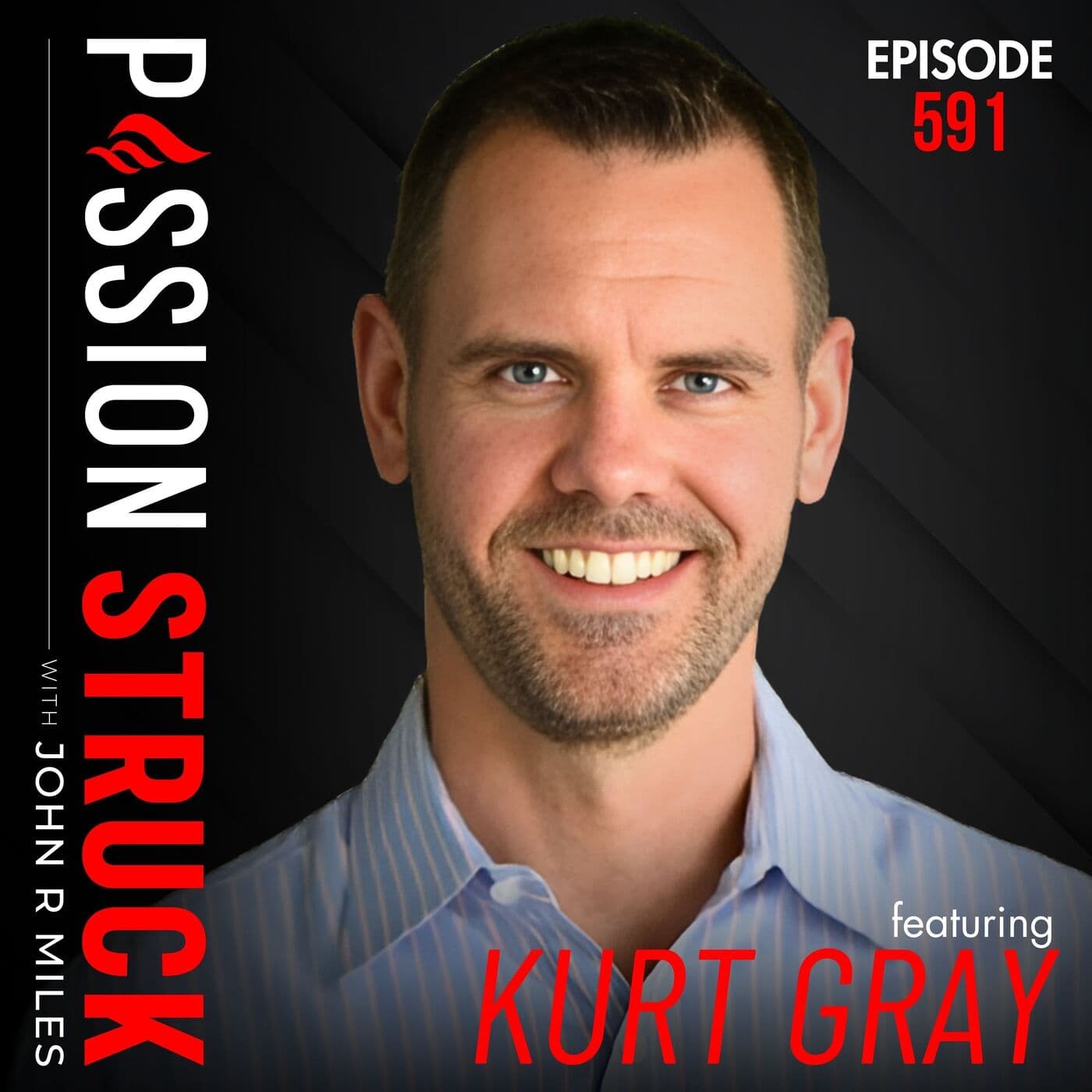
Podcast Notes: Passion Struck with John R. Miles - Episode 591
Episode Title
Kurt Gray on How to Bridge Moral Divides and Rebuild Trust
Episode Overview In this enlightening episode, John R. Miles speaks with Dr. Kurt Gray, a professor of psychology and author of the book *Outraged*. Their conversation delves into the psychological underpinnings of outrage, the evolutionary origins of morality, and strategies to foster understanding and trust amidst moral divides.
Key Themes and Topics Covered
- The Roots of Moral Outrage
- Evolutionary Perspective: Our moral minds were developed to detect and respond to harm, especially within our social groups. This evolutionary background fuels much of today's moral outrage.
- Moral Conviction: Individuals feel a strong conviction that those who harm their in-group are immoral, often leading to outrage and social punishment.
- The Impact of Social Media
- Virality and Outrage: Social media platforms amplify moral panics by pairing threats with engagement metrics, leading to constant outrage and reactivity.
- Psychological Effects: Frequent exposure to politically charged content can result in elevated symptoms of PTSD among users.
- Competitive Victimhood
- Understanding Conflicts: Individuals often prioritize their suffering over others, creating a cycle of conflict where each side believes they are the true victim.
- Moral Typecasting: This leads to a black-and-white view of morality, where individuals are seen only as victims or villains, hindering dialogue.
- Practical Strategies for Bridging Divides
- Intentional Listening: To foster empathy and understanding, engage in intentional listening and validate others' fears and experiences.
- Storytelling: Sharing personal experiences of harm can create connections and humanize opposing viewpoints.
- Recognizing Common Humanity: Acknowledging mutual vulnerabilities and concerns can reduce dehumanization and promote understanding.
- Mattering and Moral Humility
- The Importance of Mattering: Feeling seen and valued is crucial in reducing moral conflict, as it allows individuals to express their concerns and fears safely.
- Moral Humility: Embracing the idea that no one has a monopoly on moral truth encourages openness to understanding different perspectives.
Key Takeaways
- Harm as the Master Key: Understanding perceptions of harm is central to navigating moral disagreements.
- Social Dynamics: The interplay of personal pain and perceived victimhood influences moral judgments and political discourse.
- Empathy Over Outrage: Focusing on empathy, intentional listening, and storytelling can bridge divides and foster collaboration.
- Challenge of Modern Communication: The fast-paced, often hostile nature of social media makes it challenging to engage in meaningful dialogue.
Conclusion The episode emphasizes the importance of understanding the psychological roots of moral outrage and offers practical tools for fostering compassion and empathy in a divided world. Dr. Kurt Gray’s insights encourage listeners to strive for moral humility and intentionality in their interactions.
Connect with Kurt Gray
- Website: [Kurt Gray's Website](https://www.kurtjgray.com/)
- Book: *Outraged - Why We Fight About Morality in Politics and How to Find Common Ground*
Sponsors
- Factor Meals: [factormeals.com](http://factormeals.com/factormeals50off)
- Rosetta Stone: [rosettastone.com/passionstruck](https://rosettastone.com/passionstruck)
- Prolon: [ProlonLife.com/passionstruck](https://prolonlife.com/passionstruck)
- Mint Mobile: [mintmobile.com/passion](https://mintmobile.com/passion)
- Hims: [hims.com/PASSIONSTRUCK](https://hims.com/PASSIONSTRUCK)
- Quince: [quince.com/PASSION](https://quince.com/PASSION)
Next Episode Preview Join John R. Miles for the next episode featuring Anne Marie Anderson, discussing leadership, resilience, and the art of storytelling in high-pressure environments.
Feedback and Engagement If you enjoyed this episode, please consider leaving a review to help reach a broader audience. Follow John R. Miles on social media for updates and insights.
Additional Resources
- For more insights, visit [John R. Miles' website](https://johnrmiles.com).
- Access curated starter packs on various themes at [Passion Struck Starter Packs](https://passionstruck.com/starterpacks/).
Final Thoughts Understanding and addressing moral outrage requires a nuanced approach that combines empathy, listening, and the recognition of shared human experiences.
Written by AI. May contain mistakes. Listen to the episode to check what was said.
Transcript
Automatic transcript. May contain errors.0:00Coming up next on PassionStruck. We have to contend with this idea that like within our tribes now, there's potentials for violence, potentials for harm. And so we needed a moral sense, a psychological tool to ensure that others didn't harm us, safeguard us from interpersonal harm. And so that moral sense is just this kind of like moral conviction that those who perpetrate harm, especially within our in-group, are immoral. And if someone does something bad, we get outraged at them and we kick them out of the group or we punish them somehow. And so this kind of moral sense that we have today still really has its roots back in our kind of evolutionary past where we first got into groups and we were first confronted with other people and their capacity to harm us.
0:43Welcome to Passion Struck. Hi, I'm your host, John R. Miles. And on the show, we decipher the secrets, tips, and guidance of the world's most inspiring people and turn their wisdom into practical advice for you and those around you. Our mission is to help you unlock the power of intentionality so that you can become the best version of yourself. If you're new to the show, I offer advice and answer listener questions on Fridays. We have long-form interviews the rest of the week with guests ranging from astronauts to authors, CEOs, creators, innovators, scientists, military leaders, visionaries, and athletes.
1:22Now, let's go out there and become PassionStruck. Hey, PassionStruck fam. Welcome to episode 591 of the Passion Struck Podcast. Have you ever wondered why we seem to be morally outraged all the time? Why even small disagreements can spiral into division and conflict? What if the root of our polarization wasn't just ideological, but deeply psychological? Today, we're exploring these urgent questions with someone who has dedicated his life to decoding the moral mind, Dr. Kurt Gray. Kurt is a professor of psychology and neuroscience at the University of North Carolina and the incoming Weary Family Foundation endowed chair in the Social Psychology of Polarization and Misinformation Department at The Ohio State University.
2:07He's a social psychologist who studies how our moral minds work and how we can use that understanding to bridge political and ideological divides. He's also the author of the groundbreaking new book, Outraged, Why We Fight About Morality in Politics and How to Find Common Ground, a must read for anyone navigating today's fractured world. If you're new here, thank you for joining us. You're now part of a global movement of changemakers living intentionally, unlocking their potential and choosing to matter. And if you're a returning listener, welcome back. I am so grateful for your continued support.
2:42Let's take a quick look back at our recent episodes. On Tuesday, Wes Adams and Tamara Miles joined me to explore how to create meaningful work that fuels performance and purpose. And then yesterday, Donald Miller unpacked the timeless power of storytelling and how it can transform both our personal lives and business impact. If you missed those, definitely go back and check them out. And don't forget our curated starter packs on Spotify and at passionstruck.com slash starter packs, which can make it easy to dive into our favorite themes like leadership, emotional resilience, behavior change, alternative health, and so much more.
3:17You can also sign up for my Live Intentionally newsletter at passionstruck.com to get weekly tools, challenges, and inspiration delivered to your inbox. Now, let's turn to today's conversation with Kurt Gray. In this episode, we'll explore why we're so emotionally reactive to politics, morality, and perceived harm, the psychology behind outrage, and why it often misfires, how to recognize when your moral instincts are being hijacked, and practical ways to foster empathy, understanding, and real dialogue across divides. Kurt's work is a gift for anyone who wants to turn down the volume on conflict and turn up the dial on compassion, reason, and common ground.
3:57Let's dive in. Thank you for choosing PassionStruck and choosing me to be your host and guide on your journey to creating an intentional life. Now, let that journey begin.
4:11I am so honored today to have Dr. Kurt Gray on the PassionStruck podcast. Welcome, Kurt. Thanks for having me. I love to start these conversations out with this question. We all have defining moments that shape our lives. One of yours happened in high school while you were driving a car, and it ended up shaping your journey in profound ways. Could you please share that story with us? Sure. It was an exciting story, and it kicks off the book. I was driving. It was dark. The roads were wet. I just got my driver's license not too long ago. So I was very confident in my abilities, probably too confident.
4:49I had friends in the back. We were driving to a movie theater. We were a little late. And as we were driving towards the mall, a friend in the back says, you're going to miss a turn. You're going to miss a turn. And so I'm in the right lane. I swerve to turn left. I don't check my blind spot. I don't check to see if there's a car in the left-hand lane. There was a car there. I cut it off. I almost hit it. He re-signed his wheel. We're squealing. We're spinning. we eventually stopped spinning we stop everything's still i open my window look out and this guy gets out of this brand new mercedes and i apologize and he says you're fucking dead and he starts walking across the intersection no one's around towards me and i panic and i stomp on the accelerator so i'm flying through the strip mall it's like surprisingly empty it's just the sodium glow, those orange lights.
5:40And I'm turning left, turning right. And he's right behind me, corralling me, eventually corrals me into a loading dock behind a store like Home Depot. And stops me against the loading dock with his car, kind of corrals me into a corner. Terrified, 16 year old, and he tries to open my door. And I lock the door at the last minute before he gets there, thanks to a clear thinking friend in the back. And I opened the window a little bit, roll it down to apologize. And he starts slapping me and trying to like grab my collar and push me around. I'm like terrified. So this goes on for some time. The kind of slapping, he's threatening to kill me.
6:19And then my friend in the back seat, the clear thinking one who told me to lock the door, she has a cell phone. Her mom is a manager of a cell phone store in the late nineties. Not many cell phones around, but she had one, one of those big bricks. and she says, look, we've got a cell phone. I'll call the cops. And so he slaps him around a couple more times and then it finally sinks in. And then he says, yeah, you call the cops and I'll tell him what you did. And then walked away, got into his car and peeled off. But that moment stuck with me because here I was feeling like the victim. It seemed very clear that I was the victim here.
6:56He was slapping me. He was threatening to kill me. And yet he felt like he was the morally righteous person. He felt that the police would be on his side. And so this is definitely a defining moment because I was confused at first for a long time. But then when I thought about it more, I realized that he too felt like a victim. And this really drove our competing kind of moral views of the situation. He was almost killed. I was driving recklessly. He maybe had his girlfriend in the car. Who knows? Right. I almost killed him. And I think he felt morally justified. And of course, I don't excuse the violence, but it's allowed me to see things from his perspective.
7:34And that kicked off my interest in moral psychology. Thank you so much for sharing that story. The book that you're describing is titled Outraged, Why We Fight About Morality in Politics and How to Find Common Ground. It was just released. It's a next big idea club must read. And I saw today it was number one in its category on Amazon. Congratulations. Thanks very much. Yeah, I'm excited that people seem to find it useful. I can't wait to get in today's discussion because I think it's so relative given the times that we're in. I just wanted to go back to that car experience for a second. A good friend of mine that I went to the Naval Academy with, we were talking about another one before we came on the show, but this gentleman, Chris Cassidy, at one point was the chief astronaut at NASA.
8:22And I remember talking to him right before he was the commander on the ISS. And then I talked to him after he came back to earth. And he was talking about this one day that he was looking down on the United States and they happened to be going over New York City. And we were talking about how your mindset changes once you've experienced space. And he was putting himself into the position of drivers who were likely in a cab or cab drivers trying to get throughout to New York and how outraged they likely were as he was flying over. And his feeling was how meaningless it is in the big scheme of things going on.
9:11And I always thought it was a really interesting perspective of how we get so close to things in our day-to-day lives that we often lose the big picture. I just thought I'd throw that out and ask you about it. That's interesting. It seems like everything fits together and makes more sense maybe from space. Although we can't all look down to the earth from space. But I think as human beings, we're really adapted to think of the here and now, to think of the kind of minor situations, the kind of social interactions that we're faced with. I mean, you could imagine perhaps there's another astronaut on the space station that he has some friction with.
9:52Like always does this one thing. And even from space, you can get, it can bug you. Like, I can't believe that this is always how, I don't know, I've never been to space. There's probably something like he does it this way and I don't think you should do it that way. Like the docking procedure he does is like all wrong. I don't know. And so you can imagine that there's still these little things that can really get under your skin and get you outraged, even from a place like that. And so I do think there's times we can take a step back as I did eventually thinking of that night. But I think, you know, we feel outraged so easily because we're such kind of moral animals and we're so focused on what other people are doing and whether what they're doing is right.
10:30And so I think it's really hard to put that at arm's length, but it is possible. And I think we need to think more about how to do that and bridge across these divides. I agree. And I will just say one other thing about this journey to space for Chris is he went up with two cosmonauts and had trained with them for a very long time. And literally a few weeks right before the mission, one of them got injured running and they were about to cancel the mission. And I talked to the head of NASA flight operations and he said, literally no other astronaut could do this, but we asked Chris just to swap crews.
11:10So he went with the backup crew who we hadn't worked with practically at all. And they just said he was one of the few people who had the demeanor and the willingness that he could pull something like that off. Interesting. I wonder once he got up there, if he did find what you're suggesting and or peculiar things that they did that drove him nuts. Well, yesterday I happened to be interviewing Donald Miller. I'm not sure if you know who Donald is, but he wrote this book here that sold a million copies called Building a Story Brand. And he said this quote to me that I thought fit into today's discussion.
11:46He said that the wrong people have the microphone and his work, his attempt to fix that problem. What role do you think that storytelling plays in both creating outrage and in potentially fixing it? I think there are a lot of folks, Amanda Ripley calls them conflict entrepreneurs, who have the microphone and are using it to insight division. And oftentimes, these folks are using stories to incite fear, to highlight threats. And it turns out that that's a smart decision because that's how our moral minds operate, right? We're fixated on threats. We're worried about harms, right? We're driven by fear much of the time.
12:34And so they're using these kind of like storytelling, right? This person came across the border and the harm do this way, or this person tried to get an abortion and it didn't work this way, right on the left and the right, like this person couldn't have a gun to defend themselves, right? There's all these stories that are propagated to make people feel outraged and entrenched in their political views, motivate voting bases. But I think it's time for those of us who kind of fight for good, in a sense, everyday civility, better conversations to really recognize the power of storytelling. And, you know, I have lots of data that suggests that stories are the way to best bridge divides to connect across others who disagree with us, particularly personal stories where we share the kind of harms that we're worried about, the suffering that we've had, the kind of vulnerabilities that we feel.
13:26I mean, those are the stories that really connect us with others and allow them to see us as human beings. And so I think, you know, media elites are already using stories, but I think we need to take it back in a sense and take it back more locally as we're having these conversations at Thanksgiving, at the workplace, whatever, in a way that we can connect with others. So I'm going to bring this all the way back to Chris, the astronaut. So I mentioned that as he was looking down, it really changed his perception of things. And you argue that all mortality boils down to one thing, perceptions of harm.
14:00Can you explain why harm is the master key to understanding our moral minds? You bet. Right. So I'm more sure you said mortality. I I think that was, but yes, harm is the kind of master key of morality. And I think if you think about our evolutionary arc as a species, when we were, before we were Homo sapiens, when we were ancient hominids, there was a lot of threats around, right? It's easy to think now that we're apex predators, but if you look at the anthropological evidence, it turns out that we, as a species, kind of Australophicus, or like ancient ancestors, were really more prey than predator.
14:39We were eaten by big cats. You could be gathering nuts and berries and look over and there'd be a big eagle that comes and grabs your kid and takes it away, right? Because we used to be smaller then and eagles were still big. And so there's all these ways that we were hunted and we lived in fear. And so to get over this kind of threat, we decided to live into groups. And so tribes allow us to protect ourselves. Every prey species lives in tribes and herds, whatever, or many of them. And so we lived in groups, but then there's a new threat once we live in groups, right? We can better defend ourselves from predators, but now we have other people who can harm us, right?
15:20There's someone else and they want to take your food. There's someone else and they get angry at you and they're willing to fight you. And so we have to contend with this idea that like within our tribes now, there's potentials for violence, potentials for harm. And so we needed a moral sense, a psychological tool to ensure that others didn't harm us, to safeguard us from interpersonal harm. And so that moral sense is just this kind of like moral conviction that those who perpetrate harm, especially within our in-group, are immoral. And if someone does something bad, we get outraged at them and we kick them out of the group or we punish them somehow.
15:56And so this kind of moral sense that we have today still really has its roots back in our kind of evolutionary past where we first got into groups and we were first confronted with other people and their capacity to harm us. And of course, today we're much safer than we were back in those ancient tribes, but we still have the same moral concerns about harm. We think we're safer, although as we have gone from that smaller village setting to now the global villages that we exist in, there are a whole bunch of nefarious characters out there who are influencing our perceptions, and many of them want to do harm to us.
16:31Could you highlight maybe then how social media amplifies this perception of harm and what role it plays in fueling outrage and moral panics? You bet. So we have some work on moral panics and it's easy to see on social media, right? You log on and social media, those companies are motivated to get you to scroll and they measure your engagement. I just found out about this talking to someone at Facebook. They measure your engagement in terms of like feet or yards or meters, like just how many meters you're willing to scroll, the kind of endless feed for 10 meters. That's a ton of scrolling, obviously.
17:08And so, you know, they're motivated to get you to scroll and to click. And the way they do that is by inciting moral panics, right? So what they do is they pair a limitless supply of threats. This is terrible. These people are out to get you, right? this is burning over here. There's these bad actors who are coming to get you. They're going to take this from you. And then what they do is they pair those threats with explicit measures of virality, right? So there'd be a little, this is how many times this has been retweeted or liked or shared. And I think those are really powerful because our minds are not only in tune to harms, but also attuned to the kind of social feedback of others, especially when it comes to harms, right?
17:57So the analogy I like to use, it's for my postdoc, Curtis Perhir, imagine you're sitting at a sidewalk cafe, and you hear this roar in the distance, Godzilla roar. And then all of a sudden, you see 100 people running towards you screaming, right? What would probably happen at that cafe now is that you think, well, maybe I shouldn't finish my coffee. Maybe I should get up and run screaming along with these other people, right? Because there's a threat, you hear the roar, and now there's social feedback, everyone's running. And so social media is a lot like those kind of Godzilla roars and everyone's screaming, right?
18:32There's a threat and then everyone's screaming on social media. And those feelings of moral panic happen every day, every hour, even every time you log in, because there's something that pairs the kind of threats with those signals of virality. And so it's not good for us. We actually have some data that suggests that people who use social media to check on politics and who pay attention to virality metrics, they often have elevated symptoms of PTSD, sometimes above the clinical threshold, right? So it's actually giving you like PTSD to check on politics on social media if you do it often enough.
19:07Never thought about it that way, but I could definitely see how that would do so and plays a significant role in doing so. Kurt, I wanted to switch the conversation a little bit. A thing that I've been really exploring over the past 18 months is mattering and this whole topic of feeling seen, valued, et cetera. When we think about this human concern with harm, do you think it's at all rooted in our need to feel that we and our experiences matter? And if so, how does mattering influence our perceptions of victimhood and moral outrage? That's a great question. I think the feelings of mattering and being seen and heard really do matter when it comes to political disagreement, right?
19:57Because I think what drives our political disagreement is this sense that I perceive a victim, I perceive a threat to me and my family. And you on the other side, you don't perceive that threat. You don't perceive that victim. In fact, you maybe fundamentally deny its existence, right? And so anytime we feel like something so essential to our person, our morals is denied, right? You're wrong. It doesn't exist. It's not like that. then of course we feel attacked right we feel maybe gaslit or just really not heard and so the way to bridge these divides and these conversations whether it's at the work at work or with a family member that you've fallen out with because of politics is to really listen to what they are saying and when it comes to what they fear and what threatens them and then you don't need to agree with them, but you do need to validate that feeling in a sense, right?
20:55Be like, oh, that must be hard for you to fear that. I understand that you're worried about your family. I think that's what we need to make people feel heard about. That's what we need to make people feel like they matter. Like you are trying to protect yourselves, right? People are motivated by protection when it comes to politics and not destruction, right? It's so easy to assume that the other side is just trying to burn the world down. And maybe we could talk about elites, right? Like elites are a whole different ballgame. But I think everyday people, they're just trying to do what best they can to protect themselves and their families.
21:25And I think recognizing that goes a long way to making them feel heard and like they matter. I do want to jump on something that you said just before this, and that is how people are constantly looking at social media for different things, especially those that you identified who are looking for news or what's happening in politics for the day. And I think oftentimes when you take a step back, a lot of those people end up feeling like their perspectives or they themselves in the big scheme of politics don't matter. And so what ended up happening, and I see it even within my friend groups, is that they then lash out or become entrenched in their views because of that perspective.
22:11So how would you see that happening? And how can, if you're in that position, like so many people are, how do you encourage people to see both sides of the coin as a way of maybe helping them feel more seen and valued? I'll just leave it there. It's a great point, especially over the course of the last few decades, people have been doing less and less in their communities. Bowling alone, Putnam's work argues that we're less involved in our communities. We're less likely to be an elk or a mason. We're less likely to engage in kind of volunteer organizations to help out our communities. And so this kind of retreat from public life and from feeling connected, I think, has really bad things for our mental health.
23:02And if we don't have connections with other people, authentic other people who are in your community, then we form these kind of other almost like parasocial connections with people you meet on or you follow on social media, right? They don't even follow you. You just follow them. So elites or other organizations that you feel like I'm this party now, right? to identify red or blue. And I think that's really not healthy because now you've lost the nuance, you've lost the social connection with everyday people, and now you're just connected to the kind of party apparatus. And if someone is that way, then you can't make them not that way in conversations, right?
23:43Often our first impulse in these conversations about politics is you're like, I'm going to change this person. I'm going to show that they're wrong. And people don't usually think through, but like, no one's going to say, oh, thank you for telling me that I'm wrong. You've pulled the wool from my eyes. And now I see like, I shouldn't be this committed to my political cause. That never happens. And so what you need to do, going back to the conversation about mattering, right? It just make people feel that they are rational, that they're thoughtful, that they're trying to do their best, and that they're trying to navigate a kind of complicated issues as best they can.
24:19And the way to do that, I think, is by asking them about stories, going back to storytelling. So if you approach a kind of conversation with this question of, well, maybe you could tell me what things in your life maybe led you to appreciate this kind of political view, then why it feels like it makes sense to you. I mean, going back to the question you asked me at the very beginning of this podcast, like this transformative moment, many people have these transformative moments. And if you want to know who they are and really get them to share what they're all about, asking them about those kind of feelings they have and the experience that they've had goes a long way to make people feel like they matter.
24:57And then to have better conversations about kind of contentious issues. This whole discussion makes me think of something I read in the book. You were going into how feeling pain makes us the only and the ultimate victim. And you end up writing about a quote that Elaine, I think her name is pronounced Scarry, S-C-A-R-R-Y. She's an American essayist and author of The Body in Pain. And she writes, to have great pain is to have certainty. And you follow that up with certainty over our victimhood. But to hear that another person has pain is to have doubt about their victimhood. People in pain are convinced that they are the real victim within a situation.
25:41And then you followed up later on that luckily most people in moral disagreements are not actively in physical pain, but can still be self-focused when it comes to feelings of victimhood. So I just wanted to bring that up because I think that pain is deeply rooted, even from the time that we're a teenager to later on in life, we can still be feeling that perspective. and that sometimes is that whole viewpoint that we're coming at a certain situation. Absolutely. I really like you brought up this quote. I really like it. I really like Elaine Skari's work. And it doesn't have to be physical pain.
26:17Although if someone is in physical pain, probably not the best time to have an argument with them about morality and victimhood, right? If someone stubbed their toe, you want to be like, oh, I think what you did somewhere was wrong. I can't believe you did this or you said this to my mother. And they're actively in pain gripping their toe, it's not going to be a good conversation. The idea that you can feel like victimized by society or have a sense of grievance, or if you lost your job, or some your spouse left you, or your kids don't talk to you, all these things can make you feel like you you're suffering.
Read the full transcript
26:53And they're internal emotional pains. And not only do you feel like a victim, but you look for someone to blame for your victimhood, right? If you're suffering, then our minds are compelled to find a kind of agent or villain responsible for that suffering. And so maybe that's someone else in your life. Maybe, I don't know, your ex-partner or something like that. But often it could be politicians or regimes or the other party. And so I think we really need to pay more attention to people's feelings of being aggrieved or victimized in the current political landscape, because they really drive our kind of moral judgments and I think ultimately our voting.
27:35I wanted to ask one more question on this whole harm topic, and that is political divides. So liberals and conservatives see harm differently, focusing on different groups as being vulnerable. How do you break down these contrasting perceptions that both sides have? That's a good question. And at the outset of this research project, looking at how liberals and conservatives make sense of harm perhaps differently. I didn't really know how to do it. I just knew that there was a number of issues that liberals and conservatives were very divided on. We can take Black Lives Matter, Blue Lives Matter, affirmative action, environmentalism, taxation.
28:15And I just tried to figure out what were the kind of specific entities or people that might connect to those hot button issues and would those things cluster together in a way that made sense. And we looked at maybe, I don't know, 80 different targets. And in the end, we found kind of four clusters that are really most useful in explaining kind of these hot button disagreements. And they are, one, the environment, so coral reefs, planet Earth. Two, the other, which you could say is more marginalized people, but there's disagreements about what it means to be marginalized. So the other are just folks who are outside the kind of center of American society or center of power.
28:54So I think trans folks, undocumented immigrants, Muslims. We've got the powerful. Those are maybe state troopers, corporate leaders, CEOs, and then finally the divine, like God, Jesus, and the Bible. So we've got these four clusters, right? The environment, the other, the powerful, and the divine. And what we show is when we ask liberals and conservatives to rate how much each of those is especially vulnerable to victimization, how much they're likely to get harmed, how much they're likely to suffer. One, you find actually similarities. I think it's important to point that out. So everyone has the same kind of rank.
29:32So liberal conservative doesn't matter, you're one and two are the environment and the other, and then it's the powerful and the divine. But you show some really big differences across politics if you look at the data, which is liberals, progressives, see the othered and the environment as very vulnerable to harm, right, as oppressed in a sense, whereas conservatives see these groups as a little more vulnerable to harm, but mostly in the middle. And then if you look at the kind of powerful and the divine, you'll show that progressives see these targets as being almost totally incapable of suffering, right, invulnerable to harm.
30:11Whereas conservatives see them as higher, the powerful and the divine is pretty close to the other in the environment. So what you get now, this landscape, if you can picture it, is this sideways V, in a sense, right, with liberals really making this big difference between who they see as the oppressed and the oppressors, and conservatives narrowing in and seeing everyone as more or less generally vulnerable to harm. And so you can think of it as like progressives think about a kind of group based understanding of victimhood. Some groups are very susceptible to victimization, some groups are very not like CEOs.
30:48Whereas conservatives are more likely to think about victim, but in terms of individuals, right, everyone can be harmed. everyone bleed if they're cut. And so it doesn't matter if you grew up poor or rich, you can still be victimized. You can still be a target of crime or something like that. And so I think this pattern is really useful for explaining things like Black Lives Matter. That's a very progressive cause because progressives highlight the kind of, if you are a Black person, you're more likely to be victimized in all sorts of ways in society, live less long, be the target of crime. But if you're more powerful, if you're a corporate leader, you're less likely to be victimized as a whole.
31:29But I think for conservatives, they're, let's say, against affirmative action because they're like, look, it doesn't matter if you're black or white. If you don't get into college, despite the fact that you've got good grades, you're going to be upset about that. And so let's try to keep the playing field even in a sense in terms of it doesn't matter if you're white or black, it just matters what your grades are. And so you can see this kind of like questions of victimization are really wrapped into all sorts of hot button issues. And I think this helps explain it, at least as a first pass. That's really interesting how you were showing how the one side looks at it more as a group and the other side looks at it more as an individual.
32:05It's an interesting perspective and a more macro impact that it has. Another macro thing that I discovered in the book is this concept of moral typecasting where victims are seen as either innocent, where victims really are seen as innocent and villains are blameworthy. And this really reminded me of a conversation I was having with Wendy Smith and Marianne Lewis, who you might know, who wrote a book on both and thinking. And the way I want to approach this is this moral typecasting really gets into black and white thinking or either or thinking that fuels moral conflicts, why is both and thinking such a more powerful way to address them?
32:52So the roots of moral typecasting come from the very kind of core of our moral judgments. And so if you think about a typical moral or immoral act, like a theft, one person is taking money from another person. Now, if one person was taking money from themselves, that they were the same person. They're just buying things, right? It's not immoral anymore. Or think of something moral like rescuing someone who's drowning in a river. That's an amazing deed that you can do, right? It helps one person helping another. But now let's say that you're rescuing yourself in a river. Well, now you're just going swimming, right?
33:30And so there's this real tendency within our understanding of the moral world that the person doing the moral act, like the villain, let's say, when it comes to immorality, is not the same as the victim. They're different people. They're either or. And so what is true for a kind of specific moral act, like theft or murder or abuse, we generalize more broadly and we typecast people as either generally more villains or as generally more victims, right? We see someone like an orphan as 100 % a victim. And even if they do a bad thing, we're like, well, they had a really tough life. and let's excuse them their sins.
34:08But a victim, or sorry, a villain, someone who's done really evil things, we never think of their inner pain. We just think of the evil that they've done. And so we really split the world into kind of either or villains or victims. And thinking, yes, and thinking is hard to do, especially when it comes to morality, because we're so vested in this idea that these people over here are victims and these people over there are villains. But I think I try to encourage people just to move off a kind of either or of 100 % to 0%. Like even if you're willing to say, and maybe in your own kind of arguments about morality too, right?
34:49No one wants to think of themselves as 100 % the villain, obviously. But could you think of yourself as 1 % the villain and 99 % the victim in some kind of argument with a parent or a spouse or a coworker? I mean, just moving us off this kind of absolute certainty about the moral world, about who's a victim and who's a villain, I think goes a long way to opening us up for conversations. If you can say, well, I feel like you're mostly at fault, but I guess I am at fault a little bit. Well, now that opens the door to more understanding and more conversation. And so I think moving us off of typecasting is really important to do when we're trying to engage across differences.
35:31And I think you described this really well in the book. I'm just going to read it because I think this would benefit the audience. You write, I often see moral typecasting at the playground with my kids. As soon as one kid gets in trouble, they immediately emphasize some injury or emotional trauma caused by another kid. I doubt they recognize this is a strategy. Instead, they are embracing a moral reflex. Then you write, sometimes our typecasting is deployed intentionally and maliciously. Enter governments, et cetera. And you then go into one of the most famous and successful false flag operations was implemented by Heinrich Himmler in 1939 when he ordered a small group of German soldiers to disguise themselves in Polish uniforms, seize a radio station, and then bragged about their attack, which allowed Hitler to argue that innocent Germans were victims of Polish ethnic aggression.
36:30which he then claimed was the reason he had no choice but to attack Poland and then invaded. Wow. I mean, I just show that because it goes all the way from the playground to huge global implications of even the start of World War II. So I think that's a really vivid example. Did you want to add anything more onto that? I tried to write it as best I could in the book, But I do think it's, as you say, it's interesting, like how much this might apply from very small interactions between people to, as you say, the start of the Second World War. I think whenever we're confronted with what seems like a legitimate victim, it shapes and bends our perceptions around it.
37:19Right. Seeing those who might have harmed that victim as villains and seeing those victims as blameless. And so I think we need to be in some sense on guard a little bit and think more rationally and critically about who are the victims that we see. And are they really, you know, the most victims that we perceive and think more critically, right? The false flag operations is a great example, right? They were not real victims in a sense, right? They were German soldiers killing other Germans meant to look like Polish folks. But it was enough of a cover for Hitler to start the Second World War. But I think we need to be a little more critical, obviously, things like this.
37:59Absolutely. Kurt, I want to jump to chapter nine. And in it, you talk about competitive victimhood, where people prioritize their own suffering over others, which is really just mind boggling to me. How does this dynamic entrench conflicts that we find ourselves in? I mean, to go back to the point about to have pain as certainty, right, your own pain, it just makes sense, right, that if you feel victimized, if you feel like you're suffering, that pain looms larger than other people's pains. Each of us is trapped within our own minds. We are minds in a sense. And so when we're minds who are suffering, it just expands to fill our whole consciousness.
38:41And so it makes sense that we anchor so heavily on our own suffering. But I think we can really get into trouble. Competitive victimhood here is where I feel like I'm suffering, but maybe you feel like you're suffering too, because maybe I've harmed you in the past or there's some legitimate suffering that you've had. And now it's a competition, right? It's a competition to see who's the most victim rather than acknowledging, look, we both suffered. Let's try to move past this. Let's try to understand that we're both in pain and can we find a way forward? it's not often what happens right what happens is you say look i'm the true victim here you're the villain and then they'll say well no i'm the victim and you're the villain and then we get caught in the cycle that can last up to millennia even with some kind of the most intractable conflicts like in the middle east right we're really arguing about who the victim and who the villain is and even if there's legitimate kind of villainy and victimhood on both sides right we just make the world black versus white.
39:40And I think this can really entrench our conflicts in everyday life too, right? If you're so convinced that you're the victim and every time that you have a chance to showcase your victimhood, you take it, then it's hard to have kind of relationships and the kind of conciliance processes that can make people come together after they've been pushed apart. Thank you for sharing that, Kurt. And I now want to go to part three of your book, which is bridging moral divides. And as I was going through the book, I couldn't help but feel the commonality in your body of work and what the late Emile Bruneau was studying.
40:18And as we think about bridging moral divides, Emile really spent a lot of time looking at dehumanization and how do we humanize the other side? How does that humanization help us find common ground? Great question. And Emil was clearly a leader in this space before it was so popular. He was really insightful in forward thinking. Dehumanization has been held up across so many conflicts as being really terrible, right? When you think that someone is less than you, less than human, it licenses you to harm them, to put them in camps, to deport them, whatever. It licenses you to treat them as something less than human.
41:04And so the way that we bridge divides across our kind of great political divisions is by allowing us to see the humanity in the other side. And our sense of humanness is ultimately grounded in two senses. One, which is that people are rational, right? We think of human beings as rational, being above animals, thinking, being thoughtful, but then also having a kind of emotional core of care and concern and these like feelings that of love and so forth and so if we want to see the other side as human we need to see them as rational and as caring and as vulnerable and so it turns out that the way you can do that to go back to our earlier conversation is to think about telling stories especially stories about harm.
41:56If I tell you, look, the reason I have this particular opinion when it comes to guns or abortion or taxes is because I'm worried about suffering. I'm worried about my family. And I think that this position on these issues will help protect them. Well, now you know that I care about my family. And you also know that I like am grounding my views in this kind of rational sense of protecting myself from harm, right? We can all understand the rationality of kind of self-protection. And so together, right, I think these things are really furnished by telling these stories of harm. And that is a good way to reduce dehumanization.
42:37But agreed, any way we can reduce dehumanization, I think, the better. And I want to touch on an aspect of this, since you brought up the stories again, and how we tell them. I recently interviewed Alison Woodbrooks, episode 563, for the listeners, I'm sure Allison, and she teaches really the science of conversation. And as she and I were really getting into our discussion, we were talking about how intentional listening is something that is going to the wayside. And that when we intentionally listen, we're either really hearing someone or we're telling them that they don't matter. And when I think about you talking about, one of Emil's legacies was the storytelling.
43:22I think one of his was also this power of intentional listening to transform conflict. How do you suggest we learn from this, both him and Allison, how we can become more intentional about how we listen to others to reduce outrage and foster understanding? I work with an organization called Essential Partners. One of the leaders of this organization, his name is John Sarouf. And he's actually on the ground having these kind of like really difficult conversations across really big divides. And I interviewed him for the book and trying to figure out like, what are the ways that we can better talk with others across differences?
44:07And he also brings up this idea of intention, right? Purpose is primary, I think he also says. And intention and purpose are the same thing. You want to make people know that your purpose is understanding and not winning. And I think that's where we often go wrong when it comes to conversations about morality. We try to win, right? I'm going to step in there. I'm going to throw some facts at you. And then all of a sudden you're going to be like, oh, you know what? Wow. You really gave me those right facts. And I guess I'm wrong. I guess I'll just give up my view on abortion, right? This never happened in the history of conversations about morality, right?
44:44No one ever just admits that they're wrong about their deepest held convictions. And so when you're having these conversations, you need to go in with the intention to understand. And that means often asking questions, first and foremost, not repeating talking points, not throwing facts at people. Being like, how did you come to this understanding? I'm trying to understand you. When I talk to John, he literally uses the word understand like four times in one sentence, right? If you're trying to invite someone to share their beliefs, say, I don't know if you feel comfortable sharing right now, but I'd love to understand what you're thinking and just get a sense of really where you're coming from.
45:21I want to understand your views and the stories you have behind this. And so, again, the intention is to understand and to explore their experience and not to try to win. And so I fully agree that when you make someone aware that your intention, the primary purpose is understanding, it goes a long way to having better conversations. And it really is a core lesson. And I hope some political leaders and media figures are listening to our discussion because intentional actions can either stoke or reduce outrage because intentionality really does play into leadership when it comes to fostering unity, especially in the divided society and world that we find ourselves in.
46:06So Kurt, I wanted to ask you one last question on this theme of intentional. It has to do with fostering mattering through vulnerability. You emphasize the power of vulnerability and bridging divides. Do you think being intentional about showing vulnerability helps people feel that their experiences and fears matter? Yes. Ideally, people would have a kind of core intention to showcase their vulnerability to others, to make people aware that they too, right, are worried about the world, are feeling threatened, worried about harms. It makes those on the other side aware that you are concerned about threats, right?
46:48That you have the same kind of harm-based mind that they do. It's very hard though, especially if you're worried about getting attacked by the other side to be vulnerable. At the end of the day, I think we have many animal impulses and so bearing your neck to someone you think is going to bite it, nerve wracking. And so I think what you need to do to allow or facilitate this kind of vulnerability is to connect with someone as a human being before you talk about politics, before you showcase those stories that ground your beliefs, Right. And so, again, it comes back to asking questions and understand where someone comes from and who they are, how they grew up.
47:25Right. What kind of work they do, how they how they think about the world. And so I think once you ask those questions, then it allows you to be at a place where you can be vulnerable and where, you know, they can be vulnerable and you can be vulnerable back. And so I think we need to think of these conversations not as just something that, like, happens immediately. right? Like we're going to talk about politics and like the 22nd mark, and then we're going to feel like we bridge devise at the 42nd mark, something that takes longer to unfold, maybe 20 minutes, right? And go at it like slowly, carefully, and obliquely once we've established that we too are both human beings and we have deeply human concerns.
48:04So I think vulnerability is incredibly important, but it just takes a little while until you feel comfortable. So we spent a lot of time today talking about politicians and larger implications of this. I wanted to take this down to families, individuals, friendships. How can individuals apply the lessons that we're discussing today to resolve personal conflicts? Great question. And that's a lot of what the book's about. I mean, politics kind of generate headlines, but I think what I'm really interested in is getting people to have better conversations and better relationships with their friends and their coworkers and their family members.
48:45I mean, I think everything we talked about can be applied here, but really think about when you're having a disagreement with someone, what are the harms that they're seeing? What are the harms that they're feeling? Who are the victims that they're focused on? And who are the victims that you're focused on? And if you really think through these kind of questions of harm and victimization and their perceptions and how those perceptions might differ from your perceptions, I think it's a powerful tool for allowing you to find common ground for understanding them. If your partner really feels they've been mistreated or victimized by something that you said, but you feel the same because of something else that happened earlier, right?
49:31Showcasing those, right? Not in a way to win again, but as a way to understand each other provides you a way to connect and make it obvious that you're both concerned about the same things, right? Both concerned about protecting yourself and really uplifting the other, ideally in a relationship. And so I think, again, if someone gets upset, if someone gets morally outraged, think about what harms are they seeing? And if you feel that way, think about what harms are you seeing? And then the way you can make sense of those is by discussing them and the stories that you feel that connect to those harms.
50:07And I wanted to end today by going to the closing of the book where you talk about moral humility is something that you're striving for more people to have. Can you describe moral humility and why you want this to be a key takeaway for listeners. So we often talk about humility or intellectual humility in the classes that I teach and the kind of like circles that I run in universities. And I do think it's important for us to recognize that maybe we don't know everything, right, about how the world works and that learning is something that we need to do every day. But I also think we need to have some moral humility.
50:45And it can seem like, in some sense, an oxymoron, right? Because part of being morally convicted on an issue is thinking that we know the truth, right? Like we're like committed to our moral feelings, right? To the judgments that we make. But again, from like 100 % convicted to 99 % or 98 % is actually a really big jump, even though it's very small, right? It's big to go from 100 % to not 100%. And what I mean more humility, it just means that maybe you don't know everything think about a moral issue. Maybe there's something to learn from someone who maybe disagrees with you. Maybe they have an aspect of the truth that you maybe didn't think about the first time, right, you thought about that issue.
51:26And when I listen to people who have different moral opinions, when I come away from those conversations, I'm seldom thinking like, oh, I guess I was wrong, right? I still hold fast on my moral convictions, but I do think, oh, I learned something interesting about people on the other side. And I think that's important for all of us to learn something and to have some moral humility as we move forward with our lives and with the current political moment. Okay, now I'm going to just end on this because it's the last sentence in your book. It's true that many of us today are outraged, but most of us want to be less outraged.
52:04And understanding the truth about our moral minds will help. Well, Kurt, thank you for bringing this book to the world and helping people see the truth about their moral minds. If people want to learn more about you and your work, where's the best place for them to go? I guess I'm on LinkedIn. I've got a lab website, Deepest Beliefs Lab, but we have a sub stack that we should post more in, but it's Moral Understanding Newsletter and Moral Understanding Substack. So you can find us there and we'll post kind of fresh insights irregularly. Kurt, thank you so much for coming on today. and congratulations again on your book.
52:43Thanks very much for having me. And that's a wrap. Thank you so much for joining me today on Passion Struck with Dr. Kurt Gray. I hope this conversation gave you a deeper understanding of not only why we experience moral outrage, but how we can channel that emotion toward empathy, bridge building, and meaningful action. Kurt's work offers a powerful reminder. We all want to matter. We all want to be seen as good. And when we understand that moral fights are often rooted in perceived harm and identity, we can stop yelling across the divide and start listening for common ground. If you found this episode valuable, please share it with a friend or a colleague who could benefit from its insights.
53:23Spread the ripple of intentional living. And also, if you truly love the episode, please consider giving us a five-star rating and review. They bring more people into the Passion Start community. If you're not already following the show, make sure you hit that subscribe button. We have an incredible lineup coming up, including next Tuesday's episode with organizational psychologist and bestselling author Tasha Yurek, where we'll explore how to build radical self-awareness to unlock personal and professional transformation. I'm saying I just have to get through this day, right? It's okay if I just survive today.
53:55I'm not even going to set the bar at thriving. But don't we all deserve more than to get by every day and to survive and say, well, at least I made it through the day. I feel so strongly about that because I think with the amount of change and challenge that we're all facing, many of us have unintentionally lowered the bar. As always, you can find links to today's topics, Dr. Gray's new book, and other resources in the show notes at passionstruck.com. Until next time, live intentionally, lead with purpose, and stay passionstruck. See you next week.
54:37Thank you.
From the publisher
In this eye-opening conversation, Dr. Kurt Gray, professor of psychology and author of the new book Outraged, joins John R. Miles to explore why we live in such a morally charged world—and what we can do to repair it. Together, they unpack the psychology behind outrage, the evolutionary roots of our moral minds, and why our perceptions of harm often drive us apart.
Kurt shares powerful stories and groundbreaking research to help us understand competitive victimhood, moral typecasting, and the dangers of social media-fueled moral panics. They also dive into practical strategies—like intentional listening, empathy, and storytelling—for bridging divides in families, communities, and politics. Whether you're trying to heal a relationship or navigate the culture wars, this episode is a must-listen.
Full Shownotes here: https://passionstruck.com/kurt-gray-on-how-to-bridge-moral-divides/
What You’ll Learn in This Episode:- Harm Is the Master Key: Our moral minds evolved to detect and respond to harm—especially within our groups. This evolutionary lens explains much of today's outrage.
- Social Media Fuels Moral Panics: Platforms are wired to pair threats with virality, causing us to spiral into outrage and reactivity.
- Moral Typecasting Limits Empathy: We label people as either victims or villains, which prevents us from seeing their full humanity.
- Outrage Is Often Rooted in Unseen Pain: People’s perceptions of harm are deeply personal, shaped by past trauma, loss, or unacknowledged suffering.
- Mattering Matters: Feeling unseen or dismissed heightens moral conflict. Recognizing someone’s pain helps defuse moral tension.
Connect with Kurt Gray: https://www.kurtjgray.com/
Sponsors:
- Factor Meals: http://factormeals.com/factormeals50off and use code “FACTOR MEALS 50 OFF”
- Rosetta Stone: Unlock 25 languages for life at “ROSETTASTONE.com/passionstruck.”
- Prolon: Reset your health with 15% off at “ProlonLife.com/passionstruck.”
- Mint Mobile: Cut your wireless bill to 15 bucks a month at “MINT MOBILE dot com slash PASSION.”
- Hims: Start your journey to regrowing hair with Hims. Visit hims.com/PASSIONSTRUCK for your free online visit.
- Quince: Discover luxury at affordable prices with Quince. Enjoy free shipping and 365-day returns at quince.com/PASSION
Next on Passion Struck:
In the next episode of Passion Struck, John sits down with Anne Marie Anderson, an Emmy Award-winning broadcaster, sports journalist, and leadership expert. Anne Marie has spent years breaking barriers in sports media, navigating high-stakes environments, and coaching top athletes and executives on leadership, resilience, and communication. In our conversation, we'll dive into the mental frameworks of high performers, the art of storytelling, and how to build confidence in any field.
For more information on advertisers and promo codes, visit Passion Struck Deals.
Join the Passion Struck Community!
Sign up for the Live Intentionally newsletter, where I share exclusive content, actionable advice, and insights to help you ignite your purpose and live your most intentional life. Get access to practical exercises, inspiring stories, and tools designed to help you grow. Learn more and sign up here.
Speaking Engagements & Workshops
Are you looking to inspire your team, organization, or audience to take intentional action in their lives and careers? I’m available for keynote speaking, workshops, and leadership training on topics such as intentional living, resilience, leadership, and personal growth. Let’s work together to create transformational change. Learn more at johnrmiles.com/speaking.
Episode Starter Packs
With over 500 episodes, it can be overwhelming to know where to start. We’ve curated Episode Starter Packs based on key themes like leadership, mental health, and personal growth, making it easier for you to dive into the topics you care about. Check them out at passionstruck.com/starterpacks.
Catch More of Passion Struck:
- My solo episode on Why Mattering at Work Is the New Metric Leaders Must Track
- Catch My Episode with Coach Matt Doherty on How You Rebound From Life’s Toughest Moments
- Watch my interview with Jessica Kriegel on How to Build an Intentional Workplace
- Can’t miss my episode withJacob Morgan on the Vital Power of Leading With Vulnerability
- Listen to my interview with Ivo Brughmans on How to Navigate the Paradoxes of Leadership
- Check My solo episode on Why We All Crave To Matter: Exploring The Power Of Mattering.
If you liked the show, please leave us a review—it only takes a moment and helps us reach more people! Don’t forget to include your Twitter or Instagram handle so we can thank you personally.
How to Connect with John:
- Connect with John on Twitter at @John_RMiles
- Follow him on Instagram at @John_R_Miles
- Subscribe to our main YouTube Channel and to our YouTube Clips Channel
- For more insights and resources, visit John’s website
Want to explore where you stand on the path to becoming Passion Struck? Take our 20-question quiz on Passionstruck.com and find out today!
See Privacy Policy at https://art19.com/privacy and California Privacy Notice at https://art19.com/privacy#do-not-sell-my-info.


