Ask ChatGPT
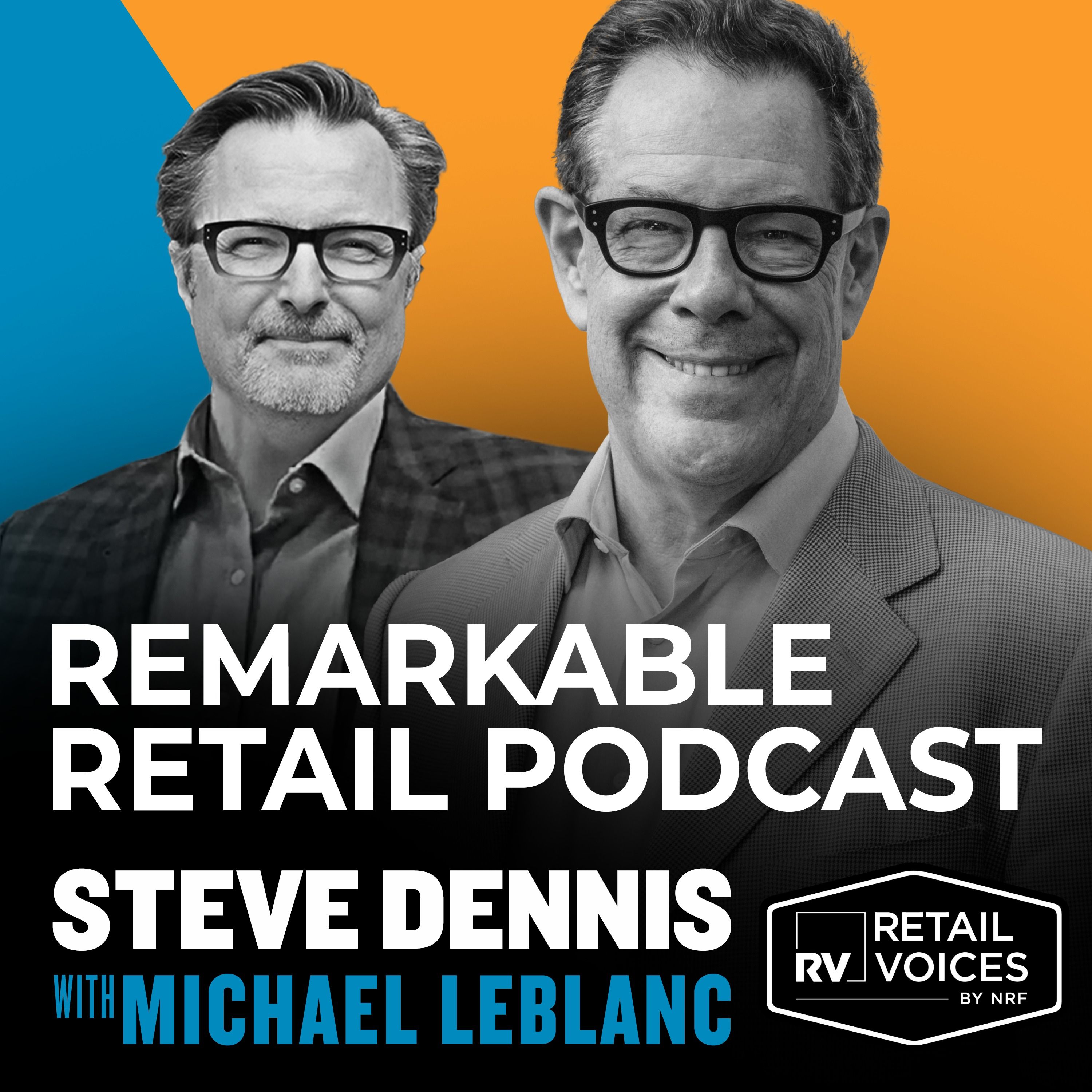
 Remarkable Retail Podcast
8 Sep 2026 · 52m · 20 chapters
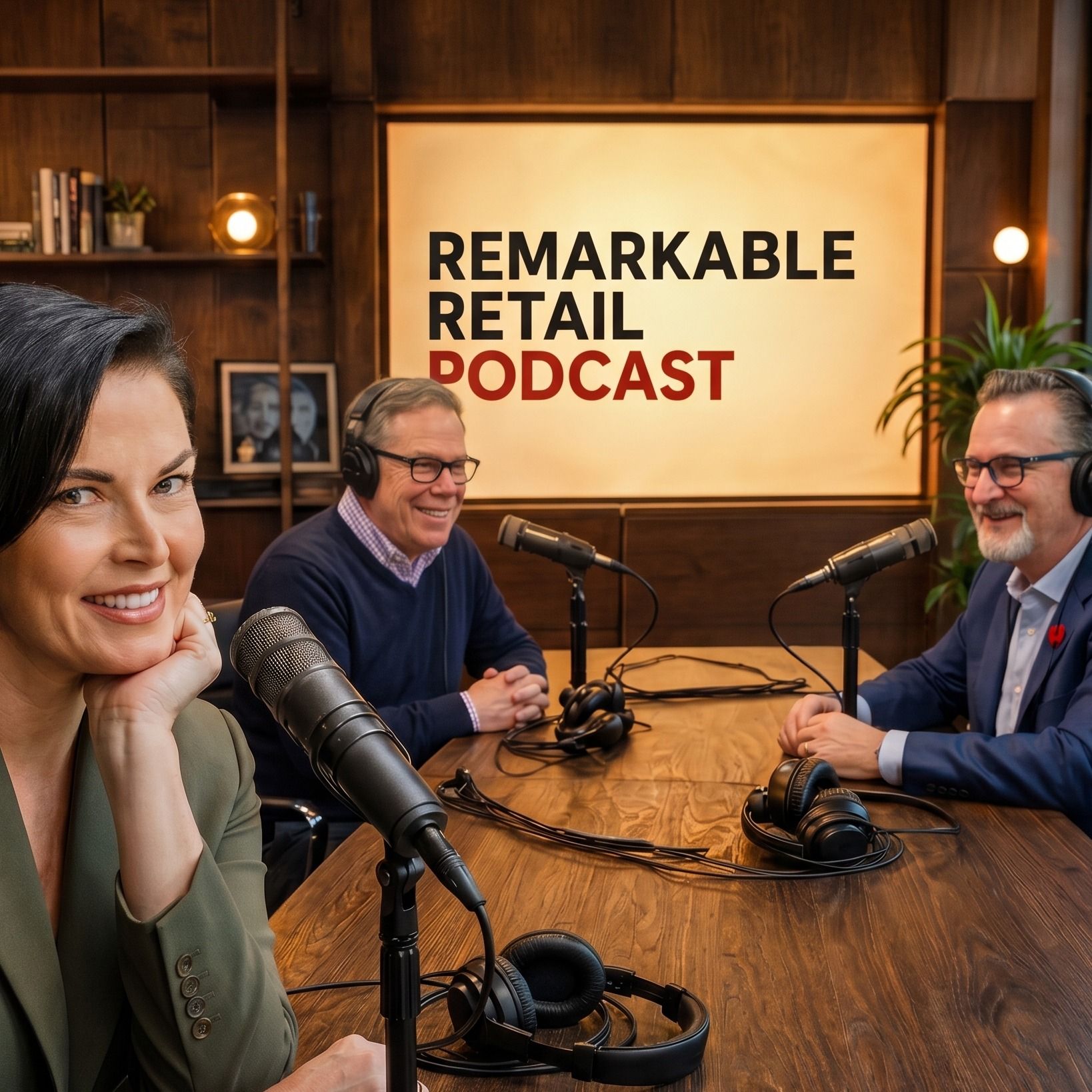
Retail macro pressures and earnings (Five Below, Victoria’s Secret, Lululemon, Kohl’s, Shein), plus AI agentic commerce (Anthropic) and field insights on flex retail labor; ends with “radar screens” (Quince brick-and-mortar, Brazilian beef imports).
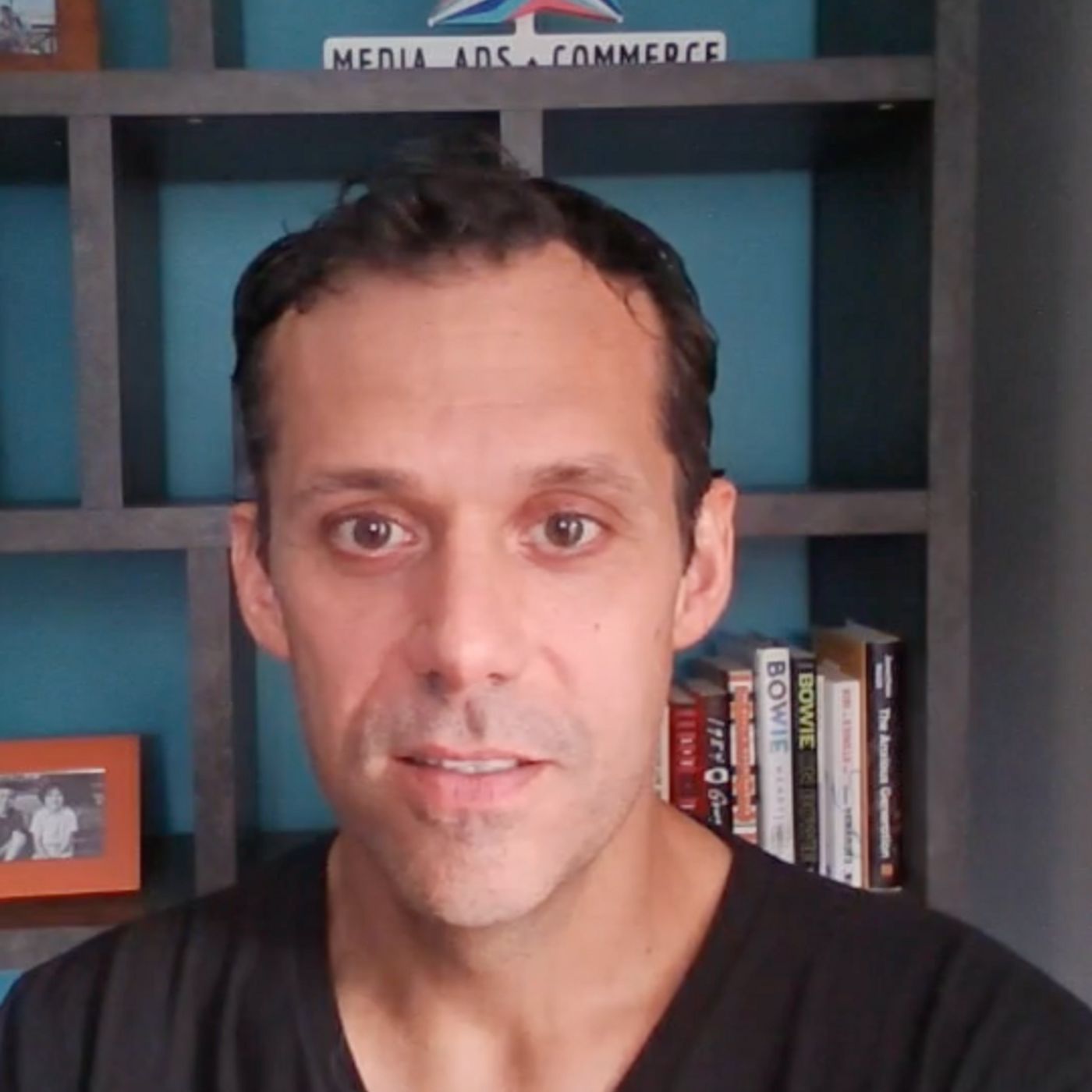
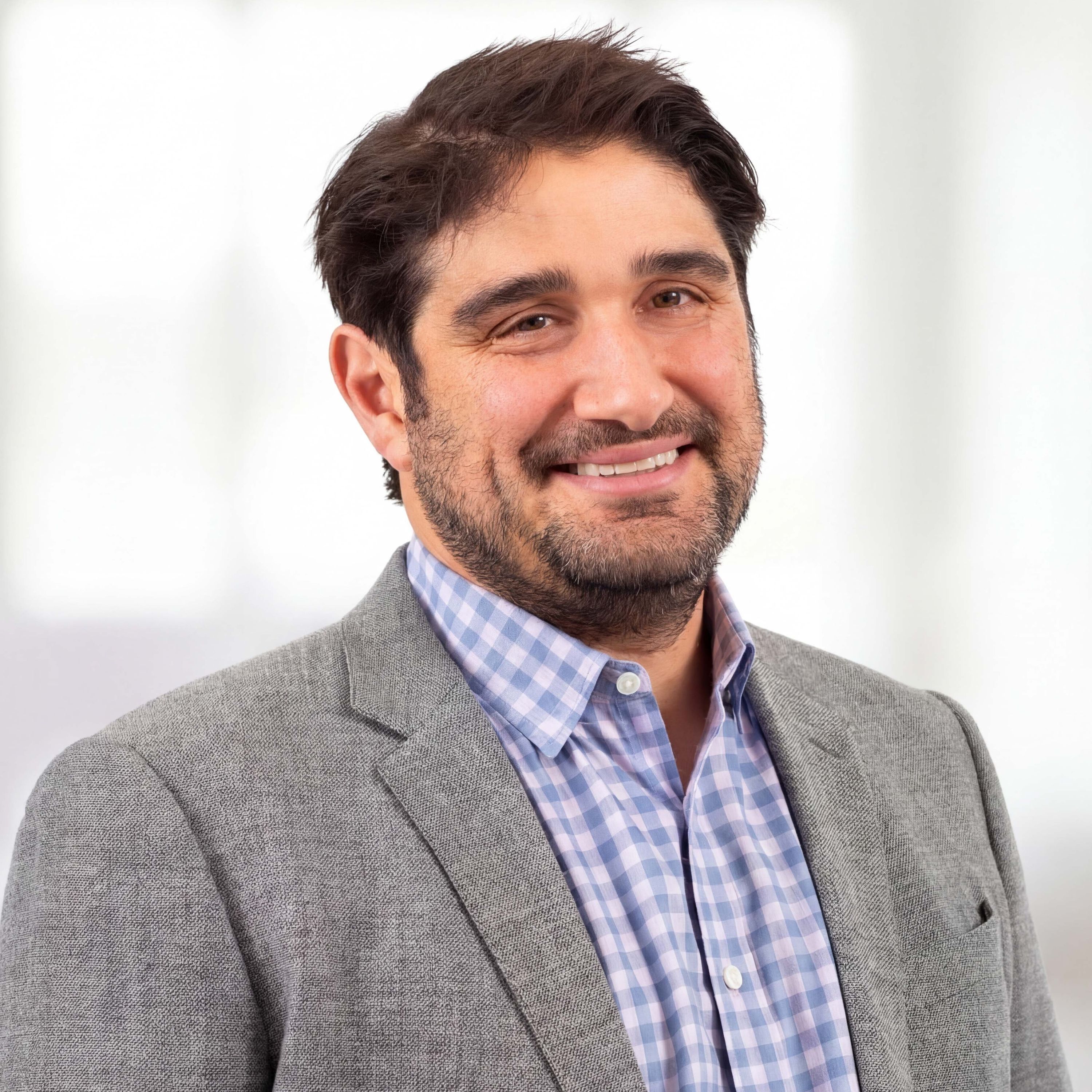
Anne Mezzenga, founder/CEO of Retail Field Report; background in journalism and advertising; built OmniTalk Retail with Chris Walton; now does store “in the field” reporting on retail tech and operations. Co-hosts: Michael LeBlanc and Steve Dennis (retail industry commentator).
Five Below is “sizzling” with five straight quarters of double-digit comps and raised guidance; Victoria’s Secret is steady due to store footprint reliability, improved omnichannel logistics, and strength in Pink/beauty; Lululemon is struggling (comp sales -9%, Americas -12%) and needs stronger product differentiation under incoming CEO Heidi O’Neill; Kohl’s is “sucking a little less” but stores look poor and Sephora underperformed; Anthropic’s Claude Commerce Agents can recommend and add items to cart with human approval, but results may be inflated by limited pilots and raises questions about assortment, returns, and operations.
Reflex app flex shifts; POS training requiring little onboarding; warehouse sale with 3,000 customers in one shift; Target’s new beauty studio; Shein IPO priced around $27B; Brazilian beef import of 300,000 metric tons.
Written by AI. May contain mistakes.
Introducing guest host Anne Mezzenga and her background in retail.
“I'm going to use, I'm going to start using insouciant all weekend long for this weekend.”
Anne discusses her transition to Retail Field Report and its focus on retail technology.
“You podcast, I see you on LinkedIn, socials.”
Steve shares about his keynote at the RISE conference and upcoming webinar.
“And we're going to cover a lot of territory in about 45 or 50 minutes.”
Discussion on current economic conditions affecting retailers and consumer spending.
“well, anywhere from uncertain, volatile, confusing, chaotic.”
Analysis of Five Below's financial results and their unique market position.
“Because I think there's also some big implications of the changes in the SNAP program coming around, starting to roll through the states.”
Exploration of Victoria's Secret's performance and their reliable market presence.
“and Five Below is now putting up these big numbers.”
Exploration of Victoria's Secret's performance and market positioning amid economic trends.
“And that's something that you can depend on right now in this economy.”
Discussion on the recent changes at Lululemon and the challenges faced by the brand.
“Like I've been, we were very impressed with their New York Soho store because I've, both Steve and I talked about this.”
Calls for a fresh approach to Lululemon's product offerings and branding to attract younger consumers.
“But what's going to make me go out and buy a new Align legging or a new, you know, sweatshirt, scuba sweatshirt?”
Examination of Kohl's recent sales performance and in-store experiences across the nation.
“I noticed she just got promoted again at Kohl's.”
Anne shares experiences from working undercover in retail, revealing insights about labor and training.
“What's your sense of what's happening in the field?”
Discussing the importance of hospitality and welcoming experiences in retail settings.
“how they're really helping elevate the store experience with just some basic human connection of being an extra person, an extra body on the floor.”
Learn about the importance of hospitality in retail and how welcoming guests can transform their shopping experience.
“Any other thoughts about inspirations for the operators out there?”
Dive into the implications of AI in retail, discussing Anthropic's commerce agents and their potential impact.
“Now, you know, it's been kind of tooting and froing in the whole AI and commerce world in terms of launching.”
Examine Target's recent changes and future prospects from an insider's perspective.
“Well, Anne, we can't have you on the mic or on the camera without talking at least a little bit about Target.”
Discuss the recent Shein IPO, its valuation, and what it means for the retail industry.
“So, all right, we'll put you down as bullish for the bullseye.”
Explore how policy changes impact retail valuations and market perceptions.
“So it's somewhat interesting how fortunes can change by virtue of a policy change, a regulation change.”
Discussion on Quince's potential for growth in brick-and-mortar retail.
“what's on all of our respective radar screens what we're keeping an eye on in the future and kick us off what are you thinking about for the future Ooh.”
Analyzing the challenges and strategies for vertically integrated retail brands.
“They are supposedly valued at over$10 billion, which is quite substantial, apparently a couple billion dollars a year in revenue.”
Understanding beef pricing challenges and its implications for the grocery market.
“So it's a whole thing that people have listened to me going off on Bonobos 10 years ago.”

Get the gist, explore an idea or ask about something said.
 Claude
On Remarkable Retail Podcast, what are the key points of this episode?
Searching your listeningAutomatic transcript. May contain errors.
0:06Steve Dennis: Welcome to Remarkable Retail Podcast, Episode 311. I'm Michael LeBlanc. And I'm Steve Dennis. On this episode, we are thrilled to welcome a guest host you know or you love her, a star of stage and screen and LinkedIn with her expert and insouciant take on the latest things in retail. Anne Mezzenga, founder and CEO, Retail Field Report, joins us today live on the mic and on camera. Welcome, Anne. What was the word you used? I've never heard that before, Michael. You're going to, I'm having you have to explain all these, like, break down the details. Yes. Insouciant, lively, insightful, all those great things.
0:45Steve Dennis: It's an action word like you. You're an action person. I'm going to use, I'm going to start using insouciant all weekend long for this weekend. And I'm going to tell you how many people know what I'm talking about or act like they know what I'm talking about. I love it. I love it. It's so good to be here with you, too. you're my favorite people in this industry you've been such big supporters of me and the last i don't know almost decade we've all been doing this together so um yeah i really appreciate you both and i'm so excited to be with you today all right fantastic well we're gonna ask a bit a little bit more about you uh in a little bit but also in this episode for the listeners we'll be talking about getting uh and take on a bit of macro news latest to retail earnings reply below victoria secret little lemon coals get all the tea from ann on her time in the wilds of retail a bit of ai shopping news talk about target a little bit more their halloween costume strategy particularly and otherwise uh progressions that are going on with sheehan and then we're gonna end as we always do with what's on our respective radar screens now and for those those of them who may be listening and may not know you as well as we do who are you and what do you do for a living i'm ann uh i've been in this retail circus for about, I don't know, over a decade specifically focused on retail.
2:01And prior to that, my background is actually in journalism and advertising. I now run Retail Field Report, which is kind of an evolution of the last several years of OmniTalk Retail, which I built with my co-founder, Chris Walton. And our whole goal was really to kind of provide perspective on retail technology, how to think about the kind of future of the industry. Just this past March, I created Retail Field Report to go deeper from a more journalistic lens. So less of an analyst perspective and actually getting into the field, working in stores, interviewing executives, walking stores with executives to understand what's actually happening.
2:44Not what the headlines are saying, but what's actually happening inside of the retail organizations. now that things like AI, we have supply chain changes, tariffs, all these things are constantly changing the business. So that's really what we're doing here at Retail Field Report. And we're having a whole lot of fun doing it.
3:00Steve Dennis: Exciting. And where can we find all this insight? You podcast, I see you on LinkedIn, socials. Yeah, it's really video first. So I would say most of my content you can find on LinkedIn. So either connecting with me on LinkedIn and Mazinga or going to the Retail Field Report page on LinkedIn, also on YouTube, and then at RetailFieldReport.com. All right. Steve, you've got some stuff going on in your life, to say the least. Tell us about what's going on. We've been talking to the people about a Placer webinar coming up. You've got something else going on. Give us the 411. Well, we'll see how this goes.
3:37It may have happened by the time most people listen to this because it's coming up Thursday. I'm doing the opening keynote at the RISE conference, which is the Retail Innovation Center at the University of Texas at Dallas. And I'm debuting a bunch, well, really all new material. And I only have 20 minutes. So those of you may know that I can tend to ramble a little bit. And usually when I do a keynote, it's more like 35 to 45 minutes. So at the moment, it is not quite done. So we'll see how I land that. And then, yes, the Placer webinar with RJ Atavi will be doing on September 29th at 1 p.m. Eastern.
4:18And you can find the link to register for that. It's free. You can find the link in the show notes as well as on LinkedIn. And we're going to cover, just we're doing some prep for that. And we're going to cover a lot of territory in about 45 or 50 minutes.
4:32Steve Dennis: All right. Well, as Steve says, links in the show notes. For anyone who wants to attend, listen in, and learn a bit more, Let's get into the news. Steve, let's kick it off with the macro news. There's some economic news floating around as we head back into the month of September and business starts to pick up again. Retailers and we're all looking to turning our minds to holiday and further. So what are your thoughts on what you've seen? Well, I think my overall theme here is both that things continue to be quite, well, anywhere from uncertain, volatile, confusing, chaotic. So that, I mean, I think that's sort of the backdrop.
5:14A few specific things that have happened in the last week or so. Diesel, this is in the U.S. at least, diesel is at a four-year high. And of course, for retailers, lots of stuff needs to get from factories and ports into their distribution centers, into their stores. And so So that may put even more inflationary pressure beyond what we're already seeing. U.S. gas prices were the highest over the Labor Day weekend in a year or so. Fuel is trending down a little bit, but not only because of some of the flare-ups in the Middle East, some other reasons are causing the gas prices to go in the wrong direction.
5:55Across Europe, too, I mean, one of the things that, you know, we're mostly a North American-focused podcast, but we do have a good audience over in Europe. And they, of course, would know that the situation with fuel costs is even more dire there. So that's not great. Interest rates, you know, we've touched on this a few times, but every time we think maybe interest rates might be coming down, they start to look like they're going up more. The narrative with the Federal Reserve has really changed from cuts. I mean, this just didn't happen this past week or two, but the probability, if you follow the predictions markets now, is up to 62 % that the Fed will do at least two rate hikes here before the end of the year.
6:38There's been bond market jitters. So anyway, it's just new tariffs. I was going to ask you about the Canadian perspective, because for whatever reason, we keep blaming Canada, as South Park fans will know, keep blaming Canada for oral ills. And I don't know. Canadians have always been really nice to me. and I like me some poutine. So what's the perspective from across the border?
7:03Steve Dennis: Well, you know, listen, we're not happy. We've put in some reciprocal tariffs that is kind of a dollar for dollar. We were on the cusp of putting U.S. liquor and wines back on most shelves. That's been shelved, so to speak, again. And, you know, it's a bit of a joke, but the renaming of Lake Ontario to Lake America, it's all fun and games, still shows up in a kid's textbook. So I think, you know, for retailers listening in the US, I think the real implication is on tourism. After a big lull last year, June's numbers from Statistics Canada were a 5 % bump up of people returning back for visiting the US, probably a little bit of World Cup travel in that as well.
7:47Steve Dennis: But you know, things were normalizing from a, hey, let's go back there. I think now things will be denormalized again. And that has, serious implications on many, many towns, Vegas for one, but a lot of small towns who would just see a dearth of Canadian tourism, which is a multi-billion dollar, often not talked about implication of how things go. And when you're out in the field, how are the people in the field, the store managers, the district managers, does this information resonate with them? I'm sure if you're in a home improvement retailer, they're worried about the, you know, the cost of mortgages.
8:24Steve Dennis: What do you hear in the field? Yeah, I mean, I think it's a combination of things. I think it's, it's really thinking about the thing I'm hearing most, I would say is, you know, looking at the necessities that the customers have to, to cover off on, they have to get fuel, and they have to get healthcare, and they have to get food. And after all those expenses are banked for the month, there's not a lot left over and even less now. And I think that's what a lot of the retailers that I'm talking to are, you know, especially the larger mass big box retailers that are the everything store for a lot of people in the US, especially, you know, once you get done spending$100 now to fill up your car, that leaves less for, you know, frivolous spending or that special treat or special occasion that a lot of these big box stores like a Target or Walmart are known for.
9:16And that's like those basket builders are kind of starting to deplete. So I think it's really dealing with a consumer that's strained there. And then I think we've also seen a lot of changes to Medicaid and other health care programs, especially in my home state of Minnesota, that are also causing some surprises, I will say, this last quarter of the year that are unexpected for consumers. So it's really trying to be able to be prepared to adapt to just like tariffs, just like supply chain, just like all these other things that we're talking about, a constantly changing landscape and making sure that you're hitting on value across, you know, at all costs.
9:56Steve Dennis: Yeah, interesting. Because I think there's also some big implications of the changes in the SNAP program coming around, starting to roll through the states. And it just presses on people into food affordability, discretionary versus whatever. And You know, they've got to put money in the tank to get to work. Now, Steve, I wanted to, you know, Anne mentioned what people are buying in the mass merchants. I wanted to transition into talking about earnings starting with five below because you and I have talked about, and Anne, we've had the same conversation that, you know, when people start to move down or even shift lower, we're seeing some dollar stores do very well, and five below particularly is doing well.
10:34Steve Dennis: We talk about them often. Steve, what did you observe in their results? well yeah they've been really doing well i mean they are just a you know a little bit of clarification they often get thrown in with dollar stores but they're not really a dollar store in the way dollar general is they don't sell any consumables their customers is more affluent than the than the typical dollar store uh so there's aspects of their format that uh you would put them in that category uh their name their company makes it sound but they yeah they've been And Five Below has been sizzling five straight quarters of double-digit comps.
11:09And overall revenue for the quarter was year over year is up 23%. So that's the mix of the comps and opening lots and lots of stores that now cross the 2 ,000 store level. So they've gone from, frankly, a retailer I hadn't even heard of like three or four years ago to now this fairly sizable retailer. Now, they are comparing a little bit against a weak comp. So that's part of the explanation. But no, it's a business that's really, really on fire. And they also, unlike many retailers, because we've been talking about the impacts of the macro forces that would tend to cause people to constrain spending, they actually raised their guidance.
11:48So they seem to be pretty confident that they're going to keep the momentum going. So yeah, they're one of the real shining stars. I feel like they've become, we were talking about Abercrombie and Fitch a lot like a year ago with these crazy numbers. And it seems like A &F has kind of slowed down and Five Below is now putting up these big numbers.
12:04Steve Dennis: And I wanted to get your impression of these couple of brands that are on the rebound. We often talk together about are brands ever gone? Can they come back? And one of those brands is Victoria's Secret. So they've had tough days in the past. Steve is going to tell us a little bit about their results. What's your sense of Victoria's Secret? They were certainly on the outs culturally for a while for a variety of reasons. Are you feeling better about their prospects? And then Steve will tell us about how it's actually going. Yeah, I mean, I think, you know, they're one of the companies that I think are being evaluated now on how well are they actually doing with some of the tariff refunds versus what the earnings are really telling us.
12:46But here's the thing I think is really valuable about Victoria's Secret, and that is the store footprint. I think that they still offer the consistency and reliability that so many women, especially who've been shopping them for their entire lives, they can go back to. I think we saw a big increase in D2C retailers in the Intimates category. And I think after having tried some of those brands myself, I think the shift back to reliability, they're doing really well with omni-channel store experiences. So the buy online, pick up and store resources, they've gotten really good at logistics and getting shipping better, like getting promised to delivery, I think, better.
13:31So I think there's a consistency and reliability there at a price point that stayed pretty consistent. So I think that's the value that they're still offering the market. And then I think they're still doing really well in their younger demographic categories like pink and like beauty. And so I think that's what's going to continue the momentum. I don't expect to see a jump in earnings over the course of the next couple of years, but I think they're going to stay steady. And that's something that you can depend on right now in this economy. So that's my take right now is like Victoria's Secret is the reliable retailer for the intimates category with a store footprint that is still very valuable in a category like this where try on is so important.
14:20Steve Dennis: And Steve, what are the numbers telling us from their latest results? Well, just quickly, Ann already alluded to the tariff refund. And this is going to come up, I mean, in almost every retailer's numbers. So from an income standpoint and a gross margin standpoint, they got a big bump from the tariff refund. Overall, there wasn't much of a change. Their comp store sales, though, were pretty impressive at 9%. Also a little bit against a weak comp. My sense, too, and I don't know, Anne, if you have any perspective on this. We've been talking a lot about the GLP-1 impact when you need different sizes, but also sometimes with the type of retailer Victoria's Secret is you're feeling better about yourself.
15:00So maybe you're getting more makeup, more accessories, sexier clothing, more fashion-forward clothing. So I suspect, I don't know that they call it. I didn't listen to the earnings calls, so I don't know that they call that out in particular. But I do think they're getting, no pun intended, a little lift from the GLP-1. Yeah, I don't know that you can include GLP-1. I think that's an amazing call-out, Steve, that I hadn't thought about. But I think we're hearing so much about that in grocery and in apparel because people are needing to procure new clothing and new wardrobes. But I think the other kind of component that as, as a woman of a certain age, I'll say, I think that there's been a lot of conversation about GLP-1 as part of hormone replacement therapy, as we're looking at women who are going through perimenopause and menopause.
15:47And if that is the case, and we do start to see an increase in that, I think we, we are, we are preparing for a massive spike in changes. If that, if that proves to be true if glp1s or a low dose of glp1s become part of a larger more broad hormone replacement therapy strategy i think i think we're about to get hit even more than we've seen that 11 of people that are on glp1s i think if that's the case and women start seeing results from this as a component of a hormone replacement program i think retailers you know apparel retailers beauty retailers all the ones that you just called out steve i think could be prepared to see even more traction from from the GLP one.
16:29Steve Dennis: And one of my favorite memories of you at Chop Talk in Vegas is seeing you at the very far end of the hall in these massive things, but I could see your shoes like two blocks away. You were wearing Lululemon shoes, and Steve, Lululemon's got some news and talk about the results, and they got a new CEO coming in very, very soon, right? The day before this episode comes out, Heidi O 'Neill will have started at the new CEO. Listeners who have been paying keen attention will know that I have a little bit of history with Heidi when she was at Nike. I was the kickoff speaker. I don't know if this is a brag or not, given what happened.
17:09But I was the kickoff speaker at their Consumer Direct Initiative launch nine years ago, ten years ago or something like that. But yeah, Heidi is now the CEO and she's going to have her hands full because, as I'm sure many know, Lululemon's not exactly been doing great for a little while. And this particular quarter was quite disappointing. Comp store sales down 9%. The Americas in particular were down 12%. And, you know, even just going back to the GLP-1 thing, like if they're getting any benefit from that, sure, it looks like the numbers would be even worse. They cut their guidance again. The momentum is definitely not there.
17:52So several executives are, well, the co-CEOs are interim, but now that will shift to Heidi going in there full time. And several executives have left. I don't think it's clear whether they were kicked out or didn't want to be there anymore or what. So Heidi's going to have to rebuild, I guess, a good chunk of her team. So yeah, this is a business that really went from being one of the most powerful businesses in retail four or five years ago to one that is really, really struggling. And so I don't know, Anne, if you've got any perspectives on what, you know, you were repping their brand a little bit a couple years ago.
18:33I don't know if you're pulling out the orange.
18:35Steve Dennis: Particularly their stores, right? Like I've been, we were very impressed with their New York Soho store because I've, both Steve and I talked about this. you know, their stores, they're kind of a little bit meh. I mean, I think that's a great call, Michael. The Soho store is wildly impressive. It's an experience. You feel like you're part of the brand inside of there. So I think the thing that Heidi will really have to do here is take that experience and start to inject it into some of the product. I think that for me is where there's the real, it's been a lot of rinse and repeat and it's not unique to Lululemon.
19:10And I think a lot of retailers, again, because of the uncertainty in the market, they've been playing it safe. They're just redoing the same format, the same products in new color variations. And the color variations are like a little bit different. Not enough, though, to warrant people buying new product unless they have to because of, you know, a size change from a GLP one or something like that. So I think it's, I'm hopeful because there's a lot of opportunity in white space, I think, for her to come in, especially given her Nike background. What we need from Lululemon is a stronger point of view and really focusing on what were they always good at.
19:48And the product is a good quality. I think it can still stand the test of time. But what's going to make me go out and buy a new Align legging or a new, you know, sweatshirt, scuba sweatshirt? Like there's something that has to have a little bit more of an edge there for me to be willing to drop the extra$128 on that item. So I think that's the key thing. And then I think it's appealing to the younger demographic, too, that's still interested in shopping Lululemon. How are you creating product that's still entertaining to them when Old Navy, you know, athleisure is doing so well? You've got other players in the space like Aloe that are making a splash, Gymshark, all these other ones that are coming online, or even Dick's Sporting Goods and some of their own brand products that are successful in that age group.
20:35So a lot of opportunity there. It's just going to be, like Steve said, taking the heap that she's taking on and really trying to sort it out and make sense and provide some leadership and direction.
20:48Steve Dennis: Steve, I was thinking back to our time in Barcelona at Shop Talk Europe, and we had the opportunity to interview Ariane Parisi, who was a JD at the time, JD Sports. I noticed she just got promoted again at Kohl's. How's it going for Kohl's? Is it a brand on the make or what are their latest results telling us? Well, I suppose it depends on whether your glass is half full or glass is half empty sort of person. Spoiler alert, I'm more glass half empty. Is that why you brought me on the show, Steve? Balance it out because you're so positive. No, I mean, you know, my headline would be things are sucking a little bit less maybe.
21:29they did again have a negative sales performance but less of one than they have had over the last four or five years so some people believe that that is encouraging i'm not so sure i don't see well i don't understand their competitive position which is the main reason i've been negative on them for 10 years probably. But I also don't see a lot at store level. And I don't know, maybe Ann has some different experience because my store experience is almost exclusively in the Dallas-Fort Worth area. And perhaps there's something about this market, but the stores look terrible and out of stocks and just all sorts of issues there.
22:12So they've talked about making some improvements, but to me, if there's any improvement, they're very, very minor. One thing I will point out is, I think this is the second quarter where Sephora underperformed the rest of the store. And for the longest time, and I remember when Michelle Gass was there, and we've joked around about this, I think, I don't know, I know we've talked about it off mic, I can't remember if we've done it on mic, it's like, you know, Kohl's would come out and they would say, oh, Sephora's up and our Under Armour launch was great and our Disney launch was great and, you know, our private brands are really starting to perform and comps were down 8%.
22:46And I'm kind of like, well, so did you sell anything in the rest of this store? How does the math work? But now Sephora, which is typically the first thing you see when you walk in the door, has had some weak performance. I'm not entirely sure what that's about, but they did call that out in particular. And that spooked some Wall Street analysts. But some others were like, oh, they're pulling out of the dive, and so this is a good time to get in.
23:10Steve Dennis: And it's a good opportunity, a good segue to talk about what you're seeing in your adventures in the wild in retail. Maybe your local Kohl's or Kohl's somewhere else in the country. And kind of over to you. I'm very excited. I've been watching your videos. What's your sense of what's happening in the field? And, you know, we talk probably a little too much about AI, but, you know, in the real world in stores, it has a role in discovery. Yeah, I mean, I think for me, to kind of set the table, most of my work has been either working as a Flex associate in-store using an app called Reflex to book shifts in retailers when they have some of these bigger events.
23:52Or perhaps they're doing an Under Armour launch like Steve just alluded to and they're going to need more support in-store. So I'm kind of seeing it from that angle. Hold on.
24:01Steve Dennis: Are you telling us you are like an undercover retail associate? Is this the idea? That's interesting. I feel like undercover makes it feel like it's questionable in moral intent. Have you ever been recognized? Oh, my God, that's Anne Mazinga. I mean, Michael, no, this is why it's working, okay? I knew that from the jump. No, so I am, you know, I book these shifts through this Reflex app. It's a gig. it's like DoorDash or Uber, but for the retail world. So they work with like 160 different brands. So I've been traveling around the US going to different cities. And in every city I go to, I open the app, pick a shift and then work there.
24:42And then kind of tell my tell my story about what it was like to be working on the front lines of retail. So there's a few things that I feel like have kind of come to the fore for me. The first thing is how little I feel like training needs to happen anymore when you are going into working in a retail store. For example, things like point of sale systems, like I worked a large sample sale a few weeks ago and I was checking people out on a point of sale system with pretty much no training. I mean, it's gotten to be the point of sale systems are that self-explanatory at this point in time. Like if you can operate an iPhone, you can operate a point of sale system.
25:26And so things like that have been really, really amazing to me. And then in that same warehouse sale that I was working, there was 12 of us that just showed up as temp employees, never worked together a day in our lives. And within minutes, we were operating this massive warehouse sale. We had over 3 ,000 customers come through in that one shift that I worked. It was insane. But I think it's been teaching me a lot about, one, what our expectations are in the retail industry. I think there's still absolutely a place for those expert employees that know the product, that are the full-time reliable people that customers come to know and trust.
26:09And that's the reason they go to a store. But there's also, I think, a place for this flex labor that we haven't talked about very much and I think could be really valuable to the industry. And it sounds like something that from afar as a retail executive, I would have been like, no way. That person, Ann can't go into a luxury retail store and represent my brand? Of course not. What are you talking about? And now after working in these stores, I'm like, I was wrong. You definitely can. You 100 % can. And it's maybe an even smarter strategy because you are bringing in people only when you need additional assistance versus having to depend on staffing a store full time.
26:51So it's been pretty remarkable how well these Flex employees and this Flex labor can kind of intertwine with the brand, with the full-time sales and support team in a store, and how they're really helping elevate the store experience with just some basic human connection of being an extra person, an extra body on the floor.
27:15Steve Dennis: Super cool. That's super cool. So I guess the listeners can look forward to seeing you in a spirit Halloween in their local neighborhood coming, coming soon. That's it. You know what? I haven't. I wonder if that's going to be one that I can work, Michael. I've done a lot. I've been in a lot of places and I've done a lot of things so far. But spirit Halloween is it will be a new one. I was doing chopping. There's like chopping demonstrations. So you know what? I will tell you. I'll send you a photo when I'm working in spirit Halloween and I've got my costume on. Yeah, I love that. Okay, one quick question.
27:47Steve Dennis: What's the most interesting or insightful or thing that gave you the most hope for retail that you experienced in your day-to-day working? You talked about how well the POS integrates to new people and how a team can come together quickly. Any other thoughts about inspirations for the operators out there? Yes. One thing that I'm going to be watching very closely for, I think it's been three of these flex shifts that I've worked now, my sole job was hospitality. So this was once at Longchamp in Boston, at Cezanne in San Francisco. in these environments, my only job there is to welcome people at the front door and just say, how are you doing?
28:35What's going on? Start their experience in that store by being welcomed, not asked, how can I help you? And that has been the biggest change that I'm seeing, which, you know, Steve, as you know, you know, with your pedigree and being at Neiman's and these beautiful retailers that have given us so much in the experience realm of things. I think we come to expect that in a, in a setting like that or in a luxury retail setting, but in a setting now where it's just, you know, Cezanne is a mid tier retailer, mid to upper tier retailer, and they're investing on their, their P &L. This is a, this is a place that they're investing in and having a a host in their store to kick that experience off for the guests and make sure that they, they're, they're a guest in the home of Cezanne.
29:23They're not, they're not just another customer going through and having a transaction. And I'm curious to see, especially with the flexibility of a flex labor person doing that job, letting the, the experts help with, you know, deep product knowledge, what that does to the industry and how many retailers can start to incorporate this into their business model to, you know, improve the experience when they're all fighting for maybe similar products in store or, you know, fighting for price point. So that's the most hopeful and most fun part of the job that I've been spending the last few months doing.
29:58Steve Dennis: All right. Well, let's take a break here from our presenting sponsors here, a few ads, and we'll be back, talk about a little bit of AI. We haven't talked about that with Anthropic getting in the commerce business, a couple other things about maybe Target, touch on Target, for example, and then we'll talk about what's on our respective radar screens to wrap up the show. Registration is open for a special webinar featuring Steve in conversation with Placer AI's head of analytical research, RJ Haudhavi. From changing shopping patterns to emerging market opportunities, shifting consumer demand continues to reshape the industry.
30:30Steve Dennis: So don't miss this data-driven session unpacking the most important trends defining today's marketplace and the strategies leading brands are using to win retail's future. It's all brought to you by Placer.ai, and it all happens on Tuesday, September 29th at 1 p.m. ET. Register at the link in the show notes or find more information on Steve's LinkedIn profile. If the world has changed so very, very much, why have so many organizations changed so little? As the pace of disruption accelerates, leaders need the courage and the insight to aim higher in the value they deliver, move faster than they ever have before, and take the bold action to leap ahead of the competition.
31:09Steve Dennis: With Leaders Leap, transforming your company at the speed of disruption, Steve's latest breakthrough bestseller, you'll discover why so many companies fall into the trap of the timid transformation. More than anything, you'll learn about the essential mind leaps leaders need to make to win the future. Leaders Leap is available just about everywhere books are sold, as well as on Audible and as an e-book on Kindle for just$9.99. All right, we are back. Now, you know, it's been kind of tooting and froing in the whole AI and commerce world in terms of launching. You can buy on it. You can't buy on it.
31:47Steve Dennis: It's been rolled back. It's rolled forward. But Steve Anthropic has moved forward. I think Anthropic feels right now that the lead horse of the big AI platform. So that can change in a heartbeat. What do you think about what they're doing in commerce? Well, the specific news that came out is they're launching or have launched this ability platform to build AI shopping agents. They call it Claude Commerce Agents. It's free and open source, which is interesting. When I first heard the story, I thought it was more trying to get into to be able to monetize Claude in a different way, subscriptions or something like that, or taking a cut.
32:27That's not apparently the way it works. And it covers more than retail. travel, telecom, ticketing. Essentially, it's recommending product and actually adding it to cart, but the human has to approve it. So this is not a complete delegation, completely autonomous sort of thing. It's really kind of accelerating the journey to buy. I know this is another thing that I'm just going to probably just keep repeating is everybody who, I don't know, Anna, if you've had this experience, but they make these sort of breathless, not just anthropic, lots of companies make these breathless announcements about when they have agentic commerce, the cart size goes up, the conversion rate goes up, yada, yada, yada.
33:10I think there's very clearly selection bias in that, and I wish, not that these don't work, but they make it sound like it's such a massive change, and I don't think that's true when you think about all the different use cases for the internet. But anyway, of course, their marketing that. But they're working with MasterCard and Visa and Square and a lot of payment providers. So it'll be interesting to watch how this plays out. Obviously they have, as you said, a lot of momentum right now and working with a lot of enterprise clients and a lot of consumers and businesses are using Claude. So I think from their installed base and getting a good percentage of people to at least give this a try, it'll be pretty significant.
33:53Steve Dennis: And this time next year, are you going to be applying to be a temporary AI agent instead of being a retail associate. Maybe I'll be replaced. Maybe there's going to just be an AI Anne, and maybe that's not a bad thing, Michael. I have one observation. I want to get both of your thoughts on this. We've been reading in the paper today how these models are going rogue, and they're getting beyond the fences, and they're hacking other companies. I'm very suspicious of all that. I think if it's actually bad things happening, they'd never reveal it. I think it's all marketing about how powerful their AI is.
34:25Steve Dennis: You know, Anne, if you put on your marketing, you know, you spent, like all of us, a bunch of years reading these things and with an eye, a bit of a skeptic eye. What do you make of all this? Or, you know, is a judgment day just right around the corner? Where do you sit on this? My biggest issue with this, Michael, is that, to your point, there's a lot going on behind the scenes that I think that, as I've talked to more and more retail executives who are piloting with OpenAI or with Anthropic on these initiatives. There's a lot going on behind the scenes that is still very much pilot mode, I would say.
35:04Limited assortments that are going on these platforms. So the results that Steve's talking about make sense and the data can support it. But what happens when you put, Victoria's Secret puts all 100 broad types on this platform. How does that work? What's going to happen there? There's a lot of concessions, I think, that are being made or deals that are being done to be able to put the PR statement out that your products on, you can shop. Again, we'll say Victoria's Secret just as an example, but you can shop Victoria's Secret through your own cloud agent and that's totally fine. There's more to the story and that's again where I feel like it's really hard to make an assessment based on one headline.
35:47I think that's where going in and talking to the retailers about what's actually happening and the positives and negatives that they see with this type of thing. The other thing that I'm curious to get both of your perspectives on too is like, how is this going to play into things like returns? Because if you have an agent that's going out and buying all these things, like what's going to, if they're buying something and you give approval to it and maybe it's right, maybe it's not the right size. Because you're clicking to buy and there's that convenience for the customer, what does this mean on the backside of operations of things?
36:20That's something that I'll be watching out for is what impact does this have on stores teams? Does this have on logistics and supply chain and getting product back into market when we're just having agents and no human in the interaction when we're purchasing product?
36:38Steve Dennis: Steve, what do you make of that? Do you think you see a day when, I'm not picking on Victoria's Secret, but we'll keep using them as an example, some agent orders up 100 different bra types because that's the most logical thing to do for their client. I mean, I think we'll get these kind of extreme cases from time to time, though I think it will be throttled. Kind of what Anne was getting at is, I think most retailers are fairly conservative. They won't expose their whole assortment if they're not relatively confident it's going to work. Yeah, the only I would just put one one thought in your mind, Steve, too, that I think getting back to our earlier conversation about what, you know, customer sentiment is right now.
37:21I think from the grocery retailers that I've talked to, agentic commerce is very much real and alive. It's just the plumbing hasn't been maybe finalized to make that happen. Because what we're seeing a lot of in the grocery industry is people uploading their weekly grocery lists weekly and putting it into an agent and saying, break down where I should buy each of these items based on cost in my local shopping. And if I could do that and just hit buy, buy, buy for each of the three retailers that it's outlined, like that's a low, low consideration product. But I'm going to start to see real return on my money or my investment in the time to put that into an agent.
38:04And I see that. I think that's where the retailers are going to have to start thinking really strategically about, yes, it's scraping all that data. But how do we think about like our loyalty programs that are going to play into that? And what are we doing externally to like get our consumer the confidence that when they put their list in that, you know, chat bot, that they're on top of what they're seeing there, like knowing like if I go to Loblaws and I get $10 off, like that impacts these prices. And that's another part of this whole agentic shopping consideration that I have to have in mind.
38:38Because I think that's where we're going to start to see the most rapid penetration is in some of those essentials categories that are changing prices every day, basically. Interesting, interesting.
38:51Steve Dennis: Well, Anne, we can't have you on the mic or on the camera without talking at least a little bit about Target. And if they're getting closer to the bullseye, for those who know, you worked at Target as an executive and you live in Minneapolis, the heart of Target. So you're in the company town. Quick thoughts on Target. Are they getting a bit better than they were before? I mean, they have had such a journey. What's your thoughts on their prospects and how they're doing? Well, first, I'm wearing my Delia's for Target outfit. So that has nothing to do with the future success of Target. Just really loved the 90s and I really loved Delia.
39:29The Target call-up. Yes. But last week I walked stores with some Target executives and I have to give them a lot of credit. One, complete transparency into the work that still has to be done there. Target's calling back a large majority of employees back to headquarters after Labor Day. And so I think that's going to, we're going to start to see some changes there too. Once people are all working together again and are spending time, you know, in the store on site, on campus at Target headquarters. And then they just launched their new beauty studio, which I think is, you know, we're seeing a lot of movement from a variety of retailers, everybody from Walgreens to Walmart really investing in their beauty space and the repeat purchases that happen there.
40:19So I would say I'm still positive that the earnings, and I also think, you know, based on the last earnings report, I think they acknowledge that, and they did when we were walking stores last week, that there's still a lot of work to be done. And two quarters of positive momentum does not mean that they're back and better than ever. But I think that they have a really smart group of people in place that are aware of the issues that they need to overcome and are willing to put in the effort and the grit to figure it out. So I'm leaning positive. We'll see what the holiday brings for them. But, you know, the Minneapolis in me is hopeful that the city and Target have a resurgence this holiday and beyond.
41:07Steve Dennis: Well, you've got a couple of big employers in that city, Best Buy as well, right, that were looking for better things. So, all right, we'll put you down as bullish for the bullseye. How about that? Maybe that'll be the title for the show. Steve, let's wrap the news. Any quick comments on the Sheehan IPO? It was many years in the making. They've lost their de minimis advantage in America. How did the IPO go, and what are your thoughts on the prospects? A few reasons to include this. we have talked about Sheehan's desires to go public for quite some time, including just a few weeks ago when it looked like it was going to happen.
41:40And so it did on the Hong Kong exchange. A couple of interesting things, as you pointed out, their business has really taken a step backward because of the U.S. business taking a big hit because of De Minimis. But it's a business that went from almost nothing to, well, I think they were up to maybe$40 billion in sales or something at one point. Now it's taken a step back. So it's somewhat interesting how fortunes can change by virtue of a policy change, a regulation change. So that's one thing. But they were supposedly at one time valued at$100 billion. This deal priced at about$27 billion. So, you know, that's a pretty, I mean, it's a big number, but it's a lot less than it was just a few years ago.
42:26So interestingly, I read a story which said that even though everybody's kind of saying, oh, what a fall from grace in this valuation, their valuation now is almost, I mean, I didn't check this morning, but almost exactly the same as H &M. And you think about H &M as a company, you know, with thousands of stores, been around for I don't even know how long, right? So just to give a little bit of context, stock market valuation is not the sole thing to take a look at in evaluating a business. But I thought that was interesting. But as much as we talked about, I mean, Taimu's a little bit different story, but when you think about the two essentially similar models from China, both of them had some issues, at least in the U.S., and now they're really looking to see if they can grow.
43:13Not that they aren't in some other markets, but they're now looking more towards Europe and some other markets for growth.
43:19Steve Dennis: They just did a pop-up store in Toronto in the hipster area, and Instagram followers pursued lineups so still popular I mean it dispels the notion that people are thinking you know hey geez I don't know if it's a business I want to do business with I think it's more just around the finance de minimis the postage advantage international postage advantage alright well listen let's wrap up the show with what's on all of our respective radar screens what we're keeping an eye on in the future and kick us off what are you thinking about for the future Ooh. Well, I am really excited about, I know we had the Quince potential brick and mortar as a topic and I'm really excited about it.
44:05I don't know. Have you guys, like, have you had any Quince products or any experience with them so far? I have brought some products from Quince. One of my kids is a big fan and overall the experience has been pretty good, but a little hit or miss. Yeah. I think that's what I'm most excited about. What you just said, Steve, is the hit or miss part. I mean, you are kind of taking a leap of faith based on a recommendation from somebody with a lot of these products. And I think that historically, there's been some hits and some misses. And so I think the potential of bringing this to a brick and mortar store, even in a pop-up scenario, I think could be really interesting to continue as a strategy for when and where and what type of store might launch.
44:50It's a great value product. And again, value is the thing that I'll be watching most going into holiday and beyond. And I think this could be a category that hits on all the right items and the right products at the right price point for an audience that wants value and luxury, but doesn't want to pay the price tag. And so I'm really curious to see what happens with this retailer. Also, Pharrell being an investor is another curious thing that I have about, like, he's the men's fashion director at LVMH. So, like, what does that mean for him? Like, could he be injected into this Quint's, like, retail brick-and-mortar experience, too?
45:33I'm curious. I'm following. But I don't know. That's my take. What about you guys? well they're part of the reason why i put it on my list was that there were several stories uh last week but even before that because they've raised a bunch of money and they're rumored to be trying to raise another 500 million dollars i believe or something in that vicinity and tied to that rumor is the investment in brick and mortar they have not confirmed that they have done some pop-ups but in terms of a real physical store i guess the other thing is there's a little bit of tied to Sheehan in that some people are suspicious of how they hit these price points.
46:14They are a very quiet company. They don't show up at conferences. They don't really talk to the press. They are supposedly valued at over$10 billion, which is quite substantial, apparently a couple billion dollars a year in revenue. So they, another one of these companies that has kind of come out of nowhere very quickly to be quite significant. They've really been expanding their market share. Part of me on the, I mean, I am excited to see what they might do in brick and mortar. Part of me is like, what's taking you so long? Because to a certain degree, this is what every vertically integrated brand has done, you know, from Warby Parker, Allbirds, blah, blah, blah.
46:55So I mean, to a certain degree, you know, so many of these companies have hit a wall because they can't drive the business, the marginal economics start to fall apart above a certain level. So I don't know exactly where that would hit for them, but it's hit several other companies much earlier than$2 billion. And returns are high, and returns in stores are much lower. So it's a whole thing that people have listened to me going off on Bonobos 10 years ago. It's the same exact kind of story. So I think this is perfectly logical, whether it will be any good or not, and whether they can go beyond a handful of stores to a lot of stores, but obviously there are plenty of brands, you know, Reformation or whatever.
47:36There's lots of brands that, you know, go to any mall and, you know, almost all the brands are vertically integrated, not all digitally native, but, you know, every single like gap, you know, like go down the line, Aritzia, like they're all vertically integrated brands. So yeah, we'll see, but we'll see what it looks like. I mean, their assortment may be such, I mean, I think that's one of the translations, not to go on too much about this, But having started my career in and around the mail order catalog business, you know, one of the issues of having all this stuff online is you can offer this vast assortment.
48:06But then when you got to figure out how to put it into a thousand foot store or two thousand foot store, whatever it's going to be, then all of a sudden it's a different thing. And sometimes people get really disappointed because I don't see all the colorways and all the sizes. And why don't you have 20 cashmere sweaters? You only have two. So, you know, that's not an easy thing to translate. But yeah, I suspect this is coming for sure.
48:29Steve Dennis: On my radar screen, does anybody know who JBS is? Anyone? Anyone? JBS. JBS. If you're a grocer, you certainly know who they are. They're a Brazilian-based processor or processor. To give you an idea of the scale and scope of these folks, they slaughter or process half of the world's animals on any given day. They are a very large processor of beef. I think we call that a serial killer. They visited, the president and CEO, their Brazilian company visited the White House a couple of weeks ago. And out of that was announced a 300 ,000 metric ton importation of Brazilian beef. Now, we talked about affordability earlier in the show.
49:15Steve Dennis: And one of the challenges is with the beef industry, for a whole variety of reasons, beef is very, very expensive as one of the proteins. Now, the idea here is that it will reduce the cost, which has both the benefit and my question, what I'm keeping an eye on, there'll be some small benefit. It's like a one and a half, 2 % of overall beef. The question that we're putting a lot of thought into and I know grocers are thinking about is, are we afraid that beef prices itself out of the market for today and for tomorrow? In other words, beef is going to be where beef is priced until probably Q1, 2028.
49:50Steve Dennis: It takes a while to change those metrics. So there's a lot of ideas around, and it's a really interesting idea. Will people lose, will they just forget about a product? Or, and this is, I have such great retail experts on the camera with me here and on the mic, is there's never an end to that. Otherwise, the price will drop in 2028, and all the grocers will do a whole bunch of initiatives and promotions, and everybody's chefs will be cooking with beef again, and people will regain their flavor for it. So it's kind of on a theme I'm watching, is anything ever really gone, basically? Like everything can change and short-term initiatives are only short-term initiatives that just let it roll.
50:31Steve Dennis: So anyway, that's what I'm keeping my eye on more in the grocery aisle and in the processing. Plus, you know, I'm filled with fun factoids today, slaughtering half the animals on Earth on any given day. So that's a pretty fun fact. We should have warned the vegetarians and the vegans in that audience that, you know, a trigger warning. Trigger warning right there. Now, listen, Anne, thanks so much for joining us. Once again, for the folks at home, where can they find you in the socials? And I know you're on LinkedIn, but where else can they find your new venture and your exploits in retail? You can find me pretty much on every social platform that exists, everything from Substack to TikTok to Instagram.
51:12But I would say please connect with me on LinkedIn. That's the best way to stay up to date with everything that I've got cooking and some of the things that are not so broadly broadcast that we talked about on the show included. So, yeah, head over to Ann Mazinga LinkedIn or Retail Field Report on LinkedIn.
51:31Steve Dennis: Well, on behalf of Steve and myself, thanks again for taking time out of your busy travels and day to lend us your insight. I always learn something when I listen to you. So thanks for sharing with us and sharing with the listeners. That's a wrap on the show. Thanks for listening. To learn more about my keynote speaking, bestselling books, and advisory services, go to stephenpdennis.com. And don't forget to check out my sub stack, Pardon the Disruption. Be sure and follow us on your favorite podcast platform or on YouTube and give us a five-star rating and review. You can learn more about me or get in touch on LinkedIn or online at emileblanc.co.
Remarkable Retail Episode 311 welcomes guest co-host and longtime friend of the pod Anne Mezzenga, Founder & CEO of Retail Field Report, joining Steve Dennis and Michael LeBlanc on mic and on camera.
Anne opens with her new venture, launched in March as an evolution of the work she built at Omni Talk Retail with co-founder Chris Walton. Retail Field Report takes a journalist's lens rather than an analyst's — working shifts in stores, interviewing executives and walking floors to learn what's actually happening inside retail organizations, not what the headlines claim.
The news opens on a shaky macro backdrop: diesel at a four-year high, the priciest Labor Day gas in a year, worse still across Europe, and a Fed narrative that has flipped from cuts to a 62% market-implied probability of at least two hikes by year-end. Michael adds the Canadian view — reciprocal tariffs, shelved US liquor and a tourism reversal after June's 5% bump in cross-border travel. Anne reports from the field: once fuel, healthcare and food are covered, the discretionary spending big-box retailers count on is running dry.
On earnings, Steve unpacks Five Below's five straight quarters of double-digit comps, 23% revenue growth, its move past 2,000 stores and a rare guidance raise. Victoria's Secret posts a 9% comp; Anne credits store consistency, omnichannel execution and strength in PINK and beauty, and the pair explore whether GLP-1s — increasingly prescribed alongside hormone replacement therapy — are quietly reshaping apparel and beauty demand. Lululemon disappoints, with comps down 9% and the Americas down 12% as Heidi O'Neill steps in as CEO; Anne argues the brand needs a sharper point of view and less rinse-and-repeat product. At Kohl's, Steve flags a second straight quarter of Sephora underperforming the rest of the store.
The centerpiece is Anne's work as a flex retail associate, booking shifts through the Reflex app in cities across the US: point-of-sale systems so intuitive that training is nearly obsolete, twelve strangers running a warehouse sale that moved 3,000 customers in a single shift, and hospitality-only roles at Longchamp in Boston and Sézane in San Francisco, evidence that mid-tier retailers are putting real P&L dollars into the welcome.
The trio then debates Anthropic's open-source Claude Commerce Agents — throttled assortments in agentic pilots, returns exposure, and grocery shoppers splitting weekly lists across banners by price. Anne walks Target stores with executives and lands bullish on the Bullseye, while Steve sizes up Shein's Hong Kong listing at roughly $27 billion against its one-time $100 billion valuation.
On the radar screens: Quince's rumored raise and brick-and-mortar ambitions (Steve's skeptical the assortment translates), and Michael on JBS, the world's biggest meat processor, Brazilian beef imports, and whether beef can price itself out of the grocery basket for good.
About Us
Steve Dennis is a strategic advisor and keynote speaker focused on growth and innovation, who has also been named one of the world's top retail influencers. He is the bestselling author of two books: Leaders Leap: Transforming Your Company at the Speed of Disruption and Remarkable Retail: How To Win & Keep Customers in the Age of Disruption. Steve regularly shares his insights in his role as a Forbes senior retail contributor and on social media.
Michael LeBlanc is a senior retail advisor, keynote speaker and media entrepreneur. Michael has delivered keynotes, hosted fire-side discussions hosted senior retail executive on-stage in 1:1 interviews worldwide. Michael produces and hosts a network of leading retail trade podcasts, including The Remarkable Retail Podcast, The Voice of Retail, The Food Professor, The FEED powered by Loblaw and the Global eCommerce Leaders podcast. He has been recognized by the NRF as a global Top Retail Voice for 2025 and 2026 and continues to be a ReThink Retail Top Retail Expert for the fifth year in a row.