
In short
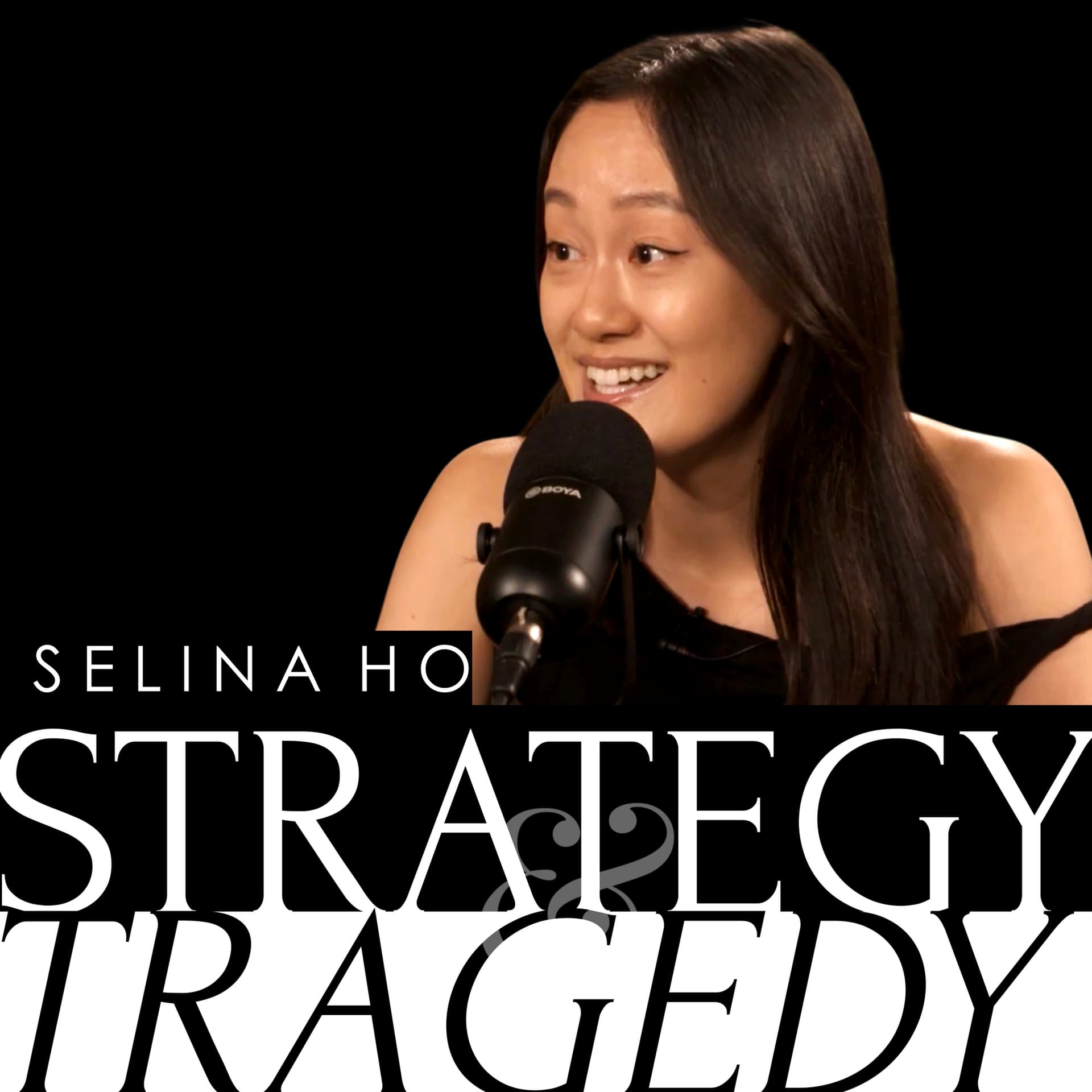
Podcast Episode Summary: The $10k Mistake I’ll Never Forget | Selina Ho
Podcast Information
- Title: Strategy & Tragedy: CEO Stories with Steph Melodia
- Host: Stephanie Melodia
- Guest: Selina Ho
- Description: The show shares founder stories that highlight the challenges and lessons learned in building a business, featuring insights from entrepreneurs and experts.
Episode Overview In this episode, Steph Melodia interviews Selina Ho, a sustainable fashion entrepreneur and go-to-market (GTM) strategist. Selina shares her journey, focusing on a costly mistake she made while trying to scale her first business, Recloseted, a conscious fashion consultancy. The conversation dives into lessons learned about business, handling referrals, and the importance of finding product-market fit.
Key Topics Discussed
- The $10k Mistake
- Hiring a PR Agency:
- Selina recounts her experience with a poorly executed PR agency, which resulted in a $10,000 loss.
- Red flags included ghosting during kickoff calls, grammar mistakes on press releases, and a lack of professionalism.
- The experience taught her the importance of due diligence and standing up for oneself.
- Learning from Experience
- Referrals:
- Caution against blindly trusting referrals; the need to do thorough research before collaboration.
- Personal accountability for her decisions and how referrals can impact relationships.
- Client Relationships:
- The importance of taking accountability in client-service provider relationships.
- Learning to set expectations and boundaries early in partnerships.
- Building Recloseted as a Side Hustle
- Finding Passion:
- Selina’s motivation stemmed from observing the impact of fast fashion and a personal experience with synthetic fabrics.
- Transitioning from a corporate job to a side hustle involved significant time management and energy allocation.
- Growth and Challenges:
- Managed to scale the business to multiple six figures while working full-time.
- Faced challenges during the pandemic and eventually decided to pursue her business full-time.
- Transitioning to GTM Strategy
- Evolution of Career:
- After operating Recloseted, Selina transitioned into advising startups on go-to-market strategies.
- Emphasizes the importance of product-market fit (PMF) and effective market research.
- Personal Reflections and Lessons
- Cultural Background:
- As a first-generation immigrant, Selina discusses resilience, work ethic, and the challenges of representation in entrepreneurship.
- She emphasizes the importance of balancing personal identity with business pursuits.
- Grieving and Life Lessons:
- Shares a poignant story about her grandfather's passing, emphasizing the value of time over material success.
- Encourages listeners to prioritize relationships and experiences over work.
- Key Takeaways for Entrepreneurs
- Conduct thorough research before investing in PR or partnerships.
- Build relationships based on transparency and accountability.
- Understand the importance of PMF and listen actively to customer feedback.
- Balance work and personal life to prevent burnout.
- Allow for flexibility and adaptability in business strategies.
- Recommended Reading
- "Quit: The Power of Knowing When to Walk Away" by Annie Duke: A book that reframes quitting as a strategic option to make room for better opportunities.
Conclusion Selina Ho's journey is an inspiring testament to the challenges of entrepreneurship and the importance of learning from mistakes. This episode serves as a reminder to entrepreneurs about the value of time, effective communication, and the courage to pivot when necessary.
Additional Resources
- Selina Ho’s Free GTM Course: [GTM Essentials](#)
- Follow the Podcast: Tune in weekly to hear more stories and insights from entrepreneurs and business experts.
---
This markdown summary highlights the essential elements of the podcast episode, capturing the key discussions and lessons shared by Selina Ho.
Written by AI. May contain mistakes. Listen to the episode to check what was said.
Transcript
Automatic transcript. May contain errors.0:00Welcome to Strategy and Tragedy, the UK Top 20 business show for entrepreneurs. If this is your first time tuning in, then you are in the right place. If you want to hear all things business advice, hear stories from other entrepreneurs, and if you are tuning back in, a very big warm welcome. Now, today's guest, Selena Ho, is a GTM strategist, previous founder of Recloseted, a sustainable fashion consultancy, and now founder of Conscious Collab. She joins us here today to share her expertise. She's also the host of Confessions of a Conscious CEO podcast. So check out her show after this one, where she shares the business advice that she wish she got when she was a little bit younger.
0:40Now, with that in mind, Selena, we are going to open with the first question. What was your 10K mistake? Oh, diving right in. Well, thank you for having me. First of all, I'm so excited. I love that intro. I'm going to listen to it. But I literally hired the PR agency from hell. That was it was so bad. It was just a masterclass and how not to run a business. Wow. And so I'll give you the full details. Yeah, it's good though. So essentially when I was studying Recloseted, my sustainable fashion consultancy, I was in the midst of trying to grow it and scale it. And so one of the problems I had was like, okay, I want to like increase my brand awareness.
1:16Started working with a mentor and it was going well. But at some point she was like, oh, you should talk to this person. They're really good at like getting you out there, really good with visibility. and it was positioned like a coffee chat, but I didn't know this woman had her own PR agency and this was basically a sales call, which I would have been fine with if the mentor was just like, hey, she has a PR agency, talk to her, see if it's a fit to work together, whatever. I get into this call and we talk and then I kind of realized this is basically a sales call and then I was like, okay, you know what?
1:45I'll give it a shot. I've done PR before, it's worked for me. I'll work with you. And I think that was my first mistake. I should have definitely done more due diligence and I think sometimes when things are referred to us, there's that trusted credibility, especially because this is a mentor. I just decided to dive in and I can definitely talk about lessons learned afterwards. But yeah, it was like a 10K investment, 10K USD. And I like pulled my big girl pants on. I was like, I don't need installments. I'll pay you all up front. I'm in this, I'm committed. So I paid her 10K USD up front and then she started the work.
2:17And essentially the first red flag was we were supposed to have a kickoff call where she was going to get to know me, figure out the pitch angles, all that stuff. She ghosted me. She no-showed. And in my seven years of doing client-facing work, I have not once no-showed a prospect or a client. And I'm sitting on the Zoom call 15 minutes in. I'm like, where the hell are you? Yeah, and I didn't hear from her until the next day. And she was like, oh, sorry, I was on a flight. I just like wires crossed, that kind of stuff. And I'm like, okay, that's a bit weird. But okay. And I think my mistake was I just kind of kept making excuses.
2:56And I wasn't like, I didn't put my foot down. But anyway, so that was the first thing. The next thing is we have our meeting. She learns about me, all this stuff. And then in PR, they develop a press pitch for you. So it's like a one pager. And then they sent it to me for review. And on that press page, it was like there was mistakes. There were grammar mistakes. There were spelling errors. And this is what's being put out to publication. So like Forbes, whatever. and obviously it's going to look bad on me. All this is like inaccurate or whatever. So I'm like, okay, can you send me the Canva link?
3:27Like I'll go in and I'll go edit it, which is again, something I shouldn't be doing as a paying client, right? But I was just like, whatever. I don't, I kind of don't trust your quality of work at this point. So I'm going to go in and edit it. And so that was the second thing. And I probably should have just cut ties there. But I, again, I made excuses. I kept going. And then the straw that broke the camel's back was once the press page was fixed, I was like, go ahead. one week into them pitching I get an email in my inbox pitching me to be on my own podcast I died when I tell you my heart fell out of my body I was like what am I being pranked right now wow and it wasn't even I was like oh my god how do you write this email I was like hi Selena I would love to pitch Selena to me no not even it was like to whom it may concern oh my god I know first name i know and it's worse and then in the email there were spelling errors my name as a person getting this is so painful and my name was spelled wrong as well oh my god with an e instead of an e right and then the kicker is as well um and part of it too they were pitching me as like a female woman of color which fine but i had never like okayed that and i always want to kind of be put forward as someone that has all these accomplishments versus being like oh she's a poc like this is my demographic profile exactly and so it was just thing after thing after thing oh my god and at that point i was like i need to stand up for myself this is insane i can't make excuses anymore yeah and i think that process of like standing up for myself asking for a refund being like i'm done like the the owner just took it so poorly she kind of threw all her team members under the bus.
5:13Specifically, she said the woman that sent that email to pitch myself to be on my own podcast, she was like, oh, she recently had a baby. She's like in baby mode. Wow. I was like, as a fellow woman, how could you even do that? Such a low man. It was just like thing after thing after thing. So there's a lot there. I've learned so much. But PR agency from hell. Oh, Celine. I'm so, I'm like so glad at least the story stopped there because I was like, if she keeps going, I cannot take it. There can't be more. I cannot be anymore. That's it. But I've got goosebumps listening to you. I feel absolutely horrified as an ex-marketing agency owner myself is just unfathomable.
5:50Hey, gang, super quick interruption, but I promise it's worth it. I want to tell you really quickly about One Day. It's an 18-month MBA program. But get this, you literally start and scale your business for real alongside it. I am a mentor on the program. If you've been following this show for a while, then you may have picked up on the fact that I work there as well. That's one of my other jobs. And I absolutely love it. I've been with the business now for two years, probably a little bit more by the time you're listening to this. And that's why I can say with utmost conviction from being on the inside track, how good this program is.
6:20So you've got the curriculum, the content, the learnings, the resources, the frameworks that add the structure to the chaos and the mess and give you that much needed direction, how you can move the needle week on week on week and get closer to your entrepreneurial goals. Beyond the actual content and curriculum, you've got one-to-one mentorship so with myself for example and then best of all I would argue the community you get access to other entrepreneurs that are on the same journey that you are because entrepreneurship is tough and so being surrounded by other people that are on the same journey who can pick you up when you're down it can also be helpful in terms of sharing other learnings resources honestly I cannot talk any more highly about this program I'm going to drop the link in the show notes check it out if you're a first-time founder if you're considering making that leap into entrepreneurship or maybe if you tried something before and it didn't quite work out you realized actually this whole entrepreneurship game is a lot harder than you expected one day is the place for you the frameworks the guidance the support both practically emotionally is just second to none so check it out let me know what you think now let's get back into the episode my first question to you is is why did you feel like you had to the way you kind of phrased it there was put your big girl pants on and pay the 10k up front like was that where did that come from for you and also how long ago was this just to get the lay of the land this was about three years ago okay yeah what made you feel like you had to pay it's almost like was there yeah I think I was just the era I was in I was like really committed to growing scaling the business and the mentor at the time that I trusted was like hey you should like really work on your visibility and brand recognition and I had been in PR before so I was like okay let's like invest in it and I think there's a certain energy when I like to invest in things it's like I'm all in I'm committed okay and as a business owner myself I know it's nice when like clients pay in full and you have like capital to work with and all this stuff and you don't have to stress about it so I was trying to like so was it coming from that place of like confidence I want to sell these guys exactly it wasn't it wasn't like no no no I wasn't backed into a corner um and obviously if you pay in full it's cheaper than installments as well so there was that piece but I just thought it would be like win-win-win across all boards and I wanted to like fully commit and do this and then it blew up in my face.
8:30Oh, Selena. Did you get the refund in the end? No. So that was a whole other thing that really infuriated me. So another learning. Did you not get a debt collection agency on them? Okay, let's go see the story. Okay, so basically I was like, okay, there's all this stuff that has happened. And if this happened to me, if I was her, I would be bending over backwards. I'd be, I'm so fucking sorry. I would take accountability. I wouldn't throw my team under the bus. I'd be like, I hired them. I trained them. This is on me. What can I do? Right. And there was like no accountability. That was the part that really infuriated me about anything else.
9:06No accountability, nothing. And like, I'm someone that's quite nice, as you know, and I'm never like, I was pissed because just like no accountability. And she was like, oh, we started working. And mind you, they'd done like a week's work. And I was also very cognizant of cutting it off sooner because I knew I wanted to get my money back. And she was like, no, like the strategy portion takes the most amount of time. I'm like, hold up. I went into Canva, edited my own pitch page. You're telling me that like you spent, I don't know, five hours of consulting work on this. OK. And then like they started pitching for a week.
9:39And so at the end, I think I got maybe like six thousand back. But it was just so infuriating. And like the thing that also added to this was I found out after the fact that my mentor got a referral bonus. So up until that point, I love the mentor. Like she was really helpful. But I think just the lack of transparency, then finding out you had profited off of this like really kind of traumatic event that happened to me. I'm just like, what the fuck? Wow. Very, very snaky, very slippery, which I also want to just underscore something you say then for the listeners. if you haven't come across selena before i want to just add testament to how lovely she is like she's the nicest person we are hitting the ground running with this crazy story because we did just want to open with this like insane business lesson on a show called strategy and tragedy but we're not here just kind of like bashing gossiping like selena is so nice and so to your earlier point on how far they had to push you for you to get like angry and mean is like i know selena personally and that is so difficult to even imagine.
10:43Like I can feel my blood boiling just listening to your story, right? So I can't even imagine being in there, being in it. Selena, I'm so sorry that happened to you, but I guess a reframe there, so you said you got 6K back. So I guess a reframe there is the$4 ,000 lesson that you learned from this. Exactly, and I learned so much. Let's dive into some of those learnings. I'm guessing like due diligence and not blindly trusting. Yeah, like I take accountability for the fact that I decided to work with them and I paid. So like that's on me. But I think the big lesson is around referrals. And this is something that I think not a lot of people talk about.
11:20So in like a good scenario, like if you were looking for someone and I referred you to someone and it worked out, that's great. It's like you found someone, they got business and there's goodwill from both sides on me. But I find that the percentage of that going well is maybe like 50 to 60 percent. and so now I tread very carefully with referrals because I have been on the side where I have been referred a business got burnt and it kind of tarnished my relationship with that person that referred it and then I've also now been on the flip side where I have referred a company to one of my clients and I learned from that experience that I am never taking a referral bonus nothing like that if I recommend someone it's because I genuinely know they're going to do a good job and not because I'm going to make like a thousand bucks or whatever.
12:04So I don't do that. But I referred someone to a client. And like this person is someone I've known for years. I've had past clients work with them. And so I trusted them. And they just had like a lot going on, which is fair enough. And then they hired some new team members. And just things were very chaotic. And so my client had a really shitty experience. And then it was just so tricky. Like I was just in the middle trying to manage it. And so now I guess my takeaway with referrals is I would still do it. But if you're like recommending it to friends or clients, I would recommend you maybe have like a slew of options, maybe like one to two.
12:36And then just be like, hey, I have had past people work with them or I know people that have worked with them. But still, please do your due diligence. And then at least it's like less on you. I think the way I kind of positioned it was like it was a no brainer to work with that person. Lots of people have worked with them before. And the thing with referrals is you can't control how other people act. You can only control yourself. And so, yeah, it's really, really tricky because when it goes well, it's great. But there are situations where it doesn't. And then it just puts you in such a weird situation.
13:06Yeah, 100%. Because you can't control how other people act. And like I was literally mediating in the middle. I spent so much time. I like to make it up for my client. It's so much pro bono work. And because I can only control what I do. Right. But it's just it's just frustrating. Yeah. That was like a big lesson around referrals. And I'm not saying don't do it. I'm just saying tread carefully. You've still got to do your due diligence. and I guess even in that other scenario you describe of like having workloads with this other person you could refer and you had all this confidence the other thing that is out of your control is you don't know what their situation is like today so as amazing as they could have been even the 10 previous times you worked with them yeah it's that upfront it's that transparency to your point any other lessons from that crazy pr yeah I mean like just how to treat your clients or customers, right?
13:51Like just taking the accountability, you know, owning up to it and just taking the feedback. I think she was so defensive. And at some points I was like, hey, I'm giving you feedback for how to run your business better. And she just wouldn't take it. So I think really learning that. And then of course, like throughout all of this, doing your due diligence, like really, if you're getting a referral, don't just trust that one referral, talk to other people they've worked with and seeing like case studies or whatever it is. But yeah, it's my$4 ,000 lesson. Yeah, exactly. That reframe, the$4 ,000 lesson.
14:22Oh, I feel like that was a bit of a gut punch. I feel like the wind's knocked out of me. I mean, even just, I mean, you saying about like, how you handle that situation from, you know, the agency's perspective, but it's also like, this sounds like such an extreme situation where even just like the basics 101, like, maybe show up to the kickoff call. yeah like it's gonna be late or if you're on a plane be like oh my god yeah like don't just leave them hanging that's such bad customer experience yeah and in terms of just before we do move on i'm curious have you changed your approach in terms of how much tolerance you now give other people because like if we recap that pr story where it was like they didn't show up to the kickoff there was like sloppy mistakes grammatical errors on the like press release just one thing after another like do you now call it out sooner yeah for sure I think my tolerance for bs is a lot lower now and I also just don't feel as bad anymore because I remember that I got burned this one time and I'm like no I can't just keep letting things slide so I understand things happen so I kind of have like a one slip-up rule if you have one slip-up and it's okay like I'll give you another chance but after that I'm done same saying this like I can't have this happen again i need to learn from my four thousand dollar mistake so funny how much this echoes a little bit from what we were just saying earlier because like once is a mistake life happens these things do happen but but the other thing as well as like in this particular instance is so much of it happening right at the very beginning because it's like you get one chance to make a first impression and typically like in any partnership relationship there is a honeymoon period so that's where you're like surely you get excited like you've just signed a new client even if things okay maybe drop off a cliff a little bit but like if you're not wowing performing from the get-go there is no hope for afterwards so a bit of a lesson as well to anyone who's maybe a if you're running an agency yourself I mean I don't think any of you need that kind of warning but maybe from the client perspective to like do your due diligence hold your ground especially in the beginning have a one slip up rule but also it's like recalling my experiences as a marketing agency owner there is an onus on the client to set you up for success that isn't the case here in your pr story but um it kind of there's it does take two to tango it does it's a two-way but it goes back to you saying about you paid 100 the full deposit like that's amazing i think as someone that's a service provider i'm always very cognizant whenever i work with other service providers i try to be like the best possible client i try to give them everything they need set them up for success right do everything on time yeah and like to still be handed basically a pile of poop I'm like okay it's like no hope oh Selena's so crazy all right so let's dive into building up this side hustle so this was for your previous business recloseted so tell us a bit more about that how you launched it I know that you you built that as a side hustle alongside your main job.
17:30There might be listeners here who have still got their day jobs and they're trying to build a sustainable business to allow them to break free of that. So what was your story there? Yeah. So when I graduated business school, I drank the Kool-Aid, I climbed the corporate ladder. And when I was 23, I was working on this multi-billion dollar portfolio. It was like an internet telecommunications company. And at 23, I was really lucky. I was basically helping my manager pull off this multi-million dollar project. And essentially, it was a rate increase. So basically, everyone's internet was going to go up by like$3 to$5 a month, which doesn't sound like a lot.
18:06But if you have like millions of customers, it's a multi-million dollar project. And so it was really high stakes, lots of executive attention, drinking out of firehose, nothing could go wrong. And I really enjoyed how much I learned and the work aspect of it. But obviously, from a values perspective, I was like, I don't think we really need to be increasing this just to like look good to shareholders these are also like everyday people like do we really need to do this and so I kind of grappled with that and in the back of my mind I had always known I wanted to do something on my own but I just didn't know what and so I kind of was sitting on it I one year into my job I think the rose colored glasses really fell off and they disappeared and I was like okay what do I want to do what do I want to do and there was like a few months of me really trying to figure that out and so if anyone listening also struggles my advice to you would be just to like sit on it and be patient.
18:55I think a lot of the times we're like, oh, I could start like an Etsy business or I could start like a Amazon, like, you know, dropshipping business or whatever. But I think you really do have to be so passionate about what you do because as you know, it takes so much hard work and time. So you really do need to love it. And so I sat on it for a bit and then I feel like the universe works in magical ways. But one day I was wearing this polyester bus to work and I have kind of sensitive skin. And so I end up getting like a skin rash and I was in this meeting I remember being really itchy like I was fleshing up and I was like oh my god I need to go to the washroom so I went to the washroom figured out it was polyester and I remember my mom had always said polyester is not a good fabric but like as a kid you're like whatever I'm still gonna buy this but then I went in the washroom googled it and I found out that polyester is essentially made out of crude oil and so we wouldn't go to the gas station boil oil all over our bodies so why are we doing this and so that really led me down a deep dark rabbit hole of what fast fashion is and I know you've had past people on about sustainable fashion and a lot more people know about it now but eight years ago it wasn't as big as it is now like most people were still shopping at Zara for 21 whatever the high street so I think like that was a rude awakening and once I found that out and once I realized that my family members and the people around me didn't really know about fast fashion and the impacts of it that lit a fire under me.
20:19And I was like, this is it. This is what I want to do. And so, yeah, it was just very, very organic. I started researching more about it. I self-published an e-book about like sustainable fashion and how to be more conscious. And then a few months into that, I started meeting some sustainable fashion brands locally. And I knew a lot of them were struggling. They were very creative, like really wanted to do stuff, very activist-y, which is like the people I'm drawn to. And I had these business skills. this background and I was like let me help you and then that's how the consultancy was born it was very very organic my first three clients I worked with them for free I did a beta test I remember being so nervous I was like oh I wonder if they're gonna work with me but it was like literally pitching to work for free like who's gonna say no to that but yeah that's how it started and I obviously still needed to keep my day job because I needed to support myself but I was doing this at nights on the weekends and we can kind of talk about managing a side hustle but That's how it started.
21:14Okay, amazing. And I'm just curious, this e-book that you produced and published, did that help to get you more clients at all? Did you use that as a marketing tool? A little bit. So that was more consumer-facing, and then the consultancy was more B2B. But I think it was just a way for me to stay accountable and learn about this because sustainable fashion can be quite technical. And for someone that wasn't, like, I didn't go to fashion school, I went to business school, I wanted a way to be able to collect my thoughts and, like, dissect it. So I learned so much about materials, so much about like end of life, the whole process of like how to create a garment, all that stuff.
21:47And so it was just a way for me to be kept accountable. But of course, clients were also like, oh, that's really cool that you did this. Like it really shows you care. Yeah, there was definitely an element of that. Credibility to your brand in that as well. So how far did you manage to take Recloseted? Yeah, so I ran it for over six years, scaled it to multiple six figures. And yeah, it was it was really, really good. At which point did you leave your job then? um so I was supposed to leave it earlier but then COVID happened so when COVID happened my job fully became remote um and so if we go back in time I was like about 24 when I started it and at 24 you have so much energy right I just look back and I'm like I don't think I could do what I did then because back then pre-COVID I was going into my job Monday to Thursday four days a week my commute was an hour each way so that's like two hours of my life just like sitting on this train and so I did that Monday to Thursday and so I would like leave the house at eight get back at like six have dinner go to a workout I would work out too and then I would start working from seven to like one or two a.m wake up the next day do it all again and then on the weekend sometimes I would like hang out with friends on Saturday or something and then work all day Sunday and I'm just like I did that for like three years and then when COVID happened or like just before COVID happened I was I don't think I can do this anymore.
23:06I can't live like this. It's been three years. Like I need to sleep more than four hours a day. And then COVID happened. And then my job went fully remote. And a lot of clients started pulling out because of COVID and like how uncertain it was. And I was like, holy shit, I don't think I can go full time. So I decided to hang on a little bit longer. And then it was when me and my partner moved here three and a half years ago, I was like, okay, this is it. This is the sign. We're going to move halfway across the world. I'm going to do this full time and then give it my all yeah wow incredible um yeah just on that note if anyone happens to be in their 20s listening to this I think I know my audience pretty well so there might only be like one or two of you out there but one big piece of advice like lean into this energy that you've got because it doesn't last I have had some other incredible um entrepreneur stories where there was one I was reflecting on earlier where they built this business when they were in their 20s I think maybe even while they were at university like very young and they had all this amazing success and basically they've been able to use the profits that they made from this incredible bit and just keep on reinvesting reinvesting and now they've got like multiple businesses and it's incredible it's like what you were able to get off the ground I mean through like pure hustle when you did have all that energy when you were in your 20s when I was really hungry oh my god so bring us to post-covid your like late 20s were around 30 at this point was there a point where you were able then to transition away from the full-time day job so anyone who is trying to quit the day job and trying to make their side hustle the main dish what worked for you in terms of a managing your energies especially as you are starting to like feel that candle burning at both ends but also from a I guess a business development a sales perspective to get it generally like generating enough revenue to be able to quit the day job oh my god there's so much there okay so I think from a managing the workload perspective let's start there I think in my early 20s I was so hungry and I was ready to grind and hustle and the one thing looking back I wish I did differently was I wish I worked smarter and not just harder so as hard as it may be because you are time strapped I would recommend you set aside a couple hours a week just to do the strategy piece I think because I felt so time constrained I would just continuously go go go go and then some of it would just be wasted work and so it like really really set aside two hours to really make sure the strategy is correct and then from a balance perspective I used to burn out so much I mean just listening to it It makes sense, right?
25:39You're sleeping four hours. You're working two jobs, two demanding jobs. And you're still trying to like have a social life, live your life. And so how I would manage it now and how I try to do it now is I really try to be more preventative versus reactive. With burnout, I would just like work, work, work, work, work, burn out, fall off the cliff, rest, and then like have enough energy, work, work, work, work, work again, and then fall off again. And every single time I burnt out, I would also beat myself up over it because like it comes across as you can't take care of yourself. So now I'm more preventative.
26:10So what that looks like is every morning and every evening, I ask myself on a scale of one to 10, how overwhelmed or how burnt out or how exhausted I am. And I think that check-in is really good because otherwise, again, it just sneaks up on you and then you're burnt out and you haven't planned for it. And the thing that really, really resonates with me is the fact that your body needs to rest regardless. And so you either rest on your own terms or your body will force you to rest. And so the preventative piece is important. So if you're at like a six or a seven or an eight, you know, things are getting dire.
26:41You're about to fall off the cliff. So implement some self-care. And I think the thing with self-care is it doesn't have to look like a getaway. It doesn't have to look like going to the facial or the spa. It's like I like to do like I have like a little menu on my phone and I have like low lift things, medium lift things and high lift things. So low lift things are literally things that are easy and free. So just like sleeping more, walking outside, eating better food, you know, all those things, meditating. Meditating is huge. And then the medium thing is just like doing a face mask, going to a workout class, going to a Pilates class, you know, like Pilates, going to Pilates, you know, maybe doing a staycation, seeing your friends.
27:16And then like the high lift thing is maybe actually going on holiday, doing a staycation, all those things. And so I think planning that out in advance before you're burnt out is really important. And then when you feel overwhelmed, you can take a look, pick something from the menu. And I really think self-care is not selfish. Like you cannot pour from an empty cup. So you really do have to take care of yourself. So that would be like my two biggest lessons learned, really taking time for strategy, but also taking time to take care of yourself and doing it in a way where it is sustainable. You can do bits and bobs every day and it doesn't have to just sneak up on you.
27:48Love that. Love that. And this really ties into the mission of your show, which is the business advice I wish I was given sooner. This ties in so perfectly. This is like big sis energy. This is like the caring kind of mom, just like I've been there. I've been through it myself. a couple of reflections come to mind with me one on the make some time for the strategy had exactly the same conversation with another first-time founder who's leaving their corporate job as well and they and they just you feel this pressure and it's so normal and first of all you know i want to validate that i'm like it's so normal it feels like you're free falling without a safety net you've gone from having this monthly paycheck and now what do i do and then it's the easy thing to do is to just kind of flit around like a headless chicken but as counterintuitive to your point as it may seem i use just to put a bit more structure around because it's like structure to the chaos is the 80 20 rule right so the pareto principle of like literally translating the 80 20 to what the discussion we were having was like if you have 10 hours in a day literally two of those eight hours let's just take because it's an easy round number right but like take those two hours in the morning right like have a slow easy breakfast think about it brain dump plan it all out to then set up those next eight hours for you know better success yeah and then the second one just the preventative really resonated as well and what you brought to mind was how we take better care of our phones than we do ourselves and how we don't not all of us at least anyway don't let our phones get down to that like one percent battery and like drain it all out we make sure that like we plug in our phones overnight they get a proper recharge and then we're using them properly the next day so we need to take some of that for ourselves as well so that we're not just like crashing and burning I love that that really resonated from the business development side of things what worked for you to help your side gig take over the main job okay so great so that's a great transition piece I'll get really tactical on the sales piece and then we can kind of talk about like the actual transition as well because I have a lot to say there so from a biz dev perspective if we look at your sales funnel right traffic nurture conversion I think the most amount like the more things you can do for lead gen the better but obviously you want to do it well so one of my top things for lead gen was actually SEO because at the time eight years ago there weren't a lot of people in the space so I if you search up sustainable fashion consultant like I was the top thing that popped up and I got so many leads from that so seo is not dead it's still so important especially now it is right and so that's so important get that set up asap because it takes time and then the second thing that was really really great also was referrals ironically so I do a good job with my clients so I would be referred and so that was great and I think the three beta clients I started with that I worked for free that got me more business because they We're like, oh my God, this girl Selena, she's great.
30:48Like go work with her. And so that was kind of my first foray into getting my first few clients. And then social media, like content creation. I previously, my podcast, I rebranded it recently, but previously it was called Recloseted Radio. I did it for five years. I did it pre-COVID, scaled it to one of the top 5 % of podcasts in the world. And obviously that brings a lot of leads as well. And I find from a sales funnel perspective, the podcast is more on the nurturing side. So I would jump on with sales calls with people. And I found that if people listen to the podcast, it was so easy to convert.
31:21It was like butter. It was so easy because we built up trust and credibility. So I started doing things where I would send people podcast episodes beforehand so that I could start to warm them up. But yeah, just from a biz stuff perspective, it really is just like doing the content, doing the SEO, going to the conferences, networking, referrals. It's just all the things. What comes to mind is that you've already listed like five different channels. so like as amazing as they work for you this kind of ties back into like your time management and especially if you do have a full-time day job as well so how do you go about prioritizing yeah so that's the thing I also preach now sustainable business as you know and so I'm very cognizant that you should not go out and do all that right now that's going to burn you out and instead you need to take it piece by piece because nowadays to stand out things need to be done really well so I would start with SEO for sure because like I mentioned it takes time for the bots to crawl And like once you're done, it's done.
32:16So I would start with that. And then next, I would try to figure out what you can do IRL. Because I think nowadays everyone's online and it can be hard to crack that net. We've had those conversations. It takes time. And so if you're short on time, try to set up a referral program if you haven't already. Really nurture that. And or if you know that like conferences and events happen, like muster up the energy and the time to go to those to network. Because I do think nowadays people crave that in-person connection. and then if you have time after that pick one social media channel go all in on it make sure your ideal customers are obviously if they're not on tiktok don't spend all this time doing tiktok if they're on linkedin be on linkedin but yeah just like pick one channel go really really deep make your audience do it really well and then you can expand so that's kind of how i would hierarchy at least for a service business obviously if you if you have a product-based business a little bit different but that's what i would recommend nice okay love that well that kind of segues you do this for a living so advising people on gtm strategies that stands to go to market if anyone is isn't already familiar before we get on to that let's wrap up the recloseted story so how do we end that chapter yeah okay so basically i went from side hustle to main hustle and the thing that was actually very like challenging about that was the mental piece because financially logically i knew i could support myself i knew that this business making multiple six figures it was out earning my corporate salary I knew I could make the pivot and the switch but for some reason it took me eight months to really actually plunge and I think a lot of it is like my upbringing like I my parents are amazing they immigrated from China in the 90s and so I'm a first generation Canadian but like there is so much value in like security and stability and obviously because they gave up like security and stability for me to be secure and stable they were always like no don't leave your job it's so good it's so cushy you can work from home just keep doing both meanwhile I'm like dark circles I'm like oh my god I'm dying but okay so like there was that piece and it's not that they weren't supportive or whatever it's just you know they're trying to look out for you and that's all they know so there was that piece and then just I think I just had to work through so much personally like I had to really just understand that I could do this I just really had to have the confidence in myself and I've always had confidence in myself.
34:34So I don't know why this was so difficult. I think what ended up really allowing me to make the decision is I came to peace with the fact that my corporate career at that company had really maxed out. Like I didn't see myself getting into that next promotion. I also realized I wasn't learning as much anymore. I wasn't being challenged. And so literally, I was just there for the paycheck. And I was like, hey, I can just pay myself, it'll be fine. And then it sounds kind of weird, because a lot of the times people's dreams are to be a founder and entrepreneur and quit their job and stuff but a lot of people don't talk about the fact that you kind of do grieve a little bit your corporate career and what that could look like even if your dream is absolutely to be an entrepreneur and to do your business full time there is a bit of a weird grief thing that people don't really talk about so like allowing that to happen accepting it for what it was and not like belittling myself or being like no you're not a founder if you like grieve your corporate career like no it's fine like there's there's this like what if or whatever that comes up, right?
35:31So it was just like a layered all these things. And then more tactically, from a financial perspective, I also have some tips. So obviously, your business needs to be making money. But I think there's a strong difference between business revenue and the salary you can pay yourself. So I think that's the mistake I made. The business was definitely earning enough. But I also like wanted to reinvest back into the business, I wanted to hire to scale. And so as a result of that, I'm obviously not going to pay myself six figures if I'm trying to like hire people as well right so I think that's the piece that I wish I kind of differentiated a little bit more but at the same time like I had eight months worth of savings saved up like I knew I would be okay and so it's not like I went into it recklessly but for listeners listening I would try to save up as much as possible I would say at least six months of like your rent groceries minimum whatever and then make sure that your business can be self-sustaining can pay you the salary you need to get by and then and then you just do it and like the moment I did it the weight on my shoulder just like I didn't realize I was like holding such a big weight for three and a half years I was just like wow I feel so much lighter I can sleep eight hours finally my partner makes fun of me now because I'm like sleeping all the time now but I'm like I did not sleep for like the majority of my 20s so leave me leave me alone I sleep so much now it's great I love it I love it But yeah, those are kind of like the lessons.
36:52I appreciate you breaking that down and really giving those specifics and being so open with sharing like even your financial situation and giving other people that view into like, okay, Selena had like eight months. And I think whatever runway you have, I agree with you, you know, minimum six months, that's always kind of the rule of thumb. But I would say the higher you can go with that, the more risk that you can take with your business. because to your point on managing those finances whatever your revenue is in your business doesn't necessarily mean that these are salaries you can pay yourself because you do want to reinvest you might have other costs involved in that and and I think another lesson I just want to underscore there is you don't want to you don't want to build yourself almost like another dead-end job just because you're the director of the company like that can still happen even if it's your own business and what I mean by that specifically here on the finances is unless you've got either that breathing room on the runway on the savings or you found product market fit and you're just doing so well like financially you you can also kind of back yourself into that corner because you've also just been so comfortable coming from a corporate career as well right so you can be like no why did I leave this job earning this much to earn so much less in this business but you do need to take those risks in order to get it to that next level in order to scale up so that you can then pay yourself but it is still a risk yeah so you've got to be aware of that was there any it's really interesting what you mentioned on kind of the grieving as well and i feel like i'd love to talk a bit more about that because you're right i don't think people talk about that enough and i think with any changes and transitions there's always some sort of grieving within that so can you just expand on that first of all like what that felt like how you worked through it yeah so So when I talk about the grieving, it's kind of it was essentially the end of that career at that company.
38:48And I knew like I was getting promotion after promotion and I knew the next level like it was there, but I just didn't want it. And it was just really weird because all my colleagues would be like, oh, this is like what we're all working towards. And I don't really like so. So then there's that piece. And then I think there's the piece of obviously leaving the cushy, stable, I get a paycheck every other week kind of thing. And just being like, holy shit, is this the right decision? And I think at the end, just knowing that irrespective of recloseted, I would have to go find another job because I had kind of like tapped out at this company.
39:26So if I was going to need another job anyways, why don't I bet on myself? and worst case scenario if this all goes up in flames I can get another job and I would be exactly where I was right with lessons learned and all this stuff and so I think that really helped the fact that it's like this is over irrespective of recloseted that really helped so quick hot take on that do you think that after being a founder it makes you more or less employable I don't know I think I think in some regards it's a bit of both like I definitely think I'm more employable because I have so many skills and I definitely could do so many different things I'm so resourceful I could do whatever but also at the same end like I just I feel like I have no tolerance for corporate politics now like that was my one thing I was like why can we not clock into work do our freaking jobs and go home like why are we trying to like take credit for other people's work why are we trying to like throw people under the bus why is this happening like I just had no tolerance for that and I think now I have even less tolerance for that yeah um And then maybe like bigger companies, they have so much red tape and things move so slow.
Read the full transcript
40:29I think I would have even less tolerance for that now. So I don't know. I 100 % agree. I am 100 % aligned, which is where the question came from, because I had the same thought process setting up my first business. So what I relate to is definitely coming from, I mean, I don't come from corporate, but I was employed. So this is very much an episode for anyone who is currently employed, wanting to make that leap into entrepreneurship or figuring out that kind of side hustle to kind of main dish. um and that was the thought that i had that helped me to um not to take the lead but it was kind of like an extra reassurance was like well if this fails like i gave it a shot like i'm a firm believer that you miss 100 of the shots you don't take right and i'm like let me give it a go like just give it a go and then my thought was if it doesn't i'll like go back and get another job it's not as if i'm allergic to like i've had these jobs yeah i've been employed for all my career so far and my rationale back then was i was like this if anything this is going to make me like even more employable because I've like run my own business got all this stuff but I completely agree where I'm like yes in that case I think it does make us more employable but personally individually it's like oh actually but could you go back to being employed could you go back to like Selina I mean it's been like a decade where like I haven't had to request for paid time off yeah I've like it's been a day I don't I haven't even had like a number of holiday like I don't even know how many holiday days i've taken on you know like i speak to people who've still got jobs and they're like oh i've got this many days left this year and i can only carry over five until the calendar and i'm like wow like it's completely like i can't relate i'm going to ib30 next week it's literally the reality you've got a good memory so it's more that it's more actually personally can we go back into it yeah so let's move on from this let's close the recloseted chapter so you were kind of like okay irrespective i'm leaving this job anyway that made the transition easier i totally get the parents the upbringing we'll talk about that as well and then what happened with recloseted to bring us to kind of present day so what happened was when i first started it like i mentioned there weren't a lot of players in the game and so i was just like one of the choices and so it was really really quite easy And I think as industries get bigger and get more established, there's obviously more competitors.
42:49And I was like, I'm down to pillay ball. But I think the point of that was a couple of mistakes I made. Because again, when I was trying to figure out what I wanted to do, I didn't know this. So I'm hoping now you guys will know this. But a couple tips here. So total addressable market size. You're a TAM. So freaking important. Make sure the market is big enough for the goals you want to hit. so I like back then I'm sure you remember there was so much advice around niching down and I niched down for sure but I think my niche was a little bit too niche and the TAM just I don't think was there so total adjustable market size and you can literally use AI now to figure out like hey I want to be in this market how big is it approximately you know what kind of market share can I get and see if it's something that's going to be able to get you to your goals so that's the first piece the second piece is I heard something a couple years back and it's always stuck with me which is solve rich people problems literally solve rich people problems or like people that can afford your services or can afford to buy your products and I think at the time I was really targeting people that wanted to start a fashion brand and you know they were either side hustling it or self-funding it it's not venture backed and so budgets are small and I'm someone that has a big heart and I'm like okay like oh I'll cut down or like I'll do pro bono work or whatever but you got to take care of yourself before you take care of other people and so I think those were the two things and as you can tell inevitably the business was still making money but I just kept reinvesting and it got to a point where I was still working so much I traded my nine to five for like nine to nine kind of thing and talking about kind of like not turning into a dead-end job that you're not really getting paid for like that's exactly what it eventually morphed into and it took my partner just sitting me down and being like hey Selena I know you love this.
44:35I know you want to hustle. I know you want to grind. But you're like working a lot and you're not really getting a lot out of it. And I think it took my partner sitting me down for me to fully realize and be like, you're right. Outside perspective. Yeah, that outside perspective. And I'm like forever grateful for him for doing that. But it's just I think as an entrepreneur and founder, we're fed this narrative that it needs to be hard. You need to hustle, you need to grind and yes there's an element of that for sure but if it's hard for years and years and you're not really paying yourself you got to take a hard look at yourself and being like is this the life I want is this worth it and so pull the plug from that I decided to pull the plug I decided to pivot and it was really really difficult it was really hard there's a book that I highly recommend to your audience it's called quit by Annie Duke amazing amazing book on quitting because quitting is not talked about enough.
45:25And Annie like really talks about how quitting is actually such a good thing because it allows you to have time, resources and energy for something that is going to work. And that book changed my life. That book almost gave me the permission to be like, this is not working. And you know what? It's not a failure because it didn't fail. It's just not working for me anymore. And I need to fully and finally put myself first for like one of the first times in my life and stop being such a martyr to this business. So yeah, I'll pause there. Yes, just because I'm having these huge reactions if you're not watching this on video because, ah, Selena.
45:57I'm going to talk a little bit about one of my biggest takeaways in the book because the golden question with quitting is, okay, how do you know when it's time to quit versus keep going and you haven't done it for long enough, right? And so one of the things she talks about is this concept of implementing kill switches. And so that is before you embark on any endeavor and you are of logical sound mind and you are not emotionally entangled yet. When you are in sound mind, you set up these KPIs and these things. And it's like, OK, if I don't reach, let's say, a thousand users by this time or if I don't get my first customers, I know something's wrong and I either need to pivot or kill it or whatever.
46:34and having those milestones really helps so that yes it is hard work but you know what you're working towards and you know what the signs of early success look like and if it doesn't look like that then you know like hold up something's wrong I'm not getting traction I need to kill this versus just working hard for the sake of it putting out weekly podcast episodes because you know this is what you have to do and then just keeping doing it if it doesn't work right so I think that concept of kill switches was such a game changer for me and I love that really crucial detail of before you get emotionally entangled when you're still of sound mind when you've still got some of that objectivity that's absolutely key and it's getting on the front foot yeah with designing the experiment beforehand so I'm kind of applying the the one day lingo that we use on the program where I mentor because we do that a little bit as well right so we kind of put those things up front you define success and failure so that when the results come in we've got a bit more with that clarity that's really interesting selena i'm definitely gonna read that book it's such a good book and she gives like this mount everest example where people like take so much holiday like train for months and months to do everest but if the temperatures aren't good if you're feeling bad at a certain climate you got to turn around and if you don't and you keep going you could literally die so it's just like that example really solidified it for me i felt like I was on a one-way train track to nowhere, Bill, or whatever.
47:57I really resonated with what you said around persistency because I also think that's one of my good traits. I'm really gritty. I'll see things to the bitter, bitter end if I have to. And it's just like I realized upon self-reflection it's not just that I'm gritty and perseverant. It's because I hate the what-if question and I want to see things to the end. Even if it sucks, at least I know it sucks. Right. I want to find out. I want to find out. But like the book kind of reframes it where it's just like, hey, instead of like taking all the time, resources and energy to figure out what if, pivot it to something else so that you can be successful.
48:31Right. And so it's such a good book. It sounds amazing and it sounds so refreshing as well in an era of kind of hustling and how we think it's like meant to be hard. yeah i'm also observing kind of as the outside listening in here a parallel between these learnings from from quit alongside your preventative practices for burnout right so it's kind of like part of that too where we're both very consistent we're going to see these things through to the end but it's like but like you don't need to like burn out in the process and then like you know get your battery all the way drained down to zero to then be like oh now i need to recover and go back again it's like no while you still have 50 battery or 70 you've still got the energy the resource to like okay let's try something else yeah because it's very silicon valley sort of startupy with that as well with like being very experimental try out lots of stuff yeah but yeah i think my kill switch decisions would also be quite far into it because i think very similar to you i think i would i'm kind of like things need enough time to see if they're working yeah and so that's why when you're of sound mind what are the early traction signs yeah so like if we give an example of your podcast you know how many listeners and downloads like are people sharing it are people posting it on their stories are guests like really excited like there should be like little early signs that give you an indication of like okay like things are moving along and then maybe further on it's like getting sponsors getting onto charts like that kind of stuff but it's like what are the early signs that give you indication that you're on the right path yeah and just like thinking about that and then this is where entrepreneurship is such a world of contradictions because you've got the passion the vision you want to see this project through but then you've got the scientific method of like just data collection and it's painful right it's painful to be like oh but i had this like vision of what this thing could become but like realistically do i actually have the data to back it up and i think that's where it kind of connects back also into the runway we were talking about before as well right so it's like you also don't want to be backing yourself into that corner of oh can i can i even risk yeah experimenting pivoting there is that sense of oh does this mean i'm going back to zero again and i'm like i've only got three month savings left if you've got enough of that buffer it takes that edge off a little bit as well to be experimental yeah interesting okay um on this i think there's really nicely segues into your specialism and what you're doing now deep diving into the world of go-to-market strategies yeah so pivoting from a sustainable fashion consultancy to now gtm strategy yeah so can you share for our listeners i feel like you have already shared loads of amazing like tips and tricks any other like practical frameworks on the gtm front you want to share okay so i guess like gtm front i can definitely do that and pause but i do think there's something quickly around like how I got to this today.
51:31So with the Sustainable Fashion Consultancy, I was really like a business advisor, business consultant, and I was helping with a lot of different stuff, like product market fit, product development, sales, marketing, launching. And it was a big range because in corporate, like I had that training, I had that background. And so, like I mentioned, when I was trying to figure out what to do next, I went through this whole experimental, but also existential crisis-y year where I was trying to figure it out. And I really tried to figure and like follow the Ikigai principle, where it's like, what are you good at?
52:01What do you love to do? What does the market need? You know, what can you be paid for? And I think that really resonated with me. And the GTM thing is something that really stood out to me because I have that corporate experience working on like multi-billion dollar brands, but I also have helped a lot of startups. And of course on my own go-to-market. And I've seen so many mistakes. I've seen so many different weird things. And I was like, I feel like this is it. This is kind of like my zone of genius. and then going back to my previous point around helping rich people or solving rich people problems I am now going to be working with mentor-backed startups so it's like they have the funding we have money to play with we can do these things so that's like where I've landed love that and and I'm so happy you've gone back to the room because I wanted to talk a bit more about that as well as we're so many things want to talk about but that's great business advice but that's like literally like I've taken all the lessons I've learned right and I've really sat with it and thought through it and landed here.
52:52And so that's that. And then from a GTM perspective, we've talked about it already, but there's just like product market fit is so bloody important. I cannot stress this enough. And I know people talk about it, product market fit, all this stuff, but it's like doing the research, like spending the time on this and understanding that, yes, this takes time, this can take months. But if you don't spend the time and energy on this, your business is going to be such an uphill battle because imagine trying to sell something no one wants or needs it's like the worst it's the worst and so like taking the time to figure out your product your service your offering like that is so necessary and I think tactically like market research it's like it takes work but it's like it's so important like doing the surveys understanding the problem understanding the pain point understanding why it hasn't been solved yet or like what the solutions are that make it so not great and taking the time doing interviews like chatting with people that I cannot emphasize that enough because when you have a good product and service everything else is so much easier it's so much easier for your marketing it's so much easier for your sales it's so much easier for your launch you can be so creative with things and so I know it's frustrating to hear but like PMF is so important and if you don't mind me sharing I also have a free course it's called GTM Essentials and it's just like it covers all of that so it's literally free if people want to check it out it's available we'll pop the link in the show notes go and check that out amazing um i yeah i completely agree and again that that observation of just like the like the less pmf the grittier you need to be it's just it's such an uphill battle when you don't have that any advice to founders who are struggling to very objectively listen to customers because it actually isn't about talking to customers it's the listening and being and I guess kind of avoiding like happy ears, avoiding what they want to be hearing.
54:45It's easier said than done, right? You know, it's like unconscious bias. There's a reason it's called unconscious. If you've got such a vision, any advice to like get that objectivity back? Work with someone like you who doesn't have the bias. No, no, no, no, no. Okay, so what I tell my clients is in these interviews, it's so important how you structure it. So the first thing you really need to do is to deep dive on the problem. Like what is actually the problem? and fully understand it. And then next, don't immediately tell them, hey, I have this thing I'm developing. This is the MEP or whatever.
55:16It's like, what do you wish existed? Blue ocean, blue sky, like what do you wish existed? And don't bias your interviewee with what you've come up with. Like let them tell you. And if you can't listen properly, like record the call, ask for permission to do that and listen to it later. But ask them first and then tell them, hey, I've designed this thing. What do you think? What's missing? What's good about it? and then the key at the end of it too is like how much would you pay for this because it's one thing for the interviewee to set in here and be like yeah that sounds great like i would definitely buy it but it's like put your money where your mouth is like how much would you actually pay for it and so there's like tactical things like this but making sure that you are open and you don't just fall in love with your product because i think a lot of founders they try to solve their own problems that's why we kind of start businesses but yeah just as much as you can be like the mvp is so important i always say like don't spend too much money on it the like the like the the easier you can make it so that it's just something that you can prototype and people can see and give you feedback on it just just do that because it just makes no sense for you to think like hundreds of thousands of dollars into an app that people aren't going to use right like into a product or whatever so right a hundred percent i love that fantastic advice and i do think that it is tricky when a founder especially for like there's such a majority of founders that do build solutions to their own problems as you say right they've experienced the pain point themselves personally and what I've been thinking a little bit more about recently is actually how entrepreneurs need to have um need to have a some sort of hobby and not just like for sanity not just self-care not just because it's a fun thing to do so that your business doesn't like take over your whole life but to give you an outlet to be like to be a perfectionist to be in pursuit of excellence to do all the things that feel counterintuitive but what you're not supposed to do with your business because the difference between a hobby and a business is the market is the pain market is your customers and I think whether it's like art painting some sort of craft like some craft where you can have that outlet because I do feel like obviously not for all of us but there is a human desire to you know part of stretching ourselves and part of growth is like can I get better at this can I perfect I don't know if it's like learning how to play the guitar on a particular song right do that with your hobby your business is exactly what you've just said is focus on people's problems and solving a deep enough pain point that people are willing to pay for that's a business there's a distinction there yeah i love that i actually really agree with that and just funnily enough my toxic trait is i try to monetize everything so just like resisting the desire to turn your hobby into like a monetization thing but who knows maybe that could be the business your side hustle on top of your main hustle but i also think it removes the like the personal element of it right because this is just business it's like i understand this is your business this is your baby but i think as kind of like this is my second business now i feel a lot more detached and it's like like a healthy detachment yeah yeah and it's like if people don't agree with me i don't take it as personally anymore and i think that's the piece that's the extra argument isn't there it's not so much your own identity yeah and that is that healthy detachment what a difference going from first time second time founder it's such a big difference it really is same mistakes every first time founder makes all right selena my penultimate question to you you touched before on your parents emigrating from china first generation canadian we're currently recording this in london i would i'm obsessed with the concept of kind of headwinds and tailwinds and what has set up people for success versus hurdles they've had to overcome how has being a first generation immigrant both helped and got in your way in your entrepreneurial success I am someone that I think really tries to reshape and reframe things so I definitely think it's helped more than like deserved me and I am really proud of my heritage and who I am and all these things but we've talked about this before like I think there's just such a level of resilience and work ethic and just hunger that comes with being the underdog.
59:44And so breaking that down, my parents came to Canada with literally nothing. My dad probably had$100. He told me like his uncle gave him a$100 bill because it was ripped and his uncle was like, I don't need this. So he came to Canada with a hundred bucks. And now on paper, they're multimillionaires because my childhood home has like appreciated. So real estate. But imagine that like at, I think they were 30 coming over to an unknown country you don't speak the language it's halfway across the world you only know like one other person to now being on paper like multi-millionaires that's insane and I think you know it doesn't take like it took so much work and grit for them to do that when they immigrated they both worked two jobs they worked so hard and so I definitely learned the importance of hard work from them and I definitely got my work ethic and my drive from that and of course like they've sacrificed so much for me and my sister and so everything I do I try to like make sure it's not in vain right and so there's like that piece of it and I think just growing up I feel like I was always underestimated like as females generally we're underestimated but I think especially for Asian women like in society we're portrayed as very like quiet and demure and we don't speak up much and I'm just like fuck that like I want to be here I want to take up space I have a voice I have things to say and so I think there's also that like chip on my shoulder kind of thing and just making sure that I prove people wrong break down barriers and I think the one thing where it kind of maybe deserved me is just I feel like I lacked a lot of role models that I could relate to growing up like even in media just like representation is so important right and so there weren't at the time a lot of southeast Asian female entrepreneurs and now I think it's different story there's so many people killing it out there of all races of all backgrounds whatever and it's great but i think growing up there wasn't a lot of that and so it felt a bit lonely at times and it felt a bit like oh like can we do it you know and so i think that's the thing but overall i i just feel like it's made me so resilient i have my work ethic i i like i know i can do anything and there's that like hunger and that drive so yeah i would say definitely served me i'm really proud to be who i am yeah oh I love that spoken like a true entrepreneur as well the grit the resilience a bit of a chip on your shoulder proving people wrong I feel like it's such a driving a driving force for so many entrepreneurs um Selena final traditional closing question on this show is what's one tragedy that's taught you an unforgettable lesson yeah I I'm really excited for this question this is such a good question I love it and I'm going to try not to get emotional but um so when I'm the PR agency.
1:02:18No, no, no, no. It's a sad emotion, actually. So like I talked about, my parents worked two jobs. So growing up, they were as present as they could be. But I was essentially raised by my grandpa when I was growing up. And so incredibly close, kind of like a second parent. And when I was going through my junior year of university, so I must have been like 22, 23 at the time, we were I was staying at his place because it was just closer to the university. and I remember during that year I was just drinking the Kool-Aid. I was trying to get a prestigious internship. I was recruiting. I was going to networking events.
1:02:51Like that was my thing. I was laser focused. But that year my grandpa's health really declined and he wasn't doing well. And so when he did pass, it was like my first time dealing with grief and it was someone that was so important to me. And I really regret that that last year I didn't spend more time with him. and I think it's just a really important lesson that we're all going to die one day our time here is short and so it's not about the materialistic things like the internship I got like I got a really cool beauty conglomerate internship but it also like I didn't like the culture and I didn't want to work with them full-time and so it's not to say that all of that was in vain because I do think it kicks out in my career and all this stuff but I do wish I had my priorities a little bit better and it's like I I can't go back and change anything I can't spend more time with him I can't like I I know he knows like how much he meant to me but it's just like you can't get that time back and so you know if you're listening to this call your parents if you're lucky enough to have your grandparents around call your grandparents talk to your friends you never know what could happen and I think it's just having your priorities straight knowing that on your deathbed you're not going to die with your house your cars your broken bags whatever like you're going to die with your experiences and how many people you've touched and how many people you've helped and so just always remembering that and I think I'm lucky that I learned that at a young age but yeah none of this matters only like only like you know just like our conversations and like our friendship you know so that's so sweet what a sweet message to leave this on and it's really interesting how it kind of puts all this conversation back into perspective doesn't it like none of this really matters nothing matters nothing even matters don't even worry about any of this but you are completely right i always say we've got two resources in life they are time and money and guess what only one of them is a finite resource exactly we're never going to get that time back you can always find ways to make money especially in entrepreneurship so you absolutely hit the nail on the head selena thank you so much for coming on the show you've been epic you've been wonderful and thank you so much for listening really hope that you've enjoyed this if you have you know what to do please hit that like and subscribe button wherever you're listening to this episodes are weekly so hopefully see you next wednesday thanks a lot you
From the publisher
Ready to make one day, day one? Launch and scale your business alongside an MBA with Oneday, where both Stephanie Melodia mentors: https://bit.ly/stephanie-melodia
Selina Ho is a GTM strategist, founder of Re:Closeted, a conscious fashion consultancy, and host of the Confessions of a Conscious CEO podcast:
https://open.spotify.com/show/08wqIjbkYUCbGTKMnOZfGv
Tune into hear about:
- Selina's unforgettable $10k mistake
- Expertise in GTM and finding product-market fit
- Turning a side hustle into a fully-fledged business
- Headwinds & tailwinds as a multi-cultural, second-generation female immigrant
- And more
Book recommended:
'Quit: The Power of Knowing When to Walk Away' by Annie Duke
https://www.goodreads.com/en/book/show/60097435-quit
Get involved in the conversation:
🤍 Instagram: https://www.instagram.com/stephmelodia/
🤍 LinkedIn: https://www.linkedin.com/in/stephmelodia-keynotespeaker/
🎧 Don't forget to subscribe, rate, review, and share with a friend!