Ask ChatGPT

 The Business of Fashion Podcast
29 May 2026 · 1h 19m · 23 chapters
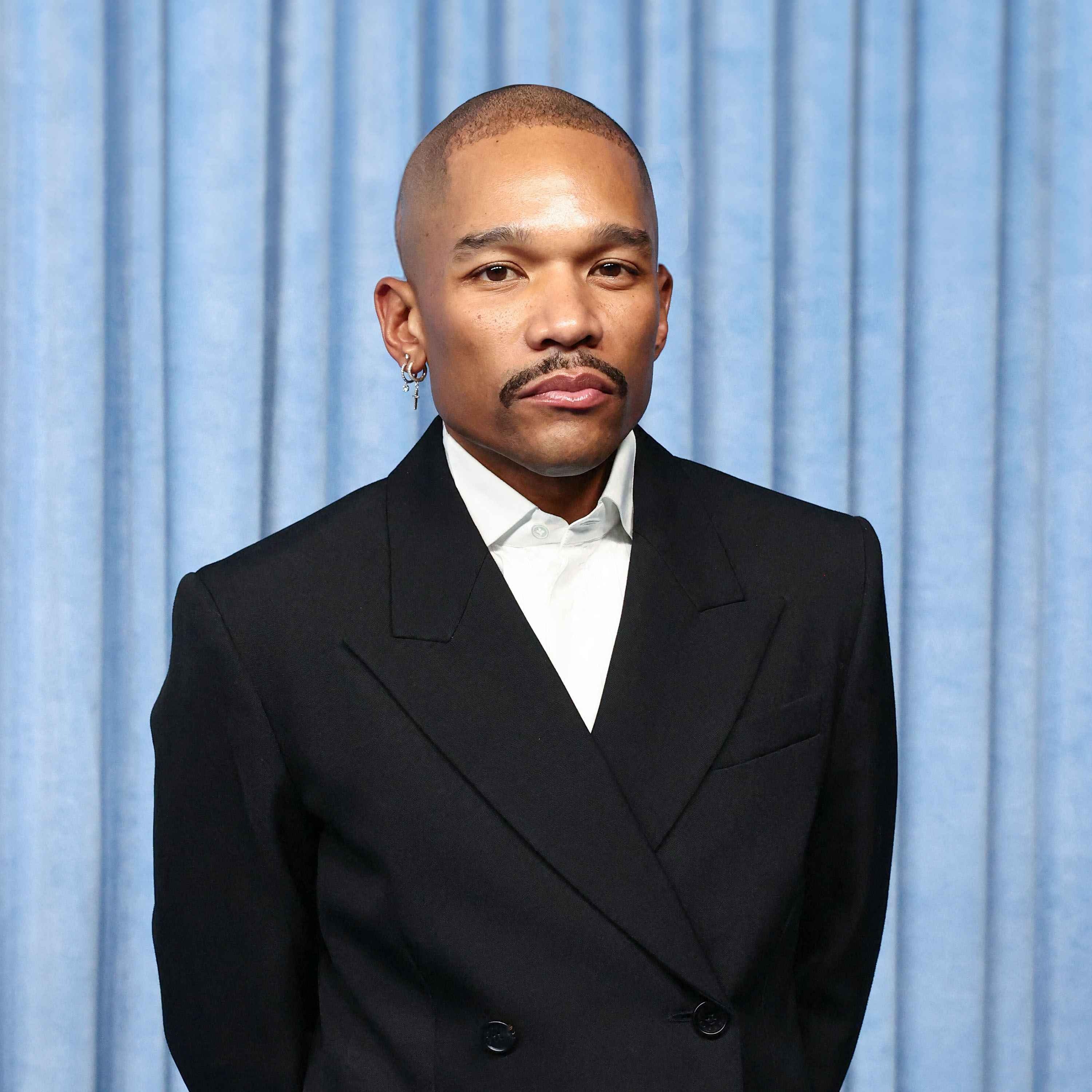
Carlos Nazario’s path from Queens nightlife to redefining fashion imagery for luxury media, including the personal costs of breaking into an industry that didn’t reflect his background.
Carlos Nazario grew up in Queens in a large Puerto Rican family with no arts connections. His grandmother, Efna, shaped his belief in presentation and “lasting impressions.” He came out as gay around age 11 (with his mother’s immediate acceptance) and later faced conversion therapy via his grandmother. He found freedom through AIM chat rooms and the Christopher Street nightlife/voguing scene, building a creative circle (e.g., Shane Oliver, Jawara Wap, Akeem Rasool). He moved to Paris at 19 after dropping out of college, then interned at W Magazine (Alex White, Camilla Nickerson), later worked in London at Love magazine, and ultimately became first assistant to stylist Joe McKenna for seven years.
Style is “currency” and a way to be admitted to spaces; images endure when made “with heart.” He argues mainstream fashion’s two “boxes” were largely white, so he mapped a route through editorial and Europe.
First Black editor to style an American Vogue cover; early AIM trips to Christopher Street; living in Brixton while working at Love; repeatedly emailing Joe McKenna (about 30 times) to get hired.
Written by AI. May contain mistakes.
Carlos shares his early life growing up in a Puerto Rican family in Queens.
“If you've ever watched a New York-based show and thought, I want to dress like that, then this collab is for you.”
Carlos shares his early life growing up in a Puerto Rican family in Queens.
Discussion on the importance of self-presentation and Carlos' childhood creativity.
“and the world is still kind of on fire there's a lot of stuff happening but we can escape for a little bit into the wonderful, most inspiring journey that you've had.”
Carlos discusses his journey of accepting his sexuality amidst family dynamics.
“You know, we went to church every Sunday.”
Carlos reflects on his experiences of coming out to parents and dealing with fears of AIDS.
“But even, you know, despite the sort of initial jolt, he came back in my room a couple hours later and was just like, listen, this is not a surprise to me.”
Exploration of Carlos' connection to nightlife and how it shaped his identity.
“So we're talking, I don't even know what year, but we're talking like AOL chat room era.”
Discover the vibrant nightlife and creative community that shaped Carlos's early life.
“looking for like little boys to sleep with.”
Learn how Carlos realized his passion for fashion and started his career.
“And I think there was a level of confidence and self-assuredness as well that all of those door people, they understood.”
Explore Carlos's formative experiences interning at a fashion magazine and discovering his true calling.
“So I knew that I wanted to work in fashion probably always.”
Follow Carlos's bold decision to move to Paris and the challenges he faced upon arrival.
“I didn't even, I was so naive that I didn't even realize that Charles de Gaulle Airport wasn't in Paris.”
Learn about the challenges of starting out in Paris as a young artist.
“So there I am with seven bags with, you know, a cell phone with no SIM card that works in Europe because that was that era.”
Explore the experience of interning at W Magazine and the lessons learned.
“So I get back to New York and I'm really energized and the world is my oyster.”
Learn how Carlos Nazario's unique background shaped his fashion journey.
“There was certainly something happening, let's say, in the style magazine world, which is why when I got to London, I really felt like, okay, I belong in this thing.”
Discover Carlos's transformative move to London and his experience at Love Magazine.
“And so from where I sat, I was enthralled and immediately thought, okay, well, I'm going to London.”
Understand Carlos's journey from assisting to working with top stylists, emphasizing persistence in the fashion industry.
“Love was like a, you know, million hour a week job, but we loved it so much.”
Learn about the demanding and often unglamorous work of stylists and their assistants.
“Nonetheless, I guess I did okay because at the end of the day, he said, you did a good job.”
Discover the journey of leaving an assistant role to pursue a personal creative vision.
“You know, I felt that I had, I felt so prepared professionally and I felt set up financially.”
Explore how personal background shapes a stylist's approach to fashion and storytelling.
“I grew up in probably the most multicultural place in the world where people had curves and people were messy and people had jobs and kids and were rushing to and fro.”
Understand the changes in Vogue's direction and the responsibilities of modern storytelling.
“And so my first agency, which was management artists, they were very supportive and they sort of believed in me and believed in what I was doing.”
Learn how the role of fashion publishing is evolving in today's dynamic industry.
“I think the role of people who work in publishing has changed.”
Discover important advice and warnings for those looking to enter the fashion industry.
“And it's probably changed four times already.”
Carlos highlights the need for quality storytelling in the fast-paced fashion world.
“You know, I think working someplace like American Vogue, you can psych yourself out because there's so many eyeballs on you.”
Carlos reflects on his personal journey, challenges, and contributions to fashion.
“So I go back to my earlier statement, which is take your time.”

Get the gist, explore an idea or ask about something said.
 Claude
On The Business of Fashion Podcast, what are the key points of this episode?
Searching your listeningAutomatic transcript. May contain errors.
0:00This episode of the BOF podcast is brought to you by Macy's. If you've ever watched a New York-based show and thought, I want to dress like that, then this collab is for you. Macy's just dropped a limited edition collection with Molly Rogers, the Emmy Award costume designer who's defined New York fashion on screen for decades. Now, she's translating that iconic vision into shoppable pieces through Macy's private brand on 34th, each one with unexpected details that feel like real finds. Shop on 34th and Molly Rogers now. In store or at macy's.com.
0:38Hi, this is Imran Ahmed, founder and CEO of the Business of Fashion. Welcome to the BOF podcast. It's Friday, May 29th. Carlos Nazario has helped redefine how fashion media expresses subculture in a luxury context, making history along the way as the first Black editor to style a cover for American Vogue. But he grew up in Queens, New York, in a big Puerto Rican family with no connections to fashion. His grandmother, Efna, was his earliest influence, a woman who understood intuitively the power of how you present yourself to the world. She shared a key lesson with him early on. Most people will never get to know you.
1:22They'll never get to know how smart you are. or what your sense of humor is like, or where you're from, but they will see you and make that impression last. That advice guided Carlos' journey as he left for Paris as a teenager, came home, worked his way through internships at W Magazine and Love in London, and spent seven years as first assistant to stylist Joe McKenna. When he finally went out on his own, Carlos built a creative world that looked like the one he'd grown up in and started making images that put it at the center of fashion. This week on the BOF podcast, I talked to Carlos about the nightlife scene that shaped his creative identity, what it cost him to break into an industry that wasn't built for someone like him, and why the pictures that endure are the ones that are made with heart.
2:13Here's Carlos Nazario on the BOF podcast. my friend carlos nazario welcome to the bof podcast thank you you're here i'm here finally how are you i'm good i it's almost may it's april 27th we're recording monday april 27th and the world is still kind of on fire there's a lot of stuff happening but we can escape for a little bit into the wonderful, most inspiring journey that you've had. And I want to get some color on what you were like as a wee little Carlos growing up in Queens. Tell us a little bit about the first things as a very visual person, as a very creative person. And like, what are your earliest memories of your creativity?
3:15Huh. Well, I grew up in Queens, as you noted, which I think is important because Queens is such a colorful place. It's such a sort of lively place. It is incredibly multicultural. I think it's actually the most ethnically diverse place in New York. I may have made that up, but someone did tell me that once and I believed it. And I grew up in a very big, very lively Puerto Rican family where no one was involved in the arts specifically, but everyone was very sort of stylish and style minded and beauty minded. my grandmother, who I spent a lot of time with growing up and still do now, actually. She's really my best friend.
4:07She is extremely artistic and is obsessed with all things cultural. And so I remember at a very early age going to museums with her, going to shows, visiting galleries, and just probably my very earliest memories are watching her get ready in the morning or, you know, whatever part of that process she would let me see. She would sort of like wake up in the morning and she'd go in and like her bonnet, no makeup. And then she'd come out of the bathroom sort of transformed, you know, and with her armor on and sort of ready for the world to see her. And somehow intuitively very early, I understood that there is something about the way that you choose to present yourself to the world that sort of informs a sense of power, or at least it did for her.
5:01And I remember just very early her saying things to me like, you know, most people will never get to know you. They'll never get to know how smart you are or what your sense of humor is like or where you're from, but they will see you, you know, and make that impression last. She'd tell me that as like a five-year-old because my tie was sloppy or because like I had a stain on my shirt and it made a lasting impression. I remember I always used to get in trouble at school because I was constantly daydreaming, like told always in another world, always drawing or doodling or making up wacky stories.
5:36I had a sort of interesting childhood. And so I think from a very early age, I utilized a lot of different means to escape. books and movies and my imagination and thinking about like a place away from here and a time away from here. You said you had an interesting life. Yeah. And you needed to get away from there or here. What were you escaping from? I mean, I think the things that now I realize a lot of us were dealing with, parents getting divorced, families sort of resettling, blended families that perhaps didn't blend so easily, being gay, sort of understanding that at a very early age, and also growing up in a household that was not incredibly religious, but certainly there was religion, especially from my grandmother.
6:39You know, we went to church every Sunday. I went to a Christian school. And so having to reconcile that, figuring out how to hide that, figuring out how to build an identity that didn't betray that was quite challenging, or certainly it was something that I thought a lot about. So there were just things, you know. I think when you are a kid as well. I think everything seems a lot bigger. I was a very emotional kid, like super emo. And so I was in my feelings a lot. And I also somehow just like always felt like I wasn't in the right place. Like I was like, why am I not this person? You know, I fell in love with magazines at a really early age and, you know, books about other places and people with big ideas and people with big lives.
7:37And I always wanted to be one of those characters in those books. So yeah, I created a world in my mind that was different from the one that I was experiencing. I mean, that tension between growing up in a household with religion and reconciling and maybe hiding your sexuality that's a an interesting tension to grow up with when did you stop hiding it so i will never forget i was like 11 i would say and my parents had been divorced and i was living with my dad and i was on the phone with mom it was like after school and um i just had been really down and, you know, my mood was different. And she said to me, she's like, what is wrong?
8:34And I said, uh, nothing. Like I'm fine. She said, no, you know, you've been really down lately. And the only thing that can make someone act the way that you're acting is, is a boy. And I said, do you mean a girl? And she said, no, no, I mean a boy. And when you're ready to talk about it, like it's fine. Like it's not a big deal and I'm here. And I will never forget But the sense of relief, the immediate sense of relief that I felt in understanding that this was something that... She opened a door for you, basically, right? Well, she opened a door. She, in that brief sentence, made me understand that not only was it acknowledged generally that I was gay, but also it wasn't going to be a big deal.
9:23I didn't have to do this grand coming out thing. No one was going to disown me. And probably, so we didn't really talk about it, actually. It was just generally understood. I didn't come out to my dad until a few years later. That one was a little bit more dramatic. But even, you know, despite the sort of initial jolt, he came back in my room a couple hours later and was just like, listen, this is not a surprise to me. And then just started giving me dating advice. So, you know, I think it was like, I was like, what? So I think just my parents being so accepting of it, just straight off the bat, made it a lot easier to tackle.
10:05But my grandmother didn't know until a while later. She will hate that I'm saying this, but she sent me to conversion therapy. Didn't work. And then I think when she realized that, in fact, I was who I was and I was going to be who I was going to be, she accepted it as well. And we talked about it recently, actually. And I said to her, you know, what was your biggest fear besides me burning in hell? And she said, well, I didn't want you to catch age. And I didn't want you to become someone that wasn't who you were and who you have grown up to be. She said, but, you know, I had faith that you would.
10:51She said, and I had faith that we armed you with certain tools to live a really long and really healthy life. Those were the fears that she operated from. Like, obviously, I grew up in the late 90s, you know, early 2000s in New York. AIDS was still this epidemic that was ravaging the gay community. It was the number one fear, I would say, of my friends growing up. You know, I remember my earliest sexual experiences. Everyone was just terrified still. You know, that age was this death sentence that every gay man was sort of going to get at some point. So it was scary. You know, it wasn't just the idea that somehow your life was going to be different.
11:32It was the idea that perhaps this thing that you were, that we knew was not a choice. It was just who we were. somehow it might also be the reason that your life was cut short so it was daunting even growing up somewhere like New York City where obviously being gay is generally accepted it was still a scary thing. Interestingly that you know you had that first conversation with your mom at 11 and a few years later with your dad but like freeing yourself from that kind of worry notwithstanding you know AIDS and some of the fears that you know maybe you and your crew had but tell us about when you were able to lean into it a bit and kind of embrace that side of yourself, how did that connect with your creative expression?
12:19Oh, it was incredible. So we're talking, I don't even know what year, but we're talking like AOL chat room era. Okay. So there were like all these chat rooms that were like, you know, for gay guys and black gay guys, gay men of color. and I began frequenting them. And, you know, you assume whatever identity it is that you want to assume. And I remember meeting my very first real gay friend on AIM, and he lived not far from me. And we planned to, like, meet up and cut school. And we were going to take the train, the Long Island Railroad, into the city, and we were going to go to the village. And for those who don't know, Greenwich Village, which is now a playground for the wealthy, and the Nepo at the time was still, you know, that.
13:09But there is a stretch of the village called Christopher Street, which was popularly shown in Paris is Burning, which is a legendary documentary. If you haven't seen it, you absolutely must. That chronicles the early days of the voguing scene in New York. And anyway, Christopher Street was the street where if you were black, if you were gay, you just went there and you congregated there and people just like hung out. It leads to the pier. You hung out by the pier, you vogued there. There was every sort of walk of the gay life from the super feminine to the down low, like super masculine to trans people, drag queens, trans men, bi-curious, you know, lots of prostitution, lots of like married men trolling around in like cars looking for like little boys to sleep with.
14:04I mean, it was like the whole thing. And this whole gay fairy tale or psycho dramas were playing out on the street. And it sort of was where you went to be gay. And so anyway, my friend and I said, we're going to meet, we're going to take the train. We were going to go to Christopher Street. And I remember the first time getting off that train and being so mesmerized by all of these people who were just living in their truth. And we did that really frequently. And because of that, sort of found out, you know, the places to go. I started going out and becoming part of the nightlife scene when I was probably 15.
14:46And during that time in New York, I mean, there was some place to go every single night. And very quickly, very early, I made a group of friends who, most of whom are still my friends to this day. People like Shane Oliver and Jawara Wap, the hairstylist, and Akeem Rasool, who is the director of elite management now. And I just made this crazy group of friends. And everyone was creative and everyone was wild and everyone was so themselves in a way that I had never been allowed to be. And it really inspired me. And I already knew somehow that I wanted to work in the arts and I wanted to work in fashion, but I had no idea exactly what I wanted to do.
15:34And it was through that crew of people that I then met other people like Virgil and Terrence Coe was around. And there were artists and DJs and makeup artists and stylists and book editors and just everything. It just ran the gamut of this creative experience. And everyone was just figuring it out at that time. But there was so much life that was being lived. And I became addicted to it. And I probably went out every night until my senior year of high school. I have no idea how I finished school because we would take that Long Island Railroad every night and we would change our clothes on the long island railroad what would you wear carlos i want to know what you were wearing it just depended on like who you wanted to be that night i mean sometimes it was like kind of wild you know it could be like schoolgirl skirts or like tiny little shorts and like knee-high combat boots or like converses sometimes it was like very homo thug and it was just like Iniche sweatsuits or like, you know, Sean John velour.
16:47Sometimes it was like Hood by Air. And this was like early days of Hood by Air when Shane and Raul, who also, you know, has been a friend since that time, were just like making stuff because we didn't have anything to wear to go out. Like we couldn't afford fancy clothes. And also the clothes that existed, they didn't really reflect how we felt or how we wanted to show up. So they just started and making stuff. And so we just wear stuff. And sometimes it was wacky. And sometimes looking back, I'm like, fuck, that was good. But sometimes like that was really bad. But it was just us. And this is, you know, this is 2000's New York.
17:27So you're talking about bling bling era. Bad Boy Records was like the thing. And this was the birth of like bottle service. And it was like just everyone being expressive and wanting to look rich and wanting to look fabulous and wanting to look outrageous because that is how you got into the club. Like if you didn't look great or you didn't at least look remarkable, you weren't getting in. You know, it was still like a selective door. You couldn't just. That was the currency. The currency was your style. That was your expression and your adventurousness. Right. That was it. That was it. You had to be making a statement, you know, And you had to sort of be in the know.
18:09And I think there was a level of confidence and self-assuredness as well that all of those door people, they understood. And they could spot it from a mile away. It wasn't about paying your way in or anything like that. So style was, it was our currency. You know, it was sort of like, to a certain extent, it's all we had at that point. So it was everything to us. It was so important. styling or style is still your currency so tell me when along this journey did you even understand that this incredible gift you have of putting looks and style and expression together could be your job like how did you even figure that out So I knew that I wanted to work in fashion probably always.
19:16Pretty early on, right? Like 13, 14, I was like, okay, I'm not going to be a lawyer. I'm not going to be a writer. I'm going to work in fashion. So when I was like 16 or maybe 17, I was dating this guy and he was a stylist. And he was very successful. He was much older and he was styling like music videos and he was styling artists. A lot of bad boy artists, a lot of that world. And he had this really fabulous lifestyle. He dressed really great. I remember going to his house for the first time and he had a picture with Oprah and it was signed by Oprah. And for me, I was like, wait a minute. Okay, this is cool.
19:59And I thought, I think I'm cooler than this guy. Like, surely I can do this. Like, this feels like, you know, a career path for me. I said that to him. I said, you know, I think I want to do this. And he connected me with a friend of his who was the fashion director at a magazine. I don't know if I've ever said this, actually. It was a magazine called Urban City Magazine, which obviously does not exist anymore. And it was run out of this little tiny room in a little tiny office building on Beaver Street. all the way downtown in New York. And I started interning for Urban City when I was like 16 or 17, probably 17 at that point.
20:43And at that point, you still had to fax in your sample requests, and you had to call and make sure they got the request, and you had to beg and beg and beg. And if you were a small magazine, of course, you barely got anything, and there was no budget for sample trafficking, so you had to pick it up yourself. But I learned very quickly that actually I didn't want to be a celebrity stylist and that I loved editorial. Also, in working for that person who was a fashion lover, he was obsessed with fashion. He was obsessed with making pictures. He was so talented, but he also was someone who I think had been a bit browbeaten about his prospects of making it big, you know, in the sort of the mainstream industry.
21:38Because? Because he was black. And because he hadn't gone through the traditional channels, you know, he was from the South. He sort of didn't look like whatever a fashion person looked like at that time. And, you know, during that time, there were two very distinctly different arms of fashion. You know, this sort of like uptown, downtown thing was a real thing. You know, the Condé Nast sort of clackers era was very much in full effect. And that was sort of the dominant class. And that was like fashion. Then you had the downtown scene. You know, you had like Three is Four and like, you know, the People's Revolution scene.
22:20Kelly Coutron. Kelly Coutron, the queen of downtown. And that was it. That was it. You know, and at the time in New York, you had like Vibe magazine, which was really amazing. And also quite popular, especially at that moment because of brands like Baby Fat and Sean John. and they were putting on shows and they were sitting front row and J-Lo. It was very much a thing. It was such a big part of mainstream popular culture. But that was it. There was no sort of other. And I think if you didn't fit into one of the two main boxes, then you didn't really have much. And frankly, those two main boxes still were extremely white.
23:05You know, I don't really remember there being an American black stylist who was doing those things, who was styling Vogue or even the Downtown Magazine, certainly none of the brands. Edwards was sort of the only mainstream black stylist at the time. And Edward was British and just felt very different than anything that was familiar to me. And I think because of that and because of where I was coming from, there was this sort of question in my mind as to, hmm, what is the most direct route from where I'm at now to where I would like to be? so how did you map that out then so you know if those two worlds seemed so inaccessible what was i mean it sounds like you were quite clever like and just even the way you were thinking about it and analyzing it all like you understood that this was the geography or the hierarchy or the kind of structure of how things work like what was your thought process of how you were going to break in?
24:19So I understood that college was not for me, or perhaps I shouldn't say that. I understood that spending four years studying something that perhaps wasn't going to be applicable to the life that I wanted to live wasn't for me. I remember as a senior saying to my gym teacher, I had to go to night school for gym. By the time I was a senior, I had like two classes and they were both very early in the morning. and I remember by that time I was like driving my boyfriend's car and we would go out every night and then I would drive to Queens to school. I would sleep in the teacher's parking lot. I'd do my two classes that were like, I think the first one started at like 7am.
25:10I'd go home, I'd sleep and then I'd come back and I'd do my gym class because obviously I flunked out of gym. It was the only class that I needed to make up in order to graduate. And I was like late for like, you know, whatever, 20th time in a row. And my teacher was like, don't do this to yourself. Like, don't make me fail you. And like, don't not graduate because you can't fucking make it here on time and like, just like hang out for 45 minutes. It's not worth it. And he said, what do you even want to do with yourself? And I said, oh, I'm going to move to Paris when I graduate. And he said, why?
25:49You know, what are you going to do in Paris? And I was like, I don't know, but I'm going to go there and I'm going to figure it out. And he said, well, do you know French? I said, no, why would I know French? He said, okay, do you know anyone in Paris? And I said, no, but I have this book and it's a guide to Paris and that's just what I'm going to do. And he was like, okay, weird. And he sort of rolled his eyes and I think he just thought it was another one of my harebrained schemes. And when I graduated, I went to college for two and a half weeks. And I remember calling my mom and I said, listen, I'm not cut out for this.
26:29I'm going to drop out and I'm going to move to Paris. And that was the first time I had ever told her that. And she understood very early on that whenever I had an idea that I was sharing with her, it was going to happen. Like that was it. So she didn't try to talk me out of it. She did try to reason with me. In any event, fast forward, I went on Craigslist and I found this amazing apartment in the Marais and I corresponded with the woman on email and I transferred all of my savings into her account and it was a six-month deposit. I was going to stay for six months and I was so excited and I packed up all my stuff and my mom and grandma took me to the airport and I moved to Paris.
27:23How old were you? I was 19. And you'd never been to France before. I had never been to Europe before. I didn't speak a word of French. I didn't even, I was so naive that I didn't even realize that Charles de Gaulle Airport wasn't in Paris. I had no idea. None. You know, I knew what I had read in this guidebook. And I was just going to make it happen. and I get there and the woman was going to meet me at the airport and pick me up and take me to the flat. Oh, how nice of her. That's really sweet. I'm still waiting for her to arrive. Oh, she never showed up. She never showed up. So there I am with seven bags with, you know, a cell phone with no SIM card that works in Europe because that was that era.
28:21um there were no american phones didn't have sim cards back then no you did you you couldn't make a phone call in europe yeah you there was no iphone like it wasn't like i was just gonna you know get an uber to where i was supposed to go i i i'm picturing this scene at the airport Imagine me just being like, what the fuck? And then also, we're talking about like many years ago. You know, Paris is so much more accepting and excited about people from other countries. But you remember how it was back then. What? If you didn't speak French, you might as well have not been standing there. They wouldn't even look in your direction.
29:08And I just kept, I remember I knew one phrase in French. And that was, désolé, parlez-vous anglais? Non comprenez français. That's all I knew how to say. And obviously, no one helped me. I somehow made my way to a bank of pay phones, called my grandmother, explained the situation. She said, well, of course you didn't come. what do you mean? She's like, so what are you going to do now? And I said, what do you mean? I don't know. I have no idea. I have no anything. Like, what am I going to do? She said, call me back in 20 minutes. So I called her back and she said, do you have a pen and paper? Write this down.
29:53She got me a hotel room for seven days at an airport hotel. I think it was like a Hilton or Marriott, whatever. She said, this is it. You need to figure it out in this amount of time. And if you don't, then you need to come home. And I figured it out. The next day, I got on the metro. I'd made my way into the city. I met more people on Craigslist. I came up with whatever harebrained scheme that I came up with. And I found the tiniest apartment you've ever seen in your life it was on rue coutier in my march and by this point you'd used all your savings to pay the woman from craigslist who never showed up so so like you were you were skint as they say in the uk i was skint i remember that my grandmother who is like not only my biggest fan but you know She's like an angel.
30:51You know, she's like the person who has invested her time and energy and resources into ensuring that I was successful, you know, and to ensure that also I was prepared for what the world had in store. And I think a big part of her investment in me came from the fact that she herself is an incredibly intellectual, extremely artistic, very worldly person who perhaps didn't get to achieve all of the dreams that she had in her mind for herself, you know, because of circumstance. And I think to a certain extent, she was committed to ensuring that I was the realization of not only my own dreams, but hers as well.
31:40And so she, you know, she didn't spoil me, but she ensured that I had enough money to at least, you know, put a down payment by, you know, some cans of green beans and like peanut butter. and she'd send me little care packages like her and her mom and my dad. And I started figuring it out in Paris and I met some people to try to do some test shoots and I cried every day. And probably I would say the beginning of month two, one of my really good friends who was a model, she was working a lot at the time. She was quite successful at the time from New York. she got sent to Paris on stay. Her name was Meggie Weinheimer.
32:27And she was all the things. She was fabulous and fun and bubbly and obviously incredibly gorgeous and well-connected. And that's how I started to meet people, meet different friends, meet other photographers, meet other stylists, meet models. That's how I sort of started to build a social scene. And that's how I started to work. And so I do, you know, little tiny jobs, anyone who needed sort of anything, just like things to sort of make ends meet. And I did a bunch of test shoots. In fact, I found some of the pictures recently and they were as bad as you can imagine. But, you know, some of the things that still I love are in there.
33:09It's all in there. And I figured it out. And I did that for a year. And my parents said, OK, you know, it's time to come home. And I did. I came home. And the first thing I did when I got home was I started interning at Condé Nast. You went into the uptown world. You know what Paris taught me was that being a starving artist was not for me. I had zero intention and even less interest in being a starving artist. And I knew that I wanted to be whatever I considered to be the best. Whatever in my estimation was extremely successful is what I wanted to be and who I wanted to be around. And, you know, the magazines that I loved the most and the people whose lifestyles I wanted to emulate the most were those in the pages of Vogue and W and Vanity Fair.
34:12and that was what I wanted to do. By this point, I was in my very early 20s and I could have been really irresponsible and that was sort of what was expected of my social circle. But I chose to be really responsible and really invest in this internship and in this life that I knew I wanted to live. We'll be right back with more on the BOF podcast.
34:47Carlos Nazario: Enjoy the sunshine with sales on grill-ready favorites from Whole Foods Market. Take cookouts to sizzling new heights with their marinated salmon and made-in-house marinated beef and chicken. Entertain with low-priced 365 brand chips and dips like hummus and guacamole. And sweeten every party with brown butter chocolate chip cookies. Remember to pack the cooler with probiotic sodas, sparkling waters, and more. Summer savings await you. at Whole Foods Market. Here's a tip for you. There's a podcast out there with fans waiting to be your next customer. They tune in every week, they trust the host, and that host wants to talk about brands like yours in their own words to their audience.
35:28The problem is, you just haven't been introduced yet. We're Acast, where that introduction happens. As the world's largest podcast marketplace, we let you browse shows, see who's listening, and book host-read sponsorships or run your own ads all from one platform. Transparent pricing, real-time data, complete control. Start advertising on podcasts by visiting acast.com slash advertise.
35:57So I get back to New York and I'm really energized and the world is my oyster. And I feel like I just have this very clear idea of what I want to do and how I want to do it. and, you know, what type of stylist I want to be. And at that point, the most direct route to that was interning. You know, interns sort of, they made the industry possible at that time. You know, our industry at that point kind of was run on free labor. Unpaid internships, right? Yeah. I mean, I think now that has changed quite a lot due to, I think, just shifting attitudes towards work, but also several class action lawsuits.
36:41But at that time, you know, the most direct route to sort of a real job in the industry was an internship. And they were great and actually think it's a shame that they don't exist the way that they used to. So I applied. And at that point, I actually was not in college. But one of the prerequisites for this internship was that you had to be in college. I fibbed and I got an internship at W Magazine. At that time, Alex White was the creative director and Camilla Nickerson was the fashion director. And it was just, you know, this incredible place where creativity and culture and fashion and, you know, I would say the edgy side of the uptown set was sort of happening there it was like vogue's cooler sister if you will and why do you think they picked you because if you i understand that you fibbed around about college but what what was it that they saw in you um i mean i looked great and i was really smart and i was very clearly driven I think I always sort of possessed the gift of the gab.
38:03And I met with the person who would become my boss and we really connected. And I think because I sort of have been socializing on a certain level since I was a kid, really, and had so many friends who were adults, I had a very mature temperament. I don't think that I felt like, you know, like an inexperienced college kid. But how did you make ends meet? Because you said you were skint in Paris or, you know, you were like coming back from Paris. And so how are you actually making things work for you from a kind of day to day life basis? I don't know. I lived with my boyfriend who had a good job and was sort of very supportive of me pursuing my dreams.
38:52And I had a great foundation in my family who also, I mean, mainly my grandmother was very supportive. And I probably had an odd job or two. I remember working for like a few months at this swimsuit store for Villebroquin. Do you know Villebroquin? They make like the matching father-son swim trunks. Oh, Villebroquin. Yeah, of course. Thanks. As soon as you said matching father-son trunks, I knew what you were going to do. You know where I was going. Sorry, my accent's not great. So you did some odd jobs. There was Villebroquin. You were making things. me. And then what was it like day to day working at W?
39:38I mean, it was at the time, I just remember it being exhilarating. It was fascinating and exciting. And I was surrounded by all of these incredible clothes and these strange characters. Every editor sort of had their set of idiosyncrasies And there was all this inter-office drama. And, you know, Alex was like styling Roi-Va at the time. And I believe Chanel as well. And she was really like the queen, you know, when it came to like New York fashion. And Camilla was, I mean, so is, so impressive. But I wasn't very familiar with her Camillaness. So me coming into this space and seeing so intimately her process, because she was very generous about letting everyone in, it was incredible.
40:37And I instantly fell in love with it. You know, at the same time, it was challenging because, you know, I had intern counterparts whose parents had bought them an apartment down the block so that they weren't very far from work. And I was either taking the train from Harlem or taking the Long Island Railroad from Queens. So it was a very different existence. And I think I realized very quickly that the vast majority of the people who were working at that level came from a very different background. I remember at one point going out to dinner with a person who actually is a really good friend of mine now.
41:20And we were interning together. then we went to Nobu for dinner and you know that wasn't something that I would just normally do on a Tuesday night on a whim and she knew the maitre d and and people came over and said oh how's your dad and it was I had been exposed to that level of wealth but in a very different way I think downtown art people are just very different they're sort of wealthy in spite of themselves and that's sort of not the point. Um, uh, but this was a different thing and it instantly felt different. And I instantly was sort of, if not insecure, certainly aware that I was different.
42:00Yeah. Were you also aware at that time that by virtue of the fact that you were coming from a different place, from a different background with a different set of references and context that that's part of what made you probably really special in that environment like that was your soup that is your superpower now but you weren't aware of it back then it is now and i don't think it was i certainly didn't realize it then and i think that there wasn't this space yet that allowed for alternative points of view at a certain level. There was certainly something happening, let's say, in the style magazine world, which is why when I got to London, I really felt like, okay, I belong in this thing.
42:56But in New York, I didn't feel that. I think downtown with the HBA boys and you had this big, bustling, underground fashion community, like brands like 3S4. And there was something else happening, but it wasn't sort of financially viable, you know, and it wasn't in my mind the way that I necessarily wanted to live my life. You know, you have to remember, I grew up pouring over the pages of party pages of like Vanity Fair and Interview and being like, I want to be there. I want to be a part of that world. And it just never really occurred to me that that world didn't really include much people like me.
43:39And when I say like me, I don't mean people of color. I just mean people from a different background, people with a different thought process, people with a different set of intentions as to why we were making the work. And so no, it didn't occur to me yet that my point of difference was in fact what would help me to be successful. So what happened next at W and beyond? So, you know, at that point in the sort of Conde Nast internship world, you could intern for a semester and maximum two, you know, if you sort of were lucky and made your way and made some friends. So I did that for two semesters.
44:19I then went on to work at Japanese and Chinese Vogue in the New York office. And then I got an internship at Marc Jacobs. At Marc Jacobs, I met a great man who I was working in the sales department. So my job was to go out to all the different wholesale markets like Bloomingdale's and Macy's and teach the salespeople how to dress the mannequins and how to sell our product. And I remember going in one morning and I was doing a sales demo and my boss said to me, what are you doing here? You you clearly don't want to be here. And I'm like, I'm so sorry. You know, I really like it here. He said, no, but you're a stylist and you should be pursuing that.
45:00And I said, well, I've sort of hit a wall. I don't know what's next. I don't know how. He said, I think you should be in Europe. You know, I think you should be working for someone in Europe. And so he was close friends with Katie Grant, connected me with her. And she said, yeah, well, if you find yourself in London, then I'll have a job for you at Love Magazine. And Love was just starting. It was, you know, I think they were on issue two. It was already so incredible, so influential. Katie obviously is Katie. And so from where I sat, I was enthralled and immediately thought, okay, well, I'm going to London.
45:41And two weeks later, me and all my luggage showed up at Heathrow Airport. And that was, I think, when things really began for me. Why? You know that very cliche saying that home is where the heart is. So I had a friend in New York whose boyfriend was English, lived in Brixton, and just coincidentally was looking to rent a room. So things sort of really happened very easily, actually. And so I said, oh, this is fate. And I remember taking the taxi into Brixton for the first time and just instinctively feeling like, wow, this is home. Like it just felt so familiar and so good to me. and it just felt like something had clicked.
46:39Is that because of the Caribbean roots or because of the, like, what was it about Brixton that made it feel that way, do you think? I think it was because it instantly felt like this place where people were celebrated simply for being themselves. You know, there was this rhythm to the streets and there was this sort of joy that you felt. I mean, we're talking 15 or so years ago now, and there was this real, true sense of community and style. Everyone had style. Everyone was so stylish in the way that they put themselves together and the way that they presented themselves and the way that they sort of related to one another.
47:19And it felt similar to Queens, but a much cooler version of that. and I met my flatmate for, you know, the first time when I moved into his flat. I got there on like a Thursday and I was starting at Love on a Monday. And I don't know if I've ever told her this, but I was in Brixton Market and I saw Julia Sargemois, who I didn't know or I knew nothing about her. I had never, you know, but I remember seeing her and she was with her mother and I was like, who the fuck is that girl? Like, wow. You know, I mean, yeah, like 22 year old. I mean, Julia now is like insane. And back then you're just like, like the style.
48:04I remember she had on these silver platform Chanel booties and like a little jacket. And I was just like, who is this girl? And then I walked into love on Monday morning and that girl sat there and we instantly became best friends. We lived on the same road. she immediately took me under her wing. That whole love crew, Fran Burns and Isaac Locke and Jeannie Lewin and Andrew Solstin. I mean, Kimmy Lewis. It was like such a amazing crew of the most interesting and talented and hardworking and well-connected people in London. And my job was to work for the then fashion director, Victoria Young, who, if you've ever met Victoria, you know, is just the most joyful and warm and energetic and generous person ever.
48:57And these people, they just immediately made me family. And I just immediately felt like such a part of something. And, you know, the Style Magazine community in London, especially at that moment, it's this frenetic vortex of like people who just so deeply believe in what they're doing and have such deeply held opinions about why what we do is valuable and a knowledge set and a reference set that, you know, was so different from mine. And I was just fucking intrigued. I was blown away by it all. And I soaked it in. There was always work to make. Love was like a, you know, million hour a week job, but we loved it so much.
49:46And we took so much pride in making that book. And I think the work sort of spoke for itself. I think Love was such a phenomenal magazine. And that was such a great moment.
49:59How long did you stay in London? I stayed in London about three years. So I stayed at Love for about two years. And then I sort of took, you know, a glass ceiling and things were changing. And I decided I was going to go freelance. You know, I decided, OK, I think I can do this on my own. So I left and I started doing a few odd jobs, started styling some up and coming pop stars. And I quickly realized, you know what, I'm not ready. You know, I'm not ready to work at the level that I want to work at, not only because I don't have a strong enough book, but because I don't feel that I have nailed the professional part of it.
50:44And I didn't yet really truly understand how to turn my ideas into the level of work, the quality of work that I knew I could achieve. And I remember talking one day to one of my friends who was assisting at the time, was sort of freelance assistant. And he said, well, you need to get back and start assisting. And I said, I don't want to do the freelance assistant thing. It's not really for me. I want to work for one person. He said, well, who? And for me, there was only one person, you know, from the beginning of my career, the person whose work and career I revered the most was Joe McKenna. You know, his work just spoke to me on such a deep level, not only the language that he had created, but his collaborators and the designers he worked with.
51:38And, you know, I just I loved Joe and I loved his work. So anyway, very long story short, I emailed Joe and his assistant at the time. I'm not joking. Probably 30 times. And no reply. Not a peep. No reply. In fact, I thought maybe I don't have the right email address. Maybe they think I'm a stalker. Perhaps they blocked me. Nothing. And Carlos, what keeps you emailing someone over and over and over again? Because most people would just stop. Most people, after two or three attempts, most people would stop. You're saying it was like maybe 30 times. That's just me. I don't really believe in no. It's just not part, it's not something that I accept, really.
52:31I think no is sort of like, it's a more circuitous route to a maybe, and then that turns into a yes. So, I mean, I just knew something in me just said, this is what you're supposed to do. And I said, what do I have to lose? I mean, maybe he'll think I'm a stalker or whatever, but I'm going to keep emailing. So actually, I heard through the grapevine, because this is, you know, how fashion works, that his assistant had left. And someone said, well, now would be the time you should email again. I said, well, I think I emailed like two weeks ago. It's kind of weird, but I'll do it. And I emailed.
53:10It was like eight o 'clock in the morning. And before I could even close my email inbox, so maybe, maybe a minute later, I'm not joking. I see a response. And I thought, oh, he's finally blocked me. This is now 100%. And it was him. And he said, hello, are you in London? Can you meet this week? I said, yes, I am. He said, okay, meet me tomorrow on Mottcomb Street at 8 a.m. I said, okay. And I did. It was my birthday. And I met him. I was early. And I wore - What did you wear? The wrong outfit. I wore a Prada blue and white gingham button down with a ruffle bib front and the Prada creepers with the espadrille and sneaker sole.
54:06It was that era. and when he walked in wearing his uniform of the white Brooks Brothers shirt and the Levi's, I stood up to greet him and he gave me a once over, sort of looked me up and down. And I thought, fuck, I wasn't on that thing. I'm sick. It was not an approving. You did. You went too fashion. I went way too fashion, which, you know, in hindsight, yeah, I realized I should have done a bit more research. But yes, he gave me a little glance. Okay. And the interview was quick. He was straight to the point. There weren't many, you know, there wasn't any small talk. There wasn't many smiles.
54:50He just got straight to the point. He asked about my experience. He asked about the people that we had known in common. He asked about my favorite photographers, my favorite stories, you know, my favorite designers. And then he said, okay, well, let's try. And he said, my agent will be in touch. And his agent was in touch. He got in touch, in fact, that day. The first job I did with Joe was a job with Dave Sims. I was scared shitless. It was maybe a week later and it was, you know, it was Guido and Lucia Peroni and David Sims. And, you know, I was just out of my depth. You have to understand, you know, I had worked for Victoria and I had worked on Katie's sets, but never directly, you know, as Katie's assistant.
55:47So this was my first time as a first assistant working at this level. and obviously Joe's expectation level is sky high. And the level of performance and perfection is second to none. Nonetheless, I guess I did okay because at the end of the day, he said, you did a good job. Greg will be in touch again. And that's sort of how it started. And Joe and I worked together for seven years. Wow. So for people who don't know what a stylist does and what a first assistant to a stylist does. Can you just explain that a little bit? Because I think there's this notion that these are very glamorous jobs. But my partner is a stylist and creative director and I just see all of the...
56:39There's so much schlepping and so much hard work and so much logistics and so much... There's also creativity and concepts and all of that. What do those two people do and how do they work together? It is not an easy job, period. And I think that many people have this idea of what we do as being super glamorous and kind of cushy and, you know, getting driven every way and showing up and telling people what to do. But the reality is that there are stylists and then there are stylists. You know, Joe McKenna is a stylist. He is involved in every single aspect of the preparation of a shoot as I am now.
57:24And so there are countless modes of communication, emails, phone calls, now Zoons, meetings. There's, you know, concepting and mood boarding and, you know, lots of negotiation that happens just to get to an agreement of what you're doing. Once you then decide on what you're doing, you have to make that happen, right? So not only researching, let's say you're working on an editorial, you're researching the clothes, you're finding out how and where to source them, you're spending countless hours on Vogue Runway, you know, picking which things you want, and then you actually have to get them. I mean, if the job of a stylist is difficult, the job of a stylist assistant is nearly impossible.
58:11Because you have to make all of these ideas actually happen. You know, you have to, I mean, the stylist is spending, I was up until 3am on Vogue Runway selecting clothes for an editorial I'm doing soon. And then my assistant, who's incredible, receives that email at 3am and woke up to it and then has to not only contact all 100 designers that I've selected clothes from, but then spend the next month of his life following up. and negotiating and troubleshooting and figuring out the logistics of how and when and where and how come they can't get there, then he has to enter into a room full of these 350 looks and physically manage them.
58:56Not only physically manage receiving them, but then physically manage setting them up and going through them, the fittings of however many people we're working And that's just sort of one aspect of it. The other aspect of it is the constant travel and the countless hours and the jobs that you prepare and then cancel last minute. And the jobs that you speak about for months that then suddenly don't happen. And I think it's also very difficult to describe the mental stamina that's required being away from your family and your friends and anything that feels familiar to you and missing, you know, everything, every birthday, every wedding, you know, all of the symptoms of being a busy person.
59:54And I don't think that that is specific to our industry, but it is a reality that I think a lot of people don't realize. So I think to be a stylist assistant, I found it really gratifying because I knew what my end goal was. I also felt very privileged to be working at that level and witnessing creation at that level. I mean, working around people like Azadeen Alaya and Donatella Versace and all of the incredible photographers that we were working with. I mean, it was a masterclass. You know, you couldn't buy that level of education, but you are sort of, you know, dealing with a level of exhaustion physically and mentally.
1:00:46and we're also it's one thing when your name is on the door so to speak you know when you're the one who sort of gets the celebration accolades yeah accolades for the work and I think it's another thing when you are the untunged hero that frequently goes sort of unappreciated and I think you know I got to a point where I was almost 30 I guess I think I was 29 Yeah, I guess I was almost 30. And I thought, you know, all of my friends who had come up with were already well into their careers. I remember I was on a shoot with Joe and the makeup artist for the shoot was somebody who had assisted the makeup artist that was on the very first shoot that I had ever worked on for Joe.
1:01:33And she said, and we had become really friendly. And she said, babes, what the fuck are you still doing here? Like, you got to go. It's time to leave. And I thought, yeah, it's time to leave. But I felt ready. You know, I felt that I had, I felt so prepared professionally and I felt set up financially. You know, I had been able to save a good amount of money. And I felt that I had made a good amount of contacts. I had a great reputation. And I had ideas. I had a network. I had a community of people who I was ready to make work with. And so when I left Joe, I immediately started working for like Yang Li and HBA and shooting with like Oliver Hadley Perch and, you know, working for magazines.
1:02:19I was already working for like T Magazine. I had an agent already. So I stayed until I knew that I could segue quite easily. Yeah, I think that's a really important lesson, too, which is like, in a way, whoever that makeup artist was she was ready to go out on her own at her when she was ready and you were ready to go out when you were ready and that's absolutely fine like one of the things that's interesting about creative careers is there's no timeline there's no map there's no formula like you've got to find out what works for you so like when you were leaving and going out on your own did you have a strategy or idea of what you wanted to do like what you want you said you had ideas Tell me about those ideas.
1:03:04Well, I think at that point, I had started to see, at that point, Hood by Air was like the thing. It was this massive success. And those were my, that was my family. Those were the people who I had been best friends with since I was a teenager. And we came up together. And so I so intimately was involved and witnessed this rise. And I was so inspired by how Shane and the whole crew never compromised. You know, they never had to code switch, so to speak. They never had to pretend to be anything except exactly who they were. And that really inspired me. And so I think by the time I had left and gone out on my own, I really was committed to making work that felt reflective of what I thought was beautiful and who I thought was beautiful.
1:03:59and how I saw the world and how I wanted to see the world. And I always said, you know, I didn't want to be a poor man's show. You know, I didn't want to do like a version of what he did. I wanted to take the lessons that I learned from him, that pursuit of excellence and that attention to detail and that trying to make everything better than you find it. And, you know, that storytelling ability. but I wanted to do it in my way. And I did. And, you know, I grew up, like I said, I grew up in Queens. I grew up in probably the most multicultural place in the world where people had curves and people were messy and people had jobs and kids and were rushing to and fro.
1:04:47And it was that life that inspired me. It wasn't just clothes. It was like why people chose to wear the clothes that they chose. So it was always about people first for me. And I think when I left, I instinctively wanted to find designers and photographers who shared a similar intention and shared a similar point of view. And I was lucky enough to do that quite quickly, actually. So things accelerated quite quickly for you, because then the next thing you know, you know you were doing cover stories for like Vanity Fair and Vogue and Bazaar like how did you make that transition from the kind of freelance guy who's just left or flown flown the coop from the kind of safe confines of Joe McKenna to you know someone who's kind of really working with the top titles and the top people and the top celebrities you know in the industry I would say it was a combination of things.
1:05:56I would say that certainly working at the level that I had worked as an assistant and even prior to working for Joe, just all those contacts that I made and those relationships that I maintained, these people were suddenly in the decision-making seats. These people who had seen me rise and who knew my spirit, who knew my work ethic, who knew my talent intimately, they were willing to take a chance on me. And I've received such incredible support from so many people. And yeah, almost immediately, I think I was given opportunities that I felt really grateful for and that I took very seriously. You know, I wasn't going to squander this opportunity that I had.
1:06:43And so I approached, you know, every front of book story, every small thing, like it was the biggest, you know, cover shoot ever. And I think that my reputation quickly spread. And I think it was a timing thing as well. You know, there was a hunger for something new. There was certainly a shift in generations that was happening. You know, Harley was really starting to happen and Jamie was really starting to happen. And, you know, Style Mags, the sort of, you know, fashion editor, fashion director turnover was happening. Alistair McKim, who was an ally and a really close friend of mine for a really long time.
1:07:30He had just gotten to, you know, a decision making seat at ID and he was very supportive of me from very early on. Ferdy was very supportive of me from very early on. my old stomping grounds. They were super supportive of me. I think that was one of my first major covers was like a W cover with Matt and Marcus. So I think all of those years of really hard work, of studying, of sacrifice, they started to pay off. And it wasn't like I wasn't shooting both covers, you know, out the gate, but certainly I was working really steadily. Having said that, maybe two or three years, a bit more, into my solo career, I was like half a million dollars in debt, you know, because I was investing so much in my editorials and I was not working commercially in a way that would support that.
1:08:26And so my first agency, which was management artists, they were very supportive and they sort of believed in me and believed in what I was doing. And they did front a lot of capital for me to be able to work at that level. Because if you think that editorial budgets are small now, then it was crazy. And my early editorials, I mean, Ali and I were like going to Brazil to shoot a group of street cast boys for Fantastic Man, you know, with a$3 ,000 budget. So like, where's the rest coming from? We were going to Alaska to shoot communities there. And where was those budgets coming from? But that work, it really set me apart.
1:09:13And I really knew very early on that if I was going to stand out and if I was going to break through, I had to be producing the type of work that no one else was. And I think that that really set me apart very early on. You were eventually, I believe, the first black stylist to style a cover of American Vogue. Yeah. And you spent some time there. Then you went to Harper's Bazaar. And recently, you and I were in Paris, and we were talking about your return to Vogue under the leadership of Chloe Mal. What's different about the Vogue that you've come back to? Tell us a little bit about this new phase of what's happening there.
1:09:55I mean, the world has changed. You know, I'd only been away from Vogue for three years, but I think the level of accountability that the public demands from the people who they receive their information from, it has changed. I think the role of people who work in publishing has changed. I think that the level of responsibility to tell stories that feel not only modern, but important to people today, that has shifted. And, you know, Chloe is someone who's really up to that task. She is young and energetic and fiery. And I think she has said many times she doesn't really consider herself a fashion person.
1:10:47And I think that there's something about that that has shifted the energy there. You know, I think we are all really obsessed with the idea of telling stories and discovering together who the modern Vogue person is, because it's not just a woman anymore. Right. Having said that, obviously, Vogue, it's challenging in the sense that everyone has an opinion about it. You know, it is the most well-known brand in fashion. You know, I remember the first time I said to my mom, like, Mom, I got this great job. I'm going to consult for L 'Envant. And she was like, OK, you know, like, cool. And when I said to her, you know, the first time I was shooting a story for Vogue, I said, I'm shooting a story for Vogue.
1:11:34She was like, stop. No. She was so excited and she told all her friends and everyone knows what that is. And so everyone has an opinion of it. Even my therapist the other day, he was like, I shouldn't say this to you, but I was in the store the other day and I opened Vogue and I saw your name and I got so excited. And so it is that thing where the stakes are higher because there's a much bigger visibility now, more so than when I was there previously. I don't know how that even happened. But yeah, I think it's an exciting time. It's certainly a transitional period. As someone who grew up with flipping through the pages of Interview or Vanity Fair or Vogue, and now who's, you know, I'm sure you've seen or heard the narrative in The Devil Wears Prada about, you know, where we stand in our industry when it comes to fashion magazines and journalism and all of that.
1:12:30I mean, from your vantage point, You know, is it really all falling apart, fashion media? Like, what's your take on, like, you know, the state of the industry, as it were, from a kind of magazines and media side? I mean, you know, the industry that we signed up to work in, it doesn't exist anymore. It doesn't. You know, I think anyone who dreamed of working in fashion, who's from our generation, that industry has evolved so much and our role in it has evolved so much. I don't think it's falling apart. I think it has definitely changed a lot. I think that our task is to redefine media and redefine the relevance of publishing in a modern world.
1:13:26When people don't need us to tell them what's cool, they don't need us to tell them what's in or out, they don't need us to tell them what's opening or who's gone where, because by the time we go to print, they already know that. And it's probably changed four times already. And so I think the magazines to me that feel really relevant and that are really making an impact are the ones that have a very strong sense of culture, are ones that are telling stories that feel built to print, that feel a little bit more in depth, that feel connected with the zeitgeist. And I think anything else just sort of falls by the wayside.
1:14:08I think that sort of mid-tier of things that are just okay or just sort of skimming the surface or just sort of reprinting press releases, is that relevant? No. And of course that's going to fall apart because why would you need that? But the people who are digging a bit deeper, really investing in creativity, really trying to explore, again, what fashion's relevance is in modern culture. I think those are the ones that are breaking through. And I think you are seeing a bit of a resurgence of print media for sure. I heard or read somewhere that in the same way that young people have taken to vinyl records there's a new thing with like books and magazines that's happening too because some some people like all of us just want to switch off from their digital devices at time and have that kind of immersive experience so Carlos we're almost coming to the end of our time I have two final questions for you.
1:15:07You're like now in the seat of influence, right? You're the Joe McKenna to so many young people who want to be part of this industry. So like now that you're in this seat, like what, what advice do you have? I mean, you went from photoshopping those report cards and Queens and then like, you know, like doing all that stuff that you did, but like, what's your advice for someone who comes from no money and no connection you have all those connections and all you know you're doing well now like what about the person who's in queens or somewhere else and wants to break in like what what advice do you have for them and what warning do you have for them about what it's like to work in this industry well Well, I think, first of all, don't rush.
1:16:03You know, I think that the internet has manifested this lie that if you don't do it quickly, then it's not going to happen. And I truly believe that anything that's built to last requires some investment and requires some nurturing. And very frequently, that takes time. And that can mean something different for everyone. You know, I don't think that everyone needs to follow my route of, you know, working in support roles for 10 years. I think that everyone progresses at their own pace. Everyone has to follow their own path. But don't rush the early part, because I've seen so many people sort of skip steps and then either burn out quickly or run out of ideas quickly or run out of favor quickly.
1:16:52I would also say that to our earlier point, your point of difference, especially today, is truly what will allow you to endure. You know, there's so many times where I feel void of inspiration or depleted creatively, and I just tap back into my early inspirations or remind myself that I don't have to think for someone else. You know, I think working someplace like American Vogue, you can psych yourself out because there's so many eyeballs on you. And a lot of times as an editor for American Vogue, the directive is to think for someone else, is to think for your bosses or to think for whoever you think that person is who's reading the magazine and picking it up in Target in middle America.
1:17:44But in fact, the stories that I've worked on for American Vogue and elsewhere that have made the biggest impact culturally are the ones that came from such a deeply personal place. You know, historically, making a fashion picture is not a deeply intellectual process. But today, the pictures that really break through and the ones that really remain in the psyche and sort of outlast, you know, the 24 hour social media cycle. They're the ones that are created with a sense of heart and purpose. And I think that's something that perhaps is being lost because we've built this big machine in fashion that's like an insatiable beast that constantly needs to be fed like content and product.
1:18:35And I think in that sometimes, in that quantity, we forget the quality. So I go back to my earlier statement, which is take your time. And a warning? I spent a lot of time worrying about what other people thought, whether that was my early years interning and allowing other people to assume that I was just like a rich kid or, you know, more recently reading comments about myself that were, you know, less than complimentary. And I will say not only is it a waste of emotional energy, it's a deterrent and it's a lie. And I know it's very easy to say like, oh, don't worry about what other people are doing or what other people think because our industry is literally based on what other people think.
1:19:36But the people whose careers I admire the most and the people whose creative output I respect the most are truly people whose definition of what is good is based on what they think. And so that's advice that I'm trying to find myself also in my therapy journey is to really listen to myself and really to tune out the noise because there is so much noise. Yeah. Carlos, you have been incredibly generous with your time and your advice and your stories. And I'm grateful to you as always. We've never been able to like go as deep as we have on this podcast because you and I always have quite fleeting interactions because we're always running into each other.
1:20:28in different places. That's something we should change because I've really enjoyed hearing your story. It's like amazing what you've, really amazing what you've done and what you've endured and what you've overcome and what you've contributed. So kudos to you, my friend, Carlos. I'm really, really happy to have had this conversation. And I hope to see you very soon. We'll have to have a non-alcoholic beverage and continue this chat. Yes, absolutely. All my best. Thank you, Mimani.
1:21:11You've got social dialed in. Search is doing its thing. So why do your marketing results look the same as six months ago? That's because you're fishing in the same pond as everyone else. Podcast listeners are a different audience entirely. More engaged, harder to reach through traditional channels, and ready to act when someone they trust makes a recommendation. We're Acast, and we put them right in front of you. Browse thousands of the world's leading podcasts, book host reads or run your own ads, and track every conversion in real time. Same skills you already have, brand new results. Acast.
1:21:46Acast.com slash advertise.
Carlos Nazario has helped redefine how fashion media expresses subculture in a luxury context, making history along the way as the first Black editor to style a cover for American Vogue.
But he grew up in Queens, New York, in a big Puerto Rican family with no connections to fashion. His grandmother Efna was his earliest influence — a woman who understood, intuitively, the power of how you present yourself to the world and shared a key lesson with him.
That lesson has guided his journey as he left for Paris as a teenager, came home, worked his way through internships at W magazine and Love in London, and spent seven years as first assistant to stylist Joe McKenna. When he went out on his own, he built a creative world that looked like the one he'd grown up in — and started making images that put it at the centre of fashion.
This week on the BoF Podcast, Imran Amed talks to Nazario about the nightlife scene that shaped his creative identity, what it cost to break into an industry that wasn't built for someone like him, and why the pictures that endure are the ones made with heart.
Key Insights:
Additional Resources:
Hosted on Acast. See acast.com/privacy for more information.