
 Ask ChatGPT


 The Business of Fashion Podcast
7 Aug 2026 · 49m · 17 chapters
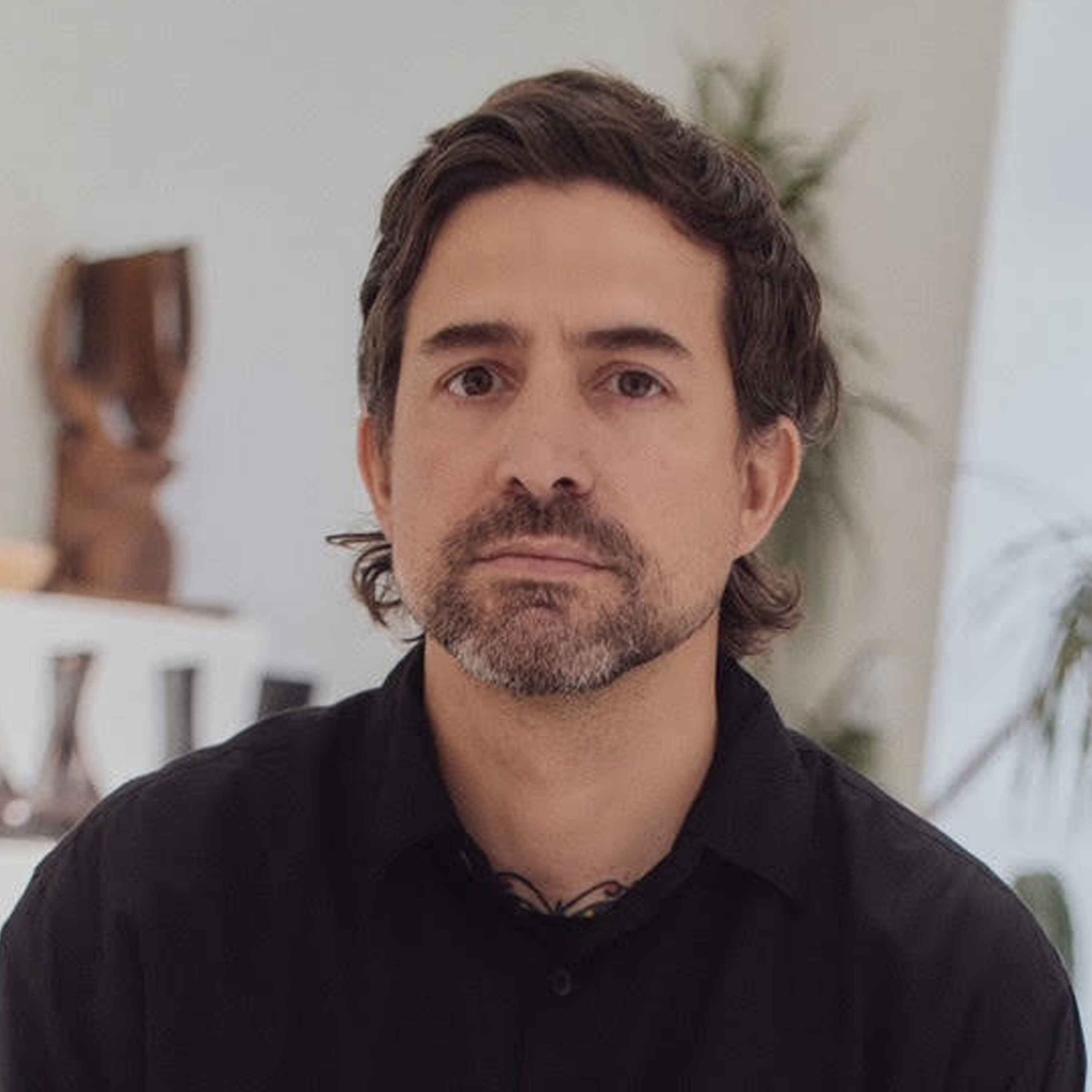
Chris Green explains why top independent fashion stores shouldn’t chase scale, arguing that “feeling” and curation—not transaction volume—build lasting customer relationships. He contrasts U.S. retail’s push for growth with Tokyo’s ability to run small, specialized shops long-term, and details how Venspace stays self-funded, physical-first, and largely non-digital.
Chris Green is founder/owner of Venspace, a small menswear store in Brooklyn’s Carroll Gardens. He started in retail at 16 in 1997 at Blues (later Need Supply), worked in backstock and buying/merchandising, and later ran buying for independent retailers Need Supply and Totokayo. Those closed in 2021; he calls it the career low point that shaped his own store.
Best stores don’t chase scale; the storekeeper’s point of view matters; relationships beat transactions; digital risks diluting the experience; financial discipline (EBITDA, cash flow) enables independence.
Venspace’s 350 sq ft expansion; Tokyo’s smaller specialized retail model; his private-label made with Japanese fabrics and made in Italy/US; brands like Orslow, Uncrüd, Row, Casey Casey, Komoli, and handwoven Japanese maker Oober.
Written by AI. May contain mistakes.
Chris Green shares his background and the creation of Venspace.
“Hi, this is Imran Ahmed, founder and CEO of The Business of Fashion.”
Discussion on the importance of feeling and experience in retail versus chasing scale.
“Here's Christopher Green on the BOF podcast.”
Chris emphasizes the significance of customer relationships over mere transactions.
“Yeah, I do think a little bit of that touches what I do every day.”
Chris discusses the challenges of running a small independent store in New York.
“And I have that same idea when the beauty of brick and mortar and the beauty of boutique is that there is a master curator for that space.”
Learn how to cultivate an inviting atmosphere in a fashion retail space.
“space because New York is small and spaces are small and very expensive and things like that.”
Explore the thought process and experiences of opening a fashion store.
Discussing the bold color choices in fashion and the vibrant community in Carroll Gardens.
“So I tend to just kind of do a loop all day.”
Exploring how local stores contribute to the vibrancy and identity of neighborhoods.
Delving into the challenges and strategies surrounding digital growth versus in-store clienteling.
“And then when the group made the decision to close it down in 2021, it was tough.”
Discussing potential expansion of physical stores and the importance of maintaining authenticity.
“And, and once you come once your customer for life, I'll ship you.”
Identifying the qualities that make a brand stand out in the retail space, focusing on artistry and uniqueness.
Learn about the significance of handmade fashion and the artistry involved.
Discover how personal engagement enhances the customer experience in retail.
Understand the importance of teamwork and passion in a retail environment.
Explore the vision for a retail space that withstands trends and fads.
Learn about the differences in retail environments globally, focusing on Tokyo.
Discuss the potential changes in the U.S. retail market towards quality over scale.
“The rush is just to be as good as you possibly can be, which I feel like the U.S.”

Get the gist, explore an idea or ask about something said.
 Claude
On The Business of Fashion Podcast, what are the key points of this episode?
Searching your listeningAutomatic transcript. May contain errors.
0:00Chris Green: Introducing Meta Glasses. You have questions, they've got answers. Hey Meta, what's the capital of Peru? Lima. How do you say, where's the restroom, in Spanish? ¿Dónde está el baño? Hey Meta, is a hot dog a sandwich? Technically no, spiritually yes. Hey Meta, what should I do with my life? That's one of life's biggest questions. What do you think? Ask anything with the new Meta Glasses.
0:34Hi, this is Imran Ahmed, founder and CEO of The Business of Fashion. Welcome to the BOF podcast. It's Friday, August 7th. Christopher Green has spent nearly 30 years learning retail from the inside, starting at 16, stocking shelves, and later running the buying for independent retailers, Neat Supply and Toto Kayo. When those businesses closed in 2021, He says it was the lowest point of his career. But it also shaped exactly the kind of store he wanted to build on his own. That store is Venspace, a small self-funded menswear shop in Brooklyn's Carroll Gardens. This week, named one of the best fashion stores in the world by BOF.
1:17Venspace has no outside investment and no e-commerce. Anomalies in a U.S. retail environment that has spent the last decade racing towards scale. In Tokyo, the cost is very different. And you can have a much smaller space and it can be extremely specialized and it can be extremely light on product. And they can do that forever, which is amazing. And I think that's the mentality of how I like the brands that I want to work with. I want to continue to work with brands like that, that have that same mentality. There's no rush to be gigantic. The rush is just to be as good as you possibly can be. This week, Chris joins me to talk about building an independent retail business entirely on his own terms, why the best stores don't chase scale, and how the feeling of a place, not the transaction, is what keeps people coming back.
2:10Here's Christopher Green on the BOF podcast. Chris Green. Yes, sir. Welcome to the BOF podcast. Thank you. This is the first time you and I have met. It is. and I'm really pleased to have you here. Congratulations on being included on our list of the best fashion stores in the world. Thank you. I am so curious to learn about how you do what you do and how you have created this store that's built such a strong reputation in such a short period of time. But first, I want to learn a bit about your background, as always, and it's my understanding that you actually started your career or your education in a military college is that right yeah i did go to military school yeah okay i went to like uh it's like it's a public military school and you grew up where in richmond virginia okay yeah and that's actually where i started in the industry with at the time it was called blues so i started in 1997 at blues and it and it evolved into need supply oh really yeah so i was like employee three how old were you in 1997 um i was 16 at the time seven yeah 16 at the time that was your first that was my one of my first yeah i actually worked at a few places in retail i did some back stock at abercrombie and fitch at the mall okay um so you weren't one of the like naked guys in the front with your shirt off no heck no no i was i was in the back but um yeah i i i got linked up with blues and it moved from it was it was like a college store it was recycled denim it was two founders who who were running it um chris basola and jason and they were doing something that nobody in that town was doing they're buying used denim selling it at a premium recycled levi's that kind of thing yeah that was pretty which is really cool back in the 90s yeah i mean in the 90s i used to go when i grew up in calgary to get like vintage denim i go to value village yeah but you could buy a pair of amazing 501 jeans for like five bucks yeah yeah and i think those guys started it because they didn't want to work for anyone else they wanted to work for themselves yeah and then it moved it moved into a like a popular shopping district in richmond called carry town and then it evolved it turned into contemporary brands so we were carrying miss 60 and diesel and nudie and things like this and then it branched out of just like the vintage and we still always had like a little section of vintage but it it started to branch out into more contemporary brands right um so they started traveling to new york and buying and i worked in the shop and that was like my first exposure to what this industry is so why go to military college i wasn't i was an athlete i went to run and that's that's why and i i went to normal college for two years first and realized that i needed a little bit more structure and a little bit more you know rules yeah at that time yeah i needed a little bit more rules and and and and i felt like that environment would help me out and it did um but i you know i studied finance and economics there it's a normal liberal arts college but it's just you happen to be wearing uniform all the time yeah and you have strict rules your first year they get a little bit more lenient as you go on uh until your senior year but yeah it's definitely not for everyone got it and it was it was an experience i i don't think i'd do it again but i'm glad i did it that's interesting so like if we were taking the intersection of your experience in the retail store with your experience setting finance and economics in a military college.
6:12Tell me how those two things shaped who you are today and how they impact the way you run your business. Yeah, I do think a little bit of that touches what I do every day. I think specifically being in the store is super important. I'm still in the store. I'm in the store almost six days a week. And that portion is like the customer side of it and understanding who the customer is, how they're interacting with product. I think that's huge. And when I was working at Need Supply at the time from 97 to 2008, it didn't have e-commerce. so it was traditional rolodex know your customer know their life know what they have in the closet it's a different tier in that that time than what i'm doing now in terms of price and it was men's and women's so i'm doing just men's or you know the focus is men's we we do have female clients but the focus is is menswear but that portion influences a lot because that thought process I have is physical first and the experience the customer has from the scent, the lighting, everything, the little details within the shop.
7:26I want it to feel like how the shop felt in the past. Yeah. And then the finance side of it is, is, you know, I'm fiercely independent. I don't have a backer. It's just self-funded. I want to keep it that way forever. I know kind of what scale like i have in my mind where i want to be i'm okay with flex on that scale and being very rigid and how i run the financial side of it i look at my ebda i look at all of that costing which is the you know unsexy side of buying and having a shop but it's the most important side of it is making sure that there will be a next month and the next month and the next month and next month and you're hitting those markers and if you don't hit those markers how much room do you have to breathe within those markers.
8:14If you're exceeding those markers, what are you going to be doing with that cash? The quote unquote excess cash because there's never really excess cash in this industry. This is a very challenging industry to actually make money. Yeah. Especially being independent and especially not having outside financing or again scale because my scale is to a certain point, which I know and I'm comfortable with that and that's what I really love about it is that I know my scale gets to a certain point and that's where it stops there's a limit yeah which i'm good with and i think what i've seen through my working career is that most people want to set no limits or boundaries on what they want to do and they want to continue to scale and i think that's where a lot of places run into trouble is that they're so obsessed with scale they lose a lot of what makes them special because they want to scale yeah um and that becomes the benchmark rather than the service being the benchmark or the experience being the benchmark yeah and that's kind of why i have this a little bit slower mentalities i want those to be the benchmarks i want the experience to be the benchmark yeah just now you use the word feeling i think it's such an important word when it comes to retail and i've been lucky to visit a lot of the stores on this list yeah not your store yet not yet but i'll be there and you do get a feeling when you walk into these stores you do get the sense that there's a storekeeper almost a merchant an owner a founder who's the beating heart the place who knows the clients who knows so tell me about why you left a very successful career in other retailers and why you decided to create your own thing knowing that this is such a hard business and independent stores you know they're so they're so vital to our ecosystem our fashion ecosystem but they're some amongst the most challenging they are parts to make work yeah i It's funny.
10:20I would say a lot of our industry is not built on the strength of boutique. In the ethos and the idea, people want to say it is, but most places are having to be built for scale. And I have that same idea when the beauty of brick and mortar and the beauty of boutique is that there is a master curator for that space. you can associate with them or don't associate with them you can feel something when you walk in or don't feel something when you walk in but that's the beauty of it is that you can tell there's a point of view within that realm and i feel like you know as web took off as these big online partners came on and ate up the market share they kind of dulled that story a little bit but that story's always been super important and when COVID hit and you saw all these businesses falling to the wayside, that's why the boutique was still there because at the core of it, they have values and at the core of it, they have a customer that's so highly engaged that if they can handle the flex of the economy or they can handle the flex of trend, they're going to be around.
11:42And I might walk into a store and not identify with the product that's in there, but I can appreciate the curation. I can appreciate the idea of like why they're doing that certain thing. So you always wanted to do this? Yeah, I think I've always in my head wanted to have my own space and my own idea because what I was doing with Needs Supply and Totokayo was wonderful and they're beautiful spaces. But when we took on a broader ownership group, again, it commercialized and it lost the true feeling and soul of what it could be. The brick and mortars were great, but the digital platform became how do we sell to as many people as possible rather than how do we focus on our top clients and give them the experience digitally that we can give them in store, which I feel like a lot of places can't do because it's really hard to do that.
12:34It's really hard to understand who your online client is versus your in-store client. Because the online client is not going to give you as much feedback. they might purchase but that purchase isn't the true feedback the true feedback is the interaction before and after the purchase it's not just the purchase yeah it is the it is the communication before and after it's a relationship yeah correct it's like any relationship it's any relationship it's not a transaction no no it's a relationship yeah and i think that's one of the things that i was so adamant about was like i really wanted to feel like a place that i want to come into and I want to spend time with them.
13:14And if I create that, then internally that's fulfilling for myself. And if people want to share that with me, even better. Great. If I want to have a customer come in and interact with that and they identify with it, amazing. Fantastic. That's the goal. Yeah. And it just depends sliding scale of like, what does that mean financially? so yeah right now the business is i could it's great it's very successful it's doing really well but if it was smaller it would also be great because it's that fulfilling nature of like this is what i want to create i mean we have pain points i mean as any place would you know operationally things aren't perfect they should they hopefully will be perfect constrained by space because New York is small and spaces are small and very expensive and things like that.
14:11So like in a perfect world, we would do some things differently, but we're doing what we can with what we have. And that's all I can ask for from like ourselves internally is continue that and continue to show up and be as great as possible to our customer. We'll be right back with more on the BOF podcast.
14:35Chris Green: Introducing Meta Glasses. Hey Meta, any last minute tables for two tonight? Sure, there's a great Italian restaurant 15 minutes away. Hey Meta, where's the nearest flower shop? Five minutes away, straight down Broadway, past the bodega. Their lilies are trending on Instagram. Just saying. Hey Meta, am I forgetting anything else? How about setting a calendar reminder for next year? Meta Glasses, available in more than 20 styles.
15:07so back to the feeling what's the feeling you want people to have when they come into your space i want them you know comfort is one of the biggest things i want it to be and and that and i find like with the fashion industry there's like always barriers there's always levels there's always more hierarchy yeah there there feels to be like this big hierarchy it's like oh you can go to this showroom or you can go to this runway show you can't go to this one or you're invited to this party you're not doing this thing and i don't want that feeling in my space and that comes with myself the staff the the coloring of the wall the hangers in the store the scent i want it all to be welcoming and i want it to be warm and that's why i like the reflection of like i took a lot of the materials from my own house that's in the neighborhood and i was like if i apply this to a retail setting i'll be comfortable in it and if i'm comfortable then i can purvey that to the customer so they can feel my comfort and they they can match that same energy and you know the the goal is for the space is to be comfortable it's to feel a bit homely it's not supposed to be perfect and pristine and like one article of clothing one article and so neat and perfect i i don't love that feeling i like to be surrounded by product i'm a product person very tactile i love product and so you want it to be full i want it to be full all the time i want it to be full and i want it to feel good and i want people to almost like if you think about like oh i went into a great vintage bookshop or i went into a great record store yeah which they don't have a lot of those anymore yeah but you could stay and hunt for hours yeah that's the same thing i saw the average 12 time in your store is two hours yeah it's about two two and a half hours yeah and and the thing is is like you can come in and choose to hunt by yourself or you can hunt with us and the the staff they're great and it's hard to get great staff today and you know we do a really good job of picking who that is so they are also product towns they love product yeah and they like to talk about it and they like to do research on it and like that's that's the beauty of it and we carry like a lot of these niche little brands that they start with fabrication which is so important okay i have so many things that you've just like blown up in my brain that i want to ask you about no it's the best thing it's my favorite thing about these conversations so first of all so you decide to open your own space yeah and in my neighborhood in your neighborhood correct tell me what happened when you found this so i funny enough um i found a space that was a few blocks up that i was in love with i mean could not mentally get enough of it i had these plans of what i wanted to look like it was an old bodega the owner was closing down she had run it for 30 some years she still owns the building um and i had this idea for it it was like a straight shot old new york bodega um and then my broker who was helping me with it was like i know this other space is out of your planned budget but like you should look at it it's a corner space there's a farmer's market on the weekend and i looked at it and I was like, what was I even thinking?
18:32This is the spot. And I felt it right when I walked in. It's got six windows. So it's got windows on two corners, which is really rare in New York. It's just three steps down from street level, but it still feels street level. And it's, I mean, it's, I couldn't ask for anything more. Okay, so you knew instantly. Right when I walked in, I almost gasped because I'd been in that location before. It had been multiple things in the neighborhood in the past. It was a yoga studio. It was a kid's store. and when I walked in I was like oh my god I saw exactly what I wanted to do with it and I had this picture in my head and I actually through a friend met someone who's a 3d renderer and I just sat with her for a couple hours and just like was spinning ideas out and she created this beautiful rendering and then when I saw it I was like this is exactly it got it how did you make the budget work yeah i mean again this industry is so hard it's it's cash dependent and which is really strange like as i'll gripe for a second yeah as a boutique i feel like even though i feel boutiques are what makes brands so strong and relevant in marketplaces we don't get the benefit of that because we're having to pay up front we're having to do like right now we're receiving fall product i'm paying deposits for spring 27 plus paying for paul the same fall at the same time so i'm paying like a season and a half worth of cash going out the door yeah and whereas like majors they're getting net 90s they're getting discounts they're not paying on time they're stretching brands yeah to the oomph because they're able to help that brand hit unit minimums whereas like the boutique is actually the one who's giving you relevancy with the true customer and the boutique is the one who's going to stand by you yeah is not going to who's going to stand by you when things don't go great and they're going to be like you know what i love the relationship that we have yeah and i believe in what you're doing let's go another season let's get it to work right where the other ones are like oh the margin's not there i need money back or i I need X, Y, and Z.
20:41And it makes it really challenging. But I had the space for eight months before we ever opened. So eight months dead space. Okay, well, that's a great segue to my next question. Because it's one thing to get the space, figure out the money. I sat in the space empty for three months before any work happened. I literally would go there every day and sit for an hour. And just sit in the space and close my eyes and be like, is this how i want it to look is this is this so important because that's what i wanted to ask you about which is like when you have a blank space and you get to make it your own yep and you know the feeling that you want people to have you know you and you go about creating it the next biggest question is like which branch you're going to put in there which like so talk about the yeah the curation the curate the creation side of it is evolving still to this day yeah and it will always evolve and when i i i have notes in my phone from 10 years ago of like what my ideal brand matrix would be um and i still look at them and do you remember what was on that brand matrix oh yeah i have yeah i've got it's so different than what it is well tell me what it what it was little bit and then how it's yeah i think i think it's the way it's changed is how i've aged and how i've developed my taste and i think that's every consumer yeah um but when i initially looked at it there was a little bit more commerciality to the brands and and a little bit more price sensitivity to some of the brands in the in the in the first iteration yeah in the first iteration come on get specific it was it was a different time you know what time it was it was like 2017 so pre-covid pre-covid who's on that list i mean pre-covid on that list like i had apc on that list yeah pre-covid yeah which you know i was like okay apc is like a very viable good business good denim product core core stuff that they could continue to do and and now if i look at that it's like apc still still great it's still a wonderful brand there's still room for it but not in the direction that i'm going and not what i'm trying to do but it's still great so what denim would you have now i mean or slow is a great example of of a of a denim brand that like for the last five or six years that would have always been on the list yeah but there's a way where it's interesting because or slow if you look at the price point versus the row that i carry um or say a pair of jeans from a small brand called uncruid i love that there's there's oh we're obsessed it's such a wonderful brand there's such wonderful people to work with they're amazing i have one of their shirts yeah they're amazing craftsmen yeah and um they do such a good job um but the price disparity between those two brands is so great but it makes sense in my world yeah that you can wear those two brands together i mean i think the biggest the funniest thing is like i carry bass weegins and bass weegins is 137 shoe out the door so it's not necessarily about price alone it's not but bass weegins sits right next to the row yeah and there's a world that it works and that's in my world okay and in my head i'm like okay yeah you can wear a row suit you we're a pair of vast regions what are your other favorite brands right now that are really resonating with your customers my personal like komoli is one of my personal favorite brands um i don't know that brand tell me about it komoli komoli c-o-m-o-l-i italian uh no it's actually japanese so kijudo komori-san he's been doing the brand around 12 years now okay um it's tokyo he's based in tokyo okay it's amazing it's um man it's it's hard to describe exactly why it's so special of course you know most every japanese brand there's such a care in the initial fabrication so which japanese world is it is in the yoji world is it in the taiga takahashi world is it the sakai world no i think it's more it's honestly like its own world its own feeling it almost feels a little like rick owens okay but it has a little bit more baseline military baseline americana but i mean as he's progressed through his years of designing he's really been hitting his stride the last six years okay but almost everything is black or white so that gives me a sense that the brand mix tell me about the guys and girls yep coming into your store like what you clearly have ended up with a higher price point that maybe that you would then i think then i think i didn't expect at first yeah you know and and it's not something that i really i'm not too focused on um oh i want to be luxury or i want to be contemporary you know i want to find that balance i there's things that i look at showroom or when i'm doing the buy i'm like that feels very expensive for what it is there's places that i will i'm willing to take that risk and there's places where i'm like oh that feels like really good value um so but that's not my initial thought my initial thought when i go in is it's very tactile it's what's it made of what does it feel like how does it drape how does it last my thing is lasting yeah it's it's gotta last it can't like be a one season thing i don't i hate one season clothing and that's how i do my assortment and my assortment there's that thin red line that goes in between everything it's like you can wear treese with taiga with camoli with uncruid with the row and you're not gonna look like you're shopping at a swap meet yeah they all go together yeah because you're creating a wardrobe I am.
26:42I am. And, and, and our customer I think is really starting to understand that. Like I won't have all the poppy colors. Like we, we buy Orly. We do a great job with Orly. They're wonderful. They're amazing. But we don't buy all the like super bright stuff from Orly because that's not me. And it starts with me. If I don't identify with it, it's not going to be in the shop. So is it a very monochromatic palette in your store? sometimes yeah sometimes lots of browns okay lots of blacks i'm i'm scared of navy a little bit so we don't have too much navy yeah navy personally i'm not a big navy guy okay um so i lean more black charcoals browns yeah um but we're starting to work some navy in there where i feel like it makes a lot of sense um like even like in my private label we have a private label line um and uh that we've started to like put some navy in there i'm like oh okay this is kind of working i kind of like i mean i know like from the commercial aspect and from my past i know navy is like top for everybody whatever that also looks best on camera yeah but for me it's like it sometimes it just misses the edge that i want from it yeah i feel like it gets lost any bright colors yeah we do some bright colors and i will take some risk where i'm like oh people like wait what well we had i mean we had this amazing bright orange casey casey shirt in there we have an amazing bright orange casey casey cashmere hoodie coming in and it's gonna shock our customer because they're gonna be like oh i didn't expect that from you yeah and i'm like no no all black with the bright orange hoodie yeah it's gonna look great yeah yeah um but yeah we do we take color risk from time to time but it's not across everything you know like if if last season i was really feeling mustard yellow like that that yellow so i got it in places but it wasn't i got it from everybody but i got it in the places that i felt like it was the most impactful you got the best one i feel like for me yeah for me and so the guy who's like tell me about like you're in carroll gardens yeah brooklyn we're in carroll gardens pretty like upscale neighborhood nowadays right it is yeah we've lived in the neighborhood 16 years and love the neighborhood so shops just a few blocks from the house, which is nice, a few blocks from the school for the kids, which is great.
29:01So I tend to just kind of do a loop all day. But the neighborhood, there's a lot going on in that neighborhood. There's a lot of great people who live in that neighborhood, a lot of diverse backgrounds, cultures, a lot of people who work in a lot of interesting industries live in Carroll Gardens. If you think about it, it's only four stops, five stops from Soho. It's really quick to get to Soho. We've got the F train and G train, So it's like really good pulse into Manhattan or Brooklyn, like Williamsburg, things like that. Our customer mix has been fantastic. We have some of the coolest people, unimaginably cool people that shop there that are like you get the barrier down and to have like a good solid conversation.
29:46They're such good people. It's really amazing to see. We'll be right back with more on the BOF podcast.
29:56what's so amazing to me about these kinds of stores the ones we featured on this list you know i think about my neighborhood here in london where i've lived for almost continuously for 26 years we used to have matches yeah on ledbury road and i went to that matches when yeah that was that matches was like part of the fabric of the neighborhood uh like i knew the sales people there they knew me it was part of the experience of living in that neighborhood so even if i was going out to get a coffee it didn't feel like a big track or a big deal to just like pop in and say oh i wonder what they've got that's new yep or they would know that if i was coming in or that they got something new that would i might be into you know and by this point there's multiple matches stores yeah but they hadn't gone the full digital push yeah um and then of course matches got valued at like a billion pounds and it became this big thing and then you know it doesn't exist anymore and that space on library road in my neighborhood is still boarded up and nothing's happening in there and it's like this big gaping hole yeah in my experience of that neighborhood so all of that to say that these stores are can be like the beating heart of a neighborhood really great neighborhood and without it yeah the neighborhood is like we've had lots of other things open and we've had great restaurants open but we have not had a great multi-brand retailer open you lose a little bit of something yeah and we have people like that who come by all the time just to chat yeah which is that's the best part of it yeah it is like the honesty and and and the conversation that really matters which i think is great yeah yeah so tell me about your strategy around digital because I think there's been a very explicit decision perhaps based on previous experience I think so I think one of the like going through the closing of Needs Applying Totokaya working through that was I mean probably the hardest lowest point of my career because you started there when you were 16 I started working there I you know I came and went a few times I came back I oversaw all the buying and merchandising for both Needs Supply and Totokayo.
32:33And then when the group made the decision to close it down in 2021, it was tough. I had a great team, built a great merchandising team, had to let them go and buy layers. And then dealing with vendor payments, I had to do all of that. And that's such an awful feeling when you have to go to vendors and be like, hey, we have this amount outstanding. We can only pay a portion. And having to do that really still sits with me. The feeling of like, okay, I want to be able to make these people whole. They're my partners. And since it's just me, it's taking that feeling to a different level. And I don't want to experience that again.
33:21I want to know what my scale is and keep it in a way so I don't have to experience that again. And you think digital leads to the temptation to start catering to everybody? It does. It does. And I do think there is a way that we could go digital. There's a way we could do it. There's a way that I could see it working or having to do it, but not yet. Not now. I think we're still so young. We're still figuring out what our foothold is. There's still so much more that we can do with our in-person clienteling. There's still so much being done there. I think if we were to do digital, I think it would be for our private label, which is our best brand in the store.
34:09It's the brand that we sell the most of. It's wonderful. And we get to have a lot of fun with it. Designing that stuff is great. Like we, we make, you know, we use Japanese fabrics. We make in Italy, we make in the U S we're starting to make in Japan. So like we're, we're doing fun stuff and testing the waters. If we do digital like that, that would be the next step would be just for the private label. So people can experience that part of it. But I still think the store and the curation store is just so special that you have to come, you know? And, and once you come once your customer for life, I'll ship you.
34:46that's fine we'll definitely i guess you can do like virtual selling we do messaging we've done we do a ton of that yeah and we you know some of our best clients are bi-coastal so shipping them to la always in communication with people sending them photos of new arrivals we we take really really bad photos of everything that comes in but you know we're able to get anybody the information they need for for the stuff that we carry full-on website it just doesn't really interest me i just feel like i love a little bit of mystery i love having to actually go and interact again physical with product touching the product the minute you go digital you lose that it becomes less special so one way to grow is to sell more to people coming into your store yeah the other way to grow is to launch digital yeah another way to grow is to open other locations would you ever think about that a number of the stores on our list that have been around for a bit longer than you yeah um the kirna zabets yeah or the arts and science in tokyo like the science is so great They start with one location and they scale by keeping a small store, but they open in another neighborhood or in another city.
36:10Is that something you would do? It's something we would do. I'd be way more interested in opening physical retail elsewhere. Again, I don't want to go into a saturated market. I want to be respectful of stores and their tenure and what they've done in that market. I wouldn't want to go in and be like, okay, we need a store in LA. I think LA has amazing stores. Favorite stores in LA? Oh, I mean, I've got so many. Departamento's a favorite store. Noodle Store is a favorite store. Mohawk General's a favorite store. I mean, they do such a good job. Yeah. They do such a good job. So like, there's no need to do that.
36:48Yeah. You know, if we were to open another outpost, Upper East Side, Upper West Side would be great. Upper East Side would be amazing. We just did a store on the Renaissance of Madison Avenue. yeah i was walking there last week actually and there's you can feel that's another neighborhood it is because you know that's this idea we haven't we we don't we haven't tapped into yeah to anything honestly like if you look at what we've done it's been amazing but nobody knows us yeah nobody knows us and starting to change though yeah i think a reputation but the thing is is like at the core of it there's so many potential great clients that they don't know us and are just discovering us i mean i'm so shocked every week we have someone new who's never been in who's like oh my god this this is what i was looking for which is an amazing feeling to have and we actually just did a a nice little renovation i close the shop every summer and give the staff holiday and that's when i work on the store so we were closed in july for 10 days and i was able to take our back stock out make the store about 350 square feet bigger so we now have a little bit more room for people to move around we have a whole another 25 foot rail that was put in there so it feels so much more open which again that's i'm trying to give that feeling like a nice home feeling to it yeah what do you know what do you think are the criteria for what makes a great i mean we came up with our own criteria for this yeah i'm just curious like honestly like if you can feel the thoughtfulness in it it's going to be a great store whether or not you identify with the curation if you can feel that there is a strong passionate point of view of what the person's doing that's what's most important because i i mean i'm extremely passionate about what we do i mean i i love it and i wouldn't want to do anything else so if you can convey that in your space and your experience then it to me it's like it'd be hard to fail if you can really do those things and capture those things the minute you start chasing other ideas that aren't yours or chasing a feeling that is being emitted from someone else and trying to copy that that's when you lose hold of what you are and what makes you special and that's when people can start to sense that and feel that oh this is not authentic this feels more like x y and z yeah rather than like this space place feels singular to this environment and that's so important and it's such a differentiating factor right now because i did a bit of uh touring through some big u.s department stores last week in new york and you know i walk in there i can i i get the proposition yeah which is like everything in one place and you don't have to like but it feels pretty anonymous and i don't know like i think if you're gonna get and have an anonymous retail experience you can just do that online you can do that online yeah but something is telling me that people like going into stores and people want a nice experience and they want those feelings they want that curation i personally want to hear discover a brand i've never heard about like that's how i came across uncreed because i found it at mukimu oh yeah you know yeah or maybe it was neighbor so neighbor and mukimu carries we carry as well yeah yeah yeah they have very few stockists in the world i know because i couldn't find my size and i was trying to message them on instagram but yeah no i think that sense of discovery is really important so if you're an emerging brand founder designer i think stores like yours are like a really really interesting safe high quality route to the market i want you to give advice to those brands who are looking to get stocked in a store like yours i know it's based on your point of view your aesthetic it's my aesthetic but there's brands in there that most people if they looked at me they'd be like you why do you like that brand yeah but what do you look like what do you look for in a brand separate from your aesthetic like what gives you the confidence with an emerging brand i think honestly it's the care the care and effort that's going into the collection if someone has something to actually say that's super important to me so i think of like we carry obero um julian louis small brand if you looked at that aesthetic and looked at me you wouldn't identify the two um if you looked at my brand list and saw that on there it would be kind of like an outlier of like oh that's interesting wonder why that's in there and i identify with what he's doing and i feel the care the passion artistry that he's making i'm like okay i i can identify with that i i really appreciate that i like it a lot and that's for me it's like that's why i want to have it within what we do but is it also oh and i have a customer that i think would be interested in it not always no no not always so we're we're working with like a couple like really small individual makers we're working with this young japanese artist who hand weaves the fabric first and then hand makes the shirt i'm not buying that for a specific customer i'm buying that for the craft it's literally a piece of art he is individually making a piece of art by hand weaving the fabric he's not buying bulk fabric he's not getting woven for himself it's all short run he's making two shirts at a time that to me the artistry of doing that is so special yeah um if you saw it on the rail just sitting there you might not know that it was all handmade from start to finish once you touch it and put it on then you understand that portion of it so for me that stuff is special that artistry portion of it is really special and my goal is to find those items that i think adds to what we do because that's never a volume game right you know that's not a commercial aspect of oh i can sell five of those to x y and z or i have this this perfect item for this one customer now if we bring it into the shop and we're excited about it people identify with it yeah and and because you're you're you'll talk about it we'll talk about your team will talk about it correct and we'll be excited about it and and i will have to say that our customer is extremely savvy so smart and really really loves product we have very few people who are just like i'll take whatever because you know there are people who actually really care about the craft which i think is so nice yeah you can't get that digitally i mean yeah there's message boards and forms and all that for that but like when they come in and in person and do it it's no such a nice thing that there's nothing that compares to that yeah that feeling yeah i love that i love that feeling and i love seeing people like you know come in with their guard up and have all these different thoughts about the space and then when they come in it's like so different yeah and you can actually see it in their face and their mannerisms and their and how they carry themselves and then you can see their guard coming down to where they want to communicate it's such a nice feeling what do you look for in a employee someone on the shop floor i just want i i know which is really challenging no no one's going to share the same level of passion care and dedication that i'll have but if i i can just sprinkle that on some of them then great and if they show like that care even better that's what i'm looking for is is someone who is hungry wants to learn wants to be involved because you know a lot of places as you scale you get sectored off into speciality we have a buyer we don't you can't talk to the buyer give suggestions to the buyer because that's the buyer's job we have someone who's doing planning who's just just the financial side of you have someone who's just doing it's all siloed so they're not talking to each other i'm really open i want to hear from my team what do you think about what we're talking about what do you think about um how the store is laid out what do you think about what can we do better like what are you seeing from the customer what are the pain points um what do you think about the assortment where do we fall flat what do we miss based off of everything you've seen from this brand so like if we have orally come in what did we miss that you guys saw that you like that we didn't buy let me hear it um when we go out to market we internally share all the photos with everybody on the staff so they can see it so everybody puts comments likes hearts and things like that yeah and and i wouldn't say that dictates what i do but i look at it it forms it yeah and i take it in yeah and there's there's some things in there i'm like oh interesting yeah like they're really liking this thing that like i might have initially put in the line i might not put on the order but i'm like okay i i can see where they're going with that i understand that so you're looking for people who have an opinion yeah yeah and and again i want to i want people who want to do more within this industry i know and the hard part is since i don't have such a large platform i can't be like okay your path to vp is this now i can't do that maybe i can in 10 years yeah maybe we do grow in 10 years to be able to do that yeah and hopefully i have employees that have been there that long and put in a tenure because i think about like the time i put into need supply i started the shop i worked in the warehouse i worked in the photo studio i did buying and merchandising so like i've done all the little steps to now get to where i am now so that's 30 years of doing that to be able to then own my own space yeah um i have employees that want to open their own store great learn as much as you can yeah just don't open in new york yeah and 10 years from now yeah what do you what do you imagine this could become pen space i just want it to be synonymous synonymous with like an amazing store experience still i don't want it to lose you know and i know it goes ebbs and flows or whatever um based off of trend i think i want to try and make a place trend proof just really great product every season after season after season it's interesting we have some stores like that on this list that have been around for like yeah a long time andres mercutis exactly trend proof right yeah best store in the world yeah yeah one of the best stores in the world yeah like phenomenal and he's been doing it forever and now you're in his company i mean i actually funny enough i went on a trip with him yeah we got sponsored to go on a trip to japan in 2014 together and we had to do a panel and a talk and all this stuff and i think we were we crossed over for maybe like 20 minutes and that was it that was it for the whole trip but yeah he's he was super kind yeah well congratulations thank you and thank you i mean i'm so grateful to you and all of the owners and founders and operators of these stores are all around the world because they make our industry so much more interesting yeah and i'm very much looking forward to my annual trip to tokyo because some of my favorite stores in the world are yeah there's some great shops there oh i mean maybe the best shopping i think so too and i think the beauty of it is is see it's it's different whereas new york it's so exorbitantly expensive to have like leases where you have to have some sort of volume to keep you going at least on my side yeah being you know self-financed and all that kind of stuff i i kind of have to not fail yeah in tokyo the the cost is very different yeah and you can have a much smaller space and it can be extremely specialized and it can be extremely light on product and they can do that forever which is amazing and i think that's the mentality of how i like the brands that i want to work with i want to continue to work with brands like that that have that same mentality.
49:14There's no rush to be gigantic. The rush is just to be as good as you possibly can be, which I feel like the U.S. market isn't built on that, but it could be. Well, I think it's changing. Customers certainly respond to that. I think so. I hope so. Yeah. Yeah, I hope so. Great to meet you guys. Nice to meet you. Thanks for proper. Thank you. Bye. Yeah, for sure. All right. That was Chris Green, founder of Venspace in Brooklyn, New York. Venn Space is one of dozens of independent retailers we selected from New York to Tokyo to Lagos to Mumbai that are proving that physical retail still matters. You can explore the full list of the best fashion stores in the world at businessoffashion.com.
49:57Thanks as always for listening and I'll see you next time on the BOF podcast.
50:10Thank you.
Independent multi-brand retailers have long been among fashion's most influential tastemakers, introducing emerging designers, shaping customer discovery and building communities around a distinct point of view. Yet many have struggled in recent years as e-commerce, rising costs and industry consolidation have reshaped the retail landscape.
Despite those challenges, a new generation of boutiques is proving that physical retail can still thrive by offering something digital platforms cannot: thoughtful curation, personal relationships and memorable experiences.
Among them is Brooklyn menswear store Ven. Space, founded by Totokaelo-alum Chris Green, which was recently named one of BoF's Best Fashion Stores in the World.
When Green opened his New York clothing store, he never wanted it to be everything to everybody. The self-funded menswear boutique in Brooklyn's Carroll Gardens neighbourhood carries no outside investment, offers no online checkout and has an average customer dwell time two and a half hours — an anomaly in an industry that has spent the last decade racing towards scale.
This week on The BoF Podcast, Green joins BoF founder and CEO Imran Amed to discuss building a business without outside investment, why independent retail shouldn't chase endless scale, and how creating the right feeling can become a store's greatest competitive advantage.
Key Insights:
Additional Resources:
Hosted on Acast. See acast.com/privacy for more information.


