
 Ask ChatGPT


 The Business of Fashion Podcast
5 Jun 2026 · 54m · 21 chapters
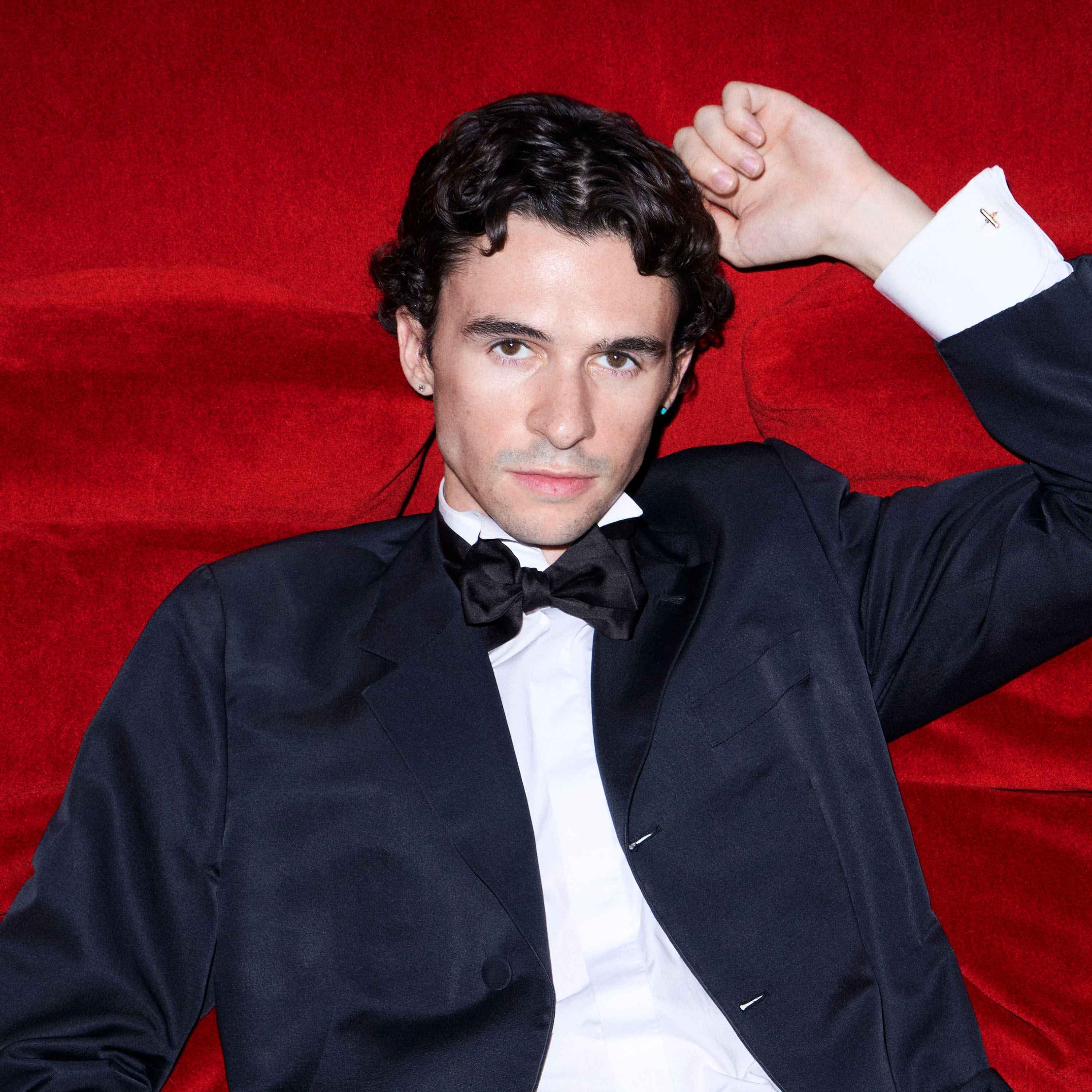
Connor Ives discusses turning creative instinct into a sustainable fashion business—balancing high/low aesthetics, recycled deadstock materials, and the realities of wholesale, merchandising, and scaling. He also explains how his brand’s activism moment “Protect the Dolls” became a cultural touchpoint.
Connor Ives, founder/designer of his eponymous label. Interviewer is Imran Ahmed, founder and CEO of The Business of Fashion (host of the BOF podcast). No other guests are interviewed in the provided transcript.
Bedford, New York upbringing; interned at Wes Gordon at 16; moved to London and studied at Central Saint Martins. A 2017 Met Gala connection came via model Adwo Aboa wearing his work adapted for the event. He later worked in industry with Rihanna Affenti during his CSM industry year.
Wholesale doesn’t have to kill creativity if the team includes experienced business leadership; mistakes are essential learning; scaling craft is possible but requires time, systems, and the right co-pilot.
1,500 unique t-shirt dresses; a Met Gala debutante-ball “white project” that became a Met Gala look; a 350% wholesale sales increase after hiring a managing director; “Protect the Dolls” t-shirt—blank at 11pm, printed overnight, then sold via pre-order with Trans Lifeline as the charity; rapid demand after show press and celebrity wear.
Written by AI. May contain mistakes.
Explore Connor Ives' background, upbringing, and early influences in fashion.
“Dreamy, ocean inspired and totally wearable.”
Explore Connor Ives' background, upbringing, and early influences in fashion.
“grew up in a household that taught him two things early on, that quality is worth protecting and ambition is worth following.”
Connor shares his journey into fashion and the significance of his first internship.
“an independent fashion business without losing the instinct that made the work resonate in the first place.”
Ives discusses his upbringing in Bedford, blending country life with city access.
“Explain to me and our listeners all around the world where Bedford is and what it was like to grow up there.”
Ives reflects on his privileged background and its effect on his creativity.
“offers a bit of both because you can be in Bedford and near a farm or the country at some stage.”
Connor describes his challenges and experiences studying at St. Martins.
“Martin's always made fun of me because he was like, you know, for someone that loves their job so much, you really lack, you know, adversity or you lack this kind of struggle, as you said.”
Ives discusses his notable 'White Project' and its recognition at the Met Gala.
“the reason i ask is because you know i i taught atst martin's for 10 years in the ba program And I've seen the inside of that school.”
Learn about Conner Ives' early experiences as a fashion designer, including his dress for the Met Gala.
“So tell what you mean it went to the Met Gala.”
Explore the mixed reactions Conner faced from his peers and faculty after his Met Gala success.
“Which came out, I think, the day that she came over to my student flat for the fitting, which, I mean, you can imagine the kind of like parallel worlds I was living in at that time.”
Conner shares his struggles with mental health and the pressures of fashion school.
“There are people in my class that you still read off of the register every day that I've never once seen in this classroom.”
Hear about the influence of mentors like Zach Posen and the importance of leadership in fashion.
“And you were like, what is going on in their head?”
Conner discusses the impact of COVID-19 on his graduation and the realization of his graduate collection.
“I think there's very few industries in which like you get to be as dreamy and galaxy brained as you get to be in fashion and do it twice a year at times four to 12 times a year and be rewarded and celebrated for it.”
Discover how intricate craftsmanship shaped the designer's journey.
“There was a hand felted look in that collection that took like a single artisan like six months to punch in like a folk art sunset into a dead stock military blanket.”
Learn about balancing creativity with business in fashion design.
“I also met people in that year that I still work with today.”
Explore the impact of the wholesale system on small fashion businesses.
“And I think on the reflection that I have now, I would almost argue to say maybe it doesn't.”
Understand how independent retailers support emerging designers.
“Like what, do you have independent stores that you?”
Discussion on the unsung heroes of the fashion industry.
“So much work goes into this thing that you're not entirely sure will work out, and it can be hard to make that leap of faith.”
Discussion on the effects of a father's absence on children.
“Hey, it's Paige from Giggly Squad, and I want to let you know that if you want the newest and hottest beauty products, you have to go to Sephora.”
Exploration of the Protect the Dolls initiative and its cultural significance.
“It really was something that I've always explained as being born out of love and admiration for them.”
Advice on embracing creativity and trusting instincts.
“and a lot of times aren't recognized for their contributions to culture and society.”
Learn how listening to your inner voice can guide creative decisions.

Get the gist, explore an idea or ask about something said.
 Claude
On The Business of Fashion Podcast, what are the key points of this episode?
Searching your listeningAutomatic transcript. May contain errors.
0:00This episode of the BOF podcast is brought to you by Macy's. Macy's has officially named tropical fantasy the trend of the summer and it's exactly what it sounds like. Dreamy, ocean inspired and totally wearable. We're talking iridescent fabrics, sheer overlays, sorbet bright colours and jelly sandals back in the most modern way. Shell details and soft flowy silhouettes complete the picture. Finish the look with Carolina Herrera's La Bomba. Vibrant and exotic, and the 800ml size is perfect for your carry-on. Shop the Tropical Fantasies Edit at Macy's, in-store, or at macys.com.
0:42Hi, this is Imran Ahmed, founder and CEO of The Business of Fashion. Welcome to the BOF podcast. It's Friday, June 5th. Born in the leafy enclave of Bedford, New York, Connor Ives, a self-possessed country mouse, grew up in a household that taught him two things early on, that quality is worth protecting and ambition is worth following. At 16, a connection through his mother's dental practice landed him an internship with Wes Gordon. Soon after, he moved to London and set about becoming a fashion designer. In his first year at Central St. Martin's, a garment from his foundational white project was requested and worn by model Adawa Aboa to the 2017 Met Gala.
1:29I remember then my next tutorial after that, being sat down and told, it's nice that you can make dresses for people, quote unquote, reducing like doing the Met Gala as a 20-year-old first-year BA student to that, but school has to come first. Now, almost six years into building his label, Connor is navigating what it takes to turn creative instinct into a functioning business. His label began with one-of-a-kind reworked vintage pieces and deadstock materials, a proposition that gave the clothes their character, but was not always easy to translate into the wholesale system. We do maybe like 1 ,500 t-shirt dresses and no two were the same.
2:13And that was always the selling point of it, But that is a very difficult business pitch to get to a Net-A-Porter, let alone a Net-A-Porter buyer, but a Net-A-Porter customer. This week on the BOF podcast, Connor Ives joins me to discuss what it means to build an independent fashion business without losing the instinct that made the work resonate in the first place. Here's Connor Ives on the BOF podcast. connor ives welcome to the bof podcast thank you so much for having me it's a heat wave in london are you keeping cool well i mean it was supposed to have ended yesterday but i getting dressed today even i was like okay we're not out of it yet um i am actually i didn't go into work today because i went yesterday when it was what so you don't have to go into work every day I know the the beauties of you know a founder slash director oh my god I have to work every day um no seriously thank you for coming to see us I know it's really hot out there thank you for having me this is one of my I mean you know a long time listener first down caller I feel really really yes of course yeah okay good well you know the drill then I'm gonna go deep into your personal history examine your journey into fashion excavate all the things that you're doing and ask you to share some thoughts and feedback forever and advice it's a pretty standard arc at this stage but what's amazing for me about having these conversations is everyone's journey into fashion is different so let's start with yours Bedford.
4:01Where the heck is Bedford, New York? Explain to me and our listeners all around the world where Bedford is and what it was like to grow up there. So Bedford, New York is a suburb of New York City. It's about an hour on the dot outside of the city. I always kind of described it as it's the first town when you're going, maybe not the first town, but maybe the first town in my eyes that gets really rural the metro north which is kind of the equivalent to like the emr or something here is a train line and you can do it door to door in an hour so that was maybe what was so that was maybe the saving grace of bedford for me because because it offered some kind of lifeline of escape and this is coming from a person that is like a self-professed country mouse.
4:57I think I prefer the country to a city. But as a 16 year old, you know, kid in the suburbs of New York City, that probably developed some affect that I was not going to be staying here for the rest of my life. It served as a wonderful lifeline to an industry that I, at the time, kind of felt almost like Oz. So part of you is country mouse, part of you is city kid. And Bedford kind of offers a bit of both because you can be in Bedford and near a farm or the country at some stage. And in an hour, you can be, what is it? Grand Central Station. And you can be right in the heart of like one of the most dynamic cities in the world.
5:43Exactly. So growing up, like how often were you doing that train ride? I mean, I remember being on the train. I mean, my parents shouldn't be listening to this, but like in 10th grade, the whole thing that you do is you'd, you'd take the train into the city to go to concerts or something. So my first real taste of New York was independently without my parents was that it was like getting drunk on the train and then going to a concert. I know, I know, I know, I know. Cover your ears, children. But I, then when I turned maybe 16. My mom is a pediatric dentist and orthodontist. So she had a lot of patients that ask about your family, ask what you're doing.
6:26And I think she must have had a patient that went, didn't go to school, but shared a flat with Wes Gordon. Wes Gordon, currently the creative director of Carolina Herrera, actually gave me my first job in the industry. Yeah. When I was 16 years old. What were you doing for Wes? I was an intern. And where was he at the time? He was still doing his own upon this label. And he was, I think I must have been maybe 16, 17 at the time. I interned maybe starting in the summer before my senior year. But then as a senior at my high school, I just went to like a very run of the mill public high school in upstate in New York.
7:09They had this program, I think it must have been called Aspire or something, where you could, part of your senior year could be spent in industry. So it's maybe the equivalent of like a year in industry in design school, something like that. And that was kind of my light at the end of the tunnel. And did you always know you were more like a creative kid? You just told me you weren't good at math. Like, was that something that was obvious? It was written in the stars, I think, in the most cliche way possible. I mean, the story kind of ticks every cliche box of, you know, I was three years old, making dresses out of blankets, you know, and kind of running around the house in either nothing, you know, with like kind of a blanket over one shoulder, understanding the bias, you know, working on the bias here.
7:55um I created my own world for myself I had really supportive parents that were my joke is what I'd always say to my friends is like I could tell my parents I you know would want to jump off like a cliff and they'd be there like with the parachute you know strapping me into it which I was so grateful for and even to this day kind of like number one fan club it's mom and done. That's a treasure. It is. And I think I always tried to cherish that even in my kind of teenage rebellion years. I think I could understand that, you know, as long as I come home at the end of every night, you know, I could make it to the next step of whatever life has in store for me.
8:43So many of the stories I hear of people who come into our industry are people who struggled when they were younger people who felt like outsiders people who didn't feel comfortable in their own skin people who were in environments where there were racism or prejudice or misogyny and people who didn't have access to new york city yeah do you think the absence of struggle in your early years has given you a different kind of creative confidence? Yeah, I do think so. My friend from St. Martin's always made fun of me because he was like, you know, for someone that loves their job so much, you really lack, you know, adversity or you lack this kind of struggle, as you said.
9:36Yeah. And I think everyone struggles in their own ways. I mean, I come from a very privileged town, but simultaneously, I kind of was raised by two parents that everything that they had, they worked very hard for. So I always try to counter that with a bit of like, as kind of, you know, daisies and roses as my childhood may seem. I mean, everyone goes through their own kind of self-discovery. I think even maybe my struggle came later. I think I got into St. Martin's. I came here. Did you always know you wanted to go to St. Martin's? Since like 12 or 13. Because? Because I was like a, you know, chronically online fashion kid that would just read style.com as if it was kind of like my New York Times or something.
10:31I would look at every collection, every single collection, even if I didn't know the designer, if I didn't like the clothes, if I knew that I didn't like what they did the previous season, I would always go back. It was my kind of fantasy draft. Restinpeacestyle.com. I know. We lost a good one there. I miss it. Okay, so you came to St. Martin's, American in London. Yeah. And you said your struggle didn't happen until later. What was it like when you got here? it was a very eye-opening experience and i feel like i've spent so much time maybe talking about how humbling that whole early arc atst martin's was that i'll spare you a lot of this but no don't spare me because i don't know about it so you might have talked about it elsewhere but you know the reason i ask is because you know i i taught atst martin's for 10 years in the ba program And I've seen the inside of that school.
11:29Yeah. Both in Charing Cross Road and then later in King's Cross. That's not an easy place. No. And I think especially if you are coming into it, I mean, this is going to sound terrible, but as an international student, I think CSM has this like wet dream of a British student kind of coming from, you know, East London background, like a pencil to their name. The Alexander McQueen story. Exactly. And I think the professors were really, you know, there to encourage that kind of story. So I think when you're grouped into an international section, even if you're paying for school yourself, taking out copious student loans to put yourself through this program, you're explaining of your backstory and how, you know, hey, guys, I have a hard two doesn't really land there.
12:24And arguably, I don't think it should. I think that that struggle made me a better designer. It made me also have to kind of defend what I did so much more. So do you think some of the faculty at CSM took you less seriously because you were kind of in quotation marks, rich American international student that you know because there is that kind of attitude about that yeah absolutely i don't think it was even based on my like socio-economic background it was more so based on the clothes and the work i was putting in front of them i always was you they do that white project at the beginning yes what was your white project so my white project was a duster coat that i I somewhat deconstructed, put straps on, wrapped around my model's body and then put like a 12 foot train on.
13:19And it was based on like American debutante balls, because what I felt was that the white show was kind of my debutante ball. This was my introduction into society. And I think I got the closing slot. I like had made friends with the FCP kids. I really kind of like, you know, got everyone on my side. And I think there was some jealous bitch that put like almost held their model back and then had her walk right behind my model and stepped on the long 12 foot train. Yeah, exactly. So it carries every kind of, as I said before, the story carries every cliche in the book. But I mean, my white show went to the Met Gala.
14:02So tell what you mean it went to the Met Gala. So in my first year at St. Martin's, I had a friend, Madeline Ostley, who kind of saw my work very early. I think I went to a go see at her house. I was, you know, double timing as a part time model, you know, in the early days when there wasn't much money on the books here. And I remember going to this go see and her kind of being like, yeah, I don't know if this is really it. And then I think she asked for my Instagram and I must have asked something awful like, oh, do you want my professional one? or do you want my personal one? And she was like, what are you talking about?
14:38And then she started looking at my work and she was like, oh honey, you are not a model. She was like, you should really stick to this. And she was really good friends with, she is really good friends with Adwa. Adwa, Boa the model, the model of the year 2017, which is when we met. Adwa was kind of on her stratospheric rise. About to be put on like Edward Enniffle's first Vogue issue. too. Which came out, I think, the day that she came over to my student flat for the fitting, which, I mean, you can imagine the kind of like parallel worlds I was living in at that time. And I remember her writing to me and saying, well, I want to wear this to the Met Gala.
15:14Like, can I borrow it? And I said, well, honey, this is cotton. You know, we've got to do a nicer version of this. But the same premise, I think we did a Duchess satin duster coat adorned with swans then cut on the cross grain so they reflected the satin on different kind of grains I did a fully hand embroidered mini dress from vintage sequins I really like I put everything into it and all of my friends helped me with it I mean like it is like such a beautiful story in that it was really kind of realized by a group of people that kind of believed in me and really kind of shared their time with me as charity work basically so what's the reaction amongst your peers and faculty at saint martin's that you're swanning around with like models and you're doing stuff the met gala while everyone else is like trudging away in king's cross like working on their projects yeah exactly i will preface this story with like i would have hated me too you know but I remember coming back so I took I think I went to New York because I was you know I had never done this before my parents live in upstate I was like okay I just have to buy a plane ticket I can I wasn't even staying in the city I stayed at my parents and they drove me into the city to drop off the dress the night before I remember coming back I took maybe like part of it was during spring break and then I think I maybe missed like three or four days of school to be in New York.
16:49And I remember going into the faculty office to pick up the work that I had missed. And I went in kind of like, not expecting anything, but I didn't want to have to be the person that spoke first. So I kind of went in and I was like, hi, you know, no one looks at me. And I'm like, I'm just here, I'm gonna pick up some of my work. Again, no response, no one really stirs or anything. And then I think I was like, I was in New York for a bit, like, I'm like really trying to, you know, get it across the line. And I think finally I was like, I just did the mat. And I remember one of my tutors looking up and saying, we saw.
17:28And then just like sliding something across the table and like, you know, me walking out of there. And I don't want to do this to like badmouth them or anything like that. It wasn't even one of my main tutors who was really lovely. I think at the time it was like a guest tutor or something like that. But I remember then my next tutorial after that being sat down and told it's nice that you can make dresses for people, quote unquote, reducing like doing the Met Gala as a 20 year old first year BA student to that. But school has to come first. And I remember just like almost like the blood draining out of my face.
18:05And I think I very clearly was like, well, that's really unfair because like I've been here every single day. I've submitted my work early. I've missed not a single critique. There are people in my class that you still read off of the register every day that I've never once seen in this classroom. Did you defend yourself? I did. I said all this to their face. I think at that point, that experience maybe gave me the confidence that I was maybe lacking in London. I think I hadn't really found my footing yet. I mean, even for the BA, I did, I got here and I did foundation year and I didn't get into the BA the first time around.
18:46And I remember, I mean, my friends were like worried for my mental sanity at the time. I didn't leave my room, I think, for two weeks. I was so destroyed by this. I think my parents even debated kind of like, do we have to like go pick him up or something? Like I had never experienced depression in that way where it was like there it felt like the color was drained out of the world. And I lost as dramatic as this sounds like a will to live. I think I had dialed everything in my life up to that point in like going to St. Martin's. And I think even getting there, realizing that I wasn't even on the B.A.
19:24yet was enough of a shock and then for that to be followed up by also all the signs being there the whole time i remember my tutors in like my fifth six week there of kind of saying like well maybe you just need a year and me having no idea what that meant and just being like okay whatever that means you know like can we go back to looking at my i mean i was putting like spaghetti strap dresses like very similar style to what i'm now doing in front of them and they just wanted no Yeah, I mean, I guess, have you ever met Zach Posen? Yes, he's been a mentor. I think he's an incredible mentor for you.
20:01There's a few elements of your story that feel really similar, happening 20 years apart. Yes, exactly. And there's some lessons. You know, I did a long chat with Zach about his, for this podcast. I don't know if you've listened to that episode. I did listen to that episode. But the lessons he's learned because like this, this thing of almost becoming, first of all, being an American fish out of water person in this like UK education system. One of the most famous fashion schools in the world with this incredible legacy in history surrounded by very talented, by competitive students. Yeah. and then not being like the edgy creative pushing the envelope kind of designer but in doing the spaghetti strap dresses like all of that makes you really different you know yeah and i think you know you get a lot of attention early on and i think one of the lessons that i think you know things i talked to zach about was like how do you ensure that all of that stuff doesn't become its own narrative.
21:09And that you're still focused on school comes first. Because now looking back years later, like you can understand why that was the feedback for you, right? Yeah, absolutely. And I think it was probably what I needed to hear in that moment, as much as it felt, you know, kind of skewed in some way of like, had I been British, and I came back, probably would have been like a victory march or something, you know, like through the streets of one Granary square. But I didn't mind that being my, you know, story of adversity, my story of overcoming, you know, I mean, as you've put it, like, there are people that work in our industry that have gone up against such bigger and greater obstacles, you know, if someone wants to be a little bit naff to me, you know, to really get into the British vernacular, I'm fine with that.
22:02I think it's par for the course because it taught me a very important lesson in fashion of, you know, just surrounding yourself with a really solid foundation. And I think everything that I've built since then has probably been in reaction and reflection of those moments. Okay. So eventually you get on the BA, eventually you graduate. Did you always know you were going to do your own thing? i think i knew it up until the very last second i think i i graduated and i think at like the 11th hour i applied for the master's course and i remember even someone else saying like what the hell are you doing you know like you've just made it out of the school and you're like asking for more i mean it becomes this very like it's like stockholm syndrome yeah you you kind of crave the like you know getting your head dunked and stuff um I learned so much at that school and I think for the whole time I was at that school I was so jealous of my friends who as you said were these kind of like European cultured students that would make the weirdest things in the world and I like you know I really was genuinely like in awe of them because I knew that I was not capable of that And I they made it seem so easy, you know, how they would kind of pull out these sketchbooks that were like kind of like this.
23:25And you were like, what is going on in their head? Whereas like I'd pull out these kind of like line drawings basically of like, yeah, this is what I was thinking about. You know, I think it just created like maybe a goal to me because I think all I ever wanted was to impress my friends. I think that was the thing I always wanted so desperately. I wanted my, my like closest girlfriend at the school was Chloe Nardin. Chloe Nardin was a Viva model. She was a Vuitton exclusive for like the first three or four seasons of like Nicola's career. And she even like was like five, seven or something. So she's like against all odds doing this on top of doing her schoolwork, jetting around the world to do like, you know, the show that they did in Japan.
24:10I mean, I remember just being like, oh my God. And like at the time she was kind of the only girl I would want to like, you know, do my crits and stuff. And she was always so pissed at me because she was like, I'm in this class, too. You know, like you can't like build a dress on me right now because like I need to build a dress. But it was like I think there was always this desire like I just want to impress Chloe. I just want Chloe to kind of turn around to me and be like, I love this dress or I love what you you've done here. So like you were thinking about the MA at the last minute. Thinking about the MA at the last minute, I think I always knew that I wanted to do my own thing.
24:45I spent my year in industry working with Rihanna Affenti. And I think that just watching even her, the way she held a room and how democratically she could lead a team was also really inspiring to me. just to have a person with a, you know, an enigma as big as hers, I think was so impressive to then watch that, like, I remember this so specifically, but she would always make sure if anyone had anything to say in that meeting room, she would make sure that the whole room was quiet. And it didn't matter if you were like, junior, junior, junior person, or the head of the whole LVMH enterprise, like everyone had a time to talk.
25:28And I think going through that experience, I really was so envious, I guess, of being in a position of power and doing something good with it. And I can't even really say I had any like crazy, crazy bosses. And I never really went through like the firsthand experience that so many creative people also kind of go where it's like, I'm only going to do this so I can ensure that like, you know, no one suffers the kind of like hardships that I had to face just by being like a new student or a new, you know, person in a company. So I think as much as I had something that I really wanted to say, I think I really admired the leadership of the position.
26:09And as overwhelming as it was, I think I was really hungry to create a world with like-minded people. And that felt like such a rare gift of our industry as well. I think there's very few industries in which like you get to be as dreamy and galaxy brained as you get to be in fashion and do it twice a year at times four to 12 times a year and be rewarded and celebrated for it. I mean, maybe sometimes maybe that doesn't happen as well. But part of the course, I didn't even mind. So after working with Rihanna for a year, what happened? So that was my industry year. So that was when I was... Oh, that was between second and third year.
26:58That was before final year. Final year, though, I was the infamous class of 2020 from St. Martin. So we... COVID. We graduated to a YouTube video. That was our... In total honesty, I went to CSM because I wanted that BA show. I wanted that press show. And I was... Like, that was all I thought about. for that whole year and then February comes along and we're all kind of like this is going to end in a few weeks and we're going to go back to this and everything's going to be as normal again did not happen I basically graduated and then I took the following I think pretty much year to finish my graduate collection I'd like done a lot of ambitious things that I knew would be hard to realize even in the original timeline of having this done for a June show.
27:54So maybe COVID was some kind of stroke of luck that I faced where it gave me the proper time to realize the techniques that I wanted to do. There was a hand felted look in that collection that took like a single artisan like six months to punch in like a folk art sunset into a dead stock military blanket. There was another dress that was made of 178 ,000 seed beads like it was such a push for craft and like doing things at the nth degree because I think I did have this taste in my mouth of knowing that whatever came after this would be so far less creatively kind of free in the way of like I don't think I have six months to make a single jacket any longer or a dress that takes like a poor girl like four or five months to like weave together and then a whole other team then has to kind of baste it onto a base because the beads are falling apart there was a lot of real-time problem solving in that year that as much as it wasn't the experience that I had in my head I was so grateful for.
29:07I also met people in that year that I still work with today. I mean, for the Met most recently, there was one of my first like interns ever. I mean, she was a friend that was kind of offering to help basically. It would be insane to call her an intern. She came back and she helped me source beaded sequined dresses in Paris and then sew them all together. So you build a little family. And I think that that was maybe what got me so excited to maybe do this for real but i think there was also a lot of people around me that were kind of like i think you should do this um so now you're eight people yes tell us about the state of the company today like there's a big recycled dead stock vintage element to what you do there's an evening glamour thing to what you do how do you like how are you thinking about this as a both a business a creative enterprise and a brand so the pitch that i always give people because i think you summed up how on paper it kind of makes no sense what we do and i think just how much we try to do the way i've described this brand is i've always said that it is a meeting of high and low which i see as a very American aesthetic, evidenced across culture in so many different ways.
30:35I always bring up the example of Anna's first Vogue cover, the La Croix couture with the denim. That did crazy things to my brain when I first saw it. And I remember just being like, they're with jeans, you know, like this is fucking crazy. But then I remember also even just like the way my parents would get dressed and my dad was kind of always someone that we would tease him kind of wear things until they had holes in them but then you know I could remember he'd you know put on like a pair of loafers with like a shirt that had a hole in it and I think there was something so shaping about like seeing them both get dressed I remember I used to hang out in my mom's closet when I was a kid and I just she'd kind of teach me why I mean another cliche I know it's like shoot me in the face here um I and I remember also I'd always you know I'd always want to go shopping with her but I remember there was always an education of like why she liked the things that she liked and she would take such good care of things I think it was like you know she'd pull out a pair of fry boots she got in the 70s and she's like I oil these every year and I still wear them today and I think so much of that started to be distilled I guess into what I do But this like high low thing was kind of coupled almost with this mantra of things of quality have no fear of time, which was another kind of mantra or statement I must have come across when I was a student that really did something to me.
32:06The MO, I guess, when I was starting the brand, which was much more driven by this rework of vintage than it is now because we've scaled this in a way where it's still a portion of the line sheet. But a lot of the kind of cut and sew styles that we do now are either made from a deadstock silk or a recycled cotton. Something that we can maybe scale and offer more units to a department store. Because I remember in my first few seasons, there was a lot of support from really big brands. But, you know, we do maybe 1 ,500 t-shirt dresses and no two were the same. And that was always the selling point of it.
32:46But that is a very difficult business pitch to get to a Net-A-Porter. And let alone a Net-A-Porter buyer, but a Net-A-Porter customer, you know, and I think that there was so much there that we were trying to do that was such an education, but really was also kind of a lesson in fashion. maybe it doesn't work as dynamically as it does in your head sometimes and a lot of the times for an idea to be sold there is a hell of amount of groundwork that has to be done to go along with that idea do you think that system the whole like wholesale system in particular which it seems like is focus of like where you how you distribute yeah i know you do some direct customs custom work for clients but does that system kind of beat the creativity and innovation out of small businesses like yours because the expectation is that everything has to be not industrialized but like templatized or something i i think if you had asked me this question maybe a year ago it would have cut you off in the middle of it and said, yes, absolutely.
34:04And I think on the reflection that I have now, I would almost argue to say maybe it doesn't. I think wholesale is obviously going through a huge evolution of sorts right now. I think we're witnessing it in real time, and it makes it very scary for people in my position specifically. But I would say that the brand really started to change when we brought in the managerial positions that can manage how to make a line sheet i think i had no idea what i was doing when i first started and it was also crazy to me that i was the one tasked with making a line sheet and i know the person listening to this right now probably thinks what the hell is he talking about he's a designer and i would totally agree with you, but a designer is so different from a merchandiser or a salesperson, someone in your team that understands the business well enough in how to build a line sheet.
35:02To give you this as an example, we hired a managing director at the end of last year. And at that time, I mean, we were somewhat struggling with the wholesale model. We were really starting to pivot towards private clients, bespoke, which is a huge part of our brand now but we were kind of doing almost in a relief of kind of we were losing our way in the wholesale world so i hired a managing director due to winning the vogue fund through the bfc which was one of the best things that's ever happened to me it was the first lifeline that i had in that i wasn't the one driving the bus alone alone yes and a co-pilot can't tell you what a co-pilot will do you can understand why an airplane needs a minimum of two people we've gone from buses to planes but you know from things what were you looking for in this co-pilot someone with experience that had a resume to back it up and i worked even with the bfc and i think i said to them i was like I am going to take this money and I'm going to throw it at a single position.
36:12And I know that that maybe sounds insane and I should do other things with this. And I will totally take that feedback on board, but I just had a gut feeling. And I think it, it's also coupled with this idea of, I remember someone telling me when I first started this, they were like, you will do this for five years and you will get so lost in those five years and you that is part of the process you need to get lost you need to make all the mistakes then because what comes after those five years your room to make mistakes narrows and mistakes become a little bit more memorable than the first five years of being a young and upcoming designer in london and they couldn't have been more right how many years has it been now five and a half i think so you pass the period when you can make mistakes yes but they also said in those five years once those five years are over if you play all your cards right things will start to go your way and is that how it feels yes 100 why do you think that is i think it's a combination of you know making those mistakes, which I am a proponent for mistakes.
37:28I think it's the best way of learning things. It's also the best way of teaching things to yourself. And creative people a lot of times are very stubborn that they're not the best people to learn from experience in a constructive way, myself included. I think there was a lot in the first few years where it was very easy for me to blame it on maybe a wholesaler or you know a multi-brand showroom or you know someone else that i felt had kind of led me astray at the end of the day i was the one saying yes these things so that really can only be maximum 50 percent therefore yeah you're steering the ship driving the bus flying the plane it's you my name on the door you know and that's like for for better or for worse.
38:12And I think, you know, the mistakes coupled with being put with the right person that you have the right chemistry with, that understands what you're doing and knows how to translate it. I witnessed it in real time when we went to market last season, and I think we saw a 350 % increase in total sales. And that is in a wholesale market that we both understand is kind of, I don't want to say this, but you know, not what it used to be. I still believe in wholesale. I mean, I've bought things in department stores before. I know other people have bought things in department stores before. I have clients that buy things in department stores.
38:49So I really think it's wrong to say that, you know, everything is going digital and you'll just be able to buy a Conor Ives piece on our website, which by all means, please do that. But I want a customer to have an in-person experience and we don't have a brick and mortar shop. And I think, you know, on the balance sheet, we're still a ways away from that. But it's nice to give a customer an experience that they can still have. What about independent stores? Like the department stores and the e-commerce players, I mean, they can drive scale. But I also feel like a brand like yours with an interesting story behind it with a designer, 99 % of the general public have never even heard of requires also people who really kind of get behind you and talk to their clients about it.
39:45Like what, do you have independent stores that you? We do. And I think you're totally right. I mean, I feel bad even now kind of reflecting on this and never once mentioning, you know, the absolutely fabrics of the world. I mean, it's a wonderful store in Toronto that I have had just the warmest experience with in a firsthand basis. You're seeing these people every six months. So I think, and they're selling your clothes. So it's really nice when you know those people firsthand and you can build in that relationship because that is passed on to those people. Go Canada. So what is it about Absolutely Fabrics that makes it an amazing independent retailer?
40:25Kaylin, it's her store. I know that she's kind of in the process of opening a second one, which is a bigger. Also in Toronto? Also in Toronto. I hope I'm not like spilling the beans here. You might have to check it. I know. Yeah, exactly. You heard it here first. I just, I think I loved our rapport and I felt, you know, this is a really chic tasteful woman that really wants to champion young designers. And she says it herself. And I, I, I'm always kind of refreshed even just seeing her. She does a lot even on Instagram of just her talking to camera and telling people you know i mean the whole tariffs thing you know like we're going to talk about tariffs today and explaining like what a business like hers is up against compared to a huge retailer sitting right next to them in canada and just how those two things are not really congruent all the time but also the advantages of her having a client base that you know wants to meet young designers and in a market that maybe you know going to new york it's like it's me this young designer and that young designer but you know in those more kind of specific like niche regions like it really becomes kind of you know who can get there first and who can create a client base but i mean even now it's like we're putting together a round of drunk shows and we were kind of looking at and we'd say well we'd have to stop in toronto because we know that there's clients there that want to buy the stuff and they want maybe the next level of that you know and a big part of that is because you had an independent retailer like absolutely fabrics to tampening you yeah i mean it's so important that's why you know i really they are the unsung heroes of our industry exactly we'll be right back with more on the bof podcast this episode of the bof podcast is brought to you by Macy's.
42:22Macy's has officially named tropical fantasy the trend of the summer and it's exactly what it sounds like. Dreamy, ocean inspired and totally wearable. We're talking iridescent fabrics, sheer overlays, sorbet bright colours and jelly sandals back in the most modern way. Shell details and soft flowy silhouettes complete the picture. Finish the look with Carolina Herrera's la bomba. Vibrant and exotic, and the 800ml size is perfect for your carry-on. Shop the Tropical Fantasies Edit at Macy's in-store or at macy's.com. Starting something new isn't just hard, it's terrifying. So much work goes into this thing that you're not entirely sure will work out, and it can be hard to make that leap of faith.
43:05Trust me, I know. When I started my business, I wasn't even sure what I was doing. What if I make a fool of myself? What if no one buys my products. Now, I know I was in the right in believing in myself and launching my business, despite all of the fears and hesitations. It also helps when you have a partner like Shopify on your side to help. Shopify is the commerce platform behind millions of businesses around the world and 10 % of all e-commerce in the U.S., from household names like Gymshark and Thrive Cosmetics to brands just getting started. Accelerate your efficiency, whether you're uploading new products or trying to improve existing ones.
43:41Shopify is packed with helpful AI tools that write product descriptions, page headlines, and even enhance your product photography. It's time to turn those what-ifs into... With Shopify Today. Sign up for your$1 per month trial today at shopify.com slash bofpodcast. Go to shopify.com slash bofpodcast. That's shopify.com slash bofpodcast.
44:11Hey, it's Paige from Giggly Squad, and I want to let you know that if you want the newest and hottest beauty products, you have to go to Sephora. I'm obsessed with the One Size Liquid Blotting Paper Spray. It's the first of its kind blotting spray that mattifies for up to eight hours. It's unreal. There's also the Summer Friday Shade Drops SPF 50, which basically lives in my bag at this point. Oh, and the Kayali Eden Plush Pear smells so good. It's sweet, warm, and addictive. like people literally stop me and ask what perfume I'm wearing, which you know I love. So if you want the makeup, skincare, hair, and fragrance products everyone's about to be obsessed with, shop only at Sephora.
44:50Conner Ives: A father's absence can have a serious effect on a child. Fatherless children are twice as likely to drop out of school and 11 times more likely to exhibit violent behavior. I'm attorney Jeffrey Leving, and I've been protecting the rights of fathers for more than 30 years. Dads, don't lose your important relationship with your children. Call 312-356-DADS. That's 312-356-DADS for help and a free father's rights information kit. For more information, visit dadsrights.com. We can't finish this interview without talking about Protect the dolls which for me that was like a really important contribution not just to our industry but just to like culture and to the conversation around trans rights you know a conversation that's not necessarily accepted or agreeable in a lot of quarters but you got behind it and then like all sorts of amazing people got behind it you know how did the whole like i don't even know the story like i don't you know it became kind of a i don't want to use the word slogan but it became like a touch point you know it became this thing like yeah how did that happen you can't plan for that i have no idea i mean even in reflection now i think it's always so funny having these conversations because you you do somewhat of a career retrospect and there it's almost the biggest moments that become the most blinding that I think there's like six months of my life there that's just totally like hazy because I truly had no idea what was going on the way it started was I remember we were working on our autumn 25 show maybe just reflecting a bit on the career that I had had thus far and the people that had contributed to it so my trans friends would always be cast in my show and I think as they grew more successful in the industry there was a sense of pride there that I felt maybe certain parts of the industry we're touching on and championing, but I think far less than we should have been.
47:17I think to me, I just saw it as, you know, as much as they were so successful and so down to earth and so kind and so fun and just, it never really felt like a, you know, okay, well, like, let's sit down and let's like plot some, you know, cultural touch point for the next six months. It really was something that I've always explained as being born out of love and admiration for them. And I remember in fittings, Hunter Pfeiffer, who's one of my kind of closest friends, muses, et cetera, et cetera. Incredible, incredible multi-hyphenate of a lady. She had done my shows, I think since 2023. And I remember having something on my to-do list that was almost like, say it with your chest.
48:02And I'm really not a person that writes to-do lists in a abstract way. But there was something about that where I kept on coming back to it. And it's, you know, those things on a to do list that kind of start to burn a hole in your stomach, and you don't really understand why it's consuming so much of your energy, but it's somewhat of a sign from the universe. And this was all kind of in the wake of the current administration coming back into power and feeling really helpless from that. I remember the first time around that that happened it feeling very similar to that and the first time that that administration had come into power I was a first year BA student so it was kind of a wild trip to be back in a mental space that I felt when I was so much younger and such a different person I think as well and I remember having this conversation with Hunter where I said I was like I just want to do something I don't and I think I remember even being reluctant to say to her because I think a lot of these conversations and probably my whole aversion to fashion being involved in politics sometimes is that it oftentimes can feel quite self-serving and can feel like okay this brand just needs like a nice little punchy headline that they can say oh you know 10 25 percent of this t-shirt or drop that we're doing we're contributing to the you know save the ocean fund or something where they're printing it on a 50 % polyester t-shirt and they're selling it for whatever money and they're giving back a portion of it to the cause, which I guess is commendable, but to me, it just left such a bad taste in my mouth and really made me, I guess, disrespect my own industry, which I'm so fond of and I'm like the biggest fan of fashion in general.
49:49So I think I just found it as this creative challenge, challenge which I respond quite well to I love a creative challenge I love a problem solving kind of event and I remember that it was the I had kind of workshopped this with Hunter and I said I want to make a t-shirt I want to kind of say something I don't want it to get too preachy and I remember her saying something like you know keep it simple stupid you know like that was really like the words of wisdom for it and I think also maybe asking for her blessing a bit and I remember it was the night before the show 11 p.m at night we still had this blank t-shirt that was sitting out it was blank the night before 11 p.m I think is when we finally put it together and I where did the words come from I remember at first I kept on saying like I heart the dolls like that was almost the play of it I was like we should do like an I heart New York t-shirt there's a nice little story in there.
50:46I'm from New York, blah, blah, blah. But I remember having this kind of like flashing light in the back of my head saying like, it's not right yet. And the more that I thought about it, I started to understand that my love for my trans friends was not what was being threatened here right now. Their safety was being threatened by an administration that seem so focused on you know draining the life from any kind of good and positive thing going on at least in you know queer spaces and it's something that my boyfriend and I will do but I remember just kind of like you know throwing things back and forth at him like I heart the dolls and then I was like no it's it's protect the dolls and I remember I said it in the like we had at the time a very small open plan studio that was just all of us in a room together and I remember kind of like everyone going a little quiet and it's kind of my way of of trialing these things I'm always looking for immediate audience reaction it's like you know a comedy hour that's going like the wrong way you have to really know what's going on in the room and I think that was the moment that we were like yeah I was like that's it and I was like let's print it out let's put on a t-shirt it was a like at home printer transfer paper that was literally ironed on to a t-shirt and I think I cut off the bottom I think I did like a little customization where I wanted it to be a little bit shorter and I was like yeah I'll just wear that tomorrow and it was even at the time it didn't really feel like you know we knew what was going to happen I remember it catch fire it was almost immediate I think it was it's such a weird thing because it was very instantly I put on the t-shirt I was wearing around and everyone was kind of coming up to me saying like I love your t-shirt so much you forget that you're wearing it basically I mean you don't sleep the night before a show this might be information to someone you're really in like not the best mental state and you're going into probably your most like videotaped and interviewed day of you know every six months and you're doing it on virtually no sleep so I was really just kind of you know preparing for whatever may come and I think it must have been maybe ID or someone posted a t-shirt and I remember we woke up the next day and we had like 300 emails of people being like where do I get this t-shirt and we very quickly turned it around we put it up as a pre-order we put it up on the website I think in the first three days alone we did like 20 grand in sales which like was unheard of for any kind of drop that we've ever done and we you know we We were like, we did all of this the day after the show, but we, you know, chose a charity.
53:27We found Trans Lifeline. What we loved about Trans Lifeline is that it was a trans-led organization. And I think there was a really conscious part of this whole thing of like, if, you know, this is going to be for the dolls. Let's like make sure that it is as aligned with what they need and what they want and what they can do with this money in the most kind of, you know, articulate way possible. And I think all of that comes from ensuring that you have the right people behind you. And you're speaking to the people that you're trying to platform here and support. And then Pedro Pascal, like how did he get the t-shirt?
54:06It really is. So it took off after there were a lot of people that right after the show were kind of like either celebrities or they just, you know, recognize the message. And they then said, I really want to support somehow. And my whole policy was like, love that so much. you have to pay for the t-shirt so any press placement that you saw was a purchased t-shirt we might have expedited the process and i mean i'm sure a million people are going to kill me right now because they had to wait you know two months for their t-shirt but by the time it got to that point we were dealing with like 7 000 t-shirts like it really just choice of onward at coachella as in ray wore it the same weekend pedro maybe wore it a few weeks after that at that point it was like we could not keep them in stock and we were we were doing this all in a pre-order but we'd be like okay let's pull up like you know 500 1 ,000 2 ,000 units it got to a point where in the course of a day we were selling over like 600 t-shirts and like Shopify was like melting down like we really we got contacted by like a specific kind of account yeah um you know support manager um I think they kind of even like because at the time it was still so new that it It maybe didn't have the same cultural capital that it has now where you can kind of recognize that slogan.
55:22But there were a lot of people that stepped up to support in real time and really just wanted to see this, you know, go its whole way. And it's still selling now. And we still sell, you know, 10 or 20 of them a day. I mean, it's just such a beautiful thing, I think, that can be so supportive of a, you know, demographic of people that have been so supportive of me. and a lot of times aren't recognized for their contributions to culture and society. And I just always want that T-shirt to be remembered as much as we were the ones to put it out. It was really a group effort and it was inspired and based on the women that I am so endlessly inspired by.
56:07And that is the most beautiful thing to me. one lesson that one piece of advice one lesson something that you wisdom at your ripe age of yeah 30 30 i know no longer right you know oh it's pretty right um piece of advice god maybe keep it simple stupid you know that was really helpful i think in anything that i've ever thought about for too long for better or worse it always probably ends up going worse i think if you were a creative person you are probably also a reactionary person that reaction is coming from somewhere really pure and really whole go for it and listen to it because the only regrets i have in this life is not listening to that inner voice you know the instinct the cliche cherry on top intuition exactly we started with a cliche we end with the cherry cliche but it's been a pleasure connor i'm really pleased for you thank you so long way to go thank you i appreciate maybe we can do this in five or ten years check back in yeah i'll probably i'll be like you know hearing it back like oh my god no no this is timeless this is a this is a time capsule it is of what you've learned and your reflections in this moment.
57:30That's never proud of it. So congratulations. Thank you so much. Thank you for coming. Thank you for having me.
57:49Hey, it's Paige from Giggly Squad and I want to let you know that if you want the newest and hottest beauty products, you have to go to Sephora. I'm obsessed with the one-size liquid blotting paper spray. It's the first of its kind blotting spray that mattifies for up to eight hours. It's unreal. There's also the Summer Friday Shade Drops SPF 50, which basically lives in my bag at this point. Oh, and the Kayali Eden Plush Pear smells so good. It's sweet, warm, and addictive. Like, people literally stop me and ask what perfume I'm wearing, which you know I love. So if you want the makeup, skincare, hair, and fragrance products everyone's about to be obsessed with, shop only at Sephora.
Born in the leafy enclave of Bedford, New York, designer Conner Ives, a self-professed “country mouse,” grew up in a household that taught him two things early: that quality is worth protecting, and ambition is worth following.
At 16, a connection through his mother's dental practice landed him an internship with Wes Gordon, and soon after he moved to London and set about becoming a designer.
In his first year on the BA at Central Saint Martins, a garment from a school project — a duchess satin duster coat adorned with swans — was requested and worn by model Adwoa Aboah to the 2017 Met Gala. The moment announced him to the industry before he graduated, but back at school, the reception was rather cool:
“I remember my tutorial after [the Met Gala], being sat down and told, ‘It’s nice that you can make dresses for people’ – reducing doing the Met Gala as a 20-year-old first-year BA student to that – ‘but school has to come first,’” Ives recounts.
Now, almost six years into building his label, the designer is navigating what it takes to turn creative instinct into a functioning business. His label began with one-of-a-kind reworked vintage pieces and deadstock materials — a proposition that gave the clothes their character, but was not always easy to translate into the wholesale system.
“We would do 1,500 T-shirt dresses and no two were the same. That was always the selling point of it, but that is a very difficult business pitch to get to a Net-a-Porter, let alone a Net-a-Porter buyer, or a Net-a-porter customer,” he says.
This week on The BoF Podcast, Conner Ives joins BoF CEO and founder Imran Amed to discuss what it means to build an independent fashion business without losing the instinct that made the work resonate in the first place.
Key Insights:
Additional Resources:
Hosted on Acast. See acast.com/privacy for more information.


