 Ask ChatGPT


In this episode, the podcast discusses the resurgence of investor interest in fashion technology (fashion tech), now more grounded and results-driven compared to the hype-fueled boom of the previous decade. With the advent of AI-powered tools and solutions addressing longstanding industry problems, startups are drawing significant backing from investors.
Written by AI. May contain mistakes.

Get the gist, explore an idea or ask about something said.
 Claude
On The Business of Fashion Podcast, what are the key points of this episode?
Searching your listeningAutomatic transcript. May contain errors.
0:07Hello and welcome to The Debrief from the Business of Fashion, where each week we delve into our most popular BLF professional stories with the correspondents who created them. I'm executive editor Brian Baskin. And I'm senior correspondent Sheena Butler-Young. After years of disillusionment with fashion tech, investors are once again excited about its potential, but with a very different mindset than the hype-fueled boom of the last decade. From AI-powered personal styling apps to virtual try-on tools and personalized search engines, a wave of startups are gaining traction and major backing by claiming to offer real technological solutions to longstanding fashion industry problems.
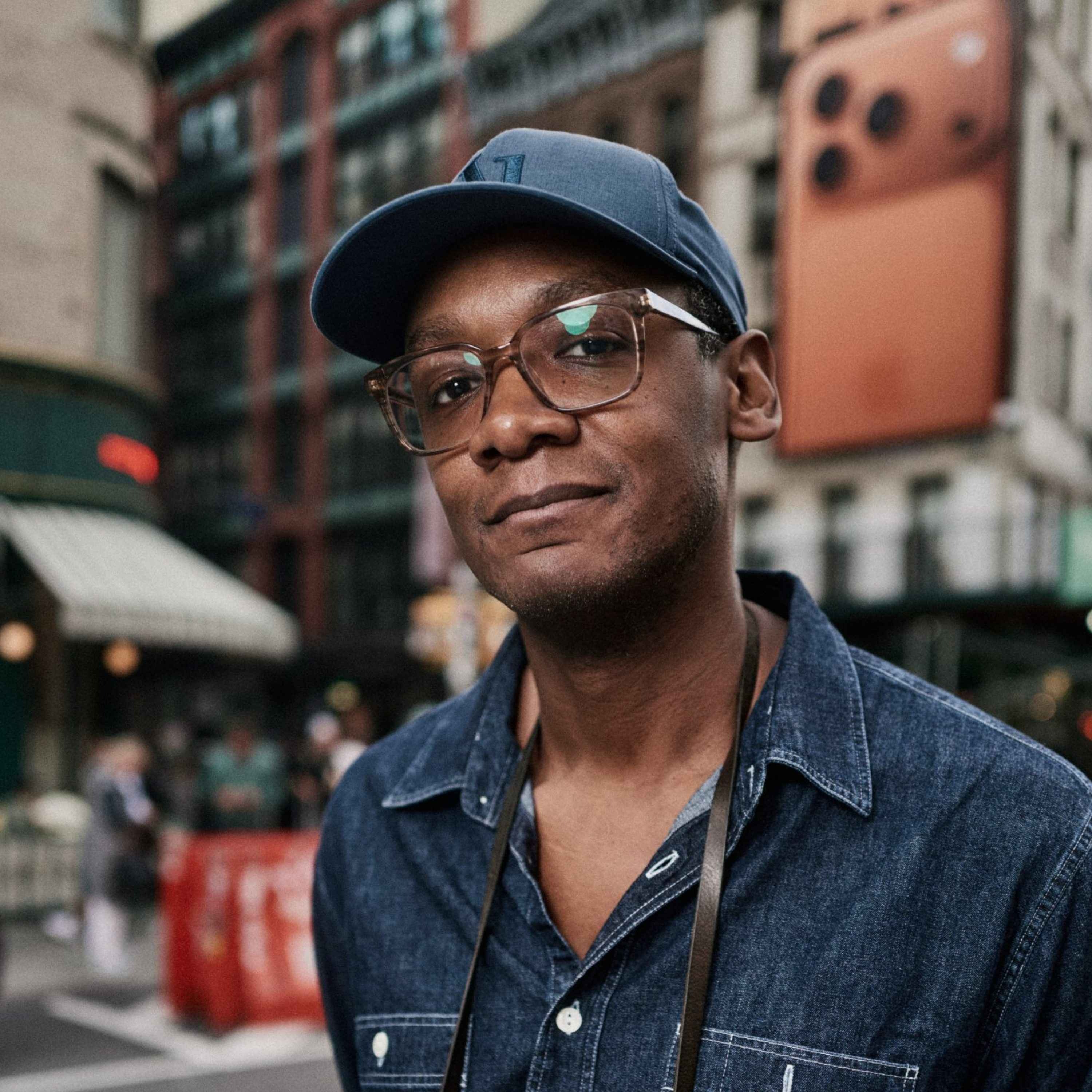
0:47Let's call it the Fashion Tech Boom 2.0. With us today to discuss is BOF correspondent Malik Morris. Malik, welcome back to The Debrief. Thank you. Thank you for having me. You know, it's like my favorite place to be. And you're our favorite guest. Do not tell the other reporters. I will. All right. To get things started, Malik, why don't you recap the original fashion tech boom from about a decade ago. What were the startups that were hot then and what happened after? So it's so interesting because I think actually a good place to start would be like delving into what even is fashion tech. That can feel like a bit of a nebulous term because it's literally about the intersection of fashion and technology and so much falls under that umbrella.
1:24So originally, in many ways in the past decade, it was e-commerce was once thought as fashion tech because the internet technology and brands were selling fashion through that medium. So you We had like tons of brands that are direct to consumer digitally native like Orby Parker and Everlane, Bonobos, Rothy's. The list goes on and on of brands that I've been covering for the past two years at BOF that really were being thought of as tech companies simply because they sold their goods online. But fashion tech also refers to actual software companies that supply back end operational assistance. You know, there's startups that can organize customer data or help retailers purchase inventory directly from brands.
2:03And there's also consumer-facing companies like some of the ones we covered in our recent story that we'll get into, like Daydream, Search and Discover Shopping Platform, and Alta, which lets users upload images of items in their wardrobe and spit-sell styling recommendations. And today, fashion tech is mostly about that advanced technology impacting how products are made and sold. But five to ten years ago, investors were actually throwing money at those e-commerce startups that I mentioned. And they were either, you know, DTC brands like Everlane or Glossier that positioned themselves as being tech companies because they sold goods online.
2:33But there was nothing really revolutionary about them listing products on a website. And I don't know how investors didn't cop to that. But, you know, it just was very exciting space that they were, you know, eschewing the wholesale model and taking on challenges like The Gap and other huge fashion brands and retailers. Then you actually had some startups in that mix that were actually on the cutting edge. But they didn't quite have like the advanced texture yet. So there's Stitch Fix, an online styling service that lets users take a quiz and then they receive a box with five items assembled by a freelance stylist based on their preferences and their fit.
3:04And that company was actually quite innovative in its approach to online selling. But the issue was that its personalization element that wasn't intuitive yet because generative AI hadn't broken through at the time. And now we have generative AI and it's making the concept of offering intuitive personalization online much closer to reality. And that's why you're getting this new wave of startups, which I'm pretty sure we'll get into, you know, like a daydream or an altar. It does feel like this mass delusion almost. I'm definitely guilty of being part of that, where we decided a sneaker brand or a brand that made the perfect pants was a tech company and should be valued that way.
3:39And eventually, as you said, investors didn't pick up on that initially, but they certainly did a few years ago decide that maybe these brands shouldn't be valued like a tech startup. And what happened at that point? Well, with that, I think it just came down to interest rates rising and they just didn't have, you know, it wasn't cheap to deploy capital and funding these startups. And a lot of those startups, again, were not technology companies. You know, they were brands that were selling online. And a big part of selling online was buying ads, you know, digital ads to buttress growth and get consumers to shop with you.
4:12And those got really expensive and less effective. And so it was kind of like a house of cards that came tumbling down, like this artifice of what felt like it was revolutionary and innovative actually was just another selling channel. Because also every brand under the sun, you know, even the big brands that these Everlane were trying to challenge, like a gap, also were, you know, increasing their e-commerce presence as well. And so since these investors couldn't really like have the cheap money to fund these brands, they weren't very profitable. And a lot of them actually sales started to decline.
4:45And on top of the needs to raise more money and investors were like, no, we're not giving you more money, you know, like to continue to fund the social media ad, you know, habit that you have. And so I think that that was a big part of the disillusionment for them. And I mean, to investors credit, do they want to be on the cutting edge of what's happening in culture and commerce in the world? And DTC definitely was a disruption for sure. and because it was e-commerce, I understand the tech angle, but they understood that those two things weren't as aligned as they probably thought they were in the beginning.
5:19And they started to really pull funding. And honestly, a lot of these DTC brands started to suffer as a result. And so then we had this deep freeze in the fashion startup market. I would date it from probably early 2022 to maybe six months ago, even. Catch us up to the present. What actually changed to suddenly see investors start funding these types of companies again? So, well, one interest rates got a little better. And so they, and a lot of these, because there was a bit of a freeze in funding kind of in general, they kind of were sitting on a lot of capital to deploy. But then what really, really happened was AI.
5:55That's what changed. And it was so interesting is AI is simultaneously humanity's boogeyman, but also a potential salvation because the way it promises and threatens to transform how we live. And, you know, an important part of that shift in dynamic is how products are going to be developed and distributed. And as I was talking a bit before about like a Stitch Fix and like them wanting to really change how people shopped online with personalization, Genesive AI is actually making the concept of offering that much more real. And again, you have startups like Daydream, like I mentioned, which funnily enough was co-founded by Julie Bornstein, who was once chief operating officer at Stitch Fix.
6:30They're building a platform for personalized search using AI tools from companies like OpenAI and Google, and they want to be the chat GPT for fashion and be disruptive in the way that chat GPT literally changed how we use the Internet. You know, so what was once a dream is now closer to being tangible and investors want to be the first ones in on that. So that's really a big part of what's changed. Yeah, I was going to say, I remember very clearly writing that headline many times of calling these sneaker brands and also clothing brands tech companies because they were saying that. But to what extent is it also about founders?
7:01You mentioned Julie Bornstein. The kinds of founders that are getting investment now is also probably motivating these investors to take a second look at fashion tech because they are disillusioned. I was. I would like to erase some headlines that I wrote calling some fashion brands tech companies. What is it about the founders that are now getting the investment that's so interesting? Yeah, so I, too, probably want to erase some headlines as well. But we can't change the past. But I actually think it's good to look at, like, the investment landscape and what's been happening. So, like, in the last year, you had Daydream that I mentioned.
7:33You had Alta, which I also mentioned. This rewards platform called Try Your Best, a generative AI-powered design maker named Raspberry AI, and an AI-driven virtual try-in provider called Doji. They've all collectively raised over$100 million. That's$100 million across five startups for seed and Series A rounds, which for people who are not versed in, you know, VC, it's very early stage. You know, like seed means that you may not have even launched. Daytreme just literally launched. Or, you know, you may be, I think the oldest in this group is Try Your Best, which is only three years old. And they raised the Series A.
8:03And who's the founder of that one? The founder of that one is Ty Haney, who founded the DTC brand Outdoor Voices. That's one of those fashion tech. I'm a digitally native startup that, you know, we're posing as tech companies. But now actually she actually has a tech company that is getting traction. And, you know, now we have these these, you know, not tech startups raising 100 million for a single round, which was common back in 2021. But that's not small potatoes. And the companies that are securing, you know, those fundings are trying to solve longstanding pain points in our industry, whether it's the cost of design and produce samples like Raspberry AI is doing, offering virtual try on, giving people a personalized shopping experience or helping brands connect with their loyal customers.
8:43the way Try Your Best is trying to do, is also about understanding what brands and consumers need to make the design and selling process smoother and more engaging. And what makes them compelling is they're applying today's most cutting-edge technology toward a specific problem rather than trying to invent an issue that AI can possibly solve. It's more practical in that way, and I think investors are incredibly attracted to that. But going to your point about the founders, I spoke with Jenny Wang, who founded Alta, And something that is really separating the people who are just trying to raise money, maybe not breaking through from those who are, are having some sort of technical experience, technical expertise.
9:20Also, they're trying to make the Clueless Closet a ubiquitous shopping solution. You know, what that app does is it's like users upload images of things they own and a photo of themselves. And then it dresses those avatars and outfits based on what's in your existing wardrobe. and it also offers shopping recommendations for users based on what they own and what their tastes and preferences seem to be. And what's fascinating is that Wang specifically is a former software engineer at companies like DoorDash, and she helped develop the AI recommendation tool that undergirds the app herself along with her team.
9:49She also helped to create a custom database that stores fashion trend data based on social media, images and posts, and news outlets, and that's used to offer styling and shopping advice. And one of Alta's investors, Amy Will Martin at Menlo Ventures, a serial tech venture capital firm, told me that what was so attractive about Wang as the founder was that her expertise made it easier for her to tackle the app's problems on a molecular level. So at first, the outfits that were being spit out on the app were not the most desirable, let's just say the least. But, you know, Wang understood the technology on such a level that she could improve the quality of the app's recommendations without the need to spend a ton of money hiring a gazillion more staffers to streamline her vision.
10:27And again, that's also increasingly attractive to investors because they want to back founders who know what they're doing and can get there with a low lift, especially since the technology that they're trying to cultivate is already really complicated and advanced. Something interesting that you also said on that point is in your article is that VCs understand, I think, more today than they did before, that a lot of these companies will fail. So they're more willing today to incubate and grow with a brand and grow with a founder. You talked to us a little bit about that. What is that mindset shift among VCs today that they're willing to play the long game?
10:57So that I think was actually to me, I mean, all of this was incredibly fascinating, but that to me was my favorite part of telling the story and talking to VCs because it goes back to that first mover advantage. A big part of the DTC promise was quick to scale. And you could, because back then when it came to DTC brands, they had a marketing arbitrage on Facebook and Instagram because at the time, Instagram specifically was still new and their ad platform was really, really new. So the ads cost nothing and they could reach millions and they could scale to 100 million in annual sales like that.
11:28Investors understand that that's not going to be the case this time. They want to be in on the revolution, but the revolution is going to take some time. I mean, OpenAI, which, you know, a platform like DayZone was kind of built off of, didn't happen overnight. But when it landed with ChatGPT, it literally altered the framework of society. I mean, I know I sound a little bit in the clouds, but it's true. When it comes to making and selling products, something similar is going to happen, and investors want to be sure they're there for that. But again, the tech is really complicated. It's not a checkout button that sits on a site or software that generates automated email marketing templates.
12:00And these are tech companies that have scaled meaningfully because it is incredibly easy to produce and to mass market. But this is technology that's trying to intuit customer behavior and serve them exactly what Malik or Brian or Sheena wants, and that takes time to perfect. also this technology is built to be iterative and these platforms have to launch and be interfaced with so they can improve their algorithms and recommendations you know think about it like a social media company instagram wasn't built in a day tiktok didn't become known for its world-class algorithm a week after launch you know that took time and trial and error and it doesn't behoove you know investors to rush founders into scaling a project with the potential to irreversibly alter consumer behavior and going to the failure part of it um which comes from a great quote from amy more influential ventures.
12:47It's like, I think failure still means what it always meant that, you know, some startups are going to try and they're going to raise money and they're not going to actually materialize what they're trying to accomplish at the level that they want to. But it means you don't reach match adoption. And that's a very real possibility, especially in the near terms. But a lot of these platforms are not offering anything new, which is another sticking point. You know, founders have tried to make the coolest closet a reality. And there are more virtual trial solution than we need and that I can do an account right now.
13:16So this stuff is tricky and few will be able to scale it, but, you know, it's part of the process. You know, these startups are trying to scale by just acquiring users and getting people on their platform and they're doing it through like word of mouth. So having early users kind of evangelize for them, that's a marketing term that I shouldn't be using, but was the first thing that came to my mind. So it feels a little bit more organic in that way, but you know, it is going to be a huge barrier for them because thinking about talking like a daydream or an altar those are platforms essentially that are fashion inspiration and they're going to have to compete with instagram and tiktok and even substack for consumer attention so we'll see how it goes but investors at least have the mindset of it's going to take some time we're willing to be on the ride for you as long as you are a tech founder who knows what you're doing and have even like maybe scaled something similar before i'd like to also erase from the internet headlines where i called every closet try on app, the next big thing.
14:08If I could also scrub those, that would be great as well. I mean, I think I've seen that clueless closet headline about every two years, like clockwork since I joined BOF back in 2018, which isn't, as you point out though, it's not to say this won't be the one that works. Maybe AI was the missing piece of that puzzle, but then again, maybe not. I think a lot of what we're saying, you could have said almost word for word minus the two letters A and I three, four years ago. So I guess maybe make that case that this time really is different. Yeah. And I think, you know, the difference too is going back to the founders and their expertise and their experience, you know, like Julie Bornstein, who's founded Daydream.
14:48She was chief operating officer at Stitch Fix, which was absolutely on the cutting edge of what they were trying to do. But she also founded a shopping app called The Yes that was all about individualized shopping fees based on quizzes that consumers would take that would, you know, they would say yes to this brand or this aesthetic or this garment or no. And then the fee they saw was unique to them and those preferences. And she actually sold that to Pinterest. It shortly closed after that, but it just goes to show that she knew how to build something of this capacity using it to take. And she was in the story and we talked and she was like, that was nothing compared to when I'm trying to build a daydream.
15:23But we have the technology that's helpful now, but it still is an uphill battle. And I think the difference is back then, especially going back to the DTC brands, those were like marketers who were selling a dream. You know, these are people who have either experienced scaling a business to this nature, to some degree, not to mass adoption, or they're incredibly technical in their skillset and they know technology and they have experience building things at other companies that have scaled and become a part of, you know, ubiquity and a part of culture, like a DoorDash with, you know, Jenny Wang.
15:51And there are success stories exactly like you're talking about. I mean, one that comes to mind is Julie Wainwright, who was CEO of pets.com, which is the poster child for the dot-com bust in the early 2000s. And she went on to found The Real Real, which was, you know, a qualified success, let's say, but it is one of the success stories of this last wave of fashion tech. So I think experience does matter and it is possible after a string of failures or non-successes, let's say, to really knock it out of the park. No, I agree with that. And I think The Real, I mean, again, We're talking about ubiquity, right?
16:24This word that I keep coming up, like change in consumer behavior. I think of all of these companies that have happened in the past 15 years, specifically in fashion, very few have done what the RealReal does. Like, it's become synonymous with resale, with luxury resale. Like, it's like I got, like, I'm in a RealReal, you know? Like, it's really gone into the culture in that way. And it requires the visionary founders. Like, you know, investors are certainly more cautious about the grifters who can charm their way into millions of dollars, pitching companies that are, I don't know, a real estate company posing as a revolutionary work share space or it's been able to scale it.
16:58The shade of it all. Or a brand that says it should command a little lofty tech valuation to billions because it can make a super shopping app that never comes to fruition. But ultimately, investors have to dare to dream as well. And they have to take their chances on backing people who can change the world. Julie Wainwright is a very, very good example of that. and, you know, they're placing their bets on Julie Bornstein to be the next to do that as well. So, you know, I think that there is something to be said about someone who has at least had experience doing this and also has experience failing too.
17:27So now they know what to look out for. So, yeah, that's a huge part of it.
17:34We'll be back with more of The Debrief right after this.
17:41so malik you've tried most of the apps that you've mentioned here why don't you tell us about your experience with a couple of them start with the clueless closet one yes yeah so the alta which is colloquially called or one of the clueless closet apps um in the market the latest certainly the to raise you know significant amount of money the experience is really really interesting because you have to actually care about fashion, but that is a proposition of clueless in the closet. You know, just to give you a bit of background of anybody who doesn't know that Alaya is a very special designer, a very important designer, you know, clueless was a film in 1995, you know, starring Alicia Silverstone as Cher Horowitz.
18:21And in the beginning of that film, you know, it's a beautiful teenage girl, you know, living in Los Angeles and, you know, well-to-do. And in the beginning of the film, she goes into her closet and she literally clicks on this app, you know before there were apps and it has an avatar of her and it just starts to put together virtual versions of items that are in her closet and putting together outfits for her and there's obviously the iconic yellow plaid outfit you know with the white you know knit shirt underneath the high socks the loafers that whole thing um which is just a huge piece of ice pornography and also is one of the apps that are trying to replicate that for the everyday person and using it was really interesting because i love fashion so i actually liked uploading and sourcing and figuring out where I could like find images of what I already owned and then seeing how it would put things together match against my sensibilities as someone who likes to dress myself and put things together.
19:10But I will say that that might be a sticking point in terms of the mass adoption. It's, I don't think that it felt like it was for the lay person. It's for someone who actually wants to meticulously put together images of things that they already own and see what they get from it. But if someone finds that daunting, then they may drop off. So I will say something like that it feels like it's for someone who is really into that process and i'm not sure how many people that's going to be ultimately but that was my biggest takeaway from using the app on that point i want to double click on that in terms of like what vcs want yes they're willing to play the long game but there needs to be a scalability point to this is that the biggest barrier to adoption or are there other things that could also pose a threat here to these fashion techs like Are other ones a little more scalable or is this kind of the way it's going for most of them?
19:59You know, I use some scale a lot, but it's I think when it comes to something like these platforms. And that's a question that I pose to all of the founders. And, you know, they didn't really have they didn't really have, you know, answers right now for it. And neither do the investors. And I think a part of that is like going back to the DTC part of this conversation. It was easy to say you want to get to 100 million annual sales cut and dry. When it comes to these platforms, we don't know what that skill is going to look like. Is it a million users? Is it a billion users? We can maybe try to benchmark it against that in these social media platforms that also is going to be competing against for fashion inspiration and, you know, a fun user interface.
20:37But we don't actually know what they're working towards. So the idea of, like, mass adoption, as I was thinking about it, as someone who really loves fashion, there may be a billion people out there who want to do that, who want to, like, particularly source imagery of items they already own in their closet to receive styling and shopping recommendations. There may only be a million. We don't know that just yet, but I think that that is the issue. I think it's safe to assume that one could become a large niche, but it remains a niche. I think something like Daydream definitely has its eye on scale.
21:08They're saying anyone who wants to shop online will want to use this instead of going to a retailer or using Google or Amazon. You know, that's so that's saying our scale is infinity. But their problem to answer your question, Sheena, is getting the tech right, getting experience right. That seems like a really hard challenge. Malik, what was your experience with Daydream? I love Daydream. I do. And I the thing that I really loved about it is, again, it's very intuitive and it felt like it was like actually listening to me. Like the prompts were really it was very user friendly. The prompts were really easy to interface with.
21:42and I really enjoyed the results that I saw from it. I think going to your point, Brian, about like the scaling kind of being infinity, it felt very much like it was trying to learn me. And maybe that's because I spoke to the founder and I understand that that's the, you know. It is the job GPT of shopping, right? Right, and maybe because I spoke to the founder and I understood the intention behind it, but it definitely felt that in the actual, you know, experience. But that being said, and to that point, it means that it's willing to learn and to adapt. And going back to the question of scale, there isn't like a hard timeline on this.
22:17They're not trying to say like in the next three to five years, we want to reach this many people. Like they're saying it's going to happen when it happens, but we're going to keep chipping away at it. And the more people who sign on, the more we learn, you know, and the better it can become, the more features we can roll out. And the platform felt very much like it was still in its early days, which was really, really exciting because we were all there for the early days of Instagram. You know, we knew how much better it could be. It didn't have video. It didn't have stories and all that stuff.
22:42And we knew we even though we know about that was to come, we understood that there was so much more here. And that's how I felt when I was using Daytrim. But I'm curious, Brian, how you know you use it as well. Yeah, I mean, I agree. It was really fascinating to try it. I'm taking a trip to Paris soon. My husband was looking for something he could wear walking around on a hot day in Paris and then wear at night to a nice restaurant. I put that in there. It came up with some interesting results. I tweaked it a bit with some more prompts. It was all natural conversational language. It was pretty neat.
23:11We actually ended up finding something, which I've honestly never had happen with one of these kind of, you know, sort of oddball shopping experiences before. That's an important part of it because obviously, you know, our amazing correspondent, Mark Bain, has written about Dejering quite a bit as a tech correspondent, was a tech correspondent, and really, you know, is in the weeds of all this. And I believe you attended the launch event with Mark. And Julie also gave me this example of like the really specific prompt, you know, like I forget it was like substantial pay, like sexy and it was like being sexy in a specific city and a specific like movie reference and the specificity that you can have with these prompts that would yield any result that Google would just give back to you saying, I don't know what you just said, but here are five black dresses.
23:59I will say I was motivated to make it work because I had talked to Julie and was familiar with the tech. My initial prompt sent me back like wall-to-wall white linen shirts. And I honestly wonder if I was a casual user who didn't know anything about Daydream and that's what I got, would I even bother putting in the second prompt? I think you would because, again, there's a ChatGPT for fashion. And a lot of people are using ChatGPT. And they'll put in the – because, again, we're getting used to this technology. So we're putting in the basic prompts you put into Google. And ChatGPT is like, well, here's this.
24:33But it's inviting you to say, well, tell us more and you'll get better. And so, again, it's about familiarizing yourself. But I think that now that ChatGPT has gotten to mass adoption and everyday usage for a lot of people, intuitively they'll say, well, let me actually get a little bit more specific. And then they'll be pleasantly surprised. Oh, it actually has given me results based on this prompt. I think the one other concern I have for Daydream and a couple of these others is these startups may be saying they don't have any specific timeline to scale. But I mean, there is a ticking clock here because there's always another wave of startups.
25:08There's also the big players may see, hey, Daydream's getting some traction. I'm going to devote some of my infinite resources, if I'm Google, to actually making our shopping service a little more user friendly and a little more intuitive. and then, you know, potentially it's lights out for a little startup after that, right? That's a really good point. And, you know, I mean, with Julie Boyne specifically, you know, specifically she sold her previous platform to, you know, the strategic acquirer. And I can't imagine that something like that is off the table when it comes to Daydream either. That's a really, really, really good point that there is a natural time horizon before really the big companies with the resources can replicate what it is that you're doing and maybe even do it better.
25:51So, yeah, I think that's a really good caveat to a lot of the momentum that's happening for them right now. That, again, you know, is a wait and see sort of reality. But the good news is when that happens, I think the consumer wins out in the end because that competition maybe ultimately yields a better solution or a better service for the consumer, maybe. I'm just trying to find Brian's face. I'm trying to find the upside in this. But I do think that that is one thing that tends to result from even failures. We talk about redefining failure for a founder. You learn, you know, 19 ways not to do it and then it gets better.
26:27But also if you're we hate to see new founders or startups fail. But if something comes out of it that's better, isn't it all that us that wins at the end? I think I think so. I think if you're thinking about from the consumer standpoint, like, yes, we do stand to win. But just the technology getting better and more advanced and somebody getting it right. Whoever that is, whoever that is. Is that great news for the founders specifically? No, not unless they sell their platform to Google for a gazillion dollars. And that is a win for them. And that may be, you know, because honestly, when it comes to startups, having come and started startups for four years now, that is sometimes a silent intention.
27:01They're not going to say that out loud. Definitely not to the press. But that is kind of what they're hoping to do to get, you know, the attention of a Google. but I think all incredibly relevant points, but I think to Sheena's astute observation, yeah, it is about who wins out in the end and that's going to be consumers. And that is honestly, at the end of the day, the most important thing. And I think that's a lovely note to end on. Please be sure to check out Malik's article, How Investors Fell Back in Love with Fashion Tech at businessoffashion.com. This and other stories are available to BOF professional subscribers only, and you can find the links in the episode notes.
27:38You've been listening to The Debrief, produced and edited by Olivia Davies and Eric Bria. I'm Brian Baskin. And I'm Sheena Butler-Young. We'll be back next week with a new episode. Thanks so much for joining us and be sure to follow us wherever you get your podcasts.
After years of disillusionment with fashion tech, investors are once again excited about its potential, but with a very different mindset to the hype-fuelled boom of the last decade.
From AI-powered personal styling apps to virtual try-on tools and personalised search engines, a wave of start-ups is gaining traction – and big backing – by offering real technological solutions to long-standing fashion industry problems.
In this episode, senior e-commerce correspondent Malique Morris joins The Debrief to explore how fashion tech is finally growing up, and which companies are leading this more grounded, results-driven wave of innovation.
Key Insights:
Additional Resources:
Hosted on Acast. See acast.com/privacy for more information.