
 Ask ChatGPT


 The Business of Fashion Podcast
25 Sep 2026 · 1h 2m · 22 chapters
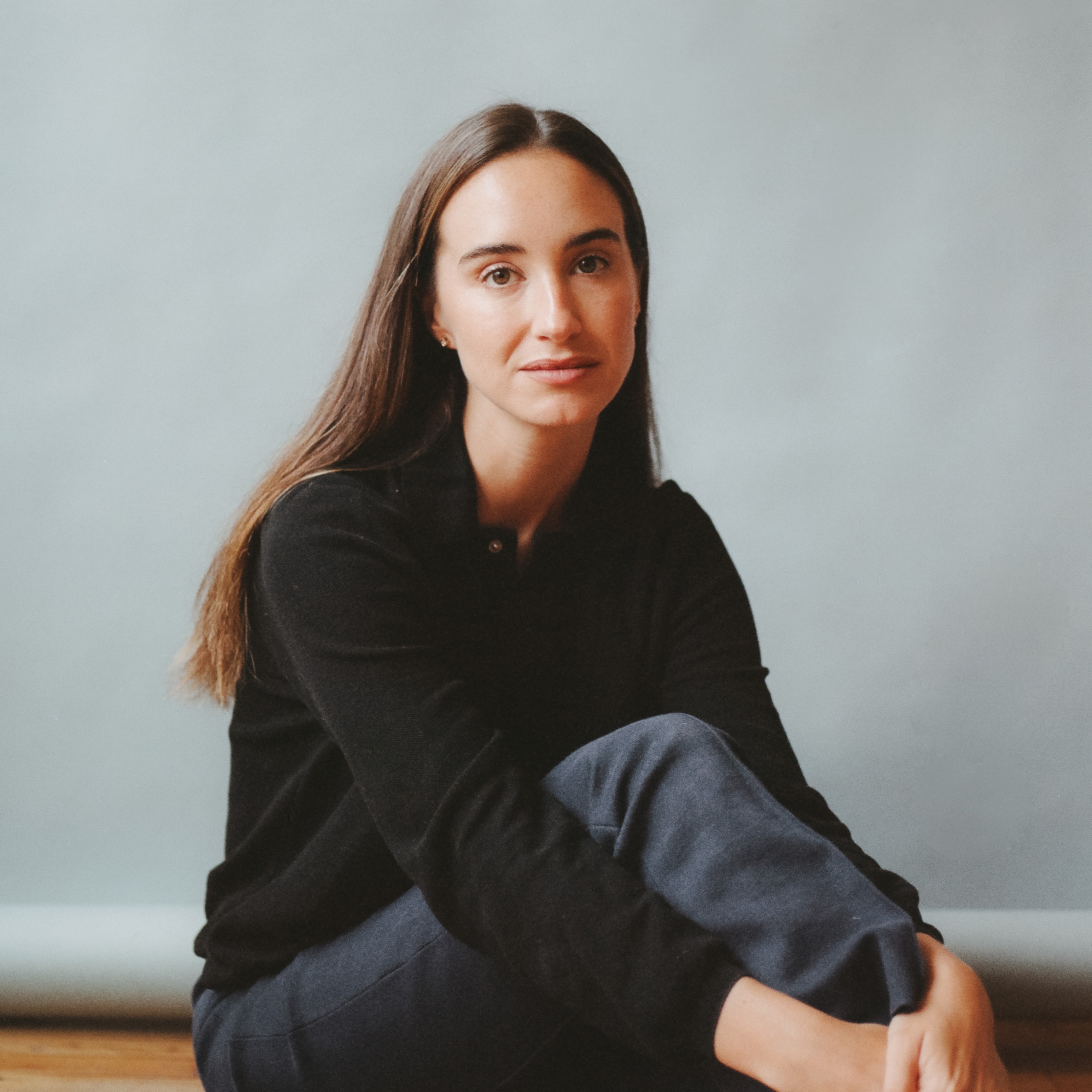
Emily Sundberg, founder of the paywalled New York newsletter Feed Me, discusses building a media business “on instinct,” how fashion brands misunderstand their customers, and why fashion can be talked about to non-fashion people. She also argues that fashion marketing becomes problematic when it pushes one item so widely that its desirability collapses (“new scarcity” idea).
Emily Sundberg is the creator of Feed Me (a Substack newsletter turned media studio with a podcast, parties, merch, and a paid “Guest Lecture” format). Imran Ahmed is the host and founder/CEO of The Business of Fashion.
Fashion brands target customers they understand least; Feed Me’s audience is “clued in” and skeptical, so the publication avoids speaking down. Fashion week discourse is shifting because cultural attention is fragmented across other experiences. Product-focused hype works only when access is genuinely limited.
J.Crew pushing a single “shrunken sweater,” Free People promoting one “Penny Lane coat,” Ronnie Fieg’s Kith blueprint implying Erewhon’s NYC arrival, and Human Made’s weekly limited drops.
Written by AI. May contain mistakes.
Emily shares her upbringing in Huntington, New York, and its influence on her.
“Every weekday morning, a certain slice of New York opens the same email.”
Emily discusses her decision to attend FIT and her early internships.
“This week on the BOF podcast, Emily joins me to talk about building a media business on instinct and why the customer's fashion most wants to reach may be the ones it understands the least.”
Emily talks about her role at New York Magazine and the rise of social media.
“were at the beach or on the water or in the car and you'd see it out in the distance but you were never quite there.”
Emily recounts her time at Great Jones and her observations of the startup world.
“on the internet always felt more like playing, like a playground than like a minefield, which I think so many people feel like spending time on the internet is today, like you're just waiting to hurt yourself.”
Emily shares insights on venture capital and the dynamics of startup culture.
“and with other people who were like in the dark room and illustrating, but I wasn't really into fashion.”
Emily discusses her initial impressions of venture capital and startups.
Emily shares her career transition from Conde Nast to Meta amidst layoffs.
“We're all sort of interested in this same kind of mundane workplace story.”
Emily narrates the inception and evolution of her newsletter, Feed Me.
“And Meta had layoffs also because of COVID, which kind of needed to happen.”
Emily describes the various components and community aspects of Feed Me.
“So tell us about that ecosystem now that you've built around Substack.”
Emily discusses the balance between gossip and informative content in her work.
“it can evolve and change and it gives me a lot of leeway if things do pivot or if I do introduce a new concept or if I do experiment with something and then pull it back.”
Emily shares her strategies for producing daily newsletters effectively.
“And also like now you are the, the place where people want to break the news.”
Learn how industry insights can be derived from job postings and social media activity.
“So for example, something that I found helpful early on was trolling job boards and you could sort of read the tea leaves of where business was going by what they were hiring for.”
Discover how Feed Me curates content that drives conversation and engagement in fashion.
“whether it's from a media company or a fashion company wanting to announce a launch in Feed Me or like, I don't know, the mayor's team called me last week about...”
Explore the relationship between fashion events and broader cultural discussions.
“Listen, that is absolutely one of the most essential things for any founder.”
Understand how to communicate fashion concepts to a diverse audience.
“And I think that something that I've sort of figured out through, you know, and analyzing what people that interact with and respond to is that there's a way to talk about fashion and style to non-fashion people.”
Analyze the effectiveness of product-focused marketing in the fashion industry.
“And they knew the history of the houses and like, would just say like Phoebe.”
Learn about the concept of scarcity in driving desirability for fashion items.
“And that is, it really speaks to what they were putting down the runway.”
Discuss the changing significance of fashion week in relation to cultural trends.
“I guess, you know, there's this conversation happening on Substack right now about like affiliates and people accepting free stuff.”
Explore the lack of critical voices in fashion media and the need for expertise.
“I don't feel like I have as many of those voices right now in fashion.”
Delve into the revenue model and growth strategies of Feed Me.
“Emily, talk to me a little bit about the business of Feed Me.”
Discuss how to balance advertiser partnerships with audience trust.
“Like, how do you, what's your take on that?”
Learn how fashion brands misjudge their savvy consumers and the importance of adapting to their insights.
“how you keep saying you're smart readers.”

Get the gist, explore an idea or ask about something said.
 Claude
On The Business of Fashion Podcast, what are the key points of this episode?
Searching your listeningAutomatic transcript. May contain errors.
0:00So you're not worried about hosting the whole family for the holidays? Why would I be? Wayfair had everything I needed to get the house holiday ready. What if Mike brings his cheerful dogs? My tree has tons of five-star reviews telling me how sturdy it is. But what if everyone's plus one brings a plus one? We'll see how extendable this extendable table really is. And extra chairs are on the way. Okay. What if there's a blizzard and everyone has to sleep over? Ready to go with extra bedding and towels. From guest-ready essentials to holiday decor you can trust, Wayfair delivers.
0:32This episode is brought to you by Macy's. Boho is back, and this time it's glam. Macy's take on the trend is flowy silhouettes and silky fabrics, layered jewellery and warm tones. Think chocolate, camel, rose pink, gold. It's romantic and a little dressed up. For those of us who enjoy a layering moment, it is truly a dream style. And if boho isn't naturally your thing, but you want to try it, Macy's has free personal stylists in store who will help you curate the whole look. No guesswork required. So head to your local Macy's or macy's.com to shop romantic boho for full.
1:16Hi, this is Imran Ahmed, founder and CEO of the Business of Fashion. Welcome to the BOF podcast. It's Friday, September 25th. Every weekday morning, a certain slice of New York opens the same email. They are lawyers, bankers, editors, restaurateurs, the city's most plugged in people. It's called Feed Me, and it's written by Emily Sundberg. In a few short years, Emily has turned a newsletter she started at her desk into one of the most talked about new media publications in New York. She built it all herself with a paywall from day one with no outside investors. Her readers are exactly the people fashion brands are trying hardest to reach.
2:01Smart, skeptical, and very aware of how they're being marketed to. And that makes Emily one of the sharpest outside observers of our industry today. I just never underestimate how clued in and informed my audience is. and I never want to like speak down to them or underestimate how much they know about the world that they're living in. This week on the BOF podcast, Emily joins me to talk about building a media business on instinct and why the customer's fashion most wants to reach may be the ones it understands the least. Here's Emily Sundberg on the BOF podcast. Emily Sundberg, welcome to the BOF podcast.
2:49Thank you so much for having me. It's great to be here. I want to start with your growing up in a place I know absolutely nothing about. I hadn't even heard of it. I've obviously heard of Long Island, but I've never heard of Huntington. So for those of us, including me, who don't know what it means to grow up in a place like Huntington, tell us a little bit about it. yeah I grew up in a town called Huntington which is about an hour 10 minutes away from the city my family is from Long Island so like my parents grew up there they met in high school my grandparents are from Brooklyn and Long Island as well so it's really all I know like I spent most of my life sort of like identifying as a New Yorker Long Islander and I would say my town was a real sort of middle class mix.
3:47Like my neighborhood itself, I had neighbors who were fishermen, like lobstermen. And then I had neighbors who worked on Wall Street. There wasn't like a cohesive income level or anything like that. It was really beautiful. I grew up by the beach, which was lovely. But I could also take the train into the city with my family we came in a lot but I had this I always had this feeling that I think a lot of you know you hear like David Remnick talk about this or a few other other you know prolific writers and founders now this like who grew up in the tri-state area this like bridge and tunnelness of being so close to Manhattan but not quite there so you could often see the the skyline from maybe you were at the beach or on the water or in the car and you'd see it out in the distance but you were
4:35Emily Sundberg: never quite there. Like growing up, I remember my mom worked in the city and she'd come home from the train and I'd hug her coat and she'd smell like pretzels and cigarette smoke and these things from like a land far away. And then she was back at home in our house and it was like, okay, there's something that she's going to do that she's leaving to go be a part of. And then she comes back to like our little bucolic backyard. Yeah, I mean, I went to like a very normal public high school. I partied a lot. My friends played sports. I painted. I, you know, I did the announcements every day in high school, which was like a fun little foreshadowing.
5:18Like over the intercom? Like over the intercom. Good morning. Please rise for the Pledge of Allegiance. birthdays things like that any other like announcements that were important signing up for you know like field days or something and I had a really good experience in middle school and high school I felt like my creativity was really encouraged and I wasn't you know like in a in a very strict academic household my dad's a teacher so I you know like it was sort of like a normal healthy upbringing but I spent a lot of time on the computer and whether that was like Facebook talking to people from other schools who maybe seemed to be interested in the same kind of like music as I was or spending time on Tumblr talking to complete strangers who maybe liked the same magazines and books that I did and it was something that I always viewed like playing on the internet always felt more like playing, like a playground than like a minefield, which
6:26Emily Sundberg: I think so many people feel like spending time on the internet is today, like you're just waiting to hurt yourself. And I didn't have that experience. I really enjoyed finding communities online that I connected with and using new like social media platforms or whatever you want to call those early sorts of things. And then when it came time to apply to colleges, I could go to any state college in New York. That was sort of the deal with my parents, like we'll help you with college if you go to a state school. And FIT, as you might know, is the only state school in New York City. So I didn't necessarily want to work in fashion, but I knew that they had a really strong business program, which would allow me a lot of flexibility because it wasn't strictly like art, design, or fashion.
7:18And I would say that was like probably the most important decision that I made in my career because they offered a lot of night classes. So I could work during the day,
7:28Emily Sundberg: go to school at night, and then that's kind of how my whole career and life in New York began. So you weren't really drawn to fashion or design or those things? It was literally just the pathway to work in New York City? Yeah, I think I was into creative fields. Like I was, you know, the president of Art Honor Society and I like enjoyed being in in like different art classrooms and like I was in AP art and like I liked being parts of actually was I the president of Art Honor Society? I think I might have been senior year. But like I liked being with my art teachers and with other people who were like in the dark room and illustrating, but I wasn't really into fashion.
8:12It was more like digital creativity.
8:16Emily Sundberg: Like they had a lot of digital marketing classes there. They had PR classes. They also had digital journalism classes. And I knew that a lot of the professors at FIT also were working, like had jobs outside of the classroom, which I was really attracted to. And then on top of that, I left with very little student debt, which I paid off in a few years. And I could see far enough to know that that was important to me as well. So during the day, where were you working since you could do those night classes? So I had an internship at Yahoo for about a year. It's funny, I work with them a lot now. It's kind of come full circle in an unusual way.
8:58But they had an office in Times Square. And at the time, Yahoo was going through this digital pivot where like Bobby Brown was an editor. Michelle Promoleko, who used to work at Cosmo, was an editor. And they were bringing in like they were sort of experimenting with this big editorial push. So I worked there for about a year. I worked at NBC for about a year. I worked at Food Network, which was really fun. And all of these were paid and they were pretty well. They were paid pretty well.
9:30Emily Sundberg: They weren't like the sexy Stella McCartney internships or like I had friends who were interning at The Row in the really early days. Like they weren't as sexy as that, but I was making like$20 an hour as a 20 year old. And then when I graduated school, I had sort of built up like a bit of a resume for myself and a bit of a reputation for myself, especially in the world of social media. and Stella Bugbee, who was the editor at The Cut, was speaking to somebody who worked at Instagram and she said that she was looking for somebody to focus on The Cut's Instagram presence and somebody who worked at Instagram at the time suggested me.
10:12They said, you should take a look at this young girl, Emily Sundberg. She has an interesting resume. And we spoke and Stella was the first person who hired me like days after I graduated college. So my first job was working at New York Magazine and social media, which was a really exciting time to get into social media in the world of news and publications. Because if you think about it, like Apple, Twitter, Facebook, Instagram, were all bolstering their media relations teams and sort of developing strategies for newsrooms to work closer with these tech and social media companies because they knew that that's where a lot of the conversations and traffic were taking place.
10:58And yeah, a lot of those connections that I made back in 2016 at those companies, like I still talk to now. A lot of the people still work at those companies, which is crazy. But it felt like I was in the right place at the right time. And the social media manager definitely was somebody who was like off to the side. They had like that intern reputation. But it had like tenfold returns for me being in that position at that specific time at that magazine. And you went on to do a number of different roles. I think you worked at Meta and, you know, you kind of became a digital content expert, right?
11:37Which is obviously a through line to what you do today, except you have your own company now, your own voice, your own platform. and you know every founder has an origin story so just maybe in a nutshell because I have so many more things I want to talk to you about than origin story but you know this podcast is listened to in like 140 countries around the world so there's lots gonna be lots of people here who don't know feed me what's what's your origin story how did it all happen yeah I can speed run through the next few years because it was interesting. So after New York Magazine, I worked at a direct to consumer cookware company called Great Jones.
12:22And it was started by one of my colleagues from New York Magazine, Sierra Tishgart and Maddie Mullis started a company called Great Jones, which was like colorful cookware. It was sort of being whispered about in the New York Magazine as the Glossier of cookware.
12:40Emily Sundberg: And I thought, I want to work there. I want to be the first hire there. I think that I know, I see all these companies around me, whether it's Away or Glossier or Outdoor Voices. I see how the women who work at these companies, what happens to their careers? And it's a really great jumping off point. So I was the first hire at Great Jones. I was also the first to leave, first in, first out. But I saw a lot really quickly in that first year, like two years specifically in the way that these young women in 2018 2019 were being invested in by venture firms and I kind of stuck a pin in that like seeing the investors come in and out of the office seeing the way that these people were being written about seeing the way that like Instagram marketing was booming like working on the front lines of that sort of team which wasn't really a team because we were so small.
13:38But I kind of like stuck a pin in that whole experience. And I was like, I think I'm going to revisit this. But I saw a lot, you know, like we were in and out of the wing. We were getting packages from Glossier.
13:49Emily Sundberg: We were looking at what other companies were doing to market to women. We were sending out influencer packages like you can kind of imagine, like it's all very millennial pink. And you're seeing big headlines about sales and investor checks and you're seeing like really splashy names come in and I didn't have a finance background but I was like this is a lot of information and I'm seeing a lot firsthand and I'm just gonna put this away for a second and did you find that whole world of like venture and startups and did you find it personally appealing I thought the personalities and the characters were really interesting.
14:32I thought that like the, you know, whether it's like the egos or the editorializing of the small little happenings between the companies and the investors or the sparkly headshots of the women that went alongside investment announcements and the competition, like turning it into like Sims investors. Like that was very interesting to me. and it all felt possible like it felt like anybody could come up with an idea and meet the right
15:10Emily Sundberg: person and get a nice little check from General Catalyst or El Caterton or whoever like it it all felt very possible I was like a lot of people could do this and we'll try this and it won't go well for everyone but like a lot of people are going to kind of like play with this moment which we then saw like the following few years up until 2021 how many d2c pantry brands or clothing brands or cosmetic brands quickly launched how many of them do we still speak about how many of them are we still excited about so after that i had a very short stint at condé and then covid had happened and Conde Nast had a really big round of layoffs and I wrote like a really sort of like I was I wrote like a long post on LinkedIn about getting laid off I was like I need a job so I'm just gonna like tell everybody that this happened instead of being embarrassed by it I got a flood of inbound interest and one person who reached out to me worked at Meta and I started by being like a freelancer at Meta and that turned into a full-time job and then when everybody started going back to the office in 2021 I worked at the Meta office in Hudson Yards and I really liked that job people ask me all the time like was it horrible but I the people who worked on my specific team after years of working at women's magazines or like a women's magazine and an all-female like startup it was really nice to be in an office with these like super smart interesting dynamic creative people who happen to be working at sort of a in a bland tech office and it was quickly opening my mind and like conversations to just new parts new ways of thinking whether it was about design or music or politics like my specific team just happened to be really cool like there were DSA members there were people who were in bands there were people who were into like fashion that I'd never heard of there were people who were into like zines that they were shipping in from Berlin and then during the day we made these meta ads but it just felt I was like oh this is such a nice place to land after being inside for a year during COVID and as we started having these different conversations every day you know how slack works at work like you you have the work slacks and then you have like the fun slacks where you're sending like gossip and music and movie trailers and design references I was like oh whether it's like my friends who are bartenders or or my meta co-workers or my friends who are working at a trading desk.
18:04We're all sort of interested in this same kind of mundane workplace story. We're sending links of people's Instagrams and we're zooming in on the hotels that they're
18:15Emily Sundberg: staying at. We're curious about what the alumni of Casper are all doing now. But these stories aren't big enough to land in the pages of the Wall Street Journal or the New York Times business section, but we're all still talking about it. And I thought, like, is there a place for all of these sort of smaller connective tissue workplace adjacent stories to live? And then one day I just started a newsletter on Substack, which I had been sort of playing around with for years, but I started writing on Substack in 2020 and it was mostly short horror stories, like horror fiction about capitalism and like horror stories about female founders.
19:06And then one day I was
19:07Emily Sundberg: like, what if I pivoted this to like a daily link roundup with my commentary and put it behind a paywall. And that's how Feed Me started. I like the current version of it. I started it at my desk at Meta. And it grew. And Meta had layoffs also because of COVID, which kind of needed to happen. As you're hearing this, you're probably like, it doesn't sound like you guys were working very much, but they just had too many employees, I think. And it was fine because I continued writing my newsletter and I was, you know, consulting for Shopify and a few other tech companies after meta which was great but I told myself if I ever make more money from sub stack than my consulting clients then I'm going to give it a shot full time and and put some real muscle into it and see what happens so that eventually happened after writing on sub stack for about a year and you have to understand that as feed me was growing sub stack was also growing so like the platform and I kind of had this handshake where we were growing together and their team was telling me about new product launches and things that were happening internally.
20:21Emily Sundberg: And like, if they had an event, they would invite me to it. So like I was getting to know the insides and outsides of this platform that I was spending a lot of time on. And I was there early and I was paywalled from the beginning. So ingrained in the foundation of Feed Me is like a paywall and like a really early loyal audience that had me at my most vulnerable because I was writing to nobody for so long, which I'm really grateful for because I do think that first mover advantage is real sometimes. You know, Emily, as you're talking, so much of what you're saying sounds so familiar. but I went through this a similar journey but like maybe 15 years before you before there was a sub stack before there were creators and before there was a whole ecosystem around independent voices like yours that have developed such a loyal following and so So your Substack newsletter is just one pillar and a really important one of like a wider business model that you have now, right?
21:40There's so many other bits. So tell us about that ecosystem now that you've built around Substack. Yeah, so there's the daily newsletter, which hasn't changed that much in the last four years.
21:52Emily Sundberg: It's like you wake up, you're getting an email every weekday from me. what has changed is like it looks better because I hired an incredible designer a few years ago who's made the logo which people now recognize which is like this Ouroboros snake and it's it's cleaner formatted I used to just like kind of run it on my phone there are some additional voices besides mine I have an excellent Hollywood and tech columnist named Teddy I have a great restaurant critic named Jason who now has a podcast and then there are sort of occasional repeating characters that come in like I have this guy called the anonymous transit expert who will comment on like trains and planes and automobiles and he's kind of a curmudgeony Gen Z man who works in an office downtown but also loves to occasionally write for Feed Me or there's we also have this series called guest lecture where paid readers can ask subjects anything they want so for$80 a year you get a newsletter every day but you also get to come to parties and you get to talk to people in the comment section and you get to ask Mark Zuckerberg or Jeremy O 'Harris or Chloe from Vogue like anything you want which I think is pretty cool and yeah now we have merch so it's like the newsletter the podcast the parties we threw a party last night it was awesome the merch and yeah it's really fun it's like this thing where there's not really an a one-to-one comparison because it is such a sub stack born and bred type of media company like I can't say like it's sort of like a vice or it's sort of like a bar stool or it's sort of like a business of fashion like I can't say that because it is there there's like all these aspects of it including the fact that like I'm the person writing it every day and I'm not enmeshed in a larger media organization that make it really like a modern 2026 like media project and that's I like to think of it as a project or a studio like I think it it makes me feel calmer to know that it can evolve and change and it gives me a lot of leeway if things do pivot or if I do introduce a new concept or if I do experiment with something and then pull it back.
24:24Emily Sundberg: There's kind of this mutual understanding between me and my smart readers, the ones that matter, that that is part of the gist and I think that they like that. Again, when I was doing my research this morning, I obviously have my own impressions of Feed Me, but, you know, it's described in a number of different ways about, you know, the way Feed Me's voice kind of resonates or who it resonates with. So like one description was money, power and status in New York City. You know, one description is hyper local reporting, you know, and I think maybe that's getting to this idea that, you know, some of the stories you cover, like maybe they're not big enough for the Wall Street Journal, the New York Times.
25:04And then there was a New York Times headline that said, where the deal makers and strivers get their gossip. How do you feel about the word gossip? You know, like, I think that the, I loved that profile that Jess Tested did, and I'm so grateful for it. It changed my business forever.
25:23Emily Sundberg: I think some people have a profile written about them and it changes their business. And some people have a profile written about them and maybe it doesn't move the needle, but that one really did. And I think it was about the time and the place that it happened. And I think gossip was the word that she needed to use there to like get a point across. And I try to be really sensitive with the word gossip and it's not something that I strive for or work towards. Like I hope that it's a little bit what I what I write is a little bit more founded than gossip. and I work towards, I mean, even since that story came out almost two years ago, like I think that Feed Me has evolved a bit.
26:04Emily Sundberg: I think that Feed Me definitely generates gossip. Like I can't really, I'm not really in control of what people do with what they read in there after I send the letter. If you're screenshotting what's in there with your friends and sending it around in group chats, like that's your gossip to spread. But there are like gossipy parts of the letter. For example, I have an anonymous tip line where people can send things in. And as I mentioned, like I have this comment section that people hop in and say like, I was at this restaurant last night in London and I heard this. Like it encourages chatter and conversation.
26:43Emily Sundberg: And I think smart people who are interested in similar topics like gossip and and like conversation can go hand in hand but I try not to be like I try to stay far away from words like snarky and gossip I feel more comfortable when I'm working more towards like conversation and when I get like scoops but I that you know this as well like gossip is part of our industry and it is part of the way that like information travels so I think it would be impossible for me to do my business without it I just don't always think it's like in the headline I'm curious how you put together a newsletter every day I used to do a newsletter every day and it was a lot of work and sometimes I didn't have ideas every day, you know, like now I'm lucky to have like a team of 30 or 40 journalists and producers and creative people and designers.
27:47And so like, yeah. And also like now you are the, the place where people want to break the news.
27:54Emily Sundberg: So the scoops come to you, which I'm sure like you guys have, you can like filter out what you want to break each day, but at the beginning it is hard. So I had like my little workaround. So for example, something that I found helpful early on was trolling job boards and you could sort of read the tea leaves of where business was going by what they were hiring for. So for example, when Glossier posted job roles for fragrance developers, I knew that they were expanding their fragrances, you know, like that I can write about, that's public information. Or if a founder posts a photo at a hotel you can google how much the hotel room is that's public so like interesting person stays at x hotel it's this much a night like that's a little piece of news that if air one of an air one scoop is sitting in ronnie feig's feed then you can kind of figure out what's happening right yeah so right exactly and like that was so incredible and like i reached out to him for a comment.
28:57I think I got one from him the next day. But like what you're referencing here for anybody listening is Ronnie Feig from Kith posted a blueprint like a construction plan for a club he
29:08Emily Sundberg: was opening in New York City. And in the corner, it said that they were opening in Erewhon. So I was able to figure out pretty quickly that Erewhon was going to have some sort of presence in the city. And now, I mean, it didn't really go quite well, but I guess you can order Erewhon smoothies on like Uber Eats or something now, which was a great headline. And like that was picked up by the New York Times and New York Magazine. Like it takes off. And like that was like such a successful Instagram post because that headline that Erewhon's coming to New York City is fascinating. But you can find a lot of stuff if you're a curious person and you know where to look.
29:40Emily Sundberg: And then after years, you know, now I'm able to get exclusives, whether it's from a media company or a fashion company wanting to announce a launch in Feed Me or like, I don't know, the mayor's team called me last week about... So it's like people... Here's the thing with Feed Me. I get these emails from like traffic teams at other publications kind of pitching for stories to be in the newsletter for two reasons. One, it drives traffic to their pages, which is really hard to do now. like I'm sure there are days where feed me is driving more traffic to a story than like a news publication's own home page or twitter feed and then the other thing is that if something's in feed me it's sort of like decidedly important or discussion worthy for the next 24 hours a lot of people sort of see the newsletter as this orchestration of what to think about for a day in New York City or London or Los Angeles or wherever they are but it's like here are 15 things to think about today so you know like once the fourth or fifth audience person from a publication emails you you can kind of piece together like oh that's why you're doing that once the fourth or fifth person from a book talk or a movie screening emails you asking to do an introduction you're like oh you don't think I'm like a great speaker you want me to sell tickets to your thing like right so it's like you know that feed me moves tickets like and you i'm able to pick up on all this because i'm not an idiot but like that information also helps me decide like how much respect to treat my readers with and how much respect to treat my publication with which is yeah cool it's like all very i'm very grateful that i'm in this position and i'm i'm such an advocate for like leading like the the ability i don't think this is right for everyone but like I've been able to lead this company mostly with gut and instincts and pattern matching, whatever you want to call it.
31:43And it's gone pretty well.
31:45Emily Sundberg: So yeah. Listen, that is absolutely one of the most essential things for any founder. And that's that founder's instinct that no matter how hard you try to inculcate that into people that work with you, you know, it takes a long time to really build an instinct like that. So So you should always have that instinct. Like I think, you know, I draw upon that instinct all the time. And I think having that instinct is, you know, really important. And you need to know when to lean into it, you know, and when the, you know, there's data and other resources that you need to use to inform decisions too.
32:24Okay, so this gives me a great understanding of Feed Me. the audience the kind of curation process like how you're how you're thinking about it this is the business of fashion podcast i want to know as someone who went to fashion school even though they necessarily want to study fashion what role does fashion play in this ecosystem that you have been kind of analyzing and curating and dissecting in your own particular feed me way now for a number of years like there's this it's new york fashion week at the moment there's been a discourse around the decline of new york fashion week you know and fashion's role in the wider culture what's your take on that like what's happening in fashion right now and what role does fashion play within feed me so it's funny like if you go to a feed me party like for example last night at my party I was nervous to throw that during New York Fashion Week because there's 40 events last night I was like shoot no one's gonna come they have all these cool
33:37Emily Sundberg: things happening in Manhattan why would they come to a party in Prospect Heights but my readers are you know the people who were there are like lawyers doctors editors writers restaurant owners bakers, people who work in sales, people who work in finance, but they all care about the same things. And I think that something that I've sort of figured out through, you know, and analyzing what people that interact with and respond to is that there's a way to talk about fashion and style to non-fashion people. And that has become really important. So like one common thread there is menswear. A lot of, almost half of my readers are men and professional smart men like actually geek out a lot about how they get dressed every day and how they are sourcing clothing and how their favorite clothing companies have changed over the last 20 years, whether that's through like bankruptcies or investments or different creative directors.
34:37Emily Sundberg: So like that's a conversation that Feed Me particularly returns to over and over. I also live with somebody, my husband, who has a very deep interest in menswear and getting dressed and like cool American outdoor wear. And I've sort of played with that just because I'm around it in my literal house. And so many of the men that I write for like respond to it and like geek out over it. So that is something that I like. That's a really good example of something that I've kind of experimented with it worked I returned to it over and over another way that I write about fashion a lot is the way that we're being marketed to so I was working on something this morning by the time this podcast comes out this will be out but how I've noticed that several fashion brands are choosing to market one specific item as opposed to a collection so two weeks ago J.Crew was really pushing that sweater and I was like I don't want the shrunken sweater if everybody is wearing the pink shrunken sweater like why would I want that if three women on the subway are going to wear it or yesterday I saw like 20 women on my feed promoting the same free people sort of um Penny Lane coat and then they did a roundup of all the influencers who posted it and I was like why would I want to buy that coat if you're pushing it so hard so like kind of dissecting this group think think happening from or like being encouraged by marketing teams and like why do they think that people want that like that's so interesting to me and I'm sure you have your own thoughts on that so like kind of choosing your lane whether it's marketing or like playing with a topic again like introducing a character over over and over to to discuss one topic but in terms of fashion week I didn't really come from the fashion world like even when I worked the cut I remember like learning in real time, Googling at my desk, the designers that these women were referencing really quickly.
36:36Emily Sundberg: And they knew the history of the houses and like, would just say like Phoebe. And I was like, who's Phoebe? Like, who is this? Like, I really wasn't in the fashion world at FIT. I was around it, but I was like, my friends worked at Airbnb and like LVMH corporate. Like I wasn't like in the clothing world so listen like I'm lucky that over the last few years I have sort of been invited into the world of fashion whether it's through shows or parties or whatever and this year I kind of used that past information to inform how I would interact with fashion week this year and like I think I've learned that I don't need to be at everything and it exhausts me and I also have a lot of work to do during the day but I don't know like I think parties are fun and people like to see their friends and get free drinks and dress up and that sort of seems like the best part of it for me but I think people are also a little bit I don't know like I was at the Kalmeier show yesterday and everybody just I was kind of like does anybody have to go back to an office like I don't know it's not fashion week is not really my thing I don't have that many thoughts about it what do you what do you think like what well like you must think about this all day not all day but i certainly have thought about you know in reference to the thing you just said earlier about the pushing a single product i've absolutely noticed that as well and i don't think there's a problem with that as long as getting that product is hard like there's this thing i've been thinking about called yeah called the new scarcity it's this thing i've been talking about with that editorial team this week which is like i'm noticing brands from like high street to high end like of course you need to push product of course people need to like those loewe sandals that you know everyone was talking about with the loewe logo on them those are going to be hard to get like you may have seen that image everywhere but they're going to be hard to get that's part of what makes it desirable where it's problematic is where you're pushing something and then everybody has it and then the value the perceived value of that thing disappears in a minute and nobody wants it anymore and so like i think yeah i think paired with the right distribution strategy a product focused marketing strategy can really work right which is why people were uh like booking flights to buy all the new Chanel stuff, which is kind of fun to watch as a phenomenon.
39:16Emily Sundberg: And that is, it really speaks to what they were putting down the runway. Like that's kind of the best case scenario. Exactly. So I think, you know, I was in Japan recently and I went, met with the people behind this company called Human Made, which is founded by Nico, you know, kind of very legendary cultural figure in Japan and also has, you know, an involvement of Pharrell. And these guys have just taken this company public and they're dropping a limited edition set of products every week and what they've built into their business model is this idea that actually like if everything is available to everyone it's not it's not desirable and i've seen that obviously at the luxury level and i've seen that as a way of driving hype i've not seen that as something that's built into the business model of a fashion company in the way that the human made people have done it so there's just i don't know that's something that's floating in my head recently and then when it comes to new york fashion week i guess the days when fashion week was this kind of you'd land in new york and you know knew it was fashion week it doesn't feel like that anymore because and not that's not to say that you know the designers or brands or whatever that are happening in new york aren't working hard to do interesting things because they are but just the kind of consolidation and convergence of cultural spaces and places whether that's food or wellness or film you know film i have so many friends who got yeah passes to new york film festival this year and i was like oh that's where you're putting your money cool like everybody wants like everybody wants to be the first to see a movie now getting the being the first person to get your hands on a bag if you've seen the new lance oppenheim elizabeth holmes movie you're the most interesting person at a table this week i've had a friend who saw it already and told me it's insane yeah um but yeah no you know you see that little trailer on on on social media and you're like i need to see that and if you get i guess there's social currency with having the access or the ability to be able to get an experience like that so in the context of all of that emily like Where do you see fashion in this cultural currency landscape?
41:43I guess, you know, there's this conversation happening on Substack right now about like affiliates and people accepting free stuff. and I guess I'm looking for more North Star authoritative people to help me think about fashion as somebody who isn't completely ingrained in this world
42:05Emily Sundberg: but is open to an expert telling me how to think about this world which I feel like I have those people in the restaurant world and I have my tech journalists who I go to and I have my like book industry reviewers who I go to who I trust to tell me about what's going down in their field and what they're seeing and what they're predicting. I don't feel like I have as many of those voices right now in fashion. And I hope that, I think part of that comes with being edited and getting feedback. And sometimes I get nervous that when everybody's flocking to like a sub stack or starting a podcast, they're not being edited by like a great who's helping them how to think and develop a voice.
42:48And I just completely agree with you. I completely agree with you because I think it's one thing to have information or gossip or speculation. It's another thing to have expertise and be able to draw pattern recognition because you've seen something before to know something is new to know something is something that's happened in the past. And combining a great reporter, writer, analyst with a really great editor is part of what it takes to create a great voice. I think the other issue in fashion media is that it's potentially too close to the brands it covers. To the advertising world, yeah. And so much of fashion media has just become this, I don't know.
43:42You could go to websites and you could take the masthead off the top of the website and you wouldn't know which website you were on because everyone's kind of doing the same thing. Same press releases, scared of advertisers. And the consumer, the reader is really smart now.
44:02Emily Sundberg: And they know how all of these things work because there's easy ways to find out whether it's somebody walking around the Vogue hallway saying, here's a day in my life at Vogue or because of all of the analysis happening through newsletters and all of these media publications and listen there's some really incredible like I think like Rachel Tashi and Lauren Sherman I think Retro from the Cutting Room Floor I think Brenda Hashtag like there are some really brave women who are saying what they think and they are being trusted by whether it's they're like either independent or they have their own platforms or they have editors who are letting them rock and do their thing.
44:44But I wish we had more of them because there are so many tech journalists and business analysts and food reviewers who are able to be so honest.
44:55Emily Sundberg: And I wish like, again, you're talking about mastheads. I wish there were more people at the top of mastheads who were, had the large audiences and were able to say, I guess, just help me think more critically about the industry as somebody again i'm not fully in the fashion industry i look at it i think it's really fun to be a part of sometimes but i need to learn from people beyond my husband who really likes ordering from japanese ebay like you know well i could have a whole conversation with him about japanese menswear having just come back next time you're in brook wow that is a whole other podcast let me tell you this so much exciting stuff happening in Japan.
45:38We'll be right back with more on the BOF podcast.
45:45This episode is brought to you by Macy's. Boho is back and this time it's glam. Macy's take on the trend is flowy silhouettes and silky fabrics, layered jewellery and warm tones. Think chocolate, camel, rose pink, gold. It's romantic and a little dressed up. For those of us who enjoy a layering moment, it is truly a dream style. And if boho isn't naturally your thing but you want to try it, Macy's has free personal stylists in store who will help you curate the whole look. No guesswork required. So head to your local Macy's or macy's.com to shop romantic boho for full. So you're not worried about hosting the whole family for the holidays?
46:30Why would I be? Wayfair had everything I needed to get the house holiday ready. What if Mike brings his cheerful dogs? My tree has tons of five-star reviews telling me how sturdy it is. But what if everyone's plus one brings a plus one? We'll see how extendable this extendable table really is. And extra chairs are on the way. Okay. What if there's a blizzard and everyone has to sleep over? Ready to go with extra bedding and towels. From guest-ready essentials to holiday decor you can trust, Wayfair delivers.
47:01Emily, talk to me a little bit about the business of Feed Me. And I have read and heard that you're tired of answering the revenue question. So I'm not going to ask you about how much you're earning and all of that stuff. I just want to know, just back of the envelope, I've read that you have over 10 ,000 paid subscribers. Correct. Those paid subscribers are paying about$80 a year. So that's like you're already making an$800 ,000 a year revenue just from those subscribers. Yeah, Substack takes a cut of that. And then, you know, I'm in our office. We have expenses, whether it's the office or merch or parties we throw.
47:44I also have several people who are on payroll. So yeah, the business is doing well and it's not just me. So that's something that I like people to remember as well. And then on top of the subscription business, we have a pretty healthy ad business. Work with a range of brands, tech companies like Yahoo and then like finance companies like Mercury and American Express. And that's been a really fun part of the business to build out as well. and all kinds of opportunities come from those, whether it's making larger events happen for our readers or getting access to like information for different kinds of reports.
48:24And yeah, it's been like a very rewarding business to grow.
48:29Emily Sundberg: Like Feed Me is a media business with people on staff. I get to pay designers who I love. I get to pay manufacturers who I love. I get to work with artists on different design projects. And then I also get to bring in, you know, next week we're running a series of essays and I got to bring on like Patrick Radden-Keefe and my friend Jason Stewart and Alison Roman. And I can like pay these people to write for me. So, yeah, it doesn't all go in my pocket. I wish it did. But it's a great business and like experimenting with different growth strategies and investing it in different ways has also just been like the business school that I never got.
49:08Emily Sundberg: And the best part is that I'm independent. So it's not like there's anybody tapping me on the shoulder saying like, why does this month look different than last month? Or how are we going to grow 50 times this? Definitely sleep at night without any investors knocking on my door. So that's the best part. What's the worst part or the hardest part of running Feed Me? When my eyes are open like I'm working. So, you know, I'm a writer, but I'm also managing people and I'm also doing all of the design and I'm also running the social media and I'm also moderating the chat. So I'm also a bit of like a product manager.
49:52Emily Sundberg: I'm also doing deep analysis on my audience each day. And like I have several different plugins connected to my dashboard that I'm constantly analyzing. And then I'm also throwing parties and then I'm also taking meetings with advertisers and I travel a bit for that. So like, it's a lot of work, but I'm, you know, there are the people who are like, you have to stay up until 4am every day to be successful and just kind of go like NBA mode and like stay in the gym. And then there are people who are like, you have to build a life that you really enjoy. And like, that's the best way to be successful.
50:26Emily Sundberg: And I'm more of that person. Like, I'm really happy to go to bed at 10pm and miss the parties and miss some extra like late night drinks and like wake up at six the next day and like continue building my business and have be really proud of like what I'm putting out and like have a sort of stable mind and stable home and like good relationships and be a good daughter and sister and friend like that is really important to me and if feed me stays this size forever I would have a really incredible life and if it grows that would be really fun too and if in a few years i say that was a fun project the lights are off like i think that would also be sort of punk so yeah i think the hard part though like what i'm saying is just it's a lot of it's a lot of juggling each day i don't have a personal assistant i don't know your views on that but i guess that's you know one of the best pieces of advice I got from my friend Joan Chang when BOF started to explode and I was doing what you were doing I was doing everything yeah and I I was I loved it I still love it I loved it but I was working all the time and I had it was like the first thing I thought up thought of when I woke up in the morning and the last thing I thought of before I went to bed like it is today but the difference is Joan told me she's like Imran you need to get an assistant really good assistant will help you to be more effective it's not an indulgence it's an investment in your business and in your ability to be successful it's something that I thought about a lot well when you take on so many different business revenue streams and you have like subscribers and now you have advertisers and your partners like that also comes with some complexity too right so yeah and you're not like a traditional journalist writing at under the masthead of like a 200 year old newspaper that's gone digital you're emily sunberg who built feed me from scratch and has built an audience that really trusts her but how do you navigate the you know meta was a partner i believe at some stage and you used to work at Meta.
52:45Yeah. And you recently did a conversation with Mark Zuckerberg, which some observers thought was maybe a bit lighthearted in terms of the questions you ask when there's so many serious questions you can ask someone like that right now. Like, how do you, what's your take on that? How do you navigate that? Well, the first part of your question is about how I choose to work with advertisers. So it's really easy for me to work with brands that I use. So like, for example, Mercury is a big
53:17Emily Sundberg: advertising partner with Feed Me. I use Mercury to do my payroll that I was using it since before I started working with them. So like that's an easy one for me as a financial partner. Because it's authentic. Yeah. Or like Uber or Resi. Like I use those and my readers use those. Or Instacart. Like these are all companies that I use and I'm happy to work with them because I can speak to them quite well or even like a J.Crew who I've worked with in the past or Merit like these are all brands that I write about and they don't have control over like what I say about them and they still want to work with me so like that makes me happy and then I would say that I say no to like half of brands for different reasons, whether it's like I don't agree with how they do business or it doesn't align with my content or it would confuse my readers.
54:09But historically, ads have not changed the reader experience at all.
54:14Emily Sundberg: If anything, it gives a much larger audience access to a regularly paid newsletter. So like often when I'm running an ad, it like removes the paywall and it gives people access to something that they normally wouldn't have access to and it's okay. In terms of the Mark Zuckerberg interview, that opportunity came because it was a guest lecture. So my readers got to ask him anything they wanted and he answered a bunch of their questions the same way that all of the guest lectures go. So you send the subjects all of the questions and then they choose the ones that they want to answer. And I mean, he's one of the most probably important, pivotal founders of our lifetime.
55:02And I wasn't going to say no to that interview opportunity. As you said, I'm also not a tech journalist and I had a few minutes with him. It wasn't
55:12Emily Sundberg: a very long interview and yeah i i spoke to him the way that i would speak to most of my subjects and it wasn't paid i think that was like one of the biggest misconceptions i haven't worked with meta for over a year like from a paid perspective so yeah yeah i guess it's just about knowing your lanes and being clear about what your audience expects of you i mean a lot of people were very upset about that and I think a lot of people saw that as me like supporting a fascist state or surveillance state which I obviously don't if you read my newsletter you know that is not what I do but I interview all kinds of people with different politics and views on the world and I don't see that as an endorsement right I think that again I think my smart readers also know that yeah I love how you keep saying you're smart readers.
56:09What differentiates the smart readers from the rest of the readers? People who like, are like, who get it. Like, I think that there's people who like understand how business and the world and feed me as it works. And then I think there are people who have, sometimes I don't know what standard people are holding my newsletter to and make assumptions, but that's okay. It's fine. It's like part of having a life online. It is. And as Feed Me continues to grow and gain influence and move to new markets, you know, it's inevitable that it'll come with more scrutiny and more eyeballs and more people who have an opinion on what you do.
56:53As long as you're really, really clear about what you do, why you do it and, you know, why you wake up every morning and focus on this, I think you'll be just fine. Thank you. I always close these conversations with questions of advice and some recommendations on books that people should read. But before we get to books, there's another question I had, which is this is kind of more insight for fashion industry people that listen to this podcast. Like what are fashion brands getting wrong about reaching the kind of people who read Feed Me? I think everybody who works at a fashion brand who's asking that question should be, you know, reading like Rachel Carton's newsletter, Lincoln Bio, and reading Casey Lewis's newsletter, After School, which focuses on Gen Z trends and the decisions purchasing and otherwise that Gen Z people are making.
57:54And also read Feed Me because there's a lot in there too. But in general, for a marketer, whether you work in fashion or a different industry, I think that the average consumer has become very smart about the way that things work and feel.
58:09Emily Sundberg: And I wrote this newsletter a few months ago about how when people on Instagram now see a great fashion campaign or a beauty campaign, say from like a road or something, the compliment is not this looks so good. it's like this marketing team needs a raise or like marketing with a bunch of G's like and these are girls from their dorm room typing that and they understand this jargon and the machine that goes into putting out a campaign so I think that you should be approaching things understanding that and people like know that your consumer they're in on the bit they know that they're being sold to.
58:50So from a marketing perspective, if you hire the same model 40 times in a row, like the 40th brand to use that model, like your target person is probably tired of that.
59:05Emily Sundberg: If you're using like weird copy, like assume that this isn't like the 80s and they're flipping through a magazine, like they're being pushed that copy over and over. Like they're going to dissect that with their friends that's the other thing like everything you have to sort of assume that everything's going to be dissected potentially dunked on on x or sub stack or instagram like i just hiring young digital uh digital native smart people is like more important than ever because i think that there's sometimes this gap between existing marketing and comms teams and who they're trying to speak to.
59:48I just never underestimate how clued in and informed my audience is. And I never want to like speak down to them or underestimate how much they know about the world that they're living in. Yeah, I would say that. Okay. And three books that you recommend people to read for whatever reason. I just finished a book called Scribble Scribble by Nora Ephron that my friend Olivia recommended to me.
1:00:18Emily Sundberg: And it's a series of essays that Nora Ephron wrote about the media industry in the 70s. So it's like about Gossip Magazine and Palm Beach, but also Gourmet Magazine and also People Magazine. And I think that I was on a bit of like a media book bender this summer, which it's just like so much but so little has changed about the industry and the way that it works and the way that that she's like she was a media reporter, I think, for Esquire at the time. And just like the way that she assesses the characters and the micro dramas within these media organizations. It's really fun. I think that the preppy handbook, just the format and the way that it's a guide, obviously there's like a service to it, like kind of teaching you how to get dressed and how to feel in clothes is fun.
1:01:09Emily Sundberg: But there's also this like magazine-y quality to it that reminds me of Golden Age New York Magazine under Adam Moss with like little diagrams and illustrations and humor. and that's how I want my fashion magazines to feel and I still get that from like Monocle sometimes and New York Magazine sometimes but I'm always looking for that feeling and I return to it all the time and I always pick up something new I just think it's super sharp and I wish that more I wish that more like fashion coverage could feel like a handbook like I would like some instruction on how to fold and pack for like a long trip or something like that like I'm always looking for those sorts of secret fortune cookie feeling reading experiences and then um I was probably like late to Brett Easton Ellis I started I started with The Shards when it came out two or three years ago and then I sort of read through all of his books but I think that the tempo at which he approaches writing about rooms and the characters within the rooms I don't party report that often but when I do I think about all of the elements that he brings in whether it's this song that's playing or the effervescence in the drink or like the shine on someone's leather loafers and the way that characters interact.
1:02:43Emily Sundberg: Like I really responded to it quite well when I started reading his books. So I would say like it's never a bad time to get into Brett Easton Ellis. And if you stacked up Scribble Scribble, The Shards, which is quite thick, and The Preppy Handbook, like for a weekend trip, you should be all set, like without getting bored. So maybe those three books, yeah. I love those recommendations. I've read a whole bunch of Brett Easton Ellis books I have not read Scribble Scribble and I've not I'll get you a copy it's so hard to find you have to find it really books yeah it's like three dollars on thrift books if you can find a copy but I ordered two because one of my friends said that she couldn't find one but I'll lend you mine if you can't find it okay well I'll have a look I'm gonna read that and the preppy handbook so that's the best part of this podcast is when I get a recommendation that I can take too.
1:03:41So thank you so much. And yeah, I hope I get to meet you in person someday. I hope so too. I'm such a fan of your writing and I'm obviously like, it's one of my return homepages every morning.
1:03:56Emily Sundberg: I think that you have an incredible team. I love the job board that you post. Like it's just such a dynamic site, a dashboard of information of all different industries. And it's so impressive what you've built. well thank you so much I appreciate that and hopefully we'll get to do that sidebar soon on an assistant we will we will have a great weekend
1:04:39So you're not worried about hosting the whole family for the holidays? Why would I be? Wayfair had everything I needed to get the house holiday ready. What if Mike brings his cheerful dogs? My tree has tons of five-star reviews telling me how sturdy it is. But what if everyone's plus one brings a plus one? We'll see how extendable this extendable table really is. And extra chairs are on the way. Okay. What if there's a blizzard and everyone has to sleep over? Ready to go with extra bedding and towels. From guest-ready essentials to holiday decor you can trust. Wayfair delivers.
1:05:37your own ads and track every conversion in real time. Same skills you already have. Brand new results. Acast. Acast.com slash advertise.
Every weekday morning, a certain slice of New York opens the same e-mail. Lawyers, bankers, editors, restaurateurs: some of the city's most plugged-in people read Feed Me, the daily newsletter written by Emily Sundberg.
In a few short years, Sundberg has turned a newsletter she started at her desk into one of the most talked-about new media publications in New York. She has built it herself, with a paywall from day one and no outside investors. Feed Me now includes contributing columnists, reader events, merchandise and a podcast.
Her readers are exactly the people fashion brands are trying hardest to reach: smart, sceptical and very aware of how they are being marketed to. That makes Sundberg one of the sharpest outside observers of the industry today.
"I just never underestimate how clued in and informed my audience is, and I never want to speak down to them."
Sundberg joins Amed to talk about building a media business on instinct, and capturing the attention of fashion's most sought after customers.
Key Insights:
Three Books Emily Sundberg Recommends:
Hosted on Acast. See acast.com/privacy for more information.


