
 Ask ChatGPT


 The Business of Fashion Podcast
14 Aug 2026 · 57m · 24 chapters
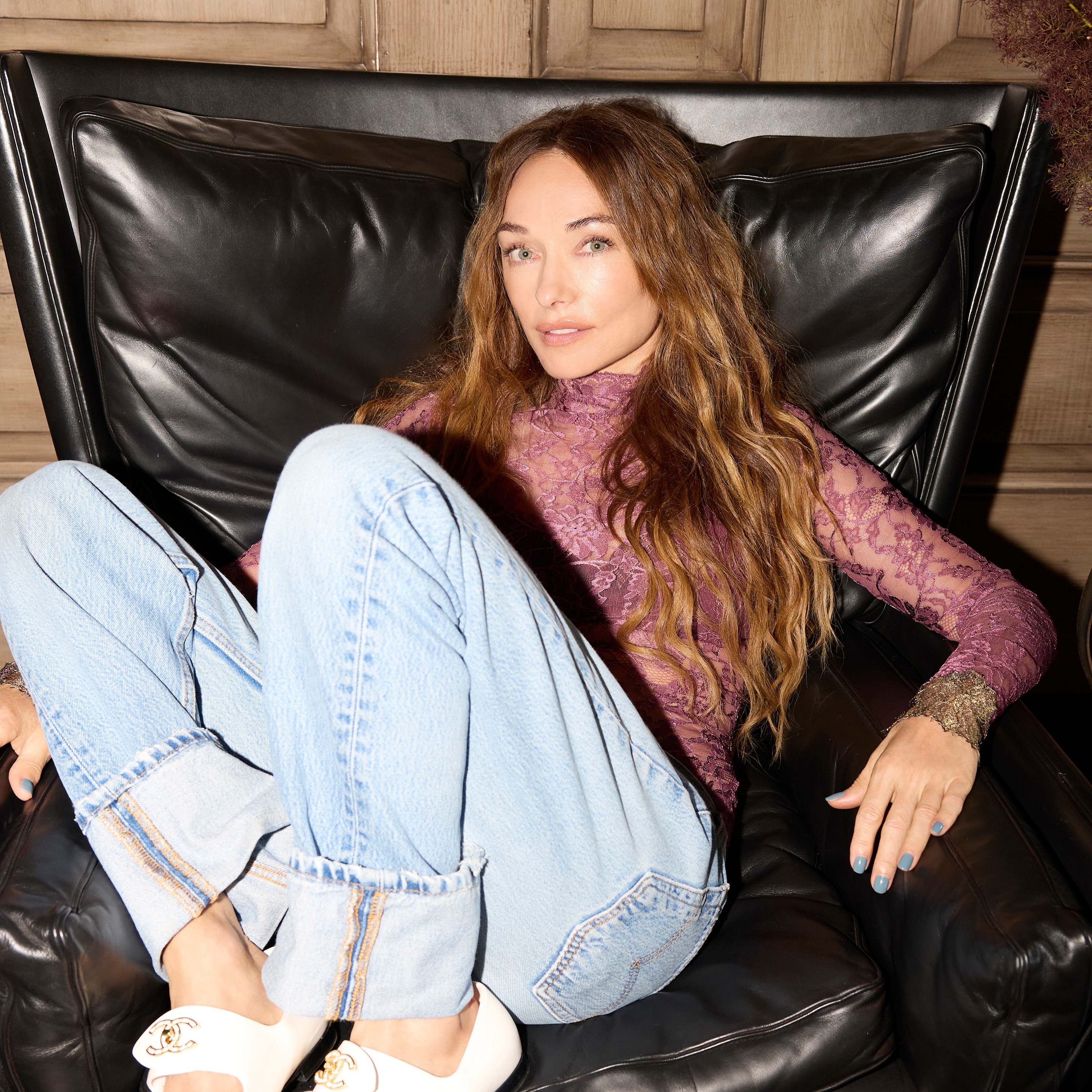
Kelly Wearstler discusses how her early life, waiting tables, and graphic design training shaped her interior/architecture practice, plus her AI use and her landmark H&M Home collaboration.
Kelly Wearstler is an LA-based designer and founder of a 60-person studio. Raised in Myrtle Beach, South Carolina by “fiercely independent” women who took her to thrift stores, flea markets, and auctions. She studied graphic design in Boston, apprenticed in New York with Milton Glaser (I Love New York), then moved to Los Angeles and waited tables at Chaya Brasserie until a regular became her first client.
Waiting tables taught her restaurant operations and people skills. Design is storytelling that creates emotion and memory. Expensive materials aren’t required to make objects feel luxurious. AI is a studio “operating system” that saves time but can’t replace human feeling.
Her first client led to a Venice canals home project; she later designed the Avalon Hotel model room (Marilyn Monroe connection). She’s using AI to make decades of archives searchable and to help curate auctions. She’s launching a 29-piece H&M Home furniture collection (plus an H&M fashion capsule).
Written by AI. May contain mistakes.
Kelly shares her childhood experiences that shaped her design perspective.
“Hi, this is Imran Ahmed, founder and CEO of the Business of Fashion.”
Kelly discusses her upbringing in Myrtle Beach and influence of her family.
“Here's Kelly Wurstler on the BOF podcast.”
Kelly explains how thrift shopping cultivated her aesthetic and curiosity.
“So for me and for everyone else who doesn't know anything about Myrtle Beach, that's where you were born, right?”
Kelly reflects on her childhood as a space for creativity and design exploration.
“up so she loved scarves I have an amazing collection of vintage scarves and her and my grandmother, and, you know, just belts and magazines.”
Kelly discusses the innate curiosity that drove her towards creative endeavors.
“Like, you know, my mom was constantly bringing things in and out.”
Kelly shares how she balanced work and creativity from a young age.
“I mean, I think so much of it is innate, your creativity and your curiosity, but so much of it is learned and so much of it has evolved and you have to stay curious in order to continue to, to grow.”
Kelly describes her decision-making process for higher education in the arts.
“How cool, because when I look at the Kelly that I know today and I see just the sheer range of things that you do, you've always been like this.”
Learn about Kelly's early experiences waiting tables and how they shaped her design perspective.
“worked really hard over the summers before.”
Discover how Kelly's apprenticeship with a legendary designer influenced her career.
“and creating the anticipation and, and what is the final story?”
Explore Kelly's move to LA and the challenges she faced in building her network.
“And I, you know, I just love that about him.”
Learn how Kelly landed her first clients and began building her design business.
“I mean, was that like the moment you started building your business, I guess, your agency?”
Understand how Kelly transitioned from waiting tables to running her design agency.
“I mean, I used to wait tables too when I was growing up.”
Hear about Kelly's significant projects and the journey to secure them.
“And so I actually brought him on to work with me and I was working out of my apartment at that time.”
Learn about Kelly Wearstler's experience advocating for a hotel design project.
“And it's a hotel that Marilyn Monroe used to live in.”
Discover the importance of designing spaces that evoke emotional connections.
“There's a real lesson in that beyond, you know, finding a good partner, i.e.”
Explore the hotels and designs that inspire Kelly Wearstler's work.
“like you'll always remember that, how something made you feel.”
Gain insights into the structure and operations of Kelly's design empire.
“like tell us about your practice today, the Kelly Wurstler business mini empire you've built.”
The conversation begins with insights into personal tastes and observations.
“We'll be right back with more on the BOF podcast.”
Exploring why consumers are investing more in home design rather than fashion.
“I think that it all started probably when a lot of people were working from home and they spending more time at home and investing and what's around them.”
Discussing the interplay between fashion and design and notable collaborations.
“And I think that fashion now, I think is doing, you know, amazing job.”
Kelly shares her insights on collaborating with H&M and the challenges involved.
“Because they're not known for furniture and design, and they're not known for luxury, you know, fashion.”
Kelly discusses her early adoption of AI in her design process and its implications.
“And I'm curious about how you're participating in this kind of transformation now.”
Discover how AI enhances productivity in the design process while recognizing its limitations.
“And that would just take so much of my personal time just to look and see what auctions are actually coming online.”
Learn about Kelly's collaboration with H&M and the personal insights shared during the conversation.
“Thank you for sharing all that advice and all those stories.”

Get the gist, explore an idea or ask about something said.
 Claude
On The Business of Fashion Podcast, what are the key points of this episode?
Searching your listeningAutomatic transcript. May contain errors.
0:00Introducing Meta Glasses. You have questions, they've got answers. Hey Meta, what's the capital of Peru? Lima. How do you say, where's the restroom, in Spanish? ¿Dónde está el baño? Hey Meta, is a hot dog a sandwich? Technically no, spiritually yes. Hey Meta, what should I do with my life? That's one of life's biggest questions. What do you think? Ask anything with the new Meta Glasses.
0:35Hi, this is Imran Ahmed, founder and CEO of the Business of Fashion. Welcome to the BOF podcast. It's Friday, August 14th. When the designer Kelly Wurstler was five or six years old, she made little drawings and small sculptures out of cans and cartons, laid them out on the table at family gatherings, and put price tags on them. She grew up in Myrtle Beach, South Carolina, raised by what she calls fiercely independent women who took her to thrift stores, flea markets, and auctions. She got her first job at 13. She studied graphic design in Boston, apprenticed in New York with Milton Glaser, the designer behind the I Love New York logo, and then moved to Los Angeles, where she waited tables at a Beverly Hills restaurant until one of her regulars became her first client.
1:27Today, Kelly's design studio has 60 people and six verticals. Interiors, architecture, licensing, creative direction, a gallery, and a sub-stack newsletter. And next month, she launches a 29-piece collection with H &M Home, the first time the retailer has put furniture into a designer collaboration, and the first time it has worked with one designer across both home and fashion. This week on the BOF podcast, Kelly joins me to talk about advocating for herself before she had any track record, what waiting tables taught her about designing restaurants, and how she is using AI inside her studio. Here's Kelly Wurstler on the BOF podcast.
2:12Hi Kelly.
2:14Kelly Wearstler: Hi Imran, how are you? I'm good. Welcome to the BOF podcast. Thanks so much for having me. So good to see you. I actually can't believe we haven't done this yet because I thought we would have done it by now. But I learned so much about you when I was going through the research for this conversation that I didn't know before. So I think it's actually going to be quite a fun chat. And of course, there was the big news earlier this year and then last week that you've done this quite landmark collaboration with H &M, which we'll talk about later. But I want to go all the way back to Myrtle Beach, which is a place I've never been to.
3:00So for me and for everyone else who doesn't know anything about Myrtle Beach, that's where you were born, right? Tell us about growing up in Myrtle Beach.
3:09Kelly Wearstler: Well, Myrtle Beach was Myrtle Beach, South Carolina. And I grew up by fiercely independent women. my mom, my grandmother, and my mother was quite young when she had my sister and I. And, you know, it was like anywhere else. It was, you know, everyone was into, you know, music and just hanging out and being together. And, you know, it wasn't filled with culture. So, you know, we would seek that out. We would go to Charleston. We would take trips to New York and really kind of search out a little bit of culture. I was very curious growing up, you know, my mom and my sister and I love going to thrift stores and flea markets and auctions.
3:55Kelly Wearstler: And my mother just loved design and love fashion. And so my sister and I tagged along with her all the time. And so that's really interesting. So you're in this place that's maybe a little starved for big city culture. so you find your inspiration and passion and going to flea markets and thrift stores like what were you discovering there and finding there that caught your eye at that age I remember like fashion like scarves my mother you know we didn't have a lot of money growing up so she loved scarves I have an amazing collection of vintage scarves and her and my grandmother, and, you know, just belts and magazines.
4:37Kelly Wearstler: I remember just seeing all these like magazines from the 60s and 70s and just piled up and really just going through them and seeing fashion and what life is like in these other places, you know, in the world. And just I'm super curious. I was always turning things over. I was looking at tabletop and I was looking at furniture. and I think that really kind of educated my eye in so many different elements of design. Like I love typography and I think that really came from the magazines and what really resonated with me and evoked an emotion. And so we're constantly going to these interesting auctions.
5:20Kelly Wearstler: We would go to them in New York. We would go to, Atlanta had a few and this is obviously before online auctions. And my mother was, you know, was collecting also, which, you know, I actually still have a few pieces that I still treasure. Is there one favorite thing that you remember discovering or buying at one of these auctions or flea markets that's still in your head today? Yes, I actually have this leather Vivian Westwood vest and it fits perfectly still. It gives you actually a really nice bosom. And it it's something that, you know, and I still wear. And, you know, and it just it's a great memory.
6:08Kelly Wearstler: And and I also have some art. I have a couple paintings and a couple of photographs. And that was things that were collected, probably like going into high school and college, you know, and also it really these places that we went to, you know, really helped kind of cultivate, you know, my taste and showed me what I love. But still, the curiosity kept it evolving and moving forward. Like I would say my childhood was like a design laboratory. Like, you know, my mom was constantly bringing things in and out. And she, you know, was like, do you want to, you know, pick the wallpaper for your bedroom?
6:46Kelly Wearstler: And, you know, I was like so excited about that. So like she really helped to help me kind of cultivate my taste and and collect things and put things into my room that made me feel good and, you know, really gave me a voice. What do you think it was in you that was, you know, from a really young age drawn to all of these different design objects and clothes and art? Like, where do you think that comes, like, what, where do you think that comes from? Like, I used to, I know it's coming from your mom, you're saying, cause she exposed you to it, but internally as a young kid, like what was drawing you towards those things?
7:29I mean, it was just curious. Like I just was curious and I liked pretty things and I liked things that made me feel good. You know, just when I was collecting these elements, you know, things that made me feel good that I could use like every day, whether it was a teapot or it was a table or a lamp. And I think the curiosity really,
7:57Kelly Wearstler: and I love seeing how things were constructed, how things were put together. And, you know, even like at a very early age, I remember we would go over to our family's house, you know, cousins and aunts and uncles. And I mean, I think it was like five or six and I had, I would create these little drawings and these little sculptures that I would take from cans or like a carton and I would do drawings and I would sell them and I would lay them out on the table for all the family and I'd put little price tags to it. I mean, I was kind of an entrepreneur before I even knew what that word was. And it, you know, and my mom actually still sends them to me.
8:37Kelly Wearstler: It's like, so there's like a pot holder and there's like a little frame that, you know, I made out of cardboard and put a photo, you know, a drawing in there. And, you know, it's just, it's very sweet. So I really, from an early age, just liked being creative. I mean, I think so much of it is innate, your creativity and your curiosity, but so much of it is learned and so much of it has evolved and you have to stay curious in order to continue to, to grow. So isn't it so interesting that the things we're drawn to as young children before anyone's planted ideas in our head about what we should do or what the responsible thing is to do is that those things that you're drawn to as a kid are often the things that you're drawn to later in your life.
9:29And you're so lucky that you've managed to turn that into a career, but you've worked really hard too, right? Right. So when when you're that young and you have this level of curiosity, but you don't have a lot of cash, how did you afford to buy all that stuff from at such a young age? You know what?
9:49Kelly Wearstler: My grandparents, you know, my mom and my dad taught my sister and I was that, you know, you have to rely on yourself like nobody's going to take care of you. And I so remember this, like nobody's going to take care of you other than yourself. Like you have to make your own shit happen. And so I, you know, would see things and I was like, I want to have money to buy things. And so I decided like, I'm going to get a job. You know, I was 13 when I had my first job, I was babysitting. And then I actually got a job at this little beach side cafe. And I was like getting up early, like the lifeguards got to the beach early.
10:26Kelly Wearstler: So I would have to get there and open up the little cafe. And so I was kind of doing two jobs. Yes. At 13, you were opening a cafe? Yes. And I remember the owner would pick me up early and I would help get him. He had a couple other beachside cafes that he would drop me off. And I would get the lights on and get everything organized and ready. And I remember like the lifeguards were always the first ones to come in. And it was amazing. It was so great. I was like, you know, reconciling like the cash register at the end of the day. And then there's a lot of, you know, hotels and motels in Myrtle Beach.
11:06Kelly Wearstler: So I have little business cards made and my sister and I set up this little babysitting business. And so when families would come in with their kids, they would, you know, ask the, you know, the front desk in reception, like, you know, do you have any babysitters? And so we would get the call and we were busy. We were really busy. So then now I had money to buy things and it was the most exciting, fulfilling experience for me. How cool, because when I look at the Kelly that I know today and I see just the sheer range of things that you do, you've always been like this. You're like, you've got this babysitting gig.
11:50You've got the like cafe gig. You're doing so many different things. You're like going to these markets. You're like making things. I guess you've always been that way, a multitasker. Yes. And I have a lot of energy and I just like seeking things out. I just like looking for things. And it's probably even now, like I love going to the flea markets and I love finding like those cool anomalies. And there's like such a thrill to that. and and also to like everything doesn't have to be like expensive like of course I have clients that are fluent and can afford a lot of amazing things like I still love finding like those treasures that were you know not expensive and just really mean something to someone and yeah so I really enjoy you know having a lot on my plate and um and you know I I thrive like I love that.
12:48I love the energy. I love, uh, that's just, you know, that's me and growing, growing and learning and, and continuing to evolve.
12:57Kelly Wearstler: And if you don't do like a lot of different things and experiment, then, you know, how, how do you continue to, to evolve and learn and grow? Yeah. Well, you're this like super enterprising young woman when you were deciding like how to channel all of your interests, your varied interests in entrepreneurship and design and fashion and deciding what to do for college? Like how, what was your thought process? Like, how did you make that decision? Well, I remember I wanted to do something creative and I loved, uh, magazines and I love kind of graphic design. And so I applied, there was a school that was in Boston, that Massachusetts College of Art.
13:48And it is a kind of like one of the only state funded art schools in the U.S. And at that time, I knew that I was going to go somewhere. So I saved, worked really hard over the summers before.
14:03Kelly Wearstler: And I applied to the school, saved a little money and moved to Boston. I got accepted to this school and studied graphic design. And at the same time when I moved, I got a job because Boston, you know, I wanted to live kind of near the school and I got a job waiting tables. That was another thing that I really enjoyed doing. You know, I think at 15, I was waiting tables and it's something I did through college and I love it. I think it made me a great restaurant designer because you have to know operationally how everything co-exist. And so I got a job, I got into school, and I was doing both fiercely, and was just loving it.
14:47Kelly Wearstler: And when I was there, we all had shared workspace with architects and some different types of creatives. And I fell in love with architecture. There was a lot of students building models. And so I started taking architectural classes and just really fell in love with it. And I love like the three dimensional quality and, you know, learning about art history and design. And it was really just eye opening for me and just was falling more and more in love with, you know, everything I was doing. On the graphic design side, because that was your kind of primary course that you were on, at least at the beginning, like what was the most important thing you learned about graphic design?
15:28I've never been taught graphic design. I mean, for someone who works in the media and who's like constantly looking at designs. Like I don't have any rules. I just go by like feelings and alignment probably drive my team crazy. But you know, what, what are the principles that you learned about graphic design? Just, you know, like hierarchy, hierarchy of information, how important like good photography is illustration, movement, anticipation, turning a page, wanting to see something new. That's why it's so important to surprise your audience. Cause if you're just continuing to look at the same things, you get bored.
16:06Um, and, and also just the, the importance of, of inspiring, like moving somebody in this like two dimensional platform. And, and I think too, I mean, it's even helped me with how I bring in different teams in the studio and graphic designers and what I'm looking for, you know, and I still use so many of all that knowledge now in so much of what we do, whether it's a book or it's, you know, my e-commerce site and all the storytelling that we do for many of our different projects and, and creating the anticipation and, and what is the final story? Storytelling obviously is very important in graphic design.
16:46So it was a really good base for me. So what did you do when you graduated? So when I graduated, I, well, actually before I graduated, there was a graphic designer, very famous Milton Glaser, who lived in New York. He created the iconic, I love New York logo. And he also designed restaurants. He was kind of like this interesting graphic designer, interior designer. And so I, you know, really loved his work. He did like a lot of famous record album cover designs like Bob Dylan. And so there was an opening for an apprenticeship in New York.
17:29Kelly Wearstler: And I went to meet him and his team and, you know, really wanted to be in New York. I felt like when I was left South Carolina, I felt like even though I love New York, I wanted to, it was maybe a little too big for me. And I wanted, you know, a place where there was a lot of like students. And, and so that's why I ended up in Boston, but was really excited to, to try New York. And so I got the apprenticeship and I was there for a year and it was, you know, so fantastic. It was in a townhouse. How did you get the apprenticeship? I went to interview and we did, I did a portfolio. And why do you think they picked you?
18:06Kelly Wearstler: You know, maybe because I had, you know, similar interests of everything they were doing. It wasn't just focused on on graphic design it was uh you know i had architecture background design and i was like willing to do anything and i you know wanted to be there every day and they moved me you know from the different floors which is great and i wanted to you know it's very vocal i you know i want to also you know learn about you know design and graphic design and also how these elements come together to tell a story you're working in a restaurant you're designing the space and you're selecting the furniture and the lighting, but also you're designing the menus and seeing that whole story was really great experience for me.
18:47Wow. What, I mean, to get that kind of exposure and experience from a legendary, you know, really respected designer who's created a logo that almost everyone in the Western world has seen somewhere and it's been copied so many times, like, wow, what was he like as a person? he was very friendly like he was at work every day you know and that taught me I think you know I'm at my studio every day like I'm not you know I can't work from home I choose to be in my studio I choose to be working hands-on on the front lines of my team and he was that person like he was there every day he was in meetings I sat in meetings with him and I think that's important for just a studio is having not just senior leadership in meetings, but also junior and exposing them to everything going on, having more visibility to how, how a studio like that operates.
19:52And I, you know, I just love that about him. And he was, he was very friendly and, um, and really, you know, cared about every element of his business. so what did that apprenticeship set you up for next so when that was uh completed I you know knew I wanted to and I could have stayed on but I wanted to you know I missed nature I missed like
20:18Kelly Wearstler: amazing weather being near the ocean I grew up you know next to the beach and so I you know for some things, just like go to LA. Like actually knew no one there. And I knew, actually I knew one person who I went to school with in Boston and he's in the music business. He invited me to come visit him. This was like the summer after my first year working at Milton Glaciers. And, and I came to visit and he, I mean, you cannot fall in love with it because he had rented a apartment on Malibu on Carbon Beach, which is like insane. And, and I just fell in love with it. Like there's just nothing like it.
21:00It's the most beautiful city. The sky's blue every day. And I love that, you know, the city really, you know, it's not rooted in any sort of tradition. It's like free spirit. You have Hollywood, you have music, you know, everything is here and it inspires. It's just like this kind of melting pot of creativity. LA is a great city, but I also find it like it's very different from like New York or London or Paris, which are these kind of quite densely populated urban cities where like you like by sheer virtue of space, you bump into people like, you know, like you can walk. And LA is so spread out and there's all these different pockets.
21:44So I find it hard to meet people there. Like, how was it for you when you got there if you only knew one person? You know, it was tough. I mean, it definitely wasn't easy, but I keep myself busy. And I immediately got on the circuit of flea markets and auctions. And then you just meet people just virtually by that. And when I got to L.A., again, I'm like living paycheck to paycheck.
22:11Kelly Wearstler: And so I got a job at this restaurant that is called Chaya Brasserie. And it was a restaurant that was next to like some really big talent agencies. And so there was just a lot of like creative people, people in the film business that would dine there. And so I met a lot of people through that. Actually, my first client was somebody that I waited on. Him and his wife would come in all the time. And he was a big agent there. And they gave me my first break. And so, you know, just, you know, meeting people, working with people in the restaurant and then, you know, just started expanding your friend circle.
22:49I guess it takes time like anything else. You said your first project. I mean, was that like the moment you started building your business, I guess, your agency? If you had a first client, you're kind of creating your own version of what Milton Glaser was doing in New York. Yeah. So I had, you know, when I, when I got to LA, I had a roommate and then after say, maybe it was like a year, I decided I was going to get my own apartment. And then I was collecting things and designing it. It took probably like a year and a half to get it completely done. And then I was still working in the restaurant.
23:34And so this client, they said, Hey, we would love for you to help, you know, on our house. They also love vintage. And we were talking about going to the flea markets. And then we had this like shared passion. And so they said, Hey, we have like two rooms in our house, we bought a place in the Venice canals, and we would love for you to work on the project. And so I did this project. And we had such a great time designing and curating and
24:02Kelly Wearstler: ended up doing the entire project. And then somebody they had a party and then somebody saw that project and then it just grew. I had two, three clients and I was actually still kind of doing everything by myself. I dropped the waiting tables gig, which was like, cause I did it for so long. I actually still have dreams that I'm like in the weeds. That's what they call it when you have too many tables. And you're like, I still have, I still have those dreams where I'm like, oh my God, I'm too many tables. And then like something happened. Like I have like my business, I don't have a business anymore and I'm going back to work.
24:38Kelly Wearstler: Like it's just, it's funny, but it was incredible. That was like one of the best experiences I had is being, is being a waitress and, uh, and it makes you the most amazing multitasker. Like I can out multitask anyone. But, and also I think, I think being a waitress or server or waiter, you know, whatever term you want to use, you also have to be really good with people because you kind of have to, you have to interact with so many people, so many different kinds of people, sometimes very demanding people, sometimes very unhappy people. I think that's a great thing. I mean, I used to wait tables too when I was growing up.
25:17So, you know, you never know what you're going to encounter, right? Yeah. Yeah. You just kind of go with the flow and you just want to make everyone happy and have a great experience. It is exactly what I do today. And being like, you know, when I was, you know, waiting tables and then doing design. Like I never thought that I would be designing a restaurant. I never thought I'd be designing a hotel and experiences and that everything I do today and having that foundation really gave me, you know, an advantage. We'll be right back with more on the BOF podcast.
25:55Introducing Meta Glasses. Hey Metta, any last minute tables for two tonight? Sure, there's a great Italian restaurant 15 minutes away. Hey Metta, where's the nearest flower shop? Five minutes away, straight down Broadway, past the bodega. Their lilies are trending on Instagram. Just saying. Hey Metta, am I forgetting anything else? How about setting a calendar reminder for next year? Metta glasses, available in more than 20 styles. so when did you know that you had the kind of beginning of a business like a that you could quit your waiting tables job and you could you had a business that you could really focus on a hundred percent i had three projects at one time and i knew i need to hire you know someone and there was this this guy that worked at one of the stores that i would they had like like mid-century furniture and, and we became very friendly.
26:56And so, and he was great. He had a great eye. And so I knew I needed help. And so I actually brought him on to work with me and I was working out of my apartment at that time. And then I think maybe three months later, I decided to get a small studio, which I got down the street from my apartment. I was in Hancock park and then just started getting just more calls. And at that time I met my, my future husband who was a friend of a friend and he just moved to LA maybe a year or so before I did. And so he was buying these historic apartment buildings and then renovating them, the common areas, like really beautiful buildings.
27:36And we, he asked if we, you know, we would help him with this project, these different projects. And so we took that on and they were great. I mean, the, the architecture and the inspiration of these buildings were really just so inspirational. And the history and people that live there is like old Hollywood. And during the course of maybe a year into working with Brad, he had the opportunity to buy this hotel with some investors called the Avalon Hotel, and it's in Beverly Hills. And it's a hotel that Marilyn Monroe used to live in. It's 1950s. It's a boomerang shaped building. And, uh, and I was like, I want to do this hotel.
28:22And he was like, well, you haven't done a hotel before. And you weren't married yet, right?
28:27Kelly Wearstler: No, I had a boyfriend and, um, so, so Brad's your client and you're like banging down his door to do this hotel, basically. Yes. And he had, you know, he had like, you know, investors that were all, you know, very successful. And so I had, you know, no history of designing any sort of like restaurant or, or hotel at that matter. And, you know, and hotels are big investments. And so I just kept on, I'm like, I really want to do this project. And so he went back and he spoke to his investors and they said, you know, we'll let Kelly do a model room. And I had some successful projects with him and some of the investors with some of the apartment buildings that I've done.
29:12So they knew the design was great. And so they gave me the opportunity. They said, when you can design and it's very successful model room and everyone loves it, then you can go ahead and design the whole hotel. But the caveat was that I had to find an architect who's actually done a hotel before because it's a different beast than designing a residential project. And so I just remember, like, I literally moved my entire office into the hotel and it was a gut renovation with the bathrooms and the guest rooms and just worked really hard. I mean, there wasn't like going online trying to find like a great window treatment fabricator that does hotels.
29:55Like we really had to do a lot of research and I ended up hiring like another person at that time to help. And the model room looked great. And that's when you do a hotel, you always have to do a model room to make sure everything looks great, everything's functionally working. And then we got the entire project. And I found Kony Eisenberg. They're an architectural firm in Santa Monica. And they had done the Mondrian for Philippe Stark on Sunset. And they were amazing. I learned so much from them.
30:26Kelly Wearstler: And it was, you know, it was an incredible project. It was really kind of the first big project, a commercial project that I did. There's a real lesson in that beyond, you know, finding a good partner, i.e. architect, to help you do and learn the things that you didn't know how to do. And for me, that lesson, it was in how you advocated for yourself and pushed for yourself. You know, what was it in you at that age that you had the confidence and the wherewithal and the passion to keep advocating for yourself with Brad, who would end up being your husband one day, but wasn't your husband was just a client.
31:08Like, how did you find how did you summon that confidence to do that? I mean, it really went back to my childhood, like my both my grandmothers worked. They were so independent. My mom worked and just go out there and whatever you want to do, you can accomplish. It's hard work. It's not going to be easy. And it has to be fueled with passion and curiosity, period. And wanting to do more, like the thirst for knowledge and to create these like beautiful spaces and to really, and to make people happy. Like there's nothing better than to go into like one of the lobbies of the hotels that, you know, we worked in and you used to see like people coming back over and over again.
31:59And they're like, we love being in this space. It makes me feel so good. Or, you know, I had my, I got engaged at one of your hotels in this like beautiful space and I'll never forget it. And I have these incredible photos and that is so meaningful and it really just goes back to you know making people feel good yeah I guess that's is that your why then Kelly is that like why you do what you do it says in the idea of creating spaces that are have like some kind of emotional impact on someone yes and helping people to like with clients, helping them find like what they love, like listening, knowing the right questions to ask.
32:46And, you know, you want to also be around things that, yeah, that make you feel good. And
32:55Kelly Wearstler: everything is about a memory and everything is about how something, you know, made you feel like you'll always remember that, how something made you feel. what's your favorite hotel not designed by you anywhere in the world that gives you that feeling oh god there's quite a few there's one in it's in indonesia it's called mihi watu and it is the most unbelievable hotel it you know it's very luxurious but it's also quite primitive at the same time. The island is very primitive. And it's, I think it's been like one of the top leading hotels and all of the travel leisure kind of nest write-ups. And it is phenomenal.
33:42Kelly Wearstler: And I, everyone has to go there. And, you know, I stayed at another hotel recently, actually while working on the H &M collaboration was at Hem in Stockholm. home. And it's such a charming hotel. It was designed by Elsie Crawford, who's fabulous. And it just makes you feel so good. Like you just want to just hang out in every space and you want to experience every space because all of them are quite different. You know, it goes back to like going through the magazine and like seeing something new and experiencing something new. Like you want to go, I had coffee and tea in every single space in that hotel.
34:21Kelly Wearstler: And it was, really extraordinary but i love large hotels and i think those are probably the toughest to do to make them feel intimate and but this one uh the et ham it's like two townhouses that are together with a shared courtyard and all the rooms are different and it really it feels like home I think I've heard of Nihi Sumba. Is that part of the same group? Yeah. But I've never been to the Adhem Hotel in Stockholm. So next time I go to Stockholm, I know where to stay. Have you ever been to the Okura Hotel in Tokyo? Yes, I have. So for me, I've never stayed there, actually. I just visited that hotel before they did this massive renovation and changed it all.
35:13But like, I remember walking into the lobby there and just having this, like, I don't know, it was like a shift of something shifted in me. Cause it was so, it was so perfect, but it was also so human and so comfortable. It was just, yeah, I know that feeling, I guess for everyone it's different. Yeah. And some of that, that hotel, like the historic photos are unbelievable. I mean, it was, it was perfection. It was so well designed. And those are truly like the larger projects get, you know, the more challenging it is to make them feel intimate and really create like sense of spaces. And it's something I continue to get better at in my career.
36:02Yeah. Well, my dad was an architect growing up. So I grew up around blueprints and designs and stuff too. So, you know, it's really cool to hear how you ended up doing what you do. So like for people who don't know, give a sense of what that has become today and what this early interest in design and curation and materials and fabrics and objects and rest, the whole thing, like tell us about your practice today, the Kelly Wurstler business mini empire you've built. it kind of started you know everything really started under one umbrella which was interiors and like I never knew like what I would be doing today it just it's I surprised myself but I'm I just absolutely love it and you know we I have a 60 person team my studio is in Los Angeles I have a remote team as well, working out of some different countries, which is amazing.
37:07We kind of operate, we have their six verticals. There's interiors, architecture. We have licensing business across lighting, rugs, piano, music, and furniture. And we also do creative direction for brands. were brought on for that. We have brand partnerships. And then I launched a gallery about a year and a half ago, Side Hustle Gallery. And then I am in the media world with Substack, which has been, it's called Wurstler World. And that also has been really enlightening and great with just storytelling and really thinking about why I make the choices that I make. And so it's been very enlightening.
38:00How do you juggle all that? Yeah, sorry. How do you juggle all of that, Kelly? That's a lot. I have an amazing team. and we have, there's a, you know, I'm at the studio and I think you can have many different, many different elements to your business and many different departments. And I think the important thing is that everything has the same voice and vision. And so I want to hire the, the team working on the Warsaw World with me. They're, you know, amazing writers. They help, I'm very involved. They help with image curation. They help with the storytelling and really helping to get information that the audience wants to hear.
38:56Kelly Wearstler: And I think everyone from the studio is also involved in that because the Substack story tells on the project we're working on, where the curation is happening from, where are the best places to see this and do and travel guides. So that has been really amazing and have a great team. And it really is like a big kind of studio wide effort. And, you know, the gallery kind of stemmed from, you know, just my love of design and collaborating. And we always are commissioning different artists to do different types of works specifically for clients and for projects. and so that you know everything that we're doing is like a natural extension of things that we're doing we're just offering it and being more of a kind of a transparent studio you know I love sharing you know where I find things from and and you know who is some new artists on my radar it really is like kind of like this open-air studio of creativity and it's a design lab where we're all kind of inspiring one another so it doesn't feel like it's this super huge lift in every vertical that we're doing.
40:06I mean, I understand that's how you balance all the stuff with your teams and how it all fits together. But what about in your own brain, in your head? Like that's a lot of mental load. You're doing a sub stack, you've got collaborations, you've got the clients you're working with, you have all 60 different people. As an entrepreneur myself, Like, I just know that one of the things I struggle with is like, how do you keep it all straight in your mind? How do you prioritize things? How do you know where to focus your energy? There's a lot of juggling in your own head as well. I get up early and it's all about like prioritizing, like what is important.
40:50Like, first off, family is everything. It's at the top of everything I do. And my family is my biggest cheerleader. They're my biggest cheerleaders. And I take them along when I travel as much as I can. And I think I just, I really love what I do. I'm not saying it's easy. There are days where I want to pull my hair out and I also show up. I go to my studio every day I'm there when I'm not traveling. And even when I'm traveling, I am always available, you know, for meetings and whatever needs to happen. But yeah, I mean, it's not easy, but I'm so fulfilled and, and I love how I'm just continuing to learn.
41:41And yeah, there's just so much in the world to
41:44Kelly Wearstler: see and be inspired by. And, and I always go back to this like stiletto shoe or chair example. It's like you think you've seen every stiletto, you think you've seen every chair design, and then like someone surprised you and you're like, whoa. Like, I love that. I love falling in love with new things that I've seen. We'll be right back with more on the BOF podcast.
42:12I think what I found so interesting about you when I first met you, which is like three or four years ago now we had that first lunch together in um in London and I was blown away because like not only were you this like real design aficionado but you clearly love fashion and one of the things that I was observing around the time when we first met is a lot of people who had been focusing a lot of their personal disposable income on clothes or bags, you know, partly due to COVID and everyone being at home, but partly because I think people just take it, started taking a lot more pride in their living spaces and a lot more interest in how they live.
43:03Like as someone who's so interested in fashion, but has a whole business focused on the world of design, like, can you help us understand like Like what's been happening that so many people have shifted their priorities away from buying clothes to like investing in their homes and personal spaces? I think that it all started probably when a lot of people were working from home and they spending more time at home and investing and what's around them. and I don't think that fashion is really taking a back seat because I mean for me personally I love both and when I have something that I want to invest in or buy it could be fashion or it could be a piece of art and but when you know we're working from home more nomadic lifestyle and And home has just become so important.
44:11And everyone's on Zoom meetings. What are you saying about your environment? And it is so much represents you. It's like how you dress and your design, your home, your curation style really is like a form of self-expression. And I really don't see them, you know, living in separate rooms. What do you think the design world can learn from fashion? And what do you think the fashion world can learn from design?
44:46the like the storytelling the you know when you have a voice as a fashion designer you have a voice it really wants to feel like this one vision and whether it's some invitation you get it's now, I mean, movies, films, things that are online to the, your e-commerce site, what's on Instagram and going into a brick and mortar or a retail space, you know, needs to feel coherent.
45:21Kelly Wearstler: And I think that fashion now, I think is doing, you know, amazing job. I actually really love that they're showing up at at Salone and I think it really has kind of brought it to the next level in terms of presentation you know when I design a hotel I look at 360 we have the architecture the story of it's an historic building what is the art what is the furniture what are the uniforms You know, it's all the presentation. This is something that we consider always. And I think it's important that that the interiors, which design is so important and everything you do to a going into an office, going into someone's home.
46:16It says so much about us. And as a brand, you know, that's everything. hmm who do you love in fashion right now like who are your three top designers that you like that get your heart racing at the moment and why I mean oh my god there's so many that's tough I would say I mean obviously Matthew Blasey It was Chanel is like, like unbelievable. And I was so lucky me. I got to sit next to him at Voices at the dinner. Yeah. And he's, oh yeah, he's such a, he's such a lovely human. He really is. And he also, he's one, he grew up in a family of art collectors and, and creatives. And so his knowledge of design and curation is, is really incredible.
47:11and obviously what he's doing for Chanel and the designs are unbelievable. So Chanel and also YSL, the fashion is incredible and the interiors like the new store on Avenue Montaigne in Paris is just stunning and really inspirational. And I also really, you know, Phoebe Philo is another favorite. Just really incredible. Which kind of brings me to H &M. And for those people listening or watching that don't know, you know, during Saloni del Mobile, which is Milan Design Week earlier this year, Kelly and H &M unveiled a pretty significant landmark collaboration. I think it was the first collaboration, Kelly, that H &M has done in the world of home and design.
48:09it's the first it's the i mean it was the many of first it was the first time they've actually done furniture yeah and the first time they've done salone and the first time that they've done
48:23Kelly Wearstler: a collaboration across home and fashion with one designer which is such an honor incredible right so for someone who operates in this like real luxury sphere you know when when people think of kelly worstler's world it's it's not an inexpensive world so when you think about and i know you said that you when you were younger you weren't only drawn to expensive things like you still and even now you're still drawn to things that have a certain kind of specialness to them. So when you're thinking about collaborating with a company like H &M, which is obviously a huge mass market fashion company, one of the largest retail companies in the world, what were the considerations in your head for how and why a collaboration with a company like H &M made sense?
49:22Because they're not known for furniture and design, and they're not known for luxury, you know, fashion. Like, what was it about that company that made it feel right for you? Well, if you look at, like, just in the past, like, I remember, I mean, it was probably early 2000 when they did the Karl Lagerfeld collaboration, and they're really kind of the pioneers with this collaboration with designers. And I remember also Margiela. They made the kind of archival bestsellers of his work and just really always watching them and think, you know, they've done a great job. I bought things from H &M before and the quality is there.
50:11I mean, it's all in the economies of scale. And to be able to design furniture with them for the first time, it's something that was a challenge and knew that we could get there because just with our hospitality projects, You have to really be a great designer, know how to take perhaps a humble material and make it shine. Knowing the assembly, the materiality. And, you know, we just partnered with a company in the UK called Edelweiss. And they're a luxury piano company. And, you know, I was really excited to do a musical instrument. It was our first musical instrument. And, you know, when we were starting the design process, you know, you have the non-negotiable sound is the most important element of the piano.
51:09And most pianos are black and shiny and the typical piano. And they are really, really masters at taking design and just doing something interesting. And I decided like, Hey, let's take the humble material plywood and let's see what we can do with it. And, and I experimented with some of this and some, but some other, uh, designs that we, we offer as part of our furniture collection and, and it looks so expensive and it's like, Oh my gosh, I'm just looking at it now. Wow. That is so cool. Kelly, that's amazing. And how does it sound? The sound is everything. Like the sound is world class. I mean, you would think the piano is expensive and you would think that it has to be an expensive material.
52:04But it's a very humble. It's plywood. It's offered in four different stains and it's beautiful. It's the shape. So being a good designer doesn't necessarily mean that you have to have these expensive materials. And I think what we designed for H &M Home really feels the qualities there, the craftsmanship's there, knowing what workshops to partner with.
52:31Kelly Wearstler: And yeah, I'm really proud and excited about it. Kelly, we're almost out of time, but when you did speak at Voices a few years back, we had you on relatively early in the AI transformation that's sweeping through the business world, the design world, society in general. And I'm curious about how you're participating in this kind of transformation now. Like you were really early. You were one of the first designers I spoke to that was like, Imran, I love this. I understand its limitations. It gives me so many ideas. I still need to edit things down. You had this whole prompting strategy. Like you have been, you were creating your own GPTs.
53:22Like you were doing it all, you know, back in 2023 when you spoke of voices. So now I'm curious, like, what's your take? You know, not quite two years later, but like, how are you responding to an employing AI in your universe right now? Okay, it does. So I'm obsessed. So I just absolutely love it. And again, it goes back to curiosity. And three years ago, when I started to use it and deployed it in a very small way in the studio, it now is like just completely, you know, we're creating operating systems in the studio. You know, we use it obviously creatively, how we can iterate options, whether it's like the scale of a molding or it's the articulation of a floor pattern and all those kinds of typical things that most creatives know how to use it.
54:16But we're also doing really interesting things, you know, making our three decades of archives imagery like searchable. And that is something that would just be a Herculean task if you didn't have AI. And really, every project, the photography, the material references, the historic imagery has been really transformational and saving so much time that all of our designers having more time really to be creative. We're creating tools for us internally that are very specific to our needs. So we're working, you know, in code. We also, I just did an interesting project. I'm actually personally, I three days a week, early in the morning, and I do it on the weekends.
55:07I'm working with a tutor that is teaching me how to use all of these tools because as a CEO and deploying this in an operation that's existing with 60 team members, you have to really know, is this going to have an investment in our time? And there's so many different tools to use. It's kind of daunting and knowing which tool to implement in your workflow. And so basically, we do a lot of curation through options.
55:38Kelly Wearstler: And, you know, there's hundreds of auctions globally. And so I get a DM sent to me. It's an agent and it sees what I actually am interested in curating from these auctions. and it lets me know, gives me like a month runway. So I have time to go and look at what's being offered and get bids ready and so forth. And that would just take so much of my personal time just to look and see what auctions are actually coming online. So AI really is like a vertical for us now. I mean, we rely on it. It's like, it's our partner, just so much knowledge that it provides the team and it is uh you know just so excited about it and just continuing to learn and one thing though that like there are things that cannot do and I know some people are a little nervous about AI but it's never going to you know be able to do you know create the human spirit and it can expand our thought process, but it's never going to be able to, you know, walk into a room and see if that hue is the right hue for the room.
56:59Or it's never going to be the tool that helps you create that feeling, that original purpose of why you do what you do, you know, that you said you want people to feel a certain way, Like AI is never going to be able to do that. But it sounds like you've found so many, so many ways to make you and your team more productive and effective. Kelly, thank you so much. Thank you for sharing all that advice and all those stories. I got to know a whole different part of you today. So that's like lovely. Oh, thank you so much for having me. And congratulations on the H &M collaboration. I think it releases on September 3rd.
57:37And there's a whole fashion component now with eight elements in a capsule collection. So have a lovely day over there in LA. And I'm bidding you good evening from here in London. And thanks for your time. Oh, thank you so much, Imran. I appreciate it. Okay, take care. Bye. Bye.
58:07and then after the two cortar bag of洞 in the快ment ~!
When the designer Kelly Wearstler was five or six years old, she made little drawings and small sculptures out of cans and cartons, laid them out on the table at family gatherings, and put price tags on them.
She grew up in Myrtle Beach, South Carolina, raised by what she calls fiercely independent women who took her to thrift stores, flea markets and auctions. She got her first job at 13. She studied graphic design in Boston, apprenticed in New York with Milton Glaser, the designer behind the I Love New York logo, and then moved to Los Angeles where she waited tables at a Beverly Hills restaurant until one of her regulars became her first client.
Today her design studio runs to 60 people and six verticals — interiors, architecture, licensing, creative direction, a gallery and a Substack newsletter. And next month she launches a 29-piece collection with H&M Home: the first time the retailer has put furniture into a designer collaboration, and the first time it has worked with one designer across both home and fashion.
This week on The BoF Podcast, Kelly joins Amed to talk about advocating for herself before she had any track record, what waiting tables taught her about designing restaurants and how she is using AI inside her studio.
Key Insights:
Additional Resources:
Hosted on Acast. See acast.com/privacy for more information.


