
 Ask ChatGPT



Written by AI. May contain mistakes.

Get the gist, explore an idea or ask about something said.
 Claude
On The Business of Fashion Podcast, what are the key points of this episode?
Searching your listeningAutomatic transcript. May contain errors.
0:04Hi, this is Imran Ahmed, founder and CEO of The Business of Fashion. Welcome to the BOF podcast. It's Friday, October 25th. Growing up in Hamburg, Germany with a photographer father and a stepmother who ran a vintage boutique, Robert Geller was immersed in the world of fashion, art, and creativity from a young age. His journey from Marc Jacobs intern to co-founder of cult New York fashion label Cloak to creative director at Rag & Bone is the result of his personal philosophy of saying yes to new opportunities. I've always said, let's try it. Let's do it. Let's go for it. Because even if it doesn't go right, you learn a ton from it.
0:44You know, like, didn't work out in the end, if you could say that. But it did because it led me to the next thing and the next thing and the next thing. And you're always better going out and trying something than, you know, blocking yourself from everything because you're worried that it won't work out because then you'll never do anything. This week on the BOF podcast, I sit down with Robert to explore his journey, learn about the ups and downs of building an independent fashion label, and why he's taken on his new role as creative director at Rag & Bone. Here's Robert Geller on the BOF podcast.
1:18Robert Geller, welcome to the BOF podcast. Thank you very much. Very happy to be talking with you. Likewise, I have been such a big fan of yours from over the years, and we've never met in person, and we'll have to change that at some point. But I want to start with where you are. You live in Portugal now. When did that happen? I moved here with my family five years ago now. It was before COVID. It was just on a whim. My wife said to me, the girls are growing. I have three daughters. The girls are growing up so fast. We're in New York. We're living this fast-paced life. I have this idea of us just moving to Europe for a year.
2:00And I said, I like that idea, but give me some time. I have to figure it out with work and her too. And so I think it was about two or three years later that we just kind of said, okay, let's go to Europe for a year. And then my wife's from Brazil, so we all speak Portuguese. Nobody really knew about Portugal five years ago, which is totally crazy. But it was just sort of random. It made sense. City that I've always been interested in. We spoke the language, and so we just came here. We'd never been here before. And we stayed. Wow, on a whim, there's so many Americans and expats living in and around Lisbon now.
2:39So I guess you're part of that expat community. Yeah, it's exploded in the last year and a half with Americans, I would say. It just sort of started hearing Americans all around. And it looks like California here. It's very beautiful and interesting mix of people. The Portuguese are really great people. So we kind of fell in love with the place. Clearly, you're the kind of person who's thinking about balancing life and work and prioritizing the family time you have with your girls and with your wife. You know, that says a lot about you right from the get-go. But I want to go all the way back to the beginning of life growing up in Hamburg, which I guess was really formative for you with your father, photography, music.
3:23Talk to us a little bit about the creative forces that shaped Robert Geller growing up. My dad's a photographer. My mom was a journalist, but always a big art lover and really in the art scene. Then they were divorced when I was quite young. My stepmom, she had a huge influence on me in terms of fashion because she owned a secondhand store in Hamburg, but she only sold Japanese fashion labels. So it was all that Comte de Gasson, Yoji Yamamoto and all of this stuff. So whenever we traveled to Paris, she would take me to all of these beautiful boutiques. And so at a very young age, I really enjoyed it.
4:00I sort of found the magic of fashion in these places and in these clothes. So I think it had a lot to do with where I sort of went with my life. Was that what motivated you to go to RISD? When you went to RISD, did you go with the intention of studying fashion and becoming a fashion designer? Or was it a little bit more complicated than that? It was a little bit more complicated. I wanted to be a photographer. So in my family, it was like, if I told my mom to be a doctor or a lawyer, they would have shunned me. Oh, you had the opposite of most of the rest of us. So I really looked up to my dad.
4:37I spent a lot of time sort of growing up in the studio. I loved how that felt. I loved the energy. And then for my soonest sort of had ideas of what I wanted to be, what I wanted to do with my life. It was photography. And so I had a camera from a very young age. And when I graduated from high school, I took two years to actually work as an assistant for two photographers in Germany. One for a fashion photographer, the other for still life to learn all the technique. And then I decided to go to RISD. And it was during my freshman year there, which is kind of foundation year where you do tons of drawing and you can really take classes in all these different fields.
5:16They believe in the sort of the Bauhaus system of creating a designer or artist that creates their own aesthetic, but is able to use it in different fields. And so you spend a lot of time taking classes in different fields. And so I took a lot of classes in fashion because it always interested me. And the photography that I was interested in was fashion photography. So then I started to get the confidence that through I learned how to really sketch, fashion sketch. I learned how to sew. And I said, OK, I could do this. And then I had the decision to, you know, I had another three years of photography, which I already sort of technically, I was very advanced.
5:56And the people that I spoke to, I just realized there was, of course, I could hone in on my aesthetic and really work that out, or I could learn something completely new that was fascinating to me. And so I made the decision to go into fashion design instead of photography. How did your dad feel about that? He was totally fine. Yeah. My dad's like that. He's very, he loved that I was doing photography, but he just loved that I was, I was doing something that I was interested in. And I knew that I had a lot of catching up to do, you know, RISD is a school where people go that usually have had some time to think about what they want to do.
6:33when a lot of the kids in fashion design had been sewing since they were quite young and knew how to sketch and drape and all of these things. I really didn't know anything. So luckily I was a little bit older because I had to take the time to work. I was a bit more mature and I just really put my head down and went for it. And so at RISD, I'm really curious because that's a school that obviously I know by reputation, but I don't really know much about the kind of pedagogy there, the education there, how it works. And you said they want to expose you to a lot of different mediums or art forms in your early years, but how do they help you and how did they help you looking back now?
7:19Like, how did it shape your creative process? You know, every fashion designer has their own creative process. You know, some people start with sketching, some people start with draping. And then also, how did it shape your decision at some stage to focus on menswear. Tell me about how all that happened. Yeah. So the first thing that I want to tell you is during the foundation year, which is the first year, is they really challenge you. They put you through the ringer and they challenge you in things that you just don't have any specialty. And so just one example is they gave us, I think it was like a 20 inch by 60 inch piece of cardboard.
7:56And we had to build a bridge spanning from one desk to the other that would span 60 inches and so you couldn't use any glue or anything you build a bridge I went to study bridges and I kind of came up with an idea and then when we came we had to build this bridge and then there was a competition to see how many bricks you could stack on top of it before breaking and in the end I think my bridge held like 53 bricks or something crazy like what I'm trying to say is like they challenge you to do things that you are not sort of a specialist in that you don't really know anything about but it gives you a great deal of confidence that once you do it that you can by researching and trusting your instincts and you can create things quite well because often you stop because you you just think oh i've never done this before oh i've never drawn i don't know how to draw anybody can learn how to draw it's really learning how to see and how to move your hand to kind of recreate what you see all these things can be learned but there's this whole myth around and I think it broke all of these barriers for me, which for the rest of my career, it gave me that confidence.
9:02Then sort of moving on into the years when I was doing, actually studying fashion, they approached it from a very sort of artsy approach. If you want to spend weeks putting wire on your fabrics, just so it could sort of corrode and leave the marks of the rust on the fabrics, and then you make sort of one shirt out of it. that was totally okay. Some other schools are more pushing you to become sort of a creative director somewhere. So it's a different approach, but it gives you the time to sort of build your aesthetic and to develop your inspiration. And so for me, until this day, I always start the new collections by building a world.
9:45You know, for me, I've always been very interested in in history and society and so to give you one example sort of studying like Germany in the late 60s the student revolutions and what was happening during that time the youth kind of saying we're taking this country back we don't want our history we want to create a new country there was there was trouble in the street there was but it was the first time that that sort of generation said this is this is now our country so there's a history to it but then there's also images in terms of the way people were dressing the colors and all of that so you i create a world for for myself and for the team of the music and everything that was happening and then we design a collection for today kind of drawing from that inspiration so i i really love that i think that if you can create a whole world that you can bring your team into and everybody kind of understands where we are you can really extend that research as deep as as you want and then sort of create clothes that have that energy.
10:45I think it's quite interesting. And when did the menswear focus happen? It started to happen at RISD just because I automatically felt more comfortable with menswear. It was always a more direct way to know if something is good for me. I would create something and if I liked it, I could see my friends wearing it and I knew that there was something to it. whereas with women's wear and I have designed women's wear it was always sort of like designing for women that I I looked up to what I really liked and so but there was a distance so it just felt very very natural for me so even during racing my senior thesis was was all men's wear and then from there I went to Marc Jacobs that must have been amazing Marc Jacobs working there at that time?
11:36Amazing. It was 2001. It was like the best time. It was so crazy. It was super hard for me to get the internship. Just a quick story because they only picked, my school, Rizzi only picked the top two students to interview with them because everybody wanted to go to Marc Jacobs at that time. So I was very lucky to be picked as one of the two. And I went to do my interview there and I did an interview with Donna Karan as well. Donna Karan was, you know, already sort of very big company had a very nice interview went very quickly it felt very good they're like yeah we love what you I just felt like okay I had that in the bag already and then I went to Marc Jacobs and that was the one that I was really excited about and I met with Natalia Zimmer now a very good friend of mine she was on the men's side and we had a long talk and then she brought somebody else in and brought somebody else in And so I felt really good when I left.
12:34But that following Monday, Donna Karan called me and said, oh, we loved your work. We would love to offer you this internship. I said, I'm really honored. Can I have until Friday at 5 p.m. to confirm? And they said, okay, fine. And then I was writing Monday, Tuesday, Wednesday, Thursday. Friday, I remember it was after school. I'd gone to the fabric store. I need some fabrics to do work over the weekends. Get into my car. It's like, whatever. it's just turning turning five I went to pick up my phone and it sounds like a movie but really when I picked up the phone the phone rang and it was Natalia and it totally changed my life I mean really completely changed my life because one the people that were there are still my very good friends two my wife was my boss there Anna Beatriz she was she was on the women's side She was the design assistant there.
13:30And then it was Richard Chai, who was working under Mark directly as a creative director. And then there were three interns. It was Jack McCulloch from Perenza. And then this guy, Isa, I forget his last name, but he used to have that store, Nom de Guerre. Super cool guy. So, I mean, it was just like, it was a great place to be. And I learned a ton. So that was the entire design team while you were there? That was it. Yeah, for Marc Jacobs. Marc by Marc was upstairs and they had a much bigger team, but that was it. And you were working on menswear and womenswear or just menswear while you were there?
14:07Everything. I was really just like doing whatever's, intern work, whatever's needed. I speak pretty decent French, was fluent for some time. And so when he needed for me to book whatever, like cars in Paris, I would do that. I would make photocopies. I would go get coffee. So whatever, whatever. I just love being there. But one of the things that really led to the next step was that I also helped out with the pattern makers and stuff. And there was this guy, Alexander Plokov, who, when he first arrived, he was working on the men's patterns. I remember Marc Jacobs during one of the meetings saying, oh, I'm so happy that Alexander's back.
14:43He's the best pattern maker in New York. It's absolutely true. But we really got along well. So let's talk about Alexander Polkov in a minute, but I'm not done with Marc Jacobs yet, because for someone who's still in college, studying to be a fashion designer, working at Marc Jacobs, possibly at the height of Marc Jacobs' popular success. Yes. He was, by that stage, creative director of Vuitton. And, you know, there's so much going on with him. What did you learn about what makes the magic of Marc Jacobs? Because he seems a very different personality from you. Like, that place is notorious for everything running on fumes, everything being late.
15:29You strike me as a slightly more meticulous, disciplined, kind of organized person. And there's magic in both, right? What did you learn there? What did you observe about where his magic comes from? It comes from him. Back then in 2001, he was wearing the glasses and he had a little bit more weight. I looked up to him so much then. And sometimes I would get to listen to him doing interviews about music and stuff. He's just a magical person. He's so smart. He's so like, he's so cool. He has, he was so cool. He just knew all the cool music. He knew all the cool people. Like he just had a feeling for it.
16:10You know, I, you know, when somebody walks in the room, you're like, that guy is just, and he was that to me. And I think it was when I went to the first show that we worked on together. And it wasn't even during the show, it was during the run through when the music came on and the malls came out. I was crying, like literally tears running because I was so it was just like I was like I'm at the epicenter of cool and things that I sort of been looking up to as a as a kid and I'm here and it's so amazing and it really pushed me to want to want to do my my own thing but on the other hand how late everybody worked and how crazy those days were I don't think I could have done it for more than the time that I was there and people stayed for years and years and years but it was everything it was your whole life from from morning to morning basically yeah so when I left there I said if I start my own thing there's a lot that I take from Marc Jacobs in terms of creating an atmosphere and beautiful collections and that but I can't work like that I don't want to work like that it's not how I want my team to experience just those super late nights we had all-nighters every once in a while when we needed to, but I really tried to sort of stay on top of things and get organized and make decisions and move things forward.
17:28Yeah, I've seen both approaches in our industry and they can both work. They're just suited to people with different temperaments, you know, different vibes in a way. And sometimes in that kind of more chaotic model it's creative chaos it creates these incredible ideas that can come together from that kind of pressure cooker chaotic environment no totally i agree and it was happening there i mean it was also amazing people there from from vinicia scott and all the stylists and all the i mean it was it was magic and for us young guys it was totally fine what bothered me more was the people, the sample makers and the pattern makers that were there that were in their late 50s, 60s and stuff.
18:16I'm not saying it's wrong. I think it was some of the most beautiful collections that I've seen from anybody. It was really such a great time. But for me personally, it just doesn't go with my personality. I don't like it. I don't thrive in those circumstances. I thrive at like 5 o 'clock in the morning, waking up early and putting on great music and sketching. That's when my ideas come out. So it's just a different approach. Okay, so let's talk about the decision to venture out on your own with Alexander Plokov. I mean, cloak. I mean, I remember when I first started working in fashion and spending a little bit of time in New York, like cloak had this reputation.
18:56Like, it's hard to describe the reputation it had. It had this, it was so mysterious. You know, when people use the word cult brand, they often use it very liberally. but cloak was really a cult brand it was as culty as it gets it was we're so small you know we're like yeah it was alexander and i and then we had my best friend from middle school who had taken some business classes to try to help us out and at its core was so cool we were not really focusing on on making money we didn't know how to do it but we knew how to make great clothes and how to put run fun shows. And like, I think back at that time, it was just pure.
19:38So tell me about the discussion that you and Alexander had when you decided to go off and do your own thing. Like, how did it all come about? And what was it that you were trying, even if maybe you weren't even thinking about it this way, but like, what was it you were trying to offer to the fashion world that wasn't there at the time, or even maybe the New York fashion world? When we were still at Marc Jacobs, I would go and help him out and doing things in patterns, cutting things out and whatever. And we would just sit there and chat. And, you know, we're talking about fashion and talking about music.
20:12And there was just so much that sort of we were aligned on and we really liked each other. And he had said that he had started this brand called Glyph before, and he was thinking about starting something again. And so the more we talked about it, the more kind of excited we got to do it. And then he had gone and kind of on the side, done the first collection. He asked me to kind of come in and help out. And then after that first season, we were like, OK, let's do something together. And then I kind of taken my savings. He took his savings. We said, let's let let's, which wasn't a lot. We said, let's start something new.
20:50And that's how Cloak was born. And then we got a little office on Little West 12th Street in the meatpacking district when it was still really the meatpacking district. And what year was this? This was 2003. Oh, wow. Yeah. So we didn't even think about what we were trying to offer to the Clark. I mean, we're just trying to make cool clothes, really. Like we want to make something cool. and Alexander had his sort of like dark he loved sort of like Russian but also American very sort of heavy metal dark things and I loved sort of also goth music and the cure and that more romantic side and somehow the combination of the two of us we came out with cloak and it you know it's been really after the second season was when we we found our aesthetic it was a little a little gothy a little military, but really fun.
21:45Like our shows were super fun because we kind of just like let in whoever could come in, like first come, first serve kind of a thing. But we had like big editors there doing tequila shots with whatever. It was just like how you would imagine we were still young. I think I was like 25 or something like that. It was a different time for the fashion industry then when a brand like Cloak could exist, you know, where big editors would take time out of their schedules. to go experience a brand like that? There was no menswear really in New York at the time. So we did something that felt quite, you know, it was very skinny.
22:22It was kind of dark and edgy and that definitely didn't exist in New York. So people paid attention to it. I was so surprised that, you know, it was The Face, that after the first season, The Face did like a story on Cloak and a couple of other magazines, like three or four pages about the collection. And I always thought like, you know, maybe after like five, ten years, if we really establish ourselves, there'll be something in a magazine about us. But it happened so quick. And that's also New York. You know, I felt like New York, if they find something they like, it doesn't matter how long you've been doing it.
22:55It doesn't matter sort of your merits or whatever. I mean, we have our merits, but I was, you know, I was young. I didn't know at all what I was doing. And Alexander, he's older than me, but also we were both just kind of like driven by creating something special. When you think about your creative partnership with him, I wanted to touch again on pattern making. because one of the very first things I learned when I was poking around the fashion industry is how important pattern making is to the creation of a fashion collection, but how underappreciated it also is. Sometimes by fashion schools even, they don't even really teach the idea of pattern making.
23:41And so when you have a very good pattern maker, like it sounds like Alexander is or was, that's a really valuable asset in terms of creating clothes like why is pattern making one so underappreciated but two so important in the creation of really good clothes yeah it's a really good question because people see it as like a trait they see it as like something that you can learn it's technical the reality is it's so emotional there's such nuances to it but it's not appreciated and alexander was much more than just a pattern maker but he was an incredible pattern maker as well so a lot of the magic of those garments came from him because he he created new ways of constructing pockets and sort of layering of fabrics and all these things i mean i have not until this day met anybody that comes close to him in terms of knowing how to construct the garment.
24:38So for me, it was like incredibly eye-opening. I think what I brought to the mix was more of an overall view in terms of the direction, the styling, the colors, textures. He was a little bit more maybe micro, a little bit more macro. But together, we agreed on what we wanted it to look like, but we just used our sort of our skills to bring it together to create this collection. we'll be right back with more on the bof podcast
25:14so eventually cloak didn't work out what happened we just didn't know how to make it make money it's so difficult to be honest we were not a hugely commercial brand to begin with it's pretty niche and the hardest part really was the production aspect of it you know when you're when you're buying rolls of fabric and you you have to buy them before you know how many you're going to sell you have to buy thousands and thousands of buttons at a time to get a decent price but you're not sure how many of those you're going to use it's really hard to sort of estimate how much you have to sell and what the margins have to be to be able to make money and we always had our number and we always sold more than we expected, but we still didn't end up breaking even.
26:01So after a while, we were borrowing money from whoever we could. And I think it was after about five seasons where I said, I'm too young to take a huge loan from a bank. And I didn't see it working, to be honest. I love what it was. I think we created something really, really special, but we weren't set up for success. And so I decided to leave. And then Alexander, I think, continued for another two or three seasons before it finally shut down, sadly. Well, it was certainly a moment and seems like a really important experience for you professionally and personally. You'd think that one independent fashion business in, you'd be like, okay, I'm done.
26:51But you then decided to create Robert Geller, which is, you know, honestly, where I first really came across your work. And I was saying to you just before we started recording that I've gone to Japan, which is my favorite place to shop, not just because of the variety of things that they have there, but also because the clothes there fit me. Your collections are very prominent in really important stores there. And so, you know, the more I came across it, the more I was like, wow. And it was really like the fabrics and the colors. So tell us how Robert Geller, the brand comes about just after you've decided you don't know how to make money from an independent fashion business.
27:36And it's so hard. And why do it again? Because the circumstances change completely. So it was like, I think within a year after I left I was approached through a Japanese graphic design friend of mine who actually had been working with us at Cloak. He approached me and said he had been contacted by a Japanese production company and they loved what I did with Cloak and if I would be interested in working with them to create a collection. And that's sort of how it was phrased. I said, yeah, let's talk, see what their idea is. And so we started to talk and all sounded amazing. They're like a production company that already was doing a couple of brands in Japan.
28:24They wanted to start something for the American market. And then after a while, they're like, well, we want it to be your brand. We want it to be Robert Geller. And we said, okay, if we do that, then we have to change the model. Then it has to be my name. I don't want to sell my name. will do kind of like a worldwide licensing agreement where they have the right to distribute it. I have the creative control. They handle the production and the financing, the things that I don't know how to do. And they agreed. And that means that you're not taking like a massive financial risk. There's a personal risk involved because it's your name, but the financial risk isn't there.
29:04I didn't have any financial risk, yeah. I mean, I had my office in New York and one or two assistants working with me, but that was all covered. So that's why I started that again. It was just the circumstances were as ideal as you could imagine. You know, working with Japanese fabrics, Japanese production, amazing. Having creative control, amazing. And then having a company that supported me and paying for the shows and all of it. Not the experts in production, the thing that I didn't know how to do. The experts in the finance, which I didn't know how to do. So just that's why I started again.
29:41And that's what it's like, okay, this can work. This felt really good. And I'd already built a lot of relationships with editors, with stores and stuff. So it was really quick. This was 2007 and it just took off. And so you said you saw a lot of it in Japan because we also had our showroom there. The Japanese market was a really good market for us. The rest of Asia was pretty good. and then really North America, the United States and Canada. Canada, we were somehow also very popular for, you wouldn't imagine, but I think we had not quite, but almost as big of a business in Canada as in the States for a while.
30:19Really? Well, I'm Canadian and I have to say I never came across it in Canada, but I discovered in Japan, and that was a 10-year journey for you, 10 years of the Robert Giller business. How would you describe that experience looking back now? I really loved it. This was really good because it felt right. It felt like the pieces were in place. And then, you know, we launched at the end of 2007. By 2009, we had won the, it was like GQ CFDA, Best New Menswear Designer of America. So that took us up another notch. And then 2012, we won the CFDA Award. this or else like it just kind of like things were moving forward the business was growing and it was just healthy like it all it all made sense and I felt like I had found a bit of a better balance between pushing the envelope and still making things approachable and I think a lot of people that really like Robert Keller say that they said okay the things were interesting but they were still really approachable and wearable pretty well priced for Japanese product So I think I matured a bit during that time, but still was able to do, you know, I love the shows that we did.
31:36We're really beautiful. We always did really beautiful lookbook shoots and had a great creative team. And the whole thing was a really nice ride for a while. There's one thing that I'm not sure you know about, but we had to change partners in Japan. I think this was like 2013, where I noticed that sort of the payments from the company were taking longer. You had to ask two or three times. And for the Japanese, that's not normal. Normally, they send it to you on the first of the month. And the way that we were set up in New York, it was myself. And then the graphic designer was part of the team.
32:17He was doing all of this, all the graphics, corporate identity, prints. And then we had a stylist who was really the connection between the company and Japan and us. And I arrived in the morning after, I think it was two days after the show. We had packed up the collection to send it to Japan for sales. And then this guy Rio and Yuji were waiting in the office for me, I think at eight o 'clock in the morning. And I knew right away something was up. And they had said that the president of the company that was supporting us was arrested. Because during the incident at Fukushima, he had claimed it was him and I think three other businesses that had the same business advisor, they all claimed bigger damages to their factories than they actually had.
33:09And that in Japan was just, you know, absolutely frowned upon, of course, but just really serious. So this is probably the hardest time. It's fraud, basically, right? It was fraud. It was fraud. But beyond that, it was during such a hard time in Japan to use a situation like that. It was like dishonorable. Yeah, which is even worse in the Japanese culture because honor and respect and all of that is so fundamental to the way the whole society works. Wow, I did not know that. So then what did you do? so basically if we had sent out the collection to japan it would have been claimed by the japanese government and it would have been i think that would have been it for the collection to be honest i don't know how we would have recovered but we had the samples and we had friends that were working at the company in japan that would really like sneak into the company at night because the police had locked it all down and get all the fabric information the digital patterns everything that we needed and yuji who was the stylist he had a friend that had just opened a production company i think six months ago he called them he said basically we're free do you want us and he said yes so we transferred everything over to them and that was sort of like a stop gap for two years they weren't really big enough to handle us but they were happy to help us through that time and we were able to deliver everything on time which is incredible we were still able to do the japanese market and all that while all the legal stuff was going on but i think it was for like three weeks where where none of us slept because this was all happening in the middle of the night our time which in in japan you know we we had to work with them so it was really crazy but we were able to get through it kind of move on with the help of this company and then And we moved on, I think this was 2016, we moved on to a company called Via Bus Stop.
35:12Yeah. They used to have a store in New York and they have a lot of stores in their own by Onward Kashiyama. So one of the biggest trading companies. And we landed there and I was like, okay, now we're good. Got a big company. The president of Via Bus Stop was a really big fan of the brand. And so he was super supportive, felt really good. And I think it was the beginning of the second season that we're there that he was fired. And they brought in like two of these gray suits, older guys. And that was sort of, I think, the beginning of the end because they were just looking at numbers. They just wanted to push art collection into their stores.
35:53Basically, they cut most of the wholesale part of the business. And unfortunately, once that sort of dwindled, it was the end. But it was a great, great ride, you know, to be honest. End of the road, 10 years later. So, Robert, you know, as I hear your stories from Marc Jacobs to Cloak to Robert Geller Phase 1 to Robert Geller Phase 2, you know, it strikes me that you were trained as a pure creative, right? You were trained with this philosophy, even from a young age with your dad and photography and just encouraged to pursue something creative. But a lot of the experiences and things that ended up shaping your career have been driven by business.
36:40So looking back now, and before we move on to rag and bone, because I think that's such an interesting place for you to land. And how do you see the relationship between business and creativity in our industry? And how has it changed? I mean, it's essential. It's one of the first things that I learned. The reality is you come into it as a creative and you have all of these dreams and visions and you just want to make beautiful clothes as you should. But what lets you make these beautiful clothes and what lets you show these beautiful clothes and all of that is the fuel. It's the business. It's like if you don't have that working, you have nothing because it doesn't work.
37:22It's not like you're painting. You know, you can paint on anything. You have to buy the paints. When you have a collection, it's all big numbers. You know, it's big sums. It's expensive to make clothes, expensive to do just one set of samples. It's crazy expensive to put on a show, to shoot a lookbook. There's so many people involved. And so I always embraced that part. I wasn't trained in it, but I always respected it. And still to this day, I respect that. The need for the sales, the need for the business, that's the fuel. That's what allows you to do all of these amazing, magical things that you get to do as a creative.
37:59But to get that part right is as essential, maybe even more essential than the clothes, to be honest. Because one can't exist without the other. You can't have a collection without getting the business right and having sales. It's just the way it is. And likewise, I think without the specialness or the uniqueness of the creative product or the creative output, you really need both. I mean, I see them as like purely symbiotic business and creativity and fashion, which is kind of what drew me into this industry in the first place is I was just so fascinated by the relationship between business and creativity.
38:40Because in so many other creative industries, that relationship between like the business people and the creative people was so much more clearly defined, like in music or film or, you know, entertainment. like there's such a structure around it it's all clear but in fashion it's just it's really symbiosis it's this beautiful symphony and when it works it really works yeah i totally agree with you as a designer you have to be willing to understand the business aspect but also if you're if you're guiding a business you have to understand the creative process and you have to understand how important the product is to driving it.
39:19I mean, it's something that getting the balance right is the key. I think that's where the beauty happens, you know, because if it's too far on one side or the other, either it becomes a very boring product and it's just a sort of a marketing play. And on the other side, it can be very beautiful clothes, but people won't really get to see it. And so when you hit that line, it's hard to get it right. But that's really where the beauty in our industry is. So tell me how Andrew Rosen enters the picture and comes knocking. I mean, that must have been a real surprise. Now, did you know Andrew when he approached you?
39:58Yeah, I've known Andrew for a while because of all the CFDA awards. I was part of the fashion fund when he was a judge and he came to my office and stuff. We were not close, but we'd run into each other at parties and say hi and stuff. But we sort of, I've been out of the picture a little bit, you know, for the last five years. So it actually came to be through a mutual friend of ours who actually, he lives here as well. In Portugal. Yeah. Yeah. It's a friend, his name is Kajak Kalegian. He used to do the intermix, you know, so on the intermix stores. Of course. And we didn't know each other in New York.
40:36Our kids went to the same school, but he moved here and we've become very good friends over the last few years. And so he's very close with Andrew. And then they were talking about what was happening with Rag and Bone, that they were perhaps looking for somebody. And then I think Kajak said, well, Robert's in Portugal. And Andrew said, yeah, that could work. And then they called me from their meeting or whatever and said, could you imagine? Yeah. And I said, I could imagine it, but I live in Portugal. And he said, I think we could make that work. And so that's how it started. It was just a, I mean, to be honest, I didn't, I didn't have to think about it.
41:17Long Ragged Bone to me is a brand I understand. I always, you know, we're in a lot of the same stores. I understand the world and I always respected what it was. You know, it was, it was sort of real clothes for men. It was, it was cool enough, really well-made, great sort of story behind it. But I could imagine what I would want to do with it. And so then it was just a couple of more conversations about how it could work logistically and stuff. And that was a year ago now, which seems like it was yesterday. And so what did you want to do with it? What did you imagine that the brand needed? It just needed a layer of excitement again.
41:59It has the history. It has the essence. What I felt like it was lacking was the conversations. It was the exciting pieces. It was the layer on top that really exemplified sort of the peak of the brand. And so coming in for me was really about seeing what there is. And I found there was a denim, which is the basis of Rag & Bone. They've always done this super well. There was a ready-to-wear. And then there was a sport sort of tech part that they had launched over the last three years. And so I wanted to, first of all, I wanted to bring it into sort of one cohesive collection. I think that's interesting to me is mixing all that.
42:41I think that's how men dress anyway these days and sort of creating one overarching aesthetic for the brand and then taking each part and really layering a sort of a very directional or more directional part of that collection. So we can create something that through then again, styling and bringing some of that magic to it, really creating a look that has more of a point of view and really embodies what Rag & Bone's strengths have been throughout the ages. I always, when I think about Rag & Bone and kind of like of a pure merchandising perspective, I think of denim. Like, is that a category that you had much exposure to in your own collections?
43:23And like, how do you see the role of denim in Rag & Bone? Yeah, I mean, denim is a huge part of Rag & Bone and we're super proud of what it is because it's really good. I think my history with denim started 2009. Part of winning the Best New Designer in America, I was able to do a collaboration with Levi's, which like a capsule collection. And so I spent time working with them and that was like a really opened my eyes to denim, which then led me to launch my own denim collection within the Robert Geller world. And so that was something that I've always liked. It's a completely new skillset of learning about washes and treatments and denim weights and all of this stuff.
44:08But I do have experience in it. But coming there, I mean, there's just an amazing team that really knows what they're doing. And so working with them, we have a very nice selection of denims. But what I wanted to do was to bridge the world between denim and the ready-to-wear. So we created a lot of sort of denim dressing, a lot of new styles that we would use the expertise of the denim team to create these really cool, amazing, more sort of ready to wear pieces. And so that was one way of sort of using a strength that already existed within Rag & Bone. And it's also bringing over the denim customer, which is big, into the ready to wear and the sport part of the collection.
44:50So what I know that you've released now two collections. Is that right? Well, the first one just hit the stores. The first one, like one month. Yeah, it was just August was the first. So it's just in terms of like showing lookbooks and stuff. We have three out there already. So in terms of images. But there's only one in stores. When people go into the stores, what will they see in this iteration of Rag & Bone? Well, the great thing is that now as we're recording this, the second drop is happening, which is sort of the big drop. That's like the new rag and bone look where you can really see sort of what the change that we're all trying to make together.
45:31Where, you know, we've added a layer of where just in terms of fabrics, we've used really beautiful new fabrics that we hadn't before. In terms of the shaping of the garments, the look is a little bit more relaxed. It's a little bit more of an updated fit. it's the mix of the sport with the classic sort of tailoring really bringing in great new silhouettes within the denim but i think it's quite clear to see when the pieces come in there's a new sort of feeling a new vibe to it new details and new colors color's always been a huge passion of mine yes i know that so what's it like for you working in because you've never in the history of your career you've never worked in a big company before right so like Like, sounds like some of it is great because there's like teams and resources and processes.
46:22It's a lot of learning, to be honest. I feel like I feel like a kid sometimes. And, you know, I've been doing this a long time. There's a lot that I know a lot about, but there's also just a lot that I don't know. There's terms, whatever, like blah, blah, blah, blah, ABCD, you know, like, what is that? You know, things that are super corporate jargon. Yeah, yeah, totally. You spend time now after a year. I understand most of it. but there's a lot a lot to learn just also the process of the meetings and how everything gets decided within meetings and i was so used to might have a meeting and then you go and spend a week of like drawing and thinking and then you come back and and and it's just much more fast paced you have to just you have to make decisions and you have the team you have the merchants you have everybody together it's just a different pace and like it took me a while to kind of get into into the groove but it's also fantastic the team is great really great we all believe in this new way forward and and it's really it's not a revolution by any means we're just trying to improve we're trying to layer something on top that's exciting but there's a lot of great product that's that's that's been there that we're just updating and so super cool to have like a fabric team and a graphic team and like the whole design you know so there's a lot that i i really love about it.
47:40It's a whole new challenge. I'm learning a ton every day still, but I'm really excited by the challenge of it. It's very different than anything that I've done before. Did you meet with the founders ever, Marcus and David, to talk to them a bit about the collection and the brand? No, unfortunately, no. I don't know too much about the relationships and how things are going, but I think it has not happened yet. At least I don't know how they would feel about it. I would love to. They're great guys. I mean, they're lovely guys, both of them. And I guess, you know, sometimes it's nice for the new creative to meet the people who created the brand.
48:20Sometimes it's nice to have that distance. I was just curious. I definitely would have met with them if it was something that was kind of, I just, I don't know exactly how welcome it would have been at the time. So I guess we've reached that point in the conversation where I congratulate you on everything. I mean, I have to say, I didn't know that much about you as a person. It's been so, so interesting to hear your journey and like all the way starting at Mark Jacobs. But to conclude, I always like to ask for a bit of advice for the young creative that's kind of just starting out and navigating what is a very changed industry to the one that you entered, you know, more than 25 years ago now.
49:06Like, what's your advice for someone who's just thinking about getting into this business now? The key thing is saying yes, like, just do it, try it. Like, it's always better to do something than not to do it. And not everything that I've said yes to has been the right decision or has worked out. But I think whenever something's come along that's not like obviously terrible I've always said let's try it let's do it let's let's go for it because even if it doesn't go right you learn a ton from it you know like cloak didn't work out in the end if you could say that but it did because it led me to the next thing and the next thing and the next thing and you're always better going out and trying something than then you know blocking yourself from everything because you're worried that it won't work out because then you'll never do anything and so I think just say yes to things and try them out.
49:57And if they don't work out to something else, say yes again to something else. You just gave me my headline for this podcast, Robert Geiler on the power of saying yes. That's a good one. That's perfect. No, but that's really good advice because I think said differently, it's just like take a leap or take a risk or get outside your comfort zone. Because I think in the world that we live in now where everything's changing so fast in ways that's hard to predict, the way you learn is by trying new things and by experimenting and by sticking your neck out and taking that risk. And you've done that on a number of occasions.
50:35And I guess looking back through all of the experiences you've had, including navigating some really complex business situations, it's all worked out. So congratulations to you, Robert. Hopefully one day you and I will get to meet in person. I'm definitely going to go check out what's in store at Rag & Bone to see what you've brought to the table. Yeah, please do. It's exciting. There's some good stuff coming. All right. Well, thank you so much for joining us on the BOF podcast. And yeah, wishing you the best of luck. Thank you, Imran. Nice talking with you. I hope to see you soon. Of course. Bye.
51:14Bye-bye.
51:19and Eric Bria.
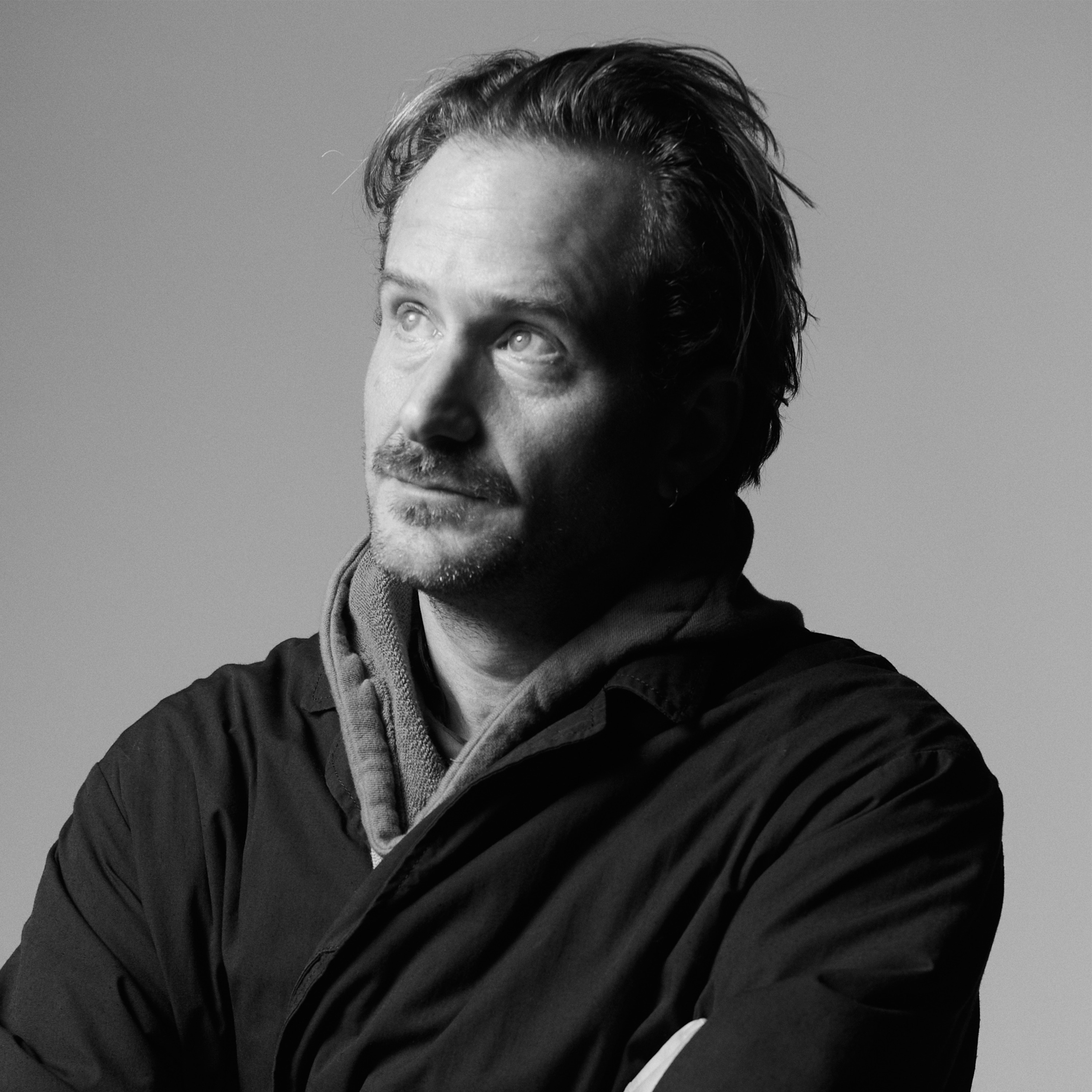
Growing up in Hamburg with a photographer father and a stepmother who ran a vintage boutique, Robert Geller was immersed in the world of fashion, art and creativity from a young age. His journey from Marc Jacobs intern to co-founder of cult New York fashion label Cloak to creative director at Rag & Bone is the result of his personal philosophy of saying yes to new opportunities.
“The key thing is saying yes. Just do it and try it. It's always better to do something than not to do it,” shared Geller. “Even if it doesn't go right, you learn a ton from it. You're always better off going out and trying something."
This week on the BoF Podcast, founder and CEO Imran Amed sits down with Geller to explore his journey, learn about the ups and downs of building an independent fashion label, and why he’s taken on his new role as creative director at Rag & Bone.
Key Insights:
Additional Resources:
Hosted on Acast. See acast.com/privacy for more information.


