
 Ask ChatGPT



In this episode, renowned grime MC and rapper Skepta discusses his journey in fashion, the challenges he faced while launching his brand Mains, and his philosophy on perseverance and creative freedom. Skepta emphasizes that success is not instantaneous but a result of resilience and learning from failure.
Written by AI. May contain mistakes.

Get the gist, explore an idea or ask about something said.
 Claude
On The Business of Fashion Podcast, what are the key points of this episode?
Searching your listeningAutomatic transcript. May contain errors.
0:00Hi, this is Imran. Before we get started with this week's episode, I wanted to let you know we're launching a new segment on the BOF podcast called Ask Me Anything. I received so many excellent questions from people all over the world about the state of the fashion industry. Now, you'll have your chance to have your questions answered here on the BOF podcast. We want to hear from you. If you have a burning question, head to the DMs in BOF's Instagram and send us a voice note. Or send a voice note to podcast at businessoffashion.com. I can't wait to hear what you come up with.
0:40Hi, this is Imran Ahmed, founder and CEO of The Business of Fashion. Welcome to the BOF podcast. It's Friday, September 20th. The renowned grime emcee and rapper Skepta knows that there's no such thing as an overnight success. After he launched his fashion brand Mains in 2017, it was put on pause after a split from his manufacturer before making a return to London Fashion Week last year. Progress, he believes, takes time and resilience. Like anything in the world, you know, the best way to learn it is to do it and fail. I know that it's not a short road. I know that you have to be in it to want to.
1:17And it could take one pair of shoes. It could take a hat. It could take one bag and your brand just becomes what you... But if you don't carry on and failing and failing, you won't hit there. I had the pleasure of sitting down with Skepta in his candlelit recording studio, fresh from a day of castings for his latest main show, to discuss the revival of his clothing brand, the parallels between music and fashion, and how embracing failure has been key to his creative journey. Here's Skepta on the BOF podcast. Skepta, welcome to the BOF podcast. Thank you very much for having me. You've just come from a full day of castings, right?
1:58Yeah. How'd it go? Yeah, it was great. It was great. It's probably, I would say, the part I don't like about shows. like choosing people you know i'm saying like we're all trying our best to disguise how we feel you know and they all trying their best but yeah man we had some really good people today it was great it's been i think i think it's our second day now of casting i heard that you had 6 000 people apply to the open casting and you guys had to kind of pre-filter it down And we're going to get into everything about mains later on. But as always, in these conversations, I like to start where your story began in Tottenham.
2:40And as you know, this podcast has listeners in 170 countries around the world. So not everyone knows Tottenham and not everyone knows grime music. And I just thought you could tell us a little bit, educate us on growing up in Tottenham and kind of how you got into the grime music scene. What makes it unique and different from like American hip hop and all that stuff? Well, grime comes from like UK Garage, which obviously started in New York in Paradise Garage. But I just remember, you know, being in a school where we wore uniforms. so when we got to school everybody was equal. And then when it was non-school uniform day, it kind of showed our level that it was what was actually happening at home, you know.
3:33So my anxiety went through the roof non-school uniform day because I knew that I'm coming to school in like Pierre Cardin sweaters and vintage trousers that my mum bought me and my dad's shoes. That is crazy for me, you know what I mean? and then obviously getting to the stage where I'm listening to like the Heartless crew, DJ EZ, Kai, Creed, MCs, MCing on Garage throughout my secondary school and then wanting to go to these raves and you're getting there and they're telling you, you know, you can't come in and train us. Like you have to wear shoes them days in the raves like that, you know. So I'm getting turned away from clubs and now I'm aspiring to get into the club and listen to this Garage music that I love.
4:16and when I'm getting turned away I'm looking in like the queue and there's like people wearing like Versace, Moschino, Patrick Cox loafers you know what I'm saying? Wannabes. Wannabes yeah you know so that was like where I really like fell in love with fashion the aspiration of it like wanting to on one hand wear the clothes but also listen to the music that you listen to when you wear the clothes you know i mean so it was like uh it was my whole childhood yeah it's so interesting because right now obviously you see the intersection of music and fashion happening in our instagram feeds but the relationship between music and fashion has been there from the start right because musicians artists when they're on stage they're expressing who they are what they're interested in their unique sense of style is a big part of the the characters that their audiences kind of fall in love with yeah for sure i definitely think they are brother and sister for sure music and fashion so when you first broke into the grime scene can you talk a little bit about that you released a couple of your albums independently before your Real Breakout album, which I think was your fourth album.
5:36Talk to us about your rise in the grime scene and what that was like. I believe that there's so many great MCs that I came up with in the grime scene. My brother, especially JME, he was one of the people who inspired me to MC. But I think for me, having JME around me, it really motivated me in like my mind of how to structure what we were doing and release it just the same way that 50 Cent was releasing and the same way that Snoop Dogg was releasing you know because a lot of people were just going on pirate radio and that was enough for them but the more and more that I went out and performed and started learning the craft of rapping and sing alongs and you know hearing people tell me oh yeah you're better than blah blah you know I mean like a crazy like rapper that I hold in high regards they would tell me I'm better than him and I'd be like okay cool so to some people I'm the greatest thing ever and that just I kind of paired that with the business acumen of my brother and um just kind of made the most of it I remember a time when I started going to the states and they were looking at pictures of me on my instagram and saying, oh, yeah, this is really cool, or this is really cool.
6:55And I'd be like, what? This is like me just chilling on the wall. In terms of what you were wearing? What I was wearing, what I was doing, how we were doing it, like what it looked like. How was it different from what was happening in the U.S. at the time? It was super nylon, very sporty. I think we meet like a trainer, sneaker culture. We kind of meet there, but then the apparel was always different. you know when I was doing the tracksuit mafia thing and I'm on the front cover of magazines and tracksuits like Kotwiler you know I mean and Nassie Mazar yeah I would say that was the kind of pivot you know I mean and it was good for me to start seeing people talk about us and look at us in that way and it made me feel like oh okay I need to put this out there and package it so for people to buy into because they clearly like it yeah you know I mean and again it goes back to how my brother Jameet always works.
7:49He was someone who always knew his worth. And just because we weren't on the big music video channels or whatever, he still saw us as... We only had Soul Solid Crew, Dizzy Rascal, to really have as an example. So there wasn't many. But then, I guess, if that was your pivot point, the real kind of mainstream breakthrough from a music perspective was when you won the Mercury Prize, right? That's what they say. But you don't think so? That's what they say. You see my face when I collected that award, didn't it? I knew I was like, ah, it's happening. This is the part where I let like an award. And I thought, wow, it was kind of, it was, do you know why awards are great?
8:33Because obviously your family, they just always wishing you were home, you know? So to come home and you take them to an award and win, that's great. I mean, but for me, I worked so hard. it was like I felt that for me that it happened way before the Mercury yeah it was when I was in like in America doing shows like MoMA PS1 smashing that like mosh pits in MoMA PS1 like to me it already happened didn't it then when I came back after all the hard work sofas that I slept on slept in art galleries on the floor canvas over me because I'm freezing cold and I come back here and they tell me like oh you're you're from the Mercury and like I like those things man but I don't even know where those awards are, to be honest.
9:17So let's talk about the fashion thing, because obviously you were drawn to it from a very early stage in your career. But to go from like using fashion as a way of kind of expressing yourself as an artist to saying, hey, I'm going to create something that other people can buy into. Like that's a big step to take. Like what motivated you to do that? Wow. I don't know I feel like because like I'm Nigerian so my parents always have like oh I always see repeated prints on traditional clothes you know I'm saying so I feel like then Moschino started speaking to me in that way but I never had money to do it so then Ed Hardy came out but I had money I shouldn't say came out it became popular yeah and I had money at that time so I went crazy on Ed Hardy at some stage and then I bought so many clothes that I like wear once and I step over them and I never wear them again and I'm like oh what was you thinking when you got that and years and years of experience of buying clothes and looking at stitch and looking at like inside the jacket the panels I just felt like I was experienced enough to give the tailoring side expertise also the love and the passion the true magical passion that's not taught in school or anything like I believe that I had both of those paired with a great designer Mikey Pierce and team I just felt it was almost like divine intervention for me to just do it so when you worked in launching the label Mains why did you call it Mains and what were you like which part of the market were you trying to go after like what were you how did it start it's scaring me because I can't remember why we called it I remember being somewhere like in my friend's house and it was like late and we were on the phone like a four way call just going at it same way I made up like our house label Maz Tiempo I don't know how I got to that word, but yeah, it just felt right.
11:29I like the sound of it. You launched it and worked on it for a few years. Yeah. And then you put it on pause. Yes, we did. What happened? We partnered up with some people who said they were going to look off, take care, help, all those nice words, you know what I mean? But it didn't end up being that. And I think it was great for us to learn. It was great for us to learn that, you know, you can't, there's just like the many other young designers who are out there, fresh out of school, looking for jobs and finding it hard. I wasn't just going to come in and it'd be easy for me, you know, and I had to learn the hard way by working with these people.
12:08But it took a while for us to sort out the contract and get myself out of that situation. And then I think, yeah, last year we did that runway show because we were finally out of the deal. It's often in those hard moments that we learn the most, as you said. What do you know about the fashion business now that you didn't know when you jumped into it? What did you learn about what it takes? Because I think so many people look at fashion from the outside. They're like, oh, I'm just going to create a business or launch a brand or open a store or whatever it might be. I mean, what do you know about how fashion works as a business now that you've learned from those?
12:48I think everybody's just obsessed over the creative director role. You know what I mean? Everyone's obsessed over that designer role. And I realised that there's so much other things that make a good brand successful. The first time round, we were just stuck on the design. I'm just thinking to myself, man, this cannot be dead. This has to be good. Every show I've been to, everything I can think of with the time that we had. but I think now it's different what's different now I think I think in a way of like I know about rolling out showrooms like you can't be making all these clothes and not have nowhere to show them like you know what I mean like the afterthought and as the same way everybody's obsessed with the creative director roles and the face man roles it's like everyone's obsessed with like the announcement too yeah let's tell everyone you know i mean and like what about the after four what's happening after you told it's all the operations right because i think the facade of fashion that is often visible in the media or visible in the world it still doesn't show all of the mechanics operations people work production sales all that stuff that it takes to make it tick Yeah, there's a lot of stuff.
14:17And like anything in the world, you know, the best way to learn is to do it and fail. Yeah.
14:25Woefully. We've made some absolute rubbish, terrible stuff, you know what I mean? And just now I just know not to do that again, you know what I mean? So, yeah, I think it's just something for me to learn from. And I definitely will. As much as we're planning ahead of the show, we definitely have like a plan for after the show, which is just as, takes as much time and it's just as important as that side too, you know what I mean? If not more, because what's the point of throwing money down the drain to show everybody that you can design? I just don't understand that. And I'm kind of happy that my career went in the way that it did, that I started my music career from my bedroom in Tottenham and Meridian Walk.
15:04I started making beats on a PC in that room to making music with Mick Jagger, being on stage at Coachella, Glastonbury, all these things, you know what I mean? So I've seen what it takes. I know that it's not a short road. I know that you have to be in it to win it, you know? You have to be in it to win it. And it could take one pair of shoes. It could take a hat. It could take one bag and your brand just becomes what you, but if you don't carry on and failing and failing, you won't hit there. Yeah. I mean, we live in the world of like perceived overnight success, but anyone who's achieved the kind of success that you have knows that it's not quite as simple as that.
15:44You know, it takes time, takes failure and lots of people. So let's talk a little bit about the creative process. Cause as you said, you know, our industry tends to fixate on the designer, the front person, and you're the front person for this brand. But as you mentioned, you work with Mikey Pierce and a whole team of people. Like how does it work, you know as someone who's not trained as a designer to direct a brand creatively like what's the creative process for me i'll just draw on paper i love painting and drawing and all that or i'll draw make stuff on my phone and a little photoshop type app and i'll show mikey and i'll tell him this what i want to do but i really love working with mikey because i know there are some like real technical people out there that if i ask them to make certain things they'll just be like this is not going to work and i know because i've worked other places before and that's what they do to me and it upsets me and i get into like a little cage and i switch off and i get whatever you know i mean but with mikey i could tell him something and he will know okay cool this is a bit crazy but he will make it and i'll try and wear it i'll put it on it's not working and he will tell me okay cool well basically this couldn't work but i had to do it for you so you could feel and so you could see it yeah yeah and now let's edit it and to make it right you know what I mean and the relationships like I couldn't ask for someone better to work with because um he's very honest he wants the best for us and like he wouldn't just say that he can do something if he couldn't he would just be honest and be like I can't do this and I think we should go and see blah blah blah so it's great the communication is amazing I send some crazy voice notes sometimes of descriptions of fabrics or like stitching or things that I want and somehow he'll work out he'll be like he'll he'll like screenshot oh do you mean this and i'd be like yes that is what i was trying to describe with all those adjectives i'd love to hear one of those voice notes yeah no it's crazy i sent some like i just send mad voice notes like he's great the communication's great and i don't i can wholeheartedly say that no matter how big mains gets i will always have mikey there with me to work with and to communicate because he's great great guy so you said sometimes you give him an idea of a specific thing you want to create But what about conceiving of a whole collection?
18:00Because the way the industry kind of interprets and consumes things, tries to understand them in the context of a wider show. Are you designing lots of separate things and then figuring out how to put them together later? Or are you thinking of it as a collection from the beginning? No, I'll definitely try and have an aesthetic at the beginning. And it's mostly just like feel-good clothes. that's how I would want to start it to start every time like clothes to make you feel good clothes that make you want to go out you know because I feel that that's missing nowadays but then after that it's always a work in progress it will always like transform throughout doing it like our show now it started off because my daughter she actually ran on the runway with me last show I saw the photo yeah so she's in love with fashion shows now and she's telling me the next show I want you to have Matilda music so it started off as Matilda music and then like a collegiate school type and we did the Kickers collab and stuff like that so it was going to like really like collegiate vibes fraternity Greek alphabets then it just transformed into like partying in the clothes and then we went really ravey with it into the 90s and so it's like it's always transforming I don't like putting boundaries on thought.
19:23I think we should always be able to adapt and change and be fluid when we're thinking, to be able to change. Do you find it hard to say, okay, to finalize something then? Like, how do you know when it's ready? I never finalize it. It's never ready. It's never ready. Until it's out. So you're one of those guys who's going to work right till the end. Look, my engine is right there. He knows. I'm telling him to change stuff like the day before the release. Like, turn the Mad Libs down. like it's never and even with with music you can actually change the audio after it's even out but with clothes you definitely can't yeah you know so until it's out i'm always changing i'm always um adapting and figuring it out okay and then what about turning that collection to into an actual fashion show the music the casting the whole like vision that you want to get across how does that work I'm lucky because I've been to shows one and two I've done shows as a musician so entertainment is I'm in the business of entertainment you know I mean already so that's why when people come to the next show it's going to be like even the first show is like it's always going to be like a movie type thing I love escape rooms as well I love like immersive experiences and stuff like that so i'm all for set design i love set design and um i think that's what people are going to be really excited about with like and the music i mean that must come super natural to you yeah the music's natural to me and we enjoy that just as much as making the clothes in it because like that's our one of our first loves too do you create new music for the show yeah yeah new music for the show this this music is going to be special but yeah just like when we get to the show day, then that will be what the main show is about.
21:12But until that point, we're changing. We could change 10 minutes before again. Does it drive your team crazy? Yeah. I kind of like that too and I think it drives my team crazy. But when you have like a vision in mind and you want it just right and then you see something new or you like find something else, you just want to, you can't help yourself almost right and i'm a man that i thought i fell in love with getting like lessons and getting blessings from god i'm kind of like super fascinated by it so if i see something that's like i think god sent that to me god sent that to me to change them buttons i'm just going to change it like because my brain was like i'm just in love with the thought like i'll be thinking what zip should i put on this jacket then i'll look at that bag and i'll be like God put that bag there for me and I'll just do it.
22:04It's a sign. It's a sign. Signs. Yeah. Yeah, I fell in love with signs because they're just, they're great when they come at the right time. Oftentimes when people come into the fashion industry from outside the fashion industry, they find it different or tough or exclusive or snobby or I don't want to put any words in your mouth but as you've taken the time to create this brand and introduce it to this quite closed off industry. Like, how's that been for you? What's the reception like? I've had a lot of support. Yeah? Yeah, I had a lot of support. I always, like, whether it's calls, I don't think before the first show, not really.
22:46Because no one ever knows what you're going to do on it. So I think after the first show, I think people realize, oh, okay, like, you're actually doing stuff. So I've had some calls from a lot of people. Some people have come to see the collection and given me their opinions and stuff like that. but um it's been cool man i try not to the same way i do my music i try not to make myself in the industry or part of that whole thing why because they can depict when you're successful when you're having a down time they can say oh yeah he's falling off or whatever like you know i mean or he's in his heyday they can just put these little words at the beginning i mean so that they get to describe it for you so i try to stay like on the outside of these industries all the time even with us like doing one show a year and not two yeah yeah because i don't want to make any industry feel like they're making me do something that they're defining yeah or they're telling me how i've got no i don't want to do that so i'm doing one show a year spring summer autumn winter all together boys and girls in my show they're all wearing the same clothes doesn't matter so to me creating this like freedom for us as a brand it just allows me to enjoy it more because real and truly that's what this should be it should be fun and i see a lot of people that go into fashion and adhere to a lot of the rules that have been set now they start having a bad time doing something that they love it's crazy to me like yeah i've been there with music you know assigned to labels and like i don't like music and i'm like wow this is like music it's i live and breathe music so for me to not like it make me hate my life you know so I try not to get back into those situations anymore it's like you thrive on being an outsider a bit and not being too consumed by the industries that you're interested in working in does that outsider perspective give you a creative edge because you can see things differently yeah partly that and partly because I know what I'm like when I'm in a situation I don't like, I'm the worst, I'm the worst person.
24:53Like I could be the worst person on planet Earth, literally, if I'm in a situation I don't like. And I've been there before. You know, people that I know, they're trying to talk to me, hello, yo, Skep, I'm just ignoring them, looking at them dead in the face, because I want to rip everything apart. So I don't want to let them kind of emotions get in my head or make me feel like I want to do that. So I won't put myself in that position. Like I'll always make sure that we are in a place where we can be free and like even now if I want to go shop and get water and a Snickers I don't want to have big security around me all the time to make me closed off in that thing you know I mean I don't want to I don't want to be that yeah I need to think free I need to be free I need to be able to talk to someone meet random people you know I mean because everything that I do is because of the people I've met and the places I've been.
25:48Even Mikey, I met Mikey in a rave in Dawson years ago. So I don't want to stop or be boxed in and pushed out into spaces where I'm just caged off and angry. It seems like part of what you're underscoring here is the importance of knowing yourself in this journey. Yeah. And understanding what freedom looks like for you, what creativity looks like for you, what joy and happiness looks like for you. Yeah. And as much as whether I like it or not, I got to remember so many people are watching what I'm doing. You know, so many younger up and coming designers or MCs, producers, they're all watching like what I'm doing.
26:33So I need to be an example because, yeah, I can't change the world, but I hope I can just like help some people think in a different way. So if you were talking to those young MCs or designers and sharing advice on finding your creative voice and staying true to yourself, what would you say? Well, what would I say? First of all, I'd say don't take my advice. But if you want to take my advice, you have to be dedicated. Like, it's like, even if you get it overnight, you will lose it overnight. You know what I'm saying? You have to be dedicated and you have to, like, do your 10 ,000 hours. That is one thing I wish that I just knew when I was younger.
27:17I didn't have to prove anything to anyone. I just had to do my 10 ,000 hours. Tell me about 10 ,000 hours. it's like doing the hours of studying what you want to do so that when you're speaking about what you want to do nobody can question what you're saying or if somebody brings something to me it's very easy for me to decide yes or no if i want to do it because i know what i'm doing so if if a random person comes to me and says to me oh do you want to do this i'm like does it work for mains or rave 90s collegiate no okay no thank you you know i'm saying so the next person comes and says, oh, do you want to do a Kickers collab?
27:54Kickers, school, Britain. So that's your filter, your decision-making criteria. You are kind of antenna to know what's Skepta and what's not. Yeah, you have to be able to have that drive and know yourself and just go for it, man. Just go for it. No one's going to believe you when you tell them what you want to do. Nobody's going to believe you until you do it. I know that story, too. Yeah, sad. Yeah. You could tell everyone. I tell my stories. I stand on my estate back in the day, stand on the block telling stories, stories, stories, stories, stories. Nobody believes me that I want to be great.
28:34Like I want to be like a great person. Like not just a tycoon where I'm just like rushing through everyone and just make it. I know I want to be someone who like makes, because everyone complains about the system, but I want to, if we should just make a system in the system then, you know what I'm saying? I want to store. Make your own system. Yeah, I want a store. I need a main store. Yeah. You know, I need an ethical factory somewhere. So when someone comes to me, tells me, oh, I want to be a designer or I want to make a fashion brand, I can say, okay, cool. My friend here, he will help you draw.
29:04Here's the tech packs. That's my factory. It's ethical. Oh, hi. Say hello to everyone in the factory. Hello, how you doing? Boom. There's the clothes. There's the samples. Put it in the store. Boom. You know what I'm saying? Like, make the system in the system. Don't just complain. Like we've got to make the change and you've got to be dedicated. You have to be dedicated. Awesome. Thank you, Skeptor. Sorry, I just got mad emotional there. That was excellent. Don't take my advice. After all that advice, don't even take my advice. I think it's very good. Don't take nobody's advice. Listen to yourself.
29:35Yeah. I think it was good advice though. Yeah. I'll certainly remember it. Thank you for your time. Good luck. The BOF Podcast is edited and produced by Olivia Davies and Eric Bria. Thank you.
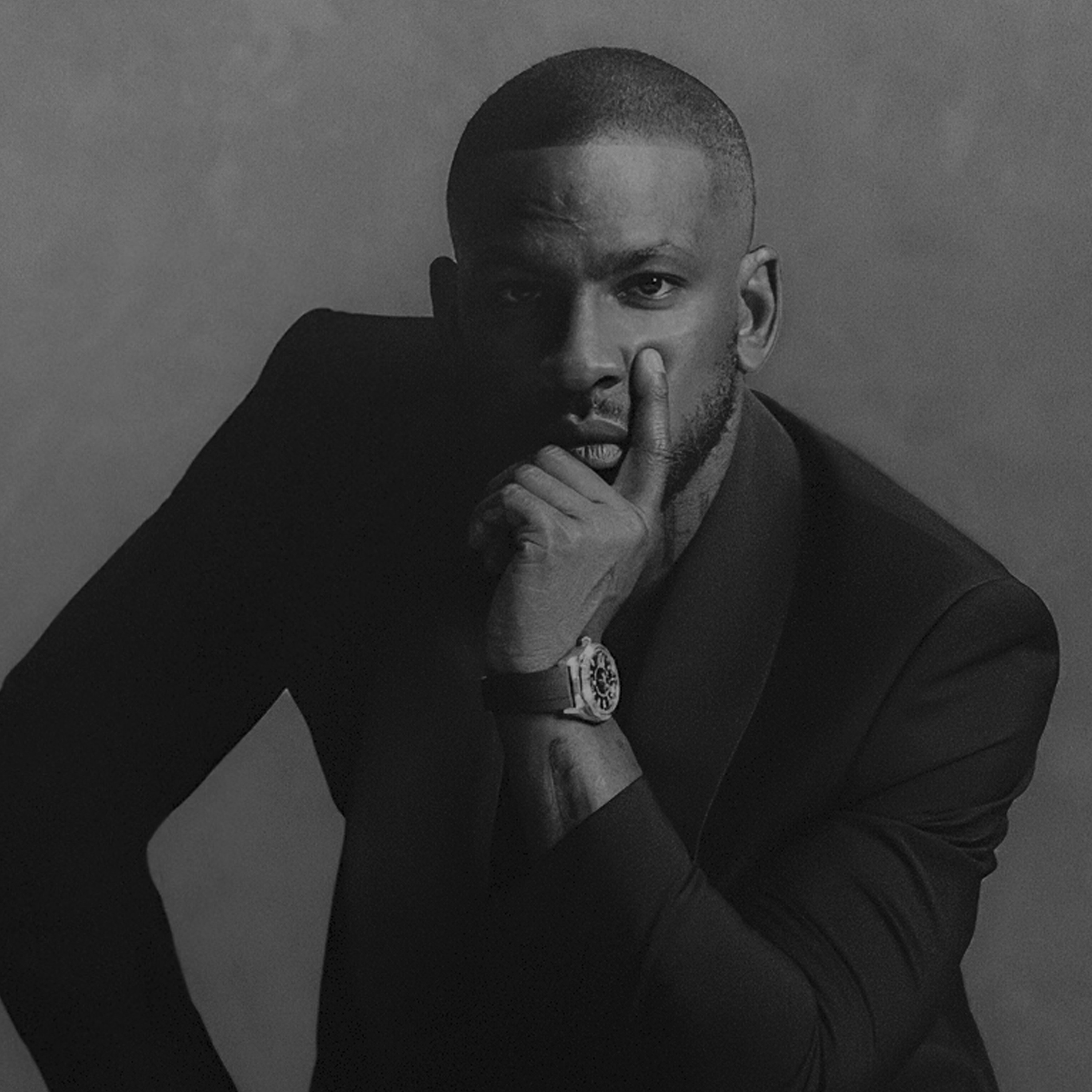
The renowned grime MC and rapper Skepta knows that there’s no such thing as an overnight success. After the rapper launched his fashion brand, Mains, in 2017, it was put on pause after a split from his manufacturer before making a return to London Fashion Week last year. Progress, he believes, takes time and resilience.
"Like anything in the world, the best way to learn is to do it and fail,” he said. “I know that it’s not a short road … you have to be in it to win. And it could take one pair of shoes. It could take a hat, could take one bag … If you don't carry on trying and failing, you won't get there."
This week on The BoF Podcast, BoF founder and editor-in-chief Imran Amed sits down with Skepta to discuss Mains’ revival, his philosophy of perseverance and why he refuses to follow conventional rules in the fashion industry.
Key Insights
Associated Articles:
Hosted on Acast. See acast.com/privacy for more information.


