
 Ask ChatGPT


 The Business of Fashion Podcast
4 Sep 2026 · 1h · 20 chapters
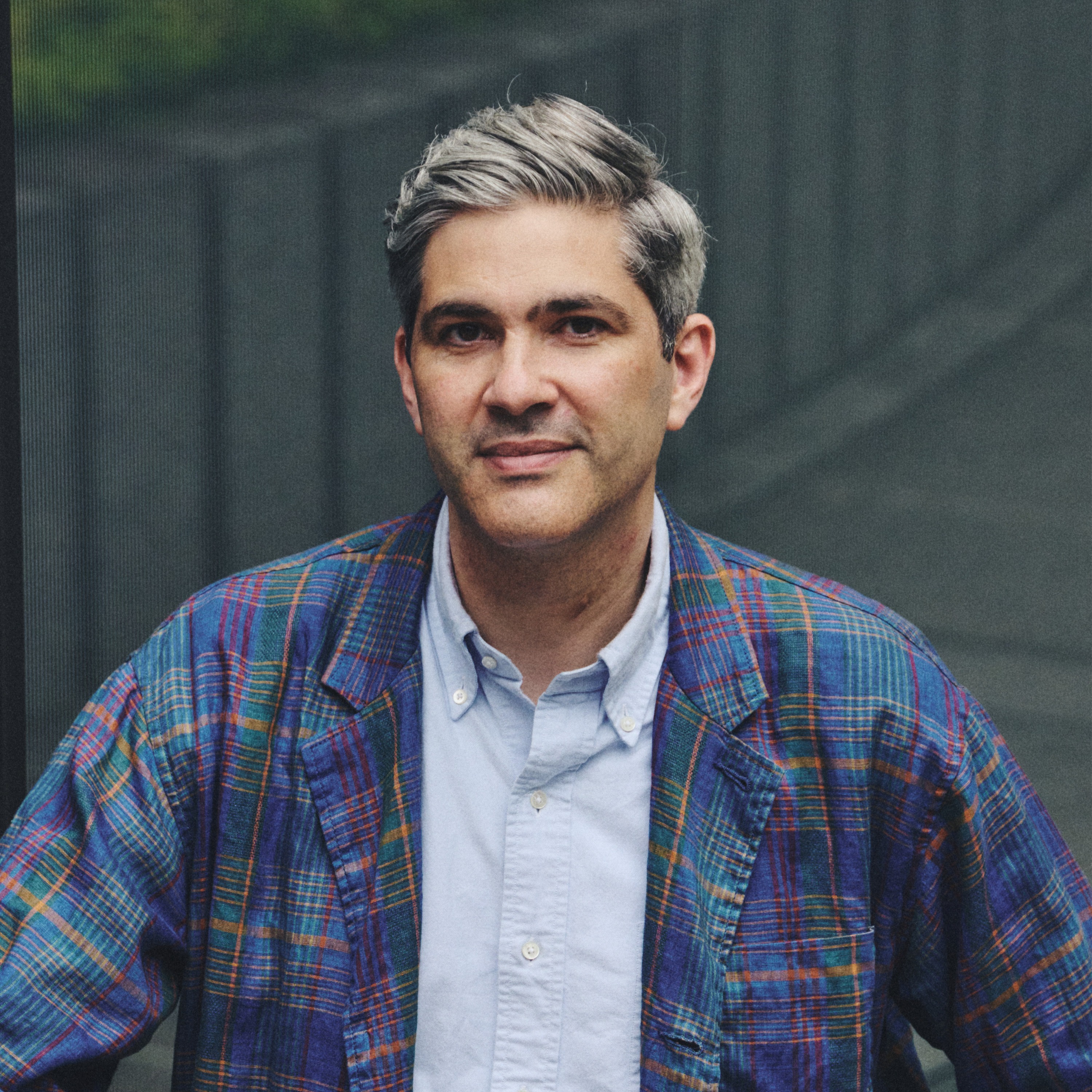
W. David Marx discusses how Japan pioneered luxury, streetwear, and menswear shifts, why those cycles changed, and his “Blank Space” thesis that 21st-century culture has more activity but less creative invention that pushes forms forward. He also argues luxury’s shareholder-driven growth model undermines exclusivity and that media/social incentives crowd out niche artistic excellence.
W. David Marx is an American writer and BOF’s first external contributor, based in Tokyo for ~20 years. He studies consumer behavior, worked at Google (Asia-Pacific communications), and has been an independent director for Human Made. He authored Amatora (Japanese adoption/improvement of Western style) and Blank Space (cultural history of 2001–2025).
Japan’s fashion “information-rich” consumer culture accelerated luxury becoming middle-class and perfected streetwear before the U.S. Luxury’s economics inherently devalue exclusivity as volume grows. The “blank space” is meaningful invention, not novelty; culture is increasingly entertainment/money/politics.
Bathing Ape and Wonderwall’s store culture; Pharrell/Nigo bringing BBC to America; Kanye moving from polo to BAPE to Paris; Vice’s transgression-to-rightward drift; Ginza/Harajuku tourist overrun; hip-hop and graffiti as invention models.
Written by AI. May contain mistakes.
Discuss the major shifts in Tokyo's fashion scene and its global impact.
“I've got pieces in my closet that I've had for years and I'm not getting rid of them anytime soon.”
Discuss the major shifts in Tokyo's fashion scene and its global impact.
“is that there is a lot of culture but it is mostly entertainment, it is money-making, and it is politics.”
Hear David's personal story of moving to Japan and his unexpected path into fashion.
“I was thinking back to my first ever trip to Tokyo, which was sometime in the summer of 2007.”
Explore the historical context of Japan's relationship with luxury and fashion.
“And then at the same time my professors were like you should study this.”
Understand Japan's role as a trendsetter in luxury and streetwear fashion.
“And it's because just more people are interested in menswear, the people who get interested in menswear immediately are interested in Japanese brands.”
Explore how Japan shaped the luxury, menswear, and streetwear markets.
“First, the rise of the luxury brands and luxury market.”
Understand the changing engagement of Japanese consumers with luxury brands.
“luxury merged with streetwear suddenly now they're thinking about luxury too and now you can't really tell the difference between luxury and streetwear and Japan and all these things are all mixed up.”
Explore how cultural and artistic values are shifting under capitalism.
“as inherently left-wing that the right-wing got all the power.”
Discuss the lack of genuine cultural invention and what is missing today.
Learn about hip-hop's significant role as a creative force in modern culture.
“And when you look at hip-hop which has absolutely powered the 21st century, hip-hop is one of the most creative forces that we have seen in the last 100 years.”
Analyze the differences between Madonna and Taylor Swift's cultural impacts.
“that that was the next stage of pop art.”
Examine the polarized reception of a book discussing artistic values.
“And you can also compare Madonna and Taylor Swift.”
Consider how cultural creation might evolve in response to societal boredom.
“I think that it will self-heal in one sense, that human beings get bored very easily, that human beings pursue value.”
Investigate the paradox of luxury fashion amidst cultural saturation.
“But at the moment, you know, I think the Internet really destroyed cultural capital in the sense that knowing about something cool is not as valuable as it used to be.”
Discover how the fashion industry is evolving amidst profitability pressures.
“Healthy companies are always growing profits.”
Learn about the restructuring of major fashion conglomerates and its implications.
“Yeah, it does feel though that we're on the precipice of some kind of fundamental shift in the order of how all these companies work.”
Explore the rise of independent brands and their impact on the fashion landscape.
“The internet obviously creates an economic incentive through clicks, through advertisements, to shift the discourse to things that are going to be clicked on more and thought about more.”
Learn about the challenges of writing in a rapidly changing world.
Discover key tips for foreigners looking to build a life in Tokyo.
“But it could be in 2050 that those things are less important and that so many things that we ignored in those years are the cultural artifacts that really changed the world.”
Understand the significance of language learning and cultural knowledge.
“And even Google Translate, I use Google Translate way too much when I read Japanese text now because you could just point it at the page and get a 90 % perfect transcription of what's there.”

Get the gist, explore an idea or ask about something said.
 Claude
On The Business of Fashion Podcast, what are the key points of this episode?
Searching your listeningAutomatic transcript. May contain errors.
0:01You stopped waiting for permission and started building yourself, your dreams, your credit. Experian Boost could turn your on-time payments into instant FICO score gains. Every bill you paid could become proof of your power. Self-made? Absolutely. Self-funded? Experian could help you get there. Download the Experian app today. Results will vary. Not all payments are Boost eligible. Some may not see improved scores or approval odds. Not all lenders use credit information impacted by Experian Boost. See Experian.com for details.
0:32This episode is brought to you by Macy's. I have a confession. I've got pieces in my closet that I've had for years and I'm not getting rid of them anytime soon. That's because this fall isn't about a full wardrobe overhaul. It's about the remix. Macy's is proving that a few new pieces can make everything you already own feel brand new. We're talking rich suede, animal prints, statement sweaters, and two-tone jewellery. Pair with one of your favourite worn-in denim and the whole outfit feels different. Head to Macy's in-store or online and remix your full wardrobe without starting from scratch.
1:18Hi, this is Imran Ahmed, founder and CEO of The Business of Fashion. Welcome to the BOF podcast. It's Friday, September 4th. In the summer of 2007, I landed in Tokyo for the very first time. A young American writer named W. David Marks took me on a menswear tour of the city's back streets in Shibuya and Harajuku. That trip would eventually lead David to become BOF's very first external contributor. That is, the first person to write for BOF apart from me. Nearly 20 years on, David is still in Tokyo. watching a city that has experienced three of fashion's biggest shifts before anywhere else. Luxury as a middle-class product, the rise and now retreat of streetwear, and menswear as a global obsession.
2:07David is the author of three books on Japanese and global culture. The first, Amatora, is about how Japan absorbed and then improved American style. The most recent, Blank Space, is a cultural history of the 21st century, arguing that something has gone missing from the way we make culture today.
2:27W. David Marx: And so the book is 2001 to 2025 and my synthesis and summary of those 25 years is that there is a lot of culture but it is mostly entertainment, it is money-making, and it is politics. And there's a blank space where art for art's sake and what I call creative invention used to be. and there's just a lot less of it. And even if there's not less of it in total, relatively there's more creative activity than ever before, but there's fewer people who are interested in the kind of creativity that pushes the form forward. I sat down with David in Tokyo this past week to discuss all of this and more in what is a fascinating conversation about the state of global culture and global fashion today and how Japan's place in it has changed.
3:20Here's W. David Marks on the BOF podcast. David. Hello. Welcome to the BOF podcast.
3:30W. David Marx: Welcome to Tokyo. Thank you. I was thinking back to my first ever trip to Tokyo, which was sometime in the summer of 2007. Right. and somehow you and i got in touch i don't remember how i think you were at some sort of conference or something and my boss was standing behind you and you guys started talking and he came back and was like you got to check this side up is this a fashion and then i got in touch with you i think it was something like that tokyo might be one of the most exciting but very complicated cities to navigate as a first timer because there's there's so much to see but i do remember you were you took me on a tour like a menswear tour of tokyo do you back at that time do you remember where you might have taken me it was probably around shibuya and the back streets of motsando and yeah in that that area that was still i think where most fashion was happening and it was also this is pre-tourism of any scale yeah and it's also pre-google maps right and you kind of had to know where things were um so if you were in a monsanera how did you go at that point it was mostly japanese shoppers where if you go i was just in how did you go like last week and i would be shocked to see a single japanese person on the street right So it's really changed in the last 20 years.
5:03Okay, so let's go back to when you first arrived here and why. Give us a little bit about the background story. Because, I mean, back when I met you in 2007, as you said, you'd only been here for four years. I guess you had no idea then that you'd end up staying here for 20 years. But what first brought you here? and like what have you been doing since you got here and why have you chosen to stay so i when i was 17 uh through a homestay sister city connection program of pensacola florida where i'm from which
5:43W. David Marx: is not anywhere it's panhandle for it's not miami it's about 11 hours by car from miami that city had a city connection with a small town in japan and i went for three weeks before my senior year of high school and decided I was going to study Japanese in college. So when I went to university, I started studying Japanese and I was very lucky to do this program that took me to Japan for three months on a work internship freshman year. That was all paid for. And through that, I was never interested in fashion in any sense. Like I'd grown up on preppy clothing that I would never have considered fashion at all.
6:18But they didn't have fashion in Pensacola?
6:20W. David Marx: No, I mean, the South, you think about it now, I think from the perspective of how broad the term fashion is if you looked at the south the south was incredibly preppy everyone's wearing polo ralph loren everyone's in bright mattress you know the the style was there just no one thought about it as fashion and I just remember in the 90s MTV I watched so much MTV and then house of style would come on with Cindy Crawford and I would change the channel because like this had nothing to do with me it's all wrong way in New York so when I showed up in in Tokyo it was like why is everybody so incredibly well dressed And it wasn't just that everyone was wearing designer brands, but street fashion was really at its peak.
6:58W. David Marx: And that hadn't happened in the U.S. yet. And so everyone's wearing like the perfect fit T-shirt logo tee with selvage denim and the best sneakers. And it's like, what is this? And even as someone who didn't grow up even thinking about fashion, that was apparent to you? Obvious. That everyone dressed immaculately. Wow. So first I was trying to figure out what was going on there. And then I was into this musician, Cornelius, who's Japanese, who Cornelius got his name from Planet of the Apes, the movie. And so I was looking through a magazine and I saw a t-shirt with a Planet of the Apes ape face on it, which was a bathing ape.
7:40W. David Marx: And I was like, I want this t-shirt. So I went to the store and it was, it just, I realize now that the store had just reopened with Wonderwall, Masamichi Katayama's design. So it's this beautiful underground store and you went in and it was an hour wait to get in the store and then a two hour wait to like buy a product and leave. And it was so inefficient and the whole culture of it was so fascinating that when I got back to college I was not only interested in the brand itself just as a fan and I was like I did like a fan page for Bathing Ape because nobody had websites at that point. And then at the same time my professors were like you should study this.
8:19W. David Marx: Like this is actually a useful phenomenon study. So I got very into what I guess you would call consumer behavior, trying to figure out why it is that in Japan, kids were so into fashion, why they were willing to wait three hours to buy a t-shirt, reseller markets, why things become more expensive over time. So when I got back, I was very interested in that. And then eventually came to Japan to get a master's degree in marketing and consumer behavior, trying to study this more seriously. and then just my career prospects were better in Japan leaving a Japanese university and I've just had a lot to do since I've been here so since I've been here I've written three books and then to subsidize my book writing I have full-time jobs and I worked at Google for a very long time doing Asia-Pacific communications which was great and really taught me a lot about tech in that world and uh after leaving that i i started a position uh as an independent director for human made um so i'd written my thesis on nigo and bathing ape and then was invited to be on the board which felt very full circle i think after that trip i think it got you to start writing for bof you were actually the first non-me person i.e the first new contributor to write for bof um and there was so much happening here that I think people in the Western part of the fashion industry were trying to understand because Japan had been through this massive boom and from a luxury perspective, it had been so critical to the luxury market.
9:56But around that time in 2007, 2008, obviously with the financial crisis, like everything kind of started to change. What were the reasons for the shift from Japan being this kind of critical engine for luxury fashion to what it is now, which is, you know, still an important market, largely, as you said, driven by tourist spend. Like what caused that change?
10:25W. David Marx: First, you have to go back to the 70s because some people started getting very, very rich and they could go overseas for the first time. And when they went to Paris, there were these guides that said here are the top 10 things to buy as souvenirs and Louis Vuitton was on the top of that list and so the interest in luxury goods became very attached to showing off that you went overseas and you were sophisticated to know the cool brands and then at some point Louis Vuitton had more shops in Japan than they did in France I think very quickly in the early So the whole country as the whole country got richer especially in the 80s and the yen got very strong and people could buy things from overseas, everyone started thinking about luxury goods as part of their life.
11:10W. David Marx: I don't want to say everyone but a huge majority of people, middle class people started thinking about luxury goods in a way that I think took until the 21st century for places like the U.S. for that to happen. And so by the end of the 20th century, young people in particular were just spending all this money on really, really high-end fashion in a way that it just made no sense anywhere else. And then the economy, because it started going down and consumer spending started dropping at the end of the 90s, by the 21st century, it started shifting where everyone still wanted luxury goods, but they couldn't afford the apparel anymore.
11:45W. David Marx: They would just buy a single bag. But the brands did really well on the bags. and then at some point the bags became a little expensive because consumer spending started dropping even more and then it started shifting but just the base was so big from the beginning that the fashion market here was so much more developed and complicated and sophisticated and you had people like come to garçon who were always pushing the boundaries of what retail was and so you that kind of inspired other brands to be really innovative with retail and so you had some of the coolest stores you had the biggest flagships i think the brands were pretty smart about knowing that japan would be the anchor for asia eventually and so amotsando and all these places started to really decline when you were here and i was i was very worried about it and then huge influx of asian tourists and everything rebounds and now japan has this incredible retail market but it's mostly for inbound tourism it's not for domestic japanese shoppers you know my first book Amatora which was about the Japanese importation of western clothing and then the exportation of uh there were improved versions of it um that book when it came out everyone was like why would you write something so niche who cares about menswear who cares about Japanese fashion so that was 2015 and the book you know got good reviews and it had some momentum um But really, in the last couple of years, it's sold even better than when it came out.
13:19W. David Marx: And it's because just more people are interested in menswear, the people who get interested in menswear immediately are interested in Japanese brands. If you get interested in Japanese brands, you start asking the question, like, why? Why do these brands make such great clothing? And someone will inevitably tell them, oh, you know, there's a book about that. But when I wrote it, I had no idea that it was going to take on as much momentum as it has. it's so interesting because as you're speaking i'm thinking about the streetwear phenomenon i'm thinking about the luxury phenomenon and i'm thinking about the menswear phenomenon and the intersection of all of those three things and in a way now that you've said all that japan has kind of been a leading indicator in the world about all of those things like we've seen obviously the First, the rise of the luxury brands and luxury market.
14:09Then we saw the rise of menswear and the menswear market. And more recently, we've seen the explosion of and now the kind of decline of the streetwear market. And all of that happened here in Japan first. Why do you think that is?
14:25W. David Marx: Japan just, the Japanese consumer market just anchored itself to fashion in a way that, at least in the U.S., never happened. And in Europe, I think the interest in fashion was always more organic. When I go to Milan, you see just beautifully dressed people, but it doesn't feel like costume. It feels really like these people have dressed like this for a long time and their parents probably dress really well. In Japan, it is more costume in the sense that you took a population of no interest or experience in fashion and then the media very clearly gave the instruction on here's how to be fashionable.
15:01W. David Marx: and if you want to be a successful person you have to be fashionable and that just created this very information rich consumer market which then stimulated all these other people to become manufacturers and designers and it just snowballed from there and amateur kind of looks at that streetwear was something that you could say was invented in the u.s but it was perfected in japan And so I have a quote in Amateur from Paul Middleman who worked at Stussy for a long time. And Stussy is probably like the OG streetwear brand, but they would come to Japan. And not only did Japan save their brand in the sense of the sales when they collapsed in the U.S.
15:41W. David Marx: really caught on in Japan. But when they saw Bathing Ape, I think his quote was something like, Bathing Ape blew streetwear out of the fucking water. The scale of it was just so much bigger. The packaging was innovative. The graphics were incredible. The stores were unbelievable. They were just these little shoeboxes in Soho. They were these immaculate, neon, digitally enhanced stores that Wonderwall was making. And so my latest book, Blank Space, is a cultural history of the 21st century. And one of the criticisms of it is that I talk too much about this, but I think it's critical, which is in 2003, Pharrell Williams came to Japan.
16:24W. David Marx: for the first time and he was introduced to nigo and he saw what bathing ape had become yeah and he had had offers to do bbc uh the linear boys clubs but he didn't he didn't know what he's going to do with it and then he partnered with nigo and they not only rolled out bbc but brought babe to america and then from there streetwear becomes an american phenomenon because it merges with hip-hop as hip-hop is becoming the dominant music in the united states who shows up at the bathing ape launch party in new york kanye west kanye west becomes kind of he's photographed in babe for about three years moves from polo to babe and then from babe moves to paris and then kanye takes the entire hip-hop world into paris and there was that kind of very memorable season in paris where kanye showed up yeah with virgil a bunch of guys and they kind of they're kind of like fish out of water in a way because they were just coming with this very strong sense of their own personal style and then they were just opening up this whole world of luxury to a brand new market right so many new audiences and people and so then you connect and who's the menswear director for louis vuitton now right so the story all to me is one arc so supreme had been around but even in 2003 or four you could just walk into supreme and buy a t-shirt i mean it wasn't the phenomenon that it is now and supreme rides this wave james jeff incredibly brilliant about all everything marketing and then they start doing their luxury collections as well that introduces luxury to a whole new consumer i think streetwear became a really easy way for guys who may have been shy about fashion to start dressing up and then as luxury merged with streetwear suddenly now they're thinking about luxury too and now you can't really tell the difference between luxury and streetwear and Japan and all these things are all mixed up.
18:22W. David Marx: But that arc, it does start with Japan. And I think also you can make a really strong case that what Japan taught the luxury brands, especially LVMH, is that luxury could become a middle class market and that you weren't just appealing to an old money consumer or even a new money consumer you were appealing to you could make a product line for everybody and you didn't have to have just these flagships that were in elegant places you could put the stores in airports so you could go to you could have a store in a hawaiian airport as japanese people are going through duty-free so that model was set up for japanese consumers as japanese consumers stopped traveling less hey there's a new group of consumers they're chinese taiwanese hong kong korean all going through the same duty-free store.
19:08W. David Marx: So I think Japan set the model for what has become the way of catering to a consumer from Asia. And that is still powering so much of the luxury business today. So if Japan is a leading indicator or has been a leading indicator of these three phenomena that we've just been discussing what is the state of luxury brand consumption or engagement with japanese customers today yeah because if you look at the the broader luxury market we've been stuck in a slump the last few years you know the market is basically growing at the rate of inflation now, which means it's not really growing. There are some successful stories or brands in fashion, but it's certainly not the industry it was over the decade before COVID and just afterwards.
20:09How are Japanese customers actually engaging with those brands today? Do they even care about them?
20:15W. David Marx: So I think rather than thinking about Japan as this permanent leading indicator, yeah i don't know if we can go that far it's more looking at how has the structure of the socio-economy changed in japan so for a long time money was with these old money families they were quite quiet about their wealth in the same way that i think you saw in the uk and france and then there were people these giant companies who had risen to the top but were also quite conservative because these were more or less upper middle class people who got very wealthy at the end of their careers but by that point they don't even know how to spend the money to now where all the money is finance and startups crypto the same is anywhere right and this consumer is much more tech oriented it's a little bit more like the us too so yeah maybe zuckerberg is showing up at prada shows but in general there's been a resistance of that class of people towards high-end clothing that isn't just glorified streetwear.
21:21W. David Marx: And so I think one of the issues here is there's been a little bit of resurgence about the brands, especially the ones that have connected with streetwear, because the new wealthy customer here that is Japanese is more someone who probably grew up on street fashion. The same way in China, they've grown up in street fashion. that that was their first entry into fashion. And so now they're rich and they have a lot of money. And so they want to buy things that are familiar to them. And in that sense, it seems to be not so different than what you see across the rest of Asia. So I don't really see there that much difference between Japan and Asia.
21:58W. David Marx: I think when you see Opressay and Orly and those brands doing very minimal clothing, that is also attracting a very wealthy customer, but one that's a little bit more in the fashion world. And I guess Japan just still retains a group of people who their lifestyle is based around dressing really, really well. And so they're spending way more of their income than they probably should on clothing. And so that's still powering a lot of the brands that are more innovative and the brands that are getting more interest overseas as well. But it's hard to read because if you just walk around Ginza or you walk around Harajuku, these are places where you used to be able to see like, oh, that's a Japanese customer.
22:35W. David Marx: This is what they're buying. these are japanese kids lining up for a store and now it's i don't want to just pull a number ahead but it feels to be majority overseas uh customers and the japanese domestic customer doesn't want to necessarily be in a shop with a bunch of tourists in the same way that nobody i mean it's not a japanese thing it's just no one in new york wants to hang out in times square for the same reason how has the influx of tourists particularly asian tourists but also tourists from america and elsewhere how has that changed the luxury landscape here in tokyo so when you came 20 years ago there were these neighborhoods that were just the neighborhoods you went to of Shibuya and Shinjuku and Harajuku and Motsando, Ginza.
23:27And that's where everybody went.
23:29W. David Marx: I mean, just where the city revolved around shopping and socializing these places and the department stores you would go to. And there was almost too many boutiques for all these companies. That's almost like you didn't have to, there was no destination. Wherever you were, you could find a boutique for the luxury brand you liked. those particular neighborhoods are the ones that are now almost completely overrun by tourists and so it's pushing people who live in tokyo to go to different neighborhoods they're smaller and they just happen to be ones that the luxury brands are not in like nakameguro and those even nakameguro feels to me like it's half half a tourist i mean the nakameguro uh cherry blossoms by the river is one of the great things.
24:17W. David Marx: And it used to be just like there's no people there and now there's crowd control because it's so crazy. But a neighbor like Jimbocho that used bookstore district or out east in Kuramae and Asaksobashi is where all the cool boutiques and cafes are opening. It's the real Brooklyn of Tokyo that's like a hackneyed phrase. But that area is where the cool people are going to get away from everybody else but the luxury brands aren't there. and so the luxury brands are still putting all the shops in the places where the overseas tourists are because that's who their customer base is and so uh there's a little bit of mismatch if you want to buy anything from the luxury brands you know where to go i mean if they're they're all in the same strip if you go to guinze you get all of them in 10 minutes but um i think what was interesting about 20 years ago was let's experiment with something in nakameguro let's experiment with something the back streets of harajuku that there were these spaces that were close to the main strips that you could play with that felt cool that people have these hidden stores and things like that but now um it just feels very very there's certain places that are incredibly commercial and that's generally where the the tourists and the big stores are okay well i'm gonna have to get some tips from you and some of these newer neighborhoods to visit later this week so that I can check out where the cool kids are going.
25:44We'll be right back with more on the BOF podcast.
25:54Let's talk about Blank Space, because you mentioned just now it's your third book. Yep. For someone who wants like a really short, one minute synopsis of the thesis of Blank Space, How do you explain it?
26:10W. David Marx: So I wanted to write a cultural history of the 21st century because there had not been a book that really looked at these years the same way we looked at the 80s and the 90s to understand the vibe and what happened and how culture changed. And so the book is 2001 to 2025. And my synthesis and summary of those 25 years is that there is a lot of culture, but it is mostly entertainment. it is money making and it's politics and there's a blank space where art for art's sake and what I call creative invention used to be and there's just a lot less of it and even if there's not less of it in total relatively there's more creative activity than ever before but there's fewer people who are interested in the kind of creativity that pushes the form forward in a way that really powered the 20th century.
27:04W. David Marx: And so the book kind of charts the values that brought us to that place because it isn't that everyone got greedy, that we all just need to make content that will get clicks and make us money because we need money. It is that there have been these value shifts in the culture that have pushed people away from wanting to pursue artistic excellence and wanting to pursue artistic kind of niche artistic activity or obscurity and a lot of that is a belief that the market is the ultimate democratic force a lot of it is a belief that an entrepreneur is just as valuable as an artist a lot of it is that you know on the right wing that being subversive and being anti-system because the people start seeing the system as inherently left-wing that the right-wing got all the power.
28:06Because culture is left-wing.
28:07W. David Marx: If culture is left-wing then to be transgressive is right-wing. And so I chart that with Vice magazine. The Vice magazine when I got to New York was the cool kids magazine and it was very, very transgressive in terms of sex drugs partying all these things but gavin was running it with this to me was not subtle but to a lot of people a very subtle right-wing bent that it was anti-pc a lot of people said oh don't like if it's racist or sexist just ignore that because it's it's ironic and then for him to have gone and founded the proud boys later i was like yeah of course he did because that it was all in vice you know at the time and so it charts that kind of movement of the right wing and so more or less through these forces it's pushed everyone away from thinking that artistic excellence is the thing we should all be focused on and that artistic excellence in some ways is now seen as elitist and so criticism and the culture itself it's not to take anything away from taylor swift who makes great music that people love but it's that is Taylor Swift somebody who has gotten where she is because of her incredible artistic innovation or she's somebody who is a incredibly fierce business woman and in some ways an incredibly entrepreneur so the book is really about that replacement of late-stage capitalist values with the kind of artistic values and avant-garde values of the 20th century and I think what we're seeing is some of the lack the feeling of a lack of creativity and i'm really careful about this because i'm not saying that there aren't creative people just the feeling that the creativity is not bubbling up to the top it's kind of drowned out by this other stuff other stuff yeah your the book's been maybe more controversial in terms of how it's been received because of some of the positions you've taken yes around as you say not a lack of creativity but a lack of creative maybe blossoming or you know like all of this stuff just gets gets drowned so the blank space is what then what is the blank space what is missing is a culture that puts cultural invention in the sense of trying to make something new that is meaningfully new not just novelty, to take all the artistic forms that we have and do something new with it to make us rethink those forms themselves, to rethink art itself, to rethink the way our minds work, the things that art did and that powered so much of the 21st century that those things are not being pursued as the heart of culture.
30:53W. David Marx: And I just read Fab Five Freddy's autobiography and he was an early pioneer of bringing together hip-hop and graffiti in the early 80s and he did wild style and really connected those scenes with downtown New York and Andy Warhol and Glenn O 'Brien and all those people. And when you look at hip-hop which has absolutely powered the 21st century, hip-hop is one of the most creative forces that we have seen in the last 100 years. Hip-hop started as an outsider community of people who understood that what they were doing was avant-garde and that people around them understood that what they were doing He's on my guard.
31:27W. David Marx: And the drummer Max Roach, at some point, who is much older, a jazz drummer, goes up to Fab Five Freddy at some point and says, I hear you have some hip-hop records. I got to hear it. So they go listen to hip-hop records. And he's like, this is incredible. This is the next stage of music. It's stripping out everything other than the rhythm and the voice. This is incredible. And the same thing with graffiti is that people understood graffiti art, that that was the next stage of pop art. It's on the streets. It's from the people. and so these things that we all are parasitic towards in the 21st century all these art forms and all these sounds they were created by people who were doing it for this reason of invention passionately so and now in the 21st century if you're making things to get attention if you're making things to make money it is very unlikely that your strategy is going to be the most inventive as you could possibly be and because of that we're not generating the next wave of the big thing that's kind of shipped culture and that's so the blank space to me is that there's all this stuff around it going on but at the core there really isn't a sense of progression and that progression doesn't i think the thing about culture to me the reason i don't think this is elitist argument is when you think about hip-hop or something of that caliber in terms of shaping culture these are not forms of art that came out of academies that are from people with phds these are from the street from people who are outsiders the marginalized communities have always been a huge source and so it's more that i'm not sure anymore that that our creative ecosystem is uplifting those marginalized communities who are really doing strange things for their own communities and then bringing them into the mainstream culture.
33:18W. David Marx: And you can also compare Madonna and Taylor Swift. And Madonna, I think, has been accused of even cultural appropriation at some point. But I forget what year. Is it 1990, 1991? Vogue. You have this underground New York gay club culture that is being played on every radio station in the United States. I'm in Pensacola, Florida, and Vogue is the biggest song of the summer. And so the degree to which Madonna is taking things from the fringes and bringing it into the mainstream and having this huge career from doing that, comparing to, again, Taylor Swift, who's been very successful in taking a bunch of chord progressions from the 1990s that we've all heard a million times and doing 18 to 20 different songs with the same sound over and over again.
33:59W. David Marx: And so I think the idea of what culture is supposed to be doing has changed. And I think we will at some point realize that missing piece that makes us value 20th century culture so much is just not being appreciated in the 21st century. And the controversy of the book, I mean, the funny thing, the book comes out and people say, you're a snob. And then some people say, you're a Philistine. And then some people say, you're too left wing. And some people say, you're too right wing. so the book is alienated kind of everyone on every side and it's it was just I thought to make this very simple thing which is isn't art good isn't creativity like true pure creativity the greatest social good and I think everyone's answer to me has been like no well it's interesting right because just about anything you put out into the ether these days is likely to polarize people yes and so i'm sure in part it's a reflection of some of the arguments in your book but it's also a reflection of the time we're in that everybody has an opinion about everything so is there a way out of the blank space in your view i think it is very difficult for us to have some sort of structured solution the government intervenes and we get out of this I mean, it's ridiculous.
35:19W. David Marx: I think that it will self-heal in one sense, that human beings get bored very easily, that human beings pursue value. And the system, especially now with generative AI, the cultural system is not creating things that make us feel cool and is not making things that make us feel happy. And people will go back to small scenes of their friends in real places and they will start hanging out again. And in hanging out again, they will create new culture. And that new culture will take on status value because there'll be cool people hanging around and you have to be there in order to understand it. And that is the birth of culture.
36:09W. David Marx: And so in some ways, I'm optimistic that the system will kind of collapse and that in its ashes, people will go back to doing the thing they used to do. But at the moment, you know, I think the Internet really destroyed cultural capital in the sense that knowing about something cool is not as valuable as it used to be. Because that information, even if it isn't available online, people think it is. There's almost nothing that people think is not knowable. knowable every product the i mean when i got a bathing ape t-shirt in 1988 you had to go to tokyo to get a bathing ape t-shirt or be at this one store in london today you can order any product from anywhere there was an article in the anywhere talks about the taliban wearing these pakistani sneakers cheetah high tops and the gq editors were like on their corporate lunch like we got to get these shoes and they try and they couldn't get them because they're from pakistan but then i think I think six months later some Pakistani e-retailer was like, hey, we're shipping cheetah sneakers all around the world.
37:10W. David Marx: So there's no product you can't get. And so the idea of knowing something or having something had all these barriers and rarities in the 20th century. Now they don't. But now I think being in a place is still, it's not downloadable, right? To be in Paris during fashion week, to be at a restaurant that's hard to get reservations for. So the real life experiences and who you know and the parties you go to I think are now becoming more valuable. So to me economic capital is almost devalued because our richest people in the world are all not as aspirational as they wish they were. The Bezos' of it all.
37:45W. David Marx: And Elon and all them. They have this real complex about everybody hates them and then they're turning into very weird things. Social cultural capital, knowing things is still not as valuable in the internet world. social capital where who you hang out with is to me rising in terms of being really really valuable and so that could be i think a way out in the sense that certain cultural forms will develop in places of high social social capital and that's where we'll see some renaissance so let's take the whole blank space argument and layer it over the fashion industry and as an as an observer of fashion for the better part of 20 years now in what i'd say is the world's most fashionable city where people still take fashion very very seriously notwithstanding the inundation of tourists into the market you know how do you take the blank space argument and then the potential way out of the blank space and layer it over what's been going on in the fashion world so there there are two ways to see fashion i think this is the the contradiction and this is the thing we're having to work through which is if you just look at the question are more people engage with fashion and designer fashion in any time in history the answer is absolutely yes are there more brands operating to ever perform in the history of the world yes are there more material goods that let you express yourself the way you want to express yourself yes that is all going great there's no question about that in the case of japan there's so much good clothing there there's too much good clothing i have too many garments to wear they just sit in my closet because i don't have the the planet is heating up and i don't have enough time to wear all the incredible clothes that i own so from that perspective clothing is something i would actually say is from a cultural standpoint has gotten better in the last 20 years if you take it from the perspective of the market which is the question you're asking and is the question the framing in which people think about this issue oh luxury sales are down what do we do that's a completely different question and so the the luxury industry in one way tried to do an impossible thing it is there's a fundamental contradiction at the heart of luxury as a shareholder business which is that every brand if it over expands has a risk of collapse because you're selling and there's a great economics paper about this i forget what it's called but i will people should search it out, that what you're selling to people with luxury goods is the idea that they own it and someone else doesn't.
40:38W. David Marx: So with every additional unit sold, you decrease the value of that proposition. It's just inherent in the luxury world. And so if you have a shareholder driven company, it means your business must grow every single year and you must return that profit to shareholders. If that is your model, then you have a very difficult time because you're forever expanding or you're doing Clingon Burr kind of work where you're one brand's up and one brand's down etc etc and you're finding who's your next base of consumers and you're hoping that some new country comes online you're chasing that country but maybe that country doesn't have as much clout as your original consumers there's just all sorts of really difficult problems that is different than selling iPhones which is that for every iPhone you sell it does not decrease the value of the iphone to the original holder whereas for every additional handbag you sell to a new consumer you do decrease the value of the handbag that you sold originally so from that perspective there is this inherent contradiction to the business that we're all seeing and that the more that luxury has become a part of mass culture the more it's obviously taken away some of its mythos and that became a part of mass culture in some part because it was part of the cultural conversation more than ever before um so on the one hand we are we have access to more interesting high quality design and fashion than ever ever before yes but on the other hand because we've made that available everywhere all the time at scale and under a lot of pressure to continue to grow this market we're we're kind of taking away its inherent desirability or just the idea that the brands that are really cool making really great stuff are barely profitable and they don't have to be these massive brands they don't have to be growing at all costs they don't have to be well i mean i have to be in the sense of once these companies have committed to being publicly listed companies right but like the number of publicly listed passion companies in the world is few and far between i was just having this a kind of different thread of this conversation last night at dinner with verbal and you and i was saying you know not every company needs to grow ad nauseum and if someone coming out of like harvard business school and mckinsey It's taken me some time to decode my brain and unlearn some of these things that they taught us in business school and in the business world, which is like healthy companies are always growing.
43:23Healthy companies are always growing profits. And now I'm thinking more and more that healthy companies are the ones that are able to do really, really good quality of whatever it is that they do at a scale that makes sense in a profitable way that can sustain the ecosystem of that company, the communities that they work with, the employees that kind of power the company. and that doesn't mean growing forever but the the thing that changes it all is when you have to
43:55W. David Marx: answer to the public markets right like just there's no company it's the same with taxes these big companies often do things very shady with taxes but they're they can't not do that because they are beholden to shareholders that they will do everything possible to increase profit it. And so it just puts on, it's not just some sort of weird pressure you can ignore, it's the fundamental nature of the business changes once it's shareholder driven. And so once the luxury went into that market, then it changes it. And there's a really interesting book, there's a guy, Werner Sombart, who's a German economist, and he has a book called Luxury and Capitalism.
44:32W. David Marx: And he has a theory that capitalism comes from the 18th century, all of these aristocrats had mistresses and they had to buy the mistresses lots of luxury goods and they had to go to the luxury goods makers and they were very bad at paying and so they would go to luxury goods makers say buy i want a fur coat and it's going to be a hundred thousand francs or whatever and they uh would never pay until the very end and so the luxury good maker had to go to a bank and get a loan based off this and this is like the start of capitalism it's kind of a kind of crazy theory it's not so different from what young designers have to face now which is they're selling their stuff to a big department store they have to like design the collection sell the collection produce the collection deliver the collection and only three months later will they actually get paid for what they make yes and so basically if you go back to the origin of luxury goods they've always been crummy businesses in a sense that the it's been difficult so what has been incredible is that some of these conglomerates have scaled it to the degree that they could become these behemoths and billion dollar individuals but it just started this inherent contradiction.
45:42W. David Marx: So if we're just looking from a cultural point of view and maybe I did a bad job of this in Blink Space which is that there are fields that have gotten better in the last 20 years and I think fashion is one of them. That people just have access to better clothing and more clothing that can let them express themselves. and I think that social media probably has had a positive impact on both because you what if you have Instagram what do you do with it you show off your life what are you going to show you're going to show food you're going to show what you how you dress so those are positive it's just from this narrow perspective of not even are these companies collapsing we're not talking about bankruptcies we're just talking about they are not growing to the degree that shareholders shareholders want and so the share price has gone down.
46:31Yeah, it does feel though that we're on the precipice of some kind of fundamental shift in the order of how all these companies work. So even if you look at these conglomerates, LVMH was just known for acquiring brands. At some point, I think they had 75 brands. They are now actively selling brands. They're restructuring their portfolio. They've sold Marc Jacobs you know they sold they're in the process of selling a lot of their portfolio right if you look at caring you know caring is you know was under this process of trying to bring all of its licensed products in-house whether that be the eyewear or the beauty or whatever now they've just taken the beauty and they sold it off to the rights to produce that off to L 'Oreal and like L 'Oreal is going to do it all over again so I think this idea of these like mammoth sprawling conglomerates is something that you know is in the process of some kind of change and renewal at the moment because that model doesn't seem to work anymore you can't just rely on Vuitton to generate 60 of the profits of LVMH to justify having all of these smaller brands that just take time and energy but don't deliver anything so let's see what happens I mean at
47:50W. David Marx: the same time I was thinking about my friends who do the brand painter jacket in which they only make 500 of a jacket they announce it it sells out immediately then they only make the 500 that they sell and ship them off and then do another batch and and that seems like there are models using the internet today to run a small brand in a really sustainable very small scale but working kind of way and so again you know on on the there are more people who have access to the tools to make clothing than ever before and some really creative things coming out of it but it's just are we in the same way that hollywood it's like is the marvel cinematic universe doing well if we're going to equate cinema and filmmaking with these behemoths, and then we worry that they're not as popular as they used to be or they're not as creative as they used to be, then we will be disappointed.
48:51W. David Marx: And that is one of the big shifts also. In the 20th century, critics and the discourse way over-indexed elitist things. Cumbergarson could be known by 20 people in the United States, and yet the New York Times is like, we got to report on this show. And so I think there's been a little bit of bullying of you're not supposed to be doing that. You're supposed to be writing about the things that people actually know and care about. And so it shifted the discourse to now over-index these giant companies making things that aren't always the most creative or the most important. And so, again, as we think about fashion, if we were going to have the most elitist, obscure, niche conversation about fashion, I think we would be really excited about what's going on.
49:33If we were only focusing on the truly innovative designers using truly innovative business models to reach customers. Yeah, and there's a lot out there. And in fact, I think that's some of the lessons that we're thinking about a lot at BOF is that, you know, almost like these big companies take up so much oxygen in terms of like energy and reporting and where we have to spend our time. I mean, we've recently started focusing a lot more on smaller independent brands. We just did this big piece on independent retailers of like, you know, there's this whole vibrant ecosystem of independently owned brands and retailers all around the world, which I think it's like the backbone of where real fashion is happening.
50:18and so maybe the black space is also like where the media attention goes and where like you know what people know about simply because that's what people are talking about simply because
50:29W. David Marx: that's what's on social media yeah that's i mean it is a value shift to believe that something that is unpopular but popular with the right people or incredibly artistic or incredibly innovative is the thing you should spend the most time talking about rather than what is popular what what everybody knows. The internet obviously creates an economic incentive through clicks, through advertisements, to shift the discourse to things that are going to be clicked on more and thought about more. And so the internet has been bad for that particular value shift. But when you go to Men's Fashion Week in Paris and you hang out with all the journalists covering it, they will be at all the top shows and they'll be grumbling.
51:12W. David Marx: And then they'll be at Orly and be you know enraptured with orally and so i mean to me that still i feel very optimistic about that fact me too well you know i have to say especially what's happening here in japan with the menswear scene here it's like really interesting you know just to see i think you know when you talk to local japanese people about menswear in japan but like these brands have been around forever like it's not like they're you know orally and stein and a pressé and like these brands have a camo lead these brands have been around for a while here but they're just having a a global moment that maybe is in one way evidence that customers are bored with the big brands and so when they come across a really high quality well-designed well-priced made in japan product that not everybody has feels special you know it's also worth noting almost all these brands are not logo driven yeah exactly they're not driven by instant recognition it's almost that if you know you know thing yeah it's just been so fascinating to watch so thank you for your time I wanted your recommendation on three books that our listeners can take away if they want to go deeper on any of the topics that you and I've been discussing so i picked three books that have been relatively influential for me thinking about fashion kind of from easiest easiest to hardest there's a great book that someone turned me on to that was very obscure and then i got a re-release and it's called fashion is spinach by a woman named elizabeth hawes and it's from 1940 and she worked in paris as a copy artist that she would go to the shows and then she would help designers make knockoffs and it the first part of the book It just explains how that whole process worked in, I guess, the 20s or 30s.
53:10W. David Marx: It's incredible just to learn that people would have drawing pads and then they caught on to that, so they would kick you out. So what you had to do is go and you would memorize all of the looks in your head and then you would run outside and start sketching all of them. But she just has a really interesting take on the fashion world from being an American in Paris and coming back to the U.S. I think it still resonates, but it's just a great, fun book about the fashion world. The second is Quentin Bell has a book called On Human Finery from 1978. It's just a classic introductory text to what fashion's doing without being too theoretical, but kind of introduces you to all the concepts that you need to understand.
53:50W. David Marx: Like what kind of concepts? Like the understanding of things like speakers consumption and also just doing it through a historical lens of here's how fashion's changed over time and what the point of fashion is. but thinking about fashion as a human phenomenon and a social phenomenon to me that's my perspective that's relatively unique is that most people writing about fashion are writing about it as art or design or as business but i think about it always is why do humans do this thing and so that book is a very good introduction to that without being overly theoretical my third one is incredibly theoretical and uh jean beaugiard who is more famous for his later works on simulation he has three his first three books are really about consumer society and why consumer society is like it is and a lot of it is verging on a critique of marxism of saying marxism kind of works but it's too much about commodities in the 19th century and we live in the 20th century now where everything is signs it's not just there's symbols it's not just commodities so his third book for a critique of the political economy of the sign which has oh wow that sounds intense it's intense it's from 1976 but that book is i think a hidden font of knowledge of just like how consumer society works in a very technical and theoretical way and it's kind of the bridge to his later more insane writing but if you're interested in just a really deep dive on understanding why fashion changes and why culture changes it has a lot of clues in there so that to me has been one of my most influential texts and so for people who are Baudrillard curious that's one that maybe they don't get recommended much but I really recommend.
55:32What topic are you thinking about now? What's in your head now as you continue to you know starting with Amatora and then Status and Culture and then Blank Space like where's your head at now?
55:44W. David Marx: I really want to take a break on writing a book that is polemical. I didn't really want Blank space to be as political as it ended up I just wanted to do a description of what's going on. I really like writing things that are useful to people that aren't polarizing that just has information that you can use to understand the world and so that's one angle and then the other is just I love deep diving in history and finding a lot of things that people have forgotten. I'm reading a lot about Tokyo at the moment so that's kind of one thing but I'm also I think we're…it's really difficult at this moment to think about book topics because I think we're living through a lot of change very quickly and AI is coming up very quickly and we don't understand how it's going to shape society, culture, labor, all these different forces and we're all, it could crash, it could make huge changes very quickly and so it's difficult to run out and say I'm going to do all this social critique of a moment that is shifting every day and even with Blank Space and going through 2024 and writing it and trying to cover 2024 as the election's happening and the right wing is ascended all these things it was so difficult to try to do a living history and so i'm a little tempted at the moment to go back into history rather than something that feels a bit more solid and stable exactly that you can really grasp onto and give people a sense of this is what happened rather than i think this is what's important in the era and i'm proud of blank space in that in 50 years it will be a book that someone can look at and say this is what somebody thought was important in 2025 about 2025 but it will obviously change because history as the world progresses history changes too because we have to go back and explain what later happened and so it shifts the narrative and so I want at least wanted to get on the record of I think these are the things that matter I think the strokes matters I think Lady Gaga matters.
57:41W. David Marx: But it could be in 2050 that those things are less important and that so many things that we ignored in those years are the cultural artifacts that really changed the world. Last question. For a foreigner who wants to come to Tokyo and find a way of building a life or a career here today, what would you advise them? Like young David Marks from 20 years ago. So Tokyo has changed, the world has changed, culture here in Japan has changed. When I came originally, if you did not speak or read Japanese, you were completely outside of almost everything. That has changed. And even Google Translate, I use Google Translate way too much when I read Japanese text now because you could just point it at the page and get a 90 % perfect transcription of what's there.
58:34W. David Marx: So it is easier than ever before of being here without any experience in the language and the culture. That being said, your ability to be an interface between deep Japanese culture and the world is still an asset. The translation part is 10 % of it. It's 90 % knowing both sides and being able to communicate. And so anyone who really, really cares about Japan, you've got to learn language. And learning language means you have to learn how to read. and I don't think that it is as hard as people say it is. It just takes a long time. Those are different propositions. It's a time-consuming thing, but it's not a difficult thing.
59:13W. David Marx: And so I still would recommend people invest a lot in learning the language. And then once you learn the language, what you are able to do for yourself is to create the cultural competence of knowing the things that Japanese people know. And that's also a huge difference, which is, If you know the history of Japan and what everyone grew up with and the musical artists of the past, you don't just know the things of today, it's so easy to have a conversation with anybody because you can always have some sort of anchor point. And so for me that I think has been a little bit of my superpower is not just understanding the language but having done all the reading to understand the Japanese pop culture experience that everyone has gone through.
59:55W. David Marx: So when I'm talking to them about something today I have the same anchor point. You have the references. Yeah. all right well thank you always fun chatting with you thank you so much and thank you for you know the opportunity to write for business fashion so long ago it really kicked off well a lot for me thank you for i mean i remember meeting you the first time i was like wow that guy is so interesting to talk to and he's got such clearly articulated perspectives on things that are happening, which you still have. So all of the success is due to you. We were just lucky to have your voice from the beginning.
1:00:32So thank you so much. Thank you.
1:01:01Hi, this is Becca Moore from For The Girls, and this podcast is sponsored by Aerie, where you can find the right bra in 59 sizes, soft fabrics, and good fits. If your bra strap is digging into your shoulder right now, it's the wrong bra. We get so used to being in pain as girls that we forget it doesn't have to be this way. Your clothes should not hurt. I got to the point where I stopped wearing bras altogether, and now my life has changed, you guys. The only bras I have in my dresser right now are Aerie, and I'm not kidding. Aerie's on a mission to make you feel good, and that starts with your bra.
1:01:28Your bra should hold you in, not back. Visit aerie.com to find the right bra for you. You stopped waiting for permission and started building yourself, your dreams, your credit. Experian Boost could turn your on-time payments into instant FICO score gains. Every bill you paid could become proof of your power. Self-made? Absolutely. Self-funded? Experian could help you get there. Download the Experian app today. Results will vary. Not all payments are Boost eligible. Some may not see improved scores or approval odds. Not all lenders use credit information impacted by Experian Boost. See Experian.com for details.
In the summer of 2007, BoF founder Imran Amed landed in Tokyo for the first time. A young American writer named W. David Marx took him on a menswear tour of the city's back streets of Shibuya and Harajuku. That trip would eventually lead Marx to become BoF's first contributor — apart from Amed himself.
Nearly 20 years on, Marx is still in Tokyo, watching a city that experienced three of fashion's biggest shifts before anywhere else: luxury as a middle-class product, the rise — and now retreat — of streetwear and menswear as a global obsession. Marx is the author of three books on Japanese and global culture. The first, “Ametora,” is about how Japan absorbed, and then improved, American style. The most recent, “Blank Space,” is a cultural history of the 21st century, arguing that something has gone missing from the way we make culture today.
Amed sat down with Marx in Tokyo to discuss all of this and more in what is a fascinating conversation about the state of global culture and global fashion today, and how Japan’s place in it has changed.
Key Insights:
Three Books W. David Marx Recommends
Additional Resources:
Hosted on Acast. See acast.com/privacy for more information.


