 Ask ChatGPT
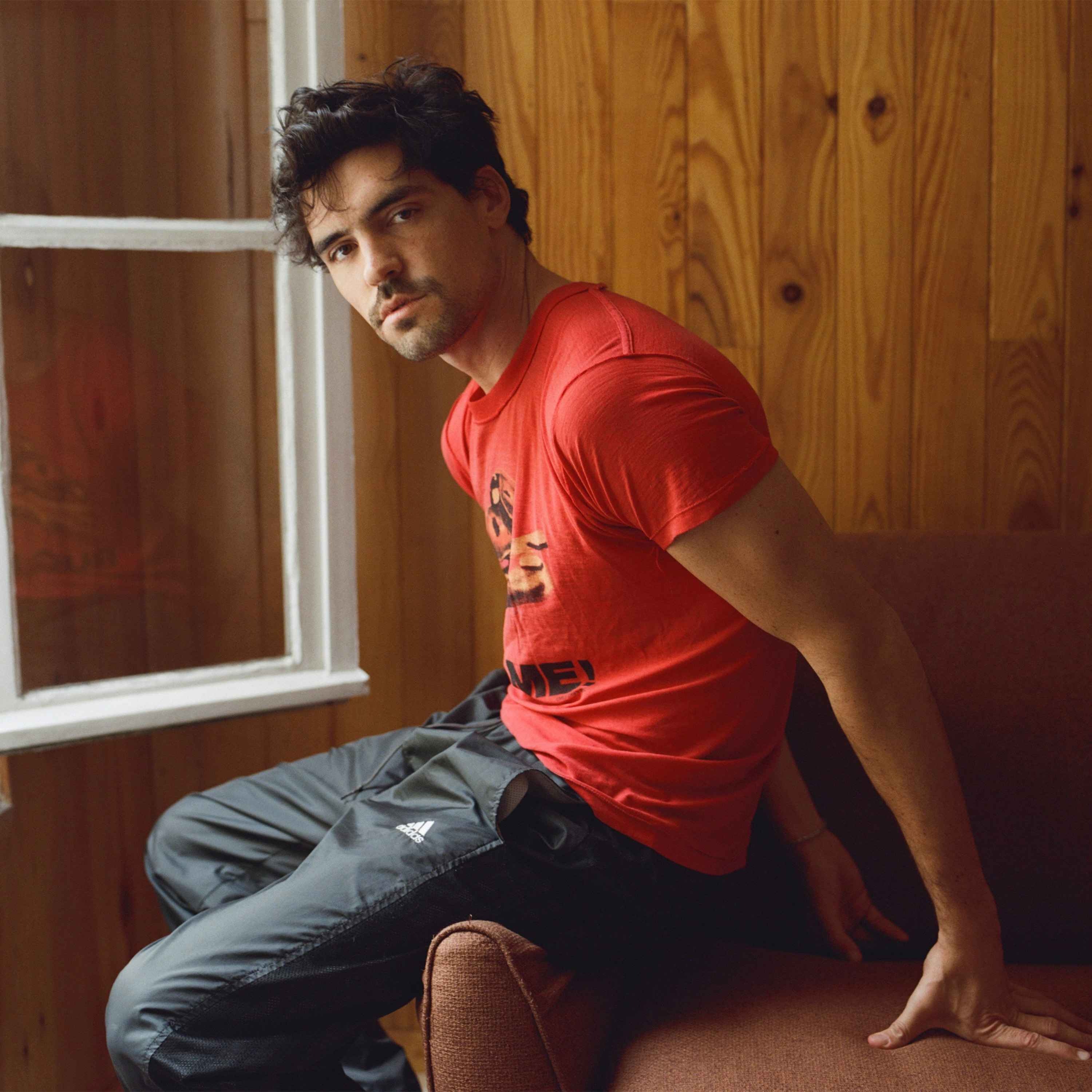

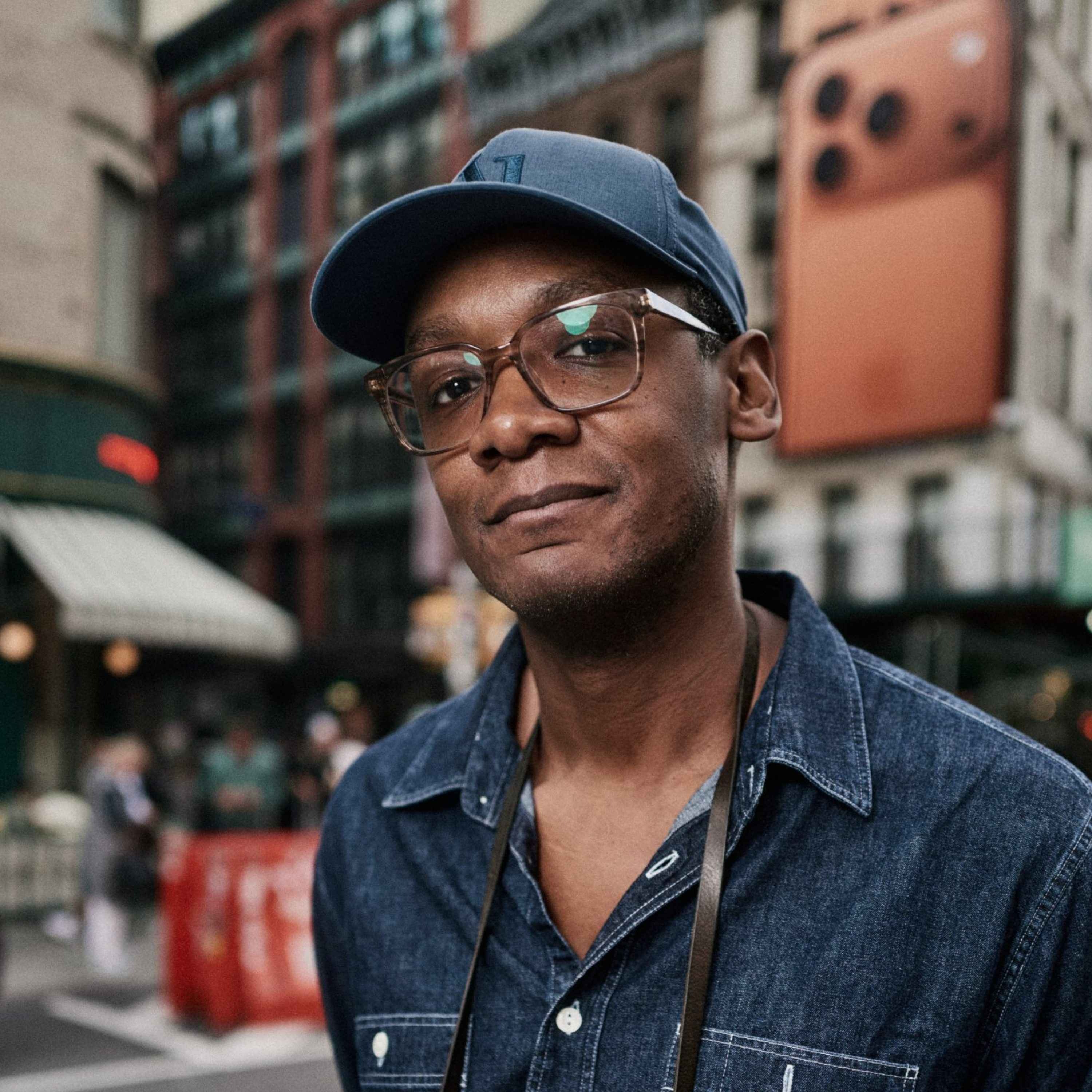
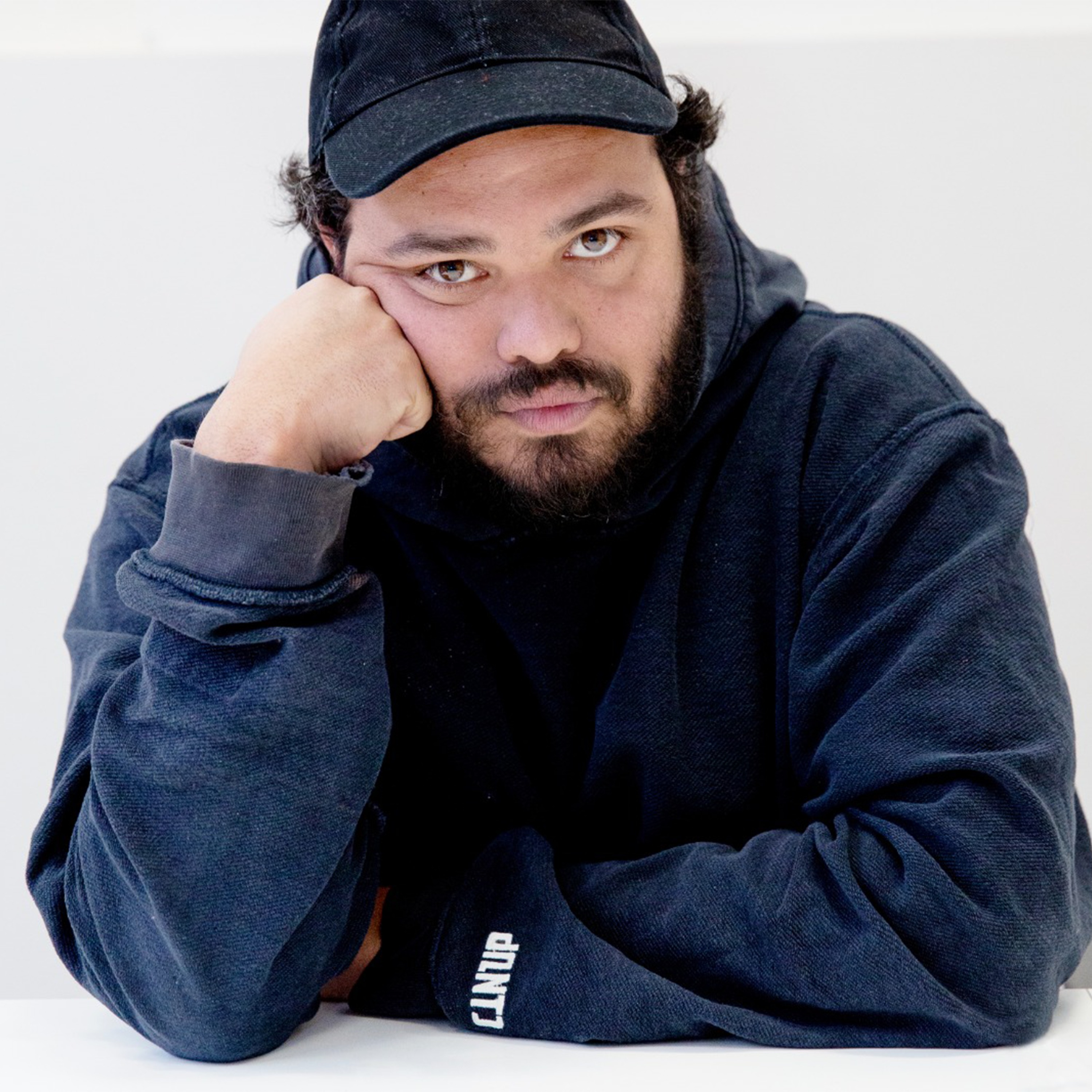
In this episode, Duran Lantink, a Dutch designer known for his innovative and non-conformist approach to fashion, discusses his journey from a young boy fascinated by dress-up to becoming the creative director of Jean Paul Gaultier. Imran Amed, founder and CEO of the Business of Fashion, engages Lantink in a conversation about his creative journey, the influence of his upbringing, and the importance of individuality in a conformist industry.
Written by AI. May contain mistakes.

Get the gist, explore an idea or ask about something said.
 Claude
On The Business of Fashion Podcast, what are the key points of this episode?
Searching your listeningAutomatic transcript. May contain errors.
0:04Hi, this is Imran Ahmed, founder and CEO of the Business of Fashion. Welcome to the BOF podcast. It's Friday, July 25th. From a very young age, Dutch designer Duran Lantink was fascinated by the transformative power of fashion. His journey began in his early teens, culminating in his first runway show at just 14 years old. That collection, made from repurposed diesel jeans and his grandmother's tablecloth, was picked up by a local multi-brand store. And the rest is history. Today, Duran is known in the industry for his playful experimentation, innovative collections, and provocative runway presentations.
0:48Now, he's stepping into a major new chapter as the creative director at Jean-Paul Gaultier. Well, I'm all figuring it out now. For me, I'm just doing it step by step. A house of Gaultier is quite a free house. It's not like a Dior or it's not like a Chanel like I'm you know as a kid I always wanted to I did my like my presentation in elementary school about Chanel so I always liked Chanel but like later on I like really fell sort of love with this sort of non-confirmative thing and I feel that the house of Gauthier is a it's very much about freedom and about culture and about bringing artists in and all these things and I hope that I get the freedom and the possibility to really bring that in and really bring back that vibe from the late 80s or the beginning of the 90s and that really excites me and I really kind of want to go for that and I need to push for it I guess.
1:43This week on the BOF podcast I sat down with Duran in Paris for his first ever English language podcast to learn about his personal fashion journey, the source of his creativity and how he's thinking about stepping into the big shoes as the creative director of an iconic fashion brand. Here's Duran Lantink on the BOF podcast. Duran Lantink. Yes. Welcome to the BOF podcast. Thank you. Thank you for having me. It's a sunny day here in Paris. It is. It's very cold inside, but outside it's quite warm. It is warm and the summer heat wave is happening and couture is happening and so much is happening in the industry and you're part of that.
2:30So I'm really delighted to have a chance to talk to you. Your first podcast in English. Yes, I think so. God, I don't know. No, I did like a couple in Dutch, but English is not my mother language. Well, speaking of Dutch, I wanted to start with growing up in Holland. Yes. The Netherlands. Yes. The Hague. Yes. Most people know The Hague for the International Court of Justice. But can you help to tell us a little bit about The Hague? You know, people know Amsterdam. Maybe some people know Rotterdam. But The Hague is an interesting place to grow up. It is. I mean, it's a very comfortable place. It's a place near the beach, which is really nice for a child.
3:10Are there beaches in Holland? Yes, they're very nice, actually. Like, do people go to the beach? Well, I mean, yes. Especially, like, I mean, we go all year round, actually. Even in the winter. So it's kind of, the beach is a very big part of the Hague, I would say. It's very nice. Like as a child, you know, it's only a 15 minute bike from my house to the beach. And I really grew up at the beach as well. So in the summers, we would stay on the beach, sleep there, play. I think it has been a very nice youth. The Hague is nice. There's a lot of music going on there. I think there was kind of a big electronic music scene in the 90s, even though I was very young but so it has something it's nice but especially the beach is nice and as a place how did it shape your creative sensibilities I mean one doesn't think about fashion when one thinks about the Hague so like where did that develop your interest in fashion your creativity how did growing up there influence you I think my mom and my family were very much into fashion and And it was also, what was it, like beginning of the 90s?
4:22So house music was very much a part of fashion and things. So as a young child, my mom would always dress up with her friends. And then she would go to Amsterdam for clubbing. And you would tag along? No, I wouldn't tag along to the clubs, but I was always there. And then my grandma came to, you know, to babysit me for the whole weekend. But I was always there when there was like people coming over, drags coming over, dressing them in Gauthier, Margiela. They were always sort of playing around. So it was a very, I think it was a very free upbringing, which helped me a lot, I guess, in the way I'm thinking, because it was always there.
5:03Like I was always sort of this freedom of expression and dressing up in the night that would be different than how they would come in pre-party. Did you say drag queens were dressing up at home? Yes, yeah, yeah. They had that day. My mom had quite a lot of friends that would go drag at night and then go out. So I would sort of see that all. And that was very exciting and felt very liberating somehow. And I grew up in the center city of The Hague, even though it's very small. It had the first shop that was selling Chanel. In The Hague or in Holland? In Holland. So there wasn't a flagship store of Chanel yet.
5:45So you had Fred van Woordragen, which was selling Emilio Ongaro, Gianfranco Verre, Lanvin, Yves Saint Laurent, Chanel, and Dior. And I would go in there and I would look at all the clothes and the shop ladies were quite familiar with me. So as a young child, I would get all the lookbooks and window installation decoration things. And you were going in there all by yourself? Yes. How old were you? I think nine or eight or something. Very young. So what do you think it was about clothes and fashion that attracted a nine-year-old boy in Holland? I think it was very much about the sort of the transformative aspect about it that I found very interesting.
6:29That people could dress up and all of a sudden become a different identity. And I was always very much interested in that. and it was just I think it was just always very nice to be surrounded by clothes and somehow it just always spoke to me in a way it was just I don't know I just have some some way was always very exciting to me and I felt it very sort of necessary also to experiment on myself also I guess I mean everybody does that right when you dress up in in I don't know dresses of your mom or your grandma I was fortunate not everybody does that probably not in my world everybody does that and I was very fortunate that that were quite nice dresses and things but I don't know there was just always something that I found very interesting in clothes and then your route into fashion as like you know studying fashion I mean clearly from a young age you were drawn to it you know age of eight or nine going into this boutique but talk to us a little bit about how it turned into your profession really yeah well that also like i did my first fashion show in the hague when i was 14 wait wait rewind for a minute so how how do you do that yeah i'm gonna tell you so basically what i did was my my stepdad had like a big pile of diesel jeans and he was about to throw them away but I was always cutting up things so somehow my grandma had like a quite a nice sort of apple green tablecloth I was like oh it would be so amazing to create a skirt with that jeans and the tablecloth so I went to my grandma who was always like um I don't know how to say that in English in Dutch in Dutch you should say she She was always the lul, which means that she always has to do the things that I wanted to do in terms of stitching.
8:27Because my grandma can stitch quite well. So I'd go to my grandma, cut up the jeans of my stepdad, and we started creating skirts. And the skirts became quite nice. And that's how we kind of found out. It would be amazing to do like a mini collection. And it was like a summer break and I didn't have to go to high school. and I had quite a lot of high school girlfriends that were very tall and very pretty. So everything sort of came together and then we knew the guy at the beach club and then I asked if I could do my first fashion show at the beach club. Wow. So that's how that came about. Tell us about the show.
9:04How did it go off? It was really amazing. It was, I have to think. Like we had loads of floral prints and then we had a sort of a catwalk was going sort of like a snake. And they were like friends and family. And I borrowed shoes from De Rode Loper, which was a shoe shop in Amsterdam that, sorry, in The Hague, that had like loads of Dodge and Gabbana shoes. So I borrowed all the shoes, but I didn't put the tape underneath the shoes. To protect it. To protect it. So that was a very big mistake. My parents ended up paying for all the shoes, which I needed to pay them back in the end. But it was a very big success, actually, because my collection was bought by Ropa, which was a multi-brand store that was selling W < and Diesel Style Lab and all those kind of things.
9:56And they sold that collection. And I think till now that has been my most commercial successful experience. So I really wanted to just be a designer and not go back to school anymore. But unfortunately, I was 14 and I had to go back to school. I heard there's some like after party situation that happened with this show is that right yes with Chaka Khan yeah yes oh my god did you read that somewhere I may be yes I mean I could not help but ask about Chaka Khan because growing up in the 80s Chaka Khan yeah that was insane actually so basically in The Hague you had once a year called North Sea Jazz and North Sea Jazz Festival was like a big thing where all the jazz artists would gather in Holland and they would perform in The Hague and then they would do an after party in what's the hotel called shit I can't remember the name of the hotel but anyway there was an after party in that hotel and me and my friend she was completely dressed still in the collection with the Dolce & Gabbana jeans pumps with like a pointy thing and we were like pretending to be very important we just sneaked into the after party and then we ended up i did i probably shouldn't say what we were doing but we ended up in the bedroom of the son of chakaka until six in the morning one can only imagine what you were doing i wasn't that bad though uh it's a it's this is a pg-13 podcast but so you have this amazing thing you have this experience you put on this show yeah you go to this after party someone's wearing your clothes it's the most in quotation marks commercial thing that you've ever done yeah you wake up the next day how did you feel oh i can't remember i probably had a huge hangover yeah no i mean i felt very happy but that was very quickly disturbed by my mom being really angry for the shoes and coming home at 5 a.m.
11:59So I did feel very glorified, but the shoes were taking over the pride, I would say, quite quickly. But it wasn't amazing. Looking back to it, it's quite insane if you think about it. You're like 14, 15, doing all this stuff. It was amazing. Yeah, you know, we have these defining moments in our lives where something clicks, something happens. Yes. That sounds like it was one of those moments. Yeah, it was one of those moments because I do think that, like, I never really looked back at it in that way, but it probably was one of those moments where I really knew what I wanted to do in life or how I wanted to kind of proceed.
12:42To have that clarity at the age of 14 or 15 is pretty remarkable, right? Yeah, it is. But then it's also, I would say I'm not necessarily a super stubborn person, but I kind of want to always follow my own path rather than people, you know, I've never really been a person that just follows the path because it needs to be that way. in so that makes it sometimes also quite complicated but i do feel like that's my path and it feels authentic or it's weird to say authentic over yourself but like it felt like it was an it's an authentic way of sort of proceeding in life what i'm doing hopefully yeah so talk to us about fashion school yeah you know you clearly you got on this path non-path you want to do things your own way how does that manifest during you know probably like every fashion school has its own structure how things work you know how did you navigate that kind of system well I mean in the beginning it was very hard it was difficult because I've always been very obsessed with cutting up clothes mixing clothes and it was never really my interest in I never really had interest in patterns or flat materials, fabrics.
14:04It was very much about sort of creating my own identity or language with the pieces that are laying around. And that was definitely not fitting in the system that I was entering. And that was before everyone talked about upcycling and, you know, repurposing and all of this stuff. Like you had this innate... Yes. You know, so everyone's creative process starts from a different place. Yeah. So even back then, your process began and continues to begin with starting with things that already exist yes why do you think that is i get inspired by things that i see so you know when i see something and and especially things that are kind of like feels that it's forgotten like especially things you go into a thrift shop or you find something in the street and you kind of see it and you think oh i could transform that and it could be if I change this and this it becomes like it becomes it gets a different meaning and I find that always exciting it excites me like I find it interesting to shape shift in a way so that was always my method and that was difficult in the first years I also switched from a fashion school to an art school because it didn't work in the fashion school then I went to Rietveld which went better and then a new head of the department came who was actually quite supportive but in the beginning they were really like oh you're maybe more a stylist or no you're more an artist like I always get these names and I found that always somehow more quite liberated because I didn't really care like I just wanted to do what I think works for me and whatever name a person wants to call it like yeah I mean, there's this tendency, particularly in traditional educational institutions, to try to put people into a box.
15:59Exactly. That box, that was, it's very hard. I mean, it has been very hard for people to put me in a box, but I guess I'm slowly putting myself in a box. No, but it was good. The funny thing, I think, with my graduation was kind of a bizarre situation because it was obviously fully repurposed. I think it was 2012 and at a certain point they were saying well maybe you should lie and not say that it's like made from existing clothing pieces might come over that you're a lazy designer I was like well that's not really nice but yeah it was weird like it's weird dealing with with things but it's also good because it makes you stronger and it makes you more confident and more understanding that you really believe in what you're doing and that it doesn't really matter what other people say.
16:53So where do you find that conviction? Because, you know, I think about myself at that age and people trying to put me into boxes, not just professionally but also personally. And at that age, so many of us are so worried about what other people think. Yeah, I think, yeah. I came out of the, how do you say that? I came out as gay when I was 13. or 12 maybe. So there were, there's always, there's always this thing where I kind of feel the urge to do something and don't really care about the meaning of others. Or I do because I, I do care about the meaning of other people, but I don't necessarily.
17:34Let it define you. Let it define me once becomes like a negative connotation or like something, because I, I, from a very young age, I think I started understanding that that's more the problem of the person that thinks that rather than that it's my problem. So I guess I've been quite lucky with that. And maybe that's because from an even younger age, I grew up in this quite free world where people, where I experience people being quite free and dressing up. And I would also say that's a bit, and you tell me if I'm wrong, but I spent about four months working in Rotterdam. And on the one hand, the Dutch are this kind of very direct, very straightforward, very dry, to the point people.
18:25But also there's this kind of like no rules culture. No, definitely. Did you think that shaped? For sure. I think, I mean, I think Dutch people, I mean, in comparisons to, I always, it's a very weird comparison, but I always make the comparison between Germans and Dutch because Germans always stop when there's traffic lights. Yeah. Even though they're very free if you go into the, you know, into the house scene, but it's very much being free into a box. But then when you're in Holland, everybody just walks through red and it's just like kind of everybody does his own thing. And that's kind of the difference.
19:01Yeah. But then we are, I think, quite direct, which I really like. I like direct communication and not being like swirling around too much and being, it's always really important to be polite, but you can be direct and polite. Yeah, and it's always nice to know where someone stands. Yes. I always felt that. We'll be right back with more on the BOF podcast.
19:30okay so this upcycling repurposing materials it becomes you know your thing yes you find a way of navigating through art school and fashion school and stay true to yourself and that takes conviction Yes. When school finishes, what happens next? So yeah, bachelor. And then I did my master also during my master. I started working more with designer closing pieces and I did my graduation for my master's with going into boutiques. So small shops, multi-brand shops, because I started finding it quite frustrating in media and in ways of shopping that there would become less and less nicely curated shops.
20:23You know what I mean? So you would always have like either a Gucci shop or a Balenciaga shop, but you would never anymore had this amazing curated small shop. The multi-brand boutique. Yes, with this amazing buyer that just like knows how to pick all the perfect things and create this. And they almost know who they're buying it for. Exactly. They know their customers so well. Exactly. Yeah. And that kind of like was slowly disappearing. And I sensed that. And I didn't really like it. So I started thinking, you know, if they're not allowed to sell certain brands anymore, they must have like that stock from it.
21:00What are they doing with it? Like, how can I sort of go into the shop? And then my idea was to ask for the dead stock or the sale items, archive pieces, and create this mix of different brands into one outfit. And luckily Van Ravenstein, which is a shop in Amsterdam, it used to be a shop, was the one that said, okay, we're going to give you some items. And there I found, I don't know, it just felt right. Like it felt like I was a baby again that could go into my mom's closet and have like this amazing pieces and cut them up and create this new identity. The diesel greens and the apple green tea.
21:42Yeah, somehow that kind of like it all made sense again. So I started doing that and I think I got a bit of, I don't know if I got recognition from that actually. No, maybe not. Like, I mean, in Holland, but then I did the vagina pants, which gave me more international recognition. This is the Janelle Monáe thing. So how did that happen? One of my best friends, she's going to hate me that I'm saying one of my best friends now, Emma Bestenberg, she was the director of the music video. And she asked me, and it was like, I don't know, I wasn't the one that was initially asked, but I think they were not happy with the first designer.
22:20So five days before the video clip, I got a call from Emma, if I can please make something that would look like a vulva or a vagina. and at first I said no because I said I really don't know what to do but then we started getting into it and talking and I was like okay we're doing a vagina pants and became kind of became kind of a really fun project we only had five days which was really crazy because I was just graduated I was in Amsterdam I've never besides you know going my 15 in a hotel room I was never really in contact with any celebrities or music artists so I really didn't know what to expect because I had to go there myself and go to the video thing and everything.
23:03It was quite interesting. So I was happy with it. It's not my favorite thing to do. The celebrity stuff. No. So how did you find your path to the stuff that, I mean, the industry really knows you for? For the recycling, you mean? Well, just, you know, I think, you know, just to fast forward a bit. Yeah, yeah. You know, it's been pretty remarkable to watch the impact that you've had. Thank you. The creative impact. Especially in the context of an industry that has become more commercial, where we have lacked creative innovation and experimentation and boldness. Yes. And I think that's why so many people have responded to you.
23:52I mean, for you to have just kind of, it feels like you kind of came out of nowhere, you know? Right? It just kind of... Very long path, though. Of course. It always is a long path. And that's one thing I've learned in doing these conversations for the BOF podcast. There's always a long story, but there's a moment where, you know, something clicks. Yeah. How did that happen for you? So the most important thing, it's always, it's so weird because it's, I guess for everybody, it's kind of different, right? for me it always has been sort of step by step so then I did my drone show and then after the drone show I got more recognition that was the one during COVID yeah the one during COVID where I like finally found out that like nobody could go to a show so I was quite happy because that was like the moment for me to reach out to a bigger audience because nobody could go anywhere anyway so and it flattened the system in a way because anyone who had a creative idea and could make it happen.
24:51Yes. And it was really interesting because some of the big houses would do these digital shows and they couldn't get their head out of a woman or a man walking down runway. Yes, yes. But you kind of flipped it. Yeah, and it was really nice. So I think that was so exciting for me. I mean, it's really weird to say that it was very exciting for you to do a show during COVID, but it kind of made sense. I was like, it's amazing. I can finally do a show and I can pretend all the important people are there by putting drones as audience and then faking that there's an Anna Winter bot and a Rihanna bot.
25:28So that kind of made sense. And then Betty Wilson was very, very sweet and very kind for supporting me and doing the styling on remote. And that happened. That kind of happened. And One Granary was helping me there with the PR. So that kind of went over the Internet. And I really, that was like really the moment I was like, okay, now I don't want to stuff anymore. Now I just want to do shows and I don't want to be dependent on stores that give me stock and then I can do, you know. So how do you make that leap? Because that's one of the things I've always wondered. What do you mean? Sorry? I mean, making the leap from relying on stores that will be generous and give you some excess merchandise to turning it into something that can actually work.
26:12Yeah. Well, I mean, in the end, it was kind of a necessity also because during COVID, the multi-brand stores were quite generous still. But I think I got a bit more recognition where certain brands started blogging stores on giving me their clothes. So, you know, I would want to have a piece from a certain type of brand, which was in that stock, but then I couldn't have it anymore because the PR side of the brand didn't want to provide it. so that made me think I was like well to be honest I don't necessarily need the brands and I also maybe don't necessarily need to work in this way I can find a system for myself that works rather than to be depending so the first thing that I did was I had quite a lot of stock in my own studio so I started doing that in and and and doing still one-of-a-kind pieces and then afterwards we did a show a year and a half later, we decided we wanted to go to Paris and do a physical show because COVID was done and everybody was back at their usual business.
27:19So it made sense to go to Paris. And there I started working with that stock material rather than only clothing pieces. So I started implementing fabrics, which I normally would never do. So you're kind of going further back into the fashion supply chain right yeah yeah and it was quite interesting because there we could actually do little skus of of certain yeah you could do production runs yes right yeah so that was interesting and then i think at a certain point i think it was 2023 or 2022 and normally i would hybride loads of things and i kind of got fed up with it because it became so popular in a way like there were loads of friends also working together you would see the gucci balenciaga show and you had the versace whatever show so yeah so it became a bit like oh no i don't want to do that anymore so i started thinking about my obsession for clothes and what that was kind of meaning and and the urge of changing a clothing piece but by changing i was always limiting myself with the idea that I have to use two different closing pieces and merge them together where now I was starting oh I can actually change the shape of the clothes so you could create a bubble denim jacket by sort of you know opening it and adding extra same toned fabric and and just change the shape of iconic clothing pieces.
28:52And there was the erogenous zones, I thought, about like the people can't see what I'm doing because it's a podcast, but around the hip, you know, and the way the trousers or the jeans would sit or like those shorts that would... Oh, yeah, yeah, yeah, yeah. Leon. Yeah, yeah, yeah, yeah. Leon Dame, I remember he was wearing those shorts. I was like playing around with shapes a lot. Yeah, yeah. Yeah, I know that was kind of my... sort of my new era where I kind of fall into or fell into, which I find quite exciting still. But I'm thinking about different things now to kind of figure out what my new obsession with clothes is going to be.
29:36So you get all this recognition. You get a ton of editorial coverage. Yes. You know, I mean, for an independent brand to get that kind of visibility, you win a number of fashion prizes you get all this stuff like tell us what was there in terms of an actual business now the business of fashion is coming yeah well i mean that's that's we have to get there like what you get you know it's something i've seen a lot with designers over the year that you get a ton of pr in quotation marks no i mean the prices and things are were definitely helping i'm not going to be saying that i have a that i had like an extremely profitable brand because i i don't i didn't which i i feel is also normal for me it was very much important to tell a story and it's kind of my storyline and it's involving like i think now for the latest collections we're selling at 45 shops so it really grew because my first collection in Paris, we sold to one shop, I think.
30:42And the second one, we sold to all the Dover Street Markets, which was really nice. They supported me from the second show on. And slow, oh, and sorry, H. Lorenzo as well. So it slowly started. It became bigger and bigger and bigger and bigger. But now, yeah. So now we're at 45 shops. I think, I mean, we kind of broke even this last season also because we won a prize or two. Do those fashion prizes matter for you? Do you think like, In terms of recognition or in terms of money? Just generally. Like, do you think? Yeah, they do. There's so many of them now, right? Yeah, no, they do. Because like, honestly, I'm not backed financially by anyone.
31:19So it's also independent. It's very stressful. It's very hard to set up a show. It's obviously super expensive. I'm extremely lucky that there are so many people around me that support me because I think they get excited about something and people are willing to support when they start getting exciting too excited too but wouldn't i have won those prizes and then especially the money side of it it would have been very difficult for me to proceed for the last two seasons and stay true to your definitely creativity yes definitely okay so then you come to a really really big decision right because yes you know one of the things that's quite it's a pattern that I see now when, you know, when designers become current and when people are looking and watching at what they're doing, you know, people are going to come knocking.
32:13Yeah. So Jean-Paul Gaultier eventually came knocking. Yes. Tell us about how did those conversations start and why, why was this the right move for you at this time? You know, if your business is just broken even, in you're starting to find you know commercial model that works you you're going to shut your label down now like that's a lot of decisions to make at once right which is one you want to design under another brand two you need to find a brand that you can design under that you that feels like a good fit and then three in order to do that you need to close your own business yeah i don't know I mean, I don't know, it sounds a bit weird, but when the opportunity came, like it wasn't, there wasn't one conversation.
33:00There were multiple conversations with different brands. And when this opportunity came, it made so much sense because it went back to where I came from, which was that obsession of this nightlife and these people dressing up. And I was very much a sort of a Gauthier kind of spirit. So when I thought about it, I was like, well, this could actually be good for me. Like it could be good for me to go to a house, to step up the game, to move fully to Paris, to have a bit more security on the financial part, to start understanding also how the business works in a bigger structure. And I really just love Jean-Paul Gaultier.
33:46I mean, it's one of the most iconic houses for me. A lot of people are curious about what the process is like to be selected for one of these jobs. And you said you were having multiple conversations. Yes. Could you give us a window? I mean, there's so many young designers that listen to this podcast. I mean, can you give us a little window about what that process is like for a designer? Like what, what do you have to do to convince someone you're the right person for the job? Well, yeah, I mean, it starts with conversations, obviously. And for me, I had a few other conversations, but that didn't really feel right for me.
34:27So I kind of knew that I wanted to go for Gauthier. So I put more effort in the one that I really wanted to go for. What did that effort look like? Like, what did you have to do? Well, I worked on a proposal on how I see the brand or what I think is good for the brand and how I would interpret it Jean-Paul Gaultier in 2020. What is it? 2025. Yeah. So I wrote a concept. I wrote like kind of how I see that world and how that Gaultier world is sort of in my mind and how I would roll it out in the end. I think that's like a whole rollout. So it's like a visual project. Yeah. Do they actually get you to make anything to show them?
35:08No. No. No, no, no. It's a visual project. Yeah, it's a visual project. I had someone write to me recently that she shared a bunch of her ideas with a brand and then they didn't hire her. And then she saw the brand use some of those ideas. Did that ever occur to you? Like, are you afraid that when you are very open with your ideas that? Yeah, no, I'm not. Like, I think I'm not really afraid for those kind of things. I also find it difficult because sometimes things are just in the air. You know what I mean? like it's not like I'm not that special or the other person is not that special sometimes you're you have an idea and then three weeks later you see another brand doing it so I always kind of believe that there's something in the air and everybody is kind of sensing it and doing it in its own way and obviously it's it's it's very unfortunate if if you see your work back and you're not getting hired I would be pissed off as well but then somehow I would always think I you know, it might've been a coincidence or something.
36:08So you find alignment around this creative idea, clearly buy into it. Yeah. Earlier in the conversation, you said you're, you're not someone who likes to be placed in boxes. No. And then I said, I'm slowly putting myself in a box. Right. So this, this next stage for you is going to be not the same as going into an educational institution and trying to prove to them that you don't need to be in the box of designer or artist or whatever, but there's going to be more structure. There's going to be more process. There's going to be more constraints. There might be more money and budget to do things in your imagination.
36:43But like, how are you reconciling yourself with that? Well, I'm all figuring it out now. For me, I'm just doing it step by step. I think I have a clear vision of what I want. That's just very important to me. and I think I just want to, you know, deliver good collections and a good job. And a house of Gauthier is quite a free house because if you think about Gauthier, you think about freedom and obviously there's products, but it is still a sort of a non-confirmative place for me. It's not like a Dior or it's not like a Chanel. Like, you know, as a kid, I always wanted to, I did my presentation in elementary school about Chanel.
37:30So I always liked Chanel. But like later on, I really fell in love with this sort of non-confirmative thing. And I feel that the House of Gauthier is very much about freedom and about culture and about bringing artists in and all these things. And I hope that I get the freedom and the possibility to really bring that in and really bring back that vibe from the late 80s or the beginning of the 90s. And that really excites me. And I really kind of want to go for that. And I need to push for it, I guess. Yeah, the spirit of that house is nonconformist. But I think the other thing that just occurred to me is like, unlike Jonathan starting at Dior, Mathieu starting at Chanel, to use the examples that you've cited.
38:16Yeah. In a way, you're having to build something not from scratch, but you're building something from quite little, right? So there's an opportunity for you to help shape the new codes, the icons, the products, the retail environment. Like all of that is up for grabs. Yes. And I think that's very exciting. Like that very much excites me because that really gives you an opportunity to create something completely new. or like new i don't know if something is new but like something that kind of feels fresh and that gets me excited and whenever you're excited i think things will turn out positively i guess no but i mean i do whenever i'm excited i always think think things turn out in a positive way and there's loads of opportunities there yeah so i'm super happy with being in a box but still feeling quite free well we're all really excited to see what you do in September I just wanted to conclude with a little bit of advice yes you know because I think what something that's so refreshing and strong about you as an individual is that conviction that you've had to your instincts to staying true to like the things that you were drawn to from a very young age and finding a path that works for you so so for someone else out there that's navigating some of that right now what advice do you have to offer it's such an annoying answer i'm always finding it hard to advise other people because i never really know if i took the good path but i i think whenever you have a very strong inner feeling of okay this is right for me I think you should be really going for it and not being distracted by commentary from outside and really try to kind of dig deep in and think okay even though maybe now it doesn't seem the right part but it somehow deep inside is the right part just like really go for it but like I'm also like maybe I'm also very fortunate that I could do that like not probably not everybody is able to do that so it's no but i think i think this thing about digging deep yeah and kind of knowing yourself is really important yeah you know sometimes people ask me well you know like because i spent a lot of my career doing stuff that i wasn't really passionate about and eventually ended up in industry and people said to me well how did you know and I said well when I was really young even before anyone told me yeah what my past should be or what the right decisions would be or what the careers should be there were things I was drawn to that I can't explain to myself one of which was watching Tim Blanks on Fashionphile growing up in Canada I really I don't know I think sometimes when you have the ability to go back before anyone framed up what was right or wrong or good or bad there's something to that there's something to those things were drawn to as children and that feels true for you as well yes I think I mean I think about it a lot actually I I really think about it a lot I think that when you're very very very young even things that are almost a bit unconscious, I think there's influences that kind of shape what you will be doing at some point in life.
41:52And I think I'm lucky that I've kind of kept following that from a very young age and that I never really went off track. Like I always, it was just always fashion. It was just always like telling stories and it was just always making up ideas and things. And that just kept me going, even though there were moments in life where it was harder. It just always made me think, oh, yeah, but this is what I want and this is what I'm going to do either how, you know what I mean? Even if there's no support at this point, I will know that I will continue doing this. Even if I would be now on my own somewhere in Rotterdam or in The Hague, in a room, I would still be thinking about shows, collections, how to do it.
42:39like it just keeps me going. And I'm fortunate now that I have a bigger audience and an amazing house where I can now continue this work. Well, we're fortunate to have you. And really, it's just been a real pleasure. And real, I mean, I just can't overstate to you just how much of an impact you've had for so many people. And like this past few years when creativity and fashion has been so lacking. Thank you. It's been so refreshing to have you. And like I said, I'm so excited to see what you do in September. Scary. No, it's going to be good. It's going to be great. And good luck. Thank you so much for having me.
43:18Thanks. Of course. And hopefully see you in October. Absolutely. The BOF podcast is edited and produced by Olivia Davies and Eric Bria.
From a very young age, Dutch designer Duran Lantink has been fascinated by the transformative power of fashion.
His journey began in his early teens, culminating in his first runway show at just 14 years old. That collection, made from repurposed Diesel jeans and his grandmother’s tablecloth, was picked up by a local multi-brand store. And the rest is history.
Today, Duran is known in the industry for his playful experimentation, innovative collections and provocative runway presentations.
"I'm all figuring it out now. For me, I am just doing it step by step,” he shared. “Later on I really fell in love with this sort of non-conformative thing and I feel that the House of Gautier is very much about freedom and about culture and about bringing artists in and all these things and I hope the freedom and the possibility to really bring that in and really bring back that vibe from the late 80s or the beginning of the 90s and that really excites me."
In Paris, for his first ever English-language podcast, BoF founder and CEO Imran Amed sat down with Lantink to talk to him about his personal fashion journey, understand the source of his creativity and how he’s thinking about stepping into the role of creative director at an iconic fashion brand.
Key Insights:
Additional Resources:
Hosted on Acast. See acast.com/privacy for more information.