In short
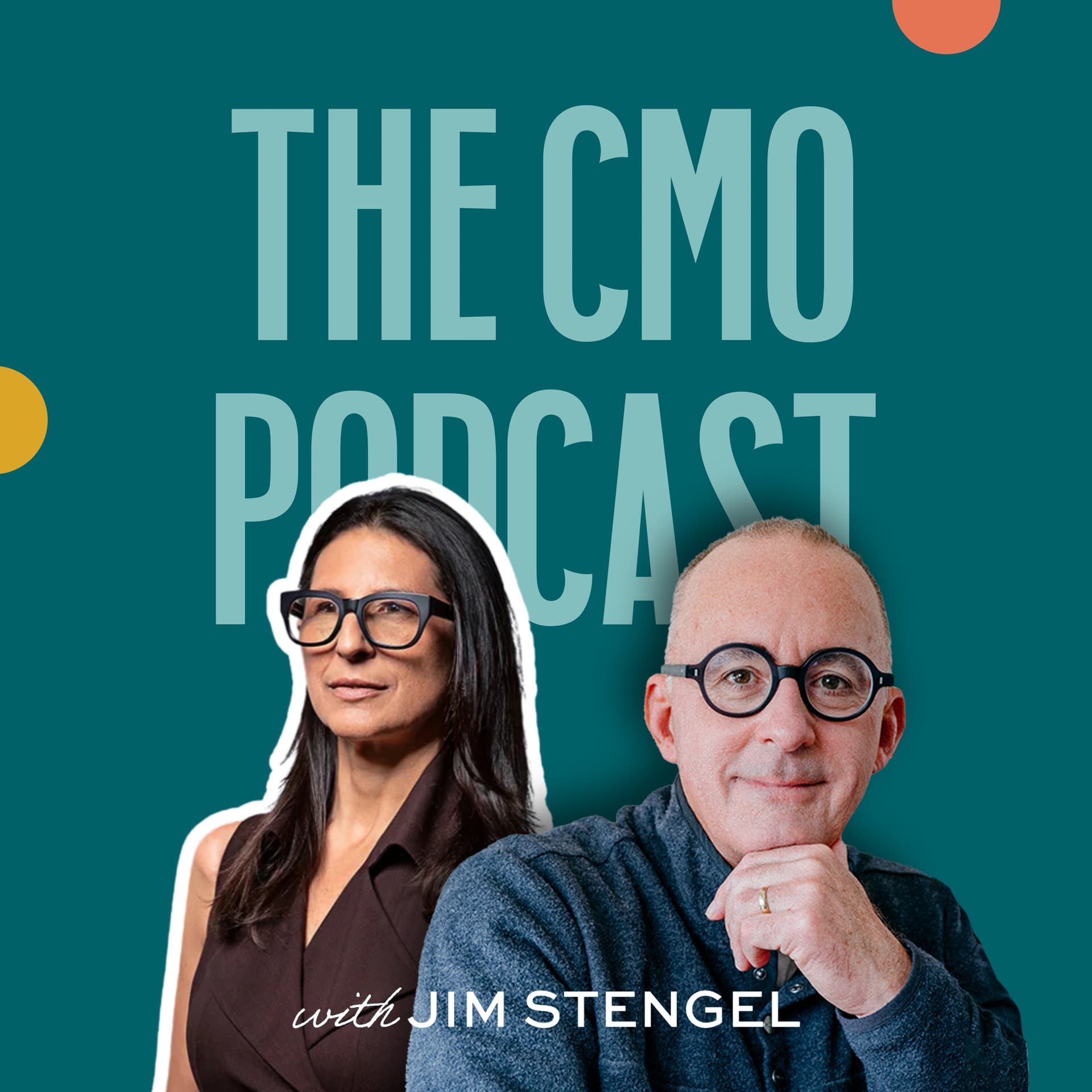
Campari America CMO Allison Varone discusses how to build “culture-first” spirits brands—especially Aperol/Campari spritz culture—through consistent recipes, on-premise execution, trade education (Campari Academy), and agile marketing as consumer drinking shifts toward mindful, daytime occasions. She also covers non-alc Crudino, tequila brand Espolón, and how she prioritizes a 50+ brand portfolio.
Guest backgrounds
Allison Varone is head of marketing for Campari America (U.S. portfolio strategy, consumer engagement, innovation, integrated campaigns). She joined Campari in 2024 after nearly 12 years at LVMH (Hennessy, Moët Hennessy, Belvedere) and previously spent ~6 years at Martha Stewart Living Omnimedia/Time Inc. Italian studies in college; lived in Florence.
Key claims
Aperol’s success comes from the Aperitivo Hour idea (“first shared drink”); brand consistency beats constant reinvention; bartenders are “gatekeepers” via Campari Academy; 20+ brand activators expand spritz penetration; Crudino enables “zebra striping” between non-alc and alc.
Notable examples
Aperol Spritz “orange wave” (3:2:1 recipe); Coachella piazza serving thousands of Aperol spritzes; Campari Spritz Square in NYC; Crudino launched in 7 U.S. markets in 2025; Espolón uses irreverent humor (e.g., drone shows).
Written by AI. May contain mistakes. Listen to the episode to check what was said.
Chapters
Tap a time to open that second in VOMeet Allison Varone from Campari America
1:35 to 2:30
Learn about Allison's role and her impact on Campari's marketing strategy.
“There are certain signals that summer is on the way.”
The Rise of Spritz Culture
2:30 to 3:41
Explore the trends in cocktail culture and the popularity of spritzes.
“Allison joined Campari in 2024 after nearly 12 years at LVMH, where she led marketing across some of the most admired luxury brands in the world, including Hennessy, Moet Shandong, and Belvedere.”
Introducing Crudino: A Non-Alcoholic Spritz
3:41 to 6:50
Find out about Crudino and its unique market positioning.
“Yeah, I think as the weather gets warmer, people just revitalize and feeling like they need to be out, obviously, into the weather and imbibing, obviously, the way they want to.”
The Role of Brand Activators
6:50 to 8:30
Understand the purpose behind hiring brand activators for Campari.
“And now, obviously the space now is different where everyone's looking for a non-alc expression and to be more mindfully consuming, which is great.”
Aperol's Success Story in the U.S.
8:30 to 13:32
Learn about the growth of Aperol and its cultural significance.
“We lean really hard into our Italian spirit, as we say, a spito italiano, as they say in Italy.”
Bringing Brands to Life: The Aperol Strategy
14:56 to 17:44
Discover how Aperol stays consistent and on-brand across various markets.
“as you get together with friends, and that's such a great ambition, and there's so much room to grow with that.”
The Role of the Campari Academy
17:45 to 20:04
Explore the significance of the Campari Academy in bartender education and brand representation.
“And we have an academy here in the US as well.”
Advertising vs. Experience in Branding
20:05 to 21:56
Understand the balance between advertising and experiential marketing for brand success.
“So we have two members of our team that lead that, and it really builds equity, right, for the long term.”
Espolon: A Unique Tequila Brand Story
21:57 to 23:52
Learn about the distinct approach and cultural relevance of the Espolon brand.
“And we talked about your tequila a minute ago.”
Cultural Connections: Campari vs. LVMH
23:53 to 26:14
Examine the similarities and contrasts in brand-building strategies between Campari and LVMH.
“Now, we said you came to Campari about two years ago.”
Show all 25 chapters
Focus and Prioritization in Brand Management
26:15 to 28:00
Discover the strategies for prioritizing brand focus in a diverse portfolio.
“So I think that's been kind of the big focus for us.”
Exploring Undiscovered Brands
28:00 to 28:40
Learn about hidden gems in Campari's portfolio and their unique stories.
“then we have to question, is it worth it?”
Managing a Massive Event Ecosystem
28:40 to 30:00
Discover how Campari manages close to 7,000 events each year.
“And it really is all about craft, and people are always surprised that we have some of those brands in our portfolio, but they're beautiful.”
Navigating Consumer Trends
30:00 to 30:39
Understand the challenges of staying relevant amidst changing consumer habits.
“So we're very lucky to have a lot of partners to help us drive all of that throughout the year.”
Focusing on Brand Strengths
30:39 to 31:55
Learn how to celebrate brand strengths in the face of challenges.
“Yeah, there's I mean, there's lots of press about the category.”
Global Brand Synchronization
31:55 to 33:17
Explore the importance of collaboration in managing global brands.
“And that's what marketing is, is navigating the changing times and being true to what you're good at.”
Lessons from Past Experiences
33:17 to 34:15
Reflect on valuable lessons learned from a career in prestigious companies.
“How do we make that applicable to a U.S.”
Passion for Italian Culture
34:15 to 35:52
Discover how a love for Italy influenced career aspirations.
“Yeah, I mean, I started my career in publishing.”
Memorable Brand Experiences
35:52 to 37:19
Hear about impactful brand activations and personal favorites.
“And my Italian is not nearly as good as it used to be, but it gets me by.”
Curiosity About Consumer Habits
37:19 to 40:05
Investigate the evolving nature of consumer preferences and trends.
“What's the one you've personally enjoyed the most over the last year?”
Emerging Role of AI in Branding
40:05 to 41:27
Understand how AI is beginning to influence the spirits industry.
“What are you most looking forward to this summer coming up on your big season?”
Impactful Brands from Childhood
41:27 to 42:11
Reflect on brands that made a significant impact during childhood.
“Allison, what's the first brand you remember making an impact on you as a young girl?”
Influences and Inspirations in Marketing
42:11 to 43:37
Explore how personal experiences shape marketing perspectives.
“Yeah, as I was mentioning back when I would travel to Italy and I was able to drink before 21 there.”
Fun with Campari: A Lighthearted Moment
43:37 to 43:58
Enjoy a light-hearted interaction about Campari drinks.
“I have your swag in the background here.”
Key Takeaways from Allison Varone
43:58 to 45:16
Discover three impactful takeaways from the conversation.
“Three takeaways for your business brand and life from this one.”
Transcript
Automatic transcript. May contain errors.0:00Jim Stengel:Before we dive into today's episode, we would very much appreciate a moment from you to make sure you're subscribed to the show on Apple Podcasts, Spotify, or wherever you listen, along with optioning to auto-download the episodes. It really is the best way to never miss an episode, along with supporting the show and the amazing team that helps me bring it to you. And while you're there, leave us a rating or review. It only takes a minute and helps more people find the show and helps us learn. And of course, share this episode with a friend or colleague who might enjoy it. We wouldn't be here six years later and still going so strong without you all, our community.
0:36Jim Stengel:So thank you for being part of it. Now onto the show. How about the first spirits or beer or wine brand that made an impact on you? I'd say Aperol. Aperol, you're from college? Yeah, as I was mentioning back when I would travel to Italy and, you know, I was able to drink before 21 there. And that was the first brand I was introduced to. And I just got sucked in ever since. Hi, I'm Jim Stengel. I've helped hundreds of major brands discover and activate their purpose. Because when a brand's purpose is clear, compelling, and authentic, profit naturally follows. Each week, I welcome the CMOs, the chief marketing officers of your favorite brands, to speak to how their job is so much more than marketing.
1:18Jim Stengel:These leaders share their inspiration and challenges, along with how they try to build a full, healthy, and happy life in and out of the office. And it's that energy that reaches everyone they touch. And we're glad you're here to feel that energy and to learn from these remarkable leaders. So here we go. There are certain signals that summer is on the way. And for me, one of them is the first spritz of the season. This week, I'm joined by Alison Barone, head of marketing at Campari America. You would likely recognize their two most iconic aperitifs, Aperol and Campari. Based in Milan, the Campari Group is one of the world's leading spirits companies with a portfolio of more than 50 premium and super premium brands from tequila, whiskey, rum to cognac.
2:01Jim Stengel:Campari has grown into a$9 billion global player built on a portfolio of premium brands that have become part of many people's everyday rituals and celebrations. My guest, Allison, leads marketing for the entire U.S. portfolio, including overseeing brand strategy, consumer engagement, innovation, and integrated campaigns across Campari's range of brands. She's also deeply involved in shaping how these brands show up in culture, from major moments like Coachella and the U.S. Open to celebrating the everyday ritual of the Apertivo Hour. Allison joined Campari in 2024 after nearly 12 years at LVMH, where she led marketing across some of the most admired luxury brands in the world, including Hennessy, Moet Shandong, and Belvedere.
2:43Jim Stengel:Before that, she spent an eventful six years in the early 2000s at Martha Stewart Living Omnimedia. Allison brings a rare combination of luxury brand building, cultural fluency, and deep marketing expertise. We're going to talk about how she's helping shaped the future of cocktail culture, consumer connection, and brand storytelling. Plus, we hear her drop a few Italian words into the conversation. She studied Italian in college and spent a year abroad in Florence. Here's Allison. Well, welcome to the CMO Podcast, Allison. We're recording this during lunchtime on a beautiful late spring day. So I poured myself a Campari and Spritz, a very light one.
3:22Jim Stengel:It's one of my favorite drinks. I love Negronis too, but as we were talking with Judy before we started recording, a little bit early in the day. So cheers to you, Alison. Good for you. Cheers. Yes. And it is officially Spritz season, so you're in good company. Well, is it ever not? Somewhere in the world. So what do you think will be the trends this summer? More of the same, both with cocktails and aperitivos? Yeah, I think as the weather gets warmer, people just revitalize and feeling like they need to be out, obviously, into the weather and imbibing, obviously, the way they want to. But yeah, Spritz, I mean, thankfully, it's just been such an amazing phenomenon in the U.S.
3:58And we see it only continuing. And at Campari, we created the space and we have multiple products. So you're drinking one now. We obviously have Aperol Spritz. We have a non-alc Spritz now that we've launched. So we have some other things cooking later in the year. So, yeah, we see more of the same of people being out and about, being social, enjoying the weather, you know, not in a formal setting and having some social moments together.
4:20Jim Stengel:You know, I remember my first professional job when I left college and I joined Time Life. I wanted to be a journalist and a writer. And the first bottle of booze I bought was a Campari. Ah, there you go. And I remember it vividly because your ad back then just sort of said, you know, you're grown up, you're running a new lifestyle, but something about it. Yeah, we have some strong brand fans out there. People have memories. So I've been a fan of your company for a long time. And if I were to trade jobs with you for a few months, would you be okay with that? I don't know if I can do exactly what you do, but we do have a beautiful portfolio here at Campari.
4:58It's been a lot of fun, right? There's never a dull day and we get to do a lot of fun things. That's for sure.
5:02Jim Stengel:Well, if we did trade jobs, I could train you well in this one. It wouldn't take much. I think you do it very naturally. But if we did trade jobs, what advice would you give me to be CMO of Campari America? Yeah, I would say I think in marketing as a discipline now, but particularly in lifestyle spaces and consumer products and certainly wine and spirits is, I think, to be an agile and flexible marketer and to be what I always challenge my team is to marketing discipline, consumer behaviors, things that are culturally cool are changing so fast that I think probably the best thing is for you to really, for all of us to stay ahead of what you're doing.
5:42what is changing, what is emotionally connecting with consumers. And, you know, I think as CMO, I mean, obviously, I've been in the business for a long time, but really relying on your team to keep you present, right. And to keep you educated on what, you know, the younger generation is appealing to how they're, you know, how they're looking to socialize. And obviously, my industry, the changing environment that we're in, which we are certainly and, you know, in our business, people are consuming wine and spirits differently than they did years ago. So really being on the pulse of those changes is going to be the key to success.
6:16Jim Stengel:I have not tried your non-alc yet, but I hear it's available around the country at some places. And I will try it because I think it's hard to find a non-alc cocktail that is good. So tell me a bit about that one and where our listeners could find it. Yes. So Crudino, so we obviously, as I mentioned, started the spritz category, obviously Campari being probably, you know, the most well-known Aperol obviously is a huge phenomenon in the U S and we have a product called Crudino, which was actually invented in 1965 back in Italy. So it's actually Italians were ahead of their time. And now, obviously the space now is different where everyone's looking for a non-alc expression and to be more mindfully consuming, which is great.
6:57Right. And we, we happen to have a great product. So Crudino is born in 1965 in Italy, and a lot of Italians have been waiting for it to come here. So we brought it to the US and we brought it to seven markets in 2025, DC, California, Florida, Texas, to name a couple. We're expanding to many more markets this year. And it's a beautiful brand made of multiple botanicals. And it actually has a very complex flavor profile that It was created by herbalists. So it actually leans really well into kind of the wellness space. And also it has a very complex flavor. So it's bitter and also has some sweetness, which we know sometimes it appeals to consumers that like the bitter, but also like a sweet, right?
7:43And has a beautiful yellow color. And it, again, people that want a non-alc spritz and then maybe they switch to an alc spritz and they go back and forth, right? We call that zebra striping. And we think it's a great offering. It's been well-received so far, and we're excited to expand it in the future. So we'll have to get you some, too, because I think you'll enjoy it.
8:00Jim Stengel:I love that. So it's not a copy of Campari or Aperol. It's its own thing. It's its own thing, and it's been its own thing for a while. It's not a new-to-world brand. Yeah. It's been around for a while, and we felt like we needed to – now we're at a critical mass of spritz occasions in the U.S. that now it was time to bring it here, right? So obviously, Campari Aperol is very well-known and now a complement is Crudino. Now, if we did trade jobs, would I be called a comparista? Yes, you would be. All of our employees, we call them comparistas. It's a bit of part of our culture. I love it. We lean really hard into our Italian spirit, as we say, a spito italiano, as they say in Italy.
8:37And we have a really great culture here, which is nice. So yes, comparistas, there's many of us.
8:42Jim Stengel:That Italian rolled off your tongue. I know you've studied Italian a long time ago. We'll get back to that a little bit later in the creative brief. But I was doing my research on you and I saw your CEO on Bloomberg, I think just last week, pretty extended interview on eight or nine minutes. And he talked that you had recently hired 20, very specific, 21 brand activators. So tell me about that. What is a brand activator? Tell me about the decision to bring in a bit of a horde of them coming into the summer. Yeah. So, I mean, as I was saying, our Spritz business has been booming and we decided to obviously to amplify the efforts and penetration of Spritz and particularly for Aperol, Campari, Crudino and other innovations were coming down the pipe is we need more people driving the mantra of Spritz in our mostly our on-premise universe, which is restaurants and bars across the US.
9:28And it's a very human business that we work in here, right? So we need an army of people. We decided to come in and really be the real shepherds of Petit TV and Spritz in the United States. So we brought them in just recently, getting them on boarded. And they're going to be obviously, you know, singing the mantra of Spritz and really going after kind of what we call, I guess you can say, the white space of Spritz. If you go to major metropolitan areas in the U.S. where people have traveled to Italy and they've experienced a Petitivi culture, right, they know it. But there's a lot, there's a big country in the U.S., as we know, that haven't had that luxury.
10:10So we believe that there's a lot more space to drive a Peritivo, Italian spirit, Italian lifestyle. Aperol Campari is part of that. Cordino is part of that. So this team is going to help us achieve that ambition.
10:24Jim Stengel:I was at a meeting last summer in Berlin before the Can Lions Festival. It was a big P &G global reunion. And your former CEO, Bob Kunze-Konsiewicz, made a presentation about the growth in these two brands over the last, I don't know, he was CEO a long time. I mean, so looking back, I don't know, 15 years or so. I mean, the numbers are mind-blowing. And so it's kind of an under-told, wonderful, modern brand growth story. Now, I know you're in the news a lot, but I think the fundamentals of it are so powerful. You haven't been there the whole time. You're about two years, right, with Campari America.
11:02Jim Stengel:But I'm sure these stories are told and retold. It's the fabric of your company. And so I'd love to go there before we dive a little bit more deeply into your role. Sort of what lessons, what principles have you learned about this amazing story? I know it's two different brands, but there are some things in common with how they explode it. So I'd love you to go there. We'll talk about your tequila brand next because that's also a good story and it's a little bit more recent. But who wouldn't want to have numbers like yours? I mean, I think it was something like 25X, you know, so just remarkable.
11:35Yeah. I mean, we've been extremely lucky and I've only been here for a short stint a bit, but the journey of Aperol certainly in the US has been well before me. And I think that, to give you a bit of a personal story actually related to that, which I think might give a little bit of insights of why it's been so successful is the US spirits industry and consumers, I mean, very big spirits market here in the US, right? But Aperol started in Europe. It's massive, right? It's very, very big in Europe and Campari is very big. And I spent some time in Europe. I was lucky in my teenage years, even going into LDA and when I became 21.
12:09And I got sucked in to the lifestyle that moment I had sitting in a piazza, having a spritz with friends and enjoying the culture. But the idea of having a non-formal, casual, elevated drinking experience in the right company, in the right setting, brings you into a mindset that I think is extremely joyful, right? So that business was built on that notion for many, many years in Europe. And I think once consumers got a piece of that here in the U.S., right, it's been taking off. And that occasion and that idea of Appetitivo, the idea of Appetitivo is that's your first drink of the day where you have a long day at work or you're at school or whatever the case is.
13:01Right. And that's the moment where you shed your day and you move into your more relaxed first drink. So we say here at Campari, we want to be the first shared drink. And I think that that notion resonates with people. So I think that that's a peek into, at least from my perspective, why it's been so successful. And of course, the team here well before me has been done such a good job of making it culturally relevant. And we were just at Coachella and Aperol is at the epicenter of culture and people outdoors enjoying music and festival and life. And we want to be part of those joyful occasions.
13:35And I think everyone's looking for more and more of that in their life. So I think that has contributed to a lot of the success. And also on Campari, you know, specifically, I think Campari has a sophistication that, you know, people just gravitate towards, you know, for decades. Hey, everybody, this is Andrea Sullivan, the CEO of Vive, and we produce the CMO podcast and are so excited to have partnered with Jim Stengel for so many years.
14:00Jim Stengel:Wanted to tell you a little bit about something that could be right for you. Vive is a program for entrepreneurs and business leaders who want to get more out of their life and become their best and happiest selves, both personally and professionally. We have a 12-month program that allows people to meet up with some of the best business leaders out there and additionally experts in the wellness sector so that you can learn how to nurture yourself. So we teach things around sleep optimization, meditation, all those good things as well. Please reach out to us at podcasts at vibe.co to get more information.
14:35That's P-O-D-C-A-S-T-S at V-Y-V-E dot co. Thanks for listening to the CMO podcast and hope to talk to you more about Vibe.
14:55Jim Stengel:You have, you talk about the first drink of the evening or the night. as you get together with friends, and that's such a great ambition, and there's so much room to grow with that. But the way you guys have executed, when you go in, at least in my impression, I go to my local pool in the summertime, and it's all orange. You know how to stay on brand and bring something to life in the most positive, fun, happy way. So can you talk a bit about how, what's in your culture that does that? I mean, I know you're very focused, right? You have a big portfolio, but you're very focused. We'll talk about that in a minute.
15:29Jim Stengel:But you really make a brand come to life as well as almost anyone I've seen. Yeah. Well, thank you for saying that. I think you're right in, we are very simple minded on the approach and strategy of Aperol specifically and Spritz. And the beauty of Aperol Spritz is it's very simple to make. It's actually a three to one recipe. So three parts Prosecco, two parts Aperol, one part soda on top, right? With the orange wheel or orange slice, however you choose, or an olive, even some people do. So we drive that recipe again and again, day after day. So that way our bars and restaurants know how to make it.
16:08Campari spritz is the same way, except it's just with Campari, right? So, and we want that color, that orange wave, we call it to be everywhere. So we try as marketers, I think it's so easy to constantly being to reinvent. We really stay true to what works and we drive that home through everything, consumer side, trade side, really driving that recipe again and again every day. And again, we have a lot of metropolitan areas in the US that know it, but we have a huge country in the US that we can spread the orange wave even more.
16:41Jim Stengel:I think this idea of focusing and bringing a brand to life in such a unified way, in such a consistent way. I mean, that's tricky, right? So you're a global brand, but you have to have your markets activate. So, and I know you have a global CMO who sits in Europe is my guess. So what in how you work helps you do that? Because it's easy to say, much harder to do, to be on brand in every market, but yet still to let people like yourself and your team innovate like crazy. I think it takes a good amount of discipline. We want people to really understand the brand and to feel it and feel like we're stewards of the brand, which I feel like that's what we are in our roles.
17:18We're stewards of the brand that's going to live beyond us, but our job is to take care of it while we have it. We also have a little bit of an edge up, I would say, at Campari, where we have an entity here called the Academy, the Campari Academy. And the Campari Academy is actually an education arm that is global, right? That sits us apart. No one else has the Campari Academy like us in the industry. And they are so deeply embedded in the trade and bartender community across the world. And we have an academy here in the US as well. And that, you know, the bartenders of the world are the gatekeepers into keeping the brand on strategy and delivering it to the consumer in the way that we want it, right?
17:56So we have a real foothold in brand advocates within the bartending community that also helps us maintain the simplicity and the consistency of the brand strategy. And it's just about discipline back to what I was mentioning of, you know, Coachella as a good example. I mean, you could easily go to Coachella and do something, you know, different off brand just to kind of shake things up and be buzzy. But we choose to do it in a different way. The cocktail remains the same. The look in the feel remains the same. We bring that Italian culture to the middle of the desert in Palm Springs. We create an experience that people cannot get elsewhere.
18:34And again, they're enjoying that same drink that they might have had in Rome 10 years ago, and they have a memory of it, right? So I think it's multifaceted how we're able to keep that strategy simple.
18:44Jim Stengel:Could you talk a bit more about the academy? I think it's a really interesting idea. What was the origin story of it? And how has it evolved? Yeah, I mean, the origin is that I mean, it's back rooted to even our founders, right, being rooted in the bar, the actual bar in Italy, right? Of how we bring, Italians brought a peri TV and spirits and bitters, actually. The Italians are really known for their bitters to the bar community, right? So it started back to our foundry and we operationalize that and have different entities across the world. One of our missions is to drive education, mentorship, and really, I should say, bring up the next talent of bartenders across the world.
19:27So Campari has been known for that. So our entity in here in the US, at least Campari Academy is we have very robust programming, both digital, virtual, and in person of educating bartenders, high-end bartenders that are the best, you know, 50 best bartenders of the world. And then we have all the way down to your everyday kind of up and coming bartender, right? And we have actually a database of trade in the US. It's about 22 ,000 members, the trade that we speak to regularly, and we educate them not just on our brands, but about various topics of the on-trade world, restaurant business, bar business, right?
20:03How to make themselves successful and really lead in the industry. So we have two members of our team that lead that, and it really builds equity, right, for the long term. So I think that's a great, it's really a great asset for us.
20:14Jim Stengel:Must be fantastic market research too. Come on. Yes. You're out in the market all the time with the bartenders, the creators, getting their ideas, their thoughts. Yes. And when we do innovation, we bring them in all the time, just all ideas. Do you use it internally, like an academy to bring new people on to learn about the brand, the history, the success model? Yes. Every Comparista that comes to Campari does an in-depth training with the academy. Yep. To understand our brands, our history, the trends that are happening in the space as well. I interviewed Jack Daniels a long time ago on the show, and they talked an awful lot about bringing everyone to the origin to understand the brand, its history, its specialness.
20:51Jim Stengel:It's an investment. It's time. But there's a reason they've been so consistent over the years and a reason you've been so consistent over the years. It pays out. What's the role of advertising in these two brand stories? You're very much about the experience and the bars and the relationships and the Italian lifestyle. Is advertising a driver or not? Yes. I mean, we do a fair amount of advertising. Our media plans are pretty robust. I think the experiences that we create, as you just mentioned, are very important in our business, but we also need the reach, right? Right. So advertising allows us to drive the reach that we need, the awareness that we need, where we can't create, obviously, those experiences day to day.
21:33So, yeah, I mean, we do a fair amount of media in the U.S. across all of our brands. And then we do things where we use media to amplify what we're doing on the ground as well. Right. And we also use digital as a way and social as a way to drive our storytelling, you know, through a different through our brand voice as well. not just in traditional advertising, but obviously different formats and content.
Read the full transcript
21:56Jim Stengel:Sure. And we talked about your tequila a minute ago. Espelon's also on quite a growth curve. How is that story different or similar to Campari and Aperol? Has it been a very different playbook or a bit similar? Yeah, Espelon's been an amazing success story for us. I mean, everyone knows the growth of tequila in the US. I mean, Espelon has been a great driver over several years. So not nearly as an old brand the way that Campari obviously and Aperol is. But Espolon is different because it really was developed in Mexico, really going after what we say is a tequila for the people. It's really a tequila that has an irreverence and it has a creative edge and style that people really resonate towards.
22:40So we've been enjoying that. And I think that what's fun about Espolon is that we can inject some humor and inject some levity. And we have these icons, which are Ramon and Guadalupe, which is some of the characters you can see on our bottle. So we have fun with them as characters, icons of the brand, and we bring those to life in different ways. So yeah, that's really been a really fun brand for us over the years. And we have strong equity and people really, really love that brand. Consumers gravitate towards it.
23:05Jim Stengel:But the way you execute would be very similar for that brand as you have done for Campari and different story, different origin, but consistent execution. Consistent execution. Yeah. And I think the difference between, not difference, but I think what we lean in for Espelon is, I think there's much more, we lead the programming to be culturally relevant in a different way, right? We have like, our tone of voice for Espelon, as I was mentioning, is more irreverence, more kind of counterculture, a little bit more humorous, right? So we're able to activate it in different ways. So last year, We actually did like some drone shows to kind of celebrate the end of summer, remind people to drink margaritas even in the fall.
23:46Right. So we have some levity that's a little bit different and a little bit of a humor in the tone of voice, which we think is fun. Definitely different than the other brands.
23:54Jim Stengel:Now, we said you came to Campari about two years ago. After 12 years, almost 12 years at LVMH, you know, the most admired luxury brand company in the world. What compelled you to leave that monster in a good way and come to Campari two years ago? Yeah, I mean, I had a great run at LVMH. I mean, I learned so much there in terms of, you know, true luxury lifestyle brands. And I really learned so much there in terms of how to build long-term equity and emotional connection with consumers because, you know, luxury is really about emotionally connecting with consumers for them to pay, you know, high amounts of money for obviously, you know, products, right.
24:36So I was drawn to the opportunity here, I was actually drawn to the culture of the brands, I was drawn to the culture of Campari, I'm Italian American myself. So it was a little bit, you know, easy journey for me, kind of felt a little bit like home. And I actually have a funny story when I was mentioning before, I spent my teenage years, some of them in college, and I lived in Italy for one year during my university studies, is I loved Aperol and it was not in the States. It was not in the States. So I would bring it in my suitcase every single time I would come back from Italy, which was, you know, I'd go to Italy maybe two or three times a year.
25:12I have close friends there. And I was just so happy that when I finally came here. So I have a real emotional connection to the Aperitivo brands, which, you know, brought me over here as well.
25:23Jim Stengel:I love that. Now, the approach to brand building into two cultures, Campari and LVMH, would you say it's similar? What could they learn from each other? I think it's, I mean, similar in the sense of we have a lot of iconic brands here that are rooted in history and similar in the sense of we were able to bring those brands to life in the U.S. in a culturally relevant way, while still obviously paying homage to the history, right, and the provenance of the brands. So I think there's a lot of similarities. I think it's just a very different space when you're talking about luxury versus, you know, a premium sector, which we're in here at Campari, right?
25:57And I think that what's been nice is, is I think that, you know, we're in changing business times right now, obviously, the economic environment, political environment, but also, you know, consumer habits are changing. And I think that Campari is well positioned for growth with our diverse portfolio that we have in the current environment.
26:24Jim Stengel:you were promoted about a year ago to head of marketing what's been your focus allison since that promotion over the last year your personal focus yeah i think personal focus is we have a lot of brands here at campari so prioritization is a big piece where do we put our money where do we put our energy behind the biggest pieces of business which i think we're doing now also about as i mentioned before having the team stay ahead on cultural relevancy is a big one, how to make sure that we're programming the brands and speaking to the consumers in the way that they want to receive, as opposed to being so brand focused, but more consumer focused, occasion focused, making sure we're fitting the brands into people's lives where they're at, at the given time.
27:05So I think that's been kind of the big focus for us.
27:08Jim Stengel:You have over 50 brands, which I didn't realize before doing my research. How do you decide that focus? I mean, I know it's a company decision, it's a team decision, but wow, I mean, you have to be thinking about what you could make something of, what's on trend, what's maybe undiscovered. So what's the next Aperol? So how do you do that? It's a constant challenge and it's a constant discipline that we foster here. Some days are easier than others, of course. I would say, I think the scale of the business has a lot to do with the decisions that we make. We can choose to do things on a small piece of business, but it won't necessarily.
27:46how big is that business and the effort that it requires? Is it going to really impact our company growth in any way? And if the answer is it's not going to have a material impact on growth, then we have to question, is it worth it? So I think that's the lens that we have is about how big is the opportunity or how big could it be to make a decision if we do action something or not?
28:12Jim Stengel:Do you have a favorite undiscovered gem in your portfolio? Oh, that's a great question. We have a lot of beautiful brands that, you know, are what we call kind of darlings in the portfolio where they're not so big, but they are lovely brands. Appleton Estates is a great one. It's one of our rum brands. We don't talk a ton about that, but it has such history. It has, you know, it has a brand that's over 275 years old, female master blender, Joy Spence. So that's beautiful. Our Jamaican portfolio in Appleton. And then we have a couple of small brands, Monte Lobos, Anche Reyes, which are these smaller agave-based brands that help us, obviously, elevate our tequila business, but are just delicious brands that people forget that we have.
28:53And it really is all about craft, and people are always surprised that we have some of those brands in our portfolio, but they're beautiful.
29:00Jim Stengel:What are you most proud of over the last year? I think my team has done a really good job of putting the brands in culture as best we can and picking what those moments are. So I think I'm very proud of the team being on the pulse of what's cool, what resonates, you know, and what's going to put our brands at the forefront of chatter and awareness. You have a crazy ecosystem to manage it. I think I read you do 3 ,000 events or activations a year. More than that, almost 7 ,000. Yeah, it's huge. So how do you manage that ecosystem? With so many brands, certain brands are obviously more active than others, but we have wonderful partners, I will say.
29:40It's about bringing on the right activation partners throughout agency model because we're not big. No one can have that many staff to do all of that, but we have great partners. And we're very lucky that people love to work on our business. And if you have partners that love to work on your business, and it's a fun business at the end of the day. It's a hospitality business. It's fun. It's never dull. It's social. So we're very lucky to have a lot of partners to help us drive all of that throughout the year.
30:08Jim Stengel:What's been more challenging this past year than you might have imagined? Always a challenge of prioritization, as I mentioned before, really being disciplined. And I think the challenge is staying on top of all the changes that's happening out in the world, all the trends, discussion about consumers, news coming out of people are not drinking, they are drinking, they are drinking less, they're drinking mindful. I mean, we grew all of that of what is really the crux of the changing consumer habits and how do we fit into that. That has been a challenge, but it's also dynamic and it's also makes it fun because that's our job is to take the challenge on and figure out how to grow our business through that.
30:49Jim Stengel:Yeah, there's I mean, there's lots of press about the category. I mean, it's hard to pick anything up this these days and not read something about your category. What do you do with your team to kind of keep the confidence up? You know, they're reading a lot of heavy headlines and stories. It's obviously an enormous category in this market and globally, and it's been around forever. But what do you do? How do you talk about that stuff? Do you talk about it frequently? Yeah, we do talk about it frequently because we have to be on the pulse of what's happening out there in the world. But I think for us, we celebrate what we're good at.
31:23We celebrate what we're good at. But, you know, I mentioned the Academy as an example, right? We are really, really good in the on trade and we have a real equity in the restaurant bar business in the United States and globally, right? And that has been consistent and that hasn't changed, right? So even though maybe there's some changes in consumer habits, when they are, when people are going out, you know, to have a meal and be social, they're picking our brand. So we focus on the good, right? We focus on what works. We focus on what we're good at and we celebrate that. And we get through some of the challenges, right?
31:57And that's what marketing is, is navigating the changing times and being true to what you're good at. I think that even if consumers are changing drinking habits, they also, what we've seen in the data is that they want to actually drink better when they do decide to drink better, which actually is also another proof point for us that we choose to celebrate that we have a great portfolio that can answer on that.
32:21Jim Stengel:Yeah, you're well positioned for that trend. We talked a minute ago about how, at least from the outside, you look so globally synchronized. So I'd like you to speak a little bit about how you work with your peers in the other regions and with headquarters. And so what are your rituals, your rhythms, your practices that others might learn from to go to market so, I don't know, synchronized on brand as you seem to do? Yeah, I mean, we're in a matrix organization, as many multinational companies are. And I think the trick is that understanding that we are stewards of a global group and we are stewards of global brands, right?
33:00So we do want the brands to look and feel similarly across the globe. And the way that we do that ways of working wise is close collaboration with our global partners, with our central teams, obviously, as the global brand teams and the global marketing. So we work very closely with them, you know, making sure that we understand the brand strategy globally and work with them closely on how do we quarter turn that? How do we make that applicable to a U.S. consumer? Right. And some brands it's easier to do than others because the consumer is similar, us versus the globe, or sometimes they're different.
33:37But I would say the true to success is true collaboration, but also being empathetic of what the big goal is of running a global brand.
33:45Jim Stengel:Is your biggest and most important market today looking forward to the US? Yes, one of our most important markets. So it's the biggest spirits market in the world. So yeah, we have a huge role to play in terms of what we deliver to the overall global group. Now, you spent the bulk of your career at LVMH and Martha Stewart Living Omnimedia, which is an interesting one, too. So I'd like you to reflect on those times. What's the biggest mistake or triumph from those years that has influenced how you lead? I guess it could be a mentor as well. Yeah, I mean, I started my career in publishing. And speaking of Time Inc, I know you mentioned it yourself.
34:21Martha's MSLO was part of Time Inc and then spun off and I joined her at MSLO and then LVMH, obviously. So I think probably the biggest lesson I've learned is a couple of things is knowing your brands and staying true to them. Again, recognizing you won't be on them forever, but the brand lives beyond you. And then I would say is being adaptable. I mean, Martha Stewart, I was there during some very interesting years of that business. I saw such consumer loyalty that early in my career, Martha, people loved that magazine. I still do. People are loyal, right? So if you do the right thing by the brand and you just stay true to your brand, consumers will be loyal back to you.
35:04Same thing at LVMH with all those beautiful brands that I worked on and same thing at Campari. So do right by the brand and know that the consumer will be with you for a very long time. And as a leader, I think you have to be agile and you have to, you know, go with the flow and you have to live and sometimes manage through some ambiguity and changing environments.
35:34Jim Stengel:I want to flip into the creative brief. And we talked about this already, but you studied Italian as an undergraduate. I think it was one of your majors. And you spent a year in Italy and you seemed to get there a lot. Way back then, when you were this young student studying, I guess, business and Italian, did you have an aspiration to work for an Italian company? I did. Yes, I did. And my Italian is not nearly as good as it used to be, but it gets me by. And yeah, I've always wanted to work in international marketing and international business. And I think that I just find it to be extremely dynamic, extremely interesting.
36:07I have personally been able to enjoy such travel and experiences that I never would have if I wasn't in this business and working for such international companies. So it's been a real pleasure.
36:18Jim Stengel:This is probably an impossible question, but what two or three cities or areas of Italy are your favorites? Oh, that's a tough one. Because it's all good. It's all good. Exactly. By the way, I had my first Negroni ever in Italy. I was traveling with my wife after Ken Lyons. I mean, I discovered Negroni is kind of late in my life. And I went to this bar in Italy, Northern Italy, and it was a hot summer day. And I sat down and he served me a Negroni and it was like life-changing. It's memorable, right? Yeah. I mean, you never forget it. So it's a good question. I mean, I've traveled all over Italy.
36:51I studied in Florence, Italy. So obviously I have a personal connection there, but I've spent family and friends I have in the Northeast. So the Venice area, Padova, Treviso, some of those areas up there. And obviously I've spent time now in Milan because our headquarter is there and I've learned to really enjoy that. And, you know, the epicenter of business, obviously, and obviously the Campari homes. So they're all good. They're all amazing places to be. So we're very lucky.
37:17Jim Stengel:We talked about all these brand activations you do, 7 ,000. What's the one you've personally enjoyed the most over the last year? I know you don't go to all 7 ,000, but you probably go to a few? Yeah, that's a really, it's a really good question. And one that's hard to answer. I think they're all different. You know, sometimes we'll do small tasting events, which are beautiful with only, you know, small group of people. And then we'll do like a Coachella's, which I'll be there this weekend with thousands of people, right? So it totally depends. So I would say we had a couple last year, we had one in New York, the Campari Spritz Square, where we're being more forward thinking on Campari, not just Negroni, which everyone knows, but also we did a Spritz Square down by Chinatown in lower Manhattan, right?
37:58Where we took over a corner of downtown and had Spritz, Campari Spritzes in about four or five places in one weekend, right? Which is super fun, so.
38:06Jim Stengel:Oh, what fun. Yeah, so I think my most ones are where people are getting an experience that they remember. And we do a lot of that. So how will you spend Coachella next weekend? What will you do? Yeah, we'll be there. We had weekend one, which was fantastic. A surprise kind of guest of Joe Jonas that we partnered with. He was serving Spritzes. He's a big brand fan. So, yeah, we have a piazza. Basically, we set up in the middle of the festival and, you know, we serve thousands of Aperol spritzes and we give out lots of merchandise. People cannot get enough Aperol merchandise. The orange color is just fantastic.
38:40Yeah, we'll be there to enjoy the music, enjoy the atmosphere, give people an experience that they'll remember, you know, and it'll be it'll be a ton of fun.
38:47Jim Stengel:So what do you personally do? Do you float around with your people and with consumers? Yeah. Yeah. I'll be there. I do a lot of kind of checking out what everyone's doing in our space, just listening and hearing what people are saying about the space, right? How they're enjoying it, what they're talking about. Yeah. And it's a very big, proud moment for my team. It's a tremendous undertaking. So it's fun to enjoy it together. They get to celebrate all their hard work. What are you most curious about these days, either in the business side or personal side? I think I'm curious about the idea of how consumer habits are changing.
39:19Years ago, everyone was in nightlife space, drinking occasions later in the night. Now everyone's doing day, which personally is obviously, as I get older, it's a lot easier. I'm curious how that will evolve, how people consume differently over the years. I think we've had a massive change over the last couple of years. I'm curious to see if this current climate sticks, how it will evolve in the future. What's old is new. And I think also this idea of nostalgia of people wanting to, younger consumers. I mean, just like my kids, they don't even remember the nineties. They weren't alive, but somehow they want to be in it.
39:56So that's always interesting too. There's a lot of trends out there. So I'm curious to see how long they will stick.
40:02Jim Stengel:And love story, right. Has really fueled that, right? The Kennedy. Yeah. Right. It's just such an interesting time. It's interesting times. What are you most looking forward to this summer coming up on your big season? Yeah, I'm looking forward to Spritz season is here, alive and well. We also have Espelon, which is going to be massive. We have a big program coming up. We have a new innovation in Spritz for later this summer. So I won't spill the beans here, but we're going to be launching something extremely exciting. So we have that going on. And then at the end of the year, we do a big push on Friendsgiving with our wild turkey and American whiskey business.
40:34So we have a lot, but it's going to be a very, very busy year and never dull and lots of fun.
40:39Jim Stengel:We haven't talked about AI yet. It's hard to do a podcast here without talking about AI, but I would think you guys are all over it, but it's not one of the first categories people think about when they think about AI application. But I would think with all of the activations you do and all the content you create and your supply chain, there's got to be an enormous role. Yeah. I mean, we're still, we're navigating through it, I think just like everyone else. And we're being very strategic on how we use, you know, different platforms, different tools. You know, to date, we've been using it more on the efficiency operation side.
41:08You know, So obviously we have legacy brands, so we're being very careful on if and when we use it from a content perspective. So we have not leaned in very heavily on that at all yet, but really curious on how it can help us be smarter, faster, more agile, cost reduction, all that stuff. So that's kind of where we're at now. But yeah, it's an interesting space.
41:27Jim Stengel:Allison, what's the first brand you remember making an impact on you as a young girl? It's funny. I was thinking about kind of brands when I was younger. I'm going to show my age here, but in the 80s. Do you remember, I mean, back in the 80s and also 90s, I felt like there was so many brands that were leaning in on humor and taglines and the TV commercials, because obviously media was just so much more simple back then. You know, remember the Wendy's Where's the Beef ad? Remember all that, right? Oh, sure. I remember like Slim Jims. Remember the Slim Jim ad, right? I just think about it. I think about all of those brands when my childhood were so memorable and the humor was leaning really hard on humor, which it's interesting because in this spirit space, you know, we can get a little serious.
42:11right and i think one of our brands espalon is a brand where we dial up the humor which is a lot of fun which is a lot of fun and remember that so so lots of brands in my childhood of some of those you know cpg type of companies i remember even as a young kid i mean the cereal business was big back in the day if you remember the boxes the prizes the very simple marketing but memorable
42:32Jim Stengel:in a lot of ways how about the first spirits or beer or wine brand made an impact on you I'd say Aperol. Aperol, you're from college? Yeah, as I was mentioning back when I would travel to Italy and I was able to drink before 21 there. And that was the first brand I was introduced to. And I just got sucked in ever since. Who's been the most inspiring person in your life? I'd probably say my father. Yeah, he was a business consultant in IT, worked in the corporate world and taught me how to navigate things and how to be. I mean, IT, he was in telecom. So that's gone through its industry perspective, constant change.
43:07And, you know, spirits is in constant change. So it's not for the person that's going to want to be clocking in every day, but it's going to have to navigate all the dynamics that are at play, which, you know, keeps me on my toes.
43:19Jim Stengel:When did you decide you wanted to be in business? I'd say in undergrad. Yeah, I'd say undergrad. I enjoy people. I enjoy organizations. I enjoy, you know, presenting and kind of have an idea and how to spin it for an audience. And marketing is fun because it's half psychology, half science, right? Yeah, I knew early on. Okay, Allison, last thing you have to do is make me an honorary Campari today. Can we do that? Can we make it official? You got it. I have your swag in the background here. I'm enjoying a very light Campari and soda. We'll get you some more so you can continue to enjoy it. No, thank you.
43:50Jim Stengel:This has been great fun. Really great fun. You're an amazing company, amazing brand, amazing story. I'm very happy we had the chance to share it. Same. Thanks for having me. Appreciate it. That was my conversation with Allison. A really fun one. Three takeaways for your business brand and life from this one. First one, the idea of an academy. This Campari Academy is a beautiful thought. I was reminded a bit of what Jack Daniels does to bring their partners and their team close to the brand, especially with new hires. They use this academy to work with bartenders, to talk with bartenders, to educate, to entertain, to get ideas.
44:26Jim Stengel:Really, really powerful thought. If you're in a business where you would benefit from this, this was full of great lessons. Second takeaway, I love the ambition of Aperol. to be the first shared drink of the day. What a simple thought, what an expansive thought, what a joyful thought. They understand their brand. That's the place they want to be. They're very focused on making that happen in markets around the world. It's a beautiful, simple ambition that energizes their team. And the third takeaway, they are in culture in such a way that is relevant to their brands. We talk a lot about being in popular culture on this show.
45:02Jim Stengel:They do it in a way that is disciplined, but gets them in discussions, conversations at places where people see them and say, ah, that is really cool. That's fun. I want to be a part of that. So I think they're in culture in the right way relative to their brand and their brand story and their brand strategy. That's it for this week's episode of the CMO podcast. As always, I would be grateful if you shared our show with your friends, along with subscribing and leaving a review on Apple Podcasts, Spotify, or wherever you listen. The CMO Podcast is a Vive Original Production.
From the publisher
What does it take to turn a simple drink into a global cultural phenomenon?
This week Jim welcomes Allison Varone, the Head of Marketing at Campari America, to unpack the strategy behind one of the most impressive modern brand growth stories. From the rise of Aperol Spritz to the expansion of non-alcoholic options, the Campari Group has become one of the world’s leading spirits companies, with a portfolio of more than 50 premium and super-premium brands, from aperitifs, tequila, whiskey, rum, to cognac. Campari has grown into a $9 billion global player, built on a portfolio of premium brands that have become part of many people’s everyday rituals and celebrations.
Allison leads marketing for the entire U.S. portfolio, including overseeing brand strategy, consumer engagement, innovation, and integrated campaigns across Campari’s range of brands. She’s also deeply involved in shaping how these brands show up in culture, from major moments like Coachella and the U.S. Open, to celebrating the everyday ritual of the aperitivo hour.
Alison joined Campari in 2024, after nearly 12 years at LVMH, where she led marketing across some of the most admired luxury brands in the world, including Hennessy, Moët & Chandon, and Belvedere. Before that, she spent an eventful six years in the early 2000s at Martha Stewart Living Omnimedia.
Tune in for a conversation with a marketing leader who showcases how she balances heritage with innovation, through shaping the future of cocktail culture, consumer connection, and brand storytelling.
See Privacy Policy at https://art19.com/privacy and California Privacy Notice at https://art19.com/privacy#do-not-sell-my-info.