Ask ChatGPT
 The CMO Podcast
11 Nov 2026 · 55m · 25 chapters
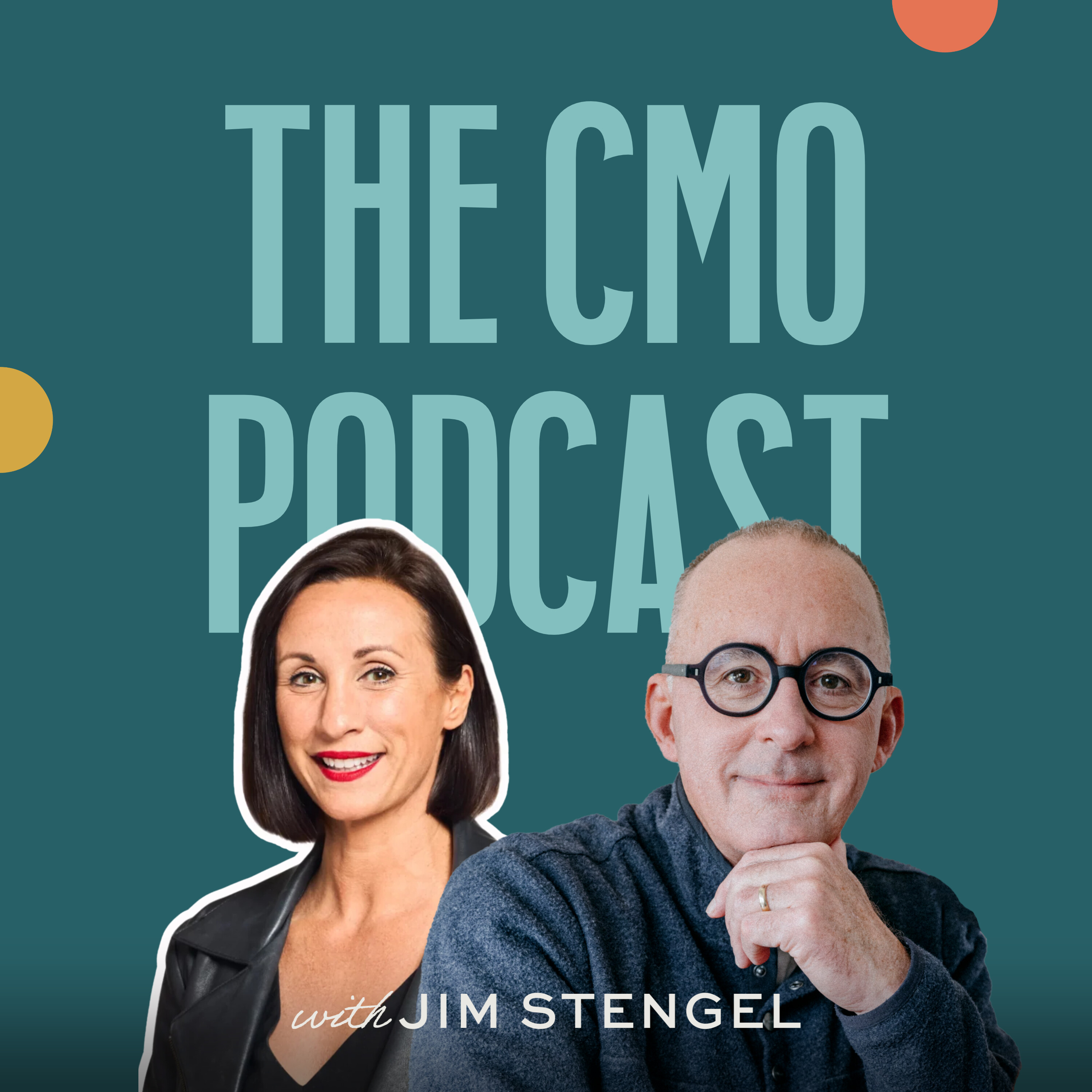
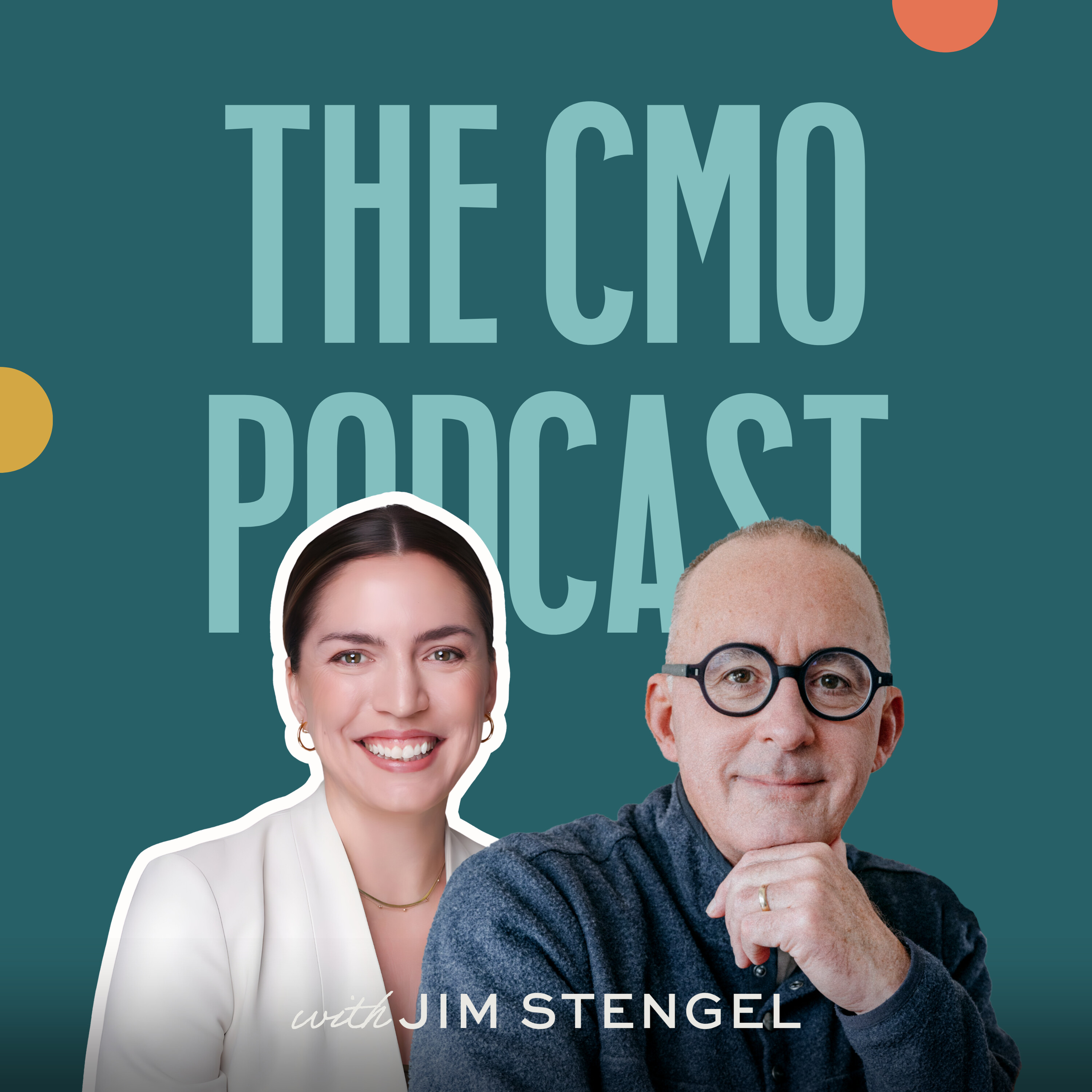
Kate Ridley, Chief Brand Officer of Stanley 1913 (PMI WW Brands), discusses how Stanley built from a durable-bottle brand into a billion-dollar cultural phenomenon after the Quencher viral moment, and how to sustain growth while staying true to the brand’s 110+ year heritage. She covers brand reinvention, discipline vs risk in marketing, product-and-marketing alignment, and partnerships that aren’t “pay-to-play,” plus Stanley’s push to elevate women’s sports.
Melbourne, Australia native. 25+ years in brand building; 22 years at Adidas (including leadership for North America/global sales portfolio), a stint at Allbirds, then joined Stanley first as a consultant and became full-time CBO.
“Know thyself” is the core lesson across Adidas, Allbirds, and Stanley. Great marketing requires deep listening, repetition, and courage to take risks. Stanley’s brand is the first pillar of its long-term strategy, with product and marketing together. Viral momentum must be followed by heritage + innovation.
Partnerships with Lionel Messi (used Stanley Mate since age 9; multi-year), Post Malone (fan-led, creative fit), and Together (women’s sports “third spaces” grant program; 1,000+ applicants, 5 grantees). Mentions New Balance community-building and Savannah Bananas fan-driven identity.
Written by AI. May contain mistakes.
Kate discusses her journey from Adidas to Stanley and her passion for the brand.
“We are continuing our special series from Advertising Week New York.”
Kate shares insights on Stanley’s partnership with Together and its focus on women's sports.
“I understand you just came off a red eye.”
Kate reflects on her corporate career and her decision to stay true to her values in marketing.
“And it took me about two weeks to feel this is the right place for me.”
Kate shares key lessons learned from her experiences at Adidas, Allbirds, and Stanley.
“But I think when I joined global sales was around 10 billion.”
Discussion on brands like New Balance and Savannah Bananas that successfully balance identity and innovation.
“I mean, some principles that I think are not, not surprising to you, probably not to other people.”
Exploration of community building and its importance in marketing.
“Yeah, they are, they took a game that has been around forever.”
Analysis of how different companies perceive the role of marketing.
“Now, you've worked at these three companies.”
Insight into the strategic role of marketing within Stanley's operations.
“you're a consumer, you feel that it's a little bit maybe superficial.”
Discussion on the relevance of legacy brands and their evolution.
“I'm fascinated by the way it like seeps into particularly the American psyche.”
Exploring ways to expand Stanley's reach while maintaining core values.
“So you're, I mean, some people would say, oh my gosh, this brand has had its moment and I don't want to get near it.”
Importance of focus and prioritization in marketing strategies.
“So I'm sure part of your plans are new segments of customers, new product forms, are going back to some old ones.”
Insights into Stanley's leadership culture and its impact on success.
“And again, that like repetition all the time.”
Explore how Stanley has developed successful partnerships by focusing on shared values and authenticity.
“We've had some very, very successful launches over the last couple of years and really investing now into longer term partnerships that have deep resonance with our fans and audience.”
Learn how genuine passion and authenticity drive successful collaborations, featuring examples like Messi and Post Malone.
“Young people, teenagers, extremely savvy.”
Discover the inspiration and impact behind the Change the Game grant program aimed at supporting women's sports.
“We found out he was a big Stanley fan and the team went and spent time with him.”
Discuss changing dynamics in brand building, including risk aversion and the demand for short-term ROI.
“So we'll be speaking here at Advertising Week.”
Examine how organizations can balance data utilization with genuine consumer engagement.
“or the appetite for risk and longer term investment planning.”
Understand the importance of creativity in marketing and the role of leadership in fostering it.
“So I think planning for the responsiveness to be reactive and close to consumers and because of social media, like we just have such a wonderful platform and ways to do that.”
Learn about the strategic shift required to position Stanley as a global brand in diverse markets.
“I fight for the space for those voices within the company to be elevated.”
Identify emerging trends in the food and beverage space, from matcha to food prepping.
“And yeah, just helping reframe and excite people about the fact that we're a global brand.”
Learn how to foster strong relationships between marketing and product teams.
“of you with your head of product, I guess.”
Discover the lifestyle and community vibe of Portland, Oregon.
“I want to move into the creative brief as we're wrapping up.”
Understand the significance of trusting your gut instincts in leadership.
“drive my kid to 25 sports events and watch a movie, cook, hang out.”
Reflect on the key figures that shaped Kate's perspective on branding and entrepreneurship.
“How did you get to the point where you could trust your intuition?”
Summarize key takeaways from Kate's insights on brand building and leadership.
“Nike Pegasus and the Sony Walkman were the first time I really recognized this is a symbol that I am aligning myself to.”

Get the gist, explore an idea or ask about something said.
 Claude
On The CMO Podcast, what are the key points of this episode?
Searching your listeningAutomatic transcript. May contain errors.
0:00Jim Stengel: What's the first brand, you probably know this question's coming, what's the first brand you remember making an impact on you as a young girl in Melbourne? Oh, it really pains me to say it. It was Nike. Yeah. Nike Pegasus and the Sony Walkman were the first time I really recognized this is a symbol that I am aligning myself to. Probably inspiring for you, right? That's probably why I ended up in Adidas maybe. Yeah, I'm very loyal. I'm three stripes for life. Hi, I'm Jim Stengel. I've helped hundreds of major brands discover and activate their purpose. Because when a brand's purpose is clear, compelling, and authentic, profit naturally follows.
0:37Jim Stengel: Each week, I welcome the CMOs, the chief marketing officers of your favorite brands, to speak to how their job is so much more than marketing. These leaders share their inspiration and challenges, along with how they try to build a full, healthy, and happy life in and out of the office. And it's that energy that reaches everyone they touch. And we're glad you're here to feel that energy and to learn from these remarkable leaders. So here we go. We are continuing our special series from Advertising Week New York. And today we're featuring a leader from one of the most remarkable brand transformation stories of the past decade, Stanley 1913.
1:14Jim Stengel: My guest is Kate Ridley, the Chief Brand Officer of Stanley 1913, part of PMI WW Brands LLC, a privately held company. With more than 110 years of history, Stanley was originally known for its durable, vacuum-insulated bottles and outdoor products. But in recent years, the brand has become a cultural phenomenon, fueled by the extraordinary popularity of its quencher tumbler, creative collaborations, and a passionate community of fans. Phenomenon indeed, Stanley has grown more than tenfold in seven years, and today is a billion-dollar brand. And now comes the really interesting challenge. How do you build on that incredible momentum while staying true to what made the brand special in the first place?
1:58Jim Stengel: That's where Kate comes in. She brings more than 25 years of brand building experience, including over two decades at Adidas and a leadership role at Allbirds. She initially joined Stanley as a consultant, but became so inspired by the opportunity that she decided to take on the chief brand officer role full-time. We explore in this conversation what's next for Stanley, including its creative partnerships with Lionel Messi and Post Malone, its growing commitment to women's sports, and why Kate believes great marketing requires both discipline and the courage to take risks. Here's my conversation with Melbourne, Australia native Kate Ridley, recorded at Advertising Week New York in the Salesforce podcast studio.
2:40Jim Stengel: Kate, welcome to the CMO Podcast. I understand you just came off a red eye. I did. Thank you for being here. You look wonderful, by the way. So how do you get through a red eye and look so great? Two glasses of red wine. There you go. That's a good start. And then like shot eye. And you can do that. You can fall asleep on planes. I did it. Yeah. I think it's a survival skill for a chief marketing officer. Falling asleep quickly on planes. Yes. It's very necessary. Sleep is the secret. It is. Now we're here at Advertising Week. You've just announced a partnership with Together. Are you doing anything with them this week while you're here?
3:15Yes, we've had a partnership with Together for about a year now. We have a strategy that is very invested in sport and understanding the connection of food and beverage. We like to say it's the caffeination, the hydration and the libation that is all around sport. And we're very, very invested in elevating women's sports specifically. So a partnership with Together was a no-brainer. They're a wonderful, wonderful organization. Wonderful people. So we've had a couple of product launches and events with them. And this week we are announcing a very special program in partnership with Together where we are elevating kind of third spaces that celebrate women's sports.
4:02Jim Stengel: Oh, beautiful. With designs to go with that and everything. Yes. We had their CMO on this show a couple years ago when they were just forming. And it was such a good show. and you could tell that it was going to be something. The community they've created is phenomenal. And their founders are the best. Phenomenal. Good for you. We're going to talk about partnerships a little bit later, but I listened to a lot of shows you've been on over the years, earlier in your career as well, and read as much about you as I could. And I have to say, and I'm not doing this to be patronizing, you are a very impressive, telling my team over lunch, you're a very impressive communicator, strategic thinker, brand leader coach so i'm looking forward to this discussion because i think you really have a remarkable voice and have a lot to share i also feel that you are so happy in this role and i'm sure you're happy throughout your career but you seem to have found the place that is just really right for you so do i have that right absolutely a couple of years ago i decided that i would never have another corporate leadership role.
5:14And I made a commitment to myself and my family. And I'm obviously not very good at keeping that commitment because I got introduced to Stanley. I got introduced to the president of Stanley and the team. And it took me about two weeks to feel this is the right place for me. And so I accepted a full-time role with them and I love it. super passionate about it.
5:42Jim Stengel: Let me unpack that a little bit. Why did you decide you were never going to have another corporate role? Does that need much of an answer, Jim? I was just, I think like many people and probably many people who work in marketing. I did the same by the way years ago. I made the same decision. Yes. And you're doing really well at it. Well, I'm doing things I love, but tell me more. What was your awakening? Potentially people who work in marketing can relate that I just, I got to a point where I was asking myself, how many more people can I convince to buy something that potentially they don't really need?
6:19And I couldn't escape the thought. And I recognized that I love people. I love strategy. I love brand. And I wanted to do some work in that area, but on my own terms. And yeah, that was kind of the genesis of it.
6:37Jim Stengel: Yeah. So you started with Stanley Consulting, right? Yes, correct. So what was the original connection? How did you learn about them? Actually, the chief product officer at Stanley and I had worked together previously. At Adidas? Yes. And he gave me a call. And because we had a lot of trust with each other, he said, hey we need help we need to stand up a professional marketing organization we need to kind of redirect the brand I think potentially there was a feeling that Stanley had grown with an audience that was very special and they were really nurturing an audience primarily of young women who were really invested in fitness and well-being and that potentially the brand had started excluding other people.
7:29So they wanted to do some work around brand reinvention. And that's what I love to do. And yeah, that's how I was introduced to them. A very, very special brand, a very special group of people.
7:43Jim Stengel: Well, we're going to talk more about Stanley, of course, but I want to flip back to your career. You spent 22 years or so at Adidas. You also had a short in Allbirds and had been working at Stanley for about two years. So your view of three different brand scenarios, I think is super interesting, right? You have Adidas, which I think was about 6 billion in sales when you joined and is now about 25. Is that about right? Well, the portfolio that I worked on that I was accountable for was about 7 billion in sales. But I think when I joined global sales was around 10 billion. 10 billion. It's now about 25.
8:19Yes, correct.
8:19Jim Stengel: That sustained over 20-ish years. Then Allbirds, which was the hottest thing, and then fell apart. And Stanley, which has grown tenfold in seven years. It's still growing. So I'd like you to, you know, your view on growth and momentum and leadership from those three case studies, I think is super interesting. So could you talk a little bit about what you learned from each one of those? There's sort of an indelible lesson at Adidas, at Allbirds, which I know you were there much less time, and now at Stanley. Yeah, I think there's one lesson that relates to all three of them, which is know thyself, probably.
9:01That sounds pretty deep, but knowing who you are as a brand and what you mean in culture, what you mean in broader society, that's really that's the indelible truth that I've taken away from all three of them and that I will take forward in whatever I do next I've seen you know a company like like Addy that has a very very strong sense of the brand what they stand for a very central purpose that runs through really everything that they do and be really successful with that and keep coming back to it time and time again, still embracing innovation, still embracing being a modern brand. I've seen the other side of it where you deviate too far away from really who you are, what you started with, what your core principles of your brand are.
9:58And that's my hypothesis of where Allbirds started to fall apart. And now I'm in the right seat to help Stanley and help the team at Stanley really stay true to who we are and what we represent over almost 120 years and take that kind of legacy forward to build a modern brand.
10:21Jim Stengel: How do you do that to know who you are and sustain it and help others feel that and know that and act on it? I mean, obviously I spent my life doing a lot of that work as well at Procter and afterward. It's not easy. And so what have you learned about doing that. And you did it at scale at Adidas. You're doing it at scale at Stanley. What's your advice? I mean, some principles that I think are not, not surprising to you, probably not to other people. Listening, really deep listening and investing into that, which is sometimes difficult to convince, you know, people who, who hold the budget to continually invest into understanding your brand health, consumer surveys, like really listening.
11:05I used to work with a fantastic sales leader at Addy who used to say the answer is in the streets and I still believe that like just watching your consumers and asking high school kids why they wear that sneaker or carry that water bottle. Very simple but listening I think is really important and the other part of your question of, you know, how do you galvanize and mobilize an organization to stay true to the identity that you set, the persona of your brand, the growth strategy. Also pretty simple, you know, repetition, high touch communication. Yeah. I don't think that there are crazy unlock mechanisms outside of the principles that we know work.
11:57Listening, communicating, repetition.
12:00Jim Stengel: I totally agree with you. We were talking a little bit before we started airing about brands that lose their way and those that don't. Who are you admiring these days in terms of a brand that is sort of knows that themselves and is staying true to it and still has an eye to the future? So I'm very passionate about sport and I think New Balance are doing an incredible job of balancing your DNA with reinvention. And back to that principle of like really listening, the work that they are doing with community, running communities is phenomenal. It's top notch. that's someone that I'm really enjoying watching the way that they're inventing themselves into a really modern like highly desirable brand that's still rooted in performance and function and just now has this added bloom of community it's wonderful I have one brand that is maybe a slightly different example savannah bananas oh yeah oh yeah but i'll tell you what i love about them i love the fact that they're allowing a lot of their identity to be directed by their fan base and that's very very difficult to do and they're doing it in a way that is like it's magical it's really yeah it makes it is magical it's magical creative and so if you think about you know for for you and I who have backgrounds in like trying to get people to buy something ultimately let's let's be real when you have like a a kind of franchise like that where people are investing to travel to experience it that's so special to me and so I've I've also just really enjoyed watching how that's unfolding and and how they're tapping into again their community to build what's next for them.
14:03That's, it's awesome.
14:04Jim Stengel: Yeah, they are, they took a game that has been around forever. It is kind of boring to be honest with you and totally shook it up. And I mean, they came to Cincinnati and they had five sellouts. Yeah. I mean, the Reds don't do that. Phenomenal. Yeah, it is. We talked about having their head of marketing on the show. We should do that. I think you should too. I would love to hear that. Yeah. We'll, we'll get that done.
14:32Jim Stengel: Hey, everybody. This is Andrea Sullivan, the CEO of Vive, and we produce the CMO podcast and are so excited to have partnered with Jim Stengel for so many years. Wanted to tell you a little bit about something that could be right for you. Vive is a program for entrepreneurs and business leaders who want to get more out of their life and become their best and happiest selves, both personally and professionally. We have a 12-month program that allows people to meet up with some of the best business leaders out there and additionally experts in the wellness sector so that you can learn how to nurture yourself.
15:06Jim Stengel: So we teach things around sleep optimization, meditation, all those good things as well. Please reach out to us at podcasts at five.co to get more information. That's P-O-D-C-A-S-T-S at V-Y-V-E dot co. Thanks for listening to the CMO podcast and hope to talk to you more about Vibe.
15:32Jim Stengel: Now, you've worked at these three companies. How do you see the difference among those three and how they see the role of the senior marketing person? To start with Adidas, how do they see the role of marketing? How did Allbirds see it? Yeah. And now it's Stanley. That's a great question. I think the role of head of brand or head of marketing is like continually evolving. I think a brand and a company like Adidas has a very, very high value on brand and marketing. However, product is really the starting point of everything. And so the structure that I worked under at that time was product and marketing in one organization under one leader.
16:14And that was a great role for me. I have a background in merchandising and product creation, in all facets of brand management. And that's core to, I think, how I've been successful. And I'm always advocating for that type of structure, actually. I think organizations where marketing is potentially siloed out and you lose the fidelity of, you know, what was the concept from the very beginning, whether it's a product or a service or, yeah, I think you feel that when you're a consumer, you feel that it's a little bit maybe superficial. I think Allbirds was a very different perspective because the purpose of the brand being sustainability and a product that was unique and comfortable, that was really central to everything that we did.
17:08And so marketing didn't really need to stand on its own. We basically just focused so much on the origin story and the purpose of the brand. And yeah, I think that was also very successful until the core principles of the company started to become challenged. And yeah, I think I feel very fortunate at Stanley that the role of marketing, the role of brand is elevated. It's the first pillar in our long-term strategic plan, how we manage the brand, how we elevate the brand. And we do that through product and marketing together. My remit is over product design, innovation, marketing, insights, merchandising.
17:54So I feel like we have this incredible structure where we're thinking about the consumer interacting with our brand from every touch point. And yeah, it's a great, very holistic way to think about growth and brand management.
18:09Jim Stengel: So tell me about marketing being the first pillar of the strategic plan. why is there such a belief at the company in marketing? I would change one thing. Brand is the first pillar. Brand, okay. Yeah, better, better. Yeah. I believe that our connection with people, we're really focused on that. We're really focused on how do we make sure that our fans, our audience, that they're central to everything that we think about. And so much of the world that we occupy, we're a premium brand we've been around for 113 years with the highest quality products we also operate in a space that's highly commoditized so that's an interesting place to straddle and marketing activities brand management that's the mechanism to keep us in that like premium space in that space where we're offering something that's not just a commodity you started as a consultant.
19:11Jim Stengel: You said yes. Now you've been there about two years total. What was it when you came in as a consultant, your friend brought you in to help work on that problem to be solved, but you became convinced this is the place for me. So what was it? I'm very passionate about legacy brands. I'm very passionate about how you hold on to what has essentially kept a brand like relevant for more than a hundred years. I'm fascinated by that. I'm fascinated by the way it like seeps into particularly the American psyche. So I was really interested in that. I was interested in like, how can we bring that heritage to the forefront?
19:52You know, at the time, a couple of years ago, Stanley wasn't really talking about that. And I started talking to like pretty young, like Gen Z, Gen Alpha consumers all around the country, had this very interesting conversation with a young guy in Houston. And when I explained to him the backstory of Stanley, that William Stanley Jr. was the brother of Morgan Stanley, that he was business partners with Mr. Westinghouse and they ostensibly invented refrigeration together, and that the brand had been around for more than a hundred years. This young guy's mind was blown And he was like, why don't you talk about that?
20:35Why, you know, to know that an 18 year old is interested in like the legacy of a brand, that was really meaningful to me. And so we've started to think a lot more about that. Like, how can we do that? How can we pull the heritage and the DNA, but push forward into innovation and being a modern brand? Yeah, that was definitely a really big drawcard for me. The second thing was just the size of the opportunity is incredible. And just the trickiness of seeing a brand go through a viral moment and then have to reinvent yourself out of that viral moment. What a phenomenal conundrum, let's say. And that really inspired me.
21:21Jim Stengel: So you're, I mean, some people would say, oh my gosh, this brand has had its moment and I don't want to get near it. You come in and say this brand has had its moment and it can be so much more. Yes. So where's that coming from in you? Why do you get excited by that? I love product. I, you know, getting into the Stanley organization with the super talented people that are passionate about a level of quality and innovation that I just don't think many people know about. and that's the role of brand and marketing to make sure people find out about it and that was very inspiring to me the quality stanley products are just they're phenomenal they're absolutely phenomenal and there is a back catalog of products in all types of categories that we don't focus on them at the moment and we will and that's really exciting to me as well just to see those those new opportunities that the company hasn't really focused on.
22:20Yeah, there's great path in front of us.
22:23Jim Stengel: So I'm sure part of your plans are new segments of customers, new product forms, are going back to some old ones. You know, that's, I've been in part of brands that have not, that have handled that well, have not handled that well. You can't fall out of love with your core products and your core customers as you expand the new segments with new products. So you obviously had a lot of experience at Adidas in that, but how do you see growing this brand, as your aspiration is, I'm sure, and doing it in a way that kind of you don't fall out of love with what got you here? Yeah, that is very central to all of the conversations that we have.
23:04And I would start with the Stanley fan, if you think about some of the eras that Stanley has been through. So over the past, let's say six years, Stanley has built this wonderful relationship, especially with young women, young women who are very invested in health and well-being, who are still very driven by like cultural moment buying. So we're in October. Halloween is a really big moment for Stanley. Valentine's Day, a very big moment for Stanley. And this kind of collectible vibe.
23:36Jim Stengel: You're describing my daughter, by the way, so keep going. Yes. I would love to know how many Stanley she has in her covered. I know one is so large. I can't, I can't imagine how she picks it up. Hydrate or dehydrate. You know, that's, that's what we say. Yeah. So I think we built this wonderful relationship with her and we have a lot of respect for her. At the same time, we recognize that potentially we were excluding other audiences and as simple as it sounds, that can be gender, that can be age groups. So even just opening our aperture a little bit to making sure that our products and our storytelling are relevant to men.
24:14You know, every dad you see is on the sideline with a coffee mug in his hand. So being really thoughtful about that and ruthless prioritization about what we go after next. the appetite sometimes and I've seen this in many companies of trying to address everything at once spread the peanut butter is very compelling because you look at you know your sizing and white space and headspace numbers and you think like yeah and the reality is being successful being profitable has so much to do with ruthless prioritization and so I think we've done we've invested a lot of time and money into segmentation and insight work.
25:04And again, that like repetition all the time. We know that there are these consumer groups over here. We see them, but we can't talk to them right now. We have to stay really focused here. And that can be very painful. It can be really difficult for people. It can be difficult for me because there are so many ideas and opportunities in front of you but yeah that ruthless prioritization is is really important for audience likewise for markets we cannot invest in every single market so we're pretty ruthless about where we focus and where the next big opportunities are seen some phenomenal growth in uh Europe and so we have like a very regimented plan of which markets we go after next and yeah it's just like it's the discipline behind those opportunities as as unsexy as it sounds that's the make or break of being profitable it sounds like to do that i mean you need a very
26:05Jim Stengel: high functioning leadership team so and it sounds like you have that at stanley to make those decisions and to stick with them more importantly so what have you learned from the leadership team you've been working with Stanley for two years? I have to give huge props to Matt Navarro, the president. He's also one of the key reasons that I was able to quickly decide, I want to stay here. He's a football coach and he carries that into his everyday way of operating. And so he is happy for me to run whatever plays on the field. And then he's very honest about how I performed, how my team's performing, but in a way that is deeply inspiring.
26:50He's incredible.
26:52Jim Stengel: Is he still coaching on the side? Yes. Wow. Yes, he is. That's amazing. Yeah. It's also amazing because it means that on Friday afternoons, I know that he's not going to bother me because he's on the field. Getting ready for Friday night lights. Yeah. He's definitely, I would say, kind of the linchpin of like the culture that we have, which is very invested in trying and failing and moving on, very invested in open feedback. Yeah, he's awesome. How much of your experience at Adidas has been helpful in this journey and how much has not been? All of it. All of it's been helpful. Yeah, all of it.
27:28Jim Stengel: Say more about that. I mean, I was so fortunate to have a very broad plethora of roles there in many different functions in many different countries yeah it was just phenomenal and the ultimate role that I held there kind of leading the brand in North America I think just prepared me very well to be a business leader and yes so much of nurturing the heritage in the DNA but staying modern and relevant and you know I worked at Addy in the original segment in the kind of I guess it was the starting point of when brands started to invest very deeply in collaborations and obviously there are some pretty famous collaborations at Addy some successful some some not right and yeah we've taken I've taken a lot of that into the partnerships that we've started to develop at Stanley and it's a huge unlock for us.
28:28We've had some very, very successful launches over the last couple of years and really investing now into longer term partnerships that have deep resonance with our fans and audience.
28:51Jim Stengel: Both companies, Stanley and Adidas, do just a remarkable job with partnerships, And as you say, not all of them work, but the culture is good at looking out there and what's a good fit for us and how do we get them involved and engage and have shared goals and all that. So what's your advice to others who would love to emulate the amazing cultures at Adidas and at Stanley to find the right partnerships which generally work and are not transactional, that are a commitment to each other? How do you do it? I mean, I think right now, if you're a consumer, a lot of collaborations are pretty played out.
29:25and people are very savvy.
29:27Jim Stengel: Sure are. Young people, teenagers, extremely savvy. And they can smell it a mile away when it's a transactional pay to play. And this goes well beyond partnerships, brand partnerships. It could be influencers, ambassadors. They can see where there's some real passion behind it or it's transactional. And I've also experienced both as a leader. I think it's hard to execute, but staying really true to having shared values in a partnership is important. So at Stanley, we stay very committed to finding, organically finding people who already use Stanley products, who are passionate about Stanley products.
30:09So I'll give you a couple of examples. We learned that Leo Messi was using Stanley Mate products since he was nine years old. And we organically started the conversation and it ended up being a multi-year, super successful, audience-widening global partnership. And it came from that reality of like, he loves our products. We didn't have to pay him to use our products. He loved them. He seeded his whole Argentina team with our latest launch of Messi products for the World Cup.
30:48Jim Stengel: Why does Massey like them so much? Because they are Stanley Mate products are extremely authentic. That's a different story, but the team spent years in South America, in Argentina, in Colombia, in Brazil, developing like very, very authentic, high quality Mate products. So Post Malone's another example. We found out he was a big Stanley fan and the team went and spent time with him. We found this like very shared creative platform and the partnership turned out wonderfully. We couldn't have imagined that he would be on stage during his tour, choosing the crowd with Stanley products. You know, we didn't ask that to happen.
31:33Yeah. I've, we've got a long list of partnerships like that and it's meaningful. It just takes a little bit more time.
31:39Jim Stengel: Yeah. What are you excited about looking forward in partnerships? I mean, together is an interesting one. And I saw some of your designs on your website. They're just incredible. Yeah. I'm really excited about that. I want to tell you this little story about how we came to develop this grant program, the Change the Game grant program that we are celebrating and launching this week with Together. We had a partnership with Together earlier this year. We were launching some product with them. And we decided like, okay, how should we launch it? What should the mechanism be? Let's have an event. let's do it in a bar or a location that only plays women's sports there's a great one in Portland where I live the sports bra and we wanted to find one in New York City and we're like you know what we're gonna get Sue Bird we're gonna get all these great athletes we're gonna have a fantastic panel and we found a spot we found a bar that was about to open that was dedicated to showcasing women's sports reached out to them started to plan it guess what they couldn't open because they lost their funding because people were not invested in a location that only shows women's sports.
32:47So we kind of thought like, oh, this is not a disaster. This is an opportunity. This is actually part of the purpose work that we need to be doing is finding those people that are creating third spaces to watch, to celebrate, to bring community together around women's sports. and we put out the request we had over a thousand applicants to our grant program and out of that thousand applicants we have five across the country that we are investing in to help them like open and continue these third spaces that celebrate women's sports and so to me that's like that's perfect because we are a food and beverage brand that's core to who we are and these are spaces and places that elevate women's sports while people are eating and drinking and having a good time together so that's what we're celebrating this week that's a
33:44Jim Stengel: beautiful story yes beautiful so how are you doing it this week how you're celebrating it we are we have a panel tomorrow um with the cmo of dick sporting goods oh i know her yes emily we're very excited about that on the show a couple times wonderful so we have emily for me we also have Bailey, who is the head of partnerships at Together. So we'll be speaking here at Advertising Week. And then tomorrow night, we have an event at Dumbo House where we will be celebrating all of those grantees. You're going to have a good week. Absolutely. So good. Now, I want to step back a little bit and talk about, you have such an interesting lens about the function of brand building and marketing, where it's going.
34:23Jim Stengel: And I mean, your career covers now two and a half decades or so, right? Maybe a little bit more. What do you think feels different today about building a brand and what doesn't look different? There's less appetite for risk, I would say at the moment. Generally? Generally. I would say the obsession over short-term return on investment, we're all experiencing that. It's very challenging to get people to buy into longer term investment for a bigger sustainable payoff into brand. There are people doing a wonderful job of it. Shout out to Elf Beauty, I would say, who have like catapulted themselves based on meaningful brand investment in a highly commoditized space.
35:08Likewise, the example we just had of New Balance, what a great long-term investment into community building. But I do think that it's a challenge for potentially leadership groups that don't have the vision or the appetite for risk and longer term investment planning. I hear a lot about that. What else is changing? Capabilities, obviously, like the amazing opportunity that we have through technology at the moment is a little bit also dangerous because the influx of data that we have and how can you ingest it all and have a clear idea of where to go? And so you just come back to that idea of like listening, making space for listening and actually watching and talking to consumers versus only ingesting mountains of data that sometimes give you so much to think about that you get confused.
36:04Jim Stengel: Think AI is helping you with that or it's a new challenge? I mean, it's definitely helping. I think it comes back to this idea of like ruthless prioritization of how you use it. Yeah, it's definitely helping. It helps for sure with things like personalization and automation. It's definitely helping us with exploration, creative exploration, just for internal purposes only. It's not everything though. It can't replace taste. It can't replace intuition. Yeah, they're important to me. place leadership, motivation. Absolutely. The organizations today are changing a lot and they're moving much faster.
36:49Jim Stengel: So you've been part of a few of them that move fast and do great things. So how are you thinking about moving at the speed of culture, which you do, and yet not losing the reflective time you need to be sure that you know thyself, which is how we opened this. it's an interesting balance uh i think we did the hard work we did the kind of deep work of understanding our consumers through data and insights and through building very strong brand foundations that we have discipline to use as a lens and a filter all the time and we have to have dedicated resources and space to be responsive but you have to plan for that you don't plan for it it won't happen yeah and and you get completely lost in the source you you divert yourself from your core strategic goals, you know.
37:54So I think planning for the responsiveness to be reactive and close to consumers and because of social media, like we just have such a wonderful platform and ways to do that. Yeah, it comes down to planning and a little bit of like risk appetite for risk you know I think not everything has to be a hit it's okay if you try to respond you try to interact you try to engage with consumers and it doesn't work so what move on I observe a lot of marketing teammates who are you know if something doesn't go right if they don't get the engagement level immediately you know so what doesn't matter no was going to remember anyway just move on just move on and yeah and and finally we say just like making space for creativity um making sure we have a wonderful creative team at stanley wonderful creative external partners but we have a wonderful internal team and yeah just like they need a seat at the table they need we need to give them some of the resources and the time and the space to take some risks.
39:10And we've seen great results in that, you know, that sometimes the ideas that everyone's like a bit nervous, but it's a recipe for connection that you're not going to learn from your performance marketing data and insights, you know? So creativity, I think is like, it's got to be part of the recipe.
39:32Jim Stengel: How do you be sure that's valued and that time is spent on that? I mean, that's not easy. That's part of my role. I am probably in a leadership group that, yeah, I represent creativity. I'm one of the only people on the leadership team to say it like that, that I represent creativity. And I fight for the resources and the investment to make sure that we elevate it. I fight for the space for those voices within the company to be elevated. and not everybody likes it and that's okay. That's, you know, we have to have that tolerance for risk and creativity. Besides ensuring that creativity is valued, what else are your priorities right now?
40:15Jim Stengel: You're two years in. We talked a little bit about making sure the organization is fit for purpose and investing in talent and capabilities is very top of my priorities at the moment. we have an organization that is pretty lean and mighty and we have some opportunity to kind of invest in leaders who have experience in growth marketing that's a big priority for me at the moment and that can be challenging we have a lot of wonderfully tenured people who've been at stanley for a long time and we need to put scaffolding around them with new capabilities and also bring the rest of the organization along.
40:59So talent and development, top priority. And then Stanley is a very American brand and helping to reframe, especially in the marketing organization and product, making sure that people understand we're a global brand. We have very high awareness. And if we can get the right products and messaging that are culturally relevant in the Asia-Pacific region, in emerging markets, in Europe, we have an absolute winning strategy. And you have to make that shift. We're a global brand. And so that means that lunch looks very different in Korea than it looks in the US. And yeah, just helping reframe and excite people about the fact that we're a global brand.
42:03Jim Stengel: what are the trends you're seeing in your space you're in the food and beverage what container or storage or movement i don't know even how you just all of it jim yeah i mean there's so many there's so many and sometimes we're not even aware you know they they come so quickly. So probably if all of us had known, how long has matcha been around for? Probably, I don't know, 10 ,000 years, who knows? But who knew that it was going to like top Starbucks menu just like that overnight? If you follow social media, just like the quarter zip and matcha trend, like who knew that was going to happen? Food prepping, still a huge, huge opportunity and a space that we have wonderful like affiliation with that continues I think the obsession with supplements whether it be protein or collagen or we have an incredible new line of products that facilitate the use of supplements in the cleanest high quality way huge trend for for supplements.
43:10And I think also just the observing the way people drink tea and coffee and sort of hot products around the world differently. That's a great space for us. So if you think about the Boba trend and Stanley just has wonderful products for that cafe space that we're deeply invested in.
43:32Jim Stengel: Lots of opportunity, lots of excitement. Yeah. I saw a podcast or a video of you with your head of product, I guess. Yeah. And who you knew at Adidas, I think. Yeah, that's right. And your chemistry was just wonderful. And your partnership is amazing. Honesty, candor, affection, all of it's there. And you just talked about your strong belief in product and marketing together, which I agree with. And that's how I was raised. But how do you make that happen for others who may not have that strong relationship with the product, people or function or product development. I mean, obviously it was wonderful to watch.
44:10Jim Stengel: That's why I feel like I, I mean, I set out to learn a bit about you and I kept watching and reading because I thought it was wonderful and full of learning. So speak a bit more about how you build that kind of relationship. Yeah. I think, uh, one of the, one of the central ideas that I always come back to is not thinking from a business lens or a marketing lens, but just putting yourself, thinking about yourself as a consumer and you don't, Jim does not delineate between a brand thinking about who made the product and who created the packaging or who showed me the ad while I was watching football.
44:51You don't, you just think of the brand as one thing and the closer we can get people in the organization to recognize that. And it's very hard to do because everybody has their own objectives, their own functional area of expertise. And as human beings, we are inherently like self-obsessed. So as much as you possibly can, fostering an internal community that shares deep levels of information about how people work, the process, what goes into it, their deliverables, as much as you can foster that, I think that's what makes a big difference. Respecting and understanding each other's functional expertise, especially if you are in those functional roles that a consumer just sees as a brand.
45:45I include supply chain. Like you have a shitty delivery experience. It's just the brand. You don't think like, well, their supply chain team must be shit. Yeah. I think that's really, that's the seed of it.
45:58Jim Stengel: I want to move into the creative brief as we're wrapping up. And the first question is you were born, I think, and raised in Melbourne. Yes. And every January, I just love the Australian Open. And it's the only one I haven't been to yet in person. But I just love how beautiful it looks. So is it that way in person? Oh, yes. And more. And more. It's the best. I can tell you as a tennis fan, I have completed my Grand Slam circuit. Oh, you have. So I can tell you from experience that Melbourne is the best. It's the best. It's wonderful. The vibe is insane. Like it's. That's what the players say. And also just living in a city where the huge sporting facilities like the MCG or like the Rod Laverton's Arena, they're in the heart of the city.
46:41I love that. It's amazing. It's wonderful. The coffee, the food.
46:46Jim Stengel: Everything. Okay. Maybe we'll talk when we get offline about moving on that. What's your second best tournament? Wimbledon, French, U.S.? I had the best time at the Roland Garros. Yeah. I got to watch the U.S. Open with Billie Jean King and Stan Smith. Oh, that's up there. That was pretty insane. Yeah. And Billie Jean King was incredible. She looked around the suite and she said, is your boss here? And I said, yeah, he is. He's over there. And she goes, let's go over and ask him if he's paying you and your male counterparts the same amount. I was like, wow, this is someone who puts their principles in action immediately.
47:23Jim Stengel: Oh, I love that. What's your favorite city you've lived in? Where I live right now is pretty special. Portland. Yep. I live in Portland, Oregon, and I lived in a fair share of cities. And yeah, I love it. Special. Why? The people are very unique and they don't judge you on anything superficial. They get to know you and then they judge you. I respect that. Yeah, that's good. People say hi to each other in the street. It's great. Yeah. Yeah. So what's your favorite, kind of describe a favorite weekend in Portland? A lot of coffee, local coffee shop, walk my dogs to the coffee shop with my husband, drive my kid to 25 sports events and watch a movie, cook, hang out.
48:13Jim Stengel: The Stanley container or beverage or whatever you want to call it, what's your favorite? What's your go-to? I, at the moment, am a huge fan of this water bottle. It's the Clutch water bottle. The Clutch water bottle, yeah. Because it looks like a little handbag. It's darling. Fits into my bag, completely leak-proof. Love it. Stays cold. Yeah. It's the best. You seem to have this gift for aligning people and bringing people with you, right? That's a special and critical skill. The more senior you get, how do you do it? How have you built the skill, built the muscle? I do not take myself too seriously.
48:52My benchmark for personal success is if I spend more time in the day laughing than anything else, and I usually do. I try to bring my sense of humor and just be myself. I also feel I'm deeply intuitive, and that's sometimes the hardest part of my leadership is explaining to people where my intuition is coming from, but I really trust it. And over time, people that I work with have also trusted me on that. Yeah, but I would say I just don't take myself too seriously. You know.
49:26Jim Stengel: It's a good life lesson. You've got to have fun. How did you get to the point where you could trust your intuition? Because I often get asked if I had to speak to my younger self, what would I tell my younger self? And I often say, trust your gut. Totally. I'm exactly the same. But it takes a while to do that. It took me 20 years. Yeah. No doubt. And I wish that I had listened earlier, but I grew up at a time where the role models that I had were all men. It was all about data and numbers and proof points, very little about intuition. I didn't have, until I was much later in my career, I didn't really have many creative role models where I think creative brand role models where intuition plays a huge role, where it's okay to say that you trust your eye for product or you trust your gut.
50:16Yeah. It just, it took me way too long, Jim. And I hope that I can instill that a little bit more in young, earlier in their career teammates. Yeah. And I think just unfortunately the trial and error of looking back at things that went wrong and saying to myself, I knew that was going to happen. And very frustrating that that had to be the path, but.
50:41Jim Stengel: What's the origin story of your love of sport? Lifelong participant and fan. I was that kid at school that I went in for every sport, even if I sucked at it. I remember vividly when I was about 13, my netball team, I don't know if you know what netball is. My netball team had to gather around me and say, Kate, you can't be on the team anymore. You're very enthusiastic, but you're no good. I just played every sport and grew up watching tennis, footy, cricket, everything. Super passionate about the resilience it teaches you, the commitment it teaches you, the leadership that it teaches you, how to be a teammate.
51:27Jim Stengel: What's the first brand? You probably know this question's coming. What's the first brand you remember making an impact on you as a young girl in Melbourne? It really pains me to say it. It was Nike. Yeah. Nike Pegasus and the Sony Walkman were the first time I really recognized this is a symbol that I am aligning myself to. Probably inspiring for you, right? That's probably why I ended up in Adidas, maybe. Yeah. I'm very loyal. I'm three stripes for life. Who's been the most inspiring person in your life? Probably my dad. Yeah. He's an entrepreneur. He's been in fashion his whole career. Like me, has a high tolerance for risk and creativity.
52:05very inspiring to me when I was growing up and probably the reason why I have such a love and affinity for product and what it can represent for you, what it means to align yourself to a product and a brand. In a work sense, I worked for a wonderful brand leader called Eric Libke. Very, very inspiring.
52:29Jim Stengel: Resonated with you. I mean, just zero filter. just the most hardcore direct honest feedback and input no compromise zero compromise so it's so inspiring to me i think of it very often you set the standards and yes and i think about it very often sometimes when i walk away from a decision or an interaction and i've compromised i sometimes go back and say i have to be honest i'm not happy with this this isn't the right way to go and he's always like sitting on my shoulder reminding me yeah i mean i often say to people that one of the most important things maybe the most important thing a leader does is set the standards and you have to do it consistently you have to keep them high if you're willing to slow something down stop something and there's so many pressures to get things out as you know yeah that's very powerful very powerful lesson absolutely so kate this has been wonderful anything we didn't talk about that we should have?
53:29I don't think so.
53:30Jim Stengel: And we covered about all of it. This was pretty deep and long. Yeah. Well, thank you. Thank you. And congratulations on your career and everything. And thank you for being with us on a red eye and good luck on everything in Stanley. Thank you. Thank you so much. I'm rooting for you. Thanks. That was my conversation with Kate. Three takeaways from this one for your business brand and life. The first one, trust your instincts. One of my favorite moments with Kate was hearing her reflect on her experiences at Adidas, Allbirds, and now Stanley. Her biggest lesson across all three, know thyself. I couldn't agree more.
54:05Jim Stengel: The strongest brands have a clear understanding of who they are, what they stand for, and why they matter to people. That clarity becomes especially important as businesses grow and evolve. You can innovate, reach new audiences, and embrace culture, but you can never lose sight of what makes your brand special. Second takeaway, think beyond the viral moment. Stanley's extraordinary rise is a fascinating brand story, but what really interested me was Kate's excitement about what comes next. She sees tremendous opportunity in the company's 100 plus years of heritage, its commitment to product quality, and its potential to reach entirely new audiences.
54:41Jim Stengel: I think there's an important lesson here. A viral moment can create incredible momentum, but building an enduring brand requires something deeper. You have to connect your history with your future and continually give people new reasons to love you. And third takeaway, always put the brand at the center of your company. I loved hearing Kate explain that brand is the first pillar of Stanley's long-term strategic plan. Not just marketing, brand. Her responsibilities bring together product design, innovation, consumer insights, and marketing, all working toward a shared vision. I've always believed the most successful companies treat brand building as a business priority, not simply a marketing function.
55:23Jim Stengel: Kate's approach is a wonderful example of what that looks like in practice. That's it for this week's episode of the CMO Podcast. As always, I would be grateful if you shared our show with your friends, along with subscribing and leaving a review on Apple Podcasts, Spotify, or wherever you listen. The CMO Podcast is a Vive Original Production. We'll be right back.
What happens after your brand becomes a cultural phenomenon? How do you sustain extraordinary growth while staying true to the identity that made you successful in the first place?
This week on The CMO Podcast, Jim continues his special series from Advertising Week New York with Kate Ridley, Chief Brand Officer of Stanley 1913, part of PMI WW Brands, LLC. With more than 110 years of history, Stanley has transformed from a heritage outdoor brand into a global cultural sensation, fueled by its iconic Quencher tumbler, creative collaborations, and a passionate community of fans.
Kate brings more than 25 years of brand-building experience, including leadership roles at adidas and Allbirds. She initially joined Stanley as a consultant, but quickly recognized an extraordinary opportunity to help shape the brand's next chapter.
In this conversation, Jim and Kate explore what it takes to build a brand for lasting growth, from staying true to your brand's DNA to embracing new audiences and markets. Kate shares the thinking behind Stanley's partnerships with Lionel Messi and Post Malone, its commitment to elevating women's sports, and why authentic connections with consumers are more powerful than transactional collaborations.
They also discuss the importance of bringing product and marketing together, creating space for creativity, and why ruthless prioritization, thoughtful risk-taking, and strong leadership are essential to sustainable growth.
At the heart of Kate's philosophy is a simple but powerful lesson: Know thyself.
This conversation was recorded live at Advertising Week New York in the Salesforce Podcast Studio.
—
Meet The CMO Podcast On the Road
The CMO Podcast will be on the road in 2027, capturing conversations with the leaders shaping the future of marketing, leadership, and business. If you'll be attending one of these events, we'd love to connect. Let us know!
—
Interested in partnering with The CMO Podcast?!
Looking ahead to the rest of 2026 and into 2027, we're partnering with brands to create executive content platforms that extend far beyond a single event. From pop-up podcast studios and live recordings to executive roundtables, keynote conversations, and bespoke thought leadership programs, we work with partners to build meaningful experiences that connect with senior marketing leaders.
Whether you'd like to partner with us at one of the industry's biggest marketing events or create a custom experience designed specifically for your brand, we'd love to explore what's possible. Reach out to learn how we can build something together.
Email us at [email protected]
—
Produced by vYve
The CMO Podcast is proudly produced by vYve Production, a full-service production and content studio specializing in podcasts, executive storytelling, branded content, and live experiences.
vYve is a community of ambitious leaders dedicated to unlocking what's next in business and in life. Through executive coaching, transformative experiences, strategic content, and communities like The CMO Podcast, vYve helps entrepreneurs, corporate leaders, and teams grow their businesses, strengthen their leadership, and build meaningful connections that last.
Learn more about vYve and The CMO Podcast community at www.vyve.co.
See Privacy Policy at https://art19.com/privacy and California Privacy Notice at https://art19.com/privacy#do-not-sell-my-info.