In short
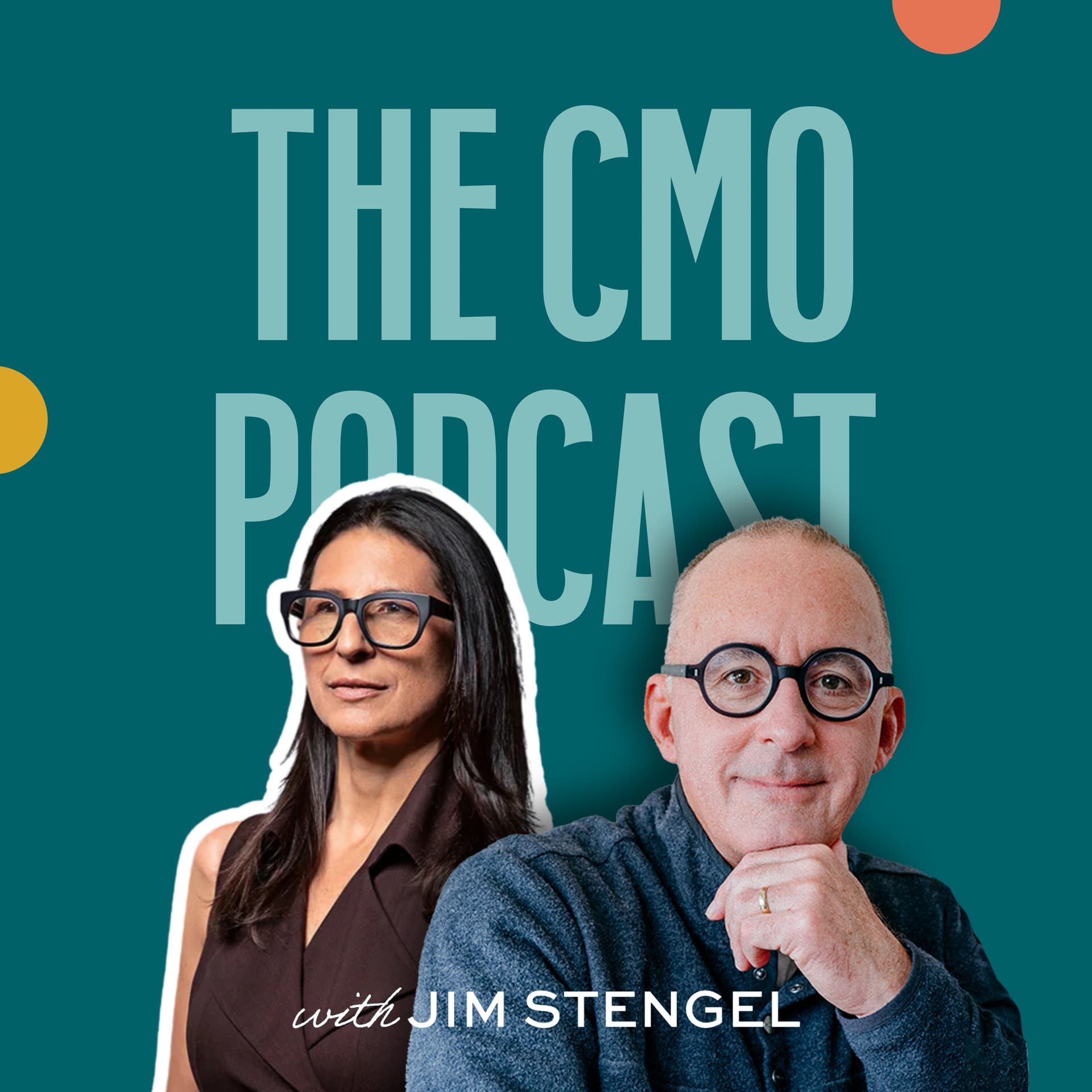
The CMO Podcast: Episode Summary - Brian Irving (Lyft) | The Pink Rebels
Podcast Overview Host: Jim Stengel Guest: Brian Irving, CMO of Lyft Setting: Recorded at the Cannes Lions Festival of Creativity Sponsorship: Deloitte and StrawberryFrog
The CMO Podcast dives into the motivations and thought processes of Chief Marketing Officers, revealing the nuances of their roles in shaping consumer experiences. This episode features Brian Irving, who discusses his journey, experiences in marketing, and his vision for Lyft.
Key Topics Discussed
Introduction to Brian Irving
- Background: Grew up in Flint, Michigan; has worked with major companies like Google, Meta, and Apple.
- Role at Lyft: CMO for 15 months, focusing on revitalizing the Lyft brand.
- Lyft's Mission: To improve people’s lives with transportation, positioning itself as a challenger brand to Uber.
Initial Impressions of Cannes Lions
- Experience: Second time attending; emphasizes the importance of networking and absorbing knowledge from peers.
- Connections: Focuses on balancing time between learning and sharing insights.
Building a Culture of Creativity
- Influences from Previous Roles:
- Apple: Precision in creativity.
- Google & Meta: Innovation and breaking new ground.
- Airbnb: Normalizing unique experiences (e.g., staying in strangers' homes).
- Current Focus at Lyft: Encouraging bravery and creativity post-pandemic while being driven by consumer insights.
Leadership and Role Models
- Influential Figures: Highlights Rebecca Van Dyke, CMO at Airbnb, as a role model for creativity and bravery.
- Leadership Style: Inspiring teams to adapt and be brave, while ensuring creativity is nurtured.
Challenges and Learnings
- Major Lessons from Innovation:
- Failures: The necessity of adaptability and listening to consumer feedback.
- Successes: The importance of being nimble and responsive to market changes.
Adapting to Change
- Mindset on Change: Embracing change as an accelerant for growth rather than a challenge.
- Culture of Adaptability: Building a team that thrives on change and innovation.
Lyft's Brand Strategy
- Brand Identity: Positioning Lyft as a "purposeful rebel" to stand out against competitors.
- Reinvigorating the Brand: Engaging employees across all levels to foster ownership of the brand.
- CEO Support: A CEO who values brand marketing and its impact on growth.
Brand vs. Business Strategy
- Relationship Between Brand and Marketing:
- Brand should inspire all company actions but is distinct from business strategy.
- Marketing is the driver of growth and must adapt based on business needs.
Reflections on Leadership
- Team Building: Emphasizes nurturing relationships both within the company and with agency partners.
- Focus on Relationships: Moving beyond transactional approaches to foster meaningful partnerships.
Personal Insights
- Growth Mindset: Acknowledges that curiosity and a willingness to explore opportunities have shaped his career.
- Involvement with the Trevor Project: Highlights commitment to LGBTQ+ youth and mental health advocacy.
Key Takeaways
- Open Opportunities: "Just open the door and go into the room." Emphasizes taking chances and exploring new paths.
- Brand Archetype: Lyft’s identity as a "pink rebel" shapes its strategy and resonates with employees and customers alike.
- Building Relationships: Successful marketing is rooted in trust and collaboration, both within teams and with external partners.
Closing Thoughts
- Reflection on Career: Brian expresses gratitude for his journey, acknowledging the importance of relationships, adaptability, and a creative mindset in achieving professional success.
- Final Note: The episode concludes with encouragement to share insights and experiences, emphasizing the collective growth in the marketing community.
---
This summary highlights the key discussions and insights from the podcast episode, encapsulating Brian Irving’s perspectives and experiences as a CMO in a dynamic and challenging environment.
Written by AI. May contain mistakes. Listen to the episode to check what was said.
Transcript
Automatic transcript. May contain errors.0:00What if the smartest marketing play is not to move forward, but to zoom out? Deloitte believes the most powerful move a CMO can make is to look beyond the next step and see the broader perspective. That's what the Deloitte CMO program is for, a place to gain fresh perspective and connect with leaders who've stood where you stand. Together, Deloitte will help you see the bigger picture so your next move isn't just fast, but right. Learn more about the CMO program at cmo.deloitte.com. What's the first brand you remember making an impact on you way back in Flint, Michigan? Jordache jeans. keep going it was i i was probably like six or seven years old and we did not have a lot of money at all but i needed to have a pair of jordash jeans and to this day i still can't figure out why i don't know where it came from did you get them eventually yes hi i'm jim stengel i've helped hundreds of major brands discover and activate their purpose because when a brand's purpose is clear, compelling, and authentic, profit naturally follows.
1:04Each week, I welcome the CMOs, the chief marketing officers of your favorite brands, to speak to how their job is so much more than marketing. These leaders share their inspiration and challenges, along with how they try to build a full, healthy, and happy life in and out of the office. And it's that energy that reaches everyone they touch. And we're glad you're here to feel that energy and to learn from these remarkable leaders. So here we go. My guest today in the CMO podcast is Brian Irving, the chief marketing officer of Lyft, the 13-year-old San Francisco-based company whose purpose is to improve people's lives with the world's best transportation.
1:41Lyft does business in the U.S. and Canada and has about$6 billion in revenue. It is, of course, a challenger brand to Uber. My guest Brian has been at Lyft for about 15 months. Before that, he has worked at three of the world's most valuable both companies, Google, Meta, and Apple. He's also worked at Levi Strauss, Eventbrite, and Airbnb. Brian had no idea growing up in Flint, Michigan, that his life would unfold this way. We will talk about all this in a special episode recorded in person at the Cannes Lions Festival of Creativity. Here's Brian in a real heart-to-heart conversation in the shadow of the famous Palais in downtown Cannes.
2:18Well, Brian, welcome to the CMO podcast here in Cannes Lions, our special Can Lions edition. So is this an annual event for you, the Can Lions Festival? Actually only my second time being here. Yeah. So I'm still a newbie in many ways. Did you come last year? I came in 2022 was the last time when I was with Meta. You work pretty hard when you come here with Meta. They have a big presence. They do. Yeah. So how are you spending this can different from how you did a few years ago? Obviously like the connections with other people is just the biggest part of it by far. I mean, I think in the last, I don't even think I've been here 24 hours yet.
2:53And I've seen so many people that I haven't seen in a long time, but I just, I always feel like a student still. So I just, I'm here to absorb as much as I can. And so kind of like, as we were talking earlier, I just jam packed my schedule to, to see how much I can take in. What's your balance of doing things like this where you're giving, but then going to things where you're receiving. It's probably like 50-50. Maybe I'm spending a little more time on the receiving this time. We have a number of partners with Lyft like DoorDash and Chase. And so it's really fun to spend time with Kofi and people like that because it's both business, but also, you know, really fun.
3:33And then, you know, spending time with potential media partners or existing media partners and just learning what's out there, what's new, how can we connect with our customers better. So yeah, that sounds good. Do you go to any other industry meetings that you're sort of like, I got to get to that? It's like a cannot miss sort of event. The only other one. So it's funny because at my time at Apple, which was like during very formative years, it's things have changed. But at the time there was a belief that we should not go to marketing industry events because we give more than we get back. Yeah, that was probably right.
4:07Yeah. And so that was that was sort of ingrained in me for a long time, even after I left Apple. It was sort of that. So in many ways, like I'm still kind of new to the whole marketing industry. I think the Kellogg event is definitely a great one. I wish that it was an annual event for me. That's a Kellogg marketing leadership summit happens every spring. Yeah, that's right. Sorry. And then the Forbes CMO summit is another one that I found has been a really good one. Well, obviously the theme of this week is creativity, right? It's the creativity festival. You've worked for some of the world's most creative companies, right?
4:41You talked about Apple, you've been at Levi Strauss, Airbnb, Google, now Lyft. So what have you learned in those remarkable career paths on building a culture of creativity? Because you're senior now, you're working on that probably most of your time. What out of those experiences has been most inspiring for you and how you try to activate a culture of creativity at Lyft? Yeah. I mean, all of them have been inspiring in so many different ways. I mean, I think that, you know, from Apple, I learned about precision and the importance of precision in creativity. And from Google and Meta, in many ways, it's like, how do you bring new to the world?
5:23And Airbnb as well, you know, taking this, like making it normalized to sleep in someone's home, whether they're there or not, you know, I mean, now it doesn't seem so foreign, but at the time it was a, it was a very novel concept. And so I think really figuring out how you balance human insight with breaking through has been, I think the common theme that I've tried to pick up and try to carry forward. And then other times, like depending on where the team is as well. So I joined just over a year ago at Lyft. And, you know, the team had come through the pandemic and, you know, no one was going anywhere, much less in cars with strangers driving.
6:01And it was, there was almost like an era of austerity. And so now really bringing that, how can we be brave again in all of this? And so really matching bravery with making sure that we're doing things that are driven by real insights. You've worked for so many CEOs and CMOs in your career who value creativity. You know, so is there one that stands out in your career path as sort of some role model for what you're trying to do now? Wow. You really put me in the hot seat on this one, Jim. There are a number of them. I will say there's one person that I think has been consistent at a number of those places.
6:39And that's Rebecca Van Dyke, who just accepted the role of CMO at Airbnb. be. She sort of epitomizes that balance of like championing creativity, bravery, and bringing the organization along for that bravery and creativity. So what do you think is so special about her? I think that she grew up in an era and through, you know, growing up through Wieden and Kennedy and working on the Nike brand, like those are two institutions of creativity and bravery and it was supported. And so I think that she has the confidence of having that experience and knowing that this is an undeniable end state that it will break through and the brand and the company will grow because of the bravery and creativity.
7:28She's also just a genuinely nice, open, honest, real person. Yeah. And it shows through in every aspect of her life, her family, her daughters, everything. It's just, Yeah, 100%. Well, we talked about innovation a minute ago. And, you know, as I look at your career and studied it, I mean, you've been part of some big innovation, new to the world stuff, the iPhone in Europe, Google Play, Oculus, MetaQuest goggles, Ray-Ban smart glasses at Meta and on and on. I'm teaching a class later this week for, you know, kind of CMOs and people who are about to be CMOs. It's about 60 people. So if I were to, maybe I will do this, but if I were to invite you to pop into the class and tell one story from your experience on bringing new to the world innovation to market, what failure would you talk about and what success would you talk about in terms of what you learned?
8:17As you say that, it's also, I grew up in Flint, Michigan, and I'm like, just hearing that played back to me, I just get the chills of like, I've been so fortunate just to be able to be part of all of those things. So I think that the biggest failure was I don't want to attribute to any one sort of product, but in this world of introducing new to the world, believing that there was like a clear path to success. And I think the only clear path to success for introducing new to the world is being brave out of the gate, but then listening and paying attention and adapting. Like it really can't have a fixed mindset for introducing new to the world because for whether you do research or you have a brilliant vision, what we think might happen and what actually happens, how consumers actually adopt the products are often quite different.
9:16And so you have to be willing to adapt to that and be flexible and pivot. What about the successes? What have you learned about those? I think it's probably the flip side of that coin. Yeah. Which is like being nimble. And it's hard because, you know, teams, especially creative teams are putting their heart and soul into something and they put it out in the world. And all you want is more fanning of the flame and flame it harder, flame it harder. And sometimes, you know, and I just went through this with, with Lyft recently where we had a campaign we were about to launch. And from the time that we concepted it to this moment, enough had changed where it just wasn't right anymore.
9:54And we had to take this really precious thing and set it aside and try to go inspire the team to build a new precious thing. And that's hard. Yeah. I was just in Berlin this past weekend and at a big P &G reunion, like 500, 600 ex-P &G people. And the CEO of VF Corporation, a guy named Bracken Darrow, who was a Logitech before that, he was speaking. And he talked about an investor who once said something to him that stuck with him. The investor said, I only put money into companies where I can answer yes on two things. One is that they have a culture of adaptability and they have not competitive advantage, but a growing competitive advantage.
10:34So I think both of those are pretty profound statements. Sort of the next question is how do you know that? But how do you react to that adaptability and growing competitive advantage? I think that they're incredibly astute. I mean, I think, you know, a lot of times I'll go into a new company or new team and things are changing and that brings like so much anxiety and it's understandable. I mean, I get it. Like change can be scary. I personally have found that change is where I have thrived the most. So I try to bring that personal story in as well. But I think a lot of times people talk about the muscle that you want to build is being able to survive through change.
11:14And I just don't think that's the right goal. I think that you have to think of a change as your accelerant to growth. And so I look for people who are, you know, that growth mindset, who are looking to say every day, like, I may have built this brand new process, and it improved things 30%. But now I'm going to break it and go try to find the next thing. So yeah, I think it's really astute. That's kind of how you've run your career too, I think. I look at my career and it sort of looks boring next to yours when I was 25 years in one company. You've been at these remarkable organizations. And I'd like to talk to you a bit about that.
11:50I led a career panel at this event in Berlin and it was ex-PNG people, but some who have stayed at P &G for many years and then jumped about every three years and have thrived and have loved it. So you're sort of more in that latter camp. You've had amazing jobs, amazing organizations. So can you talk about, is that intentional for you? I mean, when you started your career, did you kind of say, I want to have all crazy experiences or has it just been sort of opportunistic, serendipitous? It's by far the latter. I think serendipity is the word that I hold onto most in my life because there's no chance of me going from this kid in Michigan again to being here and recording this podcast with you.
12:31I'm glad you are. You can without serendipity. I mean, it really had to be. And it's not that everything just fell on my lap. I can't just like attribute you to that. But it was also my desire to keep going, the curiosity of what's out in the world and being willing to say yes. And, you know, I use this analogy a lot with people that just open the door, like go in the room. And maybe it's a room that you stay in for 10 years. maybe it's a really tiny room that has three other doors that you would have never seen unless you had gone into that tiny little room. And so you're not there for 10 years, you're there for a year.
13:07But that year gave you access to those three doors that then led you to that 10 year moment or that next grow. So I just think for me, I have been fulfilled by and driven than by saying yes to really great people and great things. Yeah. And you love change, right? I do love change. Yeah. And I do too.
13:36Everyone seems to be chasing the next big thing, the fastest answer, the quickest win. But great CMOs believe the real power isn't in the speed. It's in stepping back to see the bigger picture. That's why everything Deloitte does in their CMO program, from their industry-leading capabilities to their connected network of CMOs, is designed to help you zoom out and gain fresh perspective. Deloitte will help you see the bigger picture together. Learn more about the CMO program at cmo.deloitte.com.
14:09You talked about growing up in Flint a couple times already. What did you imagine back then that you would be doing? Did you have any idea of this kind of work in this kind of field? I didn't. No, I had no idea. I mean, not to caveat dating myself, but no internet when I was growing up. And while I'm so proud and think that my roots are in values, just be good to people is because of where I grew up and the people that were around me and inspired me. but inspiration of the world at large was not like something that was pervasive or, or, you know, in abundance in Flint. And my grandma was someone who her parents had come over from Italy and she was born in the U S but she then ended up moving to Switzerland.
14:58And like, I think that maybe that inspired me to think about the world at large, but also I watched a lot of TV. And like, I saw a lot of things that I didn't see in Flint. And so I thought there must be more out there. And so I think that probably prompted my curiosity to go find it. Yeah. When was your first plane trip? My first plane trip, I think was when I was 11 years old. I had saved up my allowance to buy a flight to go visit my grandpa in Florida. And that was the first time I ever got on a plane. I went on by myself and flew down to visit my grandpa. I love that. Did you have a good time with him?
15:37It wasn't Flint. You know what I mean? Like it was like, it was the world outside. So every, like it was, you know, Clearwater, Florida, but it was, you know, it was so different. I didn't get on a plane until I was 22. Wow. Yeah. And I, my parents gave me a couple hundred bucks to go to Europe when I graduated from college and I came over for like 10 weeks and that's a bit powerful trip. I mean, Europe being your first trip. And to go and just spend 10 weeks and pop around. While my parents didn't necessarily like introduce me to all of these things that were possible out in the world, they were very supportive.
16:08And so when I was in ninth grade, I went to the counselor's office and understood about foreign exchange student programs. And I went ahead and applied without telling my parents and got pretty far along the process to where someone had to come to the house and just sort of interview me for the program. And at that point I did need to tell my mom that this was going on. There's this person at the door. And, you know, my mom just sort of like, couldn't fathom that. But my stepdad was like, no, we need to figure out a way that we can help make this happen for him. And so, uh, I was a foreign exchange student for in my sophomore year in Spain.
16:46Oh, wow. Good for you. How do you think it changed coming out of that? You were what? 14? Yeah, I was 15 going on 16. I changed in so many ways. One, it was through that time period, I realized that I was definitely gay, although it did not feel comfortable to come out, you know, until much later in life. But I also realized, I mean, that was the moment where I'm like, oh my gosh, like, so many things like food is a great connector of people and culture that there are, like, the world is just way more profound than I ever could have imagined. And that how much we didn't know back at home. And I think that like, you know, I came back and people were like, do they have cars there?
17:32How many tacos did you eat? And I'm like, oh my gosh. And you get a Coca-Cola. Yeah, exactly. Like you have like literally no idea and you can't like, it's just not where we were in life. You know, we didn't have all the information at our, at our fingertips. So yeah, it changed me in a lot of ways. Wow. What city were you in? I was in Bilbao. Oh, wow. Oh, wow. Which back then was like this, I think it was like the seventh largest port in Europe. And it was a shipbuilding city. So it was very industrial, but the family I lived with, I'm still very close with today. And Bilbao has evolved a lot since that time.
18:07So. Okay. Let's fast forward. We're at Lyft. You've been there a little over a year. And I've heard you say you came because of the amazing opportunity to reinvigorate the brand. We talked about COVID and so on and so forth. So could you talk more about that? Again, I think I know why that's exciting to you. You like change and transformation, but what specifically about Lyft and the possibilities was compelling for you? I mean, for most people, like when I talked to them about Lyft and this is like, uh, for huge credit to, uh, one of the founders and both of them, and then the teams that they built early days, but they built it from a brand perspective.
18:44I mean, the pink mustache is still iconic today. Undercover lift still like iconic today. And so, you know, you just smiled when I referenced both of those things. And most people do, when you mentioned lift, they smile, but they're like, Oh yeah. You know? And so like, what a crazy opportunity for a marketer to be able to like summons the smile from deep, you know, wherever that lies and try to resurrect it, but also do it not by replicating where that was because those things were innovative and relevant at the time, but the market has evolved. It's not as novel to get into someone's car and have them take you somewhere.
19:23Right. And it's also matured. Like people are using it to go to the airport for work. They're doing all of these other things than just going out. And so really trying to resurrect the smile, but also bring a new mature lens to the brand is really what I'm focused on today. How's it going? I mean, you're into it. What do you think is going well in terms of kind of rethinking the brand and what's been stickier or tougher challenging than you imagined? I think the two things are going well. One is rebuilding the team, both of like the talent that was already there, but we didn't have anyone on the team that had the word brand or integrated marketing or like in the group.
20:02And so really needed to build a whole new part of the organization. And I'm really proud of the talent that we've been able to attract and the people that are leading that change. So I think from that part, I feel really good. I also feel really good about the products that we've launched. So we've launched Women Plus Connect, which is this incredible program that matches female and non-binary drivers with female and non-binary riders. we've launched a price lock, which is this really great thing for people who commute so that they don't have to stress every day of like, is the price going to be twice as much as it was yesterday or not.
20:36And then just a couple of weeks ago, we launched lift silver, which is really serving like an older generation. And, you know, my mom is a really great example of that. So I think that those two things are going really well. And we're, I think have done a really good job of the foundations of the brand strategy and what's coming. We have not launched it yet. So like, I think that's the, like what's next and bringing that out to the world, which. It's coming. How did you enlist? Obviously when you do something of this scale, it's way beyond the marketing function, right? It's a whole company thing.
21:10Yep. And people need to feel it's theirs and they believe in it. It represents us. And obviously your ecosystem is a lot bigger than your employees, right? That's right. Yeah. So how did you go about enlisting everyone so they felt ownership in it? I mean, the great thing is that we have a CEO who believes in brands and that brand is going to be a driver of growth for us. So that can be one of the biggest challenges, you know, if you work for a CEO whose questions or even is skeptical. So I would say that was an advantage for me coming in for sure. And I think the executive leadership team believed that as well, because they had been working for years on just building products and things that they weren't getting the traction that they were hoping for and realizing that the brand is probably the missing element that hadn't been invested in in quite a while.
21:59But also doing it through a very inclusive process, you know, the process of like, we've got this and the marketers go off with the agencies in the corner and six months later, come back and do the ta-da moment was just not relevant here. And I don't know if it's relevant anywhere, but maybe it is, but definitely not here because part of what we wanted to do and what I wanted to do with the Lyft brand was like, what are the values? What are the core ethos? And to get that, it couldn't be me as the newest person to the team or our agency who largely, you know, sits outside of the walls, being able to just know that DNA.
22:38So we brought in engineers, we brought in customer support teams, we brought in product teams, we brought in finance, we brought in everyone from across the company to be part of this journey. takes a lot longer. But what we realized was that it helped because now people feel ownership of the brand in a way that it's not just like, oh, that's marketing's thing. How'd your CEO develop the conviction and brand? Where do you think that came from? You stated that and we both know that's not always there. No. I think his early days, both Microsoft and Amazon, while I think at the eras where he was there, neither one of those organizations really did brand marketing, but I think the brand was core.
23:20And so the product experience and everything really lived up to that, which I think is more important than just brand advertising on top of non-brand aligned products and experiences. You know, your category is not unlike many. There's a big one, Uber with a big share. And then there's you and there's other players. How does that figure in to your work on reinvigorating the brand, rethinking it and so on? I mean, I think that one of the greatest things is like, we're never going to outspend our competition. And so if you grab onto that, instead of trying to fight it and believe that you're going to, it actually becomes really inspiring for not only myself, but for the team.
24:05And so that's actually factored into our new brand identity and really thinking about our persona as this purposeful rebel. And so the purposeful part comes from our DNA, which is we've always been driven by our values. We've always been driven to do quote unquote, the right thing. But this rebel part of it is like how we can break through and stand out. And it gives us permission, I think, to be even bolder than what we've been historically with our actions and what we go out with. So again, early days, but it becomes really exciting because I think that as a challenger, you have to, you have to punch above your weight.
24:44Yeah, for sure. No, I don't know if this is still true, but I just remember there was a reputation that your drivers were happier. You'd like getting into a car of someone who nothing's perfect, but who generally believes in the company, thinks they're part of the team, is there by their choice, you know? So how much does that play into? massively. And we, I mean, we, we do a lot of driver satisfaction studies and drivers that drive with Lyft are more than twice as happy driving with us. So are riders. And this to me is the power of brand, because if you think of most rideshare customers use both.
25:25And so you, let's say 50 % of the drivers drive on both platforms, 50 % of the riders ride on both platforms. And yet Lyft is definitively known and overwhelmingly known and believe that we have the nicer drivers and the drivers believe that the Lyft customers are nicer customers. Same people, same vehicles, but the power of the brand is what people, it allows people to, I think, to feel that.
25:56We all want to stay ahead of the digital curve. And IAB, the Interactive Advertising Bureau, invites you to do just that at the 2026 IAB Annual Leadership Meeting in Palm Springs on February 1st through 3rd. If you're a qualified consumer brand or agency leader, you can access free passes and travel vouchers. And for everyone else, you can take$500 off your ticket with code ALMCMOPOD26. This is your chance to join a three-day gathering of the industry's brightest minds and boldest voices shaping the year ahead. You'll hear agenda-setting conversations, candid fireside chats, and dynamic breakouts on the topics that matter most, from AI and commerce media to measurement and addressability.
Read the full transcript
26:41This year's lineup concludes everyone from Kevin Bacon and Bozema St. John to creator Remy Bader, along with leaders from Forbes, Major League Soccer, General Motors, and Meta. Visit IAB.com slash ALM to learn more and check out the link in the show notes to register and receive$500 off your ticket.
27:03So I've heard you say, and this is a quote, more or less a quote, that it's incredibly important to link brand and marketing to business. but they are two different things. Talk more about that. I mean, I truly believe that the brand should inspire everything that the company does. And so I think of the CMO and or myself as kind of the Sherpa of the brand, but I don't own the brand. I think that we really have to lead that, but that the brand by being the codifier of what we do, what we don't do, how we make decisions, therefore informs our business strategy. But our business strategy is not our brand.
27:44They have to play off of each other. And then marketing for me is the driver of growth for the company. And it may be that at a certain point in time, we need to lean into brand marketing because that might be our biggest opportunity for growth, or we might need to do mid-funnel marketing or lower funnel marketing. And we should be constantly looking at the dynamics of the business and where we can drive the greatest growth, but that they all need to live together, but they are not one in the same. This class I teach later in the week, we polled the participants on their top burning issues, and we do some workshopping on those issues.
28:20And this kind of drives me crazy. But for the third year in a row, the top issue has been how to think about brand and performance marketing, and how to optimize both, and how to get both working together. So you've had a lot of experience in that. So what's your philosophy on that? A leader of marketing for a company should not believe in a fixed mindset of what the right balance is. And I think that this is a struggle that we live in. And, and people still ask me like how much, like, what's the balance of brands versus performance? I'm like that, you know, you, this is a business question. Like, you know, you really have to think about where you can drive the most value while never depleting the brand.
29:00I think that that is probably like you have to set up guardrails of because, as you know, and it's preaching to the choir here. But if a brand shows up with 100 % performance marketing, that is how the brand is perceived to them. And so there does have to be a balance. But one year, one quarter, you may invest 80 % in brand marketing. And three quarters later, you're investing, you know, 20 % in brand marketing. And that's the dynamic of the business. And I think that that's okay. But I also think that this is where having the relationship, whether it's the CEO and or the CFO, is so critical to always being in tune and, you know, asking those questions and getting ahead of it.
29:42Yeah, yeah. I just also ask, why can't brand drive demand and performance drive brand? Sure can. I mean, if you believe that, that's your mindset. A lot of the problems go away. That's right. I mean, Vinny uses this of like brand formance. Like that's a, you know, sort of platform and certainly subscribe to that as well. But I think it's a dichotomy. Like we love dichotomies. We love like, but I can't tell if it's a trope that we just can't get rid of because we can't get rid of it or because it continues to be a real challenge in the, in the seat. Yeah. Yeah. I don't know. I'm going to, I'm going to interrogate that in the class, you know, cause I know, I'm not sure we fully understand why it keeps coming up.
30:20So you're, you know, a little over a year in, what are you most proud of when you look back on that time of chaos here, but it's also a time for reflection. Without being cliche, it is the team that I've been able to build and or nurture and or lead through change of what their roles were, what they are now, what they could be. And with that, it's not just the full-time employees I have, but our agency partners that we work with and how we work with agency partners as well, you know, making sure that we are looking at this as relationships and not as, you know, projects. Cause I think that that makes a big difference in the full team sort of outcome.
31:03So I would say that is the, one of the biggest things. And then I think the other thing that I'm personally proud of is the stuff that isn't seen, you know, it's like how change the culture is changing within the company, within the executive team, how we talk about marketing and still excited for the expression of it out in the world. How do you develop that spirit with your agency? I mean, it's, you know, you're not, you said relationship, not transaction. So what do you do as a leader to ensure that happens? I mean, the thing that I try to do, and I hope that I'm good at this, is what the agency doesn't have access to is all of the conversations that's happening inside of the business, that are happening inside of the business every day.
31:48And so we need to help inform them of what are the business dynamics? What's going on? What's great? Where do we see opportunities? And that, you know, I'm clear in saying like by doing this, my expectation is you're thinking beyond the brief and you might even be creating the brief for us. Because like I just have to bring that information to you and not just me. I say me, but like as a representation of the team, you know, so I think that that's one thing. And then, you know, I try hard to make sure that we spend time together and, you know, and that means like in the room and there's physical presence and, you know, ask for feedback.
32:28Like, what can we do better? Simple stuff, right? Yeah, I know it is. No, it is simple. But it's about acting that way too. So I want to move to the creative brief. We're in Cannes, so it's going to be focused sort of on creativity as it should be. So you studied international relations at Michigan State with a focus on sub-Sahara Africa. We were just talking about, you know, growing up and the impact of Flint. Why in the world did you want to study that? What were you thinking? Why was that a passion? What did you think you were going to do with it? I thought I was going to be a diplomat. There you go.
33:01You sold out on TV. It's true. I mean, and like the next logical path for like, I think 95 % of my classmates, where they went on to law school. And I started going down that path and realizing that that wasn't actually interesting to me. But here's, and maybe you're gonna get to this question, I wouldn't have changed a thing. Because I think the liberal arts education teaches you about like cognitive thinking. And like, how do you take disparate pieces of information and formulate your own opinion? And I think as marketers, I think the greatest marketers in the world do that. I think the greatest thinkers in the world do that.
33:43You know, I once had a weekend with Bill Clinton in a very small group when he was sort of launching the Clinton Foundation and PNG was a part of that. And I asked him, what's your gift? And he said two things. One, he just read a lot. He said, I have at any one time like 10 books going and I read fast. Second one is he said, I just can connect things from different areas of culture and society. And he said, I do that really, really well. And that's my gift. That's incredible. Yeah. But that's liberal arts. Yeah. Right. You'll do that to express it. So you've said, again, I'm quoting you, assuming things get you in trouble.
34:20So the question is, when have you assumed something that got you in trouble? I think that I do it all the time, sadly. Like, I know that I am a curious creature, but also it's really easy to be lazy with that and then go into like, oh, I've got this. I've pattern matched and I've assumed something. So you've probably stumped me on like a very specific example, but I think like part of my strength is coming into an organization and be able to pattern match. And that's like 90, 95 % of the time, super helpful and really good. And there's probably like this five to 10 % of the time where I've made some mistakes along the way, things like org design shifts and things like that come to mind.
35:05But yeah, I mean, it's like, you know, the old, like your greatest strength is your greatest weakness. And yeah, I think it's, uh, I just came out of this PNG big event. I think the PNG people who succeed don't assume things, the ones that, and a lot of them don't, especially when they leave PNG, let's say, assume the PNG framework works everywhere versus assuming that some of the principles by which makes PNG great work everywhere. You know, they believe deeply in talent and they have almost a unique process for developing talent and so on and so forth. You go to a lot of companies, they don't have that.
35:38So I think certain principles, being close to the customer, being curious, you know, being honest, authentic, humble, you know, those work everywhere. But does the way P &G built Ty going to work in every category? And I've witnessed that firsthand. I mean, some of the, I mean, obviously P &G is one of the best training grounds for marketers in the world. And so, you know, having lived through this sort of tech evolution of marketing from no marketing at all to largely product marketing and just like putting out the message of the new feature or whatever to thinking like, wow, actually we need to market more like package goods.
36:18Like who does this the best? It's P &G, right? And so hire a bunch of people from P &G. And you're right. That is the delta, which is like follow the exact process. or follow the principles of it. And the people who follow the principles thrive. They do super well. Yeah. Yeah.
36:41Hey, everybody. This is Andrea Sullivan, the CEO of Vive. And we produce the CMO podcast and are so excited to have partnered with Jim Stengel for so many years. Wanted to tell you a little bit about something that could be right for you. Vive is a program for entrepreneurs and business leaders who want to get more out of their life and become their best and happiest selves, both personally and professionally. We have a 12 month program that allows people to meet up with some of the best business leaders out there and additionally experts in the wellness sector so that you can learn how to nurture yourself.
37:16So we teach things around sleep optimization, meditation, all those good things as well. Please reach out to us at podcasts at five.co to get more information. That's P O D C A S T S at V Y V E.co. Thanks for listening to the CMO podcast and hope to talk to you more about five.
37:41What's the first brand you remember making an impact on you way back in Flint, Michigan? Jordache jeans. Keep going. It was, I was probably like six or seven years old and we did not have a lot of money at all, but I needed to have a pair of Jordache jeans. And to this day, I still can't figure out why. I don't know where it came from, but my poor mom. Did you get them? Eventually, yes. Kind of small at six. Yeah. Did they have that size? I'm not sure. Yeah. I mean, I don't know how many of the listeners actually know Jordache jeans. We're going to leave our house, right? Yeah, I know. So it must have had some impact.
38:21Now, you're on the board of directors of the Trevor Project, a nonprofit focused on suicide prevention among LGBTQ plus youth. I think I know why that's important to you, but can you talk a bit about how that's affected you? Yes, I will make a correction that I was on the board of directors. So we can reframe it from that. But I think that it took so long for me to come. I came out when I was 27 years old. I moved to New York and I think I finally just felt safe, you know. And while luckily I didn't struggle with suicide as something that I was like dealing with, I know a lot of people who did.
38:57And so when I came across the Trevor Project, in some ways, this was an opportunity for me to continue to come out in the workplace by supporting something that I really cared about. Well, from the time that I came out, it was like a light switch. You know, I was never I wasn't hiding anymore, but I felt like it was like meeting to meeting, day to day, company to company. I kept coming out and I didn't want to ever feel like I was hiding behind something. I wanted to be very proud of my identity and use that as a way to support people who were struggling with it, were not in the same fortunate position.
39:35So it's an incredible organization. It is sadly more necessary as an organization now than even when I was on the board. And I continue to support it. Have you felt well supported in every organization that you've worked in since coming out? I mean, you worked for some amazing companies, I suspect. Generally, yes. The answer is yes. Like I have felt supported. And again, I feel very privileged in that. And I was even supported from the friends and family that I was, you know, sort of worried about and not because I didn't believe they were good people, but it was, you know, my own fear. But, you know, it didn't mean that it didn't come with change, you know, for everyone in relationships and so forth.
40:17But yes. And I think that that's probably because I have a gravitational pull towards organizations who have values and, you know, treating people well. Who's been most inspiring for you in your life? Man, I'm about to cry. Oh, my gosh. My mom. Is she still living? Yeah. Yeah. And, you know, she just, she was single mom for a while and she just was, and still is the person that, you know, when something feels big and she's just like, I don't understand why you're making such a big deal about that, you know, it was like perspective. Yeah. But also within that perspective, like support and bravery.
40:55So. What did she do for a living? Do you work outside the home? Yeah. I mean, she had to, I mean, her career journey was, she started in like, uh, She was selling furniture essentially to companies. And then that turned into her being a commercial real estate broker. And she worked nights and weekends to go study and get her license. And yeah. And so she did that until just about a year ago, she decided she was done. Wow. How's she handling retirement? She's, you know, she's doing okay. Yeah. She's doing pretty well. She's still in Flint? She is. Well, just outside of Flint now. She moved a couple of years ago.
41:31and I have a six-year-old son and so she gets to come out and visit him and we go visit her and we talk usually two to three times a week so oh fantastic fantastic what's your six-year-old into art big time like he's definitely like a little artist he is incredibly curious and so but he also has this whole like engineering brain part of him because he's curious about how and why garbage trucks work and all this stuff. So someday I just think of him as like, maybe he'll be an architect or a city planner or something. So how can you tell he loves art? Is he just drawing? He's prolific. Yeah. And he wants to do it, you know, paint, chalk, whatever it is.
42:16Yeah. I love that. What's your creative outlet? Maybe it's going to be art now. Yeah, maybe. I'm doing a lot more art. Although it is not a gift that was bestowed on me. I really wish it was. I mean, my work, I know it sounds again, like cliche, but it is, I get to express myself through the lens of the brand, but every single day. So I think that I am so fulfilled from that aspect of it. I wish I read more. As you were talking about Bill Clinton reading 10 books at the same time, I'm like, man, I need to read more. I have made that a resolution for the past couple of years. I'm making progress.
42:50Are you? I have the same challenge you do. I mean, when I have a few minutes, I love listening to podcasts. Yeah. So when I have quiet, I'm doing that more on flights now than I read. But I really have an intentional effort. My daughter is a massive reader. She probably buys 300 to 400 books a year. Wow. I mean, physical, hard copy books on a wide range of things. So I just always ask her, what should I read next? And she gives me two or three and I do it and it never disappoints. Wow. That's incredible. And it gets me out of it. If I'm left to my own habits, I'll read a lot of nonfiction. Yeah.
43:21I try not like I really try hard not to be jealous because I feel so fortunate in life and I have so much, but I'm jealous of people who can read like that voraciously. I'm like, I really wish I was that person. Yeah. No, she's incredible. She's incredible. I can link you up with her if you want me to. Yeah. She can be your life coach on reading. That would be awesome. Now, who do you hope to or who do you wish you will meet this week? Is there anyone like, ah, I'd love to get that meeting or I'd love to be in that room. I mean, you can get in because of who you represent. You can probably get in most rooms.
43:55But but is there something you someone you'd really like to meet this week? I mean, we're kind of in it right now. Oh, thank you. This is a big moment for me. I was like, the only thing that I was nervous about this week was this conversation. So we're doing it on Monday of the week. Yeah, exactly. So I could be a little more relaxed through the rest of the week. I'm not intimidating, am I? You are not. No, but it's about me, not about you. That was, you know, my feelings. Yeah. Well, great. I've been looking forward to this too. Good. Thanks, Jim. I think it's been great. Thank you so much for this.
44:27No, I really appreciate it, Jim. You've made the week for me now. That was my conversation with Brian Irving. Three takeaways from this one from Cannes for your business brand and life. And the first one is, I love this quote, just open the door and go into the room. Brian grew up in Flint, Michigan, and really had no idea that this is the path his career and life would go. But he took chances, including applying to be an exchange student in Spain when he was a sophomore in high school without initially even telling his parents, just open the door and go into the room. I love that principle. Second takeaway, it's important to have an archetype for your brand.
45:03As the CMO of Lyft, he sees their persona as the pink rebel, and everyone believes in that, lives it, and is proud of it. It guides their voice. It guides their partnerships. It really guides all they do. So the question for you is, do you have an archetype for the brand that people understand and are proud of? And the third takeaway, be a role model as a leader in how to build a great team inside and outside your company. Brian so deeply believes in relationships and trust as the foundation of great companies and great work. And by the way, the foundation of great teams. He's very proud of his team.
45:38He's proud of his agency partners. He talks about relationships, not projects, relationships, not transactions. And he lives this. His people believe in it. And when you role model that as a leader, your people take the cue and they live it as well. That's it for this week's episode of the CMO Podcast. As always, I would be grateful if you shared our show with your friends, along with subscribing and leaving a review on Apple Podcasts, Spotify, or wherever you listen. The CMO Podcast is a Vive original production. The views and opinions expressed by podcast speakers and guests are solely their own and do not reflect the opinions of our sponsors or its personnel, nor do our sponsors advocate or endorse any individuals or entities featured on the episodes.
From the publisher
Jim's guest this week on The CMO Podcast is Brian Irving, the Chief Marketing Officer at Lyft, the 13-year-old, San Francisco-based company whose purpose is to improve people’s lives with the world's best transportation. Lyft does business in the US and Canada, and has about $6 billion in revenue
Brian has been at Lyft for about 15 months. Before that, he has worked at three of the world’s most valuable companies: Google, Meta and Apple. He has also worked at Levi Straus, Eventbrite, and AirBnB. Brian had no idea growing up in Flint, Michigan that his life would unfold this way. Recorded in person at the Cannes Lions Festival of Creativity, tune in for a heart-to-heart conversation with Jim and Brian!
---
This week's episode is brought to you by Deloitte and StrawberryFrog.
Learn more: https://strawberryfrog.com/jim
See Privacy Policy at https://art19.com/privacy and California Privacy Notice at https://art19.com/privacy#do-not-sell-my-info.