In short
The CMO Podcast Episode Summary
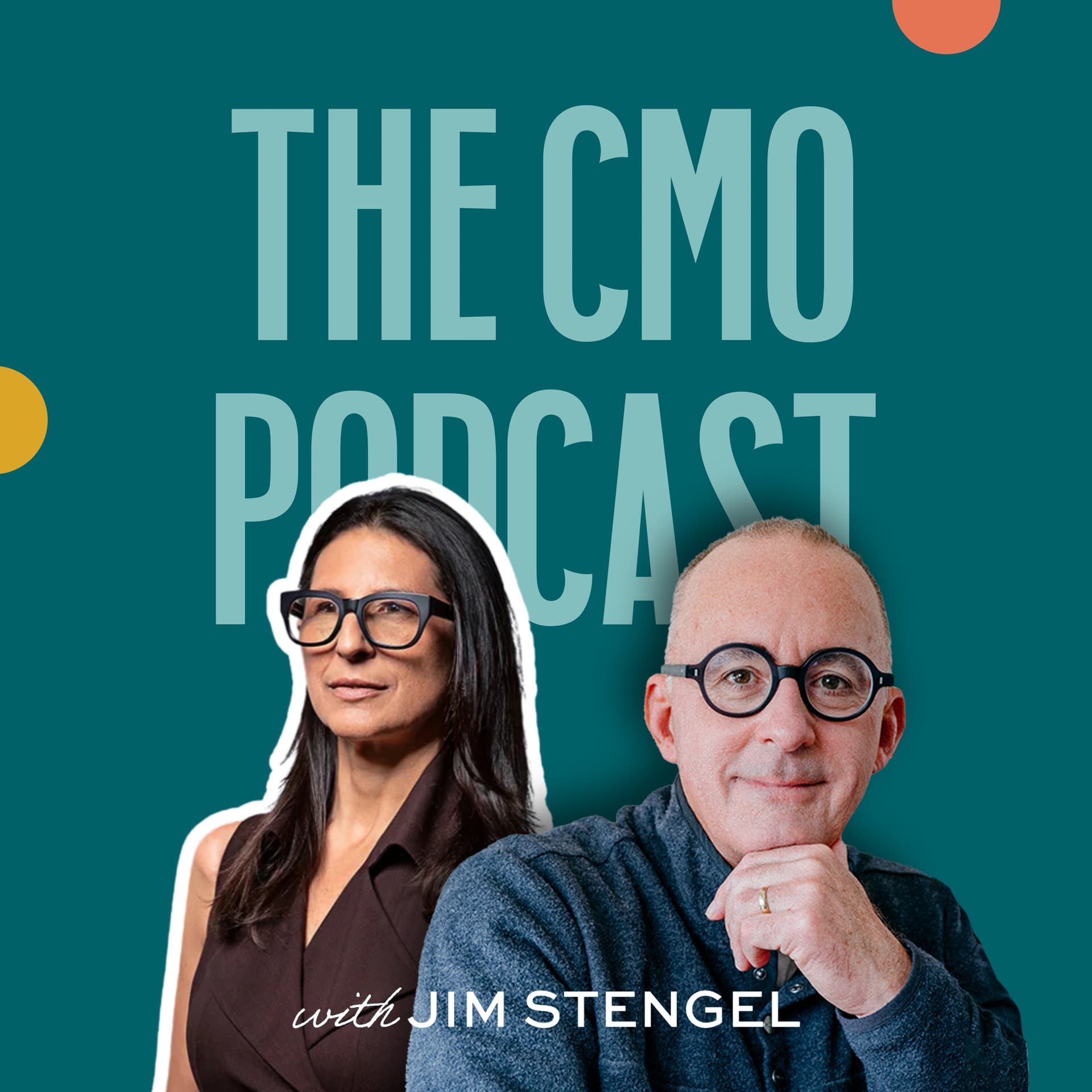
Podcast Title The CMO Podcast
Episode Information
- Episode Title: Chris Brandt (Chipotle Mexican Grill) | Crafting Food with Integrity
- Air Date: (Not specified in the transcript)
- Guests: Chris Brandt, President and Chief Brand Officer of Chipotle Mexican Grill
- Host: Jim Stengel
---
Episode Overview
In this episode, Jim Stengel interviews Chris Brandt, the President and Chief Brand Officer of Chipotle Mexican Grill. They discuss Brandt's transformative leadership at Chipotle, market strategies, the importance of brand purpose, and the future of fast-casual dining. Chris Brandt reflects on his journey in marketing and how he has built a purpose-driven culture at Chipotle.
---
Key Themes and Discussions
Reinventing Fast Food
- Transformation of Chipotle:
- Under Brandt’s leadership since 2018, Chipotle has doubled in size and transformed into a purpose-driven lifestyle brand.
- The brand has effectively reshaped the fast-food industry into fast-casual dining.
Brand Purpose and Performance
- Purpose-Driven Growth:
- Chipotle's mission is to "cultivate a better world," emphasizing the importance of real food and sustainability.
- Brandt believes that a clear, compelling purpose naturally leads to growth and consumer loyalty.
Marketing Strategies
- Cultural Relevance:
- Emphasizes the need for brands to stay relevant, particularly to younger demographics, to maintain cultural significance.
- Discusses the balance between digital innovation and maintaining traditional marketing fundamentals.
Leadership Insights
- Building Effective Teams:
- Brandt prioritizes hiring individuals who reflect the company culture and values, using a "conference room test."
- His leadership style is characterized by urgency, collaboration, and encouragement of creativity.
Adaptation and Innovation
- Adapting to Market Changes:
- Brandt discusses the challenges of navigating market pressures, particularly in a competitive fast-casual space.
- Shares insights on balancing operational capabilities with innovation to maintain brand integrity.
Campaign Highlights
- Behind the Foil Campaign:
- Highlighting the authenticity of Chipotle's food preparation process and the dedication of its employees.
- Impactful Promotions:
- Brandt reflects on successful limited-time offers (LTOs) and how they effectively engage consumers.
---
Key Takeaways
- Fundamentals Outlast Trends:
- Chris asserts that while technology and trends like AI may change marketing, foundational brand principles remain essential.
- Great Teams Run on Trust and Speed:
- Building a culture of urgency balanced with care is crucial for effective teamwork. Brandt emphasizes the importance of hiring individuals who foster collaboration and creativity.
- Authenticity is the Ultimate Differentiator:
- Chipotle's marketing strategies focus on real stories and genuine connections, reinforcing the brand's mission and values.
---
Final Thoughts
Chris Brandt's insights on building a purpose-driven brand amidst changing market dynamics provide valuable lessons for marketers. His approach exemplifies how authenticity, strong team foundations, and a commitment to brand values can lead to sustained growth and consumer loyalty.
---
Sponsors
- The CMO Podcast is sponsored by Deloitte, TransUnion, and IAB.
---
Call to Action Listeners are encouraged to share the episode and subscribe to The CMO Podcast on platforms like Apple Podcasts and Spotify for more insights from industry leaders.
---
This markdown summary captures the essence of the podcast episode, shedding light on key themes and insights shared by Chris Brandt.
Written by AI. May contain mistakes. Listen to the episode to check what was said.
Transcript
Automatic transcript. May contain errors.0:00Hi, it's Jim. Joining me is Matt Spiegel, EVP of True Audience Growth Strategy at TransUnion. Matt, we talk a lot on this show about building brands that people love, but that starts with understanding them, right? Jim, absolutely. Every customer ultimately has a story, but most brands are only going to see part of it. At TransUnion, we really focus on helping marketers connect those dots across devices, across channels, across platforms, with the goal of helping marketers see a full person behind the data. That clarity is gold. That is special. So how do you do it? Ultimately, we put together the pieces of information that help you predict behavior, help you personalize messages, prove the impact of every marketing decision at the end of the day.
0:37And our marketing solution suite gives brands the visibility and confidence to invest smarter and ultimately grow faster. So if you want to turn data into understanding and understanding into growth, visit transunion.com slash clarity. What if the smartest marketing play is not to move forward, but to zoom out? Deloitte believes the most powerful move a CMO can make is to look beyond the next step and see the broader perspective. That's what the Deloitte CMO program is for, a place to gain fresh perspective and connect with leaders who've stood where you stand. Together, Deloitte will help you see the bigger picture so your next move isn't just fast, but right.
1:15Learn more about the CMO program at cmo.deloitte.com. Hey, it's Jim. I'm here with Matt Spiegel, EVP of True Audience Growth Strategy at TransUnion. That's quite a job title, Matt. Yes. Welcome. Thank you. So tell me about your company and why it matters for our audience CMOs. Well, listen, Jim, the challenge of the day is that there's so much information about consumers out there and the challenge is most companies don't have all that information. You have some purchase history, you maybe have some web history, but you don't have a full picture of customers. We're working really hard across on a suite of identity products, of audience products and measurement products to bring a holistic view of customers to marketers.
1:50So when CMOs work with you, what light bulbs go off for them? So, Jim, we help brands bring clarity from chaos. We help them understand a picture of their customers with a 360-degree view in order for marketers to make bigger, more strategic bets. Well said, Matt. Learn more at transunion.com slash clarity. That's transunion.com slash clarity. Hey, everyone. Jim here, and I've got some exciting news. The CMO Podcast is now on YouTube. You can now watch our conversations, not just listen. See the expressions, the energy, and the insights that happen when we sit down with the world's top marketing leaders.
2:25Head over to YouTube and subscribe to our channel, The CMO Podcast, so you never miss an episode and be part of the community. So please check it out, subscribe, and join the conversation. What brand do you remember as a child making an impact on you? The first time you remember a brand being meaningful to you. I would probably say it has to be some cereal brands. Like I remember Tony the Tiger and I ate a lot of Frosted Flakes and I ate a lot of Froot Loops with Toucan Sam. So I remember those ads, but I would also say. You're now Chipotle, by the way. Well, I worked for General Mills where those were Kellogg's brands.
2:59But thanks to my mom, we were a Kellogg's household. So I would say those brands, I saw them advertised all the time and they were, you know, they were influential for sure. Hi, I'm Jim Stengel. I've helped hundreds of major brands discover and activate their purpose. because when a brand's purpose is clear, compelling, and authentic, profit naturally follows. Each week, I welcome the CMOs, the chief marketing officers of your favorite brands, to speak to how their job is so much more than marketing. These leaders share their inspiration and challenges along with how they try to build a full, healthy, and happy life in and out of the office.
3:36And it's that energy that reaches everyone they touch. And we're glad you're here to feel that energy and to learn from these remarkable leaders So here we go. When you think about brands that have truly reshaped an entire category, few have done it as quickly and as effectively as Chipotle Mexican Grill, a brand that turned fast food into fast casual and purpose into a powerful growth engine. Chipotle's market cap today is nearly$60 billion and its revenue is in the$11 billion range. My guest today, Chris Brandt, is the president and chief brand officer of Chipotle and one of the most respected marketers in our industry.
4:12Since joining the company in 2018, Chris has helped transform Chipotle into a purpose-driven lifestyle brand, making it more visible, relevant, and culturally resonant than ever before. Under his leadership, Chipotle has doubled in size, launched some of the industry's most creative campaigns, and become one of the most admired brands in the world. Before joining Chipotle, Chris built his marketing foundation at three of the great brand academies, General Mills, Coca-Cola, and Yum! Brands, where he helped launched legendary platforms like Taco Bell's Live Mas and Doritos Locos Tacos. Today, he brings that same mix of creative courage, data-driven insight, and cultural intuition to Chipotle, where purpose and performance go hand in hand.
4:53Here's my in-person conversation with Chris Brandt, recorded live at the ANA Masters of Marketing in Orlando, powered by TransUnion. Here we go. Chris, welcome to the CMO Podcast here at the ANA Masters. Going, how many times have you been at this meeting, this confab? I've been here probably, I think at least 10. I've been on the board for eight or nine years, be 10 years. So yeah, I've come every year. I really enjoy it. I think it's a chance to listen to other people talk about their brands, but it also gives you a chance to listen to them doing that, but thinking about how those lessons apply to your own brands.
5:30You know, we were talking earlier about you need to reinvent your brand all the time and just that time to just sit and reflect on your brand and hear somebody else is a pretty precious resource. And so it's a great place to do it here at the Masters for sure. Yeah, it's reflection time, right? 100%. So what about this year? What's the zeitgeist here at the ANA? You know, I think it's certainly there's AI, right? And how it's transforming. I mean, one of the first presentations they did was a gentleman on AI and it was great, but it just thought it's changing everything and changing everything in a really rapid way.
6:00But I think that the core tenets of what you have to do, understand your consumer, know your brand, be an expert on those things. Trends will come and go. The fundamentals of marketing remain the same. Just the way you execute them will be a lot different, a lot faster, a lot more interesting, I think. Now, anyone you have met, I know we're kind of midweek right now. Anyone you've met this week or a conversation you had or a presentation you sat in that made you go, uh-oh, I need to take that back home? I always like Mark's presentations. Mark Pritchard. Mark Pritchard from P &G. Yeah. I mean, he went back to the fundamentals and how, I mean, his premise at the beginning was brands don't have life cycles.
6:36And we don't believe in those at P &G because there's always new ways to reinvent your brand. And I think that few brands need to really be repositioned. It's just a matter of telling your brand story in new and relevant ways on a constant basis. And I think that's what I've tried to do with every brand we've had. Some brands I worked on back in my General Mills days, like Nature Valley, those were legacy brands that have been around a long time. Nature Valley went through a period where it was almost discontinued. And then, you know, we figured out what the right way to position it was and it started soaring again.
7:06And so, you know, Chipotle is one of those brands that's been around for quite a while, but we got to find new and interesting ways to engage the consumer. How do you navigate a conference like this? Because, you know, you're Chipotle, people want to get on your agenda. If you walk down the hall of exhibitors, it's tough to get through that. How do you navigate all the interesting new people you could meet, Some old friends you want to see? Managing that balance? How many meetings do you take? I'm on the board. And so there's a lot of activities with the board and the CMO Growth Council and those things.
7:35I meet a lot of people. This sounds bad, but I meet a lot of people in the bar. I mean, if you hang around at the cocktail places later on, there's a lot of informal conversations there. I think that it's friends of friends, you know? I mean, you end up seeing a lot of people that you knew from one part of your life or not. I think it's fun to be the Chipotle guy because everybody's got a great story about Chipotle and how their kids eat it and they eat it. And I just want them to eat it more frequently. It would be great. But I think that that's how you do it. And, you know, I don't take a lot of meetings.
8:04I don't have time for a lot of them. But what we try to do is if you give a presentation, there's always a big line of people. They're ready to give you stuff. And we can and I can, you know, send them to the right people on our teams to vet those. So it's great. I mean, it's a great atmosphere. It's a lot of energy here, but it's a lot. Yeah. Now, this is a pillar of end for you. You're here almost every year. Any other conferences? I get this question a lot. Which one should I go to? I don't go to very many anymore. I used to. The one that I keep hearing that I need to go to is possible. And so my son lives in Miami, so that's certainly on the radar screen.
8:37But the ANA has different conferences. So I've spoken at one down in Carlsbad as well. That's about analytics. But I don't go to them that many times. At this point in my career, it's a luxury I have that I can just call up people if I want to talk to them, and they're happy to talk about Chipotle. Sure. Do you go to Cannes every year? Is there any other one? I haven't been to Cannes in the last few years. I think Cannes, about every two or three years, is about the right cadence. There's only so many times I can go to Lagarite and Bayoli and survive. But I feel like it's not an every year event for us.
9:09It's every two, three years. Now, do you do restaurant visits when you come to a meeting like this? Almost whenever I go, we try to hit a restaurant. There's a pretty new Chipotle just right here at the entrance to this facility. That's an amazing one. It's one of our best. I oversee our new restaurant development, so I'm always looking at our new restaurants. And we've kind of updated our image a little bit inside. Still very much the heritage of Chipotle. But we just wanted it to have a little bit more natural look and feel that you could feel. Without putting words on the wall and all of those things.
9:39But just kind of our organic, fresh, natural nature. We wanted it to shine through a little bit because quite honestly, a lot of other concepts have copied what Chipotle has done. But I was just in Denver and I went to Chipotle number nine and it was the old older tin and trim. And I'll tell you what, still look terrific. It was kind of a strange layout because that was the old days and they were just taking space and redoing it. And actually, some of our best Chipotles are that. You still get skylights where we do a lot of – we take old banks or banks that went out and we can kind of use that space differently.
10:13But that old restaurant, it still just felt really good about Chipotle. And it was just kind of nice to get back to the roots a little bit. Now, this isn't the first time you've been on the show, your company. It's the first time you've been on the show personally. But about five years ago, actually during COVID, Stephanie Perdue, your VP of brand, came on the show. And she was great. She was dynamite. She's still with you, which I think is wonderful. I've worked with Stephanie, I think, for a dozen years. because I was with her for my whole tenure at Taco Bell. And then almost my whole, I hired her on not too long after I started at Chipotle.
10:47And so, yeah, she's a wonderful marketer, a wonderful person. And, you know, she's been able to put up with me for a dozen years. So that's pretty good too. So what about her? What's her super strength? You've known her very well. You've seen her evolve and change and mature. Stephanie is, she can handle a lot of stuff, a lot of balls in the air. and she's super organized. She's very good at designing the right processes to get things done. That is not a strength that I have. One of my core tenets is have a sense of urgency to get things done. My team does not like it when I say this, but they'll ask, well, when do you want to buy?
11:22And I'll ask the question, hey, there's only two days a year that you can't get anything done. You know what those are? And people usually go, well, maybe Christmas or Thanksgiving. And I'm like, nope, it's yesterday or tomorrow. So you might as well do it today. And I think that sense of urgency that I have, it helps her to say, hey, let's put a process in place that can make this happen on the timelines that we need. So she's really good at that. But she also has great marketing instincts and she's really good in meetings. She's a superstar. She really is. I've been lucky to work with her for so long.
11:55Well, when I talked to her five years ago, we talked about your restage was in full throttle. You're adapting the business for the pandemic. You're right in the middle of that. We talked a lot about the culture of creativity and authenticity at Chipotle. And she talked about you being such a great boss. And also Brian, you know, who went on to Starbucks. But she talked about what a wonderful boss you are. So I'd like you to reflect on that a little bit. How are you a great boss? What can our audience learn? What makes you a great boss? And don't put that into ChatGPT. We talked about that before the show.
12:26I'd probably give you a better answer. But I think a couple things. So I don't ask people to do things that I wouldn't do myself. When I first became CMO at Taco Bell, I was the CMO of the people. And I think that that was a really meaningful title for me to have. Maybe I'm less of the people now that I've been doing it for a long time, but I think people were rooting for me to have that job. And when I got it, I think that I just, I've always treated people really well. I've always been nice to everybody. It's a small business. It's a small industry. You can't treat people poorly, it'll come around to bite you.
13:00And even when you're in positions of influence, especially I've seen people treat agencies poorly. I'm like, just because you can, you know, you should not do that. You treat people as normal people. I think that I'm very clear about what I want to do and the things that we need to do and accomplish. And I think that helps people manage the work a little bit more. And I, you know, I like to talk, but I also listen to what they say. And we just try to solve those problems. And, you know, I kind of have three tenets that I ask people to do. I want people to be innovators, storytellers, and collaborators.
13:31And I want you to be an innovator because innovation is what's going to get us out of any jam and it's going to keep us going. There's nothing like new innovation to bring new people in and remind existing people to come back. So how do we have a culture of creativity and ideas? From a storyteller standpoint, everybody likes a good storyteller. Chipotle, for example, as a brand has great stories to tell. How do we tell them in new and interesting ways? And then collaboration. So in the marketing department at Chipotle, I've interviewed every single person that's falls under me, whether it's in culinary or in any aspect of marketing.
14:02Before you hired them. Before I hire them. And I give them what I call the conference room test. And it really, it was at the beginning. And so we kind of sets the tone. But if you're not willing, if you're interviewing somebody and you wouldn't be willing to walk in a conference room with them at five o 'clock on a Friday, if you had to, we're not hiring them. because when you're building a team, one bad apple may not ruin the whole bunch, but one bad apple does ruin the team. And so we just want all kinds of people and diverse opinions, but all of them need to be good people and they need to be collaborators and work with everybody else because we can't, no one person could get something all the way to market by themselves.
14:39We need that collaboration. And one of us is smart, but all of us are a lot smarter. And so I think that that's the other strength that I have is we build great teams and then we let them run. I purposely have had a smaller team at Chipotle than I've had in other places because I want to give people robust jobs and I want them to get a chance to get stuff in the marketplace. And, you know, we want to test a lot. We want to put a lot of irons in the fire. And that's just been a key to our success. Not all of them will work, but that's okay. We'll start small. We'll pivot to what works. If something works, we'll pour the gas to it.
15:09If it doesn't, we'll pivot away and do something else. But I think that's fun for people. I'm not just pushing paper around. I'm actually getting projects done. And boy, you really, when people get some responsibility, especially you hire good people and take their ideas and let them put their ideas in the marketplace, it's pretty motivating. How do you know someone's going to fit in the culture the way you see it to meet those storytelling, innovation, collaboration? I think that a lot of it is probably softer skills. By the time they get to me, they can do the job. And it was interesting when I first started doing it, there were only a couple people that I was like, no.
15:44And I remember I was telling the hiring manager, they're like, well, what do you think of this guy? I mean, he's got this and this and this. And I'm like, nope. And he said, well, why not? And I'm like, do you want to hang out with that guy? He's just, he wasn't very interesting. He was very, he was very curt and he just didn't seem like a good team player. And so, I don't know that there's one thing that I can pinpoint, but I will say that we've been a pretty good judge so far. And I just said, hey, do you want to go in a conference room with that guy at five? And he goes, I see what you mean.
16:16And so, the cool thing about that is that's like maybe the only time I've had to do it. Now, I say I'm going to interview everybody, but people have that mindset then in mind. So, they don't get to me anymore because they'll go, oof, I don't think we're going to like this person, even though they might be super skilled. And so I don't have to make that decision very often. I don't have to put the kibosh on them, which is great. So let's the team make the decision, not just me. Yeah. No, it's a great criteria. I mean, pause on it. Do you want to be with that person? You're going to be with them a lot.
16:44Going to be with them a lot. And you got to want to be with them because if you don't want, if that person, for whatever reason, you don't want to be with them, you're not going to loop them in. You're not going to want to collaborate. You're not going to want to bring them in. And it's going to bring the whole group down.
17:04Everyone seems to be chasing the next big thing, the fastest answer, the quickest win. But great CMOs believe the real power isn't in the speed, it's in stepping back to see the bigger picture. That's why everything Deloitte does in their CMO program, from their industry-leading capabilities to their connected network of CMOs, is designed to help you zoom out and gain fresh perspective. Deloitte will help you see the bigger picture together. Learn more about the CMO program at cmo.deloitte.com.
17:37Now, you've been CMO for seven years, and it's been quite a run. The company has doubled in size. Brand equity seems very strong. But you are facing headwinds, right, as every brand does at some point. So talk about how you are leading during times like this, right, when it's more important than ever to keep your team's confidence high, to reinforce all those things you talked about, innovation, storytelling, collaboration. So just talk about that. Look, I think that we've created a culture that wants to win and that is innovative, that wants to tell stories and wants collaboration. I will say, and you covered it in your book a long time ago about the brand purpose.
18:16And when all else fails, lean on that brand purpose. We've had some trials and tribulations for sure on Chipotle, not the least of which was COVID. and transforming the business from 100 % in restaurant to now we're, you know, during COVID, we were 78 % digital. Now we're about 35 % digital. And the different stresses and demands of the Chipotle didn't do LTOs or innovation. That's been a big piece. We've really expanded the footprint. I mean, I think there were a little over 2000 restaurants when we started. We're getting close to open our 4000th restaurant now, but keeping those teams focused on the task.
18:51And look, I think at Chipotle, this is the way people should eat. And so this brand purpose we have of cultivating a better world, I tell our team all the time, look, real food is better. It's better for you as a person. It's better for people in general, and it's better for the planet. And we're the good guys. So we're supposed to win. So we better go win. And there's a lot of challenges. There's macro pressures. People are not eating out as much. Everybody's battling for for a smaller pie of transactions. There's a lot of more price pointed advertising, which isn't Chipotle's jam. We're kind of - Storytellers.
19:23Yeah. I think values, what you get for what you pay. And for Chipotle, there's a quality element to that. People are chasing dollars, just the affordability, just the absolute price point a little bit. So we got to reinforce, we had to find new ways. It's kind of what we talked about at the beginning, new ways to reinforce our value proposition. But I think the team stays motivated because we like to win. We've been winning. And boy, that brand purpose is a powerful driver of we're supposed to win, so we need to go do it. Yeah. Yeah. What's going on with the category? Is it economic? Is it? It's very macro.
19:52So, you know, we sit what we call fast casual. So, there's casual dining places like the Chili's and Applebee's. There's fast casual in the middle. And then there's QSR, which is the drive-through kind of places. And I think for the last seven plus years, we've fast casuals benefited because we're offering amazing quality food at a pretty reasonable price. And so, we were really kind of stealing from casual dining. We were stealing from QSRs. People traded up and traded down respectively. And so, but boy, with the price pointed ads and some of the moves, there's a lot of people are kind of middling and we're not, I mean, we're not doing as well as we'd like, but we're doing okay and better than most.
20:31But there's a few big winners with price pointed ads. And so, I mean, that's kind of been the struggle. So, I think fast casual has kind of been bleeding a little bit where we were getting the benefit of trade down and trade up. Now, they're kind of stealing it back from us. But we think it's a temporary thing. We still love our value proposition. I think Chipotle at its core is craveable food you feel good about eating. And think how rare that is in your life. Because most things that taste good, you don't feel good about. Most things you feel good about don't taste that good. We've got a really unique spot there that creates a great emotional connection for people.
21:01And, you know, it's nice when maybe the numbers aren't coming what you want, but you walk around a place like this and go, oh, I just ate there yesterday or my kids eat there all the time. I'm like, OK, people are still going. It's good. Yeah. Yeah. How has your role changed the most in the seven years you've been here? That's an interesting question. At the beginning, we had to establish everything. So we were starting from scratch. The brand was coming off some food safety issues. We had to fundamentally put together what's our story going to be. I didn't know how good Chipotle was. I was always a big fan.
21:30And when I walked in, I just didn't know how good it was until I got there. And then all of our food with integrity principles, our animal welfare, we're the only restaurant that's got an A plus in animal welfare. We spend half a billion dollars more on our ingredients to make sure they're responsibly raised versus commodity ingredients. We have a lot of principles. We don't have any artificial flavors, colors, preservatives. We don't have any freezers in the restaurant. We don't have any can openers. It's all fresh. So, we're different and I didn't really appreciate how different because we're a real restaurant.
Read the full transcript
22:00Every Chipotle is a real restaurant. A lot of places are just reheating food. So, how do we tell those stories in new and interesting ways? How do we be relevant with young people? We embraced all kinds of different media. So, I think in the first few years, man, we were just establishing what Chipotle is about and really understanding the brand and tapping into those things. Now we have a lot more talented people at the company. They do a lot of that. They bring a lot of ideas. I think in social media, we're not just one of the best restaurant brands. We're one of the best brands in social. And that's a tribute to the team.
22:32And for me, listening to them. And, you know, we've learned a lot about this brand and over time. So and then I've taken on development. So we didn't have new restaurant development when I first started. So I took that on. That's been an education for me. I like those people know a lot more about real estate than I do. But I think learning to manage where I'm not the expert in that, but here's where I think we can help. And so we've hired some good people. They can handle a lot more of the details. And I can just sort of be a little bit of an orchestra conductor around things. And, you know, maybe the strategy and thought leader more than the doer that I was at the beginning.
23:07What are your priorities now, the personal priorities? What are you spending your time on? So, I think figuring out other ways to talk about the real fresh food and quality food of this brand. We've had a lot of success with our employees advertising. And, you know, I'll tell you, that insight was born out of when I got there. First thing you do at Chipotle is you spend some time in the restaurant learning the restaurant operation. That's where all the action happens. And I remember when I first started in 2018, it was my second week. And I went into the restaurant and I saw our morning prep. So people are coming in at six o 'clock in the morning and they start prepping the food for lunch, right?
23:44Because it takes four or five hours, multiple people to do it. It's a team. And, you know, we're bringing in whole avocados. We're bringing in whole onion. It's fresh chicken that's brought in, never frozen. And it was more like a farmer's market in there than any restaurant I'd ever seen. And I literally, I stepped out and I called our agency at the time. We're still with Venables. And I said, have you guys ever done morning prep? And they're like, no. And so I said, how about you do it next week? And so we set them up in San Francisco and they did it. And that was where the behind the foil ad came from.
24:18Because I'm like, we got to show our employees are heroes for doing this. And they were so proud and they were so skilled. And I wanted to make them the stars because they're the stars of the show. And so we sent out a message from me and the COO at the time, Scott Boatwright, who's now the CEO. And we asked people, I said, make me a short video that tells me everything that you wish people knew about Chipotle, but they don't. And the folks submitted them. We got like 200 videos. They didn't know at the time, but we use those for our casting tapes. And so we brought real employees. All of our employees are not paid actors.
24:53They're real employees in. And we just started filming them. And we hired a gentleman by the name of Errol Morris, who was famous for documentaries and his interview style. And that's his voice you hear on there. He believes real is beautiful and so do we. And so it was a great match. And that really launched those. And I think one of the challenges we've had is the employees see these ads. And so they try to feed us sometimes what we want them to say or what they think we want them to say versus being honest and genuine. And I think that was really the difference because they could talk about things in a really organic and authentic way that if we use VO or some other technique, it wouldn't have been nearly as impactful.
25:34Also, our ads, we really revamped the whole media plan. And so we started showing up in sports a lot more. And our ads were a little bit more earnest and quiet than your typical competitor type ads. And so that really broke through. And I think that we've been running that campaign on and off with other things sprinkled in there for seven or so years. But going back to the inside of that restaurant looks more like a farmer's market than any place. And remember, we're coming off food safety crisis. We don't have anything to hide. Let's just show people what we do and they will love it. And so based on that insight, we've just been as transparent and authentic as we can, even when it goes to hiring influencers, bringing people in, bringing them in the back of the house, showing them what we do.
26:18Some of our best posts we've done are employees who film themselves slicing and dicing in the back with real skills. People go, wow, I can't believe they do that. That's been a big piece of the pie and really effective, even as we've added more digital and done all those things and transformed the brand. just going back to the fundamentals of we're a real restaurant. I mean, you're one of the few brands that I think has a differentiating purpose that is so real, so right, so important. And you have conviction about it, which you just expressed, but you've stayed true to that. You know, I was looking back on your history.
26:53I mean, the Cultivating a Better World was 2012, right? Your Food with Integrity Platform, 2009, you know, that famous Back to the Start video. We didn't do that one, but I think it's the single best piece of creative ever in the restaurant space. And we were really, we can't remember, it must've been like 2020, 2021 that we did a sequel to it where we use the same stop motion animation and did all that. Today, you'd probably use AI to simulate it, but, and we use the same people who did it. And we, we did a second one we called, we did a future begins. Yeah. Where we took, there was a baby at the end of Back to the Start.
27:31We made it for A Future Begins. It starts with that person going off to college. And we told real farmer stories. I mean, and those were spawned. So we said, hey, we want to do a sequel. What's the story going to be? So we were trying to film content with a lot of the farmers. So as Chipotle has grown up over the years, one of the most challenging things for us is finding unadulterated food and contacting companies who have contacts with farmers that want to do it the right way with humane animal practices and free from antibiotics and all the bad stuff. So we started meeting some of these real farmers and we went out to Iowa and we started talking to these farmers and I didn't realize how emotional it was going to be.
28:11So these were family farms. They were raising hogs for our carnitas and those things and just how hard it is to be a farmer. And, you know, the average age of a farmer in America is something like 60 years old. And it's not a job, it's a calling. And this woman was telling us a story where she goes, I grew up on the hog farm, but I left. I went into the city and my dad got a hip injury and he said, I can't do this anymore. I'm going to have to sell the farm. And she goes, you can't do that. That's our family legacy. And so she left her job in the city, moved back to the hog farm, really didn't know that much about hog farming, but figured out how to do it.
28:51And the trials and tribulation of her, that's the story of A Future Begins that Stephanie and I basically said, hey, let's just tell this story. This would be interesting that the kid goes off, comes back to the farm. He adopts new practices and more modern practices that helps the family farm survive. That's where it came from. You know, again, grounded in that insight of, man, farming's hard, right?
29:20We all want to stay ahead of the digital curve. And IAB, the Interactive Advertising Bureau, invites you to do just that at the 2026 IAB Annual Leadership Meeting in Palm Springs on February 1st through 3rd. If you're a qualified consumer brand or agency leader, you can access free passes and travel vouchers. And for everyone else, you can take$500 off your ticket with code ALMCMOPOD26. This is your chance to join a three-day gathering of the industry's brightest minds and boldest voices shaping the year ahead. You'll hear agenda-setting conversations, candid fireside chats, and dynamic breakouts on the topics that matter most, from AI and commerce media to measurement and addressability.
30:04This year's lineup concludes everyone from Kevin Bacon and Bozema St. John to creator Remy Bader, along with leaders from Forbes, Major League Soccer, General Motors, and Meta. Visit IAB.com slash ALM to learn more and check out the link in the show notes to register and receive$500 off your ticket.
30:26I want to drill down a little bit on this. You've had consistency in your purpose, but lots of creativity in bringing it to life. That's hard to do. So what's your counsel? How do you lead a culture to stay grounded in the purpose? First thing you said when I said, how are you dealing with headwinds, was ground ourselves in the purpose. But set the expectation. We've got to innovate, got to change. But the purpose doesn't change. What do you do to reinforce that? How do you lead a culture like that? Because that's pretty magical. Yeah, I think you want to be clear about the things that you can't violate.
31:02I mean, and we have a good sense. You have to have a good sense of the tone of your brand and what it is. And so the tone of Chipotle's brand got really defensive over food safety and got really controlling about it. And so by the time we went, look, our food safety was solid and food safety was elevated to an absolute science, you know, in the 2015, 2016 era. So we don't have those kind of issues anymore, but there was still a lot of latent love for that brand because it's craveable food you feel good about eating. And so, how do we tap into that? And, you know, we kind of have to acknowledge a little bit that this brand isn't just owned by us, it's owned by everybody.
31:40And there's a lot of, and we wanted to be cool and we wanted to be relevant. So, you know, we set out with Chipotle in 2018. It's one of our key tenets of the brand that there's five things we want to do, improve operations, those things. But one is make the brand more visible, more relevant, and more loved. And so, we look to embrace people's brand love. And there are a lot of people, you can imagine, I love Chipotle. I eat it multiple times a week. But there are people who express their brand love in ways that I find phenomenal. Mikkel Williams from the Knicks has said he's eaten it every day for 10 years.
32:11God bless him. But I think that we knew we had to be relevant with people in their 20s. That's because people ask, well, who's your consumer target? Well, we have 2 million people now a day that come in at Chipotle. And so we have people from three years old to 80 plus. Right. But we want to be relevant people in their 20s. Because why? Because people in their 20s define what's cool in culture, whether it's in sports or music or whatever. And so if we're always relevant with them, we'll never go out of style. And the cool thing about people in their 20s is whether you're in your 40s or 50s or whether you're in your teens, you want to be in your 20s.
32:46And so it kind of is a nice battleground for us. And we also, again, I'll go back to what I said before. Our brand is different. We want to show up in different ways. So that gives us a freedom to experiment. How do we bring new people into the fold? And so we did collaborations with cosmetics companies like Elf. We did one lip hole. So the insight was, hey, your lipstick rubs off on the burrito. How do we do a lip stain with a company that has a similar philosophy about testing and everything that we do? How do we do those things? And so all of a sudden now our brand is showing up in girls' cosmetics and young ladies' cosmetics and things.
33:24as a place. Wow. What other food brand can be there? And, you know, we, we did a partnership in Formula One when it was certainly it still is on the rise, but we did that. What other restaurant brand shows up there? We were at the Rose Parade because the Rose Parade is all natural ingredients. Hey, we're all natural ingredients. Let's do that. So we, we just created that culture of experimentation and I like to be first. That was, so it's like, how do we do something where we're first and what are these other partnerships? I'm like, we are video gaming. When, when I came there in 2018, Fortnite was single-handedly lowering the GPA of every young male in America.
33:59And I'm like, how do I get a piece of this? And so, a friend of mine worked in media, called me and said, hey, I'm working with this gaming company. They got three guys up here in Manhattan Beach that are playing. They're three of the top 15 players in Fortnite. They eat Chipotle three times a week. Are you interested? And we're like, yeah, we're interested. Again, we start small on things and then we'll pour the gas to what works and we'll pivot to what doesn't. And I think when we started out, want to make sure we show up right in the culture. And we wanted to just didn't want to parade around these three guys as splashy.
34:31We wanted to feel authentic that no, this is what they do already. We don't pay anybody to extol the virtues of the brand who already isn't a brand fan. And I will tell you the other part is, so we've been on Roblox, we're at the Rose Parade, we're at all these different places. But the one tenet that the team talks about that I say all the time is, great, well, don't be lame because you only get one chance to make a first impression. So, if we're going to show up with - It's head and shoulders. If we're going to show up with, right. If we're going to show up with Elf or we're going to show up with Lipotle or we're going to show up in gaming or we're going to show up in sports, don't be lame.
35:04Make sure you understand that platform and we do it the right way. And I remember the team, when we first did our Roblox execution, we've created a bit of a Chipotle world in Roblox. And I remember when they first pitched me the idea, they said, yeah, we're going to create this branded world inside of Roblox and it's going to be awesome. And I'm like, well, the potential for it to suck is really high because when brands start going on other platforms and creating their own worlds, it could be bad. And I'm like, I don't care how much time and energy and even money we've spent on this. If it's lame, we will not launch.
35:38And the team said that was always in our head that don't be lame, don't be lame. And you know what? They created a great world that we've built on multiple times now. But that legacy of, hey, have a sense of urgency. Let's experiment, but don't be lame. Kind of works. And you're doing this with a small group. Pretty small group. Yeah. And that's pretty amazing. That's pretty amazing. So it's just that their core work, they're seen as constantly innovate, do stuff that isn't lame. We hired all of those people. You know, I talked about the conference room test, but we hired all of them for, I want ideas because ideas help you differentiate.
36:11Ideas help you separate. Ideas help you win. There's no substitute for creativity. And we just want people who can generate ideas and they can, we always talk about in social. We're looking for that intersection of Chipotle and culture. And we just we found it recently. So I didn't know this. So they brought me the idea of Friday the 13th is a big day in the tattoo community. And we had back in 2019, Adam Levine was performing at the Super Bowl and he took off his shirt and somebody posted Adam Levine's tatted up like a Chipotle bag because our Chipotle bags have graphics and everything else. And he was a pretty good poster child for that.
36:49And so that kind of went viral at the Super Bowl. So we've had this legacy of tatted like a Chipotle bag. And so we did a one hour buy one, get one for people who had a tattoo is one of our most successful promos we've ever done. They lit up the restaurant. People were very appreciative and man, did it work well. Yeah. So I think finding those ideas and when somebody brings you an idea like that and they get to execute it, that's pretty rare. There's not a lot of bureaucracy. That's the other beauty is, you know, when we're doing something on the brand, me and Stephanie pretty much decide. And there's not a lot of red tape.
37:23And it's just, how do we get it out there? How do we get it out there quickly and effectively? And don't be lame. Now, your career path, right? It's almost destined to bring you to this role. You had three academy companies, General Mills, Coca-Cola, Yum! Brands. So pretty amazing background. So speak about that for a moment. I mean, how did that shape you to be the kind of leader you are right now that's talking so confidently about this brand that you're watching over? I started out in finance. So when I was an econ major in college, I worked in banking. and then I went to work for an equity investment company.
37:52And I had to get kind of into marketing for them, for financial services. And I thought everybody at that company, besides maybe me and one other person had an MBA. So I feel like, okay, do I have to go back and get an MBA? I should go back and get an MBA. And so when I went back to business school at UCLA, I really wanted to see what this brand management thing was because I wanted to market a physical product. I thought that would be cool. And so I ended up getting a job out of business school at General Mills. So, I went to General Mills. General Mills really was a great foundation in brand management and brand architecture and all those things you learn at General Mills.
38:27Very P &G-like, yeah. Or you learn at P &G is very much General Mills. And you know what? That was a purposeful decision. I wanted to go to P &G or General Mills and have somebody teach me something. Because when I got out of even college, I went to work for a bank because they had a training program. And I'm like, well, they'll teach me how to analyze financial statements, which has been really helpful for me my whole career. I mean, I don't – in a lot of ways, I think marketing and all of the numbers and performance and marketing mixed models and everything sort of pushed back to my background of the finances and all that stuff.
38:58And so General Mills taught me a lot about that. I worked on some great brands there. I worked on cereal. I worked on Nature Valley was kind of a big moment. I was a brand manager. It was my first – my second brand manager job, I guess, was Nature Valley. What a gem to have. I had a great boss named Beth Brady, and she kind of let me run. And that really job gave me the confidence that I can do this brand management stuff. I might be good at this. And then I worked various jobs. I left there and I went to Odwalla, a brand called Odwalla. It was a premium juice and bars brand. It was owned by Coke.
39:29It was not in Atlanta. It was down in Houston. That brand looked like a lot like Nature Valley, but kind of a different category a little bit. And so kind of did that. And then after about a dozen years in CPG, I'm like, I think I got this. And then Taco Bell called. And at that point, we loved living down in Texas, but I felt like I had to move. And so, we went to Southern California, worked with Taco Bell. Taco Bell and Yum taught me how to be a marketer. I think I got the brand management education at General Mills and some maybe at Ben Onovala, but I got a marketing education of promos and retails fast.
40:06And so promos and, you know, I worked on brands that had a lot of advertising presence in General Mills, but they were three or four ads a year. Man, we might have made 25 ads a year. So I learned from those folks how to do ads, how to do effective ads, how to manage retail, how to manage the calendar, how to move quickly. And so that was a big that really, I think, between those two things really set me up to succeed at Chipotle for sure. In terms of mentors along the way, can you think of one or two super influential ones? Well, Beth Brady was one I mentioned because she gave me the confidence and the trust to kind of go.
40:42And I think, you know, I kind of model my management style on hers like, hey, give people some challenges and let them go. Brian Nickel has been a great partner. You know, we turned around Taco Bell. We've definitely turned around Chipotle. And so he was a good sounding board and, you know, a good guy, good friend. So I would say those people were probably the most influential, but boy, there's been a lot of people. And I would, I'd have to say Stephanie, I mean, you know, she's worked for me, but she, she works alongside me and, you know, she's a great, we covered a lot of how great she is, but she certainly I've learned a lot from her.
41:21hey everybody this is andrea sullivan the ceo of five and we produce the cmo podcast and are so excited to have partnered with jim stengel for so many years wanted to tell you a little bit about something that could be right for you five is a program for entrepreneurs and business leaders who want to get more out of their life and become their best and happiest selves both personally and professionally. We have a 12 month program that allows people to meet up with some of the best business leaders out there and additionally experts in the wellness sector so that you can learn how to nurture yourself.
41:56So we teach things around sleep optimization, meditation, all those good things as well. Please reach out to us at podcasts at five.co to get more information. That's P-O-D-C-A-S-T-S at V-Y-V-E dot co. Thanks for listening to the CMO podcast and hope to talk to you more about Vibe.
42:21You've worked longer at this brand and this company than anyone in your career. Did you imagine that coming in? No. I mean, you know, being a CMO is a risky proposition. I mean, I say I don't buy green bananas. You never know what could happen, right? But I thought, honestly, that my Taco Bell job, my Taco Bell years would be the best job I ever had. And Manchipole is even better than that. And so I got a note from the New York Times and they wanted me to speak on some panel. They said, because you're one of the longest tenured CMOs in the Fortune 500. And I just thought, wow, I mean, it's gone by fast.
42:55I remember everybody says that, but it's true. But again, I get to work with my friends on a brand I believe in, in a great place. So there you go. What do you hope your legacy will be? I hope it's with the people, right? That they learned some stuff from me, that they had a good time doing it and they want to give back to other people. I hope that's a big legacy, but I'm proud of the legacy we left it, even at Taco Bell, where we launched Live Moss, we launched Doritos, Oco's Tacos, that the innovation pipeline and stuff we left there, they're still kind of mining some of that stuff today. And they've done a great job with the brand since we left.
43:25And then look, Chipotle, I think that mission of we're bringing better food to more people. And that's a pretty heady thing. So, you know, whether they, I remember it or not, I'm not that concerned, but those brands live on forever and I hope they do. And it's a pretty awesome thing to say you worked on them. We're going to move to the creative brief and I'm going to bring our small audience into this in a moment. Oh, great. We have a small live audience here, but the first question is what brand do you remember as a child making an impact on you? The first time you remember a brand being meaningful to you?
43:55I would probably say it has to be some cereal brands. Like I remember Tony the Tiger and I ate a lot of Frosted Flakes and I ate a lot of Fruit Loops with Toucan Sam. So I remember those ads, but I would also say. The ironic analogy of Chipotle, by the way. Well, I worked for General Mills where those are Kellogg's brands. But thanks to my mom, we were a Kellogg's household. So I would say those brands, I saw them advertised all the time and they were, you know, they were influential for sure. What's the campaign or initiative in your, you've worked on so many in your career, the one that is, you remember being most meaningful to you?
44:25I would say the stuff that we've done, I think on Back to the Start 2, we talked a little bit about that. We did another spot called Human Nature that really juxtaposed what we do and what others do. But as we really are trying to partner with nature and not fight nature and what we grow and how we do it, we did was a pure brand ad and it really worked for us. And so, and I'd also say behind the foil, because we made the people that work in those restaurants every day, we made those people heroes and celebrities of their own right in their towns. And that's pretty cool too. Yeah. I don't know why more brands don't do that.
45:00I mean, really celebrate the people in the company. They're on the front line every day. And those are hard jobs. I mean, when I was working in the restaurant, just standing up for eight hours a day is no mean feat. And the culinary skills that they have and the dedication, we're lucky. There's so many people have transformed their lives at Chipotle and you don't have to have a formal education. You can we have the stories are legion and we have a few of our regional vice presidents. So they're they're the guys who reported the COO. They started in the restaurant. It's just amazing stories. And they're proud of what they do and what they've accomplished.
45:34And, man, they really, you know, they have responsibility for billions of dollars. It's pretty amazing. Let's go to our small audience here. And I want to ask you something that may have inspired you from the discussion we've been having or a question you have for Chris. Yeah. So my name is Marko Ivanov. So a few nights ago, maybe weeks ago, we had a Chipotle family night, right? And red chimichurri was what we had, right? So it started a conversation of who likes it, who doesn't. It was three to one. So three of us liked it. Did you just boot the other person out of the family? Unfortunately, it's my wife.
46:08So we really can't do that. But menu innovation, right? How important is that for maintaining the brand recognition, brand growth, and then how do you balance it, not to do it too often? Yeah, it's a great question and critical. And I will tell you that Chipotle really hadn't done any kind of LTOs, mostly protein LTOs is what we do. So think of the most successful one we've ever had is one we just did on Chipotle honey chicken. There's nothing like doing an LTO on a protein that brings new people into the brand and then reactivates your existing people to come more. And so the balance though is how do you make it work operationally?
46:46Because our operations of all of that morning prep and everything are quite complex and you have to train all these people and all these restaurants. And it's harder than it is at a lot of places that are just reheating stuff or there comes frozen, right? So good example is we launched quesadilla. The quesadilla is only available digitally because it slows the line down inside the restaurant too much. So we tested it in both places and the operators were out there like, yeah, we can do it in the restaurant, we're like, no, it slows it down. And we can't slow that line down. It needs to go fast.
47:16So we're balancing a great marketing idea that doesn't work operationally is a really bad idea for the place. So we have a stage gate process that we vet all these things. And I think we're going to have to do more innovation. And the sauce innovation is a good one because it's low cost, it's approachable for people, it's very affordable, and it really can change the experience that you have at Chipotle. So that will continue to be important for us. And as we get through this macro environment, you're going to see us do more innovation. And the good news is we've got a kind of a good formula for vetting it.
47:47And, you know, the field is like, let's go. One more question. My name is Adi Adios and I'm TransUnion. So I love the, this notion of urgency, the idea of, you know, when are the two worst days to do something? I think it was what you said, which was, you know, yesterday or tomorrow. So how do you balance, when you think about that, How do you balance that with making sure that, you know, you've got the precision in what you want, right, in terms of making sure that actually the outcome really meets the standard that you want to see? Great question. Again, I mentioned I went to UCLA Business School, so can't go through a whole interview without a John Wooden quote, right?
48:24And he had one of my favorite quotes of all time is, be quick, but don't hurry. And I think that's what we have to do. It's like we can't, again, we need to do the things and vet the things to our stage gate process that keeps us honest and make sure that everyone's on board. But we can do that in an expedited manner and have a sense of urgency about it. But we can be quick, but we can't rush. It's when we rush, we'll get in trouble. If we start skipping steps or become complacent about the three greens of consumer, the financials and the operator, as long as those folks are on board, we'll win.
48:57It may take a little bit more time than we like, but it'll still be faster because we have that sense of urgency. So that's how we balance it, right? And you get a good person like Stephanie who's good on process. She tempers my enthusiasm, right, for sometimes for getting things to market really quickly. So, Chris, we'll wrap with two questions. First one, who's been the most inspiring person in your life? I would say my wife. I mean, my wife has been – I got to marry my best friend. and she has really stood by me through everything and we moved around a lot. There's a cost to that, right? And I would not have been nearly successful without her.
49:34And so everything we do, I mean, I enjoy spending time with her. We see so many couples have trouble. We do not have any. We've certainly had our ups and downs, but she's my rock and she's a great supporter and I would not have been half as successful, half as successful as I have been without her. Do you talk business with her? She does, but she gives me, you know, everybody's a marketer, so you get a lot of feedback. And so I can always tell when I'm going to get some marketing feedback because she goes, well, I know I might not be the target, but this is what I'm saying. And so, yeah, so there's a lot of, you know, I will also say she's very candid.
50:08And, you know, you might think you're special in some because you're standing up on some stage. Don't think you're special here. You know, you need to still take out the trash. She's grounding, grounding, yeah. Yeah, but she's very smart. And she manages the whole household. And, you know, that has freed me up to just focus on, you know, what I'm good at. Now we're here at the ANA. Bob Liudias, the CEO, finishes every presentation with a question to the speaker. What's your advice to the audience to do when they return to work? So I'm going to turn it to you. What's your advice to the audience based on the conversation we've had about building a great brand?
50:37What's your advice to them when they return to work? Look, you can be bombarded with all of the changes and things. And I would tell you to embrace change, right? There was a quote in the AI presentation today from Winston Churchill. He's a quote machine. But it said, if you don't take change by the hand, it's going to grab you by the throat. And I think that, you know, there's another one he has to improve is to change to be perfect is to change often. People, when confronted with change, tend to focus on what they might lose as opposed to what they might gain. And I think that if especially if you're a brand that's not doing well, hey, this is your chance to really change things.
51:13And, you know, and that's why I like innovation so much. It's your chance to create the future. Let's change this. A trend is not fate. You can change your future. And I think when you embrace the parts of change, you think about the changes that you've had that have been good. Focus on the good parts and the positives and not the negative part of change that makes you uncomfortable. But your brain, look, it's hardwired to resist change because in the old world, you could, that was dangerous. But it's not that dangerous now. What's dangerous now is not adapting and embracing change. So I'd say embrace change and have a sense of urgency.
51:48Thanks, Chris. Thanks for having me. Appreciate you. Yeah, my gosh, yes. That was my conversation with Chris Brand. Three takeaways from this one for your business brand and life. First one, fundamentals outlast trends. Chris sees AI and technology transforming the marketing landscape, but the rules of great brand building haven't changed. His philosophy? Stay anchored in the fundamentals while reinventing how you express them. Trends will come and go, he says. The fundamentals remain the same. Brands don't have life cycles. You just keep reinventing how you tell the story. Second takeaway. Great teams run on trust, speed, and humanity.
52:27Chris's leadership playbook centers on building teams that move fast and treat people well. If you wouldn't want to be stuck with them at a conference room at 5 o 'clock on a Friday, we're not hiring them, he says. He leads by example, never asking anyone to do something he wouldn't do himself. And he drives a culture of urgency balanced with care. His mantra, inspired by John Wooden, is simple. Be quick, but don't hurry. Third takeaway, authenticity is the ultimate differentiator. From real employees and ads to brand experiments in gaming, cosmetics, and sports, Chipotle only shows up where it can be authentic.
53:00The internal rallying cry, don't be lame. For Chris, creativity is only powerful when it feels real and when every move reinforces the brand's purpose of cultivating a better world.
53:14That's it for this week's episode of the CMO Podcast. As always, I would be grateful if you shared our show with your friends, along with subscribing and leaving a review on Apple Podcasts, Spotify, or wherever you listen. The CMO Podcast is a Vive Original Production. The views and opinions expressed by podcast speakers and guests are solely their own and do not reflect the opinions of our sponsors or its personnel, nor do our sponsors advocate or endorse any individuals or entities featured on the episodes.
From the publisher
When you think about brands that have truly reshaped an entire category, few have done it as quickly or as effectively as Chipotle Mexican Grill, a brand that turned fast food into fast casual, and purpose into a powerful growth engine.
Jim’s guest this week is Chris Brandt, the President and Chief Brand Officer of Chipotle and one of the most respected marketers in the industry. Since joining the company in 2018, Chris has helped transform Chipotle into a purpose-driven lifestyle brand; making it more visible, relevant, and culturally resonant than ever before. Under his leadership, Chipotle has doubled in size, launched some of the industry’s most creative campaigns, and become one of the most admired brands in the world.
Before joining Chipotle, Chris built his marketing foundation at three of the great brand academies--General Mills, Coca-Cola, and Yum! Brands--where he helped launch legendary platforms like Taco Bell’s “Live Más” and Doritos Locos Tacos. Today, he brings that same mix of creative courage, data-driven insight, and cultural intuition to Chipotle, where purpose and performance go hand in hand.
Tune in for a conversation with a Chief Brand Officer who truly loves his job!
---
Recorded live at the ANA Masters of Marketing in Orlando, powered by TransUnion. Here we go.
---
Learn more, request a free pass, and register at iab.com/alm (utm: https://www.iab.com/events/annual-leadership-meeting-2026/?utm_source=ad&utm_medium=The+CMO+Podcast)
Promo Code for $500 of ticket prices: ALMCMOPOD26
---
This week's episode is brought to you by Deloitte, TransUnion and the IAB.
See Privacy Policy at https://art19.com/privacy and California Privacy Notice at https://art19.com/privacy#do-not-sell-my-info.