In short
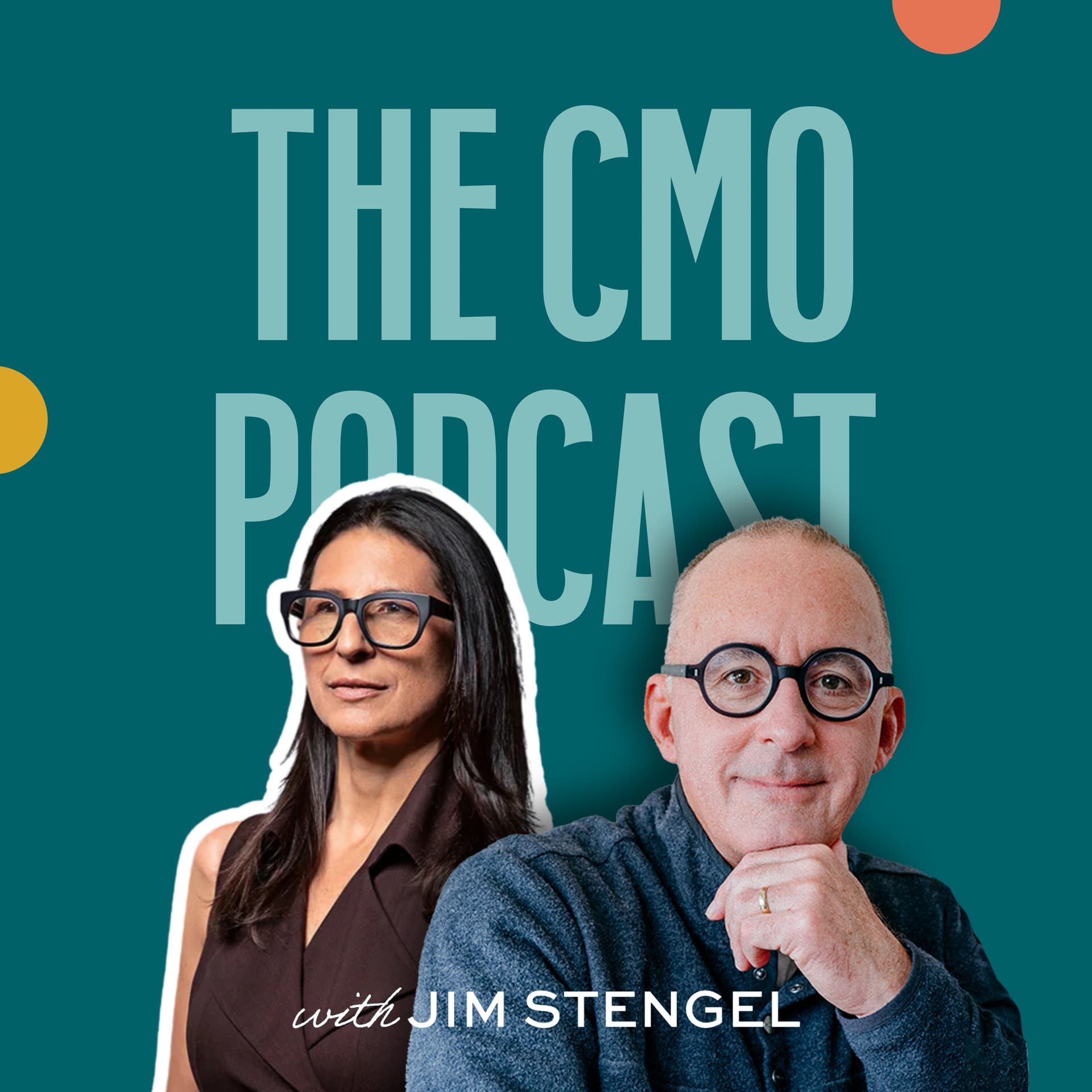
Diana Haussling, CEO of Hello oral care (and former Colgate CMO), discusses leadership lessons from CMO-to-CEO transition, including how work/marketing must evolve, how to make high-impact choices, and how to grow by leaning into fear, telling your story, and designing a career around the lifestyle you want.
Guest backgrounds
Diana Haussling is CEO of Hello (acquired by Colgate-Palmolive in early 2020; Hello in 55,000+ U.S. retail stores). She previously spent four years as Colgate North America CMO, leading marketing, digital commerce, and DTC. Earlier roles at Fortune 500 companies include Campbell’s, General Mills, and Hershey.
Key claims
Marketing principles (consumer experience at every touchpoint) remain, but tools/readiness change. Leaders should focus on “choices vs balance,” make hard decisions fast, and protect teams so they can fail and learn. Growth comes from taking scary “dumpster fire” roles, being comfortable sharing strengths with “receipts,” and building teams through HR partnership, frequent 1:1s, and psychological safety.
Notable examples
She stopped sending Christmas cards due to anxiety; she describes “board of directors” feedback; she uses an orchestra/DJ metaphor for conducting as CMO/CEO; she emphasizes daily stewardship of brand survival (“not on my watch”).
Written by AI. May contain mistakes. Listen to the episode to check what was said.
Chapters
Tap a time to open that second in VODiana's Brand Impact Story
1:30 to 3:40
Diana shares her first impactful brand experience with Coach.
“I've helped hundreds of major brands discover and activate their purpose because when a brand's purpose is clear, compelling, and authentic, profit naturally follows.”
Leadership Styles and Industry Changes
3:40 to 4:50
Discussion on recent gatherings among brand leaders and takeaways about changes in branding.
“So we're going to get into that in a minute.”
Deciding on Industry Events
4:50 to 7:40
Diana explains her criteria for attending industry events and their value.
“not only how we do things how we think, but how we create experiences for consumers that are that much better, if you are open to it and ready to lean in.”
Recognition at the Matrix Awards
7:40 to 8:30
Diana discusses her upcoming honor at the Matrix Awards and its significance.
“So we amplify the impact of that opportunity or even just attending the event.”
Principles for a Well-Lived Life
8:30 to 11:20
Diana shares important life principles centered around choices and balance.
“Well, I do know in May in New York, you're going to the Matrix Awards this year.”
Embracing Fear in Career Growth
11:20 to 14:01
Diana encourages tackling uncomfortable challenges as a means of growth.
“Do you have any rituals that help you stay true to that, staying on top of the important choices?”
Leadership Insights: Running to the Fire
14:01 to 16:16
Learn the importance of tackling difficult challenges to grow as a leader.
“but it also allows you to bring other leaders who aren't scared to do those things.”
The Importance of Self-Promotion
17:10 to 21:44
Understand how to effectively communicate your strengths and experiences.
“Third principle, get comfortable with talking about yourself, bragging.”
Deciding Your Desired Lifestyle
21:44 to 24:20
Learn how to align your career with the lifestyle you want.
“when you talk to your peers about it, they really can then tell you, you know, actually in rooms, you show up this way, or this is really helpful, or when I work with you, it enables that.”
From CMO to CEO: Transition Insights
24:20 to 26:31
Explore the similarities and differences between the CMO and CEO roles.
“My dad was very intentional, as many Caribbean and immigrants are, understanding that education is the unlock to so many things for you.”
Show all 27 chapters
Ambition and Intentionality in Leadership
26:31 to 28:00
Discover the motivation and intention behind pursuing leadership roles.
“I went from working on Colgate-Polmol of North America brands to focusing in on hello, an emerging brand.”
The Role of CMOs in Leadership
28:00 to 29:40
Learn how CMOs can leverage key relationships to realize their vision.
“Are you going a little bit deeper in the sales organization?”
Superpowers of a CEO
30:56 to 32:58
Understand the essential skills a CEO must possess to drive change.
“Now, what superpowers do you feel are especially active right now as CEO?”
Navigating Unpreparedness in Leadership
33:02 to 34:58
Explore how to address feelings of unpreparedness in leadership roles.
“Oh, I feel unprepared for like this morning.”
Transitioning from CMO to CEO
34:58 to 37:24
Learn about the intentional signals and focus needed in leadership transitions.
“I want to ask you about you went from CMO to CEO.”
Building Effective Teams
37:24 to 41:28
Discover the strategies for creating high-performing teams.
“I'm a little bit of a trust fund baby of being able to go to Colgate, Palmolive, and get great talent, great experience.”
Balancing Accessibility and Reflection
41:28 to 42:00
Find out how to balance being accessible while maintaining time for planning.
“and sometimes we have to do those privately, but be prepared and be in a position so the people that are actually doing the work have the psychological safety to come to you and say, this is not working.”
Balancing Accessibility and Reflection as a Leader
42:00 to 44:48
Learn how to find a balance between being accessible and making time for reflection and personal growth as a leader.
“How do you balance accessibility, right?”
Advice for Aspiring CEOs from a CMO
44:48 to 46:26
Discover actionable advice for CMOs aspiring to become CEOs, focusing on skills and self-awareness.
“But when you figure it out, let me know.”
Understanding Your Brand's Identity
46:26 to 48:44
Explore the importance of aligning your brand with consumer identity for better market positioning.
“a lot of work to understand when I'm at my worst.”
Empowering Teams Through Leadership
48:44 to 51:14
Learn how to empower your team by promoting their voices and encouraging their growth.
“And if you really focus in and pick that consumer group that you want to target from a creative standpoint, you can create something awesome for them without alienating others.”
Community Influence on Leadership Style
51:14 to 52:58
Understand how community and cultural background shape leadership approaches and values.
“That better prepares them not only for that room, but any other room I'll put them in.”
Building Lasting Connections in Business
52:58 to 55:00
Explore the importance of genuine connections and mentorship in professional growth.
“So what have you learned from So Young that's been helpful for you?”
Inspirational Figures and Personal Impact
55:00 to 56:00
Reflect on the influence of family and loved ones in shaping personal and professional values.
“Now, I think I know how you're going to answer this question, but what do you remember as the first brand that made an impact on you as a young girl?”
Inspiration from Family
56:00 to 57:12
Diana shares how her parents and son inspire her values and leadership.
“Who's been the most inspiring person in your life?”
Reflections on Leadership
57:12 to 57:51
Diana expresses gratitude for her platform and the importance of inspiring others.
“I knew it was going to be terrific and it was that and more.”
Key Takeaways for CMOs
57:51 to 59:31
The host summarizes three key leadership takeaways from Diana's insights.
“That was my conversation with Diana Housing.”
Transcript
Automatic transcript. May contain errors.0:00Jim Stengel:Before we dive into today's episode, we would very much appreciate a moment from you to make sure you're subscribed to the show on Apple Podcasts, Spotify, or wherever you listen, along with optioning to auto-download the episodes. It really is the best way to never miss an episode, along with supporting the show and the amazing team that helps me bring it to you. And while you're there, leave us a rating or review. It only takes a minute and helps more people find the show and helps us learn. And of course, share this episode with a friend or colleague who might enjoy it. We wouldn't be here six years later and still going so strong without you all, our community.
0:36Jim Stengel:So thank you for being part of it. Now onto the show. What do you remember as the first brand that made an impact on you as a young girl? Actually, it would be Coach. My first designer bag I ever got was a Coach bag. and I remember being really, really young and being like, oh my gosh, I get this bag. I still have that bag. I still have that bag. I still wear coat shoes to this day because in my mind, their leather is the best leather. But I think that was the brand that first, like I just had that love affair with. And I remember I loved it so much that I didn't even want to use it. And my mom was like, you got to use it.
1:13Like you have to wear it and use it. But that was my first kind of like designer experience. and I remember going into the store after and getting a little scarf to tie on it and feeling so cool about it. So yeah, I would have to, that would have to be coach.
1:30Jim Stengel:Hi, I'm Jim Stengel. I've helped hundreds of major brands discover and activate their purpose because when a brand's purpose is clear, compelling, and authentic, profit naturally follows. Each week, I welcome the CMOs, the chief marketing officers of your favorite brands to speak to how their job is so much more than marketing. These leaders share their inspiration and challenges, along with how they try to build a full, healthy, and happy life in and out of the office. More and more CMOs are ascending to the CEO role. Starbucks and we're glad you're here to feel that energy and to learn from these remarkable leaders.
2:05Jim Stengel:So here we go. This week, I am welcoming a guest who has recently traded her CMO seat for the one at the top. Diana Housling is the Chief Executive Officer of Hello, the bold, happy, design-forward oral care brand. Founded in 2012 by Craig Dubitsky with the goal to be the friendly alternative in the market, Hello was acquired by Colgate-Palmolive in early 2020 for a reported$351 million. The Hello products are now found in over 55 ,000 retail stores in the U.S. My guest Diana has been in the role for about a year. Before stepping up as CEO, Diana served four years as Chief Marketing Officer for North America at Colgate, where she led marketing, digital commerce, and direct-to-consumer.
2:49Jim Stengel:Her career includes stints at three other Fortune 500 companies, Campbell's, General Mills, and the Hershey Company. This is my conversation with a CMO-turned-CEO who has some clear and compelling life principles, which we will talk about right away. Here's Diana. Hi, Diana. Welcome to the CMO Podcast. Hey, first question is, did you brush your teeth this morning with whipped? Hello, peppermint stick toothpaste. Oh, great. First question. First, thank you so much for having me. And I got one better for you. Not only did I brush my teeth this morning, but I brushed them again after breakfast and after lunch, you know, and for cater.
3:26So I made it happen.
3:28Jim Stengel:Same flavor? I'm a peppermint stick girly, but most people prefer the mellow mint, but I love the peppermint stick. Now, I love my prep for this conversation. I mean, I love it when I prep for every guest, but this one was extra special. You are an amazing person and leader. Well, thank you. And you're not even my mom. No. Well, your mom should listen to this. I just think you're intentional. You're self-aware. You're caring. You're smart. So we're going to get into that in a minute. We're going to unpack all that. But I was looking on, I think it was LinkedIn, and you've recently been to Puerto Rico with a lot of brand leaders, many of whom have been guests on the show.
4:07Jim Stengel:And the focus of that meeting was on how work needs to dramatically change to win in brand building in the future. So I love that topic. So tell us a little bit about that gathering. What was your takeaway? Did you meet any people that you hadn't met before that were particularly interesting? I think my biggest takeaway from that is that we're all in the same boat. And I think depending on your perspective, you're either coming up with this with like, oh, I don't know what I'm going to do. I don't have a plan. and you may be walking into walls a little bit, or you're coming from the group that's seeing this as a tremendous opportunity.
4:44So with this kind of change and disruption typically comes the biggest opportunity to step change, not only how we do things how we think, but how we create experiences for consumers that are that much better, if you are open to it and ready to lean in. And what I found from that group of leaders, I mean, Lara's vision, if you don't know Lara, you should, her vision for the conference, and I hate to even call it a conference because it was more of a collective of thought leaders, really allowed us to go deep on those conversations, not in the doom and gloom type of way, but how are we all as an industry wrapping our arms around this massive change?
5:20How are we leveraging this change for the good, for the betterment of how we do things? And then how do we think about what structure and talent looks like? I think the biggest, and it's not even an aha moment, but I think the biggest like singular thing that we all are feeling is that the way we approach marketing has to shift and evolve, but not drastically. The inherent principles of really thinking through a consumer experience at every single touchpoint is there. The ease in which and the tools that we're able to leverage are going to look differently. But the readiness for our employee population, I think is the biggest opportunity that we have, especially having had a lot of our are more newer and career employees having grown up in a COVID time where they didn't really have the opportunity to lean on a lot of the more seasoned individuals.
6:11This is just going to be the unlock and a transformation. It's similar to when, you know, the internets first came.
6:17Jim Stengel:Yeah, for sure. Now, how do you make decisions on which industry events to go to, right? We have something obviously open to us every week. This wouldn't sound like it sounded like it was meaningful to you, but what's your criteria on where you choose to go? Value, impact, and scale. So is the value either from me being there speaking, can I add value to that situation, the conversations, do I have something to gain from it? Will I get value from hearing the conversation? Who's going to be in the room? Typically, I like to look for places and spaces with people that have a differing viewpoint of mind, because that's really, once you're getting out of my bubble is the most important thing for me and really being challenged because I'm very confident in my position, but I'm also confident in the fact that it should change and evolve.
7:05And if you're able to change and evolve my opinion, then typically you're probably going to be on a speed dial list of people that I want to chat with on a regular basis. Impact is what is the impact that it's going to have on the here and now, but also the long-term. So if we're having the same conversations, I'll probably pick one or two. Also, who's going to be in the room if there are people that are doing really cool things. Like I'm a fan of so many brands and so many leaders across the industry. So getting to hear and learn directly from them is pretty awesome. And then scale. Is this something, if I go to it, can I quickly scale it across my team?
7:36Can I bring it back to my team and scale it? Can I send them and then they scale it back? So we amplify the impact of that opportunity or even just attending the event.
7:45Jim Stengel:Is there any meeting that you is a must do for you every year? No, for me, and honestly, it really does change. I will be going to Possible this year. You know, I think by the collective of a lot of the folks that are able to go and it's very accessible, I think there's a lot of opportunities there. Forbes, the Forbes CMO Summit is definitely a must on my list. What Seth has built and now what Linda Boff is taking over. I think there's a community where we have the hard conversations and the hard debates. We keep it spicy in the room, but I feel inspired when I leave. And it's always something that adds more to everything I do.
8:21But it really does depend on the challenges I'm facing that year, the challenges my team is facing, and what insights and inspiration I need to pull from.
8:32Jim Stengel:Well, I do know in May in New York, you're going to the Matrix Awards this year. Yes, I am. You're being honored, which congratulations. That's a big deal. I've been to those awards. They are special. And that's a huge, huge honor. And for our audience, it's for women doing extraordinary work in communications. So I've had many friends who have gotten that award and it's very special. Are you going to speak at the awards? I think all the honorees will. So I'm really excited for that. That's several months out. So I haven't even thought of what I'm going to say yet. But I have to say that I am so honored just to be in the company of the women that are also being honored.
9:11But if you look at the legacy of the women and the leaders in this industry, because of them, I am here today. So I'm really pleased to be in that company, but then also to pay it forward. So I'm just looking forward to every moment of the experience.
9:26Jim Stengel:Are you taking anyone with you? Any family? Yeah. My husband, Luke will join. Now it's a question mark if my son, Luca will think it's cool enough to join or not. So that'll be a question mark. And I'm lucky enough to have my mom. My dad passed away recently, but my mom will probably attend too. I hope she does. It's a great event in every way. Okay. Now I started the show by saying, I think you're an amazing person, leader, and I've learned about some principles in your life that are very, very important. I want you to kind of expand upon them. And the first one is wonderful one. It's a well-lived life.
9:59Jim Stengel:It's about choices versus balance. Could you talk about how that comes to life for you? Yeah, I think especially as a woman, and I hate this term, but a working woman, and we don't call you guys working men, but especially as a woman, I think we are fed the false notion that you can have it all. It's just about balance. Then there's a lot of us trying to balance these glass balls in the air, hoping that none of them break. And I actually try to shift that mindset around. I come from a high medical needs family and I really focus on choices. So where do I put my energy and where will I have the most impact, the most value?
10:32I find leaders that I've worked for, leaders that inspire me, leaders that are the most effective are those that can make decisions quickly, but also make the hard choice. and if you make the heart choice and you train and help your teen learn how to make the heart choice, you don't try to do everything and spread the peanut butter thin. You're really able to amplify your impact. So it's just something that I've learned. Part of it is a little therapy, like, hey girl, you can't do all the things, but you can do some of the things really, really well. And then some of those things that are less important, you can phone it in at a 75 out of 50 because that's still better than what you are getting.
11:07But how do you really maximize your energy, your impact, that's what really allows leaders to have not only an impact on their teams, but a lasting impact on how their teams function, work, and are able to actually enjoy the fruits of their labor.
11:22Jim Stengel:Do you have any rituals that help you stay true to that, staying on top of the important choices? Well, I have a lot of friends and family that aren't scared to tell me that you're doing too much. I think that's the first, being able to have authentic relationships with people that tell you, especially when you have broccoli in your teeth. But also, you know, what I focus myself on is like, there are moments and times where I just say no to certain things. This is going to sound like a really simple one, but I stopped sending out Christmas cards like several years ago because my anxiety around getting the perfect picture and the perfect card was too much for what I was getting out of it.
12:00And the first year I thought like, oh, everyone's going to notice the cards are all going to, guess what? The world did not end. I called people, I wish them well. So it's like those things, like what's the value and the benefit you're getting out of this one thing? And is it worth it? I think how that shows up in the workplace is very intentional. You know, in this day and age, when our teams are taking on a lot more with a lot less, if you are not a leader that has the discernment to be able to focus their time and energy, but also provide them with the protection and the air cover and the ability to fail and to learn, If you don't make choices, they won't be able to grow as individual leaders.
12:41Jim Stengel:Second principle, look for things in your career that make you uncomfortable, scare you. Fear is a constraint. So I want you to talk about when this principle, where did this start to come to life in your career? Was there a defining moment? All throughout. There isn't one moment. So I present extremely confident. I am extremely insecure. There is a little hater in my head that I talk about. As I get older, ladies, this is getting a little better, but she's still there. she eats well. So what I have found for myself is that I have to do a lot of things that scare me, but bet on myself. And this has been something throughout my career.
13:15And this is a less eloquent way of describing it. Take the role that's a little bit of a dumpster fire, meaning that it's not shiny and pretty. And some people are like, oh, I don't know what I want to do with that. But it's the really tough, hard problem that if you crack it, awesome, you unlock potential growth. But if you don't, you learn so much along the way that it better prepares you for any other experience you can have. And throughout my career, I've taken on those type of opportunities. And I will tell you, they not only better prepared me, it's a little bit like dog ears for new roles and opportunities, but it also allows you the ability to take something that to others may seem to be like a dumpster fire, clean it up, and build a following.
13:55So once people start to see what you're able to do and how you're able to transform things, not only does it impact your personal brand, but it also allows you to bring other leaders who aren't scared to do those things. And I think it also pushes you to not have all the solutions, but really be a good connector. So figuring out how to bring in really smart people, because the awesome thing that I know about myself is I'm typically not the smartest person in the room, but I know the smartest people in the room and how to get them in the room. And that's how typically I solve really hard, audacious, hairy problems.
14:30Jim Stengel:I interviewed Andrew Robertson at the end of last year, actually on New Year's Eve, we released the episode. He wrote a book about his career and his 20 years leading BBDO, great run. And I asked him about his leadership principles. And his first one was run to the fire. He said, that's how you grow. That's what leaders do. And everyone can solve easy problems. But if you're someone who runs to the fire, takes it on, isn't afraid of it, tackles it, then you grow, the company grows and your people respect you more. Yeah. And I do find that you, in those moments when there's extreme pressure, and I think back at the teams and the relationships and what we built.
15:09And when you bring the right people around, yes, it's hard. Yes, it's challenging. But it's also could be a really good time. I have found in those moments where we're stressed out the most, when I reflect back on them, I think a lot of us think about our college experiences that way too. like the fondness and like the joy that I get from like, yeah, we did that shit. We did it. You thrive off of that and it starts to motivate you. And the more you do it, the more motivated you are to do more. But the more that you know that what I know about myself is when there isn't a way, I can find a way.
15:43And even if I'm scared, I will find a way.
16:13Jim Stengel:Thank you. with the code CMOPODCCS26. Join marketers, retail partners, and platform leaders for practical conversations about what is actually driving commerce growth right now. And this year focuses on execution, how to integrate in-store media into full funnel strategy, how to align marketing, merchandising, and analytics teams, and how to build measurement models that reflect total business impact. You'll hear real case studies, actionable insights, and operating approaches you can bring back to your organization immediately. If you're ready to move from testing to scalable performance, this is where it happens.
16:54Jim Stengel:Visit iab.com slash CCS to learn more and request your free pass or enter the code CMOPODCCS26 for$150 off ticket prices. We'll see you there.
17:10Jim Stengel:Third principle, get comfortable with talking about yourself, bragging. Now, some people do that and come off as jerks. You obviously don't. So how do you do this without coming off as a jerk, which we all know them when we see them, and you're not one of those? Well, as I said before, I'm extremely insecure. And what I found for women, especially women of color and people of color too, but more so for women is that we're taught it is not polite to talk about how awesome we are. And what I try to do is shift that mindset from it's actually not bragging. I'm just spewing facts. I have the receipts.
17:43I know what I did. And it's important for me to share that, not because I want to elevate myself or make myself the spotlight, is as a leader. and I look at my teams, if I don't understand what you're really good at, then I can't leverage you or connect those dots. So that self-awareness of what you're really good at is critical. Now, as women, we tend to be overly mentored. And so we often very much so understand all the things that we're not good at. And we spend quite a bit of time refining and working on those. And that's good. We should still do that. But I find it more powerful to really focus on your superpowers.
18:22And when you know those things that you're really good at and you can articulate them well, one, you allow for leaders to better position you to not only grow yourself, develop yourself, develop others, but also accelerate the business. It also allows you to plan your team and your work that much better. So you're able to say, hey, I'm really good at this. If everybody on my team was like me, we would get nowhere. I need some pragmatic people that can do things that are very different from what I do. And I close my gaps. So I work on my gaps, but I spend a lot more time closing my gaps with people that are way smarter and way better than me at a lot of things.
19:00And I think the third component is, especially as you're trying to advance yourself, it's important that you're able to tell your story. And if you're not able to tell your story, I spent a lot of time mentoring folks and sponsoring a lot of individuals. And I found the biggest gap between them being picked for a role and somebody else being picked for the role is if they're able to tell the story about what they did and if they recognize that in their role, it's not just about the title, but all the experiences they collected along the way. And if you can talk through those things, but if you can also go back to them and leverage those experiences, then that's what makes you so valuable to a project, to a role, to a job, to a company.
19:40Jim Stengel:How did you build those skills? The skill sets across my career or just those three principles? The ones about telling your story, you know, leveraging your strengths, making sure people understand that. I mean, that's an evolution, right? And you said you have, you know, we all have imposter syndrome. We all have insecurities, but you're good at it. You're self-aware. You express it really, really well. How did you learn that? First, I started off in sales. And I encourage a lot of folks to start off in sales or waiting tables. Why? Because you're interacting with the public and you get to test out your material.
20:16Comics don't just start out having a good run. You go in, you try, you test out your material. So you start to practice and work on those things. It really is about understanding humans and their motivation. So the way you will storytell about yourself or talk about things with one group of people is going to shift and adjust by what's important and what motivates that individual. And if you really understand humans and how humans operate, then you're able to talk about the things that you do in a way that feels very pragmatic. I think the other piece to me is I really lean into my vulnerability.
20:49I have no problem telling people that I'm insecure. I have no problem saying those things because I know me saying it out loud opens the space for somebody else to be able to through and also evolve and develop. And I think it's that lean and that ability to be able to say, I'm going to be vulnerable in this moment really helps you get the feedback and helps you identify the things that are awesome around about you. Early in my career, most of the time, those things that I didn't even realize that I was good at came from a sponsor that was like, you're good at this. You should do this job. I just started to write them down.
Read the full transcript
21:24And I think if you start to listen to the people around you, you get more vulnerable and you actually leverage. I call them my board of directors. If you start to actually leverage them, not just for the things you need to work on, but your superpowers, then you can storytell in a way that's really smart. Your peers also do this beautifully. We often look up for this type of information, but often when you talk to your peers about it, they really can then tell you, you know, actually in rooms, you show up this way, or this is really helpful, or when I work with you, it enables that. So it's still something I'm refining along the way, but it really is an art form that I wish more and more people felt comfortable with.
22:06Jim Stengel:Last principle for today, decide what kind of lifestyle you want and let that guide your career choices. When did you decide that for yourself? Well, that's just a principle that my dad really instilled in us. You know, a quote for him that I use quite often is the title is theirs, but the money is yours. So act accordingly. So if you think about the lifestyle that you want, but for women, especially women of color, the title is important to make sure you get that title if you deserve it. But if you think about it, you know, thinking about the lifestyle you want gives you freedom. You know, if you live below your means, you can take better risk in the work setting because, you know, you can go and look for that other job or you can take that challenge.
22:46You're not worried about saying the wrong thing all the time. This doesn't mean in an appropriate way, obviously. You're never going to be disrespectful or unprofessional. It also allows you to determine the type of job and pressure and skill set that you want. Often, I have a very big Caribbean family, so I have a lot of little cousins. And often in our communities, there's a push and a focus. I'm an outlier to major in the sciences, to be a doctor or an engineer. I come from a family of engineers and doctors. And so I always start with that before we get into anything, what life do you want to have?
23:17Because you could be doing all of this for the life you didn't even want. So what do you want to get out of it? And then start to think about the types of careers that afford you that life. Because we're working for our lives. We're working for our families. We're working for whatever that thing that pushes you forward. Work doesn't define who we are as individuals.
23:35Jim Stengel:Who is helpful for you in deciding what kind of life you want? Was it your dad or others? So anybody that's from a first generation, big Caribbean family, anyone that has that experience probably knows everybody because we're very active in each other's lives. But I was the one of the first because I have a very big family, folks that didn't, that went to step outside and didn't become an engineer or a doctor. And I would say for me, I just knew that I loved the idea of leading teams. I love the idea of business marketing. I loved brands like, shout out to Adidas, who hooked me in like third grade, and I've been riding hard ever since.
24:16So I knew I had a passion in this space, but I didn't know what it was. My dad was very intentional, as many Caribbean and immigrants are, understanding that education is the unlock to so many things for you. So being really intentional early on around the AP classes that I took. Prep there, these were conversations that started in elementary school. So it wasn't a wait. Because we're first generation, a lot of folks would come to our house to go to university. So I watched my parents have these conversations around career, around lifestyle, because they're the oldest of both of their immigrant families.
24:51And so that really instilled in me being intentional, intentional about life, intentional about what you major in, intentional about all of the decisions that you make so you could have the lifestyle that you want. So I credit it to the way, the cultural nuance of the way that I was able to grow up, but mostly to my parents who were very thoughtful, not just with us, but with our entire family and the community about making sure that we leveled up each generation.
25:17Jim Stengel:What is it about Adidas? It's just cool. I love it. Well, I mean, I'm talking about wearing it, so it might not actually be cool. It might be a little cringy. Why didn't you like them when you were in third grade? Well, there's a lot. One, I'm from New Jersey. We love a good track suit. so it's instilled in us we love a good track suit so my main thing was you know I was always tall I'm a tall girl I'm 5 '10 tall woman I was always very tall and I tended to be somebody who dressed up more so when I was looking for more of a casual style the fact that I could still be um have a matching track suit and and accessorize it and do all those things was just really cool to me and I was always very thoughtful about going to class a lot of folks were cool with wearing pajamas to class.
25:58That wasn't my thing. So I started to lean really heavy on Adidas, but it's just a brand. Like I love hip hop. It just, it was in so many things that I love that it became a part of an identity for me. Most folks that I work with don't know this, but I'm pretty much in Adidas most days outside of, you know, the corporate environment. And even then I still wear my Adidas with heels.
26:19Jim Stengel:Of course. I love it. Now you were promoted from CMO to CEO last year. So you're joining an impressive list of CMOs who were promoted to the big chair. Now, for you, how has life changed since being promoted from CMO to CEO? I went from working on Colgate-Polmol of North America brands to focusing in on hello, an emerging brand. So there is a little shift in budgets when you go that way. I call it a scrappy shift. But I'll be honest, you know, and this is going to be an unfulfilling, very unsexy answer. It is not that much different. Because similar to being a CMO and in the CEO role, and I'm an orchestra geek, so I'm going to go with that, you're a conductor.
27:05Or if you prefer, you're a DJ. And if you think about what you have to do in both of those roles, one, you have to understand what your team does, what they're good at. So each instrument plays a sound, has a role. You have to set the tone, the tempo, how the team works, how they move, what they're focused on, what the vision is, provide that clear direction. but then you also have to adjust and adapt to the audience, to the pacing, to the timing, to what's working, to what's not in the moment and be prepared to pivot. All of those things happen. Now you are expanding your focus on different areas, but I really don't think the CMO community gives themselves a lot of credit for what they're actually doing in real time and how much of that conducting they're leading on a regular basis with large teams, big budgets, and a consumer that's constantly changing.
27:51Now, as you expand into the CEO environment, yes, are you thinking about different things? Are you going a little bit deeper on supply chain? Are you going a little bit deeper in the sales organization? But when you're a CMO, in order for you to be able to realize your vision and your strategy, you need all of those same components. I often joke that my best friends at work when I was a CMO were the CFO, the head of legal and the head of HR, because those are the people that are really driving and helping you not only execute your vision in real time, work quickly, get the talent you need. I would just add to the CEO space that the head of sales and the head of supply chain get in that best friend list as well too, in a bigger roles than they were before.
28:39Jim Stengel:Is this something you sought out or did it come to you, the CEO role? It was definitely something I sought out. I'm extremely ambitious, but not only that, I love Hello as a brand. So I definitely raised my hand and said, this is a role that I want. Not only it is a role that I want, but this is why I think I'm the best person for this role. And I was really intentional about that for several reasons. One, I think for myself personally, from a development standpoint, it better positions me for my long-term career goals. I talk about these things openly because it doesn't matter what level you are.
29:11You have ambition, you have career goals, and the same things you're feeling as an ABM-1 is the same type of things on a different scale that I'm focusing on and nurturing within my own life and the ambitions that I have at this level. I think it also opened the door for opportunities that I wanted in the industry. I think there is an awesome opportunity for CMOs to play more of a leadership role and drive and steer the direction of the organization, especially now in the environments that we're in where AI and agentic agents are really driving and changing the way we shop. CMOs, brand building is going to be even more critical than it ever was before.
29:57Hey, everybody. This is Andrea Sullivan, the CEO of Vive, and we produce the CMO podcast and are so excited to have partnered with Jim Stengel for so many years. Wanted to tell you a little bit about something that could be right for you. Vive is a program for entrepreneurs and business leaders who want to get more out of their life and become their best and happiest selves, both personally and professionally. We have a 12-month program that allows people to meet up with some of the best business leaders out there and additionally experts in the wellness sector so that you can learn how to nurture yourself.
30:31So we teach things around sleep optimization, meditation, all those good things as well. Please reach out to us at podcasts at vibe.co to get more information. that's p-o-d-c-a-s-t-s at v-y-v-e dot co. Thanks for listening to the CMO podcast and hope to talk to you more about Vibe.
30:56Jim Stengel:Now, what superpowers do you feel are especially active right now as CEO? Getting shit done and moving shit out of the way. The biggest thing I focus on right now with my teams are what are the things from stopping you from doing the work that's most important that's going to help us hit those goals and objectives. So that's a huge part of it. And you have to do that through your team. I think the other big piece, and this I think is in all roles, is your ability to influence, but also deliver therapy light. So most of my roles, most of the companies that I've worked for are a good 100, 150, 220 years old.
31:34These companies don't stay around because they don't understand brands. They have iconic brands that not only stand the test of time, but have the modernity to survive. So, you know, being a steward of those brands is always an honor. But with organizations of that size, caliber, and scale, driving change and shifting things requires not just a plan, but being able to influence that plan throughout the organization and also get people feeling comfortable. So that ability to get them to be comfortable to take that shift, make that risk is really critical. So having those skill sets are really what unlocks growth and change.
32:11I think the last one, which it depends on the organization, is being comfortable with conflict in a collaborative way. I think we grow the most when we do have conflict and really good, healthy debate. This is not debate for debate's sake. This is collectively fighting a problem that we then discover the best solution for. And I think if you can get the right group of people in who are really smart and respect each other and know how to manage a good debate, that's what really allows the unlock. And that really comes with knowing how to build teams. So I would say that's the other superpower is like really being able to build a team.
32:46There are a lot of people that are really good at innovation, but who's really good at innovation in an emerging brand, in a somewhat commoditized space? It's the nuance of it and really being able to identify that talent and put them in a position to accelerate and just soar.
33:01Jim Stengel:Is there any way, Diana, you felt unprepared for this role? Oh, I feel unprepared for like this morning. There was a lot of, I think going into every role, I think you feel unprepared. I do push back on the notion of imposter syndrome a bit because I do think, you know, I'm a black woman. Most of these environments were not designed for somebody like me to thrive. And I'm well aware of that. So feeling like you don't fit in, it wasn't probably meant for you to fit in. But I think for me every day, I don't feel entitled that this brand, whether it was the Colgate brand, the Hershey brand, the Campbell's brand or hello, has a right to live another day.
33:39We have to fight for every day, every sale, every point of distribution. And I think so for me, I go into every day thinking, all right, we could not be here tomorrow, but not on my watch. So what are the things that we have to do to make sure that we pass the baton, we pass this brand off in the best position forward? Because we are just the stewards for this moment in time. But if I look back on, you know, just from a personal note, for those of you who are developing others, I went to folks that I'm close to and I asked them what they thought my gaps were. And that's where you have to put your ego aside because that hurts your feelings if you're not ready for it.
34:18And that allows you to not only understand the things that I know personally I have to work on, but the brand building and the perception that I have to give the organization. Because if this person thinks this, and it can't just be one, you test a couple of folks. Because you have to not only manage your actual skill set, what you can do, the team you can build and the superpower around that team, but also the perceptions that others have of you. And as you manage that perception, you can think about where you show up, how you show up to really not only give confidence, but you're instilling confidence so people will invest and bet on you.
34:53So you have to be really thoughtful about making people feel really comfortable in investing in you and your team.
34:58Jim Stengel:I want to ask you about you went from CMO to CEO. How intentional were you about the signals you sent and where you spent your time? because I also went from way back, marketing director to general manager, my first leap into having multiple functions reporting to me. And I thought a lot, and it was a job in Eastern Europe, I thought a lot about, I don't want to be the general manager who loves marketing. I want to be the general manager who loves everyone and has some expertise in marketing and branding. So how did you think about that? I think it's really interesting that you say that. I think a couple of things that were really, really big in the beginning is that a lot of the folks in the traditional CMO side, like to the advertising piece, you know, they'll come to me and be like, well, what do you think?
35:46What do you want to do? That's not my job anymore. It's not my job to have a point of view or to thought of it. Now, if you want my point of view as a coach, if you want another perspective, if I'm going to help you, I will do that. But I'm intentional about not stealing the decision. Now, there are times where I will come in over the top and say, this is going to feel less empowering intentionally. I'm taking this decision for a specific reason. That is okay. Well, I'm telling myself it's okay. But that is something that sometimes I will do in that space. But traditionally and more frequently, that is an area where I really have to push the team to say, even though I have this experience, you guys own that and you can make the call.
36:22Because my way of doing it isn't the only way. There's a myriad of way in and I have an exceptionally bright team and they definitely are more talented than I am in that space. I find my spell spending a lot more time in innovation because our innovation pipeline is a huge part of what we do and our ability to disrupt the category with really cool flavors and sensorial products. So I spend a lot of time with the innovation team. I spend a lot of time with quality and R &D and also a lot of time with supply chain because we are somewhat of a separate entity. So really thinking through our production model and what that looks like and how we gain efficiencies by having a parent company as fantastic as Colgate-Palmolive to be able to partner with.
37:07That's where I spend a lot of my time. And then the bulk of my time is honestly spent with finance. It's spent with finance, really figuring out how to get the most out of our P &L and to make it work. And then a good portion of that, which is similar from before, is with HR on building the type of team and taking the best of what we have from a hello perspective. But then I get the benefit. I'm a little bit of a trust fund baby of being able to go to Colgate, Palmolive, and get great talent, great experience. I mean, if you think and see the amazing things that Diana Schildhaus and her team are doing with AI, from a Colgate perspective, they talked about it in Cagney.
37:44Diana also talked about it in the Wall Street Journal recently. I get the benefit of that. And a company the size of Hello typically wouldn't have that.
37:53Jim Stengel:They're very smart of you. Now, you talked about building a team multiple times in the last half hour. And you just talked about right now and getting HR's help and so on, having the benefit of having some Colgate-Palmolite talent to bring over. Could you go there a little bit in more detail? We've been doing the show for a long time. We've done a lot of analysis of the data in the show using AI. Building a great team is in the top three characteristics of successful CMOs. There's no doubt. So could you talk a bit more about how you do that? Well, first, I'm very intentional with HR. So I don't look at HR as a transactional relationship.
38:29They're my business partner. My weekly team meetings, my HR partner, Shayla, she sits on all of them. We have swim lanes, but like if she has a point of view on something that's business related, she will give a point of view on something business related. Why is this so critical? Because if I'm thinking about shaping a team and we talk about leveraging subject matter experts when it comes to search and media, but often put HR in a different box. And for me, what I have found is that pulling them into the business, which they typically know quite a bit about the business because it's part of the nature of what they do.
39:02They help me source better talent. not just in my organization, but throughout the organization, when we start to talk about the gaps that we have and they start to see it in the experiences and some of the business issues that keep coming up, they start to think more intentionally about talent from other parts of the organization. So I think the most critical piece is how you leverage your subject matter experts, whether it's in a traditional media sense or supply chain, but also in this part of the business really does make a difference. I think the second piece for me is knowing your talent.
39:34So I am intentional, even in my last role, I have one-on-ones with every single person across the team. That takes time and investment. And typically, so with my direct reports, they're very much business-related. We have business-related one-on-ones plus their development and career. Everyone below and beyond them, I make sure I have time with them, 30 to 45 minutes, and that's their time. Sometimes they'll make a business piece, but the majority of the time is about career and career growth. and because they see me as a partner and we get to a point where we can have very personal but very specific conversations, when an issue comes up, I know about it faster because they're comfortable with me, you know, and they know I'm invested in them because my primary role is to help everyone on my team.
40:19And I had a leader once who told me this and I've stolen it ever since. Her name is Marcy Rabel. My primary role as your leader is to help you get to your next role, whether that's here at Hello or someplace else because this is a mutually beneficial relationship. And so they know I'm invested in their growth and development. So that speed of trust happens quite quickly. So then you start to understand what people are good at. And then the last piece for me is maintaining that connection. I'm a little bit of a barnacle once we've worked together and we have an awesome experience, like you're stuck with me for life.
40:51So I keep connections with folks that have worked with me before. You would be surprised. You run into an issue. and I know Ben that I worked with five years ago dealt with this, I'm gonna send Ben a text. But if you haven't been cultivating that relationship over the past five years, that text is gonna be a little bit hard to answer. So just really being intentional about keeping those connections going. And then I think the last piece is often at a very top and high level, we build structures and we build talent and we restructure, we shift things around, but we're actually not the ones doing the work and we don't even know what the issues are.
41:27So you can build the structure and sometimes we have to do those privately, but be prepared and be in a position so the people that are actually doing the work have the psychological safety to come to you and say, this is not working. We actually need to do X, Y, and Z. And if you build that psychological safety within the team, not only can you get the benefit of their exceptional work output, but you can also fail faster, rectify things quicker, and build a high-performing organization.
42:01Jim Stengel:How do you balance accessibility, right? Being around, out in the halls, talking to people, talking about their career, you know, having lunch with people, having coffee? With the time you need to be private, to think, to plan. So I always found that in my own life, a struggle, a tension, because I want it to be available. I want it to be accessible. I want people to be able to come to me with anything. But to the extreme, you don't have time for reflection, thinking, outside the box kind of activities. So how do you do that yourself? So one, I actually look at that time that I spend with individuals as actually allowing me to do that.
42:39Now, that all also depends on how you learn and how you think of ideas. I like a brainstorm to bounce things off of people. So even when I'm reflecting, I saw that you had So Young on here the other day. So she's a person that I would call and like, I'm noodling with this thing. This is what I'm thinking about. Like I like to bounce things off of people. So I actually look at some of those times as bouncing them off of people. I also love developing other people. That same, like the shopper high of buying something. I get that when somebody that I've developed gets a promotion or does whatever.
43:14So part of it is selfish. I'm also doing it because I enjoy it and I get a lot out of it too. And it's a part of my value construct, but I actually think it allows me to be a better leader. I learn about issues faster. Typically in those times is when I find out what's really going on and not just what was presented to me in a pretty PowerPoint presentation. Typically in those moments and times is where I find out like there's a nugget of an opportunity that I can build on later on. So I actually see them as part and parcel to that. I do take out, carve out separate kind of working time for myself, but I also have a crazy long commute because I come to New York from South Jersey.
43:51So I get a little bit of time there. I have a tradition too. I get my hair done every Saturday. If you're looking for me outside of the summer months, I'm in the hairdresser's chair, but I'm under the dryer that under the dryer time, my team will joke. That's when I do a lot of like reflecting, thinking, listening to a lot of podcasts, doing a lot of things. And that's where like ideas spark. I also see like some of these conferences and things like that we go to as carving out to just think about the work, not necessarily the deck or the thing that we're building in that moment in time. So I'm pretty intentional about that.
44:26And then I do set up reflection time for myself where I just absorb external information. Sometimes we can nasal, navel gaze quite a bit, stick within our bubble. well, I purposely leverage a lot of my socials to allow me to get other points of view, other perspective, and just be really intentional about it. So how do I do it? I don't know. I haven't figured it out. But when you figure it out, let me know. And maybe I'll try it.
44:53Jim Stengel:For all those senior marketing people who are listening to this, who would love to be a CEO someday, you've given all sorts of advice. Could you boil it down and what you recommend they do right now if they're sitting in a CMO job and would love a job as CEO? I think look at the experience that you have right now. Can you articulate the skill sets, not the titles that you have, but those clear skill sets that you've built? Be very self-aware. What are the things that you're really good at and where are the gaps? Spend some time to think about how you close those gaps. It doesn't always mean you need a new job.
45:27You can take on a project. You can do it within a current role that you're working at. You don't have to work the fourth shift in order to get that experience. Think about how you can work it into what you're doing today. Truly understand what it is about being a CEO that you want. Is it the money? Is it the power? Is it the influence? Because I'm going to tell you right now, all these jobs are created differently. So you have to really know, is it what you're looking for? Is it the title? And it's okay if it's like, I just want the title. Just be real with yourself about what it is that you're trying to get out of this.
45:57So you not only understand what, you know, how to choose the right CEO role, but how to prepare for it because they're not all created equal and they're all very different. I'm a CEO of subsidiary. That's very different from being like the CEO of a major company or something like that. So you have to think about those things and what you're trying to get out of it. And I think the last piece is to really figure out when you are at your worst. So I did a lot of work to understand when I'm at my worst. So when you're, how you operate, when you're the most stressed, the most tired, all of those things at your lowest point, that's your lowest common denominator.
46:39You need to be able to work around you at your worst self. So if you know you get cranky, you get this, you're that, you have to design your schedule. So you build in time, you know, when you're stressed out three o 'clock on the Friday is not a good time to talk to you. You need to tell all your people three o 'clock on a Friday is not a time to set up this meeting. And those things seem really small, but it allows you to work at an accelerated pace.
47:05Jim Stengel:And also you have to be self-aware enough to know when you're like that, right? That's step one. Yeah. And it's okay. Like sometimes in a meeting, I'm like, I had a really bad day yesterday. I could be reacting to it because of this, or this could be a thing. So guys hold me accountable to that. It's okay to say those things that long. We are actually humans and it is our right to be a human.
47:34Jim Stengel:We're going to flip into the creative brief. And the first question is you have quite a setting behind you. You have a piano, you have some great artwork. So can you talk a bit about your environment there? What that says about yourself? Well, this is my living room. Not your office. Yeah, it's not my office. It was too bright in there. I love fashion. I love design. I love all of those elements. But what I love most about this room is a lot of these things came from places I've traveled to, a lot of things from my parents' countries or places that I've been. But I really love to think about how design reflects who you are and your personal identity.
48:10So we can obviously do that in our homes. But if you think about your product from the packaging to every single component, how does that connect to the identity of the humans that are going to purchase their items? Especially Gen Z today, who so connect brand experiences to their personal identity. It's really important that we're thoughtful about that. And so what does that mean? Because every marketer is like, of course, I think about all those things. But I think there was a period of time where we wanted to be acceptable for everyone. And that often I find really waters down your brand and actually eliminates most people from really seeing themselves within your brand.
48:50And if you really focus in and pick that consumer group that you want to target from a creative standpoint, you can create something awesome for them without alienating others. I think Beyonce does a beautiful job at this. And I have figured out a way to work Beyonce into almost every single podcast.
49:08Jim Stengel:It took you 40 minutes. It's a really talent that I have. But if you think about what Beyonce has been able to do with her Renaissance tour with Cowboy Carter, these are very specific genres of music that she's focused on. But yet I still find myself ordering cowboy boots and ordering whatever bedazzled thing that she tells me to get because of the fact that she's figured out a way to focus in on that specific community, represent them in a very authentic way, and still bring others along. And I think as marketers, we often try to be all things to everyone and then we lose ourselves. So I think there's this opportunity to be focused and also be able to build a following while doing that and drive fandom.
49:51And I just think if we take the time to really be intentional about that, especially in the current times where it's even more challenging to do that and there's a lot more fear in the system, I think it's an opportunity for us all to build better brands that have staying power, like my love of Adidas.
50:09Jim Stengel:You were a competitive cheerleader. I was. Whoa, I didn't know you were going to find that one out. Yes, I was. I found that. So that obviously meant a need for you at that point in your life. What meets that kind of need now for you? Oh, I would say I am still a cheerleader. I am a fierce advocate, some would say mama bear, of my team. I'm a fierce advocate of them. I'm a fierce advocate of their development. And oftentimes what people think that looks like is promoting them and things like, but actually what it's looked like is the encouragement of being the person in the room that says, you should say something about that.
50:46You should speak up, asking them, Maury, that was a great point. I think the rest of the group would really benefit from that. Putting them in positions and rooms so that they can actually present their own work. Here's a novel one, letting them send the email instead of the email coming from you. Because the person who sent the email is the person who did the work. We have very big corporate presentations that we do. And I'll have the most junior person on my team present if they did the work and they know the information because they can manage it. That better prepares them not only for that room, but any other room I'll put them in.
51:21And what's the worst that can happen if they get it wrong? First of all, I'm there too. They'll be fine. And separately, then they learn how to recover. Because when we teach our teams how to recover quickly, that's the fastest we're going to get to growth.
51:34Jim Stengel:How has living in the Philadelphia area impacted your leadership style? Well, go birds for one. And I'm not a sports girly. So So I say that because it's a part of our culture. I'm from South Jersey. So I would actually say I'm more of a Jersey girl than anything. Okay. But I think the cool thing about being just even in this tri-state area is access. We can be in DC, Delaware, New York. And I grew up having that experience and then access. And that access allows you to experience. I mean, it's still the US. It's still the East Coast. But you're experiencing a lot of different cultures. You're experiencing a lot of different people.
52:08For me, it's a grounding point from a community standpoint, because as I mentioned before, being first generation, there's a lot of my family that lives in this area, the ones that are in the U.S. So it made it really easy for us to maintain connection and community. And one of the things that my parents really instilled in me was the power of community. We often talk about how it takes a village to do a lot of things, but we don't often focus on what it means to be a villager. And that was one thing that my parents really instilled in me is what it means to be a villager and how you show up for people.
52:41So I would say my community, the Philadelphia area, the Jersey area, the Caribbean community has really instilled that connectivity, but really pushed me to think about what it means to me to be a villager and how I can leverage my superpowers to show up for my village.
52:57Jim Stengel:You mentioned So Young a minute ago or a few minutes ago, she was a CMO at EOS who was promoted to president. and I know you're friends. So what have you learned from So Young that's been helpful for you? What haven't I learned from So Young? Energy, staying power, resilience, passion, when she's mad and feisty about something, that translates directionally into action. The ability to find pockets of joy in any single moment of time. We talk a lot about that balance piece. So Young is really smart and intentional about, I'm going to take a beat from this. I'm doing this thing with my family. We do, we both are the mother of, I have one son, she's two sons.
53:37So that how we think about raising boys and boys that not are only confident that show up in the world. So just the passion around brands, details. I mean, I could go on forever and ever. She's just a wealth of not only knowledge, but of joy.
53:52Jim Stengel:How did the friendship start? You know, what I find exceptional about this industry that we are in is that the community. So a lot of these things that I go to, and I'm fairly intentional about making connections, but we connected at conferences. But it wasn't until I think it was Sarah Health Center and Rachel Typograph who started a group called Eve. And it was really about women in digital commerce and women in the industry. We all came in as leaders and brought a mentor in. And I think that was really the unlock because we started to have these really direct and intentional conversation, not just the like, how do you keep balance in the workplace or, you know, those types of things.
54:33But like, we really started to have the hard, real conversations and that level of vulnerability, I think elevated our connectiveness across the group. So from Sue Young to Sarah, to Rachel, to Sarabi, like there, I know I can call them at any moment in time and get not only feedback, but, you know, encouragement, but also, oh, you're doing it wrong, girl. You're doing it wrong. And I love that.
55:00Jim Stengel:Now, I think I know how you're going to answer this question, but what do you remember as the first brand that made an impact on you as a young girl? Oh, the first brand that made an impact on me. It has actually, it would be Coach. My first designer bag. No, not Adidas. I thought you'd go to Adidas. Yeah, no, I love Adidas. But I like that first, like the first designer bag I ever got was a Coach bag. and I remember being really, really young and being like, oh my gosh, I get this bag. I still have that bag. I still have that bag. I still wear coach shoes to this day because in my mind, their leather is the best leather.
55:37But I think that was the brand that first, like I just had that love affair with. And I remember I loved it so much that I didn't even want to use it. And my mom was like, you got to use it. Like you have to wear it and use it. But that was my first kind of like designer experience. and I remember going into the store after and getting a little scarf to tie on it and feeling so cool about it. So yeah, that would have to be coach.
56:02Jim Stengel:Okay, last question. Who's been the most inspiring person in your life? I have to cheat on this and say both of my parents. I hit the parent lottery, but their focus on not only uplifting themselves, their children and their community and the example that they have set has really grounded my value system. And often in corporate environments, we try to separate those two worlds, but I actually think that's what makes me not only a better leader, but a better person. But I would have to say in that reign, the person that inspires me the most outside of my husband, Luke, is my son, Luca. That kid is fearless.
56:44He's fierce, but he is the most loving person that I know. And I hope that not only that I gained a little of that for him, but he just understand the impacts that he has on all the people around him as well.
56:57Jim Stengel:What were the careers of your parents? My dad was an engineer for most of his life and my mom stayed at home and she, well, I call her the family manager. She's still the family manager, but my parents have a business. So she worked on their business. So real estate, laundromats, all the things. Diana, thank you for this conversation. I knew it was going to be terrific and it was that and more. So you're a great inspiration in our business. Congratulations on your promotion and all the wonderful things you're doing. Hello. You're a remarkable leader. And this episode is just full of inspiration and lessons and tips and warmth and love and all those good things.
57:36Well, thank you so much for having me, for being generous with your platform. I'm so grateful to be a part of this community. And hopefully what I say inspires somebody else, but more importantly, hopefully it inspires somebody to act and help and develop someone and bring them up with them.
57:52Jim Stengel:That was my conversation with Diana Housing. Three takeaways from this one for your business brand and life. The first one, the CFO, legal and HR are really your most important teammates. As Diana simply put it, my best friends when I was CMO were the CFO, head of legal and head of HR. That really resonates. No matter how strong your ideas are, they don't scale without alignment across the organization. You need financial backing, the legal support, and the right talent in place. So leadership isn't just about leading your function. It's about connecting with leaders in important functions around you.
58:28Jim Stengel:Second takeaway, rethink the path from CMO to CEO. Diana doesn't see the path to CEO to be a big leap from the work of a CMO. She sees it as an extension of the same core skill set that CMOs use every day. You're already orchestrating across teams, aligning strategy, managing complexity, and adapting in real time. The difference at the CEO level is, of course, scope. So if you're looking to make the step to CEO, take this as a confidence builder and a powerful reframe. Third takeaway, build your career around the life you want. Diana spoke about how her father encouraged her early in her career to think about the life she wanted to live and then choose work that would support that life.
59:12Jim Stengel:And I think that's interesting because so many of us do exactly the opposite. We chase the job, the title, the opportunity, and assume the life will fall into place. Diana says it beautifully. What life do you want to have? Because you could be doing all of this for a life you didn't even want. that's enough said that's it for this week's episode of the CMO podcast as always I would be grateful if you shared our show with your friends along with subscribing and leaving a review on Apple Podcasts, Spotify or wherever you listen the CMO podcast is a Vive original production the Bleacher Report app is your destination for sports right now the NBA is heating up March Madness is here and MLB is almost back Every day there's a new headline, a new highlight, a new moment you've got to see for yourself.
1:00:06Jim Stengel:That's why I stay locked in with the Bleacher Report app. For me, it's about staying connected to my sports. I can follow the teams I care about, get real-time scores, breaking news, and highlights all in one place. Download the Bleacher Report app today so you never miss a moment.
From the publisher
More and more CMOs are ascending to the CEO role. Starbucks, Hinge, Revlon, Avon, and Brinker International are all companies that have elevated former CMOs to CEO.
Joining Jim this week is a guest who joins that group. Diana Haussling is the Chief Executive Officer of hello, the bold, happy, design-forward oral care brand. Founded in 2012 by Craig Dubitsky with the goal of being a “friendly” alternative in the market, hello was acquired by Colgate in early 2020 for a reported $351 million. Today, hello products are found in over 55,000 retail stores across the U.S.
Before stepping into the CEO role, Diana served for four years as Chief Marketing Officer for North America at Colgate, where she led Marketing, Digital Commerce, and Direct-to-Consumer. Her career also includes roles at three other Fortune 500 companies: Campbell’s, General Mills, and The Hershey Company.
Tune in for a conversation with a leader who speaks candidly about insecurity, ambition, and why learning to talk about your strengths isn’t bragging, but necessary.
—
Learn more, request a free pass, and register at iab.com/ccs
Promo Code for $150 off ticket prices: CMOPODCCS26
—
This week's episode is brought to you by IAB.
See Privacy Policy at https://art19.com/privacy and California Privacy Notice at https://art19.com/privacy#do-not-sell-my-info.