In short
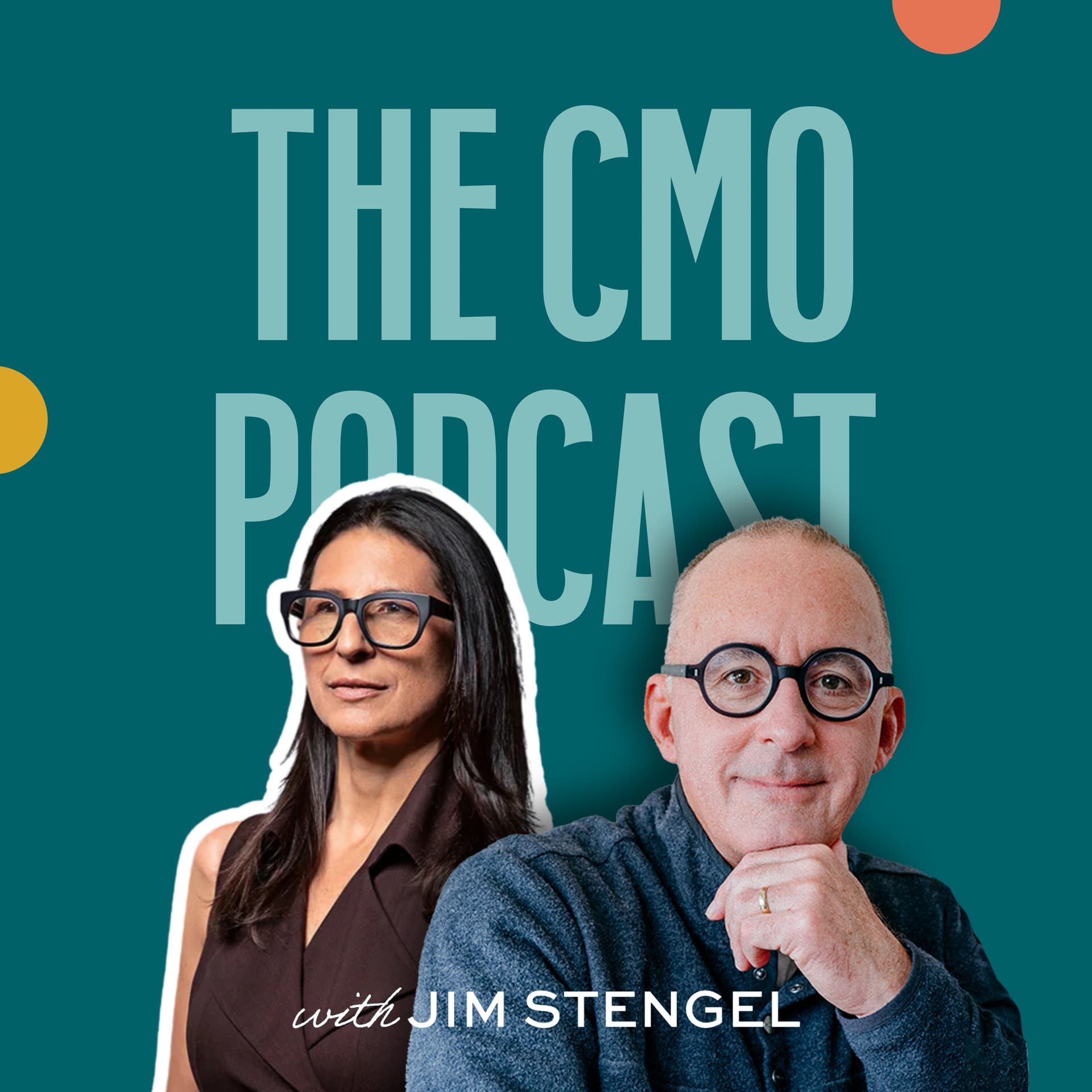
The CMO Podcast - Episode Summary: Hope Bagozzi (Tim Hortons) | The Magic of Canada’s Favorite Brand
Podcast Overview
- Host: Jim Stengel, former CMO of Procter & Gamble, current entrepreneur.
- Focus: In-depth conversations with dynamic CMOs to explore the role and challenges of CMOs in marketing.
- Sponsor: Deloitte.
Episode Highlights Introduction
- Guest: Hope Bagozzi, Chief Marketing Officer of Tim Hortons.
- Brand Significance: Tim Hortons is a beloved Canadian brand, with nearly 6,000 restaurants across 22 countries, holding a special place in Canadian culture.
Career Background of Hope Bagozzi
- Early Career: Started in psychology and executive recruiting in New Zealand.
- Experience at McDonald's: Spent 15 years at McDonald's Canada before joining Tim Hortons.
Emotional Connection to Branding
- Brand Passion: Tim Hortons evokes profound emotional connections among Canadians, especially during the holidays.
- Importance of Purpose: Emphasizes the significance of aligning brand purpose with consumer emotions.
Tim Hortons' Growth
- Sustaining Growth: Achieved 17 consecutive quarters of sales growth, comparable to a startup despite being a 60-year-old brand.
- Core Foundation: Attributes success to a strong product foundation (coffee, donuts, breakfast) and continuous improvement.
Holiday Marketing Strategies
- Holiday Campaigns: Introduction of holiday-themed menu items (e.g., Holiday Smile Cookie) and partnerships to promote community giving.
- Customer Engagement: Adaptations to meet the needs of families and children during the holiday season.
Leadership Style and Team Culture
- Positive Anxiety: Hope describes her leadership approach as one that balances responsibility with positivity, fostering a supportive work environment.
- Team Engagement: Practices regular communication and team-building activities to reinforce culture and shared objectives.
Key Insights from the Episode
- Sustainable Growth: Strong foundations drive success; constant promotions are not a substitute for a solid core product.
- Continuous Improvement: Emphasizes the importance of analyzing past programs and striving to top previous successes.
- Brand Authenticity: Encourages experimentation while being mindful of brand reputation and consumer perception.
Memorable Moments
- Fresh Cracked Eggs Transition: A significant decision made early in Hope’s tenure that enhanced product quality.
- Community Impact: The success of the Holiday Smile Cookie initiative in giving back to charities.
Personal Reflections
- Inspiration from Family: Hope credits her grandmother for instilling values of resilience and strong character.
- Finding Balance: Stresses the importance of self-reflection and personal well-being to maintain leadership effectiveness.
Key Takeaways
- Purpose-Driven Work: The most fulfilling careers are those that create meaningful impact and align with personal values.
- Solid Foundations for Growth: Companies must focus on improving core offerings, as this drives sustainable growth and customer loyalty.
- Courage to Experiment: Brands must be willing to take calculated risks and innovate while respecting their core values and customer sentiments.
Conclusion The conversation with Hope Bagozzi provides valuable insights into the marketing strategies of Tim Hortons, leadership principles, and the importance of emotional connection in brand management. The episode underscores the significance of purpose and community in sustaining brand loyalty and growth.
---
This summary aims to encapsulate the essence of the podcast episode, highlighting crucial discussions and insights that are relevant to marketers and business leaders alike.
Written by AI. May contain mistakes. Listen to the episode to check what was said.
Transcript
Automatic transcript. May contain errors.0:00What if the smartest marketing play is not to move forward, but to zoom out? Deloitte believes the most powerful move a CMO can make is to look beyond the next step and see the broader perspective. That's what the Deloitte CMO program is for, a place to gain fresh perspective and connect with leaders who've stood where you stand. Together, Deloitte will help you see the bigger picture so your next move isn't just fast, but right. Learn more about the CMO program at cmo.deloitte.com. Hey, it's Jim. I'm here with Matt Spiegel, EVP of True Audience Growth Strategy at TransUnion. That's quite a job title, Matt.
0:34Yes. Welcome. Thank you. So tell me about your company and why it matters for our audience CMOs. Well, listen, Jim, the challenge of the day is that there's so much information about consumers out there and the challenge is most companies don't have all that information. You have some purchase history, you maybe have some web history, but you don't have a full picture of customers. We're working really hard across on a suite of identity products, of audience products, and measurement products to bring a holistic view of customers to marketers. So when CMOs work with you, what light bulbs go off for them?
1:03So Jim, we help brands bring clarity from chaos. We help them understand a picture of their customers with a 360 degree view in order for marketers to make bigger, more strategic bets. Well said, Matt. Learn more at transunion.com slash clarity. That's transunion.com slash clarity. Hi, it's Jim. Joining me is Matt Spiegel, EVP of True Audience Growth Strategy at TransUnion. Matt, we talk a lot on this show about building brands that people love, But that starts with understanding them, right? Jim, absolutely. Every customer ultimately has a story, but most brands are only going to see part of it.
1:36At TransUnion, we really focus on helping marketers connect those dots across devices, across channels, across platforms with the goal of helping marketers see a full person behind the data. That clarity is gold. That is special. So how do you do it? Ultimately, we put together the pieces of information that help you predict behavior, help you personalize messages, prove the impact of every marketing decision at the end of the day. And our marketing solution suite gives brands the visibility and confidence to invest smarter and ultimately grow faster. So if you want to turn data into understanding and understanding into growth, visit transunion.com slash clarity.
2:10Hey everyone, Jim here, and I've got some exciting news. The CMO podcast is now on YouTube. You can now watch our conversations, not just listen, see the expressions, the energy, and the insights that happen when we sit down with the world's top marketing leaders. Head over to YouTube and subscribe to our channel, The CMO Podcast, so you never miss an episode and be part of the community. So please check it out, subscribe, and join the conversation. The first brand you remember making an impact on you as a young girl? I remember Crown Royal. I remember it was on our bar and it was kind of, I just remember the bottle was beautiful.
2:49I always thought, oh, it's so beautiful. And funnily enough, the bag came in like this velvet purple bag. My dad would give me the empty bag when he didn't need it anymore. And I would put my marbles and like Barbie accessories in the bag. I just remember thinking, Ooh, this brand is like so beautiful and luxurious and it's like royalty. Hi, I'm Jim Stengel. I've helped hundreds of major brands discover and activate their purpose because when a brand's purpose is clear, compelling, and authentic profit naturally follows. Each week, I welcome the CMOs, the chief marketing officers of your favorite brands, to speak to how their job is so much more than marketing.
3:29These leaders share their inspiration and challenges, along with how they try to build a full, healthy, and happy life in and out of the office. And it's that energy that reaches everyone they touch. And we're glad you're here to feel that energy and to learn from these remarkable leaders. So here we go. If you are Canadian and When you hear the words Tim Hortons, you conjure up a wide and deep range of emotions, especially around the holidays. Few brands in the world are so loved as Tim Hortons is in Canada. And today we will get an inside look at that special brand. My guest on the CMO podcast is Hope Bagozy, the chief marketing officer of Tim Hortons.
4:07Founded in 1964 in Hamilton, Ontario by Tim Horton, a Canadian hockey legend, this original coffee and bake shop expanded into a huge chain of franchised restaurants. Today, Tim Hortons has 6 ,000 restaurants in 22 countries, with more than 60 % of them in Canada. Tim Hortons may be a 60-year-old brand, but it is growing like a startup. Tim Hortons Canada recently posted its 17th consecutive quarter of comparable sales growth. The brand is part of Restaurant Brands International, which also includes Burger King and Popeyes. My guest Hope has been CMO at Tim's for five years. Prior to that, Hope spent 15 years at McDonald's Canada.
4:46Years ago, Hope studied Psychic at McMaster University in Ontario, after which she moved to New Zealand to become an executive recruiter. We'll talk about that and, of course, how to manage the magic of the Tim Hortons brand. Here is my holiday conversation with Hope Bagozi. Hope, welcome to the CMO Podcast. We are approaching the holiday season, the Christmas season. So the first question, sort of on the more personal side, do you have plans for the holidays this year with your family or are you a last minute planner? Definitely plans. It's usually the same kind of thing. It's creatures of habit around the holiday.
5:21We go to my sister-in-law's for Christmas Eve and then Christmas Day is usually at our place. And it's such a lovely dynamic I have with my in-laws where my family and his family, everybody gets along really well. My family is small, so we're usually just attached to the Boghazi clan. And, you know, it's a lot of mayhem, a lot of food, a lot of family, but in the best possible way. I love it. That sounds perfect. Idyllic. Yeah. We have grandchildren in different cities. So, you know, it's more complicated now, but still wonderful. Still trying to get together however you can. Right. Yeah, absolutely.
5:56Now let's talk about the holidays on your business. So you have a lot going on, right? Holiday menus, the holiday smile cookie and so on and so forth. So talk a bit about how important this is for your business and for your brand. Yeah, it's a great way to finish the year strong. So I think that's always just an important sign of end of year strong also gives you, I think, nice momentum heading into the next year. And really doing holiday smile cookie, what a perfect way to finish the year strong with giving back, probably at the time when it's needed most, it's most appreciated. and we help about 600 different charity groups, different from the ones we support with our flagship smile cookie that we have in the summer.
6:39And so that's a lovely ability to be able to help new charities and causes. And half the money goes to those new groups and half goes to our own Tim Hortons Foundation. So that's just great to be able to give back to food banks and children's hospitals and all kinds of great organizations across the country and then also help send more kids to camp. And we have an in-community program now, too, in schools where we take that camp programming to schools across the country. And so the Holiday Smile Cookie Funds help just reach more kids. And it's really cute. It's darling. It's delicious. Yeah, it's delicious and darling.
7:15A delicious way to give back. Yeah, I love it. So does your customer mix change in December? Is it a different kind of thing? Do families come in more or not really? No significant change? I mean, we often are a pretty ubiquitous business and have everything from, you know, kids after school to families, you know, before or after games, business people at lunch and on the way to work in the morning. So pretty ubiquitous. Holiday menu is sort of attracts that same kind of ubiquity in the sense that we have our holiday seasonal flavors that have pretty broad appeal for people who want something with their coffee in the morning.
7:54We'll also do a PM meal opportunity this holiday too, which will be a first for us. And that's, you know, really designed to, you know, something for those kids after school, a dinner for families on the go in the evening. So I think that will probably help stretch us a little bit and excited for that. Is there anything radically different this holiday season from Tim's? It's a different partnership. Probably I won't say just yet who the partner is. Fair enough. The flavor, just a little bit of element of surprise out in the market, but It's a different new partner that we've never had before in terms of a flavor collaboration, which I think will be really exciting.
8:30And then this meal opportunity where there's a gift with purchase as part of a holiday meal. That's all new for us. So every holiday we look to kind of inspire with some different flavors and, you know, different twists on things. And I think this holiday will be no different and a nice surprise. Well, you and your team are on a run, right? You've had, I think if I got this right, 17 consecutive quarters of comparable sales growth at Tim Hortons Canada, which is crazy remarkable. You're not a tiny brand, so to do that for 17 consecutive quarters. So let's talk about this time in your career. I mean, you must be having a blast.
9:07As you think about your incredible career, which we'll talk about in a few minutes, do you think this is the most special time in your career journey? You know, just when you think each year you can't possibly top it, then the next year comes and we do. I think I personally am having a ton of fun. It's an amazing brand. It's a brand where we get to impact the way so many Canadians and guests across the world even really get to eat and drink. And increasingly more even shop with our retail merchandise. So it's a blast. It's a ton of fun. And it's special. I think the team really all feel that too.
9:44The team feel lucky to work for a brand like this. They feel privileged to work for a brand that gives back so much to charities and is always on this mission of really trying to raise the bar. We all really get jazzed by coming into work thinking, how can we keep raising the bar each promotion, each year? And like I said, just when you sort of think, wow, how can we possibly top that? Then we go and build a calendar and a plan for the next year that does just that. And I think we have a team that thrive in working in that kind of fast-paced, high-energy environment. But they feel like it's so purposeful and so rewarding that that's what motivates people to stay.
10:25And I think our owners really get charged with that in their restaurants too. So, yeah, it's pretty fun. This idea of topping yourselves every year, raising the bar. Is there anything you do to be sure that people understand that that's what you expect? And at the same time, not seeing it as intimidating, right? To get the constant level of creativity that you get is pretty remarkable. So do you have any rituals, any habits, any practices around that? Because wouldn't everyone love to do that, right? As you lap last year, you just do it better and better and better. And that's obviously what every brand tries to do.
11:00Not that many do it consistently. Yeah, I think with that, it's having the discipline to do post-program analyses. So learning, you know, what went really well, what would we want to do differently or better next time? That's sort of a starting point. It's also working further out. So having a good sense of where we want to go, not just in the next few months, but, you know, a few years out and then being able to test and, you know, try things out and see how our guests react to that, how owners react to it and having that pipeline of ideas, flavors, partnerships. A lot of those things take time to cultivate properly.
11:38And so learning from the ones that we just did, knowing which ones we'd repeat or not, and then having the pipeline for future so that when we're putting things in market, we're not guessing that they'll be successful, but they just will. I think that's the recipe for success of always having a strong plan that you build it intentionally to be better every year. I was doing my homework and you came across a great quote. Sustainable growth is not built on constant promotions, but on a solid foundation. So let's talk about that for a bit. It's a really powerful thought. So could you talk a bit about the Salad Foundation at Tim Hortons and maybe more importantly, how you build it over time?
12:17Because this has lasted for generations, right? It's true. Yeah, it's absolutely true. And that's, I think, starting with your core and having to have a really strong core. That's what it's all about. So for Tim's, that would have been brewed coffee, donuts, breakfast. That was the core. And so the work that started the long term sort of planning and strategy had to start with core. And a lot of that was in place before I joined. So the idea of coffee consistency, raising the bar with coffee, that's brewing technology, water filtration, a lot of things just to make sure that at the restaurant level, that perfect cup can be delivered each and every time.
12:57That work was well underway. but you know when I joined that was starting to be embedded so that gives the trust in sort of the fundamental of that cup of coffee similarly there was some work being done around testing fresh cracked eggs and that was something that with my team we were able to kind of move move forward and and roll out across the system so having the right consistent coffee having a best in class fresh cracked egg is sort of getting the table stakes in the morning right and then the work began really around clean label so really taking all artificials out of all our products breakfast baked goods and then looking at things like our donuts muffins you know clean labeling all of those but then also making some improvements so one quote that is somehow become famous for attributable to me now is putting the apples back in the apple fritter because i was talking with the team that's like they taste appley but it i don't where are the apples and i was trying to look through the donut to find, you know, enough apples.
13:54We said, look, we could put more apples in. So that's, you know, what we did. And now that apple fritter is laden with apples, bursting with fruity goodness, and similar with the Boston cream, more filling in the Boston cream. So in addition to clean label, it's just making everything better. And so raising the bar. And so those are kind of some of the fundamentals that the brand was known for. And I think it was really important to make sure those were shored up before we could get into things like PM and cold beverages, which is obviously where a lot of growth has come in the last few years.
14:25But you couldn't, we couldn't have moved to those things without a solid core. And now the work over the last few years has been introducing new platforms around cold beverages and PM products that make us more craveable and more of a destination. But we couldn't have done those things until the core was solid. And now what we're building with cold and PM are new, new core platforms that for in years to come, uh, we'll continue to reap the benefits of, but it's sort of, it's sequencing, right? You have to sort of start with the basics first and then be able to stretch from there. Oh, there's such an important principle in everything you just said.
15:00I mean, you're not, you're not complacent on the core, you know, you're continuing to invest, raising the bar, improving the coffee, looking for new technology, put the apple back in the apple fritters. I mean, It's a really powerful point because we often get very intrigued with the innovation pipeline and what's coming next. And that's fun to talk about. It's fun to do conceptual thinking, but you never, ever get complacent with your fundamental offerings. It's true. It's sometimes harder to say no to innovation than it is to do it. I mean, of course, it's always exciting to try a new sauce or a new twist on something, but that's complexity.
15:34You're introducing complexity to a restaurant, to a team member. It needs to be worth it. you know, the juice needs to be worth the squeeze to introduce something like that, because you might just get more mileage from reminding people about this amazing core product that you have, fall in love with it again, try it again for the first time, and really having the muscle memory for team members to know those things, you know, inside and out. Sometimes you reap more rewards from just focusing there. Now, as you look back at these 17 quarters of consecutive growth, and you've been here for all of them, what in your mind is the single biggest driver of that repeated performance quarter after quarter?
16:09It's two things. It is the quality of the products, which I think is an output of having a really strong team and plan that have worked, you know, like heck to kind of really put those improvements and those products into the market. And then it's the restaurant and their teams executing them with excellence and delivering them well to the guest. So it's not only having the idea and the notion of the product, but having it come to life. And I think having those two pieces work really in sync is really the recipe for success.
16:46We all want to stay ahead of the digital curve and IAB, the Interactive Advertising Bureau invites you to do just that at the 2026 IAB Annual Leadership Meeting in Palm Springs on February 1st through 3rd. If you're a qualified consumer brand or agency leader, you can access free passes and travel vouchers. And for everyone else, you can take$500 off your ticket with code, all caps, ALMCMOPOD26. This is your chance to join a three-day gathering of the industry's brightest minds and boldest voices shaping the year ahead. You'll hear agenda-setting conversations, candid fireside chats, and dynamic breakouts on the topics that matter most, from AI and commerce media to measurement and addressability.
17:30This year's lineup concludes everyone from Kevin Bacon and Bozema St. John to creator Remy Bader, along with leaders from Forbes, Major League Soccer, General Motors and Meta. Visit IAB.com slash ALM to learn more and check out the link in the show notes to register and receive$500 off your ticket.
17:52Now, you've been in this role, as we said, for five years, and it is one of Canada's most proud and most loved brands. I mean, I'm not sure what's ahead of it. I don't know. There's nothing. There's just so that's you're in very rarefied air here. So that's exciting, but also a crazy responsibility. How's that? If you just get a little bit philosophical with this for a minute, how's that affect how you lead and how you kind of come into work and show up every day for your people, for your partners, for your customers? It is a huge responsibility. It's true. And I'm not going to say I don't have some sleepless nights or, you know, times where I'm the stress of it or the responsibility of it, you know, can keep me up at night for sure.
18:35I think that's a good thing, right? That idea of our president likes to call it positive anxiety. And I think that's a very apt way to describe it where, you know, I'm anxious, but in the best possible way, because I want our plans to be successful. I want our owners to be successful. I want our brand to continue to shine and us to continue this momentum. So I would say there's a lot of positive anxiety. But what I do is try not to bring that to work and not to show that to the team. So it is kind of the duck analogy, you know, serene and calm above the water and the webbed feet are flapping below the surface.
19:08But I think that conveys the right leadership style that I like to maintain, which is, you know, being excited, rallying the team, being a cheerleader, saying what's possible, having everybody kind of focus on where we want to go, that we have a very measured plan. And there's a calmness and a sense of conviction in what we want to do and confidence. But then at the same time, having everybody understand this is a great responsibility. And so getting into the details, testing when you're not sure, because we're not just here to wing it. There's too much at stake to just wing it. And I think having that team all feel that sense of importance, but do it in a way that's calm, that's confident, that we're doing things with facts, we're testing, we're not guessing.
19:51That should give everybody a layer of reassurance and comfort internally and our owners to help most people sleep well at night. Maybe not me, but maybe everybody else. I mean, staying with this thought, I mean, everything you do is so carefully watched by your customers, your consumers and the media. I mean, anything you do, if you break a new campaign, whatever, you know, it gets talked about a lot. So that's wonderful in some ways, but I think in some ways it could, I don't know, make you a little bit reluctant to change, to shake things up, to experiment. And you do have a culture of experimentation along with the solid foundation.
20:28So how do you lead that? How do you message that to your people and to everyone throughout the entire system that we're carefully watched? That's a positive asset. Don't let that intimidate you. But at the same time, respect it, but not let it freeze you. Yeah, I think it's just going into things eyes wide open. So when we have partnerships, I think they're great ways to stretch the brand. We've had a few really excellent Canadian partnerships. You know, you think of Justin Bieber, Ryan Reynolds. They're ways to signal that these are Canadians who love the brand and want to work with us. And we've done that collaboration, I think, really authentically and thoughtfully.
21:05but you know you go into those eyes wide open to say how will everybody like this does everyone like Justin does everyone like Ryan you know at the time we were working with Ryan he and Blake were involved in you know they were very much in the public eye too so does that some of that stick to the brand through working with them like these are conversations that we talk about internally we talk about with our restaurant owners and we just say look to be able to evolve and stretch a brand over time. We have to be able to do things and not every guest, every Canadian out there is going to love this.
21:38Some are going to have opinions that we might not like. We'll take to social media and voice that. But I don't think that should paralyze a brand. I mean, if you're going in and you're doing things authentically, if you're doing enough of your research and your homework to understand that this is authentic by and large for where you want to go, I think you do all your homework and you go in eyes wide open, but you know that anything that you do that's worth doing will always have a little bit of risk. It's more just how you mitigate and manage for that, prepare for it when it comes. I think that's part of just being well-prepared, but don't let it paralyze you.
22:12Yeah. In these five years where you've been CMO, is there something, a memory or a day or an event or something that stands out, especially as you think back in those five years? Probably two. One was the fresh cracked eggs full transition when we sort of went from doing a lot of the testing, test market work, to having our advisory board, the group of owners that kind of will make decisions on things on behalf of their constituent owners when they voted to move forward with fresh cracked eggs. That was a really proud day. It was pretty early in my tenure. And so to get a big system like Tim's to make a change of that magnitude.
22:50It was the right thing to do. All the evidence showed that we should do it, but it was still a big decision to move a system in that way. That really stood out to me as something that was memorable that says, wow, this is a group of owners and a system that really wants to do the right thing and wants to always raise the bar. And I was really excited because that was why I wanted to join, was to be part of a system that was receptive to that. So that stands out for me. And then probably similarly, when we voted the first holiday smile cookie, which was saying, look, smile cookie is so successful.
23:20Let's do it again and help even more worthy charities and causes and have the owner similarly vote unanimously to do that was pretty goose bumpy to say, again, just proud to be part of a system that wants to do the right thing. What's the toughest issue in these five years you've had to wrestle with? Oh gosh, you know, between COVID and tariffs. And I mean, it's like, oh my gosh, there's, it's been a really interesting five years, right? Like what turbulent time that we all are living in. I think it's just owners feeling so uncertain about how the business is evolving between in COVID, what was able to be shut and open, like entire ways of working were disrupted for our business owners.
24:03And in large part, we stayed open through COVID as an essential service. So amazing, but also very complicated, right? So owners kind of figuring that out, closing dining rooms, putting up, you know, the safety, things that they would need to to stay operating. Now, more recently, obviously, having, you know, some friction with our neighbors to the south with tariffs, understanding what that means for our business in Canada and the US. And we have international business too. So that brings up a lot of challenges and ways of working and partnerships and cost. So that's a lot of headwinds. And so I think that's just and then we head into things like high inflation, high unemployment, These are ways that really affect our business owners profoundly.
Read the full transcript
24:43And so it sort of never feels like we've had a stable year without some form of business disruption. And I think navigating through that has been, it's given us all greater resolve and built tenacity and resilience in all of us. I think that's looking at the silver lining of a very volatile few years. How do you make sure that that's the outcome of all this turbulence? I mean, your people are obviously are delivering. They have pride. They feel special about working here. How do you as a leader be sure that that remains front and center with all the distractions we have and all the uncertainty?
25:21For us, the way we kind of do it that seems to work is just staying really close in touch with each other, like staying close with my direct reports, you know, meeting regularly to say, what's on your mind? How can I help you? You know, what would make this better for you. I think asking that as a leader and having my team feel that that's what I'm there to do is to help them. And then with the broader team, getting together fairly often. So we have most of the team are here in Toronto, but we do have people sort of across the regions as well. So having them come join us, having sort of a fun event in the summer where we can kind of all blow off some steam and just, again, celebrate all that they've accomplished, thank them for all their efforts.
26:01We had an event just yesterday. Every year we go to one of our Tim Hortons camps. So we went to the one that's close to us here and we call it the farm in St. George, Ontario, and spend the day there. And so feeling the way a kid at camp would feel, doing some of the camp activities that are about team building, bonding, doing some of those exercises that our camp kids get to do, and also then doing some business sharing. So we share the priorities for next year so that we all understand, you know, what everyone else is working on. I think it makes for a cohesive unit. People feel bonded. They feel the purpose and the weight of what they're working on.
26:36They also can help their, you know, fellow teammate accomplish their goals too. Our goals are shared objectives within the marketing team. So every year our objectives, you know, between the departments are shared. So fostering that kind of getting together regularly, staying in touch, what's on your mind, how can I help you and how can your teammates help you and have that be sort of a shared culture. That seems to work really well for us to let off some steam, vent, have some fun, appreciate each other. And we try to do that as often as we can. Tim Horton's camps. Yeah. So this is something, tell me the origin story of that.
27:10Yeah, this was something that was founded by Ron Joyce, six camps across Canada. And really what they do is they help kids with transformative experiences where they come for several years back to have this camp experience and learn things like, you know, courage, resilience. Sometimes it's the first time a lot of kids have maybe left home and done an away from home kind of stay. So life skills that, you know, they do like trekking experiences. It's just kind of a magical thing that builds confidence in kids that maybe wouldn't otherwise get those experiences. And so that's been part of the brand.
27:45It's 51 years now that those camps have been in operation. So it was a thing that we did before, you know, everyone felt the need to do CSR. It was just sort of part of Tim's DNA from the very early days. And so, yeah, it's super rewarding to be able to go. And I'm on the board as well of our foundation. And so a firm believer in that transformative power. Now you took your team out there to participate. So what was your favorite activity? We did a thing like they called it speed dating, which maybe that's not the exact term, but, you know, speed networking, whatever you would call it. But it's kind of funny.
28:19So we did an activity for about 20 minutes where we kind of rotated around with different people really fast and had to ask things like from favorite cuisine to place you've traveled to pet you wish you'd had to you know all kinds of things like that and even though I thought I knew my team really really well through a couple of exercises like that through the day I think I learned a lot about what makes a lot of the people on the team tick what they love in their life outside of work and just more about who they are as people and so I learned a ton I think everybody sort of did and even after years of working together with the same people, I came away feeling like, well, I have insights into each of you that I didn't have before.
28:55And pretty fun.
29:03Everyone seems to be chasing the next big thing, the fastest answer, the quickest win. But great CMOs believe the real power isn't in the speed, it's in stepping back to see the bigger picture. That's why everything Deloitte does in their CMO program, from their industry-leading capabilities to their connected network of CMOs is designed to help you zoom out and gain fresh perspective. Deloitte will help you see the bigger picture together. Learn more about the CMO program at cmo.deloitte.com.
29:36You obviously value creativity and that's your reputation as well. So could we talk a bit about how did you come to be that kind of a CMO? Because, you know, CMOs run the range. There are those that are extremely creative and not so good on some other skills, some who are extremely analytical as operators. You have a nice blend and you clearly value creative thinking. How did you come to be that kind of leader? Yeah, thank you. It probably came from the fact that I came up starting an agency world. So I think coming from an agency, I worked on an agency that worked on the Bay. Sadly, the Hudson Bay is no more.
30:14But at the time when I worked on it, it was still Canadian owned and was a thrill to work in retail. I fell in love with the pace of retail way back then and really loved that process. I love the creative process. I love the intersection of understanding the business problem or challenge and thinking about ways that creative and a strong marketing campaign can help address those challenges. So I love the intersection. And I think probably at the agency, I fell in love with that. I was on the account team, but I could have just as easily gone to the creative side or the strategic planning side.
30:49Like I loved all the facets of it. And so I think coming up through that, I saw the intersection of when those work really well, when it's a good brief, you really understand the business problem and you have an awesome strategic planner that can help you synthesize the insight and then creative just explodes from there. And then what that does to transform a business or at least, you know, help move it in the right direction. I think that's probably where I fell in love with it was at an agency. And I learned how to be a good client through being at an agency because you sort of learn when clients give you clear direction or not, or, you know, give you a good brief or not, how that can shift things.
31:24And so I think that was a really great foundational way for me to start. What was your favorite campaign as you look back on your agency years, the one that you worked on that was most meaningful to you? We did a campaign that was based on Patio Lanterns. Do you know the song? Kim Mitchell. It's a Canadian artist. It's a song called Patio Lanterns. And it was my first time working with an artist to buy the rights. So we used that song. And the agency did a whole campaign for summer around the song. And it was interesting because it pulled dimensions from the song. Like one aspect of it was about setting up like the barbecue and the patio lanterns and kind of all the decor for outside.
32:01side another was the daughter getting ready for a date and kind of like you know all the apparel and everything that you use accessories for a date so it was actually and then one was in the kitchen getting ready so it was all the cookware that's actually a pretty brilliant campaign that was engineered around using a famous piece of Canadian music and then having the track kind of help weave through the story I think it was beautiful and the results were really strong I'm a fan of the other Canadian Mitchell singer ah yes Jody yeah yeah that's amazing me too yeah Now, I watched a relatively recent video you put on YouTube, The Canadian Dream, and it's really beautiful.
32:37I don't know what the inspiration for that was. Maybe you can talk about that. But tell us the story. You know, why you did it? What is it about it that clicked so well? And how is it broadly being received? Yeah, it came about, I literally did have a dream. It was probably one of those sleepless nights where at three in the morning, I had a script going through my brain. and I happened to have my one-on-one with our creative head from the agency the very next morning. And so it was like, I just said, I had this dream, had this thought. And the time of year was sort of in the early part of the year when there was, you know, sort of the height of the friction, probably cross border and thinking about what it means to be Canadian and probably the juxtaposition with the American dream, you know, it was probably just that whole tension of 51st state and some of that rhetoric that was on a lot of Canadians' minds.
33:29And so my dream was about sort of saying, when Canadians are at our best, what are those values, the things that we should be proud of? And at a time when I think as a country, we needed to be proud and come together. And I thought, what role can Tim's play in helping bring the country a bit together? And I think we share a lot of the same values that the country does. We have a role as a leader to probably step up and have a voice here and have a bit of rallying and a bit of pride. And so I kind of conveyed that to the creative lead at Gut and his credit, you know, some creative leads would just, you know, not want to necessarily take a script from the dream of their client and run with it.
34:10But he was like, I love it. That's amazing. And they took it and made it better. So I think that's a good sign of how well we work with our agency as a partner. So how is it being received? I suspect massively positive. Yeah, it's great. Really well. Very, very well. I think our restaurant owners felt proud when they saw it, which I love. Lots of positive feedback on social, not universally, but is anything ever these days. But I think by and large, the majority of comments were very positive, very, this is very spot on for the brand and something that the country needed. And I'm really proud that we did it.
34:47We had Lisa Matarazzo from Ford on the show a couple of weeks ago, and they've just have our campaign for people to rethink about the Ford brand, which is obviously very powerful project. And she went through an amazing process, but very well received, but it was very, very much about what's special about the culture. And it has done such amazing things in the short term already on pride and people feeling identity, their dealers feeling like there's a new evolved story that we're very proud of. So I suspect that video had a very similar reaction inside your company. It did, which is great. Well, you know, something really resonates when the people who are closest to the brand feel it and respond to it in a way that says, yes, like you've nailed it.
35:30This is true. I'm so glad we did it. You know, you're onto to something. Now, you were the first guest on this show whose first job after university was a headhunter in New Zealand. I dare say. Now, let's go there. What happened with that? Yeah. So my husband, he wasn't my husband then, he was my boyfriend who became my husband. We got engaged when we lived in New Zealand. He had a teaching opportunity that was a one-year opportunity that ended up we stayed for five and there was a job advertised god forbid in a newspaper so that tells you how long ago that was i remember and this um executive search firm was representing this job so i went in to interview i don't even remember what the job was anymore and when i was there they said actually you'd be great on our team we're setting up this uh new division where were recruiting international nurses, physios, occupational therapists, etc.
36:27from Canada to come to work and fill a shortage in New Zealand. And you'd be great to lead that because you're new to the country too. And we just think you'd be great. Even though I knew nothing about that, they thought it would be great to lead that. So I did that and was there for the full five years. And how it actually moved was I went from doing the international piece to starting up another new division, which we called executive leasing, which was just senior level contract placements. And they were all in the sales and senior marketing space. And so that was how I really kind of got introduced to marketing in the first place was through placing candidates, contract staff into marketing organizations.
37:08And that was sort of really how I fell in love with agencies, marketing roles, and what those roles entailed was interviewing candidates and placing them into client organizations. And that was sort of the impetus for when we moved back to Canada, moving into that space myself. You did something very smart when you went back to Canada, at least if I got this right. You researched what agencies had just won big accounts, and you invited someone at that agency to have coffee with you, and it resulted in a job. It did. Yeah. I was so impressed by, I don't think anybody I reached out to said no. I was just so struck by how gracious people really are if you ask them to have a coffee with you give you a bit of their time give you a bit of their advice and my elevator pitch was i did this in an executive search capacity now i'm kind of doing it myself i'm placing myself i'm doing the research to understand where you might have a need i'm new i'm happy to start you know in a junior level and learn i just kind of want to learn this from the ground up would you give me a chance and if not can you just tell me a bit more about your industry like what should i do next how could i better prepare myself and everybody met with me and gave me time which was super helpful on that learning journey and rick padullo who owns padullo industries integrated i think we spent two hours talking about not only this opportunity that they had with the bay they had just won the bay but just life philosophy and he's a fascinating human and he offered me the job so i started as an account executive and over the years, you know, worked my way up on that piece of business.
38:46But it always struck me how people were gracious with their time. And now when someone asks, you know, for a coffee or a chat or advice for me, anyone inside, outside the organization, I will always make time, pay it forward. Well, I hope you're not overwhelmed after this show. You may get a lot of invitations to coffee. True, very true. Yeah. It's important, I think, to do that. Yeah, no, I totally agree. Now you worked at McDonald's in Canada for a long time, 15 years after your agency work. What about that brand and the team attracted you and then kept you for such a long period of time? Yeah, so I went from the agency to starting out, I led the advertising for McDonald's and then over the years, you know, took on a bigger scope to lead the marketing over time.
39:33And what attracted me was just, I mean, what a great brand. It's global in its nature. It's, you know, prioritizes marketing and brand building, has some awesome creative over the years. So I was impressed by the people, smart people, great discipline, you know, in the brand. Was never short on being able to give, be given like new opportunities, new challenges, and more scope as a result. So it was an awesome 15 years. Well, good for you. I mean, it is, it's an amazing training ground, right? It's like an, it's an academy company like P &G is. You go and you learn so much about life, business, leadership, different styles.
40:11It's amazing.
40:19Hi, everybody. I'm Andrea Sullivan, the CEO of Vive. And we have produced the CMO podcast with Jim Stengel for many years. And I'm sitting in his seat right now. It's so exciting. I wanted to tell you a little bit about one of our programs that's called Vive by Vayner. It's a 12-month program that's designed for C-suiters and founders. And we want to help people to grow their businesses, but also to grow themselves. And so we bring in people from Shark Tank to talk to our founders, but we also focus on wellness. We want to make sure that people are leaning into becoming their best selves, their best and happiest selves.
40:59So if you are someone that wants to learn how to grow your business and grow yourself, check us out at Vive.co. That's V-Y-V-E dot co. We'd love to talk to you.
41:17I want to flip into the creative brief, and I know you're a big fan of travel to keep you fresh and creative. How do you decide when and where to travel? Oh, that's a good question. It's not so scientific. We have a map on a wall with a bunch of pins in it and it's got a lot of pins, but there's also a lot of space still untouched by pins. So I think my husband and I were very aligned in loving travel. Thank goodness. You know, that's probably why we've been together for 30 years is we're aligned in that passion. And I think we will have similar places that we like to travel. We have a list, right?
41:53Like we have a running list of more or less everywhere. And then we kind of pick off, you know, which places are appropriate based on what time we can get off, how much time, how much time it takes to see a place, you know, those kind of things. So we will get everywhere. It's just a matter of when and how. So chipping away. Does your husband still teach? Does he get summers off? No, he went when we were in New Zealand. He went back to an MBA. Oh, OK. He lived there and then he went into marketing. So he then came back and worked at Unilever when we first came back. He's a CPG guy. Good. We like those.
42:27Yeah. So what's the next trip? What do you have on the calendar? I think next year we'll do Morocco, probably in the spring, and then maybe Portugal, because that's one country I haven't been in Europe in the fall. Those are probably two on the list. We love Portugal. Can't say enough about it. I've heard great things about it. Yeah. Yeah. It's very popular now, but still, it's really wonderful. Travel is great. Yeah. I think it's so, it's great to see your own country. Probably don't do enough of that. We did go to PEI summer with my parents. That was lovely. So it's nice to see your own backyard because we have so many Canada and U.S.
43:04gems of places to see. But I also think places that are really culturally different. I love that because it teaches you about different food and drinks, you know, trend watching, people watching, just understanding, you know, human behavior. I just love that. What's your favorite Tim Hortons holiday food or drink? Is it a pumpkin spice latte or a special donut? It's like saying you love all your children equally. So last year we did Nutella. Oh, yeah. And I love Nutella. And so we had some pretty decadent Nutella donut and we had Nutella beverages too. And oh, man, that was good. And then the year before that, we had Bailey's non-alcoholic Bailey's.
43:46And similarly, that was awesome too. So I'm not sure how this year is going to be tough. I think I'm going to love this one. I'm going to have three favorites after you ask me after this holiday. But holiday is always a time to have pretty amazing, decadent indulgence. I don't know. I'd be hard-pressed to pick a favorite. All right. That's good. That gives us choices. We love all my children equally. Now, you were once asked for your advice to young people, and you said, always be true to you. How do you do that? We're a brand. Just like, you know, you work for a brand. We're attracted to brands.
44:19I think we're attracted to brands that have similar values and things or that say something about us. I think being true to you knows what your brand is. Be really self-reflective of, you know, what your brand is, what you stand for. And I think that just embody that, right? Like as a leader, I've made a conscious choice to say, even if I'm up at night, I'm not going to come in and show my team that. And that's a choice as a brand to sort of have that, you know, that approach of instilling confidence and you know my team being reassured and that I think is part of what my leadership brand stands for but also very empathetic and knowing the team can come to me that I always have an open door that I really care about their best interest and those are all things that are important to my brand that I will reflect often on where I've done that well where I maybe have opportunity and I think that's good for everybody to kind of really be clear on what's important to what are your values and how is that reflected through the brand that you project in the world?
45:20And as you rise in your career and are more senior, how do you keep some of those things, even as you ascend to have more responsibility and more leadership influence, that you keep those things true? Yeah, it's so good. I mean, I love how you say it. I mean, when the concept of personal brand gets knocked around, people get sort of cynical and I know why they do, but this idea of knowing who you are, what you want to, how you want to show up, what values you want to convey, it's so important. And I think if you're not clear on that in your own head, you send very mixed messages. What you just went through there was really marvelous.
45:55You're very self-aware. You know what you want to convey. You know what your values are. How do you do that? How do you coach that in others? Because you'd want all your people to be that way, right? So what's your process? You say you're reflective. I mean, do you keep a journal? Do you make lists? you know, just how do you do it? So for me, it's taking time, prioritizing things like exercise, meditation. I do bar. I love doing exercises, time for myself to reflect. Travel is when I reflect. I've recently taken up piano again from when I played when I was a kid. It's really very meditative for me.
46:32During those things, I like to think back on, well, how am I doing in life? Am I where I want to be? Am I contributing the way I want to, showing up the way I want to? So that's how I do it. And I encourage all my team, anyone who I mentor, or, you know, when we have full team meetings, people ask me, what do I do? This is what I share is find what works for you, where you can do that. Reflect, have quiet time, walk with your dog, you know, girl time at a spa, whatever is replenishing for you. Those are good times to sit, you know, think about where are you in your life? How are you showing up?
47:05What things would you want to change? How are you being true to your brand? and everyone does it in their own way, but encouraging the team to find theirs. How do you feel you've evolved the most at Tim's over the last five years? I think I probably am getting more patient over time, probably even just as I go through my career, probably more patient. I think everything, I was in a rush to do everything and accomplish everything all at once when I was earlier in my career. And I think as time goes by, I get more and more patient. I think that's good. Like I could use that because I was that patience was not my virtue.
47:41But I think I'm definitely I reflect, I recognize it and I reflect on it and I work on it. And I think it really is paying off. You know, I don't I realize everything doesn't have to come at once. Some things might always be on the back burner and that's OK. So I think that's probably the best evolution. The first brand you remember making an impact on you as a young girl. you know i grew up in the 70s and there wasn't a lot of advertising and things back then my parents were school teachers so the television was not on a lot they believed in reading not television two brands i remember this sounds funny i remember crown royal okay i remember it was on our bar and where i played was in the basement which is where the bar was and it was kind of i just remember the the bottle was beautiful i always thought oh It was so beautiful.
48:29And funnily enough, the bag, it came in like this velvet purple bag. And I would have the bag. My dad would give me the empty bag when he didn't need it anymore. And I would put my marbles and like Barbie accessories in the bag. And I just remember thinking, ooh, this brand is like so beautiful and luxurious. And it's like royalty. So it's just kind of funny that that made an impression on me at a very young age when I didn't even know what Crown Royal was. but the packaging left an impression with me. And another one was Barbie. So obviously I had Barbies, but the difference between branded product and generic.
49:06So I used to cut all the Barbie's hair off and then I would want a new Barbie that had long hair so I could cut it again. And at some point my mother said, I can't keep buying you Barbie. So I had some kind of Barbie knockoff doll. And I remember getting it and being like, well, this isn't a Barbie. And at a very a young age, I knew the difference between a branded product and a facsimile. And the facsimile was not going to cut it. Well, Barbie would be very proud of you, Hope. Right? Exactly. All right. Last question. Who's been the most inspiring person in your life? I would say my grandmother.
49:41She was a homemaker. My grandpa was a businessman and entrepreneur. And he would sort of pick up stakes and say, we're moving to Florida. I've just bought a jewelry store and then moved back to Canada. I've just bought an insurance company. He was always, he was just a serial entrepreneur and a character. And she, I admire her because she was the one who kind of kept the household going, would do all the moves and move their life around and always had a strong sense of character and conviction. And I just really admire her as a person. Her, probably her, she probably taught me what it was to have a sense of a brand.
50:16Like she and her Her personality was very clearly a brand, even outside of having a, you know, a job outside of the home. She still ferociously was a brand. And so I would say she made the biggest impression. What was super special about her? Was it her self-awareness, her determination, her empathy? Yeah, her tenacity, her resilience. I think even through, you know, moving, they moved away from the Ottawa Valley to Niagara when, you know, they were first married. So she had kind of no support system. So having a family kind of without that support system, like I said, moving back and forth between countries, you know, traveling quite a bit to Asia with my grandpa, you know, for work purposes back when, you know, she didn't really have a, you know, she didn't have a business degree or things like that, but she helped a lot in all of these businesses.
51:01So I think her tenacity, her resilience, her strength of character, her sense of self, she was very calm. I think she didn't let things ruffle her and at least outwardly. And I think I learned that from her. Hope, this has been a wonderful conversation for the holiday season and beyond. So thank you for this and thank you for the inspiration. Have a great holiday season with your family and with your team and at Tim Hortons. I hope you see as many of your grandkids as you can. I plan to. Yeah, that's awesome. It was so lovely talking with you. Thanks for having me. That was my conversation with Hope Bagosi.
51:37Three takeaways from this one for your business brand and life. The first one, a dream job isn't about titles or promotions. It's about impact and fulfillment. Here's hope. I personally am having a ton of fun. It's an amazing brand. We get to impact the way so many Canadians and guests across the world eat and drink. It's so purposeful and so rewarding. That's what motivates people to stay. It's a great reminder that the best jobs are the ones where purpose and pride run deep and where you feel lucky to do the work every day. Second takeaway, strong foundations drive sustainable growth. She put it this way.
52:11Sustainable growth is not built on constant promotions, but on a solid foundation. For Tim's, that foundation is about great brewed coffee, donuts, and breakfast. You can't move to other things without a solid core. It is such a great principle. Tim's just keeps raising the bar in the basics. Better coffee, fresh cracked eggs, clean labels before adding new platforms. That's how you build lasting momentum. That's it for this week's episode of the CMO Podcast. As always, I would be grateful if you shared our show with your friends, along with subscribing and leaving a review on Apple Podcasts, Spotify, or wherever you listen.
52:49The CMO Podcast is a Vive original production. The views and opinions expressed by podcast speakers and guests are solely their own and do not reflect the opinions of our sponsors or its personnel, nor do our sponsors advocate or endorse any individuals or entities featured on the episodes.
From the publisher
If you are Canadian, and you hear the words Tim Hortons, you conjure up a wide and deep range of emotions. Few brands inspire the kind of passion that Tim Hortons does in Canada. With nearly 6,000 restaurants in 22 countries, the 60-year-old brand continues to grow like a startup while holding a special place in Canadian culture. In this week's episode of The CMO Podcast, Jim sits down with Hope Bagozzi, Chief Marketing Officer of Tim Hortons, to discuss what it takes to steward such an iconic brand.
From her early career in psychology and executive recruiting in New Zealand, to 15 years at McDonald’s Canada, to now leading marketing at Tims, Hope brings a unique perspective on brand storytelling and customer connection. Recorded as part of the Next Gen CMO Academy at Deloitte University, this conversation explores the emotional power of brands, sustaining growth across decades, and the art of keeping a beloved brand fresh.
---
This week's episode is brought to you by Deloitte.
See Privacy Policy at https://art19.com/privacy and California Privacy Notice at https://art19.com/privacy#do-not-sell-my-info.