In short
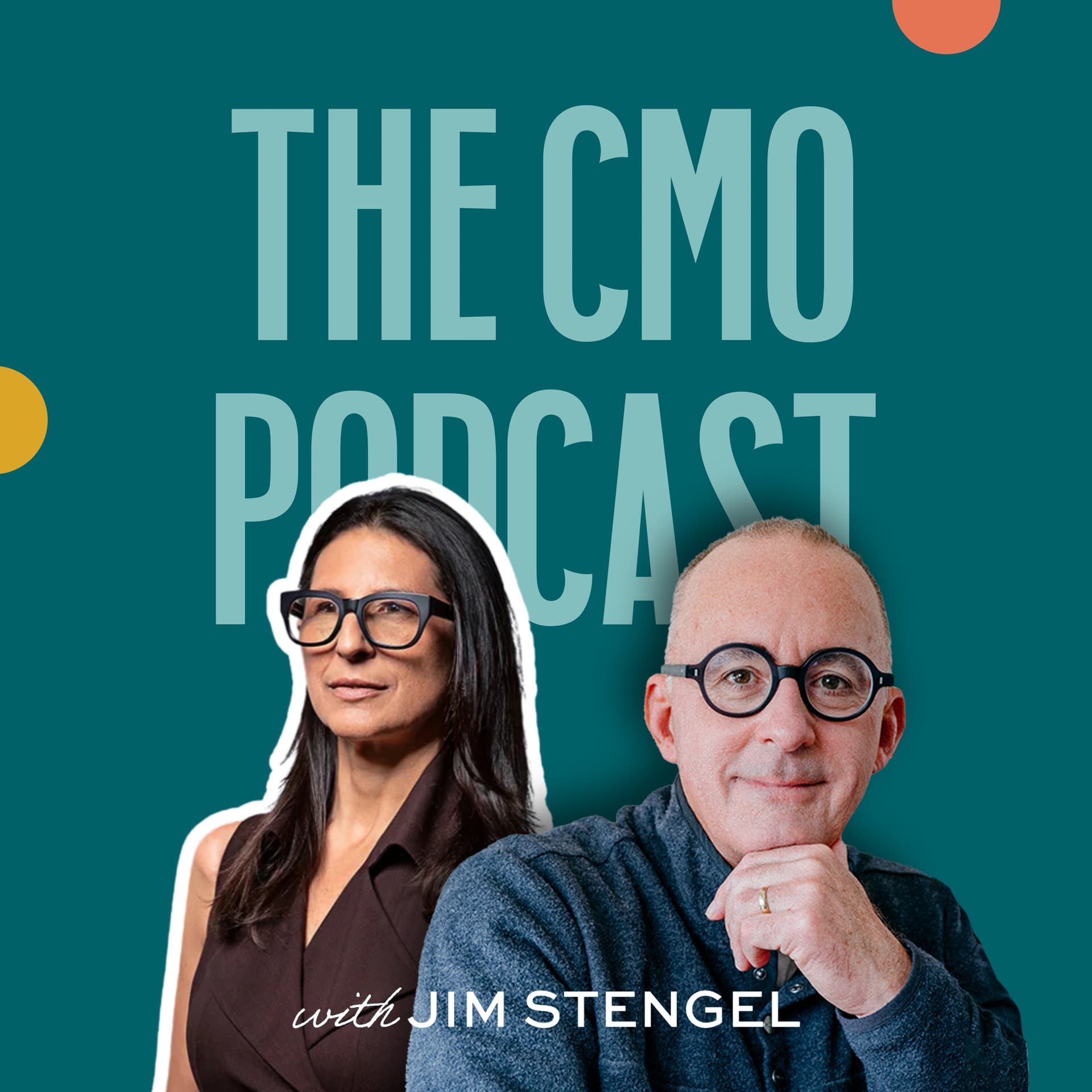
Kelly Mahoney, Ulta Beauty CMO, discusses building trust and emotional connection in beauty retail amid AI, loyalty-driven personalization, and culture-led creativity. She also details Ulta’s immersive Supergirl campaign launching with Warner Bros. and Supergirl (starring Millie Alcock).
Guest background
Kelly Mahoney spent 11+ years at Ulta, previously building retail’s loyalty business; she became CMO in early 2025. Before Ulta, she spent nearly 8 years at BP, starting in finance and later moving into retail marketing with analytics and customer strategy.
Key claims
Ulta’s 47M loyalty members drive ~95% of sales. Trust can’t be automated by AI; humans create it. Ulta segments by intent/motivation and uses a proprietary “beauty graph” for AI recommendations, aiming for “80% personalized” experiences across channels. Pinterest is underused for intent-based discovery and should be paired with commerce.
Notable examples
Supergirl 360 campaign (ads in-market; store merchandising shelves by character look; partner brands Joyco, OPI, Sol de Janeiro, and Ulta Beauty collection). She cites Pinterest’s experiential Cannes presentation and her “Sunday brunch” leadership trust philosophy.
Written by AI. May contain mistakes. Listen to the episode to check what was said.
Chapters
Tap a time to open that second in VOIntroducing Kelly Mahoney and Ulta Beauty
0:41 to 3:30
Discussion about Kelly Mahoney's background and her role at Ulta Beauty.
“What's the first brand you remember making an impact on you as a young girl?”
Insights from the Cannes Lions Festival
3:31 to 7:29
Kelly shares her experiences and insights from the Cannes Lions Festival.
“You know, we tried to balance it this year.”
The Supergirl Campaign Launch
7:30 to 11:15
Kelly discusses the Supergirl campaign and its significance for Ulta Beauty.
“What was it about the partnership that made this different from others you've done?”
Multi-Generational Branding Strategies
11:16 to 13:20
Exploration of strategies for creating a brand that appeals to multiple generations.
“Because obviously when you have a multi-generational brand, you have a bigger audience.”
The Importance of Customer Loyalty
13:21 to 14:00
Kelly emphasizes the significance of customer loyalty in Ulta Beauty's success.
“95 % of all of our business is in our loyalty program.”
Introduction to Cannes Lion Submissions
14:00 to 14:46
Discussing the potential for a campaign to win at Cannes.
“I am so inspired to commit it, which is why I went to the Palais and why we're learning about the process of submitting it for a Cannes Lion.”
Transition to CMO at Ulta Beauty
14:46 to 16:57
Kelly Mahoney reflects on her journey and changes since becoming CMO.
“Now, you have been at Ulta Beauty 11 years, 18 months as CMO.”
Building Trust Within the Leadership Team
16:57 to 18:28
Mahoney discusses the importance of trust and cultural fit in her leadership team.
“The energy, though, that I feel from day one to 18 months later with our marketing team in particular is palpable.”
Enhancing Brand and Marketing Capabilities
18:28 to 19:26
The need for integrated marketing and emotional storytelling in branding.
“You can do the job and you have experience, but it was really about the cultural fit for me.”
Vision for Ulta as a Lifestyle Brand
19:26 to 19:55
Mahoney's ambition for Ulta to become an iconic lifestyle brand.
“I, I really am motivated by the idea of bringing it all away.”
Show all 23 chapters
Focusing on Competitive Advantages
19:55 to 21:33
Discussion on the key areas Mahoney is focusing on to enhance Ulta's success.
“Now I was looking at another interview you did and I talked and they were asking you where you're focusing.”
AI's Role in Marketing Strategy
21:33 to 23:24
Exploring how AI is optimizing customer experiences and marketing strategies.
“even better experiences because, you know, this world's bifurcating.”
Creating Fusion Teams for Collaboration
23:24 to 26:18
How Mahoney advocates for collaboration across different departments using fusion teams.
“And do you feel it's helping you deliver a better customer experience?”
Sharing Learning Experiences with the Team
26:18 to 28:00
Mahoney's methods for communicating insights from Cannes back to her team.
“We are segmenting based on intent and motivation.”
Building a Creative Culture
28:00 to 29:00
Learn how to foster a creative and supportive organizational culture.
“And I'm really excited because I'm in day two and I've got two really big ideas already kind of formulating nothing that I want to share at the moment, but like two really big ideas.”
The Importance of Reflective Space
29:00 to 30:40
Discover the significance of creating space for reflection in leadership.
“Well, I love this question because it does start with day one when I stepped into the role and it was all about building a culture.”
Characteristics of Successful Beauty Brands
30:40 to 33:10
Explore what makes beauty brands fast-growing and relevant in today's market.
“So my team and I were sitting at a little cafe.”
Understanding the Next Generation Beauty Shopper
33:10 to 35:10
Learn how to cater to the evolving needs of beauty customers.
“we want to serve and we do serve the spectrum.”
Lessons from Retail Experience at BP
35:10 to 37:10
Gain insights from a lengthy retail career, transitioning from gas to beauty.
“I think Pinterest is a really great one.”
Impactful Marketing Campaigns and Initiatives
37:10 to 40:00
Discover meaningful marketing moments and the evolution of loyalty programs.
“But I looked up and I said, no, I don't think I want to be a CFO.”
Influences of Shelly, a Marketing Role Model
40:00 to 42:00
Reflect on the impact of a past leader and the personal qualities admired.
“Because I fell in love with the Chipmunks.”
Leadership Reflections and Growth
42:00 to 44:30
Learn about the challenges and growth experiences of a first-time CMO.
“individually and collectively, I admired so much and how she could put people at ease and be so relatable.”
Key Takeaways from the Conversation
44:30 to 46:18
Discover important insights about human connection, culture, and teamwork in marketing.
“I can't wait for this to air, and thank you for your time.”
Transcript
Automatic transcript. May contain errors.0:00Jim Stengel:Before we dive into today's episode, we would very much appreciate a moment from you to make sure you're subscribed to the show on Apple Podcasts, Spotify, or wherever you listen, along with optioning to auto-download the episodes. It really is the best way to never miss an episode, along with supporting the show and the amazing team that helps me bring it to you. And while you're there, leave us a rating or review. It only takes a minute and helps more people find the show and helps us learn. And of course, share this episode with a friend or colleague who might enjoy it. We wouldn't be here six years later and still going so strong without you all, our community.
0:36Jim Stengel:So thank you for being part of it. Now onto the show. What's the first brand you remember making an impact on you as a young girl? It's Fisher Price because I fell in love with the Chipmunks. And they were releasing a little 45. For Christmas, I got that$45 plus the Fisher Price record player. And I mean, that was my favorite toy ever. But I remember the brand. I don't just remember the toy. Yeah. Deep impression. Hi, I'm Jim Stengel. I've helped hundreds of major brands discover and activate their purpose. Because when a brand's purpose is clear, compelling, and authentic, profit naturally follows.
1:17Jim Stengel:Each week, I welcome the CMOs, the chief marketing officers of your favorite brands, to speak to how their job is so much more than marketing. These leaders share their inspiration and challenges, along with how they try to build a full, healthy, and happy life in and out of the office. And it's that energy that reaches everyone they touch. And we're glad you're here to feel that energy and to learn from these remarkable leaders. So here we go. We are back from an incredible week at the Cannes Lions International Festival of Creativity, where one theme seemed to come up in almost every conversation.
1:50Jim Stengel:How brands create meaningful connections with consumers in a world being reshaped by AI, creators, and sports culture. Few marketers are navigating this moment more thoughtfully than my guest today, Kelly Mahoney, Chief Marketing Officer of Ulta Beauty. With more than 1 ,400 stores, Ulta is the largest beauty retailer in the United States, with over$11 billion in annual revenue and one of the most powerful loyalty ecosystems in retail. Ulta Beauty serves more than 47 million members who account for roughly 95 % of the company's sales. Kelly has spent more than 11 years at Ulta, recently stepping into the CMO role in early 2025.
2:27Jim Stengel:She did not come up through a traditional brand marketing path. Instead, she helped build one of retail's most sophisticated loyalty businesses before taking on the challenge of leading the entire brand. Prior to Ulta Beauty, she spent nearly eight years at BP, where she began her career in finance before moving into retail marketing. There, she gained a foundation in analytics, customer strategy, and business leadership that still influences her approach today. Currently, she's guiding Alta into its next chapter by connecting the brand to culture-defining moments, investing in AI-powered personalization and commerce, and reminding us that even in an increasingly digital world, human connection remains the most powerful differentiator.
3:07Jim Stengel:We recorded this conversation from the sunny south of France aboard a yacht overlooking the Mediterranean just days before Ulta's ambitious Supergirl campaign made its global debut. And special thank you to our friends at Beanstalk and Applovin for the views on the yacht. So here's my conversation with Kelly Mahoney, the Supergirl of this year's Can Lions Festival. Welcome to the CMO Podcast, Kelly. Now, how many cans have you done? This is my fourth can. Your fourth can. Yes. So you're a veteran. So what's your week like? I mean, is it massively scheduled? You know, we tried to balance it this year.
3:43We really tried to kind of balance learning as well as talking and exploring everything there is. I got to the play and I made sure the first thing I did was look at the work this year. And I think that was a big game changer. I'm glad I did that. But we're busy. There's so much to talk about. There's so many people to see. Yeah, it's been great.
4:01Jim Stengel:So has there been a person you've met or a presentation you've sat in or a piece of work you saw that really struck you this year? Yeah, I mean, I was just saying go to Pinterest. You have to go to Pinterest. You will be inspired. I think it's the most undertapped platform. I really do. Wow. Yeah. So how'd they show up this year? What was their presentation? It's very experiential. And so in fact, they give you something to cover your phone because they really just want you immersed in the moment. And it makes you think like in this world of AI and digital everything, the importance of the human experience.
4:35And I love that. I mean, they're a digital company and yet they're kind of allowing us to all just take a minute and really think about what's happening right in front of us, the human element. And that was inspiring to me.
4:45Jim Stengel:So why do you think it's under leveraged generally, that platform? I think, you know, Pinterest is where I think everything's going in terms of intent. So the whole idea of discovery, it's not a funnel like we've talked about. Everything can happen in a split second. So the time between when somebody is considering to make a purchase to the moment they are purchasing is instantaneous. And I think that's what Pinterest has always been really great about is understanding intent. And now they just have to kind of couple that with commerce. And I feel like they're going to be the future for us marketers.
5:19Jim Stengel:So at Ulta, you work closely with them? We do. We work closely with Pinterest. It's really important in the beauty category. I mean, that's where people are going to discover and explore and learn and tutorials. So it's very visual too. So it's a really wonderful platform for that. Now we just have to figure out how do we create what we do best, which is understanding the customer, pairing that with their experience to really create like the most personalized curated beauty experience in the world. Now, this is a big week where it can. You're busy. You're being inspired. But it's a big week for another reason, too, right?
5:55Jim Stengel:So this has to be the biggest week of your year. Yeah. Yes. So what's happening on Friday of this week? Yes. So on Friday of this week, Supergirl premieres. So we are partnering with Supergirl, Warner Brothers, and Ulta Beauty to bring this real life, I call it perfectly imperfect superhero to life in a very, very authentic way. It's not just us slapping a logo on the movie. It's us really creating this immersive 360 campaign. We started with it being an ad. So we are in market right now with an ad, and it stars Millie Alcock. Have you seen it? Have you seen it? Yes, I have seen it. Yeah, so it allows us to talk about ourselves in a slightly different way.
6:37You've probably seen our ads in the past. We have a little edge to us, really encouraging people to get out there this summer, be that rebel girl version. It's the summer of self-expression. And I think she's a really great person to bring that story to life and really give people the opportunity to just explore what makes them find their look, rock their power. The Joan Jett song, I mean, it's pretty killer, right? Yeah. It brings us back. Everybody can relate to that song as well.
7:07Jim Stengel:I talked to you in May, and we arranged this. We've been in Chicago. And I've since been looking at your activation on Supergirl. And I have to say, I mean, we had Barbie on the show two years ago. And we heard about the Barbie story. And this has some parallels. But it's one of the most comprehensive, creative, and bold activations I've seen. Oh, thank you. So could you talk a bit more about it? the origin of the idea. What was the catalyst? Did you think big from the beginning? What was it about the partnership that made this different from others you've done? Yeah. Well, thank you. Thank you.
7:43It's a personal one for me. When I stepped into the CMO role, it was really about reigniting our brand's purpose. And these days as a marketing leader, you really got to figure out the right cultural relevant way to do that. So, you know, sports is one avenue that we've been exploring. Music is an avenue we've been very deep into, but we really weren't in entertainment. And we're beauty for all ages, life stages. So I was really looking for something that could appeal across generations. So what best, but to go to the movies, you know, you go to the movies with your family. And then when I was speaking, I speak about the superpowers of beauty.
8:19So it is so much more than what you're putting on your face. It is about wellness. It's about self-care. It's about expression. It's about empowerment. And it was finding the right moment. And there were a lot of options, actually, this summer, especially. There's a lot of options out there. But this one felt right for us because of who Supergirl is as a character and this idea of female empowerment and this perfectly imperfect expression that I wanted to lean into it. And it felt like a sort of a match kind of made in heaven for us. So as a marketer, it was a dream come true moment. And we did want to exploit this as much as we could across all facets of the customer experience.
9:03So you're going to see it or it is in our stores right now. So there's a merchandising expression of it. But I think it's really cool the way that we've been able to create looks and each shelf represents a certain look. And it's based on her look in the movie. We have brand partners that have joined forces with us. So Joyco, OPI, Sol de Janeiro, along with our very own Ulta Beauty collection. So nice way to shine the light on other brands that we carry. We've got social content. So Millie herself getting ready and she's so real. Like she's not your beauty girly. Like she's the real expression of beauty, learning how to put the makeup on herself.
9:40And she's been just so great to work with. It's just coming to life in such a real authentic way.
9:46Jim Stengel:Now, what are your hopes for this internally, inside with your associates and externally in the world? Well, part of the reason why we really wanted this to show up in our stores is because of our associates. So when they see us innovating inside our stores, bringing them something new, they get really, really excited. And they're the ambassadors to our guests. They're the handshake to our guests. So they're excited about this. In fact, we just had our field leader conference and one of them came up to me and said, I have been a diehard Supergirl fan my entire life. And she has a tattoo. And now this is definitely a fringe case, but we are sending her to the premiere to really make her dream come true.
10:25But can you imagine like what that means to that person? And like a dream just came true for her and her family. So she's super excited about it. But what we hope, I mean, it's a it's a cultural moment. It's it's us tapping into the zeitgeist. And I just want that to be meaningful for Ulta Beauty. I want people to think about Ulta Beauty as very relevant, very much with the times, but also across all generations. So I hope a mother and a daughter decide that they want to go watch this show because they saw something from Ulta Beauty. I spoke yesterday with Fabi Torres at Gap, and she has worked for Nike, Apple, Pepsi.
11:03Wow.
11:04Jim Stengel:And so she's worked for a bunch of brands that are multi-generational. Yeah. And we talked a bit about that's not easy to do, to build a brand that appeals to multiple generations and types of people. You do that really well. Thank you. So what do you think it is about? What's your counsel for others? Because obviously when you have a multi-generational brand, you have a bigger audience. Yeah. But to still retain a point of view and a voice and appeal to lots of people, it's an art and a science. It is. It's complicated. It is complicated. It is. So what's your learning on that? Yeah. I mean, first of all, clarity in our purpose.
11:37I think you have to always start with that. So we are clear in our purpose, which is we unleash the power of the possibilities by celebrating those superpowers. And everybody can relate no matter what age you are. Everybody can relate to expression, empowerment, connection, and now self-care. Self-care kind of being this new territory that we've added in our superpowers list. Everybody can relate to that story. we are beauty for all ages life stages our assortment allows us to expand and flex and adapt for sure we are also welcoming inclusive and accessible and I think when you have all of those things that going for you it really does allow you to create expressions of your brand to appeal to the 10 year old that might be starting out on their journey with beauty all the way up to you know somebody that is in their 70s that is still looking to have an experience with beauty and wellness and everything in between.
12:30But we always talk about in marketing, we will not be all things and nothing to no one. The power of our loyalty program is what allows us to really live up to that commitment. So we have all of this data. I mean, we have 47 million members in our loyalty program. So I've been in the relationship building business my entire career. That's my path to CMO and understanding who your customers are and knowing how to curate an experience for them is what we do as a retailer. It's really about like what brings you in today and how do we curate an experience for you, whether that's physically in the store or whether that's digitally or in our social channels.
13:08And I think that understanding motivation and intent and then being able to provide an experience for them is why we can appeal to all of those ages across every life stage.
13:18Jim Stengel:And what, 95 % of your business is in your loyalty program? 95 % of all of our business is in our loyalty program. And that's been true. I came to Altabedia 11 years ago and we had 17 million members in our loyalty program and we now have 47. But what was always true is the 95 % because that's the power of our associates really understanding what the power of data means to our company. And we've just gotten better and better and better at activating against that. I mean, we didn't have as many tools even five years ago that we do now. And that's creating our ability to curate that personalized experience.
13:57Yeah.
13:57Jim Stengel:Before we leave Supergirl, we're here in Cannes. Will you submit it for a Cannes Lions next year? I am so inspired to commit it, which is why I went to the Palais and why we're learning about the process of submitting it for a Cannes Lion. But I think this would be a good one. Do you? Yeah, absolutely. I think it's a potential gold, maybe Grand Prix. Oh, okay. You heard it here. You thought about this so big, so bold, but the art is in how you present it. Yes. That's what we're hearing. Yeah. Your team will help you with that. But I definitely think it's a big idea and it's so beautifully thought of and executed.
14:28Jim Stengel:And I suspect your results a year from now are going to be amazing and you'll have that. A little early, but there's really, really good chatter. Yeah. I can only imagine.
14:46Jim Stengel:Now, you have been at Ulta Beauty 11 years, 18 months as CMO. Talk about that change. You were promoted internally. Yes. How's life changed since you've been CMO? I mean, what's different about your life? So fortunate I've been with this company for 11 years. So I know this brand. I live this brand. I love this brand. So that hasn't changed. That's just my ability to actually influenced the brand is what I would say has changed the most. I have so much passion for it. Well, life does change, though, when you're promoted to the chief marketing role. Keisha Steelman is our CEO, and she was promoted to CEO about 19 months ago.
15:25So I'm very honored that she promoted me internally to this role. It's really been just a blast, honestly, to have the privilege of being able to tend to this brand, reignite this brand's purpose, and build other brands, because we're a multi-branded retailer too, to be a part in building other people's brands to the power of what we're doing with our own brand, creating trust and authenticity. I feel like when I got in the seat, I said I am in the possibilities chair. No pun intended, but now I need to go make those possibilities a reality. And I think I have the best marketing leadership team in all of retail, And I think we're just on this trajectory to do really great things.
16:07Jim Stengel:Is it easier or more difficult than you imagine the transition? Or has anything surprised you about it? Yeah, I mean, really great question. So the people and the culture is what I would say. I used this phrase in a marketing meeting that we just had. All of our marketing team members were all in one room and it was a really great opportunity. And what came out of my mouth and it was not prepared is I cannot do this alone. Coming into the second year, when you're in your first year, there's just a lot of like setting the strategy and making sure you have the right people in place. And we didn't have a full leadership team in place for much of that year because we were building.
16:42We were in a build mode. We do now. And then to just look out into the audience to see hundreds of marketers looking back at you, it's like it's going to take every single one of you living, loving and being as passionate as I am about this brand in order for us to win. And that's the journey we've been on. The energy, though, that I feel from day one to 18 months later with our marketing team in particular is palpable. I'm feeling it. It's a huge adjustment, but I cannot underestimate the amount of effort and purpose and intent that goes into creating a culture that brings out the best in people.
17:19But I think it's the long-term play.
17:22Jim Stengel:What was your magic in creating your team? I talked to a lot of CMOs in this show that always comes up as a key driver of success. And those that build it well succeed. Those that don't build it well do not succeed. Yeah. First of all, trust. It's paramount. How do you do that, though, when you're just meeting somebody for the first time? And it's not easy, but I created this in my head. I really wanted a leadership team that would, and I would say this in every interview, that would go to Sunday brunch together and have fun if they had the choice. You know, we won't do that because we all need a little bit of a break.
17:57And in fact, we have a text chain that we call the Sunday brunch and it's just our leadership team. But if I got myself in that mode as I was interviewing somebody, then that was instinctually going to lead me in the best direction to hire the person. And so since we've rounded out our entire leadership team, I will never say we're completely done, right? Because the minute you say that, but my point is, I think having that mindset of trust and having people that vibe well together, you got to this point in the interview process, so you're clearly capable. You can do the job and you have experience, but it was really about the cultural fit for me.
18:33Jim Stengel:Did you have to build any new capabilities when you came in? I mean, was there a gap in any area that you really needed to hire for to shift your leadership team in any way based on what you saw the company needed? Yeah. And maybe I'm going to say something that most CMOs in my position wouldn't say. We had the data leadership. We had the technology capabilities. That's my background, too. So from a personalization standpoint, from a relevancy standpoint, we were sort of like, yeah, good to go. And I had a nice succession path for when I was able to step up. I needed to double down on the integrated marketing and the brand side of it.
19:11really getting that leader that thinks and can relate and craft the right campaigns and messaging and most importantly, creative strategy that is going to feel very emotional because we're headed in that emotional territory. I know you had Shelly House on and I've listened to that podcast even more recently and I credit her for moving our company from a transactional, functional, all beauty all in one place to the what could be is a very emotional and purposeful place. And I think she took it very far. I, I really am motivated by the idea of bringing it all away. I want Ulta Beauty to be the next great iconic lifestyle brand that plays a very deep, beautiful vision, meaningful role.
19:55Thank you.
19:56Jim Stengel:Now I was looking at another interview you did and I talked and they were asking you where you're focusing. And you said, I love this, the thought you said, that I focus on what sets us apart. Oh, yeah. And you listed five things. Oh, wow. Your purpose, an emotional connection with guests, which we just talked about, your famous loyalty program, the promising brands in your portfolio, because you have a lot of them and you have ones that are faster growing than others, UB Media. Yes. And your incredible associates. So you pick those five areas. And it's a great lesson for all CMOs listening. You pick the areas that are your competitive advantage and you're focused on that.
Read the full transcript
20:33Jim Stengel:My question for you today is, where are you spending right now your most energy on those five things? Is it the first one, the purpose and emotional connection or something else? Yeah. I mean, think right now it is about the purpose and that emotional connection, you know, trust and establishing trust in a world where AI is going to automate a lot of things. Talk about that in a minute. Yeah. Yeah. I think really make, you can't really automate or, you know, robots can't create trust in the same way that the humans can. So making sure that our brand's purpose is shining through and all the pieces of the content, creating that trust in all of the content that we create is where I'm leaning in the most.
21:10That being said, our associates bring the experience to life. And so I think that makes us very powerful and is an incredible differentiator. We don't do ads about our associates, but I will tell you, when we look at all of our brand health metrics, there inevitably is a statement about how great our associates are, welcoming, inclusive, they are. And so it just gets you thinking about leaning into them and really helping them create even better experiences because, you know, this world's bifurcating. There's this very, very digital. And then I think there's this very, very human. How do we create and power them to be able to be the best human experience that there really is, is rattling around in my brain.
21:52I don't have all the answers, but I think that's my next, that's the next pathway I'm leading down.
21:56Jim Stengel:How do you get, stay in touch with the associates? Do you have any rituals or rhythms or habits we could learn from? First of all, we have an amazing store operations team. Second of all, we have technology that allows us to communicate with them on a regular basis. And then we visit stores very, very frequently. All the way, it's part of our culture. So I'm always in the store and you're always listening to them. Our brand insights team, we view them as voice of the associates, a voice of customer, voice of associate. So we're able to reach out to them, but it's very two-way and we have the processes in our organization to hear from them, the good, the bad.
22:33But every question, no matter if I'm there for a personal shopping experience, I always ask, what can I do for you? What do you need? And if they say, you know what, I think I have everything. Oh, it can't possibly be. Like, what do you need from marketing?
22:47Jim Stengel:That's an amazing culture you've built, and it goes way back. And we'll talk a bit about Shelley later, I think. On the AI topic, it's in every conversation. It can. It's in every conference in marketing, and it's real. But from what I deduce, you're doing a mind-boggling amount of work on AI. So I'd like you to go there for a bit with us because everyone's struggling with it. I was in an interview with Google earlier this week, and they said, don't believe anyone that says they figured this out. We're all learning together. There isn't a firm playbook yet, so we all have to be experimenting, taking baby steps.
23:20Jim Stengel:So I want you to talk about what are the mega lessons you've learned so far in optimizing AI, using it to amplify your purpose, using it for efficiency, whatever it might be. And do you feel it's helping you deliver a better customer experience? Yes. So this is my path to CMO. So I'm a modern CMO kind of persona. So AI has kind of been there for us, even though it wasn't termed that for many data science, advanced analytics, ultimately to AI and the application of AI across our customer journeys. And I agree with Google completely. I also have spent time with Google and all of them to sort of lean back and say, wow, this is really uncharted territories.
24:02So I think the biggest lesson, and if I go back five years, is we're just fortunate. that I wish this was, we had the data. And so we really made sure our data was foundationally very secure and structured in a way that allowed us to leverage it because we had it. And maybe we were only back in 10 years ago when I first walked in the door, maybe we were only using it to get smarter about circulation strategies on print because print's very costly. To today, really being able to leverage that data for personalized recommendations. We call it the beauty graph. This is our proprietary recommendations engine that is AI and it's tuned to you and you're getting messages that are very specific to you.
24:44But that does not happen overnight. Five years ago, it's always this feeling of like, I just need to scale even more. We just need to scale even more. It's iterative and it's hard to kind of say, hey, we're 80 percent personalized across all the channels. But I actually do try, try very hard to encourage the organization around this concept of let's be 80 % personalized. So it's like put a stake in the ground to say every channel needs to be personalized. Obviously, you don't want to do things just for the sake of measuring it. But the idea there is if you fixate on how to curate and tailor an experience to benefit the customer, that's probably a good thing for the organization.
25:25Jim Stengel:What's your advice to other CMOs who would love to have the number of initiatives you have in AI? Beauty Graph is just part of it, right? You're doing all sorts of things. Yeah, my advice would be, so we have a product organization, a technology organization, a marketing and digital organization. Those are five different silos in an organization. But you really have to figure out how you create this concept, which we've called the fusion team. So each one has a different chief. Each one has a different leader, but it doesn't get in our way. And, you know, we as leaders like to say organizational charts should never get in the way of getting your business done.
25:59It's like it does. Sometimes different organizations have different priorities. We've really established this idea of a fusion team, which is centered around the customer. So we've flipped the script on segmentation altogether. So we don't segment based on, oh, age, demographic, where they're regionally located. We are segmenting based on intent and motivation. communication that's number one and how you do that you got to have a lot of data to start making assumptions and predictive plays around what you think a customer is coming to you that allows you to then create a structured fusion team around this idea of a cohort that's motivated by a given thing and then members from each of those areas of the business sit together brainstorm test learn an experience experiment and then measure their ability to create value from each of these cohorts
27:03Jim Stengel:now when you leave this can festival yeah right where you're being you're immersed in all these interesting ideas and creativity what will you do when you go home how will you share this learning Oh, that's so powerful. Every day I wake up and I send a message back to the team to say, this is what we're doing. This is how we're going to spend our day. And then other members of the team that are here with me are dropping in photos because I think it's really important for all of the marketing organization to be a part of this experience. Obviously, we can't bring them all. I wish I could. Well, we can't because it's easy to kind of look at this from, you know, home base and go like, what are you doing over there?
27:37Like, what is that really adding value. So really trying to help them understand what's going on a track with us. And then when we get back, sharing the recaps, I know members of the team too, are kind of dropping in our teams channel. We use teams recap of the day. Here's what we learned, um, just to bring people along. But I was saying earlier that when I was, I set an intention when I'm, I'm on the airplane and say, I need to open my mind and be inspired by let's hope three big things. And I'm really excited because I'm in day two and I've got two really big ideas already kind of formulating nothing that I want to share at the moment, but like two really big ideas.
28:15And I'm like, could I get to five? So now I'm pushing my thinking to say, like, can I get to five really inspiring things?
28:20Jim Stengel:If you get to five, it has high ROI. So when you think about creativity, you seem to have a very creative, energized organization. What have you learned about building that kind of culture. What I love about all the stories here at Cannes, I always think about what's the culture behind this? Because a great creative culture is not afraid to fail, thinks big, feels supported, takes a different approach to problem solving. Those are all powerful characteristics. And I think our job as leaders is to nurture that. So I'd just like you to talk about how you do that. How do you make sure that your organization is creatively on fire and stays that way.
29:01Well, I love this question because it does start with day one when I stepped into the role and it was all about building a culture. We didn't really, I'm going to say it, we didn't really have a culture, not one that I could articulate. I'm not saying it was good. I'm not saying it was bad. I was just saying it was sort of not there, maybe beige. So I was like, we got to build a culture because once we've got people living, loving, and being as passionate about this brand as me, we will be on fire. And we were already producing great things, but we're now going to produce breakthrough, disruptive, the next iconic fill in the blank.
29:34That's why that culture piece was so important to me. When you come to a place like Cannes, I think what you realize is the importance of space. And like, I'm not sitting in a meeting, my computer is not in front of me, I'm not trying to multitask to get through email at the same time I'm sitting in a meeting trying to have a conversation with somebody and dealing with the text messages and the pings on teams all at the same time. Space. And that's trickier. It's easier said than done to create this space. But I think bringing bigger members of the more members of my team here so that they can sort of feel the magic and the inspiration that can can give you.
30:12But we as leaders need to figure out how do we inject this space into our lives back back home.
30:18Jim Stengel:It's a big point. I was talking to the Klarna CMO. He's been in the job 10 years. When he's here in Cannes, he said, I go and I just sit in a bench for a while. And I watch people. And I think about, do they like Klarna? Are they aware of Klarna? What would it take to have that person, you know, use my brand? And he said, it's just reflection time. It's pondering time. I have to tell you the story. It's observation time. I've got to tell you the story. So my team and I were sitting at a little cafe. And we were just eating. And it wasn't scheduled time. And I was watching people as they were walking by.
30:52and I said, hey, grab a picture of this person. And this was a person that didn't necessarily reflect our brand. They actually reflected a brand, a different brand altogether. But I was looking at people as if they were brands. And then out of nowhere, and I'm saying 10 seconds later, our brand walked by. Our brand personified walked by. We grabbed a picture and this is our muse. Okay, I just told you one of my big ideas that I'm walking away from. But literally our brand personified. It was the way this person was dressed. It was the way this person was walking. It was the way this person was carrying themselves.
31:27It was amazing.
31:29Jim Stengel:I love that. Now you have a lot of brands in your stores, right? And so you see a lot of different cases, strategies, creativity. What are the characteristics these days of a really fast growing, relevant, salient beauty brand? Yeah, I mean, we're brand builders. We want to be these best brand builders. I love the founder-led brands. I really do. I love their story. And I think that's what separates because we do see a lot of pitches. We see a lot of brands. It's highly competitive space. But when you talk to a founder that creates a brand out of pure purpose, passion, solving for something, I get really, really excited as a marketer.
32:10The merchants obviously get excited about how does it fit into the assortment? But I get excited about how do I how do I tell your story? We have this Ignite portfolio, which allows us to go deep into other people's businesses and really be an extension of their marketing team. So Live Tinted, for instance, this is an amazing brand that's about complexion and being able to provide complexion solutions across the full, full spectrum and living in your, living in your tone. I love that one. And it's such a beautiful brand. And I love telling the story, polite society, a very bold, very glam, very different persona.
32:49So it's fun as a marketer because it's like I get to live in a different personalities and help all brands kind of grow.
32:56Jim Stengel:That must be a tough challenge to choose which ones to get behind. Yes. And which ones not to. Any experience, any advice on that? Yes. Well, it's... Because you can't do them all, right? No, we can't be, you know, all things beauty all in one place, but we can't be all we want to serve and we do serve the spectrum. So we're making sure that we really understand this next generation beauty shopper. So getting into the mindset and the motivation of this next gen, because they're very passionate and very informed about beauty and wellness for that matter. And then how do we curate the right assortment for that customer?
33:33Because we're in a really, really cool spot as a brand. We can support somebody that may be early in their journey or maybe that they're starting out their journey in beauty and wellness for the very first time, very young age, but we can start them out in the healthiest way possible. I think that comes with great responsibility. So we're learning everything there is to know about that customer and curating the right set of brands and products in order to support that mission of the healthy, healthy lifestyle all the way to longevity. So longevity is the other place. And I love that word as opposed to maybe the words in which we used in the past to describe how beauty supported people as they're progressing in their age.
34:14So longevity. And this is important across every aspect, skincare, hair care, supplements, collagen, protein. I mean, everybody's talking about those things and we can cater across all of those things inside Ulta Beauty. So it's really understanding the areas of the assortment that we see growth and then finding the white space opportunity too. So we don't need multiples of doing the same thing. And that takes real strategic foresight, understanding your customer and understanding where we see growth.
34:44Jim Stengel:How do you figure out where it's all going in beauty? I mean, do you have a discipline process? Do you because it's, you know, I agree with you, wellness, longevity. I mean, I'm looking at all the fitness clubs and how they're leaning into this. So the nature of your category, I think, is going to be super interesting as we go out five, 10 years. So how do you stay in touch with that? How do you make sure that you're set up for the future to be as successful as you have in the past? Yeah, I mean, it's never one thing. It's complicated. But we are lucky in that we have data. And we do understand the customer now.
35:21But we're also utilizing our partners. I think Pinterest is a really great one. under tapped platform, they see trends that are longer term. I think as marketers, we kind of see here and now, and I'm going to make a bet on what's going to happen next summer, but they're seeing trends longer term. So really recognizing who is it that can help you understand where this is going. I would also say our brand partners, because they're the ones innovating product, and that takes time. So that takes two to three years to really innovate a product. So knowing who to partner with among our brand partners to really understand where do they see the future and making sure that we're there to support the guest.
35:59Jim Stengel:Yeah. Now, your career path, you spent eight years earlier in your career at BP, at retail. And I think people generally don't have an idea of how big they are as a retailer and how much product they move. Yes. So I'd like you to talk about, that's a long time, eight years. What kind of foundational lessons did you learn in working at BP and retail? Yeah, I always joke. I made the transition from gas to beauty. Yes, I did it. I did it. I loved my years at BP. What maybe you don't know is I actually spent most of those years, about five of them in the finance industry. So I started my career as a finance person and I would recommend that to anybody.
36:37Maybe that's another career lesson or piece of advice I could give the youngsters as you're just starting out. Don't be afraid of finance. You can become a chief marketing officer and maybe spend two, three, four years in finance. Because especially now, marketing is all measured. So to understand how money flows in, how money flows out, how the value is created, how to evaluate a decision, how to prioritize, I think that's been an amazing, amazing experience, foundational experience. And BP is really great at that. But I looked up and I said, no, I don't think I want to be a CFO. That's not for me.
37:14And they do have a huge retailing presence, owned as well as franchised, 10 ,000 locations. And BP was on a mission to really create a brand, which is very unique in the gasoline and petroleum space is we wanted to compete on emotion. And we had something with our commitment at the time to energy efficiency. And it was really fun to think about how to take a low involvement category and create a reason. And I say, take a hard left turn instead of the easy right turn in gas. That was kind of our mantra. So we had a playground to test, learn, try. Not everything worked. It was really a tough category, but it was an amazing experience.
37:58Also looked at that and said, hey, I want to market for a company. I want to work in a company where I could really fall in love with the category. And I want to see what that really, really feels like. A more high involvement, emotionally charged category. And I set my sights on beauty. Just being passionate about it myself set my sights on beauty. And I was really excited to land the role of, I came in to lead our credit card, believe it or not. Credit card program as an extension of our loyalty program. And quickly started to just build my career more broadly at Ulta Beauty.
38:33Jim Stengel:That's a great story.
38:44Jim Stengel:I want to flip into the creative brief. My first question, you've been involved in a lot of work in your career. So is there one campaign or initiative or time that is most meaningful to you? I mean, Supergirl is probably going to be up there. I think Supergirl is going to be up there. I do. I think what's coming up next, honestly, is going to be up there. If I talk about the last 10 years, I'm very, very proud of the evolution that we've taken with Alta Beauty Rewards. And in fact, we rebranded it. You know, it used to be called Ultimate Rewards. No one knew what that meant. We were working so hard to kind of convince people about this program that they were calling Alta Beauty Rewards anyway.
39:19So it's like, how do we really think about what we want to call this program? How do we express this program? almost right there, not quite as high, but really close to the equity of our brand, because this is one of the secret engines that have powered so much of our success. I'm really proud of creating almost a vernacular, too. So we've created new words that don't actually exist, like we're the rewardiest program in all of beauty. It's fun. And we see that appear in social. And I'm really, really proud of that. Every Monday when I start the week, I go on social and I just search on what are people saying about Ulta Beauty Rewards?
39:54And it's a fun exercise because they're doing the marketing for me. And I'm getting really inspired by it.
39:59Jim Stengel:What's the first brand you remember making an impact on you as a young girl? It's Fisher Price. Because I fell in love with the Chipmunks. And they were releasing a little 45. And it was a, I think it was the Rolling Stones. Like they were, we'll have to look at it. I'm not sure. but I got for Christmas I got that 45 plus the Fisher Price record player and I mean that was my like favorite toy ever but I remember the brand I don't just remember the toy yeah deep impression we hear that actually we hear Fisher Price a lot do you yeah yeah yeah you're not the first CMO of Alto we've had on the show obviously we had Shelly back in 2020 and we re-released the episode when she passed away in 2022 and it is a beautiful episode so I'd like you to talk a bit more about her as a role model and what you learned about her, how she influenced who you are as a leader, as a person?
40:55Yeah. I mean, and just, just saying her name, it definitely gives me just a minute, but, uh, the chills, she is somebody that I think about nearly every day, honestly. And that's not just saying that I really do. I got it. I was fortunate enough to get to know her right away. So she was there right before me while I didn't report to her in the very beginning, I was drawn to her. She would spend time with me just talking. She was the marketer that, you know, I'm the performance marketer. I'm the data person. I'm coming in to do loyalty. And she's this creative genius that just exudes just beauty in sort of all aspects.
41:32And she sees the world. Everything is good. Everything is positive. Everything is optimistic. And so it's just drawn to her, quite honestly. And I was so fortunate to then report to her when she was promoted to chief marketing officer and I got a good two and a half years working for Shelly. I think what inspired me most about Shelly is how she brought people together. So this idea of Sunday brunch, well, and maybe she never called it that, but I always felt like that every time we were in a marketing team meeting with her, the way she could relate on a personal level to everybody individually and collectively, I admired so much and how she could put people at ease and be so relatable.
42:11I admired so much and I really wanted to take that away and I wanted to exude that. And I just want to honor her legacy, to be honest with you. Make her proud.
42:21Jim Stengel:Yeah, I think you are. Oh, thank you. Thank you very much. You know, she had an impact on you as a leader and a person. What's a strength that, I mean, you're obviously very accomplished, results oriented, inspiring leader. It's obviously for this interview, but what are you working on as a leader? what's what's something you want to really you know improve upon or double down on wow that's a really great question i mean when you're a first time cmo which i am the first year is just let's just try a lot of things honestly like let's just try a lot of things i i sound like i had it all figured out you know we have the playbook and this is what we're gonna go do but really it's trial and error and then the second year and i was really looking forward to the second year because it's like okay we can sort of take a breath i have some i have the first time down.
43:06You know, I've got I've done everything at least once for the first time. So now I can start to feel a bit more like, oh, yeah, I've got my sea legs under me. I can't do this alone. It's the power of the collective. How do I make sure that I engage the power of the collective? Because I think when you're you're the first time, it's all sort of resting on your own shoulders. You're going to have to figure out how to how to maneuver through the board, how to maneuver through this campaign, how to get your agencies aligned. And it's really, really great for me to have built this marketing leadership team and now to see them each bring their area of expertise.
43:41I'm not a, I'm not a creative by trade. I'm not an integrated marketer by trade, but I've hired the best. I'm not a PR person by trade, but I've hired the best. And now my job is to really allow for that collective to shine and me be the North Star and the visionary. But you know, that's a bit of a new muscle at this level.
44:00Jim Stengel:Yeah, it is. It's a different way to spend your time. Yes. It's a different way to show up. Yes. Different questions you ask, right? Yes. Because they watch you. They watch what questions you ask, what meetings you're in, where you spend your time. Yeah. How you support them, how you support the team. Yeah. But I'm looking forward to it. I really am. Yeah. Super. Kelly, this has been terrific. Anything we didn't talk about that we should have? We covered a lot of space. We covered a lot of space. Judy smiling in the background here. Yeah. Well, this has been on my bucket list, so I can't thank you enough for including me on your podcast.
44:31I'm excited. I can't wait for this to air, and thank you for your time.
44:37Jim Stengel:That was my conversation with Kelly Mahoney. Three takeaways from this one for your business brand and life. The first one is that human connection always wins. AI may reshape marketing, but emotional connection will always be the competitive advantage. That was one of the defining themes of CAN this year. Everywhere you turned, people were talking about AI. But Kelly reminded us that AI isn't the destination, it's the accelerator. The real advantage still comes from purpose, trust, creativity, and empathy. Technology should help us build stronger relationships with people, not replace the human connections that great brands are built upon.
45:15Jim Stengel:The second takeaway is that culture really matters. The strongest creative ideas don't chase culture. they become part of it. One of the joys of Cannes is seeing brands create work people genuinely want to engage with. Kelly's Supergirl partnership is a wonderful example. It wasn't simply a sponsorship, it was a cultural moment that authentically reflected Alta's purpose around confidence, self-expression, and empowerment. The best marketing doesn't interrupt culture, it contributes to it. And finally, third takeaway is that we should always make our first priority to build the right high-performance team.
45:51Jim Stengel:Behind every award-winning campaign is a culture where great people can do their best work. As I walked through Cannes this week, I kept thinking about the teams behind all of the incredible work being celebrated. Kelly reinforced that idea beautifully. She talked about building trust, creating space for creativity, and even hiring leaders who would genuinely want to have Sunday brunch together. That's a wonderful test of culture. Great marketing begins with great leadership and great leadership creates an environment where people can do the best work of their careers. We will have many more conversations coming from an unforgettable week on the Quasette with some of the world's most inspiring marketing leaders.
46:28Jim Stengel:So cheers to the upcoming holiday weekend. And we'll be back next week with another episode from Cannes Lions.
46:37Jim Stengel:That's it for this week's episode of the CMO podcast. As always, I would be grateful if you shared our show with your friends, along with subscribing and leaving a review on Apple Podcasts, Spotify, or wherever you listen. The CMO Podcast is a Vive Original Production.
From the publisher
Just days before Supergirl hit theaters, Kelly Mahoney sat down with Jim Stengel to discuss one of the biggest transformations happening in marketing today.
Kelly is the Chief Marketing Officer of Ulta Beauty, the nation's largest beauty retailer, with more than 1,400 stores, over $11 billion in annual revenue, and a loyalty program serving more than 47 million members. After more than a decade helping build Ulta's growth strategy and industry-leading loyalty ecosystem, she's now leading the brand into its next chapter.
In this conversation, Kelly shares how Ulta is creating deeper emotional connections with consumers through purpose, creativity, AI-powered personalization, and culture-defining partnerships. She also discusses her unconventional path to the CMO role, what she learned from the late Shelley Haus, how she's building a high-performing marketing culture, and why the future of beauty is rooted in trust, wellness, and human connection.
Recorded during the Cannes Lions International Festival of Creativity, this conversation took place aboard a yacht in the sunny South of France, thanks to our partners at Beanstalk and AppLovin.
—
Episode brought to you by Infillion.
See Privacy Policy at https://art19.com/privacy and California Privacy Notice at https://art19.com/privacy#do-not-sell-my-info.