In short
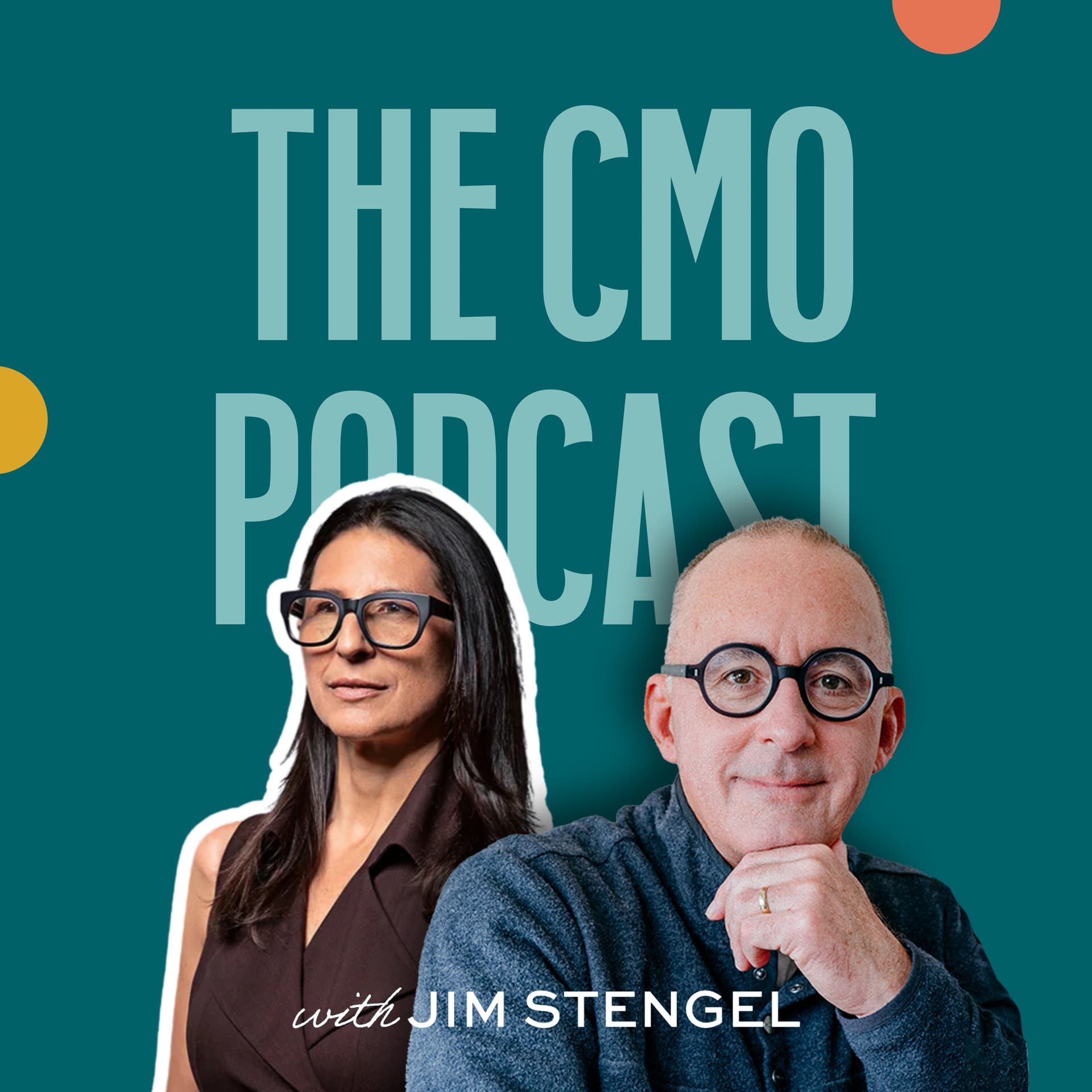
A legacy and leadership roundtable recorded at Havas’ Hudson Street offices, celebrating the AAF Hall of Fame Class of 2026. Guests discuss how purpose, generosity, and trust build long-term impact; how to lead teams and earn respect; and how brands can stay consistent and inclusive in divisive times.
Guests (backgrounds)
- Jim Stengel (host; former P&G executive; purpose-focused brand leader; Hall of Fame Class of 2026).
- Maggie Connors (Havas Creative Network CMO; moderator).
- Tim Ellis (CMO of the NFL; joined after the league lost trust post–Kaepernick era; ~8 years in role; board member for Big Brothers Big Sisters).
Key claims
- Legacy is “your whole self” measured by people you help and confidence you give them.
- Purpose requires courage, risk, and consistency; reacting to controversy undermines trust.
- Mentorship and building excellent teams at every level are essential.
- NFL’s “Helmusov strategy”: make players the human face of the league to rebuild trust.
Notable examples
- Pampers purpose shift in Europe: brand emotional connection to parents; grew from ~$2.8B to ~$10.5B in a decade.
- NFL: girls/women’s flag football growth; LGBTQ ad line “football is gay” with GLAAD; post–George Floyd “human discussion” approach.
Written by AI. May contain mistakes. Listen to the episode to check what was said.
Chapters
Tap a time to open that second in VOLegacy and Leadership Roundtable
0:37 to 1:49
Discussion about a special roundtable event focused on legacy and leadership in marketing.
“This week, I want to take you back a few weeks to a really special morning in New York City at the headquarters of the agency group of us.”
Maggie's Emotional Tribute to Jim
1:50 to 3:38
Maggie Connors shares a heartfelt story about Jim Stengel's impact on her career and others.
“I had to write notes because I was afraid I'd get emotional with Jim.”
Defining Legacy in a Changing World
3:39 to 5:30
A conversation on the meaning of legacy and the importance of generosity in leadership.
“So this morning's topic is about legacy and leadership.”
Jim's Definition of Legacy
5:31 to 7:58
Jim discusses the personal significance of legacy and the impact of meaningful relationships.
“I think it's the people that you meet, that you put confidence in, that you help them figure out their work and their life, that you listen, and that you some small way make a difference in their life.”
The P&G Experience and Its Impact
7:59 to 9:08
Jim reflects on his long career at P&G and how it shaped his leadership style.
“and of course P &G was a consequential decision in my life to join them and to stay because nobody joined P &G to stay in the marketing world.”
Transforming Pampers: A Success Story
9:09 to 11:29
Jim shares his journey of revitalizing the Pampers brand and the lessons learned.
“which is an example that you really love.”
Facing Challenges in Leadership
11:30 to 13:52
A recounting of a challenging moment during the Pampers transformation and the importance of trust.
“take the lesson from Pampers and take it to the other brands.”
Admiring Purpose-Driven Brands
13:53 to 14:05
Jim discusses brands and leaders he admires for their commitment to purpose-driven initiatives.
“And then he kind of, after the dust settled and the tempers were down, he said, let's talk.”
Admirable Leaders in Branding
14:05 to 16:46
Discussion on influential leaders in marketing and their impact.
“So when you look around you at your peers, other organizations, brands, who do you admire today?”
The Importance of Purpose in Branding
16:46 to 18:06
Exploration of the necessity of purpose in today's branding landscape.
“Purpose has always been your foundation, as we've just discussed.”
Show all 24 chapters
Mentorship and Legacy in Leadership
18:06 to 19:18
Tim Ellis shares insights on mentorship and its role in leadership.
“I mean, that's every senior P &G leader said to you, do the right thing.”
Transforming the NFL Brand
19:18 to 23:15
Tim Ellis discusses the challenges and strategies in reviving the NFL brand.
“And I'm going to have to leave here in about 45 minutes.”
Openness and Inclusivity in Sports
23:15 to 25:26
The importance of inclusivity and openness in the NFL's branding strategy.
“I reached out in a very earnest way to the LGBTQ community, right?”
The NFL's Evolving Image and Community Engagement
25:26 to 28:00
Discussion about the NFL's evolving image and its engagement with diverse communities.
“having that level of openness when we came here you know adding humanity building the trust of the players and of the ambassadors around the nfl has really helped us just continue to strengthen in our base.”
Opening Up Brand Strategies
28:00 to 29:20
Learn how brands can engage more effectively by being open and inclusive.
“And that's why this brand is healthy because of all these things that Tim was talking about are activations of a strategy to open up and bring more people in.”
Legacy and Leadership Insights
29:20 to 30:56
Discover how leaders can inspire their teams while maintaining brand integrity.
“Well, and all these are such amazing examples of legacy and leadership and leaving a lasting mark on everything that you touch.”
Building and Inspiring Teams
30:56 to 33:02
Understand the importance of building excellent teams and fostering relationships.
“Because we've been doing it now for eight years.”
The Value of In-Person Collaboration
33:02 to 35:26
Explore the benefits of face-to-face interactions for creativity and mentorship.
“If you don't have a good sort of reputation or there's not a good feeling about you within the ranks, I mean, nothing works very well.”
Engaging a New Workforce
35:26 to 38:08
Learn strategies for connecting with younger employees in a hybrid work environment.
“Do we have time for any questions before we break up?”
Leadership Strategies for Diverse Teams
38:08 to 42:00
Find out how to lead effectively in organizations with varying levels of talent.
“I wouldn't be the leader I am without sitting in meetings at P &G and watching how people behaved.”
Leadership Lessons from P&G
42:00 to 43:29
Learn how interviewing colleagues can enhance team dynamics and culture.
“How do you take some of those leadership lessons and apply them when you don't have that same level of kind of consistency of work ethic or even kind of the inputs are all different?”
Building a Positive Work Environment
43:30 to 45:23
Discover the importance of creating a safe and enjoyable workplace culture.
“I mean, the most productive, happier people, they all have a very strong internal culture, right?”
Personal Stories Behind Professional Journeys
45:24 to 46:58
Hear personal anecdotes that shaped careers and contributed to leadership styles.
“Well, I'm going to ask one last question to both of you, because I wouldn't be me if I didn't ask you a hot take.”
The Role of Tradition in Leadership
46:59 to 48:26
Understand how traditions and personal connections influence professional events.
“And in my second year, I met my wife, who is a first-year MBA from California.”
Transcript
Automatic transcript. May contain errors.0:00Hi, I'm Jim Stengel. I've helped hundreds of major brands discover and activate their purpose. Because when a brand's purpose is clear, compelling, and authentic, profit naturally follows. Each week, I welcome the CMOs, the chief marketing officers of your favorite brands, to speak to how their job is so much more than marketing. These leaders share their inspiration and challenges, along with how they try to build a full, healthy, and happy life in and out of the office. And it's that energy that reaches everyone they touch. And we're glad you're here to feel that energy and to learn from these remarkable leaders.
0:35So here we go. This week, I want to take you back a few weeks to a really special morning in New York City at the headquarters of the agency group of us. A group from across the industry gathered ahead of us for a conversation around legacy and the future of leadership. It was a room filled with people who have shaped brands, businesses, and more importantly, each other. For a change, I was not the moderator. Maggie Connors, the Chief Marketing Officer of the Havas Creative Network, and a friend, moderated. I was on the other side of the microphone, joined by the CMO of the NFL, Tim Ellis. Tim is someone I deeply respect and was honored to be alongside him as part of the Hall of Fame Class of 2026.
1:18What you will hear reflects the spirit and emotion of the Hall of Fame annual event. We'll talk about the decisions that define a career, especially the ones that didn't feel obvious at the time, and the role of creativity and courage in building something that lasts beyond us. But more than anything, the conversation kept coming back to people, how you build teams, how you earn trust, how you show up for others in moments that matter, and how over time those choices become the real measure of your legacy. Here's our in-person conversation recorded in front of a packed house at Havas' Hudson Street offices.
2:03Good morning and welcome. I had to write notes because I was afraid I'd get emotional with Jim. Because those of you that know me, in events like this, when people are close to my heart, I often tear up. So I thought it was best if I had some cues here. So first of all, Jim, we're so proud of you. It's amazing. Tim, it's such an honor and it is so well deserved. But this is a special morning for us. I think this is almost more intimate than tomorrow night. Tomorrow night will be fantastic to recognize him. But to just recognize Jim with this group of people who care about him and we're all here together is amazing.
2:38And we all know what Jim has done, right? The impact he's had on the industry, on brands, on across the world, but most important, the impact he's had on people. And I want to share a story with you. So a couple of years ago, I was anointed. I don't know if it's good or bad. More responsibility within Havas. And when I left Paris, I went to the airport and I sat at the gate and the first call I made was Jim. It's a true story. And I said, Jim, I just got elevated. it. I need help from you. And he said, I'm here. He's grounded. He's honest. He gave me clarity, and he gave it to me straight, and he still does today.
3:19And he's helped me to be a better leader. But not only me, people across the world he's done the same thing for. The impact he's had on people and leaders in this industry is bar none. And it's absolutely fantastic what he's done for brands. I think that's your legacy, Jen. So thank you. Over to Maggie. All right. So this morning's topic is about legacy and leadership. And we all know that our world is changing drastically around us every moment, every day. Last year seems like 100 years ago. We are acting differently. We're connecting differently. We're getting together differently, right? But when we think about the inductees for tomorrow night and we think about what legacy really means, it's what Jim is expressing.
4:04It's what Tim is expressing. And it's really about what Donna said. It's about generosity. It's about when you pick up the phone and call Jim, he's there for you. So we're gonna dive into that. And I would like to invite Jim up. And I'm gonna ask him a handful of hot questions. So we can dive into this topic. Sound good? Sounds good. Okay, so first off, how do you feel about being in the same class as Barry Manilow? I mean, that's unbelievable. Yeah. How did you ever think that you would be with Barry Manilow? I mean, we were listening to some of his music the other night. I mean, I actually like a lot of it.
4:35Of course. The Coco Cabana. No, he's great. He's amazing. He's resilient. He's still performing. He's still performing. Yeah. What is he, 85? Yeah. Talk about legacy. Yeah. Talk about legacy. Well, it'll be interesting to see if he performs. And he got his start with us. Right? Talk about that. Which jingle was? Oh, with Angie Jingles. I think we're going to hear a bunch tomorrow. Fair enough. I'm sure he would. In fact, I am going to have a little trivia question tomorrow night for the audience. And it's a jingle from the 80s. And it's a really corny one. My specialty. And I'm going to see if anyone can guess.
5:05And Barry might have written it. Oh, I like this. So we'll see. OK. I might call him out on that. We'll have a little prize. All right, well, Jim, when we think about legacy, we think about teams and organizations such as ones that you've built and around leaving the world a bit better than we found it, right? So when you think about your legacy, and you have so left the world so much better than when you found it and continue to do so, what does the word legacy mean to you? I think it's everything Donna just said. I think it's the people that you meet, that you put confidence in, that you help them figure out their work and their life, that you listen, and that you some small way make a difference in their life.
5:48And that's why this award that Tim and I are sharing tomorrow is it's about your whole self. It's about the person you've been throughout your life. And to me, that's defined by, and I will say this tomorrow night, it's the people who you've been on this journey with. And so I'm very blessed and I hope I've made a difference. And I guess I have, according to the letters. But it's about that. You know, you forget about the earnings and the quarters. And, of course, all that's important in the moment. But the longer impact you have are the people that go on and do extraordinary things that they did not know they had the confidence to do.
6:29So to me, that's about parenting. That's about business leadership. And that's about legacy. So you were at P &G for 25 years. You also have been so involved in our industry, changing it at the Cannes Lion. I think P &G was the first company to be awarded Lion. Fact check, Steve. Is that right? Right? Am I right? So what was that moment for you that you realized that that was your mission as a person, that you would put people first and your empathy first to be able to create all that success? What was the moment? I mean, I think it goes back a long way, right? My dad said to me once, I was hanging out with the wrong kids.
7:10Oh, come on. Shocking. That were, you know, smoking, smoking in the cornfield and, you know, drinking beer before they're a preteen. You know, just I was hanging out with the wrong people. And he said to me, he didn't impart that much advice. He was much more about leadership, by example. And he was a very quiet man. And he said, son, you are defined by the people that you spend your time with. I love that. And I didn't think about it that much, but actually I did. and now there are a bunch of guys who I'm still close with. One of them will be out there tomorrow night. We call ourselves the Alley Boys because we all played in an alley together.
7:50I mean, I've known them since I was four years old and we're still tight. We still get together and they are a big part of who I am and I'm a big part of who they are. So I think it goes back deeply and of course P &G was a consequential decision in my life to join them and to stay because nobody joined P &G to stay in the marketing world. You join to get the badge and move on. And who wanted to stay in Cincinnati? Who wanted to stay with this boring company? And I kind of got the bug. I kind of realized that this company was sincere about impact and human development and people first and teamwork.
8:30Michelle's in the room. Where are you? Yeah, I mean, it's real stuff. And I had a few mentors there, and they were always asking me about what I wanted to do next and where I thought I needed to develop and stretch. And I said, I want to go abroad. I want to go to developing markets. I want to go to an acquisition. They made it all happen. So that certainly was foundational. And a lot of stuff in my life wouldn't have happened without P &G. So I'm forever grateful about that. And they'll be there tomorrow night. I'm proud of that. And so many friendships I've had from those days continue. Amazing.
9:08We talked a little bit about Pampers, which is an example that you really love. So share with the crowd a little bit about what you really loved about that time on Pampers and the purpose that you put into that brand. Well, it was a transformational time in my career. I was working in the Czech Republic in Prague, the responsibility for all the company's business in two countries. I was a second general manager after the wall came down. So still very much there weren't any retail chains. I mean, I helped a few come into the market. But I was plucked out of that job one night, frankly. And my boss called and said, come to the Frankfurt airport tonight and meet in the Lufthansa Lounge.
9:44And he said, you're moving to Frankfurt and you're taking Pampers Europe responsibility for that. A category job, if you will, in our language. And he said, and it's a shithole. He said, we're losing. North America and Western Europe are fighting. The enemy's not inside. Kimberly Clark was just coming into Western Europe at the time. And they had great products, great team. And so he said, you're going to run. And so I started that job in Frankfurt. The first day in the job, I went to a focus group. It was brutal. And my team came to me and said, I think we have a different idea for what this brand should stand for and what this brand should be and what this brand should do.
10:25and we have to get out of the whole idea of the factory is the boss and to focus only on product superiority. How about the role we're playing in parents' lives and babies' lives and what can we do more about that? What would it be like if we became a brand that had an emotional connection to people? Which, by the way, in Pampers, it wasn't the case back then. Shocking. So that was, and there were some people who were on that team, Mathilde Delhomme, who's LVMH CMO now. and some people who were on that team that were courageous in that culture to say we need to do business a different way. And I listened to them.
11:03I had their back. I said, we'll go to Cincinnati together and make the case. And I believe in you. And the brand went from about a$2.8 billion brand to a$10.5 billion brand within a decade. That's amazing. To build a brand of that size in consumer products with that competitive set was a remarkable achievement by that team. That company promoted the CMO. There's no doubt. And because Laughley at the time said, take the lesson from Pampers and take it to the other brands. That's kind of your mission. So a very foundational experience for me on so many levels. And one of my favorite, I mean, many such creative work came out of Saatchi and Saatchi at that time based on that new purpose.
11:48And so it's a lesson on many levels. So leadership and legacy and purpose requires courage and risk. So that sounds like there was a lot of risk in that moment. Were you ever scared? Were you ever heading to Cincinnati with that team and thought, oh, my gosh, this is not going to work? I don't lose my cool, Mike. I lost my cool on a trip to Cincinnati. We flew from Frankfurt. We all landed, I don't know, at 2.30 in the afternoon. We had a meeting with the management team at 4 o 'clock. None of us went to the hotel. None of us showered. We all showed up. We walked into that room. And basically, my team was presenting the vision for the brand.
12:27We weren't even five minutes into the conversation when a couple senior leaders cut them off and said, this isn't how we do business. This is not what this brand stands for. This brand is about dryness, superiority, over and out. And I lost it. I went berserk. and I took that guy down and I stormed out of the room and I took my team with me and I said we'll be back tomorrow if you want to talk with an open mind but if not forget it we're good for you so I don't lose my call much I did it then I was tired I was angry and and it was a good thing but you knew the purpose of what you were trying I believed in it and you believed in it there was not another way there was not another way and you fought for it no matter what would have happened Absolutely.
13:16So wait, how did it turn around? They said, we changed our mind, come back? The most senior person, the people who kind of interrupted us were heads of a few different functions. Michelle would know what those functions are. And the most senior person in the room called me and said, come back in the office tomorrow and we'll start the conversation again. And that person went and left P &G to do amazing things to me, by the way. But that's a testament to the trust and the relationships that you created around you that lifted you up and had your back. And by the way, he was in the room when all this happened.
13:51And, you know, a good leadership lesson, he didn't say anything. He let it happen. He let it unfold. And then he kind of, after the dust settled and the tempers were down, he said, let's talk. Picked his moment. Yeah. That's amazing. So when you look around you at your peers, other organizations, brands, who do you admire today? Who do you think has the drive for purpose like you do? Well, there's a lot of people tomorrow night in that room. I mean, I would say Tim Ellis right here, who I've gotten to know in the last year. He was on the podcast last fall. I don't know if I told you this, but when Dawn Hudson was in the role, she called me and said, could you be a little bit of a support for me to try to move the NFL to be more fan-centric?
14:36And those early seeds, which you've taken and taken to a whole new level. But I think what has happened in the NFL is nothing short of extraordinary. This guy deserves and his team so much. I mean, it has been such a beacon of hope and love and excitement and passion for so many brands. So that's a person and an organization I've admired. And I would say AC Eggleston, Bracey, who's not here today. I think she had something going on with the dress. Is that right? Yes, it was a dress, it was a hairdo, it was all the things. There are priorities. There's a gala tomorrow, I get it. But I knew her when she was a rising star at P &G, a very young, and P &G saw the talent in her and elevated her.
15:21Not an easy place back then to be a black woman, and frankly not even an easy place to be a white guy. But AC learned from it, she got through it, and she's had a remarkable career since P &G. and I think she has touched so many brands. I mean, Dove gets a lot of energy in our industry and it should and it continues to. She wasn't complacent with Dove. So I think she's a remarkable person in so many ways. We'll hear more about her personal story tomorrow, which is incredible. So those are a few people I admire. Tim Armstrong's in the room who, gosh, I met him, what were you, 17? But I mean, he was what, employee number what at Google?
16:05and reached out and said, I think we could help you at P &G. I mean, we didn't have any business with you. And I saw him in action as Google was a startup to what it is now. He had a transformational role there. He had the courage to leave Google and join Time Warner. AOL spun out. He had confidence and trust we could do something remarkable with AOL. And talk about a damaged brand. He put his own money into it. He formed an amazing board, an amazing management team, and it had a happy ending. So this guy takes risks, takes chances, believes in people. By the way, it's so good to be in a room with so many of you.
16:49Yeah, but I could go on and on. I love it. Okay, a few more, a few more. And then we have a special guest star. So today is different in how we work. Purpose has always been your foundation, as we've just discussed. Do you think it's harder today to be purposeful in this new world and how we're evolving? and things are changing, do you think it's harder to be purposeful? I think it's more important than ever. I think people want to find, I just did a podcast this week about hope. Hope has taken a beating. Yeah. And you were on that, and the brand St. Jude's has all been about hope. And we talked about how hope has changed and how hope is shifting and how it's such a space for brands.
17:28So I think it's more important than ever. Our consistency in who we are as a person, who we are as a company is more important than ever. People are watching. They get it. We're in a challenging time, but they want us to be who we are. Integrity is more important than ever. We have a lack of integrity in so many leadership roles in the world now and in this country. So it's a time for businesses to realize their potential and to realize that we can make an enormous difference. And we are in many ways, but we need to keep stretching. And we need to do the right thing. I mean, that's every senior P &G leader said to you, do the right thing.
18:10That's the principle. Let's not make it complicated. Do the right thing. Do the right thing. I love that. All right, let's invite our friend Tim Ellis to come up and join us. As we just talked about the NFL and the amazing work. Tim and I are Volkswagen. But obviously through Tim's career, He's had amazing success and the NFL is a feat. So the same question I asked Jim, what is the definition of legacy for you? You know, listen, I, well, first of all, I was writing furiously all the things Jim was saying because I'm going to be redoing my speech for tomorrow. You're not allowed to do that. No, I was an amazing, amazing visionary man here.
18:51I always think about the inspiration, right? Like you're inspiring people. And I think what's most rewarding to me is I'm at an event or something or I'm at some conference. And somebody walks up to me and says, you know that, you may not remember that thing that you said in that meeting and that we had this discussion or when I watched you when I was at the agency side and you were the client. It's changed my life and it's changed the way I think about advertising and marketing. And that to me, you just realize the mentorship is incredibly important. And I'm going to have to leave here in about 45 minutes.
19:25I'm going to go over to a special event with Big Brothers, Big Sisters. I'm a board member there. The reason I do that is because I believe so much into the mentorship and what it means. And so I always feel like as I'm grappling for the right decisions and the right strategies and how to sort of inspire people to go the direction I think we should go in, I'm also thinking about there are people in that room who are listening very carefully. how do you handle that situation how do you what's your rationale like I always when I when I for example I give my opinion on something whether it be with my own team or whether it be with an agency I'm always thinking about giving back to them so they understand why I'm making a decision right so they see or in or if I decide to go a different direction I always go back to those folks and say I made this decision I know it wasn't maybe the thing that everybody here wanted to do, but here's why I did it.
20:21So you understand. So you don't feel like I just didn't listen to you or just went on and did something like that. So I think, you know, respect is obviously earned, right? You have to earn it from not only your peers, but everyone around you. And if you're going to be a leader of teams, you have to really earn their respect and you have to inspire them. Right. And I think my, my success is certainly, as Jim said, has, sure, it's been my instincts and believing in myself and believing in the things that I just felt and saw. But I also, you know, I built teams, right? I created teams and these teams were incredibly talented, but they also were generous with the way that they worked and they wanted to help their colleagues.
21:05And like, you know, that no asshole thing that people talk to, I don't care how talented you are. I want you to be on my team and to be a part of what we do if you want to help others. If you want to be generous with your time and your heart and your thoughts, then we'll together be stronger. And having that empathy and the generosity is so core to, I think, probably all of our success. And we can share many stories. So that generosity has gone into the NFL brand as well and what you've given out. So we were talking earlier about when you came into the NFL, it was going through a rocky time. So talk a little bit about that and that pivot that you made with the brand.
21:45Yeah, I mean, I laid it all out. And the first time I, they had been looking for somebody for quite some time. I didn't realize that when this recruiter told me that they were looking for their CMO, I almost grabbed him by the throat. I'm like, how come you didn't tell me that? Like, what an amazing opportunity, right? Because I love the brand, but they were really struggling at the time. It was right after you know Colin Kaepernick and Kenny Stills and Eric Reid and so many others were were making such important statements and trying to move the league in a direction that they were resistant right and They had lost the trust of the players.
22:19They had lost the trust of a lot of their their fan base They definitely lost the trust of all of their brand ambassadors. So the Entertainment industry and in particular the music industry they just sort of abandoned and alienated the NFL And so for me, it was important in order to earn that trust is to really work in an earnest way in a genuine way with the players And so I simply called it the Helmusov strategy Nobody knows what they look like obviously from a pure like logical perspective But also they don't know who they are as human beings, right? And so we need to partner with it with the players and have them be the face of the league Which would provide a much more human much more compassionate expression of the league.
23:00And obviously it had to be real, you know, so, so I worked hard with the players to sort of help them build their own personal brands and to understand what, what things that they care deeply about. And then I would get behind them with the massive platform that the NFL is, I would get behind them in order to sort of help them be successful both on the field and off the field. And by taking that approach and, you know, we did a lot of other things of course by leaning into youth culture and you know sort of expanding the expression of culture not just from classic sports but also into art and fashion and you know you know things that maybe were adjacency to the sport but not really embraced before which just opened up the NFL to a different fan base I focus religiously on girls and women flag football was part of that you probably all have seen that the growth of flag over the last couple of years because it's the most inclusive expression of our sport, right?
23:56And it sort of invited people in. I reached out in a very earnest way to the LGBTQ community, right? And sort of said, yeah, you're part of our brand. You're part of our fan base. I did an ad after the first player who came out, the active, first active player who came out as gay. And the first line of the ad was, football is gay. And man, when I showed that to the boy, first of all, I didn't ask him, I didn't ask anybody's opinion or, not opinion, I didn't ask anybody's permission to do it. I just created it and I worked closely with our internal group, right? And together with the folks from GLAAD and just put the ad out there, right?
24:36Put it on TV. And man, when I went into the boardroom, you could have heard a pin drop when they saw that ad. But you believed in it. But believed in it. And guess what? It was incredibly meaningful to the LGBTQ community and our engagement and the growth of that segment, which is pretty big, it's a pretty big segment, particularly for the youth organization, like one in five, youth from 12 to 24 identify with that community. Anyway, you could call it risky, you could call it provocative, and not everybody liked it. And I always try to remind people that you cannot really move forward if you're not willing to make some people uncomfortable.
25:19right and so you know and that's okay it's so it's okay and and guess what we didn't lose any people like they kept watching the next week the ones who didn't like it but anyway so i think that having that level of openness when we came here you know adding humanity building the trust of the players and of the ambassadors around the nfl has really helped us just continue to strengthen in our base. And now that we've done it, I've been in the NFL now almost eight years. Now that we've done it consistently, it's really made a difference over time. Because in the beginning, no one's going to really trust you, right?
25:56If you've been behaving a certain way, it takes time to earn people's trust. It takes time to earn your fan base's trust. I also was very instrumental in the approach that we took after George Floyd in 2020. And the players were incredibly upset. And all these sort of mistakes from the past started coming up again, right? Racism and, you know, the inability to sort of connect with players and so forth. And so, you know, and it wasn't, and I felt deeply, it wasn't that the values weren't there. It wasn't like we were trying to create something that wasn't there. It's just that they, until that time, they weren't willing to say it.
26:35They weren't willing to sort of just, you know, be open about it. and probably because it's controversial, right? There's a lot of people politicize these things. And when I was there, I just said, we cannot think about this as a political discussion. We have to think of it as a human discussion, right? And ultimately, that allowed us to sort of show a level of contrition and allow us to talk about things that we would have done differently had we had the chance to do it all over again. And, you know, and in the beginning, not everybody accepted that. There were a lot of journalists and there are a lot of people who thought it was bullshit.
Read the full transcript
27:12But over time and commitment, and by using our platform as a force for good over time, we've really earned the trust of these folks and it's made a big difference. And you've listened. And whether it's listening to moms about Pampers or this. Yeah, I have a Pampers story, by the way. I want to hear it. But I want to add something to what Tim said there. He's talked about this before. I've heard him talk about it. His vision was to make the NFL open and accepting of everyone and make it a big tent where everyone feels like they're at home. So the business reason for that was bring more people, young people, different kinds of people into the franchise.
27:51And you've done that. The brand has so many more fans, so many more people who feel like it's a it's a league. It's a brand. They're people for them. And you've just opened the aperture. and for every brand, that's a lesson. And that's why this brand is healthy because of all these things that Tim was talking about are activations of a strategy to open up and bring more people in. And don't we all want that? Agreed. And perceptions have never been higher, which I think the image obviously is important. They want to engage with the NFL. So really quickly, so I was in Sweden for 12 years working both on the agency side.
28:30He's got a great career path, by the way. both on the agency side and on the client side. And one of my favorite sort of campaigns and efforts that we did was actually for Libro. Do you know Libro? Yeah. Okay, so Libro is a Scandinavian brand. It was the only place, at least that's what they told me, whether, I'm not sure if it was true or not. It was the only place in the world where actually we were winning against Procter & Gamble. Yeah. Right? And the reason, which I love what you said, the reason was, is like our strategy was very simple, but very clear. People don't care about the blue liquid.
29:00but they don't care about the, really, deep down, they don't care about the diaper. They care about their kids, right? They care about the baby. And so all of our communication was just really around that, right, that focus of the healthy and sort of relationship between parent and baby. And it was, I mean, lovely, lovely ads. But it really worked. Well, and all these are such amazing examples of legacy and leadership and leaving a lasting mark on everything that you touch. and both of you have done that in spades. So this room is filled with amazing leaders from brands and agencies and partners.
29:36So what advice do you have for these leaders as they move forward to retain a legacy and inspire leadership in their teams? You know, you asked a good question when you said, because, you know, we live in a divisive period right now. And we've lived in several over the last decades. But this is a particularly divisive period right now. I think, and I have noticed, I have noticed that a lot of brands have pulled back, right? And it's almost a sense of like, I'm going to like, wait, you know, I'm going to like, once we get to the other end of this thing, then I'll come back out again. And I think that, and we see that, for example, when we look at all the ads that are on the Super Bowl and pay a lot of money, as we all know, to like, to put an ad in the Super Bowl, they were relatively tame, right?
30:22And they were not willing to sort of put themselves out there. And I think I've always felt that that's the time when you do lean in, right? When you can really show who you are and have the courage to sort of stick to your values and stick to your strategy. And again, that consistency is what actually builds brands over time. It is when you react, that's when people begin to doubt you, right? Because as we all know, brands are like people. And if you're like one way one day and one way the other, simply because you're reacting to what you see out there, people don't trust you. And so earning that trust and earning for like, so that's why nobody today even like, when we go out with our full, what I call our force for good campaigns and PSAs and so forth, we don't really get any kind of blowback, right?
31:10Because we've been doing it now for eight years. And they know you're going to show up. They know who we are. They know, I know we've been doing this, so we're going to do it again because that's what we believe in. We see the impact. We help, not only helps the individuals, It helps communities. It helps businesses. It has a positive impact overall of all of our lives. And by the way, it's also helping our brand be successful. I would touch on something Tim said when he first sat up here, and that is spend time, look at role models, and get really good at building excellent teams. You will not be a great leader without the skill to build an excellent team.
31:47And once you build it, to inspire it, to stretch it, to build the relationships, it's an art. It's a science. You will never get ahead without doing that. And you will never have a fulfilling career without doing that. And I mean, when Donna called me several years ago from the airport, that's the first thing we did. And we brought the team together. We had an offsite here in New York. I still remember that. It's a massive highlight. but we, you know, we work on getting the right team with the right purpose, the right goals, the right relationships. You know, I've been doing my podcast for what, eight years now?
32:23Analyze the data from 400 plus episodes. Building great teams is what makes a great CMO. It's all about the people. Yep. You want to say anything about that? Man, I mean, you know how to say it. It means everything. And I listen, I think that also allowing those teams and the individuals of those teams to shine. Right. Like allow them to get out there and do their thing and like shine a light on them. It just makes you look stronger. You don't have to like try to get it, get in there and present their work or take credit for their work. They've done it. Let them shine. And that just because, you know, everyone, we all know this as leaders, right?
33:06If you don't have a good sort of reputation or there's not a good feeling about you within the ranks, I mean, nothing works very well. Right? So you want people to believe that, no, this person wants me to succeed. And I'm part of something that's really interesting and very successful and very inspirational. And so allowing people to actually shine and taking the time to know people. like one of the things I'm most proud of is that literally every level of my team are excellent. I mean, it wasn't like that when I first came there. And obviously, I had to get the right leadership in place. But I could go through all the way down to the coordinators, entry-level coordinators, and they're like stars.
33:50And they're all proud. Yeah, it's part of the image of them, right, of their team. And so, you know, whether we win awards and all that kind of stuff, It doesn't really matter. They know that they're part of an elite team, and that's important to them. Obviously, that was recruiting, but also sustaining and keeping people there. So anyway, I just think I couldn't say more about what I couldn't agree more with what you just said there, Jim. You had a nice perspective, nice color commentary, as you say, in the NFL. So you have to ask him what he's wearing tomorrow. Oh, yes. What designer are you wearing tomorrow?
34:22I'm going tux. You're going tux? Yeah, I'm going to go tux. It was a big decision. Armani. It's like the Mecca. You're going to have to wait. You're going to have NFL logos? Are you going to have NFL logos on it? No. No, but it is kind of a bummer because everybody, of course, all my peers and my boss, they're all going to be in Pittsburgh. Yeah. But, you know, it's fine. Yeah. I'll have some of my team, some of the folks I just talked about, they'll be there, which will actually be extra fun for them. That's great. Well, tomorrow night is going to be amazing. We can't wait to celebrate both of you.
34:57and thank you, Jim, for being such an amazing friend. To Havas, we adore you. I love you guys. And you are our people. And thanks to everybody for joining this morning. And we're not going to break yet. We encourage everybody to talk about these topics at your table. Have another cup of coffee. Have another bagel. And talk about leadership and legacy and also, most importantly, what creating these teams of real humans and people mean to our business moving forward because it is essential that we do that. It is not just about AI and technology and all those things. You're a great moderator. You're a great moderator.
35:29You're a great guest. You're a great guest. So thank you. Thank you. Do we have time for any questions before we break up? Oh, yes, questions. For anyone in the room? I think Shu had a hot burning question. No. He's always my plant. He's always my plant. I think what comes to mind, you know, I was thinking, Jim, when you were speaking about the experience you had early in your career, the piece of advice I got early on was, and And for apps, I'm picking at P &G and it's in the brands, that's a potential career. But the person gave me advice, don't focus on the brand or the product that you will work with.
36:04Focus on the leadership and team that you'll join. And I think hearing your talk, it's less of a question, but I may turn into a question. But I'm inspired by the fact that the stories we're talking about, you could apply that to an underperforming brand, to a brand that's less appealing and make it really, really, in the words that we use now, desirable. And I think that's really, really exciting. So my question is this. Faced with employees who have, many of which enter the workforce during COVID, are oftentimes less apt to come into the office, less able to build those mentoring relationships that you all as senior leaders have provided.
36:48we couldn't do this practice remote. If we were all on Teams or Zoom, that just wouldn't work. So how do we as leaders, any inspiration you might have for us, how do we better connect with employees early in their career and help them understand the benefit that we all had growing up in the mentorship that we got? How do we help them understand the value of that? So we're not forcing them to come to the office, but we're explaining them in a way that they get that benefit that we all have had. Because I don't think any of us would be here today if it were not for being around just great inspiring people.
37:20I think it's a problem we haven't cracked yet. And I think we have to go to our people and get them involved in solving that with us because they want to be mentored, they want to be developed, they want to build relationships. And so, yeah, I mean, I've been a proponent of, you've got to give a business reason and a personal reason why people should come to the office. And I don't think we've made that case strongly enough. Too many people feel like we're forcing it. And we're doing it for real reasons. And I think there are a lot of companies out there doing innovative work that have made coming to the office desirable, productive, interesting.
37:59So we can learn a lot from each other. I don't think there's enough shared on this right now. But there's no doubt in real time with each other. I wouldn't be the leader I am without sitting in meetings at P &G and watching how people behaved.
38:16observation and thankfully that company was okay with putting different people in the room just so they could watch and so i think it's so so important yeah i think the human bonds are incredibly important um and you know we're also in a creative field so creativity is is not just what you say it's how you say it how you feel you know there's lots of things that you kind of come to nonverbal communication that you just don't get if you're looking at a screen and and by the way we don't have a problem with forcing people you know I mean like we just said at the NFL no we're we believe in collaboration we believe in sort of personal intimacy when we work together so I know it's not popular but we're all gonna go back to the office we're gonna work five days a week like we did before the pandemic and and on top of that like you know for whatever reasons now that we all start wearing using zoom everyone every so often people are like sitting in their office on the zoom zooming into a room which is down the hall i'm like dude what are you doing like get your butt out of here get in here so like i demand it i mean i you know i force this sounds like a terrible word but like i just demand it i mean and so does so does roger goodell and it's worked for us sure there was a few people who didn't like it there's a few people who left because they wanted more freedom.
39:35And I get that. But we try just to be responsible and be adults and say, okay, if you need to, if your pipes are broken at home, take care of it. If your dog has got to go to the vet, fine, whatever. We're all adults here. Do your work. But we believe in working together. And I think that's very, very important. The other thing I would say is like, I know a lot of people in here from the agency world too. I think agencies should be working together more. I worked at an agency for a long time. I know what it's like to sit in a room and banter back and forth on important creative ideas, important strategies and so forth.
40:10It's better when you're together. It is. And so I actually, you know, our core agency of record for most of our big brand work, 72 and Sunny. I just told the guys, you guys, I want you to work together. That's my, as your client, I really want you to get together when you work on our business. If you don't want to work on somebody else's business, that's fine. But when you're working on our business, I really would appreciate if you guys would work together inside because I know that's important And I also go out to LA to see those guys and I sit down with them not every meeting Right, but of course not you have to be efficient But the same time, you know working with your agency and having the right discussions being open being collaborative You know, I always describe the relationship I have with my agencies and my team like a like a big family dinner, right?
40:58Like you're all debating stuff and going back and forth, but you know, you don't cross the line. You're careful because you're close. You don't cross the line. You don't become that close if you don't actually know each other. If you only know somebody from a screen, you're never going to have that level of intimacy and that bond that you have. Agreed. Carol, you had a question. Yeah, I was just reflecting on all the comments about leadership and building great teams and having excellent teams and leaders at every single level of an organization. And I would say one of the biggest challenges when you are at elite organizations like yourself, this becomes a bit, not easier, but the ability to attract, recruit, retain those systems are in place.
41:42When you're in organizations that maybe don't have the same about a, have a mixed bag of talent, how do you think about building, reshaping, and instruction? And you have your own team, but it's also across the entire organization that might not be on the same level of high performance or generosity or whatever. And there's mixed kind of elements. How do you take some of those leadership lessons and apply them when you don't have that same level of kind of consistency of work ethic or even kind of the inputs are all different? I just I'll reflect on one habit I had that always worked for me. and that was every time I had a change in position at P &G, and I keep this principle, I would interview everyone that I worked with, sort of the other leaders in the other functions, and ask them, what can I do for you to help you achieve your goals and what do you think I should do in my role?
42:40That might be 10, 15 people I'd talk to. It's an investment of time. You have to do it sort of early. but unreal how that changed the spirit of the room and people got vulnerable were honest and so and i just would go back and collate that information that was my agenda and the relationships were built like that so um so i would try and that helped the other functions if they had a weak organization or they had issues they would tell me maybe not that first meeting but they would eventually tell me because they knew I was interested and I cared what was important to them. And what both of you have talked about and what that question brings up is the time that oftentimes it is doing a little bit extra, asking that extra question, listening a little bit differently.
43:28That does make all the difference. Yeah. I mean, the most productive, happier people, they all have a very strong internal culture, right? And you don't, some teams, they like to or write it out and everything, which is fine. But you don't have to do that either. You feel it, you know it. What's the culture here? And obviously leadership is important. But I always remind my teams, we spend a lot of time working. You spend a lot of time at the office. It's a big part of your life. So we have to create, yeah, it's always gonna be challenging, we should challenge each other, but we have to create a place where everyone feels at home and they feel safe and they feel like, oh, this is fun, we're tackling shit, but this is fun.
44:10And that's the kind of culture you want to build. And you can build a culture inside your own building, even if the broader culture is necessarily not exactly how you feel like. You want to build the culture of your team or your department. And that's what I do. Of course, we want to be a part of the broader culture at the NFL, but the marketing team has its own culture as well, which fits very nicely, by the way. And I think that's very important. We also have a very simple thing on how we kind of assess our employees. Like, are they a culture carrier? Like, do they, you know what I mean? Do they help push the forward, the culture in a positive way?
44:47And that, we think that's very important. What's the opposite of a culture carrier? Culture killer. You know, there's a lot of, there's actually a lot of studies on that. There's studies that show that you would, as a company, you would be better off by having those folks who aren't stay home and not work at all. and I don't mean stay home, not being in the office, I mean literally not work at all, than to, you know what I'm saying? Because it's poisonous, right? If somebody, I don't care how talented you are, if you're not, if you don't sort of, if you don't help the culture be more positive, and let's just say it, you're negative, then that actually is a real detriment to the entire group.
45:27Well, I'm going to ask one last question to both of you, because I wouldn't be me if I didn't ask you a hot take. So what is your, I'm thinking of the draft, and I'm thinking of the gala tomorrow night, What is your walk-on song, Tim? She's trying to get all the secrets here. Previews, previews. How many are coming tomorrow night? Yeah, yeah. That's great. That's wonderful. Thank you. So it's kind of fun and personal for me because, well, I'll say this. Some of you may have read somewhere that I was at a big conference, the ANA, and somebody asked me a question about Bad Bunny. and I was overly explicit in my views on Bad Bunny, which was very positive.
46:08But then the New York Times wrote a headline and then it just exploded because I said Bad Bunny is effing awesome. And so tomorrow night, I'm going to have a Bad Bunny song. Nice. Nice. Well done. Well done. Lean right into it. Coffee in the morning, rum at night. What about you, Jim? That's so good. That's so good. Mine's a little bit more complicated. A key decision of my life was to go to business school at Penn State. I had no money. I was a journalist. I got a full ride there. I went. And there was someone in the admissions office who said, I think you're a good match for P &G. So one thing led to another.
46:54I didn't get a job first as an intern, but I got a full-time job. So I went to P &G from Penn State. And in my second year, I met my wife, who is a first-year MBA from California. Everyone was buzzing about her. And I met her in the mailroom. We had a mailroom back then. And I fell in love instantly. And I proposed in three months. And so we've been close to Penn State. It's been a philanthropy of ours on a couple levels. So I called Penn State and I said, you have to be a part of this. And they said, let's send the blue band. So we went to the AAF and we said, how about a marching band to introduce me?
47:40And they're in now, the marching bands, right? This is amazing. And they were game. Oh my God, this is amazing. So the AAF goes, you know, I don't think we can fit them on the stage and so on and so forth. And I said, yeah, but you know, they get everyone's and maybe we should be after intermission because it's hard to get everyone back at their tables so they said no so creative problem solving we said how do we recreate that same feeling and that blue band says we'll make a video for you oh this is so great so there's a pet video of a blue band for my walk-up song and uh and they're playing the classic penn state song which if you're a penn stater you would know it oh so good so you and so you i wish they would I would have had the live band, though.
48:22That would have been epic. I know. I know. That would have been epic. Yeah. All right. Well, thank you. Thank you, Jim. Well, thank you, everyone. Thanks, everybody. Please talk amongst yourselves. Maggie, so fun. Thanks. Yeah. Fantastic.
48:35That's it for this week's episode of the CMO Podcast. As always, I would be grateful if you shared our show with your friends, along with subscribing and leaving a review on Apple Podcasts, Spotify, or wherever you listen. The CMO Podcast is a Vive original production. Thank you.
From the publisher
A few weeks ago at Havas’ Hudson Street headquarters in New York City, industry leaders gathered on the eve of the Advertising Hall of Fame induction ceremony for a candid conversation about leadership, legacy, creativity, and courage.
For this special episode, Jim joins NFL Chief Marketing Officer Tim Ellis in conversation moderated by Maggie Connors, Chief Marketing Officer of Havas Creative Network. Together, they reflect on the defining decisions that shape a career, especially the ones that didn’t feel obvious at the time.
From transforming Pampers into a purpose-led brand to rebuilding trust and culture at the NFL, the conversation explores what it really means to lead: building teams, earning trust, listening deeply, and creating environments where people can thrive.
This is more than a discussion about marketing, it’s a conversation about humanity, mentorship, and the lasting impact leaders leave on the people around them.
—
This week’s episode is in partnership with Havas.
See Privacy Policy at https://art19.com/privacy and California Privacy Notice at https://art19.com/privacy#do-not-sell-my-info.