In short
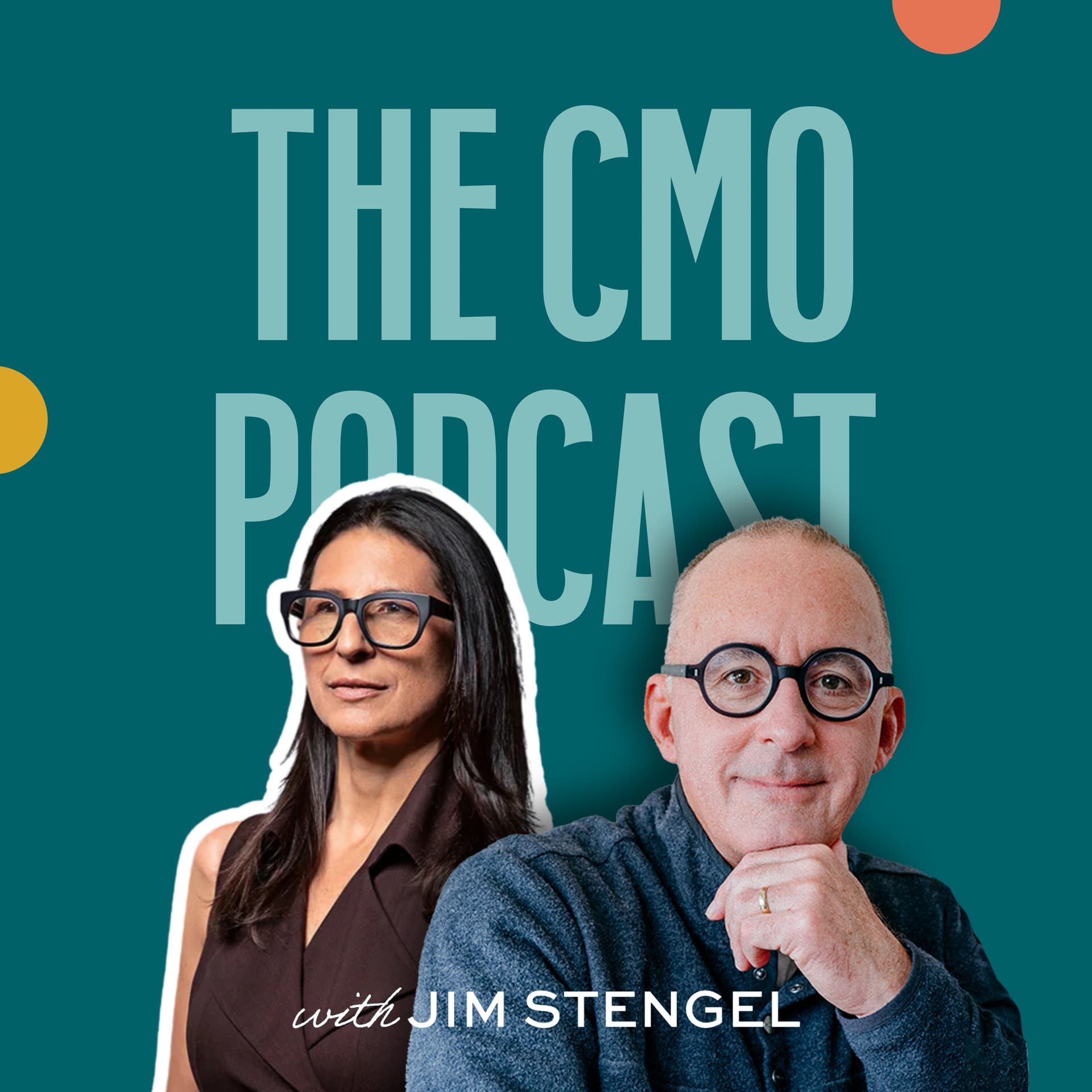
Todd Kaplan, CMO of Kraft Heinz, discusses building brand-led marketing that moves at the speed of culture, plus closing the “attention-to-action” measurement gap using Infillion/Catalina purchase intelligence.
Guest backgrounds
Todd Kaplan joined Kraft Heinz (North America CMO) in Aug 2024 after ~18–19 years at PepsiCo (Pepsi, Mountain Dew, Gatorade, Bubbly). He emphasizes team-building and collaborativity with agencies and cross-functional partners. The episode also features Infillion/Catalina positioning (attention-to-purchase platform) as the measurement/activation backbone.
Key claims
Creative performance depends on infrastructure; fragmented ad/data/measurement stacks create “value leaks.” Kraft Heinz is rebuilding/“brand tune-ups,” investing in design and new capabilities, and using rapid, unbriefed co-creation sprints (48-hour cultural reactions). Brand building is “promise realized,” and ideas must be separated from execution.
Notable examples
Heinz “Looks Familiar” (French fry box shape matches Heinz logo); Oscar Mayer “Weenie 500” (six Wienermobiles at Indy 500, live on Fox); Heinz “Dipper” ketchup pour innovation; Kraft Heinz “Mustard” Super Bowl-era work with DJ Mustard/Kendrick Lamar; Gelometer (jello fan sound measurement).
Written by AI. May contain mistakes. Listen to the episode to check what was said.
Chapters
Tap a time to open that second in VOBuilding Teams in a Volatile Environment
3:44 to 6:00
Discover how Todd Kaplan keeps his marketing teams energized during changes.
“Todd, now you've been on the show before, but you've not been on since joining Kraft Heinz two years ago.”
Transformational Leadership at Kraft Heinz
6:00 to 7:20
Explore Todd's strategies for leading transformation at Kraft Heinz.
“with all this change that you've amped up?”
Comparing Cultures: PepsiCo and Kraft Heinz
7:20 to 10:04
Understand the cultural differences between PepsiCo and Kraft Heinz.
“I've seen, I've watched a lot of posts that you've done over the last two years.”
Impact of New Leadership on Kraft Heinz
10:04 to 12:18
Learn about the influence of the new CEO on Kraft Heinz's direction.
“And so you look at the complexity of this portfolio, and that's, go back to your earlier question on, should we split?”
Marketing at the Speed of Culture
13:38 to 14:00
Find out how to keep your brand relevant by moving with cultural trends.
“Not as separate vendors you reconcile later as one connected platform.”
The Jazz of Marketing: Balancing Structure and Flexibility
14:00 to 16:00
Learn how to blend structured marketing strategies with the flexibility of real-time improvisation.
“A lot of it's jazz at the end of the day.”
Creative Energy and the Cannes Lions Experience
16:00 to 21:00
Discover the dynamics of networking and creativity at the Cannes Lions festival.
“Do you just make it a philosophy of the department?”
Innovative Campaigns from Kraft Heinz
21:00 to 24:10
Explore the unique marketing campaigns like the Weenie 500 and Dipper from Kraft Heinz.
“But as I was looking at what's going on at your company, there is just a flood of creativity.”
Transforming Brand Strategies at Kraft Heinz
24:10 to 28:00
Understand the journey of transforming brand strategies and enhancing creativity within Kraft Heinz.
“And, you know, so trying to figure out all that stuff while we also do the hardworking stuff, we figure out how to connect the dots, think end to end.”
Infillion and the Future of Ad Platforms
28:00 to 28:30
Learn about Infillion's innovative approach to advertising and attention.
“Infillion is the company that decided to close it.”
Show all 24 chapters
The Rise of Rethink Agency
28:30 to 29:51
Discover Rethink's award-winning strategies and insights-led marketing.
“Rethink has been awarded, I think, Agency of the Year the last two years.”
The Value of Internal Agencies
29:51 to 31:08
Explore the benefits of having an internal agency for creative work.
“How do you keep them, you know, the argument for going, you know, out of house is how do you keep an internal team simulated, invested in, creative?”
Key Traits for Future CMOs
31:08 to 31:56
Understand the essential capabilities CMOs need to thrive in the evolving marketing landscape.
“I mean, there's a certain fundamentals of brand building and understanding how and why people buy brands and all that, but I think AI starts to do more of the doing of the stuff.”
Agility in Brand Building
31:56 to 32:49
Learn why agility is crucial for brands in dynamic markets.
“still get it wrong and they cite a fact, which is very different from an insight, you know, right?”
Resilience in Marketing Teams
32:49 to 34:35
Discover the importance of resilience and passion in marketing teams.
“What are you most proud of in the last two years?”
Transitioning from PepsiCo to Kraft Heinz
34:35 to 35:30
Hear about the challenges faced when moving from a familiar company to a new one.
“You went from a company that you knew extremely well.”
Meaningful Campaigns in Marketing
36:55 to 38:58
Explore the significance of impactful marketing campaigns in career journeys.
“And it became a campaign that is still like endured and very specific about Pepsi with food.”
Creative Mentorship in Marketing
38:58 to 40:18
Understand the role of mentorship in developing a creative marketing career.
“but we got all this talk value and we did.”
Valuing Creativity in Marketing Culture
40:18 to 42:03
Learn how to foster a culture that values creativity within marketing teams.
“How do you ensure creativity is truly valued in the culture?”
The Importance of Brand Consistency
42:03 to 43:11
Learn how a strong visual identity and consistent brand messaging drive loyalty and pricing power.
“If they don't have the right visual identity, positioning, the right tension, the right tone.”
Inspiration from Family: A Personal Story
43:11 to 44:27
Discover how Todd's father influenced his approach to marketing and profession choices.
“Todd, who's been the most inspiring person in your life?”
The Sneakerhead Connection
44:27 to 45:09
Explore the cultural significance of sneaker culture and its impact on branding.
“But yeah, I think I'd probably say him on some level for that.”
Reflections on the Interview
45:09 to 46:21
Hear Todd's thoughts on the interview and his appreciation for the host.
“Did you have fun with this, this interview?”
Key Takeaways for Marketers
46:21 to 47:37
Understand the three crucial lessons from Todd that can shape effective marketing strategies.
“That was my conversation with Todd Kaplan.”
Transcript
Automatic transcript. May contain errors.0:00Jim Stengel:One of the things I have learned from years of talking to the best CMOs in the world is this. The question is never just whether your creative is working. The question is whether your infrastructure can keep up with it. Because a brilliant campaign still has to travel through an ad stack, through data, through decisioning, through supply, through measurement. And every hop in that journey is a place where value leaks out. Most platforms solve one piece of that, a data company, a DSP, a measurement vendor. You stitch them together and pay a fragmentation tax in performance, in speed, and in accountability.
0:32Jim Stengel:Infillion built something very different. Demand, supply, data, measurement, and creative connected in a single composable platform. The highest performing opt-in attention formats via Infillion's proprietary tech in the industry. Agnostic identity resolution solutions. And now Catalina, 130 million U.S. households of verified purchase truth running as live signal through every campaign they execute. No black boxes, no hops, no fragmented vendor relationships to manage. The only company I know of that can take you from the first moment of attention to the final proof of action for any vertical on any screen without leaving the platform.
1:10Jim Stengel:Open, composable, agentic. That is Infilian. I would look at a lot of marketing, look at classical music and you look at jazz. A lot of it's jazz at the end of the day. And by that, I mean classical music. There's the sheet music, what goes where, how you prepare, all of that. And of course, you're going to have your brand strategy. You have to brief the agency. You got to do this right. But then the jazz, you're improvising a little in real time. And so as something happens in culture, you have 48 hours to react. You're not briefing an agency, waiting for a deck, going three rounds, picking up the phone.
1:39You're getting on. You're texting people. You're just working it out. And the secret sauce is really making sure it's all based on real consumer truths and insights.
2:12Jim Stengel:full, healthy, and happy life in and out of the office. And it's that energy that reaches everyone they touch. And we're glad you're here to feel that energy and to learn from these remarkable leaders. So here we go. Six Wienermobiles, one racetrack, thousands of fans, and one of the most memorable marketing ideas of the year. If that sounds a little crazy, you're going to really love today's conversation. My guest this week is Todd Kaplan, Chief Marketing Officer of Kraft Heinz, a company whose brands are probably sitting right now in your pantry. As one of the world's largest food and beverage companies, Kraft Heinz has a portfolio that includes Heinz, of course, Oscar Mayer, Kraft Mac and Cheese, Philadelphia Cream Cheese, Lunchables, Velveeta, Jell-O, and dozens of other household brands.
2:57Jim Stengel:The company generates more than$26 billion in annual revenue, operates in more than 190 countries, and reaches millions of consumers every day through more than 70 brands across over 50 categories. Todd joined Kraft Heinz in August 2024 as Chief Marketing Officer for North America after spending nearly two decades at PepsiCo, where he helped shape brands including Pepsi, Mountain Dew, Gatorade, and Bubbly. Since arriving at Kraft Heinz, Todd's been leading one of the industry's most ambitious company transformations, building a culture that moves at the speed of creativity. Record it live at Cannes Lions in the Infillion Cafe, tune in for a conversation with a CMO who reminds us that the biggest ideas don't always start with the biggest budgets.
3:40Jim Stengel:They sometimes start with six Wienermobiles on a racetrack. Here's Todd. Well, welcome back to the CMO Podcast. Todd, now you've been on the show before, but you've not been on since joining Kraft Heinz two years ago. And you've been through a bit of a crazy road, right? You were going to split And you didn't. You have a new CEO who seems to be amazing. You've got a public number of$600 million to invest in the business. Consumer trends are shifting. So what I want to talk to you about to start with is you are a team builder. You're a people person. That's been a red thread in your career. So what have you done in this volatility to keep your teams energized, confident, excited?
4:25Jim Stengel:Yeah. I mean, at the end of the day, there's a lot that goes into that because every organization always goes through reorgs and changes and all sorts of dynamics. But the amount of the transformation that we need to go through and are currently starting to go through at Kraft Heinz is significant. That's actually one of the things that drew me here, frankly, from PepsiCo was I'm a builder by trade. And I liked the idea that all these brands, we have 70 brands in North America across more than 50 categories. Some of these brands are 100, 150 years old. And just the opportunity to get to rebuild, re-imagine some of these with the team is just such a great and fun and inspiring challenge.
5:04And so trying to get all the associates, all the people at the company during all of the change that's going on. You have some people who've been here for 10, 15 years, seen the whole 3G area. Some people who just coming in for the last two, three years, trying to kind of bring some fresh perspective. And it's really trying to unite everybody behind one common vision of what we're really trying to do. And the great news is, you mentioned Steve, our new CEO, is, you know, we want to become a brand-led company at the end of the day. This idea that, he has this great quote that a brand is a promise and a great brand is a promise realized, right?
5:39And so at the end of the day, it's trying to build these brands the right way, the foundations, getting them connected in culture, all the fun things we've been doing. and listen, it's been a journey, but we're having a blast doing it and putting out some good work and you're starting to see the business, most importantly, is starting to turn as well.
5:56Jim Stengel:Is there anything you've done, I mean, you're an experienced person, anything in the last year, year and a half with all this change that you've amped up? I mean, are you communicating more? Do you have new rituals? Do you have new things you're doing, new leadership skills you're stretching, all of the above? Yeah, there's a lot. Part of it's on the capability building. We've been doing a lot there, just especially given kind of where, you know, the company was, I'd say, a number of years ago. We're bringing in new functional. We just brought in a chief design officer and design as a function.
6:25We brought in sports and entertainment. We just signed a deal with the NFL across 20 plus brands. You know, we're trying new things, portfolio marketing, bringing our portfolio together and doing things together. But it's not just about the skills. It's a lot about how we do it. You know, I have a lot of philosophies that I brought over. I hadn't formalized when I was over at PepsiCo, but I brought over to Kraft times, this idea, I call it a collaborativity. And it's really this idea of where you kind of break bread with your agency partners and cross-functional people together, rolling up your sleeves in a room to kind of co-create and build.
6:56And what has enabled us to do is be much more agile, move at the speed of culture on a lot of things and develop a lot of really great work that was candidly unbriefed, right? It's not this very formal process. A lot of the times the agency client relationship is this very buying, selling, pitching, formal kind of thing. And so it's really flattens the level and playing field for everybody. And it's a lot of fun. And so we've been trying some things like that.
7:20Jim Stengel:Yeah. I've seen, I've watched a lot of posts that you've done over the last two years. I looked at a couple of videos. I feel, I mean, I've known you for a while. Yeah. I feel you seem more energized in this job than I think I've seen you. So is that fair? I mean, you love Pepsi. I know. No. And listen, I'm always, anyone who knows me, I'm like, you're always energized. I'm like, they're like, yo, chill. Like, you know, I know I just had like. three cups of coffee here before this interview too. So I'm just like, just wind me up and let's go. But I would say that the things that energize me, I'm energized by challenges, right?
7:54And I like something that feels fresh and different and that you're building, like I said, from the ground up. And so what's really energizing to me is I just, I look across this portfolio of brands and there's 70 amazing brands, like I said, that just, this one needs a fresh coat of paint. This one needs new positioning. This one needs new product innovation. You know, we're doing the fundamentals, but also just bringing a creative lens to a lot of it. That's a lot of fun.
8:19Jim Stengel:You were a long time at Pepsi. Yeah. About 18, 19 years. About 18 years. Yeah, 18 years. You're only two at Kraft Heinz. But I want to ask you, you know both cultures pretty well by now. What do you think is something that Pepsi could teach Kraft Heinz and vice versa? I think what's interesting is that a lot of people like to bucket cpg it's all cpg and you know from png it's not all cpg no it's not no it's not there's some cpgs that manage to the bottom line and just play the cost game and do that there's cpgs that go deep on brand you know and don't do enough of the other and there's a lot in the middle and i'd say the good news is both of these are in the middle i would say and that where they probably should be what pepsi had the pepsico had developed much more was much more of this uh there's such a heritage of these brands and culture in the way that they'd kind of connected with sports or entertainment and music and you think of like Michael Jackson and the Super Bowl and these big iconic ads and so bringing that you know energy into this and I'm a big you know culture junkie as you know and so bringing some of that energy into Kraft Heinz and some of our brands and finding ways to connect these brands that have 90 % awareness and 96 % household penetration like into people's just popping them into people's minds and salience is like it's just a very fun brief you know and on the flip side I think what Kraft Heinz has done tremendously well is this idea of end-to-end management because there's full P &Ls.
9:39They don't have the complexity of a bottling system like Pepsi has the distributors, which is a great thing. A lot of people are really looking at both ends of the balance sheet right now and what's the bottom line, top line, how we connect through through e-commerce and really pull the thread across. And so it's been a really great learning for me, but also stretching the team into new places and combining a lot of these things together, which I think we're just starting to hit our stride.
10:03Jim Stengel:How's the role different from what you had at Pepsi, the specific role? This is a much bigger portfolio, right? And so you look at the complexity of this portfolio, and that's, go back to your earlier question on, should we split? Should we not? All those kind of - Yeah, it's a lot of categories. We have 70 brands across more than 50 categories. PepsiCo has two categories, snacks, beverages, more than 50 categories. So the complexity when you think of supply chain, competitive - It resembles more of a P &G, honestly. P &G, I think it was probably like, what, 12 or 13? Yeah. And so it's highly complex.
10:33And then when you look at the resources to do it all, both financial resources and headcount, we're very lean still. And so we're just back to the investing back in our business, trying to really get on our front foot and do it the right way.
10:46Jim Stengel:Yeah. You talked about the new CEO and I read a lot about him. He was pretty well covered when he got the job. He just seems like a wonderful person, when I put it that. So I'd like you to talk about, you already said that, but what has his impact been on the company? What's his impact been on you? What kinds of things do you talk to him about? Because I just, I made a note of that when I read a big story about him. It's the next time I talk to Todd, I want to talk about this relationship with the CEO because he seems so right for your company right now. He's been wonderful. And I think he's done a great job since joining.
11:17And it's been great just seeing coming from where he's come from, just for, you know, he came from Kellogg's and did the split at Kellogg's and Kelanova, and then they sold both companies. And so there was a lot and coming in as the split guy, right. And then having the courage to say, you know what, where it's actually not the right thing to do. And I think I have a lot of respect for that kind of, you know, courageous decision-making, but also it, it is not the wrong, you know, it is the right thing to do. When you actually look at it, you know, he likes to talk about it. He says, listen, we're not, this isn't rocket science.
11:53We're building brands and there's a way to do it. You need people, You need resources. You need to invest. Like I shared you with that quote earlier about you need to feed these brands and keep them alive. And the issues that we've been having on some of our business, they're fixable with the right level investment. And so he's brought in some great talents. This guy, Nico Amaya, who's the president of North America, who I work for. And just he's brought also a lot of real great rigor to all of North America and how we're really starting to sharpen it. So like I said, I think our best days are still ahead of us.
12:22So it's really exciting.
12:30Jim Stengel:If you were a chief marketing officer in consumer products, I want you to think about something for a moment. You have creative that works. You have campaigns that capture attention. But somewhere between that moment and the register, the signal gets lost. You cannot see what actually drove the sale. You are making optimization decisions on inference, not truth. Well, that changed in February. Infillion acquired Catalina. Four decades of deterministic purchase intelligence, 130 million U.S. households, 70 retail banners,$600 billion in verified annual consumer spending. And here is what really matters.
13:05Jim Stengel:Over 90 % of consumable purchases still happen in-store. Infillion and Catalina together can close the loop from digital advertising to in-lane purchase and incentivize the next one. This is not a measurement tool you consult after the campaign. This is a live signal that runs through your media while the campaign is in flight. You can now optimize from attention to action in real time against people whose actual purchase behavior you know. A consumer products brand needs return on ad spending. It needs foot traffic. Infillion now delivers all of it. Not as separate vendors you reconcile later as one connected platform.
13:42Jim Stengel:That is what closing the gap looks like.
13:48Jim Stengel:you talk about how you know part of your leadership style is to ensure that your brands are moving at the speed of culture that are in touch with culture that are being part of big moments and all it's all about saliency and relevancy how do you do that i mean how do you i mean that's a it's it's not not the easiest capability to define and instill the key again And I don't know how to even best articulate it because a lot of it, it's almost like I would look at a lot of marketing, look at classical music and you look at jazz. A lot of it's jazz at the end of the day. And by that, I mean classical music.
14:23There's the sheet music, what goes where, how you prepare, all of that. And of course, you're going to have your brand strategy. You have to brief the agency. You got to do this right. But then the jazz, you're improvising a little in real time. And so as something happens in culture, you have 48 hours to react. you're not briefing an agency, waiting for a deck, going three rounds, picking up the phone, you're getting on, you're texting people, you're just working it out. And the secret sauce is really making sure it's all based on real consumer truths and insights. I'm also a bit of a consumer insights geek on some of that stuff where everything that we do comes back to these three truths, a consumer truth, a cultural truth, and a brand truth.
15:01And where those three things intersect, and ideally there's a little bit of tension, that's where the space for the idea is. And then you kind of understand you get these really quick things through this collaborativity process I talked about where we really start talking about one line ideas quick boom boom boom boom and where there's heat then you say okay now let's talk about the execution because one of the big mistakes I think a lot of people make in marketing is they conflate the idea and the execution for the same thing so an agency comes responding to a brief with scripts and all this stuff it's great but then somebody that falls in love with something because there's an actor in the brief that they love, but there's no idea behind it, or they throw out a brilliant idea because there was something bugging the crap out of them and the execution.
15:43And so being able to separate those things, move quickly, flatten the organization and just work with the people who want to get it done is sometimes what you got to do. We've been doing a lot of that, even just reactively with the World Cup going on and all this stuff going on. It's a lot of fun.
15:57Jim Stengel:And, you know, advice for other CMOs or senior leaders who want to do that. Do you reserve budgets for that? Do you just make it a philosophy of the department? How do you operationalize it? It's a lot of a philosophy. A lot of these things are not expensive. Not expensive, right. It's a mindset. It's more of a mindset, and it's also a bit of willing to figure it out because big organizations will tell you, no, no, no. I also have this philosophy, and we've talked about this before, this idea of take no as a request for more information and kind of be a little bit of a pain in the ass just to the right amount, but listen to understand the stakeholders.
16:30And so whether you're running into a buzzsaw with legal or with finance or supply chain, there's, of course, you can't commercialize a full product end-to-end and sell it at Walmart in 48 hours. You have legal and science and regulatory and all this stuff, you got to check that out. But if the goal is to get the product out in the world, there's many other ways to do that, knowing that you can still work on that long lead to deliver that as well. So finding out those solves, getting to yes quickly and finding those kind of co-conspirators in the company and your creative partners that'll help you is a lot of it as well.
17:04Jim Stengel:Now we're at Cannes Lions. We're in day one. Yeah. How many Cannes Lions have you been to? Oof. Is it in double digits? I don't think it's even in double digits yet, but it's a lot, but it's probably nearing double digits, but it's not a double digits yet, yeah. And you're staying for most of the week. I'll be here for the full week, yeah. You have a full agenda. So of that full agenda, what's one thing you are super looking forward to? There's a couple of things I'd say. One is I just love reconnecting with people. It's great. You walk up and down the set. I know, the serendipity of it. You bump into people.
17:33You're sitting next to someone and you're sitting here and you're like, why am I on this boat? What am I doing? It's kind of crazy. It's fun. But aside from all of that, more creatively, I love actually these quiet moments where you just go into the basement of the Pele and just walk to work. And sometimes I just kind of geek out and just watching these case studies and seeing all the different things. And even honestly seeing even like at the Gutter Bar, some of the creative energy, you know, just for some of the junior people, this is their first time and seeing how like it's.
18:04Jim Stengel:The Gutter Bar, by the way, is a bar on the main drag here that's open pretty much 24-7. It's like the late night. And it's pretty crowded at 3 a.m. Correct. But it's crowded with all the creatives from all the agencies. And it's more like that's the kind of gathering in the street. and so it's just seeing all that energy I think is just it makes you realize like you know you go we went into marketing for you know a lot of these reasons the creativity the making things the connecting understanding people and can brings the best of all that together yeah I'll be at a 90 degree heat right we're very comfortable now though right yeah as I'm sweating right now correct now uh you have some work competing for awards this year right yeah we have a lot of good stuff Yeah, we have a lot of great stuff on Heinz.
18:50We did this really fun thing called Looks Familiar, where we uncovered the fact the French fry box, the shape of the French fry box, is actually the shape of the Heinz logo, and globally, no matter where you go. And so we're talking about this truth, how Heinz is an irreplaceable condiment for French fries. We made this thing called the Dipper, which is actually a new innovation where you can actually pour your ketchup into the French fry case. But we also, even beyond Heinz, have a lot of great work on Oscar Mayer. We created this thing called the Weenie 500 where we raced six winermobiles around the Indy 500 track.
19:23This year it was televised live on Fox. It was, I mean, it's had 80 ,000 fans there. It's amazing. There's this thing called the Gelometer which is a place in sports arenas where you can actually put a piece of jello and measure the sound of a fan by how the jello jiggles. Like on the fan, you know, and so as you take it to different stadiums and it's the coolest thing that we've made And so there's a lot of like fun things just across the whole portfolio, which is really exciting. Just seeing all the great work, all the great people coming together for it. It's, you know, the teams have done such a wonderful job on it.
19:54Jim Stengel:Do you have a few colleagues here from Kraft Heinz? We do. We have a handful of folks here from all around the world as well, you know, from different regions, which is also a great opportunity to connect with everybody and, you know, share notes and celebrate the work and all that. It's great. What do you do when you leave here? How do you capture all that happens here and scale it a bit with your... It's a good question because it's hard to kind of capture. Even explain to people, yeah, I know. Why are you going to Cannes? Like, what are you doing there? And it's a part of it is we have people at home right now with access to all the videos of all the speakers where you can also watch and participate.
20:26But I also find like, just like I said, the case studies themselves, a lot of creativity, especially for junior people. It's getting like a little bit of a workout. It's like using the muscle, getting reps in. And so sometimes we'll take, you know, over the course of the year, what I'm going to want to do with some of these case studies is get a group of people together, junior folks, look at two case studies and talk about it. Hey, what do you think the brief was? How do you think they started this? Why did this work? Can we do this in our organization? And it starts to just provoke the questions of like, you know, maybe we could do this too.
20:55And so it's very inspiring when you when you get some good work to talk about, too.
Read the full transcript
20:59Jim Stengel:You talk about all the things that are happening, you know, the things that you have entered for awards. But as I was looking at what's going on at your company, there is just a flood of creativity. And I just want to get you to go there. Your team seems to be really, really, really energized. And they seem to be pumping out strategic work that's unexpected from the company, that's creative. So what's going on? I mean, no, really, what is going on inside the company? It's been a journey because I think, like I said, coming in, a lot of the basics and some of the fundamentals needed some, like I said, some work.
21:37And so for the first year was a lot of what we call like crushing the fundamentals. So brand growth strategy, figuring out how we're going to grow the brands, right insights, brand positioning, visual identity, product packaging, like just the basics. A lot of companies, a lot of brands, they have that already, but a lot of ours, we had to up this, change that, do that. So really focusing on a lot of that. Was that hard? Yeah. Oh, yeah. And just systemically do it. I call it this thing, we call it brand tune-ups. And it's almost like we institutionalize it, almost like a car wash where you go to the first booth.
22:11And so to have the right trusted partners that we're going to do the brand wheel as we're working on that stuff. As we're, like I said, brought in a new design office. There's a lot of visual identity work and packaging work happening as we speak. So all that is happening in parallel while we're trying to kind of punch above our weight with a lot of these brands, like I said, that have this great awareness, this great penetration, this great kind of iconic history, but just haven't really been talked about. So I call this thing marketing that happens, which is basically the idea of marketing that exists beyond the walls of paid media, things you talk about, earned media buzz.
22:45And so through some of these things, like I talked about this collaborative process and working across the different brand teams and coaching the teams, working with our agencies, we've been able to develop a good heartbeat on some of these brands. While we're still doing really strategic, hardworking work, we just won from the Effie's, the number one most effective marketer in the United States from the Effie's, which we're very proud of as well. So hitting it on both sides, you know, really want to hit that cultural relevance with things like the mustard and all the fun stuff that we'll do all the way to really, really hardworking that's really ultimately going to drive the business.
23:17Jim Stengel:Did you have to, did you have to bring more work internally to do that? Did you, what changed in your organization? There's a few things I'd say. I think it's less about, like I said, the briefing process, what you fill out in the brief, how you work at the agencies. Like that's going to be pretty similar to a lot of companies you go to, but the magic is really in how you give feedback, how you talk about it, how you develop those relationships and evolve it. And listen, there's a range of brands we have. Some are humming more than others. Some are agencies more than like it's always going to be that kind of dynamic.
23:52But it's really just about understanding what great looks like, setting a bar and showing this is the type of work we can do. And look how easy that was. Look how cheap that was. It took three weeks and we hustled and we made it happen. And that was a thing. And it wasn't the brief that you had five weeks ago. And, you know, so trying to figure out all that stuff while we also do the hardworking stuff, we figure out how to connect the dots, think end to end. And what's great is all our marketeers really are looking end to end across the business. And so I think it's just driving that, that comfort that it's okay to throw something out there, build that ideas.
24:30And I want to create that kind of environment where, you know, we have this thing called creative council where, you know, it started off as a big, scary thing where people would come and I would review work and we'd talk about it. And I'm like, this isn't a scary, this is like people trying to build, trying to make your ideas better, push, poke, sharpening. And now people are willingly coming to kind of talk about it, discuss, debate, which is how it's supposed to be. Like good work does not just poof and appear. It's iterative, you know?
24:57Jim Stengel:So tell me more about the Creative Council. Is it all internal? You have agencies involved? It's internal. And so we have a cross-functional group of, you know, from, you know, your media team, your PR team, your insights team, your legal team, just also so everyone can talk at the same time. And when it works well, we have a very elevated discussion, sometimes about a brief, sometimes about a piece of creative, sometimes about, you know, I call a culture bomb or a fun like idea we can do. And so it really just depends. But just having a regular forum, I think, is important so that it's not just like, hey, you're on your own and it sends a signal that this stuff's important.
25:31We want to elevate the work, you know, at the end of the day. hey, I want to make sure all the work coming out is at a certain benchmark, at a certain bar, that it's hitting where it needs to do so. And so we're starting to get much better hit rate, which is great.
25:43Jim Stengel:Before we started recording, we were talking about your agencies. Yeah. And you have a diverse mix of agencies. Actually, it's a lot of the hot agencies, right? Of this group of agencies you're working with, I'm sure you're going to see a lot of them this week. Which one would you highlight as leading edge in how you work? I mean, we have a lot of great agency partners. And of course, we love all our agency partners. And, you know, we've done some great work with JL on the Weenie 500 on Philadelphia and making this new platform called the Philly Boy. We've done great work with Gut on the Gelometer, all that stuff.
26:16Widen and Kennedy has done some amazing stuff on Heinz. I think Rethink, when you think about it, as we've done some great work together and, you know, I was just talking with Mike Dubrick over at Rethink before coming out here, like they embody that same kind of collaborative spirit. You know, we were even just talking the other day with Looks Familiar, which is the French fry boxing. It was my third week on the job and I was just doing like dinners with different agency partners, whatever. It was literally the first time I had met Mike and the Rethink team. and you know and I was talking about hey here's how I like to work how do you like to work and we were kind of vibing out and he uh he's like hey I want to show you something on my phone we don't know what to do with it it was just like this little nugget he's like he's like don't you think that kind of looks like the Heinz logo I'm like oh my god that kind of does look like the Heinz logo and then we start just kind of but this was like a year before the thing even launched and then I was trying to take it down a different path like so there's there's a lot of different ways.
27:09Like I said, a creative idea needs to be harvested and born a certain way. And the great news is over time, you know, we're working with our global team. How does this translate to other markets? Like everybody hopping in on that one and really made that the success that it was. And so it's fun when you have partners who kind of geek out over it the same way you do.
27:36Jim Stengel:I spent years at Procter & Gamble trying to answer that question. We had the creative, we had the reach, we had campaigns that genuinely stopped people. And then we watched that value quietly disappear somewhere between the moment of engagement and the proof of a business result. That gap between attention and action is where most media budgets go to die. And most digital media platforms have been content to live inside it just a little upstream from accountability. Infillion is the company that decided to close it. They started as the original attention company built on the idea that a consumer choosing to engage with an ad is worth more than one who ignores it.
28:12Jim Stengel:But they did not stop there. They have built the infrastructure to connect the moment of attention to the proof of action across every screen, every format, every vertical. That is not a feature, that is a fundamentally different idea of what an ad platform should be. And it is the one brands have been waiting for. Learn more in the show notes.
28:35Jim Stengel:Rethink has been awarded, I think, Agency of the Year the last two years. I looked them up. I got curious about them. I've never worked with them. What is it about them? What is kind of the hot agency in Cannes the last couple of years? I mean, Widen wins the abundance of awards, GUT does, of course. But what is it not rethink they do they do a lot like um like i said the way that i think about these collaborativity things with these these three truths that i talk about the the cultural truth brand truth and consumer truth they have this thing called shallow holes which is basically saying that they like me like to do a lot of um insights led marketing so it's just hey this is the truth and you didn't know it was there all the whole time and we're showing it to you in a creatively interesting way it's kind of like if i go back to when i was at pepsi the better with Pepsi work or something like this, these things that you're just like, you want those ideas.
29:21Everyone's like, oh my God, like we should have done it. What I will also say from a creative standpoint though, is that what we've really unlocked back to the culture in the last couple of years, it's been a huge multiplier, huge difference maker for us. It's our internal agency, The Kitchen. They have done a phenomenal job as we've grown and expanded that. And a lot of these things, because they're in-house have been even more agile, more quick to respond, moving very much at the speed, managing all the socials for our brands, all the way to elevating up to TV spots and more. They've done a phenomenal job and also have a lot of work that's being awarded in all of the mix as well.
29:53Jim Stengel:Fantastic. How do you keep them, you know, the argument for going, you know, out of house is how do you keep an internal team simulated, invested in, creative? Do you think that's a false paradigm? I think people have the brief for an in-house agency wrong because I think, well, I don't know what it is at other companies, but, you know, if the value proposition is, we're cheaper. That's a horrible value proposition. That might be true in some instances, of course, but the real value proposition they have is they have an at craft Heinz.com email address. They are employees. They can sit on your team, be in your business reviews, make deep relationships because they sit at the desk across from the person.
30:33They don't need the brief. They're briefed through osmosis every day so that when they say, boom, when they see a trend and they say, oh, couldn't we do this? They already have that. They're not working on a couple businesses. They're not waiting for a brief and misinterpreting. So it's, that's the superpower of a creative internal agency when it's working well. And I think Tom Evans and Simon Ah and the team have done a wonderful job pulling that together.
30:56Jim Stengel:Did Pepsi have the similar design? Yeah. Lou Arbiter and the team over there do a wonderful job too at Pepsi. And again, everyone's structured differently and how it is. I think a lot of companies are doing that now. And we talked about capability building and all that's happened at Kraft Heinz over the last couple of years. I'd like you to riff a little bit on, as you think about, because you've been an interesting seat on this, as you think about a future-oriented brand building organization that's going to thrive in the world of creators and AI and everything that's around us and can, what do you think are the most important capabilities that CMOs ought to be thinking about building into their teams?
31:32I mean, there's a certain fundamentals of brand building and understanding how and why people buy brands and all that, but I think AI starts to do more of the doing of the stuff. I don't think the thinking is going to go away. And AI can do a lot of thinking too, to be clear. But it really, I think two of the biggest traits are going to be empathy, like consumer empathy and really understanding what is a real consumer insight. A lot of people still get it wrong and they cite a fact, which is very different from an insight, you know, right? And you want that insight that just jumps off the page and you're just like, oh my God, that's like so smart, so true.
32:07The idea of understanding how ideas are formed around tension and really figuring out where they intersect with the brand, like I said. And then the last thing is going to be this idea of agility. I think gone are the days of the client flying up here and just, you know, filling out the brief and the ivory tower and just waiting for the stuff to come back. I mean, I think the job is going to be, you know, platforms are changing, consumer habits are changing, especially in CPG and art categories, it's like you got to evolve or die, right? And so there's a lot even we're doing right now on the innovation side of marketing, which we haven't talked a lot about where I'm building new capabilities and how we fix stage gate and how we all, all those things that are so critical to, to get the right insights as we look, we also want to evolve our portfolio.
32:50So it's a lot to do.
32:52Jim Stengel:What are you most proud of in the last two years? Just most proud of the team and the resilience they've shown, honestly. I know you started with It's a little bit of like, holy crap, there's a lot going on over there, huh? Yeah, there is. You know, it's one of those things. There's good days. There's bad days. There's, you know, all sorts of change going on. But I think people who keep their head down and focus on the prize and, you know, when you look at the prize at Kraft Heinz and where we are today with where these brands can be, if you really unlock this the right way, it's like exponential.
33:25You know, another great quote that Steve talks about is cost cutting. And if you cut, you eventually are going to hit bone, but growth is infinite. And so it's this idea that where we can go and take these things, I am very proud that the team has shown such great resilience. They've shown really great agility in terms of being able to adapt and learn. I know me coming in and there was CMOs before me and before them and before them and before that. And like, it's got to be exhausting at some point of just, oh, my gosh, is this the new CEO? This is the new thing. But at the end of the day, people are in these jobs because they love these brands.
33:59And these are wonderful brands. And marketing, marketing is a self-selected industry, right? It's not as much of like, oh, I went into banking because of all the money I can make. Oh, I went into consulting because I like, like, usually people who go into marketing, they have some innate interest in either the category, the process, some part of it. And so trying to remind people, like, that's why you're here. Like, and if you don't, then you don't need to be here. But at the end of the day, get back to the fun. Like, this is a fun job. It should be a fun job. Even in a tough business environment, it should be a fun job.
34:32Jim Stengel:If we're not having fun, how do we expect consumers to like what we're doing? Of course you need to deliver, you know. Yeah. It was a big adjustment. You went from a company that you knew extremely well. You had built a significant part of your life at that company. Totally. What was the biggest adjustment? I think that in itself was a big adjustment because I literally, I came to PepsiCo straight out of business school as an MBA intern, all the way kind of, you know, did the musical shows, lots of roles. And that was one of the things that's so great about the way they do talent development at PepsiCo is do a P &G the same way and a lot of big companies.
35:01And that's one of the things I'm also very proud trying to build at Kraft Heinz is we have the breadth and the brands to do it, but we don't have the right processes yet to continue to have someone take an 18 year career that's perfectly manicured and curated to stretch and try and grow. So, but PepsiCo was, it was great over there and they were great to me. I learned a lot. And I think that was probably one of the trickiest things is as you're growing up at a place, you're, it's like, you spend a PNG. It's the same, same thing where it's a part of you. I still live not far from there. You know, I see a lot of people from there, but, and I still, to be clear, haven't drank in a Coke since leaving, but.
35:36I wouldn't expect you to. And that was, that's not by anybody else. That's just in my DNA. I'm a, I'm a, I got that challenger ethos still in me, you know, and it's, It doesn't even matter. But it's one of those things that just, it's a party. It was a great chapter. And I'm excited for the one we're building right now with Kraft Heinz. And it's been a lot of fun.
36:02Jim Stengel:Hi, everybody. I'm Andrea Sullivan, the CEO of Vive. And we have produced the CMO podcast with Jim Stengel for many years. And I'm sitting in his seat right now. It's so exciting. I wanted to tell you a little bit about one of our programs that's called Vive by Vayner. It's a 12-month program that's designed for C-suiters and founders. And we want to help people to grow their businesses, but also to grow themselves. And so we bring in people from Shark Tank to talk to our founders, but we also focus on wellness. We want to make sure that people are leaning into becoming their best selves, their best and happiest selves.
36:42Jim Stengel:So if you are someone that wants to learn how to grow your business and grow yourself, check us out at Vive.co. That's V-Y-V-E.co. We'd love to talk to you.
37:00Jim Stengel:let's move to the creative brief and we're going to make this especially creative today you've worked on so many campaigns and initiatives in your life right and we've talked about some of those before on this show i'd like you to talk about one in your history that you have found especially meaningful to you i'll try to think about one where um some of them are just like lightning in a bottle kind of things too i think when i was at i'm going to give a couple of okay answer your question that way if that's okay i think if there's one of pepsico was probably the the better with pepsi um just because again so it was so strategic at the time uh but also just iteratively how we got there and very fun how the logos would reveal themselves and we ran into all these legal barriers that we couldn't do we couldn't do a lot of things we ended up finding an origami artist to fold the fold the wrappers because we had it was a legal solve but actually made the idea much cooler so you know working with the guys at alma and the team over there to really do that was, I think, a lot of fun again.
37:54And it became a campaign that is still like endured and very specific about Pepsi with food. And they've now even evolved it since I've been gone into some other stuff. I think at Kraft Heinz, there's, I mean, like I said, there's so much that I'm really proud of. I think the first big beat that we had since coming over was really what we did a couple of Super Bowls ago with Mustard, with DJ Mustard and Kendrick Lamar, just because it was like this serendipitous moment. And I could kind of see the, all right, well, the Super Bowl halftime show, Kendrick Lamar's performing and the Grammys, he's going to win all these Grammys the week before.
38:27And he just shouted the word mustard, like maybe we should do something with mustard. And we started reaching out and talk. And so it really was a serendipitous, one of those quick sprints that in four weeks, we signed mustard, built the idea, came out with this amazing LTO, this really fun, our in-house agency, The Kitchen, built this spot. Boom. And we went. And again, it's the idea of lightning and a ball.
38:51Jim Stengel:It was a proof point of your philosophy, right? It was just a proof point that early on, I think the people at Kraft Heinz were like, wait, we didn't buy a Super Bowl spot, but we got all this talk value and we did. They're like, wait, what? We can do that? So it's like, yeah, like, let's go, you know? So that's, I think those are some fun ones. But like I said, there's so many, I have just a lot of fun in a lot of these little fun challenger things. I'm real pain in the ass on these things, too. It's fun. Who's been a creative mentor of yours over the years? or you don't have to pick one, but who have you looked up to?
39:23Jim Stengel:Who's helped you? It's interesting. I've talked to a bunch of folks throughout the industry and whatnot. One of my first bosses at PepsiCo, this guy, John Galloway, I don't know if you met him. He was the guy who hired me at PepsiCo when I was his intern and came back full time. And he thought very similar to me and liked to go big and take a lot of big swings, which was really great. I think since then, there's always a lot of stuff. You know, I geek out at a lot of the work in the industry and, you know, and I know we've talked with folks like, you know, whether it's fur and the stuff that he was doing at Burger King.
39:55And now I know he's going to have a lot of fun. And I've catch up with him every so often. A lot of other CMOs that we're just stay connected. There's a lot of these now group chats through like Nadine Dietz and, you know, a lot of the other organizations out there that just it's great to just stay connected and have such a tight community, even a place here like Cannes where you get to talk shop and celebrate the wins. and everyone's very supportive of each other, which is great.
40:20Jim Stengel:How do you ensure creativity is truly valued in the culture? I mean, you talk about that, you live it, right? I think you're very visible in how you value creativity, but you want that to, for everyone to understand that, to believe it, to internalize it. So in the marketing community, what's interesting is I've seen in the last five, 10 years, this massive shift as data, data, data, data comes everywhere all around us, which is great that we have all the data. Now we have all the AI and the media people are like, I can sell you this. I can get you this. I'm like, it doesn't matter if you have a shitty idea that you're putting into the media, right?
40:56At the end of the day, it's the good creative that speaks to you is the multiplier. And at the end of the day, it's one of those multipliers on ROI. It's one of those things that gets you to pay attention. And I have this philosophy that you need to start to operate outside the walls of paid media, because I know whenever a TV commercial comes on, I pick up my phone. I know when pre-roll comes on, I hit skip. And so I think what people lose is the sight that there's this creative element of marketing that in a world where CFOs are getting more like tighter lipped on, Hey, what are, what's your, what's the numbers?
41:28Where's the bottom line? As you do more lower funnel opportunities in a lot of industries, the creative is still the guts that behind it. You know, I spoke at the, um, ANAs earlier this year. And I don't know if you saw my talk, but it was really about this idea that brand building is like this idea of pointillism. So you think of painting like little dots over time. And the reality is, is every time you interact with a TV commercial, you see the product in store, someone talks about it at a kid's soccer game, whatever it is, you're getting a dot placed in your brain about that brand. And those dots need to all look and tell a cohesive picture.
42:03If they don't have the right visual identity, positioning, the right tension, the right tone. And over time, the brands like a brand like Heinz that does that very well, where it knows who it is, it has a very strong vis, it has a very consistent point of view. That's where you get to tell that multiplier of the brand value. Coca-Cola, some of these other brands that do that over time, rather than campaign to campaign to campaign. And so that value is really important that people understand that it's not just some fluffy creative thing that actually when you get brand right that's what gives you pricing power that's what gives you more loyalty repeat like that's easy to hire people
42:38Jim Stengel:everything all of it yeah yeah no it's good and the pointillism thing metaphor i mean it's for the company yeah because everybody in the company needs to understand that because everybody carries the brand i've talked about it internally because it's one of those things where like this idea of consistency. So at retail, on e-commerce, you know, on packaging, these are touch points that your brain, as you're seeing these things, again, brands are objects that it's shorthand for your brain to make decisions because you're not going to turn the label around and evaluate every pro and con of everything.
43:10So it's, uh, it's, it's important to get that right.
43:13Jim Stengel:Todd, who's been the most inspiring person in your life? Inspiring person in my life. Oof, just go right there. Um, I'd say my dad, probably on some level. So my dad is a pediatrician. He actually just retired, by the way. You know, I think he carries a joy with him about his profession. Like, he's one of those pediatricians that, like, everyone knows. Everyone in my school went to Dr. Bob, and they knew. And it's like one of those things. And it was one of those things where just to be a pediatrician, you know, working with kids, working with the parents more than the kids. I mean, like I would hear him on call talking, you know, like has such an easy goingness and loving to see like three generations of patients and just seeing that, that joy and just kind of in that.
43:57And that's kind of what I'd say on some level subconsciously, now that I'm talking it out with you, inspired me to probably go into a profession that it's not a job. It's something I want to do and I enjoy doing. And that's very important to me. That's why I went into marketing. That's why I went into sports marketing initiatives. It's why, you know, the type of marketing I want to do is things I really enjoy versus like, you know, just punching numbers in a spreadsheet all day and or doing it. You know, I do build a lot of decks, to be clear, but actually I get some weird level of enjoyment in that, too, to be clear.
44:27But yeah, I think I'd probably say him on some level for that.
44:30Jim Stengel:That's a beautiful story. Yeah. You're a sneakerhead, right? I'll make it later. I am. I am a sneakerhead. So how am I doing today with my sneakers? What do you think? They're okay. They're okay? They're okay, yeah. How about yours? Not for me. Mine are cool. They're Nike. Nike. Yeah, I'm very, so we talk about brands. I'm a very Nike loyal and very much at a young age. I must have probably like Jordan and all the kind of stuff growing up. But I have, you know, I probably have like 100 pairs of shoes. I mean, it's a problem. It's a problem. My wife calls me, you know, like I'm running out of places to put them.
45:01Time for a new house. That's what I say. I say I'm running out of places to put them. I need a bigger closet. She's like, you need to stop buying shoes. That's what you need to do. left brain right brain going on here that's that's fair that's fair yeah my son's a sneakerhead too and he recommended these by the way they're tigers those tigers and they kind of draw on the 80s tennis yeah i was gonna say they they look like yeah like the stan smith the low cut kind of things those are cool yeah so anyway i like that and they they've got a good can vibe too the kind
45:28Jim Stengel:of thank you todd you're warming up to them i'm warming up to them i was just i'm sorry about a very negative reaction i'm a what you see is what you get kind of guy it's okay it's all good it's all good. This was so good. Did you have fun with this, this interview? Anything we not talk about that we should have? No, I mean, like I said, I'm happy to, anytime, Jim, whenever you want to chat, I'm always happy to. And I just, I love the work you're doing and just embarrass you a little bit and just congratulations on your, your hall of fame induction and a big milestone this year. And I know CMO podcast, this is, you know, it's been a long time running, man.
46:01You've just done such a wonderful job for the community, for marketers. You're even doing the thing here at CanLion later in the week with all the junior marketeers. Back to, you know, on some level, just the level that you give back to this community is just, it's wonderful. So I just want to say thanks for that. Thank you, Todd.
46:16Jim Stengel:We're both team builders. We're both people person. A hundred percent. Oh, thank you, man. It's good. Hey. It was really good. Thank you. Have a great week. That was my conversation with Todd Kaplan. Three takeaways from this one for your business, your brand, and your life. First one, creativity is built on strong fundamentals. Todd reminded us that before you chase the next cultural moment, you have to earn the right to participate. Great brand positioning, meaningful consumer insights, thoughtful design, and consistent execution are what makes creativity effective. The best marketing doesn't skip the fundamentals, it builds on them.
46:48Jim Stengel:Second takeaway, I love this one, marketing is like jazz. That was one of my favorite moments of our conversation. Todd compared great marketing to jazz. You have a strategy and a framework, but you also have to be ready to improvise. When culture presents an opportunity, you can't wait for three rounds of approvals and the perfect brief. Sometimes the biggest ideas come from trusting your instincts, collaborating in the moment, and being willing to move quickly. That's exactly how ideas like the Oscar Mayer Wiener 500 came to life. And third takeaway, great leaders create the conditions for creativity to thrive.
47:22Jim Stengel:Todd isn't just building brands, he's building a culture. Whether it's his philosophy of collaborativity, bringing cross-functional teams together, or reminding marketers why they fell in love with this profession in the first place, He's focused on creating an environment where people can do their best work. Because when people are energized, supported, and having fun, that's when great brands and great ideas are born. That's it for this week's episode of the CMO Podcast. As always, I would be grateful if you shared our show with your friends, along with subscribing and leaving a review on Apple Podcasts, Spotify, or wherever you listen.
47:57Jim Stengel:The CMO Podcast is a Vive Original Production.
From the publisher
Six Oscar Mayer Wienermobiles racing around the Indianapolis Motor Speedway. It may sound like a publicity stunt, but for Todd Kaplan, it was something much bigger: a reminder that great marketing should surprise people, spark conversation, and create joy.
This week, Jim welcomes Todd Kaplan, Chief Marketing Officer of Kraft Heinz North America. Since joining Kraft Heinz in 2024 after nearly two decades at PepsiCo, Todd has been leading one of the industry's most ambitious brand transformations, helping modernize more than 70 iconic brands while building a culture rooted in creativity, collaboration, and consumer insight.
Recorded live at Cannes Lions in the Infillion Café, Todd shares why marketing should be more like jazz than classical music, how his philosophy of "collaborativity" helps teams move at the speed of culture, and why even the biggest organizations need to leave room for improvisation. From the Oscar Mayer Wienie 500 to Heinz's award-winning creative work, Todd explains how great ideas are born, why creativity still drives growth, and why the strongest brands never lose sight of the fundamentals.
Whether you're leading a global organization or building your own brand, this conversation is full of practical lessons on creativity, leadership, and finding new energy in iconic brands.
—
This week’s episode is brought to you by Infillion.
See Privacy Policy at https://art19.com/privacy and California Privacy Notice at https://art19.com/privacy#do-not-sell-my-info.