In short
Asset allocation amid shifting macro conditions; “Operation Twist”/Treasury actions and their limits; dollar weakening and implications for international assets; concentration risk in AI-led tech; energy/strategic petroleum reserves and investment relevance.
Guests
Tom Nelson, Senior Vice President and Head of Asset Allocation Portfolio Management at Franklin Templeton Investment Solutions. Member of the Investment Strategy and Research Committee; portfolio manager for multiple Franklin funds and model portfolios (e.g., Franklin Next Step Fund Series, Franklin VolSmart Allocation VIP Fund, Franklin LifeSmart Retirement). With Franklin Templeton since 2007; co-founded the firm’s Quantitative Research Services Group.
Key claims
Portfolios must evolve as interest rates, fiscal policy, the dollar, and valuations change; not “set and forget.” Treasury’s longer-bond buying is unlikely to solve structural deficit problems (“Operation Twist becomes Operation Fail”). Dollar weakness could improve the attractiveness of non-U.S. assets. Investors may be over-concentrated in the same mega-cap tech holdings even across multiple funds.
Notable examples
NVIDIA earnings and AI spending ecosystem (data centers/chips/power servers); emerging markets outperforming; large-cap growth/tech in a lull; strategic petroleum reserves stored in Louisiana/Texas salt caverns drawn down to decades-low levels; Strait of Hormuz shipping inactivity.
Written by AI. May contain mistakes. Listen to the episode to check what was said.
Chapters
Tap a time to open that second in VOUnderstanding the Importance of Asset Allocation
2:04 to 3:19
Explore the significance of being active in investment and the concept of asset allocation.
“And welcome to The Disciplined Investor.”
Current Investment Landscape and Portfolio Evolution
3:29 to 6:06
Discussion on the evolving investment landscape and necessary changes in portfolios.
“stocks and especially technology, right?”
Operation Twist and Its Implications
6:07 to 12:05
Analysis of Operation Twist, its impact on interest rates, and broader economic concerns.
“You know, you can have a thousand different analogies.”
Dollar Weakness and Global Investment Shifts
12:06 to 14:00
Insight into the implications of dollar weakness on international investments and asset allocation.
“And we saw the reaction with things like Bitcoin and gold and oil to a degree and silver and copper, palladium.”
Assessing the Dollar's Impact on Investments
14:00 to 28:00
Explores the implications of a weakening dollar on asset allocation and international investments.
“I think what's happening, there's a weakening in the dollar because of some of the excess debt that we have and a lot of the strategies that we're doing as a country.”
Introduction to Asset Allocation Discussion
28:00 to 28:15
The hosts introduce the topic of asset allocation and the changing investment landscape.
“I have a lot of questions on my list to ask him into asset allocation, where the opportunities may be changing, how investors should be thinking about portfolio construction from here.”
Guest Introduction: Tom Nelson
29:04 to 30:24
The host introduces Tom Nelson, detailing his background and expertise in investment.
“But he is a treasure trove of information.”
Evergreen Investment Ideas
30:24 to 30:58
Discussion about evergreen investment strategies and portfolio logic.
“Can I call you the whiz kid of Franklin?”
Fed's Recent Actions and Market Impact
30:58 to 34:20
Analysis of recent actions taken by the Fed and their impact on the bond market.
“that happened last week because I'm kind of fascinated what your thoughts are on this.”
Asset Allocation Process Explained
34:20 to 39:26
Tom Nelson explains the asset allocation process and key considerations.
“And I want to talk about asset allocation because you're the head of the asset allocation division and related to target dates and a bunch of things of that nature at Franklin Templeton.”
Show all 19 chapters
Dynamic vs. Tactical Allocation
39:26 to 42:00
A discussion on dynamic versus tactical asset allocation strategies.
“I want to talk about dynamic versus tactical.”
Understanding Dynamic Movements in Asset Management
42:00 to 44:25
Learn how dynamic adjustments in asset allocation can optimize portfolios.
“They're the interim adjustments to your longer-term capital asset pricing model in, I don't want to say real time, because it's still 6 to 12 months, right?”
Active vs. Passive Portfolio Management
44:25 to 46:50
Discover the nuances of active risk and its impact on portfolio performance.
“Much different than what an individual has where they could be like, well, I like that stock, make it 30 % of my portfolio.”
The Importance of Information Ratio
46:50 to 49:45
Understand the significance of the information ratio in evaluating investment performance.
“It should be like, you know, well, we have risk adjusted or whatever.”
Asset Class Allocation and Client Objectives
49:45 to 54:00
Explore how asset class selection aligns with client investment goals and risk tolerance.
“I think that's That's the answer I would put on it if I was to be asked that.”
The Concept of the All-Weather Portfolio
54:00 to 56:00
Learn about the all-weather portfolio strategy for consistent returns across market conditions.
“You talked about it in a different way is this old name they would put on or title they would put on portfolios called the All Weather Portfolio.”
Understanding Diversification in Portfolio Construction
56:00 to 1:04:43
Learn the true meaning of diversification and its impact on portfolio performance.
“where they should do well at different points of that economic cycle of that of that inflation cycle.”
The Evolution of Asset Allocation Strategies
1:04:43 to 1:10:03
Explore how asset allocation and portfolio strategies have changed over the last 20 years.
“You want to look at this and you want to understand that's great.”
Reflecting on Today's Discussion
1:10:03 to 1:10:58
The hosts recap their passionate discussion and express appreciation for the insights shared.
“But I appreciate you coming and educating us on all this and sharing all this wealth of knowledge.”
Transcript
Automatic transcript. May contain errors.0:00This episode is sponsored by Interactive Brokers, and we know that world events, well, they unfold in real time. Now, you can trade them. With IBKR prediction markets, trade election, climate, and economic outcomes alongside stocks, options, and bonds, all on one integrated platform. These are simple yes-or-no contracts priced to reflect the market's view of probability. If your prediction is right, you'll receive$1 per contract and earn interest on your position while you're invested. IBKR prediction markets turn market expectations into actionable trades. Prediction contracts are not suitable for all investors.
0:44Learn more at IBKR.com slash predictions. That's IBKR.com slash predictions. The Disciplined Investor is all about you, your money, and the markets. Sit back and get ready for this edition of The Disciplined Investor Podcast.
1:05Tom Nelson:This episode of The Disciplined Investor is sponsored by Horowitz & Company. If you're looking for a portfolio manager, look no further. Horowitz & Company, from seed through harvest, cultivating financial success.
1:24Operation Twist becomes Operation Fail. NVIDIA earnings and other interesting stuff. And we get into the real facts about our oil reserves. Asset allocation finally explained with our guest, Tom Nelson, who is a senior vice president and head of asset allocation portfolio management for Franklin Templeton Investment Solutions. All this and much more on episode number 988 of the Disciplined Investor Podcast.
2:04And welcome to The Disciplined Investor. For this week, we're approaching the last part of August and entering into September. I'm Andrew Horowitz. I'm your host. Thanks for joining me, like I said, each and every week, where you can find us talking about some really interesting things when it comes to finance and talking about your future and trying to explore what it is that will get you to where you want to be. And that's what it's all about. The educational component of this show, I think, is really key for everybody. I've heard from thousands of people over the years that we have really helped them understand the markets investing.
2:37And more so, I think, help them not be so afraid. Help them understand that it's okay that we don't know every single thing about investing, but being in the game is a must. You can't just sit on the sidelines when it comes to investing. You can't just be a spectator. You have to really be involved. Now, that doesn't mean that you have to spend every waking minute doing it, but the thought process, the intention about getting involved and making sure that your investments, whether you do it by yourself or you hire an advisor or you work on it with a team of other people, I don't know, whatever the way you do it and you've decided to do it, it's important to give it the attention it deserves.
3:19And this week, we're going to spend some time on asset allocation, talking about it, because I think it's pretty timely right now to really get into this discussion. Because I think for a long time, investors really didn't have to think too hard about asset allocation. They were able to just own U.S. stocks and especially technology, right? the large cap ones out there. And if you did so, you did really well. And bonds were out there. They were great for diversification. And you have international markets for many, many years lagged. It wasn't even a good place to invest. The fact of the matter is that the dollar was strong for a long time and it was better to be in the US.
4:03And that worked. That worked really well. The question now is whether the same setup going forward is going to work. the same way it did in the past. And that's something that we've been spending a lot of time with our own, with our portfolios for our clients. And I got to tell you something right off the bat, I'm just going to let you know this, we're making changes. And some of these changes could become fairly significant as we move throughout the rest of this particular year. And it's not because we're going to try to predict the markets. And it's not because there's some big market event that's going to happen that we're freaked out about, we're worried about, we're thinking, oh my gosh, the landscape is changing.
4:48Because it's already happened, by the way. All those things have happened. And basically, investors, they're not too worried about it. The thing that we are a little bit more concerned about right now is that interest rates. They're different. Fiscal policy, we know, is different. The dollar has started to come in a bit. We saw that over the last few weeks Valuations in some areas I gotta say And I think we all believe Probably that they're They're stretched to a degree And while other parts Of the markets themselves And other parts of the world And other asset classes That we look at Seem to be a little bit More interesting Now we've talked about this For the last I don't know Two years But it's working Isn't it?
5:32Emerging markets are outperforming We see that technology Is actually in a little bit of a lull. Large cap growth is in a lull. We'll talk about that a little bit more in a minute. But this is not, I don't think what we're talking about right now is this whole abandonment of what has worked because that would just be dumb. You know, you stay with what works. But right now it's more about the recognition
6:01of the idea that our portfolios, they need to evolve. That's what it is. They need to evolve. We need to continually monitor. You know, you can have a thousand different analogies. You can bring up cooking. You don't just put a steak on the grill and just let it cook for that half hour. You got to work it a little bit, move it to the cooler side, turn it, get some grill marks on it, et cetera. Everything doesn't need necessarily tinkering. That's not a good thing, but it needs attention. And that's a big part of what we do as money managers. You know, we're not just, we're not set it and forget it.
6:34We're not just buying something and leaving it alone for 10 years. That's just dumb. What we're doing is we're looking at where the risk is. We're looking at where the opportunity is. We're looking at that trade-off, right? That risk return. Where are we getting that risk-adjusted return trade-off? and whether the portfolio still makes sense in the environment that we're in today. That's the big issue that we're really looking at. And our guest this week, I am certain, is going to have a lot to say about that. But before we get there, I want to talk about what has been happening with the dollar and the Treasury market because this is an issue that goes into what I'm talking about.
7:14And there's been a lot of talk recently about Treasury Secretary Scott Besant. I talked about a lot. And what people are calling the new version of Operation Twist. This idea that the Treasury can buy back some longer dated debt, lean more heavily on shorter term issuance, and hopefully put downward pressure on the long rates. Get the money from the short rates in, you put it out into the long rates. I don't know. Is that going to happen? I understand the thinking that long-term rates are a problem. And in fact, we call this an epic fail ever since both the little piece of paper saying that he was going to, you know, the well-placed piece of paper by 10 billion of the yen was put on a table just in the eyesight of camera lenses and the press able to take a picture.
8:09And it did, in fact, impact the yen for a couple of days, basically halfway or so back on the yen already. but the same situation where he came out with his, you know, we're going to buy, I don't know, $4 billion worth of long bonds on a monthly basis. That impacted interest rates for a total of about four days. The idea is they want to affect mortgages, corporate borrowing, real estate, clearly government financing. That's going to be something that's going to be important. And just about anything else that's tied to money. Because if you think about the cost of money right now, There's a lot of people worried and concerned about what's going to happen.
8:48How are we going to see exits from private equity that raised so much money? And they have this four to seven year period. The assumption was they're going to have maybe a 5%, 4 % cost of capital. Now it's 6 % to 7%. And that particular differential, that spread of where the assumption was to where we are now, is really causing a lot of distress, I'll call it, in the area of private equity, private credit as well. It's also a problem when we talk about the government's debt because the amount of debt we have, $40 trillion is the number we have right now. And with that amount of debt that the government has to finance, every move higher in rates becomes extremely expensive.
9:34So Treasury would, I think, really like to see those longer term rates come down. We all would. I mean, nobody's sitting there going, oh yeah, let's rate rates go up, rates go up. It's great for us. No, everybody wants to see, you know, the rates go down a bit. But when I think people are getting carried away with this idea, somehow this is going to solve the problem. And in no way, shape or form that I can see it right now is this operation twist. Let's just put it this way. It's operation twisted. That's what it is. The fact of they're thinking that what the Treasury did years ago, where they actually were part and parcel of a process, but included the Fed more importantly, where the Fed was creating money out of thin air and then putting it into the idea of buying longer bonds versus shorter, buying a lot of them.
10:25it wasn't just this idea of twisting from what we already have, it was adding to it. It doesn't solve the problem a bit. Because in a way you could change where you issue the debt from, right? The short versus the long. And you could buy back securities and decide that the long bonds were gonna buy versus the short bond. And some of this may be getting a little complicated. But the bottom line of all this is you can improve some of the liquidity in parts of the treasury markets. You can even push rates around a little bit, but the underlying issue, what is causing this to begin with is really the problem.
11:05It's like a diet. You know, you could be like, well, I'm going to eat better food, but if you eat the same amount and even more of it, does that help anything? We have a huge deficit here in the United States. We have a huge amount of debt outstanding and we continue to add to it. And Treasury still has fine buyers for all of this paper. And that is a structural problem. That is a huge problem. And I don't call me crazy, but I don't think there's a clever financial trick that markets will accept and make this whole problem disappear. Because markets generally figure this stuff out. And if you try to push long-term yields lower without addressing the fiscal side of things, right?
11:50The problems that you have with the deficit, it's going to bulge somewhere else. It's just pressing on a balloon one way and we get this expansion, this bubble, this tumor somewhere else. And lately, the one place we've seen that is in the US dollar. And we saw the reaction with things like Bitcoin and gold and oil to a degree and silver and copper, palladium. The dollar has backed off a bit, and I think that deserves more attention than it's getting, and that the idea of this is actually not that Besant, like what was done by the Fed years ago, where they did Operation Twist, where they created money, where they did quantitative easing.
12:36This is not quantitative easing. And if we look back for years Here in the United States Investors have two things working in their favor over the time So U.S. assets were outperforming And the dollar was strong That was great It was bringing out outside investments into the U.S. And that was creating a really good total return situation For a lot of different reasons It was the perfect storm to benefit U.S. equities And that made it very easy to stay very heavily concentrated in the United States. Now, the balance is shifting. There's concern about the U.S. There's a whole process in theory of, you know, ex-U.S.
13:24is a big discussion going on around in the investment circles. You see this in the writings, in the research. You see this in the commentary. You see this in the discussions. And with that in mind You're seeing things like Emerging markets outperform Gold's starting to all of a sudden tick up a bit You're seeing that Now the gold situation by the way I think is currently misguided I think the gold and silver Just for the moment is misguided The idea that the treasury is doing this operation twist Is not creating any further debasement This debasement trade that is being talked about I don't think is really necessarily a true fact I don't think that's what's going on.
14:03I think what's happening, there's a weakening in the dollar because of some of the excess debt that we have and a lot of the strategies that we're doing as a country. I think that is being looked upon on the rest of the world as problematic. And that in itself is creating weakness on the dollar because we are looking weaker. Unfortunately, that's how it looks outside to other investors. And that's why we're starting to look at whether the balance is really changing. That's something that we really want to look at because a weaker dollar can really improve the attractiveness of international assets for all of us.
14:40It can help commodities. It can affect inflation. It can bring us to a whole different level. It can change the return you get from owning assets outside the United States. And this is where the asset allocation conversation process becomes much more important. because you don't make major portfolio changes because of the dollar. Maybe it's because it's a bad week, right? But we have to pay attention when several things are starting to line up all at the same time. So let's start thinking about what's going on. For example, we have valuations. That's one piece of the equation. And maybe we look at interest rates.
15:18That's another part. And then you have the fiscal policy with the Fed and you have currency trends and even relative performance with markets as compared to each other. And these are exactly the things that we're watching right now. And frankly, this is what active and when active portfolio management can really make a difference over just buying an ETF that is a passive investment and then just simply invest along with the index and you keep your portfolio static. Because there are times when And definitely staying in the same allocation makes perfect, absolute, 100 % sense to do so. But then there's times also when you need to move.
16:03You need to make some changes. And we think we're about to be entering into one of those periods where portfolios should look different going into the end of this year than they did coming into it. Now, not a dramatic change overnight, but different enough to consider doing something. And we're working on that with client portfolios right now. So if you've been sitting there basically on the same portfolio for years, and if you're really not sure why you think what you own anymore is going to work well, or maybe if you do and you don't even know why you have it though, it's probably a good time to take another look.
16:41And that's probably why right now, interestingly, in the depths of summer, when usually you would think that, hey, you know what? Things are slow. Not a lot to do. Oh, my goodness. It is not the case. We have piles of portfolios. Many of them are from listeners like you that sent them in for us to review. We're reviewing these things daily. and people want to know, hey, wait a minute, why am I not keeping up with the markets right now? I've had the same portfolio for the last five years. Well, things are a little bit different and they want to better understand, I think, the risk and the opportunity moving forward.
17:20It's kind of important.
17:24What else on my list? Oh, let's switch gears for a second here. I want to talk about John Dvorak and I. We covered a bunch of this discussion and a ton of market stories on DH Unplugged this week. And one of the big names that came out, which you couldn't avoid by any standard, I mean, it's obviously there right in your face, is NVIDIA. I mean, you could not go anywhere and not hear about, oh, NVIDIA's earnings are coming. Oh my gosh, a big market event that's going to happen. It could be make or break it. There's this whole nonsense that you heard, right? But NVIDIA posted great numbers. NVIDIA, I think after earnings went down a little bit, there was some concern about a few things.
18:00But then there's a realization that they posted, I think, this enormous amount of revenue gains through 2028, like no stopping them. And NVIDIA put on about$450 billion in market cap on the next day. And it's not just about NVIDIA beating anymore. It's about the whole process of what NVIDIA, the whole ecosystem, what NVIDIA really means for the technology and how much from a capital acquisition process to a capital spending process to what companies are going to do well. The markets right now, investors are really judging this whole thing about how much of NVIDIA and how well NVIDIA is doing and really taking that as whether all this AI spending still makes sense.
18:51And that's the bigger issue right now. Now, the fact is, I don't think anybody can argue this, that the AI story is real. There's no question about that, right? But we've also seen an enormous amount of money being spent on data centers and chips and power servers. Infrastructure, price are going through the roof on a lot of this. Dell is a big beneficiary of this. We saw SanDisk and MU. I mean, name the companies. There's a whole long list of them, right? We know them all. And that is what makes these tech companies' reports right now so important. And it's not only what NVIDIA says right now, right?
19:30It's all about their numbers and what it tells us about spending by the megatechs, the hyperscalers, the data centers, the energy providers, everybody that's involved in the entirety of the system, the build-outs, et cetera. And this ties right back into portfolio management because a lot of investors right now think they're diversified because they own several different stocks or several different funds. But if you look underneath the hood of many of the funds out there and the ETFs, what do they own? What are the top five or 10 holdings? It's NVIDIA, it's Microsoft, it's Apple, it's Amazon, it's Meta, it's Google.
20:07These are the names that are being owned there. And while you might own four or five different funds, the fact is you could still have a very concentrated portfolio. and that's worked very well for a number of years, but that doesn't mean it's going to work forever. And in fact, what sector is lagging this year by a pretty wide margin? You want to take a guess? Tech. Tech's doing okay. But if you look at growth, large cap growth, which is where people really invest or where, you know, the S &P 500, I mean, look at small cap, look at emerging markets, look at international markets, look at commodities.
20:45I mean, beating the pants of many of these areas. That's why you want to be able to bob and weave a little bit. Doesn't mean you need to do things very quickly, but when things are changing, is it a canary in the coal mine or is it just maybe a quick something or other that happens? Let's do another switch of gears and talk about another story that John and I got into on DH Unplugged this week, completely different, but I thought it was pretty fascinating. It was about the strategic petroleum reserves and what's going on because most people hear that and probably picture this giant storage tank or tankers or barrels filled with oil.
21:26And kind of what it is, but not really. That's not exactly how it works. Because a huge amount of the oil reserves that we have right now are stored in these underground salt caverns in Louisiana and Texas. And these are these enormous, I mean this mega enormous, underground formations where crude oil actually can be stored for a very long, long time. and the problem is that reserves have been drawn down substantially over the last several years, and in particular over the last, what, we got five months now since the war, and now we are down around levels we haven't seen in decades, and that creates a couple of really important issues.
22:05The obvious one is, well, how much oil is actually left in the reserves? How much do we have? How much can we use? How much is it that we're going to have to keep oil prices down? Because that is what has really done it, because the straight-to-hormuz is not open. Can we just get that straight? If you have any question about that, go to a map that shows the Strait of Hormuz tracker. You know, look up a map that says Strait of Hormuz ship tracker. And what that will give you is the AIS data, which is each boat has to have a transponder that utilizes AIS. It's a maritime device. And it basically pings out your ship, your speed, your name, your size, everything.
22:45It's your identification, and it gives you GPS coordinates and all that about your ship. Look at that. Go look it up. I dare you to look it up. Nothing is in the Strait of Hormuz, which is an area around the tip, the smallest, the narrowest part of that passageway. There is nothing moving there. Don't take my word for it. Go look yourself. There's nothing fake about this. So the fact is we're not seeing a lot. We're using a lot of our oil right now. And the caverns, that's also happening around the world. I mean, there's some discussion that we're, you know, back about three or four decades at the levels that we've seen in the U.S.
23:25strategic reserves. And again, we're using that to try to keep the prices down here and around the world. But in fact, if you look at around the world, they're also seeing significant declines in their reserves. And these caverns that we have, they need maintenance. The walls, they have operating limits, right? How much you could actually draw down on these particular storage facilities, because these are not just holes in the ground where you can just endlessly dump in oil in and out, right? The problem is that when we need reserves and we have a problem, we can go there. But if the facility itself is becoming problematic, because once we get down to a certain level, these walls get dry and they start to, I guess, I'm not an expert in this, but crumble in of some sort.
24:11and they start becoming difficult to maintain and those facilities become unusable. So when we need to keep those pretty much not topped off, but at a decent level so we can pull it out quickly, we can refill it, we can pull it out, how much oil do we need? And we're at a point that is not as safe as it was because of the lack of oil that's in there for, I guess, lubrication or holding up the sides of the walls from a pressure basis. These are really important questions. And I was thinking about it this week, and it's one of those classic DH unplugged stories that you start talking about markets, start talking about oil, and somehow you get into giant salt caverns in Louisiana.
24:55But there's an investment angle in this discussion too. It's about energy and the dollar and interest rates and the international markets and all these things kind of feed back into how we think about portfolios and how we design portfolios. And you have to ask yourself, are you doing that? Are you thinking about that? Are you just kind of like, ah, whatever happens, I don't care, just let it sit 20 years later, it'll be fine. Maybe. But what if you get a little optimization out of your portfolio, just a small amount, maybe cut back the risk a little bit? And that all gets us back to where we started this discussion, which is asset allocation, right?
25:31Because again, it's not something you just set once and forget, it is a living and breathing process. It changes as the environment changes. And while we had a pretty good run in the U.S. market, especially in large cap and technology, it doesn't mean that this discussion is like, okay, that's great, but something else, do you sell everything and go somewhere else? No. What it does mean is that you should be looking at where your risks are and where you're concentrated. Maybe look at areas of the markets that either valuations are stretched or valuations are undervalued. Thinking about better opportunities.
Read the full transcript
26:12Looking at where the development of a particular trend may be happening and whether or not you should have it in your portfolio or whether a particular trend is ending and maybe you shouldn't have that in your portfolio. When I say a trend, I'm not talking about a two month, three month. I'm talking about a multi-year trend that may be changing. One of the things that we did for many years was we looked at the growth and value side. And for the last two years, at least, we have been value-oriented a little bit, a little bit of a tilt, particularly at our large cap, even as it seemed that growth in tech was outperforming.
26:43Boy, the last 12 months, maybe 18 months, the outperformance by value has been astonishing. That has really helped portfolios do extremely well. And when you look at the addition of things like emerging markets and dollar softer trades, it has been really something that has been a game changer when it comes to portfolios. And that is exactly why we're working right now. Right now, right at this moment at HQ or at H &C, better put, Horowitz Company here, we've spent, I would say, the better part of a week or so kind of reimagining what our client portfolio should look like going into the end of the year and looking at the opportunities that seem pretty obvious that we uncovered and think that will be beneficial for the portfolios.
27:41And I expect that probably, probably, we're going to see more changes for portfolios as we get towards the end of the year. I think from everything that we're seeing, the opportunities are just there. And our guest probably today is going to fit perfectly into this conversation because we're going to get deeper. I have a lot of questions on my list to ask him into asset allocation, where the opportunities may be changing, how investors should be thinking about portfolio construction from here. So let's get into it. Before we do that, let's talk about interactive brokers because we know, I know, you know, you research your investments, you analyze markets, but have you researched your broker?
28:29For the past three years, interactive brokers' individual clients averaged a 24.3 % annual return, beating the S &P 500. Lower costs, competitive rates, and access to over 170 global markets help investors keep more of what they earn. The broker you choose matters. Interactive Brokers, member SIPC. Learn more at ibkr.com slash performance. Visit ibkr.com slash performance. Now, let's bring on our guest today. I want to talk about Tom Nelson. He's a good friend of mine, by the way. I spend a lot of time with him. We actually have dinner a lot. We go on the boat. We do a lot of stuff. But he is a treasure trove of information.
29:17I mean, this is one smart cookie. I'm talking about wicked smart kind of guy. He's a senior vice president and head of asset allocation portfolio management for Franklin Templeton Investment Solutions. He's a member of the Investment Strategy and Research Committee. He's also a portfolio manager of a number of funds offered for sale in various jurisdictions. For example, he is the lead portfolio manager for Franklin Next Step Fund Series, the Franklin VolSmart Allocation VIP Fund, and numerous model portfolios. He's also a portfolio manager of the Franklin LifeSmart Retirement, and the list goes on.
29:53He's been with Franklin Templeton since 2007. He's committed. He also co-founded the firm's Quantitative Research Services Group upon joining the company. And like I said, just an extreme treasure and a jewel and someone who I respect greatly. And I'm glad to have him on. I'm thrilled, actually. And we are very lucky to have him. So let's get into that conversation. I got a lot of questions for Tom. And Tom Nelson, it's great to have you back. of course, the whiz kid of Franklin, and appreciate you coming aboard again and discussing all things related to investing. Thank you for having me. Yeah.
30:34Can I call you the whiz kid of Franklin? You have such a young face. That's perfectly fine. Yeah. So I want to talk about, I want to make this show a little bit about some evergreen ideas, like the education behind and information behind the recipes on how to create, how to cook, and particularly talking about, of course, portfolio logic. But before we do that, before we get into that, I want to talk about something that happened last week because I'm kind of fascinated what your thoughts are on this. We saw an interesting move by the Federi, Scott Besant, once again, getting involved in, I'll call it the manipulation of financial matters.
31:11Started with a few weeks ago when he worked with the yen dollar, trying to knock that down with a little bit of a notepad that was in full view of the cameras, mistakenly. And this week, or last week, actually, he did something where he started to increase the bond buying in the treasury market of the longer data maturities. Now, that immediately had an impact, not tremendous, but enough of an impact on the on the long bond yields. Is this a classic yield curve control or just another form of targeted quantitative easing in your opinion? Yeah, it's a little early to tell, but it's interesting.
32:03We were in the process of writing up a piece about yields and where they are today. And relative to the last couple of decades, both in the US and in other countries, Germany, Japan, the UK, France, et cetera. And maybe in hindsight, it was a little bit less of a surprise than what we should have expected because of some of the concerns that the bond market is basically giving in terms of where they're taking yields. and specifically around inflation, but probably more importantly, fiscal deficits, right? And certainly a desire from the administration from the top on down for lower interest rates.
32:55And this was, we think, the first, we'll see if there are more behind it, move to help alleviate some of the stress on the bond market, and particularly on the long end, right, 10 years now. Yeah. What's interesting because this is really not the domain of the Fed. The Fed really has no ability to impact. Well, they could do something that we're not aware of, but the traditional methodology that the Fed uses and the tools they have, they really don't have, their first impact is not on the long side, right? It's much more on the short end. The Fed funds are the shortest. Correct. So with the knowledge that Fed Chair Warsh has said, hey, bond market, do your thing.
33:34You show us what you want us to do. You make it happen and do the heavy lifting for us, which I thought was like, what? Are you challenging the bond market? I don't know if that's the best idea in the world. Yeah, yeah. Because we can have those vigilantes come back, right? And who are, seriously, who are the vigilantes? Do you know? Not by name, but, you know, it's your traditional large players within the fixed income marketplace, be they asset managers, pension funds, other central banks, et cetera. But they're kind of, I guess they have a name, but they're certainly faceless. So let's get into some of the portfolio design discussions.
34:21And I want to talk about asset allocation because you're the head of the asset allocation division and related to target dates and a bunch of things of that nature at Franklin Templeton. So you spend your time immersed in asset allocation process. It's funny, you and I probably talked about this, but when I first got involved in this notion of asset allocation, a la Harry Markowitz, a la William Sharp, right? A la Brinson B. Bauer Hood. You know, that kind of thought where I was using all sorts of methodologies and computer assisted modeling to come up with the efficient frontier, the perfect allocation.
35:07I'm like, oh, if I just put one more percent in commodities, look how it changes this whole, you know, the efficient frontier. And I would painstakingly do this to one day I woke up. I'm like, what am I doing? What am I? What is the point of all this? You know what I mean? I said, if I have 1 % there and it does that much more and it goes up by 20%, it's 20 basis points in a portfolio. You know what I'm saying? It was like, what was the point of all that? But things have evolved, right? Things have changed. And then again, there are those that still stick to the core principles utilizing things to develop this.
35:44But walk me through your asset allocation process. Let's start with a blank sheet of paper. and two questions I want to follow up there and I'll remind you if we don't get to it, but what are non-negotiable asset classes that make it into every or virtually every portfolio and why? Yeah, yeah. So the central idea I would say is that we really start with the objective and not the asset classes, right? So before deciding how much we want to put into equities or bonds or alternatives or just about anything else, you really need to understand what the portfolio is actually being asked to accomplish.
36:28So things that we will discuss with clients, first off, what's the money for? And that really gets the conversation going and helps to illuminate what the client needs. Things like what return does the investor require? And is that expressed in absolute terms or relative to a benchmark? What's the time horizon? What sort of liquidity is required and those two are connected to each other. What's the ability and the willingness to tolerate drawdowns? Those are often not the same, but it's important to know what sort of losses does the client actually allow and what sort of losses lead to uncomfortable conversations and a phone call from the client, right?
37:12Are there income requirements, liquidities, taxes, you know, other constraints. And only then do we move towards our capital market assumptions, kind of long-term risk of return expectations and portfolio construction, right? And so that brings us sort of towards the strategic asset allocation. I'd also emphasize that you're not really allocating amongst asset class labels these days. We're really focused on allocating amongst economic exposures, right? Equities, they provide growth and participation in corporate profitability. Government bonds, they'll provide income, liquidity, particularly when growth is the dominant concern, diversification as well.
37:58Credit provides contractual income, exposure to economic growth, but with very different characteristics than equities. Real assets, They can provide protection from inflation. Alternatives can give you differentiated return streams. Cash provides liquidity, if you will. And so once we've got that objective down, our long-term return expectations, those capital market assumptions, are the input, major input to our strategic asset allocation process, where the end result of that is a set of asset classes and weights that should represent the asset mix that best meets the portfolio objective. We call it a 10-year time horizon.
38:42And that's kind of our North Star. Around that, we will tend to tilt portfolios dynamically. And when I say dynamically, that's for us with a six to 12-month time horizon. And that's given the fact that asset class performance can kind of wax and wane, given where we are, for example, within an economic cycle. So the strategic asset allocation, that's more valuation oriented, as valuations can really get out of whack for a while and potentially for years, but it is a really good tool for making long-term allocation decisions. While the dynamic process, it's kind of centered around things like growth, inflation, policy, and then things like sentiment and positioning overall.
39:25So I want to talk about two things there. I want to talk about dynamic versus tactical. So just hold that and put a pin in that for a second. But I want to go back to your discussion about CAPM, the capital asset pricing model. Capital asset pricing model, that's something that a lot of people should really consider. And maybe if you don't have the tools as an individual investor to go out and do this. But first question on that, what is your time frame for that? Because the idea that when you look at capital asset pricing model. In other words, I think, could I dare say that what is the outlook for any various asset class over a period of time?
40:05And that's, for example, if I'm going to think that, well, rates are going higher, our capital asset pricing model on the bonds, I'm making this simplistic, but on the bonds, we're negative on those, for example, right? Or we think that the dollar is going to go down, therefore, we want to have maybe a plus sign on the commodity area. Yeah. What is your, what is your, but that could be 10 years, which is very hard to establish, right? Unless we just do historicals. It could be six months, one year. Do you do a multi-pronged approach to that? Yeah. Maybe we could say we use bifocal vision to, I work for Franklin Templeton.
40:46Ben Franklin presented the bifocal. Oh, I like what you did there. I'll play him off that a little bit. Yeah. Yeah. And kind of that long term strategic for us is about 10 years. It's kind of seven to 10. Generally, it's a 10 year investment time horizon. And that gets us kind of directing us towards the final objective throughout a full cycle. And then the dynamic is, like I mentioned, like six to 12 months in terms of time horizon. And, you know, if you were to think about the economy, you know, is economic growth, is it good? Is it bad? Is it getting better? Is it getting worse? And you can break things into different quadrants based upon that data.
41:29And there is very distinct and different returns, using history as a guide, for asset classes like equities, for example. You know, when things are good and getting better, you want to load up on risk. You want to have a little bit more equities there, right? When things are bad and getting worse, you want to be a lot more defensive. You want to reduce your equity exposure more and into more defensive assets like fixed income, particularly treasuries. And so we will tilt around our strategic allocation to get us to that objective more efficiently, if you will. And how much risk we ascribe. Yeah, go ahead.
42:08The tilt is the dynamic movements. They're the interim adjustments to your longer-term capital asset pricing model in, I don't want to say real time, because it's still 6 to 12 months, right? But that is like, well, we know that or we think that this asset class is going to do well over the next 10 years. However, right now may not be the time. So we're going to maybe minus 2 % from that, if it was a, I don't know, pick the number, on that quadrant and bring down our overall exposure in a shorter term basis. But the idea would be that eventually, even though you've got to zig out of the way of a car on the highway, you're eventually going to get back into the lane that you want to be in and readjust.
42:52Is that correct? Correct. Yeah. And the dynamic is one whereby, and again, depends upon client objectives and how broad of a mandate we have, all of a sudden you're not going to take a portfolio that is moderate level of risk and make it extraordinarily risky, nor are you going to make it completely defensive and conservative. And so it's really just trying to make sure that we're taking advantage of opportunities and trying to sidestep risks along the way. So now as an institutional manager, you have a set of guidelines, usually called something like an investment policy statement or an overarching, whatever you may call it, particularly for the fund, for that particular fund, for that particular strategy.
43:49So if you have, I'm just going to call it a target date, pick a year, moderate risk portfolio, you're going to have a certain set that's based on your capital asset pricing model. Then you may do some dynamic overlays on that. We're going to get to tactical in a second. Dynamic overlays on that for an interim plus or minus of an adjustment. But you have to stay within the parameters of a much bigger scope of allowable asset class variations and minimums and maximums, I assume. Much different than what an individual has where they could be like, well, I like that stock, make it 30 % of my portfolio.
44:31Correct. Yeah. And for example, if in the case of a moderate level of risk portfolio, that can be from a prospectus basis, we'll use the 60-40 example, 60 % equities, 40 % fixed income. You could potentially deviate plus or minus 10 % from those neutral or those strategic weights. So equities can be anywhere from 50 to 70 percent and bonds can be anywhere from from 30 to 50 percent. And, you know, the overall level of risk is not going to change dramatically. We could we could be adding or taking risk down a little bit. But at the end of the day, the portfolios, you know, overall risk level and characteristics are going to be quite similar, such that when when investors purchase, say, a mutual fund that we might manage.
45:26they're getting what they're expecting to get. Yeah. It's interesting because, you know, a lot of times, like I said, I used to spend this inordinate amount of time designing a portfolio, you know, moving a little bit here, moving a little bit there. But if you think about it for a second, a 10 % overweight into a position, and if that position outperforms by 10 % during the period, or just performs by 10 % for the period, That's only a 1 % bump on the portfolio itself. Right now, when you are institutional, let's be honest, when you're institutional and you're tracking benchmarks, that's a big number.
46:03Right? A 1 % benefit really can be, or a 1 % negative can be really detrimental. You know, if you let that go for too long of a period of time. But it's not the end of the world kind of stuff. Correct. For an individual. Yeah, we'll also measure how much active return we're generating per unit of active risk, right? And that's essentially your information ratio. So if we're taking 2 % active risk and we generate 2 % incremental return, that's an information ratio of one, which is quite solid. If we generate 2 % of incremental return, but on 10 % active risk, that's a much lower number and less impressive, of course.
46:49Right. I think, by the way, side note, information ratio is a terrible name for that. Just saying. Yeah. It should be like, you know, well, we have risk adjusted or whatever. Or it's like, it should be, you know, pure alpha. I know alphas are there already, but something else, information ratio is like, oh, what is it? Most people never, I am pretty much sure that most people listening right now have never, or most people have not ever heard of information ratio. But it's an important thing, it's an important tool when you're calculating things to look at risk adjusted performance on something.
47:23It's, you know, how different are you from your benchmark and how much return did you get from being different? Right. A lot of times you'll see, the manager will talk about betas, they'll talk about alphas, they'll talk about sharp ratios. All these things are extraordinarily important, in my opinion, when we really get down to brass tacks, when we're choosing mutual funds, when we're choosing advisors that we work with inside of our portfolios. Again, most investors, I think, unfortunately, are going for pure return. And I remember a time, do you remember the fund families back when, GT Global?
48:00Remember that name? Yeah. Yeah. GT Global, they were like all the rage. All the rage. They had the emerging market stuff. They had all this stuff that was like, wow, obviously not around anymore. I don't think they're around anymore. But they succumbed to the fact that they had this, well, how about Cathie Wood? You want to look at that? We look at certain funds that are flash in the pans. Investors chase them, stay too long, and then a lot of times get burned on the back end. That is not the way to construct a all-weather portfolio. You know, when one storm hits, it's all over. So are there any asset classes that you, well, before I do that, I'm going backwards again, sorry, because I have this thought.
48:45I want to talk about tactical. Tell me the difference. You don't necessarily have to be using tactical. I don't know how much you do with that. But tell me the difference between dynamic and tactical, or if maybe it's interchangeable. depends on who you ask um there there are a lot of folks that use those two interchangeably we would generally view tactical to be shorter term than dynamic so if dynamic is is six to 12 months in terms of time horizon, tactical might be in the one to three months, if you will. And we tend to focus a little bit longer in terms of horizon. But there are folks that will view that as tactical, you know, short term, if you will.
49:38We just tend to think of the difference, if there is a difference between tactical and dynamic as a difference in time horizon. Yeah, I like that. I think that's That's the answer I would put on it if I was to be asked that. And I think that's really important to understand because when people are looking at core asset allocation overlaid with some dynamic processes and then potentially tackle on top of that, that is, I think, a really good thing to look at. Because within the idea, when people talk about a 60-40 portfolio, it's like, oh, big yawn, right? People don't want to hear about that. They want to hear about the next biotech that's going to cure something.
50:19They're going to want to hear about the next AI that's a takeover or getting money from NVIDIA. But the idea with this is that actually asset allocation, I guess it would be called active asset allocation, not static. But active asset allocation actually could have a lot of components to look for opportunities in the very near term, midterm and long term. It kind of covers all bases. Correct. In a way. Yeah. And we're talking about asset classes almost every day. Right. So.
50:57Um, are there any, are there any, uh, is there anything when you, in the years you've been doing this, is there any particular asset classes that's a don't touch? And let's leave crypto out, let's leave crypto out of that for a second. Anything else? We, look, we, we try to cast a wide net and offer access to a broad swath of asset classes, right? I think at the end of the day, client constraints can dictate what asset classes are appropriate for investment in portfolio. So clients with a demand for high levels of liquidity, private investments are probably not like private equity and private capital.
51:44Private real estate are probably not appropriate for that type of a portfolio. Right. With such a short time horizon. So that would be one thing. We're less interested in categorically avoiding an asset class than avoiding risks that we can't easily price, that aren't adequately compensated for taking, or are, as I mentioned, inconsistent with client objectives. And so, you know, almost every asset can have a role at the right price in at the right time in portfolios. But we want to make sure that we're getting commensurate return. We are utilizing strategies that are tradable and appropriate for portfolios, are not overly complex without commensurate return for that complexity.
52:40We don't want leverage that's masquerading as diversification. Strategies where the historical return is dependent upon one economic regime is not a great strategy to be holding across a full economic cycle. And so it's really about making sure that we're utilizing what is appropriate for the given portfolio and the client objectives. Open-minded is what I'm hearing here. And the idea that you want to make sure that within the constraints of what is appropriate from an age-based time horizon, from a risk management, from a risk tolerance, that it's – these are the keys, right? So the thing is you don't put an 89-year-old into a private equity placement if they need income and they need liquidity.
53:31I'm just saying that probably doesn't make sense. I mean that's extreme, right? situation, all the private equity guys don't have a problem with that. And then likewise, maybe it's not necessarily appropriate, even though a client may say, if a client has no need for money, they're 30 years old, to put them in a stable value kind of money market situation, that doesn't make sense either for the block what they have. Going back to something you touched on, we talked about, I mentioned the word, but you You talked about it in a different way is this old name they would put on or title they would put on portfolios called the All Weather Portfolio.
54:16You know, that was a way to look at it that, you know, it's like an all weather tire. You could use it in the winter, the summer, the spring. It's fine. It's not defined by just one season. And I use my flower garden. You've probably heard me talk about this, where, you know, in Florida, if we plant impatience and it's summertime, they're dead. They'll bloom beautifully January through March or so. But if we have a whole flower garden that is dedicated just to impatience and it blooms and they look great in January through March, and then all of a sudden they're just stems, sticks and dirt the rest of the year, probably not what we want in our flower garden.
54:54We want impatience. We want heliconias, annuals, semi-annuals. We want evergreens like Stable Value. We want all these things that something's in bloom any given time of the year. That's my all-weather portfolio, how we design portfolios. Is the all-weather portfolio something that is still designed and is desirous? I think so. It's maybe a little bit boring, but boring works, right? And, you know, all weather to your analogy with the garden, to us, it doesn't mean that everything works all the time. It means that something and hopefully multiple things should work all the time in the portfolio.
55:38Yeah. Right. And again, just kind of if you take the economic cycle, looking at growth, strong, weak, accelerating, decelerating inflation. Is it high? Is it low? Is it accelerating? Is it decelerating? you have a bunch of different quadrants there and you can kind of frame out across the suite of asset classes that you can allocate to having a certain amount of your assets in those in areas where they should do well at different points of that economic cycle of that of that inflation cycle. And diversifying across those gives you a much more steady and predictable return stream over time. That's the all-weather moniker.
56:25It sounds like you are a user of, let's see, I'll just give him the three letters. And if he knows, he knows, because I know you, well, we'll talk about this in a second. RRG. On Bloomberg? Yeah. Yes. RRG. I don't know if you had a hand in building that because for those who don't know, Tom spent some time, very quality time at Bloomberg back in the day before he was positioned at Franklin Templeton. But RRG is a wonderful, we've actually created, RRG and Bloomberg has a little bit of a secret sauce that they use to create, which it's called a relative rotation graph, and how they look at what is on one axis, Tom, it's what is, it's the speed of the move, right?
57:11And the other one's the, one's the velocity of the move, and one is the outperformance. Is that right? Yep. Yep. So you get this. And if you put in, let's just say, the sectors of the S &P 500, you can watch what's kind of almost, okay, like what's really performing well now, but it's losing its mojo. And then what's kind of like all of a sudden, wait a minute, what's that little guy making the move? It's like a horse race that guy's on the outside. Number seven's on the outside and he's coming in and he's taking over. And RGS, that's good stuff. If you could teach advisors, investors, one principle of portfolio construction that's maybe misunderstood, what would you say that is?
58:00Probably diversification, right? And I think a lot of folks think diversification means owning a bunch of different things. And we would tend to disagree. Um, getting back to the kind of economic outcomes and economic regimes, we think that diversification means owning things that respond differently to the same economic outcome, right? Um, stocks and high yield bonds are different securities, but they share a substantial exposure to economic growth. So, you know, if you have a whole bunch of high yield bonds, they're going to do poorly when the economy is doing poorly. very different than other types of bonds within that fixed income segment.
58:47Public equity and private equity, they have very different liquidity profiles, but they often share the same kind of fundamental economic engines behind them. Long duration treasuries and short duration credit to that point, they're both fixed income, but they can behave completely different during an economic shock. So having diversification amongst kind of exposures to various economic and market factors is really what diversification is all about. The other thing that I would say, and we hear this all the time, investors often evaluate individual positions rather than the full portfolio. Yes.
59:31And we hear this regularly. Why do we own this certain asset that hasn't performed well recently? Yeah. And sometimes the answer is that's precisely why we own it, right? So if everything is working simultaneously, there's a reasonable chance that everything is exposed to the same underlying factor, and thus you don't have proper diversification. So, you know, really, as long as all the assets are behaving as they're expected, it's perfectly fine for some portfolio assets to be falling in value at any given point in time. So maybe said another way, a good diversifier should actually occasionally disappoint clients.
1:00:11And if it never does, it's probably not diversifying enough. I had a conversation with an institutional manager who ran an equity portfolio, and it was rather, I would say, constrained. It wasn't an index base. It was an active. And he said to me that the first thing he does every day when he comes into the office, he looks at his portfolio to try to figure out which one of the stocks he had is the biggest dog now and into the future. He's always looking for that one name honestly. That's a little bit different than a client, which we have a client that I can think of right off the top of my head.
1:00:47When you mentioned this, I was thinking about it. It's like, why do we have this one position that's not doing well? I'm like, not doing well over what period of time are we talking about, right? It's not doing well over the last four days when things are doing well. But did you look at the last three weeks before that, right? Or is it the last six months that that one? But that one, there's always going to be, you're always going to have one dog in the portfolio, the least performer. But that doesn't necessarily take it out as a bad position inside the portfolio, the way I'm looking at it. So when you look at, though, but you look at, you mentioned diversification.
1:01:24I think the diversification is also looking at correlation coefficients of the various positions when we look at broad-based positioning, right? Large cap stocks or equities versus real estate and looking at the correlations of that. Lately, since the great financial crisis, I think correlations have kind of narrowed a little bit from where they were historically. It was always like, OK, stocks up, bonds down. That's not really the case anymore either, right? That doesn't necessarily happen. But theoretically, it kind of hasn't. So a lot of that stuff is gone. But how do you, when you are looking at all of this and you look at the correlations and we talked about risk, do you use, for example, when you're working this out, the correlation, you look at information ratios or you look at maybe alpha, betas when it comes to sectors, right?
1:02:19But what do you use as your risk component? Is it downside volatility, standard deviation? Because there's a lot of standards that people use. What do you guys use? Yeah. Kind of all of the above, right? You do want to have a holistic view on the portfolio. And, you know, oftentimes volatility is thought of as the definition of risk. We would say that it's a measure, you know, one of many measures of risk. and volatility kind of measures how the portfolio moves around, right? Does it move around a lot or does it move around a little? Risk in many ways for us is that the portfolio fails to do the job that it's hired to do, right?
1:03:04And so we will tie risk factors and risk metrics to the objectives that we are seeking to achieve with the client, right? So some of that can be falling short of a benchmark. Some of that could be losing money. Some of that could be not generating enough return over time. And so there's a whole slew of different metrics. Value at risk is one that kind of says in a bad case scenario, like the worst 5 % of the time, what would your portfolio potentially lose? We'll also look at conditional value at risk, which basically says in that worst 5 % of period, what is the average drawdown or loss potentially look like?
1:03:59There's a number of different things that I'll try to kind of put together when looking at how well we've done on portfolios beyond just kind of risk and return. things like hit rates. How frequently does the portfolio meet its objective? Because some people will want to see steady and predictable things. Some people will be happy with a kind of a home run, hitting home run a lot, strike out a lot kind of metric. But what's the hit rate look like? What up and down capture ratios look like? So when the market goes up, How much do you capture of the upside when the market goes down? How much of the downside do you capture?
1:04:42That's an important one, as I've seen historically. You want to look at this and you want to understand that's great. Everything looks great on paper. And the long term is right on benchmark, let's say. But two things being equal and all things being equal, when you look at this one that has a lot more upside but then also took a lot more downside. and you can get to the same place in a lot smoother orientation and capturing more of the upside, or at least not capturing as much of the downside, I should say. That's probably a better way to look at it. And the ideal, I would say, with multi-asset portfolios is obviously you want to meet the objective over time with a high hit rate, i.e.
1:05:25outperforms frequently, one that captures more of the upside than it does on the downside. So you have some positive asymmetry there. And then positive skewness in that when the strategy outperforms, it outperforms to a higher degree or to a larger extent when the strategy underperforms. So, you know, you got a nice hit rate. You've got nice asymmetry on upside and downside capture. And when you do outperform, you outperform by a higher amount than when you underperform. I mean, you can't ask for anything more than that, right? But most of these tools are not available. I mean, you can find some things out there, Morningstar and a few other places, about individual funds, individual strategies.
1:06:15Most people don't have this ability to do that with their own portfolio. Again, there are ways that you can basically take daily, weekly, monthly, quarterly, annual returns into even an Excel spreadsheet, right? And get a lot of these statistical measures if you know how to manipulate that. You probably could use the AI these days, now that I think about it, to just stick returns in. Because it's really return-based, right? Because we're looking at the overall before you break it down into the next level. Last question I have for you, my friend, is you've been doing this a while. And how is the asset allocation, portfolio construction, looking at a capital asset pricing model to create, overlaying with a little bit of dynamic, also taking consideration the portfolio requirements, client requirements, time horizon.
1:07:06How has it all changed in the last 20 years? Yeah, in some ways, a lot has changed. In some ways, not much has changed, right? So we're still trying to assemble a collection of assets that give investors the highest probability of achieving their goals. Full stop, right? And that has not changed. The tools have changed enormously over the last, you know, call it 20 years or so. You know, specifically, we've moved from asset classes towards risk factors. I've mentioned this before, right? So 20 years ago, the discussion was around stocks, bonds, and alternatives. Today, we think a lot more about growth, inflation, duration, liquidity, volatility, and other risk premia.
1:07:48And that's kind of an intellectual evolution, if you will. Um, investable universes have exploded. ETFs are much more prevalent today. Um, there's, there's a lot of private credit that, you know, over the last couple of years has become en vogue. Private equity, um, has become a lot more available, you know, to, to, to, to the, the average investor. Um, we have liquid alternative strategies now. Now, systematic strategies are kind of all the rage and we utilize them a lot. And we've kind of moved from funds to direct securities or sleeves of underlying strategies. And, you know, that that provides more tools, but it creates more opportunities to also build unnecessarily complicated portfolios.
1:08:38We have to always keep that in mind. Right. Right. Alternatives, particularly privates. I mentioned, you know, they were primarily institutional in the past. today, they're increasingly part of wealth portfolios. That's a positive, but it does create challenges around liquidity, valuation, capital calls, portfolio construction, manager dispersion, all those kinds of things. And then maybe finally, technology has really transformed the implementation of portfolios, right? Trading costs are a lot lower, portfolio transparency is improved, information travels almost instantly, but in some ways, faster information hasn't necessarily created better investors.
1:09:22And we've reduced the time required to obtain information from, you know, in some cases, days and weeks to milliseconds. I am not convinced that we've reduced the time required to make a bad decision. Yeah, that's always, there's always plenty of time for that. Always plenty of time for that. Tom Nelson, Franklin Templeton, portfolio manager, extraordinary. I appreciate you sharing all this with us and breaking this down. Like I said, I mean, not every, well, most investors don't have all the tools that we have at our disposal, that you have at your disposal to create this. And that's something that can be rectified by actually utilizing some managers if people find that desire to do so.
1:10:08But I appreciate you coming and educating us on all this and sharing all this wealth of knowledge. Always great. Thank you. Thanks. Well, we ran a little over on this show, but I think it was pretty worthwhile. And we did cover a lot of information. And I got a little animated. I got a little bit crazy. Sometimes I talk a little fast when I get into a ranting mode, into one of those moments that I get very passionate about what I talk about. And the whole Operation Twist and the issue about strategic oil reserves, ah, that got my panties in a little bit of a rumple. So maybe you have to listen to that at half speed or something like that.
1:10:48We're going to be back next week. We have some great guests coming on for the rest of this year that I booked. Thanks for joining me this and every week. I'll see you real soon. This podcast is intended for informational purposes only and does not constitute personalized investment advice. Investing involves risk, including the possible loss of principal and past performance is not indicative of future results. The views and opinions expressed are those of the host and any guests and may not necessarily reflect those of Horowitz and Company Inc., an investment advisor registered with the U.S. Securities and Exchange Commission.
1:11:23Registration with the SEC does not imply a certain level of training or skill. Advisory services are only offered to a client or prospective clients where Horowitz and Company is properly registered or is excluded from registration requirements. Any mention of third-party companies, products, or services is provided for informational purposes only and does not constitute an endorsement. Hypothetical scenarios or forward-looking statements are for illustrated purposes and should not be viewed as guarantees. Content is intended for U.S. residents only and may not be applicable in other jurisdictions.
1:11:55Listeners should consult a qualified financial advisor before making any investment decisions. Please visit our website for additional information, disclosures, as well as a copy of our form CRS. Advertisements are not related to the host or affiliates and are not considered recommendations by the host of the show or any affiliates of Horowitz.
1:12:24We'll be right back.
From the publisher
Operating Twist becomes Operation FAIL.
NVDA Earnings and other interesting stuff.
We get into the real facts about our oil reserves.
Asset Allocation finally explained with our guest -Tom Nelson, Senior Vice-President and head of asset allocation portfolio management at Franklin Templeton.
NEW! DOWNLOAD THIS EPISODE’S AI GENERATED SHOW NOTES (Guest Segment)
Tom Nelson is a senior vice president and head of asset allocation portfolio management for Franklin Templeton Investment Solutions. He is a member of the Investment Strategy & Research Committee.
He is a portfolio manager of a number of funds offered for sale in various jurisdictions. He is lead portfolio manager of the Franklin NextStep Fund series, the Franklin VolSmart Allocation VIP Fund and numerous model portfolio programs. He is portfolio manager of Franklin LifeSmart Retirement Target Funds, the Franklin Fund Allocator Series available in the United States and several custom institutional portfolio mandates.
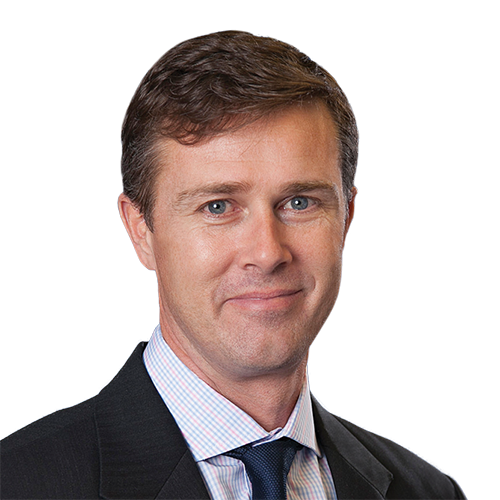
Mr. Nelson joined Franklin Templeton in 2007 and co-founded the firm’s quantitative research services group upon joining the company. He moved to Franklin Templeton Investment Solutions in 2009. Prior to working at Franklin Templeton, Mr. Nelson worked for Bloomberg LP from 1991 to 2007, where he was most recently manager of the Americas market specialist teams.
Mr. Nelson holds a B.S. in accounting from the University of Delaware. He is a Chartered Financial Analyst (CFA) charterholder and a Chartered Alternative Investment Analyst (CAIA) charterholder. He is a member of the CFA Institute, the New York Society of Security Analysts and the Chartered Alternative Investment Analyst Association.
Check this out and find out more at: http://www.interactivebrokers.com/
Looking to invest in The Disciplined Investor Managed Growth Strategy?
Click HERE for the virtual tour → www.thedisciplinedinvestor.com
Stocks Mentioned in the Episode: (NVDA), (DELL), (SNDK), (MU), (MSFT), (AAPL), (AMZN), (META), (GOOGL), (XOM), (CVX), (BTC-USD), (GLD), (SLV)