
In short
Geo-economics—how geopolitics and economic tools (sanctions, tariffs, supply-chain control, reserve seizures) are increasingly driving financial markets, plus a practical retirement-tax strategy (NUA) for investors with highly appreciated employer stock in a 401(k).
Guests
Satyijit Das, an internationally respected finance writer and strategist with 37+ years’ experience. He anticipated aspects of the 2006 global crisis, warned about low growth and sovereign-debt risks, and has been influential enough to be named by Bloomberg among the 50 most influential financial thinkers (2014). Author of Traders, Guns and Money, Extreme Money, and A Banquet of Consequences.
Key claims
Markets poorly price geopolitics; “war tax” and rising defense spending are diverting resources; economic warfare is reversing globalization toward “selective isolationism/autarky,” raising costs over 10–15 years. Oil pricing is distorted vs global reality due to strategic reserve use and other factors.
Notable examples
“Legalized insider trading” via paid access to political posts; rare-earth supply concentration; Iran disrupting Gulf oil/air hubs; sovereign wealth funds (e.g., Norway) underpinning Treasuries and stocks; Japan’s debt experiment and yen weakness/carry-trade instability.
Written by AI. May contain mistakes. Listen to the episode to check what was said.
Chapters
Tap a time to open that second in VOMarket Overview and Investment Strategy
2:00 to 4:27
Discussion on current market trends, investment strategies, and potential risks.
“I'm Andrew Horowitz, and if you're a first-timer, welcome aboard.”
Understanding Net Unrealized Appreciation (NUA)
4:27 to 11:04
An in-depth explanation of the NUA tax strategy and its benefits.
“Now, I want to spend a few minutes on a tax strategy today that doesn't get nearly enough attention.”
Implementing NUA and Considerations
11:04 to 14:00
Detailed thoughts on implementing NUA and key considerations for investors.
“But what we did was we modeled scenarios where the tax savings and the estate planning benefits from the NUA were substantial.”
Introduction to NUA and IRAs
14:00 to 14:47
Explaining the benefits and complexities of NUA and IRA planning for executives.
“and roll that into the NUA portion and the other part of it into an IRA and just pay the appreciation on the original basis.”
Guest Introduction: Das
15:41 to 16:58
Introducing Das, an expert in finance with significant market insights.
“So, Das, he is a podcast fave of our listeners.”
Reflecting on Past Discussions
16:59 to 19:06
Recalling previous podcast topics and their relevance to current markets.
“and Financial Times and Nikkei Average, the review and this and that and Bloomberg and Seamble.”
Exploring Geo-Economics
19:07 to 21:44
Discussing the intersection of economics and geopolitics in today's landscape.
“but happiness is always very, very temporary.”
Legalized Insider Trading?
21:45 to 23:58
Examining the implications of selling access to financial information.
“where they effectively have oligarchies, which really rule.”
Oil Market Dynamics
23:59 to 26:18
Analyzing the disconnect between oil prices and actual market conditions globally.
“So I asked them, well, let's cut out the futures price because that's what that is.”
Renewable Energy Trends
26:19 to 28:03
Discussing global shifts towards renewable energy and its implications.
“is basically going through to try to save face to make it look like a bit of a barrage that actually oil is not a problem right now.”
Show all 25 chapters
The Finite Resource Dilemma
28:03 to 29:13
Discussing the implications of oil as a finite resource amid a global shift to renewables.
“Think about it from a United States perspective.”
The Shift from Peace Dividend to War Tax
29:13 to 31:06
Exploring the transition from the post-Cold War peace dividend to current defense spending strategies.
“Well, I think you have to go back to the numbers.”
Evolving Warfare: Kinetic vs. Economic
31:06 to 32:57
Analyzing the changing nature of warfare, including kinetic and economic aspects.
“It's right about, say,$3 trillion a year and it's going up by 10%.”
Impact of Economic Warfare on Global Supply Chains
32:57 to 35:34
Examining how economic warfare is disrupting global supply chains and international relations.
“But I remember Will Rogers, the great American comedian, once saying that who can't say human beings don't advance?”
The North Koreanization of Global Economics
35:34 to 37:31
Detailing the trends towards selective isolationism and economic autarky in the world.
“And there are investment controls and sanctions and excluding people from the dollar payment system.”
China's Strategic Long-term Planning
37:31 to 39:59
Discussing China's long-term strategies in resource management and economic positioning.
“And they're going to rise very rapidly, in my view, over the next 10, 15 years as countries go back from globalized trade to the economic term is autarky.”
Investment Trends in the Middle East
39:59 to 42:00
Analyzing the investment dynamics in the Middle East and the implications of shifting alliances.
“And Japan started doing it after the Second World War.”
Shifts in Global Alliances and Investments
42:00 to 43:19
Explore the changing geopolitical landscape and its impact on global investments.
“And again, what's interesting about that is for many, many years, we wouldn't allow that due to security and issues with that.”
The Role of Sovereign Wealth Funds
43:20 to 45:54
Understand how sovereign wealth funds are managed and their influence on global markets.
“And that's a very important point, the quadrupling.”
Sovereign Wealth Funds as Hedge Funds
45:55 to 48:16
Learn how sovereign wealth funds are evolving and their current investment approaches.
“One is they have to sell and take the money back.”
Global Debt Dynamics and Economic Traps
48:17 to 55:21
Investigate the challenges of rising global debt levels and economic policy implications.
“Now, in our previous conversations, we talked about something.”
Economic Traps: The U.S. and Japan
56:00 to 56:45
Explore how the U.S. and Japan are trapped in their economic policies and debt management.
“But coming back to this point, you're saying you're absolutely right.”
The End of the Economic Road
56:45 to 57:21
Discuss the unsustainable nature of current fiscal and monetary policies and the consequences of reverting to sound practices.
“And so all we're doing is what you and I have discussed for the better part of 15 years.”
The Lesson from Japan's Bubble Collapse
57:21 to 58:08
Learn about the drastic effects of interest rate increases in Japan and its long-term impact on asset prices.
“And realistically, the only option is to return to credible commitments to fundamentally sound fiscal and monetary disciplines.”
Guest Introduction and Appreciation
58:08 to 58:35
Andrew expresses gratitude to Sanjay Das for his insights and contributions.
“Well, the urban land prices have never come back.”
Transcript
Automatic transcript. May contain errors.0:00This episode is sponsored by Interactive Brokers. And you know that world events unfold in real time, and now you can trade them. With IBKR prediction markets, trade election, climate, and economic outcomes, alongside stocks and options and bonds, all on one integrated platform. These are simple yes or no contracts priced to reflect the market's view of probability. And if your prediction is right, you'll receive$1 per contract and earn interest on your position while you're invested. IBKR prediction markets turn market expectations into actionable trades. Prediction contracts are not suitable for all investors.
0:46Learn more at IBKR.com slash predictions.
0:53Satyajit Das:The Disciplined Investor is all about you, your money, and the markets. Sit back and get ready for this edition of The Disciplined Investor Podcast. This episode of The Disciplined Investor is sponsored by Horowitz & Company. If you're looking for a portfolio manager, look no further. Horowitz & Company, from seed through harvest, cultivating financial success.
1:22NUA, never pay tax on company stock in your 401k. Let's dive in. Kinetic to economic, all the wartime buzzwords, and our massive sovereign debt loads choking future growth. We're going to get into all of that and more with our guest, listener fave Satyijit Das. All this and much more on episode number 986 of the Disciplined Investor Podcast.
1:59And welcome to another terrific episode of the Disciplined Investor Podcast. I'm Andrew Horowitz, and if you're a first-timer, welcome aboard. We're going to become good friends for a long time. On today's show, I wanted to discuss a pretty, I guess it's a remarkable tax strategy, a little bit off the beaten path, a little bit. But if this relates to you, oh my, this is crazy, crazy good. And before we get into that, let's discuss a bit about what's going on in the world, world of the markets. We saw a quick comeback for some of the software stocks and tech is leading the way right now in the markets once again, moving up to all-time highs again.
2:45You know, what's interesting is that the VIX is once again sub-15, which to us is a bit of a warning sign. However, there's a great deal of money in this system now that's looking pretty good, looking for a home. And what they're looking for is to place that equity into the markets, particularly the stock markets. Bonds, not so much. The 30-year hit, I guess a high, it's like a decade-long high, back to, I think, to 2007. It was the last time it hit this level was actually 2007. And I guess we have to say that the bond market's revolting a bit and that there is something to watch in this and to be careful of.
3:27And the good news is for us, for our clients, we made the decision about five months ago to shorten duration and to reduce maturities for clients also. So we're pretty happy about that move. And that was something that I think was really important to do when we look back on it. But overall, the message that investors are saying right now is that they want to invest. That's as I see it. But if they're becoming a little bit more, it seems a little bit more discriminating in the way that they are, in fact, investing. That's no question about that. That's clear. So just staying right now in the same portfolio may not be the right move for the next cycle.
4:18In fact, we've been looking at some of the more defensive areas as very viable options for next year. Something to think about on how to rotate a portfolio to look at. Now, I want to spend a few minutes on a tax strategy today that doesn't get nearly enough attention. but for the right person and if this is you it could save you 10 sometimes hundreds of thousands of dollars in taxes there's no question about that we just went through an analysis for a client on this it was unbelievable and it's called net unrealized appreciation or nua now wait before just hold on a second because before your eyes are going to glaze over and you're gonna be like oh man I can't deal with all this tax stuff and tax accounting jargon.
5:06And just stick with me for a second here because this is one of those strategies that can make a real difference if you have employer stock sitting inside your 401k plan. And if that's you or maybe somebody you know, listen up because here's the basic idea.
5:27Normally, when you have money that comes out of a traditional retirement account, it's taxed, as you know, is ordinary income. You got to pay tax on it right away. It's the way it is. And if you roll your 401k into an IRA and start taking withdrawals later, every dollar generally gets taxed at ordinary income tax rates. And here's the rub. When that happens, you go usually from a lower tax bracket possibly to higher if you're taking out a lot of money because it adds into your totality of your tax base and your income tax rates go up. But, but, employer stock can be totally different. And with this strategy, with NUA, Net Unrealized Appreciation, the appreciation that occurred in the company stock while it was inside your retirement plan may eventually actually qualify for, get this, long-term capital gains.
6:27Long-term capital gain treatment instead of the ordinary income tax treatment. And that's a big deal because capital gains rates are often much lower than ordinary tax rates.
6:43Now let's use a simple example of this. So I was thinking about this and we kind of jotted down some ideas. Think about if you have been working for a company for a couple of decades, 25 years, and you accumulated company stock inside your 401k plan. And that stock is worth$500 ,000 today. But the original cost basis is only$100 ,000. That means there's$400 ,000 of appreciation inside of there. And if you simply roll everything to your IRA, future distributions are generally taxed as what? Remember? Ordinary income. But with the NUA strategy, you may pay ordinary income tax on the$100 ,000 basis, the money that you originally got it at, while the$400 ,000 of appreciation could later be taxed on long-term capital gains rates when they're sold.
7:52Sounds pretty good, right? Well, hold on a second. Not so fast. There are rules. There are rules, and this is a very specialized situation, so you have to ask yourself, do you have company stock inside your 401k that's appreciated considerably? Because there are rules. First, you need what's called a qualifying event, such as things like retirement, separation for service, you were fired, you quit, disability, or reaching the age of 59 and a half. One of those things has to happen and it's called a qualifying event in order for all this to happen. Now, generally, it also requires a lump sum distribution from the retirement plan in a single year.
8:44So you need to take all your money out of that plan in a year. And even if you qualify, the NUA isn't automatically the right answer. In fact, we've gone through different scenarios when it looks really good on paper, but didn't make a lot of sense long term. And one of the biggest concerns we have is concentration risk, because what we're talking about here is a significant amount of money that's in company stock. And when we roll it out, it has to stay in there until there's time you take it out and you sell it and then you're going to be taxed on it. But many people using NUAs end up holding this large position in a single company stock.
9:26Now, there's some good news about that, by the way. There's things that we do with that if you qualify. There's a lot of things that go on here. But here's the point. I think the most important part of this is if you do have a significant amount of company stock inside of your plan, you need to at least entertain the idea of looking into what the NUA can offer you. Now, having such a significant amount of company stock in that if the stock drops, well, the tax benefits, maybe not looking as attractive as I did in hindsight, because obviously take a hit on that, right? That's where the tax planning and the investment planning need to kind of work together.
10:11Now another consideration when we look at that is your tax What is it today? What might it be in the future? And if you're already in a lower tax bracket or maybe if you plan to be so when you retire Maybe it's possible a traditional rollover may be perfectly the right thing It may be a reasonable choice to do But if there's this large embedded gain inside of the 401k plan in the company stock that you work for, right? The company has to be the company that you work for. It's not just any stock. It's the company that you work for. There may be this incredibly meaningful spread between the ordinary income tax rates and the capital gains rates.
10:57That can make an NUA very compelling. Now, what we did here for clients is we recently had some of these come through. This isn't a very common situation. But what we did was we modeled scenarios where the tax savings and the estate planning benefits from the NUA were substantial. Because what happens is technically you never have to sell the stock and you can give that to the next generation without any tax implications. In fact, in one analysis, the difference in after-tax wealth over time exceeded like a million dollars. It was unbelievable because, primarily because this embedded gains were taxed at capital gains rates instead of ordinary income tax rates.
11:44Obviously, every situation is different. And the assumptions that we put into this whole thing matter because one little change in the assumptions, the whole thing is blown. But if you're retiring, if you're changing jobs, if you're quitting, and if you're sitting on this highly appreciated company stock inside of a 401k, do not, just hold on for a second. do not automatically roll everything into an IRA without looking at this NUA option first, because it may be one of the most valuable tax opportunities available in retirement planning. And I got to tell you something. We talked to a couple of tax attorneys and accountants, and they didn't know about this.
12:31So you have to work with your financial advisor or someone, tax professional, before you make a decision, but make sure they understand about what an NUA, A net unrealized appreciation option within your 401k is because you may be able to do this. And if you make the wrong decision, if you roll it into an IRA from your 401k before you actually look into this, and if you've never seen the option, and again, it's not that common. We've only seen it a few times over the years. If you make the wrong decision, you can't really undo them. You can't go backwards and simply just say, well, I don't want to do that.
13:16I want to mulligan. Once you do it, it's stuck. So make sure that you do that. Now, if you don't know of your situation, look at your 401k plan. Look at the company 401k plan that you have. Do you have stock from the company that you're working in that was given to you, granted to you, or you bought it at a discount, or you just bought it many years ago, and now the valuation is substantially higher. And even if you have other assets inside of that 401k plan, that doesn't mean and preclude you from doing this. You can actually do a partial movement, even though you have to move all of it out through this process.
13:55But part of it can be in the individual stock that was company stock and roll that into the NUA portion and the other part of it into an IRA and just pay the appreciation on the original basis. They want you to pay that. So there is a lot of variables in there. There's a lot of options in this. But if you calculate the amounts that could be there, especially for you execs that are listening in Silicon Valley, people that are in companies where you pushed a lot of your stock from your company inside of your 401k plan. This is brilliant. I got to tell you something. This may not last forever. So if you have something like this, the planning needs to start now.
14:42Something to think about. With that, I think I want to get to our guest today. I want to talk to Das. So let's get right to it. But first, again, a quick note about interactive brokers because we know, you know, you research your investments. You analyze markets. But have you researched your broker? For the past three years, Interactive Brokers' individual clients average a 24.3 % annual return, beating the S &P 500. Lower costs, competitive rates, and access to more than 170 global markets help investors keep more of what they earn. The broker you choose matters. Interactive Brokers, member SIPC.
15:30Learn more at ibkr.com slash performance. I want you to go there now. Visit ibkr.com slash performance. So, Das, he is a podcast fave of our listeners. And if you haven't heard him yet, you're about to find out why. He's an internationally respected expert in finance. He has 37 plus years of experience. He was very prescient in anticipating many aspects of the global crisis that started in 2006. And then he subsequently proved accurate in his warnings about the ineffectiveness of policy responses and the risk of low growth and of the sovereign debt problems is why we're talking about things like this today.
16:20And he even was way ahead of the curve, I remember, about the restructuring of the Greek debt and the increasing problems of China and emerging economies. And back in 2014, Bloomberg named him and nominated him as one of the 50 most influential financial thinkers in the world. Pretty good. He's authored a number of key reference works and books. One's called Traders, Guns, and Money, Extreme Money. and his latest book is called A Banquet of Consequences. Have we consumed our own future? There's another one coming out soon too, by the way. He was featured in all sorts of TV and Market Watch and Financial Times and Nikkei Average, the review and this and that and Bloomberg and Seamble.
17:04Ah, he's been on it all. I can't wait to talk to him. Well, welcome, Das. It's so great to have you, even though you're coming from a million miles away and I think it's the morning by you when we're recording this. Indeed it is. You got me out of bed, but then I get out of bed early. Good to be with you. Good. You know, I was thinking back on the first time that you were actually on this show. It goes back way back to February 2010. Can you believe that? Yeah, I had more hair then. Well, you're a handsome fellow nonetheless. Back then we were talking about the Botox economy, which - Nothing has changed.
17:43Nothing has changed. Everything is still Botoxed. Right. And interestingly enough, in about six months, we're going to have a 20th anniversary of the show. March 2027 will be 20 years, which is kind of weird. When the first time when my publisher of my first book came out and they said, you know, you should do. You should go and you start promoting your book. A great way to do that would be podcasts. And I said, what the beep is a podcast, right? So that was back then. Most recently on your last. Way ahead of your time. Way ahead. Pretty amazing. Most recently we talked about, the last time you were on, we talked about the bend and snap, which was from Legally Blonde, if you remember that movie.
18:21We talked about how the market had an uncanny way over the last year or so to simply just ignore everything that was going on with regard to the markets. And it simply was one of these situations where there was an amazing bullish run, which I don't know if much has changed from that. Do you? I don't think that's really changed. No, not really. I think there's a phrase that some people use. This is called the bliss trade. And basically everybody's blissed out. And obviously there's focus on AI and a few other things, but nothing much has changed. But, you know, Leo Tolstoy once said that human beings accept happiness, but happiness is always very, very temporary.
19:12Oh, yeah. I know some people, you know, you talk about that as another phrase is they're not happy till we're not happy. So it kind of reminds me of the same concept in a way that, you know, markets are constantly, there's nobody doing this per se, confounding and confusing and probably doing the thing that most people are questioning, is that even possible? But I want to talk about something different. You and I have talked about this phrase that you've brought up, this idea of something that's going on right now around the world, and that's geo-economics, which is something that's kind of cropping up.
19:46Explain to me a bit. Well, it comes from the Cold War, but basically it's the idea of the conflation and interaction between economics and geopolitics, particularly foreign policy. And I think what we're now seeing is the states like the United States, Europe, China, all of these are trying to leverage their economic power, their financial networks, particularly for the US with the dollar, and the supply chains to try and forward their national interests and also, to a large extent, influence other countries' behaviors. Now, generally, financial markets are very poor at looking at geopolitics and particularly this idea of geoeconomics.
20:32The bottom line that they're trying to push, and I think it's the right thing, is that these factors, these political moves, are going to have a much more consequential impact on financial markets, on asset prices going forward.
20:46Satyajit Das:Yeah. It's interesting because we are seeing that in terms of geo-economics, geopolitics, and the cross between those, there is a substantial amount of movement that's happening with markets. Right now, for example, we saw that President Trump understands this pretty well. True Social is selling for about$100 ,000 a year early access to his True Social posts to financial institutions and other news organizations to get a jumpstart on it. And if you're a financial institution, you can't not do this, right? You can't say, no, I'm not doing that because you're going to be behind the curve for anything that happens.
21:24But what that does say is troubling to me, and I want you to tell me your thoughts, is that we are selling access, which is something I thought we didn't do, to this for the idea of financial gain. How does that sit with you? Well, I think it's just legalized insider trading, isn't it? So you have to pay to play. And I think what has happened is people talk about places like China and Russia, where they effectively have oligarchies, which really rule. And I don't think, to be honest, the rest of the world, including the United States, is that different. It's just the institutional structures are different and we pretend that we're not doing it.
22:06So that's becoming part of that. And I think there's another thing which is more troubling. If you go through very long history and you go back to empires like the Romans and everything else, then what comes through very strongly is as you reach the end of empires, what happens is a lot of looting. So the people in power know that basically there is no long term. So they loot whatever is there. And I think what you're describing is part of that process, because I think the deepest consequence of this administration in the US is the destruction of institutions and norms and things like the legal framework, the property rights frameworks and everything else.
22:49And I don't know how that's A, going to end and B, whether you can ever come back from that. Yeah. We're in uncharted territory, as I see it, for a lot of things right now. And, you know, the question is going to be that I really want to ask, is this the new normal? In terms of how things will operate, as you mentioned, this new normal phrase, is this going to be like, well, he did it, so I guess I can do it, right? Even though for years we had public officials putting their money, many of them putting money into blind trust. Now they're just like openly in the Congress in the United States saying, the hell with that, right?
23:25We're going to trade stocks and make money. Where we thought years ago that Russia was involved in many market-moving incidents and trading oil against it, plus other countries. And we were like, no, that's a bad thing. Now it's kind of acceptable. And is this— I'll give you a very good example. The oil market clearly is not reflecting financials. Right. Right. You know, to be to give you a concrete example of that, the oil price is sort of hovering between 80 and 90. Right. If you look at and I used to have a lot to do with commodity traders and I know a few oil companies. So I asked them, well, let's cut out the futures price because that's what that is.
24:08What are you actually buying? What are you actually paying? Coming out? Yeah. Yeah. And the story was quite startling. It was like one and a half times what the price was. And in Australia, we have freedom of information so that you can actually get information out of the government. And the government actually arranged for us to buy oil, especially mainly from the United States, but also from Mexico when the Gulf War started. And then the interesting story was one of the reporters here actually used freedom of information to try to access what the government was actually paying for the oil. And it was exactly the same.
24:47It was like one and a half times. And then you look at things like refining spreads, which nobody talks about, and you're really paying now between 140 and$160 per barrel of oil. But we don't talk about that. It's amazing. It's amazing. We don't talk about it here, especially, although there is not only talk about it, there is a reality of it in many places around the world, ex-US, right? Because US, we're buying things on WTI, somehow magically gas price of$4 a gallon, give or take. We've always had it a lot lower than other places because every time I've ever traveled around the world, we see the price and I do the quick calculation.
25:22I'm like, okay, it's$3 a liter. That means that if we multiply it by about four or so, and that's a gallon, and that equates -$12 a gallon. Yeah. It's a whole different thing. And much of the world is actually not paying the prices, the actual prices that we're paying here. And then we get into this whole issue of, you know, just to kind of just go down this commodity trail for just one second, this whole issue that reserves are at the lowest they've been in decades. I think we're down to 1983 levels on the strategic petroleum reserves that we've been using to artificially keep prices down here in the United States.
25:57And the way to kind of restore those is halfway to impossible, by the way. And that means that prices may be after this hump, even though we may see flow, which we don't see right now out of the Straits of Hormuz, may actually be going to restocking double. One is the basic inventories to begin with. And secondarily, the strategic reserves that China did a great job, by the way, of doing one and a half billion barrels or something like that over the last number of years. And the U.S. is basically going through to try to save face to make it look like a bit of a barrage that actually oil is not a problem right now.
26:35Well, there's several aspects to what you're saying. You're absolutely correct. The actual oil prices now in the United States are out of sync with the rest of the world. And I think that, to some extent, creates this very artificial bubble in the US, which flows through into financial markets, by the way. Well, there's nothing wrong. Everything is fine. And you're absolutely correct that the factors behind that is, one, is the release from strategic reserves around the world. Secondly, China has actually cut back purchases because, A, they don't need to immediately. And they're very strategic in that they buy when the price is low, not when the price is high.
Read the full transcript
27:12So they're just sitting there. Whether they can do that for an extended period of time, I don't know. And the other thing is a lot of the world has gone to renewables. If you ever travel through China, it was quite amusing. One of the Chinese state agencies gave reporters, wait for it, an electric vehicle ride west to east in China, all through the whole country. And most of the reporters were rather aghast when they went to the country to say, A, it's large, B, it's highly developed, and C, everything is covered with solar panels. and they actually don't rely. There are towns in China which are not even connected to the grid.
27:54They don't need to be because they use exclusively solar power and other forms of energy. So all of those is going on in the world. And the most puzzling thing, forget about everything else. Think about it from a United States perspective. You have one of the most precious resources on the planet, which is oil or petroleum in some shape or form. And you're now basically exporting it and you're telling yourself that you're rich. But this is a finite resource. Yeah. What's the point of that? It's a finite resource. It's also a resource that is trying to be taken out by renewables, right? And I know that here we don't do it.
28:36It's not because it's nasty and it doesn't work and all that. It's because it does work. Not everything, right? That's right. Not all of it. But windmill's ugly. Okay, I'll give you that. The killing birds. I'll give you that too. But at the same time, the idea that other countries around the world are doing things to proactively reduce their reliance on fossil fuel, which is, as you say, it's not infinite. You know, we have to get another compression age to make that happen, which is going to take a long time. It's over millions of years. Also, you have to eradicate the whole human race and every ecosystem there is.
29:16Right, exactly. Now, let's kind of segue into this, into the peace dividend, because, you know, you talk a little bit about in a few of your articles that you recently wrote and discussions you and I have had about this Cold War, post-Cold War peace dividend, the idea that, you know, now it's changed from a post-war peace dividend to, in fact, where we are today, which is a war tax, right? So, I mean, how does that all play out? Well, I think you have to go back to the numbers. And I think the most interesting thing is, I think there were two things in my lifetime, which are very, very significant.
29:54One is the collapse of the Soviet Union. And the other is obviously the rise of China. I thought you were going to say Chinese food delivery, which is a great invention in my day, but okay. Oh, absolutely. Chinese food delivery was there. What I always have loved about Chinese restaurants, by the way, is they're not polite. So you go in and the guy says to you, what do you want? Yeah. There was none of the maitre d 'eux sort of rushing over and sort of frustrating himself in front of you so you can walk over the top of him. Anyway, I've always loved that. It just feels like hope. Exactly. It feels like hope.
30:31But if you actually look at that, once the Soviet Union collapsed, to give it in perspective, the US defense budget halved from 6 % of GDP to 3 % over the period, say, 1990 to 2000. And that's a dynamic which is not going to be repeated. And Europe was even greater. Europe was even greater. and essentially the peace dividend to Europe was worth probably about$5 trillion over 30 years. And now that's all gone and global defense spending is going to rise. It's right about, say,$3 trillion a year and it's going up by 10%. And on present trends, it's going to reach $7 trillion by 2035. And that's a diversion of resources.
31:20The problem also is we have a new defense mechanism, right? The old defense mechanism was deterrent, right? It was way back, troops. Now it's like bombs. And now we went into very costly, but not as much, easily to replace, not like a missile, because that takes a lot more time, these drones and kind of crazy miniature warfare that it's like Ender's Game. Did you watch the movie Ender's Game? You got to see that. No, I haven't. Yeah, you got to see that movie. You have to understand the movie to understand what I'm saying. But basically, it's like game warfare. It's like joystick control. It's the gamification of everything.
32:02Yeah. Yeah, it's the gamification of everything. Financial markets have become gamified. Now defense is becoming gamified. War is becoming gamified. So there's two types of wars, right? there's the idea of a kinetic war. I'm finding that all of a sudden that phraseology is starting to creep into the news flow. I mean, war was war. It's like, you know, it's war. You know, there was either a cold war, there was a hot war, there was a war, there was a ceasefire, which, you know, but now we have kinetic war, which I think, correct me if I'm wrong, connotes active, death-oriented processes. That's a kinetic war, right?
32:51Well, I think the best way to describe kinetic, it's a sort of sanitized version of killing people. But I remember Will Rogers, the great American comedian, once saying that who can't say human beings don't advance? In every war, we find a new way to kill people. That's great. That's a good one. That's a great quote. Yeah, a great one. That's a great quote. Yeah. And so that war is going on. And by the way, the mortality rate in the current war, because of what they call these first-person drones, you get a personal killing machine aimed at you. Yeah. Which is, you know, I think you should feel very privileged.
33:27You know, you're special. This drone is coming for you personally. And, you know, it's this kind of thing. And by the way, that's no different from the delivery drone that, you know, online delivery companies. Ah, good point. Instead of bringing you your pizza, it now brings you a kilo of explosives. It's just absurd. And joking aside, it's a tragedy. And there is that war. But I think the more important war, frankly, and I don't want to ever denigrate human suffering, is the economic war, which is parallel to it. Right. And that is, they're trying to, right now it looks to be that there is a desire to run both concurrently.
34:13Now, let's just get away from Iran for a second. Let's talk about the impact of this economic war, for example, when we look at what's going on in Ukraine and Russia. So the economic war that's happening there, actually, there's winners and losers. You know, you've got to question the amount of money that's being funneled into Ukraine. And is it really all being funneled into just the bombing and the artillery and the defense? Or is that leaking around a little bit? And then also the economic war that we and the rest of the world are imposing on Russia for being the big bad Russia that they are, right?
34:50That has had an impact on the rest of the world too, hasn't it? Well, I think that's right, because essentially, one of the other things that came out of the sort of last period of history was we globalized supply chains. And essentially, everything, bits were built here, bits were built there, they were combined. And if we couldn't do something economically efficiently, and it was too costly, we just got it from somewhere else. But now the system is breaking down because this economic warfare involves things like tariff. I understand that's the US president's favorite word. There are trade restrictions.
35:28It's a beautiful word. It's a beautiful word. He thinks it's beautiful anyway. That's all that matters. And there are investment controls and sanctions and excluding people from the dollar payment system. And the other one is sovereign assets seizure. people forget that one of the big changes that's gone on is countries are seizing each other's central bank assets. I mean, Russian Foreign Minister Sergei Lavrov was basically foaming at the mouth when the Western community confiscated billions of their foreign exchange reserves. And he was asked what he thought. And he basically said in one word, theft.
36:07That's all it is. Right. Because under international law, that was not regarded as permissible. So all of these things are going on. And essentially, what that's doing is adding to the pressure. On the one side, we have the war tax. On the other side, you're starting to break down these supply chains. And it's not only the United States, because in sort of retaliation, China is using rare earths as a very, very competitive tool to try to influence other things. Now, one of the most amusing things about that is that I understand the U.S. Defense Department is trying to up the production of things like interceptor missiles and everything else, except each of those things uses a heck of a lot of rare earths.
36:56And of some of them, China is the sole supplier. So everybody is using this. And, you know, this has obviously geopolitical consequences, but the most important thing that if you go a little bit further down the track is what this is forcing countries to say, well, I can't really rely on anybody else. I just literally cannot rely on anybody else. So I have to do things internally. And that's reversing the logic that was there all along. I can't do that cheaply. Somebody else can do it more cheaply. So I'll buy that in. And so what this is doing is building in an entirely different sort of environment where all costs are going to rise.
37:40And they're going to rise very rapidly, in my view, over the next 10, 15 years as countries go back from globalized trade to the economic term is autarky. And the only country on earth at the moment which has autarky is North Korea. And as I say, this is the North Koreanization of the world. And what I've called this all these years is I create a phrase selective isolationism, which is the use of economic warfare or economic means to try to, one, push other people out and then isolate ourselves from all that impact. One of the interesting things that's happened recently, which I think is fascinating, is for years we have gone, and my listeners have heard me talk about this before, but for years we've gone on and kind of, you know, we've laughed.
38:27We've, oh, China, oh my God, China stuff isn't real because, you know, it's state-owned enterprises. And the idea that the country is going and they're, what are they doing? Well, they're buying into, they're supporting, they're creating a safety net. And that's just not real. And Japan, oh my gosh, look at them with the artificially low rates, sub-zero on JGBs. And then on top of that, they actually are active investing in their markets, in the ETFs inside their markets. And oh my gosh, those aren't real markets. Look at us in the United States. We're so much better than that. And meanwhile, you bring up the point, Das, about critical materials and metals and rare earths.
39:09And what do we do? We decide that we're going to start needing this and we buy into companies. Our government for security purposes and independence requirements, we start buying into these companies. And everybody's like, oh, that's a good idea. the same people that were absolutely horrified at the fact that China does the same thing. Well, I think the interesting thing is that's exactly the problem. And the problem is the West, particularly Europe and the United States and also Australia and basically the Anglo-Saxon world has missed the boat. China started doing this 40 years ago. And Japan started doing it after the Second World War.
40:02And they've got a head start. Yeah, a big head start. It's going to take a long time to catch up. And there's a very famous sort of phrase which essentially Deng Xiaoping, who modernized China really after Mao Zedong, said, is he said, well, other countries have critical resources like oil. Rare earths is going to be our oil. Oh. And he was absolutely right. And how somebody like him saw that far ahead, I don't know. Well, they play a much longer game than we play. We play a four-year cycle. Yeah. They play 50 years. Andrew, Andrew, Andrew, we don't play a four-year cycle. Most businesses, I think the long term is the next quarter.
40:49Next quarter. Well, from a geopolitical standpoint, we play a four-year cycle. From a company standpoint, we play a four-quarters cycle. Yeah. The idea of economic warfare that's happening right now, and you mentioned that prices are going to go up. We have things like choke points and shipping route issues, the critical metals. We have tariffs. We have things like we're going to put them on a no-no list, right? Yes, I know. It's actually the no-no list is right. I understand that Australia is going to have to pay tariffs of 12.5 % because we use forced labor. Forced labor. People are forced to go to work so they can eat.
41:27Exactly. And I think the other thing which is amusing about the forced labor is the minimum wage here is roughly three times what it is in the United States. I said, you know, most people around the world would be happy to be forced labor here at those rates of pay. Yeah. Let's kind of go back. This is just kind of absurd. It's absurd. The whole thing is absurd. The games that are being played. The whole thing is absurd. It's just an absurd game. Let's go back to the Middle East for a second and talk about that, because when we look at the Middle East, there's been a tremendous amount of investment, whether it's a sovereign wealth funds or whether it's been direct investment.
42:02And again, what's interesting about that is for many, many years, we wouldn't allow that due to security and issues with that. Right. We pick our countries that all of a sudden we like and don't like. All of a sudden we're good friends with Saudi Arabia. I don't know. I'm not sure where that exactly happened, but we don't like China. Right. And we don't like, you know, now it's like, OK, well, Russia's bad. But over time, this all happens and we see these changes and this rotation. But the Middle East has been ever since especially sovereign wealth funds became in existence. And on top of that, because of the excess capital they have due to the technology that they produce, they've funded a huge amount of all sorts of projects around the world.
42:48if we have this prolonged conflict which by the way is odd because Iran is now attacking what used to be their friends their allies which are no longer seemingly their allies right if this continues what happens to that investment that may come into does it shift does it go to different places does it turn off how's it going to work well I think you have to come back a stage is that basically what happened in the Gulf was you have to go back to the 1970s and the oil shops. And oil went from nothing and quadrupled in price. And that's a very important point, the quadrupling. Oil can quadruple in price if somebody starts to fiddle around with the supply of it.
43:30It's just one of those things with no elasticity of demand and no elasticity of supplies. If anybody plays with it, it goes up. So they ended up with a lot of this money. And what happened was, what do you do with this money? Because they've got low populations. They don't really, can't use all the funds. So they basically invested it. And that gradually grew to the sovereign wealth funds and so forth. Now, Iran actually is attacking these Gulf countries for a very specific reason, is the Iranians are not quite the Chinese, but they are playing a longer game. And they know that if they can essentially mobilize these nations, and don't forget, almost all of these nations are not democratic.
44:16They're monarchies. And so basically, state funds are your and my wallets. Yeah, exactly. What do we feel like investing in today? Yeah, exactly. Exactly. And so essentially, the attacks are very interesting because they take different forms. In the case of Saudi Arabia, they're obviously disrupting all their oil exports. Their oil exports are down by about 25 percent if I look at Aramco's accounts. and then you attack in the case of the UAE they have this hub the UAE and Qatar are basically airline hubs so you destroy the airport or attack them to because they're trying to diversify away from oil or they don't have as much oil they're getting into aviation and tourism and basically what you're doing is you're disrupting global air traffic movement of people and cargo and Essentially, you're shutting down those economies.
45:12That's what you're doing. In my view, the Gulf economies are going to contract, and they're not short of funds. There were two very telling episodes. One of the Gulf countries borrowed privately from PIMCO. Instead of doing public bond issues, they did a private placement with PIMCO or a semi-private placement because they wanted to hide. They were paying normal, not normal interest. They were paying much higher interest rates to cover their budgetary shortfalls. And essentially what they're going to have to do is they have these massive investment portfolios. And they're going to have to basically, due to the cash flow pressures, do two things.
45:55One is they have to sell and take the money back. And also what they have to do is essentially reassess these strategic relationships because the finance and the geopolitical relationships are aligned. And what Iran is doing is very simple, is they know the only way they can really survive is to turn the Gulf countries around. And it was very interesting to see the three-way agreement between Turkey, Saudi Arabia, and Pakistan. And essentially, that's about moving away from a Western facing to a different alignment of geopolitical powers. And that also means a couple of things. Turkey wants to sell its military technology to Saudi Arabia, which means the funds from Saudi Arabia aren't going to flow to Western arms suppliers, they're going to flow to Turkey.
46:54Right. And also Pakistan, which has got huge economic problems, is looking for Saudi Arabia to invest there. So this huge diversion is going to go on. And by the way, if you take the top 12 sovereign wealth fund, I think from memory, seven or eight of them are from the Middle East. Oh, yeah. No question. And so those funds aren't going to come. And those funds, directly and indirectly, have been underpinning two markets. One is the US Treasury market, and the other is the stock market. Yeah, clearly. Because there's a massive amount of money that's flown in. But that money is now not only not going to be coming in at the same rate, but I think it's going to reverse.
47:39We saw sovereign wealth fund numbers this week. Record numbers of profits, I think, from Norway. One of the largest sovereign wealth funds. I think the largest sovereign wealth fund in the world. It is the largest. And they had, I think,$187 billion of profit over the last period that they've reported, which is enormous. And the idea of a sovereign wealth fund, of course, was two things. One is to diversify in the Middle East in particular. They take the money and the profits from their oil. They put it somewhere else to diversify it away from oil. Then that is good for the country members, if you will, the citizens.
48:13They would pour it back, and they would be able to utilize that. It's being used like a massive hedge fund now. Which is - Well, they are hedge funds. They are. They're basically massive hedge funds. That's what they are. Now, in our previous conversations, we talked about something. We talked about this, I think, unresolved or maybe it's unresolvable issue with regard to extraordinarily high debt levels, sovereign debt levels around the world. and as interest rates are staying higher, the 30-year hit recent highs from decades. And that obviously - 2001, I think it's - Yeah, it's impacting, it's impacting mortgages and it's going the wrong way.
48:57You have Kevin Warsh who said, you know what, hey, let the markets decide on what the rates are gonna be. And I heard that, I'm like, oh, wow, don't do that. You know, at least have a little bit of something in there because you let the markets go do that, they're gonna test you pretty well. with all the excess amount of required defense spending that's going to happen, with the cost of funding being the highest it's been in decades, with funding being the highest ever, how does all that happen? Explain that to me. Well, I'll give you, this is actually playing out right in front of our eyes, but it's playing out in an interesting place.
49:39I've always said you have to watch Japan. The reason you have to watch Japan is Japan got into these troubles that we all face now 40 years ago. When their bubble burst, they started to use the policies that we've used to sort of massage our economy, which is things like massive fiscal deficits, loose monetary policies, low rates, quantitative easing. All of those policies came from Japan. and Japan's sovereign debt, the actual government debt is now 250 % of GDP. And I always said, this is like the great experiment. Now, does this work or does this work? What Japan? And as you know, the Bank of Japan and the US Federal Reserve had to intervene.
50:25Oh, that was great. When Besant had, I mean, the yen hit 160 plus, 164, was it? 164. I think it's 164. and that means it's weak, by the way. Just to be clear, when we talk about the yen moving up, it's actually against the dollar, but it's reverse and upside down trade, meaning the yen was weak and has been weak in 40-year level on the downside, on the weakness scale, if you will. What was interesting was, I don't know if this was an accident or if this was purposefully done. During a meeting, Treasury Secretary Scott Besant was sitting there and he had a little notepad out, right? Just a little notepad, small thing.
50:58And one thing was scribbled on it. Buy 10 to$20 billion worth of yen. or something like that. Well, I don't think it was accidental. That's the first comment I would make. Right. The second thing was that I think you have to look at how far the yen has come. Oh, it's unbelievable. The yen since 19, from 100 to 164. That's a 60 % devaluation. It's unbelievable. That's massive. That's a massive devaluation. Meanwhile, the stock market's doing well. The economy seems to be doing well. Nobody's the wiser. Nobody cares. The yields have been higher than they've been for 40 years or something like that.
51:34And still, the government is still managing to pay their debt. No downgrades, by the way. The reason for that is very simple. About 90 plus percent of their debt is financed domestically. It is not financed outside. The stock market has much, much more significant foreign ownership. But basically, their debt doesn't. Now, this is the interesting thing about this. because essentially, normally, you have the central bank intervening, not everybody else. And essentially, the only time I can think of that you have concerted efforts was like the Plaza Accord and the Louvre Accord when they were trying to realign all the currencies across the board.
52:16They're not trying to do that here. But the interesting thing is why Japan is worried about the actual weakness of the end because it helps their stock market because they're exporters. Yeah, clearly. It doesn't actually hurt them in that sense. And it also helps in the sense that they have a lot of foreign investments, which obviously in the end terms have gone up in value now. But the real issue was, is Japan faces rising inflation. And one of the causes is high energy prices, because the cost of oil and gas, that is all imported. Now in the end terms, it's gone up. But the thing is, if you have high inflation, then you need to push up interest rates.
52:53But they can't do that because their economy is weak and they've got these massive, basically, government borrowings. And also, their stock market is owned roughly a third by foreigners. But if the yen keeps weakening, and you said, quite correct, that the Japanese stock market has gone up. But if you translate that back into dollar terms, it doesn't look so squeezy for obvious reasons. Right. So they have to manage that. But the problem that they have is a parallel problem in the US. Because essentially, if the yen goes down and the dollar goes up, then that reduces US export competitiveness.
53:32And the US has tried to devalue the dollar to avoid that. And the other thing is, if you have higher Bank of Japan rates, Japanese investors, who by the way, are the largest holders of US treasury bonds, may switch back to their domestic bonds. and that would push up American rates and reduce demand for new issues. And the other big thing here is the carry trade because every hedge fund around the world borrows yen and buys higher-yielding assets in other currencies. And you may remember in August 2024 when the Japanese central bank increased rates by, wait for it, from zero to 0.25, the Japanese Nikkei fell about 12%.
54:16And it triggered a massive global period of instability. So essentially now, the US is sitting there going, holy hell, if they push up interest rates, you've got a big problem. So essentially what the US Federal Reserve and Scott Bessent is trying to do is avoid a destabilization. And central to that is how are they going to intervene? that we're going to have to get dollars to sell. But nobody's talking about fixing the problem. Everybody's talking about making sure that it's covered up, making sure that it doesn't explode. You started with the Botox economy. This is the classic example of the Botox economy.
54:59We just want to cover it up. I always say that there may be a beautiful-looking piece, a mound of a chocolate-layered cake with this great topping of chocolate on it. But the truth of the matter is, underneath that thin veneer of chocolate is just a pile of dog shit. And that's kind of like what we're looking at, you know, this idea that we can try to paper this over and it's worked. Look, look, look, it's worked. Let's be honest. It's worked for a long time. And yes, there are those moments in time. Take COVID out of it. Take COVID totally out of this discussion. Great financial crisis. Let's look at 2024 when, or 2020, 2022, 2024, 2024, when nothing worked out, right?
55:44Because the yields were starting to come up so dramatically. You know, look at some of the times in 2008 when, you know, we couldn't stop the ball rolling down the hill. But that's all this is. And it's really, it's terrible for us as investors that we ignore all this and we don't really focus on it because we don't want to feel any pain. And that's the deal, right? Don't feel any pain, no pain. Yeah, nobody wants to pain. But coming back to this point, you're saying you're absolutely right. It's covered up. And the U.S. and as you know, Scott Besson's background is he worked in a hedge fund as a trader for a while.
56:25and the interesting thing is he's running u.s finances in many ways very similar to a hedge fund right he shortened the maturity of all the debt to lower the cost so the u.s has to refinance a third of its debt every year and basically they're going to have to refinance around about 25 percent of gdp to say around 10 bill say about eight or nine billion trillion dollars every year And so basically the U.S. is now trapped. Japan is now trapped. All these countries are trapped. And so all we're doing is what you and I have discussed for the better part of 15 years. It's trying to kick the can further and further down the road.
57:08That's what it is. It's like the game I played when I was a kid. Kick the can. Exactly. And the problem is that there is no more road left. And we're getting towards the end of the road and the end of the economic game. And realistically, the only option is to return to credible commitments to fundamentally sound fiscal and monetary disciplines. But no government's going to do that. They're not going to take the decisive action for ideological reasons as well as the fact that if you do that, the financial economic costs are going to be huge. Can you imagine if everybody says, I'm going to go back to those types of sound policies, what asset prices would be?
57:50No, not at all. And I'll give you the number because in Japan, when they increased interest rates from four to six and the bubble economy collapsed, Japanese stock prices went down by 80%. And they didn't come back for decades, by the way. It was decades. Well, the urban land prices have never come back. And the stock market only came back in the last couple of years. Yeah, exactly. Crazy. Sanjay Das, my good friend, author, will tease the fact there's a book coming up in October, which we'll bring you back for. But I appreciate you as a friend, as a colleague, as an educator, and as a great guy all around.
58:31Thank you so much for joining us today. It's my great pleasure, Andrew. Have a great day. All right, thanks. Ah, the best, the best. And if you haven't heard Das before, now you know why he's a fave of our listeners. Thanks for joining me this week and every week. And of course, if you do have an NUA situation, net unrealized depreciation, where your company stock has increased dramatically inside your 401k plan, let's do something about it. Thanks for joining me this week and every week. I'll see you again real soon. This podcast is intended for informational purposes only and does not constitute personalized investment advice.
59:06Investing involves risk, including the possible loss of principal and past performance is not indicative of future results. The views and opinions expressed are those of the host and any guests and may not necessarily reflect those of Horowitz & Company, Inc., an investment advisor registered with the U.S. Securities and Exchange Commission. Registration with the SEC does not imply a certain level of training or skill. Advisory services are only offered to a client or prospective clients where Horowitz & Company is properly registered or is excluded from registration requirements. Any mention of third-party companies, products, or services is provided for informational purposes only and does not constitute an endorsement.
59:45Hypothetical scenarios or forward-looking statements are for illustrative purposes and should not be viewed as guarantees. Content is intended for U.S. residents only and may not be applicable in other jurisdictions. Listeners should consult a qualified financial advisor before making any investment decisions. Please visit our website for additional information, disclosures, as well as a copy of our form CRS. Advertisements are not related to the host or affiliates and are not considered recommendations by the host of the show or any affiliates of Horowitz & Company.
From the publisher
NUA – Never pay tax on Company stock in your 401k – let’s dive in.
Kinetic to Economic – all the war time buzzwords.
Are Massive Sovereign Debtloads choking future growth?
We get to that with our Guest – listener fav Satyajit Das.
NEW! DOWNLOAD THIS EPISODE’S AI GENERATED SHOW NOTES (Guest Segment)
Satyajit Das is an internationally respected expert in finance, with over 37 years’ experience. Das presciently anticipated many aspects of the global financial crisis in 2006. He subsequently proved accurate in his warnings about the ineffectiveness of policy responses and the risk of low growth, sovereign debt problems (anticipating the restructuring of Greek debt), and the increasing problems of China and emerging economies. In 2014 Bloomberg nominated him as one of the fifty most influential financial thinkers in the world.
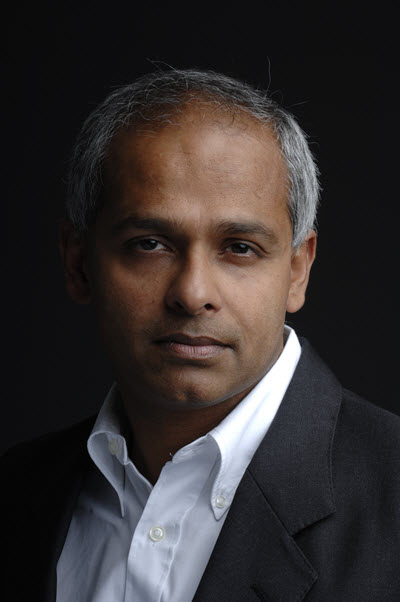
Das is the author of a number of key reference works on derivatives and risk management. Das is the author of two international bestsellers, Traders, Guns & Money (2006) and Extreme Money (2011). His latest book is A Banquet of Consequences: Have We Consumed Our Own Future? (2015 & 2021)
He was featured in Charles Ferguson’s 2010 Oscar-winning documentary Inside Job, the 2012 PBS Frontline series Money, Power & Wall Street, the 2009 BBC TV documentary Tricks with Risk, and the 2015 German film Who’s Saving Whom. His writing appears in Financial Times, Nikkei Asia review and Marketwatch
Check this out and find out more at: http://www.interactivebrokers.com/
Looking for style diversification? More information on the TDI Managed Growth Strategy – HERE
Stocks mentioned in this episode: (GLD), (SLV), (SPY)