In short
Macro and commodities roundup focused on “stickier” inflation, Fed policy staying on hold, chip/earnings-driven price pressure, and bank stress-test results; plus a guest deep dive on oil, gold, the dollar, and defined-risk options/futures strategies.
Guest
Carly Garner, futures and options broker at DeCarly Trading (Zanner Financial Services), Las Vegas. Nearly two decades’ commodity analysis; referenced on CNBC’s Mad Money and appears on Bloomberg’s Options Insights. Contributor to TheStreet.com.
Key claims
Core inflation isn’t cooling enough for the Fed; durable goods weakness is linked to rising chip/parts costs; banks passed stress tests and are positioned to lend. Chip price hikes (Micron blowout; Dell/Apple price increases) may eventually “break” demand. In commodities, oil likely trends lower with a strengthening dollar; gold is in liquidation and rallies may be temporary.
Notable examples
Micron revenue surge; Apple raising intra-cycle prices on select Macs/iPads; Dell planning ~28% computer price increases; oil downside target near $70 with possible $15–$20 if lower highs/lows persist; gold support cited around $3,600–$3,700; wheat trade example buying 6/10 call spreads for a dime.
Written by AI. May contain mistakes. Listen to the episode to check what was said.
Chapters
Tap a time to open that second in VOEconomic Insights and Market Reactions
1:08 to 1:59
Discussion on recent economic reports and market reactions.
“Horowitz and Company, from seed through harvest, cultivating financial success.”
Understanding Inflation's Impact
1:59 to 3:02
Exploration of inflation trends and consumer spending behaviors.
“Well, hey there, and welcome to the last episode of June 4, the Disciplined Investor Podcast.”
Analyzing GDP and Labor Market Strength
3:02 to 5:28
Insight into GDP growth and the current state of the labor market.
“I thought first we'll talk about some economics.”
Durable Goods and Consumer Electronics Prices
5:28 to 8:30
Examination of durable goods sales and rising prices in consumer electronics.
“We saw 215 ,000 print when it came to our latest initial claims last week.”
Chip Prices and Market Dynamics
8:30 to 11:33
Discussion on the impact of chip prices on various markets and companies.
“No wonder why the headline number of a negative 4 % print on a month-over-month basis on durable goods is there.”
Federal Reserve Updates and Banking Performance
11:33 to 14:00
Review of recent Fed stress tests and banking sector performance.
“The fact that we saw Dell in 2000 do this kind of situation, it hurt them dramatically.”
Banking Resilience and Stress Tests
14:00 to 16:41
Discussion on the Federal Reserve's bank stress tests and the banking industry's current stability.
“The Fed said that they're going to be able to handle a severe recession with no problem and an ability to lend, et cetera.”
Introducing Carly Garner
16:41 to 17:14
Introduction of guest Carly Garner and her background in trading and market analysis.
“I want to talk about interactive brokers again because, you know, we've talked about this.”
Carly's Trading Insights
17:33 to 20:18
Carly Garner shares insights on trading strategies, risk management, and past market predictions.
“She's a futures and options broker with DeCarly Trading, which is a division of Zanner Financial Services in Las Vegas, Nevada.”
Current Oil Market Analysis
20:18 to 23:55
Discussion on oil market trends, pricing, and the impact of geopolitical events.
“By the way, I didn't bring this up because I was thinking it was a bad call.”
Show all 24 chapters
The Dollar's Influence on Markets
23:55 to 28:00
Exploration of how the dollar's strength impacts commodities and stock markets.
“that people can grab for themselves and look at it.”
Rising Prices and Market Dynamics
28:00 to 30:04
Discussion on rising prices of electronics and its economic implications.
“The fact of the matter is that right now I think what we're seeing is an interesting scenario where something's going to break.”
Liquidation Patterns and Market Sentiment
30:04 to 32:00
Exploring the liquidation of speculative assets and its effects on the stock market.
“One thing I'll point out before I talk about the charts is, if you look at what we've seen in the last, let's say, since October of last year, when we had the crypto crash and things started selling off in crypto.”
Gold and Dollar Correlation
32:00 to 34:25
Analyzing the relationship between gold prices and the dollar's strength.
“Where is your, you did in this, again, this recent addition.”
Understanding Market Volatility
34:25 to 36:38
Insight into how options expiration affects market volatility.
“We've gone through these periods of weird speculation and weird things going on where that broke, but I think we're going back to normalization.”
Risk Management in Options Trading
36:38 to 42:00
Strategies for managing risk when trading options and futures.
“On the futures side of things, it's really interesting because a lot of green traders get caught up in it.”
Market Analysis: Understanding Price Movements
42:00 to 43:50
Gain insights into how news events influence market prices and trading decisions.
“straight call option with unlimited profit potential and hope for the best.”
Client Trading Strategies and Diversity
43:50 to 45:30
Explore the different trading strategies employed by clients and the diversity of services offered.
“I will tell you that, and this is anecdotal, totally non-tradable, but I went to the store and there was cauliflower.”
Compliance and Trading Recommendations
45:30 to 48:30
Learn about the compliance challenges faced when trading and advising clients.
“Like we're usually position trading with options.”
Seasonality in Grain Trading
48:30 to 51:10
Understand the seasonal trends in grain markets and how to leverage them for trading.
“And if all goes to hell, that could be a problem.”
Liquidity Issues in Trading Cocoa
51:10 to 55:10
Examine the liquidity challenges faced in trading cocoa and related implications.
“So we like to do futures versus options where our risk is capped.”
Contacting Decarly Trading
55:10 to 55:50
Find out how to connect with Decarly Trading for trading insights and services.
“Tell me how people get in touch with you, please.”
The Reality of Investing Risks
56:01 to 56:39
Explore the importance of acknowledging risks and losses in investing.
“I can remember many times you're like, oh, that trade sucked.”
Important Disclaimers and Advisories
57:51 to 59:11
Understand the disclaimers related to investment advice and risks.
“Have a great week and I'll see you real soon.”
Transcript
Automatic transcript. May contain errors.0:00This episode is sponsored by Interactive Brokers. And you know, world events, they unfold in real time. And now you can trade them. With IBKR prediction markets, trade election, climate, and economic outcomes alongside stocks, options, and bonds, all on one integrated platform. These are simple yes-or-no contracts priced to reflect the market's view of probability. If your prediction is right, you'll receive$1 per contract and earn interest on your position while you're invested. IBKR prediction markets turn market expectations into actionable trades. Prediction contracts are not suitable for all investors.
0:41Learn more at ibkr.com slash predictions. Go right now to ibkr.com slash predictions.
0:52Carley Garner:The Disciplined Investor is all about you, your money, and the markets. sit back and get ready for this edition of the Disciplined Investor Podcast. This episode of the Disciplined Investor is sponsored by Horowitz and Company. If you're looking for a portfolio manager, look no further. Horowitz and Company, from seed through harvest, cultivating financial success.
1:20The PCE report is out. Now the Fed has a decision. Micron blew away estimates, Chip prices are soaring and the annual stress tests are showing all clear and banks respond. Our guest this week is Carly Garner of DeCarly Trading. All this and much more on episode number 979 of the Disciplined Investor Podcast.
1:59Well, hey there, and welcome to the last episode of June 4, the Disciplined Investor Podcast. Thanks for joining me this week and every week, of course, because we have great guests, we have great conversation. We're on our way to making sure that you get that level that you want, which is financial security, financial stability, and, of course, financial independence. That's what we do here on The Disciplined Investor. I'm Andrew Horowitz. I'm your host. I'm also an active investor with my clients. We have a wealth management, money management firm. So the things that we're talking about today are not just speculative ideas.
2:32Those things you hear on TikTok and all that. No, we're talking about what really matters to you, and that's investing. The fact of the matter is that we have the things that we're going through, the investments that we're going through. All these things are important. And today is no different because we saw some really interesting things happening in the markets this week with regard to both economic news and, of course, when it came to the news related to things like chips and earnings. So with that in mind, let's kind of dig in. I thought first we'll talk about some economics. I thought it was an interesting area to get involved in because there was a few things that start to add up from what we've seen recently and in the past that are starting to say to us, hey, you know what?
3:20This inflation thing is a lot stickier than everybody thinks it is. I know, I know, oil prices have come down dramatically. That's a good thing. But the stickiness of inflation when it comes to some of the food costs, which are abating a little bit, and the underlying costs for non-fuel, non-housing is still pretty significant. The fact that it's been five years since we've been near the 2 % level, that preferred level that the Fed wants to have, it's pretty interesting. And more so, I think, it's more than interesting. It's a problem. And the Fed knows that. Warsh knows that. This week, we saw that consumers are still front and center.
4:02We saw that the consumer price index was an interesting thing, but personal income was up 0.7 % versus 0.3 % expected. So people are getting paid more. That's actually a good thing. The problem is that runs right into, I mean, head on into inflation issues. Then we saw the personal spending was 0.7. Now, some of that is baked in because of the inflation. The expectation was only 0.3. So people are making more money. They're spending more money. They're spending more money because they have to, because the inflation is higher than it should be. The fact is, when we look at all this and put it all together, what we're seeing is a package of long-term inflationary trends that are not giving way to anything.
4:44This disinflationary discussion that the Secretary of the Treasury, Besson, has talked about is a mirage. It's not happening. Those are the things that we really need to pay attention to because if you think about it, those are the things that really affect our pocket. Our pocket is what we have to spend now but also save for the future. And if we're not able to save for the future because of the fact that things cost more now, how are we going to get by in the future? And that's what it's all about, right? It's working hard. It's playing hard. But at the same time, what is it? It's also saving for our future when we're not going to be working sometime, whenever that is.
5:27The idea that we see income increasing as much as we have GDP doing well, this is not at all a recipe for a slowdown in the economy. In fact, it's heating up. The labor markets are holding on. We saw 215 ,000 print when it came to our latest initial claims last week. Continuing claims ticked up a bit, but overall still showing, I would say, a relatively tight backdrop in the labor market's overall growth. We saw first quarter GDP do very well, revised up. When I say very well, better than expected. The expectation was 1.6 % or at 2.1%. That's good. There's no question. Now, again, Scott Besson is talking about getting back to 3 % by the end of the year.
6:11Now, how much of that is baked in because of the higher prices? Not quite sure. But when we see that there is a growing GDP, again, I'm putting this all together, building block point by point, of GDP that's growing, and then we have the next thing, which is, of course, the labor markets that are showing strength. And then we're seeing that inflation, core PCE, 0.3%, which is 3.6 % if we annualize it, right on expectations for the year. Headline PCE was 0.4%, which is like a 4.8 % annualized return or inflation rate over the last year. Not getting worse, not getting any better, really. It's not cooling off enough, I don't think, to get the Fed comfortable with anything more than at least staying where they are right now.
6:59and maybe even a rate hike towards the end of the year. Now, durable goods, well, that was interesting. Weaker than expected. People are not buying big package products. Why? Because they cost too freaking much. They're expensive. I could tell you this story, which I think I've talked about on DHM Plugged. I went out to buy a personal computer from my office. I said to the team, look, I need something new in here. Let's go out and get some pricing. They came back. It was like 5 ,700. And I said, wait, wait, wait. for my one desktop computer in my office that's not running anything major, not the studio system, none of that, just my desktop computer, which is a little bit heavy on data, clearly because of price quotes that are coming in throughout the day.
7:43We use some graphics in there, I guess we can say, but in general, what was really interesting was that this 5700 number, when we did more research with the same company, which I will leave unnamed, we actually got that down to$3 ,000, which is still expensive, but there's a beast of a machine that will last four or five years at least. Think about that. That's only$1 ,000 a year for your computer,$80 a month. Not too bad if you put it in that context for what it is that you are using for your main device for your business. So that's a tool that really isn't that expensive. But$5 ,700, where'd they come up with that?
8:19The pricing of chips, the pricing of parts and SSD and storage is going up. not just incrementally, but geometrically, and that is causing a big problem. No wonder why the headline number of a negative 4 % print on a month-over-month basis on durable goods is there. Now, I don't think necessarily these computers are in durable goods, but if you look at the other things that are in there, big-ticket items, people are slowing down the expenditure on there. Now, if we take out transportation, we still have a plus 1 % on that, much stronger than anticipated, But the fact of the matter is the big ticket items themselves and transportation, when we put that into it, because that's some of the like planes, durable goods could be in that kind of area.
9:08Business investment is still holding up. So people are buying, companies are buying certain things. People are buying other things. And I think it all is starting to come together. And I think that's why when, by the way, I'll throw this out there as a teaser, which we're going to get to the micron numbers that we saw this week, which were absolute blowouts going from$25 billion of revenue two years ago to$35 or$40 last year to now. We're doing like that in a quarter? In a quarter. That's the revenues they're doing. Unbelievable numbers. But what is happening? People are starting to freak out, right?
9:43Purchase managers are saying, wait a second. We got to get this in right now. I was at a meeting last night at an organization that they had an$86 ,000 budget, I believe it was, for a computer expense to refit a bunch of computers in their entire facility. And they said, we need to vote on this now. And we're like, well, why? Can we get other quotes? No. We have two quotes. They were$76 ,000 last month. They're$85 ,000 or so this month. And the expectation is with some of the increases, we saw that Apple is going to be increasing rates on their MacBooks and all. Because why? Because chip prices are out of control.
10:20We're seeing that Dell is looking at, I think, July 2nd at a 28 % increase across the board. We're seeing that several other companies have announced other increases in cost factors for their products as well. This is a problem that is going right back into inflation, but it's also going into the cost factors. I think that all these price increases as fast as they're going, and the feeling that we need to get ahead of the curve and buy things right now is actually going to go and break something one of these days. My concern is that that kind of move is going to become a real problem. And already we're seeing after the Micron move on Thursday, that 15 % or 16%, almost to an all-time high and backed off a little bit throughout the day, turned around a bit the next day.
11:15And many of the chip companies said, wait a second, maybe this is the final spurt of how much we can actually charge for these products. I think people are starting to wonder whether or not, in fact, this is a viable increase over time. I've talked about this time and time again. The fact that we saw Dell in 2000 do this kind of situation, it hurt them dramatically. Because what happened was we reached a plateau, a point of no return where there was enough. And everybody said, let me just hold off for a little bit. But while capacity was still growing on the manufacturing side, and all of a sudden it came back to haunt them.
11:56So what does this mean for the Fed? I think what it means for the Fed is that things are going to stay on hold for a while. It's going to be hard for them to justify any kind of, clearly, the idea of reducing rates, you don't even hear that anymore. You don't even hear President Trump goading the Fed about that anymore. There may be some aggressive near-term increases that happen if this actually stays throughout the end of the year. The market takeaway, the resilience is still the narrative. Clearly, every time there's a dip, there's a buy that goes on. There's a few major hiccups that happen, and then everything seems to be fine the next day.
12:34The headwinds that are out there, some of them are starting to abate, but the rate cut narrative that was a tailwind for a long time is pretty much dissipating. Oil under$70 for WTI. Brent coming down precipitously. The idea that the Strait of Hormuz is open, closed, open, closed, but now it's a little bit more open than it was. Good. It's good for companies. You look at companies that are dealing in petrochemical style of products for their manufacturing of what they are selling. Look at Crocs as interest rates come down, doing great. Why? A lot of the things they make are involved in some petrochemical process, plastics.
13:18And all the things that we were really concerned about, while I think the best quote I heard recently about gasoline prices is, gasoline prices at the pump move higher like a rocket but drop like a feather. And what we're seeing is this very slow move down. Still just slightly under$4 per gallon. When I look around, the national average has dropped a bit, but clearly still much higher than we were when the last time we were at$70 WTI. So that's kind of in a nutshell what's going on from an economic standpoint. The other big news over the week, besides the earnings for Micron and some of the things that are going on in the tech space, is that the Federal Reserve put the seal of approval with their annual bank stress tests out, and basically every single bank that went into the stress test passed with flying colors.
14:17The Fed said that they're going to be able to handle a severe recession with no problem and an ability to lend, et cetera. Goldman Sachs, well, they increased their common dividend from$450 to$5 beginning July 1st, an 11 % up level and 25 % up from last year. JP Morgan, well, they said that following the Dodd-Frank stress test, they're going to be increasing the common stock dividend to$1.66 from$1.50 and authorized a new share repurchase program in the amount of$50 billion. And State Street and a whole bunch of others really did the same thing. So good for the banking industry and questioning whether or not the stress tests are even needed right now anymore because they seem to pass every year, which is, I guess, good.
15:08The last time I remember there was, I think, Wells Fargo. I think it was Wells Fargo that had a problem for a while. They were in the detention. They were in the doghouse for a bit. They came out of it. And all things are just fine right now. So the good news is the banks are in good shape. They're something we worried about years ago, right? And then we worried about them again in 2022. But that seems to all resolve right now, and that seems to be pretty good. So that's good news. That's good news. Anyway, so that's all that is going on right now in terms of the big news. Next week is, of course, the end of the quarter, end of the month.
15:47We saw some of the window dressing this week go on. Into the end of the week, technology was weak again. and there is something definitely going on with that. There was something I was looking at. There was an analyst from Evercore ISI, and I'll just kind of touch on this. Apple is also increasing rates. They made the rare move, according to them, I quote, made the rare move of raising prices intra-cycle today, and that was on Thursday, across select Macs, iPads, and home devices, following recent comments from Tim Cook on surging memory constraints. And these price hikes are a big issue, something to watch.
16:31So one more piece in that puzzle, that's an issue that we're contending with. Let's get to our guest, Carly Garner, why don't we? Before we do that, I want to talk about interactive brokers again because, you know, we've talked about this. You research your investments, you analyze markets, but have you researched your broker? For the past three years, Interactive Brokers individual clients averaged 24.3 % annual return, beating the S &P 500. Lower costs, competitive rates, and access to over 170 global markets helped investors keep more of what they earn. The broker you choose matters. Interactive Brokers, member SIPC.
17:14Learn more at ibkr.com slash performance. Go to right now, visit ibkr.com slash performance. Let me do a quick introduction of who Carly Garner, our guest, is today before we bring her on so you know who this is because she is wonderful. She's a futures and options broker with DeCarly Trading, which is a division of Zanner Financial Services in Las Vegas, Nevada. With nearly two decades of experience, her commodity market analysis is often referred and referenced on Jim Cramer's Mad Money on CNBC, and she's a regular guest on Bloomberg Television's Options Insights segment with Abigail Doolittle.
17:55You may have seen her on The Cow Guys Close and hosted by Scott Shellady and a variety of other networks throughout Schwab, etc. She's a regular contributor to thestreet.com and is pro services and is a regular on the speaking service. She can be found at Traders Expos and Money Shows. Let's bring her on right now. And back for another great episode, I am sure it's going to be. Carly Garner. How are you, Carly? I'm doing great. Thanks for having me. Been a while, but a lot of fun things have been going on since, haven't it? Oh, absolutely. I mean, I don't know if fun is the right word, but not boring is a good way to describe.
18:32So you were on last February, actually. And at that point, it was interesting. I look back on it and on our notes, you were kind of preparing for the war in Iran, but still not convinced that necessarily anything was going to happen. You were critical of zero dated options back then, which I'm sure nothing has changed from that. You're also looking at, and you're really focused on the increased in margin levels that were brokerage margin levels and that, you know, the risk that were investors were taking on. And again, this was just before the war. Now, at that time, you're also looking at things like you were doing a short June oil futures, long June 65 call.
19:15So basically what that would do is it was like a synthetic call, right? It would just kind of cap your losses if it went against you. Right. So obviously looking back, we should have just left it alone. But we knew that, you know, anytime oil gets around 65, it's kind of an explosive area. And it usually either has a huge sell off, which is what we thought was going to happen, or has a giant rally. War broke out, which we did not expect to happen. It obviously went the other way. But because we were short a future and long a call option, actually, we didn't lose very much money. It was capped.
19:49So we were on the sidelines during that big rally. And we were, you know, lucky enough to be in that situation. because if you're on the sidelines when a really big run in commodities happens, it makes it a lot easier to keep a clean mind and to proceed. And we were able to get some pretty good trades off after that, after the dust kind of started to settle, selling calls, buying put spreads. And looking back...
20:18By the way, I didn't bring this up because I was thinking it was a bad call. That wasn't the point at all. In fact, just the opposite. I was saying, no, just the opposite. I was saying that, you know what, you were projecting what your anticipation was on that particular structure of charting, et cetera. And then you're expressing as this, but the thing you did, the point is, okay, the point. The point is you made sure not to get hurt by putting on that 65 call. Yes. That was the whole point. I should have maybe said a little bit differently as we got into it. I appreciate that. Yeah. So, correct.
20:52We managed our risk very well. So we didn't, our analysis didn't work out, but we managed the risk well. And that's really, honestly, in this game, that's the most important thing. Right. You know, I said something like that recently. I had put on a position on the EWY, the Korean Stock Exchange, for a lot of different reasons. None of them actually happened, but I made money doing it in a really great way. You know, sometimes the intent is to do something and all the reasons are there and the rationale and it goes a different way. But let's talk about, let's start kicking things off with what's going on with oil.
21:24Oil, generally speaking, you know, went up to far less than most of us thought it would go up, right? And then it's now coming down probably a lot more than people maybe would think with the reality of what is happening in the world. Tell me a little bit about your thoughts on it. So I actually expected oil to come down into the 70 area. And here I'm short-term neutral. Like 70 was like our downside target here. I wouldn't be shocked to see a pretty big bounce, maybe 10 or maybe even$15 from here. That's just how this this type of volatility works. But I do actually there's let me just kind of back go back a little bit.
22:05if you look at a chart over the last 25 years, oil is really trading in this massive trading range. But each and every time we have a blow off high 2008, 2022, like that, we're making lower highs every time. And this this time was no difference. So we made a lower high. The interesting thing is we've been making lower lows as well. I think the low in the 2008 bottom was somewhere around 35. and then the next time around we got into the low 30s and then waited up the next time in 2016 in the low 25-ish area. If we keep repeating that pattern, it's not impossible that we eventually see lower lows and that would be like$15 to$20 oil.
22:51And I know that sounds totally crazy, but it's happened before. It's happened before. It's happened. The last time we talked, if I would have said oil is going to 130, everyone would have thought I was crazy. So crazy things happen in commodities. It's literally the MO of commodities. So I wouldn't be shocked to see that. I think what people are sleeping on in oil is, you know, we've added a lot of supply. Venezuela sanctions have been temporarily lowered or removed for Russia and Iran. So that oil is coming in and all of that oil is coming in via the petrodollar system. So it's no longer being traded in the fringes and other currencies.
23:28It's being traded in the dollar. And that's a dollar supportive policy. That's important because a higher dollar has historically been very negative for most commodities, including crude oil. So if the dollar continues to rally, like I actually think it will, it's going to continue to put pressure on oil. I'm not saying oil can't bounce and rally here and there, but I think the big picture is we continue to go lower eventually. And in fact, in your most recent letter, the DeCarly perspective, that people can grab for themselves and look at it. And we'll put the links, of course, on the show notes for episode number 979.
24:02Yes, we're at 979 episodes once a week since 2008, seven, eight. Oh, good for you. Yeah, yeah. 600, I think 600 guests have been on the show. Awesome. But I have it right in my hand right now. Here's what it looks like. I'm going to put it right in the camera so people can see it right there. There's a DeCarly perspective right there. And you're talking about the dollar. Tell me about that. Yeah. So the dollar has been, people have kind of forgotten about the dollar because we had that big sell off in 2025, Liberation Day stuff, sell America trade. The dollar took a pretty big beating. But it's been trading sideways for a year and a half roughly.
24:45but the most important thing is it held a 20-year trend line while we were trolling around down there and all the while the entire world you know is is bearish the dollar everybody's positioned for a weaker dollar and we all know what happens when everyone thinks uh the same thing generally the the opposite reveals itself and i think that's what's that's what's happening i think the dollar might surprise people uh i posted on my socials if anyone wants to go look and it was in my art newsletters as well. A big, I think it was a 20-ish year chart of the dollar. And you can see we're actually trading in a nice range.
25:18The top of the range, I think, comes in somewhere around 110 in the dollar index, if you're familiar with it. What you really need to know is not what the dollar index might go to, but if the dollar strengthens and continues to strengthen, as I believe it will, it really changes the landscape on a lot of things, not just commodities. It stops being a tailwind for stocks and becomes a headwind for stocks. So it's something to really keep an eye on. But the current way that the U.S. economy works is much less of an export economy and more of a, we'll call it, well, we do export, of course, but it's much less, for example, as compared to what happens when the yen moves up or down to Japan, right?
26:01The yen is, I don't know, about 162. The interventions any day away or every day away. And, you know, the threats and all that, and how we're going to do it. We don't call them a currency manipulator like we said we were going to do in the past.
Read the full transcript
26:16But yet, how is the dollar so important to U.S. stocks? I get that we have an export component. I get that we have multinationals that do business in other places. But what they end up doing is they just talk about constant currency and whitewash the whole thing in their earnings. Right. Well, actually, I happen to be an accounting major and I will agree with you. It's an art, not a science. And they can manipulate and hide a lot of things there. So you're right. I'm not an economist, but I do know that it's just history. If you pull up a, the last couple of years have been odd with the dollar and all other assets.
26:54And I blame it on all the stimulus that came in after COVID. But historically speaking, stock market has done, performed well with a weaker dollar and vice versa. It's not always the case, but I think when we're talking about a stock market with valuations where we are, I'm kind of the type of person that looks at things. And if it seems too good to be true, I assume that it is. And sometimes that works against me having that mindset. But, you know, I look at all the things that are going on in the stock market. For example, today, retail traders piling into Wendy's. Is anyone eating at Wendy's lately?
27:30I mean, you know, so these kind of speculative oddities to me are just really a red flag. I've been, for all fairness, I've been saying this for a year, year and a half now, and it just keeps proceeding. But that's what happens when everybody piles on one side of the boat. Everybody that's not on one side of the boat goes, hey, what's going on over there? And they want to kind of pile in. And what I always say with the boat, continuing with this analogy, is all of a sudden that boat starts tipping. And what do they end up doing? They run to the other side, and that creates even more of a problem because the boat eventually tips over.
28:03The fact of the matter is that right now I think what we're seeing is an interesting scenario where something's going to break. Something is going to break. And I thought that the micron earnings this week was something very interesting, combined with the announcement that Apple's raising prices, combined with the fact that Xbox is going up$150, combined with the fact that we're seeing that Dell is going to be about a 28%, I think it's 28 % next week, increase across the board for major computers. Eventually, there's going to be a point, and I shared this before, I'm going to tell you this. I recently, when I say recently, two days ago, I said I want another computer from my office in particular.
28:45Everybody else kind of, you know, our studio is great. The other offices are great. Everybody's like, okay, we're fine. I'm like, you know what? I want one that's about five years old. Still a great computer, but starting to lag a little bit on a few things. I went to price it. $5 ,700 was the first quote I got for nothing fancy, just a computer. Really? That's funny. Holy smokes. Holy smokes. Yeah, that's crazy. So I ended up doing a little maneuvering, and I got some other things done, and I ended up getting for about$3 ,200 a great computer, i9, you know, 64 gigs of RAM, blah, blah, blah, all this stuff, right?
29:19But even$3 ,200, which may sound like a bargain for$5 ,700, is still extraordinarily expensive. And the prices are going up in the next few weeks. People are not going to be able to afford this kind of stuff, which is going to create an oversupply in a lot of areas. The only current buyer right now is the corporations that are raking in money from other corporations, paying them to buy the infrastructure and the compute power. It's a really fascinating time, but I don't know if it could last forever. Could it last longer than we anticipate? I think that's what we're getting at here, probably. But what are your charts showing you on that?
29:58Well, it's already lasted longer than I've anticipated. So, but you know, that's how these things go. And I think you're absolutely right. One thing I'll point out before I talk about the charts is, if you look at what we've seen in the last, let's say, since October of last year, when we had the crypto crash and things started selling off in crypto. All of this money, speculative money, hot money, whatever you want to call it, that's been rolling to different assets. It's really liquidating very kind of pretty rapidly, to be honest. So crypto started coming off. That money, I believe, mostly moved into metals, gold and silver earlier in the year.
30:33Now we're seeing full liquidation of those, you know, asset chasing positions. I think the oil situation is also a liquidation of leveraged funds. I know that there's some USO bearish positions and that complicates things a little bit. But if you look at the futures markets, speculators were long and they've been liquidating pretty quickly. When you see this type of liquidation pattern, it's only a matter of time before it hits stocks. People are raising cash and I think they shouldn't be. I personally have spent a lot of time in the last year and a half raising a ton of cash, hoping that maybe stocks will come back to earth so I can feel comfortable in the market again.
31:15But when I look at the charts, I see just, we'll go to gold and silver. I think I mentioned it on your show last time, but maybe not. Actually, I probably didn't, because I think this happened after. I actually legitimately think that silver was GameStop, not unlike what we saw in some of the meme stocks. We had all these bots on Twitter talking about people, you know, institutions are buying$10 ,000 silver calls. But if you looked at the quote screen on the CME, nobody was buying those options. The volume was zero, open interest zero. So there was like a lot of this fake news pumping and dumping these products, which is super unfortunate.
31:54And it's not a good sign for the health of the markets or the economy, in my opinion. But let's go back to gold for a second. Where is your, you did in this, again, this recent addition. Talk about gold a little bit. Where's your gold mine thinking that you're heading these days? So gold, I believe, is still in liquidation. Again, like oil, it can bounce$300,$400, because that's the type of volatility we're in. But I still think it's a sell the rallies type of market. I think we got so far over our skis that we're going to have to come into the mid to high 3000s before we even have any kind of resemblance of what maybe fundamentals should have been.
32:36In my opinion, we really shouldn't have got like, once we started busted over 34, 3500, I think it just became this momentum monster. They had nothing to do with fundamentals. It was completely detached from reality. In my opinion, I know other people. Well, it's like anything else. When I start getting calls about these things from clients, like, Hey, you know, I own a big chunk of gold. What should I do with it? I'm like, listen, we're at 4 ,200 now. What I think we should probably do at this point from everything that I'm looking at is probably start to think about setting some price targets, taking a little bit off the table.
33:08We could always get back in. We don't have to liquidate all of it. And when they call me back and they say, that's a great idea. And then a week goes by, I'm like, okay, what are we doing? They said, you know what? I'm going to wait until it gets to 5 ,000. I'm like, oh, okay. So it gets to 5 ,000. By the way, it gets to 5 ,000. And now I'm like, what are we doing? you know, I think about a hold on for a while. I'm like, I just don't think that's the best idea in the world. We didn't liquidate any of it. We didn't take any profits off the table. And what happens is this is more of a, it's more of a psychological behavioral finance discussion here where people seem to sell low and buy high, right?
33:51They can't get over it. Is this liquidation of gold and oil also tied to the dollar thesis? And is that going to cause more problems for the shinies and the slicks? Yeah. So I believe it is. I think a lot of the selling that we saw in gold in the last week, let's say week and a half, was almost entirely attributed to the, suddenly the dollar started picking up on the upside. So yes, I think that correlation was, we'll just kind of simplify it between gold and the dollar. There have been times where gold and the dollar go up together or, you know, they don't, they're not always negatively correlated, but they should be in a healthy market.
34:31We've gone through these periods of weird speculation and weird things going on where that broke, but I think we're going back to normalization. And I think - That would be nice. Because cross-market correlations have been shot to hell for years. I know. I know. It's been really, really rough out there for people, people that have been around a while that know how, you know, markets never act as they should, but there's kind of some guidelines that we assume to be true and they've been all broken. But I think we're going to go back to some sort of normalization. And I think that because I am optimistic about the new Fed chair, I'm hoping that he really truly believes that pulling back on the balance sheet and taking some of the liquidity out of the economy is the right move.
35:13I believe that's the case. And I think if he does that, I think it fixes a lot of problems. I think it helps strengthen the dollar, which works against inflation. It should push most assets down, including gold and silver. That said, so if we're going strictly just chart on gold, I've got some pretty good support around somewhere between 3 ,600 and 3 ,700. I suspect those people that were, you know, kind of waiting for a pullback or whatever happened to be on the sidelines, if there's anyone left on the sidelines, I suspect that's where they're going to probably try to buy gold. But I think the the bounces will be temporary.
35:49I believe if we truly are going to go back to normalizing things and pulling money out of the system, gold should probably have a tooth in front of it, not a three. So we'll have to see how it goes. But, you know, you talk about a lot of the work you do is in obviously in futures and options on futures. Can we talk about this for a moment? There's a difference between let's just start with the basics and kind of roll this for a second. You know, you talk about the basics.
36:17Carley Garner:We saw last week, I think it was last week, last week was quad witching, right? We hear of triple witching, quad witching. And when we talk about that, what's important to understand is that those are discussing options and futures, right? We got stock options, stock futures, futures options, futures, and I'm missing one somewhere in there. But that creates a lot of volatility. It does. You know, it does. On the futures side of things, it's really interesting because a lot of green traders get caught up in it. Especially this last one, actually, because of the holiday. It happened on Thursday, not Friday.
36:57Yeah, that was weird. It threw a lot of people off. So on the futures side of things, every quarter when we go into that expiration, the futures contracts stop trading at 8.30 Eastern time. I'm trying to convert the time so most people understand. 8.30 a.m. Eastern, the futures stopped trading. And then the options also expired in the morning, not the afternoon. That catches a lot of people off guard. And it does actually create a lot of volatility. That has kind of been minimized the last five years or so, though. It's kind of been decreasing as far as how much volatility it causes because of zero-day options and those sorts of things.
37:35When we only had options expiring every month or every quarter, it was a much bigger deal than now that we have them expiring. daily hour daily some markets have morning options and afternoon options it's a little crazy right so let's get into the back into this world of options where's where you live um you often talk about in your writings and your discussions and things we've talked about defined risk right that that's a big thing because i don't think i've ever really heard you like hey we're going all in on this, you know, naked put or whatever, you know, just this one-sided, but usually you're dealing with defined risk.
38:15And why is that? So we do, we do sell naked options sometimes. Last year, we were more aggressive in selling naked options than we are this year and probably will be ever again, just because things have gotten so wild that the margins are really, really high to sell naked options. And honestly, the risk is high. What we have done in the past is, for example, I'll bring up gold, even though I have a little PTSD. When gold started making its move earlier in this year, we sold calls against it because heck, the calls were wildly expensive. I'd never seen gold do that. The last time gold behaved that way was like 1979.
38:58I was two years old. So in my mind, we were within the lines and within probabilities. And so we sold calls and we were pretty comfortable with them, but we ended up buying micro futures to delta them out so that we were hedged nicely. So for 99.999 % of market environments, we were doing all the right things. But gold had that day where it was overnight, it was up like$180. And then the next day it was down like 280 or something crazy, maybe even bigger than that. And what ended up happening is our calls never lost value on the way down, but our hedges were slicing through equity as they dropped.
39:38So we're a little bit gun shy as selling naked options, but we will do it. In fact, we did it in crude oil on this big rally here because we felt pretty comfortable. We were able to sell, don't take my word for it. I'm kind of just going off memory. I think we were selling$130 oil calls when oil was at$90 and we were selling them for five or six grand. So we will do that sort of thing if the market just seems out of bounds, but you have to be very aware of your risk. Yeah, you have to be very, very aware of the risk because there's no free lunches in this stuff. When you're structuring a trade, do you start with a market view first or do you start with the risk that you're willing to take?
40:24Does that make sense? Right. No, absolutely. So I actually will start with monthly and weekly charts, looking at seasonals, looking at COTs and seeing what I think as far as probability of a market moving a particular way or not moving a particular way. And then from there, I start shopping for options and kind of guessing what makes sense. If options are really cheap, obviously we're not selling any naked options, but we might do some call spreads or put spreads or something with low and limited risk. Today, we actually were able to, in the wheat market, I don't know if any of your listeners trade wheat.
41:03No, we all trade wheat, yeah. Okay, so we bought a September 5-10. That's just W wheat, right? Just the symbol W? Is the first part of it. It depends on the platform, but yeah, it used to be just W, now it's ZWA on most platforms. Is there a gluten-free version? I wish there should be. But we were buying 5, 10, or I'm sorry, 6, 10, 6, 50 call spreads for a dime, which is like$500. And so you're putting up 500 bucks to make$1 ,500. So we love stuff like that. So when we see that, even if I don't think it's, even if I'm saying, I think it's about a 60, 70 % chance of pay it. I'm not super, super highly convicted.
41:48If it's, if the risk reward is that favorable, we will usually just take it. So sometimes we do. That's a three to one. Yeah. It's hard to be. And if it doesn't work out, what we would probably do is like, let's say wheat sells off the next couple of weeks, we would buy back our short call and just hold it as like a straight call option with unlimited profit potential and hope for the best. So we do those sorts of things. And are you looking at news when this happens? Are you like, okay, all of a sudden and the Straits of Hormuz opened up, the urea is going to be better. We're going to have wheat that's coming out.
42:16It's going to be better props. Or is it something about Ukraine that has a whole, you know, that whole, is it, or is it primarily just the technicals that you're looking at to see how that can be structured and set up? I pay attention to the fundamentals. I've got the TV going and my newsreels going all day, but I very rarely decide to trade on those. If you could just, you mentioned urea, Just scroll back a couple of months ago, most people assumed that higher fertilizer prices were going to cause higher grain prices. And right when that narrative was the loudest, the grain markets stopped rallying and rolled over very sharply.
42:56So it's been I've never really found a way to make money on the news, except for probably, to be honest, I probably lean more towards fading it. I was going to say a contrarian, usually when you have it, it's always too late. We talked about a few months ago, before they really started spiking, we saw that tomato prices were like$20 per case. And then they went to$40,$50,$60,$80 for tomatoes. And there was all these reasons, right? And we talked about, and I said, look, be careful because you're going to see produce prices going up pretty substantially over the next however long. And they did.
43:30And now they're starting to level off. And we got the things with beef, right? Beef prices almost at the top of the range of where they've ever been. and we got the screw worm back in the avocado prices. I mean, just the whole gambit of food issues. And now they're starting to finally get a little bit better. One of the reasons is that people also are backing off a little bit. I will tell you that, and this is anecdotal, totally non-tradable, but I went to the store and there was cauliflower. It was$9. $9. It was not organic either. I'm like, I'm not buying that. when I have that moment of, no, that's not happening.
44:12I believe there's a lot of other people doing the same thing. A hundred percent. I've, I've been saying that, like I've cut back on red meat substantially. I could technically, it's not going to ruin my lifestyle if I buy it, but just, I just can't, I just can't pull the trigger. So I get it. Yeah. So, okay. Okay. When you mentioned when you're structuring this trade, you will look at risk factors and all, and you'll look to do things like offset trades with futures and an option. So when you are dealing with the clientele, your people that you're advising and all that, what are they doing mostly?
44:54Like what are they doing all those same exact trades? So we, our clientele is pretty diverse. We offer a full service brokerage and broker assisted where I, I put out trade ideas on my newsletters and some of our clients, if they see something they like, they say, Hey Carly execute that for me. And I do it. So we do that. And that's pretty old school. There's not very many of us around that still do that service. Sure. But the vast majority of my clients are online traders. So I put out the trading idea. Some of them take it. Some of them don't. Some of it change it and make it their own because they're you know, they're just entering the orders into their computers and others are doing completely different strategies.
45:33Like we're usually position trading with options. I've got people trading with us that are day trading, scalping. I mean, you name it, they're doing it. So we're pretty diverse. But I would say most of our, we kind of attract the similar mindset of people. You know, we're not attracting people that are trying to. Buy money markets and buy and hold. Right. Right. So we're attracting people that are legitimately trying to, you know, base hit and make some progress. So with that, how does that work exactly? So you put out a trade idea. You say, you know, like you mentioned, we're going to buy, you know, a spread of this future and this option to limit our risk and all.
46:19And is that something you put on? But then you put out what requirements do you have or what limitations or I don't know, compliance issues do you have with regard to when you put your trade out for when you could put the trade on? Does that make sense? Does that you understand what I'm saying? Yeah. If you're talking about like for my in my personal account. Yeah. Yeah. There's there's definitely some rules. Basically, we I'm currently not trading a personal account. I'm taking a hiatus because things got a little bit crazy and I've it was messing with my head a little bit. So I decided to take a break from that.
46:52I'll get back to it. But for now, I'm not trading my personal account. The. And I actually find I give my clients much better advice when I'm not because I'm focused just on them. So, you know, we'll see how it goes. But with all of that said, yes, there's very strict rules. So if I were putting out recommendations to people and then also participating, you know, there's rules against me. Like I can't put it in my account and then put it in everyone else's account simply because the regulators are that front running. Yeah, yeah, yeah. And you can't cherry pick if there's going to be certain clients who get certain things.
47:26I get that. You know, it's interesting you mentioned that idea of messing with your head and being careful because even advisors that are seasoned can get, things can get to them, right? And you could do things that maybe are emotionally driven. And I will tell you, I know other advisors also that people have said, you know, hey, I actually have clients that are advisors slash manage portfolios because they want someone outside to handle their assets because they can have a clean head for what they're doing. And usually those people, by the way, are not the people in the same exact business, but they're doing something different.
48:05They're trading. There are fixed income traders, right? Or maybe they're, like you said, like a commodity trade or something like that. So I think there's something to be said about trying to every once in a while step aside, because if you think about that, and I'm telling everybody this, if you think about having all your money wrapped up in one particular thing, there's no diversification. If all you're doing is giving advice on something, getting money from that advice, and the exact thing you're investing in, there's no diversification in your business. And if all goes to hell, that could be a problem.
48:34So you may not be making all the right decisions. And so I commend you for, you know, recognizing that point. It's a tough one. It took me a few hard lessons to recognize it, but I did. But yeah, you explained it perfectly. But it's the same thing. You need to be in it also because you need to keep, to some degree, in my opinion, this is my opinion. Oh, for sure. Yeah, absolutely. And I find that because my business, commodities is a lot, we work with shorter timeframes than you should with an investment portfolio. So I've also found that to be a problem, like a conflict of interest for myself, just because I'm thinking of what's going to happen in the next couple of months.
49:14But when you're investing your retirement account, you should be thinking of years, not weeks or months. So it definitely makes it complicated. So do you have a bread and butter go-to, this is like, okay, falls, fails. I like this particular structure, this particular setup on a regular basis. A particular spread, a particular commodity, a particular idea, chart that you're looking at? Because you do a lot of charting. There's a lot of charting you do. So one of our go-to speculations every year is, you know, the grain markets are nice because they're very seasonal. They generally bottom around the same time.
49:57They generally top roughly in the two or three month span. So I'm not going to say they're predictable because nothing is predictable. but they're a little more predictable because of the seasonality of growing seasons and things like that. So what we look at around this time of year, we know that the seasonal low in corn is generally, it's usually August, but sometimes it can be September. Occasionally, it might be a little earlier. But we know if we look for, you know, selling pressure late summer, early fall, that's usually a good place to get long corn. Now, everybody in the world knows that's with the market bottom.
50:30So you'll notice seasonals kind of, they're not perfect. Sometimes they come early, sometimes they come late. So what we do, and we've already done this for this year, is we're going along new crop futures, which is December, which is based on not the corn that's going to come out of the ground this fall, but next fall. So we're buying December futures, and then we're also buying put options beneath it. And so we kind of get the best of both worlds because if we do get continuation of selling, which normally does happen this year, we're hoping we can sell the puts and take a profit. And then maybe just buy a cheaper put with lower coverage and continue to hold that future.
51:04Because at some point between now and December, the odds are corn's probably going to be higher. It's just how we get there. So we like to do futures versus options where our risk is capped. We don't have to stress out because we know no matter which way it goes, we have some sort of skin in the game. So what about a no-go area? Something that over the years you've just like, you know what, it's too thin. The people in the pits are too lunatics. You know, there's too much of an emotional tie to this somehow. It is somehow just never priced right. Is there some particular instruments that meet that condition?
51:40Yeah, I will probably never recommend anybody trade cocoa again. Cocoa. Anyone that's all of cocoa. Oh, my gosh. That was a mess. Cocoa is traded on the ICE Exchange, which is an exchange that only houses a handful of commodity futures. So most commodities trade on the CME group. So ICE does things a little differently. They charge really high fees to get access to live data. So it makes it harder for retail traders to see what's going on. I think that adds to the chaos. They were very, very slow to raise margins when COCO started going parabolic. I think that added to the chaos. But what really got me was when Coco was trading at just wildly elevated levels, like just silly, to be honest.
52:27I don't know what else to call it. We started buying put options because our risk was limited. We knew we had tons of time. We were buying them with six, eight, 10 months to expiration. We knew at some point Coco is probably going to come down. And it did. But when it did, our put options like every day we would look at daily statements and it would the exchange would settle our options based on what they think is the fair value. And then our statement would say that the option's worth three grand or four grand or whatever it was, but we could never actually sell it. There was no one that would take the other side of our trade.
52:59And we would try to give the market makers like hundreds of dollars to fill it. In a couple of cases, we were trying to give them eight, 900 bucks in leeway to fill it and still couldn't get out. So we were just stuck with a position that ended up expiring worthless. On paper, it looked really good for a while, but we just so thin, we couldn't get out. The liquidity factor when it comes to anything is extremely important. That's one of the reasons we get the short squeezes in the regular markets, right? The stocks where you have liquidity is just not there. There was a couple of names like Avis Car, you know, Avis Car, Car Rental, Car.
53:31I went berserk. It went berserk. I'm like, this is, it goes from like$14 to like$600. I'm like, I have to take a little piece of the short here. I knew that the option probably wasn't going to work, to be honest with you, because there was probably so much embedded volatility and there was a known factor. And I looked at it and I said, you know what? This one, let's just take the actual raw stock and short it. I think I made like 350 points on it. All right. And that was great. But the point was that those don't come around that often. And I could tell you names, another name like Carvana, for example, personally, my personal account.
54:13I picked this up a few different times. It was a little bit too wild and loose and illiquid for me to buy for clients. And I said, for me, I could deal with it. I'm not going to buy that much to move the market. But I bought it. I sold it. I sold it short. It moved up. The liquidity was nothing. It moved up like crazy. I'm like, ugh. Their earnings came out. I think it was up like$150 a share. I'm like, ugh, that sucks. I was so pissed off. I sold it. But at the exact moment, I'm like, wait, wait, wait. And I bought the put at that exact moment, right? And I made out like a bandit on the put. and then I've held the stock short ever since.
54:45Awesome. But the point is, I guess my point is, liquidity factors play a major role in how something can work. And then what sometimes looks like it's a good trade can end up being nothing because nobody wants to take the other side. Right. Yeah. Which up until that point in my career, I had traded cocoa options. And I mean, they're illiquid, but the bid-ask spreads wide, but we could always get in and out of them. But during that period, you just let you in, but you couldn't get out. And so that was enough for me. I'll never touch it again. Tell me how people get in touch with you, please. So our website's decarlytrading.com.
55:20It's D-E-C-A-R-L-E-Y trading.com. We are a brokerage firm. As a client of ours, you would have access to our newsletters and trading ideas for free. But if you're not the type that wants to open a brokerage account, you can check us out on Substack. It's decarlytrading.substack.com. And you can subscribe to the newsletters there. That's great stuff. We'll also have the information on the show notes for episode number 979 on thedisciplinedinvestor.com. Always a pleasure to have you. Thank you for coming and sharing all the information. You know what I like? Carly, can I just be honest with you for a second?
55:52How refreshingly, I don't want to say honest. That's not the right word, but how you just lay it out. You just lay it out, good and bad. I can remember many times you're like, oh, that trade sucked. I got burnt on that. But a lot of times people just come on. They just talk about, you know, I call it the golf course discussion. Like, you know, I got all these AI stocks. I'm like, yeah, but what about those other stocks? Well, I don't want to talk about those. Let's just talk about these three stocks I have. But that's really great because I think people need to understand that this is investing.
56:22And investing sometimes means risk, which then translates into losses. And, you know, it is all fun and games when we get all the upside. But the reality factor needs to come in every once in a while. I try to be transparent. Thank you for that. I like it. All right. I'll see you soon. Thanks so much. Thanks a lot. All right. Another episode is complete. It is done. It's in the books. It's in the can, as they say. Looking forward to an interesting second half of 2026 as next week we kick it off as the final quarter, final month of the quarter ends and we enter into July. The summer doldrums could be here for a little bit.
57:04Maybe time to strap on a little bit of protection. when it comes to the portfolio, looking at hedging, looking at options, looking at some things that may be taking some profits off of the top of a few things, waiting for those better opportunities. That's some of the things we're doing for our clients right now and as we do on a regular basis as well. Thank you for joining me this week. Thank you for being a part of this groundswell of education information. Thank you for telling other people about this and making this show what it is since 2007. and seven about to get to our 20th anniversary of the disciplined investor podcast coming out real soon.
57:43So thank you again. I'm going to see you again. Yes, I am. You can count on it. And that's going to be, that's going to be next week. So have a great weekend. Have a great week and I'll see you real soon.
58:00This podcast is intended for informational purposes only. and does not constitute personalized investment advice. Investing involves risk, including the possible loss of principal and past performance is not indicative of future results. The views and opinions expressed are those of the host and any guests and may not necessarily reflect those of Horowitz & Company, Inc., an investment advisor registered with the U.S. Securities and Exchange Commission. Registration with the SEC does not imply a certain level of training or skill. Advisory services are only offered to a client or prospective clients where Horowitz and Company is properly registered or is excluded from registration requirements.
58:38Any mention of third-party companies, products, or services is provided for informational purposes only and does not constitute an endorsement. Hypothetical scenarios or forward-looking statements are for illustrative purposes and should not be viewed as guarantees. Content is intended for U.S. residents only and may not be applicable in other jurisdictions. Listeners should consult a qualified financial advisor before making any investment decisions. Please visit our website for additional information, disclosures, as well as a copy of our form CRS. Advertisements are not related to the host or affiliates and are not considered recommendations by the host of the show or any affiliates of Horowitz.
From the publisher
THE PCE report is out – now the Fed has a decision.
Micron blew away estimates – chip prices are soaring.
The annual stress tests showing – all clear and banks respond.
A great time to bring on our guest – Carley Garner of DeCarley Trading.
NEW! DOWNLOAD THIS EPISODE’S AI GENERATED SHOW NOTES (Guest Segment)
Carley Garner is a futures and options broker with DeCarley Trading, a division of Zaner Financial Services in Las Vegas, Nevada. With nearly two decades of experience, her commodity market analysis is often referenced on Jim Cramer’s Mad Money on CNBC, and she is a regular guest on Bloomberg Television’s Options Insight segment with Abigail Doolittle. You might also see her on the Cow Guy Close hosted by Scott Shellady on RFD-TV and “Futures” aired on Schwab Network. Garner is a regular contributor to TheStreet.com and its Pro service and is also a regular on the speaking circuit. She can be found at TradersEXPOs and MoneyShows throughout the country.
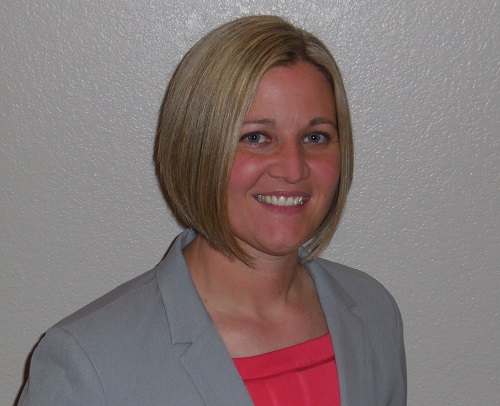
Garner is also an award-winning author of commodity futures and options trading books. In addition to Trading Commodity Options with Creativity, Garner has authored Higher Probability Commodity Trading; A Trader’s First Book on Commodities (three editions); Currency Trading in the Forex and Futures Markets; and Commodity Options. She pens a monthly column for the long-running Technical Analysis of Stocks & Commodities Magazine. Her e-newsletters, The DeCarley Perspective and The Financial Futures Report have garnered a loyal following; she is also proactive in providing free trading education at www.DeCarleyTrading.com
More information available on Horowitz & Company’s TDI Managed Growth Strategy
Check this out and find out more at: http://www.interactivebrokers.com/
Stocks mentioned in this episode: (GLD), (SLV), (SPY)