In short
The Disciplined Investor Podcast: Episode #961 - Commodity Carley
Episode Summary In this episode of The Disciplined Investor Podcast, host Andrew Horowitz discusses the commodity market and features guest Carley Garner, a futures and options broker at DeCarley Trading. The episode tackles several key topics, including market fluctuations in commodities, the implications of annuities in retirement planning, and the impact of zero-day options on market volatility.
---
Key Themes and Discussions
- Market Overview
- Short Trading Week: The podcast begins by mentioning a short trading week filled with market fluctuations around the 50-day moving average.
- Commodities in Focus: Discussion centers on the volatility of commodities such as silver, gold, platinum, and crude oil.
- Annuities Discussion
- Annuities Critique:
- Horowitz expresses concerns about the aggressive sales tactics surrounding variable annuities, emphasizing that they are often sold rather than bought.
- He highlights the hidden fees and deceptive marketing associated with annuities that can erode retirement savings over time.
- Situational Use: While he acknowledges that some fixed annuities may serve a purpose, he warns against the pitfalls of variable annuities, particularly in tax-advantaged accounts.
- Guest Segment: Carley Garner
- Expertise: Carley Garner shares her journey from stock brokerage to commodity trading, emphasizing the excitement and challenges of the commodities market.
- Market Volatility: Garner notes that recent speculations, particularly with zero-day options, are causing increased volatility and could lead to market corrections.
- Zero-Day Options: Garner explains the implications of these options on market behavior, highlighting the increased potential for speculation and market manipulation.
- Commodities Trading Insights
- Current Trends:
- Garner provides insights into current commodity trends, particularly in crude oil, where she expresses skepticism about a bullish trend due to several underlying factors.
- She emphasizes that commodities should be viewed as trading opportunities rather than long-term investments.
- Final Thoughts and Advice
- Recommendations for Traders: The discussion wraps up with advice for traders on managing risk, particularly in highly leveraged situations.
- Education Resources: Garner encourages listeners to seek education on futures and options trading to better understand the risks and potential rewards before participating.
---
Key Takeaways
- Volatility: Commodities are seeing increased volatility, with significant daily fluctuations impacting traders.
- Annuities: Caution is warranted when considering annuities, especially variable types with hidden fees and complex structures.
- Zero-Day Options: These options can introduce significant risk and volatility into the market, often leading to speculative trading.
- Risk Management: Effective risk management strategies are essential for those engaging in commodities and options trading.
---
Resources
- Guest Information: Carley Garner is available at [DeCarley Trading](http://www.DeCarleyTrading.com).
- Podcast Listening: Available on platforms such as Apple Podcasts and Spotify.
---
Conclusion This episode of The Disciplined Investor Podcast provides valuable insights into the complexities of commodities trading, the pitfalls of annuities, and the risks associated with speculative trading strategies like zero-day options. Listeners are encouraged to remain informed and cautious in their investment decisions.
Written by AI. May contain mistakes. Listen to the episode to check what was said.
Chapters
Tap a time to open that second in VOMarket Overview
1:23 to 1:40
Discussing the market movements and what to expect next.
“We've been dancing around the 50-day moving averages for the indices.”
Setting the Scene for Commodities
1:40 to 3:08
A deep dive into the current state of commodities with Carly Garner.
“All this and much more on episode number 961 of the Disciplined Investor Podcast.”
Understanding Annuities: Pros and Cons
3:08 to 9:01
An in-depth discussion on annuities and why they may not be the best investment.
“you're sitting there maybe you're in your 50s or 60s maybe even your 40s and you're thinking about locking in some retirement income right?”
The Real Costs of Variable Annuities
9:01 to 14:01
Analyzing the hidden fees and restrictions associated with variable annuities.
“But they don't tell you about the gotchas when you start doing those withdrawal features that you're pretty much locking up your principal.”
Understanding Annuity Lockup Periods
14:01 to 17:33
Learn about the implications of annuity lockup periods and their risks.
“maybe 1 % or so each year until it's zero.”
Portfolio Reviews Announcement
17:35 to 17:55
The host announces upcoming portfolio reviews for listeners.
“It's coming up on my birthday month next month, and I usually open it up to portfolio reviews.”
Carly's Journey into Futures Trading
20:05 to 21:15
Discover how Carly Garner transitioned from stockbroker to futures trading.
“So I want to talk about how, let's start with, I don't know if I ever asked this, but how you ended up deep in the futures and option game.”
Understanding Risk in Stock Options
21:16 to 23:26
Carly discusses the risks associated with stock options and leverage.
“The highs are very, very high and the lows are very, very low.”
The Rise of Zero-Day Options
23:27 to 27:23
Explore the implications and risks of zero-day options in trading.
“next topic, which is into zero dates, the zero dates, because I keep on trying to understand if this was a, if this was created because people were doing it anyway, right?”
Market Volatility and Leverage Risks
28:00 to 29:20
Explore how current leverage in trading can lead to market volatility and risks.
“I think they're creating more volatility.”
Show all 20 chapters
Understanding Margin Calls in Trading
29:20 to 31:40
Learn about the implications of margin calls and the risks associated with leveraged trading.
“There's more leverage at brokerages now than ever, according to the reports I've been reading.”
The Downsides of Day Trading
31:40 to 33:40
Discuss the challenges and dangers of day trading and why it often leads to losses.
“or we're busting your trades and you're out.”
Current Trends in Crude Oil Trading
33:40 to 36:05
Examine the current state of crude oil markets and recommended trading strategies.
“And there are, the thing about day trading, and by the way, this is, I think you would agree with this, trading, there are rules.”
Historical Perspective on Crude Oil Crashes
36:05 to 38:40
Reflect on past oil market crashes and their impacts on trading and investors.
“So you're looking at the short side of oil right now.”
The Issues with Commodity ETFs
38:40 to 41:20
Analyze how commodity ETFs can disrupt markets and hinder price discovery.
“Something I hope I never experienced again, to be honest.”
Impact of Viral Trading on Small Markets
41:20 to 42:01
Discover how viral trading affects small commodity markets and leads to volatility.
“And the problem is this, especially like these trades go viral.”
Market Volatility and Speculation
42:01 to 44:36
Learn about the impact of speculation on market volatility and the role of ETFs.
“We went limit up for seven days and it was a total fiasco.”
Understanding Short Positions
44:37 to 47:29
Discover what it means to short treasuries and implications of market positioning.
“But so you, I think it was in your February 12th letter that you sent out, you were talking and you were focusing on yields.”
Treasury Market Dynamics
47:30 to 49:16
Explore how factors like government buying and inflation impact treasury yields.
“You just click a button and you're good.”
Commodities as Trades vs. Investments
49:17 to 52:08
Understand the distinction between viewing commodities as trades rather than long-term investments.
“The reason I think that is if you look at similar instruments, like, for example, the Greek 10-year note is paying a percentage point less than we are, which is kind of crazy to me.”
Transcript
Automatic transcript. May contain errors.0:00This episode is sponsored by Interactive Brokers. And here's a question that you need to ask yourself. Where could quantum computing take your portfolio? Investment themes like that from Interactive Brokers helps you find out. Start with a trend like quantum computing or clean energy and instantly see what companies are most connected based on revenue, strategic focus, and product relevance. You can explore competitors, global exposure, and build relationships across more than 500 themes. Yeah, 500. Built with AI-powered insights from RayFlexivity, investment themes turns complexity into clarity.
0:35It helps you move from trend to trade with speed. Available now across IBKR desktop, mobile, and trader workstation. The best informed investors choose Interactive Brokers, member SIPC. Check it out at IBKR.com slash themes.
0:54Carley Garner:The disciplined investor is all about you, your money, and the markets. Sit back and get ready for this edition of the Disciplined Investor Podcast. This episode of the Disciplined Investor is sponsored by Horowitz and Company. If you're looking for a portfolio manager, look no further. Horowitz and Company, from seed through harvest, cultivating financial success.
1:22It was a short week, but it was full of fun. We've been dancing around the 50-day moving averages for the indices. And a rant is about to happen. Strap in. And what's going on with commodities? That question will be answered by our guest, the one and only Carly Garner, author and commodity trader. All this and much more on episode number 961 of the Disciplined Investor Podcast.
2:00Hey there, welcome to the Disciplined Investor Podcast. Andrew Horowitz here in the podcasting studio over at the headquarters of Horowitz & Company in downtown Fort Lauderdale, Florida. If you haven't been down here, it is sunny. It is wonderful. It is booming down here. I mean, this is one of the places that actually has an incredible build of not only business, but residences at the same time. A lot of people are moving here because the taxes are good. The weather is good. The food is good. The people are good. There's a lot of good things happening. There's a lot of bad too. A lot of things that happen in all sorts of places around the country and around the world happen here too.
2:37So it's not just, you know, a beach day. As a matter of fact, the last time I've been to the beach was, and I'm literally two miles maybe away from the beach. I'm sitting maybe two miles away from the beach. And I can't remember the last time that I actually went to the beach itself. It's kind of like when you live in New York and you don't go to the theater, right? I mean, it's what it is. So we all live in the place that's the best for us right now. This is a great place, and the studio is where you're at, and we have a lot to talk about. And before we get to our guests, because I do want to get into what is going on with commodities, what we have, silver moving up, I don't know, 5%, 8 % a day, down 20 % another day, up 10 % the next in gold and platinum and crude and you name it.
3:23It's crazy. But I thought we would just get right into this because this is a pet peeve of mine that comes up way too often with clients, with people that call in, talk to me about what's going on, write me about, hey, why do I have this and what is this all about? You know the drill. you're sitting there maybe you're in your 50s or 60s maybe even your 40s and you're thinking about locking in some retirement income right? If you've been in that position you know what I'm talking about and all of a sudden the phone rings gosh that's great your advisor maybe on the phone somebody new maybe they come into a meeting you come into a meeting with this idea and they give you this incredible pitch.
4:18This, wow, look at this shiny object. Guaranteed lifetime income. They talk about protecting your principal. Never running out of money, no matter what the market does, or even no matter how long you live. You can't outlast it. Sounds great on paper. Sounds great in discussion. It sounds great like, okay, what am I missing here? We're talking about annuities. Yeah, that word alone gets a lot of people thinking like, oh, no, not, not. I'm not talking about that. Some are like, well, tell me more. Some people don't even know that they have them and what the potential danger is. But stick with me because this is one of those areas that I think that we need to really talk about because too many people get sold and have been sold, and you maybe are one of them, a bill of goods without even realizing it.
5:12what I always say is annuities are not necessarily bought they're sold they're hard sold there's high commissions in many of them there's glossy brochures and they're full of promises and that's great they sound great because they're they're often as we know that one adage of if it sounds could do be too good to be true it is you fill in the blank you know at least for the buyer And let's be clear before we go any further into this discussion. I am not, I am not saying that all annuities are garbage. And in fact, I'm not even anti-annuity. Not across the board, at least. There are scenarios where a simple fixed annuity or even a qualified longevity annuity contract, a QLAC, makes sense.
5:58Maybe you're worried about outliving your money, need a floor of guaranteed income to cover the basics. like things like maybe gaps in your Social Security, for example, right? Those are kind of things that you worry about. Or maybe you want to hedge the longevity risk in a low volatility way. Now, those can be disciplined moves if and only if the numbers kind of pencil out and the fees aren't insane or there's not a lot of moving parts. There's definitely reasons why an annuity can be a good investment. But what's the real problem? The real problem lies in the variable annuities that are pushed with those flashy income riders.
6:43They guarantee lifetime income and these withdrawal benefits that come along with, okay, well, here's the deal. You buy this annuity. You put in$100 ,000. And, you know, you can never outlive your money no matter what the stock market does. But the great news is you still get the stock market returns potentially. And in the end, if your annuity is worth less than what you put in, hey, here's the good news. You can withdraw out of your lifetime at least what you put in, even up to what's called a high watermark. There's these bonus roll-ups of maybe, I don't know, I've seen things like 5%, 6%, 7%.
7:21And even in down markets, you won't lose and you get stepped up bases. You get these death benefit kickers. They talk about this whole circus of monkeys that are affiliated with what you can get inside this annuity. They hit you up with guarantees that look ironclad in that pitch deck. You've seen them. They talk about your income is growing forever. You know, don't worry about the market. But if you peel it back, if you kind of like take, all right, all right, all right. Let's understand what this really means because a lot of the things they say are half-truths. Because those guarantees come with like rider fees, fees on top of the fees that you're already paying, stacking up things on top of what's called your mortality and expense charges, the administrative costs, sub-account fees.
8:13It goes on and on and on. By the time you turn around, that total annual drag could cost you anywhere from maybe 2 % to 4 % a year. And if you think about that, if, you know, the markets only make X amount of dollars on a diversified portfolio. I don't know. Let's say you're in line for a conservative portfolio making 6%. And now you're giving 3 % back because of all the fees with all these different riders and stuff. Now you're not going to make the money you made anyway. You would have been better off just saying to hell with it. I don't need all this. Over decades and decades, that is a fortune that is essentially siphoned away.
8:51right beneath your feet of your nest egg that you were trying to save. And again, they say, well, don't worry about it because you could take out income forever. But they don't tell you about the gotchas when you start doing those withdrawal features that you're pretty much locking up your principal. And again, there's variations of all this. You don't have access to your principal because you're going to what's called annuitize your money. When you do annuitize your money, What happens essentially is you say to the insurance company, okay, here's the deal. I want you to give me the most I can get throughout my lifetime.
9:27I'm expected to live this many years. And what they say is fine, we'll give you$2 ,000 a month for the rest of your life. Maybe index for inflation, maybe not, depending on how you set it up. And then you realize three years later, man, I need a roof. Let me call up the annuity company. Hi, I'm getting that money per month, but the other money that's in the account, they're like, no, what other money? Well, you know, the money that I have in the account that I invested. No, no, you annuitize this. That means we own your money and just going to pay you out over your lifetime, betting that you're not going to last so long.
9:57So we don't have to pay it out. And the part that really, really, really gets under my skin, and a question I've asked a hundred times and I can get no satisfactory answer, is why are the, in particular, not fixed, but the variable annuities, the ones that have the investment components, not the index annuities. But I'm talking about the variable that have all the mutual funds underneath the investments there. Why are they jamming IRA money into those? Think about it. Think about it. And IRA is already tax-advantaged, tax-deferred, right? Now what you're doing is wrapping an annuity inside one gives you zero additional tax advantages.
10:48what are you doing? Why are you doing this? You're just layering more fees inside of this investment, inside this product, for what I would call redundant protection. You just don't need all of this. Your accounts, you get hammered because now you got the tax deferral. Now you say, well, I like the guarantees. There's other ways to get to the same place here without having to pay an extra couple of percent on top of a couple of percent, that is baseline, to have some of these guarantees. Surrender fees are also things. It kind of locks you in like a bad marriage. Sometimes they're 7 % to 10 % in the first few years.
11:35Now, what is really driving this whole machine here? And I want you to really, if you're an annuity holder, you need to understand that commissions drive this machine. salespeople, brokers, agents, whoever they are, whatever they're called, can now get, I don't know, 5%, 7 % upfront on a complex variable annuity product, way more than a lot of the simple fixed ones. And no wonder why they're being pushed and they're everywhere. And then what do you get? You get these annuity salespeople selling you what looks like an investment, saying they're going to manage it for you, but really they're just salespeople.
12:13They don't get paid after necessarily you put your money in. And then where is their expertise in the investing side? So now you just got somebody out there just throwing money into this to make a commission. That's what the whole game is. So here's my ask for the listeners, everybody out there. If you've got one of these variable annuities, especially with riders, especially in an IRA, I want to see it. Seriously, am I kidding? I want to see exactly what you got yourself into.
12:50Head over to the disciplineinvestor.com website. Go to the contact page. Let me know what you got yourself into. And there's a couple of other massive flags that get glossed over in these sales pitch decks, like the lockup periods, which we mentioned, these brutal surrender charges. and some of these are, I would go so far as saying that they're straight up deceptive tactics that go on with all this. You know, lock up. These aren't these polite, please wait a bit suggestions, right? These are absolute handcuffs on your money. And most variable annuities, there are some that are fee only, but probability is that you didn't get that.
13:32Because most variable annuities come with a surrender period of about anywhere from, I would say six to 10 years. And sometimes longer, by the way. Especially on those fancier ones that have the bonuses or riders. And during that window, during that period, if you need to pull out your money, more than the 10 % free withdrawal allowance that you're allowed, bam, you're going to be killed with surrender charges. And again, we're talking somewhere between seven and 10 % in year one, which then steps down gradually, maybe 1 % or so each year until it's zero. So, again, for some situations, maybe this makes sense.
14:10But as long as you know what you got into and it fits your particular situation, I'm good with it. But that's the key item, if it's a good fit. And why does that matter, by the way? Why is this discussion about the lockup period? Because I'll tell you something, life happens. We've all learned that the hard way and the good way, right? We know that, I don't know, health insurance matters or health matters, I should say, that are covered or not may get, you know, cropped up along the way. And you might need some cash for some long-term care or some, you know, horrible situation that comes along, unfortunately, a family emergency or just even a, you know, just to change what your investments are.
14:59But no, your money's trapped. Pull too much on an early basis, you're going to pay a penalty. And that could wipe out thousands of money that's your own principle. And guess this, if the agent convinces you to exchange your 1035 into a new annuity to upgrade to get a fresh bonus, that often restarts the surrender clock. Again, sometimes it's okay for certain circumstances. But when it comes to variable annuities, you're paying a lot of money for something that you don't really need to have necessarily, especially those in an IRA.
15:37Now, sometimes you'll start hearing things like limited time offers. The bonus expires today.
15:46You know, oh, be aware with your investments. You lose everything, everything in a market without this guarantee. and then you get the 5 % to 7 % roll-up rider. There's all these different things that talks about, you know, you don't have to worry about market dips. They don't really talk about, though, the whole idea of cost factors and all this, and that's where it gets sticky. And there's a lot of other things, right? These common tricks, like I've seen misrepresentation of a no-risk or better-than-CDs. is talking about a lot of times twisting and churning, pushing from one annuity company to another, just resetting the commission, resetting the surrender period, that lockup period, high pressure closes where you rush to sign without reading the whole 50 paint contract or shopping around or, you know, glossing over those guarantees.
16:42You know, I mean, I'm saying. You got fortunately the regulators like FINRA and SEC flagging this stuff constantly because variable annuities are top source of complaints because of their unsuitable sales tactics, right? The hidden risks, misleading promises. The bottom line is that we know that the lockup is going to kill flexibility. Deceptive pitches exploit trust and you're being sold this may or may not be in your right and best interest. So there's my warning, a little bit of a rant, hopeful education on all this. Hopefully it's going to help you get out from under some of these kinds of salespeople that are pushing on products that just do not fit.
17:27And they're doing it for not your retirement, but for theirs. I want to see what's going on with this. So if you have an annuity that you just don't understand, or it's an IRA inside of variable annuity or something like that, let's figure this out together. It's coming up on my birthday month next month, and I usually open it up to portfolio reviews. So we'll start this a little earlier with this project. So how does that sound? All right. That's my annuity bit discussion for this. I don't know if we talked about those for a long time. We're going to get to Carly Garner. I want to talk about interactive brokers again because they have key competitive advantages for sophisticated investors like you.
18:09IBKR's margin loan rates are just from 4.14 % to 5.14%. In fact, IBKR was rated one of the lowest margin fees by stockbrokers.com. Compare IBKR's very low margin borrowing costs to others like Schwab or E-Trade, Fidelity, and Vanguard, who charge hundreds of basis points above IBKR's low rates. Listen, the best informed investors choose interactive brokers, and margin is only for experienced investors with high risk tolerance. You may lose more than your initial investment. Rate your subject to change. Get started today at ibkr.com slash compare. Now let's talk about our guest today, Carly Garner.
18:54She hasn't been on for a little while, but I saw all this going on with regard to the crazy gyrations, I guess that's what we'll call it, in the commodity area. And I thought of her because Carly is a futures trader and options broker with the Carly trading. which is a division of Zanner Financial Services based in Las Vegas, Nevada. She has nearly two decades of experience for her commodity market analysis, is often referenced in Jim Cramer's Mad Money on CNBC. She's a regular guest on Bloomberg Television's Options Insights segment with Abigail Doolittle. You may have also seen her on Cow Girl, Cow Guy Clothes, hosted by Scott Shellady.
19:36And that airs on the Schwab Network. She's a regular contributor to thestreet.com, has full service regular speaking circuit also. She has a variety of books out. One's called Trading Commodity Options with Creativity, Higher Probability Commodity Trading, a trader's first book, The Commodities. We'll put all those links on the show notes. Episode number 961 on thedisciplinedinvestor.com. Let's get right to it and bring her on. So, Carly, so glad you could be here. Thanks for joining us today. Thank you for having me. So I want to talk about how, let's start with, I don't know if I ever asked this, but how you ended up deep in the futures and option game.
20:21You went to UNLV Finance, accounting background, then straight like, okay, let's just go right to commodities. That's my understanding. What kind of hooked you on the wild side of the markets instead of, say, boring stocks or bonds? Right. Well, to be fair, I was young and dumb. That's really the easiest answer. I didn't know. Like, I had no idea what I was getting into, right? I originally thought I was going to be a stockbroker. I did all the things, got the degree, got the, did the internship. And I really, really disliked it. It was selling mutual funds pretty much is what it boiled down to.
20:56And I really am not a good salesman. And I just didn't feel like I was adding value. And I just, it just wasn't for me. So I randomly stumbled across a commodity shop in town. And the rest is history. I really, you know, I've loved it since day one. It's really crazy, right? It's no, let me just put it this way. It's a really tough business. The highs are very, very high and the lows are very, very low. But at least I'm not bored. So that's what I love about it. Yeah, I mean, I have, it's interesting. I have somebody who wrote me last week out of the blue. He says, hey, I got your name from this source.
21:33And I'm like, uh-huh. I don't understand what's going on. I have these options in my portfolio. I'm down like$28 ,000 on these two options. I'm like, are you sure you're reading that right? Maybe it's true. I don't know. How much is your account worth? Well, it started out at about$150 ,000. Now it's down to$100 ,000. I said, okay.
21:49Carley Garner:And this is an advisor that is doing the work. Oh, no. And he says, I don't think, I don't really understand what I have here. I said, do me a favor. Send me the portfolio. Let me look at it. I look at it. He's got a call on Meta, a call on, it's not Apple. It's somebody else. I forgot who the other one is. But he's got two calls. Oh, NVIDIA. He's got two calls, about a month left, about five bucks out of the money, but large positions with margin. Leveraged options, which may be music to your ears, but for an individual who doesn't know anything about this, who's down now 30, 40 grand on this, You know, he asked me, what do I do?
22:30I'm like, you know, I'm not, this is, if you don't know what you have here, you have, you know, leverage and, I mean, bad, right? Yeah, it's all bad. I really, I really, the last few years have kind of left a bad taste in my mouth. There's, I feel like, no, see what I do for a living is futures and options. It's risky. We tell everybody before they even consider, like anyone that's read my books knows what they're dealing with. It should be risk capital. you could make or lose a lot of money, you know, so they know what they're getting into. But I feel like there are a lot of people participating in the markets on the stock side.
23:08And I'm not just hammering stock guys or anything. I'm just saying, I think a lot of people are participating in stocks and stock options in a way that they don't fully understand the risk. I think in their mind, they're investing, but in reality, they're really high leverage trading and they just don't comprehend that and it scares me a little bit. So what's interesting is that gets me into my next topic, which is into zero dates, the zero dates, because I keep on trying to understand if this was a, if this was created because people were doing it anyway, right? Because you have an option of expiring two days and that they started investing in it, um, creating shorter and shorter option cycles and, you know, this whole zero days to expiration, which can pack an unbelievable upside if in fact two things happen.
24:02One, well, basically you get into the money or near from something that happens extraordinarily in a couple of days or one day of expiration, which leads me to also believe that there's potential for market manipulation with that potential amount of leverage. So let's talk about that. But first, tell me, zero-day options. First of all, what is it? Do you use them? And give me some examples of what kind of these look like. So in futures, I think stocks are a little bit different. But in futures, we have basically zero-day options. But we don't call them that. We just say, like, in futures, most contracts have options that expire Monday, Tuesday, Wednesday, Thursday, Friday.
24:44So you can, of every week. So you can trade an option that expires this Friday, next Friday, today, tomorrow. A lot of people are trading options that expire on the day of, which is where the zero day option term comes in. So if you're expiring this morning, you're trading an option that expires this afternoon. That's a zero day option. Now, I do see some useful purposes for it. If there's a particular event risk, let's say you own a futures contract in crude oil or a stock or whatever asset you're long, and there's some sort of event risk. Maybe it's an inventory report in crude oil. Maybe it's an earnings report in your stock.
25:25And if you can purchase that, like if you're long the asset and you can purchase a put reasonably cheap and just kind of give yourself a little bit of a risk buffer going into this event risk, I think that's worthwhile. But I get a little nervous when I see the massive amounts of speculation that we're seeing. People aren't using these products to hedge. They're using them to speculate. But speculate, let's get this straight. Let's not sugarcoat this. We're talking about just outright gambling. Yes. Yes. I mean, this is red or black. This is red or black is all this is. Correct. It's kind of binary.
26:06It either happens or it doesn't. You buy a call, it either goes up or it doesn't. It's somewhat binary. And I believe that these products, listen, we're in the finance industry. This is a sales industry. Most people don't think of it that way. They don't want to think of it that way, but that's what it is. Regardless of what you're trading or investing in or what you're doing, you are generating commission, generating fees for the brokerage and for the fund creator or the manager or whoever it is you're working with, somebody's making money off of that account and the transactions. And if suddenly you introduced options that expire every day, guess what?
Read the full transcript
26:43Transaction fees go up. And I think it's really that simple. And I personally think these types of aggressive marketing or products, we can talk about commodity ETFs also. I think they're a bad idea. And I think they've distorted commodity markets to a point where they're almost broken. But anyway, the idea is these products that are generated to commit to generate revenue and commission for brokers and exchanges and all these things, they are creating markets that don't reflect reality, in my opinion. I know other people will say otherwise, but that's how I feel about it. It's kind of like solving a problem that doesn't exist.
27:22They're creating a market that there's no need for. Yes. That's a good way to put it. Yeah. You're right. So the other thing about, I think you've talked about this in your letters, which, by the way, we'll have links to find out more about what Carly writes on a regular basis. The DeCarly letter, I think it's called. DeCarly Perspective. Perspective. Perspective. Sorry. Oh, you're fine. And you wrote about this, you've talked about this, the idea that when there's the potential that these zero date options are, I don't know, messing with market volatility, especially in indices. Is that, how does that work?
28:02I do think they are, yes. I think they're creating more volatility. And I think, I believe in recent years, they've actually allowed markets to probably get a little more expensive than maybe they otherwise would be because most people are trading in that direction. But I have to wonder if what's been helping us see the indices appreciate might work against us, kind of similar to what we saw last year or during COVID when we had that, you know, mini crash, whatever you want to call it. You know, markets always go down faster than they go up. And these markets have gone up pretty fast. So it's kind of scary to think about what could happen if all of that leverage that's built into the system from zero DT options and other products, if it starts to unwind and then feed on itself on the downside the way it has the upside, I think we could be in trouble.
28:59Yeah, there is a lot of leverage in the system. You can see that just from the flows. You can see that from the actual numbers of the leverage numbers that come out, the margin numbers that come out. I think we've been hitting all-time highs, not maybe more recently. They kind of came down a little bit, but we saw that at the beginning mid part of January that I think it was all time high amounts of leverage. A lot of brokers are like, Hey, this is great. I'm like, huh, how's that great? You know, it was great for them, but. For now. Yeah. So you bring up a good point. People are, you're right.
29:29There's more leverage at brokerages now than ever, according to the reports I've been reading. So just to make sure everyone understands, people are buying more stock than they actually have the money to buy. So, you know, this is all fine on the way up, but on the way down, it could be become very treacherous. And I'm going to point out one other thing in addition to that type of leverage, in addition to the option leverage that we see in the markets. Um, and in addition to let, like, let's say triple ETFs, you know, there's a lot of people that are buying these leveraged ETFs. So there's that there as well, But I talk to a lot of retail traders and it's pretty common practice based on, I mean, this is an unscientific poll, but it's pretty common practice for people to avoid paying off debts.
30:12So they're not paying credit cards, they're not paying cars off, they're not paying houses off because they believe they can put that money in an account and generate more income through their stock trading or whatever it is they're doing. So that's a different kind of leverage that we don't even see in the numbers. So there's all kinds of things going on here. You know, back in the day when interest rates were, you know, you get 4 % or less, let's say. People ask, you know, what should we do? Should we pay off our mortgage? Like, first of all, if your mortgage is 4 % or less, no, do not pay that off.
30:46If it's 8%, yeah, well, that's a different story, right? Because at 4%, you could at least make that close to it on a money market. And, you know, over time, maybe make the money in your investments. And there's a break-even calculation you could do with this. But when you margin up your portfolio, it's different than margining up to buy a house. If you buy a house and the house comes down in value, nobody comes knocking on your door and says, hey, hey, hey, hey, by the way, please send us more money. When you margin up and lever up a option slash future slash stock account, and it goes down below the required level, what happens, Carly?
31:29You get a margin call. And that's, by the way, a margin call is not like a, just to be clear, it's not like a friendly call that somebody's going to actually make to you. It is an absolute freaking demand that you put the money in the account now, or we're busting your trades and you're out. Yeah. I've had people ask me if they can send a check. I'm like, no, that's not how it works. Check's not going to do it. You need to wire. Some people don't understand how critical it is. And with the volatility we've been seeing in gold and silver, the real sad reality is a lot of these movements have been happening overnight.
32:06So anyone that's holding on to even a little bit of leverage in gold and silver, we're finding issues where the banks are closed overnight and they can't wire. And then they end up basically running out of money because not only is it a margin call, but it's a situation where they're about to lose more money than they have in their account. And so their trades get liquidated, not because they don't have money sitting in money markets somewhere that they could have wired, but a lot can happen between the bank closure on Thursday afternoon to the market reopening on Friday morning. So it's really, really a tough game if you're trading on any kind of leverage in a volatile market.
32:41So what rules do you have for anyone tempting the, we'll stay with this zero dated option, short dated options and all that from a standpoint of position sizing, when to sit out, you know, stops. Well, I guess what is the stops? There's not going to be stops. Everybody's just going to ride that out to the close, right? Yeah, generally, I don't know how the stocks work. In futures, you can place a stop on an option, but literally nobody does it. people just assume like if they spend$800 on an option or whatever it is, their stop is that option becoming worthless. So that's kind of how they work, look at it.
33:14I will say now I'm not a fan of day trading. Day trading is a very aggressive strategy. Most people lose day trading. It's not something that most people can make money at, but if you are the type that has risk capital and wants to give that a shot, zero DTE options are kind of nice because you have limited risk on that play. It either works or it doesn't. But as you mentioned, it's essentially gambling. Yeah. I mean, way back when, I learned day trading from a very good trader. And there are, the thing about day trading, and by the way, this is, I think you would agree with this, trading, there are rules.
33:53The problem with the day trading or even trading for a living is that most people start bending the rules. That's where stuff goes bad. You know, if you stick to your things can still go bad, right? But when you have the, oh, you know, I'm not taking that profit because I'm gonna let it ride. And, or, you know, oh, it went down. I'm supposed to be, ah, I'm gonna hold it overnight when I'm not supposed to be holding it overnight, right? These are rules. You have rules, right? Absolutely. And you know, humans are humans. It's, you know, it's a tale as old as time. Yeah. So what's lighting you up right now on commodities and options trading?
34:28What markets, what areas, I don't know, what's going on in terms of liquidity? I don't know, the sweet spot. What is it? So, I mean, one market that's moving is crude oil. I am not bullish crude oil. The thing is crude oil has been in a bear market for four years, and we've had these pretty decent sized rallies on the heels of political events or Middle East flare-ups, those sorts of things. And we're getting one of those again. Now, maybe this will prove to have legs and we'll get something out of it. But I highly doubt it. I don't think we've done what we needed to do in the downside in crude oil.
35:01So what we've kind of recommended our clients do, the CME's listed micro crude oil futures, which are great because they're really, really small. They're only 100 barrels, which means a futures contract will make or lose$100 for every dollar crude oil moves. So what it also does is it gives you very cheap options. So what we've kind of suggested people do is using June futures, go short a June future, buy a June 65 call. your risk is very low, five, six, 700 bucks, depending on, I didn't look at prices today, probably about 600 bucks. The most you can lose is 600. You're not going to get rich unless crude oil just completely falls out of bed, but I wouldn't be shocked to see it completely fall out of bed.
35:43And we've bounced off 55 on the downside a couple of times. If this Iran thing turns out to be a nothing burger, like we don't actually get a supply disruption, the Straits of Hormuz don't close, which is the most likely outcome. If that occurs, we probably don't stop at 55 on the way down. We probably keep going. So that's kind of what we're looking at. So you're looking at the short side of oil right now. That's where you're leaning. Yes, with limited risk. No, I'm not telling anyone to go out just thinking. What's your wrong side risk? About 500 bucks. It's a micro. So we're going super, super small.
36:21And if you're a bigger trader, you can do it with a full size. your risk would be five grand. You could do anywhere in between by doing multiple micros. For example, if you did two or three, your risk would be a thousand or 1500. So you can kind of decide how much risk you want to take, but it's a limited risk play. So it either works or it doesn't work. And your upside, obviously, well, it could be a limited if this thing crashes, but you know, if you're, if you're by that point, cause you're not talking about that, I mean, a few months, but are we talking, uh, what, what if we get down to 50?
36:51What kind of numbers we're talking about? Well, I mean, so on one micro from here, that's only about a thousand dollars minus what you paid for the option. So you're not going to get rich if we drop to 50. What, what I'm thinking is if, when I look at oil over the last 20 years, we've had four bear with this, this is the fourth bear market. The previous three bear markets have ended in complete calamity. Like, like, uh, I mean, just crashes. And the, the last, the most recent one was 2020 and we Oh, that was ridiculous. Were you able to capitalize on that? Because I thought every way from a sundown how to do this.
37:25And the whole idea of getting delivery freaked me out, you know, when they were paying me to take the oil. Right. Did anybody make money on that? Not on that, because the reality is only the front month went negative. So in most brokerages that already had already closed it off for trading because it was going into delivery. so even if you wanted to buy it most brokerages shut off the product so you couldn't have bought it anyway um and the problem is for the few brokerages that had open like i think i don't want to say names but there's there were a few that forgot to turn off the platform and you whoops yeah and people were allowed to trade it um but for example you had people that in their mind they didn't think crude could go below zero so everybody in the dog was hitting the buy button when crude was at$1 or$2.
38:17And of course it went negative 40. So that mistake could have cost them 40 grand in like three minutes. That was, I was one of those people like, ah, it's not going below zero. How can I go below zero? How can I do that? I didn't know, like literally, did you know that seriously? Did you know that it could go below zero? Well, I knew theoretically could. I honestly never thought it would. That was really super wild. Something I hope I never experienced again, to be honest. when markets are that off the rails, it's not good for anybody. Like just imagine if you're a producer or an end user trying to, you know, budget for your business, or if you are an investor or a speculator, the odds are most people got wiped out trying to get long before it stabilized.
39:02I mean, that's just, there's nothing good that can happen when markets are like that. And I will also mention a big part of, well, I'm not going to say big. I'm going to say a part of the reason that we saw what we saw on that day. There's lots of reasons. But one of it was the USO, which is an ETF that holds crude oil futures. It kind of blew up. And so that was part of the problem. And they had to restructure and that sort of thing. But I'm not a big fan of commodity ETFs. I believe they have not going to say ruined the markets, but they have really interfered with price discovery and added a lot of chaos.
39:40And I think it's unnecessary, in my opinion. So I'll just leave it at that. You know, it's interesting because last year, after years of part of our diversified asset allocation of clients that we had commodity exposure. And for years, I was like, I hate this. I hate this. I don't like how they operate. There's no way to make money in this. the fact is that if you think about it for a second, this is kind of a really weird view of something, but crude oil, you hold crude oil forever with all the contango and backwardation and the rolls and all the stuff and they're buying it and they're holding it, they're being and they're indexing, they're indexing, right?
40:14So you're at, I'm just picking a number, 30 % crude in this portfolio, never vary, you gotta stay on it. It goes up to 100, you make money, but you don't really sell and then it comes down again and you're never going anywhere. You know what I'm saying? It's not going anywhere. I have no upside. They're not really capitalizing on the trading. They're just kind of trying to keep it level. We switched entirely the entire commodity exposure we have to a trading based system that allows us to move around with 14 core commodities, all this whole discussion, but I won't get all the nitty gritty details, but it made so much more sense.
40:51I'm like, oh my God, finally, finally, we have something that but they can actually pick where they want to invest at any given time. They have parameters. They have to be in 14 different ones, but they can weigh them differently, but they can really move hard. No indexing. And I got to tell you something made out like a bandit last year and this year so far. Good, good. Perfect. Yeah. Commodities are a trade. They're not an investment. Exactly. For those people. Yeah. Yeah. You're right. So it's just putting money in and just sitting on it and not looking at it. It's not the way to go in commodities.
41:18It doesn't work that way. But a lot of these commodity ETFs and mutual funds do just that. The levered ones are even worse. They do. And the problem is this, especially like these trades go viral. For example, when Russia invaded Ukraine, we saw everybody wanted to own wheat because, you know, the world's wheat basket was under duress. And we were going to have a wheat shortage and blah, blah, blah. So everybody tried to, you know, not tried. Everyone tried to put money into the wheat ETF, which then takes that pooled money and buys futures. And the wheat market can't absorb that type of liquidity.
41:56It can't absorb that many people wanting to invest in wheat. And so it really just blew up the market. We went limit up for seven days and it was a total fiasco. And then we came down faster than we went up. And so just so unnecessary. We've seen it in gold and silver. We just recently, we saw it in cocoa a couple of years ago. So the problem is - Lumber did the same thing. Lumber, yep. Lumber too. The problem is when you have an ETF that has the ability to go viral, when I say viral, I mean like popular on Reddit and Twitter and everybody has the same idea. The AI is telling them to buy these things.
42:31And so everybody's trying to put a little bit of money into it, which doesn't sound like a bad thing because we're getting retail traders involved. But the problem is these markets are just way too small. It's kind of like bidding$101 bills into a coin purse is what we're trying to do and it just breaks things. Yep. Wow. It's amazing. It's funny because I've always thought that is there really any true reason, you're going to hate me for this, sorry. Is there any true reason for speculators, I'm not talking about hedgers or farmers, to have any ability to buy, let's say wheat, a food that I need to eat which if they do run that up for some reason, cost me money.
43:20You know what I'm saying? I can't. Yeah, I understand. It's like, Oh, my cocoa crisps are going up. I'm going to buy, let me, let me, let me buy some of the wheat ETF to watch out for that. Right now I will say like, see, I'm a, I'm a futures and options broker. So we have, we deal with farm hedgers, energy hedgers. We also deal with speculators and speculators get a bad rap. because of things that you just said. Because of speculators, we probably add another 10, maybe 15 % onto wild rallies, and maybe we shave off 10 % to 15 % of value in a bear market. But what I would say is speculators do add liquidity, and there are some drawbacks to that.
44:06But the flip side is if you had no liquidity, nobody would be able to hedge the price risk, and the markets become even more volatile. And the reason I know this is that when I look at things like lumber, which has very few speculators, or ethanol, these markets that don't have a lot of speculators are actually more volatile than something like crude oil or corn that does have a lot of speculators. So there's no perfect way of price discovery, but I think there are better ways and speculators make it a little bit better. So again, just to wind back this a little bit, But so you, I think it was in your February 12th letter that you sent out, you were talking and you were focusing on yields.
44:51You're focusing particularly, there's a chart that's in there on the 10-year note future speculators are holding historically large net short positions. Right. And you asked the question, will the unwind result in a massive rally like it did in 2018? And that's here on the chart. You showed it kind of here. Let's talk about, for our listeners, give a discussion of what it means to be short and what the unwind would look like. Okay. So when a speculator, now I'll clarify, there are a lot of people short treasuries in the futures markets. Now, many of them are speculators, but it's very possible some of them are holding treasuries in their investment account and they're hedging.
45:38So you have to keep that in mind. But whether they're hedging or speculating, when they're short the market, basically they've sold 10-year note futures looking for the price of that, the 10-year note or the bond, whatever you want to call it, to go lower and interest rates to go higher. So there's a swath of very large bets that interest rates are going to continue to go higher and treasuries move lower. If for some reason they are compelled to exit and eventually they're going to have to exit, you can't be short treasuries forever and ever and ever. It's very possible that these people have been short for a long time and they've rolled.
46:14We've seen that in the numbers. The net short position has been massive for three or four years and it's just just hasn't found a reason to unwind. in that, you know, if you look at a price chart, that makes sense. Treasuries have really gone nowhere. Nowhere since like 2024. Yeah. And it's funny because if you watch the news, every once in a while we get these big scares like, ooh, yields are jumping up and this and that. They really haven't got anywhere. Like we get a week or two where they jump up a little bit and then they give it back. So it's kind of a nothing burger, even though we've seen a lot of headlines, especially during the April 2025 issue with the Liberation Day treasuries rallied, and then they sold off sharply, and they were trying to convince us that nobody wanted to own treasuries and interest rates are going to 8 % and so on and so forth.
47:06That didn't happen. Anyway, because there are so many people short, at some point, eventually, they're going to have to buy back their short positions to exit their position. So they basically are borrowing treasuries to try to make money on the downside, if that makes sense. They're going short before they even own it. And then they're trying to buy it back later on. In futures, you can do that very easily. You don't have to pay interest or anything like that. You just click a button and you're good. So futures is a very simple way to do something like that. But isn't there a natural buyer in this?
47:42The Treasury is buying billions of dollars worth. And then we have also the other issue of the stable coins buying huge amounts of treasuries. Isn't that stopping maybe some of the overhead from going and moving? Is that part of the problem maybe? I think that that's probably, I think there's a lot of moving pieces. And yes, you're right. Like we are essentially buying our own bonds. The U.S. is buying its own bonds. It's been doing that for a long time. And that has, in a lot of people's minds, artificially stabilized the market. Well, it really, I don't know. Artificially is probably not the right word.
48:23It truly has stabilized the market. It truly has kept interest rates probably a little, you know, a little lower than what they would normally be. However, speculators have also, if you recall, when Russia invaded Ukraine and crude oil was rallying sharply, it was a persistent every single day. Crude oil was up, treasuries were down. There was like algos and people had it in their mind that, you know, the inflation trade, buy oil, sell treasuries, buy oil, sell treasuries. So treasuries were also getting it on the chin from speculators and, you know, the inflation trade hedgers and all those sorts of things.
49:02And I think we're probably beyond that period. I think inflation is much tamper than it was three or four years ago. I mean, we were up at 9 % and now we're at two or three. So that's a vast improvement. But treasuries are still kind of pricing in higher inflation in my mind. The reason I think that is if you look at similar instruments, like, for example, the Greek 10-year note is paying a percentage point less than we are, which is kind of crazy to me. And most advanced nations are paying a little bit less in yield, in some cases a lot less in yield than the U.S. is. So in my mind, we probably deserve to be in the threes, not the fours.
49:46My opinion doesn't matter, though. The point is, if the whole world is short treasuries, and that might mean short futures, like we've already talked about, or it might also mean short in their portfolio, meaning they're holding a lot of stocks and very few treasuries, because it hasn't hurt them lately. Nobody's missed having treasuries in their portfolio. But if stocks start to falter, they're going to be reminded that maybe that might not be such a bad idea. Four or 5 % for doing nothing and maybe getting some capital appreciation isn't a bad deal. I look at it like this, I think of it like a boat.
50:20Everybody sees something shiny on one side of the boat, they all run to that side of the boat, and all of a sudden they realize, holy crap, it's way too heavy on this side. So instead of slowly but surely rebalancing, they all run to the other side, and that just tips the whole boat over. That's kind of like what it's like with a commitment to traders, or when the speculators, or when any investment group runs too hard to one side, just like we saw with Silver, for example, not too long ago, with the move that we saw that it was that clear textbook parabolic blow-off top. I said it when I saw it.
50:54I said, that's a blow-off top right there if I ever saw one, and it reversed down. You need to wait for the reversal, of course. In the couple minutes we have left here, you've been on Mad Money a lot. You've been on Bloomberg. You get around town doing a lot of stuff. The mainstream financial media gets things right and wrong. What do they get wrong about commodities that drives you nuts?
51:20The thing about, I think most people don't realize what we just talked about. Commodities are a trade, not an investment. And so they kind of have in the back of their mind that commodities go up over time because of inflation. And that's really just not how it works. and technologies, deflationary commodities, boom and bust. They always will be like that. And so I don't love when the media starts touting ideas. You know, the media is in the, they're in the trend following business because that's what sells. That's what sells. And that's what people want to hear and watch is when things are moving higher and it's exciting.
51:57And so they kind of add to the bandwagon mentality, in my opinion, in some cases. And I think eventually ends up hurting people. Cause as we've talked about, um, commodities don't go up forever. They reach an inflection point. And when they come down, they come down really, really quickly and catch people off guard. Yeah, I got it. Uh, well, uh, thank you. I want to tell you, so you, you're always a breath of fresh air. I know that you're very busy doing a lot of stuff. Carly Garner, well, where do we get your information, your newsletters, uh, find out more about you, learn about things, your books.
52:29I mean, we have all that on the website, Tell me where we go to get it from you. Thank you. Appreciate it. You can find us at decarlytrading.com. We are a boutique futures and options brokerage. You can sign up for a free trial of our newsletter there. Or if you're not really interested in the brokerage service and you just want some educational material, you can check out our sub stack. It's decarlytrading.substack. And you can sign up for a trial there. And if you like what you see, we do charge$25 a month for the content. But, you know,$25 is only two ticks in crude oil. Three. Two and a half ticks.
53:00I appreciate you coming along. Thanks so much. Thanks, Andrew. And let's go wrap it up for this edition, this show, this episode of the Disciplined Investor Podcast. Getting into the heart of February here, folks, where things are usually a lull in the markets. We'll see what happens as we move through this month and into next. But coming up next week, well, this is what we want, right in the time that we want it. Danielle DiMartino Booth. Then we have coming up Tom Petterfee, the founder of Interactive Brokers. And David Gaffin is coming up from Reuters. Lots to do, lots to talk about. Very excited about this.
53:39Thanks for joining me. If you have an annuity, you know what to do. Otherwise, I'll see you again next week.
53:49This podcast is intended for informational purposes only. It does not constitute personalized investment advice. Investing involves risk, including the possible loss of principal and past performance is not indicative of future results. The views and opinions expressed are those of the host and any guests and may not necessarily reflect those of Horowitz & Company, Inc., an investment advisor registered with the U.S. Securities and Exchange Commission. Registration with the SEC does not imply a certain level of training or skill. Advisory services are only offered to a client or prospective clients where Horowitz and Company is properly registered or is excluded from registration requirements.
54:27Any mention of third-party companies, products, or services is provided for informational purposes only and does not constitute an endorsement. Hypothetical scenarios or forward-looking statements are for illustrative purposes and should not be viewed as guarantees. Content is intended for U.S. residents only and may not be applicable in other jurisdictions. Listeners should consult a qualified financial advisor before making any investment decisions. Please visit our website for additional information, disclosures, as well as a copy of our form CRS. Advertisements are not related to the host or affiliates and are not considered recommendations by the host of the show or any affiliates or followers.
55:16We'll be right back.
From the publisher
Short week – but full of fun…
We have been dancing around the 50-day moving average.
A rant is about to happen – oh boy, strap in.
And what is going on with commodities?
A great time to bring on our guest – Carley Garner of DeCarley Trading.
NEW! DOWNLOAD THIS EPISODE’S AI GENERATED SHOW NOTES (Guest Segment)
Carley Garner is a futures and options broker with DeCarley Trading, a division of Zaner Financial Services in Las Vegas, Nevada. With nearly two decades of experience, her commodity market analysis is often referenced on Jim Cramer’s Mad Money on CNBC, and she is a regular guest on Bloomberg Television’s Options Insight segment with Abigail Doolittle. You might also see her on the Cow Guy Close hosted by Scott Shellady on RFD-TV and “Futures” aired on Schwab Network. Garner is a regular contributor to TheStreet.com and its Pro service and is also a regular on the speaking circuit. She can be found at TradersEXPOs and MoneyShows throughout the country.
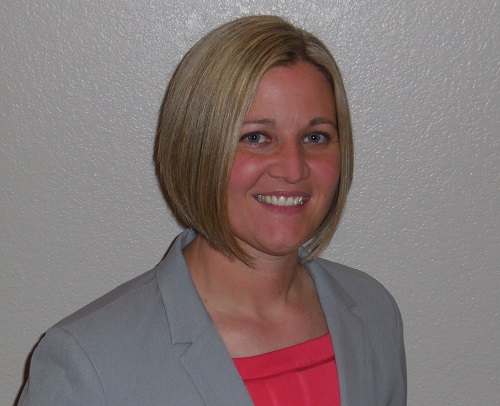
Garner is also an award-winning author of commodity futures and options trading books. In addition to Trading Commodity Options with Creativity, Garner has authored Higher Probability Commodity Trading; A Trader’s First Book on Commodities (three editions); Currency Trading in the Forex and Futures Markets; and Commodity Options. She pens a monthly column for the long-running Technical Analysis of Stocks & Commodities Magazine. Her e-newsletters, The DeCarley Perspective and The Financial Futures Report have garnered a loyal following; she is also proactive in providing free trading education at www.DeCarleyTrading.com
More information available on Horowitz & Company’s TDI Managed Growth Strategy
Check this out and find out more at: http://www.interactivebrokers.com/
Stocks mentioned in this episode: (GLD), (SLV), (SPY)