In short
The episode discusses (1) why big tech capex spending is driving market winners, especially AI/data-center infrastructure, (2) Fed/Inflation takeaways from Powell’s last speech and internal FOMC dissension, and (3) investing lessons from history, compounding, and “future you,” plus (4) how power laws support both broad investing and angel investing; trend-following is framed as “let winners run, cut losers short.”
Guest backgrounds
Meb Faber is founder/CIO of Cambria Research, which runs Cambria ETFs and separate accounts. He hosts the Meb Faber Show, writes investment strategies, and has authored books/white papers. He studied at UVA (engineering science and biology).
Key claims
Capex by Google/Meta/Amazon is expected to carry over; investors reward some AI builders (e.g., Google) while penalizing others (e.g., Meta’s prior metaverse flop). OpenAI stock weakness is tied to CFO concerns about meeting revenue/user-growth expectations. Powell kept rates unchanged amid inflation signals from PCE; dissension exists over “loose” policy. Markets reward long-term compounding; bear markets are normal.
Notable examples
Samsung’s reported ~40x earnings/profitability jump; OpenAI CFO expectation shortfall; SoftBank funding (~$122B) and potential additional ~$100B; SpaceX IPO/market-cap talk; “future you” anecdotes; Dunning-Kruger applied to incompetence in leadership.
Written by AI. May contain mistakes. Listen to the episode to check what was said.
Chapters
Tap a time to open that second in VOCapEx Growth in the Technology Sector
1:58 to 3:20
Examine the significant capital expenditures by tech companies and their impact.
“We got a great, great show lined up for you today.”
Investor Preferences Amid Market Disparities
3:20 to 6:16
Understand how investor preferences are shifting among major tech companies.
“So new highs in the markets we saw during the week, a little bit of a cool down part of the week.”
The TDI Managed Growth Strategy Explained
6:16 to 8:00
Discover the features of the TDI Managed Growth Strategy tailored for investors.
“but not something we really want to focus in on because this is something that is evolving and is evolving very quickly.”
Key Takeaways from Powell's Last Stand
8:00 to 12:20
Delve into the implications of Powell's statements and Fed's decisions on interest rates.
“And I was thinking about this because the reason we created this strategy was that listeners, clients asked us to.”
Inflation Insights: Understanding PCE Trends
12:20 to 14:03
Analyze the recent inflation indicators and their potential effects on the economy.
“First, the discussion that Powell continually had over and over again about him not leaving.”
Understanding Inflation Trends and PCE Impact
14:03 to 17:24
Explore the implications of rising inflation and the PCE index.
“You know, if you look at all that's gone on with PCE hitting a high of 0.7, 0.7, highest since 2022.”
Introduction to Interactive Brokers
17:24 to 18:13
Learn about the benefits of using Interactive Brokers for trading.
“Before we get to our guests, let's talk about interactive brokers.”
Meb Faber's Journey and Insights
18:45 to 23:10
Meb shares his life experiences that shaped his views on money and investing.
“Look, you know, it's been a while, but I always enjoy our conversations.”
Risk and Generational Perspectives on Investing
23:10 to 28:00
Discuss the evolution of investment risks across generations and their implications.
“I can remember the pain on his face when I bought a waterbed.”
From Aerospace to Biotech: A Personal Journey
28:00 to 29:10
Discover the speaker's transition from aerospace engineering to a passion for biotechnology.
“My professor was trading stocks during class.”
Show all 26 chapters
Living the Ski Bum Life: Balancing Work and Play
29:10 to 30:50
Explore how the speaker balanced a quant analyst career with a love for skiing and outdoor activities.
“You also were a ski bum back then, I guess, or enthusiasts, we'll call it.”
The Move to Southern California: A Change of Perspective
30:50 to 32:30
Learn about the speaker's move to Southern California and the realization that came with it.
“You know, there was definitely a snobbery.”
Investing Wisdom: The Importance of Long-Term Perspective
32:30 to 34:10
Understand the significance of viewing investments through a long-term lens and the concept of compounding.
“And amazingly, when I moved down to Florida in 87, there was like nothing in Fort, it was Fort Lauderdale, but it was the hardcore Fort Lauderdale, right?”
Future You vs. Present You: Making Wise Decisions
34:10 to 35:50
Learn about the concept of future self and the impact of present decisions on long-term success.
“it was like, you know,$175 ,000 for that piece?”
Angel Investing: The Intersection of Risk and Reward
35:50 to 37:30
Dive into how angel investing differs from traditional investment strategies and its inherent risks.
“Reinvest the dividends, of course, and don't muck around with it.”
Understanding Trend Following in Investing
37:30 to 39:10
Explore the principles of trend following and its historical significance in the investment landscape.
“that the head of, I think it was marketing for the CFA was indicted for a$6 million embezzlement.”
Market Dynamics: The Role of Power Laws in Investing
39:10 to 42:00
Discover how power laws impact stock market returns and investment outcomes over time.
“And, and trying to narrow it down, you know, The biggest takeaway about equity markets and why they work is, man, we wrote a paper on this probably 15 years ago, is essentially it's driven by power laws, right?”
Index Investing and Trend Following
42:00 to 43:19
Learn how market cap weighted indexes operate and the principles of trend following in investing.
“So if you go back to John Bogle, so we're going to ignore the committee for a second.”
SpaceX and Market Dynamics
43:20 to 44:29
Explore the implications of SpaceX's market cap growth on the investment landscape.
“is you let your winners run and cut your losers short.”
Challenges of Index Investing
44:30 to 45:54
Understand the complexities and psychological factors affecting index investing strategies.
“end up being a little rug pulling going on because the insiders will have the lockup period when it's inside the queues.”
Elon Musk and Market Influence
45:55 to 48:14
Examine the impact of charismatic leaders like Elon Musk on market valuations and investor behavior.
“But in some cases, like some of the commodity indices, it can be multiple percentage points, which is one of the reasons we do all of our indexes in-house.”
Writing and Themes in Investing
49:04 to 54:02
Learn about the themes and historical insights explored in the host's new book on investing in America.
“And I think actually somebody reached out to me on the book.”
Investment Strategies During Volatile Times
54:03 to 56:04
Gain insights into effective investment strategies during periods of high market volatility.
“There's some fun stories in there that none of us, I think, have read before.”
The Importance of Portfolio Resilience
56:04 to 1:01:59
Learn why understanding historical performance is crucial for building a resilient investment portfolio.
“When correlations go to one, which seems to be more of the case lately than I remember in my career.”
Critique of Institutional Investing
1:02:00 to 1:06:29
Explore the failures of major institutional investors and the implications for individual investors.
“And, And, you know, it's not really, it's a great example of something that's been built over the years.”
Show Wrap-Up and Future Guests
1:06:30 to 1:07:48
A summary of the discussion and a preview of future guests on the podcast.
“as always, a great opportunity to speak with you and spend time with you and learn from you.”
Transcript
Automatic transcript. May contain errors.0:00This episode is sponsored by Interactive Brokers. And you know, world events, they unfold in real time. And now you can trade them. With IBKR prediction markets, trade election, climate, and economic outcomes alongside stocks, options, and bonds, all in one integrated account. In one integrated platform, it makes it really easy. These are simple yes-or-no contracts, priced to reflect the market's view of probability. If your prediction is right, you'll receive$1 per contract and earn interest on your position while you're invested. IBKR prediction markets turn market expectations into actionable trades.
0:41Prediction contracts are not suitable for all investors. Learn more at IBKR.com slash predictions. The disciplined investor is all about you, your money, and the markets. sit back and get ready for this edition of the Disciplined Investor Podcast.
1:02Meb Faber:This episode of the Disciplined Investor is sponsored by Horowitz and Company. If you're looking for a portfolio manager, look no further. Horowitz and Company, from seed through harvest, cultivating financial success.
1:21The big boys have reported. Powell's last speech and a divided Fed. Inflation via the PCE is coming in hot. And our guest today is Med Faber, founder and CIO of Cambria Research. All this and much more on episode number 971 of the Disciplined Investor Podcast.
1:57Well, hey there. We got a great, great show lined up for you today. I'm really excited about our guest that's coming on. And we have a lot of exciting news, especially about CapEx. Billions and billions of dollars right now being spent by the various companies in the technology sector. They're rebuilding, they're building, they're expanding, they're doing all sorts of amazing things. And one of the things that we do know is that that spending is going to carry over for some time. And the companies that are benefiting from this, well, you have companies like, for example, all the semiconductors, right, that are raising their prices.
2:31We saw some kind of a crazy number with Samsung over last week that they're like a 40x, not percent, a 40x increase in their overall earnings and profitability by a variety of different metrics. And that is all coming because the fact that what we're seeing right now is that there is a big spend. We saw from Google. We saw from Meta. We saw from Amazon. Everybody is exceeding their expectations in terms of CapEx. And the benefit, like I said, are many, many companies inside the area of building out the infrastructure to continue on with this incredible amount of data center capability, compute powering, the energy, the electricity, all the things that go into this process.
3:20So new highs in the markets we saw during the week, a little bit of a cool down part of the week. And then it's also interesting to notice that we're seeing that there is a huge amount of disparity between what investors are looking for and who they're saying thumbs up to and who they're saying, you know what, we're not interested in what you're saying. Meta, for example, huge, enormous. Hey, you know what? We're going to spend now for the future opportunity. exactly what they did with augmented reality and their various venture into the metaverse. If you remember that, that was a big flop on their part.
3:57They had to kind of fire a lot of people, pull back spending, and that was the only way that the company was able to recoup their stock price. And right now Zuckerberg is doing kind of the same thing. He's going after the fact that we're going to spend now, we're going to make this all happen, build it, and they will come, as we all know from the field of dreams. Kevin Costner, great movie. And what we see in the current scenario is where Google is spending a tremendous amount of money, but they're getting rewarded by it, right? Sitting on all-time highs after their earnings came out on Wednesday night after the close and into the week where it followed through pretty well.
4:33So this is an issue that is investor preference. What's happening right now is the preference of investors looking for some companies that are benefiting from some of this. So it's really kind of an interesting tape. You have to look at this as really understanding to a degree what stocks you want to invest in. Because while many of these have the same outcome to build the LLMs into inference, into agentics, and really build this AI into the next gen of not only benefiting their company, but humankind, so to speak. The fact of the matter is what Facebook is doing is for a particular reason that benefits their way of doing things and really smack right dab in the middle of advertising where Google is trying their best to make sure that they do not get taken out where search will be eliminated.
5:30So they're also dealing with things in a much different level, but they have a much different toolkit and levers to pull. So the differential between Google and Meta and Amazon, very stark right now, but pretty cool. Things are changing very, very quickly. What companies are in the spotlight and benefiting? We saw that OpenAI, ChatGPT, owner last week, had a bit of a problem and it took down some of the stocks with them where the CFO was saying, you know what? We're not quite sure if we're going to be able to meet our expectations. Right now, we're not meeting expectations in terms of revenue or user growth, and that is causing a big problem.
6:10So these shorter-term trends that we're seeing, these day-to-day movements, they're interesting to keep an eye on, but not something we really want to focus in on because this is something that is evolving and is evolving very quickly. There's a lot of margin for error in all of this. The companies that are predicting, promoting, planning, spending, we do not know who's going to be the leader in the future. We don't know if, in fact, OpenAI, Sam Altman, you know, chat, GPT, Baby, and all the things that go along with that is going to be the clear winner because they were the first in, pretty much, being funded with, what,$122 billion just at the end of last month, following into probably another$100 billion by SoftBank and the likes in the next, I don't know, probably next month.
6:57Because right now they're really not making the money they need to to continue on with the build-outs. And that has been rippling into the Oracles and other companies like Core Weaves into last week where we saw big drops because of the concern that if they don't have the money to meet the needs of, or at least to get to the point where they thought they were going to be, the build-outs in various sectors are going to be scratched. That was what was holding up many of these companies and was doing them justice. And without that, there's a lot of question about the future. But, you know, I think that it's really important to understand the fact that right now is one of those times that it's important to look at all sides of the equation.
7:37Yes, we are seeing some very narrow-minded, narrow-levered markets that are moving up very nicely. at the same time, we're seeing days that is very broad-based. So it's a very mixed bag. However, this idea of keeping your eyes on the short-term and also looking at the long-term is exactly what we do, by the way, in our TDI managed growth strategy. And I was thinking about this because the reason we created this strategy was that listeners, clients asked us to. They wanted a long, short strategy that wasn't a hedge fund. They wanted to get into something at a lower minimum. You know, hedge funds usually have a couple of different criteria.
8:19You have to be an accredited investor and maybe a million dollars. You have to pay big fees like a 2 in 20, 2 % of the portfolio value, then 20 % of the profits on an annual basis. And it was a very simple thing that we tried to do. We tried to establish a hedge fund-like portfolio that can do things like going long, Go short, hedge, use options, be concentrated, be broad-based. Whatever needs to be done can be done with an alpha side of the equation where we're doing some short-term trading, swing trading, and also some core portfolio positioning using a quantitative and fundamental screening process.
9:07This was built for people that didn't want to tie up their money, didn't want to have an opaque process. In other words, we have full liquidity and full transparency. I was thinking about this because all the things that are going on in the private credit, I'm like, wow, this is the reason why people really like this strategy, right? You have your own portfolio. You know exactly what's going on. You hear from us pretty much every day in a private client update that goes on. And you only have to put in$50 ,000. Not to mention the fact there's no commingling of the funds. There's no tie-ups. You're not locked in.
9:44You want in today and you want out tomorrow, which is not the way we like things to go. But yes, you could do that theoretically. And I still look at this on a regular basis as this top tier solution for a market that is kind of fed up with the whole hedge fund attitude, with the interval funds, with the private equity, private credit, the opaqueness of what's going on, the lack of knowledge of what's happening and the pure indexing. So what this does is it gives us this really interesting differential to provide. And I was thinking about this again because we had this week where there was so much news.
10:27The earnings that came out and some of the stocks had just these amazing weeks. Really, I was writing about it too in the daily update. I was writing about this and looking at this and going, wow, look at this company. Really making numbers, really doing well. And I was thinking about, wow, you know, all of this that gets done at a fraction of the cost of what a hedge fund is. And I think, you know what? OK, here's what we're going to do. Just to entice everybody next month is May coming up, right? Or in May now. All new accounts opening up in the TDI managed growth strategy. Get a signed book directly from me.
11:04Plus, you know, of course, we'll make sure to do what we can to get you in quick, make it easy. And we're going to share all about the strategy with you. Long, short equity. So just a little enticement for those of you that are sitting on the sidelines. And by the way, if you are sitting on the sidelines, you know, our one foot in, one foot out strategy, all that goes into that, the TDI Managed Growth Strategy is part of that. The reason being that it helps you augment what you're doing now. It helps you give you a differential of the strategy that is usually an index-based or a buy and hold forever.
11:40This is a whole different animal. And if you're interested in saying, you know, I want to be in the markets, but I want to have the opportunity to hedge. I want to be in growth. But you know what? If there's other areas that are moving and the trend is moving in that direction, I want to be involved in that too. So that is pretty much the summation of it. But I want to let you know that a signed disciplined investor, essential strategies for success coming your way for all new clients of the disciplined investor managed growth strategy. Quickly, I also want to talk about Powell's last stand as I see it and the big takeaways of what happened there for this meeting.
12:19and while there were no changes at all in the meeting, in the conversation, there were two things that really stuck out and really were, I think, extremely important to understand about what happened during that meeting and during, and particularly the press conference that started at 2.30. First, the discussion that Powell continually had over and over again about him not leaving. He's wanting to have the lawsuit done with and out before he makes a commitment to leave the Fed because he still has a term for a few more years, even as he transitions from Fed chair to Fed member, voting member, by the way.
13:03Very interesting because his inclusion in that is going to dissuade or really put a stopper at Trump being able to appoint someone else to that committee. That's an important thing. The other thing was that there is dissension about holding rates and the bias. So that was something I thought was really important as well to consider. When we look at the reason and rationale for the decisions that were made, The no change at this time probably was related to inflation But the dissension, we saw multiple members come out and say that they are not in favor of the idea That the Fed will maintain a loose standard of Fed funds or a loose standard of the financial markets They felt that should be removed from the meeting notes There was one dissension by Mirren, but that was You know, if you look at all that's gone on with PCE hitting a high of 0.7, 0.7, highest since 2022.
14:160.7 is equivalent on a year-over-year basis. If you annualize that at 8.4 % inflation, yes, that does include food and energy. But if you're me or anything like me, we use energy and we use food. So we can't just use core, which did step down a little bit from last period. We have to use the totality of what our expenses are, and we know this is the Fed's preferred gauge of inflation. Therefore, we have to look at that as something important. Basically, there's a rising tide within the FOMC that we are seeing that there is a potential for an inflation hit, right? This idea that the PCE is a harbinger of what could come.
14:55And the longer the Straits of Hormuz are closed, even though we are energy independent here in the U.S., the longer there's going to be a problem. So, again, while Mirren is looking for a 25 base point cut, that was just political nonsense. He's leaving, by the way. Thank God. I mean, just a real idiotic measure of really what the Fed should be doing. So much dumb. Lack of knowledge where we have all these people that think they're really smart. And, you know, we talked about this before. This is the Dunning-Kruger effect where people believe they're actually a lot smarter or more competent than they actually are.
15:43And it's this cognitive bias that there's out there where individuals with limited knowledge actually think that they are really wise and overestimate their expertise. And what happens there is their lack of ability to recognize this is cause for even more incompetence. Dunning-Kruger, we talked about this many times in the past. That is kind of what's going on right now. Basically, what I see is the continuation of elimination of smart people from high places. Kind of what happened in Cambodia with the Khmer Rouge. They were killing people, different situation entirely, much more horrific. But they were eliminating because they did not want a lot of the smart people in charge.
16:34They wanted the people that just had these really knuckle-dragging, dumb, unsophisticated, broad-based opinions that were unprovable and indefensible. They wanted these to be the ones that we look at because we can't prove otherwise. And we just follow along, yeah, that makes sense. not the best idea. So kind of where we are right now, something to consider. Dunning-Kruger, incompetent idiots running the place. That's as I see it right now. I'm not talking about government, by the way. I'm talking about private enterprise as well. It's an epidemic that's going on. So basically, incompetent idiots running things.
17:24Before we get to our guests, let's talk about interactive brokers. You know something? You research your investments, don't you? You analyze markets. But if you've ever researched your broker, for the past three years, interactive brokers' individual clients averaged 24.3 % annual return, beating the S &P 500. Lower costs, competitive rates, and access to over 170 global markets help investors keep more of what they earn. The broker you choose matters. Interactive Brokers. Member SIPC. Learn more at ibkr.com slash performance. Visit ibkr.com slash performance and tell them that we sent you. So our guest today.
18:13A crowd favorite, Meb Faber. He's the co-founder and the chief investment officer of Cambry Investment Management. He's the manager of Cambry's ETFs and separate accounts. And he's the host of the Meb Faber Show podcast and has authored numerous white papers and several books. He's a frequent speaker and author, writer on investment strategies. I've been featured in Barron's and New York Times, The New Yorker. He's graduated from the University of Virginia, double major in engineering science and biology. Let's get to it. So, Meb Faber, how are you? Good to see you, bud. Look, you know, it's been a while, but I always enjoy our conversations.
18:52One of the things I've been doing lately is getting a little bit deeper into the who is our guest, you know, especially people who have been on the show for years. You've had a show. When did your show start? I mean, we've got to be knocking on like 10 years at this point. I don't know, a long time ago. Yeah, I think we're coming up on, let me think about this. It would be 07. What is that? Sounds like a good question. Well, like I said to someone the other day, I was like the global financial crisis, you know, 10 years ago. I was like, wait, hold on a second. That's not right. That's 17 years ago.
19:23You know, time is accelerating. It is. So let me ask you some questions. I want to dig a little deep. You've said, I think, from my understanding that your investment and financial mentor was someone who grew up extremely poor, out in Nebraska farm with dirt floors, with no running water, an outhouse. They shared a bed with his brother through high school. And as you grew up, you would actually sit with them with, I guess, sipping on port wine was the thing they liked, is from what I read. Listening to stories about the old times and days with the family. And this person happened to be your father.
20:02This is your father. So how did those, how did hearing all those tales and, you know, of all the hardships and what they had back in the day, yet happy, right? You know, happy, of course. Not, you know, they did a lot of things. They played baseball and all that stuff. And how did that shape your views on money, contentment, and what, I'll put this in quotes, what rich really means? You know, significantly is the short answer. Longer answer is, you know, I'm going to give a speech next week in Omaha. So right before the Berkshire meeting, there's a big CFA event. And I love to quiz my Nebraska friends because I say, okay, let's see how legit of a Nebraska, let's see how legit of a Husker you are.
20:45And I mentioned this town that my father grew up in that has like 100 people, you know, still to this day. And it's called Holstein, Nebraska, which is outside of Hastings, which like most people haven't even heard of Hastings. And so anyway, I got a lot of fond memories going to visit when I was a kid. And, you know, like, look, you go back 100 years in this country. A lot of people were still farmers. You go back 200 years, everybody was a farmer. There's a fun chart I posted on Twitter not too long ago about what percentage of GDP was essentially firewood, you know, lumber. And for a while, it was like a quarter of this country.
21:21So and that wasn't that long ago. You know, it feels a long time ago, but it really wasn't. So anyway, we've come a long way. But yeah, you know, he grew up on a very classic farm. and that generation, you know, particularly that their parents, so, you know, born 1900 or so, I mean, what a time they lived through. I always, every generation thinks they have it tough. And I actually have a sidebar on this, my new book, which we'll come up, we'll come back to later, talking about, you know, imagine being born in 1900 and all the things you live through, you know, massive pandemics that make this one look like, you know, like a day at the beach, the war wars, multiple great depressions, just on and on, you know, crazy time anyway.
22:13But that generation, you know, it was a different time. And so getting to hear stories about it, certainly my father first in his family to go to college. And, you know, it colors you, your own lived experience, all of us. And that's true, not just with personal finance and thinking about work, but also investing, right? And how you relate to money and those generations too. Also, it was a little more of a taboo topic. They didn't have podcasts back then delving into all this, you know, it was a little hush hush, you know, it wasn't considered proper to really be talking about money, but I think that's changed a lot, certainly, which I think is a good thing in general, because it's a topic filled with a lot of jargon, a lot of misunderstanding, a lot of confusion.
23:03And certainly, you know, it's a predatory field in some cases, too, where people take advantage of that. So anyway, yeah, it shaped a lot. I can remember the pain on his face when I bought a waterbed. And, you know, young people, a waterbed was actually a bed that had water inside of it. And so instead of a mattress, it was actually amazing. I'm surprised you don't see him anymore, but just the physical pain of actually having to pay for a mattress for his crazy kid that wanted one. You know, it brings back a lot of fond memories, but again, like you said, colors, how we think about everything.
23:37You know, intentionally, I had a conversation with Howard Lindson last week on the show and Howard Linson, he created this thought of the last generation, and he kind of calls it the degenerate generation. And the juxtaposition of the times now where information is readily available, it is fast moving, versus back then, right? When your dad was growing up, and when you were growing up for that matter, you and I were growing up, and the differential and how risk has become much different, right? We talked about that at length last week about how risk is like, well, let's just go out. We need to take risk, right?
24:22It's important because we're not going to get to where we want to be without risk. And the risk today is much different than it was. But how do you see that differential, right? Where before the risk was, oh my gosh, and you brought up farming and things like that, right? The risk would be of planting too much, too little, not using the right amount of fertilizer, or maybe even the risk of storms. Where today, the risk is a whole different thing. It's like, you know, I want to be in crypto, I want to be in zero data options, I want to be in, you know, other markets. Much different discussion with a 20-year-old, let's say a 30-year-old.
24:59Yeah. You know, the worst way to approach personal finance investing markets, this is true about life in general, is no experience, right? Because you're going in blind. Slightly better is to have lived experience. So if you're old, what does everyone correlate with old people is wisdom, right? They live through a bunch of stuff. But then even then, you have to be careful because your own lived experience may not represent what's coming in the future. And so the best thing we tell people, you know, is to study as much financial history as possible. And some people stop at 50 years, even 100, you know, and we can kind of take some of these ideas back to the 1600s and the advent of markets in Amsterdam.
25:44And you see there's been all sorts of crazy stuff that goes on, right? Right. And being able to like, so just talking about the depression, there's a great book called The Great Depression and Diary. And you can read through the experiences of people that live through that period. And yes, you may not be able to relate exactly what it felt like to be in that situation. But at least you can kind of start to comprehend. This is true with markets, too. Look, U.S. stock market has been on an absolute heater for 17 years now. One of the best periods in history. Now, the takeaway is not necessarily that it has to crash or it has to go down.
26:20The takeaway is maybe don't expect 15, 17 % returns every year, right? Like, maybe that's not your base case. You know, maybe come back to maybe a more reasonable expectation. Because if you look back in history, you know, bear markets are normal. They're a feature, not a bug. And, you know, tough times and on and on and looking at other markets where, you know, other things have transpired as well. So I think that's the true lesson. It's like old Charlie Munger talk about, you know, reading biographies and experience from the imminent dead, as he called them. Same thing with with financial history as well.
26:57So you did an undergrad at a semester in Boulder, Colorado, on top of UVA. And there was a specific what was there? I'm asking. I don't even know. But there must have been something that you said, oh, yeah, yeah. I'm changing my mind here because you started out as a biotech engineering, I guess, side of the direction you were going. And then you kind of nudged towards markets. What happened there? Yeah, you know, you got to remember late 90s. This is bubble territory. This is what a fun time. IPO every day. When we talk about this market today, by the way, we say, look at all the things that, you know, this market has.
Read the full transcript
27:36one of the biggest ones that's been missing has been supply. You haven't seen the IPO frenzy like there was in the late 90s. Although in the next six months, you're going to see a boatload of supply with this potential multi-trillion dollar companies come online. Much different IPOs. Those floats were small back then, but the companies were small. The floats are small, but the valuations today are absurd. Much different. Yeah. Yeah. But it was fun. My whole point. I loved it. My professor was trading stocks during class. I actually started out in aerospace. I come from an aerospace engineering family.
28:13And that's when my dad ended up and my brother as well. But it eventually pivoted. I remember standing in the bookstore like it was yesterday in Boulder and reading Recom. And it sounds super nerdy. But back then, this is where you got all your books. There was no Amazon. It just showed up the next day. You got to go sit and grab a coffee and hang out in Barnes & Noble for a couple hours. But Recombinant DNA by Watson. And it was this beautiful book and just fascinating. Anyway, fell in love with biotech. And part of this late 90s wasn't just an internet boom. You know, it was a biotech sequencing the genome for the first time as well.
28:54So a lot of excitement going on. And also a biotech bubble and subsequent bursts too. You know, those stocks went down, I think, 80 in that 2000, 2003 period as well. But it caught my attention for sure. So you had this period of time, I'm calling it the Tahoe, San Francisco quant analyst phase. You also were a ski bum back then, I guess, or enthusiasts, we'll call it. People are like, what do you call a guy a bum? He was a ski enthusiast back then, which was kind of, I guess, idyllic to a degree, but also transitional, right? how did you balance the professional quant work with that ski lifestyle because it seems like you you total you get up early and you leave uh when the when the markets close that's the beauty of being on the west close mark market closes at one o 'clock so you can go get a few runs in at the end of the day if you get up early enough um yeah i mean look in inner 20s like that that's what that's what life's for ski bum is a is a term of endearment i think you know and i laugh i laugh You know, some of the young people today say, oh, housing is so hard.
30:01You know, I say, bro, I had like six roommates, I think, you know, living in Tahoe, including one guy who literally lived in my closet. And that's an honest to God truth. I can walk through my room to get to his room, which was a closet. Yeah. So but it was, you know, some of the most fun times we ever had being being poor and broken skiing in Lake Tahoe is a magical place to be, particularly in the summer. So not even skiing, fly fishing and mountain biking and hiking and cooking and playing wiffle ball. So that's as good as it gets. So last personal thing, just to kind of dig this out, you eventually traded these skis for a surfboard, headed over to Manhattan beach.
30:39Was there something that was like, I need to be there? Was it a personal realization, burnout from what you were doing otherwise? Sick of living with, you know, five guys in a closet mate? You know, I, back then a lot of NorCal and maybe it's still true today. I don't know as much. I doubt it. You know, there was definitely a snobbery. You look down at these kind of soulless, vapid vampires living in Southern California and thinking they're just no brains and spent all day at the beach, which to be honest, there's some of those, of course. But I had a lot of preconceptions and moved down here and said, oh, this place is actually pretty nice down by the beach.
31:15And, you know, you're not going to believe this, but I started this company this fall is going to be 20 years ago. So one year became two, two became three. We always say the best compliment you give someone in our world of investing is not the optimal return or risk adjusted maximum. It's just that you survived, right? So you and I could both name dozens and hundreds of people that have gotten taken out in markets never to continue because they lost it all or went bankrupt. And so, you know, 20 years, we think it's going to be pretty exciting. But, yeah, you know, have inherited not just a business but wife, child, all that fun stuff.
31:59So I'm not ready to say SoCal is, you know, home. I still got a lot of people in Colorado and North Carolina and everywhere else. But I love it here. It's a great little spot down by the beach. You know, not to put a specific age on myself, But I did realize recently that I'm going to be in business or really it's, well, I guess in this business, in this business, 40 years next year. Man. Which is, I was young. I was definitely young. I was 22 when I started this business. I'm going to be eventually 62, obviously. But it's like, where did that time go? What happened? And amazingly, when I moved down to Florida in 87, there was like nothing in Fort, it was Fort Lauderdale, but it was the hardcore Fort Lauderdale, right?
32:40It was that whole other Fort Lauderdale. Yeah. And I imagine you agree with this, but you can tell me if you don't. You know, the funny thing is you look back at all of the financial markets and listeners, think about your portfolio and your trades and how many times you feel the urgency to do something and something feels like, oh, my God, the world's ending. This is this, that and the other. and you zoom out and over not just, I'm talking about days, hours today, weeks, months, all of a sudden it's years and decades in this magical compounding of investing. You know, if you just around to do that 10%, you know, over 25 years, that's a 10 bagger over 50, not too far away from 40 is a hundred bagger, you know, that a hundred grand turns into 10 million, but you just got to kind of zoom out and leave it alone.
33:31And all those little memories of what was stressing us out at the time, they all fade away as you kind of zoom out to that nice little squiggly line that goes up and to the right over time. It's funny because I found myself talking about the specific concept that I brought up for a few years now on the podcast, this whole idea of the future you and the present you. And if you look back as the future you, what are you going to think about the present you that you did or didn't do to set yourself up for the future you, right? Because I can think of so many times, I'm like, oh, I don't know what I was thinking, right?
34:05You know, like whatever this issue is. I don't know what I was thinking. I really should have done that. That was dumb. You know, why didn't I buy another property in Fort Lauderdale on the water when it was like, you know,$175 ,000 for that piece? Because, well, it was expensive at that point. But I mean, looking back on it, it's worth, you know,$8 million now, you know, in Fort Lauderdale. And that was the future me, which is now present me, right? Looking back on the old me. And I think it's really important, this concept that everybody really want to get this in people's head, that you need to be thinking about the future you and how that future you is going to look back on the decisions that you make on a regular basis that set yourself up for the future.
34:43You know, Buffett used to talk a lot about this and, you know, how much every he would frame something is like, you know, this purchase he was going to make and how much this would cost him if he just instead of spending 10 grand on a car back then, 50 grand now. And, you know, what that actually if you did the math on compounding at 10 percent for him, it was 20 and did that out 10, 20 years. It's like that car is not 50 grand. It's 5 million or something. And so I gave a talk to a bunch of students years ago now. This is in Trinity College in Dublin. And we were talking about they're either getting ready to go to spring break or graduate.
35:22And I said, look, a lot of you are going to be celebrating and, you know, taking a week off or a summer off. And, hey, maybe you're going to go backpack around or maybe you can go to Ibiza for two weeks. And I said, I just want to frame this for you and think maybe this is going to cost you two grand. Or let's say you're doing it all summer and it's ten grand. And, or you could stay home and work and hang out with your friends and yada, yada. And that 10 grand, you know, if you just put it in investing and left it alone, well, by the time you retire, that's a million dollars, right? A million bucks.
35:57Reinvest the dividends, of course, and don't muck around with it. And I said, now the problem is, of course, you having the ability to look like no one who's 20 is thinking about the 70-year-old you, right? Like, you know, I'm old and gross by then, who cares? But at 20, you're young and foolish. And I said, to be fair now, most of you, it may be the right decision to go to a visa or backpack because you get a bunch of memories. You may meet your future spouse. Who knows, right? You get some life experiences. But at the same time, balancing those two concepts of putting money to work and then also, you know, still being able to live your life, I think is hard.
36:35is hard. It's hard to think in terms of that compounding over time, because most of us, you know, it's like, oh, that seems so far in the future. And then like you and I are talking, you look back and it's like, oh, wait, when did the time go? Man, I wish I'd put that money away 20 years ago. I'd have a ton. I'd be sitting flush right now. But, you know, a lot of the investment industry is so focused on, you know, some of my nemesis, hyper-trading, zero-day options. You've got to do sports contracts in your retirement account, meme stocks, everything to get you to trade and trade and focus and churn it away when, in reality, just putting some away and forgetting them out is probably a pretty smart plan.
37:19I want to bring up one thing and then come back to your angel investing that you've done. But I want to ask you, you mentioned CFA, and I thought it was a really interesting news item last week. Did you see this? that the head of, I think it was marketing for the CFA was indicted for a$6 million embezzlement. Did you see that? This is another surprise. This is kind of wild. I've been adjacent to, it's never been my own business, but I've known or have been adjacent to probably three, four, five people that have been busted for embezzlement. I think it's not that infrequent people. They start small, you know, hey, I'm just going to buy this.
38:00happy hour on the company card or maybe these shoes. And next thing you know, it's Laker tickets and plane rides to somewhere. It's crazy. People are crazy. Yeah. So tell me about angel investing. You've had – it kind of – I don't know if it smacks in the face of, but it's not exactly the same as the quant approach, right? It's kind of much different. I mean, there's no, like, factoring for angel investing, is there, you know? Well, there is and there isn't. So let's back up again. You know, one of my friends had a quote not too long ago. And I think it's really thoughtful where he was talking about something that's made its way into my writing.
38:41He says, you don't have to have the unique insight. Everyone's always wants that like, hey, what's what's this take that no one else knows. but focusing on the critical one. Like sometimes you'll, you'll talk to an equity analyst and there there's like 50 page long report and 70 different factors they're talking about. And you're like, can we just distill this down to the one thing that matters? You know, and this is true on a lot of ideas and people get stuck in just this limitless spinning about, should we do this? Should we do that? And, and trying to narrow it down, you know, The biggest takeaway about equity markets and why they work is, man, we wrote a paper on this probably 15 years ago, is essentially it's driven by power laws, right?
39:27So the reason by buying the broad stock market works is you're guaranteed to own the winners, the Microsofts, the McDonalds, the Walmarts, and they change over time. But a small percentage of stocks generate essentially all the return. And so this concept is fascinating for many. You could go down many threads on this. But one of them is it's true in startup investing, too. I mean, you're just buying businesses. You're buying in the public market. You're buying businesses that are$100 million or$1 billion or$1 trillion in market cap. In angel investing, at least for me, you're just starting way earlier, right?
40:04They're even smaller. So the average company market cap that I traditionally invest in is like$10 million, maybe$20 million. So pretty small, essentially seed investments. But the same outcome is true, maybe even more extreme, where you have a ton of strikeouts, your batting average is low, but the really big winners make up for it. Now, this is not too dissimilar from one of my favorite investing strategies, which is trend falling. Applied slightly differently, but really the same methodology and theory behind it works out for both. Trend following is always, it's interesting to me because I've talked to, you know, a turtle trader dude, Michael, what's his name?
40:49Michael. Covell. Covell. Yeah, I've talked to him several. I haven't talked to him in a number of years. I've probably got to talk to him again. And I've always tried to get like, okay, can you give me the guidebook to this besides reading your whole book? You know, I got that. But can you explain to me? I've never really understand the whole trend following aside from momentum that's moving up to stay with it. I guess. Yeah. So if you go back 100 years, and so my day job, we at Cambria, we have 20 ETFs, we're over 4 billion now. The two halves of our brain, it's all systematic, it's all quantitative.
41:22Half is value. And the other half is sort of trend and value everyone gets. It's tangible. Warren Buffett, it's been around for 100 years. You know, Ben Graham was talking about this 100 years ago. Trend has also been around for 100 years. Charles Dow started the Wall Street Journal talking about Dow theory, on and on. There's this long history of trend. But to really break your brain, and I'm going to frame this in a way that not a lot of people maybe agree with this, but if you take the single biggest investment benchmark in the entire world that everyone talks about on CNBC all day, on Bloomberg all day, it's S &P 500.
42:01Market cap weighted index, right? So if you go back to John Bogle, so we're going to ignore the committee for a second. We'll just say in general index investing, market cap investing. And you look at how that's constructed. It's essentially just price of the stock shares outstanding. There's no other inputs, right? So as a stock gets bigger, as it goes Apple or Nvidia, you get up to a trillion, two trillion, the weight and the index gets bigger and bigger. And then as the stock eventually goes down and bites the dust, it could be Enron, it could be some other company, Lucent Technologies, strategies, the weight gets smaller and smaller and eventually gets kicked out.
42:39That is a, at its core, whether you like it or not, listeners, that is a trend following index. Okay. The buy rule is you buy everything based on the stock price. And as it goes up, you have no position sizing. It just gets a bigger weight. And as it goes down, it gets a lower weight and you eventually sell it when it gets too low. And the reason it works is you're holding these massive winners. And so trend following is similar. it's certainly put to practice in a million different ways that are kind of first, second, third cousins of that. But the methodology and philosophy all comes back to these power laws, whether you do it in angel investing, whether you do it in public market investing, is you let your winners run and cut your losers short.
43:24Let's go back to what we talked about for a moment, which also loops into this angel investing in through the trend following and then the ultimate IPO. We have SpaceX coming out. Are you involved in that at all, SpaceX? I am not. I think I passed on it at about$200 billion. So thanks for rubbing it in. Me too, by the way. I was looking at the SkyBridge deal. I'm like, wait a minute. They want 20 % an upcharge to get in plus plus. Screw them. I'm like giving them that kind of money. And I think it was, I don't know what, it was definitely low. It was like, it may have been$250 million. And it was a minimum$250 ,000 investment.
44:02And I'm like, oh, whatever. But the SpaceX deal, this is interesting because we're talking about today. By the way, that's today. By the time it comes out, this can be totally different. But$1.7 trillion of market cap, small float that will come out like usual, bid it up hopefully. There's also this five-day hold until or period until it enters the NASDAQ 100. never been done before, obviously, to win the NASDAQ business, which is going to probably end up being a little rug pulling going on because the insiders will have the lockup period when it's inside the queues. And that's going to be a little bit weird, but who knows how much that's going to affect it.
44:40Point though is we went from like an$800 billion market cap, I don't know, six months ago to like 1.7 trillion. And, you know, is this something that's going to be disruptive, in your opinion, in terms of the markets? And then on top of that, with the Anthropic and the open AI coming out somewhere about the end of the year as well. Yeah. Oh, man, there's so much talk about here. So first, just a real quick note that I think is interesting. one of the challenges with index investing is is you in many cases publish your rules and for a very long time you know you've had people back to when when hedge funds in the 90s were front running indexes like russell 2000 rebounds every year people know what's coming in they know what's coming out they would buy the ones coming in they would short the ones coming out and you would make these arbitrages and it's get harder over the years but but it is a direct cost if you remember back when Berkshire got added to the S &P, on and on.
45:41You know, when these companies get added, like NVIDIA, on and on, you see the announcement, and then the stocks will run up. And so that is a, depending on what you own and how you own it, can be a real cost. In some cases, it's only basis points. But in some cases, like some of the commodity indices, it can be multiple percentage points, which is one of the reasons we do all of our indexes in-house. else. But you see, you know, like you mentioned, this is a ton of supply. I was having a conversation with a buddy the other night and this gets into a little psychology and is a little fun. I said, look, you've had charismatic CEOs before.
46:19You had Jack Welsh, you had Steve Jobs, you had Henry Ford that had magical products that worked throughout the decades. You certainly have that with Musk, you know, and he may be number one on the list all time. I mean, if you look at not just Tesla and Neuralink and on and on, right. And so you have it, and this is true at every bubble and every period of exciting, whether it's electronics, whether it's going back to the railroads. And there was a fun post recently from Acadian from Owen Lamont looking, talking about, you know, companies that changed their name. You and I remember that you just add dot com to the name, the stock would rip.
47:00Now it's AI, you know? And, and so, but SpaceX, you know, it's not like we're catching rockets with chopsticks. Right. And so I was, I was kind of joking with him the other night. I said, look, you know, what's interesting about this moment in time, politics, everything going on in the world, forget about what, what you think about Elon. You know, SpaceX taps into that childhood wonder. I mean, you just had this Artemis mission, which may or may not have been intentional, you know, leading up to the excitement about SpaceX. You have a company that's targeting essentially limitless TAM, total addressable market space, right?
47:40Like it's not constrained to Earth anymore. Now it's just the entirety of the universe. And if you told me, and I said, part of this is, you know, I think a lot of people, I think people would probably invest in this if it was a five or$10 trillion valuation. I don't think there's a whole cohort of people that care whatsoever what the valuation is. We know that from Tesla, we know that from Tesla, that the valuation doesn't matter. And that, you know, obviously Elon is from the future. And clearly we did a, you know, we, we, we, we did a, we've talked about this in the past before and say, looking back at milestones of companies in the past where I said, if we see, if you and I sat here in six months and we said, oh my God, remember we were talking about SpaceX, can you believe it's now the largest company in the world at 5 trillion?
48:32I'd be like, that's not surprising. Like that wouldn't surprise me. If you said 10 trillion, I'd be like, well, that seems like a lot, you know, and the revenue of Starlink and SpaceX certainly don't match. But if we know anything about markets is that, But, you know, crazy can get crazier. And it's got all the line, everything lining up together for the full crazy story. So it'll be fun to watch. We'll see what happens. I want to switch over to something that you're passionate about. But before we do so, I want to talk about your book that's coming. It's not available for pre-sale just yet. And I think actually somebody reached out to me on the book.
49:10They were going to send me something or something. Yeah, good. You're lucky. you're getting a freebie. So let's wind back. So I was talking to my son the other day. He's almost nine. I said, because my wife wrote a book. Listeners, if you want something spicy, you can go get the department. Fiction? It's a fiction book. And so we were talking to my son. He didn't know that I was a writer. I said, well, that's because I had written five books, all of which before you were born, and I've written zero cents. Not worth it. We spent a lot of time together. but I said, it's been over a decade and, um, finally put pin back to paper and the inspiration, um, for those, as you know, who have written a book, um, it's a lot of work.
49:55They don't make any money on and on, but I got really frustrated with the meme stock period because, uh, you know, I think every invest, every person in the United States should be an investor. Um, I think we should teach personal finance and money and in school. And we don't but it's getting it's getting better. It's progressing in the right way. The struggle I had during that period was that you had all these new investors, and yet they were getting led to learn about markets through the casino. So the casino is like teaching them and I'm not going to pick on just Robin Hood, but things like Robin Hood, you know, they're throwing confetti at you, hey, trade these things.
50:37You know, Hey, you like that? Why not trade options? Hey, you like options? On and on. And it was frustrating. And so I said, look, shaking old man with his cane, you youngsters, all you got to do is save some money, put it away in the markets, forget about it, these kind of timeless lessons. And so I set out to write a book. And I'm a visual learner, so tons of charts and pictures. And I said that, and the inspiration kind of came from two people. One was Morgan Housel. And so all of us have seen this little chart of the U.S. stock market since 1900 and all the crisis events, right? It's you say it goes up into the right, and yet there's been Vietnam, there's been pandemics on and on.
51:20And Morgan's like, we need a whole book that's just called Shut Up and Wait, and it's that picture on every page. And I said, well, no one's going to buy that book, but let's turn that into a beautiful history book. And you know me. I'm a global investor. and so jim o'shaughnessy had this great description of he's talking about young people being time billionaires meaning they have a long uh they have a ton of human capital not a lot of financial capital but if you can transform making a little money a little bit of savings put it to work and investing and all of a sudden it compounds on and on so i said let's let's not just do that book back to 1900 let's do it back to 1600 you know the advent of the dutch east india company and in really the first joint stock companies happening in Amsterdam, because look for 200 years, there was no stock market in the U S because there was no U S right.
52:11So there was, it predated, uh, our lived experience. And so I wrote this book and then I had a moment where I was like, Oh wait, hold on a second. We have a big birthday coming up here. U S is turning two 50 this summer. So we need to do a U.S. version. And so we actually, so I've now written two books. So the U.S. version of part one and part two is called Investing in America, The Rise of a 250-Year Bull Market. And they have a slightly different feel to them, but it's been a really fun experience because this is a beautiful coffee table book. This is going to be$100, okay? You get one for free, so congrats.
52:52Thank you. But we did this all on our own, right? So we found a printer located in Minnesota. We got a distribution place in Idaho. It'll be on Amazon, on and on. It'll be out by July 4th, which is the date that we're hoping to hit. And there's a lot of fun stories, but in each chap, so it does for the U.S. one, it goes 1800 to 1810, 1810 to 1820. And it talks a little bit about what went on that decade. and then it has a chart from 1800 to today of the stock market. So it's super zoomed out. Like you can't even pick out 1987 on that chart. You know, stock market went down 20 % a day. You can't even pick it out.
53:34And then it zooms in on the current decade. And then the current decade is all over the place, right? Like some of these are super volatile, the upside, some go sideways, some go down. And then it says, here's the future 10 and 50 year returns. So meaning, even if this decade was terrible, look how good it was 50 years hence. Trying to get people to train their brain to think long term. So I think it's pretty fun. It'll be different than what we've ever written. We've spent a lot of time with financial history. There's some fun stories in there that none of us, I think, have read before. So excited to get it out and celebrate our big birthday.
54:12So, you know, you talk about, and I'm excited about getting the book. you talk about two names there that you just mentioned.
54:22And let me start with one. Let me start with Jim O'Shaughnessy. What Works on Wall Street was one of the inspirations I had for developing a lot of the strategies that I did. That book, which was more of a technical book, right? It really, it wasn't like a read. I mean, it was like, it was a read, don't get me wrong, but it was like a recipe book, right? I guess with the results showing you after the fact what it is. I had him on the show many years ago. I had Morgan Housel on before he was Morgan Housel in 2014, which was kind of when he started getting things going. I have not been able to contact him again.
54:54So if you can do me a favor, I've kind of hit him up a few times. If you can do me a favor and get out. Morgan actually overlapped when I was in Tahoe. We were both there. We didn't obviously know each other at the same time because he's a little bit younger, young pup. But we would have been there at the same time. uh you know it's you mentioned jim i mean he's like mount rushmore of quant investors systematic like you said two completely different books two completely morgan's much more narrative driven narrative focused uh than uh than than jim's perspective which is a little closer to to mine which is a you know quant well morgan puts it in a way that most minds can understand it right where because if you know if you if you're if you're uh like if you're a learner by pictures and stuff like that i mean most of that book the original book i mean he's written other books but that what works on wall street would be just like oh i i can't look at that that's too much too much too much yeah um so a couple things uh during periods when when uh and i want to finish up with em and and now us when during during periods of when everything is breaking right When correlations go to one, which seems to be more of the case lately than I remember in my career.
56:11You know, there's been times, but it's like everything kind of moves together these days. Headlines are screaming. What rules matter most to you in your process? This is the beauty of studying history. You know, a couple years ago, both stocks and bonds got whacked. And a lot of people said, yeah, but bonds always hedge stocks. And you say, well, hold on a second. You know, often they don't. I wouldn't say often, but there's been entire periods, first half of the 20th century, most of the time bonds wouldn't hedge really big down moves in stocks. And you look at a lot of the ideas and preconceived notions and say some of these are not just wrong, but they can be dangerous too.
56:50And so thinking about how to build a portfolio, we have a fun old paper called What's the Safest Investing Asset, which kind of flips it on its head, where it's like everyone's trying to, what's the best portfolio to maximize return? and said, okay, well, let's say you've won the game. And to each person, that's different. You may have 100 grand, you may have 100 million. So I just don't want to lose it. How do you build a portfolio that can withstand, and this is on an after-inflation basis? Because most people would just say T-bills, T-bills. I'd say, well, that's true, except in periods where there's high inflation and there's periods of financial repression because T-bills at some point will lose half on a real basis, right?
57:30People think that they're going to lose zero. And so walking through this, I think that the main ingredients, you know, you definitely want some equities. You definitely want some global fixed income. You definitely want some real assets. But looking through, we go through a lot of these fun kind of mind puzzles on socials, on my blog and podcasts and other places where we'll run through little ideas just to get people's brains moving. And there was one we did a couple of years ago that I thought was really fun because the institutional benchmark that everybody talks about in the world is 60-40, right?
58:0760 % U.S. stocks, 40 % bonds, and it's a great portfolio, right? And I said somebody, head of a, if not the largest RA in the country, one of them was talking about how dumb it was to be a gold investor. This was before the big run up. And I actually really like this person, so I'm not going to mention his name. but um you know he's like you know gold bugs they don't get any yield they're you know it's kind of a relic a very warren buffett kind of uh take on gold sure and i try to be asset class agnostic which is hard invest uh listeners because that means like you just you got to remove the emotional attachment uh which which we all love to do but i said you know what what if you just sub subbed in gold for bonds and that 60 40 allocation that has to destroy your turns what a stupid idea who would do that besides maybe some Canadians.
58:57I don't know. And it turns out it makes no difference whatsoever. You could go back 10 years. You could go back 20 years. You could go back 50 years. You could go back 100 years, subbing in gold for the entire bond exposure. And actually after this recent run, it actually would have done quite a bit better. And there's some takeaways from that, but the biggest takeaway is - Did you put in cash like a money market of 3 %? For what, the bond exposure? So the example we gave was 10-year bonds. However, gold did no difference. But even better than that is to do both, right? You should own both gold and bonds because they slightly zig and zag.
59:35You can never count on. And so going back to your question of building a portfolio that's resilient, to me, you look back in history and gold's like your crazy cousin, shows up at Christmas party. You don't know who you're going to get, right? Like sometimes he's nice and brings kids gifts and other times he shows up drunk. Like who knows? That's like gold, right? Sometimes it does great turn drawdown. Sometimes it gets whacked, but bonds are kind of like, so you try to come up with rules of thumb on average bonds help, but you can't count on it on average gold will help, but it's totally variable.
1:00:09So you build this portfolio with a bunch of different things and then, um, and have reasonable expectations. It's like you pretty much can't come up with any portfolio that you simulate for the last 100 years. And it doesn't lose at least a quarter at some point, you know, like. And so then you got to get comfortable. And you can easily come up with scenarios where, like, you're probably going to lose a third as well. Right. In worst case scenarios. So we try to own as many things as possible in those three buckets. I like tilts towards value. We use shareholder yield. I like tilts towards trend.
1:00:42That's pretty non-consensus. but traditionally it helps during the bad times, which, you know, hasn't been a whole lot of this. Obviously you've been preaching because I've been following a long time. A couple of things that I know from MedFaber is you're pissed off at the pension funds. Let's just, I think that we just need to say that. And you're aggravated with the nonsense about people with their home country bias. And I mean, those are my two, I think MedFaber, that's what I think. I'm just sorry. I love it. Well, it depends on where you came into my timeline what the response would be on that.
1:01:14I love to tease and troll people like CalPERS and Harvard. I was just giving a speech last week in Michigan with some big endowment heads. And we launched an endowment ETF partially to Target, say, hey, look, here's an investable benchmark. It has an approach similar to Yale, but only with public ETFs. It uses some leverage. And guess what? every June 30th, we're going to compare the returns of my ETF versus Harvard, Yale, Dartmouth, Princeton, on and on. And the reality is, if you can't beat me, what are you doing? And same thing with CalPERS. I like to tease CalPERS because they don't beat a 60-40.
1:01:52They won't beat a globally diversified allocation. And yet they have, you know, how many hundreds of millions of expenses? How much is a super complicated 200 page policy portfolio? Like it's crazy. And, And, you know, it's not really, it's a great example of something that's been built over the years. You may have had good intentions at the beginning. And you look and you're like, oh, what is this giant mess we have now? And a lot of investors. It's bureaucracy meets academia trying to be, you know, a true investor. And a lot of investors, like you can relate to this listeners. You say, look, look at your portfolio, pull it out and be like, oh, my God.
1:02:32if I had to sell everything tomorrow, would I rebuy all this junk? They're like, of course not. They're like, oh, I got this mutual fund. Like my mom gave to me or my neighbor told me to buy this stock 15 years ago. It hasn't gone. Like people just inherit all the same thing as like your garage or closet. And so similar with CalPERS and these others. And so my point here being is that it's not just the individuals that are crazy and stupid, right? It's these giant institutions with dozens or hundreds of billions or as bad, if not worse, they just do it through a veneer of sophistication and committees.
1:03:10But the end result is often not that different. And often they just pay a ton of fees for it to happen to private equity and private credit and all that good stuff. So let's just wrap up on EM. I want to talk about this because this is something that you really – well, EM and non-US, that side. It's been great. Two things have been great, actually. And I'm a big advocate, by the way, of right now. It takes me a while to change this. But right now, the last couple of years, we have a value tilt over growth. So our core has kind of moved over, if you will, towards the value on the large cap in particular.
1:03:45And we overdid it. For the last couple of years, we overdid it on EM and non-US. And my gosh, that has been extraordinary over the last time. Golf clap, you know, pat yourself on the back for that. Yeah, today. You know, like we often tell investors, we say, look, the global index, John Bogle, just the default starting point, you know, the U.S. is two thirds of the world market cap. Amazing, right? But that means a third is not U.S. And so your starting point should be a third U.S. U.S. is only a quarter of world GDP. Emerging is actually majority of world GDP. A lot of people are surprised about that.
1:04:23But the takeaway is just, you know, in this book, I write back to the 1600s that the U.S. didn't always wear the crown. You know, in our lifetime, Japan was the biggest stock market in the world in the 80s. And then you go back before that, it's the center of the world was, of course, London and Amsterdam. And so the U.S. is now 10 times bigger than the second biggest global stock market, 10x. And that's just the global weight. So most people have been so offside for so long. That's fine. And there's been so many, the U.S. has outperformed so many things. But as you mentioned, that has changed.
1:05:00There's been a disturbance in the force in the last year, last two years, very quietly, foreign indices did great last year. Global XUS did over, global deep value did over 50 last year. And then people are starting to notice that this year, because last year S &P still did 17. Nobody cares if the S &P is doing 17, right? Money tends to inertia is a big part of this. But when the S &P is kind of flat, it's now up a little bit, but it was down and kind of flattish. And then all of a sudden you see other things posting 5, 10, 15, 20. If you close your eyes, listeners, and you say, just to point this out as something fun, how much do you think South Korean stocks are up in the past year?
1:05:46You got a number in your head? Because I guarantee you it's nowhere near where they are because the answer is 180%. That is near a triple. And the kind of the takeaway on some of this is, you know, there's no question that foreign stocks are cheaper, whether that's deserved or not. You've had an amazing run in a lot of these companies in the U.S., great earnings, great growth. But there's been a pretty massive value spread. And sometimes when some of these countries get a little bit of attention, and this is true for any asset ever, you can get some pretty explosive returns. And you've been seeing it.
1:06:20Whether this will continue on, who knows? We'll see. But there's definitely a lot of companies outside our shores as well. Yep, good stuff. All right, well, MedFaber, as always, a great opportunity to speak with you and spend time with you and learn from you. And I wish you the best on the book. And we'll make sure to promote that once it comes out. Keep in touch. It's perfect reading for a nice boat trip around the Caribbean. I like it. It'll suit you well. Perfect. Thanks so much, buddy. Yep. That's going to end this episode, this discussion with Meb Faber and a discussion about what we started with all the way from incompetent idiots all the way through what is unquestionably the entire opposite, the polar opposite of that discussion with a discussion about the way of investing and discussion with Meb Faber.
1:07:10So looking forward to his new book coming out as well, as I mentioned earlier, If you do want a copy of the Disciplined Investor Essential Strategies for Success, become a client with the TDI Managed Growth Strategy. It solves a lot of problems because not only do you get a great book, but you also create a great strategy. So there you go. Thanks for joining me this week. We'll be back next week with a great guest as well. We have someone new actually coming on. Dr. Joseph Moore will be here as well. Ed Easterling will be on the week after. Pat Kamusu and then Wes Gray. Oh, we are lined up. We are locked and loaded.
1:07:45Great stuff happening. Stick around. Don't go anywhere. Thanks for joining us. I'll see you again soon.
1:08:14guests and may not necessarily reflect those of Horowitz and Company, Inc., an investment advisor registered with the U.S. Securities and Exchange Commission. Registration with the SEC does not imply a certain level of training or skill. Advisory services are only offered to a client or prospective clients where Horowitz and Company is properly registered or is excluded from registration requirements. Any mention of third-party companies, products, or services is provided for informational purposes only and does not constitute an endorsement. Hypothetical scenarios or forward-looking statements are for illustrative purposes and should not be viewed as guarantees.
1:08:49Content is intended for U.S. residents only and may not be applicable in other jurisdictions. Listeners should consult a qualified financial advisor before making any investment decisions. Please visit our website for additional information, disclosures, as well as a copy of our form CRS. Advertisement is not related to the host or affiliates and are not considered recommendations by the host of the show or any affiliate support.
From the publisher
Incompetent individuals cannot recognize their own deficiencies because they lack the very expertise needed to do so. Dunning-Kruger lives on…
So many people confidently discussing a subject they know little about, while dismissing experts.
The big boys have reported !
Powell’s Last speech – and a divided Fed.
Inflation – via the PCE is hot.
Our guest, Meb Faber co-founder and the Chief Investment Officer of Cambria Investment Management.
NEW! DOWNLOAD THIS EPISODE’S AI GENERATED SHOW NOTES (Guest Segment)
Mr. Faber is a co-founder and the Chief Investment Officer of Cambria Investment Management. Faber is the manager of Cambria’s ETFs and separate accounts. Mr. Faber is the host of The Meb Faber Show podcast and has authored numerous white papers and leather-bound books. He is a frequent speaker and writer on investment strategies and has been featured in Barron’s, The New York Times, and The New Yorker. Mr. Faber graduated from the University of Virginia with a double major in Engineering Science and Biology.
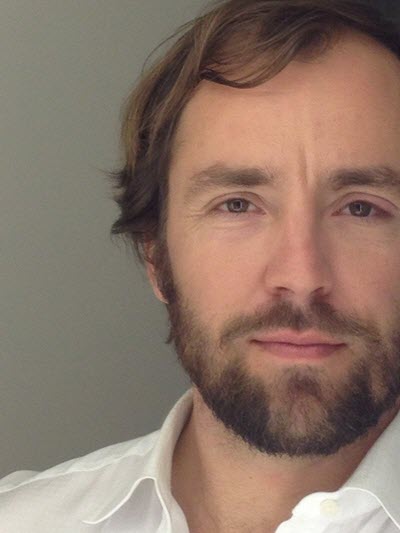
Meb spends most of his free time skiing, learning to surf, and traveling. And because he gets this question daily, Mebane is Southern (US), and rhymes with “web-in”.
Check this out and find out more at: http://www.interactivebrokers.com/
Looking for style diversification? More information on the TDI Managed Growth Strategy – HERE
Stocks mentioned in this episode: (AMZN), (META), (AAPL), (NVDA), (SNDK), (OIL), (GOOG)