In short
The Disciplined Investor Podcast - Episode #953: Wizardly Discipline
Episode Overview The 953rd episode of The Disciplined Investor Podcast features a discussion focusing on the importance of discipline in investing, market readiness for 2026, and insights from renowned guest Jack Schwager, author of the "Market Wizards" series. The episode encapsulates reflections on the past year while providing insights into the future of investing.
Key Themes
- Importance of Discipline
- The host emphasizes that being disciplined pays off in investing and that consistent discipline is vital for achieving long-term financial success.
- Instead of setting vague resolutions, investors are encouraged to make measurable commitments, backed by accountability, to enhance their financial discipline.
- Market Review and Predictions
- Markets are finishing strong, indicating a positive outlook for 2026.
- The host discusses the potential for volatility and headwinds in the upcoming year.
- Focus on geopolitical uncertainties and their implications on energy markets and supply chains.
- Insights from Jack Schwager
- Jack Schwager discusses his extensive experience interviewing top traders and the traits that distinguish them.
- Key traits of successful traders include:
- Consistent risk management.
- A well-defined methodology with an edge over the market.
- Self-awareness and emotional regulation in trading.
- Challenges of Market Efficiency
- Discussion on the Efficient Market Hypothesis (EMH) and its limitations.
- Schwager points out that while institutional managers often underperform, some individual traders achieve extraordinary results, indicating that markets are not entirely efficient.
- Future Trends
- Potential trends for the next decade include shifts in global monetary policy and the impact of AI on trading strategies.
- Geographic and regulatory factors are expected to influence market dynamics significantly.
Key Takeaways
- Setting Goals: The need for achievable, measurable goals rather than vague resolutions. Successful investors embrace discipline by making commitments and being accountable.
- Market Conditions: Understanding current market conditions and geopolitical factors is crucial for navigating potential risks in 2026.
- Trader Psychology: Self-awareness and emotional insight are crucial for traders to manage their behaviors and improve their decision-making processes.
- Market Efficiency: The conversation challenges the notion that all traders will underperform against market indices, highlighting the stories of successful traders who have beaten the odds.
- Future of Trading: Innovations in technology and changes in market dynamics present both challenges and opportunities for traders in the future.
Key Quotes
- "If you set your goal out to be a certain place and you get to that point and you achieve it, take stock in it."
- "Risk management is critical and necessary, but it isn’t sufficient."
- "You have to have some sort of methodology that has an edge."
Conclusion This episode of The Disciplined Investor Podcast encapsulates the essence of disciplined investing through reflective discussions on past experiences and future predictions, supported by expert insights from Jack Schwager. The overarching message emphasizes that discipline, self-awareness, and adaptability are key to thriving in the ever-evolving landscape of investing.
Additional Resources
- Find the podcast [here](https://podcasts.apple.com/us/podcast/the-disciplined-investor/id217999782).
- Access the episode's AI-generated show notes [here](https://thedisciplinedinvestor.com/blog/wp-content/uploads/2025/08/TDI-Notes-and-Summary-Schwager.pdf).
- Further information on the TDI Managed Growth Strategy can be found [here](https://thedisciplinedinvestor.com/blog/tdi-strategy/).
Stocks Mentioned
- (SPY) - S&P 500 ETF
- (NVDA) - Nvidia Corporation
- (TOST) - Toast, Inc.
- (QQQ) - Invesco QQQ Trust
- (GLD) - SPDR Gold Shares
Final Thoughts As we move into 2026, maintaining discipline and adaptability will be paramount for investors to navigate the complexities of the markets successfully.
Written by AI. May contain mistakes. Listen to the episode to check what was said.
Chapters
Tap a time to open that second in VOReflecting on the Year in Investing
1:39 to 3:20
A recap of the year's highlights and lessons learned from guests.
“Here we are coming into the end of the year.”
Setting Achievable Goals in Investing
3:20 to 6:00
Understand the importance of setting measurable and achievable goals.
“Because a lot of people, once we get to that place, I remember, listen, I remember back when I was first starting working back, it was a number of years ago.”
The Difference Between Resolutions and Commitments
6:00 to 8:06
Learn why commitments are more effective than resolutions in achieving financial goals.
“By the way, the other thing that I want to mention to you is the one thing that we don't do when it comes to investing is make these resolutions.”
Navigating Economic Risks and Opportunities Ahead
8:06 to 12:42
Discuss the economic landscape and challenges facing investors in the coming year.
“Now, what are we doing here at Horowitz & Company towards the end of the year, thinking about the new year?”
Jack Schwager: Insights from a Market Wizard
12:42 to 14:03
Introduction of guest Jack Schwager and his contributions to investing literature.
“That's where you see gold and silver at all-time highs.”
The Importance of Focus Amidst Noise
14:03 to 14:40
Learn why stepping away from constant news can clarify market perspectives.
“And it keeps going on, it keeps going on.”
Introducing Jack Schwager: A Trader's Perspective
14:44 to 15:27
Discover the insights of renowned trader Jack Schwager on market strategies.
“we did this last year as well, one of the last podcasts of the year, we bring on Jack Schwager.”
Diving Into Trader Insights with Jack Schwager
16:38 to 16:48
Explore the traits of successful traders and their unique methodologies.
“All right, let's get on with our last guest of 2025 and get into how the greats do it and what we can learn from them.”
Risk Management vs. Edge in Trading
16:49 to 19:19
Understand the balance between risk management and having a trading edge.
“You were on, I think, if I'm not mistaken, you were the last guest of 2024.”
Human Emotions in Trading Decisions
19:21 to 20:38
Learn how emotions affect trading performance and decision-making.
“Right, because if you just do have risk management, you're stopped out of every trade.”
Show all 29 chapters
The Dart Throwing Analogy in Investing
20:41 to 21:58
Explore why some managers underperform compared to random selections.
“So that plus transaction cost means if you don't have a methodology, you're doomed to lose.”
Transaction Costs and Their Impact on Returns
22:14 to 23:18
Understand how transaction costs affect investor returns and strategies.
“So - You know, I think it's interesting is even if you just take out management fees and just put in a transaction cost, is that saying that the S &P 500, which is a managed fund, by the way, right?”
Self-Awareness: Key to Trading Success
23:24 to 24:44
Discuss the importance of self-awareness in trading decisions and success.
“You know, I mean, greatness achieved by something, again, edge, risk management, but also something that was different about that person.”
Preparation and Automation in Trading
24:46 to 27:26
Learn how preparation and automation can enhance trading performance.
“And one of the things they keep in the journal is their emotions on that day or on that trade.”
Algorithms vs. Human Traders
27:28 to 28:00
Explore the challenges faced by human traders in the age of algorithms.
“So there used to be a time where traders who were very attuned and very ready could just beat everybody and be the first online or among the first to get orders off in these situations.”
The Impact of Algorithms on Trading
28:00 to 29:20
Explore how algorithmic trading affects human traders and market efficiency.
“I mean, so it's impossible for any human to compete.”
Success Stories from Small Traders
29:20 to 31:20
Learn about traders who turned small investments into significant wealth through savvy trading.
“So he can still find situations where he can trade on things like SEC filings because they require a certain degree.”
The Collaborative Writing Process Behind the New Book
31:20 to 33:50
Discover the journey of co-authoring a new book on traders and financial insights.
“So I've – Two traders that have done that.”
The Future of the Market Wizard Franchise
33:50 to 37:00
Discuss the continuity and future prospects of the Market Wizard series.
“And so I spoke to him and I said, hey, you know, you've got some good articles here and you're right on on what you're thinking about it.”
The Evolution of AI in Trading
37:00 to 39:40
Examine the effects of AI and machine learning on trading strategies and market behavior.
“And, you know, I'm still pretty, I'm luckily still pretty much there with it.”
Reflections on a Career in Finance
39:40 to 42:00
Hear insights on the financial industry and the enduring lessons learned over years of experience.
“But algos have been affecting it for some time and that's come up.”
Lessons from Market Cycles
42:00 to 44:31
Explore core investment lessons across different market cycles.
“I mean, I've been through a lot of things.”
Evaluating Current Market Conditions
44:31 to 46:05
Understand the implications of recent market performances on future investments.
“So what's your take on the current investment environment?”
Challenging Financial Myths
46:05 to 49:45
Debunk common financial myths, including market efficiency and investment outcomes.
“What I'm saying is it'll be a good long-term investment once you get enough of a drawdown so the past 5, 10 years don't look great.”
Risk Management Insights
49:45 to 53:16
Learn key advice on managing risk effectively in trading.
“So there are many people who are impacted significantly from the books you've written, whether it goes back to the early days of getting started in technical analysis or some of the more recent.”
Future Trends in Investing
53:16 to 56:02
Discuss potential trends defining the next decade of investing amidst current market shifts.
“and freaking out about, oh my God, it's going lower than I want it to go.”
Traders' Short-Term Orientations
56:02 to 56:48
Explore how younger traders tend to have a short-term focus in trading.
“By the way, are these traders, these younger traders, different than, let's say, your first set of – well, clearly different than the first.”
The Influence of Video Games on Trading
56:48 to 57:21
Discuss the impact of video gaming on the trading strategies of young traders.
“But, uh, that's - Or it's possible that their upbringing, which allowed them to focus on studying for school, watching TV, listening to music, uh, and all at the same time.”
Nostalgia for Classic Video Games
57:21 to 58:06
A nostalgic look back at classic video games and their simplicity.
“My favorite video game when I was a kid.”
Transcript
Automatic transcript. May contain errors.0:00This episode is brought to you by Interactive Brokers. And where can quantum computing take your portfolio? Investment themes from Interactive Brokers helps you find out. Start with a trend like quantum computing or clean energy and instantly see where companies are most connected based on revenue, strategic focus, and product relevance. You can explore competitors, global exposure, and business relationships across more than 500 themes. Built with AR-powered insights from reflexivity, investment themes turns complexity into clarity and helps you move from trend to trade with speed. Available now across IBKR desktop, mobile, and Trader's Workstation.
0:41The best informed investors choose Interactive Brokers member SIPC. Check it out at ibkr.com slash themes. The Disciplined Investor is all about you, your money, and the markets. Sit back and get ready for this edition of The Disciplined Investor Podcast.
1:03Jack Schwager:This episode of The Disciplined Investor is sponsored by Horowitz & Company. If you're looking for a portfolio manager, look no further. Horowitz & Company, from seed through harvest, cultivating financial success.
1:21Being disciplined pays off. Market's finishing in a good place and ready for 2026. Fun times ahead with a January warning. And let's get inspired by market wizards with our guest, the renowned Jack Swager. All this and much more on episode number 953 of the Disciplined Investor Podcast.
2:00Here we are coming into the end of the year. And this is officially the last episode this year. Don't get crazy. This year of the Disciplined Investor Podcast. And it's been quite, just quite a year. Looking back, we had just an astounding array of guests. Just amazing people. So many stories. that they told so many lessons that we learned, that we continue hearing about some of the things that needed to be done in order to be successful at this very difficult task of investing. Many of you have, I know, taken to heart the things that our guests have talked about, learned from some of the things that we've discussed.
2:42And remember, not every guest is going to give us an absolute nugget of information that is like, wow, I'm going to go out and buy that or do this. What we're designed to do here is build upon layer, upon layer, and build a little bit more, another layer, so that we can become truly disciplined. That's the whole point. That's the whole point of what we're doing here in our journey to become financially set. And that's a big thing to ask. That's a hard thing to do. Because a lot of people, once we get to that place, I remember, listen, I remember back when I was first starting working back, it was a number of years ago.
3:29But I remember I said, you know, when I'm successful, the first thing I'm going to do is I'm going to get myself a new car. I am going to get that BMW 3 Series. Man, look at that thing. When I get that, that is going to be when I can finally put that stake in the ground, raise the flag and say, I am a success. Seriously. And I would pass the dealership all the time. And when it got to the point that I was able to afford that car, you know what happened? I was like, ah, I don't want it. I have more things I want to do. But yet I wasn't as successful as I wanted to be. Even though I could get the BMW and I said to myself years ago, So, you know, when I get to that point, I am going to declare that I'm a success.
4:16Well, what happened is that I kept on moving the goalposts. And once I learned something, a lesson that was simple, but yet profound,
4:29I was forever chasing my tail. And that lesson was very simple. It was this, is that if you set your goal out to be a certain place and you get to that point and you achieve it, take stock in it. Take a deep breath. Absorb it. Bathe in it. Relish in it. And then, if there's another goal, we'll get to that one. But if, in fact, your goal that you set is to reach the horizon by running five miles a day, the reality is that horizon is constantly moving and you'll never get there. And you'll constantly be disappointed. frustrated, and eventually give up because he just can't do it. So when you set goals for yourself, make sure they're measurable.
5:17Make sure that there's something that's achievable. And when it comes to investing, when it comes to financial security, when it comes to being set in life, that's something that we have to have a number on. I need to have X amount of dollars so I could get this amount of interest that could support my lifestyle at this level. Those are quantifiable. and we need to make sure that we get to that point. If we surpass it, we can do so. But don't set a goal that's so difficult that you can never get there and also never set an open-ended goal that will just frustrate the hell out of you. A little bit of word of wisdom for the beginning of, the end of this year, the beginning of next year.
6:00By the way, the other thing that I want to mention to you is the one thing that we don't do when it comes to investing is make these resolutions. I have found that resolutions are a way of just appeasing our own psyche for a short term and allowing ourselves to wander from those particular, I don't, they're not even goals. They're just sayings that I am going to lose 20 pounds, blah, blah, blah, blah, blah. Yeah, what happens is you end up gaining 10 pounds getting into it saying, well, I can eat now because I'm going to start that diet on Monday. I'm going to start saving that money on January 1st.
6:36I'm going to increase my 401k plan and I never do it. There's a difference between a resolution and a commitment. There's a huge differential. Make sure that you're not making open-ended and just vacant promises to yourself. If you're going to make a commitment, write it down. And better yet, you want to really make sure that you stick to something, share it with somebody that can make you accountable. When it comes to finances, share it with your spouse. Share it with your good friend. Share it with your financial advisor who should be working with that on you if that is what they're doing from a financial planning standpoint.
7:17Maybe your investment advisor, you can talk it through as well. But whoever you're dealing with and somebody that can hold your feet to the fire and make you accountable, share what that particular goal is, that commitment. The resolution, fine. You want to go on a diet next week. You're going to only drink one drink a week. You're going to cut down on cigarettes or whatever. Those are resolutions. My favorite time of the year is January, February. I drive by the various gyms in the neighborhood. The parking lots are full. By March, half full. By June, pretty empty. It's a cycle that is as old as time.
8:00But we bought into this idea of doing these resolutions. resolutions. Forget them. Throw them out. Let's do commitments. Now, what are we doing here at Horowitz & Company towards the end of the year, thinking about the new year? Well, we're busy reconciling accounts and making sure everything is aligned with what we expect in 2026. Because listen, it's been a great year, 2025. And we're building on momentum from 2024. And the question is, is that going to last? And that's a big issue. How are we going to navigate the next year with all of the headwinds that we have currently that really are not much different than what we had previously?
8:45Maybe a little bit different, maybe a little bit lighter, maybe a little bit more acceptable. Some of the things that are going on. But I got to tell you, from a firm view here, I think we successfully navigated the short-term risks with, at the same time, I should say, staying very focused on the broader trends that define not only 2025, but really 2024 as well. I mean, there was numerous global events that could have just totally distracted us that probably had you a little bit concerned as well throughout the year. We had persistent inflation concerns.
9:30I would say shifting or disassociation with reality when it comes to central bank policies. We had global tensions, energy price volatility. What, currencies? What about that? Big currency fluctuations. Something, yen, dollar, and all that? Wow. And that created a challenging backdrop. There's no question about that. And add to that the uncertainty about global growth, the trade disruptions that we saw. Don't forget about April, what happened then. And ongoing debates about, well, is interest rates going to go up? It's going to stay the same. We're going to move down five times. It's going to be two times.
10:06We're going to move it up. It's very clear now, right at this exact moment At this juncture of life That discipline is what it's all about That was the most important feature of 2025 Now looking ahead to 2026 From what I see, many of these themes are likely to persist We are looking at a few new dynamics that are emerging Potential for divergence in global monetary policy which could present opportunities and risk at the same time, especially if the Federal Reserve maintains a cautious stance, this whole idea that, well, we may raise, we may not raise, where other ones are like all out in, you know what, we're dropping rates.
10:52And our central bank, our Fed is not saying they're going to raise rates, but they're also talking about, well, we saw GDP at 4 % and that's really good and maybe we'll maintain our stance at this point. I mean, a lot of things going on. But here's the thing. Let's be honest. It's highly unlikely, as the Trump administration is pushing for a dovish Fed chair, just last week they talked about it, that, you know, well, you know, GDP is good and markets sell off a little bit because of that, which they didn't, really. And, you know, President Trump is saying, if markets are going up, well, rates just still go down.
11:35And I want them, and anybody that I appoint will do so. So there is a lot riding on what's going on with the Fed. But I think more importantly, what really is going to define 2026, and this is where we need to be smart, is geopolitical uncertainty. And I think the focus really needs to come down to the energy markets and supply chains. You see what's going on in Venezuela, right? We see what's going on in China, right? Well, right there is the poster child for both of those items. In Venezuela, we have an issue. Again, they're not a big supplier of oil, but we have tankers being escorted away, basically.
12:16And we're saying, well, no, you're not going to use those. We have Russia energy there. We have the potential for the consistent concern about supply chains. We keep this tariff screw tightened. What's going to happen? And the U.S. dollar is going to be a big part of that discussion right now. We could say that the U.S. dollar has been relatively weak. That's where you see gold and silver at all-time highs. Copper is in a big upswing. First time ever got to the point where it got last week above$12 ,000 a ton. And what's interesting about that is that comes from a combination of tariffs, comes from a combination of supply constraints and problems with basically mines that are stripped bare, the major ones.
13:06Now, meanwhile, the other thing we have to look at is the continuation and acceleration of the AI-driven productivity gains. That's a big issue. The evolution that we're seeing, the transition toward, and in some cases away from, green energy may start to reshape sector leadership from what we saw over the last couple of years. I would venture to say that volatility is expected to stay elevated. But as we keep talking about as disciplined investors, that often translates to opportunity. Yes, no question. like what we saw with this whole Oracle debacle, with the Blue Owl deal, with the fact that they're getting and they're not getting, and they're going to build and they're not going to build, and they got the money and they don't.
13:57Now they're going to be involved in Larry Ellison backing the son, David Ellison, with the Warner Brothers deal. And it keeps going on, it keeps going on. You know, this whole narrative that we see, the constant commotion. It's like, you know, just step away from the TV. Step away from the radio. Step away from the Reddit articles. Do yourself a favor. Focus on what's important. Step away from the politics. Step away from the politics. You'll be able to see markets a lot clearer than if you are laser focused on the daily news and the politics that are out there. Now, one of the things I really like to do, we did this last year as well, one of the last podcasts of the year, we bring on Jack Schwager.
14:51Now, Jack Schwager is quite a guy. Jack Schwager has written so many books. And he is, you know him from the Market Wizards series and interviewing the best of the best in the world and understanding how they did what they do. How is somebody making 25 % compounded annual return for the last 20 years or some number like that? We're going to talk about that because Jack has met all of them. He's written about many of them. And he's talked to them and learned from them. So we're going to get to that in a second. Before we do so, I have a question because, you know, you have to think about where do you get your information from?
15:36And the question about what's happening, what's changing your portfolio this week, what positions are driving your returns, ask IBKR. Ask IBKR. This is a breakthrough AI-powered tool from interactive brokers that lets you interact with your portfolio using plain English. It's so simple. You ask questions like, how did I perform this week? Or what's my biggest sector exposure? And you get instant personalized answers. Ask IBKR pulls from your actual account. It looks at the data and delivers real-time insights into performance, allocation, risk, and so much more. It's built into the IBKR platform to help you stay informed and in control.
16:23Because the best informed investors, well, they choose interactive brokers. Remember SIPC. Stop searching and start asking. Check it out at ibkr.com slash ask. All right, let's get on with our last guest of 2025 and get into how the greats do it and what we can learn from them. And let's bring on Jack Schwager. Jack, how are you? Hey, I'm doing fine. Thanks. Great. I mean, listen, it's been a while. You were on, I think, if I'm not mistaken, you were the last guest of 2024. I think so, yeah. Which we planned very well. And I always am intrigued by your insights because you talk to some of the, I mean, the traders that are known, unknown in the world that have just incredible stories and returns and things like, you know, people are happy with 7 % annualized returns.
17:22You talk to people that have 25 years of 20 % annualized returns. That's just amazing, isn't it? Yeah. Yeah. And sometimes more. and some of the younger guys who haven't been around for 20 years, but haven't been around 10 or 15, you know, triple digit returns, you know, for that period. So there are more astounding ones. It's amazing. I mean, so after decades of interviewing these, you know, top traders, we talked about some of their traits, right? The consistent things that separated them from the average. If my memory is correct, we talked about that they were, they had a very consistent risk management plan.
18:06Yeah. I mean, that's almost universally true. What other things? It's got to be something else. Is it the kind of guy that's going to push the limits? Is it a gal who is just like, you know what, while they look at the risk, but on the other side, they have the risk management and they have that almost like a trampoline for a high wire act, right? They know they can do this, but there's something at least protected. What is it that gets them to that point? Because it can't be just like, oh, my God, they have all this insight. They knew that Google was going to be what it's going to be. There's more to that.
18:42Well, it's more than risk management because, like an example I use, if all you have is risk management, I challenge you to go to Las Vegas and play roulette and use your best risk management, see how far you get. It ain't going to work because in that particular example, the casino has the edge. You don't have the edge. So risk management is critical and necessary, but it isn't sufficient. You basically have to have some sort of methodology that has an edge. You have to be the casino. Otherwise, risk management won't save you. Right, because if you just do have risk management, you're stopped out of every trade.
19:24Yeah, I mean, yeah, you could, you know, if you don't have an edge, you're basically, let's say if you threw darts, which is equivalent to not having an edge, when to buy and sell. Well, you'd lose because of transaction costs over time. You still, even if it was 50-50, even if you use a pure 50-50 type of method, you would still lose because transaction costs would go against you. Also, it goes beyond that, really. Like one of the traders I interviewed, this goes back to the second market wisdom book. So we're going back here to like early 90s. But he kind of said that, and this is Bill Eckhart.
20:11He said that humans are so poorly attuned to trading that they will do worse than random. Essentially, he's saying that our human emotions, it's not that you will just do like a flip of the coin. He says it's worse than that. So like the proverbial monkey throwing darts at the Wall Street Journal page of quotes, he says the monkey's going to do better. It's not the monkey will do as well. The monkey will do better because it's uninhibited by emotions. So his claim is that we, as humans, are so poorly attuned to making correct decisions because of our emotions that we will do worse than random.
20:53So that plus transaction cost means if you don't have a methodology, you're doomed to lose. You know, I remember back in the 80s, maybe it was the 90s, there was something about the darts. There was like an annual darts, wasn't there, in the Wall Street Journal or something? They might have done that. I think it was the dart portfolio. Somebody would get a Wall Street Journal, they'd open it up, and they'd throw darts. And I remember back then, I'm like, let me do that. What the hell? I'll just invest like that because the darts always seemingly won. But I'm sure that wasn't an exact science to the whole process.
21:28Well, I mean, the point there is that managers don't do better in the market. And that actually is true. I mean, that's been shown over and over. When I say managers, I mean just the universe of, say, mutual funds. there have been multiple, multiple studies. And I'm not aware of a single study that has come to a different conclusion, but they all come out with like 85 % or whatever the exact percent is, but it's way beyond 50%. But let's call it 85 % of managers do worse than the S &P. And that's not a surprise because I'd be taking all the funds, all the managers, they are the market, and they all have transaction costs and the S &P doesn't.
22:14So - You know, I think it's interesting is even if you just take out management fees and just put in a transaction cost, is that saying that the S &P 500, which is a managed fund, by the way, right? Things are in and things are out. Well, yeah, by definition of what the S &P index is, but it has, well, there's no fees, Right. Except, you know, like if you're invested, you know, via an ETF or there might be some or a fund or something like Vanguard or whatever, there might be some small fee, but that's pretty small. And the changes in the S &P index are infrequent and certainly don't have a meaningful impact on the cost of running it.
23:00So it's a frictionless portfolio. And, you know, I guess that's where everything else in Wall Street has a cost attached to our fees. So transaction costs. So let's get back to the person you were talking about, Eckhart, I think his name was, from a moment ago. And one thing that sticks out to me in the reading I have on whatever the book that you wrote, because, again, as you read, it's always a similar, there's always at the end like a similar theme. You know, I mean, greatness achieved by something, again, edge, risk management, but also something that was different about that person. But yet at the same time, there was something was different.
23:45That's the theme, right? Something was different. That difference was always different. Yeah, their approach. Right? It was different as their approach. they surprisingly, they were all doing different things, you know, so that's, that's what's different. But one of the things I think that is important here, tell me what you think about the role of self-awareness in, in this, right? That the idea that the role of self-awareness in, that comes into trading success. I think it's, I think there's something to be said about understanding your limitations, what you can do, what you can't do. And going past your limitations is always redlining your own psyche to a point when it comes to trading where you're over leveraging or under leveraging, right?
24:35But if you do know, isn't there something about that with all of these? Isn't there a commonality with all these traders that they are very self-aware? Yeah, it's a very common theme. A lot of them are very, very attuned to their own psychology and their own mindset, their own mood, very frequently come up with traders who will say they keep a journal. And one of the things they keep in the journal is their emotions on that day or on that trade. or one trader in the last book on no market wizards sort of mentioned he had a, he made it like an Excel sheet and he had various traits like, you know, is he angry?
25:18Is he fearful? Is he whatever? And he would check on each day, which traits, which moods were applicable and he would see their patterns and how his trading was related to those patterns. But what's interesting is that he actually is aware of his, how he's feeling. That's kind of not so easy. That's not so easy. I go along each day. I'm thinking, you know, ask me, am I happy? Am I sad? I don't know. It's Tuesday, you know, whatever, you know what I'm saying? It's like, it's what it is. But, but it is interesting. That's the whole point being really tuned in to your own ability. That's something that is something that we could work on.
25:56Every individual can work on that. Maybe not master it, but can work on it. Yeah. I mean, and also a matter of getting themselves in the right mindset. So another trader from the last book talking about the process before he's anticipating a big day. Liz was a guy who was trading certain events and sort of knew ahead of time when he potentially would be having a day where it could be potentially a big day for him. And just the preparation and getting himself calm and getting totally focused. I mean, to the point where, you know, complete tunnel vision that is only all he sees is just a screen.
26:37And he's preplanned everything he'll do under any sort of, like, if there's a Fed announcement, he's kind of decided what he'll do for any word that's said and stuff like that. So a lot of preparation and sort of getting himself into that zone. And those are the things that have been translated into trading automation. when you can have now a, even before quote unquote AI, you could have an algo or you can have at least some machine reading through the transcript of a Fed or let's say a live read through of a conference call from a company, right? Or some other transcript of sorts and go through there much faster than a human can.
27:26Yeah, I mean, that's absolutely true. So there used to be a time where traders who were very attuned and very ready could just beat everybody and be the first online or among the first to get orders off in these situations. Of course, now, and for some time now, algorithms, when it's just basically like particularly headline type items or keywords, they will act in fractions of a second. I mean, so it's impossible for any human to compete. And so those type of trades, where speed is the essence, you know, humans have been eliminated from that. Interesting, like in the book we're currently working on, there is a trader who, you know, this topic has come up.
Read the full transcript
28:22And so he had to stop doing some of the stuff he was doing because of the algos, but still is able to come out ahead because when there is like SEC filings or whatever, when it's things with complexity, some of these things are, the algos aren't there. yet to do fine-tuned interpretation. Or like he gives examples of, let's say there's a merger deal announced, but the jurisdiction is in Maryland instead of Delaware. He'll know that that makes a big difference because the laws make it less that in Maryland And the company that would be acquired has much more power to reject it than, let's say, in Delaware or something like, you know, a situation like that.
29:18So he's aware of those nuances. The allegos wouldn't. So he can still find situations where he can trade on things like SEC filings because they require a certain degree. Some of the things in there require enough nuance of interpretation that it's not been sort of computerized away. Well, that brings up two points, right? Number one is how long is it going to take till that goes away? But the second thing, right, that's only a matter of time, let's be honest. Yeah, so. But the second thing is, and then I want to answer both, right? It's a matter of time. And the second thing is that goes right to the efficient market theory and inefficient markets that have been – I would think – I'm going to extend on this for a second.
30:06I would think that one of the things that many of the traders have and many traders can make money on is the inefficiency. That's what you're talking about here, right? This guy knows about these things and it's not an efficient situation because not everybody knows about that Maryland versus Delaware or whatever it is. And there's other things, for example, with maybe tax rules and line items. And there's a market efficiency issue where maybe an ARB is out of whack for a buyout or for a convertible bond or potentially for a bond rating that may change because of something. So the market efficiency thing, which over the years, due to transparency laws, et cetera, has been getting better and better, right?
30:47The efficient market has been getting better and better. And I would think that – does that limit the amount of wizards in the future? You would think so. But I'm finding traders who are better – who are as good or better than any traders I've ever interviewed. And crazy stories. I mean, in the book I'm working on now, I've got two of the traders who started with small accounts. And by small, I mean like 50 ,000 or under. And have run it up to – this is not going to sound believable, I know, but have run it up to a half a billion dollars. Wow. So I've – Two traders that have done that. So you don't – Without any – wait, wait.
31:31Without any outside money. You're saying taking that money, trading it to that level. I'm talking about that$50 ,000 being compounded to the point where they've gone to$500 million. Wow. Wow. That's unbelievable. Over what period of time? Let's see. It doesn't matter what period of time, by the way. It's pretty amazing. Roughly 20 years or less. That's impressive. Yeah. I mean, that's, I mean, it's crazy, right? Right. That's like a better return than if you had a Bitcoin. I mean, that's the same kind of stuff we're talking about. It's crazy. Crazy. Yeah. Crazy. And they're still going. And yeah, still, they're still going.
32:18Yeah. I'd assume that they're, even though their hit rate may be good, they move the markets more if they're doing something compared to when they were investing 75 ,000. Oh yeah. So that's the, you bring up another point. So yes. Long ago, they had to stop doing what they were doing originally because they started out. Well, they were completely different traders. But one guy started out with small cap. And now, given the size he's trading, small cap isn't worth his trouble anymore. The size he would have to trade small cap is so small that it's just not worth his time. So you mentioned your new book.
33:01I believe you have a co-author on this book. Can you tell us who that is and why? Sure, sure. There's a fellow by the name of George Coyle, who has a long history and experience in financial markets. And the way I actually, he's responsible for this book coming to life because I had no plans to write another book. but about a year ago, year and a half ago, a mutual acquaintance of ours emailed me and he said, hey, you know, this guy I know has written some articles on traders and be interested in getting, you know, your feedback. Would you mind if he sent you the articles? And I said, sure. So he was the connection.
33:44And so he, so George sent me a couple of the articles and, you know, I thought they were pretty good and said, yeah, I'll talk to you. And so I spoke to him and I said, hey, you know, you've got some good articles here and you're right on on what you're thinking about it. And, you know, you should think of maybe compiling these into a book or something. And I gave him some tips about writing and all of that. And, you know, I said, hey, I didn't want to be involved. I wasn't planning to do another book. And sort of asking me if I could. And one problem he had is that he was quoting a lot from my books.
34:22And he didn't feel it was fair to be quoting so much, first of all, you know, for my books without having me. And I said, well, yeah, but I wouldn't feel right. I had to be doing something more. And then I thought about it. And I read his, you know, a couple of his articles. He said, you know what, George, I can actually write my own commentary on your article and add it as an addendum. And if you want to do that, you know, give me your book and I'll add my addendum and, you know, we'll have some sort of split and I could do that. And, you know, so I approached my editor and we sent them a couple of chapters where George had written the chapter.
35:01And George was using basically other sources. So he was doing a lot of research and, you know, a lot of quotes from different places and paraphrasing and so forth and putting it together into one narrative. So my editor kind of looked at it and he said, hey, you know, I love your summary, but, you know, the other thing, we just, he just wasn't interested in the book unless there was an actual, unless it was a firsthand interview. He didn't like the fact that it was all being sourced secondhand. in hand. So anyway, that kind of one thing led to another. And I said, okay, you know, you know, all right, so maybe we'll work together.
35:43And so we ended up, so we ended up working together. And the book we're writing is really very much like the previous Market Wizard books. So sometimes, George, the interviews, by the way, tend to be in transcript form are kind of long. So, you know, you might have 100 pages of transcript. You've got to boil it or plus. And you want to boil it down to 20 pages or whatever it is, right? 20, 30 at most. And so we divided them up. You know, I did some from scratch. He did some from scratch. And then his version I would then rewrite to my satisfaction. And he would have – I'd send him back and he could comment on my changes and stuff.
36:33But basically, that's the way we did it. So we divided the workload and we did the interviews together. And the book is turning out just fine. So this brings me to a question that you and I are not getting any younger by the day. You got it. And I'll go so far as saying, I'll call it the Market Wizard franchise. I'll call it that. I don't think it's an untrue thing. Who's going to continue on? Is George going to continue on? Because I think it's a necessary thing. Yeah, I never thought about it before. And you're right. I'm not, I'm certainly getting on. And, you know, I'm still pretty, I'm luckily still pretty much there with it.
37:10You know, I mean, my mental faculties are pretty much there. And I don't think my writing has degraded at all. And so that type of stuff, I'm still kind of totally capable. I'm not as focused as I used to be, for sure. And I certainly can't do anything like the workload I used to do. But I'm still kind of there. And it's just a question if I want to do it in another book. Yeah, I'm not suggesting you're not, Jack. Yeah, no, I understand. That's not what I'm saying. I'm just saying that - But at 77, yeah, I'm not going to do that. The world needs to continue having these. And I think this kind of thing, may I propose that to you that you consider that?
37:48I don't have any plan for you. I'm just saying consider that. Yeah, I would give George my blessing, you know, based on my experience of working on this book, you know, at given the point where I no longer want to do anything. And he and he wants to. There you go. There you go. We just we just made we just made a we just we just helped everybody out there with the understanding that it will continue on. Everybody feels good. Now, going back to the ideas that we've been talking about, the newest book, the book that's coming, without giving away too much, but is anything like, oh, brand new in there?
38:31Because with this new book, the last book you did was what year? Last book was 2020? Yeah, 2020. 2020. 2020. Yeah, 2020. So let's call that before AI, by the way. I mean, that will, yeah, I guess it was before AI was as prominent as it is now. There was, there was, well, it's kind of the, what you call AI is also a. Machine learning, smart, smart, smart algos. But. Algos were certainly there. Yeah. Is this starting to pop through a little bit though? The AI? So, yeah, I mean, not explicitly in terms of in actual examples. I mean, the algos are kind of more obvious. But AI itself, what AI is doing, in fact, one thing of AI is even the people who create it don't know exactly what's going on a lot of times.
39:30I mean, that's part of what AI is, right? It's making its, it's deciding its own rules and patterns and stuff like that. So that's still too early on for I think traders to comment on knowing specifically how AI is affecting the markets. But algos have been affecting it for some time and that's come up. Right. Let's switch gears a little bit. And let me give you some, I'll call it rapid fire questions. Yeah, sure. I have a few of them that I kind of was pondering. And, you know, you can go as long as you want, but I thought maybe you can, you know, some of these will be quick. Okay. Let's start in the back.
40:11Let's start with way back when and your story. What first, this is maybe a little bit longer, this one. What first drew you into this industry? And more importantly, what keeps you here? Yeah, by the industry, you mean financial? Yeah, financial, yep. Yeah, pretty much accidental. I mean, accidental beyond the fact that I was an economics major. But so coming off a graduate degree in economics, I was just looking for an analytical job. And it so happened, the first decent job offer I had, well, it wasn't so decent, actually. It was a very paying job. But it was decent in terms of being interesting, was as a commodity market analyst.
40:54And so that was the position I took. I knew nothing about commodities. I knew very little about markets in general. So I came into it as a pretty much as a total novice and certainly not somebody who was a teenager at thoughts of, gee, I want to get into Wall Street and stuff like that, as do a lot of traders I interview. I was never in that group. I just literally fell into it because the first job that appealed to me that I was offered coming out of graduate school happened to be an analyst position in commodities. Okay. And what keeps you here? What keeps me here? Well, I've gone through a lot of different phases, but the markets are always interesting.
41:39There's never, yeah, they're always changing. It always requires creativity. So, it's one of those jobs, it's one of those careers and spheres of operation where it doesn't get boring ever. Yeah, never. Especially now. Well, anytime. I mean, I've been through a lot of things. I don't know if now is any more fascinating than the 70s, let's say, which was, you know, people think we had inflation recently. They weren't around in the 70s. I know. There was a lot going on in the 70s. As a matter of fact, you've seen a lot of market cycles, right? So what's one lesson that stayed true through all of them?
42:22Well, okay, particularly for young readers, particularly for your younger listeners out there. I mean, this is, you know, the idea of investing, you know, buy and hold and all that kind of does have merit, you know, for the long run. The trouble is it's kind of hard to live through. But it's also the trouble is that the timing of when people go to it is completely off. So I did a book 12 years ago, whatever, called Market Sense and Nonsense. And one of the chapters in there, I basically did an analysis. I got data going back to literally as far back as it existed on the stock indexes. I think it went back to like 1860s or something like that.
43:07But I basically did is I calculated, you know, what was your forward, if you invested in the stock market, you know, today, what is your average turnover the next five years, 10 years, 15 years, 20 years? And I did that looking at each year, what was the prior five year, prior 10 year, prior 15, prior 20? And what you found was, well, not surprising to me, but what you found was that by far your best results was when you came in and the last 10 years looked like crap. You know, everybody, you know, was maybe the last 10 years were net negative and everybody was negative on the market. So if you look back at the last five years, if the last five years, 10 years, 15 years, those periods are near the lower historical range of percent return, then that is a really good time to be a long-term investor.
44:07Is the opposite true? It's the reverse also. Yeah, that's what I'm asking. If you come in after the last 10, 15 years have been great, the next 10, 15 years usually aren't. That's the old reversion to the mean concept, right? That's the whole point that you're truing out. Yeah, it is. It is. Reversion to mean is a cliche, but it's a cliche because it's true. Right. So what's your take on the current investment environment? And are we in a new era or just another phase? Yeah. Oh, well, you know, we're not in, you know, this time is, I don't, I can't think of an instance where this time really was different.
44:47There's always a reason why this, there's always some Wall Street explanation of why this time is different. But this time is never different. It never ends up being that way. I mean, so now maybe the argument is, because of AI, this time will be different. I mean, it could be the first time where that argument is true. But I heard it in all different situations, right? So I basically, just going on what I just said, And this is not a prognostication, but based on what I just said, because indeed the last 10 years have been quite good, and I guess the last 15 as well, and the last five. So because I think you'll find that we're sort of the recent periods have been on the towards of the higher end of returns, that the next 5, 10, 15, I would not expect them to be particularly good in that sense until, you know, unless, of course, we get a drawdown, unless we get a 2008 or a 2000, 2001 thrown out there again.
45:55And at that point, the situation changes again. It doesn't mean that the stock market won't be a good long-term investment for the next 15 years. What I'm saying is it'll be a good long-term investment once you get enough of a drawdown so the past 5, 10 years don't look great. Right. What's the one financial myth you wish people would stop believing? Aside from this time is different.
46:26And well, you know, one, one is, and this is not one that I wish people would stop believing, but I think it's a myth. The official, you mentioned it before, the official market hypothesis. You cannot, you cannot interview the people I've interviewed. And, and by the way, you know, check their records or verify their records because anybody can say anything. And certainly on the internet, you have a lot of people claiming they've done a lot of things which they haven't done. But we've got to go from a lot to everyone. But go ahead. Yeah. Not everyone, but a lot. OK, so the point here is that that I've seen just too many people whose records I verify do things that are impossible.
47:11That would be statistically like what? You just take two other traders, you know, in this book. One of them has not had a down month. at least in 11 years, but even before then, but the last 11 years he was on his own. So we could look at his, you know, returns. Not a down month. What's that? Not a down month. Not a single down month, right? Not a single down month. Another trader. And he's not just investing in like money markets. No, he's not doing anything obvious. He's actually, he's kind of doing a lot of merger ops stuff and stuff where people have lots of, you know, have down months. But, you know, he just hasn't.
47:56He's very short term, though. He's extremely short term. Another trader is also very short term. His record, now he's been trading for like 25 years, but his record since he was a prop trader for other firms before, but since he formed his own firm, his record goes back only about, I don't know, 15 years. is he had like five or six down months, but they were all tiny. And the odds of having just five or six tiny down months and actually his worst down month in that whole 15, 16 years was less than his average monthly return. Wow. So put that in. And that is, you can't have that happen in an efficient market.
48:45Those type of results would be impossible. So that's going against the whole indexing. Well, not going against, but there is another side to the story is the point. You're not saying that buy and hold S &P 500, bad thing. You're not saying that. You're saying there's other things. Well, the thing here is, you know, this is kind of odd here. So what I've written, and I think I wrote this in the last book, was that the efficient of market-up offices, no doubt in my mind that it's wrong. No questions asked. No maybes. However, here's the irony. Most people would be better off acting as if it were right.
49:23Yes, no, I get that. I get that. Because most people don't have an edge. And they actually will be better going into a low-cost index fund than trying to do it on their own. And there are statistics and studies that prove this. Yeah, no, I get that. So most people would be better off acting as if the efficient market hypothesis was correct, but it is wrong. Which means for some people who have the talent and have done enough work and figure it out, they can indeed beat the market. Right. So there are many people who are impacted significantly from the books you've written, whether it goes back to the early days of getting started in technical analysis or some of the more recent.
50:13What book, what mentor, what experience has had the most impact on your philosophies? Yeah, well, sort of I've interviewed so many people, I guess a lot of them have. But the biggest influence has been on the risk management side. So take one example, and we probably I probably mentioned this to you before. but one of the traders from the, actually the very first market was his book, was Bruce Covner, who then went on to found this firm Caxton. And Bruce has been one of the more successful traders out there ever. And he had one line in that first interview, which has had a big impact. And that line is, know where you will get out before you get in.
51:06which is very good advice because, first of all, it captures about 95 % of risk management in one sentence, which is a feat in itself. And the thing about making a decision of knowing where you'll get out before you get in is psychologically insightful in an implicit way because what changes when you go from not in the market to in the market? What changes is you lose your objectivity. Because if you're not in a position, you could be – Oh, you're a genius. You're a genius. You could be the Superman of activity because you've got no money on a lot. Right. Once you're in a position, you now, every news story that comes out, if it's for the position, aha, I'm right.
51:49And if it's adverse to the position, well, yeah, but that's already discounted. Or, yeah, that's going to just be a temporary effect. You know, you'll make excuses. But before you get in, you can think clearly. So my advice, and I advise all people to do this, before you put a position on, decide, hey, what price am I going to be wrong? Where should it not go if I'm right on this trade? And what you do is when you enter, let's say you want to buy a stock that's at 50 and you figure, well, it should go from here. It might pull back a couple of bucks, but it shouldn't go back to 45. If it goes back down to 45, I've just blown this trade.
52:29Okay, buy the stock, put in a stop, good till cancel at 45. And then you don't have to worry about it. And you've also defined what your worst loss on the trade is. You know, it's funny because there's a lot of times I have trades on for clients or positions on, I should say. Positions on for clients in our trading portfolio. And, you know, it's like, it's going against us here. We knew kind of where we wanted to be on this. And, you know, I'm not willing to take it down this much more than X dollars. and it's so relieving to actually have a trading stop on versus having to think through it. And also somehow it's very cleansing to put it on and knowing where you're going to be and it hitting and you're fine with it versus me chasing a position price to get out and freaking out about, oh my God, it's going lower than I want it to go.
53:25Let me hit it now. And then you're like, am I hitting it at the right time? What am I doing? What if it pops? Am I going to be pissed off if I just got emotional about it? It's going to pop right back up. Exactly. I agree. Yeah, and then there's the proverbial, well, it's already down here. I'll just give it another$3. Yeah, and I'll buy some more. Well, that's even worse. All right, so let's finish up looking ahead. Is there a particular trend? Let's leave AI out of this. that's going to define the next decade of investing? I don't know if there's a trend, really. It's sort of hard to define what AI is going to do to the markets.
54:05I'm not sure myself on that one. You know, that's, you know. Well, I mean, let me help you with this for a second. Let's dovetail this into the things that are going on right now when it seems like government is getting in. And, you know, for a long time, state-owned enterprises in China were like, oh, my God, what a horrible thing. We have Chinese government owning parts of Japan buying into the major markets or the Norwegian sovereign wealth fund buying. Terrible. Oh, my God. And now we do it. It's like, oh, what a great idea. I don't know if people agree it's a great idea. I don't think it's a great idea personally.
54:45But is this something where we're going to have basically the governments take over? I doubt it. I mean, it's true of this administration, but I don't anticipate, like a lot of things in this administration, I don't expect it to continue beyond this administration. Right. Maybe that's why a lot of things are just look past of what goes on. Who knows? Kind of crazy times. But all right. Anything else that you want to talk about? When's the book coming out? What's happening? what's well good the book the book will come out next summer i think uh but not finished writing it yet uh i think it'll come out around june july something like that oh and it's going to be called it's going to be called um marco wizards the next generation and it's like a star trek it's like a star trek yeah so you know george mentioned i'm not a star trek fan yeah it's like star trek but yeah i'm not a i'm not a star trekking um george was aware of it and uh he said that and And I said, gee, I wasn't even aware of that.
55:47So I thought it was appropriate because the cohort of traders are younger than any cohort I've ever interviewed. Now, given that I'm looking for traders with at least 10, 15 years experience, there's a limit to how young they could be. But most of the traders are 30s, which is pretty young for a group of traders that I've interviewed. By the way, are these traders, these younger traders, different than, let's say, your first set of – well, clearly different than the first. Let's not talk about that. The last – are there a lot more crypto involved? Some crypto, but crypto – I didn't interview any traders who are crypto traders per se.
56:28If they trade crypto, it's just like any other market. They might have traded it, but it's not a big thing that's come up. Um, there, the one big difference I've noticed is, uh, so many of these traders have a very short-term orientation, or at least had very short-term orientations in their early years until maybe they got too much money to be that short-term. But, uh, that's - Or it's possible that their upbringing, which allowed them to focus on studying for school, watching TV, listening to music, uh, and all at the same time. Well, that and playing video games. Yeah, all at the same time.
57:07So this is the first book where playing video games has come up on several interviews. I don't think it's come up ever in any of it. So this time it's come up several times. That's cool. I like it. Yeah, yeah. That's good stuff. My favorite video game when I was a kid. Well, listen, when I was a kid, we had Space Invaders, one of the first ones that came out, Galaga. we had Asteroids Missile Command Donkey Kong all the Mario all the favorites but those were all quarter machines back in the day and we used to go down I was in high school I can still remember Pong Pong was great I love Pong two paddles and one ball three items on the screen Right.
58:00And that's all we could focus on at the time, by the way. Well, that's all the program could focus on. That's true also. Jack Schwager, always a pleasure. Thank you so much for joining us today on The Disciplined Investor. Yeah, thanks, Andrew. Thanks. Appreciate it. Take care. Well, there it goes. There you have it. There is the last bit of, tidbit of, smidgen of knowledge from The Disciplined Investor podcast from 2025. Looking forward to seeing you next year. You have some great guests, some best ofs, some things happening. You're going to really enjoy it, I'm sure. Learn from it, utilize it, profit from it.
58:36Thanks for joining me this year. Happy New Year. I'll see you soon. Bye-bye.
58:47This podcast is intended for informational purposes only and does not constitute personalized investment advice. Investing involves risk, including the possible loss of principle and past performance is not indicative of future results. The views and opinions expressed are those of the host and any guests and may not necessarily reflect those of Horowitz & Company, Inc., an investment advisor registered with the U.S. Securities and Exchange Commission. Registration with the SEC does not imply a certain level of training or skill. Advisory services are only offered to a client or prospective clients where Horowitz & Company is properly registered or is excluded from registration requirements.
59:24Any mention of third-party companies, products, or services is provided for informational purposes only and does not constitute an endorsement. Hypothetical scenarios or forward-looking statements are for illustrative purposes and should not be viewed as guarantees. Content is intended for U.S. residents only and may not be applicable in other jurisdictions. Listeners should consult a qualified financial advisor before making any investment decisions. Please visit our website for additional information, disclosures, as well as a copy of our form CRS. Advertisements are not related to the host or affiliates and are not considered recommendations by the host of the show or any affiliate support.
From the publisher
Being disciplined pays off.
Markets finishing in a good place – ready for 2026.
Fun times ahead with a January warning.
Inspired by Market Wizards with our guest, the renowned Jack Schwager.
NEW! DOWNLOAD THIS EPISODE’S AI GENERATED SHOW NOTES (Guest Segment)
Mr. Schwager is a recognized industry expert in futures and hedge funds and the author of a number of widely acclaimed financial books. Mr. Schwager is one of the founders of Fund Seeder (FundSeeder.com), a platform designed to find undiscovered trading talent worldwide and connect unknown successful traders with sources of investment capital. Previously, Mr. Schwager was a partner in the Fortune Group (2001-2010), a London-based hedge fund advisory firm. His prior experience also includes 22 years as Director of Futures research for some of Wall Street‘s leading firms, most recently Prudential Securities.
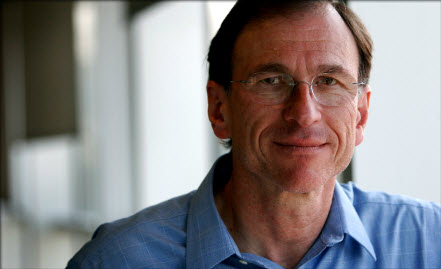
Mr. Schwager has written extensively on the futures industry and great traders in all financial markets. He is perhaps best known for his best-selling series of interviews with the greatest hedge fund managers of the last three decades: Unknown Market Wizards, (2020), Market Wizards (1989, 2012), The New Market Wizards (1992), Stock Market Wizards (2001), Hedge Fund Market Wizards (2012), and The Little Book of Market Wizards (2014). His other books include Market Sense and Nonsense (2012), a compendium of investment misconceptions, and the three-volume series, Schwager on Futures, consisting of Fundamental Analysis (1995), Technical Analysis (1996), and Managed Trading (1996). He is also the author of Getting Started in Technical Analysis (1999), part of John Wiley‘s popular Getting Started series.
Learn More at http://www.ibkr.com/funds
Looking for style diversification? More information on the TDI Managed Growth Strategy – https://thedisciplinedinvestor.com/blog/tdi-strategy/
Stocks mentioned in this episode: (SPY), (NVDA), (TOST), (QQQ), (GLD)