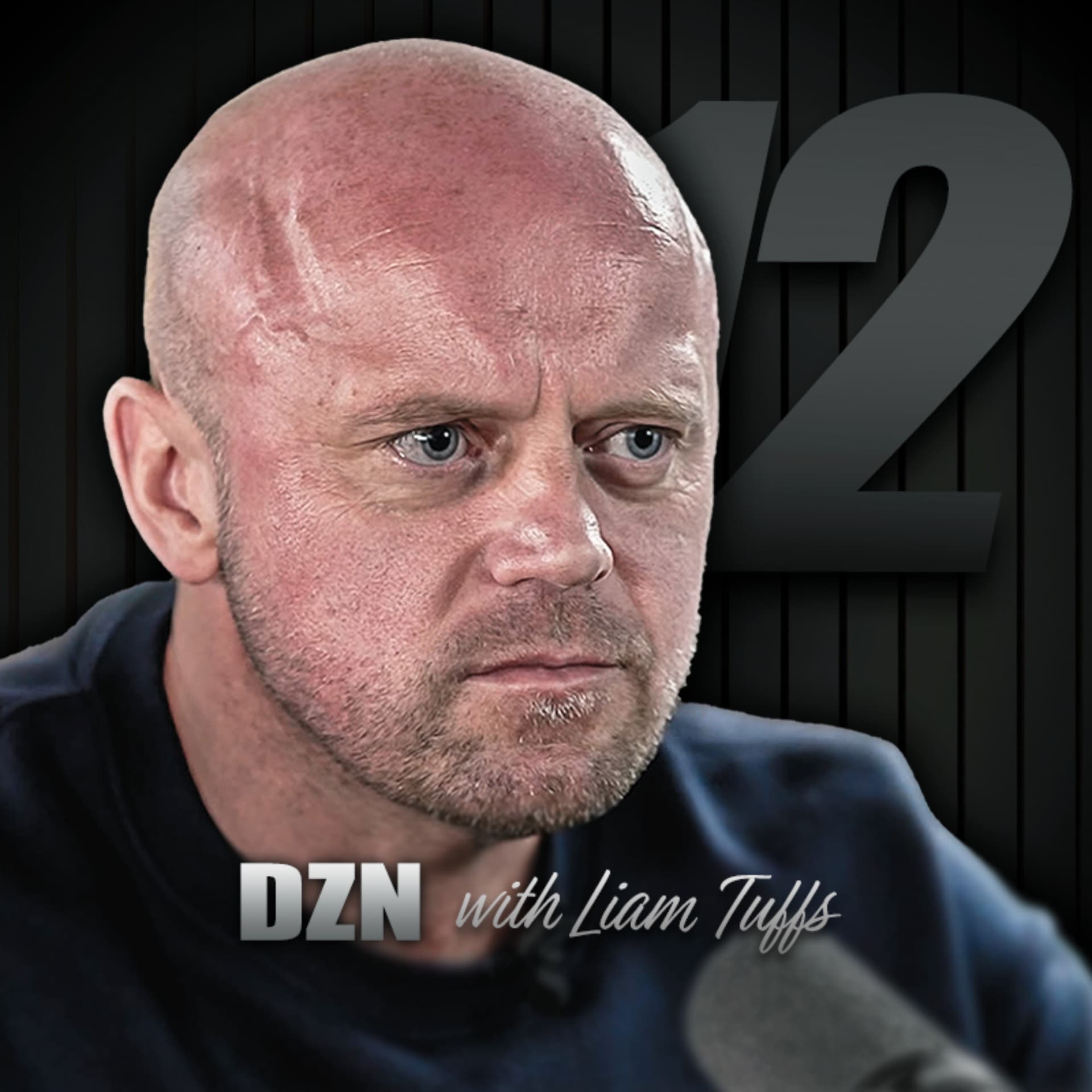
In short
A 30-year Greater Manchester Police detective recounts major cases and policing methods, focusing on how police evidence and investigations “broke” violent offenders, including Dale Cregan (Cotton Tree pub murders and the killing of officers Nicola Hughes and Fiona Bourne), Harold Shipman’s exposure, Salford gangster murders (Tommy Pitt crew; Paul Massey), and the Manchester Arena bombing response. He also discusses informant handling, counter-terrorism threat levels, and monitoring far-right protest speeches after the Arena attack.
Guest background
Paul Walker (former GMP officer; served in licensing/early 1990s, major incident/murder squad, and later counter-terrorism). He became a qualified source handler under RIPA/CHIS rules and has experience with public inquiries and high-profile murder investigations.
Key claims
Girlfriends often provide information; informants do not receive “immunity” from prosecution (possible sentence mitigation via court processes). He says he personally found DNA evidence during a house search by checking “a bit of grass” and locating a balaclava and Adidas jacket.
Notable examples
Balaclava DNA (Damien Gorman) and Cregan DNA/gunshot residue on the Adidas jacket; Shipman back-dated records; Paul Massey’s girlfriend Louise told he was dead; monitoring Tommy Robinson to reduce post-Arena tensions.
Written by AI. May contain mistakes. Listen to the episode to check what was said.
Chapters
Tap a time to open that second in VOHaunting Cases: The Murder of Police Officers
1:04 to 1:22
Paul discusses the haunting murder of two police officers he knew personally.
“So you've investigated serial killers, gangsters, Russian spies, 30 years of policing, terrorists.”
The Case of Dale Cregan
1:22 to 3:09
Paul recounts the investigation into the notorious criminal Dale Cregan and his violent actions.
“That would be the murder of two police officers.”
Searching for Evidence: The Cotton Tree Pub Murders
3:09 to 6:34
Paul shares details of the intense search for evidence related to the Cotton Tree pub murders.
“There was some dispute between him and the Short family, Mark and David Short.”
Trial and Evidence Presentation
6:34 to 8:00
Paul discusses his experience providing evidence during the trial of Dale Cregan.
“and there was a massive pile of bin bags.”
Reflecting on Criminal Psychology
8:00 to 8:38
Paul reflects on his understanding of the psychological aspects of criminals like Cregan.
“but it was the DNA of Cregan on the jacket.”
Paul Walker's Early Life and Career
8:38 to 11:11
Paul shares his early life experiences leading up to his policing career.
“You just never can tell, though, can you, like what someone's capable of.”
Working in the Nightlife: Licensing and Drug Operations
11:11 to 13:24
Paul describes his role in managing licensing and drug-related offenses in nightlife venues.
“So tell me what you were doing and why you were doing it then.”
Involvement in the Harold Shipman Investigation
13:24 to 14:00
Paul recounts his role in the early investigation of the infamous doctor Harold Shipman.
“and it just happened to be one of the places.”
The Investigation of Harold Shipman
14:00 to 16:31
Learn about the early investigations into Harold Shipman and how he manipulated his medical records.
“and one of the young PCs had made mention of this.”
Public Inquiry into Shipman’s Actions
17:09 to 19:56
Explore the implications of the public inquiry into Shipman's patient deaths and police procedures.
“Were the family shocked when you said that we think Shipman's the one responsible?”
Show all 25 chapters
Transition to Organised Crime
19:56 to 20:56
Understand the shift from investigating Shipman to tackling serious organized crime.
“Do they accept it or do they look to pass the buck?”
The Paul Massey Murder Case
20:56 to 24:37
Delve into the details surrounding the murder of Paul Massey and the investigation that followed.
“And Marcus Greenwich had a tocker-off in his pocket at the time.”
The Aftermath and Repercussions
25:07 to 28:00
Discuss the emotional impact of Paul Massey's murder on his girlfriend and the subsequent gang violence.
“So I'm just curious as to how somebody would take that, knowing that one day that may probably happen.”
Professional Relationships with Gangsters
28:00 to 29:24
Learn how detectives establish professional ties with gangsters during investigations.
“Was there ever a time where you stopped and thought, shit, they could come for me or my family or friends?”
Informants and Source Handling
29:24 to 31:04
Discover the process of cultivating informants in criminal investigations.
“I was one of the first people in GMP to get qualified as a source handler.”
The Role of Informants in Crime
31:04 to 33:30
Understand how informants operate and the legal constraints they face.
“Well, this isn't in relation to the Paul Massie murder, but in general, girlfriends are the ones who give you information.”
Counter-Terrorism and Its Challenges
33:30 to 34:05
Explore the complexities of counter-terrorism efforts from a police perspective.
“is a grass or a corvore human intelligence, they're probably not.”
The Aftermath of the Manchester Arena Bombing
34:05 to 35:57
Hear firsthand accounts of the chaos and impacts from the Manchester Arena bombing.
“when the Manchester Arena bombing took place.”
Insights into Terrorist Activity
35:57 to 40:06
Gain insight into the methods and motivations behind terrorist attacks.
“Sadly, with your line of work, you get to see that shit up close and graphic.”
Monitoring Political Extremism
40:06 to 42:04
Learn how police engage with political protests and manage crowd behaviors.
“I won't mention the name of some of these magazines, but when I worked in counterterrorism, we did an inquiry where a local lad had been buying hundreds of SIM cards and setting up accounts for...”
Monitoring Political Marches
42:04 to 44:06
Learn about police involvement in monitoring political marches and the balance between free speech and public order.
“We arrested 100 and odd people for Section 137 of the Highways Act, willful obstruction of a highway.”
Engaging with Tommy Robinson
44:39 to 48:27
Explore the police's approach to managing speeches during heated political climates, specifically Tommy Robinson's rally.
“He's just turning up in plain clothes and saying, I'm watching you, which is not what I did.”
The Salisbury Poisonings
48:27 to 50:43
Gain insights into the investigation of the Salisbury poisonings and state-sponsored assassination techniques.
“I said, don't you think it'd be a good idea if I go and tell him that he's being monitored and that might keep temperatures down?”
Political Fallout from the Attack
50:43 to 56:01
Understand the political repercussions following the nerve agent attack and the diplomatic responses involved.
“And at what stage did you think to yourself, fuck, this is different?”
Reflections on Law Enforcement and Humanity
56:01 to 1:02:50
Explore the guest's views on humanity and the current state of policing in the UK.
“they were just tourists in Salisbury, and they'd gone to look at the church spire that was 250 metres high, whatever it was.”
Transcript
Automatic transcript. May contain errors.0:00Paul Walker:Serial killers, gangsters, terrorists, you've also investigated.
0:03Liam Tuffs:A grenade and 9mm Glock with an extended magazine. And when the two police women turned up, he murdered them. Machine gunned him, he shot him in the back with a Mach 10.
0:11Paul Walker:Did you have any idea that he was such a psychopath?
0:13Liam Tuffs:There's a big difference between somebody who's alive and somebody who's dead, especially when they're on a slab. We were encouraged to cultivate grasses. In general, girlfriends are the ones who give you information. And I made the mistake of looking at the CCTV from the scene of the bombing at the arena. And there was this camera that showed Talmadabidi with this huge rucksack walking to a crowd of people and then detonated the bomb. Young uniformed police officers turning up at normal people's houses to tell them off for Facebook posts or social media posts. Can we still call them a force? I'm a bit embarrassed about being associated with the police now.
0:41Liam Tuffs:They've been politicised. So I was monitoring EDL speeches and Tommy Robinson. We're all far right now. The only trouble there was from the counter-protesters, as it usually was. You know, the left wing, Antifa, they'd always turn up and cause trouble.
0:53Paul Walker:What is your take on Antifa? because they portray themselves as being the good guys.
1:02Paul Walker:Paul, thanks for coming on. So you've investigated serial killers, gangsters, Russian spies, 30 years of policing, terrorists. You've also investigated over the 30-year period of policing. When you bear in mind all the things that you've covered and investigated, which we're going to go through, what's the one thing that still haunts you to date?
1:22Liam Tuffs:That would be the murder of two police officers. in Greater Manchester. Nicola Hughes and Fiona Bourne, two police officers that I knew and worked with at Ashton, and they were both murdered by Dale Cregan some years ago. Excuse me. Yeah, that one, because I was involved in the hunt for Cregan and we were unsuccessful. We didn't actually find him. He came back to Hattersley, which is an area of Tameside, and killed the two police women. Did Dal Cregan flee overseas? I'm not sure of all the details. He went down south down this area for a while. He was being protected by some gangsters, I think.
2:05Liam Tuffs:But basically he'd already committed two murders, Mark and David short in Greater Manchester, father and son. Then he went on the run. I was part of the team trying to find him. We did high-researches all over Greater Manchester. and I was on duty on the day when, what happened is he came back to Hattersley, which is the area where he used to live. He made a bogus call to the local police. That's the police area where I used to work. I started pretty much my career in Tameside. I'd been a sergeant in Tameside for years. So it was friends of mine that would have answered that call. And unfortunately it was Nicola and Fiona who were on, they were working on a van, they answered that call.
2:46Liam Tuffs:So Dale had said that he was living at a house and something had happened to the back window. He needed the police. But what had actually happened is he'd taken over that house the night before. He turned up with a grenade and a 9mm Glock with an extended magazine. And when the two police women turned up, he murdered them.
3:09Paul Walker:Was he firm-handed or did he fly solo?
3:12Liam Tuffs:He was part of an OCG on the same side. They were dealing drugs. and he'd had some fallout. There was some dispute between him and the Short family, Mark and David Short. And so Dale Cregan, Luke Livesey and Damien Gorman turned up at the Cotton Tree pub one night in a stolen car and one of them, which was possibly Dale Cregan, ran in with a balaclava on and an Adidas jacket and a gun and he shot Mark Short and a couple of others in the pub and then made off. and then some weeks later he shot David's shot, the father of that, and threw a grenade on him and blew him up and then went on the run.
3:54Liam Tuffs:So then came back. Once he knew he was going to be in jail for life, he came back and decided to kill a police officer and it turned out to be Nicola and Fiona, the ones that he murdered. And then he immediately threw the gun on the ground because of the coward that he is and he didn't put the firearms officers killing him because they would have done. And he handed himself in at Hyde Police Station a couple of miles away.
4:13Paul Walker:So you was hunting him down. Does that mean that you ended up at the trial as well?
4:19Liam Tuffs:I did.
4:19Paul Walker:What was that like?
4:20Liam Tuffs:But not because I was hunting him down. This was a different reason. I was part of, most of Great Manchester was looking for him. The whole of the nation was looking for him at the time because the Chief Constable of Great Manchester Police decided to make him public enemy number one and it publicised that we were looking for him after he'd killed Mark and David Sharp. and so there was a lot of police work going on with his family and protection of other people that he'd threatened to kill. So it was a massive job and I was involved in that, doing how research he was trying to find him. I was working with tactical firearms teams and other people who'd come up and give us some assistance in that.
4:57Liam Tuffs:But that wasn't the reason I gave evidence. It's a bit of a, not a convoluted story, but basically I'll just explain it. I was given the job, I was a detective sergeant tower I was given the job of supervising the search of a house that had been used by the three offenders for the Cotton Tree pub killing, which was Mark Short being shot. We had reasons to believe that they'd gone straight back to this house after the murder. So I was given the job of supervising the search of that house, see if there was any evidence found. And so I took a team of tag officers, tactical aid group, who were PULSA trained, which is a specialist search qualification.
5:38Liam Tuffs:and I supervised them going into the house, told them what I was looking for, a gun, balaclava, Adidas jacket, other bits of stuff. And I sent them in the house and they started searching the house and they searched in the back garden. And then whilst I was waiting for them, I was just waiting outside and I decided to just have a look at a piece of grass which was just at the side of the back wall of this terraced, it was a Gable End terraced house in the back wall and there was a bit of grass there which boarded onto an alleyway. And I just decided to have a walk over. and I immediately walked over to the bit of grass.
6:12Liam Tuffs:I looked under a rock, which all sounds really weird, I know, but I just looked at this rock, moved it to the side, and there was a folded up balaclava there. That was eventually where the DNA that we got off, that was Damien Gorman's DNA, which was one of the three people that we eventually charged with the murder at the Cotton Tree. So then I called the Pulsar team out and said, right, I've just found this at the side of there. I want you to search the old alleyway now. and there was a massive pile of bin bags. They'd been there for over a week. And this actual search was a week after the murder of the Cotton Tree, so it wasn't fresh after the event.
6:47Liam Tuffs:There was a massive pile of bin bags at the back of this takeaway shop. So I said to the Pulsar search supervisor, I said, right, I want to search this all alleyway now because I've just found this balaclava. We were looking for a balaclava and here's one. Obviously, I didn't know at that time that it had his DNA on it. That would come out subsequently. So I said, well, all these bags search in, and I opened the first bag. So I opened the bag, and there was an Adidas jacket in there. And that Adidas jacket, when we tested that, it had Bail Cregan's DNA on the collar and gunshot residue in the pocket, which was quite significant evidence for the first murder that he'd committed, which was Mark Shaw in the cotton tree.
7:31Liam Tuffs:in fact later on somebody who was monitoring the telephone calls at the prison told me that Dale Cregan had been speaking to somebody on the phone and said I knew I was fucked when they got that jacket with my DNA on it and I gave evidence at the crime court trial all fined in those items because we jointly charged Dale Cregan who lives in Damien Gorman I mean, Damien Gordon's DNA was on the balaclava, but it was the DNA of Cregan on the jacket. So it basically grouped them all into it.
8:06Paul Walker:Was Cregan in the court when you was giving evidence?
8:09Liam Tuffs:Yeah, the three of them were sat there.
8:11Paul Walker:What was that like looking at the man? Because he looks evil, doesn't he?
8:15Liam Tuffs:He's nothing. We at Tameside used to deal with him as a young lad. He was just, he was nothing. There was nothing, I mean, when you might look at him as a murderer afterwards, you might make that opinion. But we at Tameside, Ashton Police, didn't have that opinion of him. He was just a monk.
8:32Paul Walker:Did you have any idea that he was such a psychopath before he'd done that?
8:35Liam Tuffs:No. No, it is a bit of a one-off to do what he did.
8:38Paul Walker:You just never can tell, though, can you, like what someone's capable of. And, I mean, you've seen which will go through more than your fair share of stuff that's, I don't know, whether it's made you lose faith in humanity or gain it. But let's go back to a young Paul Walker. Let's find out how you ended up doing all the things you've done. I know you left school at 16, went to work for a cotton mill. What was a young Paul Walker like?
8:59Liam Tuffs:When I got to 16 and I left school, my dad said I had to get a job straight away, get an apprenticeship, earn some money and start paying rent. So I got a job in a cotton mill, which wasn't very glamorous. I didn't particularly like the job. But I became the quality controller of that cotton mill by the age of 18. So supervising people. So I started to think, well, maybe I'm a little bit smart. Maybe I'm wasting my time working in a cotton mill. I'll have a go at the parachute regiment, but because I was working and bringing money into the house, I joined 4PARA, which is volunteer reserves, B Company 4PARA.
9:37Paul Walker:And how old were you when you joined the PARAs?
9:39Liam Tuffs:I think I was about 18. So anyway, I passed P Company in Aldershot.
9:45Paul Walker:What's that like, passing the P Company? Because it's brutal training, isn't it?
9:49Liam Tuffs:It's different for the TA because you have to do it yourself. so I'd be working out all day in a cotter mill and then getting a rucksack full of sand and running for miles at night in boots in proper uniform you have to get yourself fit enough and then you get taken down to Aldershot a group of you I think there were about 55 started in B Company in my class and three of us ended up going down to Aldershot but then you go down and get tested by the regulars at Depot Para and those sergeants that were down there had only a couple of years before been fighting in the Faultlands. So they were my heroes.
10:26So I was able to rub shoulders with what I considered my heroes.
10:30Liam Tuffs:So I weren't going to fail. So I passed P Company, subsequently went on a number one parachute training school at Bryn's Norton, got my wings and then I fell victim to the disease of all soldiers, which is I got bored. There was no war going on. Ah, okay. I wanted to do undercover police work, drug squad detectives. So I joined Greater Manchester Police. But you've got to start off as a uniform cop with a big hat on. And so you do that for a couple of years.
11:00Paul Walker:How did you end up becoming a young undercover police officer selling drugs in the Hacienda in Manchester? No, I wasn't selling drugs. What was you doing there? Sourcing drugs? Yeah, that's a big difference. Police don't sell drugs. So tell me what you were doing and why you were doing it then.
11:13Liam Tuffs:I was never an undercover police officer. That's like a really strict term within the police. the UC, undercover. So you've got to be like level one UC to do proper undercover work, which means that you have a whole new identity and the police support you through an operation, maybe for mums. So yeah, that's what an undercover officer is. I was a sergeant on the licensing unit, which was called the US Puppies, I think, the 70s. So this would be the early 90s. So I was a sergeant on the licensing, which had an office in Bootle Street, which is the centre of Manchester. And we were just working nights, every night going out to pubs clubs anywhere where we needed to like the local police had had an issue with a bar or a club and we'd go out there in plainclaws and we'd note licensing offenses people underage but this was early 90s so it was also then a lot of drugs being sold in bars clubs so if we saw any evidence of that and we managed to buy any drugs then we booked them into the property system and then we'd pass that information and intel on.
12:16Liam Tuffs:And then there might be undercover officers then who'd infiltrate the clubs or they might do a raid. Right. So we'd visit the Hacienda or we'd visit somewhere else.
12:26Paul Walker:Was you worried that you may get recognised?
Read the full transcript
12:29Liam Tuffs:Not at the time, no, no. But it was a rough place, the Hacienda, at the time. It was a weird place. I remember one night going in there and there was a girl coming towards me, she had like a Versace dress on that I'd seen in some kind of news article. I thought, oh, that's really smart. You know, this is an upmarket place. You know, walk around the corners. Scully from Salford were in a tracksuit pissing in the corner of the booth. It's just a weird place. And the door staff had been the Noonans at the time, wouldn't it? Oh, yeah. You know, they didn't take any messing on the door there. But it wasn't really high risk for us.
13:04Liam Tuffs:You know, a couple of us had just go in there, just weigh up what was going on. If somebody offered us drugs, you'd just say, you know, you buy drugs. but it wasn't part of an organised drugs operation. This was licensing. Our rules of engagement at the time were quite lax, really. We were just dealing with licensing offences in licensed premises around Greater Manchester and it just happened to be one of the places.
13:26Paul Walker:So I want to go through a few other bits and pieces that you've done whilst you're in the police force. Talk to me about Harold Shipman. What part did you play in that investigation?
13:35Liam Tuffs:So my involvement was I was doing some detective work at the time So I did work in the shipment incident room, which was set up at Ashton Police Station. I think it was above the gym. Because I didn't know how big this was going to be at the time. This was a doctor who just killed a couple of patients by injecting them with opioids whilst he was doing a home visit. That's horrific. And he'd got away with it for quite a long while. In fact, one of my young officers, so I'm a young sergeant, and one of the young PCs had made mention of this. He kind of almost raised the alarm a bit earlier about the number of these deaths that Harold Shipman had been certifying, saying, well, I've just been visiting this woman, she's dead, so there would be no post-mortem.
14:17Liam Tuffs:He kind of raised the alarm. He became a boss in Serious Crime Division eventually, so from a young police officer he became a boss in later years. But he kind of noticed something was going on. Eventually there was... Sorry, this is before that he was investigated in a murder incident room. There was this little inquiry beforehand. where one of our local DIs, I think it was called Smith, I'm not sure, had done a small investigation, but the coroner had told him just to look at Shipman's records and just make sure that everything was in order. And that's what he did, and he gave our Shipman sort of the all clear.
14:53Liam Tuffs:You know, he deals with a lot of deaths, but it's because there's a lot of old people in Hyde. They considered it like the elephant graveyard where everybody goes to die.
15:04Liam Tuffs:So then he got away with it for a bit longer until he murdered, as somebody after that. And on that occasion, he altered the person's will to make himself a beneficiary.
15:13Paul Walker:Whose shipment did it? Yeah.
15:15Liam Tuffs:So he'd gone from just murdering people for whatever his motive was, and he'd been doing it all his career as a doctor. There'd been this little bit of a suspicion because there'd been quite a few of these deaths at home that he'd got and visited. And then there was this where he messed with the will. And that's when it kind of fell apart for him. So we had a massive inquiry and I was involved in that. So I was involved in speaking to some of the living witnesses, you know, relatives of potential victims because we needed to know how many people. And it eventually came to over 200 and he was convicted of some.
15:48Liam Tuffs:And funny enough, two friends of mine did the interview of Aril Shipman and he was very arrogant all the way through until they announced to him that what he didn't realise is that when you alter a computer record, because what he'd done is go and visit somebody, kill them, go back and then alter their medical records so they'd had problems with the heart. And so that death was, it was understandable why they'd died. And he would certify. What he hadn't realised is when he'd come and done that, in the background, it dated the entry. So when somebody had a proper look at it, they went, well, it keeps back dating entries on all these dead people, you know, straight after he's killed them, which is what we surmised, and that's what he actually had been doing.
16:31Paul Walker:Change are proudly sponsoring the channel They're the UK's number one e-commerce mentoring programme Taking you step by step through building your own business With no experience needed I've seen their members make life changing money And free up real time to spend with their families Success doesn't happen overnight You've got to put the work in The more you put in, the more you get out What really stands out is their community It's ram-packed with like-minded people Who genuinely support each other You get one-on-one training, online courses And group seminars so you're never left on your own.
17:02Paul Walker:If you're serious about building something new for yourself, message Ryan on Instagram at RyanJB.
17:08Liam Tuffs:So we at Hyde sort of put an end to several years of he'd been killing his patients.
17:15Paul Walker:Were the family shocked when you said that we think Shipman's the one responsible?
17:20Liam Tuffs:Yeah, some of his patients, some of his relatives of the dead patients said he was the best doctor that they knew. You know, there was a lot of people who just couldn't imagine that he had happened. was guilty and he was guilty he got convicted of it um but but the side issue on that is that i ended up giving evidence at the shipment public inquiry i think it was jim dame janet smith um and that was that wasn't because i worked on the investigation it's because that the dip sampled some of the sergeants who'd not turned out to some of these sudden deaths and they were going to say, well, you know, you weren't following procedure as a sergeant, sudden death, you should go out and your officer gets allocated to it, but then when they tell you there's a death, you should go and supervise them.
18:08Liam Tuffs:And they dip sampled one of mine. So sometime after when they had the public inquiry, I was sat there having to justify why I had not gone to one of Harold Shipman's deaths. What he kept doing is certifying that he as the doctor was certifying that they died of natural causes. that prevented any kind of investigation. You know, there was no coroner's post-mortem because the doctor had said, look, I've been treating her. This death's expected and there's nothing suspicious. And I didn't go to one and that was what I had to give evidence about. Luckily for me, I got my pocketbook out and I was taking a parade of my staff at the time and a burglary came and it was right near to the police station.
18:49Liam Tuffs:So I'd turned out and I ended up catching a burglar coming out the back of somebody's house. And I had it on my book that when they then shifted me up to a second, you go to supervise this sudden death. I said, can't, I'm holding on to something. I was locked a prisoner up. So I got away with, you know, I wasn't criticised like a lot of the other sergeants who'd never turned up to jobs. But to be honest, I might not have turned up anyway because of Harold Shipman. Sorry, not just Harold Shipman. If a doctor turned up at that time, if a doctor turned up to a sudden death and said, I'll certify, it saves the post-mortem for the family having to wait, before they can bury somebody.
19:24Liam Tuffs:It saves a lot of, you know, I'd lose an officer for several hours because you have to follow the body to the mortuary. But if that all turned up, it makes it sound like we'd take it an easy option here, but that was the process at the time. The local doctor comes and says, oh, it's one of my patients. So I didn't turn up to one of the jobs, but I had a very good excuse. Some of the other sergeants didn't fare so well.
19:45Paul Walker:I'm assuming the public inquiry exposed a lot of police failings as well. Yeah, yeah.
19:50Liam Tuffs:Yeah.
19:51Paul Walker:And is it easy for, when police make monumental mistakes like that, I mean, obviously it's not your everyday occurrence, your Harold Shipman's, but when the police force make such a massive mistake or a catalogue of mistakes, which leads to these repetitive murders, how do they deal with that? Do they accept it or do they look to pass the buck? How does that go down?
20:13Liam Tuffs:Well, to be honest, it was systems failures rather than the police, you know, because I was one of them sergeants who didn't correct to one of them sudden deaths. And the system was, the doctor says, so why would you distrust the doctor? And bear in mind, this was then. We all distrust doctors now, don't we? Especially after COVID. But at that time, doctor says it's a natural death. That's the end of that.
20:36Paul Walker:Yeah. And then from there, I mean, if that wasn't serious enough, you then moved on to serious organised crime. Yeah. And you was involved in some high-profile murders.
20:46Liam Tuffs:The first murder I worked on was a guy called Tommy Pitt of the Pitbull crew. He murdered a guy called Marcus Greenwich, machine-gunned him, shot him in the back with a Mac-10. And Marcus Greenwich had a tocker-off in his pocket at the time. They were both drug dealers. There were two gangs at war, the Pitbull crew and LSC, the long-sight crew. this is when Manchester got the name Gunchester. So that was one of the first murders I worked on. I was a DS on that.
21:14Paul Walker:What about the Paul Massey murder?
21:15Liam Tuffs:That was a lot later on, yeah. I was a DI on the Paul Massey murder.
21:19Paul Walker:So was your role in that significant?
21:21Liam Tuffs:On the Paul Massey murder. I was the deputy SIO on that, yeah. Deputy Senior Investigating Officer.
21:26Paul Walker:Because that got a lot of media attention, didn't it?
21:28Liam Tuffs:It was a bit busy at the time, so maybe it did.
21:31Paul Walker:Up to your neck in it. Yeah, so talk to me about that murder.
21:33Liam Tuffs:Yeah, I was DI on the MIT, the major incident team, so the murder squad. And we happened to be on cover that night when the job came in. So we got straight down there. It became evident on our way down to Salford from our head office that it was Paul Massey because the firearms team had turned up and somebody recognised him. He'd actually called in the job himself, Paul. He'd been machine gunned on his drive. and he rang one of his mates up first. Three of his mates came round and got to him before the police did. But he also got through to an ambulance or the emergency services and spoke to them about the fact he'd been shot.
22:18Liam Tuffs:So, yeah, he spoke for a while. He'd been hit a few times, but he had enough time to ring a friend and then also ring the ambulance.
22:26Paul Walker:And was he dead by the time he got there?
22:27Liam Tuffs:I think he was dead by the time his mates got there. He was certainly dead by the time the police firearms officers got there. They got there quite quickly because they detained the friends of his who took his phone and put it into a car nearby. They detained them originally. And then we as the murder incident team turned up shortly afterwards. I was given the job of speaking to his girlfriend, Louise, Lydia, to tell her that he was dead. My boss, he'd been on a course where you shouldn't tell a relative somebody's dead until they've been formally identified. So Paul Mass is lying on the drive of his house.
23:03Liam Tuffs:His mates have already been and seen him because they moved his phone. Firearms team have come. The whole of Salford's starting to hear about this and Louise Lyddiot, his long-time girlfriend, he's stood at the cordon with a guy called John Kinsella, a gangster from Liverpool who was later murdered by the same people. And so my boss said, right, you're going to have to tell Louise that he's dead. And I went, all right, okay. He went, oh, hang on a minute. The body hasn't been formally identified, so you can't tell her it's Paul. So, right, hang on, what am I saying? He says, oh, just tell her that the person on the drive is dead.
23:39Paul Walker:Had he been shot in the face?
23:41Liam Tuffs:No.
23:41Paul Walker:So you could clearly see it was him.
23:42Liam Tuffs:But he hadn't been formally identified. This boss had been on a course about formal identification. A formal identification when a relative says, I've known that person 10 years. Here's my statement. That's whoever it is. Because of the rushing going on, you know, because some of his friends had turned up, firehouse team turned up. He was clearly dead. I mean, people had been on the edge of the court and they all have Salford had heard about it by now. Everybody was there. The news crew was there. I was pictured on, I was seen in the background of a TV thing at the time as I'm wandering around.
24:11Liam Tuffs:So I said, well, anyway, that was his instruction. So I went to speak to his long-term partner and I thought, I can't do it. That was bullshit. So anyway, I told him it was Paul and he's dead. and there was no issues about it. It was just this stupid order from the boss who, because he'd not been formally identified, what was I going to say to her? Because then she'd think he was still alive. I went to the person, I would just go, what do you mean, Paul? So anyway, I told her Paul was dead.
24:37Paul Walker:This episode is brought to you by ChatGPT. Hey, it's Bill Simmons from the Bill Simmons Podcast. Have you guys heard about ChatGPT work? It's the new way to use ChatGPT for bigger multi-step projects. And when you need more than just answers, Give ChatGPT work access to your apps and files, and it can create real work documents like spreadsheets, slides, and structured reports. Get started at ChatGPT.com by selecting work mode available on Plus and Pro plans. And how did his girlfriend take it? She was upset. Could you imagine someone that's so close to like a crime boss, it wouldn't come as a surprise or a shock, but obviously upsetting, but it must be different if somebody, if you're living in that world, you know that any day now if the police turn up on your doorstep, it's to tell you that your partner's been arrested and he's probably going to go to jail for life or he's been shot dead.
25:31Paul Walker:So I'm just curious as to how somebody would take that, knowing that one day that may probably happen.
25:37Liam Tuffs:No, she took it as badly as anybody who's closely connected with, you know, the person she loves and that she's been living with for years. You know, just the fact that he's a gangster doesn't mean she's going to take it any differently. She was devastated.
25:53Paul Walker:And did the people that murdered him and the other family, did they get caught in the end?
25:58Liam Tuffs:Yeah, well, coincidentally. So at the side of Louise when I spoke to there was a guy called John Kinsella. He's a gangster from Liverpool. one of the lads who one of Paul Massey's friends who he'd contacted as he was dying then his first phone call was to John Kinsella in Liverpool so John had rushed straight over and got there it's not too far from Liverpool to Salford we met each other whilst I was telling Louise and then I spoke to him throughout the night and on other occasions afterwards about certain things and three years later John Kinsella was shot by Mark Fellows, the same person who shot Paul Massey.
26:39Paul Walker:Was he a hitman for hire from other firms?
26:42Liam Tuffs:No, he was... We called him the Iceman for the purposes of the trial because he was being called a hitman. But he was known locally as Mongey Mark. He was just part of that Salford drug-dealing gang, you know, dealing firearms and drugs. and there was a few going on at the time between the A team, which is what Paul Massie was associated with and John Kinsella from Liverpool was associated with the A team and there was another group from Salford, which was, we just called them at the beginning of this inquiry the anti-A team, the people that were not the A team and then they took on that name.
27:28Liam Tuffs:So during that, that inquiry went on for a couple of years, like I said. And the only reason that we ended up detecting it in the end is because Mark Fellows and his mate Stephen Boyle then went on to go over to Liverpool and murder John Kinsella. So I think Stephen... Mark Fellows got convicted of both. I think Stephen Boyle got convicted of the John Kinsella one, but not of the Paul Massie one, although we suspected of him of involvement in that as well.
27:54Paul Walker:And what was Mark's motive to kill both them people?
27:57Liam Tuffs:He was paid, I think. He was paid.
27:58Paul Walker:Okay, so he was a hitman for hire. Yeah. Right, okay. You see all these very dangerous people that you've had to deal with and investigate, and obviously if you're going, you're telling the partner of the person that's just been murdered, like there's no getting away from the fact that you are involved in the investigation. Was there ever a time where you stopped and thought, shit, they could come for me or my family or friends?
28:23Liam Tuffs:No, we have a, in the murder squad, which is what I was doing at the time, I was a DI in the murder squad. you have a very professional arrangement with gangsters because, like on that occasion, we're trying to find out who the murderer of their loved one is. So during that inquiry, we were turning up at other gangsters' addresses, speaking to them, speaking to their girlfriends. It is a professional relationship. People at that level who are involved in crime don't want to be arguing with cops. What you see on the TV is people arguing with uniformed cops on the street. you know, that's a different arena to when you're working in major incidents or when I was working in counter-terrorism.
29:06Liam Tuffs:So, yeah, I got on with John Quintella. I had a few conversations with him during that inquiry. I had conversations with quite a few of the gangsters. I'm not going to name them all now because people start wondering why they were speaking to the police. But pretty much everybody spoke to the police during that inquiry.
29:23Paul Walker:Is there more informants and grassing going on than people realise in the underworld.
29:30Liam Tuffs:Yeah. I was one of the first people in GMP to get qualified as a source handler. So when the Ripper Act, Regulation of Investigatory Powers Act 2000 came in, it formalised the use of informants, or we start to call them covert human intelligence sources, CHIS. Now, because I'd joined the police quite a way back, when we were encouraged, and I was in the CID quite early, We were encouraged to cultivate grasses.
30:02Liam Tuffs:So you could go into a local pub when you was a detective and you'd have a pint with people and then you'd chat with people and you'd cultivate informants and people who just give you information about local burglars and things. So because I'd done that as a young detective, I got qualified when they brought in a formal system and I was a qualified source handler. GMP then quite quickly went into a source handling unit where you had to just work in that A unit a force-wide unit to deal with informants, because it's a risky thing. You're dealing with money and criminals and corruption could be quite easy.
30:35Liam Tuffs:So they made it a formal system, but I'd kept my qualification. So when I became a DI on the murder squad, I could speak to people and the job wasn't going to sign on. You can't speak to people because it's now looking like you're dealing with somebody as an informant. So I could do both. I could speak to them as a witness.
30:51Paul Walker:And how easy is it to turn someone into an informer and what route do you take to get somebody on board? Is it money? And also what can they get away with if they're on the books?
31:04Liam Tuffs:Well, this isn't in relation to the Paul Massie murder, but in general, girlfriends are the ones who give you information. Right, okay. Just a warning to anybody. You think your girlfriend is sort of your confidant and you love each other greatly, but as a cop, you always go to the girlfriend of somebody if you want information on them. And this wasn't so much in that inquiry in Salford because they're very closed in Salford. You know, nobody really gives any information to the police.
31:32Paul Walker:And if you get your claws into an actual villain that becomes your informer and you're their handler, is their money exchanged or do they do it for the free will of getting away with other stuff? If you was to put, let's just say that somebody, you were somebody's handler and they was giving you information that was going to put a big gang away for, I don't know, 100 years or whatever, if that person, say, was pulled up or pulled over and he's got a load of weed on him or a load of Charlie or firearms, if he got pulled over and it was radioed through and his name come up, would it flash up on the system and would they say, just let him go?
32:09Paul Walker:No.
32:10Liam Tuffs:No, there's none of that.
32:11Paul Walker:They don't get a green light to take the piss?
32:13Liam Tuffs:No, it's part of the legislation and part of the guidance and part of the rules of dealing with informants. They don't get any kind of immunity from prosecution. there is a process for giving a person who's been charged with an offensive munitive prosecution, I think it's called SOCPA or something like that, but basically it's under a particular act, a parliamentary legal act, I mean, where if they give significant information about a major incident, a judge can take that into account and you do a... Well, you've got all the scripts, I don't know what it's called now. And you can say, right, just to the judge when they're being sentenced for something.
32:53Liam Tuffs:So you can see we're not talking about on the street here. None of that happens. But later on at some stage, it's a serious offence. As a police, obviously you can speak to the judge and just say this person has assisted in this way and they might get a lower sentence.
33:12Paul Walker:Because you always look at people that seem to get away with murder quite literally and they're just...
33:17Liam Tuffs:Are you on about anybody in particular? No.
33:19Paul Walker:But you just see people, you know, you can look at somebody and you just know what they do. You know they've not got a job. They're driving a BMW.
33:27Liam Tuffs:So no, the answer to your question is no. There's no immunity for people. So if you think that your local person who's got a charmed life is a grass or a corvore human intelligence, they're probably not.
33:38Paul Walker:What about up the political scale if you wanted to worm your way, infiltrate your way into like extreme political groups? Did the rules change then?
33:50Liam Tuffs:No, they're all the same rules. I was just wondering if there was like different rules for gangsters
33:55Paul Walker:and there are terrorists because it's higher up the chain, which we're going to move on to.
33:58Liam Tuffs:I never dealt with informants whilst in counter-terrorism.
34:02Paul Walker:Because I want to move into the counter-terrorism part because you walked into, well, you went to the children's hospital when the Manchester Arena bombing took place. Yeah. What did you walk into that day?
34:13Liam Tuffs:So I got a phone call about four in the morning to say it had happened. So I got into work. I wasn't working counter-terrorism at the time. I had a major incident team syndicate. I think I was DI at the time. So I got into work quite early and was waiting to be dispatched from SCD, which is Serious Crime Division. And eventually my syndicate got sent out to try and find out exactly how many casualties there were, how many dead and wounded. And that was quite difficult because everybody had been scattered to different hospitals. Some were walking wounded who turned up at Oldham Hospital or Thameside Hospital.
34:50Liam Tuffs:So I split my team up. We went to different hospitals and our first task was to find out how many people had been killed, how many were injured. And I ended up with a couple of detectives at the children's hospital.
35:04Paul Walker:I don't really know what to say from you, other than I can see that it still affects you today. Did it change you as a man, what you witnessed, or as a police officer?
35:14Liam Tuffs:I've got a couple of kids myself. similar age to some of the victims. There were 22 people killed in that explosion. I say mostly children, I can't remember the numbers now.
35:31Liam Tuffs:I made the mistake on that job. At the office that I worked in at SCD was the Vira unit, which is a visual evidence recovery unit. And so once I'd gone to a meeting at headquarters about how the investigation was going to go, So I came back and because I'm like an SI or a senior investigating officer on some jobs, I always have to look at all the evidence. This job was being run by the countervising units. I didn't need to look at the evidence, but I happened to be walking past the office where they were reviewing the CCTV, and I made the mistake of looking at the CCTV from the scene of the bombing at the arena where there was this camera that showed Salma Dabidi with this huge rucksack walk into a crowd of people and then detonate the bomb.
36:18Paul Walker:Sadly, with your line of work, you get to see that shit up close and graphic.
36:24Liam Tuffs:Well, as a day, I tended to always have to go to the post-mortem of people who, you know, I'd watch CCTV, have said them riding down the street on a bike and then, you know, they get shot. And then shortly afterwards, I'm watching the body be examined in a post-mortem. So I'd send that a few times, you know, and then you speak to the relatives and, you know, they'd last send them about two hours before alive. And there's a big difference between somebody who's alive and somebody who's dead, especially when they're on a slab. And that, you have to get used to that and then speaking to the relatives.
37:00Liam Tuffs:I didn't speak to any of the relatives on the arena bombing. That wasn't my job at the time. but yeah watching the CCTV of people coming out of the arena Simon Abidi had intended to walk into the arena where he was going to be amongst a bigger crowd but somebody had spotted him and said to the security he looks a bit odd which he did he had a huge rucksack that he was struggling to carry and he was sort of mingling around and he knew he was going to be confronted in fact it was my team that found that witness We got that evidence quite early on. Some bloke who said, look, I'd seen him and I was speaking to the security, which turned out to be part of a big inquiry as to why the security company hadn't acted sooner.
37:45Liam Tuffs:Anyway, that's a side issue. But he knew he was going to get confronted. So instead of – there would have been more people caught up in this explosion, but he had to go a bit early. And so some of the people who had left, they were into an area in between the exits. so basically the doors had opened a few people started coming out and he ended up detonating a bit early he wanted a bigger crowd I think so he detonated as people were walking past him you see some people walk past and some people didn't
38:16Paul Walker:You know when there was a flurry of terror attacks and there seemed to be one after the other after the other there was a stage where I was certainly thinking okay when's the next one coming you know, London Bridge for example, Manchester Arena, 7-7 bombing. Just there's too many for my liking and anyone's liking and I've always thought when's the next one due. So when these terror attacks were taking place within the police force and the police stations, what were the whispers behind the scenes? Because you two are also human beings.
38:51Liam Tuffs:We don't have any secret information that isn't given out to the public really because there's these terrorist threat levels, isn't there? they don't tell you what's behind those changes in those threats levels but, you know, we're members of the public as well. You know, we just happen to be doing a job for the police so, you know, we don't have any secret information. So when the threat level's raised to severe or extreme, whatever it might be, you know, a terrorist attack likely or whatever, it's because they've picked up some intelligence somewhere. I mean sometimes it's published in some of the online stuff that ISIS put out or Al-Qaeda.
39:33Liam Tuffs:They'll put out stuff and then our intelligence will pick up on that and go, oh, something's about to happen. So those normal police officers don't know what that intelligence is. We just know that the threat level might have been raised.
39:43Paul Walker:Right, so I was going to ask how do you source your intelligence to know where the threat level is for the next terror attack? And you see these ISIS manuals and Al-Qaeda manuals where they pretty much promote what they're going to do next.
39:57Liam Tuffs:Yeah, they do do that.
39:58Paul Walker:Their form of bragging rights. Isn't it illegal for Joe Public to download their manuals?
40:04Liam Tuffs:It's illegal to have a look at it. I won't mention the name of some of these magazines, but when I worked in counterterrorism, we did an inquiry where a local lad had been buying hundreds of SIM cards and setting up accounts for... When ISIS was a big thing in Iraq and Syria, and a lot of fighters, a lot of people went over from this country to become fighters in Syria or Iraq. He'd be sourcing hundreds of SIM cards and setting them up so that people out there could access or communicate between each other and access some of these publications. So I am aware of seeing those publications and seeing how they would talk about what they were intending to do.
40:49Liam Tuffs:but that was only whilst I was in the counter-terrorism unit working on that job because looking at that material any other time is a criminal offence
40:56Paul Walker:yeah, it's frightening to think that you can't go and source something that could well pre-warn you of what's to come next.
41:03Liam Tuffs:Well they're not pre-warning every attack they'd be talking about how you could use a car so on one of these I might talk about telling somebody how you could use a car as a weapon and then you would end up then seeing attacks with vehicles like at London Ridge and Burrow Markets. It started off as a vehicle attack and then a marauding knife attack. That's right. So they'd have been discussing on these online forums. So you don't want everybody in the general public reading that.
41:32Paul Walker:No. And now during your career, you would have had the EDL that were out marching regularly and you were deployed to mingle in with the crowd, weren't you?
41:45Liam Tuffs:That was like a weekend job of mine. I'd started, I was the bronze commander for environmental protesters at Barton Moss. You know, when IGAS were drilling, exploratory drilling for fracking.
41:58Paul Walker:Yeah.
41:59Liam Tuffs:I got the crappy job of watching all those arrests go through co-op. And they had circuit judges on those. We arrested 100 and odd people for Section 137 of the Highways Act, willful obstruction of a highway. They'd be slow walking in front of the mining vehicles. Right. Police had arrested a load of them. I'd got court and see it through court. I became an expert on the balance between free speech under the Human Rights Act and normal British law. Right. And I'd make a note of what was being said by the judges. So I knew what judges, what side they were coming down on, on free speech against parliamentary law.
42:39Liam Tuffs:So as a result of that, I started being asked to monitor like EDL marches, Northwest Infidels, some of the Palestinian and Israeli demonstrations in Manchester City Centre. So I had a bit of an expertise in that and that'd been my weekend job then because when these marches were on, I'd get asked if I'd go down. So I did plainclothes work. This isn't undercover work. I'm not undercover. I ain't got a new identity. In fact, I'd have my badge in my pocket or in a lanyard in case I needed to pull it out. So I was monitoring EDL speeches and Tommy Robinson, and he had a march two weeks after the Manchester Arena bombing.
43:21Liam Tuffs:He'd organised a march. He'd not organised it because of that. You know, it was just unfortunate timing. And so on that occasion, rather than just mingling with the crowd and monitoring his speech, and I had a team who would have arrested him if necessary, if he'd said something that was inciting racial or religious hatred, committing an offence under public order, fear or provocation of violence harassment, alarm or distress, anything like that he could be arrested on that occasion I went to speak to Tommy and I was looking here to monitor your speeches today emotions are running pretty high in this city because of the arena bombing, because as I say it was a couple of weeks after do you think we could just keep the temperature down?
44:06Paul Walker:This episode is brought to you by ChatGPT Hey, it's Bill Simmons from the Bill Simmons podcast. Have you guys heard about ChatGPT work? It's the new way to use ChatGPT for bigger multi-step projects. And when you need more than just answers, give ChatGPT work access to your apps and files, and it can create real work documents like spreadsheets, slides, and structured reports. Get started at ChatGPT.com by selecting work mode available on Plus and Pro plans.
44:38Liam Tuffs:And to be honest, he didn't really speak to me. He got somebody who was stood next to him to record what I was saying as I'm speaking to him, which I don't blame him because he doesn't trust the police and he's been mistreated by the police in the past, so he's not going to trust me. He's just turning up in plain clothes and saying, I'm watching you, which is not what I did.
44:54Paul Walker:Was you more giving him the heads up?
44:56Liam Tuffs:Well, I knew what might happen. Because back in my early career when I was a young sergeant, I worked on the Oldham riots. Oldham riots kicked off in a mainly Asian, Bangladeshi area of Oldham and then spread to the rest of the country. So I knew what can happen if you're going to talk about stirring up racial hatred or religious hatred. So I didn't want that happening in Manchester two weeks after the Manchester Reader bombing where Salman Abedi had killed 22 people.
45:23Paul Walker:No.
45:24Liam Tuffs:So he didn't really say anything to me, Tommy, but he didn't say anything inflammatory. I was actually stood behind him whilst he was presenting his speeches.
45:31Paul Walker:So no one ever needed to arrest him?
45:33Liam Tuffs:No one needed to arrest him on my say-so because anything he said at that rally was down to me to decide whether he got arrested or not. I mean, I've had people arrested at EDL rallies before. There's a guy called, I won't use his real name, a guy called Barnsey. He gave a speech at an EDL rally where he said, we've been at war with Islam for 2 ,000 years, which is fine because that's just possibly a statement of fact or his opinion. But then he said, rise up and fight the bastards. which is incitement to religious or racial hatred. So I went round to his house with the team about a week later, locked him up, and I put him on bail conditions not to attend any more rallies.
46:12Liam Tuffs:Because what he'd also said at that EDL rally was, we're all at Oxford next week for another rally. I want you all to bring the Quran, and we're going to burn it. We're all going to burn our copies of the Quran, which is another reason I went down to see him quite early. It was, and locked him up, put him on bail conditions not to go to any EDL rallies, and he did not go to the Oxford rally, and there were no Korans burnt at that rally. Now, I'm not saying people should be arrested for that because there's a big discussion here around the introduction through the back door of blasphemy laws where, you know, if you want to burn a Bible, you want to burn a Koran, you want to do, you know, there's no blasphemy laws at the moment in England.
46:52So I'm not saying that they should have been prevented
46:55Liam Tuffs:from doing that, but they didn't want Oxford having mass riots. So he was given bail conditions, didn't go down. And so the Oxford rally, I got a commendation phone call, not a paper one, off the Oxford boss who rang my boss and said, well, you know, thanks for getting input on bail conditions.
47:10Paul Walker:Damage control.
47:10Liam Tuffs:Yeah, it stopped any riots.
47:12Paul Walker:And you know when you were monitoring the EDL rallies, was it, if you were deployed there, was it just to monitor Tommy's speech or were the police hoping he'd say something so you could arrest him?
47:23Liam Tuffs:Well, I was the person. I wasn't hoping Tommy would say something. My job at any of the rallies I went to was to balance a person's freedom of expression under the Human Rights Act.
47:33Paul Walker:So you weren't following anybody else's orders?
47:35Liam Tuffs:No, sorry, following other orders. Yeah, but I was listening to other people's speeches. I was monitoring anybody who got up and spoke.
47:42Paul Walker:What I mean is the people that were above you that were giving the order for you to be there, do you think they were hoping that he would say something to be arrested?
47:50Liam Tuffs:I don't know about that, but it was my idea to go and speak to him because on other occasions I'd been covert, if you like, listening to the speeches, but because on that occasion I'd also been involved in the Manchester Arena bombing, and that was, you know, this march was just a couple of weeks after, I thought surely rather than listening to something that might cause religious or racial hatred or kick off, surely it would be better to just settle up, maybe don't get people riled up. So that was my decision, and I checked it with, you know, I wasn't the boss on that whole march, I checked it with the gold commander.
48:29Liam Tuffs:I said, don't you think it'd be a good idea if I go and tell him that he's being monitored and that might keep temperatures down? And he said, well, yeah, if you want to do that. So that's why I went and spoke to Tommy.
48:36Paul Walker:Yeah, I think you've done the right thing there. And I think anybody watching and listening, even if they were part of the EDL, would agree that you've done the right thing there.
48:43Liam Tuffs:Well, to be honest, the EDL, that wasn't the EDL, by the way. The EDL had been earlier marches. Tommy's march on that one, I mean, he was disassociated from the EDL by that time. Of course he was. And so that was not an EDL march, albeit I had been to EDL marches previously. This was not the EDL, but Tommy Robinson, he's always associated with the EDL, even though he'd not been associated for quite a few years. But to be honest, the only trouble there was from the counter-protesters, as it usually was. You know, the left wing, the black bloc, Antifa, they'd always turn up and cause trouble. That was one of the things I saw through being at these marches.
49:23Paul Walker:As a police officer that's policed for 30 years, what is your take on Antifa? Because they portray themselves as being the good guys.
49:31Liam Tuffs:Yeah, I think there's a famous politician who said that when fascism comes to England, it'll be hidden behind... Anti-fascism. Anti-fascism, yeah, which is what their name is. It's a great name, isn't it? It makes people think that they're against fascism, but the techniques they use are fascist.
49:47Paul Walker:I want to talk about the Salisbury murders. You've done so much of your career that every single job that you've done could be an entire 60-minute interview within itself.
49:58Liam Tuffs:I was working on counter-terrorism at the time, North West Counter-Terrorism Unit. This incident occurred in Salisbury, which I think is South West Counter-Terrorism Unit, and we have a mutual aid system. So when that occurred, I got sent down to work on that inquiry. And that was Sergei Skiffel and Yulia Skiffel, both poisoned with Novichok in Salisbury. Novichok is a Russian state nerve agent and that assassination was ordered by Putin, which I can go into the details of that, or some of the details because I'm still subject to the Secrets Act. Right. And I'm the keeper of the Queen's secrets.
50:41Paul Walker:What parts of that investigation can you go into? And at what stage did you think to yourself, fuck, this is different?
50:47Liam Tuffs:Well, it was quite obvious from the beginning that this was going to be a different inquiry because we weren't investigating organised crime groups, we weren't investigating Islamic terrorism, we were investigating a state actor. And the offenders were GRU, which is the Russian secret police, which originally the KGB. And so a team had been sent over to assassinate Sergei. I don't know if you know the full story. I haven't watched any of the TV programmes about this, by the way, so I don't know how much people know about it that's in the public domain. But what I know is that Sergei had been in Afghanistan as a Russian paratrooper, worked his way through the ranks, joined the KGB or the GIU, whatever the name it was at that time, became an agent for MI6, and then got the best job possible for the British Secret Service.
51:42Liam Tuffs:he got in charge of personnel for the KGB. So he had all the files of all the spies. And I believe that he may have been responsible for a lot of disruption of the KGB, and Putin used to be in the KGB. So he has friends that were disrupted because of Sergei. Eventually Sergei was caught as a spy, got imprisoned in Russia, but then he was swapped with Anna Chapman and a number of other Russian spies. Anna Chapman had been arrested by the FBI. I think it was a film made, Red Sparrow or something like that, about a Russian beautiful spy. It's not loosely, I think it may be loosely based on it, but basically there was a Russian spy arrested by the FBI who was called Anna Chapman.
52:31Liam Tuffs:Her and some others got swapped for Sergei. So Sergei got released from prison in Russia and retired to England in Salisbury. Something's obviously happened at some point and Putin's decided that he's going to assassinate Sergei. And unfortunately, Sergei's daughter Yulia had just arrived from Russia, I think, the night before. So they both ended up getting poisoned with Novichok. They both survived. About a month later, a girl who was skip diving, rooting through a skip, found the bottle of perfume that contained Novichok. She put that on her wrist and she died because it was a very strong nerve agent.
53:08Paul Walker:So that's how they done it. They put it into perfume.
53:11Liam Tuffs:They put it into a perfume bottle to get through customs. So it would have been in a gift wrap just in case it was ever searched at the airport. I can't imagine some customs agent pulling it out.
53:23Paul Walker:Because I imagine the nerve agent to be like a gas or something.
53:27Liam Tuffs:Well, no, this was contained in a perfume bottle and it was either a spray or whatever. But the lady who actually ended up dying, unfortunately, she'd put actual skin contact. She'd found it in a skip after the GIU had used it on Sergei and then they obviously dumped it and she found it a month after by accident. But I think Sergei and Yulia had got secondary contact. So either the car door had been spread or the house door had been spread. And so they got contact by these two GIU agents who'd come to Salisbury. and so they get contamination and they go into Salisbury for something to eat at a restaurant and then they become gravely ill.
54:07Liam Tuffs:They both survived. And there was actually a police officer who also became gravely ill who had attended that scene and then went to Sergei's house to make sure there was nothing in, you know, nobody dead at the house and he must have touched items at possibly the front door and he got contaminated as well. He was gravely ill but he survived.
54:27Paul Walker:Fucking hell. So what was the outcome? How did that all end?
54:30Liam Tuffs:I think the prosecution file went in, but the GIU team that was sent over will never be extradited by Russia to face any criminal trial in England.
54:38Paul Walker:And even then, now that you're dealing with Russian military, at that stage, do you think to yourself, this is beyond dangerous? Or have you got to keep your composure at all times?
54:48Liam Tuffs:I was just one of a number of investigators on that, and we were all very much aware that we were in a nondescript building away from any normal policing. There's quite a lot of people on the inquiry and we're all very much aware of the security measures that we're putting in place that possibly we might be surveilled by the Russian secret service to see how far we were getting on the inquiry. And, you know, our suspicions were not unfounded in that. But sorry, I was just going to mention about the last time that Putin had sent somebody over to commit an assassination. The person who we suspected of that, he was made the mayor of Moscow sometime afterwards, I believe.
55:29Liam Tuffs:So the people who Putin uses in those kind of jobs get rewarded properly in Russia. How so? Well, we got a political position and didn't have to work again. Same as the two people that, did you ever see them get interviewed on TV? The two that we suspected from the GIU who poisoned Sergei and Yulia, they got interviewed on a TV programme over in Russia. Did you ever see that?
55:51Paul Walker:No, I remember the CCTV footage of them in the UK.
55:54Liam Tuffs:Yeah, well, they were identified from that and from travel documents.
55:58Paul Walker:So what happened in the interview?
55:59Liam Tuffs:So they went on an interview where they said they were just tourists in Salisbury, and they'd gone to look at the church spire that was 250 metres high, whatever it was. They were saying how they'd obviously read this in a guidebook for tourists, and they were just basically taking the mickey out of the English. So no, we were just on a holiday. They were both, actually, from what I could see in documentaries, this isn't secret information I had, they were both ex-military.
56:26Paul Walker:I remember there was uproar in Parliament.
56:28Liam Tuffs:Well, every diplomat was expelled from Europe because it's quite serious because a foreign nation had carried out a nerve agent attack on the UK.
56:41Paul Walker:I mean, how would you respond to that without a massive war breaking out?
56:46Liam Tuffs:Well, they expelled a load of diplomats, and then I think a few months later they were all allowed back in. It's a bit of a game that the diplomatic service played because we've got diplomats all over the world, haven't we, in countries where we don't really have much to do with those countries other than we're needing to have communication with them. That's the same with Russia.
57:06Paul Walker:You know, I said at the start about all the stuff that you've gone through, whether you've lost or gained faith in humanity. When you think about it, now you've just recapped a whole load of horrendous crimes that you've been involved in. Do you still think people are fundamentally good or have you lost a bit of faith in humanity?
57:22Liam Tuffs:Both. I think people are fundamentally good and I've lost faith in some of humanity.
57:28Paul Walker:Before you joined the force, did you ever think things could be as bad and as evil as what you actually were privy to during your career?
57:37Liam Tuffs:I was a bit naive. I joined because one of the TV programmes I enjoyed was The Sweeney and The Professionals. Bode and Doyle. Sweeney was Carter and Regan, Regan and Carter. So that one especially, I saw them driving around in a Cortina, a four-door Cortina, and the DI always had a driver. So you'd pick him up at home and they'd drive around and they'd deal with armed robbers, they'd go on car chases. And I was a teenager watching that, I thought, oh, that looks good. And I ended up doing that. I ended up being a DI in a plane car with a driver.
58:11Paul Walker:Sweeney and Bodie and Doyle. Yeah. They don't make them like that no more. No, they don't. So before we wrap this up, you've been retired now six years. Yep. So what have you been doing in those last six years and what are you doing for yourself now?
58:23Liam Tuffs:Me and a business partner of mine went over and ran a course in Zimbabwe for the Zimbabwe National Police. We were working for an NGO who was training the police and game rangers in certain techniques to deal with poachers, you know, of elephants and rhino. there's a big market in China for elephant, tusk and rhino horn and we ran a training course in Arari at the CID headquarters of the National Police and I've also worked with a good friend of mine who devised a course that was being run in Borneo and I helped him run that course for game rangers in Borneo who protect the pygmy elephants and the endangered species.
59:13Liam Tuffs:That was working for a company called Big Five Protection. They do fantastic work in Africa doing conservation in the Far East Philippines and Borneo. That was run by a guy who was a jungle warfare instructor for the British Army, and he teaches tracking and anti-ambush techniques for game rangers who go out on the field and protect game from porches. So I was lucky enough to work out there for a while.
59:47Paul Walker:And what about now? What are you doing with your day-to-day life?
59:49Liam Tuffs:I walk my dog around the local village.
59:51Paul Walker:Oh, you really have slipped into retirement mode?
59:53Liam Tuffs:Yeah.
59:54Paul Walker:Well, I think you deserve it after the career you've had. And here's actually my final question. what do you think the biggest modern day problem is for the police force now in the UK and can we still call them a force?
1:00:09Liam Tuffs:Well it's a police service now but I'm a bit embarrassed about the way the police have turned out now myself and I don't like associating myself with the police as I used to. I did 30 years, I thoroughly enjoyed my time in the police and I was very proud to be a policeman and I watch now what's going on with the police now they've been politicised and I'm a bit embarrassed about being associated with the police now. But that's all down to recruitment and the training that they get and the political interference that the police get now, which is much more than when I was in. So, yeah, I'm not too enamoured with the police now.
1:00:44Paul Walker:No. And what do you think their biggest battle is? What do you think their biggest fight is at the moment?
1:00:47Liam Tuffs:Public confidence. It's just embarrassing now. When you see young uniformed police officers turning up at normal people's houses to tell them off for Facebook posts or social media posts, that's embarrassing for me. Because when I was in the police, if somebody complained about something that was online, you know, some abuse or something that they were upset about, the policy that we had in the police then was that if it didn't manifest itself in the real world, i.e. if somebody wasn't turning up at your house, then just unplug your computer. Turn your computer off. But nowadays people think it's a human right to have social media.
1:01:29Liam Tuffs:So they won't turn it off. They'll go and report something to the police. That's one of the problems. But the bigger problem is the government's interference now, political interference with the police. And there seems to be attack on a certain portion of people which are regarded as what you would hear, far right. We're all far right now. Anyway, so that, I'm embarrassed about that.
1:01:52Paul Walker:their biggest battle. And by the time we air this interview, you'd have set up some social media accounts and I'm assuming you'll call them Paul Walker, because I'll put the links to this.
1:02:02Liam Tuffs:I probably won't use Paul Walker because then we try finding it. There's a famous actor called Paul Walker. So I haven't worked out what name I'd use, but you can give me some advice on that because I don't really have a social media presence.
1:02:13Paul Walker:Okay, well, what we'll do is when you do set up your accounts, let me know and I'll put your links in the description so that anyone watching this, they want to go and follow you more, they can come and they can know where to find you. And who knows what you'll do in the future? Because apart from walking your dog, I reckon you've got that itch in you that wants to keep busy. And is there anything else you want to say before we finish?
1:02:32Liam Tuffs:No, I've enjoyed the interview. Thank you.
1:02:34Paul Walker:And I'm very grateful you've come down and shared all those decades of stories and information from me. And I'd love to have delved deeper into each and every story. Maybe one day we will, but this is to give people an overview of your life, which I find completely fascinating. So thank you, sir.
1:02:50Liam Tuffs:Thank you.
1:02:50Paul Walker:Cheers, mate.
1:02:56Paul Walker:This episode is brought to you by ChatGPT. Hey, it's Bill Simmons from the Bill Simmons Podcast. Have you guys heard about ChatGPT work? It's the new way to use ChatGPT for bigger multi-step projects. And when you need more than just answers, give ChatGPT work access to your apps and files, and it can create real work documents like spreadsheets, slides, and structured reports. Get started at chatgpt.com by selecting work mode available on Plus and Pro Plans.
From the publisher
He spent 30 years investigating serial killers, gangsters, terrorists and Russian spies. One case still haunts him every single day.
Retired Greater Manchester detective Paul Walker opens up about the murder of two police officers he knew personally — Nicola Hughes and Fiona Bone — by Dale Cregan.
He reveals how he found the critical evidence that helped convict Cregan and his associates, his role in the Harold Shipman investigation and public inquiry, the Paul Massey gangland execution, working the Manchester Arena bombing, monitoring Tommy Robinson rallies in the aftermath, and being sent to the Salisbury Novichok poisoning of Sergei and Yulia Skripal.
From Parachute Regiment to CID, major incident teams and counter-terrorism, this detective saw the darkest side of Britain — hear what he really thinks about the police today.
Proudly sponsored by Change - the number 1 online business and e-commerce mentoring program. Find Ryan on Instagram to start your journey to financial freedom: https://www.instagram.com/ryanjb/
🔔 𝐃𝐨𝐧'𝐭 𝐟𝐨𝐫𝐠𝐞𝐭 𝐭𝐨 𝐬𝐮𝐛𝐬𝐜𝐫𝐢𝐛𝐞 𝐭𝐨 𝐦𝐲 𝐜𝐡𝐚𝐧𝐧𝐞𝐥 𝐟𝐨𝐫 𝐦𝐨𝐫𝐞 𝐮𝐩𝐝𝐚𝐭𝐞𝐬.
🔗 Stay Connected With Me.
Facebook: https://www.facebook.com/liamtuffsfb
Instagram: https://www.instagram.com/liamtuffs/
Tiktok: https://www.tiktok.com/liamtuffs1
X: https://x.com/liamtuffs1
📩 For business enquiries: thedozenpod@gmail.com
=============================
✅ About Liam Tuffs.
The Dozen with Liam Tuffs is a no holds barred podcast channel, where True Crime, Celebrity, Politics, Current Affairs, Combat Sports & Comedy are amongst the topics discussed! I sit down with some of the most fascinating and controversial characters including ex-gangsters, comedians, bare knuckle fighters, boxers, celebrities, and politicians to bring you raw & unfiltered conversations.
From underworld secrets and true crime confessions to fighter career insights and the dark side of fame, I discuss the stories most people are afraid to tell. These aren't just interviews - they're real, gripping, and often shocking accounts from those who've lived it, survived it, and have nothing left to hide. If you're into true crime, fighter journeys, and untold celebrity stories, join me as I discuss the truth behind the headlines!
Hit subscribe, so you don’t miss an episode.