Ask ChatGPT

 The Dr Louise Newson Podcast
20 Oct 2026 · 35m · 14 chapters
Postpartum psychosis and postpartum mental health, arguing that hormone decline after birth may contribute for some women and that hormone-based treatments (e.g., progesterone/testosterone/estradiol) should be considered alongside psychiatric care.
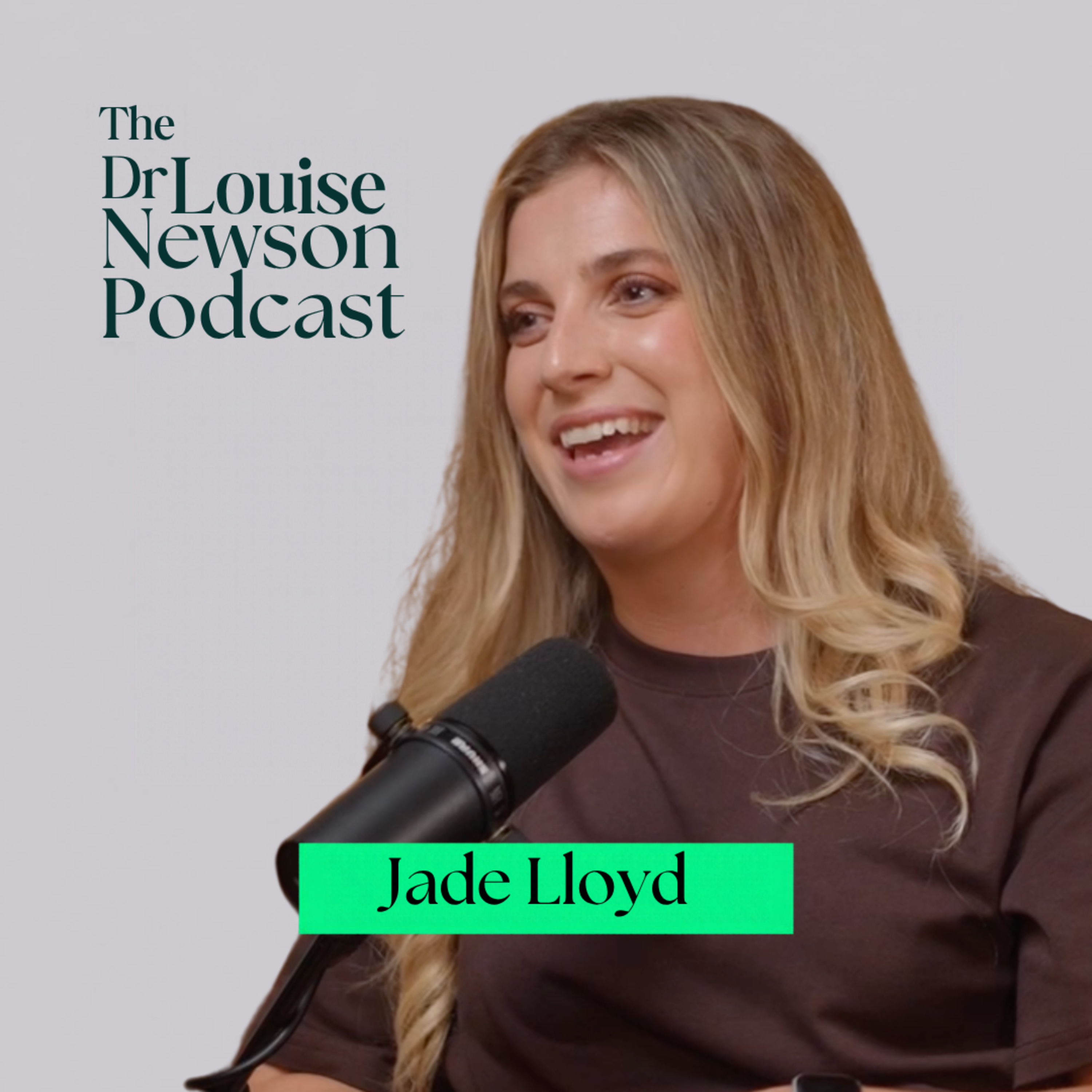
Jade, a mother diagnosed with OCD/intrusive thoughts after a traumatic delivery and later postpartum psychosis; treated with antidepressants and antipsychotics (including olanzapine) and later hormone therapy after blood tests showed low levels. Host: Louise Newsome, a GP and hormone clinician who discusses Katrina Dalton’s progesterone work and hormone/psychiatric links.
Many women are dismissed or not assessed for hormones; psychiatric meds may help acutely but long-term hormone imbalance may persist, and some antipsychotics can disrupt hormones. Hormone “therapeutic trials” may improve symptoms and can be time-limited.
Jade’s suicidal thoughts, hallucinations/mania, mother-and-baby unit admission/sectioning, weight gain on olanzapine, relapse after stopping meds, and improved period-related symptoms after starting testosterone, progesterone, and estradiol gel.
Written by AI. May contain mistakes.
Discussion on the impact of hormonal imbalance on mental health postnatally.
“women with postnatal mental health disorders and no one's addressing the hormonal imbalance because there's a massive decline of hormones when we give birth.”
Jade shares her experience of becoming a mother and initial mental health struggles.
Jade discusses her attempts to seek help for her mental health and feeling dismissed.
Description of Jade's psychotic episode and how her family responded.
“And I remember just one night just crying in bed, just sobbing and my husband just cuddling me and he just didn't know what to do.”
Jade recounts her experience of being admitted to a psychiatric unit for treatment.
Discussion on the medications Jade was prescribed and their effects.
Jade reflects on the lack of discussions about hormonal treatments for her condition.
Discussion on the lack of awareness regarding hormone treatments for postpartum psychosis.
Insights from past treatments and the impact of hormonal imbalances in postpartum women.
“He said, Louise, in medicine, you treat the underlying cause.”
The significance of addressing hormonal balance in mental health recovery.
Discussion on the barriers and misconceptions in prescribing hormones to patients.
“So, you know, and even every day when I prescribe hormones, I'll never say to a woman, I can cure you of your joint pain, your migraines, or this.”
Exploration of the risks associated with hormone treatments compared to psychiatric medications.
“So there are more risks of having synthetic hormones because we know they are associated with the risk of heart disease, clot, stroke, even cancers.”
Learn about hormone treatment options for postpartum psychosis and their significance.
“And then as with you, measuring estradiol, testosterone levels can be really useful because in young people, it's nice to have the baseline blood test.”
Discover essential tips for recognizing and advocating for mental health in new mothers.
“And it's great that you're doing this volunteering as well and educating others.”

Get the gist, explore an idea or ask about something said.
 Claude
On The Dr Louise Newson Podcast, what are the key points of this episode?
Searching your listeningAutomatic transcript. May contain errors.
0:00So this podcast is actually quite harrowing to listen to. I've got Jade with me who talks about her own journey of having postnatal psychosis and how she was given drugs but no hormones and how actually she's feeling better with hormone treatments. It's important that we think about the association of mental health and hormones postnatally and so many of these women are being denied or even not thought about hormones. so it's a really important conversation not just for you to listen to but to share with others as well so jade i've been very excited about this podcast for a while and actually it's good timing because today in closer magazine there's an article about the clancy case and postnatal psychosis and i'm quoted throughout because as you know i get very sad thinking about all these women with postnatal mental health disorders and no one's addressing the hormonal imbalance because there's a massive decline of hormones when we give birth.
0:57And for some women, they're more sensitive to this decline, affecting their mental health very adversely. In the UK alone, there's 850 ,000 women with postnatal depression. Postnatal psychosis, a lot of people say it's only, in inverted commas, about one in 500 women, but they're the people that are being diagnosed. I speak to so many women who have never told their doctors because they don't want their babies taken away from them so I just really grateful that you've come this is going to be an emotional podcast and I don't actually apologize for it because it needs to be spoken about so just tell me a bit about you if that's okay yeah of course um where would you like me to start what happened so I had my daughter in uh December 2020 and um it was it was a three-day labor so now I know it was it was a traumatic delivery so I was uh induced and then it ended up in a forcep and von to use delivery yeah um so I immediately entered like motherhood sleep deprived and just that immense feeling of guilt and failure and um I did feel really emotional I kept crying when I was still in the hospital and I think it was just you had lots of emotions going Yeah, yeah.
2:19It's just it's processing it. But the midwives came to see me and check that I was OK. And that did continue when I got home. But then it started to improve. And I was I think it was just the being in the newborn bubble and it was COVID. So we weren't even allowed to go out. So no visitors were coming. So I think I just felt quite safe. And how old were you then? I was 26 okay nearly 27 and um it was when my husband went back to work I think that's when my mental health really started to decline so I'd suffered with anxiety prior to having Penelope but I'd really kind of got on top of that and then when I um when I had my six-week check I went to the doctors and I told them like it took everything in me to say I'm like I feel really anxious I don't feel okay um and I remember she was like oh why is that and I was like well I don't know I was hoping you'd be able to help me and I asked if there was anyone I could talk to and she just she just she didn't even look at me she just said oh that's one for your health visitor she was typing on her really did she offer you any treatment or nothing no just told me to speak to my health visitor and mum was waiting for me in the car and I remember coming out and just saying like I just feel like I've been fobbed off yeah but my nature I'm better at it now but my nature before was to don't make a fuss um but I did speak to my health visitor and I asked if there was anyone that I could speak to so you know like a counselling service or something but she told me that the NHS was really stretched and that I should seek like if I can afford private to go private but the thing is I don't the difficult thing was was I didn't know what was going on I didn't understand what was happening yeah so I didn't know who to contact or who to ask for help and then things started to get worse I was starting to feel depressed I then started experiencing suicidal thoughts and that's when I was like okay I really need and had you ever had that before when you were younger no so it was only ever anxiety I had so I'd never experienced depression or suicidal thoughts or anything so when I had that first suicidal thought it really scared me and it was that feeling of like hopelessness like everyone would be better off without me I just felt like I was just a hindrance and I was starting to experience what I now know was intrusive thoughts and I've now been diagnosed with OCD with intrusive thoughts so I feel like that was just intensified so I was worried about harm coming to Penelope I was worried that I was going to harm her and that was really distressing but because I couldn't understand what was going on I was too afraid to ask for help or to tell there was no one saying you know these are the thoughts you can experience like no one was saying asking me those questions of what's really going on and I so I did end up reaching out to like the NHS kind of counselling service and had a consultation with them on the phone and explained I was suicidal and they just said oh because you've got private therapy booked in and you've got family support we can't help you that's not very helpful is it i was just like oh okay and i remember just feeling really just depleted i was like i i'm trying i'm telling everybody that i'm not okay and no one's helping and how many weeks was phenenopey then so at that point she was probably like two three months okay yeah and i then i wasn't really i was my sleep was really being affected and it wasn't because she wasn't because of her it was your sleep yeah I just because of the intrusive thoughts I couldn't switch off and um then it got I just had my health visitor would come out and see me and she came out and I asked her I asked like is this postnatal depression because this feels really bad and told her I had suicidal thoughts and she just said let's not put a label on it um and then told me within the conversation that I just needed a glass of wine some chocolate in a bath you're joking no that's a health care professional yeah telling you when you having these awful thoughts to just have a glass of wine and a bath yeah so then what did you do well I did it it didn't work it might help for two minutes but it's not going to treat the underlying problem is it yeah and I think that evening or a couple of evenings later um my husband did the night feeds and I had a full night's sleep and I remember feeling really like elated like the following morning and now on reflection I think that's when things were maybe becoming a bit manic and I'd I then did reach out to my doctor or my doctor's surgery and I said on the phone I said I think I've got postnatal depression I really need help and the doctor phoned me and prescribed me antidepressants over the phone again because it was covid I couldn't see them and um then two weeks later was when things just started to get worse like I didn't feel the need to sleep and my doctor was checking in on me and I was saying like oh I'm absolutely fine but I think it was it was very much like a roller coaster it was really high and then I'd feel really low.
7:56And I remember just one night just crying in bed, just sobbing and my husband just cuddling me and he just didn't know what to do. And yeah, and then it was two weeks after taking the antidepressants was when I had my first like proper psychotic episode. And yeah, that's when I was, that's when my family realized something wasn't right. I mean I yeah I was in the middle of our bedroom singing John Legend's Ordinary People like hallucinating that I was on stage and I was fully in that moment. Can you remember that time? I remember the hallucination and the feeling and I remember my husband phoning my mum and saying it's like she's having some sort of psychotic episode.
8:47That's very scary to witness isn't it? Yeah. And I was I remember that fear on his face and that line snapping me out of it. But as quickly as I came out of it, I went back in. And then it was just it was just in and out in and out. And then that following day, my husband fought the doctors for them to get the perinatal team to come out to assess me. And then I was admitted to the mother and baby unit that evening. and were you sectioned or did you yeah so I initially went in there voluntary and because I thought I was going on holiday and so I was packing my bags and then we got closer to the unit and that's when I started to become really distressed and I was telling my family that because it was my mum my stepdad my husband and obviously Penelope with me and I was saying like I've made it all up like I'm not I'm okay like take me home and they yeah they they took me in there and then when they ended up leaving they the doctor phoned Tom and my husband and said we we don't think she's here voluntary we need to section her to keep her safe yeah and then you had psychiatric medications yeah so I think they immediately put me on um elazapine an antipsychotic and a couple of maybe another one to sedate me to help me sleep because I just was so manic I just wouldn't sleep um so that was there I remember them being like our main priority is to get you sleep because I was that week prior probably was functioning off of less than 10 hours sleep so um yeah and then it was I think that definitely it definitely helped like I but I was still in psychosis for two weeks like in the unit before I fully kind of came back round and then talk me through since that time then have you you've carried on antipsychotics and antidepressants yeah yeah so I was on the antipsychotics I'm still on the antidepressants today um I was on this antipsychotics after the postpartum psychosis for about probably about two years and then I really wanted to come off of them because the side effects that I've had like is the I gained four stone and you gained four stone yeah which is very common actually with with the anti-psychotics yeah and like because i just didn't feel full and i just kept on eating and i think because i was so depressed as well it was like and they also affect your metabolism as well don't they so it's not just what you eat it's the way you metabolize everything as well okay that's interesting no one explained that to you well no and when i have asked somebody in the healthcare profession they said oh it's not metabolism it's just that you're something about my brain not telling my stomach that I'm full um but that was a really hard thing because it was a constant reminder like when I looked in the mirror that it was a reminder of being ill and I really that was you wanted to be well yeah it was really hard um and so I came off of the antipsychotics I think it was in the summer and then um I did then end up having a relapse about six months later and I didn't even know that that was a possibility either so that was a real shock to everyone.
12:01Did you have to go back into hospital? No I managed to stay at home so I had the crisis team looking at looking after me in reflection maybe it would have been best if I was in hospital just because that was really difficult for it to be at home but also it was almost like the first time when I was in the unit I was hid away and so there wasn't that element of shame or like what did I do you didn't have to try and be something different yeah whereas when it was family around and friends then when I was recovering it was that that real shame of feeling like oh my god that's so embarrassing like what did I say what did I do um and it's it's a bit like like anxiety and being like what did I say so yeah that was challenging and when you were on the olanzapine did you have your periods yeah and did you notice any difference in how you were when your periods came back after having the baby um the only thing for me because I they quickly put me well not quickly I think maybe six months postpartum they um put me on the non-hormonal coil right and it was when my period started coming back I was really struggling with the like um it was so heavy so I was like leaking through tampons and pads and um yeah so that's that was my experience with that side of things and over the time did anyone talk to you about any hormonal imbalance at all no the only thing that was mentioned about hormones was when I came out of the psychosis in the unit and I asked my psychiatrist why has this happened to me and she mentioned that they don't know why exactly but they know it can be like sleep deprivation traumatic delivery hormones and genetics okay so you can't change the first two no and you can't change the fourth because your genetics sadly we can't change but hormones did they not say anything about treating with hormones no it's never once been mentioned what do you think about that um I mean because I'd never really heard about you know hormone treatments I'd only ever really my experience was with my mum going through the menopause um and then it wasn't until mum like had you know been to your clinic and she would talk to me about hormones and then I was like oh that's interesting but I'd never really in the dots really no and then obviously we then spoke about that and it did open up my world to it and I was thinking well it kind of makes sense like why are they not why are they not looking at this and it was it was even when I was so I go back and volunteer at the mother and baby unit and there was a mum that had been there for almost a year I think she was there over a year in the end they tried everything with her postpartum psychosis and nothing was working and then after coming going back in like throughout that time I then since spoken to you and I'd went back in and I was thinking why they wonder whether they've actually talked about hormones have they looked at her hormones um and it's really interesting I don't understand why it's not why it's not talked about or considered even it's crazy isn't it so i am i was never taught about it either because it's postnatal depression postnatal psychosis so immediately gives it a label for a psychiatrist so when i was doing psychiatry i was taught about all the psychiatric drugs and if you're not taught anything you don't know what you don't know until you learn it do you in anything in life and then several years ago a decade or so i i just put two and two together and I was with a really eminent professor and he was giving bioidentical hormones to people with postnatal depression and postnatal psychosis.
15:59And I said, why are you doing that? He said, Louise, in medicine, you treat the underlying cause. And I went, oh, okay, I need to think a bit more about this. And then I read the work of Katrina Dalton, this incredible pioneer who was a GP who qualified the year the NHS was launched. And she used to prescribe a lot of progesterone to women with postnatal psychosis. And then these women now are in their 70s and 80s, and I've spoken to some of them. And it's just incredible that you hear their response, but also you understand this big drop that occurs. All it is, is balancing those hormones back.
16:34And I spoke to a professor of psychiatry who specialised in postnatal psychosis a few months ago, and he's now retired. And I just wanted to hear his take on it, because sometimes older of people have lived through these different sort of phases. And he said, oh, yeah, I did read about her work, but she was only a GP. So we never listened to her about hormones. And I said, oh, did you ever prescribe hormones? He said, Lord, dear Louise, he said, nothing worked for these women. I said, well, what did you do then? He said, well, I would just put them to bed and then we would wait. I said, well, what would you wait for?
17:07He said, well, we'd wait for their periods to come back. And when their periods came back, they often improved. I said, okay, did you not then think maybe giving those hormones that come back with periods might have helped them get better a bit quicker and he went oh that's very interesting but no he didn't and that was the end of the conversation and I thought in medicine people are very binary and rigid you know we've always done it this way therefore we will continue and what's happening more and more now I think is that women are working it out and and and so I'm not saying you can't give the psychiatric medication and when you're having a psychotic reaction and you're at danger to you know yourself or others of course those drugs can be very useful but having them in the longer term when there's a hormonal imbalance doesn't feel right yeah because i think the recovery as well yeah that was the really hard part and it was you know the girl that i met in the unit it was she wasn't in the psychosis anymore but she was clearly struggling and there you know I I'm no doctor I don't I don't know was there a hormonal balance but surely I'm like even just maybe a test I'd like to give my clinic a shout out because without it I wouldn't be able to do this podcast my clinic helps many women throughout the UK to access evidence-based and individualized support and treatment for their hormone health.
18:34To find out more about the clinic, visit newsandhealth.co.uk. Often in medicine, we give what's called a therapeutic trial. So, you know, and even every day when I prescribe hormones, I'll never say to a woman, I can cure you of your joint pain, your migraines, or this. I don't know how much is a hormonal imbalance. But I can say your story, what you're telling me, maybe blood tests as well, show that you have a hormonal imbalance. and I'm going to try and balance your hormones and let's see how you improve. You can still carry on with other medications. So are you taking hormone treatments? Yes.
19:10Yeah, because we had my bloods tested and it showed that they were low. So I take testosterone, progesterone and the estrogel. I've been taking them for about three months now and it was when I had my first period so normally I'm really really like I'm really in tune with my periods and when they're when they're going to happen so it's very textbook for me in terms of like I know that the week before this is how I'll feel and and x y and z but I remember the when my period came I said to my husband like I've just come on my period he was like oh really and I was I had no symptoms that's good yeah and I was because it's normally like I get really hungry and I get really irritable and I said to him I was like I wonder whether that was maybe the hormones have just balanced me out and um yeah it has um it has been like there's been spotting like my periods are definitely trying to adjust and there's been spotting and um and like my periods maybe have like lasted a little bit longer but overall I've felt really good and when I went so I did go to my doctors because you know I paid for the hormones to trial them and I thought okay if I've trialed them then I can go to the doctor and say like you know I've been taking them they've made me feel better so I did go to my doctors and it was still early days I said you know I'm still I've just started taking them um I but you know my hormones have been tested I sent her the blood results and but the first thing she said was well um it's not normal for a 32 year old to be put on hormones and I was like oh okay um and then I was trying to explain like why I was doing it and I was obviously I had postpartum psychosis I ended up having a relapse like it's in my I think it's in my genetics and um yeah she was just like she she just she had this guard up and it really frustrated me as well because she then she could see that it was from your clinic so she was like oh I see it's Dr Louise Newsome and I was like oh yeah yeah and then she she was and she said again she was like it's not normal for 32 year olds to be put on hormones and I was like okay and she she goes and to be honest I don't really know much about hormones and I'll have to refer you to our gynecologist team and then they can they can kind of assess it and then we'll let you know um and I was like oh okay and then she I remember as I left she just went well I hope it all works out for you and I was like so she didn't she didn't take over any of the prescribing she didn't say she'd prescribe so it then was referred to the gynecologist team and then I got a text saying like text emails from her saying that like they've said that there's no I can't even remember exactly what it said but basically we can't prescribe you so they hadn't spoken to you they just you just got a i just got a text to say we can't prescribe you these going like we can't do that let me just get this did they prescribe olanzapine for you yeah so it's well it's from the community mental health team but i pick it up yeah it goes through my gp yeah so your gp didn't say we don't agree with this treatment you couldn't be on it so i find it's really it's really it's really confusing for people as well because you know if you have a treatment that's working for patients the first thing I do as a doctor is think well what is that treatment and is it doing any harm because you're always balancing benefits versus risks I wonder what your GP would have asked or said to you if as a 32 year old you'd ask for synthetic hormones and contraception I don't think she would have refused that for you whereas the evidence for benefits for mental health or risks on mental health for contraceptives is not there because no one's done any studies.
23:28So there are more risks of having synthetic hormones because we know they are associated with the risk of heart disease, clot, stroke, even cancers. So low risk, but it's there. But there aren't any risks for bioidentical hormones that you're having. But also what you're doing is supplementing your hormones. You're not replacing them and you're feeling better. yeah and you've got risk of a severe mental health condition and also you have got family history of hormonal imbalances affecting mental health quite badly in your family haven't you yeah yeah so and they've they haven't really asked about that the the team at the mother and baby unit like the perinatal team were very much aware of all of that um but yeah no my gp because I have changed my GP since having the psychosis so she's relatively new and I had high hopes when I first met her because she was really you know engaged with the wanting to understand what I'd been through and saying we're always here if you need need us and I never complained but I actually wrote I got like the feedback form and I complained what did they say I just didn't hear back but she's a partner at the practice so how does that make you think for other people that have had postnatal mental health who are wanting to consider hormones i think it's i don't know it's it's i think it's quite scary um it's it's difficult because i don't know enough about it but i think it's you know in life like it's always nice to be given choices absolutely and I think sometimes as well like you're prescribed like when I was prescribed the antidepressants and I wasn't actually seen it was just all over the phone and when that day I was admitted to the mother and baby unit and my husband phoned the doctors to say you know we believe she's in psychosis and they just tried to say well I can prescribe antipsychotics you can pick them up and and just make sure she's not on her own and my husband was like no like she needs to be in like she needs to be in a hospital I cannot keep her safe she'll die and I don't know I think it's you know this they are so quick to be like you know it was a 10 minute phone call and then they just prescribed me antidepressants but since working with the charity action on postpartum psychosis I remember one of the first conversations I had with them they said that there is some like some people say that maybe if you're if you prescribe somebody an antidepressants and they're showing signs of psychosis it can trigger a psychotic episode so I'm like gosh like why are doctors not aware of this because that's so incredibly risky yeah I think I think I mean a A lot of it boils down to education for healthcare professionals and sharing uncertainty because a lot of people say, well, there isn't enough evidence for hormone treatments for postnatal mental health disorders.
26:38And that was one of the big criticisms of Katrina Daltter many years ago because she didn't have randomized controlled studies because she would treat the patients she saw. She would not leave patients who are psychotic to say, oh, have a sugar coated placebo and let's see how you get on. because she was there as a clinician more than a researcher. But she wrote up patients and said these have improved and it makes sense. But what's really interesting is if you dig deep into the research, looking at the effects of antipsychotics and antidepressants and postnatal depression, postnatal psychosis, there isn't good research.
27:10No one's done randomised placebo studies. So it's a real double standard. But often in medicine, you treat the underlying cause. and if there is any hormonal imbalance giving hormones is can be life-saving and life-improving and we see in the clinic a lot of women who are 20 30 years older than you have had a similar story with postnatal psychosis and it often can recur with other other pregnancies and births and then they become menopausal and then we treat them with hormones and they say I wish I I had this 30 years ago because my life would have been very different. And so as long as in medicine we're not harming people or doing anything against their will and sharing uncertainty, then it's the only way to get the conversation moving forward.
27:59So I really hope by people listening to this podcast, they know that there are options. And, you know, Katrina Dalton used to give progesterone either at the very late stages of pregnancy or as soon as the baby was born in people that had a history of postnatal psychosis because I've spoken to a lot of women who were too scared to have another baby because they because which I get but giving progesterone to those women at a high dose would stop you know prevent psychosis in the future so there are always options and thinking about hormones um is really important and and actually olanzapine can block hormones it can cause a chemical menopause because it affects prolaxin which then affects fsh levels which is a hormone that our brain produces to regulate progesterone estridal testosterone so a lot of people on olanzapine and other antipsychotics will then have lower hormones in their body but psychiatrists don't even address that either that's crazy but so what if someone was you know experience thinking they were starting to experience against postpartum psychosis and they wanted to explore the option of hormone treatment like how would they go about that so knowing someone who's experienced with hormones and um you know as a gp as a general practitioner i've done a lot of psychiatry i've done a lot of mental health psychiatry training is really important when you're dealing with any mental health disorder sadly gynaecologists usually go straight into gynaecology so they haven't got any psychiatric background they haven't had any mental health training a lot of general practice is mental health as well so because often working in the acute situation people still might need psychiatric medication but you could still start a high dose often of progesterone often progesterone sometimes terms of suppositories, rectally or vaginally, can be really transformational.
30:01And then as with you, measuring estradiol, testosterone levels can be really useful because in young people, it's nice to have the baseline blood test. I wouldn't just start someone on testosterone without a baseline blood test and then watching the response. But the sooner people get help, the better. So it might not be the person, it might be their family. You know, speaking to people like in our clinic or others working closely with those that are experienced can can make a huge difference to people is there any like negative side effects no is there not no i mean it's all about the right balance and time the other thing about hormones is they only work the day you use them and progesterone actually only works for a few hours so i'd always say to people if it made you worse because there are some people that find initially they can then it's not going to last for very long.
30:50And if people have got a mental health condition, they usually have someone with them as well. But it's about getting the right dose and the right type of hormone. And so giving people the confidence that it's not going to build up in their body. It's not like giving a depot of something that's going to be in the body for a long term and trying it and seeing is really important. And they can still be used when people breastfeed as well, because they have the same structure as our own hormones. So it's really just topping up those missing hormones and I've had some people with postnatal mental health disorders I've prescribed hormones for them and then as soon as their periods come back then they don't need those hormones so it's not always a long-term treatment it's just really depending on the individual and they don't reduce fertility they can improve fertility as well if they're given in the progesterone two out of four weeks so um yeah there's lots that is very simplistic that's forgotten sadly so so I'm very grateful you're coming on.
31:46There's a lot we need to do just for awareness really. And it's great that you're doing this volunteering as well and educating others. So I'm going to end with three take home tips. So three things that either someone listening, if they develop postnatal mental health disorder, they can do all their family because it's usually advocates. What three things do you think people should know more about the condition and the association with hormones to try and improve the future for these women? I think it's knowing the signs to spot and I think with everything in the media at the moment like the difference between depression and psychosis so it's knowing that you know psychosis is typically like if somebody is like really manic or they might not they're not sleeping but they don't feel the need to sleep the hallucinations hearing seeing things delusions paranoia and I think it's it's spotting those signs and then knowing where to go with that and it's and it is really advocating and not taking no for an answer like I think it's having that confidence to push I guess like in terms of the hormone element it's having those conversations with the health professionals and questioning them about it because it doesn't sound like they would necessarily bring it up so absolutely I think that's really important yeah yeah and then it's knowing as well like the helplines that are out there so you've got pandas the they do like a whatsapp service peer support then you've got action on postpartum psychosis they do peer support um and you can always contact them if you're worried and you're not quite sure if that's what your loved one is experiencing and then it's knowing as well that there are there should be I don't know if it is what you know in the whole of the country but a designated perinatal mental health service that look after people with mental health illness so it's it's knowing what's out there I think that's what I struggled with I didn't know what was out there and that's so important isn't it so getting help feeling supported having the conversation about hormones as well yeah and I think it's being truthful about what you're actually experiencing and that you know I always say to people I'm you know I can't guarantee they're not going to take I can't sit there and go they're not going to take your baby away but that's not what they want to do they want to get you better and health most health professionals know that it's it's an illness like it's a postnatal illness that they want and that they will help you and you will feel better coming out of it.
34:29Thank you so much for your time, Jade. It's been a great conversation. Thank you for having me. And thanks for everything you're doing and for helping me. Thank you. So just a quick one. It'd be really great if you could follow or subscribe to this podcast. This will really help me reach more people with evidence based information about hormones and their future health. And it also ensures that you'll never miss a future episode. Thank you.
Can hormones help postpartum psychosis? Why the fall in estrogen and progesterone after birth is so often overlooked.
Jade Lloyd had her daughter in December 2020 after a three-day labour. Within months she was living with anxiety, intrusive thoughts and suicidal feelings, and when she asked her health visitor for help she was told to have a glass of wine, some chocolate and a bath. Weeks later she had her first psychotic episode and was admitted to a mother and baby unit, yet hormones were never once mentioned as part of her treatment.
Jade, now a maternal mental health advocate, talks to Dr Louise Newson about recovery, relapse and why her GP said it wasn't normal for a 32-year-old to take hormones. Louise explains the pioneering work of Dr Katharina Dalton, how some antipsychotics can lower hormone levels and where progesterone may help.
Jade closes with three take-home tips for spotting the signs and finding support.
Follow Jade: @jadealloyd
Let’s connect
👉 If hormones have never been part of the conversation about your postnatal mental health, the doctors at Newson Clinic can talk it through with you: https://shorturl.at/B0GIl
👉 Follow the podcast on Spotify or Apple Podcasts so you never miss an episode
👉 More from Dr Louise Newson: https://linkin.bio/drlouisenewson
Chapters
00:00 Why are hormones ignored after birth?
01:36 What happened after Jade's traumatic birth?
03:06 What did her six-week check miss?
04:24 What are intrusive thoughts after birth like?
06:01 Why was she told to have a glass of wine?
07:05 What are the early signs of mania after birth?
07:40 What does a psychotic episode feel like?
09:04 What happens in a mother and baby unit?
10:37 How did antipsychotics affect Jade's weight?
11:51 Can postpartum psychosis come back?
12:52 Did anyone ever mention her hormones?
15:29 Why did psychiatrists ignore hormones?
18:21 What is a therapeutic trial of hormones?
18:50 How does Jade feel on hormone treatment?
20:35 Why did her GP say hormones aren't 'normal' at 32?
22:32 How should doctors weigh benefits and risks?
26:16 Why is there a double standard on evidence?
27:51 Can progesterone prevent postpartum psychosis?
28:25 Can antipsychotics lower your hormone levels?
28:53 How do you ask for hormone treatment?
30:21 Are hormones safe while breastfeeding?
31:40 What are the signs of postpartum psychosis?
33:08 Where can families find support?
This conversation covers postpartum (postnatal) psychosis, intrusive thoughts, antipsychotics and the role of estrogen, progesterone and testosterone after birth.