Ask ChatGPT


 The Dr Louise Newson Podcast
12 Nov 2026 · 24m · 11 chapters
Whether skincare ingredients and packaging can disrupt hormones/endocrine signaling, especially for children and teens; how to read labels and simplify routines.
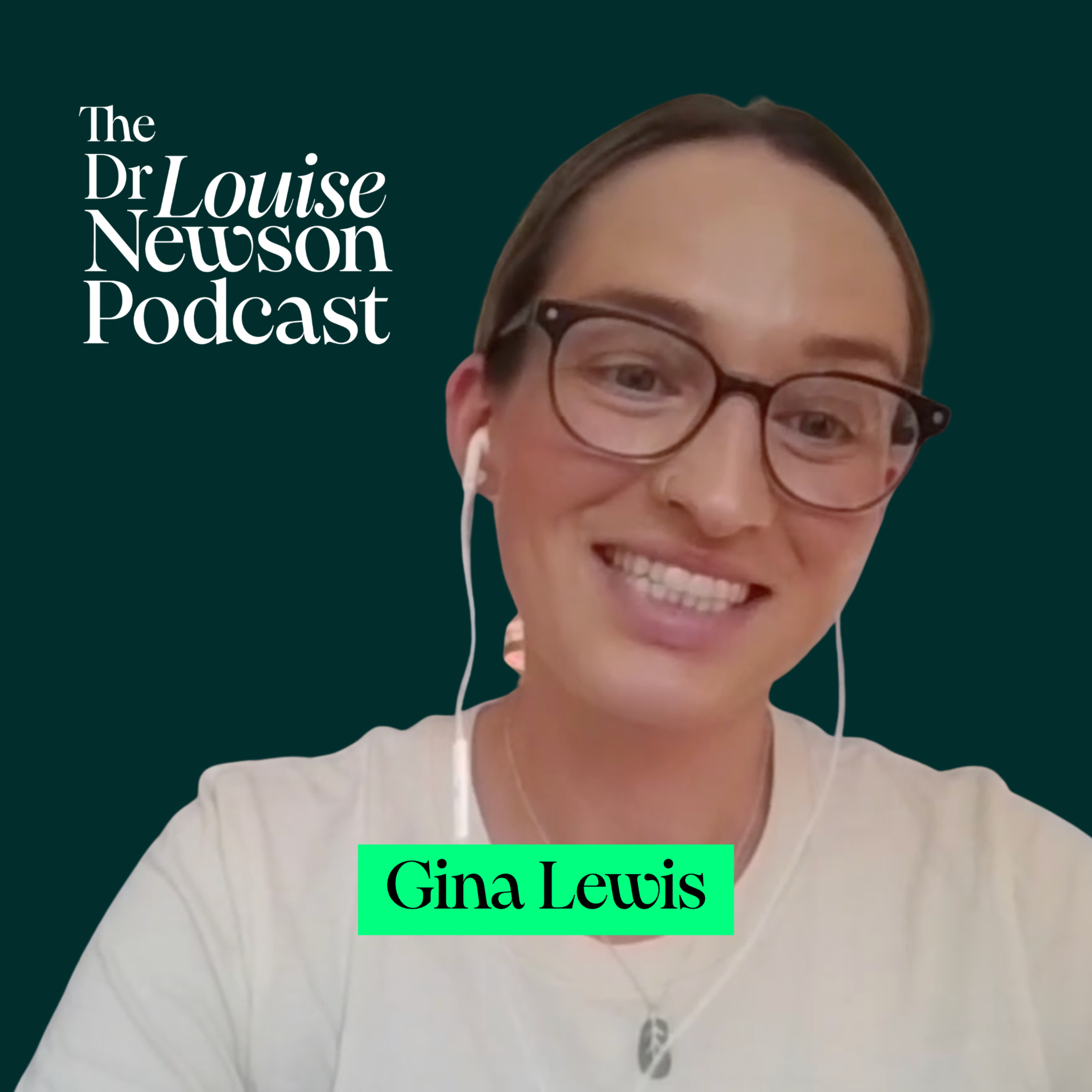
Gina, early-years education background; became concerned about chemicals affecting her daughter’s hormones/skin, researched endocrine disruptors, and now runs Nudum Skincare (handmade, natural, organic skincare).
Skin is semi-permeable, so substances (including estrogen/progesterone/testosterone) can enter the bloodstream. Endocrine disruptors may block hormone receptors or partially mimic hormones; she cites phthalates and heavy fragrance as examples. Skincare is “self-regulated,” so harmful ingredients may be hidden (e.g., “fragrance” masking). Packaging (forever-plastic bottles, heat) may add risk (PFAs). She argues contraceptive pills aren’t first-line for “hormonal acne.”
DES in food (poultry) linked to fertility/cancer concerns; “unscented” can still contain fragrance; petroleum derivatives can be listed under names like liquid paraffin/mineral oil. Take-home tips: do a skincare audit, resist marketing/10-step routines, and switch to fewer products.
Written by AI. May contain mistakes.
Gina shares her background and motivation for creating natural skincare products.
“It's all handmade, all natural, all organic.”
Discussion on hormonal preparations and the confusion surrounding hormones in skincare.
Explains how endocrine disruptors can block hormone receptors, affecting health.
“So fragrance or perfume and particularly younger girls and boys, but particularly younger girls products, they smell nice because they're then enticing them to use them more and they are heavily perfumed.”
Covers the lack of regulation in the skincare industry and potential health risks.
“Endocrine is our hormone system, basically.”
Discussion on the importance of natural ingredients and avoiding synthetics.
“Yeah, so it's a worry because the regulation isn't there, they don't have to test these products.”
The need for awareness and education about skincare ingredients and their effects.
“So when you say natural conventional synthetic vitamin E, just explain what you mean by that.”
Learn how skincare products can impact hormonal health and overall well-being.
“But then they're not thinking about what they're putting on their skin because everyone thinks the skin's a barrier, it doesn't really matter.”
Discover the relationship between acne, hormones, and gut health.
“And that's not really first-line treatment because actually these are synthetic hormones that block natural hormones working, not just in the skin, but in the brain, which is really developing a lot as an adolescent.”
Explore how to create a simpler, effective skincare routine with fewer products.
Understand the importance of making informed choices about skincare products.
“So I hope people are going to be thinking a bit differently about what they're putting on their skin, what they're putting in their bodies.”
Receive practical tips for simplifying skincare and reducing endocrine disruption.
“And people often learn from each other, which is, you know, the mysterious ways that women work do actually often work by learning and sharing, which is great.”

Get the gist, explore an idea or ask about something said.
 Claude
On The Dr Louise Newson Podcast, what are the key points of this episode?
Searching your listeningAutomatic transcript. May contain errors.
0:02So today on the podcast I've got Gina with me who is an expert actually about skin and skin products and worries like I do actually about things that people or products that people are putting on their skin and the effect that having on our bodies. And it's something I've not really spoken about before in the podcast so this is going to be a great conversation that I think will blow your mind actually. So I'm very grateful, Gina, for you coming onto the podcast. Thank you for having me. Yeah, I can't wait. Oh, thank you. So just say a little bit about your background, just to put you in context before we get started, if that's okay.
0:39Yeah, so I'm actually in early years education for many, many years. And I found, as my daughter grew up, I realised that it wasn't something that I wanted her to put lots of chemicals on her skin. and that was for many different reasons but the main factor being due to kind of hormones and how that could affect her and then I saw different children's and families using different products that I felt were interfering with their their whole biological system and it kind of took me down a bit of a rabbit hole so now I have my own I'm away from that completely I have my own natural skincare company.
1:19It's all handmade, all natural, all organic. And it's something that my passion just seems to keep growing about trying to help people understand just what their daily products could be doing for them. And what's the name of your company? Nudum Skincare. So take it back to the basics. Think of nude and nudum. It's really interesting because I've got three daughters, as you know, and even the difference to my oldest and younger one, the explosion on TikTok of all these products. And even going into Space NK, like they've all expanded the Sephora. There's all these places where you can get those.
1:58And there's a lot of almost pressure actually for teenagers. And we've spoken about this before to think that they need to have this stuff. And there's two worries. One is the way that it's sort of making people want to look a certain way and be a certain way, which is a whole different conversation. but you know we use a lot of hormone preparations that are bio-identical hormones the same structure as our own hormones through the skin because the skin is semi-permeable so it is a barrier so you know hopefully it will stop germs getting through into our bloodstream and making us all unwell but it does allow some substances through the skin so oestrogen can be gone through the skin progesterone and testosterone as well but when people talk about hormones this is the first thing or myth I want to unpick really because when I talk about hormones I prescribe they're the same structure as our own hormones so when they're in our body our body doesn't actually know whether they're made from our ovaries from our brain from our adrenal glands or from from the gel of you know some oestrinal gel but a lot of people when refer to hormones they're actually synthetically chemically altered so they're like a hormone but they're not but they're still under that term of a hormone which is very confusing actually I think for a lot of people.
3:16Yeah and I think marketing plays a enormous part in this because so my daughter's nearly 12 and she's at the point where you know her friends are wanting to dabble in skincare and that's great and it's something that I encourage to look after our skin as you know as our largest organ but the chemicals that we're putting on our skin quite often go straight into our bloodstream they bypass the functions of the liver to help kind of filter all the the nasties and um we're then left with particularly for girls that are hitting puberty when their hormones are fluctuating anyway to then have so many chemicals on their skin and it's you know you walk into boots or space nk or wherever and they've got millions quite literally pounds of marketing backed behind them and it makes their products seem amazing and the skincare industry is actually very self-regulated so in like generally so it's quite self-regulated there's not that many things that you kind of have to abide by which is terrifying they can hide a lot of ingredients in under different words so phthalates quite often you'll see that skincare care providers will say that like fallout free, paraben free, but they can be hidden in different words.
4:31So fragrance or perfume and particularly younger girls and boys, but particularly younger girls products, they smell nice because they're then enticing them to use them more and they are heavily perfumed. And that is an enormous endocrine disrupting ingredient. So when we talk about endocrine disruptor. Endocrine is our hormone system, basically. And it's not just estradiol, progesterone, testosterone. We've got dozens of hormones in our body. And these disruptors, they're not acting in the natural way our hormones work. But what they are doing is blocking the hormone receptors. So on our cells, we've got these receptors.
5:14It's a bit like a key and a lock, isn't it? So you've got the key, which is the hormone, the lock, is on the cell, it's the receptor. And in a nice ideal way, the key goes in, unlocks all these lovely chemical reactions that are there naturally occurring in our body. But these chemicals that we call endocrine disruptors, they either go into the lock and don't unlock it, so they're blocking it. So then your own hormones floating around have no chance of getting into the cell. Or they partially work as a hormone. So they might sort of partially unlock. So then they might do some actions that the hormones would otherwise do in the body, but not to the same extent or to a different extent.
5:54And we don't actually know what they do because no one's done any testing on them. But we do know, and this was a real problem many years ago when they used to put hormones in inverted commas, so these synthetic chemicals into meat, into poultry, into their food to make the chicken breasts thicker and bigger. And then actually what they realized was that the poultry farmers were growing breasts and becoming infertile. So they worried about this. And then they banned one of the synthetic oestrogens, which isn't the same as a natural oestrogen, from poultry before they banned it from women, which I think is the most horrendous story.
6:35It was DES, which has been associated with cancers in offspring, actually, of people that had it when they were pregnant so when you look at some of the stories behind you know what's gone on in the past in our food but food is quite well regulated but actually it's not the same for skin products is it so it interferes with our um hpg axis which obviously regulates our like menstrual cycle and our fertility but i think hormones people just think that hormones are like mood swings and periods but it it makes up so much of our um our body and like like you say it's it's far more regulated in food but in the skincare industry it's very very self-regulated so so the fact that you can hide products in i mean i generally when i speak to people about when they're kind of wanting to move away from typical skincare i usually say if you look at the back of a bottle and you then look you can't read what they say or the pronunciation of the word it's probably a chemical factory.
7:38So there's things like parabens, phthalates, which can be again hidden under the word fragrance, dyes and colorants, even the water, the chemical reaction with the water, which typically is the main ingredient in skincare, because of all the chemical reaction that it can have with other particles involved in that skincare, can have a such disruption on our endocrine system. Not only that, they're then stored in forever plastic bottles. So, you know, the PFAs that are in the bottles itself. So you could really kind of go down different avenues of it's the ingredients themselves within the bottle, but actually it's also how they're storing it, the heat, the packaging, and it can have really detrimental effects on women young girls boys everybody so what effects are you seeing or what effects have you read about that are related to some of these products so um c pattern disruptions growth and development disruptions blood pressure thyroid pancreas penile glands um again i think there's this myth that your hormones just regulate periods and mood swings but it can be long lasting and you know some there are still some products on the shelves that that have known carcinogens in them and because it's not regulated like the fda regulate you know other things other bodies they can hide them in um and it's that i think we're in a in a time where people they're just not sleeping where our blood pressure is through the roof typically like as a nation and it makes me wonder well actually there must be a correlation with what we're putting on our body and it's it not only in our skincare it's in our laundry detergent you know most laundry detergents smell beautiful and they you know they fill our home when our clothing is drying of that wonderful spring air and then we're wearing it on our largest organ all day and then we think goodness what is that what is that doing and even it's clever because the word unscented can still mean a fragrance So just because it's unscented doesn't mean that they haven't got a fragrance in it to then hide the original smell of whatever ingredients they're using.
9:55Yeah, so it's a worry because the regulation isn't there, they don't have to test these products. So a lot of what we're saying is hypothetical. We don't know, but it also doesn't make sense to have all these chemicals in our bodies. And there are certain chemicals we can't avoid. I'm in central London at the minute and there's loads of pollutants and we can't really do a huge amount about that. The water that we drink in central London is going to be very different to water that's drunk in the Welsh valleys, for example. And there are various things we can do. But certainly even just the clothes that we wear, the products that we use, that you say what we wash with I think people are getting a lot more aware because they we don't actually need them there are alternatives you know there's not an alternative if you want to be in London to you know what you breathe in when you walk down the street but there is to what you put on your skin and that's where your products are so basic aren't they yeah so I use only ingredients that have come from the like from nature from the planet um and i've done like a lot of research into bio-identical products and ingredients so tallow based and um jojoba oil and then i use herbs to help infuse it i've made a cleanser that only has four ingredients one of those is castor oil and then natural vitamin e rather than synthetic um vitamin e and you actually it's it's really interesting because when you start looking at the possibilities of what you can use through nature actually there doesn't need to necessarily be a synthetic alternative because we've we've already got what we need and as long as we're feeding our bodies with both internally and externally then it can marry together so wonderfully to have a a healthier you know outlet like of course like you said there are factors that are out of our control but we also have the beauty of being able to carefully select what we do and don't put on our body.
12:04So when you say natural conventional synthetic vitamin E, just explain what you mean by that. So there's vitamin E that you can buy that is chemically processed. So they have lots of different ingredients made together. So a bit like vitamin A, which is retinol, is really good for us. but the synthetic version, the ultra-processed version of vitamin A can have some potentially negative effects on us. There's not been huge amounts of studies, but it's still a synthetic compound that it's gone through. The same as vitamin E. It's a natural preservative, but lots of companies still use preservatives in their skincare, which makes it sound like a natural vitamin E, but it's gone through a process that's then a synthetic vitamin E.
12:55And again, because it's not regulated, they don't have to disclose it. So there's lots of undisclosed chemicals within skincare. And is there any way, I know my daughter sometimes uses an app, I can't remember what it's called, where you can put in and look at the products, can't you, to see? Yeah, Yucca. There's Yucca, there's Ivy. There's a couple of apps that you can use. And do you recommend those at all? I do as a baseline, but I think to have full autonomy, to really understand what your ingredients mean, and rather than you know so picking up on that person in the supermarket that kind of picks up a bottle of something and kind of looks it up and you can it's really really quick to find what they mean or what their IACNI number is which is like their real their real name and then you can break it all down so an example of petroleum can now be like liquid paraffin also known as like crude oil or mineral oil so sometimes an output in mineral oil which sounds nice but when you look at when you go on to their um their like data sheet it can really break it down for you so apps are great but i think what's even better is if we can self-educate to be more reliant on kind of you know looking at the back and realizing that actually that's not what my hormones need or that's not what my skin needs um and understanding quick abbreviations so that we say no actually that's a non-negotiable for me and my skincare or my you know my shampoo or whatever it might be.
14:22Yeah because I think we're more used to looking at food products now aren't we and sort of looking at the packaging and looking at what we're looking for but I think it's a whole new level really thinking about skin products you know what we wash with everything else as well and it is important when we think about our future health because so many people I see are eating well, they're exercising well, they're doing everything right. But then they're not thinking about what they're putting on their skin because everyone thinks the skin's a barrier, it doesn't really matter. And it's very hard because it's always a balance.
14:59But it is a worry. And, you know, also, there's a lot of people who have breakouts in their skin. And, you know, as a doctor, I'm always thinking, well, if they've got a breakout of their skin, what else is going on in their body because the skin is a window into those internal organs as well isn't it yeah definitely gut health is so you know i i have a lot of customers that do have skin ailments that are treated with the support of my products however i caveat that by all by saying actually quite often it starts in the well nine times out of ten it starts in the gut or starts internally and it's really important that we're looking at those so yes you can you can help with symptoms through changing skincare, but actually there's a lot of gut health that's going on.
15:48And I think you're right. We're so much better at looking at what we're putting in our bodies. And there's still a huge amount of trust in marketing to what we're then putting on our bodies, which is why if we can try to kind of take back a little bit of autonomy as to what we're actually deciding and making it more of a habit the same way that we do with our food the food industry and and you know a lot of people are turning back to kind of cooking from scratch rather than using jars and those sorts of things and particularly for my daughter it's really important for me to help her get into that habit of okay what does your skin actually need at your age because that's going to change as she grows and she develops and her chin elasticity changes and her hormones change so to educate her about the different stages of what she needs at the time in her life is really important for me yes because i think especially when a lot of people listening will have children who are teenagers and it and it's very common to have breakouts and changes in their skin and what worries me is so many people i speak to their children go you know they're 12 13 they go to their GPs and they're given the contraceptive pill for their hormonal acne.
17:02And that's not really first-line treatment because actually these are synthetic hormones that block natural hormones working, not just in the skin, but in the brain, which is really developing a lot as an adolescent. It affects the bones, the heart, everything else as well. But it's not really addressing what's going on. And sometimes just thinking about different skincare products and nutrition because I was always taught in dermatology that acne has got nothing to do with diet so I used to reassure people and reassure their mums don't worry about what they're eating it doesn't make any difference which doesn't really make physiological sense either.
17:41No I agree and actually with typically children and girls and boys break out with acne because their hormones are changing so their body is going through a whole different like um makeup structure but in terms of from a skin point of view their body is producing more oil in their skin so their skin's creating more elasticity they've then got trapped sebum so sebum is made in our sebaceous glands and it can get trapped under our skin and that is very a pretty easy fix if it's not related to kind of internal gut health um so a very gentle exfoliating so i've got one here like a little loafer is all you need with a decent cleanser one that doesn't strip the oils out of the skin because lots of people that have breakouts think that you need to remove oil from the skin or actually it's the opposite you need to put oil back into it because it's trying to over produce the oil that it's lacking or losing when you're removing it with skincare products so using a decent cleanser with no chemicals that could remove the oil and then putting as much hydration back into your skin so the acne spots are typically just trapped sebum which you can gently exfoliate out not using anything that has like little beads that's quite cool for young children to use little beads on their face but what it does is it scratches the surface of the skin and can actually cause mild trauma to the surface of the skin so by using a gentle loafer pad like as natural as you can find just gently mimics the motion of like a gentle massage on your face which then helps to release the trapped sebum under your skin which is what the acne is.
19:22So are you seeing quite good results with your customers? I've seen amazing results I'm so lucky so I have kind of three kind of customers one that are going down like skin ailments so you know acne prone, eczema prone sort of skin that I have found wonderful results with it's it's not going to help everybody but I haven't yet found somebody that it hasn't supported um and then I've got like a luxury skincare group of people that are moving away from wanting to spend loads and loads of money on huge high-end skincare products because for me skincare should be really simple I only have three products for a skincare brand and I think that's as much as we need as as people and then I have the other side that I'm moving away from all the toxic chemicals typically found in skincare and my client base already they're very loyal they've got I've had some wonderful feedback from the website about typically the cleanser so the cleanser removes waterproof mascara without hurting your eyes and stinging and typically when we use cleansers or certainly when I used to use cleansers my face would feel so tight afterwards and I'd get like a strip of what felt like burning sensations um afterwards and then i'd be putting loads of creams on to try and help and there's an eye cream and then a lip cream and then a forehead cream and a night cream and a day cream and it just got like whoa this is just too much so really stripping back simple skincare so that wherever you are and whatever age you are it's actually so incredibly simple to look after your skin in a non-toxic, healthier way.
21:06Which is so important. So I hope people are going to be thinking a bit differently about what they're putting on their skin, what they're putting in their bodies. And some of it we'll never know the full effects. And even if other people know the full effects, it's never going to be published. We'll never know. So we just have to sometimes work these things out for ourselves and go back to the basics. So it's important that, there's choice and people can understand that there are potential problems and also solutions as well which is which is really good and I think you know you're you're one of a few companies that are really thinking differently and enabling people to to try things and have a choice which is so important yeah I think that word choice is so important like I you know I have hundreds of conversations with people some of which are like oh actually I'm really happy with my skincare yeah, I know exactly what's in it.
21:58And I'm like, well, that's your choice. That's like, you know, no hard feelings at all. But actually, there's also people that are just starting to kind of want to scratch off the surface and understand what's going on. And I just like to, you know, plant seeds and let people do their own research because I think that's what's really important is that people can figure it out for themselves and they're not being spoon fed information from different people. will actually sprinkle the seeds and then they can decide what's best for them as an individual. Yeah, and absolutely. And people often learn from each other, which is, you know, the mysterious ways that women work do actually often work by learning and sharing, which is great.
22:38So before we end, I'm really keen just for three take-home tips. If people are listening and thinking, oh, what should I do? How can I maybe simplify my regime or think about my daughter's multiple like how can i just reduce and hopefully um have less endocrine disruption going on in the body so do a skincare audit so look at your um your cupboard in your bathroom or wherever and just have a look at the ingredients and if if there's a little alarm bell going off that actually there's about 30 40 ingredients in one bottle do some digging yourself have a look into it yourself the second would be is don't get pulled into the marketing in the fact that you need 10 different steps particularly for young girls you know this tiktok and instagram era is huge right now and they don't need to have all of those chemicals on their face um and then the third thing will be is that your your hormone and your endocrine system is so vulnerable and it's really really important to look after it and if the the quickest way if you want to change a make a quick change quite quickly because your skin is your largest organ and it absorbs so much you know yes it's a barrier but it does also absorb is that your skincare could be a really cheap alternative to change because you don't need 400 products you just need two or three yeah great advice so thank you so much for your time today and look forward to seeing how things go but thank you very much for coming.
24:15Thank you, thank you so much.
Can your skincare products affect your hormones? This episode covers what endocrine disruptors are and how to read a skincare product label.
Gina Lewis spent many years working in early years education, and when her daughter, now nearly 12, started wanting the products her friends used, Gina began looking closely at what goes into them. She now runs Nudum Skincare, a handmade natural skincare company.
Dr Louise Newson explains why bioidentical estrogen and testosterone she prescribes can pass through the skin, and how endocrine disruptors can sit in a hormone receptor like the wrong key in a lock. She shares the history of DES, a synthetic estrogen banned from poultry before it was stopped for pregnant women, and why she worries when teenagers are given the contraceptive pill as a first treatment for acne.
Gina closes with three take-home tips, starting with a simple audit of your bathroom cupboard.
Follow Gina: @nudumskincare
Chapters
00:00 Can skincare affect your hormones?
01:31 Why do teenagers want so many skincare products?
02:15 Can hormones pass through your skin?
03:13 What's hidden under the word "fragrance"?
04:50 What is an endocrine disruptor?
06:00 Why was a synthetic oestrogen banned from poultry?
08:46 What do we actually know about the risks?
10:13 Which everyday chemicals can we avoid?
11:18 What goes into a simple skincare routine?
13:20 Do ingredient-checker apps actually help?
14:43 Can your skin show what's happening inside?
17:00 Should teenagers take the pill for acne?
18:02 How should teenagers care for acne-prone skin?
19:43 How many skincare products do you really need?
22:49 What are three ways to simplify your routine?
Let’s connect
👉 To learn more aboutskin and hormones, download the Balance app: https://balance-app.com/?utm_source=DLN&utm_medium=biolink&utm_campaign=crosspromo
👉 More from Dr LouiseNewson: https://linkin.bio/drlouisenewson