Ask ChatGPT

 The Dr Louise Newson Podcast
22 Oct 2026 · 37m · 17 chapters
The Primodos scandal—an untested synthetic-hormone pregnancy test (ethinylestradiol + norethisterone) prescribed to millions of pregnant women in the UK from the late 1960s/1970s, allegedly increasing congenital abnormalities (e.g., limb defects such as missing arms/hands, cleft lip/palate, heart defects, spina bifida, and other severe developmental injuries) and taking decades to be withdrawn.
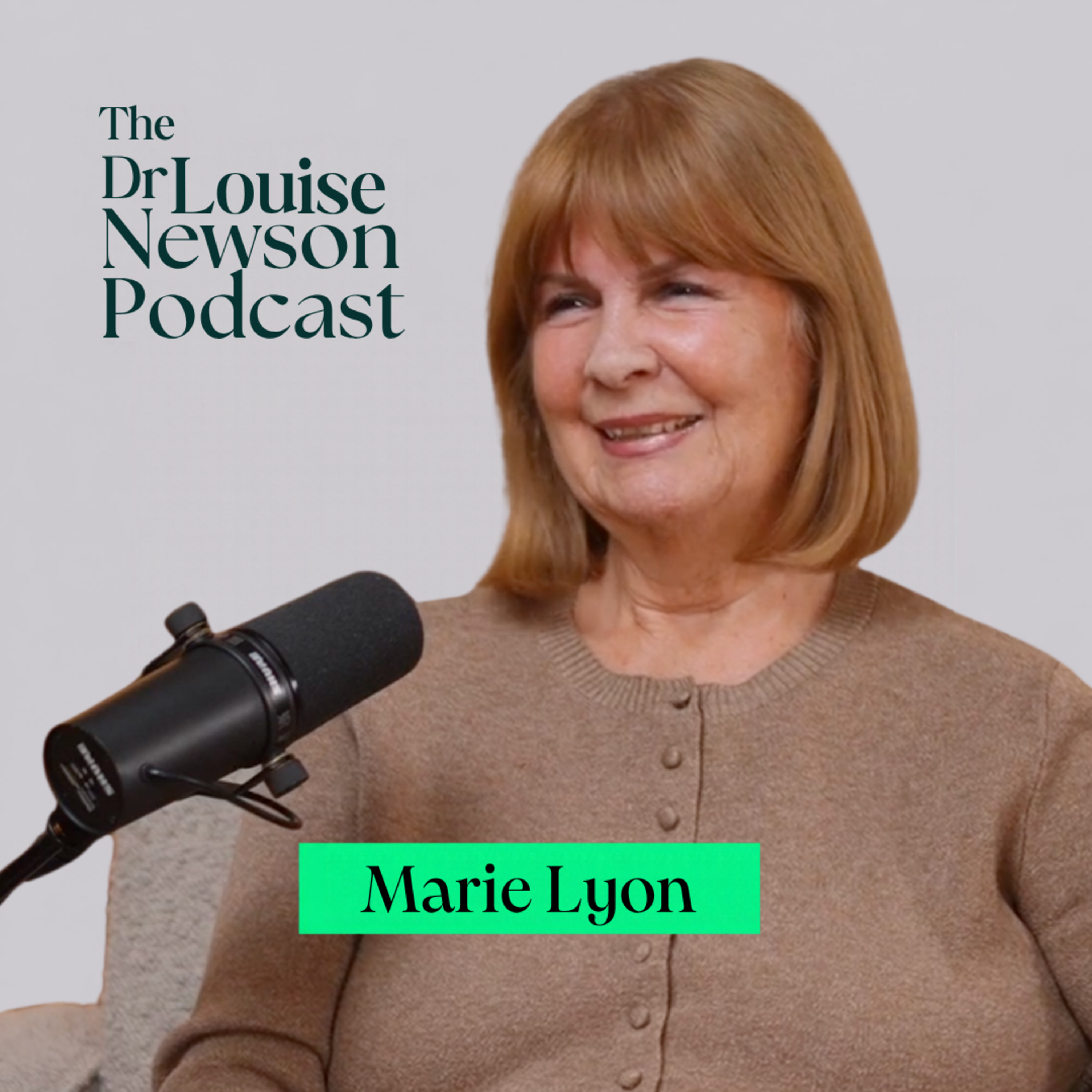
Mary Lyon, whose child (born 1970) was affected (missing arm below elbow with small pad and digits). She later helped found/engage with the Association for Children Damaged by Primodos (active by 1978). She also researches synthetic hormones and regulation.
Regulators/drug company knew risks after thalidomide; warnings were suppressed (including a letter from Professor Isabel Gal). The test was linked in contemporaneous discussions to thalidomide-related concerns and remained available for ~20 years.
Frog urine pregnancy testing before Primodos; Mary’s daughter’s limb malformation; WHO concerns about contraceptive risks; “yellow card” reporting limitations; DES comparison and “forgotten lives” advocacy.
Written by AI. May contain mistakes.
Discussion on the Primodos pregnancy test and its shocking implications.
“if they've not heard of Primados or the Primados scandal.”
Exploring the historical context of hormone testing prior to Primodos.
“So very quickly, they worked with gynecologists and paid gynecologists to work with them and scientists, but they made a synthetic version.”
Insight into the creation and implications of synthetic hormones used in contraceptives.
“But we've also got hormone receptors in the nucleus and in the DNA as well.”
Mary Lyon shares her personal experience with Primodos during her pregnancy.
“And we were the ones that was being tested on because it hadn't been tested on women.”
Discussion on the implications after the use of Primodos and the eventual awareness of its dangers.
“and the fingers, that had been stopped immediately at a specific stage.”
Examining the regulatory aspects and the historical context of hormone treatments and contraceptives.
“And I was doing some research about synthetic hormones and the history because I think history is really interesting, actually.”
Discussion on the issues and research related to hormonal contraceptives and their risks.
“So for me as a doctor, I thought, well, I'm doing my bit.”
Exploration of Isabel Gal's research findings and the response from authorities.
“It was written in Nature Journal, wasn't it?”
Discussion on the lasting impact of Primodos and comparisons to other drugs like DES.
“So despite the warnings, despite this trying to cover up, it was still being given as a pregnancy test.”
Examination of doctors' duties in light of scientific evidence on drug safety.
“So the poor men, obviously, they did something very quickly then and they stopped giving it to cattle.”
Discussion on the persistence of harmful drugs and the need for regulation.
“They just looked at how much they were earning.”
Discussing the long-term effects of Primodos and the ongoing issues surrounding hormonal contraceptives.
“there's some archives with something like 70 ,000.”
Exploring the risks associated with synthetic hormones and the importance of informed choices.
“Do you remember when I said to the MPs, it's true though.”
Examining the societal implications of contraceptive access and the financial burdens faced by patients.
“And I actually read when I was reading about the history of contraception, you know, all contraception, as in the synthetic hormones are free.”
Highlighting the importance of transparency in medical practices regarding contraceptives and drug testing.
“the long-acting reversible contraceptives, I refused to prescribe them.”
Discussing the need for independent drug testing and better education for women regarding available options.
“But it's just knowledge is really important.”
Encouraging women to be aware of their medical options and advocating for systemic change.
“I would want all testing of drugs to be independent, not from the drug company because we know that that actually can be falsified.”

Get the gist, explore an idea or ask about something said.
 Claude
On The Dr Louise Newson Podcast, what are the key points of this episode?
Searching your listeningAutomatic transcript. May contain errors.
0:00So you might have to listen to this podcast more than once. I'm with Mary Lyon and we talk about the primidosis scandal. This was a pregnancy test that contained synthetic hormones that are still in today's contraceptives. We talk about the harm, the increased incidence of congenital abnormalities and how long it took for the government to actually stop this pregnancy test being available. So what you're going to hear is true, but it's also very shocking. So I'm not going to say enjoy it because I don't think you will, but I think you'll end up feeling quite angry like we both are today. So Mary, I'm very excited that you're here.
0:41There's a lot to talk about in this podcast and people might have to listen to it more than once if they've not heard of Primados or the Primados scandal. And I didn't know about it. Everyone's heard of, or most people have heard of the thalidomide scandal where they were giving a drug that hadn't been tested on unborn fetuses to women. It was a morning sickness drug, wasn't it? Thalidomide. So you'd think after that scandal, and it was an error really, that people would really be on hyper alert and not want to give anything that hadn't been tested in pregnancy to women, wouldn't you? But this primidose scandal happened after the thalidomide scandal.
1:24Immediately afterwards. and that's really I think the most shocking thing that thalidomide had literally just about waned a little bit and they'd still put that drug out and you just think well why? I think with thalidomide as well if you remember that was for morning sickness it had a therapeutic value This is right so this is very different which we're going to talk about So thalidomide was a morning sickness drug wasn't it? And it was given in good faith and it's very easy to criticise it's really easy with a retrospectoscope to go how ridiculous but at the time you know you can see why that happened but primidose was a pregnancy test wasn't it so before primidose what did they do that it was it was a bit some people will know but some people won't for the pregnancy test it was a urine test and that urine test then went off to a lab and they actually tested it on frogs.
2:21So, you know, there's a big kind of joke thing about it. Oh gosh, and it will take so many days. Who cared really? You know, all you wanted to know was, were you pregnant? It wasn't something that was urgent. No, it wasn't something that you needed the diagnosis then and there. And they would inject the urine into the frog, wouldn't they? And if the frog made eggs, then the pregnancy says, but it was expensive as well, I think, wasn't it? in imperative terms with yeah yeah it wasn't harming anybody because you're giving your way to somebody to do whatever you like on so that so it's quite different so before we say about actual primidose i just want to go back in time a bit with hormones because they're still confusing now what hormones are and what they're not and i really want people to listen and understand and lots of my listeners do know but when they discovered estradiol progesterone and testosterone many years ago in their 30s late 30s they saw their chemical structure and the first type of hormone treatment was actually made from pregnant women's urine because as we know pregnant women produce who have hormones in their urine but you could buy that over the counter and people the pharmaceutical companies wanted something they could market.
3:38So very quickly, they worked with gynecologists and paid gynecologists to work with them and scientists, but they made a synthetic version. They did. And it wasn't estradiol. It wasn't progesterone. It was a synthetic version and even testosterone, they did the same. But for estradiol and progesterone, and there's only one type of progesterone with estrogen, there are different types of estrogen, but the estradiol is the one we prescribe as bioidentical hormones, which is a good type of estrogen. So they quickly made a synthetic type of estrogen called ethanolestradiol. That's right. And different synthetic progestogens.
4:16But one of the synthetic progestogens was norothistrone, wasn't it? It was. So they then started to test them on the womb, not of pregnant women, but just of the womb because they wanted to stop bleeding because they thought, wouldn't it be great if women didn't have heavy periods, which you could argue, yes, great. But then they thought, oh, we could use that as contraception. So there was all this going on in the, well, even during the war a bit and then in the 50s, there was lots of tests always on the womb. Then they got it to market as a, not as a contraception, actually. It was just for bleeding, wasn't it?
4:53But they did say, but you might not get pregnant on it because women, they knew that if your womb is very thin, how are you going to get pregnant? so after a year they changed the licensing and in my mind this is a scandal on its own because the contraceptives all contain synthetic hormones with ethanol they did use a higher dose but they never tested this synthetic hormone chemical on the brain on the other cells in the body the other tissues in the body we've got hormone receptors for our own hormones everywhere every single cell. But we've also got hormone receptors in the nucleus and in the DNA as well.
5:34And our DNA obviously is something we transfer our genetic material to offspring, don't we? So there's lots of answers. And even today in 2026, there are uncertainties about the contraceptive pill, what it's doing. So this is really important for people to know. But then they wanted to extend the market of the contraception. So then they thought, well, if it's going to do something to the womb and stop bleeding or whatever, let's give it to pregnant women. And that's where the primidose pregnancy test came out. So what was in primidose? Oh, it was just the synthetic hormones, as you say. And it was quite, well, it was fairly high dose.
6:16It's not as high. It wasn't mega high though, was it? Not particularly, but remember that was coming really at a time when you were just pregnant. And I would imagine the effect on a fetus that was literally just developing. You've got these rapidly dividing styles in the fetus. And so it was ethanol, esteridone, northestrone, wasn't it? And it was a combination tablet. It was. So if someone thought they were pregnant, it wasn't just once though, was it, that it was given? The majority of times it was actually because it was, well, for me in particular, I'd gone, again, just thinking I was going to have a urine test, hoping I was pregnant first baby.
7:01And I was, well, I think I was quite delighted actually when he just said, well, you just need to take this tablet and then you will know, two tablets, you will know within a matter of days whether you're pregnant or not. And I just said, oh, okay then. It wasn't kind of, oh, great, you know, I'll know in a few days. So did you know what was in the tablet? No idea. He didn't tell me. So you took the tablet and then what did he say? If you bleed, then you're not pregnant? Yes. And if you don't, you're pregnant and then just, you know, sign on for the clinic, etc. So I went away quite happily thinking, well, that's from my own GP.
7:36What year was that, Mary? I didn't even ask, was it safe? That was in 1970. Okay. So it had been out for a little while, hadn't it? It's the hardest to pronounce since 1967. Yeah. In fact, before then really, but we knew about it more specifically around 67. But I think it was just, I never even thought when Sarah was born that it could have had anything to do with those tablets because they were from my GP. He didn't say, don't, you know, just be careful taking these. It was, oh no, this is a much better way. You can know quite quickly. but speed wasn't really something that I was interested in and I don't think any of our members were we just wanted to know when they were ready yeah are we pregnant yeah so no there was no discussion whatsoever because back then obviously in the 70s and 60s there was no internet there was no no way of looking anything up you didn't really question your doctor anyway back then I was going to say, so we wouldn't have asked anyway.
8:41I wouldn't have thought of looking it up because it was from my GP. And, you know, the basic thing is that they're there to look after you. And we weren't ill, you know, we were just pregnant. So you don't kind of look at that as some kind of medication. It was a test, pure and simple. What we didn't know was that we were the guinea pigs. And we were the ones that was being tested on because it hadn't been tested on women. They'd done a very small test for a year and one for a year and a half, and that was on animals. So it was actually an untested drug, and the people that were testing it on, people like me.
9:18But you see, it hadn't really been tested properly on non-pregnant women, like I say, on the other tissues. All the experiments were really on the womb. So they didn't know the effects on the fully formed woman, if you like, with her brain and her heart and her kidneys and liver. But they're giving it to somebody with a fetus, with rapidly dividing cells, not long after the thalidomide scandal showed that this drug, any drug, gets in very quickly to rapidly dividing cells and can be harmful. So they gave it. And then what happened then? The thing is as well, you know with thalidomide thalidomide trial there were three other drugs that were mentioned that may have been the cause of thalidomide and one of those was primidos so it's not that they weren't aware so they were aware that there was a potential there were already problems with it and that was around the time of thalidomide so common sense would tell you that they would think hang on we better maybe do some more testing but the problem was Louise, it was very, very lucrative.
10:32So who was making money from it then? The drug company. So that was shearing, wasn't it? It was, shearing and now bear shearing as they are. So they can't even say that they weren't aware. They were aware. We know that now, but we didn't know that. You didn't know that at the time. Oh gosh, no. No, not at all. And I think, I don't know whether GPs made money from it at the time. They were incentivised. We tried to find out how much by but they were incentivized I mean it's like today sometimes today isn't it where they say to a GP oh you can come to a conference of and in a way it's an incentive yeah so there was some incentive there was an incentive yeah so so then so you took it early in your pregnancy you found out you were pregnant you carried on with your pregnancy I was quite healthy doing it as well I didn't have any problems at all and then when Sarah was born her arm was missing from just below the elbow and there was just a tiny little pad and five little digits, which obviously should have been the hand and the fingers, that had been stopped immediately at a specific stage.
11:38That's what we found out later. And even then I did not connect the two because all they said to me was, these things happen and you accept it and that's fine. Because they didn't have scans. Like now there's so many ultrasound scans so you wouldn't have been prepared or anything. No. Yeah. And so then when did you think about it? Well, that was when the organisation started, the Association for Children Damaged by PrimaDOS. And that was in 1978 that we were fully aware of what had happened. And that's when we tried to fight back and just find out. What we wanted to know was why. Yeah. Why did they not stop it?
12:21And then, of course, when we found the documents and found out that they'd known about it since the 1960s and hadn't stopped it. The regulator hadn't stopped it. It's quite shocking. I mean, it's not quite. It's extremely shocking. And I was doing some research about synthetic hormones and the history because I think history is really interesting, actually. So I learned all about the manufacturing of the synthetic hormones and some of the things that were done, and that really shocked me. And then primidus came up, and I was like, what's that? I've never heard of it. Obviously, I was born in 1970.
12:53Yes, you're so lucky. Well, I am. You are. But it's really interesting because then I watched the documentary, which is on Sky News, wasn't it? But it's on YouTube, so anybody could see it. And I always work late at night. It was far too late at night that I started watching it. But I couldn't watch it once. I had to watch it twice because I didn't believe it because it was so shocking. and I'm very frustrating because I always ask questions. So when I watched it, I then had to go off and read some papers. I then had to go and find some news reports. And then I was really digging into Bill Inman.
13:33Oh, gosh. So Dr. William Inman was the, he was head of the Committee of Safety of Medicine, actually. He was the regulator, basically. Yeah. Yes. And so a lot of doctors, if they're listening, might know the yellow card scheme. Yes. And he created that really, didn't he? So if there's, which is a good thing. That's debatable. Well, yes. But we can say if there's a concern, like for us as doctors who aren't involved in regulation, aren't involved in research, if we saw a patient that had a reaction to a drug, then we would fill it out and think, well, at least somebody's looking at it. Yes. So for me as a doctor, I thought, well, I'm doing my bit.
14:09Well, I didn't realise that self-reporting of things is so hit and miss. You can't do proper research on that. But anyway, he was doing that, which is something compared to nothing that was happened before. But he was also very pro the progesterone only pill and the contraceptives, because around that time, they started to realise there were problems with contraceptives because the studies that had been done before going to market were on a higher dose. A lot of women had had clots and strokes and heart attacks and died. A lot of women in poor countries like Puerto Rico. Which they knew about.
14:44which they knew about and they tried to stop you know some people were saying gosh this is a concern and then the people that were doing the main a lot of the experiments were saying no no we'll push it to market push it to market so it came to market but then they thought well ethanol oestradile there's a problem with that and i mean it was a bit later 1979 the world health organization said it was a carcinogen to link with cancer so then they tried to push out the progesterone only pill and say it was safe. So the progesterone only pill, one of them is norithistrone that is in primidos. So Bill Inman didn't want anyone to think there was a problem with the progesterone only pill or any type of contraceptive.
15:29And it was interesting because Sir Richard Dole, who noted, some of you I'm sure listening will know, Sir Richard Dole was an amazing epidemiologist that associated the link between smoking and lung cancer. But it took eight years for anyone to listen because everyone was chain smoking in the government and the health authorities then. But then he was a great epidemiologist. So he noticed there was a clot risk with progesterone only pills and a problem, but no one really wanted to listen. But because he had that name, I think they did give him a bit of respect. But there's a lot of correspondence.
16:02You have to look quite hard for it. And I did. I know you've seen it too. And with Bill Inman, he had a bit of a dilemma because if he put out a warning about primidose, then the same warning would apply to the contraceptive pill. And that is exactly what propelled the whole horrible debacle, really, of keeping that pill on the market for 20 years after the first warning. I wanted to take a quick pause from our conversation to tell you about my new book, The Power of Hormones. Many of the topics we discuss on this podcast are explored in much greater depth in my book. I look at how hormones really work in the body, why they've been misunderstood for decades, and how confusion between natural hormones and synthetic hormones has influenced medical practice and public perception.
16:56Most importantly, I explain why understanding hormones is essential for improving both current health and future health. So if you'd like to continue learning beyond the podcast, my book, The Power of Hormones, is available now and I've included a link to buy in the episode show notes. So the first morning, there was a paper, wasn't there, written. Do you want to explain? It was written in Nature Journal, wasn't it? By, what's her name, Professor? Well, she was a professor, but Gal. Isabel Gal. She was absolutely magnificent. And she had worked at a hospital and she had noticed that of the patients that she'd been seeing that there was a high propensity of either miscarriages or abnormalities.
17:42And she looked at 100, I think, women, found that the ratio was just too high to be a coincidence, went to Dr. Inman and just said, look, this is a real problem. I have real life experience, you know, of the women. I can tell you who they are. And he basically called her a sad little woman. I know. But he didn't, it's in a letter. Yeah. That's what's so incredible. It is. Because I showed that letter on the theatre show you did. Because there's one thing saying something, but there's another thing putting it in writing. Yeah. And they basically wanted to silence her. Yes. And she was. They did silence her.
18:24Yes. And she was very much, I think there's a problem. She wasn't saying it's 100 % is because you can never know, but she was warning people. Yes. And when someone warns you, when it's a drug, you should really be looking into it. So what Bill Inman did was he went to shearing to warn them, didn't he? Yes. Rather than going to the public to warn them. Yes. And that, again, is in writing. You know where he says, I'm just giving you the heads up now. Yes. That, you know, we need to try and contain this, basically, because it will affect the oral contraceptive pill. Yes. So, and the World Health Organization sadly also complied because what they said was we cannot afford a world health population explosion if women stop taking the pill.
19:14But no one actually thought of the impact on the lives of those women. And I'm not just talking about us now with primidose. I'm talking about the oral contraceptive and the fact, as you've rightly said, early on, They knew it was causing strokes. They knew it was causing cancer. But they insisted. It was such a municipal, Louise. And that's a horrible thing to have to kind of accept that what this was all about was profit. And the fact that Bill Inman obviously had a very close relationship with Shearing. We do believe that they did fund his further studies, if you like, because he did leave shortly afterwards.
19:56Yeah. So it's the fact that they were so complicit in denying, if you like, the damage. Well, this is what shocked me because, you know, as a doctor, you have a duty of care. Yes. And the duty of care is the most important thing as being a doctor. It really is. You know, I always want to do my best for my patient, but you're always limited by knowledge. And if you don't have the knowledge, at the time you think you're doing what you're doing is right. So your GP I'm sure would have thought what he was doing was the right thing. Yes. Because he didn't question, didn't ask, whatever. But once you know something, your duty of care has to change because it has to change on new knowledge.
20:38And so when you read this, and so there were, the other thing, there were lots of abnormalities. So, you know, we've got some, some pictures here, but a lot of them were limb abnormalities but also cleft lip, cleft palate, heart defects Limbs Limbs, yeah People born without brains Yes, that was so hard to take Which is really hard but when I was reading this and learning words I was thinking about it I was in school, in primary school in the 1970s there was always one or two children in the class that had cleft lip and cleft palate Yes Always spina bifida was really common back then that was another one that you talk to people my age and they all know what spina bifida is if you talk to my children i don't think they'd know and also cleft lip and cleft palate it's just not so common and when i read about it i sort of said to my husband oh this is so shocking he said oh yeah but then they used to put folic acid into bread and they give folic acid and it was all of that that changed i said really do you really think so because maybe it has but what you can't ignore this yeah and that's where I was really surprised because so many women then came out more but it went on for so long and not just in the UK as well there were other countries Germany particularly yeah and that's where shearing actually had their headquarters was shocking again that they would actually consider you know making this drug, letting it be actually sold in the country that they were actually from.
22:19So despite the warnings, despite this trying to cover up, it was still being given as a pregnancy test. 20 years after the first 20 years. 20 years. And it's millions of women actually, isn't it? It is millions of women. And the awful thing is that a lot of them are not aware. I've had phone calls up until last year, early last year, where someone said, look, I've just found out about primidose. My daughter, son, whatever, was born at this date. I've actually had to, you know, live with the dreadful injuries that they've had. Is there any possibility? And I've just said, go to your GP, try and get your notes.
23:00And luckily, a lot of GPs have kept them, which is good. And what have they found? They took primados. So they've had all those years, nearly 50 years, like we all do, you blame yourself. Did I eat something wrong? What did I do? And that's what they say to me. I can't take this in. But they then do what we all do and think, well, it's our fault. It isn't. And I know that realistically. It's not at all. But you see, there was also this Stilby-Estro scandal, which was DES. which is another synthetic oestrogen. It is. And they actually started to give that to poultry, to fatten up chicken. And then they realised that some of the poultry farmers were getting breast enlargement and infertility.
23:51Oh, God, great. So the poor men, obviously, they did something very quickly then and they stopped giving it to cattle. But they still carried on giving it to people. it was supposed to enhance the pregnancy i mean some of the adverts for it are crazy but then they realized there was an association with the the the children with vaginal cancer type of cancer called clear cell carcinoma and we learned about this at medical school and um and it was always the des clear cell carcinoma unusual type of cancer um but i never thought properly about it it was just one of the in medicine you just learn things okay but then they don't use DES anymore it's occasionally used for men with prostate cancer very rarely but it's not used so it's a bit like thalidomide it's it's the drug occasionally used but you have it's really strict and you don't really prescribe it so I sort of think like I said earlier in medicine you move on you you learn you say I'm sorry this happened but we had limited evidence we move on and so I sort of forgive the DES and I forgive um not forgive but You know what I mean?
24:56You've got to accept it more. You can accept that mistakes happen, yes. And I accept that as well. You have to, otherwise it's really difficult. But this wasn't a mistake. No. But even if it was a mistake, every day women are being prescribed ethanolistradion and norethystrin. Yes. And the dose of norethystrin that was used is still given now to stop periods if people go on holiday. And I can't put my hand on my heart with the evidence I know. and if someone's got evidence, please write in and let us know, that it's 100 % safe for these girls, these women. When my children had Roaccutane, my oldest two, for acne, and they had to sign to say they'd have a pregnancy test regularly, that they're using contraception, which is absolutely wonderful because Roaccutane can affect the unborn fetus.
25:45When I used to prescribe norothistone, because I did, this was pre-meet the knowledge I have now, for women who didn't want to incovenute period on holiday. never once did I say make sure you don't get pregnant are you using a contraception because the risk on the unborn child when people get pregnant on the contraceptive pill I'm not aware that we do anything different we just say oh that's a shame yes but it's getting into the DNA still it doesn't matter on the dose it still gets in to those receptors and then when I think about girls who were in their teens being given the contraceptive pill for acne they don't even need a contraception what's that happening to their cells and their dna because we we just don't know no and that's where i find there's so many questions like this is such a tragedy but what they could have done is put their pens and pencils down and gone right let's learn from it let's learn what these synthetic chemical hormones are doing in the cells, in the DNA.
26:48Because that would be really great to have learned because the abnormalities in the children are exaggerated because they're rapidly disabiding cells. But what other abnormalities are there? You know, are there other cancers? There's a program recently about cancers increasing in younger people. Yes, there was a big study in, I think it was Sweden, and that said exactly the same. And it's frightening to see the increase. But remember, you're saying maybe they should have learned from it, but they would have to have some kind of humanity, compassion, and some will to kind of do that. And they didn't.
27:31They didn't. They just looked at how much they were earning. And also, to be honest, their own reputations. You know, someone finds out and realises how they have continued to suppress this evidence. And they're still fighting today. Don't think they're not. Oh, I'm sure. They're still fighting today to stop this coming out. Yes. Well, sorry, we're talking about it. Oh, thank God. Because also the other thing is in the programme, which I hope some of you watch on the Sky News programme, there's some archives with something like 70 ,000. I don't know if I got the number right. But there's records of people.
28:08And you just think every single one of those is not just the individual. It's not just their families, but it's the ramifications. And you worked so hard with your families. And we went to the House of Parliament, didn't we, to talk to GPs. That was great, yeah. And it was really interesting because when we talk about this is a drug that's still given today, they suddenly start to listen, don't they? Yes. Yeah. But isn't it awful really that we're still at the stage, you know, 50 odd years later, where these synthetic drugs are still causing harm to women? And that's really the message as well.
28:47Do you remember when I said to the MPs, it's true though. It is. Would you take a drug that has never been tested on your brain, your heart, your kidneys, your liver? It goes into your DNA. It might stop you getting girl pregnant. But that's the only advantage, really. Would you take it? Of course they wouldn't. No, of course they wouldn't. No. And it's really difficult because whenever I mention something negative about contraceptive pill, as in to say it's a synthetic hormone with risks. Various other doctors on social media, I can see them saying, but it's really important because people are going to get pregnant.
29:28And I think, well, firstly, anything we do in life is choice. Of course. You could go out of here and light a cigarette. You're not going to. But if you do, you know, because there's warnings all over that packaging. But it's up to you. But you might see a friend in the street who's been given the contraceptive without any knowledge at all. and that's the biggest problem. But also you don't have to have a contraceptive pill to stop getting pregnant. There are other ways. And I actually read when I was reading about the history of contraception, you know, all contraception, as in the synthetic hormones are free.
30:04And there was a move to get condoms free as well. And there was a male doctor, I can't remember his name, was in the audience. There was a big conference at the British Medical Association. And he said, no way should we allow condoms to be free he said because it's a and he he made this stupid joke it's a closed end problem a solution as in the condom is closed end for an open-ended problem as in people will have sex forever for goodness sake and everyone laughed and knew i mean i read all the minutes because i you know go into things quite a lot of detail and then they decided they wouldn't make condoms free and I thought then what a mistake actually because when I was a GP I worked in quite deprived areas and we used to have little bags and we'd give patients we weren't supposed to and we'd buy them and we'd give them because condoms aren't expensive but if you're on benefits yes anything is expensive it's an extra and it doesn't feel right but also doctors get paid for prescribing contraception.
31:07And I've always been paid the same salary. I've never been a partner. But when I realized about the harms of some of the synthetic, like the majocytoprogesterone acetate injection, the long-acting reversible contraceptives, I refused to prescribe them. And the doctors didn't like it at all. But I said, I'm not sure that I'm being, this drug is associated with osteoporosis. I don't feel, what else is it associated with? So there is this incentive. And Marina coils now, you know, we don't know the long-term effects. It's a very low dose, but lots of people get paid for them. And in the private world, it's a procedure, so you get paid.
31:48So it concerns me that we don't know. But in medicine, it's okay to say to someone, we don't know. So if your doctor all those years ago had said, there's this new pregnancy test. Yes. we don't actually know what it's doing we wouldn't have taken it then yeah we wouldn't have taken it wouldn't have taken that chance because it wasn't important to know immediately and the other thing that you're saying about the the contraceptives and choice just remember now that Bayer Bayer Shearing actually went into Westminster and the government agreed to actually allow 16 year old girls to get the oral contraceptive over the counter they don't even need to see a gp anymore now again to me that is just a lack of care for women yeah you know oh my goodness gracious let them take it well you know don't think about the the things that could happen to those 16 year old girls um who haven't a clue they just think oh this is great like you say oh i can stop getting pregnant but they don't consider the long-term implications and i mean we are both working towards the same end, which is to make sure that women are informed and that they're safe and they can take medicines.
33:03Absolutely. You know, and that's the good thing that you are working so hard to do it. But people are not listening. No. And that is, you know, we're not here saying no one can have synthetic hormone contraception. For some women, it's their only choice. And in whatever their circumstance, it might be, you know. But it's just knowledge is really important. It is. It's very important. But really, the primidose scandal, like hashtag forgotten lives, no one should forget them. And what you're really pushing for is an apology. No. An apology means that they made a mistake. They didn't make a mistake.
33:41This was deliberate. So no, an apology would not work for me at all. I know that's what I should be saying, but no, I don't. This was deliberate. It was sustained. It is sustained today by our current health regulator, which I find appalling, by our own government, which again I find appalling. And they're allowing this to continue. So women today are not safe unless they actually look behind what the science is. and it's really important and this is why as I say with you and the bioidentical hormones that's what people should be looking at yes if they want to use these particular methods fine but make sure that the best that you can get absolutely so we need to end with three well it's always three tips but I'm going to say three things that need to happen that are not an apology yes to move the conversation forward to stop the uncertainty.
34:41Yeah. I think this has been wonderful conversation and it's a lot for people to take on board. It is. It is fact what we're saying and it's important for people to just think and reflect of it because we don't want anything like this to happen again. And it will. And it will and it is really because the drug is still available. It is available. So what three things, if you were the Prime Minister or if you were the head of the health service, if you had power, you do have power in some ways, but the power that you want, what three things would you want to happen? I would want all testing of drugs to be independent, not from the drug company because we know that that actually can be falsified.
35:28I would want to make sure that every single drug that's on the market now is retested because it's not just new drugs. We've got to look at the drugs that are already available. And I would also like to make sure that young women are educated about what is and isn't good for them and what they can use and what they should be wary of. It's just really making sure that people are aware that these things are happening. It's not a one-off. Ours is unique. because ours is the only one that was there purely for profit. But it still happens anyway. There are still profits being made on every single drug that comes into this country.
36:14And I would definitely sack the regulators. Well, there we go. Let's hope that you have some. But we have to change, Sue. We have to do more. And you've been working for decades on this, Mary, and you're full of determination and strength. And I want to help you so that people can have that knowledge And I want people to feel cross after this podcast. Oh, good. Get them to watch Bitter Pill, then they'll be really cross. Anger changes things. Yes. We need change. And we do. And we need the public behind us, you know, because that's where it actually starts to make a difference. So thank you so much for coming all the way down for this today.
36:53So thank you so much. Thank you. A pleasure. Thank you. So just a quick one. It would be really great if you could follow or subscribe to this podcast. This will really help me reach more people with evidence-based information about hormones and their future health. And it also ensures that you'll never miss a future episode. Thank you.
Primodos was the pregnancy test pill containingsynthetic hormones that was prescribed to millions of women during the 50s, 60s and 70s that caused severe congenital malformations, stillbirths and miscarriages.Primodos contained etihylestradiol and norethisterone - two synthetic hormones that are still prescribed every day as contraception to millions of women.
These risks were covered up by Schering, the drug company, and the Committee of Safety of Medicine decided not to warn people of the harms of these synthetic hormones as they did not want women to be “scared away” from taking contraceptive pills which contain the same synthetic hormones.
In 1970, Marie Lyon’s GP prescribed her Primodos tablets to find out whether she was pregnant with her first baby. Nobody mentioned any risks, and when her daughter Sarah was born with part of her arm missing, Marie was told “these things happen”.
She has campaigned for decades as chair of the Association for Children Damaged by Hormone Pregnancy Tests. Millions of women were prescribed Primodos with countless harms to these women’s babies until it was banned many years after the initial warnings were reported.
Louise explains why synthetic versions of estrogen and progesterone can be harmful and the problems with prescribing them to pregnant women without proper testing. They talk about the early warnings that were completely dismissed, why so many mothers still blame themselves, and why Marie believes an apology by the drug company is no longer enough.
If your mother took this synthetic hormone pregnancy test, Marie’s advice is to ask your GP for your records. She closes with the three changes she wants to see in how medicines are regulated.
Chapters
00:00 What was the Primodos scandal?
01:27 How were pregnancy tests done before Primodos?
02:30 Where did synthetic hormones come from?
05:13 How did the pill become a pregnancy test?
06:14 What did Marie's GP tell her?
08:01 Was Primodos ever tested in pregnancy?
09:20 Did the drug company know about the risks?
10:39 What happened when Sarah was born?
11:24 When did families make the connection?
12:20 Who was Dr Bill Inman?
16:01 Who was Dr Isabel Gal?
18:38 What does duty of care mean once you know?
19:17 Which birth defects were reported?
21:05 How do you find out if your mother took Primodos?
25:42 Are synthetic hormones still causing harm?
28:31 Why weren't condoms made free?
32:00 Why isn't an apology enough?
33:01 What three changes does Marie want?
Let’s connect
👉 Understand the difference between synthetic and body-identical hormones in my book, The Power of Hormones:
👉 More from Dr Louise Newson:
https://linkin.bio/drlouisenewson