In short
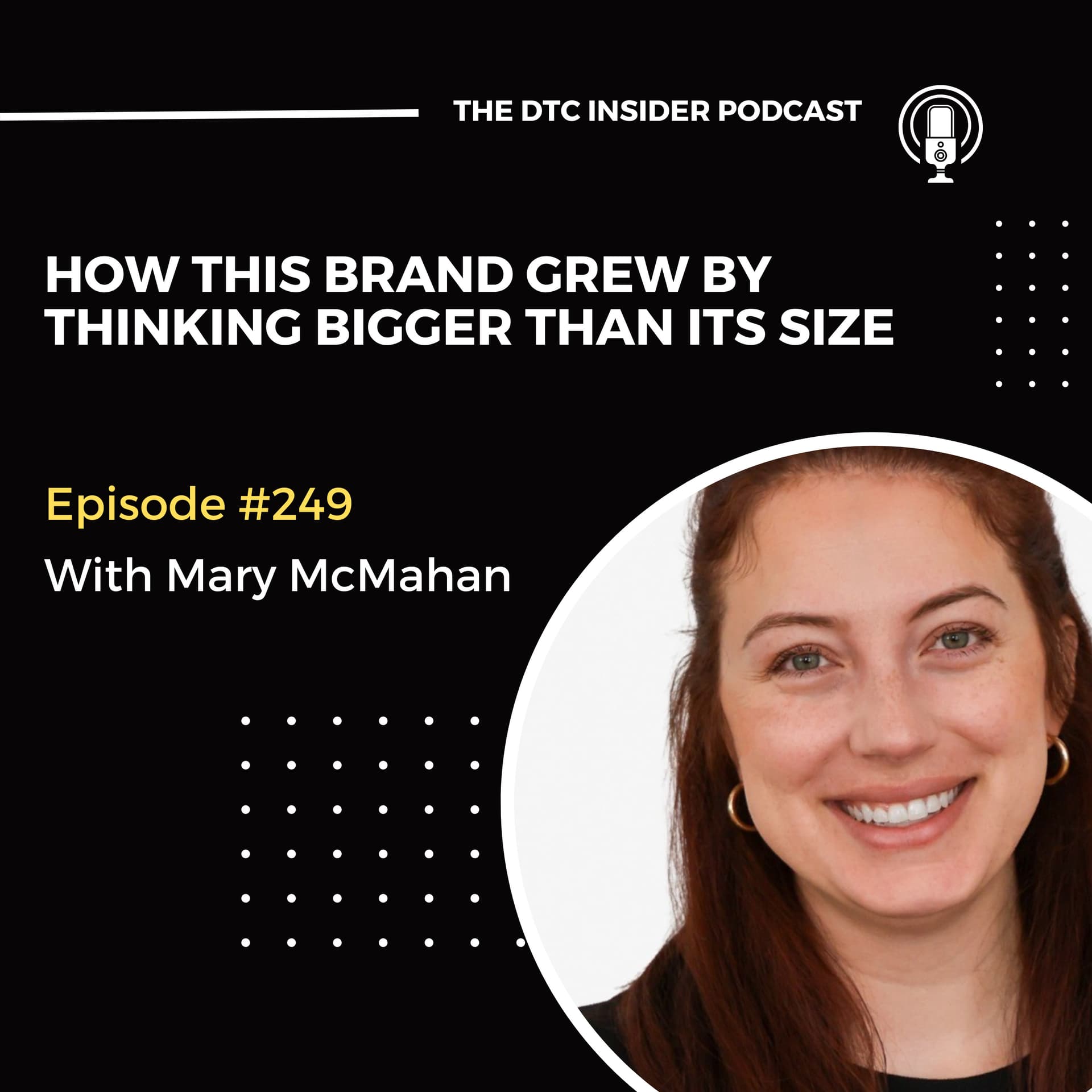
How Black Rifle Coffee grew to about $400M in annual revenue by treating the brand as entertainment, building a military-focused community, and running “day-trading” performance marketing across retail and marketplaces while measuring velocity and brand health.
Guests
Donnie Jensen, CMO of Black Rifle Coffee. Background spans agency and brand roles: Creative Artists Agency (branded entertainment/strategic planning), McCann, KBS, Droga5 (Under Armour, Jockeys, Shabani Yogurt launched at the Super Bowl), RGA (Nike), Performix (DTC setup at GNC), Spartan Race/Tough Mudder (growth in ticketed events), and beverage companies including C4 Energy before Black Rifle.
Key claims
“If it doesn’t entertain, doesn’t inspire, doesn’t inform, don’t put it out.” Organic reach from viral content drives disproportionate revenue; paid is optimized daily. Community brings incremental shoppers into retailers.
Notable examples
founder Evan Hafer roasting coffee while deployed; creator Matt Best and barracks-humor YouTube; subscriber revenue ~70%; exclusive roasts for subscribers; TikTok Shop “lives” as QVC-style selling; energy drink launched from community demand.
Written by AI. May contain mistakes. Listen to the episode to check what was said.
Chapters
Tap a time to open that second in VOIntroduction to Core Principles
0:00 to 0:15
Learn about the foundational principles for content creation.
Donnie Jensen's Background
1:07 to 4:38
Donnie shares his extensive marketing and advertising journey.
“So why don't you start by introducing yourself and telling the audience more about your background, even before you joined, you know, this company?”
Transitioning from Agency to Brand
4:38 to 7:42
Discussion on the differences and learnings when moving from agency to brand side.
“So we're, you know, we have a pretty robust sort of go-to-market sort of strategy and just presence overall.”
Overview of Black Rifle Coffee
7:42 to 12:07
Donnie explains what Black Rifle Coffee Company is and its unique approach.
“When you go to work on the brand side, you bring all of that with you.”
Company Structure and Community Engagement
12:07 to 13:32
Insights into the company size, structure, and community engagement.
“Yeah, it is that sort of like traditional, that kind of classical thing, like where you see the big shift from, you know, sort of from D to C or Ecom into sort of the retail brick and mortar space.”
Content Strategy at Black Rifle Coffee
13:32 to 14:00
Discusses the content creation strategy for audience engagement.
“I wanted to ask you about, because it was very interesting when you're talking about content creation, to put that into, to give people context.”
Crafting a Content Strategy
14:00 to 15:46
Learn how Black Rifle Coffee develops its diverse content strategy.
“What's the process you have to pull that off?”
Balancing Brand and Performance
15:46 to 17:58
Explore how the company balances brand identity with performance metrics.
“Again, ways to sort of engage audience, inspire people, grab onto a trend, you know, that type of thing.”
Understanding Customer Insights
17:58 to 21:46
Discover the methods used to gather customer insights and feedback.
“So as I said, like we kind of bring together the best of the strengths of those two worlds and really combine them together.”
Organic vs. Paid Sales
21:46 to 23:46
Examine the percentage of sales driven by organic vs. paid strategies.
“So I want to talk now, you know, you mentioned that you are, as a company, committed to content.”
Show all 18 chapters
Storytelling Beyond Coffee
23:46 to 27:34
Understand how storytelling shapes the brand identity beyond just selling coffee.
“Did you used to rely more on paid until the organic, you know, surpassed that or was always like the organic was always the strength?”
Growth Strategies and Partnerships
27:34 to 28:00
Learn about the strategic partnerships and tactics fueling Black Rifle Coffee's growth.
“And what do you think that will help you or what are you working on to unlock the next one?”
Building a Strong D2C Strategy
28:00 to 30:20
Learn how Black Rifle Coffee developed its direct-to-consumer approach.
“Again, it's another unfair advantage than just going straight to retail, right?”
Expanding into Energy Drinks
30:20 to 33:04
Discover the decision-making process behind launching energy drinks.
“I was going to ask about that, like how did you decide to launch such a product, you know, coming from coffee?”
Navigating TikTok Shop Success
33:04 to 34:24
Explore strategies for engaging with consumers on TikTok Shop.
“But you'll look at a lot of other brands that are like hyper successful on that platform.”
Challenges with YouTube Shopping
34:24 to 37:00
Understand the differences and challenges of selling on YouTube Shop.
“Does it work in a similar way or is it a totally different animal?”
Using AI in Marketing Strategies
37:00 to 39:46
Learn how AI is being integrated into content creation and marketing.
“And then now we're actually just using AI to like go faster.”
Creating a Unique Subscription Experience
39:46 to 41:59
Find out what makes Black Rifle Coffee's subscription model special.
“Well, again, I have a thousand questions to ask you, but I want to be respectful with your time.”
Transcript
Automatic transcript. May contain errors.0:00A couple of the secret sort of things that the company did that were unique and sort of critical to the success and to the crazy growth that you sort of everybody sees is, like if it doesn't entertain, doesn't inspire, doesn't inform, and isn't something you'd want to share or talk about, like don't put it out there. Welcome to the DTC Insider Podcast, where online business owners come to find actionable tips and tactics to grow their businesses. Now, here's your host, Brian Roisentul.
0:35Hey, welcome to another episode of the DDC Insider Podcast. I'm Brian Boricentl, your host, and I'm super excited about this episode. It's a must listen. Here with Donnie Jensen, the CMO of Black Rifle Coffee. It's a company that does 400 million. You listen, well, 400 million in annual revenue. So there's a lot of golden nuggets that I want to learn and I believe you want to do the same. So you better listen to this one. Hey, Donnie, thanks for being here on the pod. Yeah, thanks for having me. Super excited to chat. Yeah, likewise. So why don't you start by introducing yourself and telling the audience more about your background, even before you joined, you know, this company?
1:22Yeah, I have kind of a wild background. I actually started like way, way, if you go way back to the very, very beginning. I started in construction work and then eventually pretty quickly learned that I don't want to do that. So my first real job, though, in marketing, I would say is I worked at Creative Artists Agency and I worked initially in the branded entertainment group and they launched that like eons ago. And from there, one of the agents I worked for, you know, he sort of exposed me to the advertising world and said, hey, you know, you're kind of a crappy assistant, but you'd be really good at advertising, like strategic planning specifically.
1:52The discipline has sort of since got rebranded a few times. It was called strategic planning back in that day and then account planning. And now, you know, it's just called brand strategy or creative strategy or however you want to sort of frame it. So eventually left L.A., moved back to New York, worked at McCann, New York. That was sort of my first job, like getting into marketing, like real marketing and advertising. I studied under Devika Bulkindani, who is, I believe now she's like the global CEO of Ogilvy. And this and sort of the other side of the house was John Koppman. And so I learned kind of like the fundamentals of like storytelling and brand and strategy and sort of all that from Dev.
2:26And then on the other side, John was like super, you know, super strong and research and analytics and sort of learn that side. They told me when I joined, I'd learn, you know, six years of marketing and advertising in six months. And it totally was. Then from there, I went to work for a company called KBS. When Lori Senecal left McKay in New York and then went down to basically get her name on the door at KBS. Went down there, worked on a ton of different accounts from BMW to Red Bull to Nike Skateboarding, Nike New York, Nike Soccer. Then eventually left KBS, went to Droga 5. And so when I was there, I worked on Under Armour, Jockeys, Shabani Yogurt.
3:05We launched Shabani at the Super Bowl. Super, yeah, super amazing. sort of experience at Droga. Then my last stop sort of an agency, agency land was RGA, where I ran the Nike business for a couple of years. And then, you know, I just got that itch to drive, you know, to like to actually, you know, go from servicing clients to being the client. And, you know, went brand sided and worked for a company called Performix, which was at the time, the number one thermogenic brand at GNC. So that was probably the first like foray into sort of DTC, I would say, because we really, you know, I joined, there wasn't a DTC presence, there wasn't an Amazon presence.
3:39So part of my role was to come in and sort of establish that. So I was there for a couple of years and then went on to Spartan Race Tough Mudder. It was the CMO there for a period of time, about four years. Same thing. If you don't know about Spartan Tough Mudder, it's like essentially a ticket master. It's an events company. So every single day you're getting up like, did we hit the number? Are we up? Are we down? Are we behind? We got to make up. It was probably one of the most impactful experiences I ever had in terms of sort of getting acclimated DTC and learning sort of what it takes to be like a strong sort of growth marketer.
4:14I always say that's where I earned my stripes in growth marketing, you know. And then from there, I started to get more into sort of like the retail side of things. Worked at a few different beverage companies, you know, before taking this role at Black Rifle Coffee, C4 Energy. you know working there both on the sports nutrition side of the house as well as the functional beverage side and then uh and then obviously coming to black rifle which we're we're everything we're sort of in coffee bad coffee rtd coffee we just launched an amazing energy drink that i'm going to plug right here it's super good we should try it and then obviously we have a really strong d2c and sort of e-commerce business and then you know the business itself sort of sits across all all the you know sort of all all the digital sort of uh marketplaces you know, Instacart, DoorDash and so on.
4:59So we're, you know, we have a pretty robust sort of go-to-market sort of strategy and just presence overall. Amazing. Well, that's quite some background. You know, you have a lot of experience and I love the fact that you have worked on both sides, you know, agency, brand. So what do you like the most and what do you hate the most about each side? I mean, I'm biased because it's my background, but I really appreciate people that have agency people that have then left agency and gone brand side. Because if you've worked at a good agency, like let's say you've worked at a Droga 5, the amount of pieces of business you touch, the business challenges you touch, the bar of like having to understand marketing and insights and challenges is so high that it's like a boot camp for marketers.
5:54And it's like, you know what I mean? I don't think you can get that experience to that degree and to that depth by working at like a, you know, no offense, but like a Kraft Foods, you know, within a specific category and you just, it's not exposed to it. So I always recommend like anybody like go into agency world if you can in the beginning, earn your stripes get that get that boot camp and get those fundamentals on sort of under your under your belt then go brand side and I always feel like you're probably 10 20 clicks ahead of anyone else around you from your peer group because of that sort of agency experience and then when you sort of go brand side it allows you to sort of implement all the things you learned in sort of the agency world within a brand sort of ecosystem right you're actually able to drive and you're actually able to make those recommendations and build those strategies I always say the thing about agencies isn't like there's a perception that we just kind of sit around and like come up with ideas but it's really about the process and really about like that that from a to z thing that you do every single time to guarantee the best possible result every single time so it's like you know we would always say say yeah like we don't sell ideas we sell process it's a tried and true way to get to the best possible result and i think that's what you see with like brands like a liquid death or you know name your brand where it's really composed of like strong strong strong agency people and that agency pedigree, you sort of see that, like how strategic they are where they're going to market and the way they, you know, sort of engineer virality and think about sort of big ideas.
7:16So I, yeah, I recommend it to everybody, like start an agency, then make that transition into brand. It also helps you calibrate, like if you want to be like, you know, I want to be in tech or I want to be in, you know, packaged goods or I want to be, you know, in entertainment, like you touch all that when you work in agencies, so you get to actually experience it before you actually kind of get into it, so. Yeah, you get to see, you know, multiple brands, what works for them, what doesn't, and get that experience. When you go to work on the brand side, you bring all of that with you. You don't see only like what happens only with one brand.
7:51You see what happens with multiple brands in multiple markets, and you can apply that learning. And is there anything you see or anything you saw when you started working on the brand side that you said, I thought this was this way when I used to work on the agency side, but now I'm on this side and I get it now. It's not that way. Yeah. I always tell people this. Yeah. There's a perception when you're on at least the agency side, because, you know, like we sit around and think about the consumer and the brand all day long and think about how to, you know, tell that story and amplify everything that we're doing.
8:26You know, we're sitting around coming up with ideas. the perception at least I had kind of coming switching over was there's a good portion of your day where you're thinking about that all day long and it really isn't such a small percentage of your day is thinking about like the big idea or the big viral moment or that type of thing you're spending more time you know sort of thinking holistically about the whole business and the brand so that was you know sort of something I didn't expect but you know have grown to love, like really love like the business side of it. And, you know, we would always get mad when like a client would call you and say, yep, we're changing the brief or the budget's gone away.
9:01And you're like, what do you mean? Like, why the budget go? I don't, I don't get it. And now you kind of get it. Like things come up, things happen where you have to shift direction, you have to shift strategy. And yeah, you just, you don't really sort of understand that, like when you're in the agency world. So again, that's why I think that there is a little bit, you know, you see when people transition out of agency into brand, there's a little bit of a learning curve. There's probably like a period of time where you're like, you know, you're learning in seed a little bit and you're trying to kind of figure things out.
9:29And you have to sink or swim, you know, depending on the environment you're in, especially if it's more startup. You know, you have to just get after it pretty quickly. I think some of the bigger companies are probably a bit more accepting of like the learning in seed thing. But yeah, I found that to be like one of the big things for sure. Great. So now talking about, you know, Black Rifle Coffee, could you at least tell the audience, especially for those who don't know the brand, what the brand does? Yeah, so we're, I mean, I always say we're not a, we're an entertainment company. We're not a coffee company or beverage company.
10:04We're just like an entertainment company that happens to sell coffee and energy products. Yeah, the company's origin story, you know, it started with Evan Hafer, you know, our founder, literally roasting coffee, you know, you know, while he was deployed. And it just sort of evolved over the years, you know, once we sort of, you know, he kind of came back, got back into civilian life, launched sort of Black Rifle Coffee Company. And we started in D2C, it was a D2C company for 90 % of the 80 % of the company's sort of like the brand sort of journey. But I think, you know, a couple of the secret sort of things that the company did that were unique and sort of critical to the success and to the crazy growth that you sort of everybody sees is social media.
10:43You know, the fact that it is intuitively, you know, these founders approach it as an entertainment company, like entertain, inform and inspires like the mantra internally. Like if it doesn't entertain, doesn't inspire, doesn't inform, it isn't something you'd want to share, talk about, like don't put it out there. right? So that was a fundamental sort of pillar of the way the company was created, you know, and I think too, like you look at one of the founders, like Matt Best, he was kind of one of the first military focused creators on YouTube, you know, so early adopter there, first mover sort of in that space, talking, talking military talk, we talk, it's like barracks humor is sort of the approach.
11:20And then the community, like the thing that makes this brand truly a brand and truly as powerful as it is, is the community. The fact that like, you know, we go into like, let's say a new retailer such as like a Walmart, we bring incremental shoppers to the set. It isn't like, you know, you do get a little bit of trading where someone's like, you know, I like Starbucks and now I'm trading to Black Rifle. Of course, you discover it on shelf. But when we look at the analytics, we bring a tremendous amount of new people to the set, people that were not in the set previously. So it is, it's that community that we built over the years and it follows us sort of everywhere we go.
11:56And as we become, you know, more available to the masses, you just see more of those people having access to the brand and sort of experiencing the brand than, you know, never before. Yeah, it is that sort of like traditional, that kind of classical thing, like where you see the big shift from, you know, sort of from D to C or Ecom into sort of the retail brick and mortar space. So just to put things in context, how many of them are you? How big is the team currently? Like the total company size? Yeah. Well, we have coffee shops too. So, you know, I think there's close to 700 employees total, but it's the fact that we have these coffee shops, they're called outposts.
12:37We have about, you know, 30 plus of those. So those are all around the country in specific, you know, strategic markets for us. So there's that, but then from a corporate side, you know, you have, you know, a little, you know, like probably a couple hundred employees, sort of more in the corporate sort of side of the house, everything from operations to marketing. And then on the marketing team specifically, we don't have like a very, like a huge marketing team. We have some really strong practitioners that sort of sit and see and run different sort of verticals in the companies, for example, media.
13:10We have a really strong head of media that, he has a core team, but then he reaches into just sort of different production companies or finds different artists or creators that we want to work with. And so we do a lot of work where we're basically contracting people outside of the company, whether that's a production company, an agency or so on. The team itself is not huge. And now I know that. I wanted to ask you about, because it was very interesting when you're talking about content creation, to put that into, to give people context. They have, correct me if I'm wrong, but over 1.9 million followers on Instagram, 1.4 subscribers on YouTube.
13:49So it's a big following, right? So how do you make that possible? Because you say, let's create entertaining content. Of course, not everyone. I would say most brands don't do that. But let's say you want to do that. How do you pull that off? What's the process you have to pull that off? How do you think about content in the company? Yeah, I mean, we, again, it's like that traditional sort of approach in a lot of ways. But there's a content strategy with content verticals that we focus on everything from military content to, you know, coffee content, you know, and we're we're always looking to sort of, you know, fill those buckets throughout the course of a month that we want to touch on all those buckets and reach those different audiences and occasions.
14:34Then, you know, there's the team internally, we run like a trend weekly where we look at trends that are happening on social and just different things we can sort of latch on to and grab on as sort of like those viral moments. and then you know probably and again we run it like the way you would run it internally like an internal creative studio or an internal sort of agency like if that's the way it sort of functions there's writers there's art directors that are putting things into storyboards and designing things there's um there's editors there's producers that sit in that call that are like thinking okay like how am I gonna go make the thing that we're talking about right or there's our there's our you know sort of head of influencer that sort of listens and thinks okay like maybe I'll grab this would be perfect for trappist pastrana because it's a motor sports oriented piece of content right so we're always thinking about how we sort of connect the dots and bring the system together but you know sort of one of the fun parts is like we run it like a writer's room we have an actual like think like you know think of your favorite sort of comedy show like saturnite live or fallon like they have writer's rooms like we have a writer's room we have a room where we sit on a call for a couple of hours and we write jokes and we think about like funny ways to sort of bring things to life and have these, all the writers and all the characters that are associated with the brand feeding off of each other, right?
15:45And coming up with like really great content. Again, ways to sort of engage audience, inspire people, grab onto a trend, you know, that type of thing. So that's really, that's, I don't think it's like a secret sauce, but because again, it's, so many media companies have done it for years and agencies have done it for years. I think it is something new that brands, I haven't seen many brands that do it, you know what I mean? Or companies rather. And I think that becomes like the distinction between a company and a brand. A brand is like one in a million. There's lots of companies and lots of products out there, like a true brand with a brand purpose and ethos and a community and like, you know, sets out to entertain and do things a bit differently.
16:22I think that's, it's pretty rare nowadays. I think especially in tough times with the discussion over brand versus performance as if those were like you know, that worse than the South Pole, you know, it's like, why? So how do you approach that? Because I think that I'm probably talking about the agency versus the brand side, probably from the agency perspective, it's easy to say, you know, hey, the brand is important. But from the brand perspective, it's like you got to aid, you got to produce revenue. So I get it. But how do you approach that internally, especially in the early days, I think, you know?
17:00Yeah, we, we, I like to say we bring together the best of, of those two worlds. Like we bring together strong brands, strong content strategy, strong sort of media around like entertaining consumers, engaging consumers. But then we apply like all the stuff that like sort of grew up doing in the D2C space and sort of the performance marketing world. You know, how do you growth hack? How do you come in every day and like you're day trading every single day, like trying to get that unfair advantage. So on the more, call it growth side, or more on the more sort of advertising side, we treat it very much like a D2C sort of offense, like the way we day trade.
17:36Like we don't, even like on Walmart.com, we're not just setting up the campaigns and walking away for 30 days. Our media buyers are literally adjusting bids all day long at Walmart.com. And they're doing that across every platform. They're doing it on Criteo, at Target. They're doing it at 8451. You know, if it's Kroger, you know, they're in Sam's. you know, doing map, like on Amazon, like we have some of the best media buyers and practitioners, I would say like in the game, in the country, running those accounts for us and treating it like every day, like essentially like day trading every single day.
18:11So as I said, like we kind of bring together the best of the strengths of those two worlds and really combine them together. And then we do a lot to sort of make sure those groups are connected and having conversations. Yeah. You know, we have strategic touch points throughout the week where we're actually reviewing performance. And we're not just like reviewing it as like the performance or growth team or the analytics team. We're reviewing it like as a total brand team. So the guys that are actually creating the content, you know, for organic social or, you know, for a partner post or what have you, are actually in that call on performance and seeing how the stuff is doing.
18:46Looking at things like hook rates. You know, we use like a tool like Motion. like it's a pretty common tool to look at hook rate and view through and really understand the analytics about how we can improve the creative so we definitely kind of look at it through that lens where it's like the brand the brand sort of piece and the content piece and how that sort of fits within the growth piece that's a day in your you know in your life in your job let's say look like what do you what are the top let's say tasks that um you know that keeps you busy during the day and what are the metrics you measure as the company grows as the CMO?
19:23Yeah, I mean, my two big metrics are velocity. Like that's, you know, that's like my core sort of call it growth KPI. Our chief commercial officer, Kim, she's really responsible for sort of that penetration and ACV and getting the product sort of in the right places in front of the right consumer. And it's the job of marketing and brand to make sure it pulls off shelf. Right. So that's our KPI. We live in, we look at it daily. You know, we have multiple sort of databases that we're pulling that from every single day and we're studying it. And again, we're day trading. So if it's Walmart.com, we're day trading on Walmart.
19:56If it's at shelf, we're running programs with Ibotta and Instacart and DoorDash and finding ways to drive that velocity or go to aisle. Like finding ways to sort of drive that velocity off shelf. If we see, you know, if we see DMAs that are suffering or certain stores that are suffering or even certain SKUs that aren't doing what they need to be doing on shelf, we run that play. We run that growth sort of play in that environment. And then the other one is just overall like brand health. We're constantly tracking the brand sort of overall awareness, how it's tracking, you know, how people are perceiving it, you know, if it's trending up, trending down.
20:28And again, we're sort of adjusting to that, you know. You track that. Yeah. But it's with the brand thing, it's obviously more long tail. You know, you're not like you see one of your brand health metrics kind of dip or go up or go down. It takes months to sort of to correct that or to sort of begin to sort of address that or look at that, whereas obviously in the growth space, you can change your strategy within a minute and impact the business the next day. So it is about sort of balancing those two things, I would say. Do you have ways or mechanisms in place to gather insights from customers, even post-purchase surveys, calls, focus groups?
21:07What do you guys think? All that stuff, yeah. Yeah, we have health trackers. We have syndicated data that we pull from. You know, we look at everything from Nielsen's to Mintel to, you know, Qualtrics or, you know, all of our health sort of metrics, social listening. Like, what are people saying like in the moment? Like, you'll find me like in the comment section of a lot of our social posts, like reading how people are actually perceiving things, looking on YouTube. How are people perceiving the ads we're putting out? Do they like them? You know, you can get just a lot of feedback that way. And then we have, you know, obviously tools that allow us to do sort of social listening that we're looking at sort of daily.
21:38But no, yeah, there's a fair amount of rigor that goes into sort of understanding the brand and the customer, I would say, from a day-to-day basis. It's in the details, right? So it's like you are in the details. So I want to talk now, you know, you mentioned that you are, as a company, committed to content. And of course, we can clearly see the results. I wanted to ask you, what percentage of your sales come from organic and from paid? percentage of sales from organic versus paid i would i mean it's hard to i would say the i mean yeah we're not or not we do we're probably we're getting there and we're less it's i would say advanced sort of in you know like media mix modeling and understanding a lot of that stuff now we are we are actually like literally in the like within the last few weeks bringing out a partner it's going to be helping us understand a lot of that where you know really testing incrementality, really, you know, sort of understanding, you know, the incrementality of various tactics, you know, within your overall sort of media mix.
22:39But I would say holistically, it's largely organic. The revenue is driven by the brand, the content we put out, the community. I mean, you can look at our, you know, we're a publicly traded company. You can see what we spend in marketing. We don't have nearly the dollars to saturate DMAs or to saturate, you know, sort of markets the way like a Verizon would or like a bigger company or even like a Starbucks, right? So we always say like our unfair advantage is the content, is that, you know, the way we leverage the community, the fact that we can consistently put something out that goes viral. It gets us a disproportionate amount of sort of reach.
23:14You know, you have a post that goes out and it goes viral and it's, you know, it gets you$5 million of EMV. You know, like, you know, most brands, 99 % of companies have to pay for that, right? We don't, you know, because that's kind of, I would say, again, our superpower. And I think more and more we're, We're just getting more reoriented around that because as companies grow, there's a tendency to we want to do the big guy stuff. But, you know, like there's something super special about what we have. And it is it is an unfair advantage and something, you know, a lot of companies don't have. So we will just continue to leverage that and exploit that as much as we possibly can.
23:46Did you used to rely more on paid until the organic, you know, surpassed that or was always like the organic was always the strength? since the beginning? It's always been the strength. You know, like if you go back in the history of the company and look in the early days, it's just huge, huge videos, you know, in terms of view counts and virality. You know, you see videos that got 20, 30, 40 million views, you know, in the early days. You know, again, back then it was, the algorithms were much different than they are today. You know, they were much, kind of probably closer to like a TikTok algorithm where it's just more wide open and your chances of virality are much higher.
24:25It's obviously a much harder day. And I think we don't see as many of those that high in terms of like a virality moment, like where you're seeing 30, 40, 50 million views. We've had a couple this year that were in sort of that range, the 40, 50 million view range. But I would say most of them are sort of between a million and 10 million, you know, in terms of that like overall reach. It's just, yeah, again, it's just, I think it's harder nowadays. Like just the way the platform sort of praddles them. There's only a few of the videos that you upload to YouTube, and it's not even about coffee. It's about stories.
25:00Yeah. 100%. Could you please talk about that? Because most people would think, oh, I know you don't define this company as a coffee company, but let's say for the mass audience, it's like, oh, they sell coffee or whatever. So do they talk about coffee or the products they sell? It's like, no. Well, yes, but no, because they do it through stories. So why do you do that? And what do you think the brand should do when thinking about content besides the entertainment part? It's like, what kind of content do you guys create? And yeah, talk about that. Our internal mantra is we're unapologetic, the American.
25:39And so the idea is we are, we are, we, we love this country more than anybody. Like that's what you should feel when you, when you sort of click to our page and you see the brand you encounter it. like these guys love this country. And then our brand purpose or like call it like our brand, you know, tagline is America, your energy. So that's our, that's sort of our murder your thirst or your just do it or think different. You know, we America, your energy. So like, and sometimes we'll say things like, you know, we're America's energy, you know, like that kind of thing. But again, we, we sort of combine those two elements where we want to bring positive energy to Americans, right.
Read the full transcript
26:15To this country. Like if there's, you know, something happening in the, something happening in culture that's negative. We want to come in and be that positive sort of thing that comes in and just flips the script and makes it either entertaining or fun or positive or warm. We're also a brand that can kind of play both sides because of our sort of veteran roots and what we do and the way we give back on the philanthropic side. We give a huge percentage of our profits back to veteran families and communities and first responders. So we can kind of play that spectrum where you may see something out in the wild that's extremely comedic, maybe even controversial than the next time you see something that's a bit more heartfelt you know like I always talk about like maybe like a Budweiser has been like one of the best brands in culture that have sort of done that where um they'll do something super funny you know that's like you know dude humor in a bar and then they'll do something really heartfelt where it's a dog or it's a it's a Clydesdale or it's something that just makes you feel like proud to be in this country or proud to you know sort of think about the people that sort of support this country so So, you know, Dodge is maybe another brand that's sort of been good at that.
27:19So that's, yeah, that's kind of how we play it. Like that's really sort of, I would say, the secret sauce to it. Yeah. We said in the beginning, you guys are doing 400 million. That's a huge milestone. What do you believe that has helped you unlock each level of growth? And what do you think that will help you or what are you working on to unlock the next one? Yeah, that's a great question. A lot of it is really, I would say, around the route to market strategy. the way we thought about sort of really methodically sort of growing the brand, you know, building that really strong foundation in D2C.
27:52You know, I don't like care what anybody says. There's tons of metrics to sort of prove this, but brands that have an amazing D2C business and then decide to go into retail. Again, it's another unfair advantage than just going straight to retail, right? Like when you have that built in base and for us, we have a lot of subscribers, you know, 70 % of the revenue on D2C is subscriber revenue. So you have this loyal group of people that is buying coffee every single month and kind of coming back to the brand every single month, coming back to the website, coming back to our pages. So that has been a critical strategy.
28:22And then when we went out, sort of decided, OK, we're going to go into retail, again, did it very methodically. And so, you know, Walmart has been an amazing partner. You know, they they are, you know, sort of America's brand and they are sort of America's retailer. They're there. They do a lot with, you know, sort of first responders and the veteran community as well. So there's just a beautiful sort of relationship there that has worked really well for us. And we have just a tremendous partnership with them. So, yeah, that has sort of been the strategies. Like you're in digital. And then as we've sort of grown, we've gotten into Amazon and we've gotten into the Instacarts and DoorDash to support the retail business or the brick and mortar business.
28:57And then we're sort of looking at secondary marketplace. You know, we're on TikTok shop and YouTube shop. and sort of we're trying to meet the customer where they are and to you know almost treat the brand itself as like that where the navigation touch point that you know we just want you to buy from wherever it makes the most sense to you that could be walmart.com that could be instacart that could be you know amazon if you have a prime membership or it could be your website because you just want to set it forget and have it come to your house every single month and have the best coffee possible so that's been i would say more around the route to market strategy the strategy around like product, obviously starting in bad coffee and shifting into different formats within bad coffee.
29:36So like the Kareg Pods, Nespresso, you know, then getting into RTD. And we're now, we kind of go back and forth between, you know, with Dunkin' being the third biggest RTD coffee brand in the country. So coffee being accessible sort of in C-Store and on the go to, again, the people that are sort of, keep this country working and moving, right? Like we're for them. So that was sort of, and then the next sort of rung out that we, again, I kind of mentioned earlier, that we've kind of taken early this year is now we're in energy drinks. So now we're like America's energy. We were America's coffee and now we're really like America's energy.
30:08Like that. So you either, most consumers either drink coffee or they drink energy. And for us, like we just heard a lot from our customer base that just, they love the brand, but maybe they weren't coffee drinkers. They wanted energy. So that's why we built energy. We built it for them. I was going to ask about that, like how did you decide to launch such a product, you know, coming from coffee? and what was that coming from your community? It was a thousand percent coming from the community. Yeah, we kept hearing from the community, we love your brand, but a group of them, there's a huge, I mean, it's disproportionately a coffee community, but there's a facet within that community that was saying, we love your brand, but we want energy drinks.
30:46Would you ever launch an energy drink? So we put the work in, did the research and it was just so clear that we needed to be in energy. And even out of the gate now, when you sort of start to, we're just kind of getting energy into the world. You look at the velocities, you look how it's doing. It's pretty clear that, you know, we definitely have a right to be an energy and we need to be an energy for our community and our sort of overall consumer. You mentioned one of the channels you're present on is TikTok Shop. And I know it's not that new, but it's newer than beta and all this stuff. And many legacy brands hasn't cracked the code to succeed there or there wasn't a popular interest in going there.
31:27How is that working for you? And what's your process to getting sales there? And if it's different than anything else that you have tried before? Yeah, it is. It's radically different. And even if you were to look at it six months ago, it's really different then than it is now. Because initially it really did start as a platform where it had kind of two facets. It had sort of the classical sort of meta ads manager, you're running ads kind of thing. And then the other side, which is more creators and seeding product. And that's even evolved, like the way they're doing the affiliate model now. And you're doing seeding and you have these affiliates sort of selling for you.
32:07The latest thing with the platform now is really around these lives. Like the fact that like you kind of have to be a content company to be successful there. You have to go live. You know, it's the live component where you're just live 24-7 explaining your product, selling. It's like that QVC. It's like the new QVC, quite frankly. You have to do that. That's like a critical sort of component of it to the whole sort of the flywheel that is sort of TikTok shop. So it is, it's really broken down into paid affiliates in the lives, the way you're sort of like doing those lives and engaging the audience and just being sort of present on the channel.
32:42If you can't do those three things, you probably shouldn't do it because it's, I think you're just gonna. How many of those do you do per month? Let's say how many collaborations with influencers, how many lives, more or less? Yeah, I mean, we do, we see thousands of influencers and affiliates and creators every single month. We're just getting into the live piece. You know, we're doing probably like one a week type of thing. But you'll look at a lot of other brands that are like hyper successful on that platform. Sometimes they're going live every single day. You know what I mean? And a lot of it, you know, like to look at some of the examples, like whether it's a Mary Ruth's or a Lucky Energy or, you know, whoever you sort of, you know, whatever brands you like or products you like, like a lucky energy is going live and doing like a little DJ set and they're selling while you're listening to music, you know, some may have like a dietician or a nutritionist on there or a fitness influence, you know, like there's just a number of ways to do it.
33:31And you sort of have to tailor it to sort of your brand for us. Our instinct is always do sort of like we're coffee nerds, right? We're energy nerds. So, you know, our lives are taking place in a roasting facility or taking place in our content studio in Salt Lake City, you know, and having a, you know, our Q grader talk about, you know, why you should try this coffee, what makes it special, and what are the notes, and where did it come from, and, you know, and how to actually make a perfect cup of coffee, right? So we try to, again, even though we're in this, it is kind of like a selling QVC type of thing where you're kind of, you know, you're trying to sell.
34:05We don't like that. We try to definitely still maintain the brand and be sort of brand accretive. And what's important, like, we just not be cringy, you know, with like that kind of thing. So you'll see with our stuff, it is very brand first and it is designed to entertain first and then sell sort of second. How about YouTube shopping? Does it work in a similar way or is it a totally different animal? It's a way different animal. We haven't transparently, haven't seen huge success with it so far. Again, we're both on TikTok shop and YouTube shop, really early days on it. But again, like the YouTube shop thing is, there's a similar to the TikTok shop thing.
34:43There's a correlation to how much content you put out and how well that content performs. So if you're not putting out long form, you're not putting out YouTube shorts and things of that nature. Again, it becomes harder. You know what I mean? It becomes really hard to get the eyeballs to make the thing work. I could be asking questions all day long, but I know we have a timeline. So I'm thinking about the key things that, and one is, you know, are you doing anything as a brand with this? Because it's today's like, we are currently living these days in the, I think with the shiny object syndrome where it's easier to fall for that because, you know, all the AI hype and the AI agents and now the shop within those platforms that is coming or that GEO or AEO, you know, Generative Energy Optimization and Answer Energy Optimization to be visible there.
35:37So it's like too many things to probably evaluate whether to follow or not. Are you guys doing anything on that front? Yeah. Like to be visible, like are you saying, oh, we the same way we probably, I don't know if you have ever done SEO, et cetera, but if you say, hey, you know, we'd be taking care of being visible on chat, GPT, Gemini, et cetera. So when the, when the checkout, you know, the in-app checkout is ready, we can be there and ahead of many brands. I don't know. 100%. Yeah. We're looking at all that. I mean, we, we have a small group internally that is really focused on AIO and, you know, just AI in general, even on the content side, again, like to the point made earlier about we're thinking about AI through the context of growth and how we disproportionately get reach and get in front of consumers, but then we're also thinking about it.
36:31How do we use it as a mechanism to reduce time in the content creation cycle and also cost? Can we shoot something, instead of shooting something 100 % practically, like you may have seen a few weeks ago, we produced a film that's literally produced within a C-130 plane, practically, right? Or a piece we put out over the summer that had a tank in it. That was like an actual tank. That wasn't like an AI tank, right? But we're looking at ways to sort of use AI to take something that's produced practically, let's say a character within our brand is shooting a piece on a green screen, and then we're putting that person within that AI generated sort of environment, where normally we would go, you know, rent a helicopter, rent a tank, or, you know, do something that we're shooting it quite practically.
37:18And then now we're actually just using AI to like go faster. So that's something that the internal team is really focused on. Because again, it'll help us go faster, it'll allow us to put more of those big brands sort of pieces out. Like I said, putting one out once a quarter, maybe we can put one out once a week at some point. But it is about sort of building those models because every sort of content franchise, it is almost like a little mini model, right, that you have to build. And once you train and build the model, you can produce content against those sort of franchises that the customer sort of expects to see in social every day, month, week, day, week, month.
37:55So again, yeah, we are, you know, we're in that. We're doing that right now. You know, I would say we're very early days on it. But, you know, I would say within the next 30 days, you will see things, you know, within organic strategy that are completely AI generated. Amazing. So you said that 70 % of your customer base are subscribers. And I know we are getting into a whole new rabbit hole here. But just one question on that. what are the top things that you do different from what many other brands do to keep them coming back for more besides having a great product right what do you guys do there the subscription side yeah well it is a lot of it is the product because the product that you get within our exclusive coffee subscription it isn't product that you can get elsewhere like you can get a you can get a bag of tacto squash or just black on our website you can also get it on walmart.com but you can't get, you know, the 250 anniversary bag or you can't get the Gisha.
38:54You can't get some of the more specialty roasts are only available on - You have exclusive products for subscribers? Correct. Oh, okay. Correct. Yep. And that, you know, we curate that bag and we curate that experience that comes to your house every single month. It's in a nice box and, you know, it has this beautiful unboxing experience, the bag of coffee, the card, you know, so the story about the product and what it is. And then there's, you know, we put little things in there. there's stickers and little things that sort of help you bring it to life. So it becomes a real experience every month that you get this box and it feels special.
39:25You know what I mean? It is special. They shared values, right? With the audience, they shared values, you know, veterans and the American stuff. So they are not buying coffee, they are buying the whole experience, right? Yeah. And it's limited. Like we only produce a certain number of them and then once they're gone, they're gone. You know what I mean? So, so yeah, it just makes it feel special, you know, to get that bag every month and get that little box, get that little something, you know? Amazing. Well, again, I have a thousand questions to ask you, but I want to be respectful with your time.
39:55Before we go, I have one final question that I love asking my guests when they come to the pod. And it could be either a book that you like to recommend to the audience. Otherwise, it could be a person to give a shout out to. If it's a book, we include that into an annual book list that we put together. And otherwise, it could be a shout out to, it could be a mentor, it could be a former boss or a current boss. It could be a team member, whoever. Just a shout out or something, a good reference. No, I, look, when it comes to content and thinking about insights and thinking about brand, I always, I'm an OG and a bit traditionalist in some of these things, but like, I always recommend like reading the John Steele book, Truth, Lies, and Advertising.
40:39Like, I really believe that the advertising base is like a really, you know, really, it can be really, really sort of lethal for people. Yeah, I mean, I'm a big podcast. I obviously listen to this podcast, I think is a good one. How we built it. You know, there's, there's so many good podcasts out there to listen to. And then from like a mentorship perspective. Yeah. I mean, I can't even, I probably couldn't even name them all, but you know, I, I, I have kind of been lucky enough to have like a really great group of people that have sort of groomed me and sort of molded me sort of into the, into the marketer and brand brand person that I am today.
41:09Like, like I said, Devika Bulk and Danny, um, again, who she's now the, the, uh, the global CEO of Vogelby, but she taught me how to be a brand person, how to be like a storyteller, right? John taught me how to be, understand data and how to field research, how to conduct a focus group, you know? My mentor now, Uli Becker, you know, he used to be the CMO of Adidas. And then he was the CEO of, you know, Reebok, you know, during the CrossFit sort of UFC era. And I was, I rely on him a lot for like how I sort of translate a lot of the agency experience into sort of the brand space. No, man. Yeah.
41:40I would say those are the, yeah, those are the key ones for sure. Yeah. You had amazing mentors for sure. And that's where, that's why you are where you are. Well, first off, congrats. And second, thank you for coming to record this episode. And for those listening or watching this, where can they go to learn more about you and the brand? Yeah, go to blackriflecoffeecompany.com. You learn all about the brand. Go to, go to at Black Rifle Coffee to look at the, to look at all of our fun content. That's, that's definitely like a good jumping off point. but we have, you know, we're on YouTube, we're on TikTok, we're on Instagram.
42:15We're kind of everywhere. So I think all you got to do is just hit the Googles. You should be able to find us. Yeah. What about you? Are you present or active on any social media? Yeah, you can, I post pretty regularly on LinkedIn. You can find me just at like at Donnie Jensen on LinkedIn. Amazing. Donnie, once again, thank you for being here on the podcast. Yeah, thanks for having me, Brian.
42:39This episode was brought to you by BSR Digital. We help DTC brands grow through paid ads and email marketing campaigns. If you'd like us to help your business grow, head on over to BSRDigital.com and schedule a call with us.
From the publisher
In this episode of The DTC Insider podcast, Brian Roisentul sits down with Donny Jensen, the CMO of Black Rifle Coffee, a veteran-founded company that has grown into a $400M powerhouse. Donny shares his journey, the brand's evolution from DTC to retail, and the innovative strategies driving their success.
Here’s a glimpse of what you’ll learn:
Balancing Brand Building and Performance Marketing
Content Creation at Scale: Black Rifle’s Internal Studio
Building a $400M Brand with DTC Foundations
Turning a Coffee Company into an Entertainment Brand
Subscription Strategy: Exclusive Products and Experience
Day Trading Retail Media: The New Growth Playbook
The Role of Community in Retail Expansion
Leveraging AI to Speed Up Content Production
TikTok Shop & YouTube Shop: Lessons from Early Adoption
From Agency Life to Brand Leadership: Key Learnings
For more episodes of The DTC Insider podcast, head on over to http://www.thedtcinsider.com/
--
This episode is brought to you by BSR Digital.
BSR Digital helps e-commerce brands that want to scale their business to the next level through paid ads & email marketing.
To learn more about BSR Digital:
👉 Visit their website: https://www.bsrdigital.com/
👉 Book a call: https://calendly.com/brianroisentul/discovery-call-30min