In short
Highland Style Co.’s “$10M playbook” for growing a clean men’s hair brand with only two initial SKUs by obsessing over unit economics, CAC payback, and staying first-order profitable while scaling channels (Meta ads, Amazon, wholesale, retention flows).
Guests
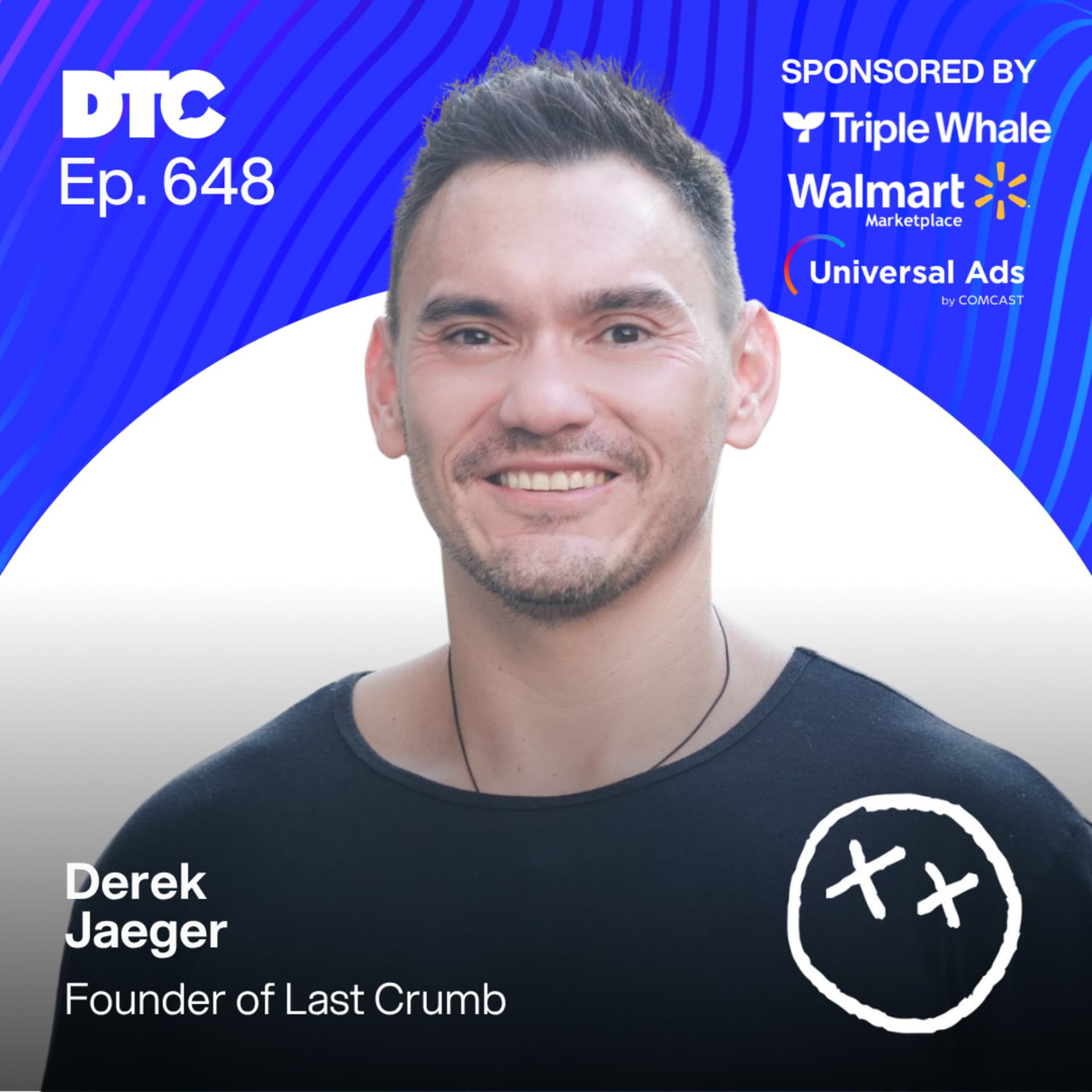
Ben and Boone (co-founders of Highland Style Co.). Ben focuses on marketing; Boone on operations/finance/product. They met at CU Boulder and started mixing natural hair products in a Denver apartment during/after college. They later built with a contract manufacturer/3PL and a lean team (4 full-time employees plus contractors/agencies). Advisor: Oliver Zak (Mad Rabbit founder). Creative director: Brendan; packaging designer/right-hand: Jack; customer service handled by Boone’s wife.
Key claims
Two SKUs drove eight figures; target ~80% gross margin; ideal 3–4 month CAC payback (3–6 tolerable); Meta founder-led storytelling unlocked scale; “don’t chase the dollar—solve your own problem”; retention (email/SMS, Klaviyo, Postscript) and great packaging/customer service drive repeat.
Notable examples
Rollins Barbershop (Boulder) as early wholesale validation; celebrity groomer Courtney Housen and product sightings in hair of Joe Burrow, Jay Shetty, Bill Nye; GQ/Esquire grooming awards (best hair clay/cream, 2023); Amazon “catch-all” after joining about a year late.
Written by AI. May contain mistakes. Listen to the episode to check what was said.
Chapters
Tap a time to open that second in VOHighland's Focus on Profitability
0:00 to 0:42
Learn about Highland's journey to achieving profitability with minimal SKUs.
“We are not trying to just chase the dollar.”
The Origin Story of Highland
1:00 to 3:17
Discover the personal journey that led to the creation of Highland.
“And to anyone who is fortunate enough to engage your content, you make all of us better.”
From Concept to Market Validation
3:17 to 4:39
Hear how Highland validated its concept through local salons and barbershops.
“And I have these curls that I wanted to, to let shine.”
Fundraising Journey and Bootstrapping
4:39 to 8:20
Understand Highland's approach to fundraising and bootstrapping the business.
“That led to us getting it into a couple of local barbershops and salons, which was kind of that first point of validation.”
Balancing Unit Economics and Product Development
8:20 to 10:23
Explore how Highland focuses on unit economics while developing natural products.
“I think we raised like 150 grand from friends and family all in kind of over the course of like a rolling six month raise, which was great experience on its own.”
Scaling Through Storytelling and Media
10:23 to 12:39
Learn about Highland's effective use of storytelling in scaling their brand.
“Talk to me about when you started to scale it, essentially.”
Understanding Consumer Connection
12:39 to 14:00
Find out how Highland connects with consumers and captures market share.
“that they're going out of their way to buy it online.”
Evolving Content Strategy at Highland
14:00 to 17:40
Learn how Highland's content strategy has shifted to reflect brand values and storytelling.
“They're looking for a brand, like Ben said, that is a reflection of themselves and their own values.”
Growth through Product Development
17:40 to 21:02
Discover how Highland reached eight figures with just two SKUs and plans for expansion.
“And, you know, it's an evolving story, has been saying.”
Operating Lean with a Small Team
21:02 to 24:26
Understand how Highland operates effectively with a small team and focuses on unit economics.
“I want to go back to something you said, though, Eric, because you were talking about kind of the scale we're at today.”
Show all 16 chapters
Unit Economics and Customer Acquisition
24:26 to 27:50
Explore the importance of unit economics in media buying and customer acquisition strategies.
“And it allows us to turn really negative experiences into positive ones too, even if it's something out of our control, like a USPS delivery issue.”
Retention Strategies for Repeat Sales
27:50 to 28:01
Learn effective strategies Highland employs to drive repeat sales and customer retention.
“leave their home a little bit less, but you guys are still styling your hair every day.”
Strategies for Product-Based Growth
28:01 to 30:42
Learn about the importance of product fundamentals and customer retention strategies.
“First and foremost, it has to be product-based, right?”
Leveraging Unique PR Approaches
30:43 to 33:16
Discover how unconventional PR strategies can create impactful brand recognition.
“you need that catch all for where a lot of people are going to buy things.”
Building Relationships for Brand Growth
33:17 to 36:31
Understand the significance of relationships in scaling a direct-to-consumer brand.
“But yeah, I mean, GQ and Esquire are just international brands.”
Future Goals and Team Expansion
36:32 to 39:46
Explore the future aspirations of the brand and strategies for team development.
“I mean, being so well-known or, hey, you know, we're certainly open to the idea of a potential exit as well.”
Transcript
Automatic transcript. May contain errors.0:00We are not trying to just chase the dollar. We did this to solve the problem ourselves. We want to tell that story. What's impressive about Highland is that we got to eight figures just on the backs of two SKUs. We were really focused on, let's stay first order profitable. That's the best thing we can do. What we learned with our CFO is that we're leaving too much customer acquisition on the table. We were reluctant to join Amazon. We joined a year late. But when we did it, it was such an unlock. You need to be in every channel, on every platform where your customers are. Find people that can make consistent, great pieces of content for your heroes.
0:41Ben and Boone, welcome to the D2C podcast. I'm super excited to have you guys here. We had a great pre-interview a little while ago. Can you guys run us through your hero's journey? Why did you build Highland? Yeah, of course. Eric, thank you so much for having us on, dude. And first, just thank you for your work in the DTC community, the newsletter, the podcast. You make it a better space. And to anyone who is fortunate enough to engage your content, you make all of us better. So thank you. And really excited to be on today. I really appreciate that, man. So the Highland Journey, for us, it started out as my own issue and problem I ran into as a consumer.
1:17I grew up in Boulder, Colorado, which, if you're familiar, is a very health and eco-conscious place. just a really beautiful place to grow up. And I had those values imprinted on me from an early age. My dad too was actually a two-time testicular cancer survivor. So health was just a really prominent topic in our household growing up and something that I grew up really caring about deeply. Fast forward to me as a college student at CU Boulder, which is where Ben and I met and became best friends. I was a social college student caring probably way too much about what my hair looked like and using all of the quote unquote best in class men's hairstyling products from local salons, barbershops, you name it.
2:00And, you know, that got to a point after using enough products and experimenting with enough stuff that it felt really disconnected to me that the very best the industry had to offer is packaged plastic crap, which, you know, the deeper you go into these ingredient lists, the more harmful and damaging you find these things to be. we kind of think we're in this era of clean beauty. And although I think it's gotten a lot better, I think we, as an industry, we have a long, long way to go. That kind of led to my search of like, can I find something that does perform and make my hair look presentable in a way I want it to look?
2:37But that follows through on my core values as someone who cares about my health, and hopefully, you know, reducing my carbon footprint too, or my eco footprint. Finding that nothing really worked, I just started tinkering and ordering like bulk clays, waxes, oils, essential oils, and mixing up on our Denver apartment stovetop shortly after we graduated. You probably thought I was nuts. I did. Yeah. I mean, he would pass me over these samples and it looked like it was just kind of poop in a jar. And I would have to kind of swallow my pride and be like, you know, like, I'm just going to put this in my hair.
3:13I started to think, obviously, really highly of my appearance. And I wanted to make sure that my hair looked good. And I have these curls that I wanted to, to let shine. Right. And I was like, okay, you know, Boone's onto something here. I'm living with him. Let's just see if this actually works. But the early, the early results were, were nothing pretty. Um, no. Yeah. So that was sort of how process started. I had no chemistry background, so it was really just Google before the help of GPT or anything like that. Like looking at what are these ingredients and waxes that could potentially replace the same performance characteristics that the legacy, you know, hairstyling products carry.
3:48That iterative process went on for a while, kind of into the dog days of COVID. And Ben and I, you know, since we met at CU Boulder, and we were in the same strategic advertising and business entrepreneurship track, we shared this, I think, interest in doing something different. Of course, that led to us getting, you know, the same nine to fives out of college that everybody else got, but we still had that interest in our sights, I guess. So during COVID, we kind of had a look at each other. We had friends coming down to our apartment, taking these little cardboard paper pucks that we were packing our glacial clay pomade into and trading it in for their brands that we, I guess, don't need to name here today.
4:27But we were kind of onto something we thought. And during COVID, we realized we were going to be in our apartment for God knows how long and said, look, this is kind of the closest thing we've got to a business. Let's see where we can take this. That led to us getting it into a couple of local barbershops and salons, which was kind of that first point of validation. And to us sort of prove that we could overcome that stigma that exists within the professional industry, that natural products don't perform the way they need to. Like Tom's deodorant. I love talking about it on this podcast all the time, like it makes you smell worse or me smell worse than I would without deodorant.
5:01poor tom yeah yeah i know it's just so true he sold a long time ago i think we're fine he's fine okay yeah he probably made out like a bandit um but that's that's kind of how the the whole journey started we started selling you know a little bit here and there online we're making it in our apartment stovetop and then in my basement at our next house here in a kitchen aid mixer and you know for so long we heard like you guys got to find a manufacturer if you want to scale this up but i think you're reflecting back in those you know such a pain in the ass like hours spent just to make 30 of these cardboard tins.
5:34We're lucky to kind of prove our concept in that manner. I think that there is a greater market for this, that it wasn't just my own personal issue, but that consumers kind of shared this sentiment of, of wanting a brand that followed through on more values than just, Hey, how does your hair look today? But like, what are the deeper consequences and impact of wearing that product every day? And it has to work. And so you went to, so to validate it, you went the professional route first where you literally, these people are styling dozens of people's hair a day. And so it would have to work for them.
6:04And when it did, you had great product validation, right? Yeah. I mean, we brought it into the barbershop for the first time. I think we had some sort of into the barbershop and that owner, shout out Anthony. He's still with Highland today. He's become a partner of Highland, but it's, you know, Rollins Barbershop out in Boulder is one of our biggest wholesale accounts to this day. He brought it in and, you know, when he started liking it and wanting to be more part of Highland, And, you know, we had barely done any revenue yet. And we thought retail was going to be this retail as in, you know, barbershops and salons.
6:32It's going to be a massive chunk of the business. You know, obviously now DTC podcast, you know, DTC is a huge, huge, huge part of it. And not to say that retail isn't or will become one. But yeah, I think we proved out early and we were never really not confident in the product itself because we had people like Anthony and all of his stylists and barbers coming to us and raving about it, you know, from day one. So I think that was really, really great to hear, you know, as we are still kind of packing this ourselves at Boots Basement. So when you went to take it to the next level from the kitchen, did you look at fundraising or did you decide you want to bootstrap?
7:09Yeah, it was such an interesting time in the landscape. And, you know, Ben and I maybe knew a little bit about business, but not a lot. But it was really interesting, I think, during that kind of COVID era where a lot of these direct-to-consumer brands were raising well beyond probably what they should have been, evaluations that they probably shouldn't have been. And money was getting handed out left and right. And all these brands were spending all of their money on acquisition, saying, we'll figure out profitability later, right? And for many of those brands, unfortunately, it didn't work out.
7:40But it was a really interesting time for us to be on the sidelines and making this product in our basement where we got to have an honest look at each other and be like, there's a different way to do this. Hopefully, you know, let's let's figure out how to get that first dollar of profitability, because once we do, you know, we can, in theory, keep keep running this business alongside each other in perpetuity. So that was kind of the goal. We did raise a little bit from friends and family, you know, and we took it really seriously, like creating little pitch decks and getting on the phone with moms and dads and friends and family and and going through the going through the process of trying to pitch them.
8:14And, you know, not just asking for a handout, but proving to them, trying to prove to them why we were worthy to take a swing on. I think we raised like 150 grand from friends and family all in kind of over the course of like a rolling six month raise, which was great experience on its own. And, you know, I think that that ended up being plenty of money for us to go out and, you know, build our first two products with a legitimate manufacturer who helped go through the process of dealing with like truly natural formulations, which is really tricky and challenging in its own right and has so many inconsistencies.
8:49But, you know, we do still consider that to be really bootstrapped in a day and age where venture capital is king, right? Right. And part of what you built here really goes into the obsession with unit economics that you guys kind of came out of the gate with. Can you talk a little bit about how you balanced unit economics with product development? Yeah, that's such a great question. And, you know, especially like back to the natural formulations thing, when you're using natural plant derived ingredients, they tend to be more expensive than the synthetic stuff. And when you're giving a shit about packaging and trying to do the best you can for our environment by using materials like aluminum, that too comes with an additional cost.
9:29So we had to like dig in and work with people and take advice from people who are smarter than we are. We were really fortunate to get connected to Oliver Zak early on, the founder of Mad Rabbit, who has become a great advisor to us and sits on our cap table today. And, you know, he connected us to a bunch of different people in the industry and he walked that road of being an early first time founder and and, you know, going the venture capital route, too. So we were fortunate to not just trust our own instincts, although we did do that too, but really leaning on the experience of others. For us, it was about trying to get to around 80 % gross margin on our products.
10:07And that's roughly what we try to target today still to try to support. Can you go out and acquire customers, you know, try to get close to first order profitability and build something that is actually a sustainable business? Not from an environmental perspective, but like, can you survive? Keep the lights on. Yes. Yeah. Talk to me about when you started to scale it, essentially. Was Meta the tool of choice? Yeah, it was. I mean, and kind of to backtrack a little bit too, this family friend's round was to get us off the stovetop. Oliver was pivotal in introducing us to our now current contract manufacturer and 3PL who helped us recreate our natural formulas and helps us to this day for new formulations.
10:48But when we got off the stovetop and they were able to recreate it, we knew that we could scale. So we actually had a friend out of college who offered, you know, we, I think we posted a story and we're like, you know, we have no experience in media buying. We have no experience in running ads or creating content. You know, we have ideas for how we can, you know, paint the picture and tell the story and, you know, make it about Boone and myself and how we are not trying to just chase the dollar. Like we did this to solve the problem of ourselves. We want to tell that story and what's missing in the current industry.
11:20So we got with this guy and shout out AJ. He helped us get to where we are. And he kind of came on and helped manage the media buying side of things while we had our current first time employee, Brendan, really, really make us look like an eight figure brand before we were from day one. And he helped us tell that story. And we were really skeptical about Meta, especially after the iOS updates. You know, we were not going into it being like, you know, this is going to be, we're not going to be a DTC business. Like we're going to try this out. We're going to see if it resonates, but we're really going to try to push barbershops and salons.
11:54We know it works there right now, but let's just try to tell our story. We'll have Brendan, you know, with his awesome equipment, help us tell those origin stories. And lucky enough, you know, within the first few months, that origin story founder-led content really started to hit in the meta machine. And, you know, we started kind of building upon it, telling that story through the lens of the salons and barbershops that we were partnering with, helping us build that credibility from early on, which I think just kind of humanized the brand as well, because it was just us behind the camera. We didn't know what the hell we were doing.
12:25Also, we were just trying to be like honest and conversational. And I think it really, really went far. But I think we started in December of 2023, something like that, when we started running Meta. And then from there, it's kind of just scaled into this beast. You don't generally think, you know, hair care products or hair gel for men more particularly, that they're going out of their way to buy it online. But I guess your story-based content kind of hooked people in. I think it's a great lesson that when you're trying to sell something that might not be traditionally what gets bought on those platforms, like storytelling becomes that much more important.
12:58It was essential. It was essential in us building the business. And I mean, if you're looking at all of these, you know, Walmart, Target brands that, you biggest household named haircare brands, there's no person behind it. It's not personable at all. You don't feel excited. It's not a representative of what we like to do and our athletic nature and telling it about how we're fashion forward and who we are as people of how can we get people to buy into the mission. We felt so disconnected to everyone that every brand beyond just haircare and personal care as well. How can we shake that up and tell a story that actually resonates?
13:30And I feel like we didn't do that on purpose. We were just being ourselves. And I think it just hit from day one. That performance is so important, but I think it validated it for us. Maybe we didn't even know how big the issue was for us as hair product users from the beginning because all we thought is this product doesn't speak to me. But I think the route we tapped is a lot of other people, men and women alike, are experiencing this where this industry for some reason is lagging. And yes, maybe they're delivering performance, but they're not kind of capturing that holistic view that customers are looking for today, where they're not just looking for performance.
14:08They're looking for a brand, like Ben said, that is a reflection of themselves and their own values. And that's something you absolutely need in 2025. And I think that's one of the main reasons that Highland has been able to take up a little bit of market share and become relevant here in the space today. How has your content game evolved? I think in our pre-interview, we talked a little bit about even just recently the 2023 playbook kind of running a little bit dry. So I'm curious, how has your social scaling evolved over the years? Yeah, I mean, you're right. The 2023 playbook has kind of died down and we can get into more of that.
14:43Like that's I feel like more on the media buying side and like how you're setting up your systems too. And we're grateful to have a lot of great people on our team that help us really get into the weeds of that while we're kind of more over high level overseeing. But in terms of the content pillars, how we've kind of evolved to think about is we want to keep it simple, right? We want to keep it to three main pillars, right? If founder led storytelling, that's including brand storytelling as well. You know, what are we doing day to day? How are we thinking about new product development? How are we thinking about telling the story and evolving the story with our current products as well?
15:15And, and how boom is saying they're a reflection of ourselves and where we want to take the industry. So that's one. And that's kind of where we started. And then we were like, okay, cool. Like, how can we find the experts in our field and tell that story through them as well? So I think we did a really, really good job also unintentionally from the beginning of tapping into that professional network of salons and barbershops. How can we have them honestly tell the story of their personal experience, which were genuine? And, you know, if you're going to a barbershop, you're probably going to listen to the person cutting your hair and what they're recommending to you.
15:48So how can we kind of tap into that content wise? Also, from day one, we were lucky enough to get connected to a celebrity groomer. I'm still on our team, Courtney Housen, around in LA. We love her and she's awesome. And she's connected us to a lot of awesome people similar to her in the space of how can we get into high profile hair and get them to fall in love with the product in scrappy ways, red carpets, campaigns, photo shoots of where Highland is being used as the hero product to achieve those styles for the likes of Jay Shetty, Joe Burrow. I mean, the list goes off. Bill Nye, which was hilarious.
16:20Um, Oh, nice. Yeah. That was really funny. Um, I just saw Joe Burrow on your site too. I think that's such a smart way in to, to, rather than trying to get the celebrity, you go to the groomer and then does the groomer. Okay. You guys using the celebrities image in the, like, I guess they're just looking for more publicity, right? That's it. We're promoting the groomers content. So it may be a little bit of a gray area to be honest, but, um, you know, we're so proud to see our product in Joe Burrow's hair, but the lens we come at it through is let's promote this groomers content. And yeah, that's been a huge point of validation for us.
16:53And Eric, you asked about like the evolution of that content. Those pillars I've been speaking about, those are constantly having to evolve too. Like that being founder led was something that we, I don't think we ever like sat down and said, we need to do this. We just kind of backed into it and discovered that to be important and successful for the brand. But less and less these days, do people care about, okay, yeah, you made this product on a stovetop. Like how do you evolve that story now. And for us, it's about, you know, becoming a bigger voice within the industry and trying to evolve clean beauty and take things a step further, creating that unmatched performance with really clean and effective lines of products.
17:30So those content pieces and storytelling, that has to change too, right alongside all of the media buying strategy, which as you know, is constantly evolving. Right. Yeah. And, you know, it's an evolving story, has been saying. We don't have it all figured out forever. We're going to have to keep putting new caps on and thinking about it in different ways. But for everyone listening to this right now, we, eight-figure brands, seven-figure brands, we think that if we could go back and tell more people, finding the experts in your specific industry, whether it's a fragrance expert or a dermatologist, finding those people that have true credibility in your space can help you tell your story in really meaningful ways that give you that extra oomph and like, and really make you appealing to the everyday consumer, which maybe, you know, maybe they don't know much about hair care, but they can help kind of paint the picture for you in really creative ways.
18:21So I think that's been a really good pillar. The third pillar, just real quick to brush over is just at home, UGC, honest people, everyday people, aspirational though, for us, you know, we always want to make sure that we're creating content that people want to aspire, you know, their hairstyles to look like day-to-day or their health or beyond any of our other pillars, sustainability, but telling it in a very native kind of way, organic feeling. What can you guys say about where you're at today in terms of scale? We're into eight figures. You know, we're not anywhere close to nine yet, but we definitely have our sights set on it.
18:53I think, you know, what's a little bit impressive about Highland is that we got to eight figures just on the backs of two SKUs. And to, you know, to anyone listening, I think if we could have gotten a little bit more serious about product development and product line expansion early on. We're now looking at that as obviously a huge, huge lever for growth as we enter 2026, just around the corner. Wish we had got on that a little bit sooner. Definitely be thinking about expanding your line and your offering, not just for average order value in LTV, but inviting more people kind of into your brand tent.
19:25How many products are you up to now? Just three SKUs. Three SKUs, okay. We have a few more in development that we're really excited about, you know, expanding. Obviously, continuing to own hair is our primary focus, but I think some of our customers can get really excited about us starting to branch out of hair a little bit too as we move forward. Is the pomade still the hero product? The pomade and the cream are the hero products. They kind of go back and forth a little bit, which is cool to see the pomade, I think still is sort of that bread and butter. That's our origin story. So I think it only makes sense, but you know, trying to scale the other product up as well.
19:57And hopefully we can get some new launches to go and compete with those two, at least from a revenue perspective, but not cannibalizing. Right. And we only launched our third product, the wash in March. It's been barely six months. And we've been, it's been really cool to see it kind of evolve into this retention kind of product. And our existing customers really love it as they've been using our pomade for years and they now have a shower product too. So try to think about that in regards to product development, how can we keep building upon that story and creating offerings that have, you know, have never been seen before are incredibly innovative compared to what's out there that go beyond just cleansing or styling, but like really leaning to the longevity of hair and scalp health.
20:38That's just it because there's such a move. There has been such a movement for, for health and wellness as a whole. And people are getting into sauna, cold plunge, eating well, exercise. And like, this is such an easy lever to pull to just upgrade your routine to a product line that matches that, that matches your day-to-day routine and your core values. So I think personal care is going to continue to grow and move into that space. I want to go back to something you said, though, Eric, because you were talking about kind of the scale we're at today. And we can talk about from a revenue perspective, but I think it's equally important to your listeners probably where we're at internally.
21:15We've got here with four full-time employees. We have a lot of help outside of that. But I think that's what's been successful for us and what we would encourage others to do. It's allowed us to stay really lean so that, of course, you got to be focused on your unit economics on the product side, but on your operational expense side too. How can you stay as lean as possible? Maximize that kind of revenue per employee metric that is becoming more and more talked about. Get the most out of your team. Of course, not with burying everybody in work, but leaning on agencies and contractors where you can, things that are easy to move in and out while taking care of your core team.
21:54We're really focused on lifting each other up as people here, you know, building careers for people, you know, just taking care of the Highland family, of course. How have you guys divided? Are you a two-headed monster or how do you divide the labor among the two of you? Oh, man. I mean, yeah, like that's such a crazy. Yeah. Yeah. There's not one answer essentially, you know? Yeah. Like long story short, we wear a ton of different hats. It's been really cool. I mean, as our business has entered the eight figure range, we have to own certain areas. I can't always be in Boone's business. He can't always be in mine.
22:25Right. So we have to, there's that trust factor and like that co-founder relationship. I know we really wanted to get into is like, you know, it's hard to start a business with your best friend. You have to, I mean, there's been bumpy moments and I mean, outside of just work as well, but But like that respect and invulnerability you have to have with a co-founder, like I wouldn't be able to do it without this dude. And I know me for him as well. Like I can't imagine anyone growing a business without a co-founder. I saw you had the rotten guy on as well. He's a solopreneur. He is. Which is kudos to him, man.
22:57That's insane. It must be lonely, honestly. But anyway, I mean, I don't even know what we were talking about at that point. But yeah, it's naturally kind of divided. Like Ben has always sort of veered towards that marketing hat. I've been more on the operations, finance, and product development side of the business, I guess. And the four of us, we just moved into our first office in downtown Denver, which is super exciting. It's fun to build that kind of culture and camaraderie. And there's a ton of overlap, but, you know, we're still trying to figure out how do we own that? And more importantly, how do we delegate outside of the business to these agencies, to these contractors who can help us continue to scale and get the most out of our own day-to-day without being just completely buried in work.
Read the full transcript
23:38A four-person, eight-figure team. What are the other two people doing? So Brendan is our creative director, really. I mean, he's a world-class video editor and photographer. We're trying to take some more work off of his plate because he is so siloed into the content side of the business, which is great. He's great at it. And then we kind of have a right-hand man, Jack. He is our packaging designer. You know, all of that's done in-house. He helps us with a million different things, design and website, technical, really wherever we need them. And actually, my wife now does all of our customer service.
24:13It's kind of interesting, I think, too, because in the world of AI, like everyone's trying to automate that. We want to go the other way and be like, how can we take every single email and make it this super personal experience and connection to the brand? And it allows us to turn really negative experiences into positive ones too, even if it's something out of our control, like a USPS delivery issue. Now, all of a sudden, we would have never been able to engage with that customer. And now we have that face-to-face communication or email-to-email and can make a really special memory for them about where Hyland lives in their mind and hopefully win them as a customer for life.
24:49You mentioned like a CFO that you've worked on merging your media buying with your CFO team, which I think is interesting because you brought up unit economics as such an important integral part of getting started, making sure you have that in your DNA. And then I think all the smart media buyers and marketing teams that I talked to now are really thinking about unit economics right down to what ads they're obviously pushing. I'm curious, what is a payback period workbook and why did you build that out? Such an unlock. And our media buying agency today, they weren't going to take us unless our unit economics were in the place where they needed to be.
25:22So I think it's like on a bigger level, it's really cool to see hopefully media buying moving that direction where it's more tapped into the financial soberness of a business. And if it's actually going to work, you know, so for so long marketing and finance has been siloed, marketing is just spend as much as you can. And this payback workbook, I'll let you talk about it. But it's been all about like, you know, underspending is a huge problem too. If you're leaving customer acquisition on the table and overspending is going to kill your business. So like this payback workbook for us has helped us to really identify what is that sweet spot of losing money on first time purchase, but not getting over our skis, basically.
26:03Yeah. Staying efficient too. And like, yeah, just to touch again, like there has been that stigma of marketing teams hate finance teams and vice versa. Right. But if you can get them to work together, that something beautiful can be born. It's true. But I think, yeah, understanding your core metrics, like how the frequency of purchases, your repeat, your LTV, and having those as inputs into this workbook as well. And Bruno and I were talking about this before. We will try to maybe provide you a link to your listeners as well, some sort of the skeleton of this workbook, because we think it really is essential, especially for people that might be struggling.
26:36And how much should we be spending? Should we be, you know, our end CAC is here, but how can we go higher? You know, will that turn into a better LTV to CAC ratio? Like what they, you know, people understanding more about their, the inner workings of their business. It's essential when you're trying to scale and where, you know, we are trying to scale, especially with the product expansion and channel expansion too. So I should say like every business is different too. Like it's not the same numbers for every business, of course. Like for the longest time we were really focused on let's stay first order profitable.
27:07That's the best thing we can do. And it's efficient, right? That's great. But what we learned with our CFO and with this marketing exploration is that we're leaving too much customer acquisition on the table. For us, we've identified like this three to four month payback window being ideal and like three to six month being tolerable. Like staying in that window has made it, has really crystallized a lot of our efforts as to like what's going on with spend and how do we go and scale our accounts from here. What's been most effective? You know, you guys have been very effective at generating that first sale, you've built this great sticky brand, literally sticky brand, but it's also with your customers.
27:41What's been most effective at driving that second sale? Because that's what makes unit economics work, I guess, is when you've got people coming back again and again. And it's not a, I guess there's people that style, I guess in the COVID era, people maybe leave their home a little bit less, but you guys are still styling your hair every day. How are you ensuring that people come back again and again? Creating a good product. First and foremost, it has to be product-based, right? Your product has, You can sell anything once. It's kind of our thinking on things. But that second purchase is key.
28:09I think we've, you know, we're not such gurus here that we're going to give your listeners probably the secret sauce. You've got to have good fundamentals on organic, on ads, on retargeting, on email, SMS. And, you know, we've been getting a lot smarter there and fortunately getting those good fundamentals in place. Amazon, such another important channel to be appearing in, of course. We'd like to see really strong repeat there as well. What do you think has been other big unlocks? I mean, yeah, there isn't one answer. I think we have a buttoned up strategy in terms of retention. Of course, the fundamental flows and automations for SMS and email.
28:50Klaviyo for email, PostScript for SMS recently. you know, obviously testing out LPs and, and going into the weeds of whitelisting. And there's all these things, you know, that were just kind of, you know, like it's things that are going to evolve, right. It's, you know, we're always still learning about all the different hacks and whatever, but we know that that can help tell our, tell our story, especially as we kind of try to evolve our offerings, especially with landing pages too, of like, how can we tell the right story to, let's say, a male in their 50s, right? And how can we tailor the experience through and through for where they see an ad, but their entire experience is someone with their hair type, someone that is with the same demographic.
29:30And it's something that we're thinking about more and testing out new things like direct mail. There's all these really cool ways to activate. And I think it comes down to offer too. And we're really excited to build upon these as we know that product expansion will be kind of the key to that. There's all these hacks, right? For how do you optimize on the online side of the business? For us, nothing beats the actual in-hand experience. So yes, of course, product, we already talked about it. But that cut that receiving experience too. What does the package look like that shows up on the doorstep?
30:04How is it resonating with them in a meaningful way when they open it to all of the post-purchase communications? Do they feel like they're being well-educated enough. Like, I guess the best thing we could stress is like, yes, get your fundamentals on the online side of the business, email, SMS, everything buttoned up. But don't overlook what a really great shipping and delivery experience can look like to follow it up with great customer service. And Amazon as a necessary catch-all. Yeah. I think that's, I still run into the occasional brand who's maybe so precious about their brand experience that they're not interested in being on Amazon.
30:41But it's like, when you're investing this much into storytelling and brand building, you need that catch all for where a lot of people are going to buy things. Dude, that was awesome. You need to be in every channel on every platform where your customers are. And unfortunately or fortunately, there are a lot of amazing brands on Amazon these days, but we were reluctant to join Amazon. I think we joined a year late or even more, but when we did It was such an unlock too. And it's a trusted platform where let's say, you know, we have a TikTok strategy. Not everyone really trusts TikTok shop, for example, but it's this halo effect.
31:14We know people are coming from meta. They're coming from YouTube. They're coming from TikTok. And they're going to take advantage of the prime batch and the experience on Amazon. And we can't neglect that as we grow. You mentioned here, and we don't do this enough, but you mentioned that you've got a few strange and or scrappy strategies. Can you talk to me about some of these strange or scrappy strategies you've used to scale? For sure. Well, that's where we were like, Ben and I were talking yesterday, you know, with a little bit of imposter syndrome, looking at all the incredible guests you've had on Eric and just like people who are so much more knowledgeable with specific niche inputs on like how to manage the direct consumer side of businesses.
31:51So Ben and I are like, what can we do and talk about that is more relatable and captures who we are? You know, and maybe gets a little bit scrappier than your listeners are used to hearing. Like the press side of the business was so important early on. Like we weren't going to go out and pay for a PR agency, but we did want to be appearing in these listicles in GQ and Esquire across the board. You know, women's magazines too, no doubt. We started reaching out, you know, a bunch of cold emails, trying to get product into hands. that was effective to a degree. The one thing that actually got the glacial clay pomade to win the best hair clay of 2023, which is crazy on its own that this small brand from product made on a stovetop can win an international grooming award with nine ingredients from guys who know nothing about chemistry is special on its own.
32:40But kind of what got us there is we figured out the guy who writes a lot of these articles published a book. We went and bought his book, read his book, sent him a picture of us holding the book and nurtured that relationship a little bit. I think you just have to look for really think outside the box for ways to get noticed. And that PR probably led to a bunch of more PR for the business sense. How did you get involved? How did you win a European grooming? How did that come about, the award that you won? So I guess they do them internationally, right? Yeah. So it was the Esquire and then the GQ grooming we won for the cream as well.
33:16for the best hair cream. But yeah, I mean, GQ and Esquire are just international brands. And how big has that been, do you think? Is it hard to quantify the halo effect of that sort of social proof? Yeah, I mean, it's great credibility, right? And I think it was really essential in helping us tell that story. And we've gotten a plethora of press since then, of course. But I don't know if it will move the needle in ways where maybe people listening would imagine. It's definitely really cool to show up in listicles, like Boone was saying, and winning all these awards. But we have some beef with the way some of the awards are how brands can take advantage of the awards.
33:51We don't have to get into – Like pay to place kind of stuff? Pretty much. Not pay to – like win the award. But then to talk about it is a different thing. Yeah. Okay. Anyway, it's a whole – it's a very lucrative business I can imagine, you know, especially for – I don't know. It's a little predatory. But now that I think about it, I think other ways – Live by the sword, die by the sword. Yeah, exactly. And then another scrappy thing, getting early on into the celebrity hair has been obviously great. We talked about that. I did want to touch on a couple other or just one other really big point right now, unless others involve.
34:22But finding creators, right? We know affiliate. We know influencer can be really powerful if done correctly. We by no means are experts yet. It's something we are really excited to invest in and are already invested in growing the program. But finding people that can help you tell your story, like I was saying earlier, that are in the UGC pillar of content, that are aspirational, that believe in the product first and foremost, and that are just like you're friends with, right? That have a little bit of a following. Shout out Dave. He's been a really, really amazing partner of ours for years at this point.
34:53And we have a great relationship with him. We made a custom jacket for him. We take care of him. We want to take care of people like him. So I guess advice to people trying to figure out like, how can we have this flywheel of creative coming in that, you know, we don't have time. We were a lean team. We don't have time to create creative all the time. How can we get other people to help tell that story? Finding people that can make consistent, great pieces of content for your heroes. And then, and then working with that. Really investing in that early. Really investing in the relationships. Those relationships.
35:24Exactly. We couldn't afford people back in the day. Right. And like, you know, we didn't have any dollars to spend, but if you can send a free product, If you can, you know, you never know what the actions that you do on a day-to-day basis, how that's going to unlock the future, you know? And, you know, we only really work with people that are word of mouth. We really invest in our network and we take it very seriously. Just to tie that whole thread together, everything for us is relationships. Yeah. The people we work with, our own relationship, like we have not worked with a single agency who isn't a warm intro through word of mouth.
35:55And that's kind of how we built a business. And for better or worse, you know, it's worked out for us so far. But I think it's the people you trust and building trust with other people from not just influencers, but contract manufacturers and agencies, you know, down the line. What are your goals with this bad boy? It's a great question. I mean, we want Highland to go to the moon. We want it to be a household name brand. And we'll see if we end up, you know, trying to become the new legacy brand of hair and personal care. What is that? Dippity-doo? Did they still have Dippity-doo? Is that a thing?
36:31That was when I was a kid. Yeah, yeah, yeah, yeah, yeah. Exactly. I mean, being so well-known or, hey, you know, we're certainly open to the idea of a potential exit as well. But for now, we're just trying to keep things in our control, focusing on our immediate steps for next growth. And if we can maintain profitability and be a business that doesn't need to sell, we know that's going to open more avenues for us. So for now, it's not getting over our skis. It's growing the product line. It's being incredibly intentional and driven by making our customers' lives better, giving them products that help them feel their best, look their best, and are a reflection of how they feel.
37:09We still consider ourselves a small brand. So I think that's served us well so far. And never losing touch with, you know, why we started this thing in the beginning, even if we get to, you know, nine fingers one day, right? You know, that's when, yeah, when, sure. Yeah. It's the antithesis of how we wanted to start the brand of seeing everyone else doing their lame ways of operating. Do you see any big hires on your horizon with a team at your size? Do you see yourself needing more specific, you know, talent acquisition? Or do you see doing that mainly through contractors or agencies? I know Ben and I have learned a lot, but we're always looking to people who know more than we do.
37:46I'm sure at some point we are going to try to bring in people who can help us take the next step, whether they're internal or external hires, who knows. But like one thing we're really focusing on right now is, you know, we talked about Brendan and trying to take creative off of his plate. We think because we've gotten so focused on trying to fix the meta system that we've maybe taken our eye off the ball a little bit on continuing to build brand and build a moat around brand and, you know, really taking up real estate in people's minds as the hair care brand they should trust. So that's a big focus for us in 2026.
38:16You know, maybe we'll bring on more creatives to help us tell that story, but go into taking the next step and really getting building Highland as a brand, of course, continuing to hit on the fundamentals with all of the direct to consumer stuff. But there's just there's so much we can do. What else? What would you say is a key hire? I think as we start to round out a couple of our lines and hair specifically, even I think channel expansion is going to be big, whether that is an external hire, an agency, a liaison of sorts to help us get there. ahead of retail would be probably a pretty pivotal hire for us in the next 12 to 18 months.
38:50Again, it's an ever evolving story. And I think what Boondah said is more immediate. Are you guys following David Gaylord at all from Bushbaum? No, no, I haven't. He's an Ottawa. Actually, I'm going to go see him at this Ecom North conference next week. But his story reminds me of yours. And I think he's just like really crushing retail lately. So we'd love to connect with him. Yeah. Yeah, I might. I'm going to mention you guys, maybe send over an intro. but thanks so much for taking the time today, guys. This was super interesting. If people want to follow your journeys, you recommend maybe they reach out on LinkedIn?
39:21Personally, yeah. They can reach out on LinkedIn if they want to follow the brand. It's just Highland Style Co. Spelled accordingly. Same on Instagram. TikTok, Instagram, Facebook. www.highland.style. Yep, that's our site. Nice. Yeah, follow along. Eric, it's been such a pleasure. Thank you so, so much for having us on. And again, for all you do for the DTC community, dude, we look forward to catching up soon. My pleasure. All right. Thanks guys. Thanks so much for listening to today's episode. If you're not a subscriber to our newsletter, you can do that right now at direct to consumer, all one word.co.
40:00I'm Eric Dick, and this has been the DTC podcast. We'll see you next time.
From the publisher
Subscribe to DTC Newsletter - https://dtcnews.link/signup
On this episode, we speak with Boone & Ben, co‑founders of Highland Style Co., a clean‑ingredient men’s grooming brand that grew from kitchen‑experiments to eight figures in revenue. We dig into their growth journey: how they built performance products, retained customers, and scaled unit economics without losing the values that launched them.
What you’ll learn in this episode:
- How to validate product performance early via professional channels (barbershops/salons) to build credibility.
- The importance of embedding unit economics (margins, payback period, LTV/CAC) from day one to ensure scalable growth.
- Three content pillars that moved the needle for Highland: founder storytelling, expert endorsements, and aspirational user content.
- Real tactics for retention: packaging, post‑purchase experience, SMS/email flows, and repeat products.
- Why staying lean in team & operations matters, and how to hire/contract strategically to keep agility.
- How clean beauty standards (ingredients, packaging) can coexist with performance and profitability.
Timestamps
00:00 The origins of Highland and solving a personal problem
02:00 Early product development and validation with barbershops
07:00 Bootstrapping, fundraising, and focus on profitability
10:00 Building strong unit economics and targeting 80% margins
12:00 Meta ads and founder-led storytelling that drove growth
15:00 Evolving content strategy and leveraging industry experts
18:00 Scaling to eight figures with only two SKUs
21:00 Staying lean with a four-person team and efficient operations
25:00 Merging marketing with finance and building a payback workbook
28:00 Retention tactics and post-purchase experience
31:00 Expanding to Amazon and why it was a growth unlock
32:00 Scrappy press tactics and winning grooming awards
35:00 Building relationships with creators and affiliate partners
36:00 Future goals, brand vision, and plans for expansion
Hashtags
#DTCpodcast #HighlandHair #EcommerceGrowth #Bootstrapping #StartupStory #UnitEconomics #FounderJourney #ContentStrategy #RetentionMarketing #AmazonGrowth #HaircareBrand #DigitalMarketing #BrandBuilding #BusinessPodcast #ScalingBrands
Subscribe to DTC Newsletter - https://dtcnews.link/signup
Advertise on DTC - https://dtcnews.link/advertise
Work with Pilothouse - https://dtcnews.link/pilothouse
Follow us on Instagram & Twitter - @dtcnewsletter
Watch this interview on YouTube - https://dtcnews.link/video