In short
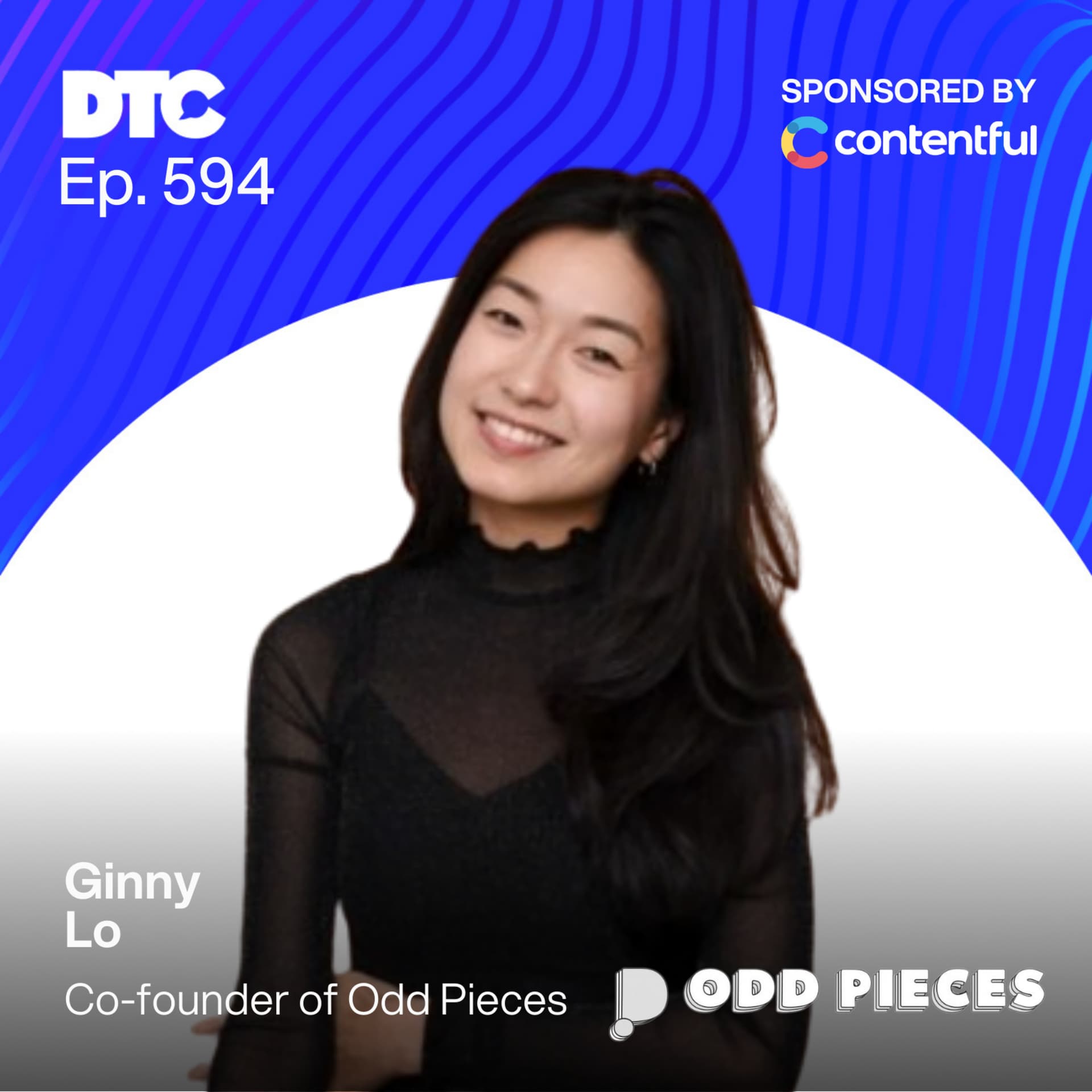
Podcast Episode Summary: Ep 594 - How Odd Pieces Hit $500K on Kickstarter by Reinventing the Puzzle Category
Podcast Overview Podcast Title: DTC Podcast Podcast Description: Discussions focused on direct-to-consumer ecommerce brands, marketing strategies, and scaling tactics.
Episode Title: Ep 594: How Odd Pieces Hit $500K on Kickstarter by Reinventing the Puzzle Category Episode Description: Ginny Lo, co-founder of Odd Pieces, shares insights on creating a narrative-driven puzzle brand, its Kickstarter success, and lessons learned along the way.
---
Key Discussion Points
Introduction to Odd Pieces
- Founders: Ginny Lo and her husband Terry, with guidance from Tony Yu.
- Concept: Revolutionizing traditional puzzles by integrating storytelling, hidden clues, and comic-style narratives to enhance engagement.
Origin Story
- Initial Inspiration: The idea stemmed from a need for engaging date night activities during COVID, leading to the realization that traditional puzzles lacked excitement.
- Development Journey:
- Transitioned from traditional puzzles to story-driven experiences.
- Focused on building a product that maintains customer engagement through surprises and narrative progression.
Product Development
- Prototyping:
- Initial prototype took over 8 months to finalize.
- Collaboration with artists to visualize complex story concepts.
- Emphasis on playtesting to gather genuine customer feedback instead of just polite responses.
Kickstarter Launch
- Initial Investment: Less than $10,000 to launch the initial Kickstarter campaign.
- First Campaign Success: Raised $500,000 with nearly 10,000 backers, driven by a unique product and effective marketing strategies.
- Kickstarter Insights:
- Customers on Kickstarter differ from those buying on other platforms like Amazon.
- Importance of understanding Kickstarter psychology and creating tailored marketing strategies for this audience.
Learning from Experience
- Sales Performance:
- Subsequent Kickstarter campaigns generated $300,000 and were affected by customer loyalty and purchasing patterns.
- Adjustments made based on data from previous campaigns to improve marketing and sales strategies.
Marketing and Sales Strategy
- Retaining Customers:
- Built into the product's design elements that encourage repeat purchases.
- Focused on creating an "Odd Pieces universe" to foster customer loyalty and engagement.
- Creative Marketing Tactics:
- Utilized Kickstarter-specific creatives (e.g., urgency tactics, unique rewards for early backers).
Future Plans
- Retail Expansion:
- Ongoing interest from retailers like Barnes & Noble but facing logistical challenges in distribution.
- Need for strategic hires to enhance wholesale operations and marketing strategies.
Key Takeaways
- Innovation in Traditional Categories: Odd Pieces demonstrates how to rejuvenate a tired category through creativity and storytelling.
- Importance of Playtesting: Real-time observation of customer interactions with the product is crucial for understanding user experience and improving design.
- Kickstarter as a Unique Channel: Treating Kickstarter as a distinct marketing channel with its own customer psychology can lead to substantial success.
- Need for Strategic Expertise: Emphasizing the importance of hiring strategic marketers to enhance overall business growth and streamline operations.
Conclusion The episode provides a deep dive into how Odd Pieces successfully redefined the puzzle category while highlighting essential strategies for DTC founders. Ginny Lo's insights serve as valuable lessons for those looking to innovate within traditional markets and leverage crowdfunding platforms for validation and growth.
---
Subscribe to DTC Newsletter: [Direct to Consumer Newsletter](https://dtcnews.link/signup) Follow DTC on Social Media: Instagram & Twitter - @dtcnewsletter Watch the Interview: [YouTube Link](https://dtcnews.link/video)
Written by AI. May contain mistakes. Listen to the episode to check what was said.
Chapters
Tap a time to open that second in VOIntroducing Odd Pieces
0:46 to 1:38
Overview of Odd Pieces and its unique approach to puzzles.
“I hope you go find some odd pieces for your friends and family because it's a fun experience.”
Kickstarter Success
1:39 to 2:11
Discussion on Odd Pieces' successful Kickstarter launch and unique market.
“Marketers, you know that feeling when your creative clicks, when that social post sends engagement through the roof?”
The Birth of Odd Pieces
2:11 to 3:38
Ginny shares the origin story behind creating Odd Pieces.
“So at the time, both me and Terry, Terry's also my co-founder.”
Designing the Puzzles
3:39 to 5:33
Exploration of how they designed their unique puzzles and storytelling methods.
“We before this, like we probably both haven't done puzzles for like 10 plus years.”
Testing and Feedback
5:34 to 7:46
Discussing the importance of playtesting their puzzles with friends.
“when you're building it, it's kind of like, okay, yeah, like we knew exactly what we're going to building from the start until we finished building it.”
Creating the First Prototype
7:47 to 14:00
Details on the challenges and processes involved in creating their first puzzle prototype.
“I think the friends part is like, did you sort of went, because puzzles are like a social thing you do with like friends and family.”
The Collaborative Puzzle Process
14:00 to 14:58
Discover how collaboration enhances creativity in puzzle design.
“And then as you learn more, it probably helps you even understand how to put the puzzle together faster, maybe, if you understand what to expect in terms of the larger narrative of the image you're creating.”
Initial Investment and Cost Structure
14:59 to 18:10
Learn about the financial setup and initial costs for launching a puzzle business.
“an even like bigger story than what Terry had initially planned.”
Pricing Strategy and Customer Engagement
18:11 to 21:01
Explore the pricing strategies and customer loyalty mechanics behind the puzzles.
“And did that change or have you picked a price and stuck with it?”
Transitioning to Full-Time Entrepreneurship
21:02 to 22:35
Understand the challenges and decisions involved in leaving a stable job for entrepreneurship.
“Yeah, I could see it like the multiverse in a little bit.”
Show all 25 chapters
The Importance of External Advice
22:36 to 24:34
Learn why having an outside perspective is crucial for business growth.
“Like it was easy in a sense of I knew that Odd Pieces was way bigger than all of the other things that I had going on.”
The Reality of Entrepreneurship
24:35 to 25:36
Hear the truth about the hard work behind launching a product like Kickstarter.
“Most people don't realize what they're getting into when they do it a little bit.”
Moments of Validation and Success
25:37 to 27:08
Discover key moments that validated their business idea and led to success.
“The first day launch, it was like, oh, wow, these are complete strangers who are actually putting their money in to buy this product.”
Kickstarter Insights and Guidance
27:09 to 28:00
Gain insights into Kickstarter strategies and how guidance shaped their launch.
“we are definitely doing something right.”
Kickstarter Insights from Past Experience
28:00 to 28:50
Explore how past Kickstarter experiences shape current strategies.
“I have bought, I bought a posture corrector on Kickstarter many years ago.”
The Role of Kickstarter Agencies
28:50 to 31:10
Understand how specialized agencies support Kickstarter campaigns.
“What kind of agencies do you work with with Kickstarter?”
Kickstarter Campaign Performance Metrics
31:10 to 32:10
Learn about key metrics and performance indicators for success.
“the product and that they will actually convert after they land.”
Evolving Strategies Through Campaigns
32:10 to 33:30
Discover how strategies evolve through successive Kickstarter campaigns.
“But anyways, and then our fourth one, we also did.”
Creative Approaches for Kickstarter Success
33:30 to 36:20
Learn about effective creative strategies that resonate with backers.
“But definitely it's not like a, oh, here, you do your job.”
The Impact of Controversy on Campaigns
36:20 to 42:00
Uncover how unexpected drama can drive traffic and engagement.
“window they're not going to get it yeah like for example the fun one that we did this time was um if they back within these first two days they actually get a chance to be drawn in our puzzle as a character.”
Comparing Puzzle Concepts
42:00 to 43:30
Discussing the differences between Odd Pieces and Magic Puzzle Company.
“And I think they did kind of like when they did come.”
Launch Day Reflections
43:31 to 46:00
Sharing experiences and emotions from the first day of the Kickstarter launch.
“Well, I think that's a great story about how negative attention can have opposite consequences.”
Retail vs. DTC Breakdown
46:01 to 47:25
Explaining the business's retail and direct-to-consumer sales breakdown.
“I guess to DTC, I don't know how you count Kickstarter in that stack, but what does your breakdown look like?”
Critical Hiring for Growth
47:26 to 49:27
Discussing key hires needed to improve business operations and marketing.
“Just for the wholesale side, it does take someone who has that connections to the retailers and to the chain stores and all that, right?”
The Need for Strategic Marketing
49:28 to 50:02
Emphasizing the importance of strategic marketing in today's landscape.
“have a position sitting in that strategist seat.”
Transcript
Automatic transcript. May contain errors.0:00Ginny Lo:Hello and welcome to the D2C podcast. Today's conversation is a little bit different from our usual conversations. Most of the time we're talking to brands that are a little bit further along, bigger teams, bigger numbers, more history. Odd Pieces is definitely earlier than that. Odd Pieces is a story-driven puzzle company co-founded by Ginny Lo and her husband Terry, with early support from Tony Yu, who a lot of you will know from his success at Vessi. What they've built is not just another puzzle. It's a puzzle with narrative, reveals, hidden clues, and the kind of experience that makes you want to start the next one when you finish.
0:30Ginny Lo:So in this conversation, we get into the idea, where it came from, how they built the first version without some huge Kickstarter deck or giant startup machine behind them, what happened when they launched on Kickstarter, and what it looks like to build a really original product from a tiny apartment with a lot of hustle. So here's my conversation with Ginny Lowe, co-founder of Odd Pieces. I hope you enjoy it. I hope you find it inspiring. I hope you go find some odd pieces for your friends and family because it's a fun experience. And on with the show. How much did you do on your first Kickstarter?
0:59$500 ,000. Kickstarter is a totally different game. It's a whole different world. Like the customers are different. How you're doing ads on there is different. The agencies that you work with are different. The fulfillment is different. Everything is different. The people who buy on Kickstarter are very different from people who would buy on a website or on Amazon. We received an email from Barnes & Noble saying that they noticed us on Kickstarter. They just wanted us in their stores. And we're literally trying to build like an odd pieces universe here.
1:38Ginny Lo:This episode is brought to you by Contentful. Marketers, you know that feeling when your creative clicks, when that social post sends engagement through the roof? When your outside-of-the-box campaign hits ROI positive, when a personalized homepage turns prospects into customers, it's utter marketing bliss. Contentful helps you create tailored omni-channel experiences without working overtime. No stress, no limits, only possibilities. Get the feels at contentful.com. Talk to me a little bit about why you created Odd Pieces. Why we created Odd Pieces. So at the time, both me and Terry, Terry's also my co-founder.
2:20He's my husband now, but at the time he was my boyfriend. So at the time we were kind of, we just moved into our first place together. So this was like three, almost four years ago. And we moved into like our tiny 400 square feet apartment. And we were just, it was like our first time moving out of our family home. So we were kind of like trying to survive and scrape by. and we were also in this transition phase in our careers so I had just quit my marketing job at a manufacturing company and I was pretty much doing like surviving off of doing side hustles like doing eyelash extensions for girls doing some freelance marketing projects and selling lash supplies on the side and then on my downtime I would kind of study a little bit of e-commerce and through courses YouTube stuff like that and yeah since we just moved out we kind of had to get really creative with fun date night activities that wasn't that typical going out for a fancy date night because you know that would kind of add up and get kind of expensive if we just moved out and all that so we're just trying to find something actually fun to do that wasn't that typical like Netflix which everyone was doing during that time especially I think during this time.
3:35Yeah, it was during COVID. So yeah, we ordered our first puzzle that we did together. We before this, like we probably both haven't done puzzles for like 10 plus years. So we ordered our first puzzle together and it was fun and we kind of get why people like them, but it wasn't like, oh my God, wow, it's so fun. It's addicting. Like kind of like that feeling that we get from, You know, when you watch a Netflix show, you're like, oh, my God, I have to finish the next episode. Oh, my gosh, I can't wait until next week for the episode to come out. You know, like you want to know what happens next.
4:13So then that's when we kind of thought like, OK, well, if this puzzle is fun, but it's not as addicting as watching a show, how can we make this traditional puzzle into a real story with twists and surprises that come and builds to something to where it's like wanting to find out what happens next in the story, just like a show or a movie.
4:35Ginny Lo:What did you do from there? You had this kernel of an idea that you could improve on puzzles. Your husband is a bit of the creative force. Did you guys just in that moment decide, okay, let's create puzzles that tell a story? What were your next moves after getting this initial idea? After the initial idea, we were kind of thinking, okay, well, puzzles are kind of like the same old. like we were kind of obviously we were in the shopping mode to trying to find these activities we're trying to find cool puzzles online but we couldn't find one that like totally hit all the boxes that we wanted and we found that a lot of puzzles they would be competing on a different image or oh licensing you know a character that you want to be building or a world that you kind of really like.
5:23But it was still a little bit of that predictability that was in traditional puzzles where you see the image and that's the image that you're building. And the entire time when you're building it, it's kind of like, okay, yeah, like we knew exactly what we're going to building from the start until we finished building it. So nothing new was coming. There was no surprise. There was no reveal. There was nothing that wanted to keep us building it. So I guess our next steps were kind of like we were just looking at other puzzles online seeing what we liked about specific ones what we didn't like about them we definitely liked the part where you you don't know what you're building exactly that was something we liked we liked the idea of a story and watching something unfold but there were puzzles that did that but there were elements in there that we didn't like how they were telling the story like through a 20-pager all words of reading, right?
6:23That's where we came up with, okay, we want it to be easy for the person to understand the story. Comic book is a great way to do that and tell a story through illustrations. We want it to be short so that they're not going, like they're buying a puzzle, not a storybook. So we were kind of just going through, looking at all the puzzles online, even like board games, and seeing what we liked and didn't like about each one. And then we put everything that we liked and kind of made it into our own odd pieces, mystery puzzle product.
6:58Ginny Lo:Did you do any research, before you jumped into this, did you do any research on like the size of the puzzle market or like, was it really, was this just sort of a passion project that you guys really worked on and you were like, okay, we'll figure out the market for this after or were you sort of actively gauging the market as you built it out? To be honest, no. A lot of it was like, we did it as it came. You know, like when we started, I didn't even know that it was going to hit. When we even launched the Kickstarter, I didn't know how many people would like the idea at all. So kind of just took it one step at a time.
7:32And when something hits, then we're like, Oh, wow, okay, let's kind of go in further on this. Or okay, like our friends liked it. Let's see if we put it on Kickstarter. Would people like it too?
7:46Ginny Lo:Yeah. I think the friends part is like, did you sort of went, because puzzles are like a social thing you do with like friends and family. How many sort of like friends or family did you run the idea by? And were they all optimistic? I think getting friends validation is a bit tricky sometimes because usually they're always positive. So we would kind of run this idea by people like verbally, they're like, yeah, that's awesome. You know, yeah, I would do that. And then once we actually had the prototype, we actually printed it and we invited groups of friends over. So like groups of three or four different friends.
8:22And we would actually just watch them do the puzzle and observe. Like, are they, where are they reacting? Which clues did they notice? Which did they miss? Or like, at what point do they start unfolding the story and realizing what the mystery was? what types of discoveries do they kind of start talking about it with the other person and that becomes a conversation so we were kind of doing that um with the play testing so back
8:51Ginny Lo:me up a little bit to the actual creation of a puzzle once you have this idea i think the other part of of your puzzle prototype or your idea is it's like a it's not a picture of a of roses it's like an entire scene of like multiple characters, hundreds of characters, potentially each having their own little arc in this 15 second time shift, which is pretty cool. Talk to me about making your first puzzle prototype. Well, our first prototype, it took a long time to make, like not, I'm not talking about the printing process. The printing process was super easy. We literally just printed it at a print and demand shop where you like print your own puzzle.
9:30but it's the even finalizing the concept and the worst part is like we can't we're not we can't draw so even if we're visualizing the concept in our head we need the to find the artist who can understand the concept because clearly they've never drawn anything like this before it's like a new concept so we have to explain the concept they have to understand it and then they have to put it on paper and while we're doing that of course we have to refine the concept oh okay actually this doesn't work or no it has to be way more zoomed out so we see like more characters and more details um so there was a lot of back and forth like I think the first art itself probably took like more than eight months for us to even put it down on paper like for example like this is one of the parts but before it was totally not it didn't look like this like it wasn't as zoomed out you couldn't fit as many characters or maybe the characters are bigger but um it doesn't work too well if like we want every piece that you place you actually see a detail and a change in there so like after rut like that's very important so it has to be very zoomed out where's woldo like um windmills older kind of effect for this concept to work after we did our first three artworks with three different artists the concept was a lot more clear to us on what works and what doesn't so now creating the art with our next artist of course we can explain the concept better we know what works and doesn't work and they have guidelines now um how to do that but But really like creating the art and the storyline and the concept takes the longest time for the production process and creating the puzzles.
11:23Ginny Lo:And with you guys not being able to draw, how much input, like how much is the artist coming up with it? Or are you literally like this small character is going to fall on their butt because of this banana peel that's right here? Or like, are you literally storyboarding like every single character? So Terry, he's the creative guy. And he basically, he would come up with a theme. And then he would come up with the, like what the storyline would be and what the rules are about this world. So, for example, with this one, the rules is, okay, yeah, the theme is a high school. It's this American high school kind of environment.
12:02But the rule here is that the teachers are dogs. and then the students are humans. So how does this, so there are rules in this world, like, and then that's the idea. And then he would come up with the storyline and what the twist is and what the surprise is. So what thing happens in here in the after? And then he would have like, you know, what the clues are that would lead up to this big change that happens in this story. Like, for example, oh, something here needs to explode because X, Y, Z, because it leads to this.
12:40Ginny Lo:And this whole story needs to be understood by the artist. There are struggles there because sometimes the artist, their first language isn't even like English. But nowadays, it's a lot easier with like AI translation and stuff like that. But anyways, we would have to communicate that with the artist. And then the artist would use their own creativity. and what they visualized and they would create like the layout of where the basketball court is that's all the artists or like where the drama room is where the football or the track and field and all this and this artist super cool like he's from vietnam but he visualized what the american high school would look like from watching movies and he was just telling us like from watching high school musical and all of this that he's i mean the high schools in vietnam do not look like this so it was super cool like with he even had lockers um it's great art and then while you're making it you end up having all these conversations where you're like where you're trying to figure out what's going on and then you put a little section together and you're like oh wow this reveals that the humans are fetching for the dogs or whatever.
14:00Ginny Lo:And then you start to get a picture. And then as you learn more, it probably helps you even understand how to put the puzzle together faster, maybe, if you understand what to expect in terms of the larger narrative of the image you're creating. For sure. From the beginning of when Terry presents his whole storyboard idea and everything to the final product, it is still very different. Like Terry puts in a lot of work in the beginning, storyboarding and all this stuff. But then the collaboration part, that is where it also transforms. Because you're taking the creative mind of Terry, who watches a lot of movies and like kind of like plants all these hidden Easter eggs.
14:40But also the artist and their different perspective and their talent of what they see in this art and the story. And then they're both like bouncing off ideas together and it becomes even better than what Terry had initially visualized. So I definitely think like each artist, they actually play such an important role, not only for putting what we visualize on paper, but also using their own creativity to create an even like bigger story than what Terry had initially planned.
15:19Ginny Lo:How much do you think you had to invest before you made your first sale? Well, our first sale was on Kickstarter, so that helped. Yeah, so no cost. So I would say when we first started, less than$10 ,000 US dollars to start the business. And what really did help is when we work with contractors and even the artists, we would set up payment plans where we're not paying up front. Because they know the nature of Kickstarter is we don't get the funds until after. And same with the agencies that we work with for Kickstarter ads, like they're well aware of this. So the payment plans are usually like a very small upfront and then you pay after you receive the fund.
16:12So that helped a lot with kicking off the business.
16:16Ginny Lo:When you were building these out, did you think a lot about the unit economics or anything? Did you think about, OK, it's cost me this much to make and I got to make this much more? Were you thinking about the unit economics a lot about the puzzles? When we first started, I think we definitely, I mean, yes. The short answer is yes, of course we were, because it has to be a viable business for us to be doing this. But also, we wanted to make sure that the product is not competing on price like other puzzles in the market. a lot of the puzzles on the market it's like they print another picture and then they print like it's like here's another photo let's print like tens of thousands of them real quick here's another one but ours there's so much in the development side of it that like that's where our costs are coming from like from the like eight months of developing the product the storyline the work behind it and then the artists and all of that right and like hiring the copywriter to edit the the comics the hidden clues make sense like there's all of that and then on top of that to produce our puzzle it's obviously more expensive than other puzzles because there's so many elements inside the box and a lot of work has to go into like making sure that the correct comic is in the correct envelope or the stuff needs to be inside the secret envelope reveal.
17:52Because if that's not, that would ruin the entire puzzle experience. So our cost per unit is obviously a lot more than the traditional puzzle, like not just the upfront cost of creating it, but also to get it manufactured and quality checked and inspected as well.
18:10Ginny Lo:What's your price point? And did that change or have you picked a price and stuck with it? I mean, on Kickstarter, it is always launched at a lower price point because it is a pre-sale and people are believing in us, putting in money for something that we don't physically have made yet. And they have to wait usually a few months. It's not like an instant order. But then everything after that, the price does increase. But every time we have our Kickstarter launches, it is like also like we do sacrifice a bit of um margin there because i mean the kickstarter people yes because they're pre-ordering and then also there's like a loyal following for us like for the day one people who have been with us since our first kickstarter we have our fourth kickstarter we already finished our fourth kickstarter now so it's kind of like they know that this is the time that they can get it at a lower cost.
19:06Ginny Lo:The way I just it's the product is interesting because it builds in LTV because it's like if you do this puzzle and you enjoy it, other puzzles just aren't going to cut the mustard. You're going to need to continue exploring this world that you've created kind of thing. Is that kind of the idea that you think you'll get a lot of repeat buyers? Yeah. I mean, we have like a lot of buyers who literally they would comment or they'll be like oh my gosh I can't finish my last puzzle because I have to wait until your next launch first like I'm trying to save it until your next launch comes and obviously it takes us very long to produce them because the whole storyboarding and all of that behind it but yeah like after we launched our first series on Kickstarter we launched like three puzzles on the first series there were people asking us like oh after like for example this was snack attack they're like oh but what happens after so after they built the puzzle they wanted to know the sequel and then like oh that's kind of interesting so at that point we actually launched a trilogy which was part two of this and then the part three of that so that was like super cool and then also um we definitely have loyal fans who wait for every single puzzle and the cool thing is there are hidden things in each puzzle that makes it even better if they have done all the puzzles so for example there might be something in this puzzle that is actually in reference to this puzzle and when they see it they're like it's like even more mind-blowing for them so it does kind of help with the LTV and getting them to definitely understand that our world is not just like this one world.
21:01We're literally trying to build like an odd pieces universe here.
21:04Ginny Lo:Very cool. Yeah, I could see it like the multiverse in a little bit. All these things are happening in some big gumball machine or something. And you could make that you have a meta puzzle. That's very cool. So what did it feel like when you quit your job? So I quit my job before Odd Pieces came along, but I was able to quit my job because I had those little side hustles to pay the bills. So I was working full time at a small company as a marketing role. That was really cool because I was able to see every aspect of how the company runs as a small company. But anyways, after work, I would have a few clients and do lashes for them.
21:48And then I started selling lash supplies online here and there. And then took a few like marketing freelance projects. Because I had that stability, I was able to quit my job and then kind of like travel for a bit and stuff like that. So I had those side hustles for, let's say, like two, three years while odd pieces came along. And then I was kind of still trying to figure out, hey, what's my next side hustle? What's my next little thing that I'm going to start, right? And then when Odd Pieces came along, it started obviously ramping up. I knew that it would eventually need more of my time where I should kind of let go of the other side hustles.
22:34It was an easy but not easy decision to make. Like it was easy in a sense of I knew that Odd Pieces was way bigger than all of the other things that I had going on. and that odd pieces was it. But it wasn't easy because all of those things were my like stability. It was like, but if odd pieces doesn't work, at least I'll still have this, you know, like at least I'm going to still be able to pay my bills and do this and all that. And that was the reason why I was able to quit my job, right? So that actually, I didn't even go all in on odd pieces until last year where I fully quit everything. Now I am fully just odd pieces.
23:18Ginny Lo:All in. And Terry, what was Terry's situation in this? Terry still is juggling a lot of different things as well. Like he has a... You guys are hustlers. Yeah. Yeah. So he has a lot going on as well. So his role is mainly the creative director. Yeah. How did Tony get involved? Tony, well, he was always our really good friend from the start. And obviously, he's had great experience with Kickstarter, with Vessi and e-commerce. So naturally, we would ask him lots of questions. And then so now he's kind of like our like advisor kind of role. I think it's always really good to have someone like not super in the business to be able to advise or coach from like a different perspective.
24:12Because for us, me and Terry, we're so in the business that we're so in love and like so blindsided sometimes that you just need this outside perspective for someone who's done great things as well. So that they can give you like a shift in a different perspective for us to make the right strategic decisions sometimes.
24:33Ginny Lo:You definitely need your perspective the most though, which is, and I hear this from founders all the time, is like if I knew it was going to be this hard or if I, you know, Most people don't realize what they're getting into when they do it a little bit. And so it almost takes that naivety to make you do these hard things. Yeah, yeah. Yeah, definitely. Most people definitely don't realize or see the amount of work that is behind it. Like, for sure. When they're seeing the Kickstarter, they only see from when we launched it, right? But they're not seeing that eight months before that, where we were doing this, like doing 2 a.m.
25:09calls because we're talking to the person on the other side of the world and all of these different things that we're doing, dealing with the manufacturer and all these other things. It's a lot of work for sure.
25:22Ginny Lo:So talk to me about the moment that, because you had a lot of validation with friends, but you always worry whether they're just telling you what you want to hear. ChatGPT just tells me everything. He tells me I'm the best all the time, always gaslighting me. But was it that first Kickstarter launch where people just started buying it and going crazy? Talk to me about when you really felt the first most validated with this idea. I think there was two moments. One was definitely the Kickstarter. The first day launch, it was like, oh, wow, these are complete strangers who are actually putting their money in to buy this product.
25:57And they're commenting on there. You know, they're engaging. And it was like they had their real names. Like we can see who they are. It just felt very real. And then the other moment was when we received an email from Barnes & Noble saying that they noticed us on Kickstarter and they just wanted us in their stores. And that was like, oh, is this fake? You know, maybe it's like someone cold emailing random people. And I don't know, like, is it fake?
26:30Ginny Lo:Trying to get you to pay to get in or something, right? Yeah, it could be something like that. Yeah. and then when it really happened like we actually got into the barnes and noble it was just so surreal and also i think the other thing about that is that anyone that we have told in the industry they're like what we have to beg to be in stores but how did you how did you even get noticed and they actually wanted you in the store so that was just a very validating moment for us like, oh, wow, we are doing something different. We are doing something right. Maybe not enough people know about us yet, but for the people who know about us, we are definitely doing something right.
27:13Ginny Lo:We can just jump into it. The Kickstarter launch, like I know Tony has done, for anyone listening who didn't know this, Tony Yu from Vessi fame, where he launched Vessi with Kickstarter. He's launched multiple products on Kickstarter. How much did his guidance help? And what were the main insights maybe that he provided to really help you have such a great launch. Obviously the product resonates with people. That much creativity put into anything, I think, and done so well is gonna resonate. But talk to me about maybe some of the tactics or strategies that you approach Kickstarter with. Kickstarter is a totally different game, I think.
27:48Like it's a whole different world. Like the customers are different. How you're doing ads on there is different. The agencies that you work with are different. The fulfillment is different. Everything is different. Like even how, like after Kickstarter, have you bought anything on Kickstarter before?
Read the full transcript
28:04Ginny Lo:I have bought, I bought a posture corrector on Kickstarter many years ago. You can tell it's not working. Yeah. And also another thing is that Kickstarter has changed a lot and the products that are working on there is different from what it was back then. Let's say when Vessi first launched or when probably you bought your posture corrector too. It's very different now, but definitely like we had me and Terry, we had no clue about what Kickstarter was really about because we didn't even really buy anything on Kickstarter other than his best issues. But yeah, like his guidance on knowing what Kickstarter was, like how the agencies work there and what are you supposed to do after you get the funding.
28:49Definitely that was very, very helpful for us to kickstart the business.
28:54Ginny Lo:What kind of agencies do you work with with Kickstarter? So the agencies that we work with, they are very Kickstarter specific. They literally just do Kickstarter launches for companies. very different world and they're familiar with what we have to deal with too so they would have specific payment plans as well like I was mentioning before and they have newsletters as well like to the Kickstarter demographic because the people who buy on Kickstarter are very different from people who would buy on a website or on Amazon their behavior is totally different the reason they buy is totally different.
29:30And you can't really be marketing a Kickstarter campaign to someone who's like an Amazon type of buyer. Because Kickstarter, first, you have to wait a long time. Two, it's not a proven product with reviews on it. And yeah, it's just like totally different. So these agencies are more for that. They target the Kickstarter demographic.
29:54Ginny Lo:Could an agency take a product that wasn't great and make it go over on Kickstarter? Or did the agency really just help kindle the awesome product that you've created and the connection you have with people? Like that's, I'm just trying to figure out like how much, like what the goal of a Kickstarter agency is just to help add momentum to what you're able to create. Is that a good way to look at it? Correct. So definitely if your campaign is not good and your product isn't there and you're not explaining it properly. Even if the person lands on your Kickstarter page, they're not going to convert.
30:30And at that point, there's nothing that the agency can do. Because what we do is we just tell the agency, hey, this is the break even. If you try to acquire customers who will convert at this break even, then you're good. Then you keep scaling. If not, then don't, right? Because then at that point we would be losing money. So if it reaches a number that is not good for us or for them, they just stop. So it's very like the Kickstarter is still very dependent on what your product is and how you're communicating to the customer and making sure that they actually want the product and that they will actually convert after they land.
31:16Ginny Lo:And these agencies are kind of on a performance like they understand that Kickstarter is on a bit of a performance type basis. So their success with you depends on a true partnership with you. There's probably some up front, there's probably retainer, there's probably some overhead costs, but there is a performance aspect to how you get billed. It's actually commission basis. Like how much revenue that they got for you, then it's a percentage of that. How much did you do on your first Kickstarter? 500 ,000. 500 ,000. How many sales was that? It was close to 10 ,000 backers. Amazing. Over how How long of a period?
31:53It was over, I think, 40 days. Okay. Yeah.
31:57Ginny Lo:It's a pretty good month. Pretty good first month out of the blue. Yeah. You said you were on your fourth Kickstarter at this point? Now we are on our fourth Kickstarter, yes. So walk me through that. What did your second one do? Oh, the second one, it didn't do as good. It was a$300 ,000. and then our third one it was the trilogy but our average order value was lower because most people already had the first one so then we ended up selling mostly the two pack instead of the three pack and then of course when that happens like your shipping cost is higher per puzzle so that was probably not the best idea to be honest and because a lot of them are like loyal customers So they're coming back repeat, but they're buying a two pack and it costs us just as much to ship and maintain the two pack versus the three pack.
32:53But anyways, and then our fourth one, we also did. I think it's like because now by our first one, Kickstarter launched something called Late Pledges. So by the time it ended, I think it was like 400 something. Now it's close to 500 ,000.
33:11Ginny Lo:I guess there's a couple of things you've learned. you learned a little bit about, about, you know, the unit economics and making sure you can sell three versus two. Are there any other major learnings you've made across these, these four launches? Definitely. Like you were kind of mentioning, it's like the agencies are there to get more traffic to your page, essentially get more like good traffic to your page. But definitely it's not like a, oh, here, you do your job. And then, you know, I'm good. Like we still have to be super involved with creating the ad content and what ad content actually works, what doesn't, because for them, they're not an in-house person, right?
33:55So they don't know that much about your product to know what sells, what doesn't. So they're not creating that content or that copy for you that would convert. They're the ones who are doing the media buying. But I think a lot of the times when people hire agencies, they think that it's like, oh, you know, they're going to deal with it and you pass it off to them. But I definitely think like that's not the case. Like we have to do a lot of the groundwork to make sure that they succeed in what they are given and that we can be happy and grow it together.
34:31Ginny Lo:Did you evolve your page strategy much over the four in terms of like what you're showing on the page to really connect with the people that are brought to the page? We do definitely like look at the different pages and see like how many people are converting after they land, see how many people like are actually watching the video when they land. And then we make adjustments here and there. But at this point, we have four. Well, the last one, we have three data points to go by. And then each campaign is so different in terms of like the last, this one was a trilogy. Like that was totally different, you know, so we're still learning as we go.
35:09But we always do try to definitely evaluate what works, try to keep those and try to scrap the things that don't every single time we launch a new campaign.
35:19Ginny Lo:What you mentioned, the creatives that work on Kickstarter. I guess it's going to be different for every product, but can you describe the kinds of creatives that worked best for you? Yeah, definitely like Kickstarter based creatives. So like that Kickstarter badge or like fully funded in X amount of minutes or backed by this many people. Like this is very Kickstarter verbiage. and the thing is the only people who are going to convert or like majority of the people who are going to convert is the Kickstarter people because if you're not a Kickstarter person you're not going to make an account on Kickstarter you're not going to buy anything on Kickstarter so you definitely want to be targeting that Kickstarter audience and then there are definitely things that we do for example if you back within the first two days you will get this so people get excited within the first two days and they have that urgency and they know that if they miss that window they're not going to get it yeah like for example the fun one that we did this time was um if they back within these first two days they actually get a chance to be drawn in our puzzle as a character.
36:33Ginny Lo:Ooh, that's a good one. Yeah. So that was a new thing that we did. And we had that idea because someone actually emailed us before asking if we can draw them in the puzzle for them to propose to their girl. Oh, wow. Yeah. That's a great idea. That is really cool. And like in every puzzle, Terry actually draws, he would sometimes draw me and him in the puzzle. Nice. For example, this is us. Oh, nice. And then, yeah, there's like, this is like me and my best friend during high school. And then he's in there too with some of his friends. Yeah. So that's really cool that we got to do that. So, okay.
37:20Ginny Lo:So you're for, and I guess now every, like every time you guys launch a new puzzle or new puzzle product, will you be launching it on Kickstarter? I mean, I don't want to say like, yes, like that's a guarantee. Commit to it. Yeah. You don't have to commit. So now, yes, I think like what we have been doing on Kickstarter has been going well. Because there is that, we have that following now by the fourth campaign. So by now, so for example, in our first campaign, obviously we had zero customers prior to that. So the first day, I think it was like a$60 ,000 day on our first launch. I mean, side note on why that happened.
38:01There was some like drama that was happening on our Kickstarter page that caused a lot of like traffic to come in.
38:09Ginny Lo:Oh, wow. Accidentally? Or did you manufacture some drama? It was, we didn't manufacture. I would not manufacture. It was dumb luck. It was not cool. Oh, but all attention is good attention, they say, on Kickstarter pages. I don't know. No, it was like, so Kickstarter is a, I guess I'll go on a tangent first before we get back to the question. But it was basically, I mean, Kickstarter is a very like community based type of model. So once you back a project, people are commenting. They're like, you know, it's very open conversation, right? Like they can give you feedback, you can make changes and all that.
38:54and you update them on the progress of your manufacturing and all that. So on the first day, someone saw our campaign and they were upset about it because they felt that we copied a different company. They were just very upset because they were involved with that very large company. So she went on there, backed our project just to comment and she told everyone that we are a scam and everybody should take their money back. Do not support these people. They would, she would use our name like Ginny and Terry, they are scammers. And then on top of that, like, I don't want to reveal like who this person is, obviously.
39:38And I don't think anyone can really find this anymore, but she has, I think at that time, And she had like a million TikTok followers. She's not the creator of that brand, but she did some work with that brand. And she thought that like we copied, you know, their fonts or something like, like all these little things. And then so she was commenting and like putting pictures up, like, look at this font. They're using the same font. Look at the color. Oh, my God, it's yellow. And then people were, we were like replying right away and saying like, oh, like, you know, or like, oh, we're, we're just trying to define.
40:16defend ourselves and explain. And then other people would be like, oh, I work in the font industry. That's clearly not the same font. They're not, you know, or just because you use yellow, it doesn't mean that or like, yeah, that's a puzzle company. But a puzzle is a puzzle, you know, things like that. So anyways, that brought a lot of attention to our page for the first launch because she was literally blasting on her TikTok and Instagram to her like almost 1 million followers. And she was putting the link there saying, these are the people, you know, go on there and comment on them too. Like tell, you know, and then, but then eventually everyone One actually was disagreeing with her publicly in the comments.
41:08And then eventually they were like, hey, you should just like, because once you back, once you remove your pledge from the Kickstarter, all your comments are removed. So people were telling her to like leave. And then she eventually left. And then it was very calm after that.
41:29Ginny Lo:I think that's, have you heard of the Streisand effect? This is the Streisand effect because she went on a rampage where there was like a photo of her house removed from a public website and she went off on it. But it just brought so much attention to this picture and now millions of more people know what her house looks like. And it had the exact opposite effect of what she was trying to have and have, which seems like the case for you guys here as well. Where she's brought all this attention and then people are swayed by the comments and then you've converted a customer. Yes. And I think they did kind of like when they did come.
42:05So the other company that she was comparing us to was Magic Puzzle Company. So they are a very big company. Yeah.
42:14Ginny Lo:I think I've done one of those ones before. Oh, like they are the same company of Cards Against Humanity. Oh, okay, okay. project was like 3.5 million or something during COVID. Like, obviously, we love them too. But their concept is different. Like, there is no comic in it. It's like the, you take the puzzle apart and you shift it and then you build the empty space in the middle. Okay, yeah, I see that. Yeah, so it's basically you finish the puzzle and you do the puzzle exactly as it is on the box. And then you take the puzzle apart and then you shift it around and then you put it back together and there's a big hole in the middle.
42:59And then you have extra pieces that you fill in that hole. So it becomes a single number.
43:05Ginny Lo:Yeah. So that's their whole concept of magic puzzles because it's like a magic trick where you can separate that puzzle and then there's a hole and you complete a second bigger puzzle now after this. Yeah, that's their puzzle concept. It's amazing. It's great. Like we love them. We've done it. It's fun. But I mean, ours is kind of different. There's enough room in the world for two innovative puzzle companies. Yeah, for sure. Well, I think that's a great story about how negative attention can have opposite consequences. So is your D2C business up and running now? Yes. Yeah. Ever since we finished even our first Kickstarter, the moment our Kickstarter ended, we launched pre-orders on our D2C.
43:50on our Shopify.
43:51Ginny Lo:What did it feel like that first day when you were set, when you sold 60 grand in your first day? Was it just how, was that like, talk to me about the, the, how you and Terry maybe celebrated or what it was like that day when you saw it, when you were just, and how many times did you hit refresh? Okay. So definitely the first few minutes are always the most nerve wracking. It's like, oh my gosh, like did our emails work? You know, even to this day, our fourth Kickstarter, were always refreshing for the first few minutes. And the moment the first few hundred hit, we're like, okay, thank God. But the first day for my Kickstarter, it was not what I expected, but it was not, you know, if you usually say, oh my gosh, 60K day sounds amazing.
44:35But honestly, I was just so drained from that drama that I remember laying on the couch of our like 400 square feet apartment. And my couch was literally also my office desk at that time. It was couch. And then our dinner table was my office table too. And I was laying there and I don't know where Terry was, but I was definitely in the apartment by myself. But I was like, oh my God, am I going to have another 40 days of this? Because this is too much. Like the amount of drama that was there and I had to go on there to immediately like kind of put out a fire, immediately try to explain myself behind the product that I'm launching and what I've been doing.
45:18Like I've never had to deal with that before from this public audience that everyone's watching because some people would actually be like, you know what, you should go on live feed, explain yourself to make sure that we know you're not a scammer. And Kickstarter, there are our scammers out there but obviously and obviously they don't know who we are so you can't really also like blame them I guess if they're skeptical with the money that they're putting in but it was a lot and thank god it didn't last forever because I thought it was gonna be oh my gosh this is it like 40 days of this I don't know how I'm gonna survive what's your split right now of retail to
46:01Ginny Lo:I guess to DTC, I don't know how you count Kickstarter in that stack, but what does your breakdown look like? So retail is still quite small for us. We definitely want to be onboarding distributors to get into more retail stores because we are getting a lot of requests from smaller retail stores like mom and pop stores that really want our puzzles in their store, but we don't have the capacity to be shipping each shipment to them. And it wouldn't be worth it for them either because they should be ordering different puzzles in that shipment to get that shipment to them, right? Like not just what pieces.
46:42So it would work a lot better if there was like a distributor setup for the wholesale part. So we definitely should be working on that 2026. six. And then, but the distribution is, it honestly, with Amazon and our DTC, it fluctuates depending on what inventory is available. So sometimes if it's completely wiped out on Amazon, then more people will be buying on Shopify, right? And then vice versa, it's an inventory issue again.
47:12Ginny Lo:Yeah. If you could hire one person in the business today to make the biggest impact, what would it be if funds weren't an issue? Probably there would be a few. I definitely want someone to help us with the wholesale side. Just for the wholesale side, it does take someone who has that connections to the retailers and to the chain stores and all that, right? Because even if you get in, it doesn't mean that you'll be able to stay in and they don't understand the product they're not going to be like selling it to the stores and then next I would probably I definitely want like a strategic marketing expert who can kind of help me because I am directly working with the agencies right now and we are a very small tight-knit team and right now it's like I don't have that much like I have to be very specific on where I spend my time and my efforts.
48:15Um, and sometimes it's like, if I'm not, it's kind of like, you need all the wheels moving at once. Like if this stop, that person cannot continue moving their wheel, right? Like that agency or that person contractor or, um, whatever they're working on. So I'm always the one who needs to be like, yes, go move this. Yes. Go move this. spinning all the plates yeah and sometimes like i have a capacity to and a bandwidth where i might be working on this so much that i'm i don't have time to look at that and verify if that's okay to start as well so i definitely want someone to be like a general marketing strategic kind of expert.
49:07Instead of all these wheels, they are, they're very specialized, right? Like this is the ads person. This is the landing page person. But I need someone who's general.
49:19Ginny Lo:Yeah. I think that's, and strategy is the word that comes up on the podcast all the time these days. I just did an interview with Nick Sharma and he was telling me the number one thing that's changed between now and three years ago is that every agency and every brand needs to have a position sitting in that strategist seat. Because there was a day where you could just hammer ads well enough at bottom of funnel and things worked, but you actually have to market and you actually have to create story structures and all of these things that you think of strategically about how all of the marketing piece can work together.
49:49Ginny Lo:So I could definitely see that hiring a generalist that could help you keep that section of wheels on board. And then maybe someone on the retail side or the merchandising or the wholesale side, so they could keep that spinning and then you could keep them spinning instead of like all the little things. Yes. So maybe I hope that happens for you. Thank you so much for taking the time to walk us through the odd pieces story today. And I look forward to checking back in with you on more of it as it evolves.
50:21Ginny Lo:Thanks so much for listening to today's episode. If you're not a subscriber to our newsletter, you can do that right now at direct to consumer, all one word.co I'm Eric Dick and this has been the D2C podcast. We'll see you next time.
From the publisher
Subscribe to DTC Newsletter - https://dtcnews.link/signup
Ginny Lo is the co-founder of Odd Pieces, a story-driven puzzle brand that took a tired category and made it feel fresh again. Instead of selling just another image-in-a-box, Odd Pieces built puzzles with narrative, hidden clues, comic-style storytelling, and reveal mechanics that make customers want the next one as soon as they finish the first.
For DTC founders building an original physical product with limited capital, this episode is a real look at category creation, Kickstarter validation, and early repeat purchase.
In this conversation, Ginny breaks down how Odd Pieces started in a 400-square-foot apartment, why they skipped the big research deck and built from instinct, how they launched on Kickstarter with less than $10K, and what they’ve learned from scaling across DTC, Amazon, Barnes & Noble, and repeat Kickstarter launches.
You’ll hear about:
- How a cheap COVID date night turned into a new product category
- Why the first Odd Pieces prototype took 8+ months to get right
- What actually makes Kickstarter work, and what agencies can’t do for you
- How the first campaign hit $500K and nearly 10,000 backers
- Why product design, not just marketing, is doing the heavy lifting on retention
Who this is for:
DTC founders, consumer product operators, Kickstarter creators, and marketers trying to build something people actually come back for.
What to steal:
- Build surprise and progression into the product itself so repeat purchase feels natural
- Use playtesting to watch customer behavior, not just collect polite feedback
- Treat Kickstarter as a distinct channel with its own customer psychology, creative, and conversion strategy
Timestamps:
00:00 Odd Pieces intro
02:02 Why they started Odd Pieces
04:14 Turning puzzles into story experiences
06:58 Building without formal market research
09:00 Making the first prototype
11:23 Working with artists and storyboards
15:08 Launch costs and early funding
18:06 Pricing and repeat customers
23:12 Tony Yu’s role in the business
27:22 How Kickstarter really works
31:00 First launch results and lessons
35:17 Kickstarter creatives that convert
38:24 The controversy that drove traffic
43:17 Shopify, Amazon and retail growth
47:14 Who they would hire next
Subscribe to DTC Newsletter - https://dtcnews.link/signup
Advertise on DTC - https://dtcnews.link/advertise
Work with Pilothouse - https://dtcnews.link/pilothouse
Follow us on Instagram & Twitter - @dtcnewsletter
Watch this interview on YouTube - https://dtcnews.link/video