In short
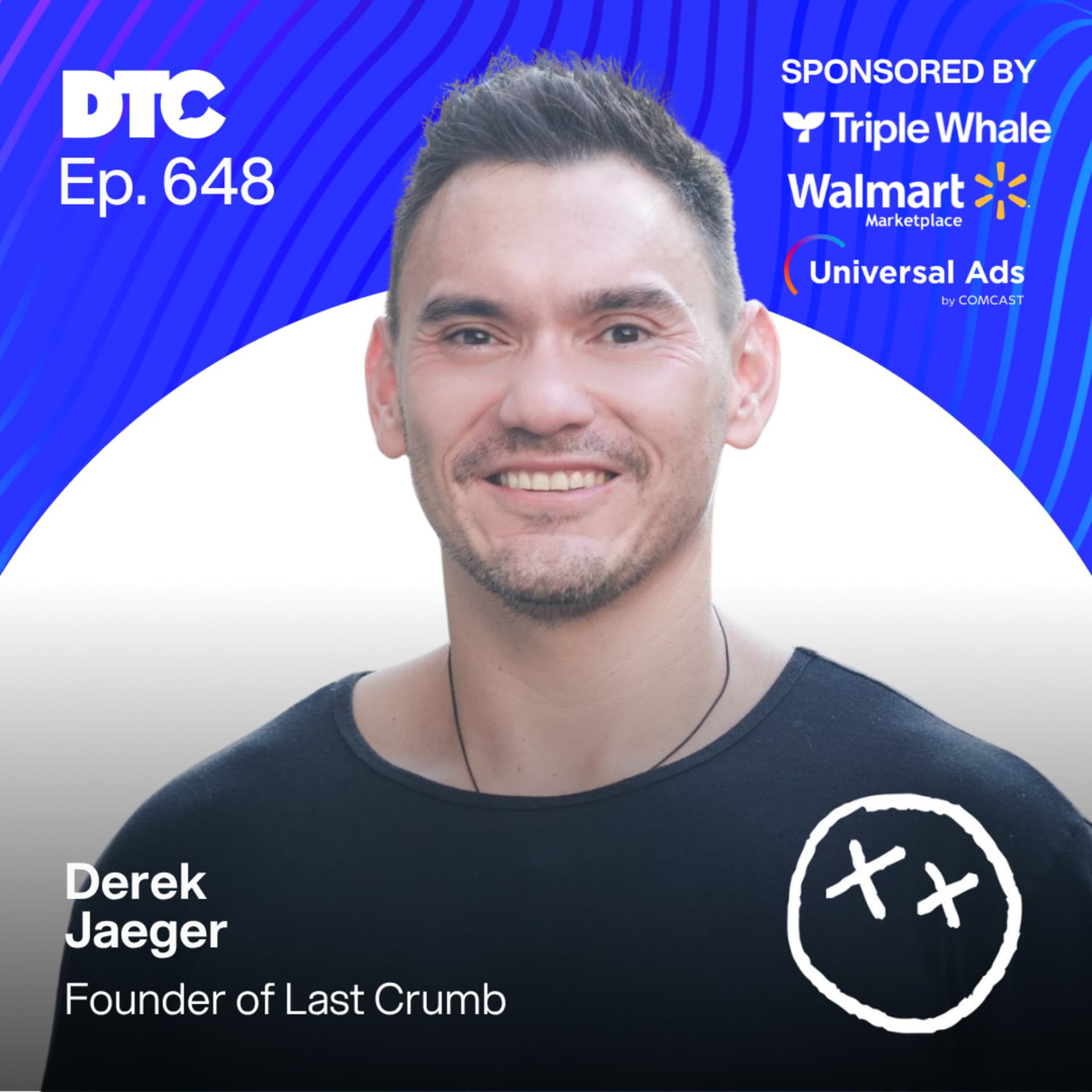
Bar Bruhis (Boostcous) shares how he launched a DTC protein couscous brand, reached 10,000 orders in ~6 months, and plans retail expansion using post-purchase survey data and AI-assisted operations. He also discusses brand learning before retail, review-driven iteration, and why “naturally derived” protein/fiber matters.
Guest backgrounds
Bar Bruhis is an Israel-born DTC/SaaS operator living in Carbondale, Colorado. He previously worked on NoCommerce (post-purchase survey tool used by 6,500 CPG brands) and earlier helped build Shopify email-capture tools (since 2015). He co-founded Boost Foods LLC.
Key claims
They were “first order profitable” on their website; post-purchase surveys are for learning and CRO/retail planning, not just attribution; AI accelerates D2C tasks but human connection still matters.
Notable examples
Launch in a small mountain town with local newspaper front-page coverage and free pickup generated 400–500 orders; a one-star review led to a packaging update after the customer wasn’t cooking it correctly; protein comes from chickpea/lentil/pea flowers (gluten-free), not added protein powders.
Written by AI. May contain mistakes. Listen to the episode to check what was said.
Chapters
Tap a time to open that second in VOUnderstanding First Order Profitability
0:00 to 0:43
Learn about achieving first order profitability in a CPG context.
“We can actually be first order profitable on our website, on a CPG product.”
The Hero's Journey of Boostcous
2:09 to 4:21
Hear the inspiring journey of launching Boostcous and its origins.
“I've been following you guys for a while too.”
Exploring Couscous and Protein Sources
4:21 to 5:51
Understand the composition of couscous and how protein is integrated.
“And that part's been really fun to watch.”
Taking the Leap into Production
5:51 to 7:26
Bar discusses the challenges and processes behind launching Boostcous.
“And those ingredients are non-GMO glyphosate-free as well.”
Launch Experience and Customer Feedback
7:26 to 9:21
Discover the exciting launch experience and early customer reactions.
“Yeah, I mean, you know, obviously like friends and family, but yeah, just launching it was the first time that we got positive signal from the market.”
Turning Negative Feedback into Positive Outcomes
9:21 to 11:15
Learn how to handle negative reviews effectively for brand growth.
“I think I read or my my Claude read a story about someone giving you a one star review, but then being converted into a maybe a lifetime users.”
Learning from Customer Insights
11:15 to 13:49
Understand the importance and implementation of customer surveys.
“And, you know, she ended up writing this like long essay, um, converted to like a five-star review.”
The Role of AI in Brand Building
13:49 to 14:01
Explore how AI is transforming the process of building brands today.
Leveraging AI in Brand Building
14:01 to 16:31
Learn how AI can streamline brand operations and enhance efficiency.
“Was it, was there anything that you found that you, I guess maybe what was the hardest thing that you had to do that you didn't use AI for?”
Leveraging AI in Brand Building
16:36 to 17:57
Learn how AI can streamline brand operations and enhance efficiency.
“Is your ROAS actually good or is it just good for you?”
Show all 19 chapters
Retail Strategies for Boostcous
18:01 to 20:34
Explore the approach to retail and lessons learned from initial sales.
“The fact that you're able to get this product, you know, first order profitable when probably everyone buying it has never bought couscous or thought to bought couscous online through a meta ad.”
Understanding Consumer Trends and Protein
20:34 to 22:26
Discuss the rise in protein products and consumer habits around them.
“But if you feel like an idea whose time has come to customers, there's a strong chance you'll feel that same way to retail buyers.”
Future Product Innovations and Company Vision
22:26 to 25:08
Discover the long-term vision for the brand and future product developments.
“oh, it's now fiber, oh, it's protein, oh, it's creatine or whatever.”
Trade Shows and Networking for Growth
25:08 to 27:12
Learn how attending trade shows can facilitate networking and growth opportunities.
“People want to cook, but they're going to get lazier and lazier.”
Building Relationships in the D2C Space
27:12 to 28:03
Explore how networking and personal connections can enhance business opportunities.
“Haven't recorded too much of it, but we kind of interview a bunch of D2C founders to learn how they're using data to drive profitable growth.”
Networking Through Podcasts
28:03 to 29:26
Learn how hosting a podcast can foster valuable connections.
“Honestly, like one of my best friends in real life, not just like work life, Connor Rolane from Hexclad came from just like meeting him on Twitter, inviting him on the podcast like three years ago.”
The D2Ski Event: A Unique Experience
29:27 to 31:00
Explore the concept of the D2Ski event and its collaborative atmosphere.
“Give a shout out for D2Ski too, DT Ski, because I think it's such a cool event.”
Advice for Aspiring Entrepreneurs
31:01 to 33:01
Get practical advice on launching new projects and brands.
“I think the application should still be on there.”
Closing Thoughts and Future Endeavors
33:02 to 34:01
Reflect on the conversation and future steps for Boostcous.
“You got to find Bar on LinkedIn, follow his journey with Boost Coos.”
Transcript
Automatic transcript. May contain errors.0:00We can actually be first order profitable on our website, on a CPG product. Like that doesn't really happen. The biggest opportunity is actually like learning from your customer, right? As we grow, we're going to be going into retail and like that connection point with the customer is not going to be there anymore. Like we won't be able to learn from them. And so I take that opportunity to ask as many questions as we can. What's important to you and why did you buy today? What almost prevented you from buying today? And then we also use the data to like fuel our retail growth. So like one of the most important questions that I ask on our post-purchase survey is.
0:43Bar Bruhis:Most brands treat brand protection as a legal expense. EskGo says that's backwards. If unauthorized sellers are undercutting you on Amazon, Walmart and TikTok shop, that revenue is already walking out of your business and plugging those holes is cheaper than buying new customers to replace it. I had their founder Mario on the pod recently and it was eye-opening. If you're a brand over 5 million a year, by their math you're losing 15-25 % of your marketplace sales to copycats and rogue sellers undercutting you. Esco will run you a free brand audit report. Their legal team maps your whole footprint, names the unauthorized sellers, and hands you the exact dollar figure you're losing right now.
1:21Bar Bruhis:Back in under two business days with no sales pitch, If you're clean, they'll tell it to you straight. They say one supplement brand they worked with was down$162 ,000 a month to foreign infringers, and they helped claw back$131 ,000 of it. Grab your free brand audit report at esqgo.com slash free dash audit. That's E-S-Q-G-O dot com slash free dash audit. The link's in the show notes. Welcome to the D2C Podcast Bar. I've been following your journey for a while here from you're at no commerce. So you're on the SaaS side with the dream of building your own DTC brand. You took the leap, jumped into the protein craze that we're all living in right now with Boos Kous.
2:07Bar Bruhis:Welcome to the DTC podcast, man. Great to meet you. Yeah, dude. I've been following you guys for a while too. So I'm stoked we could finally connect and yeah, really excited to be here. Nice. Well, walk me through your hero's journey. It's really near and dear to my heart. I have a number of sort of long gestating projects that I haven't, you know, upped the ante on and actually kicked into actual production. And it's something that you've managed to do and you're seeing some great growth from it. So walk me through your hero's journey with Boos Coos. So, yeah, I've been, like you said, I've been like on the SaaS side of DTC for like 10 years now.
2:39You know, kind of started in email capture, helped start one of the first email capture tools for Shopify in 2015. and most recently, NoCommerce, where we had a post-purchase survey tool that 6 ,500 Chop5 brands use. And then, yeah, I was born in Israel. That's where the name bar comes from and kind of always grew up eating couscous. It was like part of our staple in our diet. It's great. It's really convenient to make. It takes five minutes to make and it's really versatile. You a rice replacement. You can put it on your salad. And I always loved eating it even into my adulthood. I now live in Carbondale in Colorado, and I do a ton of outside activity, mountain biking, backcountry skiing, a ton of things that like require calories.
3:27And I'd always come back from those activities looking for a recovery meal. And I always came back to couscous, kind of realized there wasn't like a healthy version of couscous, right? Like there is in pasta, You've got Bonza, Brammy, now Goudles, but like literally no one has ever tried to make couscous healthy. And yeah, just kind of got fixated on that idea and took two years to kind of figure out sourcing, actual manufacturing, come out with a product that I was stoked on and that I would eat. And I still do. I eat it like multiple times a week for lunches and dinners. And yeah, I ended up launching in December of last year.
4:04So just about six months ago, launched direct to consumer. And yeah, the rest is kind of history. You know, now we're about to cross 10 ,000 orders and people obviously like are gravitating towards this product. We're solving a real need, which I think is important. And it's like a real product. You know, it's like made from three simple ingredients that people are like changing their diet. And that part's been really fun to watch.
4:28Bar Bruhis:I actually, in preparation for this podcast, had couscous today for lunch in my shawarma. It was quite delish. Didn't get any protein from it. Walk me through just real quick what couscous actually is and how you get protein. Because I always thought of it as like a pre-existing grain or something like that. But is it extruded through something and it's actually more like pasta than it is like a whole grain? Yeah, good question. So regular couscous that you would just go buy at the store right now is actually just pasta. It's semolina flour and water. There's two different types of couscous. There's pearl or some people would call it Israeli couscous.
5:03that is essentially extruded similar to pasta and cooked similar to pasta. And then there's Moroccan, which is a little smaller of a grain and it's actually pre-cooked. You're just rehydrating it when you're cooking it. Both of those are actually like have gluten in them, right? It's semolina flour and water. So when we went to go try to make boos goose, we tried a bunch of different things. First, we were like, hey, can we actually just like add protein? Like, can we add pumpkin seed protein or a bunch of different types of protein sources into that grain, it didn't really come out that great.
5:38And so, yeah, what we have now is actually a fully gluten-free product. And the protein just comes from the legume flowers that we use. So we use chickpea, lentil, and pea flowers. And that's where the protein and fiber come from. So it's all naturally deriving. And those ingredients are non-GMO glyphosate-free as well. So we try to use the highest quality possible.
5:59Bar Bruhis:Talk to me about taking the leap. How long had this idea been gestating before you kind of pulled the trigger on your production run, essentially? Probably took us two years from like ideation to launch. And the leap, you know, we came out with the name Boost Goose. We kind of created a brand. I built a website on Replow. And then it was kind of like, hey, we need to like see if people will actually buy this. And I didn't want to do like the whole pre-sale thing and tell people we'll ship it to them. That was an idea at first, but it was like, no matter what, we were going to have to figure out how to make this product.
6:35And that was a very, very lengthy process. And then eventually it was just kind of like, hey, I actually think this is going to work. I'm willing to put up X amount of money. And if that money goes to zero, I'm okay with it, but I need to scratch this itch and see if people actually care. And so that's when we spent the money on our first production run. Luckily, we have good payment terms with all of our suppliers. So, you know, we had at least net 30 with most of our suppliers. So before we actually had to make the payment, we were able to start selling our boost use on website as well. So we did have to put in some money, but it was it was a little bit hedged since we could like start selling directly online before we had to pay for the invoice.
7:16Bar Bruhis:And so that's where the first really positive, aside from maybe friends and family, the first really positive signals that this was a product people were going to buy came from literally launching it. Yeah, I mean, you know, obviously like friends and family, but yeah, just launching it was the first time that we got positive signal from the market. And describe to me, how did that go out of the gate? Yeah, so a couple of things. One, we live in a small little mountain town, like there's 20 ,000 people that live in this like valley from Aspen to Glenwood Springs. I reached out to one of the newspaper publications here and told them my story, kind of pitched them on it.
7:53we were able to get a front page article on there. And what I did was instead of like having them go to our website and have it shipped there, I, for the first week, um, actually put on free shipping, just come pick it up from my house. And so I had a bunch of units in my garage. Our first like, like 400 or 500 orders came from that, which was really exciting. We had two different newspaper publications that were like posted about us. Um, and it was really cool to like interact with customers to like actually face to face ask them like, Hey, why are you buying this? Like, what was like calling your name on it?
8:30And you know, it wasn't like a super cheap transactions. We like, we always sell six boxes online. And I think it was like around 40 bucks, including taxes and all that. Yeah. So that was kind of like the first launch where it was like, Oh, damn, a lot of people like actually care about this and like, want to buy it. And then from there, we actually started launching meta ads and pretty quickly found product market fit there too, right? Like this is kind of a white space, like in Posse, you've got a bunch of competition in couscous. There isn't any competition, at least online yet. And so found really good CPAs.
9:04And we were able to kind of use that as a proof point, like, hey, we can actually be first order profitable on our website, on a CPG product, like that doesn't really happen. And so, yeah, continue to build from there. Got a bunch of good reviews that, you know, kind of reiterated that product market fit as well.
9:24Bar Bruhis:I think I read or my my Claude read a story about someone giving you a one star review, but then being converted into a maybe a lifetime users. Is that it did it hallucinate or is that true? That is true. That like, honestly, I think is probably one of the biggest opportunities for founders is, um, so I read every single review that we get, we, you know, we're probably like five a day these days. We, we just crossed like 300 reviews. A lot of them, most of them, like 95 % of them are like five-star reviews. And I still, I reply to every single customer. I like thank them. I like call out specific things in like, you know, a lot of people are stoked on this new recipe that they came out with, with Buseco.
10:07So I'm like, if I've never tried that, I'm like, hey, that looked delicious. I'm going to try that. And I do. And I'll follow up with them. But yeah, like you called out, you know, our first one star review, I think we got after like 155 star reviews, we got our first one star review. And I just immediately emailed this person and just, you know, said, hey, like, listen, I hear you. I want I would love to like get on a call with you and just like get your feedback. You know, we're a brand new business. We're a small business. I'm the founder and I want to like learn from you. And yeah, ended up getting on a call with her, had a really, really great conversation.
10:42It turned out that she just wasn't cooking the product in the right way. And we ended up updating our packaging because of that as well, took ownership of it. And then, yeah, she ended up converting to a five-star review after that. We use JudgeMe for reviews. And the way that they do it is like, you can't edit any review, which is the best way to do it, right? You shouldn't have a brand ever touching the review. But yeah, she, after the call was like, hey, listen, like you provided such great customer service and like a human connection that like just doesn't exist anymore. Let me know how to update my review and I'll do it right now.
11:17And, you know, she ended up writing this like long essay, um, converted to like a five-star review. And now she like loves the product, you know, obviously shares it with her friends, word of mouth, all of that.
11:25Bar Bruhis:I hear a lot of podcast guests reference no commerce as just a, you know, a really incredible way to get intelligence about, about your customer. You know, everyone's looking for different AI mechanisms for attribution and this and that. But I think everyone sort of recognizes that just asking your customers where and how they discovered you is super valuable. And you probably in your position saw so many surveys come in, so much data. Is there anything you took from your time at No that you've either really worked hard to avoid with this brand or that you're really trying to implement? Yeah, for sure.
11:58So, you know, like super lucky that we got to work with some of the biggest CPG brands at No, like Oats Overnight, Grooms, IQ Bar, like Liquid, like, you know, you name it. Like we've like seen the data on the back end at No. And yeah, I think one of the biggest opportunities is a lot of people think of post-purchase survey as like, just how did you hear about us? And certainly like that's helpful. I think as you're getting started, like for us, like, you know, most people are going to hear about us from like one of three channels. And it doesn't really make that big of an impact on Boost Goose and my business today, right?
12:35Like I'm going to keep pouring money into Meta and we try to diversify as well, obviously. But the biggest opportunity is actually like learning from your customer, right? As we grow, we're going to be going into retail and like that connection point with the customer is not going to be there anymore. Like we won't be able to learn from them. And so I take that opportunity to ask as many questions as we can. Things like like, you know, what's important to you and why did you buy today? Like, so we can use that to surface it sooner. More importantly, like what almost prevented you from buying today so that we can figure out, are there like CRO issues on our website?
13:10Are there things that we should overcome in our messaging so that people that land on our website are able to overcome that? And then we also use the data to like fuel our retail growth. So like one of the most important questions that I ask on our post-purchase survey is what retail stores would you like to see Booscoose in? And so now, as we're starting to grow into retail, I can actually go to Costco. I can actually go to Whole Foods and say, hey, listen, in the last 30 days, we had this many customers actually say that they want to buy it at your store. And we can drive foot traffic to your store and incremental revenue for you.
13:48In addition to that, we asked them a bunch of other questions like if you were using other protein pastas which ones and why are you switching so that we can like try to position ourself against that competition even though we don't see ourself as like a pasta competitor a ton of different insights from from these brands that
14:07Bar Bruhis:like we were luckily able to learn from i'm so interested to the fact that you know you you're one of the first brands to market that appears to like really leveraged ai in all these ways to collapse any boundaries or difficulties you might have. Can you speak to that a little bit? Was it, was there anything that you found that you, I guess maybe what was the hardest thing that you had to do that you didn't use AI for? What was the AI best for in, in using this and how much do you think it kind of collapsed the, the, the time to, to build this? Yeah. I've said this publicly, like I'll say it again.
14:37Like I think right now is the best time in history to be building a brand. There's essentially two sides to this business. There is the online D2C side that can very quickly move with AI. And then there's the retail side where there is still a ton of human connection, right? You need to go connect with a buyer to be able to do that. But you can find a lot of efficiencies in both sides, specifically on the D2C side. From the beginning, we used AI to build this entire business. It's just me and a co-founder to this day. The way that I think about it is, especially as we were getting started, what are things that I don't like doing that I would hire an EA for?
15:18And so we leverage a lot of AI for that. As an example, with product seeding, if you've ever logged into Shopify or done any product seeding, you have to ask an influencer for their email and their phone number and their address, go put it into Shopify, create a draft order, convert it. Things like that, we can just do like in a fraction of the time with AI. And, you know, now there's all these connectors and it's just gotten so much better. A lot of like imagery, like you, we can, you know, create like ads, static ads with, with AI. Most of the photos on our website are with AI. But like, the one thing I will say is that like, you can kind of like fall off the rails and end up using too much AI, like where they're like, you end up losing human connection.
16:04Right. And at the end of the day, like that is what a brand is, right? Like people want to buy from someone that they can relate to. And so things like calling our customers like that, like you can't, you can't replicate with AI, but you can have more time on your plate because you can take other things off. So yeah, it's kind of a balance. And, and, you know, I think maybe we swung the pendulum a little too far at first, and now we're kind of finding our, our middle ground.
16:31Bar Bruhis:This episode is brought to you by Triple Whale, the AI operating system for e-commerce. Here's a question worth sitting with. Is your ROAS actually good or is it just good for you? You know your ROAS, you know your CPA, your AOV, but how do those actually stack up against brands you're competing with? Most brands optimize in a vacuum and better than last month isn't a benchmark, it's a guess. Without knowing how brands like yours are performing right now, it's impossible to tell a healthy number from an early warning sign and that blind spot quietly waste spend every single day. Triple Whale built a free tool to fix exactly that.
17:04Bar Bruhis:It's a live e-commerce benchmark dashboard pulling real-time data from more than 60 ,000 brands running on Triple Whale. So you can see exactly where you land against the competition. Benchmark ROAS, CPA, CPM, AOV, and every other metric that matters. Then segment by industry, revenue, average order value, and channel from meta to Google, TikTok, and more. You can even watch trends move over time so you see where the market's heading before your competitors do. The best part, it's completely free and there's no login required. And if you want an even deeper understanding of how you compare to brands exactly like yours, you can connect your data to Triple Whale for personalized benchmarks in real time.
17:44Bar Bruhis:These channels are only getting pricier and thinking our numbers are fine is costing your brand more and more by the day. Stop benchmarking against your own data and start benchmarking against real data from other brands. Go to triplewhale.com slash benchmarks and see how you stack up. The fact that you're able to get this product, you know, first order profitable when probably everyone buying it has never bought couscous or thought to bought couscous online through a meta ad. You know what I mean? So you're converting people to the idea and you're converting them all in one session, which is amazing.
18:19Bar Bruhis:But obviously, long term retail is likely going to be the lion's share of this brand as it grows. Talk to me about how you approach retail in the beginning and what it's looking like now, I guess. Yeah. Yeah. I think you're totally right. I personally probably would not buy couscous online. So the fact that almost 10 ,000 orders have come in and we've hit that is incredible. Retail at the end of the day, couscous is a pantry staple. Usually you would go buy it because you looked up a recipe, it has couscous in it, you go buy it and you make it. What we're doing is we're educating a lot of people online and we're positioning it as a rice replacement.
18:57You have rice in your pantry, you most of the time are going to cook it and, you know, end up putting like some sort of stir fry on top of it. You can now just use boost goose instead of that and get your protein and fiber. And so with retail, when we first started, we kind of knew that like we needed to get proof and get numbers before we got into retail. And so it was mostly just inbound, small, like natural stores. So we're in like 20 to 30 stores and all of them see really good velocities, but it's all been inbound and not much effort there. The back half of this year, we definitely want to make more effort into going into retail.
19:35And man, that's like an entire beast. Like, you know, DTC is like relatively easy to figure out. Like you can like learn a ton from online resources. Retail is just kind of this like antiquated, like old school industry that like I am learning every single day. There's brokers, there's distributors, there's trade shows. And so yeah, we're just trying to put ourselves in the right place, price ourselves really competitively. And we're going to summer fancy foods next week in New York. We're going to like a UNFI show, which is one of the bigger distributors. You know, we are talking to a bunch of other CPG brands that have success.
20:10That's one of my favorite parts of like this industry is like everyone is a friend, like in software, everyone can pivot in one second and become an enemy. Here, everyone's very helpful. So we're just like trying to learn that way. And yeah, we just got into Gelson's in California. So we'll be launching like 42 stores there. We're in talks with Hy-Vee in the Midwest. And hopefully, like by the end of this year, we'll be in a ton more retailers. That's kind of the goal.
20:34Bar Bruhis:And retailers are humans too. So it is this sort of opaque system. But if you feel like an idea whose time has come to customers, there's a strong chance you'll feel that same way to retail buyers. You also referenced leveraging what you're able to do with DTC. I'm sure there's a lot of CPG founders out there who aren't as digitally native as you. So being able to just show that track record, as you were saying before of like, you know, here's where, what we're selling in your area or whatever, and probably super valuable. Are there other ways that you've been leveraging your success on DTC to tell a really good retail story?
21:08Yeah. So like speaking of AI too, like we We have like 300 reviews. We have all of this post-purchase survey data that a lot of that is like open text. Like, why did you buy? Things like that. I fed all of that into AI and we're able to kind of like distill it down and create like sell sheets that we use with retailers, PowerPoints using Claude Design. All of that data is fed into these sales materials that we can bring into the retailers. And then, yeah, at the end of the day, it's just like telling a story, right? So like when you're talking to that retail buyer, when you're talking to like that distributor, it's telling a story of like, why did you start this brand and why should people care and show the numbers?
21:52At the end of the day, they want to see like really good margins for themselves and that people are going to come into their store. That's really what we're trying to show. And so, yeah, just the real story is like, hey, we are first over order profitable online. and this is not a product that people should be buying online and just ending it there and like kind of opening the conversation.
22:12Bar Bruhis:Yeah, it kind of speaks for itself. Exactly. Where are we in the adding protein to non-protein sort of life cycle? Because it's like, I think being on D2C Twitter as much as I am, you hear people rolling their eyes about, oh, it's now fiber, oh, it's protein, oh, it's creatine or whatever. But it's still probably very early in the grand scheme outside of the bubble of D2C Twitter. Yeah. DGC Twitter is such a bubble, man. You hang out on there and you don't go outside for a little bit. You can go down some weird rabbit holes. But when we first launched it, we went viral on Twitter. A New York Times writer found a tweet and retweeted it.
Read the full transcript
22:52It got 250 ,000 impressions. He was just rolling his eyes at the protein movement and how are people going to poop with all this protein kind of thing, even though we have a ton of fiber. um i think the the protein market it's a trend that's going to continue to grow i do think fiber specifically soluble fiber is going to be a rising trend we you know purposefully try to call out both those things so we can ride the wave on both i think the important distinction is like naturally deriving right like i see all sorts of protein like things coming out like up you know there's protein soda now um like i recently saw like protein sprinkles and it's like do you really need protein in your sprinkles?
23:34Like, you know, is that like really, uh, like no shade on whoever is starting that, that like business, but like as a, as a trend, like, yeah, like as a trend, like, you know, like I think that is like too fringe, but like, I do think adding naturally derived protein to the foods that you're already eating is going to continue to grow. And that's like one of the top questions we get asked is like, how do you add protein to boost goose? And And again, it's all like natural. And I think that hits the mark.
24:02Bar Bruhis:I think you've mentioned publicly that you don't see this as your last product. You may not be a one SKU couscous company forever. How do you see the jobs to be done of the company that you want to build? So yeah, the parent company is called Boost Foods LLC. Our first product is Boost Coos. We kind of see it as like a Trojan horse into the market, right? Like that aisle has like no innovation. And like if our box, which has like good branding and good call outs and is better for you, like sits next to anything on that shelf, you are going to pick it up and buy it. Like I said, there's two types of couscous.
24:37There's Israeli and Moroccan. We actually are about to come out with a Moroccan version. We feel like we can come out with some flavors around that as well and get even more competitive to some of the current products that are out there. The couscous market's a$1.2 billion GMB. It's pretty big. We think like it's about 500 million in the US, you know, we think that we can continue to lean in on our USPs, right? Like convenience is something that we want to keep leaning in on. And we have some really good product innovation there. People want to cook, but they're going to get lazier and lazier.
25:11And I think if we can position it as the fastest way to cook, you know, your carb side, that's actually healthy. I think we can, we can win there. But yeah, we, you know, we feel like we have a long way to go and a lot of runway on the couscous side. And then from there, would love to go into some other boosted foods.
25:30Bar Bruhis:Talk to me about the package design. It really is stark. I just pulled it up and I'm looking at the bright blue design. Talk to me about how you thought about this product design to disrupt the aisle you're talking about. Honestly, it's pretty easy. You could go pull up Near East. That's one of our main competitors. If you're sitting at home many of you've bought Kusus, you've probably bought Near East and you didn't even know you bought Near East, you know, from the get go, like, you know, we're not competing against much here. So like anything was going to be better than nothing. The blue color is kind of like the Mediterranean, like cuisine, like Greek, Israel, like that's like kind of where the blue comes from.
26:10We wanted to keep it like fun and light. We wanted to be able to attract the mom from Kansas and the workout bro in New York City or the Pilates chick in LA and kind of be able to like attract all of those demos. Um, and so, yeah, we have like our different characters. This, this hat is actually like kind of like, uh, all of our different characters and like the grateful dead dancing bear format. Um, but yeah, that's like one of our characters is on that box right now. And, and then, yeah, I wanted to, as soon as you pick it up, we wanted you to like know what it is. Booscoos in itself, that name really yields to what we are, but then also have the protein pack couscous and then the major call is the protein and fiber on the front.
26:52Bar Bruhis:What happened at Expo West? So all these trade shows are so expensive and we're trying to keep this pretty lean. We're bootstrapped, like I said. Eventually, actually, I just signed a contract and we're actually paying for our table for next year at Expo West in March. So it's kind of like a full circle moment. But yeah, I've got a podcast of my own as well. Haven't recorded too much of it, but we kind of interview a bunch of D2C founders to learn how they're using data to drive profitable growth. And yeah, I ended up being able to use that podcast to finagle my way into a ticket and saved... It's like just getting a ticket without a booth is like$2 ,500.
27:35So saved a ton of money there and we were able to walk the floor. I think the two things that came away is like, one, we met a ton of other brands that are friends now that we can learn from. And two, we met a bunch of buyers and actually the Gelson's store that I was talking about with 42 stores in California, that came from walking the floor at Expo.
27:55Bar Bruhis:The podcast, once again, it's such a good foot in the door, right? People don't always want to chat with you, but if you can give them a platform. Here they are. Honestly, like one of my best friends in real life, not just like work life, Connor Rolane from Hexclad came from just like meeting him on Twitter, inviting him on the podcast like three years ago. And now he's like, he's going to come stay at my house in two weeks. And like, anytime I'm in Denver, I hit him up. He's, he's the man. Shout out Connor. He's got his own podcast too. Marketing operators. I think we should do a hat swap. I'll send you one of our D to C felt one for one of you, if you've got a boost goose one, cause I think that's pretty dope.
28:33I love that.
28:34Bar Bruhis:Um, you mentioned your podcast. I had a funny, I like the name don't V look up, which is, is that a reference to the don't, don't look up Leo DiCaprio global warming movie? Yeah, that's, that's exactly right. Um, especially while I was at no is a great way to like network into brands. And I don't know, I think when you're like in software, it's like, everyone just assumes that you're trying to sell them something. And like, dude, the number of like, now that I'm on the brand side. Like I totally empathize with the brand owners. Like I probably have to hit the spam button like 50 times a day. It's insane.
29:06I like should honestly just build like a, a Claude agent to like help me with that. But, uh, yeah, it was a great way to like network into people. And once, you know, once you get the ball rolling, you get like a few credible names on there. Like people are like, Oh, this person like means business. And yeah, same. Like, you know, when you reached out, I was like, Oh yeah, I've totally seen you guys everywhere. Like I'm so happy to come on.
29:27Bar Bruhis:Give a shout out for D2Ski too, DT Ski, because I think it's such a cool event. I hope to make it one year. Yeah, D2Ski is an event that we do every year in Aspen, where I live. We fly out about 35 of the biggest e-commerce brands, leaning more and more on CPG, obviously, with my self-interest. But yeah, we fly them out and it's kind of like the anti-conference, right? Like when you're in D2C, like there is like these conferences in Vegas and like wherever where you like show up, there's thousands of people. You're kind of getting sold the entire time. And like, I think everyone's worst nightmare is like being stuck in the corner of a dinner table where like a SaaS sales guy is like trying to shove something down your throat and you have no out.
30:10and so yeah like this is 35 brands all the best operators i personally vet every single one we have like 500 people apply and i you know dwindle it down to to the top and we just you know we get in a room for the first two hours every day and kind of have this like vulnerable like almost therapy style like these are my problems here's like how other people would solve them all off the record no recording and kind of sign an nda so no one like tries to like share any of that And it's like a very trusting room. And then for the rest of the day, it's like, you know, more on structure. Like we go skiing, we do operate, we go have dinner.
30:47But the entire idea is like you have some of the smartest people in the world, like sharing their problems. And that conversation continues throughout the entire day. And yeah, it's been super, super fun. Yeah, if you're interested, D2Ski.com, D-T-S-K-I.com. I think the application should still be on there. And yeah, we'd love to have more people out there.
31:05Bar Bruhis:We're sort of in an interesting position to have jumped from SaaS onto the vendor side. I feel like Shopify started the trend of empowering merchants, like arm the rebels, they said. And I feel like we're now in this era where more and more individuals and individual contributors and merchants are even more empowered with these skills. Maybe give some closing advice to anyone in the audience who is maybe sitting on a project but hasn't got it into action yet. Yeah. And also if there's like any other SaaS founders out there that have jumped into the DTC side, like I want to connect with you. I feel like there are so many people doing it the other way where they like started a brand and saw a need for software and pivot, like, you know, Triple Whale is a good example that saved by so on and so forth.
31:51So yeah, if you're that person, reach out. But yeah, D2C and just like brand side is just so fun. Like you are essentially coming out with an idea and a product that like people end up actually using in their day-to-day life. And at the very minimum, it's like easier to explain to people. You know, like my mom knows what I do now. Like she eats booscoos. She did not know what I did when I was doing all the software stuff, like no commerce, whatever. so like you know i think it's just so so fulfilling to be able to do that like seeing all the reviews seeing how people like actually use your product so take the leap you don't have to like quit your job and and just go all in like even if you just spin up a website and try to start with static ads you don't need to like start with video that's what we did like once you find product market fit and find messaging that works obviously double down and like create videos and all that but like Start small and don't overthink it.
32:45I'm like, you know, kind of fall into that trap too of like entrepreneurship where you like want to make it perfect. And like, if it's not perfect, you think people won't buy it. I think just get something out there, iterate, move quickly, fail fast, fail forward. And it's a really fun journey.
33:01Bar Bruhis:Bar, thanks for coming on, man. This was super fun. You got to find Bar on LinkedIn, follow his journey with Boost Coos. And the domain is, is it just BoostCoos.com if people want to give it a try? Yeah, just Booskies.com. Yeah, if you Google Booskies, you should find it as well. Yeah, and hopefully come to a store near you soon. But yeah, we want more and more people to try it. So if you're hearing this and you haven't, please do. It's a pretty good tagline. I was just on the site there. Finally, a carb that pulls its weight. Yeah, dude, that was... That's clever. I built a copywriting agent and fed it to really good copywriting books that I've always looked up to.
33:39Ogilvy and another one that like I've always like read and bought the PDF, fed it. And then on top of that fed all of our post-purchase survey data and review data and asked it to come up with a tagline. And so that's not my doing necessarily, but I appreciate it.
33:57Bar Bruhis:Nice, man. Great to meet you. And let's stay in touch. Take care. Eric.
34:07Bar Bruhis:Thanks so much for listening to today's episode. If you're not a subscriber to our newsletter, you can do that right now at direct to consumer, all one word.co. I'm Eric Dick, and this has been the DTC podcast. We'll see you next time.
From the publisher
Subscribe to DTC Newsletter - https://dtcnews.link/signup
Bar Bruhis spent ten years building SaaS for Shopify brands. He helped start one of the first email capture tools in 2015, then co-founded KnoCommerce, the post-purchase survey tool 6,500 brands use. In December he finally took his own leap: Boostcous (boostcous.com), the first protein couscous. Six months later he's about to cross 10,000 orders, bootstrapped, with a team of two.
Try it: boostcous.com. The tagline says it all: "Finally a carb that pulls its weight." (An AI copywriting agent wrote that. More on this below.)
If you're sitting on a product idea you haven't launched, or you're a CPG founder trying to turn DTC numbers into retail meetings, this episode is the working playbook.
What's inside:
- Why couscous: protein pasta has Banza, Brami, and Goodles. Couscous had nobody. Chickpea, lentil, and pea flour, gluten free, protein and fiber naturally derived from the legumes themselves.
- The launch: a front-page story in the local Carbondale paper and free pickup from his garage. The first 400 to 500 orders were handed over face to face, and he asked every customer why they bought.
- First-order profitable on Meta with a product almost nobody has ever bought online. "That doesn't really happen" in CPG.
- The KnoCommerce lessons applied to his own brand: "what almost prevented you from buying today" for CRO, and "which retail stores would you like to see Boostcous in" as ammo for buyer meetings. The pitch: in the last 30 days, this many of our customers asked for your store by name.
- The first one-star review, after 155 five-stars. He emailed her, got on a call, learned she was cooking it wrong, and updated the packaging. She rewrote the review herself as a five-star essay.
- Where AI actually helps a two-person brand (product seeding draft orders, static ads, most of the website photos, sell sheets built from survey and review data) and his warning: "we swung the pendulum a little too far at first." Calling customers stays human.
- Expo West on a $0 badge. He got the ticket by pitching his podcast, and the Gelson's deal came from walking the floor.
- His read on the protein trend: protein soda and protein sprinkles exist now. Naturally derived protein in foods you already eat is the part that lasts.
Who this is for: founders sitting on a long-gestating idea, CPG operators heading into retail, and SaaS people wondering what their skills are worth on the brand side.
What to steal: add two questions to your post-purchase survey today. "What almost prevented you from buying?" fixes your site. "Which retail stores would you like to see us in?" fills your retail pipeline with proof buyers can't ignore.
Try Boostcous: boostcous.com
Timestamps:
00:00 Building a First-Order Profitable CPG Brand
07:24 Launch Strategy That Validated Product-Market Fit
11:50 Using Post-Purchase Surveys to Drive Growth
18:08 Turning DTC Success Into Retail Expansion
31:12 Advice for Launching Your First Ecommerce Brand
Subscribe to DTC Newsletter - https://dtcnews.link/signup
Advertise on DTC - https://dtcnews.link/advertise
Work with Pilothouse - https://dtcnews.link/pilothouse
Follow us on Instagram & Twitter - @dtcnewsletter
Watch this interview on YouTube - https://dtcnews.link/video