Ask ChatGPT


 The Game Business Show
28 Jul 2026 · 31m · 14 chapters
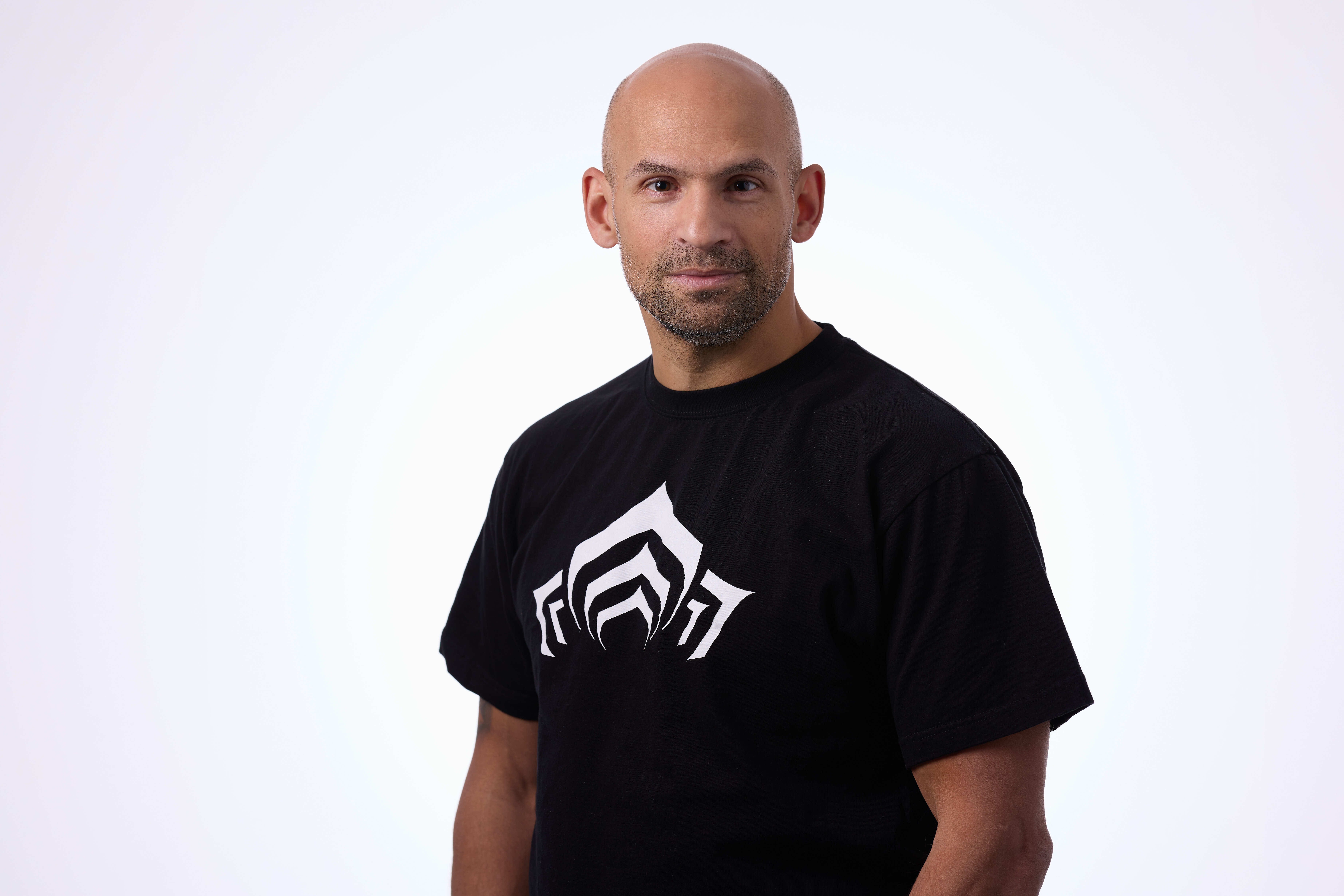
Digital Extremes president Sheldon Carter discusses Warframe’s sustained growth, its community-driven live-service approach, and how DE is preparing its second multiplayer free-to-play game, Soulframe, for a more competitive market. He also comments on Destiny’s shift away from updates and what that means for looter-shooter competition.
Sheldon Carter is president of Digital Extremes (founded 1993). DE developed Dark Sector (2008) and later Warframe (launched ~2013), acquired by Leyou (2014) and then Tencent (2020). DE employs about 500 full-time staff plus contractors.
Warframe’s last two years were its biggest growth period; trust-based development and “eat the dog food” with players drive retention; Android launch and strong optimization expand reach; Destiny’s end-of-updates is sad but shows the difficulty of sustaining budgets and momentum.
Warframe’s TennoCon demos; Warframe’s optimization across PS5 Pro and older Android; community welcoming new players (Fallout 76 analogy); Soulframe’s closed alpha on DE’s site to avoid harming Warframe.
Written by AI. May contain mistakes.
Learn about Warframe's unexpected growth and its gaming position.
“Four or five years ago, I think there were some people in the company who were like, oh, well, Warframe's peaked, and that's the top of it.”
Explore the history and evolution of Warframe from Dark Sector.
“I've actually watched a few times and I get the newsletter, so I'm excited to talk to you.”
Discuss the competition between Warframe and Destiny and the changing landscape.
“I get a sense of the mid-tiers coming back.”
Learn about balancing the needs of veteran and new players in Warframe.
“I need to kind of like figure that out so I could write a book or have a great consulting gig.”
Understand the role of leadership and community feedback in game direction.
“And over time, what happens is developers from their team come onto your team.”
Explore how to balance creative vision with community demands in gaming.
“And yeah, like I said, Bungie in general, just an inspiration to us.”
Learn how community feedback shapes game development and the balance between developer vision and player desires.
“Like he was like, can I eat like, you know, 100 Big Macs and like all sorts of crazy stuff.”
Discover the recent growth of Warframe, its expansion to new platforms, and the potential for reaching new players.
“Where do you see, and this is a very business-y question, but where do you see growth for Warframe?”
Explore the challenges and strategies in developing Soulframe, a new game in a competitive market.
“Actually, I saw Jagex this week and they said, and I brought the same question up and they said, well, old school RuneScape, you can run it on a potato.”
Learn how the success of Warframe can benefit the launch and promotion of Soulframe.
“Is it because you've got, I guess you've got lots of people paying attention to TennoCon and that sort of stuff.”
Hear about the mistakes and successes from Warframe's journey that inform the development of Soulframe.
“Those sorts of things that you don't have to, what we still experiment with and we still tinker with.”
Understand how the developers ensure that Warframe continues to thrive while developing Soulframe.
“It doesn't have this like massive pressure.”
Learn how fostering collaboration in game studios enhances team dynamics and productivity.
“I think it's good because then the teams aren't also competitive with each other when they can kind of work back and forth.”
Explore the five-year vision for Digital Extremes focusing on their games Warframe and Soulframe.
“Well, I'm running out of time, but I'll ask one more question, which is a classic question I always end the show with, which is where would you like to see digital extremes in, I'm going to say, five years?”

Get the gist, explore an idea or ask about something said.
 Claude
On The Game Business Show, what are the key points of this episode?
Searching your listeningAutomatic transcript. May contain errors.
0:00Sheldon Carter: Four or five years ago, I think there were some people in the company who were like, oh, well, Warframe's peaked, and that's the top of it. And, you know, as it gradually goes to the West, we'll have to start something going. The last two years of Warframe have probably been the biggest growth in the game. Those hardware costs are not going to help. You know, I think that's another one for us when we look at Warframe. You know, we have this amazing optimization team. So, you know, you can play Warframe on your PS5 Pro, and it looks sweet, cutting edge. and you can also play it on four generations ago Android phone.
0:36Hello and welcome to the Game Business Show. This week's edition is sponsored by Keyword Studios. I find Keywords fascinating because for people outside of this industry, they may not have actually heard of them, but they're huge. They're in 26 countries, they're 13 ,000 people, all helping studios build, launch and grow their games globally. They're all about long term partnerships with teams, strong technology and connecting specialist expertise with studios in need. One thing they do is they support game developers in making their games, they offer. Flexible production support that can scale depending on how ambitious the companies are being.
1:13They do co-development, engineering, live ops, technical delivery, all sorts of things. The goal of Keywords is to help teams move faster, solve complex issues and keep production connected all without losing sight of that important thing which is the game itself you can find out all about keywords development services via link in our newsletter or via the keywordstudios.com website right now on to this week's episode this week we are talking to digital extremes president sheldon carter now digital extremes has been around since 1993 it's made some great games it's made some not so great games i fondly remember the 2008 resident evil like shooter dark sector um the team were acquired by leu in 2014 who in turn were acquired by tencent in 2020 but digital extremes basically looks after itself and is today best known for the smash hit free-to-play looter shooter warframe now i love doing these interviews because it's like stepping into another world warframe has a huge audience and it's growing they have their own events they're their own approach to community i sort of love finding out what makes these games tick i'm also really interested in warframe because it's managed to get bigger at a time when its major competitor, Destiny, has had to give up.
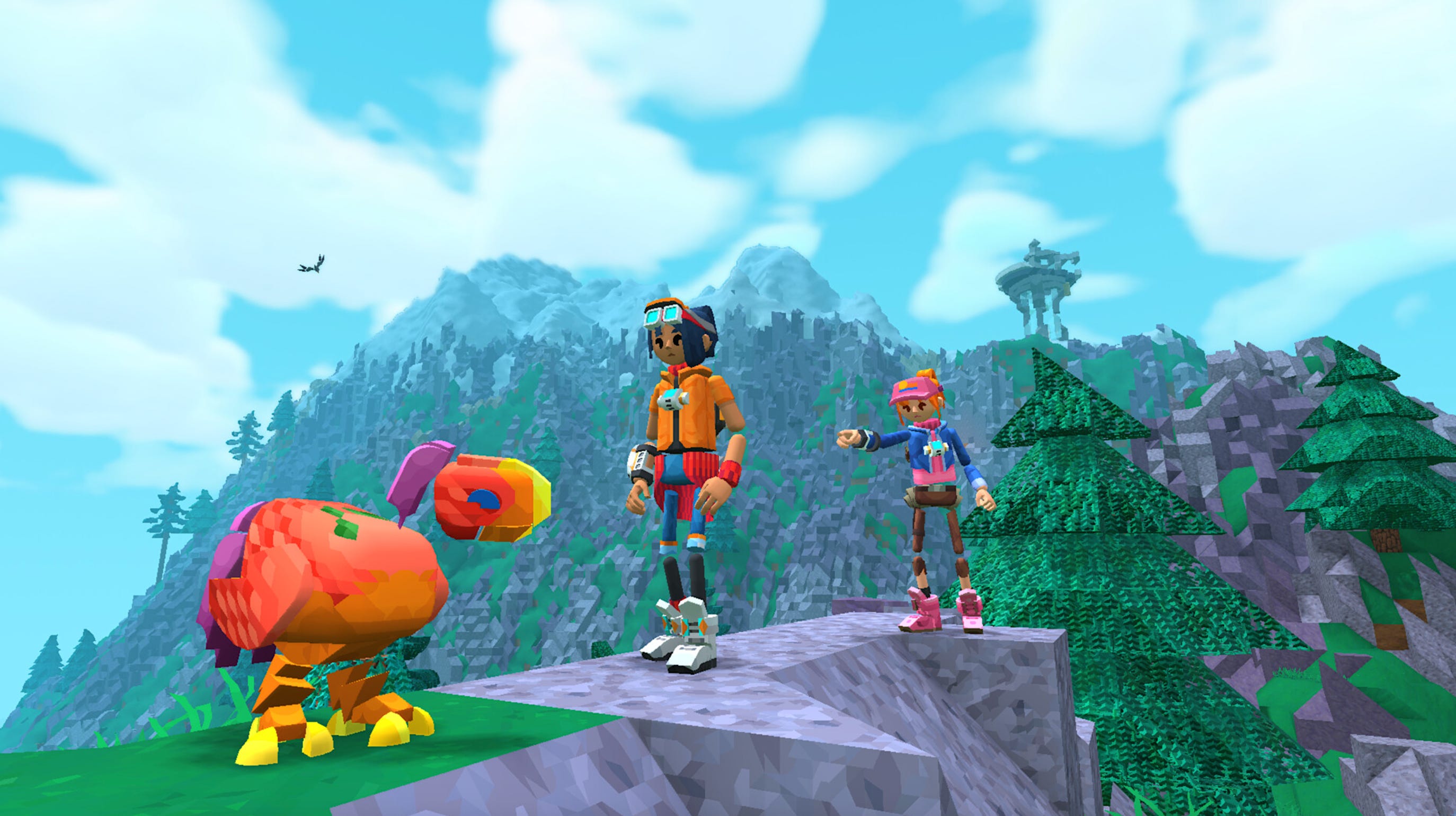
2:20Now I spoke to Sheldon just before the event, TennoCon, this is where they showcase new demos and updates and make announcements, and they actually ran that a few weeks ago, they showed some new stuff for Warframe, and its sister product, which isn't still fully out yet, called Soulframe, and that game is a multiplayer free-to-play fantasy RPG. Anyway, I spoke with Carter all about Warframe, how Digital Extremes operates, its approach to Soulframe, and indeed, how he feels about the end of destiny.
2:47Sheldon Carter: Check it out. Hello, Sheldon. Welcome to the show. Thank you. Excited to be here. I've actually watched a few times and I get the newsletter, so I'm excited to talk to you. Oh, brilliant. You know what? I didn't realize that Warframe's origins were in Dark Sector, right? Because the weird thing about that game is I don't actually remember that much about it, but I know I played it. I know I loved it. And I know I finished it. I think I know I finished it. It's a bladed weapon. Was it called the glaive? It was the Glaive, yeah. The Glaive, yeah. Yeah, Warframe was actually based on our first pitches for Dark Sector, which was this kind of ninjas in space idea.
3:22Sheldon Carter: And then when it got picked up by a publisher, they, you know, Resident Evil 4 was all the craze. They wanted it grounded in a, you know, Eastern European city. And, you know, those are the days. That's the way the games industry works. But, you know, we still love that game and it was cool to make for sure. Yeah. The European team at D3P were not far from where I live. and I used to spend a lot of time with them. Oh, yeah, good group. You used to use it as an example of a game. You don't get many of these games anymore. But I'd say I didn't realize they were the precursor to Warframe. Yeah, that was not quite the end of an era, but it was getting close to the end of an era for sure.
3:58Yeah, we're getting a few of them. We're starting to get, I don't know, I get a sense of the mid-tiers coming back. Not what we're here to talk about. I get a sense, we're starting to see a few of those things. We're starting to see some Saber and stuff start to crop up. But anyway, I always realized how little I know about digital extremes. I have spoken to some people on the team in the past, but so much has changed, I think, since I last properly spoke. How is it set up? How many are you of there?
4:22Sheldon Carter: Yeah, yeah. No, I mean, DE was started, I guess now we're at 31 years ago by James Schmaltz. And that's when he was doing kind of collaborations with Epic on Unreal. Mm-hmm. And so, yeah, that's, we started was doing a unreal, unreal tournament, uh, the first, uh, Xbox live, uh, unreal tournament. Uh, the studio did that, which is exciting. And then we just talked about dark sector and then, uh, after dark sector, we worked on a couple of games and the industry kind of bottomed out on us a little bit in the middle. And we were definitely that kind of middle tier and, uh, James took a risk. He, uh, he, he kind of gambled his last million bucks to let a core group try to make, uh, the original idea for Dark Sector work, which was what originally became Warframe.
5:05Sheldon Carter: And that saved the studio. And then, you know, it's been Warframe's been running now for, I guess, we're getting on to 14 years. Kind of sometimes blows my mind. And yeah, there's, well, there's about 500 full time people working at DE. And then, of course, there's a whole suite of contractors, part time, great people. We have friends at Sumo that work with us from an outsourcing standpoint. So it's actually quite a huge operation now. And sometimes it's a little daunting, actually, when we came from such small roots. Oh, wow. I have to say, I was looking at, you know, I've got some market data numbers.
5:41They're not accurate numbers, but I thought I'd have a look at see how Warframe is doing. And in a live service world that is so turbulent, where there is so where people are moving from game to game and everything's changing. You seem remarkably consistent. Yeah. You know, at least from what I can see, what's the secret there? Is it just you've got this co-audience that just this is their game?
6:02Sheldon Carter: Yeah, I mean, what is the secret? I need to kind of like figure that out so I could write a book or have a great consulting gig. But I mean, we have this kind of combination of definitely people who've been with us forever. Like if we look at the layer cake of Warframe players that have been with us, there's still a huge amount of players from, you know, way back in 2013 that are still playing the game. So people, you know, for this game is it's a lifestyle. It's their hobby. It's their main game. So there's definitely that, which is great. And that just keeps kind of growing over time. And so I guess the secret is always creating updates that you feel like, you know, as a developer, you're giving it your all.
6:44Sheldon Carter: Like that you want to make something that's really cool that's going to resonate with the audience. But once it releases, being able to eat the dog food with the audience, having people playing it. And then, you know, realizing and being okay with the fact that we maybe didn't get it right the first time, but we'll make it right. And through that whole process, just communicating, always communicating with the audience. And I think, you know, that's what you're in trust with players. And I think that's probably, you know, trust-based development is probably more our philosophy than anything else with the community that we have.
7:18And then, you know, they do word of mouth.
7:21Sheldon Carter: They do so many great things for us. And then it grows. Well, we just had Destiny, and I know that's a very different looter shooter to the one that Warframe is. But when you see something like that, a game that was so giant and suddenly it's not, I mean, it's still running technically, but it's like they've stopped with the updates. It just shows you, I think, that it's a very competitive space. It is. Does it worry you? I mean, I guess, you know, from our perspective, it's interesting because Destiny, you know, there's a lot of overlap between the games. You know, when Destiny 1 came out, I can't remember Warframe Zone for a couple of years when Destiny 1 came out and it really, really hit us.
7:56Sheldon Carter: Oh, really? When it came out. Oh, wow. You know, it's a looter shooter. It's got, you know, tons of marketing and really great developers on the team and Destiny 2 as well. For myself, it's been this evolution of, you know, for a while you think about it, competition and you're kind of, you know, aggressively wanting to try to compete with what they're doing. And over time, what happens is developers from their team come onto your team. new people who you started, they, they learned what looter shooters are and how that works because they put thousands of hours into destiny. And so I, you know, at our studio, it was kind of a bit of a morning when they released that news.
8:32Sheldon Carter: The news in our studio was pretty, pretty dour because of just, yeah, just all the connection that you end up having. And I think it is the, the budgets and the, you know, the competition to keep putting updates out. I know it's really difficult and every studio has its own culture and different ways of doing things. You know, we have our, you know, seven habits that we try to live by. And again, that's for the book, I guess. But we have our own strategies. But I can't imagine with a, you know, a studio as big as Bungie was and they also had Marathon going on. A lot of different things pulling them in a lot of directions.
9:11Sheldon Carter: So honestly, for me, it's more, yeah, it's more, I guess, sadness that it's over. And, you know, I hope the best for all the people there. Well, that's for sure. Because I'm in the trade medium. And there was a point in time when there were lots of different trade media outlets. And they were all really strong. And we all wanted to beat each other. We didn't want to defeat each other. And that was important. And actually, when there was loads of them doing loads of cool things, it was that rising tide for everything. We were better. We were improving. There was a bit of competition. We were trying new things.
9:43There's a lot of innovation, a lot of excitement. And then, of course, when things started, when one of them went down and one of them changed and stuff, actually the whole thing went down. And I think that's why competition is so important. Agreed. So, yeah, I understand. Like, I'm sure Destiny was a fall in your side, but also one that was ultimately good for the business.
9:59Sheldon Carter: I think so. I think so. And yeah, like I said, Bungie in general, just an inspiration to us. So, yeah. One of the things I always find with games that have been around a while, I've done a of these sort of interviews where i talk to people that have been with on games 13 years i guess at warframe is you've got these og players right and then you've got new players um and i've spoken to say i've spoken to a bunch of these developers in the past 12 months where this is actually a real challenge particularly as those og players they get older they have less time all that kind of stuff how do you balance the demands of what og players might want versus you know newbies it is a struggle for sure.
10:37Sheldon Carter: I won't say it's easy, but I think a lot of times what you end up doing with core updates and, you know, our big temple ones is we usually have a way that the new player can get involved in that early, but then they still have, they don't get to skip all the stuff that the OG players have done to get to the, you know, to the end content of that. Oh, I see. So they might get a preview of what's to come and a taste of why it's exciting, but then the players who've invested thousands and thousands of hours, well, they're getting, you know, the really cool stuff at the end and that that can be aspirational or that can be something that the older players can show to the new player.
11:12Sheldon Carter: Our community is definitely welcoming. And so they try to bring new players. And I think Warframe has always felt like a bit of an underdog story, a little bit just in the industry. And it's one of those games that's been big for a long time, but not a lot of people know about it. And I think that's changing, but I think that makes our players really want to bring other people into their hobby. And I think when you know that you're taken care of and you're excited about it, you want to share it with other people. And so new players, you know, it's not competitive. The game is not competitive. There's a lot of reasons to want to bring more people in and, you know, and get them involved in your clan and those sorts of things.
11:47You know, I had a lovely story when I had the Fallout 76 people on, again, a very different type of game. But when the Fallout TV show happened and loads of people flooded into Fallout 76,
11:56Sheldon Carter: a lot of the community was sitting outside the vault with like giving people items and stuff like that. Yeah, yeah, yeah, yeah. That's great. So they can sort of be like, you know, welcome. Yeah, come on in. Here's some stuff. Yeah. Come on in. Yeah. I think, you know, we try to ebb and flow that too. We usually have like something new that the new players will, you know, that teaches and on boards them. But then the old players get to do that because it's new content. So they can still go and check it out. So the follow story is great. And I think that's something that our community definitely does.
12:25Your creative director is Rebecca Ford. She is, yeah. Who I hope to speak to again, actually one day. But she went from being community director, right, to creative director. And my initial reaction to that was that's quite a career shift. But thinking about it, I imagine those two roles aren't radically different from one another with a game like Warframe.
12:44Sheldon Carter: Yeah, I think that's that's one of those things that I think, you know, when I see lots of new games starting up and you start realizing if you're a live service game, your community is your lifeblood. I mean, that's all I've talked about pretty much since we've been talking. Yeah. And it's and when you realize that the person who's the tip of the spear with the community, but is also working with the development team to understand whatever, what's happening. That kind of, I mean, I think on one side, Rebecca, I think is a unique person. She has a, she has a unique talent. So I think, you know, is that every community director going to be able to step into that?
13:19Sheldon Carter: So she's unique in that way. But at the same time, it does make sense when you have, it wasn't, it wasn't a hard decision from my end, at least to say she's going to take the helm. It was easy. This is the thing that I'm always interested in, is you've got creators, you've got your artists, your team, who probably have a creative vision of where they want to take the game, what they want to do. And then, of course, you've got the community that have a vision of where they want the game to go and what happens. Yeah, yeah. How do you sort of maintain that balance? Yeah, I often look at, oh, God, I need to look up this reference to make it clear.
13:52Sheldon Carter: But I remember watching this YouTuber that, you know, he's this really small little guy and he was saying like, can I eat all this stuff? And his audience was like, yeah, eat it all, eat everything. Like he was like, can I eat like, you know, 100 Big Macs and like all sorts of crazy stuff. And then eventually the poor guy, like, you know, he had health problems. Like he basically hurt himself by listening too much. By eating 100 Big Macs. The community changed him instead of him, you know, changing the community in a way. And I'm not saying that that happens at all for us, but I think that's maybe a cautionary tale.
14:25Sheldon Carter: And I think what you really think about is you have to really listen to what the community is saying and you have to play the game with them. It's really easy to sit back in your ivory tower and, you know, here's the update. Enjoy. And, you know, if they don't enjoy, say, OK, well, we'll think about it. Like you have to have people playing it and understanding what it is and so that the community feedback is in context. and then when you address that or when you do the next thing you address the concern but you twist it and you give them something unique and interesting because i think as gamers we all want something if we give you exactly what you want all the time i think part of our job as developers is to kind of delight and surprise you know it's the surprise bit yeah and so yeah they fixed this thing but they but they did something slightly different i mean sometimes hey you know I don't know if it's a bug or it's an exploit or it's something brutal you did.
15:17Sheldon Carter: Sure, you just fix it and own up to it and say, yeah, we screwed that up. Sorry. But but, you know, if you can, you listen to the feedback as a you know, as a kind of a horizon to look towards. But you don't have to actually hit it, pinpoint what they want. If you give them something a little bit different on the flavor or a different twist, you know, that that can do it. And while you get to maintain your own creative vision while still working with hand in hand with the community. I guess there's a creativity to approaching these things. Yeah. Yeah. Where do you see, and this is a very business-y question, but where do you see growth for Warframe?
15:52You're on pretty much every platform now. Where are the new players? Are they in different geographies? Where do you see the growth?
15:59Sheldon Carter: Yeah, I mean, the last two years of Warframe have probably been the biggest growth in the game over. Yeah, it really has been growing, and that's kind of across the board. So, I mean, yeah, of course, you know, we look at new geographies as they come on. I think we just launched on Android a few months ago. And so, you know, you get Android opens a whole bunch of geographies and a whole set of players that we've never been able to interact with at all. And a lot of people in the mobile space who, you know, our version of fair free to play is totally foreign to most mobile monetization schemes.
16:37Sheldon Carter: So there's a bit of education piece there, but I do see that as a as a growth. But honestly, I think it's still just in even in our core markets, there are there is a lot of room for Warframe, both on the consoles and on PC. And I know I know, you know, consoles are the there's a feeling of the decline of consoles, but I still think there's a huge there's a huge segment of people on the consoles. We, you know, we look and we see what our our player base is there. We know there's there's lots of growth to be had. Yeah. Well, it's certainly a dark couple of months. Well, maybe month, maybe two weeks for the for the console side of things.
17:18Sheldon Carter: Yes. Yes. I don't know. I'm trying to be Xbox seem to be pushing back towards it a little bit and switch to is doing, you know, you know, pretty well. Whether it will keep going, I don't know, but it's certainly doing pretty well at the moment. Well, those hardware costs are not going to help. And I think that's another one for us when we look at Warframe. We have this amazing optimization team. So you can play Warframe on your PS5 Pro and it looks sweet, cutting edge. And you can also play it on four generations ago, Android phone. And so for me, I hope that if console demands aren't able to be kept up with or, you know, people need to look at older hardware because the new stuff is so expensive, they're still going to have Warframe play, which is a forever game that's always being updated.
18:05Sheldon Carter: So I think that's a huge, potentially a huge opportunity for us as well. Actually, I saw Jagex this week and they said, and I brought the same question up and they said, well, old school RuneScape, you can run it on a potato. There you go. There you go. Yeah, yeah, yeah. I'm sure you can't quite run Warframe on a potato, but yeah, it can certainly cross. We laugh. As soon as we did Android, we started saying, hey, you're going to run this on a fridge. You can run it on a Samsung fridge now. Yeah, yeah. Well, yeah, so a tough time, but hopefully a temporary thing. I agree. Yeah. I'm going to be optimistic about it.
18:38But obviously working on something new, right? Yeah. You know, with SolFrame. Whereas Warframe launched in quite a nascent live service market, really. Soulframe is going to arrive in a far more challenging space. How are you approaching it? Quite a broad question, that one.
18:55Sheldon Carter: Yeah, I mean, I think one of the things you learn as you do a second game that you're trying for kind of the same scope as something like Warframe is that expertise doesn't necessarily mean you don't make the same mistakes as you did before. It just means you can recover from them a little bit faster. And so that's been, you know, the journey of Soulframe has been relearning a few of the things that we forgot after so many years. But at the same time, using that core that I was talking about earlier, which is just, you know, establishing communication, building trust with the audience and taking our time to get it to a point where we feel like there's enough content, enough story, enough.
19:43Sheldon Carter: yeah, just kind of gameplay that that when we release it to a wider audience, it's going to have its core. And that's kind of all we're looking at right now is we're building the core of the audience before we go wider. And I mean, that's been going well, but you know, like every game, it's challenging. And you're right, it's a very competitive market. And there's a lot of great games in the kind of action RPG space. And so I think the fact that Soulframe is multiplayer is a really cool differentiator versus a lot of the games that we look at. And I think, you know, we have a lot of things that we have to do to get that game just right.
20:22But, yeah, we're really excited about it.
20:25Sheldon Carter: And I think, you know, the numbers that we're seeing from getting into the business side of just retention and engagement, it looks really promising. So I think it's going to be more about, you know, at TennoCon, we're going to show a bit more. of what's happening with the development of the game and kind of, as we do with Warframe, show the next big update for Soulframe and get people excited for that, and then we'll see where that takes us. Are there any advantages to having Warframe with Soulframe? Is it because you've got, I guess you've got lots of people paying attention to TennoCon and that sort of stuff.
20:55Yeah. And then you can reach people that way. And there are many advantages that you can do and many opportunities to get quite different games, right? They're not, this isn't a case of you making a similar game in a similar genre where you might end up being competing with each other. You're making quite different, different genres.
21:08Sheldon Carter: Yeah, they are pretty different. I think you're right. I think that's the one thing we have is that kind of like there is a, which we're discovering is there's a bit of a DE audience versus a, you know, necessarily a Warframe audience who kind of like the way we do community. Um, you know, the way we interact with community, the way we develop with community. So I think that there's that core group that, you know, is just interested in what we're doing there. But the majority are just people who are more into action RPGs that maybe they liked Elden Ring, but they don't want something that's so punishing and so precise.
21:44Sheldon Carter: And that love the kind of feeling of connecting with nature and doing those sorts of things. So the advantage definitely is that Warframe gets us in the door in terms of just being able to even just to promote it, you know, even with partners and those sorts of things. The fact that we're it just opens up those those options, which I think are great and really hard for a new I think it would be really hard for a new game to get, you know, just because people are like, oh, wow, this is the game from the creators of Warframe. Like, we'll we'll give it the time of day. We'll cover it. We'll do things with it.
22:20Sheldon Carter: So, yeah, I can't I can't say that it's not relying on Big Brother a little bit to help it get off its feet, but it's standing on its own, too, which is great. Yeah, it's got frame in the title. That's true. Are there any learnings for more frame? You talked about making the same mistakes, but are there mistakes or things you got right that you're going, actually, if we do it this way, you know, we might better get ahead. Yeah, I think when you have a really experienced veteran team, there's instinctual advantages in like, what are people going to react to in terms of how, you know, powers and the packs in the game, which are just basically the kits that you use.
22:55Sheldon Carter: How are drop rates feeling? How does the loot system feel fair? Those sorts of things that you don't have to, what we still experiment with and we still tinker with. But the starting point, again, is quite a bit further ahead. So that way is one. And then two, of course, is the feeling with the team that we understand that there is that cycle that if you didn't get it right, you just fix it and you communicate fast. And it's like, it's like, that's a really hard thing to get a new team doing. So I think that's what we've learned and we tried to take that forward. I always think of Warframe that DE showed quite a lot of patience.
23:30And there were moments, I think, where perhaps the game wasn't in the best of, you know, maybe shapes is the wrong word, but the momentum behind it dipped a little bit and it's like no we'll stick at it keep going and we'll get there and perhaps maybe you never imagined be getting into 13 years and it being the size and scale it is now
23:47Sheldon Carter: it's funny when you first start a second project when you start a project like soulframe you know you think to yourself like well what caused that and i i'd say you know that was four or five years ago we're like oh you know uh i think there's some people in the company who's like oh well warframe's peaked and that's that's the top of it. And, you know, as it as it gradually goes to the west, we will we'll have to start something going. And that's kind of the impetus. And what happened was instead, you know, we while we did start another project, we changed our focus and how we were, you know, developing the game, how we were running the game.
24:23Sheldon Carter: And, you know, of course, now, like I said, we've had a few years of straight, just just massive growth. So it is really easy to worry about those declines and then make changes. And now we're kind of in this happy position where Warframe is really thriving. And that gives us the ability to give Soulframe a ton of, I guess, rope. Yeah, time. Yeah. Time. Yeah. To really try stuff out and to connect. It doesn't have this like massive pressure. One of the things I keep hearing about with live service projects is that if something comes out and it's good, and you know it's good, but it may not have found the audience, if you've got that rope, you can go, well, let's just keep at it then.
25:06Eventually it won't necessarily come, but it might do. And I think of games like the finals, which I admitted is a shooter from Embark. And, you know, Nexon felt that game was good. They felt this is a good game. I know we've lost all the audience very quickly, but I believe we stick at it. We'll get there. And after two years, it became a profitable title. And, you know, maybe Marathon will go on a similar journey with Sony. I think that's the benefit of what you're saying, I guess.
25:29Sheldon Carter: Yeah. And I think if you can keep your, you know, even though we have that Warframe, I mean, we run the team in a pretty lean way that is kind of more reminiscent of kind of Warframe circa, you know, 2012, 2014. So, you know, the pull of, you know, the team of everybody is to grow and grow and grow. And it's just like, well, you know, we just have to keep letting it germinate. And I think, you know, so it frames about nature and growing. So we'll have a seed that we're planting and watering. And when it's ready, then then for sure, you know, we'll go all in. It was true. I think it was a period of time in the industry.
26:05I don't know how long ago it was because I've lost track. I lost the ability to tell what is time. But there was a time when the idea of being a one project studio, which I know you're not, but the idea of it seemed as a huge risky thing to be.
26:18Sheldon Carter: Yeah. Whereas I don't think that's the case anymore. I think if you are the company that makes that game, you are the League of Legends company, whatever you can be. Oh, I agree with that. I think it's the fun part from a studio perspective of having to is that you really get to let people spread their wings. And I love, you know, from my perspective, I love that. I love seeing people thrive. I mean, just, you know, we were just talking about Rebecca before, but that's a, that's a great example of someone who is thriving because we're starting, we starting a second thing. And I think that's happened across the board on Warframe and on Soulframe as well.
26:51Sheldon Carter: Yeah, it's good for staff retention and happiness. It is. Yeah, which is important. Yeah, it is important. Well, it is. It is. Absolutely. Of course, ultimately, that's all game companies are groups of talented people and, you know, keeping them together, they become better and stronger. I'll ask one more question about it. How are you making sure you're not going to lose focus on Warframe? Yeah, I mean, what we've done is a I mean, this is the reason why, you know, Soulframe is still in its closed alpha and still, you know, the people that are playing it are just playing it from our website. It's not on Steam.
27:19Sheldon Carter: It's not wide because we're we wanted to really carefully grow that team without hurting Warframe. We wanted to transition slowly people and make sure that we were filling. And I think that literally took two years and it's it was not easy. It was not easy because, you know, the Warframe updates are incredibly ambitious. They have huge cinematics that, you know, it's like, okay, wow. Like, can we bring Jeff Crooks as the creative director of Soulframe? He's also just a fantastic cinematic animator. So it's like, oh, Jeff has to come back and animate a few things. And that's just, that's at a high level.
27:58Sheldon Carter: Of course, that's a trickle down to across the whole company. It's the teams have to jump in. And I think that's good. I think it's good because then the teams aren't also competitive with each other when they can kind of work back and forth. And you see your colleagues coming in to help. There's camaraderie. I've seen studios, I've heard of studios where the two teams can become competitive. And that's definitely the opposite of what we wanted. We really wanted to foster a collaboration between the two. But also, if you're kind of careful with how you're growing the other team, then you can get to the point where we are now, which is, this is crazy.
28:35Sheldon Carter: We have TennoCon coming up in a week and both teams have massive demos that they can't wait to show. And if you looked at the scope of that, it really does feel you know that we have the scope of those two demos. I mean, I can't even imagine if we would have done that you know, five, six years ago on Warframe, we'd never do like, hey, we're going to do like an hour and a 10 minute demo at TennoCon. You know, it's like it's like the volume and the ability to do both things at a high level have just come from the slow carefulness there. Yeah. Careful is the word I picked up on. Great. Well, I'm running out of time, but I'll ask one more question, which is a classic question I always end the show with, which is where would you like to see digital extremes in, I'm going to say, five years?
29:22Sheldon Carter: Five years. Yeah, I mean, we're definitely on the road. this is the five year plan looks pretty close to what we're doing right now, which would be to have, you know, Warframe and Soulframe thriving that, you know, the company has, you know, not double where we are now, maybe the maybe, you know, we've added a couple of hundred people, but we're at we're at the stage where we have two, you know, big live service games that that people play as their as their hobby, that they love, that that's the thing that they do is they play our games. And it's, you know, if you're into the science fiction, space ninja, crazy stories, then you're going to go to Warframe.
30:05Sheldon Carter: And if you're into fantasy and avenging nature and you're going to play Soulframe, that's that is our vision. That's our five year vision is to have both those games, you know, neck and neck with totally different audiences. Brilliant. Well, good luck with it. Sheldon, thank you for your time and hope you have fun at Tannocon. Thank you so much, Chris. Thank you to Sheldon there. That is it for this week's edition of the Game Business Show. We will be back, of course, in the days and weeks ahead with more news, more analysis, more insight and more interviews about the business world of video games.
30:38To make sure you don't miss an episode, head to thegamebusiness.com and you can subscribe to us for free. You just need to put your email address in. That's it. It's that simple and you won't miss a thing. But that's it from us today. Until next time, thank you for tuning in.
30:56Thank you.
This week, we are joined by Digital Extremes president Sheldon Carter, and we discuss the massive growth of Warframe, the death of Destiny, the firm's 'trust-based development philosophy', it's careful approach to making Soulframe and much, much more.