Ask ChatGPT

 The Game Business Show
24 Sep 2026 · 44m · 20 chapters
Xbox studio restructuring and localization’s changing role for AI, plus the host’s Tokyo Game Show takeaways.
Interview with Dominic Kelly (Keyword Studios, Senior Technology and Solutions Director) and Romina Francesina (Keyword Studios, Director of Products). Both focus on localization technology, QA, and workflow.
Xbox is cutting and reorganizing to improve margins and focus on “big bets” and core franchises; Halo is moved to Activision for future development. Localization still requires strategy and cultural expertise; AI/machine translation can speed QA and early checks but won’t replace human judgment, especially for dialogue, humor, and narrative flow.
Halo Studios reduced to support existing titles; Halo IP handed to Activision. Localization strategy examples include Jagex succeeding in China by leaning into “British” RuneScape culture. Localization pitfalls include slogans translated out of context and “culturalization” mistakes. AI is framed as helpful for early bug/fit detection, not full narrative quality.
Written by AI. May contain mistakes.
Discussion starts about the significant changes at Xbox and the Tokyo Game Show.
“So I'm just back from Tokyo Game Show, I'm fully branded, I don't know if you can see, with the Nintendo Museum.”
In-depth analysis of Xbox's restructuring, including studio mergers and job cuts.
“Now this week it has done several things.”
Exploration of the financial troubles and strategic missteps at Xbox.
“In particular, the margin on the Xbox business is poor and growth is non-existent.”
Discussion on the potential future direction of Xbox studios and their game franchises.
“Last year it had its Everwild project cancelled.”
Insights and personal experiences from attending the Tokyo Game Show.
“But few in the business will argue that change hasn't been necessary.”
Discussing the long-term vision of Xbox amidst ongoing industry changes.
Exploring the strong sense of nostalgia in the Japanese gaming market at TGS.
“For those that don't know, Game Freak started life as a video game fanzine.”
Setting the stage for an in-depth look at video game localization and its challenges.
Introducing the interview segment focusing on video game localization experts.
Discussing the complexities and strategies involved in video game localization.
“We were just on the show floor at Gamescom and I had an interview with Pearl Abyss, who do the Crimson Desert game, and I was talking to them about where they think the next bit of growth was going to come from.”
Examining how cultural differences influence localization strategies for games.
“So there will be situations where staying true to the culture of the source is what will interest the gamers, right?”
Exploring the rising interest in emerging markets and localization trends in gaming.
“There will have to be something brilliant in that storytelling.”
Addressing persistent problems in localization and the evolution of the industry.
“sort of exploding or blowing up for you at the moment?”
Learn how technology is reshaping the localization process in gaming.
“There are so many bad examples out there.”
Understand the importance of cultural experts in game localization early in development.
“And like Mina said, those technologies like LLMs and AI kind of stuff, that allows you to, it's not perfect because it doesn't really understand all the time what you need to do.”
Discover common pitfalls and surprising outcomes related to localization efforts.
“You know, if you look at polis with different kind of versions, you know, you can have plurals and different genders and things like that.”
Explore the pros and cons of AI in the localization process.
Hear predictions on the future of localization in the gaming industry.
“Maybe they don't have a region out there that they think is going to buy the game.”
Learn about the recent redundancies and struggles of Builder Rocket Boy.
Discover the exciting upcoming segments and interviews planned for the show.

Get the gist, explore an idea or ask about something said.
 Claude
On The Game Business Show, what are the key points of this episode?
Searching your listeningAutomatic transcript. May contain errors.
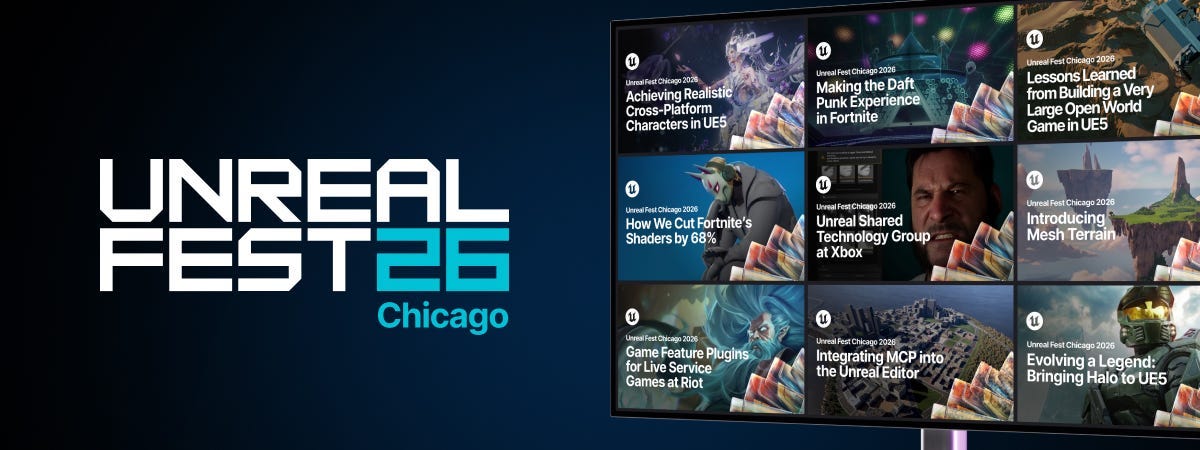
0:00This week we go deeper on the latest changes at Xbox. I report back from Tokyo Game Show and we dive into the world of video game localization. Hello and welcome to the Game Business Show. This week's edition is sponsored by Unreal Engine. Now Unreal Fest Chicago took place back in June and if you were too busy making the next Smash 8 video game to attend, well, it's not too late for your team to benefit from the abundance of free technical content that was featured there. There are well over 60 sessions available now on the Unreal Engine YouTube playlist, ready to watch on demand with more arriving every day.
0:37Delivered by both Epic's own developers and your peers in the industry, including Halo Studios, Unknown Worlds and Riot Games, these sessions cover everything from world building and characters to optimisation and profiling and more. Plus, you can take a good look at what's just arrived in UE 5.8 and see what's next for Unreal Engine. You can check out the Unreal Engine YouTube channel or go and click on the link in the newsletter attached with this very show. Speaking of show, let's begin. So I'm just back from Tokyo Game Show, I'm fully branded, I don't know if you can see, with the Nintendo Museum.
1:10It was fascinating. But before I give some thoughts on Tokyo and Japan, I think we best dive into the big story of the week. And that big story is of course, Xbox merging some studios and making further cuts as part of its reorganization or rather reset that it announced in July. Now this week it has done several things. It has cut back the Halo Studios team significantly to just a core group supporting existing Halo titles that are in the market already. It has now handed the Halo IP to Activision which will be building a new purpose-built team to work on future Halo projects. It has announced that it's failed to find a buyer for Ninja Theory after two deals fell through and the studio now faces closure barring any last minute saviors undead labs's buyer fell through too and the studio is now going independent with an unnamed publisher taking overstate at the k3 as a result of the independence undead labs is now making cuts to the team uk developer rare by the team behind sea of thieves is now part of activision 2 there are a handful of cuts at that studio age of empire's production house world's edge is also reporting to activision there are numerous cuts of that studio too grounded developer obsidian will now report to bethesda it was already making a new fallout game for the publisher turn 10 which used to make forza motorsport is now largely just managing the forza tech engine is merging with playground games the studio that uses the engine for its forza horizon and fable games in total there were 206 job cups that are happening as a result of all this including a number of losses from the xbox game studios central and leadership team xbox says it is two-thirds the way through its planned cuts it's quite significant news and to kick off today's show i'm going to provide some insight explanation and maybe some insider information on what this is all about plus opinion of course but let's sort of recap how we got here earlier this year xbox leader phil spencer stepped down from his role he was replaced by a newbie to the video game world in asha sharma now sharma made some immediate changes some of them minor like changing the xbox branding and some of them more significant like reducing the price of game pass and hiring a new leadership team including chief strategy officer Matthew Ball and COO Helen Chang.
3:16She has inherited a business that is in poor shape. Xbox has spent a lot of money buying a lot of studios in an effort to bolster its games portfolio, primarily to accelerate its Game Pass subscription business. It hasn't worked. For numerous reasons, Game Pass hasn't grown to the expected level. The games themselves haven't connected, Xbox console sales have fallen, and the business is facing some serious challenges. In particular, the margin on the Xbox business is poor and growth is non-existent. That needs to change. The company has come up with a plan that focuses on big bets and core franchises and not smaller indie-like games.
3:57It wants to push the platform harder and is making certain titles exclusive to the console to try and boost console sales and engagement. This new strategy requires the company to invest in certain areas and it is investing. it's just signed a big game from Hideo Kojima for example with a budget reportedly around 400 million dollars and it's investing in a new Halo team as well but it also requires cutting things it doesn't need that isn't working and streamlining operations those cuts include divesting of certain studios the studios Double Fine which is known for Cyclinauts and Keeper and Compulsion which is known for South of Midnight have been returned to independence now both studios face an uncertain and time right now but they've been able to retain their ip which gives them a fighting chance in a challenging industry xbox had planned to sell state of decay developer undead labs and hellblade studio ninja theory in july they said they had buyers for both studios but deals have fallen through at one point undead labs was being acquired by splash damage that's the uk studio that xbox fans might know as the team behind gears tactics it used to be owned by 10 cents splash damage is now backed by emona capital emona capital was providing the money for this emona also funds secret mode which is the publisher behind star wars galactic racer and relic uh the strategy studio behind you know company heroes you've probably heard of them for whatever reason though that deal has fallen through um i i've heard of there are other deals being discussed i don't know anything about those somebody mentioned career at one point but regardless i know about that one and ninja theory had two interested parties according to xbox i have heard names and who they might be but have been unable to verify them so i won't mention them here both of those deals collapsed um i know two investors that kicked the tires on ninja theories are just sort of investigated looked into the business and they both told me the cost the team was very high which was ultimately what deterred them from going further and it's a shame one of my friends at xbox game studios told me that senua which is the next game that ninja theory is making is shaping up very well and is a significant improvement over last year's hellblade 2 and uk law means that the studio isn't being closed today but staff are being put on consultation which gives xbox around six weeks to try and secure a buyer before closing the cambridge-based company it feels unlikely at this stage but you never know we've had last-minute saviors before the fifth studio xbox is divesting from is arcane lyon which is working on a blade game and the consultation that studio extends to the end of the year french uh law is very different to most markets and xbox will hope it can secure a new home for the team before uh then now over at rare there have been some cuts to the firm's operational teams hr and places like that but not the development team specifically the studio's main title is sea of thieves which are one of my favorite games which has been a big success but it has been declining over the last few years.
6:47Last year it had its Everwild project cancelled. That led to some redundancies at Rare but the company was able to mitigate that a little bit by moving staff onto Sea of Thieves and instead cut back on the amount of outsourcing it was doing. Rare is working on other projects. It will be down to Activision to decide whether those projects continue. I hope they do. I've got an entire thesis on Rare. It's like almost an entire other episode where I can make this case. I believe they would be a very successful independent business assuming they can keep their IP. I think there's a huge opportunity with its legacy content.
7:18They have 40 years worth of games, the vast majority of which are not available on Steam or Nintendo. In fact, you can get more rare games on, oh no, I've got it over there, like a Blaze handheld than you can on most platforms. I'm not sure that that's a big focus on legacy business and porting and remastering fits with what Microsoft wants or needs. I think they need growth. I'm not sure that delivers growth. It delivers a strong foundation of of profit or revenue but i think that can be quite significant for an independent business i also think as a studio they offer something different in terms of games they make cfe is a very family focused live service experience i used to do these events at egx and comic-con and i was always fascinated by watching like mums and dads and their kids who play cfes together i thought it was wonderful i think it's a unique company i think they make unique games and i'm sure there will be investors interested in that and maybe hey maybe activision is interested in that we'll have to see one little observation about rare in 2002 nintendo had a first option to buy rare they already owned 49 of the company and they had the option to buy the remaining 51 the owners of rare chris and tim stamper wanted to sell their 51 it declined to do that nintendo said they weren't going to do it so that triggered a bidding war for those people to buy rare by the end of that war two companies remained the rare had to choose between two offers one of those companies was of course xbox which eventually acquired the studio the other activision anyway moving on world's edge is also under activision it isn't quite likely the studio's world edge as it typically partners with other developers to make the games and remasters that those games are specifically on the age of empires and age of mythology ips it's more a central production group basically but even so the team has been severely impacted by cuts the result of this move according to reports online they had a game cancelled obsidian is now under bethesda it's low verse grounded which is the sort of honey i shonk the kids type game and is now working on a new fallout according to my sources there people aren't happy they had their own autonomy they were able to make the games they want to make they were given plenty of freedom now frankly they don't have that they're now part of a different organization this wasn't the dream it wasn't what was pitched but ultimately the games it released last year at least three avowed the outer worlds 2 and grounded they were well received they're decent games they just didn't connect for whatever reason they didn't reach a large enough audience it's a shame the studio just hasn't been able to deliver the commercial success that xbox required being able to keep some of the team together working on a big brand like fallout i think given time will be seen as a good result considering what what was the other option it's just hopefully they get to retain what makes obsidian obsidian and i'm sure that you know everybody wants that now there are now there is industry anger and frustration at Xbox for the decisions that have led to this situation.
10:01But few in the business will argue that change hasn't been necessary. And as brutal as these changes are, they do seem, at least in my view, to be the right cause. Xbox is removing studios that, yes, have made great games. They've not been financially successful. In fact, they've lost money. More importantly, they're not making the games that Xbox wants to focus on. Is cutting double fine going to make a material difference to xbox's bottom line not really but by removing the teams in its games xbox can put its energy into other more potentially lucrative areas areas that hit builds is better suited for them and hopefully these studios can still find their feet in an independent capacity the biggest news from all this of course is around halo studios halo studios is now just supporting the halo games that are already in market that's games like the the master chief collection for instance in the halo infinite activision is building a new team to take the series forward this move is less about cutting costs and more about getting halo moving again ever since bungie left the franchise in 2010 halo has never been the same from a business point of view it was once one of the world's leading shooters in 2007 halo 3 was the biggest entertainment launch of all time back then bigger than gta today it is a shadow of that bungie was succeeded by a new studio called 343 which was later rebranded halo studios it's not had the best success despite some bold attempts it's also missed deadlines halo infinite was supposed to be a major relaunch for the ip but it arrived a year late and underperformed there are analysts and competitors in the industry that highlight that as the key moment when they knew this generation for xbox was lost now there are many reasons halo is weighing beyond the product themselves the genre has moved on and sometimes franchises just fade away over time there's just nothing you can do about it nevertheless xbox believes they can rejuvenate it there is something still in that halo brand and activision is charged with building that team.
11:50It actually makes a lot of sense. When Xbox bought Activision, I commented at the time, I argued at the time, that it might make sense to put the Call of Duty publisher in charge of all of Xbox's studios, including the Bethesda studios, actually. Look, Activision isn't flawless. It's made plenty of mistakes. But broadly speaking, its games are generally good quality. They arrive on time and often on budget. Putting Halo under the control of the Call of Duty company feels like a sensible move. In fact, putting most of these companies under activision feels like a sensible move it's no guarantee of success of course activision had bungie's destiny for a while and struggled with that in the end call of duty is having a bit of a low moment right now too although i hear good things about modern warfare 4 but on paper you can see why activision would be given the keys to halo and that's something worth commenting on actually because on paper this makes sense but games aren't made on paper they're made by people they're made by teams they're made by studios with distinct voices and visions and cultures.
12:43These things take time to cultivate. Building a new team might sound exciting, and it is. But actually there's an argument to be made that an existing group who know each other, who work together across multiple projects, they might be better placed at take a crack at rescuing a franchise like Halo. But hey, perhaps Rare might be interested in taking on Halo. It's such a shame that Xbox is letting Arkane Leon go. I'd bet they'd make a really unique halo game now moving beyond uh this week's news there are three studios that remain within the xbox game studios ecosystem so there's three divisions to xbox bethesda activision xbox game studios the three studios that's still under xgs halo is studios as well actually so maybe it's four um it's gives all developer the coalition fable and forza horizon studio playground games and clockwork revolution creator in exile all three studios have a new game out over the next 12-ish months.
13:36It feels like Xbox is keeping things as they are while these companies work on these projects. Let's not distract them. But you'd have to imagine they too will end up reporting into Activision or Bethesda at some point and thus the Xbox Game Studios organization will close entirely. Will this save Xbox? In the immediate term these challenges will largely just help Xbox's margins. So you've got over 3 ,000 fewer employees combined with hopefully a better year for call of duty and a gta bump on hardware all of that could really benefit in the near term hopefully but halo going to activision the signing of another kojima game we're not going to see the results of these for five six maybe even seven years but what this tells me is that this is an xbox that is in it for the long term and of course success will be decided as it always is in this industry on the strength of the video games themselves right before i introduce our interview this week which is with keyword studios we're talking about localization i wanted to tell you what i've been doing this week because i've spent the last eight days in tokyo it's my first trip to japan and i was there specifically to attend tokyo game show and to get to know the video game industry over there and it was a really fascinating experience now if you watched here's the dream this week which is the little podcast i do on monday for paying subscribers if you'd be interested in having a pay subscribe but please do it it's really important for us to help support us um you all know i had some takeaways from the event and i'm not going to repeat all of them here but i wanted to dive into one element that i didn't really talk that much about which is just how nostalgic the japanese video game industry is if you take tokyo game shows specifically it was awash with remakes and reboots you know final fantasy 7 revelation led the way and crazy taxi was there and megaman and castlevania pokemon developer game free was showing a new mobile game, but promoting it by bringing back a fanzine it used to make in the 1980s.
15:29For those that don't know, Game Freak started life as a video game fanzine. There's still a thriving games retail scene in Japan. I visited multiple shops while I was there, and they had huge video game sections like they used to be in the UK. Okay, the majority of those sections were just Nintendo stuff, but it's been a long time since I've seen quite so many games and merchandise being sold in physical shops. And of course, all those shops have big displays promoting the ultimate nostalgia game that's coming out the legend of zelda corina of time remake there wasn't a gta 6 in sight a trip i did for myself one in japan was the nintendo museum i actually might write about that next week because it was fascinating um but that whole concept is nostalgia it's not really a museum there's very little information there there's no audio guide it's just lots of pretty pictures and displays and reminders of nintendo's past or some fun interactive exhibits as well that also do the same thing the nostalgia booming games and entertainment is everywhere but it's apparent to me it's a real driving force in japan certainly on console now could there be a risk of stagnation we're seeing an increasing number of japanese gamers turn to pc titles that segment of the industry has doubled over the last five years in japan and pc games on steam are typically more experimental that's where you get a lot more new ips and indie projects so is japan's gamers crying out for some new things which they're not necessarily seeing on console yeah maybe but there was new stuff at TGS as well you know it's not fair to say it was all big brands as I say Game Freak was there with two new games Stranger Than Heaven from Sega was a new IP mostly Kojima's upcoming two games are all new as well so there is a smattering of new stuff going on and I'm sure there's more working behind the scenes but my big takeaway from TGS was just how the industry feels a little bit old a little bit stuck in the past maybe and all that might come across as a criticism as an older gamer myself kind of loved it anyway right our big feature segment this week is on video game localization now during our visit to gamescom which feels like a lifetime ago but was actually only last month i managed to chat to two major experts in video game localization in the form of dominic kelly who is ce senior technology and solutions director at keyword studios and ramina francesina who is director of products offers solutions and implementation at keywords very big job titles there um i used to work in localization if you don't know it was my first job in video games i worked in localization qa which meant i would play games in all sorts of different languages from a standard one like english or german to more complicated languages like greek or turkish my job was to play the game identify any moments where the text didn't fit in the text boxes or where the text overlapped was clipped because of the language their word lengths are different right i also had to basically play the game for translators and take screenshots of all the text so they could spot any moments where things didn't read right or how they could cut things down so they could all fit that kind of stuff and that was a long time ago you know you're talking i think i started in 2006 and i was there in 2007 but i've always had a strong fascination in that work because since then video games have become more complex more global more culturally important so i thought why not take up a chance to chat about this world find out how it's changing what role is ai taking in sort of changing this space So, check out my interview.
18:36Here's my chat with Romina and Dominic. Hello, welcome to the show. We were just on the show floor at Gamescom and I had an interview with Pearl Abyss, who do the Crimson Desert game, and I was talking to them about where they think the next bit of growth was going to come from. And they were telling me they were fully localising the game in a bunch of languages. I mean, I think it was localised a bit in some way, but you know, they were doing the full voice work. And I was a bit surprised they hadn't done that already. Is that still a thing? Do people do games still coming out that aren't hitting most major markets?
19:06Unfortunately, yes. Languages clearly do represent cost, right? And our customers need to think about where they want to launch their games, whether the local markets speak English as a fluent language within the market. So, unfortunately, yes, you will be surprised how many games still struggle to come language first, right, or at least release at the same time. Yes. What's the biggest roadblock? What's, what's, uh, is it money? Um, I would say yes, money is a significant contributor to that. But also, you know, when you talk about localization and kind of the storytelling, language can also be a barrier in terms of how you talk to another culture, you know, how you translate the message.
19:57And it needs strategy and strategy takes time. So, you know, leaving the financial side aside, localization requires the time to think about the strategy of localization. So when you do release it, the strategy is right and it does justice to the game. Yes. So give me some examples of that. It sounds interesting. So when you think about strategy for translation, you not only think about the content itself, but whether you want to bring the gamer to the game or you want to take the game to the gamer, right? And the process of designing that takes time, it takes iteration, it takes effort, it takes the time to think what is the strategy, how to apply it, and what are the mechanisms in a way to make that happen properly.
20:49Because it's not just part of the game. It needs to carry, the strategy needs to carry through. So when you say bring the game to the gamer, do you mean like you're going to take a game that might be built? What springs to mind here is Jagex, I spoke to them recently, they've just had a lot of success with RuneScape in China and they didn't think they were going to because RuneScape is incredibly British, right? And they thought our game is very British, we can't change that. They decided to take their game to China and actually it's turned out there was an audience that like that sort of thing in China.
21:20Yeah. Strategy doesn't necessarily mean you digest things on behalf of the gamer. Strategy means you make a decision on how much you stretch them. So there will be situations where staying true to the culture of the source is what will interest the gamers, right? So the example that you're giving, clearly there was an audience ready to digest the game in its more natural form. But there will be other games that need a little bit more explaining or a little bit more adjusting so it becomes more familiar to the gamer. And that's what I mean by stretching the gamer or stretching the game. I'm surprised there's not more companies into it.
22:05Because I, well, maybe I'm not surprised, but I look at the popular, the Wuxia games, for instance, coming out of China into the West. I look at the success of K-pop and Squid Game and K-dramas and all that stuff coming out of how many companies at Gamescom are from the East. And they're coming to Europe. And rather than, hey, how do we adapt this for Europe? How do we adapt this for the UK? How do we adapt this for America? They're kind of leaning into the fact that it's unique to that culture. We're starting to see things that we assumed wouldn't work and other markets work. And I would have thought that would be a wonderful opportunity for a lot of companies that perhaps don't realize that their game might do really well in markets.
22:41they don't really even think about? I suspect there is a little bit of timing, right? So through other media, markets are exposed to cultures, right? So there may be, I'm sure this is a more complex thing than just the games resonating. There is a readiness to digest or maybe consume different cultures. So it's convenient, it gives you an experience without necessarily having to travel far. So there is that readiness and there is the exposure. Now, the secret of success is not necessarily ready-made, right? So you can't just say, oh, yeah, any K-pop game will be successful. There will have to be something brilliant in that storytelling.
23:29Yes, of course, of course. For people to want to consume it. And, you know, we know that through history, you know, there are different periods where there may be games from a specific region that become more of a general interest or a specific genre as well. So this is where the elements or all of the moving parts needs to be ready for the consumption of the game. But again, with consumers having access to cultures, I think that being able to bring a game to the audience, it's easier than it's been before. Yeah, well, digital was kind of beforehand. If I wanted to watch something from, I don't know, Korea, I'd have to find a special shop or something that sold the DVD.
24:14Yeah. Now it's on Netflix, right? Yeah, yeah. That's a very good point. Because the kind of things we're seeing in games now, they're everywhere too. So Netflix is producing series, Amazon is producing series, and then there's a game. Or vice versa, there's a game. And so it's being exposed. And then they might be seeing, okay, like the Jagex example you gave us, right? very very British colloquial Monty Python-esque Knights of the Round Table jumping around and all this kind of stuff. Did you listen to that episode? There was lots of it right and I know because I've seen lots of that content and kind of you know I know them quite well I've been out to see them and they're great people and they understood that that uniqueness of their game was what people loved about it but Monty Python as the actual cultural stuff they exposed that probably wasn't when like we were watching it it wasn't in China know but it slowly creeped out like monty python was not anywhere near in america now it's huge everyone's out there so sometimes it takes that timing to creep out you know for those kind of like uniquenesses like you know for me being irish like a father ted thing is very quote cool irish right and once you understand that you can understand most irish humor because there's a lot of it there yeah so um that kind of stuff it doesn't really get exposed to people but now it's on netflix now it's everywhere you can see a lot more so yeah the exposure to it are there any things that customers are asking for languages or regions that that's different that's new that's sort of exploding or blowing up for you at the moment?
25:42I think they're asking a lot about emerging markets so they obviously have been producing their games in lots of different countries and you know they have stable user bases but now they're asking the questions well if we were to localize in this language would we get a user base in that and they have to do a bit of research behind it themselves so are there games that are already translating in those markets is there a user base for that type of game um is there something trending out there that is linked to our game that we can use um and then what's the level of english in that market and just because it is in english doesn't necessarily mention uh they speak a lot of english doesn't mean that they wouldn't want to use it more if it was dutch or more if it was i don't know hindi or something like that is there is there any specific markets you're thinking of when you say that at At the moment, we're not Korea.
26:29Yeah. You gave it as an example, right? Yeah. There is a lot of interest in that. So I would say, at the moment, the way the games travel is going both ways, right? So we don't only have games going from west to the east. There is a lot of interest to bring games from the east to the west. And I don't know if you've seen it. This may be tangential, but I don't know if you've seen the news about this new Disney World type of city that is being planned in France that will be dedicated to manga and anime. So, you know, an investment like that shows the interest in that type of content coming from east to west.
27:15I worked very briefly in localization QA and I used to test games in, like, Greek or Polish or something. And what used to amaze me sometimes is that there'd be a word that doesn't fit in the box, right? And so they would have to cut it down, and they would cut it down to the point where it was almost meaningless. Like, I thought that, does any, do people in Poland know that what those two letters are supposed to represent? And does that still happen? Because that feels like kind of misses the point of potentially appealing in that market. Yeah. Unfortunately, it's not a problem that has disappeared.
27:51the idea of culturalization of games has become very prominent. Developers understand it, and the industry is very matured as well. So, you know, making jokes work, etc. There are so many bad examples out there. There is enough history, I suppose, to indicate what are the things that, forget about the content itself, you know, individuals working in the industry want to get it right. They want to make sure that there isn't an oversimplified version of the content that doesn't tell the story anymore. Are there cases? I'm sure there still are. But interestingly enough, with some of the technology that is out there, some of the automated translation, etc., some, I want to be careful with this point, but some of that technology is allowing the cultural experts to spend more time on the content and the storytelling rather than the mechanism of translating the content itself.
28:54So I am hopeful that some of the changes and the introduction of new ways of working will create even more space for the creative process in the localization. I mean, if you want to add a little bit to that. So I think the technology part, what it does is it gives access to people that otherwise wouldn't understand language. So if you're a developer, you don't understand Chinese, you don't understand German, you don't understand the impact of what localization is. And like Mina said, those technologies like LLMs and AI kind of stuff, that allows you to, it's not perfect because it doesn't really understand all the time what you need to do.
29:31There's still humor as needed. But you can throw it off to a machine, put that, give it to a developer, let them look at it and go, wow, I didn't realize my game looks like that if I were to do it in Chinese. And then they might go, oh, okay, well, maybe we might need to do something about that. It's really interesting. So you can get access to the language or the possible bugs and issues earlier if you do international checks early on and machine translation allows you to do that a little bit It's not going to tell you is the game good and how does it read and has it right and is the narrative flow But it can show a developer Hey, you guys are gonna have lots of bugs and the user experience is gonna be really bad Because they can't play through the game because the directions or the instructions can't fit on the screen and that's really what the developers want they want a game that people love to play not a game that they feel like they have to work hard to play and that's why some technology has kind of really helped developers see these things before it will never remove it completely because sometimes people just design it and they haven't thought of it before but they should be thinking about this because it's it's not really a heavy load effort to do it either so so i got a note that said that your customers are getting you involved is this is my misread this getting involved earlier and earlier in the process is that something that's you're seeing is that happening i would say that um it can depend on the project because sometimes we're brought in last minute to fix things yeah and in that case no yeah but in some cases we're brought in really early we say look we want to take this game and we want to take it to a new market or we want this game and we want to create the same user experience for all our players no matter what the language are and if they have that kind of mentality bringing us in early is really good um because then we can start to talk about things like that internationalization checking we can start to talk about okay well these are the kind of features and functionality that really work well when you localize them so therefore they're really good or do you understand the narrative design of the game where you have multiple choices that have multiple outcomes in the game that can be really complicated and when you localize it that means your game is going to become extremely complicated because as you have decisions you need to worry about how you're going to check it and quantify it does that flow correctly through.
31:36You know, if you look at polis with different kind of versions, you know, you can have plurals and different genders and things like that. They add complexity and getting involved early means you can start to consider those as you build. The one thing I would add to that is that when we talk localization, we don't just talk about the words, right? So in the cases where where developers bring the cultural expert early. The cultural expert has the ability to influence the content in a richer way. So how you build characters, what they wear, what colours they use. So you end up communicating the story or the message, or you tell the story in a richer way, in a more inclusive way.
32:24Now, again, going back to the beginning of this conversation, wanting to stretch the gamer so they experience the game as the key priority totally fine right so it's not like one thing is better than the other but that can enrich the experience and it can make the game be more inclusive i guess we're losing the lights but is there any examples of things that surprised you recently and i cannot think i've got one so um i've got a few stories from my from my days over the years i think i've been working in legalization for 20 odd years so um there's lots of listening stories but um like uh working out context has often lead to surprises and i won't mention brands and names because that would just get me into trouble but um you know if you have a tag or a slogan you know like just do it or you know the taste of life and things that everyone knows who their brands are but if you don't know or understand what you're translating and then you're giving it and then someone doesn't understand it's going on billboard before you know it you can have really really caused a load of trouble um and once that's out there you can't take it back it's it's out there it's never coming back but then you have other people um who can go into so much detail about this has we have to make people believe i actually really believe that this game happened in that time not just the language but the time so we've been asked for example um to look at some arabic kind of situations where you know um let's say you were going to buy a pack of cigarettes well that pack of cigarettes wasn't available then what kind of brand would be available what kind of uh what kind of language would it have on it and actually go into that level of detail so that can affect like the artwork you do as well as the translation that's more of a trans creation kind of part so you've got some really funny stories where people have done something out of context but they've also got some really great stories where people have said no no we want to make people believe that this is real or as real as it can be like they're back in that time and date and make them relive that experience so that that that's the cases we've seen um but i can't give you specifics i think you might i think there's a lot of them out there you know um you know um i think there's yeah there's too many probably to mention how much of an impact is ai having on your business is it a good thing is it helping you is it is it a threat i think it's like any technology any technology in the right hands with the right understanding can have great benefits but in the same case in the wrong hands and with the wrong use cases kind of really bad outcomes um also it gives a lot of people some false expectations i often get and i actually did a webinar quite a while ago about this um where it's like we get asked can ai do that um sometimes yes sometimes no let's see um and then let's see how good is it let's see does it work and let's set the expectations correctly it doesn't always meet the expectations because the the dream of ai is that it will do everything for you and the reality is often a little bit further away uh implementation and uh you know vision are two very different things yeah and it's really key that you know you set expectations early as possible that's why you know like i mentioned about machine translation for example in llms giving the developer the access to see it and then say look how bad this might be or how good it might be this is maybe something we could use but use it in the right way use it when you're doing your QA early to give them access to it see if they can fix it don't do it with dialogue because the AI will never really understand how a conversation flows in Japanese between a father and a son and then a son and a dog you know in your game it doesn't really get that so you need to think about the complexity of the language and a machine will only know what you feed it as well so.
36:07Because obviously I guess the companies that might be tempted to use AI are smaller companies right and independent teams and how can they get involved in what you know with you I guess an affordable way because they often don't have that the capacity of a bigger business. Yeah well like we're not telling people not to use it like if the only option they have is to do that then you know okay that's something that they can do and it might expose the game and they can come back to us and they can fix it later because maybe they don't have a player base. Maybe they don't have a region out there that they think is going to buy the game.
36:38But if they want to use it responsibly, then doing the evaluations and looking and forecasting on what the quality could be and looking at your content and saying, okay, well, what's risky, what's not risky and trying to understand, okay, well, this workflow works really well. This one, no, no, we don't. Like I mentioned about the dialogue, for example, really complex. you're probably better off you know using humans and doing it the right way from the start. I often find with AI it's good at speeding things up it's not necessarily good at it's not necessarily better than so you know you always need someone to you know make sure it delivers.
37:10Yeah so you when you use AI there is a risk because it's so good sometimes and this is true because it can be very good that the hallucinization or the mistranslation parts they read really well but they're probably wrong. Yeah. And they're even harder to catch so the expertise you need and the linguistic skills you need to catch those things that would make it of human quality, you need really good linguists. And you don't need someone who's maybe just like, you know, doing French part-time. That's not... You want someone who understands the game really well, who studied linguistics, can catch those things.
37:40So you need the right level of expertise for it. I'll ask one final question. Where do you see sort of localization going in the next five years? I think, Mina, we should ask that together, but I'll let you go first. Sure.
37:57Localization as a concept, I don't think it's going anywhere anytime soon. No. What is changing is the methodology to get there. The authenticity of the voice of a person, the way a message gets transferred, will continue to be led or be more real or more enjoyable through the experience of a person. Now, the reality is some of the processes within localization may be ripe for some technology, but I don't think, I think audiences will continue to be delighted by the content that gets created by developers, and it gets shared better through the authentic voice of a human, maybe with a little bit of help.
38:51of technology but as I say it's the processes that may change not necessarily the discipline itself. And I would agree with Romina, you know the process will change and the main reason why is that games are getting bigger and they're getting more complicated and you know the way that they structure the complexity between conversations and outcomes in the game are getting more complicated and so things will have to change and things will have to get better but we've been getting better every year, every month, every week, every day where we can. So we innovate on technologies when it comes to workflow.
39:25We innovate in terms of the applications we use today at work. We innovate in how we report back. We're doing it all the time. So it's important that it's not just AI. There's lots of things that we're doing to make things better over time. And the speed in which information flows through organizations, straight through from QA into localization, into localization testing, and then out into the market. that's really the key thing because the more data the bigger the game is more complex the speed in which the information travels through those business units and out is is the challenge because that's why ai is being used in a lot of cases is often because translation is done at the very end yeah and you have very little time and that's often why people start to look at it um and that's not really like where you should be looking at it for you should be looking at how can you improve the whole thing through technology ai and expertise you've got a lot going on you've got more markets opening up as the industry gets tighter people looking to new territories and you've got AI technology disrupting everything you've got your hands full but thank you so much for your time I really appreciate learning all about what's going on thanks very much thank you thank you Romina and Dominic there I actually had another chat with keywords at the time with someone called Jenna who sort of works on accessibility at keywords really interesting and we'll run that at a later date so do join us for that one now before we finish it's time for the news roundup not too many stories this week but you know some big ones let's begin with Bungie the bungie says it will return to destiny and has announced plans to reinstate old campaigns raids and raids and destinations to the existing game it also said it's going to evolve marathon towards a more survival-based experience to reach more players bungie had previously released a final update to destiny 2 which resulted in the loss of over 290 employees and they're trying to regain the trust of players a little bit there i heard good things about marathon not many people applying it but I've heard good things about it.
41:12Two Swedish unions Unionen and pronounce this Sveriges Ingenjordja have issued a strike notice against King after executives rejected a proposed collective bargaining agreement. Mediation is ongoing but if no agreement is reached King's staff will strike on September 25th which is tomorrow. The EU Commission has published a draft proposal for its Kids Act. The act suggests a ban on social networks and video sharing platforms for under 13s and restrictions for under 15s however there are some rules that will also apply to online games which could cover everything from roblox and fortnite to multiplayer modes in traditional games the app discourages online game makers from using techniques that entice young users to play for longer or to log in more frequently i'm going to do something on this i think next week um it doesn't seem that unreasonable so i'll be interested to see how the industry responds and finally mind's eye developer builder rocket boy has undergone another wave of redundancies which insiders claim uh insiders have claimed the developers now been completely wiped out builder rocket boy was put together by grand theft or online creator leslie benzes in 2016 it was building a big metaverse thing ended up launching a pretty disappointing sort of gta-like story game um that came out last year uh and it just hasn't worked out for them that's it for this week um we do have a lot coming up on the game business show for you to look forward to i'm becoming a bit wary of telling people what the next episodes are because things keep dropping in at the last minute i'm going to run that now i'm going to run that now so i don't want to tease necessarily what's going to run specifically next week but i'll say some of the features we've got we've got we've got a piece on ea criterion coming up we've got a piece with tencent coming up we've got a piece with roblox coming up we've got an interview with ken kusharagi coming up we've got into a commodore i love that interview i can't wait to show you that one we're going to a bing gordon loads and loads of big shows coming up and of lots and lots of deep dives as well um into other areas of the industry on our news analysis show but for now that's it for me if you want to make sure you don't miss an episode go to the gamebusiness.com and stick in your email address if you are already a pre-subscriber to the game business do consider becoming a paid subscriber we are a reader supported brand basically i do we have sponsors at the moment which is very very helpful um but um it's not enough and ultimately ideally it would be a reader supported thing we're hammered a little bit but we give our stuff away for free except for our monday show so i understand why you don't need to support it but if you're able to support it and that would be amazing but that's it for me today until next time thank you for tuning in
In today's edition, Chris dives into the changes at Xbox and why the cuts - although brutal - are necessary and sensible. Plus, two leading localization experts chat about the challenges in releasing games in other markets, and the impact of AI on the translation sector.